



Writer: Helena Bergström
Updated: October 2026 | The Medieval Museum in Stockholm tells the story of the city's origins and the lives of people during the Middle Ages. The museum's former premises under Norrbro are closed, and a move to the Stock Exchange Building in Old Town is planned. Here we tell you about what's going on now and about our visit in 2018, when we got to experience Stockholm's history underground.
 Tweet
 Share
 Share
 Pin
 Share
 Share
Table of contents
Is the Medieval Museum open?
The Medieval Museum's exhibition under Norrbro on Helgeandsholmen closed on November 5, 2023. It is therefore no longer possible to visit the underground museum seen in our pictures.
The plan is for the Medieval Museum to move to the Stock Exchange Building at Stortorget in the Old Town. The Nobel Prize Museum is currently located there, which in turn will move to a new Nobel Center. An opening date for the new Medieval Museum has not yet been announced.
The museum's activities will continue in the meantime, including city walks, lectures and tours of historical rooms. You can still learn about Stockholm's medieval history together with the museum's guides.
Current information about the move and the program can be found at The Medieval Museum website.
Experience medieval Stockholm during the move
The alleys of the Old Town are a natural place to discover Stockholm's history. The Medieval Museum organizes walking tours that tell the story of the people, buildings and life in the older city. There are also tours of historical rooms, such as the remains of the Black Brotherhood Monastery's hostel.
During the summer of 2026, the Medieval Shop was also open on Storkyrkan's farm. There was a small exhibition, shop and the opportunity to buy tickets for hikes. The shop is open seasonally, so check current opening hours before visiting.
We have not tried these activities ourselves. Our experience and the pictures below are from the former museum on Helgeandsholmen.
READ MORE: Things to do in Stockholm – attractions and experiences
Our visit to the Medieval Museum in 2018
Even though we had lived in Stockholm for decades, we had never visited the Medieval Museum until an autumn weekend in 2018. And we were very pleasantly surprised!

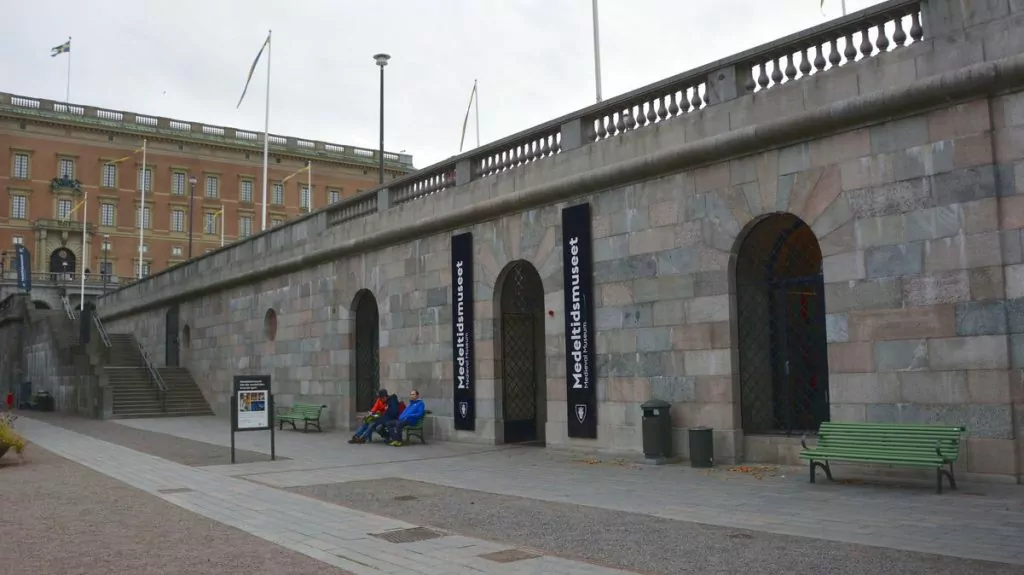
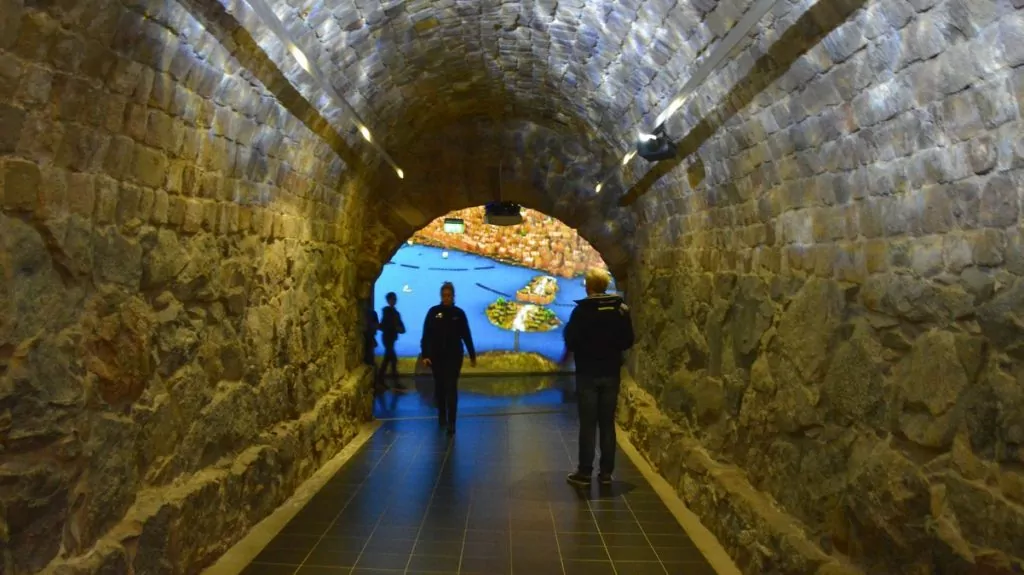
The museum was located under Norrbro, with an entrance from the area next to the Riksdagshuset. When we stepped inside, we were greeted by both real historical remains and built environments that made it easier to imagine life in the old city.
It was above all the combination that we appreciated. We could look at the remains of older Stockholm and then walk further through environments that showed how people lived, worked and socialized.

The Riksgropen – from garage plans to museum
The creation of the Medieval Museum began with plans for a garage. When the Riksdagshuset was to be rebuilt in the late 1970s, there was also a desire to create parking space for the cars of the members of parliament.
Prior to the construction, extensive archaeological investigations were carried out on Helgeandsholmen between 1978 and 1980. The excavation was named "Riksgropen" and attracted great attention.
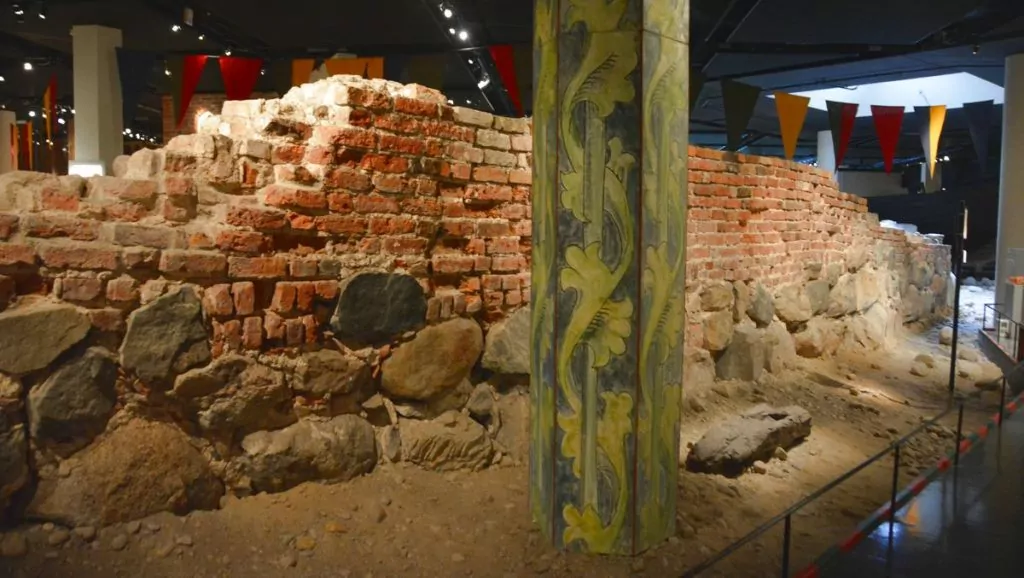
Thousands of objects and remains from different periods of Stockholm's history were found here. Among the finds were eleven boats, parts of Gustav Vasa's city wall from 1530, and the Helgeandshuset cemetery from the 14th century.
The remains were so significant that they had to be preserved in situ. The planned garage was therefore significantly smaller, and instead an underground museum was built around the historical finds. The Medieval Museum was inaugurated on May 22, 1986.
Medieval environments that brought history to life
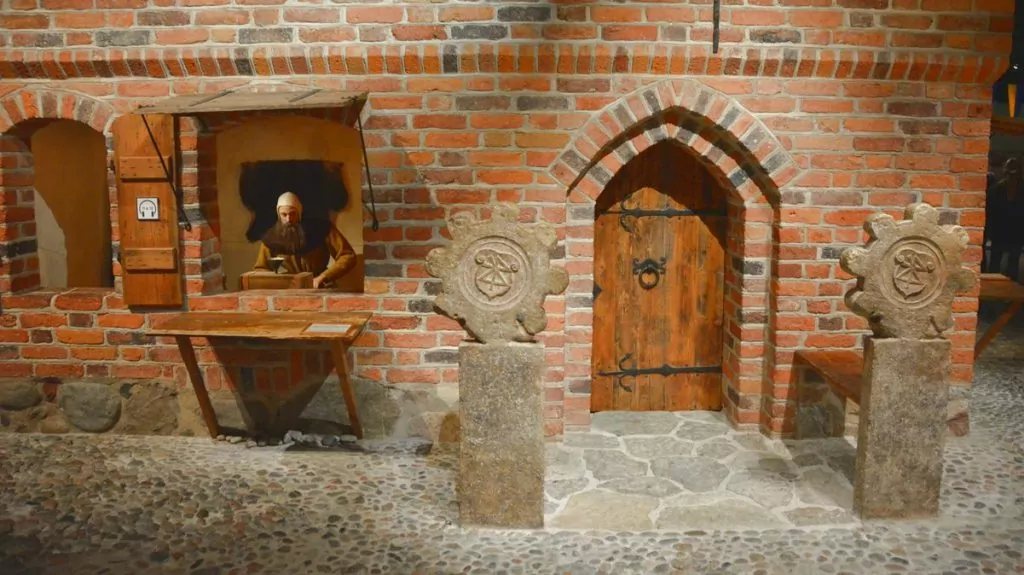
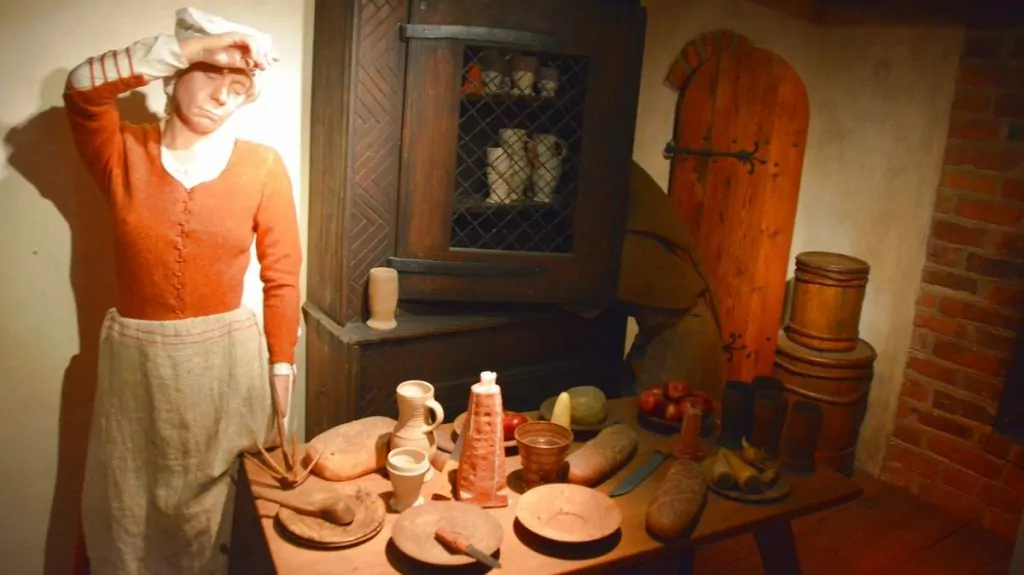
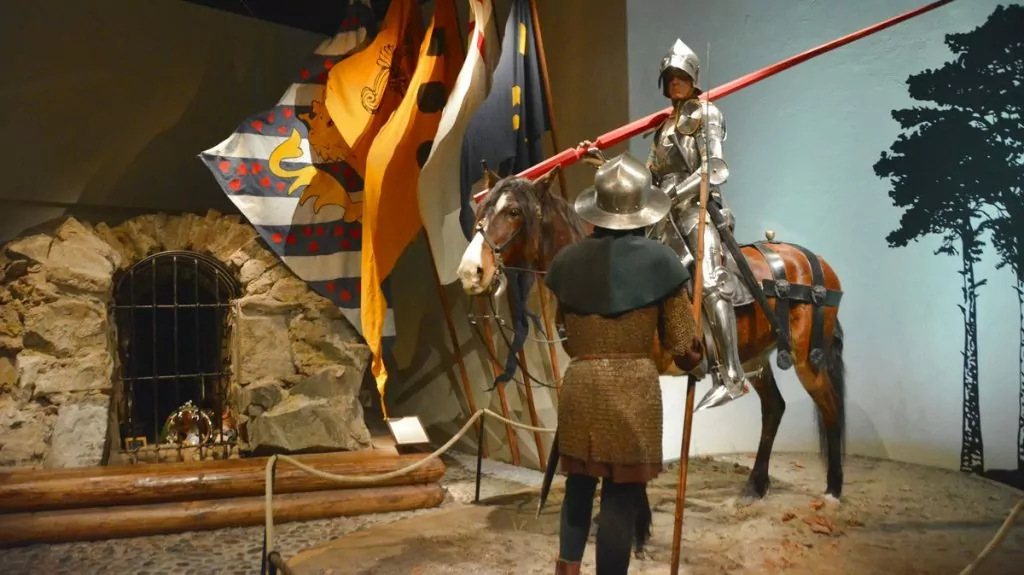
During our visit, we were able to stroll through built environments with streets, crafts, an inn and an herb garden. It was nicely done and gave a sense of what everyday life might have been like.
For us, the story became more concrete when it took the form of rooms and environments. It was easy to start thinking about the people who had lived here: What did they work with? What did they eat? What was a typical day like?
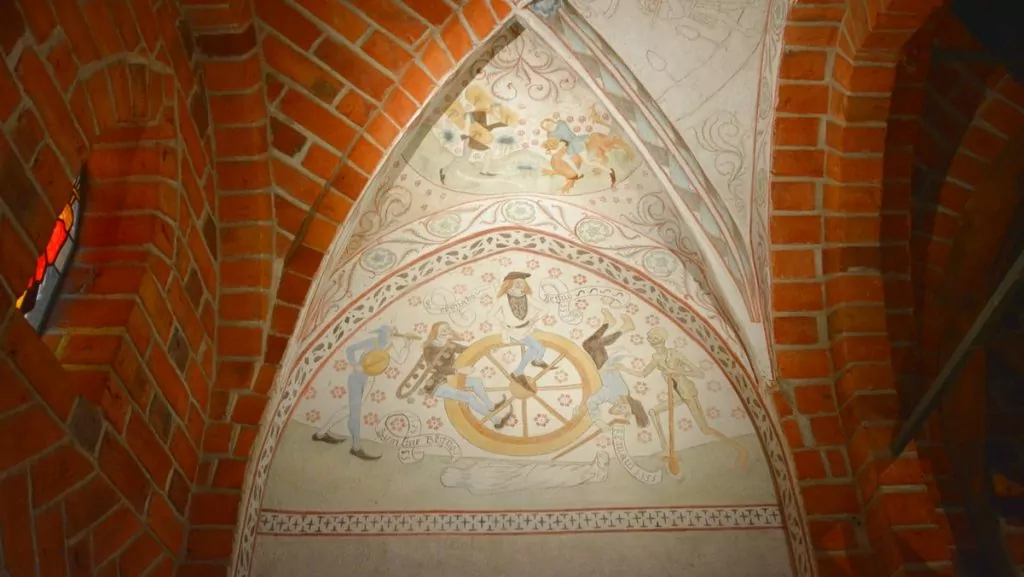
The museum also told us about the darker sides of life, such as crime and punishment. It gave us perspective on how different life could be, even though we were in the middle of the same city we know today.

Inns, beer and partying rules
One of the settings that caught our interest was the medieval inn. Of course, travelers needed somewhere to stay and eat even then, and according to city law, there should be at least two inns, or taverns, in a city.
Beer was an important drink, but there was also wine. In Stockholm, special winemen, appointed by the city council, worked to control the wine.
One detail that stuck out to us was the so-called Spyabalken. It regulated drinking at the guilds' feasts, and the fines could depend on where someone vomited or fell over. So even medieval feasting had its own rules of order!
READ MORE: Liquor museum in Stockholm
What did people eat during the Middle Ages?
Food was also part of the story of medieval everyday life. Salting and drying were important ways of preserving food, and fish was of great importance to Stockholm.
The church's fast days affected what people ate. People abstained from meat but could eat fish, such as herring, salmon, cod, pike and bream.
It's these everyday details that we find particularly interesting in historical museums. Kings and great events have their place, but food, work and people's homes make it easier to imagine life in the past.
What happens to the remains under Norrbro?
The permanent ancient remains will not be moved to the Stock Exchange Building. Gustav Vasa's city wall and the other permanent remains will be preserved on Helgeandsholmen, where the Riksdag Administration is planning a new meeting center.
Among the remains is also a secret passage from the early 18th century, which ran between the Royal Palace and the court stables on Helgeandsholmen. It was therefore younger than the Middle Ages, even though it was part of the former museum. The movable objects from the exhibition are stored in storage in front of the new museum.
More history to discover in Stockholm
We really enjoyed our visit to the former Medieval Museum. The built environments and the real remains made Stockholm's history both interesting and easy to absorb. Now it will be exciting to see how the city's medieval history is gradually presented in Börshuset.
If you want to visit more historical museums in Stockholm, you can also read our reports:
- Army Museum – war, peace and conflict
- Vasa Museum in Stockholm
- The Mediterranean Museum in Stockholm
Have you visited the former Medieval Museum, or followed one of the museum's city walks? Please tell us about your experience!
You might also like:
 Museums in Stockholm - guide to the city's best museums
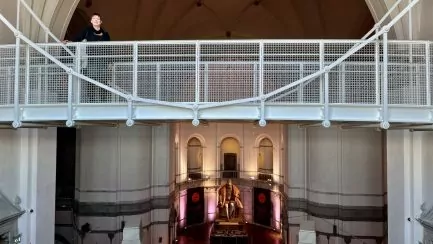 Nordiska museet 150 years - Jubilee bridge and new exhibitions
 Swedish Museum of Natural History - Grandma Anna's secret winter journey
 Grandma Anna and the paradoxes - the secret grandchildren's trip
 Today, Äventyrs opens in Stockholm - a modern adventure museum in the city centre
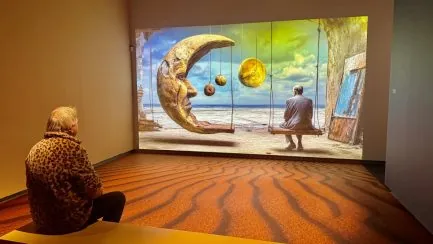 Fotografiska in Stockholm – photographic art that provokes thought


 English (UK)
 Svenska
Lena - gott för själen says:
I have totally missed that. It looks like a really nice and beautiful museum! Must be visited. I like that sort of thing.
Hug Lena
09 October 2018 - 6:11
Helena says:
Nice museum and really nice! Recommended!
09 October 2018 - 10:56
Ruth i Virginia says:
Absolutely fantastic!
09 October 2018 - 7:13
Helena says:
Right? 🙂
09 October 2018 - 10:56
Our Vantastic Travel says:
How wonderful they have preserved our old history. "Authentic" environment probably interests most people, so I hope that the number of visitors is constantly increasing. When we come to Stockholm it will be a visit in any case, love history.
09 October 2018 - 8:33
Helena says:
History is fun, and I like it to be presented in a way that is easy to understand.
09 October 2018 - 11:43
Britt-Marie Lundgren says:
What a lovely museum. Another suggested activity for a "grandchildren's trip", as she likes anything that shows how things used to be.
I also think it's an incredible privilege that most museums are free to visit.
09 October 2018 - 9:40
Helena says:
I think it would be great with grandchildren! Many museums are free, but there are also quite a few private ones that cost money.
09 October 2018 - 11:44
Monet says:
But what an incredibly nice museum! Have completely missed it. Reminds me of the French way of building museum interiors with wax dolls that look completely alive!
09 October 2018 - 9:46
Helena says:
Very nice! Don't know if I've been to any French museums actually ...
09 October 2018 - 11:44
Nils-Åke Hansson says:
I have visited many museums but this one is so new that I have to go there now. Interesting
09 October 2018 - 10:27
Helena says:
It's not new actually, but it's worth a visit! 🙂
09 October 2018 - 11:45
Emma, Sol som sol? says:
I was there when it was fairly new, must have been with the school. It's a long time ago now and it has certainly been remodelled somewhat. I remember that it was interesting. Good that it is still there and seems to be popular.
09 October 2018 - 11:08
Annika says:
Yes, I have been there. But it was a long time ago. Liked it.
AND a girl on instagram that I follow and like works there. Just such a thing, haha!!!
09 October 2018 - 15:15
Ditte says:
How nice that you went there! I've been there a couple of times a year for many years in my school job and it's always nice to visit here.
I can also highly recommend the Mediterranean Museum which is nearby. A different category for sure, but clearly worth visiting as well. Stockholm offers a lot in the way of museums and a varied selection. And much of it is free.
09 October 2018 - 17:31
BP says:
That was a hot tip. Very interesting! I'm not a museum visitor (either), but many years ago I checked out Naturhistoriska, Nordiska and Spritmuseet when it was next door to my workplace in Vasastan. All three can be recommended.
09 October 2018 - 19:24
Ann-Louise says:
I haven't been there either, but I will try to go because it looks very interesting. I think my son has probably been there with the school because they have been to almost every museum in the city, while I have not had time to visit as many.
09 October 2018 - 21:55