

Are you curious about traveling to the Faroe Islands? This exciting island nation in the North Atlantic offers fantastic nature, wild seabirds and interesting Nordic culture. Here are our best tips for your trip to the Faroe Islands.
Travel to the Faroe Islands – guides, reports and tips
The Faroe Islands offer barren and dramatic nature, with high cliffs and steep cliffs facing the roaring and wild sea. There are 18 different islands to discover in this Nordic destinations, where you can go hiking, boating or bird watching, for example. Here you will find reports and inspiration for your trip.
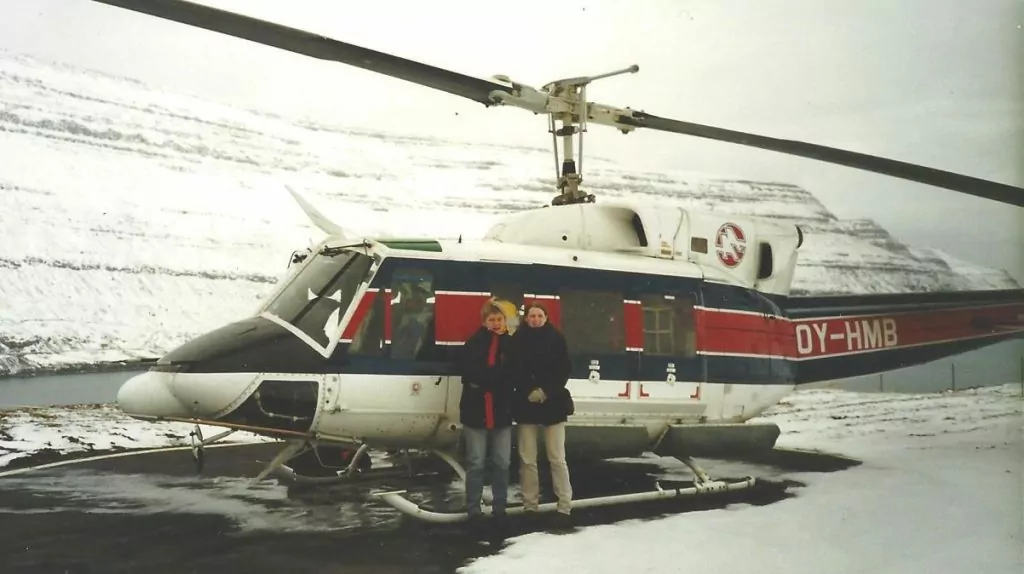
Borðoy and Svinoy
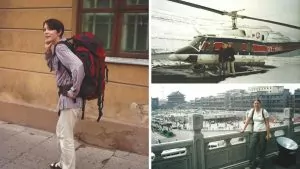
Borðoy and Svinoy are two small islands on the eastern side of the Faroe Islands. You can travel here by regular helicopter, among other things, which will be an adventure during your trip to the Faroe Islands. The photo with the helicopter is from Klaksvik on Borðoy.
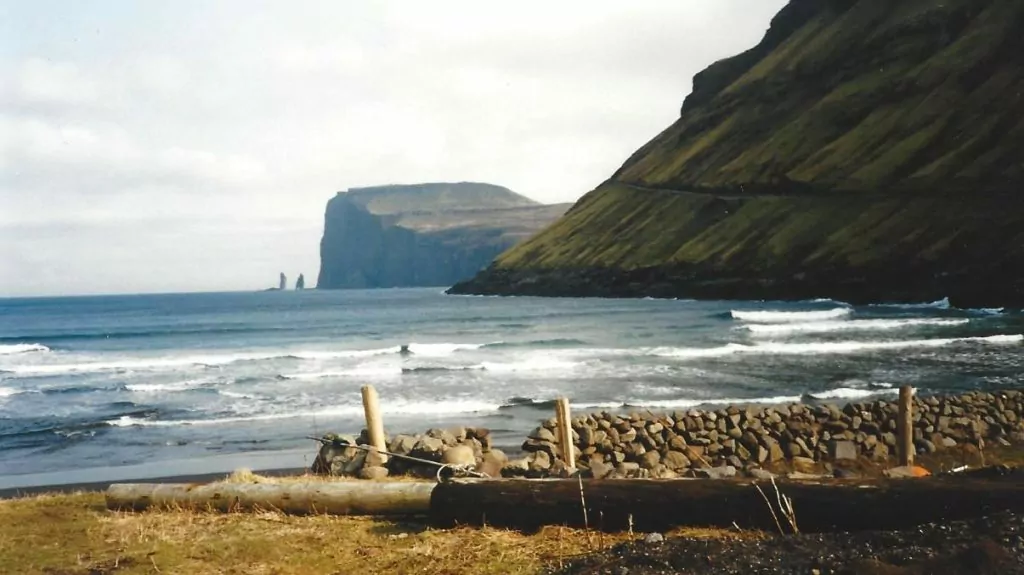
Eysturoy
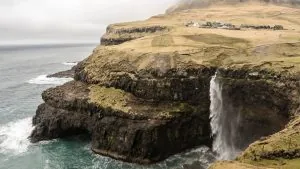
Eysturoy is the second largest island in the Faroe Islands. Here you will find the Eiðiskollur rock, two rock formations rising from the sea called 'Risin and Kellingin' (the giant and the bitch) and a football pitch in a spectacular location. Here you will also find the natural harbour of Gjógv.
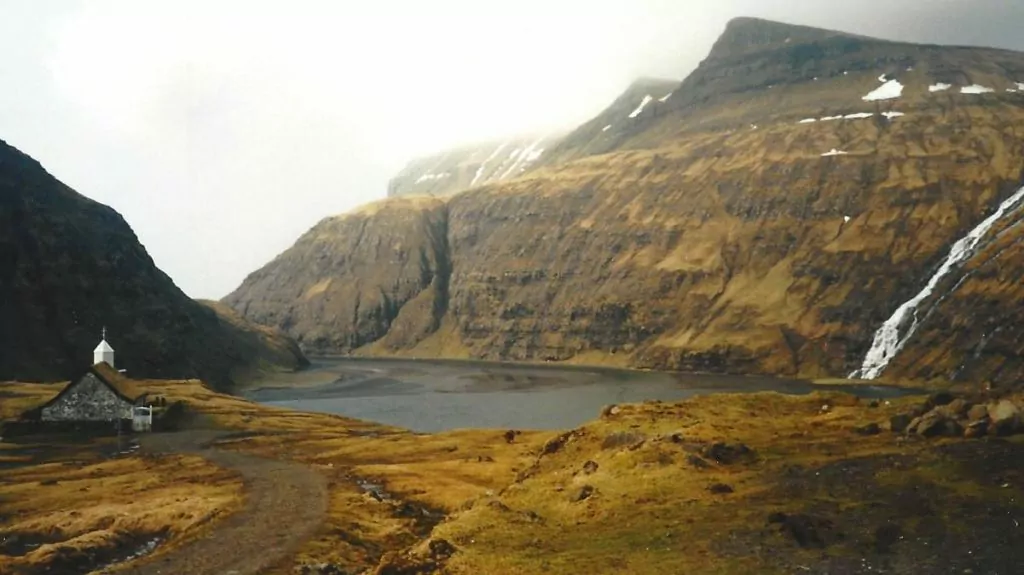
Streymoy
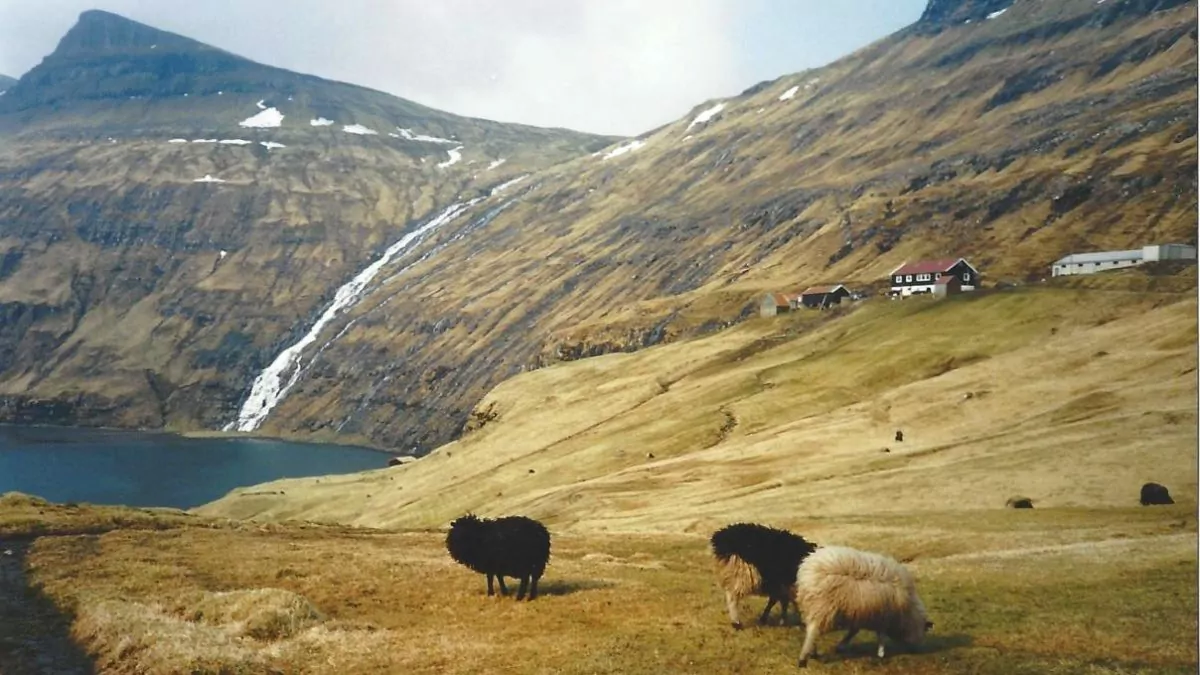
Streymoy is the most populated island in the Faroe Islands, and the island where the capital Torshavn is located. So it's only natural that you end up here during your trip to the Faroe Islands! The island is mountainous and there are some streams, lakes and plenty of sheep. Rent a car and drive around to experience the barren but beautiful nature. For example, visit beautiful Saksun in the north-west.
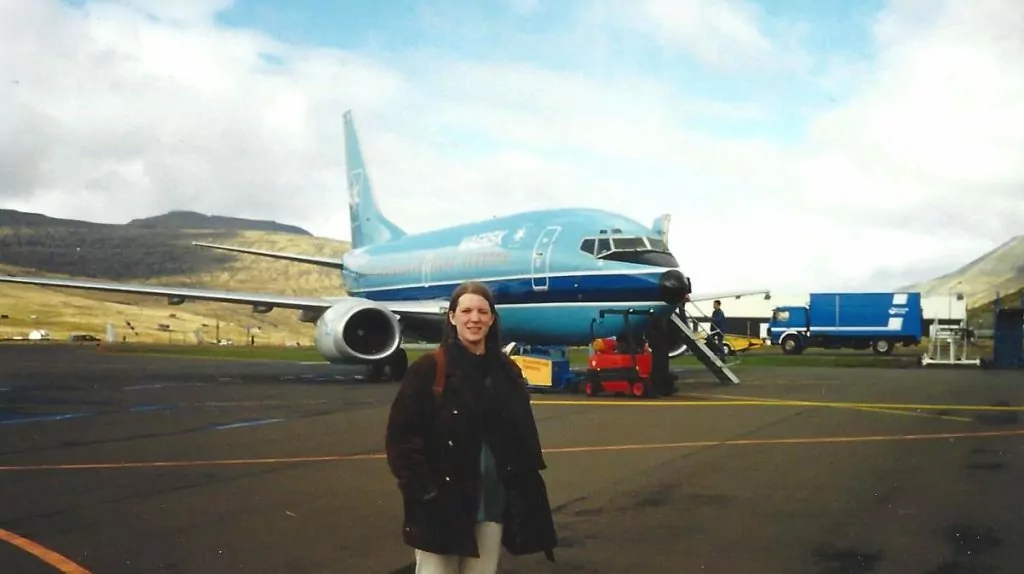
Vágar
Vágar is located to the west of the main island of Streymoy and this is where you end up if you fly to the Faroe Islands. If you arrive by air, you can continue to Torshavn by bus.
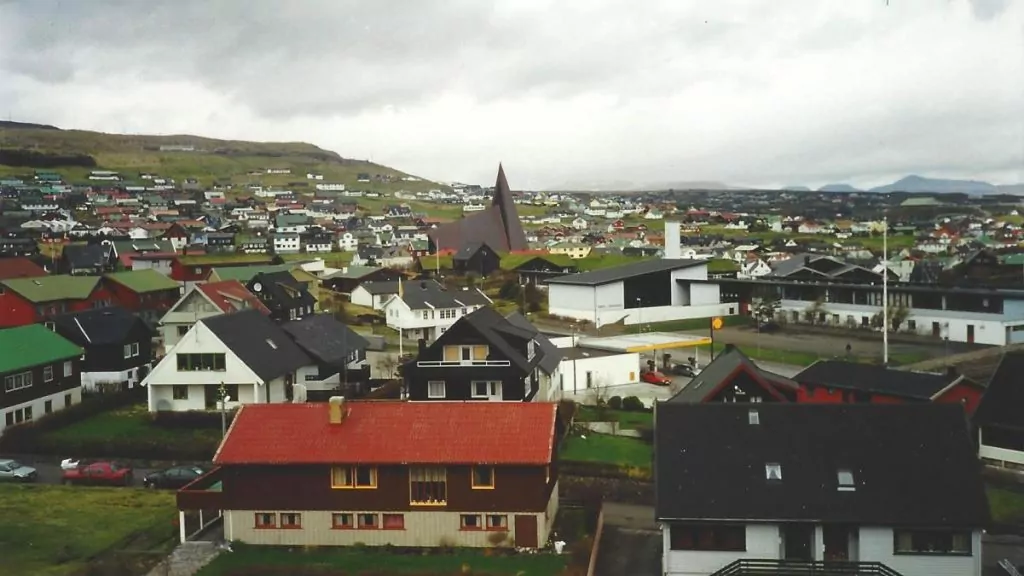
Torshavn
During your trip to the Faroe Islands, you won't want to miss the charming little capital. Here you'll find small residential buildings, a harbour and a small town centre. Visit Café Natúr and take boat trips to other islands, or perhaps a regular helicopter ride. You can travel here by plane and bus or by the Smyril Line ferry from Bergen in Norway.
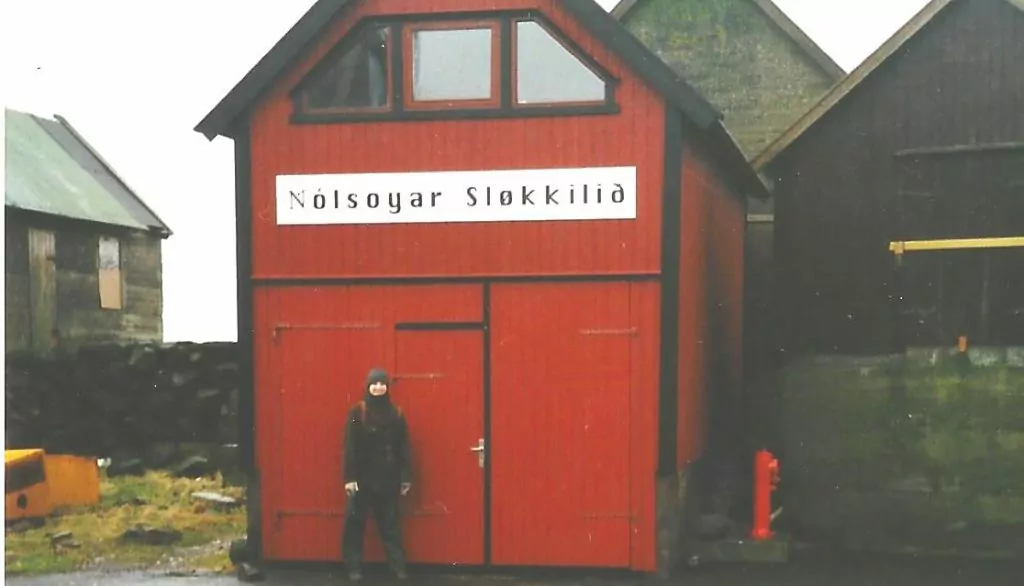
Nólsoy
Nólsoy is a small island on the south-eastern side of the main island of Streymoy. Although the island is so small, there was (at least when we were there) a small fire station, as seen in the picture.
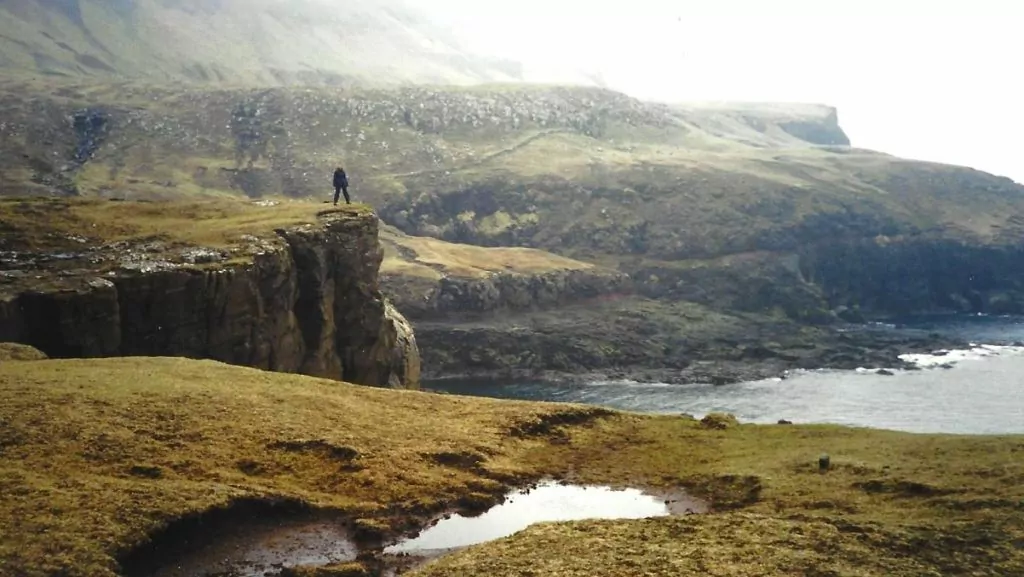
Suðuroy
Actually, you could recommend any of the 18 islands of the Faroe Islands, all of which have beautiful scenery. Suðuroy is the southernmost island and is quite large. We hitchhiked around, which was an experience. The picture is from beautiful Hvalba on the north side.
Good to know before your trip to the Faroe Islands
Quick facts about the Faroe Islands
- Capital city: Torshavn
- Currency: Danish krone (DKK)
- Language: Faroese and Danish
- Time zone: GMT+0
- Population: about 55,000
- Electricity: 230V (European plugs work)
- Go ahead: right side
Frequently asked questions about the Faroe Islands
When is the best time to travel to the Faroe Islands?
Summer (June–August) is the best time for milder weather, longer days, and better conditions for hiking and nature experiences. Spring and early autumn can also be nice, but the weather is often more unpredictable.
Do you need a visa to the Faroe Islands?
No, as a Swedish citizen you do not need a visa to travel to the Faroe Islands.
How long should you stay in the Faroe Islands?
4–7 days is enough to experience the largest islands, nature and villages at a leisurely pace. For those who want to hike a lot or explore more remote places, a longer trip may be worth considering.
Are the Faroe Islands an expensive destination?
Yes, the Faroe Islands are generally an expensive destination, especially when it comes to accommodation, restaurants and car rental. At the same time, the nature experiences are often free and make up much of the value of the trip.
How do you get around the Faroe Islands?
Rental cars are the most flexible way to travel between the islands, but buses and ferries are also available. The road network is well developed with several tunnels connecting the islands.
Is the Faroe Islands safe to travel to?
Yes, the Faroe Islands are a very safe destination with low crime and friendly locals. However, the nature can be demanding, so it is important to be prepared when hiking.
What are the best destinations in the Faroe Islands?
Tórshavn offers charming alleys and culture, while Saksun and Gjógv are known for dramatic landscapes. Kalsoy attracts with spectacular hikes and iconic views.
Do you need vaccines before traveling to the Faroe Islands?
No, no specific vaccinations are required beyond basic protection.
What should you consider culturally in the Faroe Islands?
Life in the Faroe Islands is peaceful and closely connected to nature and the sea. The locals value respect for nature, community and a leisurely pace. The weather has a big impact on everyday life, so flexibility is important.
What is the food like in the Faroe Islands?
Faroese cuisine is based heavily on fish, lamb and local produce. Traditional dishes are often simple and rustic, but in recent years the islands have also become known for modern Nordic and Faroese gastronomy with a focus on sustainability and local flavors.

 English (UK)
  Svenska
Hantverk says:
This really seems like an exciting destination! *Looking up tickets right away*
02 December 2019 - 10:18