
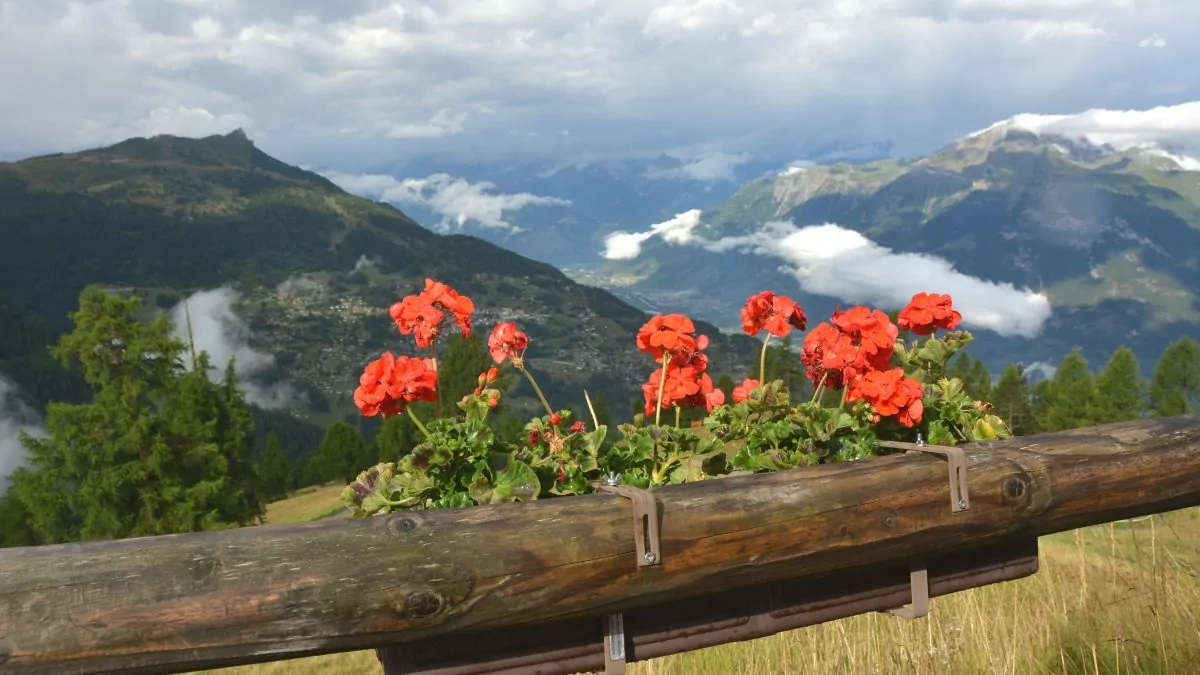

Are you planning to travel to Switzerland? Here, dramatically beautiful nature meets delicious cheeses and delicious chocolate. On this page you will find reports and tips for your trip to Switzerland.
Table of contents
Travelling to Switzerland - guides, reports and tips
Switzerland is a magically beautiful country in Central Europe with high Alps and beautiful waterfalls. Perfect for those who want to hike, cycle or ski. During your trip, you can also enjoy cheese fondue and various delicacies. Here you will find reports and tips for your trip to Switzerland.

What to eat in Switzerland? - 15 classic dishes you must try
Things to do in Switzerland - 25 sights and experiences
Facts about Switzerland - 30 things you (might) not have known
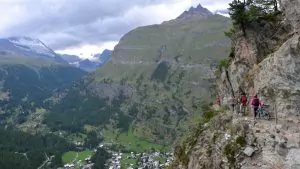
12 nature experiences in Switzerland - from tranquillity to adventure
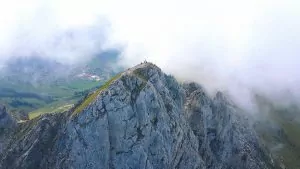
Verbier in summer – 12 things to see and do
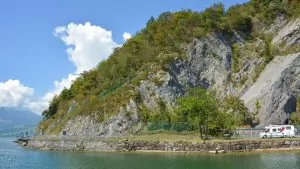
Travelling by motorhome in Switzerland - Grand Tour of Switzerland
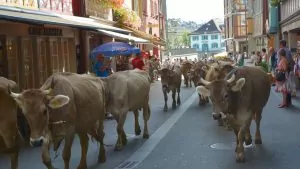
Appenzell in Switzerland - delicacies and direct democracy
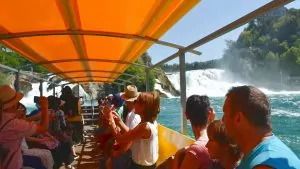
The Rhine case in Switzerland - and a journey along the Grand Tour
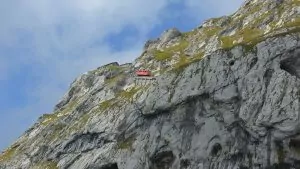
Lucerne, Switzerland - train to the top of Mount Pilatus
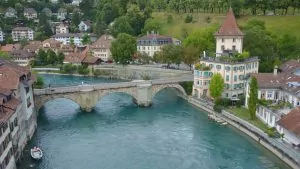
Bern, Switzerland - 7 things to see and do
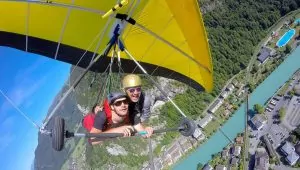
Hang gliding in Interlaken, Switzerland
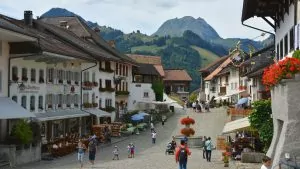
Gruyère in Switzerland - chocolate and Swiss cheese
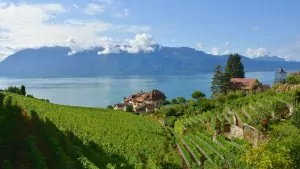
The Lavaux wine region in Switzerland - and a visit to Chaplin's World
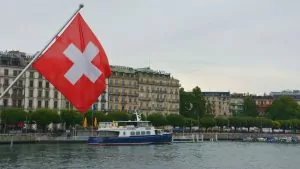
Geneva, Switzerland - City of Peace and Freedom
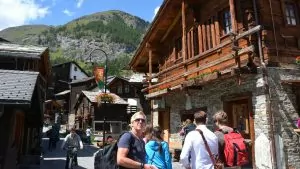
Summer in Zermatt, Switzerland - 8 things to do

Raclette in Switzerland - eating cheese for dinner?
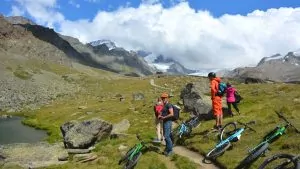
Mountain biking in Zermatt – an adventure in Switzerland
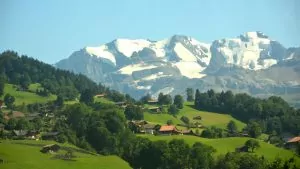
By train through Switzerland – to beautiful Nendaz
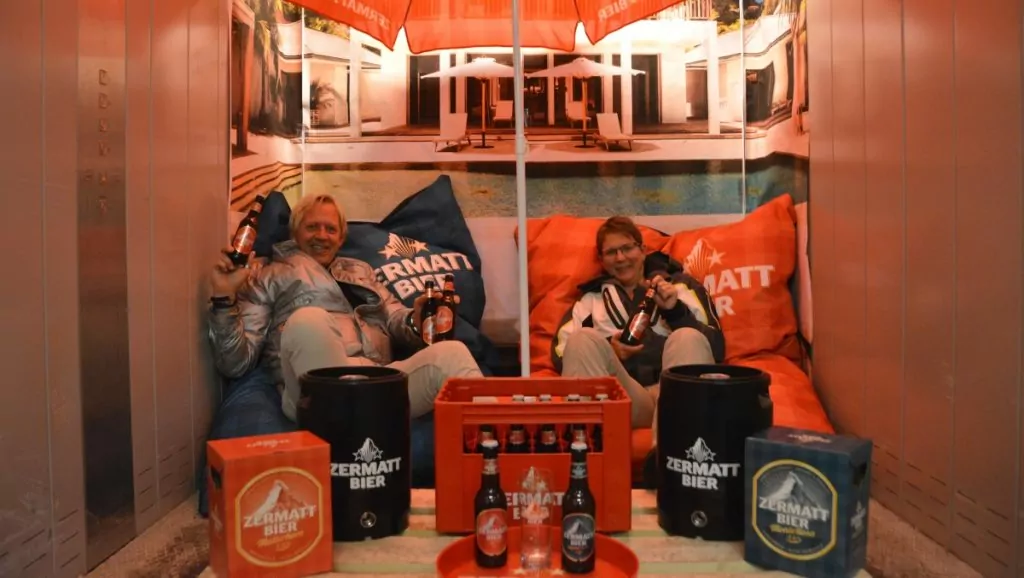
Films from Switzerland
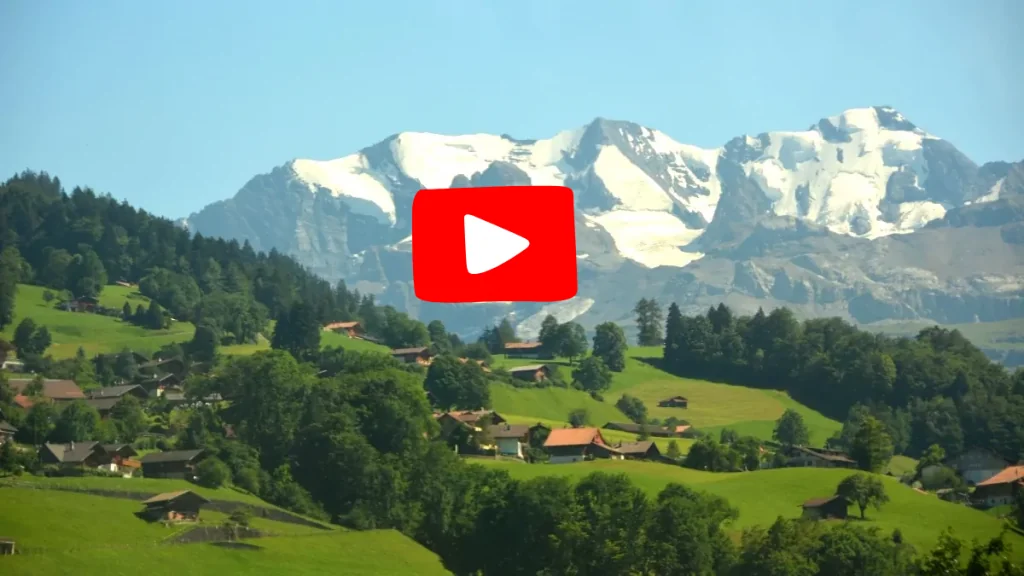
Here you can find films from our trips around Switzerland.
Good to know before travelling to Switzerland
Fast facts about Switzerland
- Capital city: Bern
- Currency: Swiss franc (CHF)
- Language: German, French, Italian and Rhaeto-Romanic.
- Time zone: GMT+1
- Population: about 9 million
- Electricity: 230V (European plugs often work)
- Go ahead: right side
Frequently asked questions about Switzerland
When is the best time to travel to Switzerland?
Summer (June-September) is perfect for hiking and enjoying nature in the Alps. Winter offers skiing and snow-sure Alpine villages. Spring and autumn are quieter periods with beautiful landscapes.
Do you need a visa for Switzerland?
No, as a Swedish citizen you do not need a visa to travel to Switzerland.
How long should you stay in Switzerland?
4-7 days are enough to experience one region, while 7-10 days offer the opportunity to combine several areas and travel at a slower pace.
Is Switzerland an expensive destination?
Switzerland is one of the more expensive destinations in Europe, especially in terms of accommodation, food and transport. At the same time, the standards are very high and the nature experiences are often world-class.
How to get around Switzerland?
The train network is very well developed and one of the best ways to travel between cities and Alpine areas. Travelling by car or motorhome offers more flexibility, especially if you want to explore smaller villages and mountain areas.
Is Switzerland safe to travel to?
Switzerland is a very safe destination with low crime rates and well-functioning public services.
What are the top travel destinations in Switzerland?
Zermatt and the Matterhorn are iconic Alpine areas, Interlaken is a base for adventure and nature, and Lucerne combines city and beautiful surroundings. Even smaller Alpine villages offer spectacular views.
Do you need a vaccine before travelling to Switzerland?
No, no specific vaccinations are required beyond basic protection.
What to consider culturally in Switzerland?
Switzerland is characterised by order, punctuality and respect for rules. Nature is highly valued, and it is important to show consideration in both cities and Alpine areas.
What is the food like in Switzerland?
Swiss cuisine is known for dishes such as fondue and raclette, often based on local ingredients. In larger cities, there is also a wide international range.
Similar destinations in Europe
If you like Switzerland, there are several destinations in Europe that offer alpine landscapes, active experiences and magnificent scenery - often with the opportunity to travel at your own pace between different regions.
- Austria - Alpine villages, hiking and classic mountain landscapes
- Norway - dramatic fjords and nature experiences on a grand scale
- Slovenia - compact destination with mountains, lakes and varied nature
- Italy - The Dolomites combine nature with food and culture
- France - Alps, hiking and both summer and winter activities
 English (UK)
  Svenska