

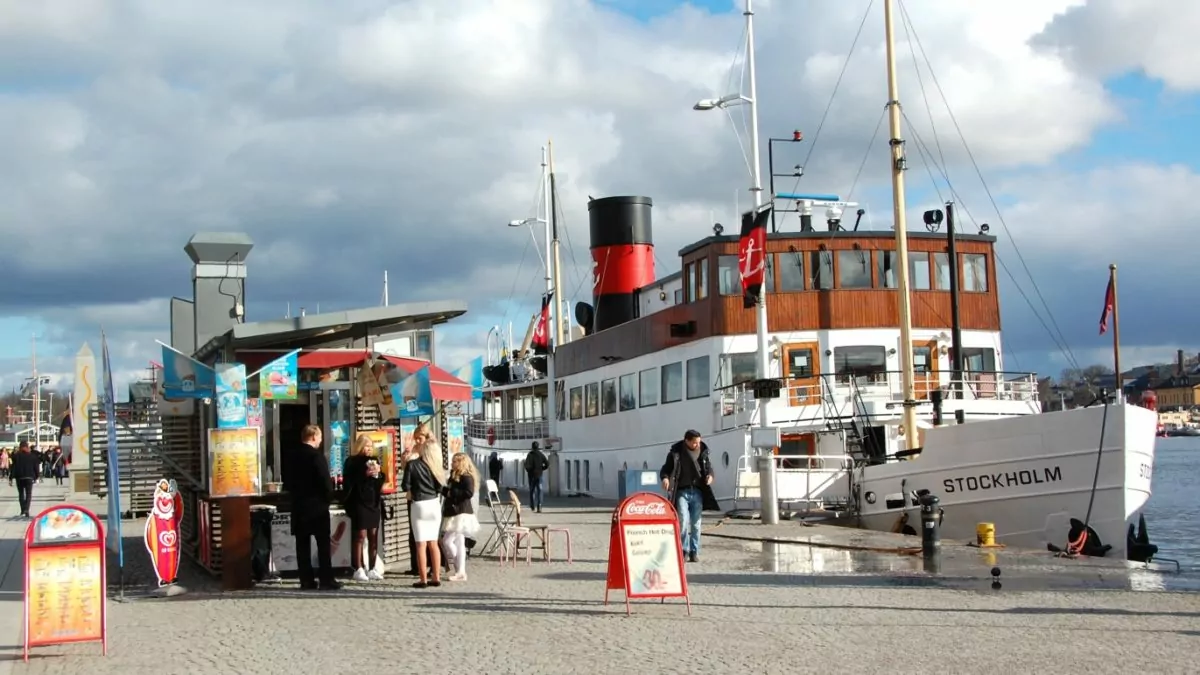

Writer: Helena Bergström
Updated: September 2026 | Stockholm is the city where Peter was born, where Helena came as an eleven-year-old – and where we live on a houseboat today. Yet our own hometown still manages to surprise us. Here we collect the places, stories and experiences that make us continue to discover Stockholm.
 Tweet
Tweet Share
Share Share
Share Pin
Pin Share
Share Share
ShareTable of contents
Stockholm – our hometown from two completely different sides
Stockholm is not just a city we have visited and written about – it is our hometown and a part of our lives. Peter was born in the middle of Stockholm 66 years ago and grew up in Karlberg. As a teenager he hung out on Gamla Brogatan, bought the coolest clothes he could find and went to discos when disco was still something new in Stockholm. The city has changed many times since then, but his love for Stockholm has remained.

Helena came to Stockholm from a completely different perspective. The first time she visited the city, she was about eleven years old, on a tourist trip with her parents. They took her to places like Skansen and the Toy Museum – but when they asked her what was best about the subway, she replied in broad Scanian: ”The subway!” The whole train laughed. A few years later, she moved to Stockholm and eventually the city became her home.

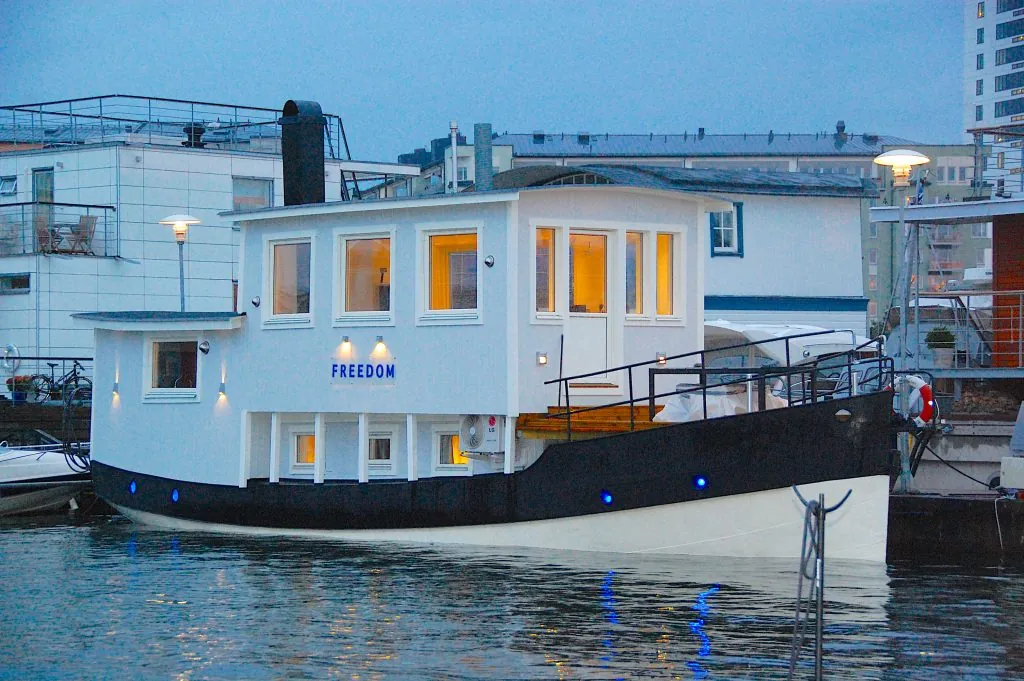
Today we live on our houseboat Freedom and have Stockholm as both our living room and our workplace. We have seen the city as children, teenagers, parents, Stockholmers and tourists in our own city. That’s why the 22 places in this guide are not just things we’ve read about. We’ve been to them, photographed them, written about them and in many cases returned again and again. This is our Stockholm – and the places we’d love to show you.
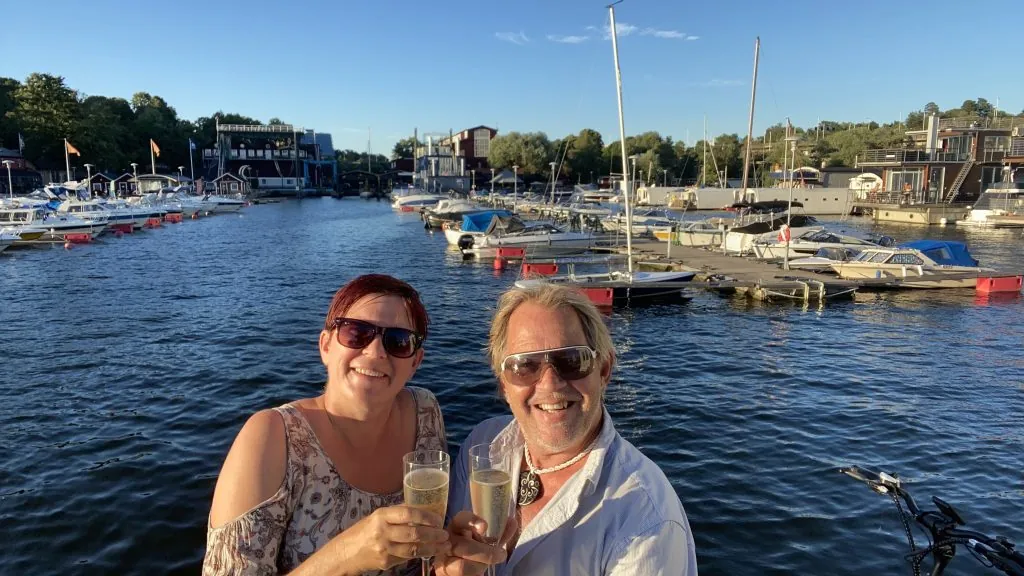
Quick guide: Stockholm
Top 5 sights in Stockholm - our top tips
Here are the top sights in Stockholm - perfect for those who want to make the most of a visit in a short time.
- Old Town - The historic heart of the city with cobbled streets, colourful houses and proximity to Stockholm Castle.
- Vasa Museum – One of Scandinavia's most visited museums with the well-preserved 17th-century ship Vasa.
- Skansen - The world's oldest open-air museum with a zoo and Swedish traditions.
- ABBA The Museum - An interactive experience for fans of ABBA.
- Stockholm archipelago - Thousands of islands with nature, swimming and boating - perfect for a day trip.
1. Stroll through the Old Town – Stockholm's historic heart
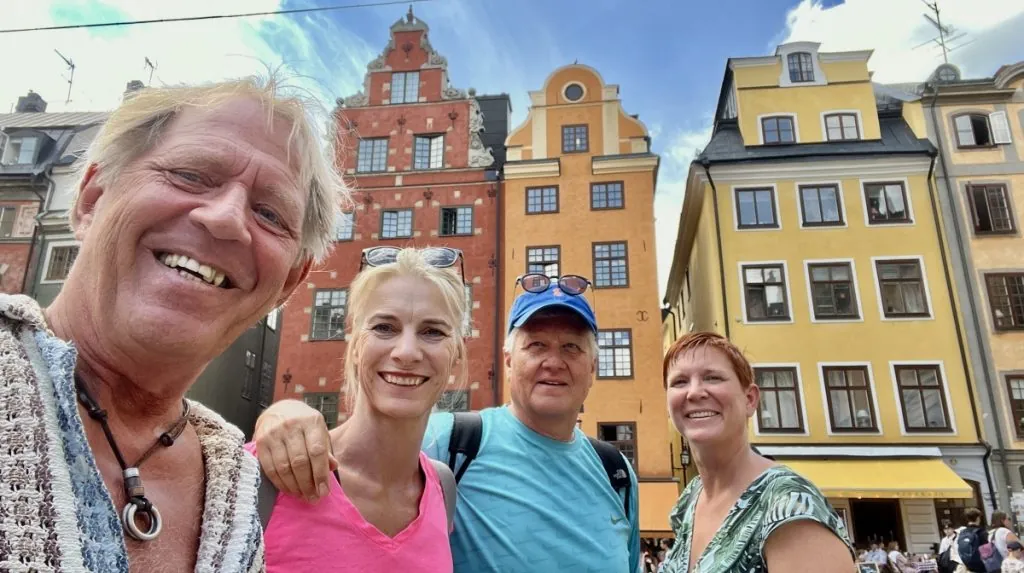
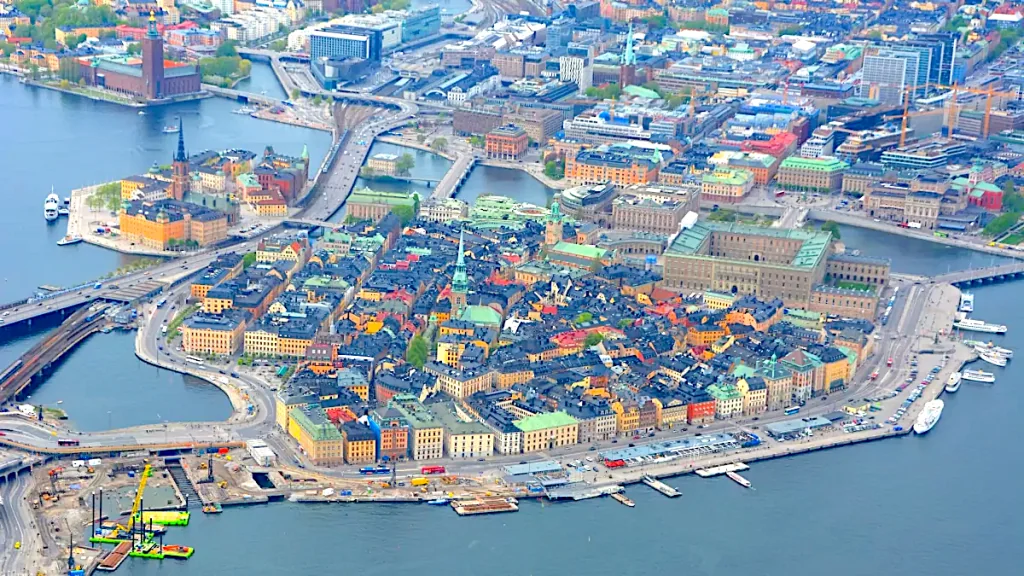
Gamla stan is one of those places in Stockholm that we never really get tired of. We've walked through the alleys more times than we can count, but it's often enough to leave Västerlånggatan and turn onto a smaller street to discover a detail we've previously missed.
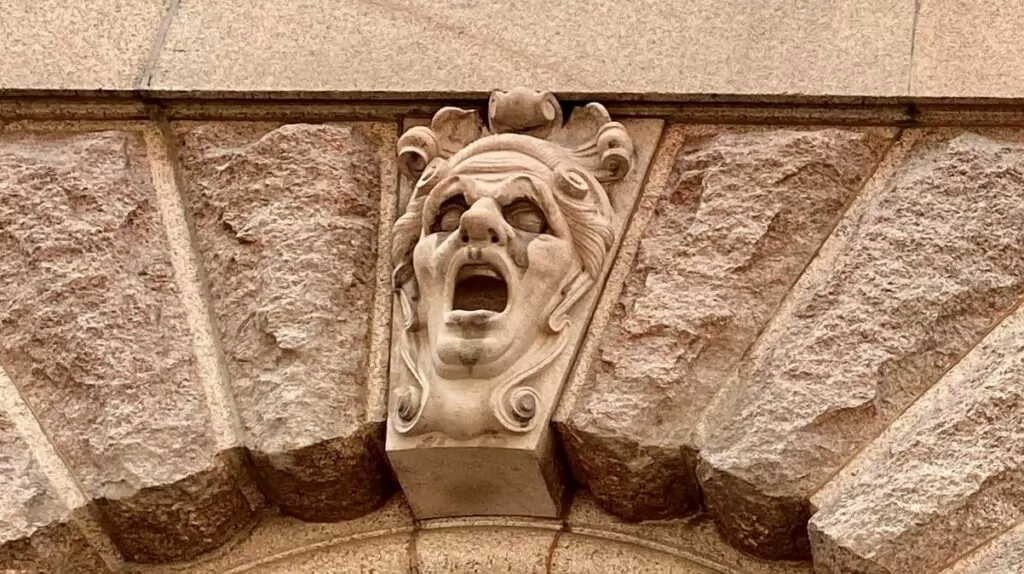
Please start at The main square with the colorful houses and then continue without any major plan through the cobblestone alleys. Look for Mårten Trotzig's alley, which is only 90 centimeters wide at its narrowest point, greet the little one The Iron Boyand look for the 11th-century runestone that is walled in to a house on Prästgatan. It is often the small details between the big sights that make Gamla stan so special.
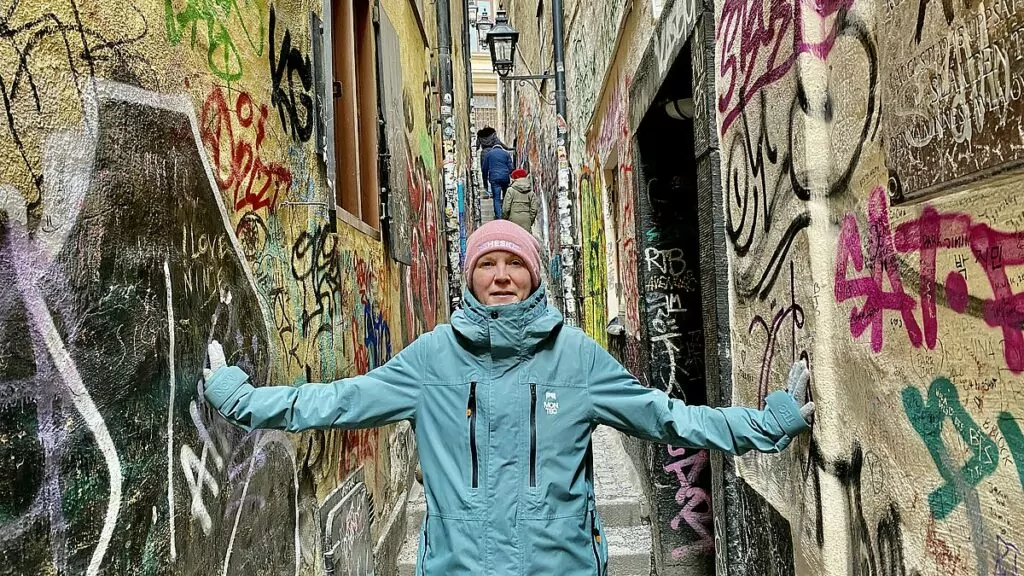
Feel free to come here early in the morning when the alleys are still quiet and let the area take its time. The Old Town deserves much more than a few entries in this Stockholm guide., and that's why we've collected all our favorites, stories and little discoveries in our own guide.

READ MORE: Sights in the Old Town - 30 places + guide
2. See the mighty Vasa ship at the Vasa Museum
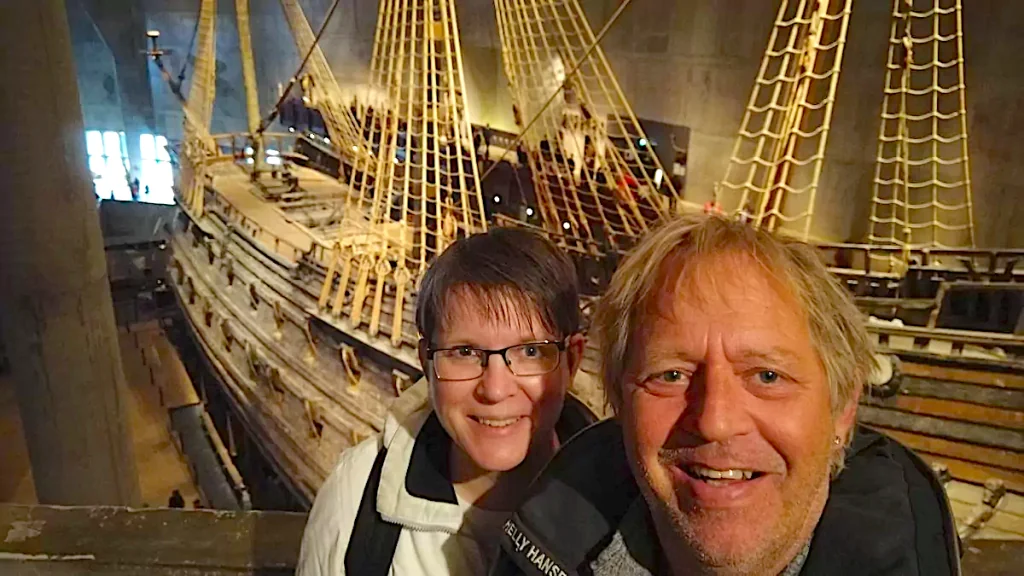
It's hard not to be impressed when you first stand in front of the Vasa ship. The 69-meter-long warship set out on its maiden voyage in 1628, but only made it about 1,300 meters before it capsized and sank in front of thousands of spectators in Stockholm. More than 300 years later, the Vasa was salvaged, and today we can stand almost face to face with a real ship from the 17th century.


For Helena, the fascination began much earlier. As a child, she had a book about the Vasa ship that she read over and over again, and when we visited the museum together many years later, her interest was rekindled. Perhaps it is precisely the story that makes the Vasa so fascinating – one of Sweden's most expensive warships became famous for one of history's most unsuccessful maiden voyages.
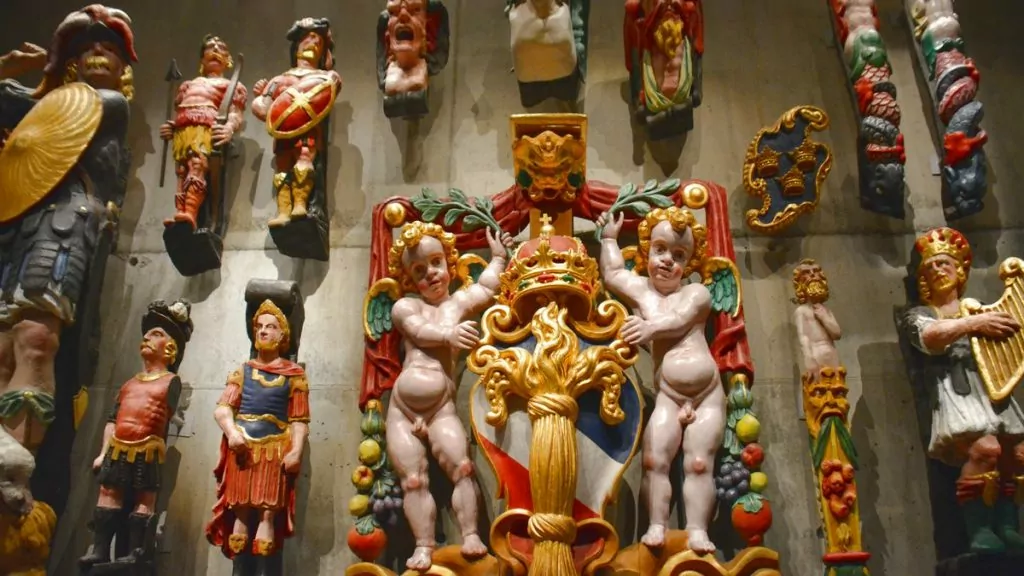
Don't just look at the ship itself. All around are exhibitions about the people on board, life in the 17th century, the salvage and the enormous work that is still going on to preserve Vasa. We also like that the museum tells the story of the people behind the story and not just about kings, cannons and a sunken ship.

The Vasa Museum is popular, so come early in the day. If you have time afterwards, it's perfect to continue the walk out onto Djurgården - several of Stockholm's best museums and experiences are right nearby.
READ MORE: Visiting the Vasa Museum in Stockholm - info and tips
3. Visit Stockholm City Hall – home of the Nobel Party
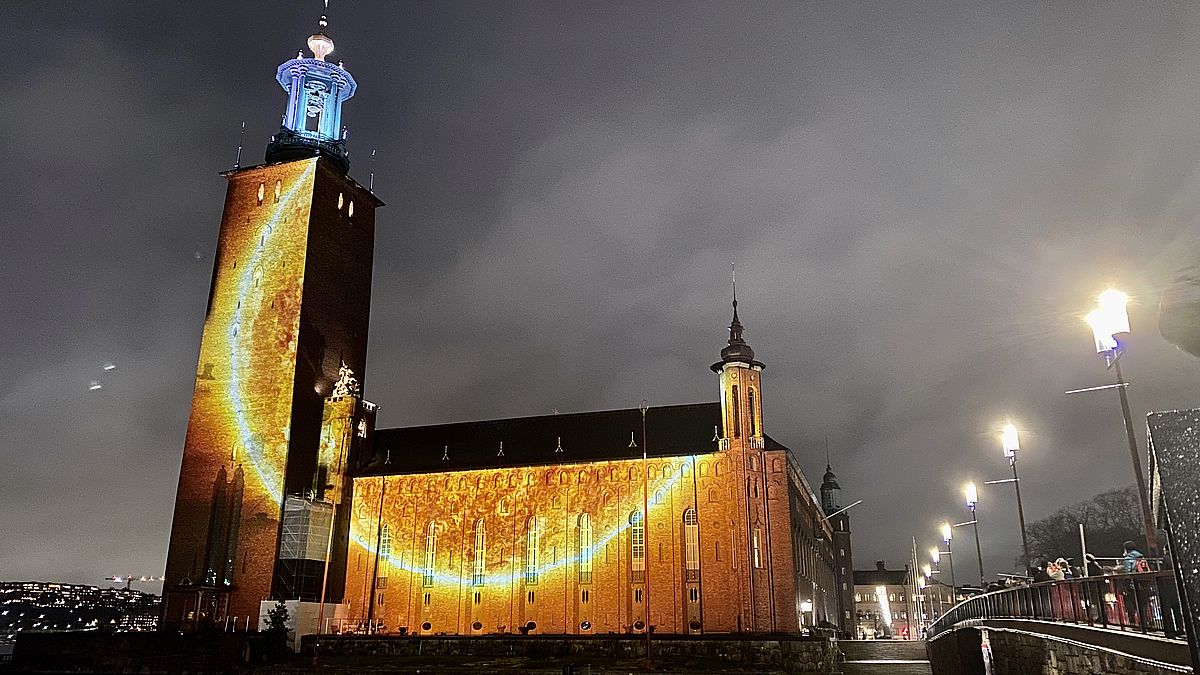
Stockholm City Hall, with its tall tower and three golden crowns, is one of the city's most famous landmarks. The Nobel Banquet is held here every year in the Blue Hall, before the party continues in the magnificent Golden Hall. The City Hall is also beautifully situated on the banks of Lake Mälaren on Kungsholmen.
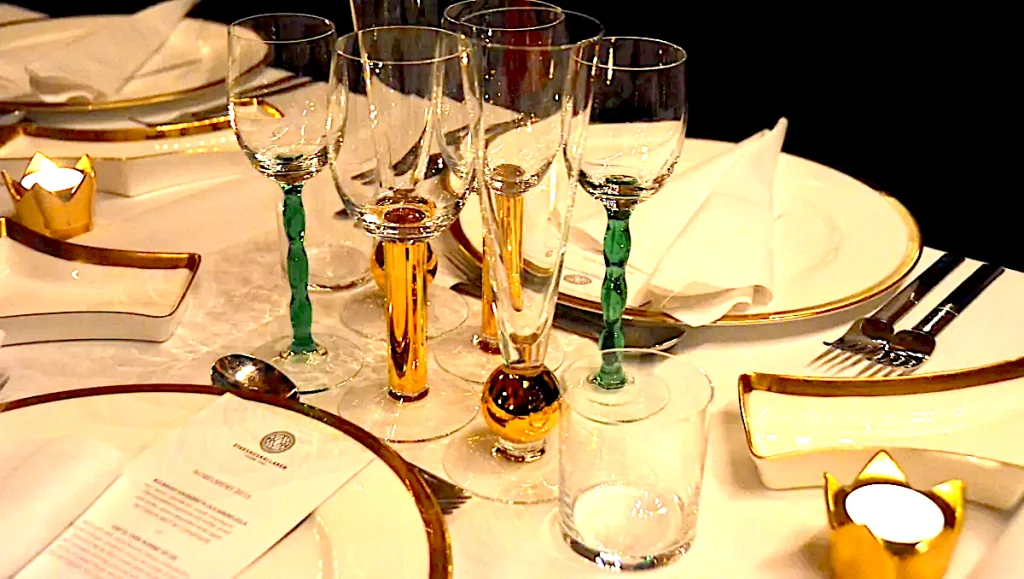
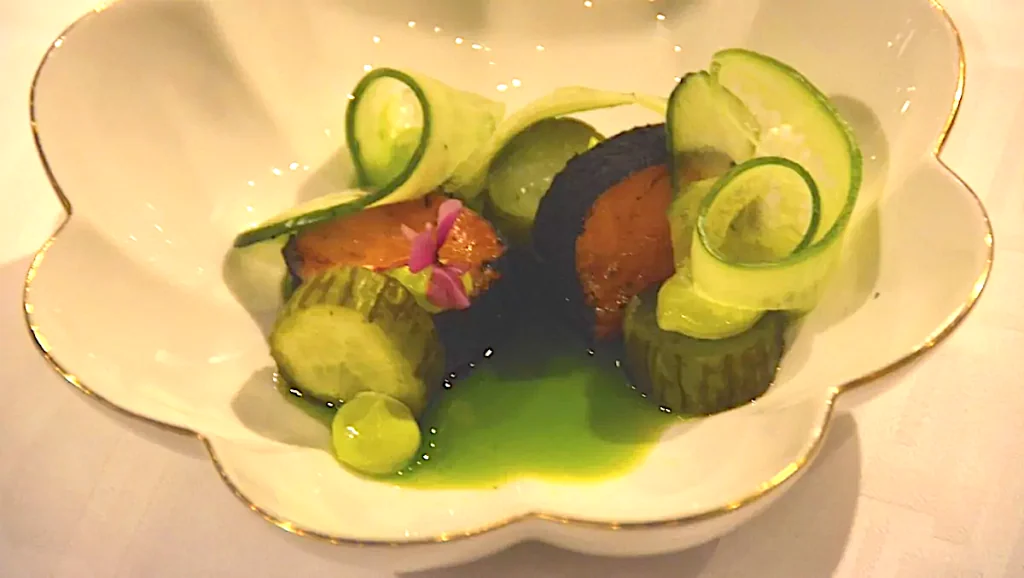
We have experienced the City Hall from a slightly different perspective. At an event we had a fantastic tasting menu at Town hall cellar, down in the City Hall itself. There we also learned something that we still think is pretty cool: you can order a Nobel menu and eat it at Nobelservice. So if you want to feel like a Nobel laureate for an evening, it is actually possible.
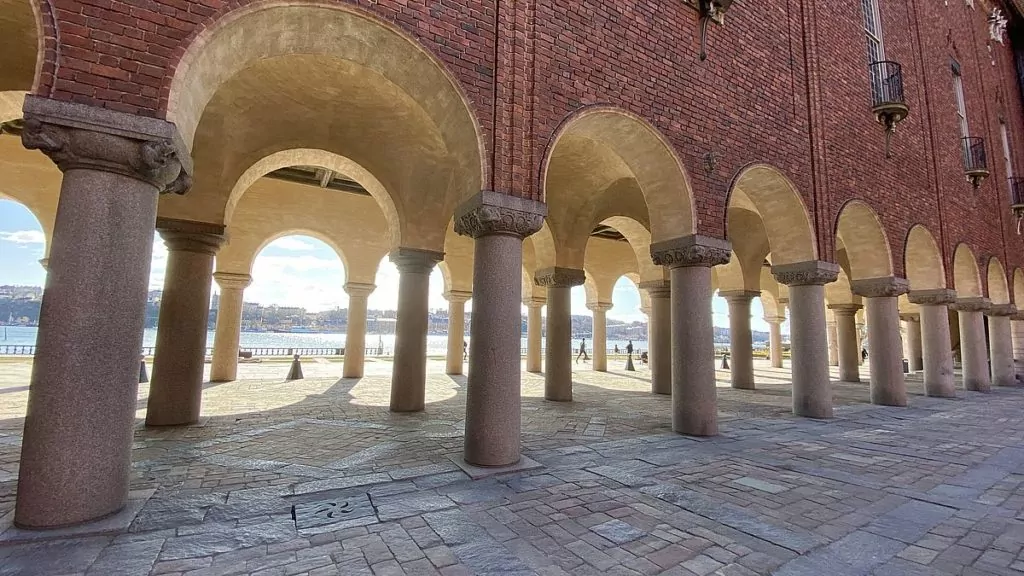
If you want to see more of the City Hall itself, you can take a guided tour, and during parts of the year you can also go up the City Hall Tower. But don't miss the area outside either. Stroll through the City Hall Park and walk down to the water - from here you have one of our favorite views of Riddarfjärden and Södermalm.
Our tip: Combine the City Hall with a walk along Norr Mälarstrand. And if you want to make the visit extra special, you can explore the possibility of eating at the City Hall Cellar.
READ MORE: Tasting menu at the Stadshuskällaren restaurant
4. Discover the Royal Palace in the Old Town
The Royal Palace is hard to miss when strolling through the Old Town. Just walking across the courtyard, seeing the mighty building and watching the changing of the guard is an experience, but if you have time, it is also worth going inside and discovering some of the environments behind the facade.
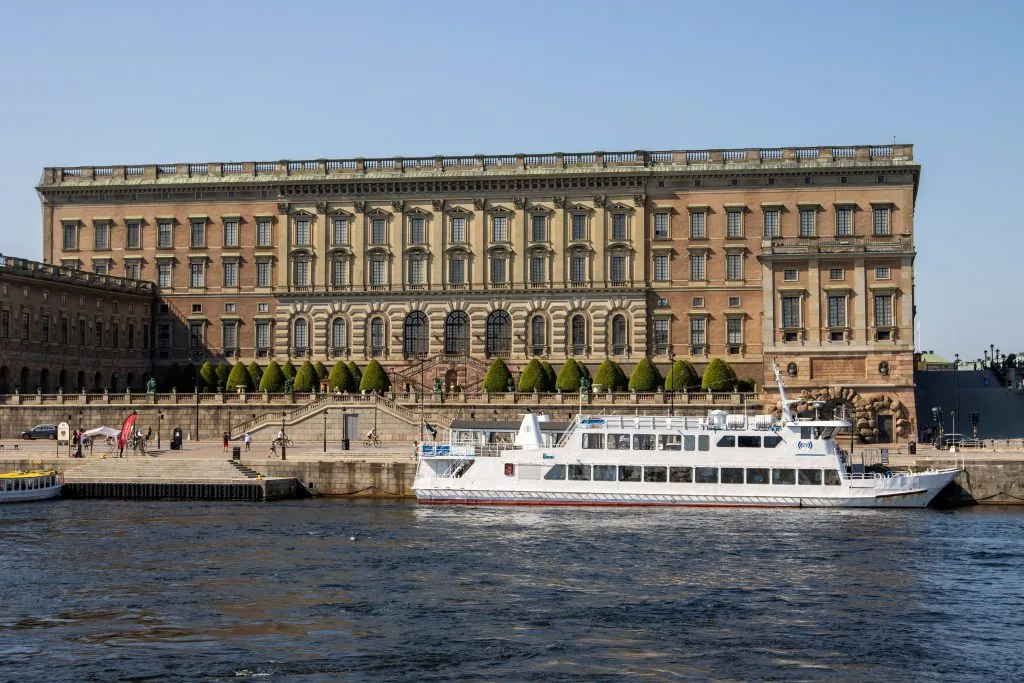
For Peter, the place is also a bit special. When he made the rag, he went himself the guard at the Royal Palace and stood in the same courtyard where we stand together today, watching the ceremony. It's been many years, but every time we come here, the memories come back to life – even though Peter is now on the much more comfortable side of the gun.
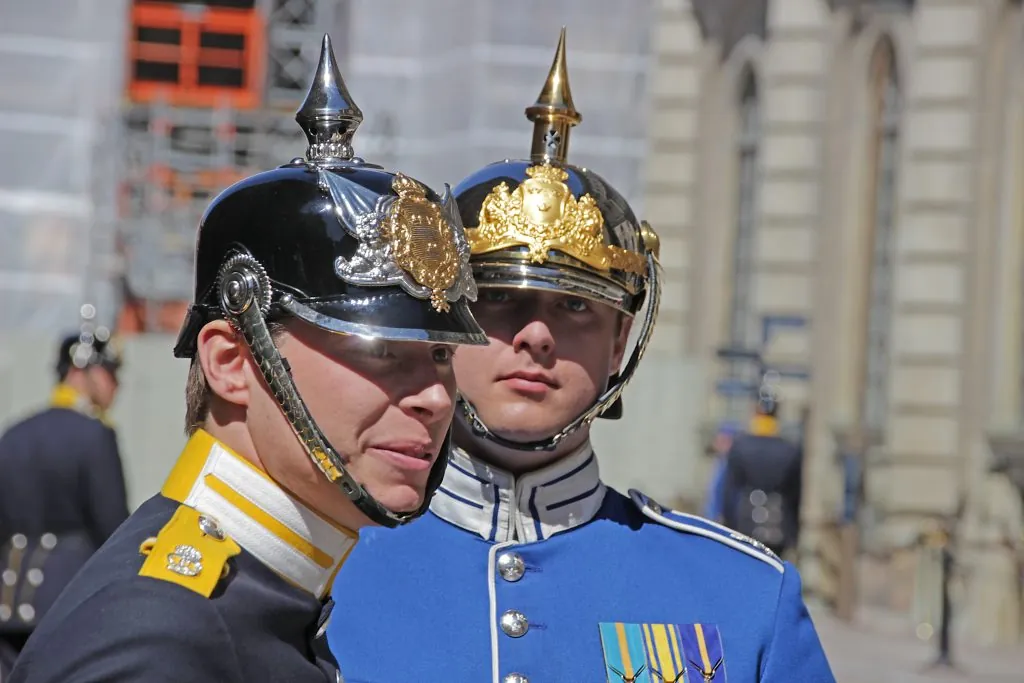
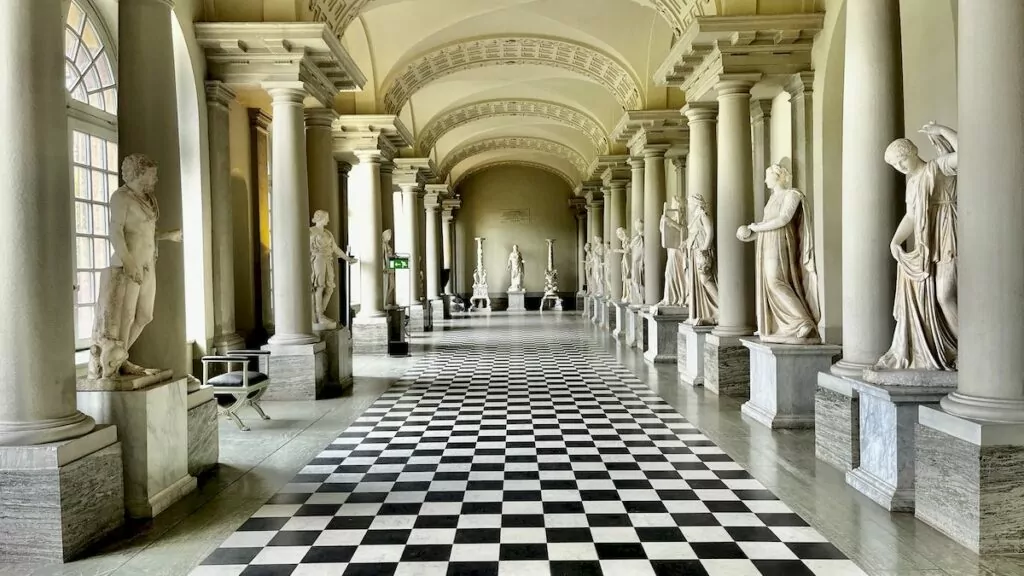
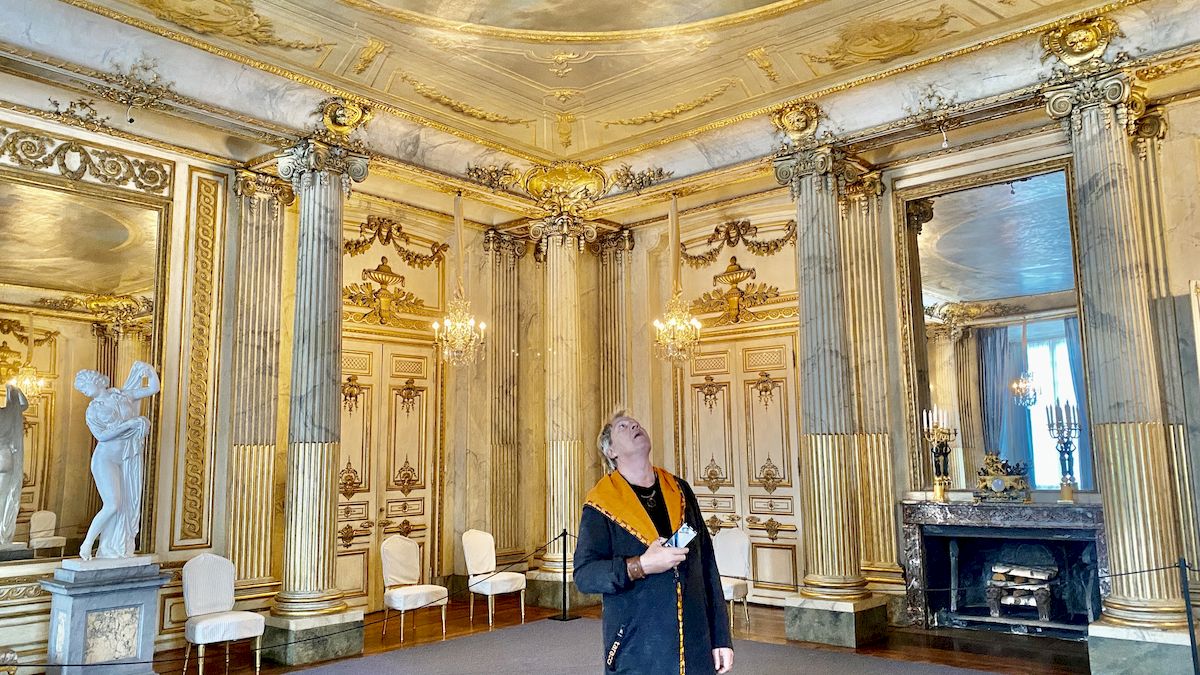
The castle includes the state apartments, the Treasury and the Tre Kronor Museum, but try to fit in the high guard when planning your visit. If you want to discover more of the castle and the rest of the Old Town, we have collected our own experiences and favorites in the separate guide.
READ MORE: Visiting the Royal Palace in Stockholm
5. Experience Djurgården – Stockholm's green pleasure island
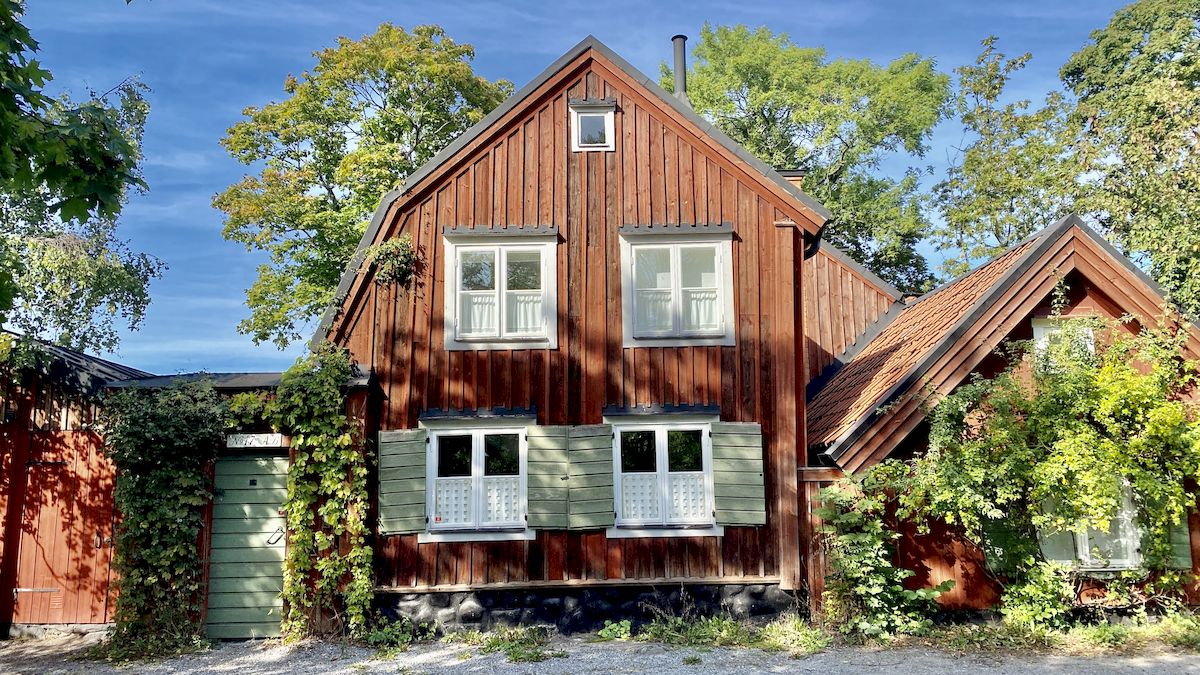
Djurgården is one of the places that shows why we love Stockholm so much. One moment you are in the middle of some of the city's biggest attractions and a few minutes later you are walking along the water, among old wooden houses and through nature where it is almost difficult to understand that the center of Stockholm is right next door.
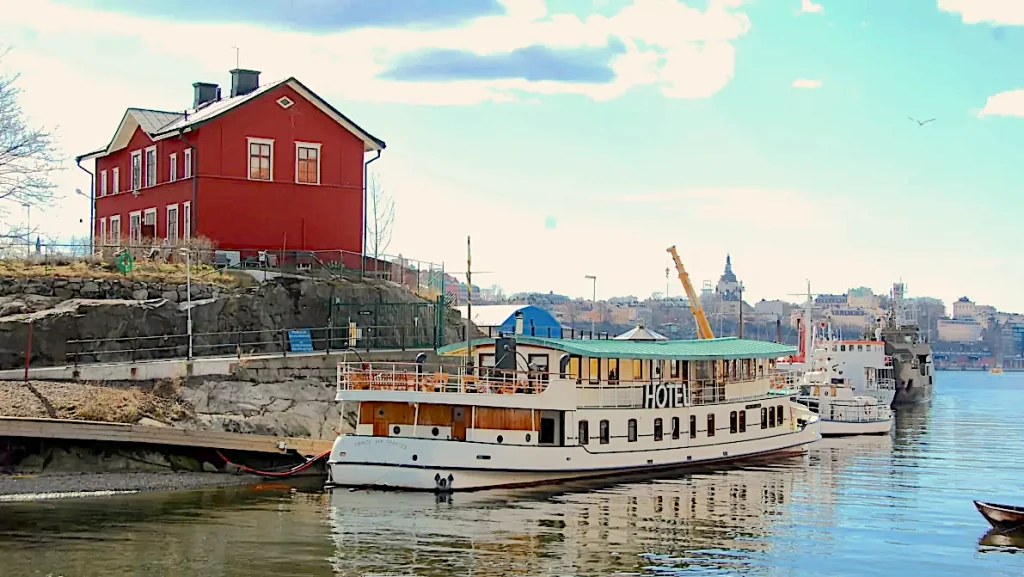
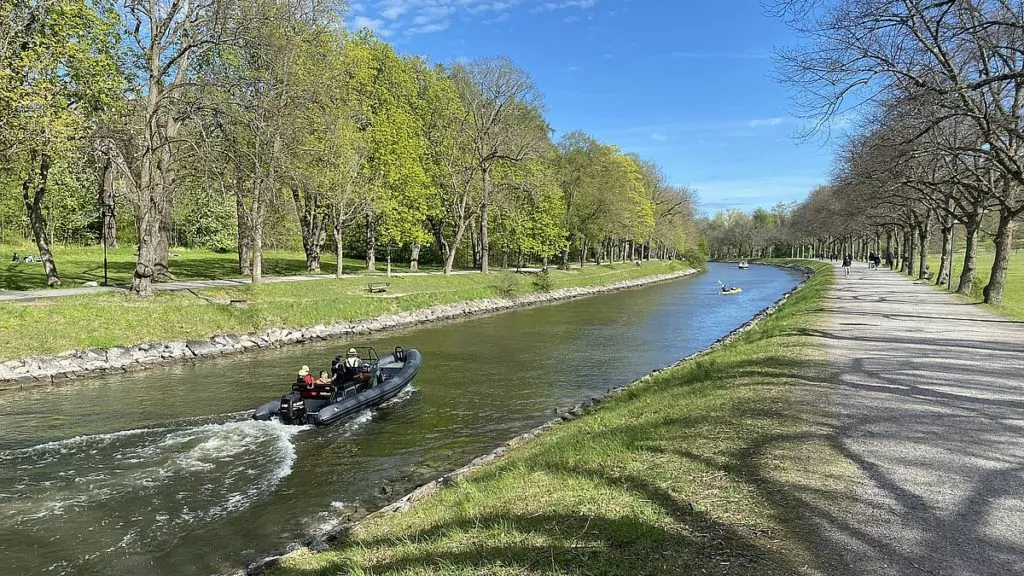
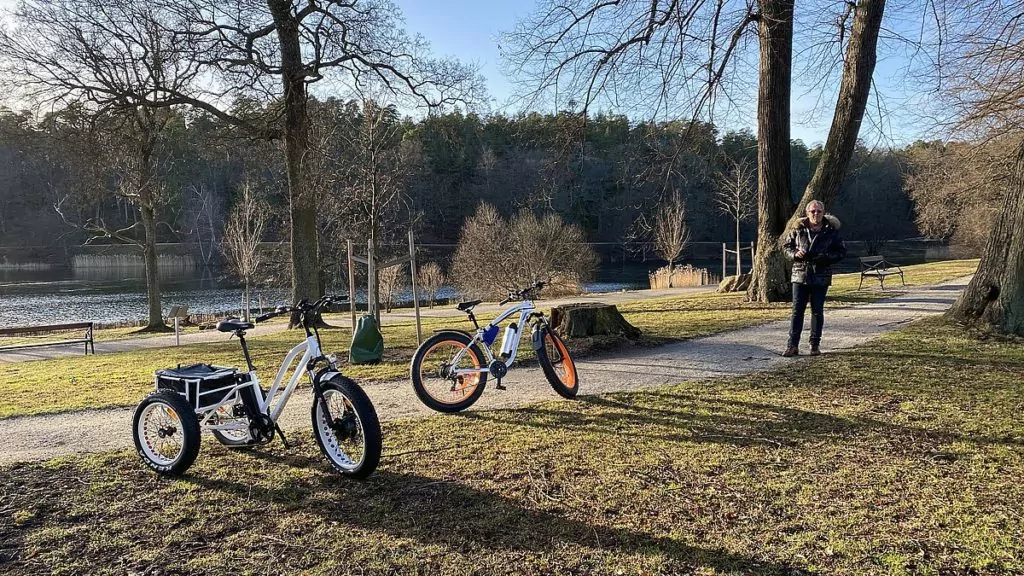
We have walked and cycled here many times, but still manage to find new places. Isbladskärret was such a surprise. Despite all our years in Stockholm, we had missed this little wild oasis with a large colony of herons. When we first came here, we were almost surprised that such nature could be found in the middle of the capital. Another time, we took Peter's son Billie and his girlfriend here on a shared electric bike and scooter ride.
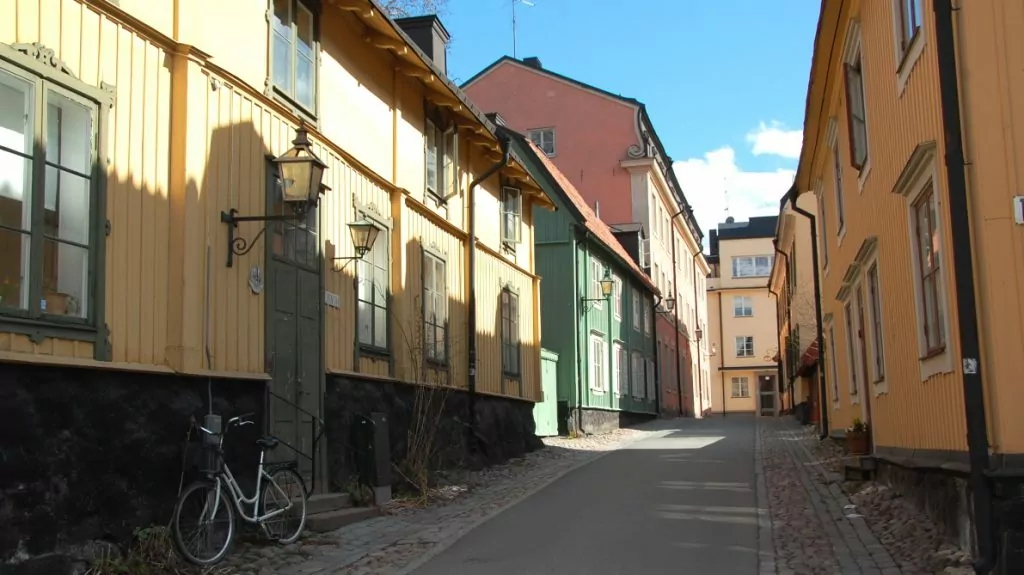
If you continue out onto Djurgården, there is also Djurgårdstaden with its old wooden houses, the strangely quiet Beckholmen and nice walking paths along the water. If you are interested in art, we recommend Prince Eugen's Waldemarsudde, where we have combined art exhibitions with a walk through the beautiful sculpture park by the water.
And of course there is the Vasa Museum, Skansen, Gröna Lund, ABBA The Museum and Junibacken – but don't make the mistake of just running between the attractions. Djurgården is an experience in itself.
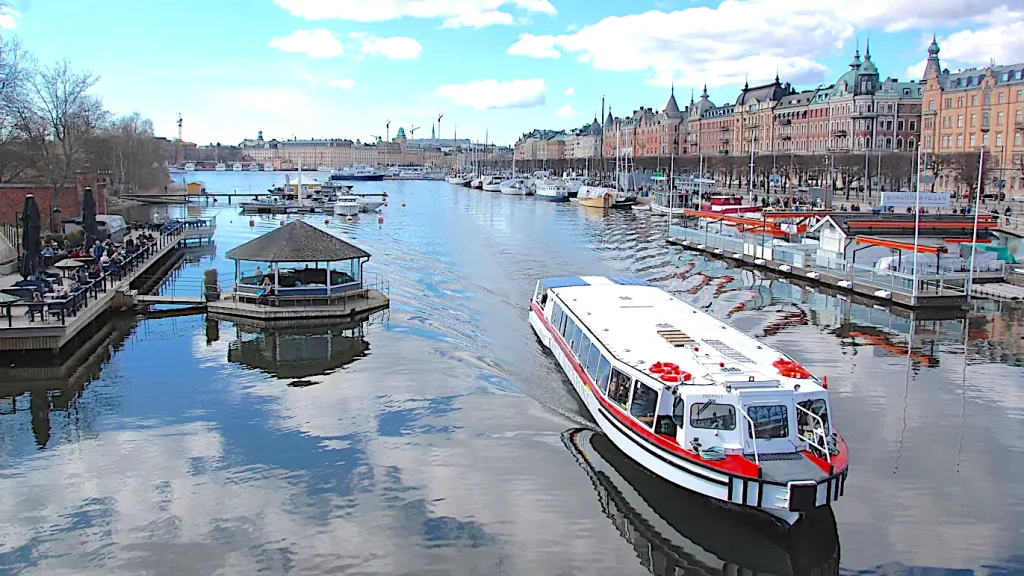
Take the tram out and walk back – or do the opposite. If you have plenty of time, continue away from the main attractions towards Isbladskärret and the quieter parts of Djurgården.
READ MORE: Djurgården - an oasis in the centre of Stockholm
READ MORE: Isbladskärret on Djurgården - a favourite in Stockholm
READ MORE: Prince Eugens Waldemarsudde - art in a beautiful setting
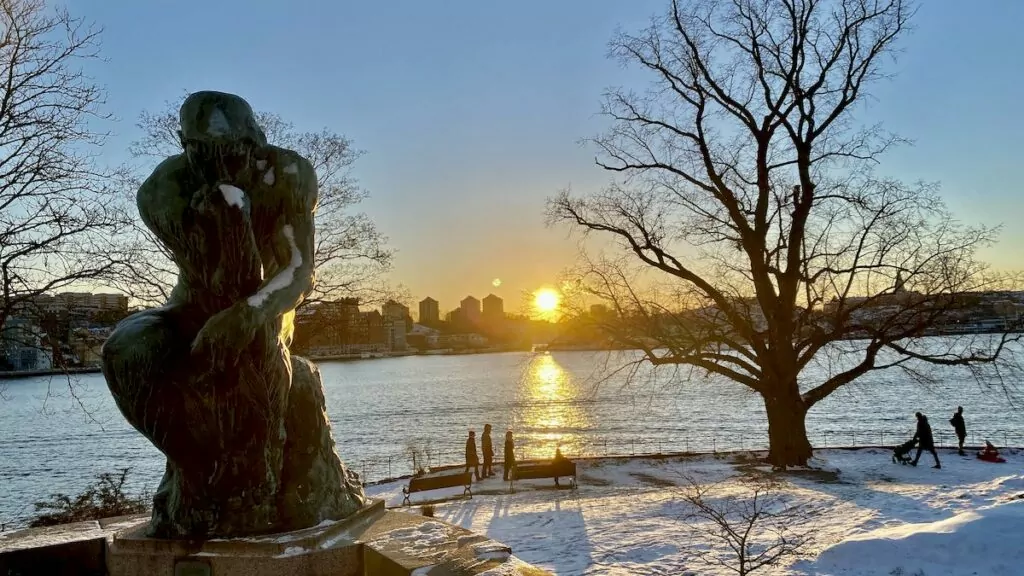
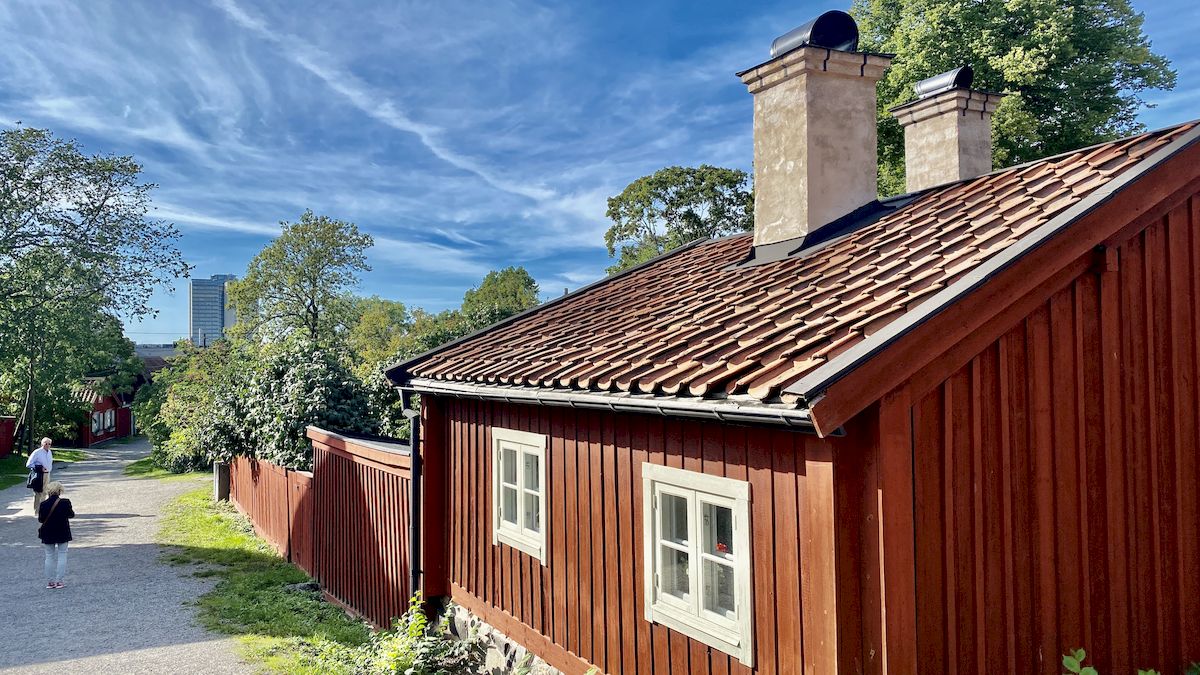
6. Travel through Sweden at Skansen
Skansen is the world's oldest open-air museum and has been on Djurgården since 1891. The large area contains cultural and historical environments from different parts of Sweden, everything from city districts and old farms to mountain huts and Sami settlements. Here you will also encounter Nordic animals such as moose, bear, wolverine and grey seal.
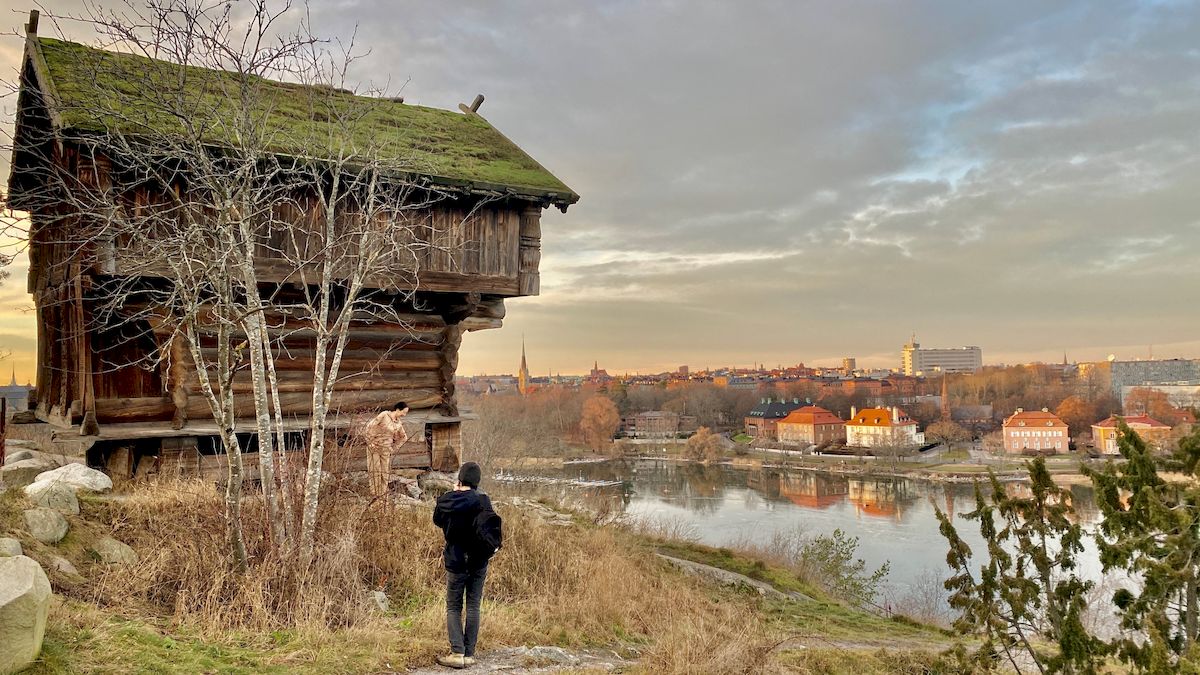
For Peter, Skansen is a place that has accompanied him throughout almost his entire life. As a child in the late 1960s, he went there with his grandmother and grandfather. Many years later, it was Peter who took his own children to Skansen, preferably once a year. Three generations, the same Skansen – but with completely different eyes.
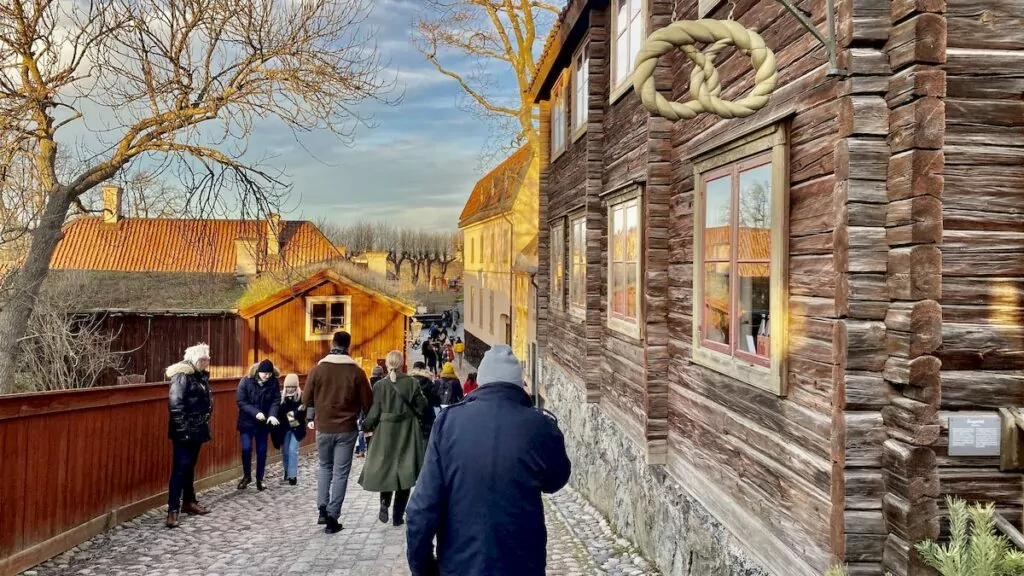
Skansen has also continued to develop. For children there is Little Skansen, while the Baltic Sea Science Center takes you below the surface of the Baltic Sea with aquariums and exhibitions about the sea. The Skansen Aquarium with more exotic animals is also located in the area, but has a separate entrance.
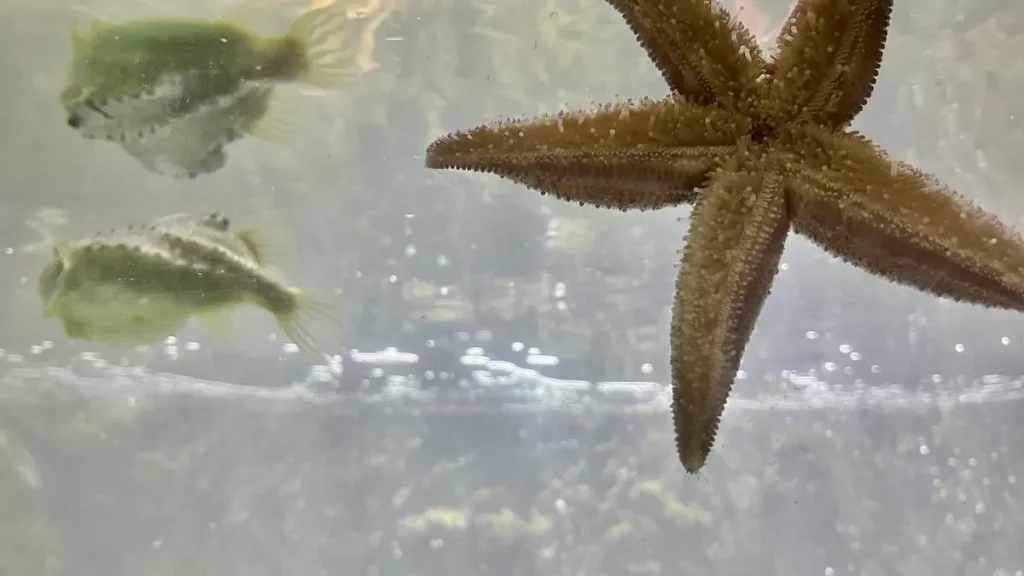
We have returned many times even as adults and experienced Skansen in different seasons. The Christmas market is a classic, but concerts, celebrations and of course Sing-along at Skansen. That's part of the charm – a lot is the same from Peter's childhood, while at the same time something new is always happening.
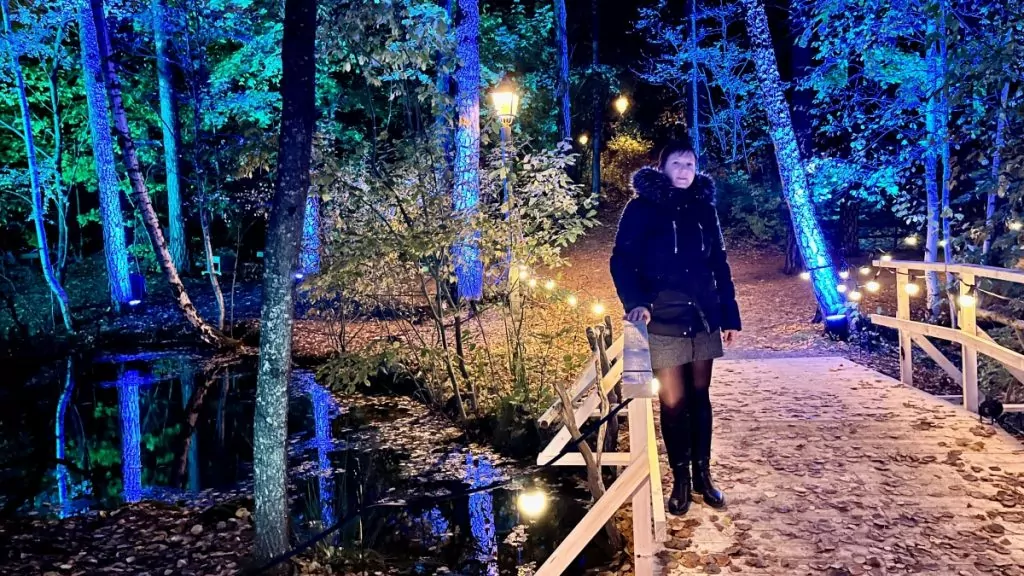
Set aside plenty of time and don't miss the cultural and historical buildings. Skansen is much more than a zoo, and it's only when you start walking among the farms, workshops and old city quarters that the journey through time really begins.
READ MORE: Visiting Skansen - an open-air museum in Stockholm
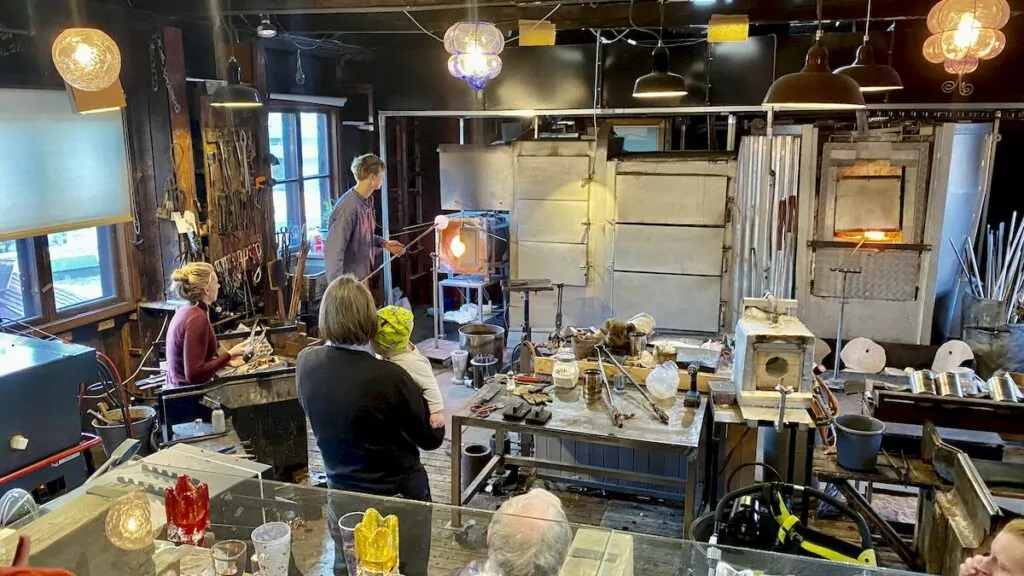
7. Discover Stockholm and the archipelago from the water
Stockholm is a city that needs to be experienced both from land and water. The city's islands, bridges and quays look completely different from a boat, and from central Stockholm you can choose from everything from shorter sightseeing tours to full-day excursions far out into the archipelago.
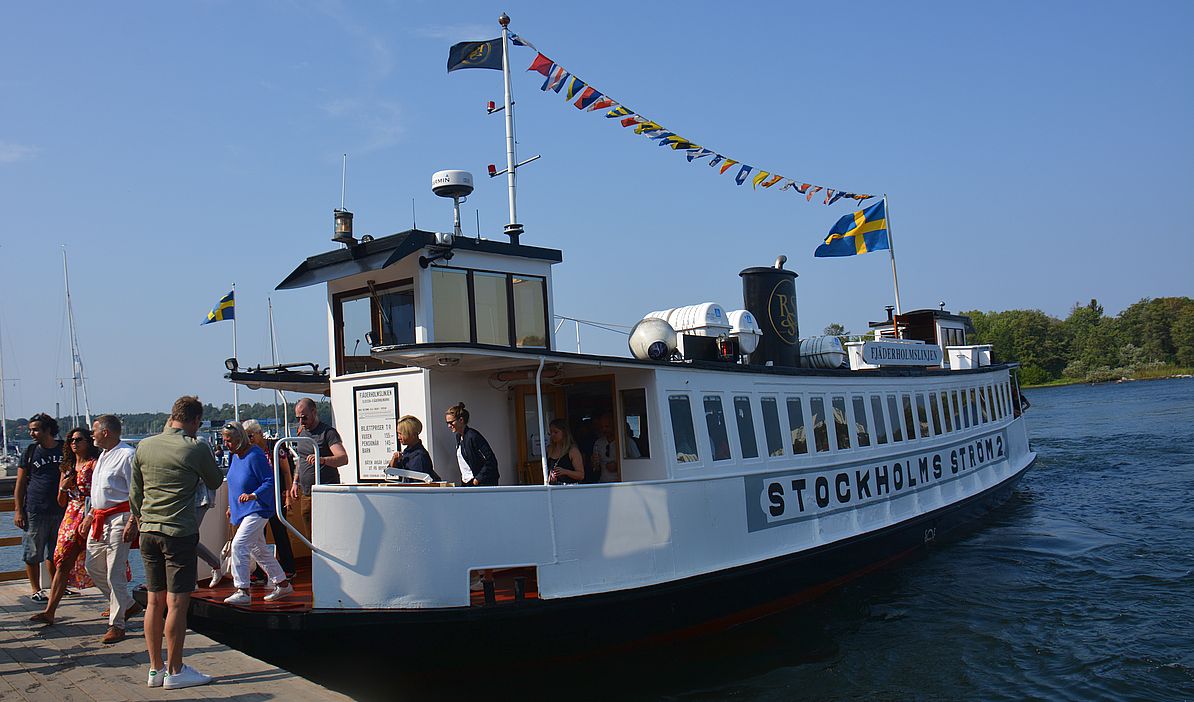
For Peter, boat trips through the archipelago have been a part of Stockholm since childhood. His parents had a summer house on Blidö outside Norrtälje, and when Peter was in his upper teens, he and his older brother often took S/S Blidösund from Skeppsholmen out to Blidö over the weekends. It took considerably longer than driving – but that was the whole point. The trip through the archipelago was part of the weekend.
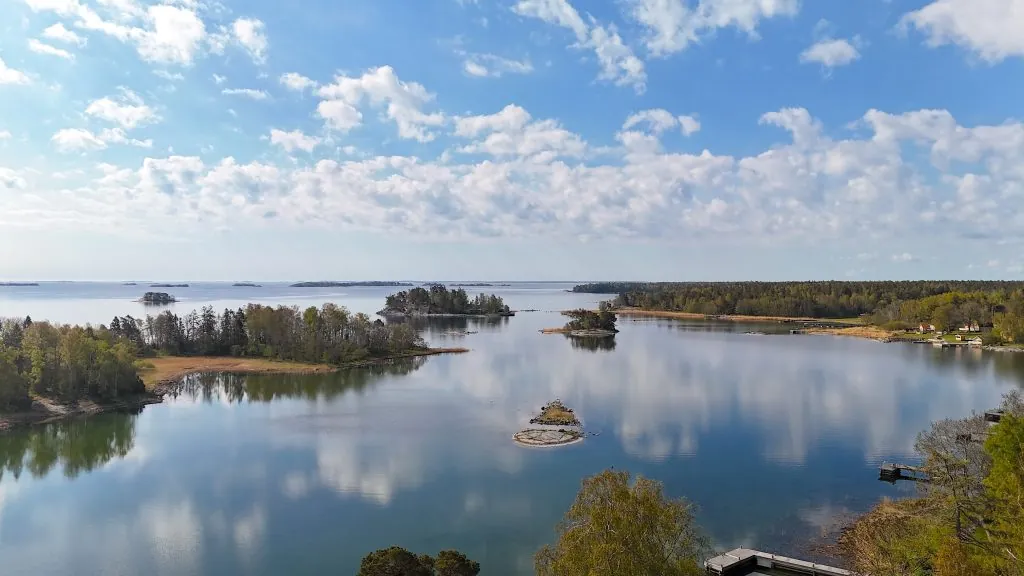
If you want to do something similar, you can take a sightseeing tour through Stockholm or choose a longer boat trip out into the archipelago. Vaxholm is a simple excursion destination, while for example Grinda, Möja and Sandhamn takes you further out among the islands. There are also brunch, dinner and shrimp cruises for those who prefer to combine the boat trip with something good to eat.
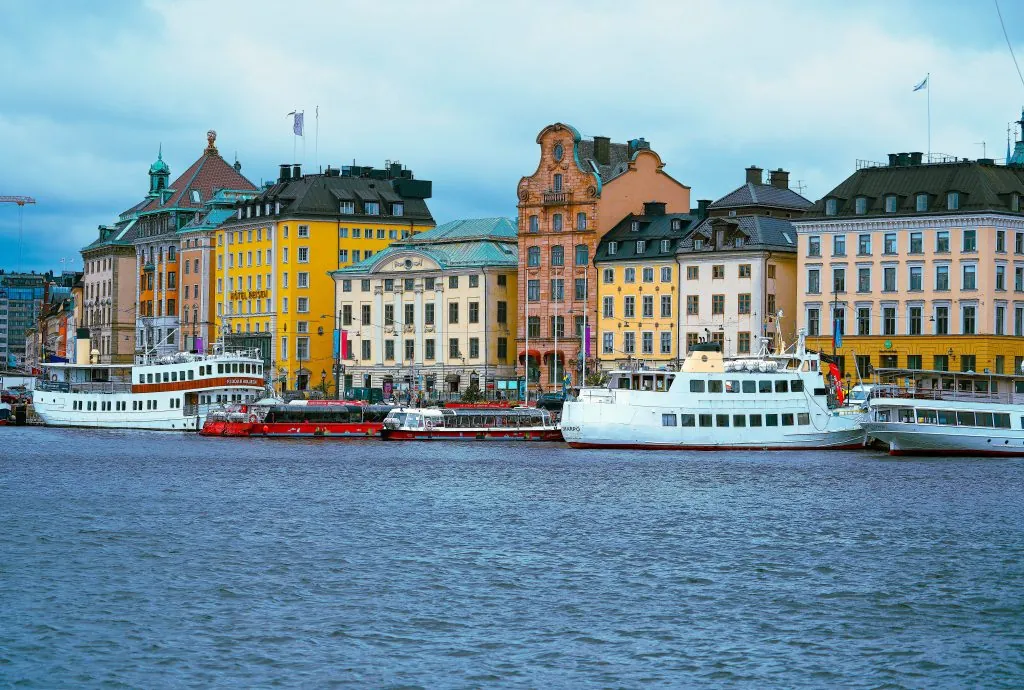
If you've never seen Stockholm from the water before – do it. One tour we highly recommend is the sightseeing boat that goes under Stockholm's bridges and shows the city from the water. It's an easy way to get a completely different view of Stockholm.
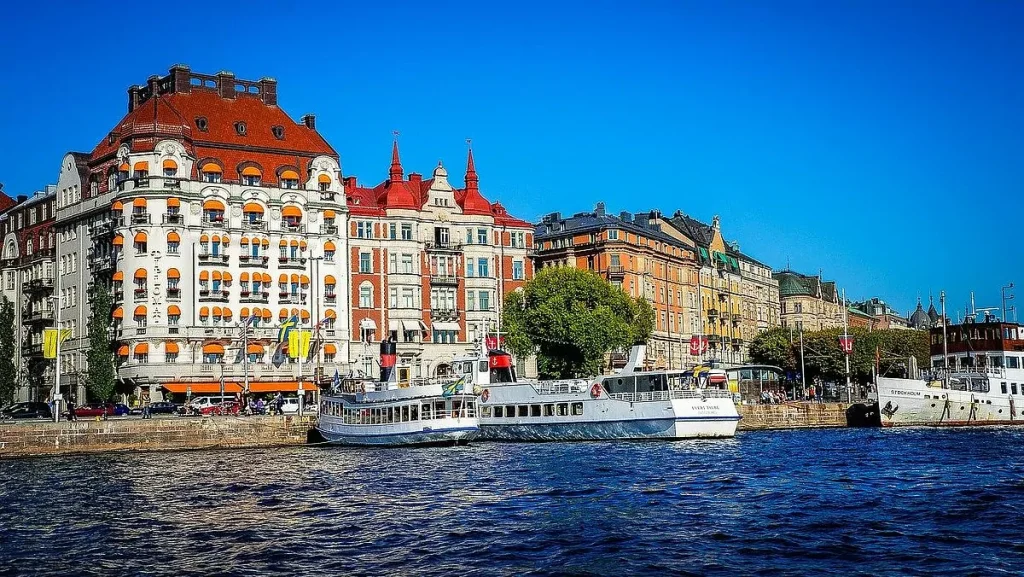
8. Get inspired at Fotografiska
Fotografiska is located at Stadsgårdshamnen on Södermalm, with a great view of the water and Stockholm. New photography exhibitions are constantly being shown here, and that is precisely why we think Fotografiska is a museum you can return to – your next visit can be a completely different experience than the last.
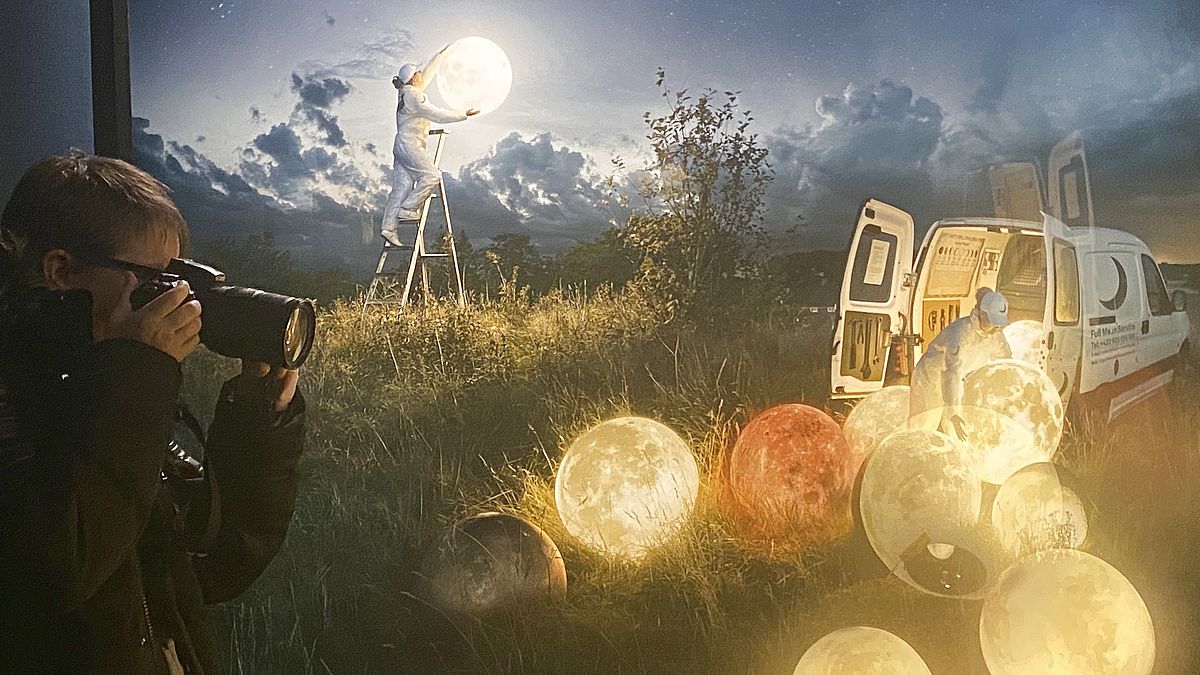
For us, Fotografiska is extra exciting because Photography is a big part of our own lives.. When we travel, we often take hundreds of photos in a single day, but here we are reminded that truly great photography is about much more than just pressing the shutter. We are fascinated by how some photographers can see an image, a light or a feeling that most of us would have passed right by.

When we last visited Fotografiska, we were particularly drawn to images where you could stand for a long time and try to understand what you were really seeing. That's also what we like about the museum. The photographs don't just have to be beautiful – they can surprise, provoke, tell stories and provoke thoughts.

Feel free to take a break at the top of the house. From here you also get a fantastic view of the water, Djurgården and Stockholm.
Give the pictures time. Fotografiska is not a museum where we would try to "catch up" on all the exhibitions. Rather, choose a few that capture your attention and stay there for a while. And if you can choose the time, weekdays are often calmer than weekends.
READ MORE: Fotografiska Museum in Stockholm
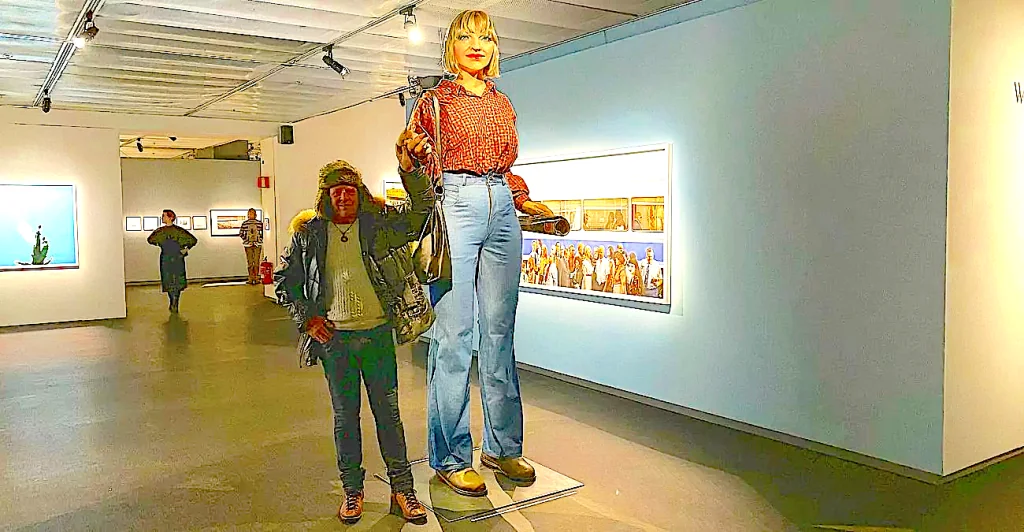
9. Sing your way through the ABBA Museum
ABBA The Museum on Djurgården is a museum where it is almost impossible to stand still. Here you follow Agnetha, Björn, Benny and Frida from the time before ABBA and the breakthrough with Waterloo 1974 to worldwide success, with original costumes, instruments, gold records and lots of memorabilia from the group's history.

For Peter, the ABBA journey began when Waterloo won Eurovision. The records were then played throughout his childhood, from the big hits of the 1970s to the early 1980s. But the music really started even earlier – Peter listened to
Hep Stars with Benny Andersson even before ABBA existed, and later his mother played the musical Chess so often that it too became part of the family's musical soundtrack.

Perhaps the most fun thing we have discovered through all our travels. We can be almost anywhere in the world – and suddenly we hear ABBA. In a restaurant, in a bar, in a hotel or some completely unexpected place, Dancing Queen, Mamma Mia or some other familiar song starts playing. It's actually hard not to feel a little Swedish pride.
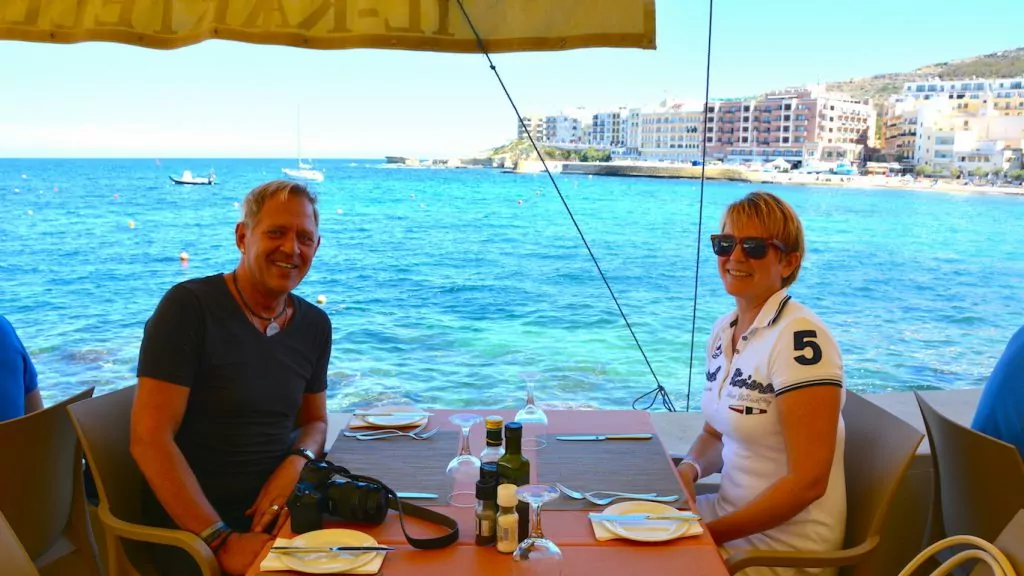
The museum is also made for more than just looking. You can sing, dance and interact with parts of the exhibition, while also getting the story behind the music, the costumes and the people. We also like the environment from Viggsö in the Stockholm archipelago, where Björn and Agnetha had a summer house and where many of the songs were developed.
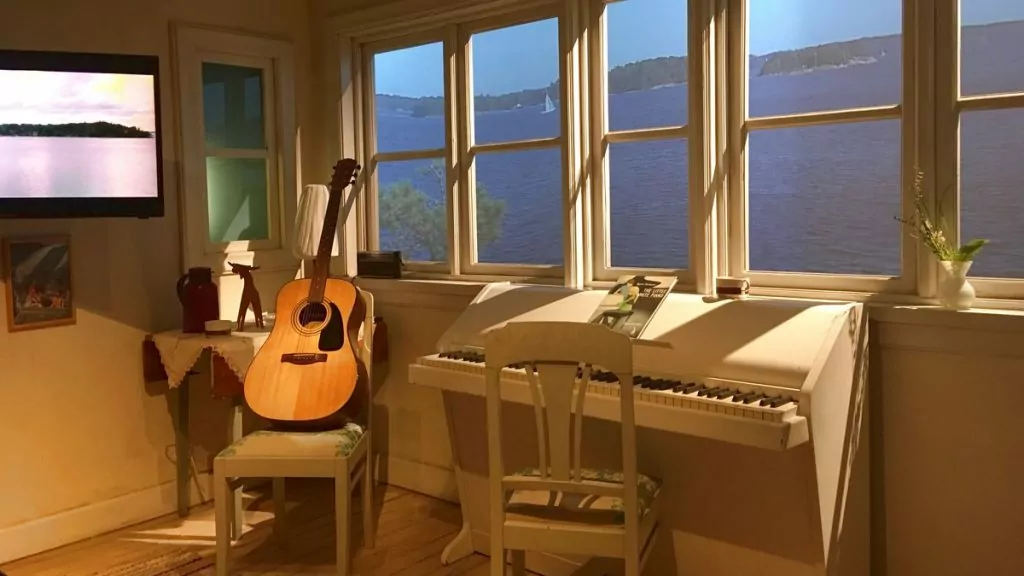
And a word of advice from us: don't go here trying to be too serious. Sing along, try the interactive parts and let the nostalgia factor take its toll. ABBA The Museum is much more fun if you actually participate.
READ MORE: The ABBA Museum in Stockholm - lots of nostalgia

10. Discover Södermalm – views, neighborhoods and Stockholm feel
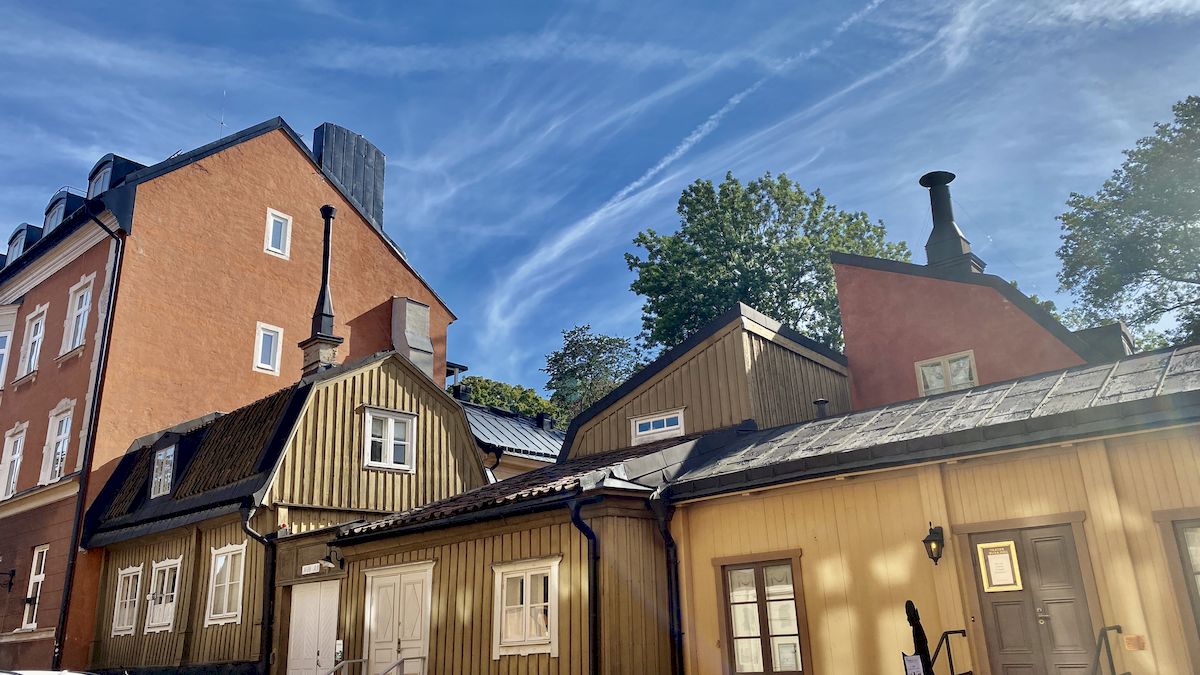
Södermalm is a completely different side of Stockholm than Gamla stan and Djurgården. Here, restaurants, cafes and city life are mixed with old quarters, small wooden houses and heights where you get some of the finest views of Stockholm. For us, it is also a district where you can still be surprised, even though we have been moving here our whole lives.
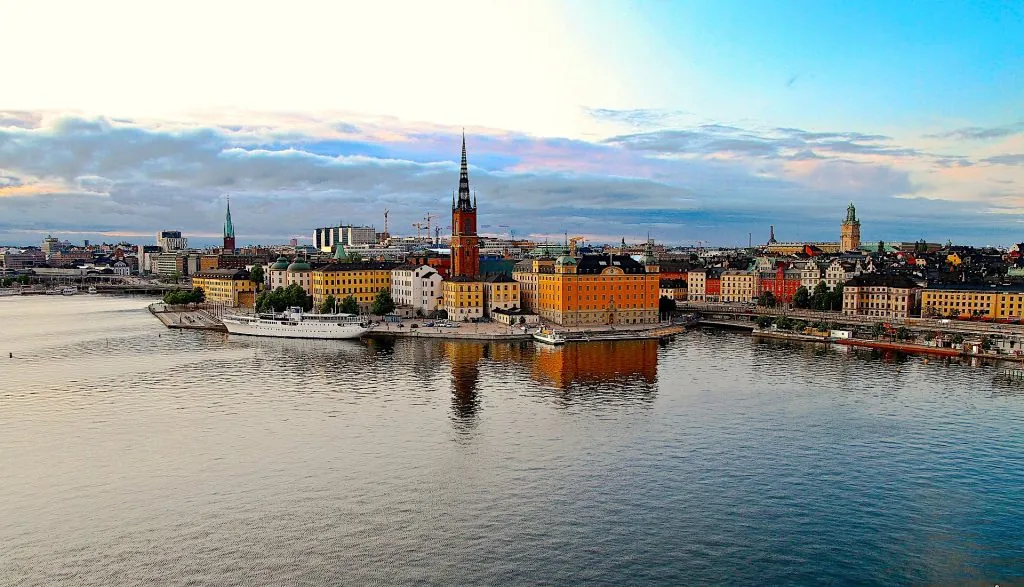
Another favourite is Mountain Street, high above Stadsgården. From here you can see across the water towards Gamla stan and Djurgården, while the old quarters behind you tell of a completely different Stockholm. Many of the craftsmen and workers needed when the city grew used to live on the heights of Söder, and even today there are small houses and environments that feel far from the modern metropolis.
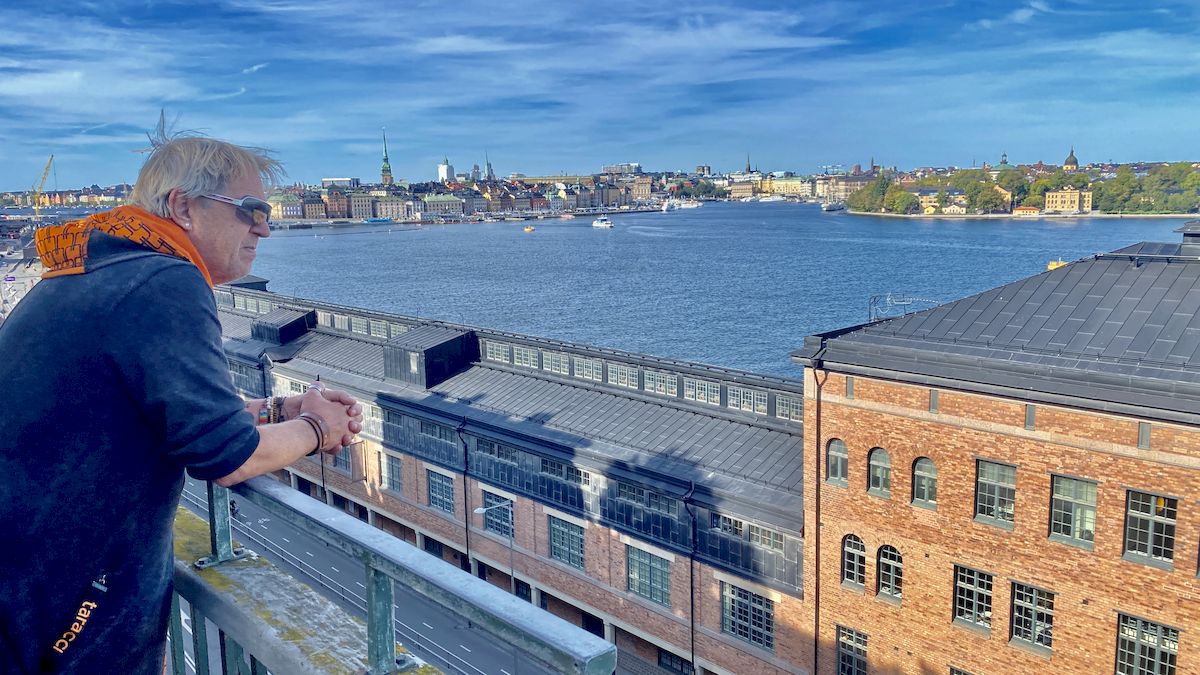
A good example is Montelius Road. We were on our way to an event and walked along a small idyllic street with old houses and a fantastic view of Riddarfjärden and Kungsholmen. Only afterwards did we realize that we had walked on the famous Monteliusvägen. We had thus ”discovered” one of Stockholm’s famous walking routes without even knowing it.
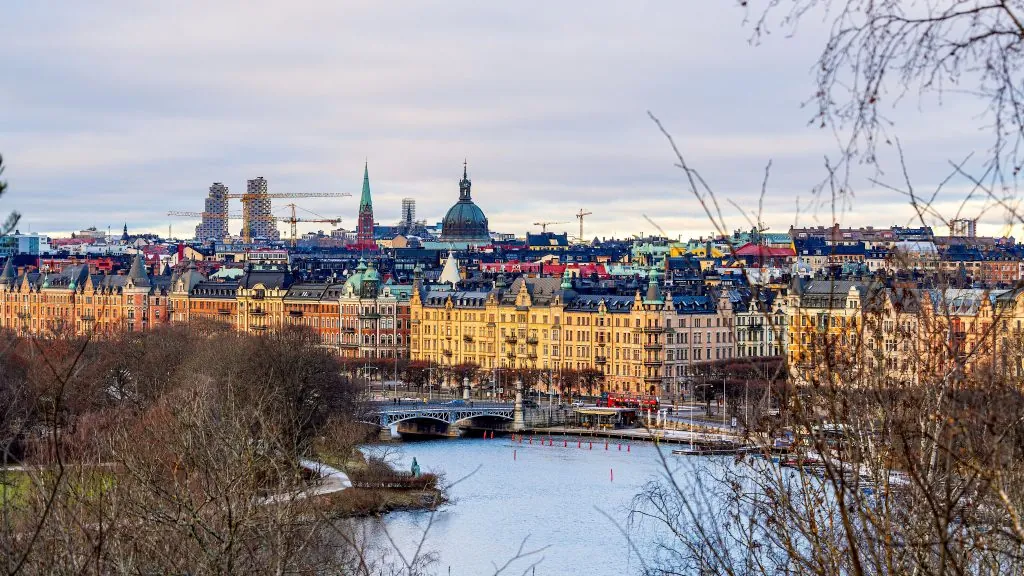
Feel free to go up to the Söder hills and walk instead of just sticking to the main streets. Start at Fjällgatan and continue through the older neighborhoods towards Monteliusvägen. Stop often and look back – Stockholm is constantly changing depending on where you stand along the hills.
11. Have fun at Gröna Lund
Gröna Lund – or The Green, as we Stockholmers like to say – has been located on Djurgården since 1883. Here you can find roller coasters, carousels, pentathlon, concerts and all the other things that go with a classic amusement park. But for Peter, Gröna Lund is much more than just a tourist attraction. The green has accompanied me through almost my entire life.

As a child, it was the teacups, the Merry House and cotton candy that attracted them. As Peter got older, the attractions became wilder and the concerts more important – and one of his great music memories is seeing Bob Marley playing at Gröna Lund. Later in life there were company parties at Tyrol, pentathlon and Fritt Fall, before the circle came full circle and it was time to bring our own children and introduce them to much of what Peter himself had experienced as a child.

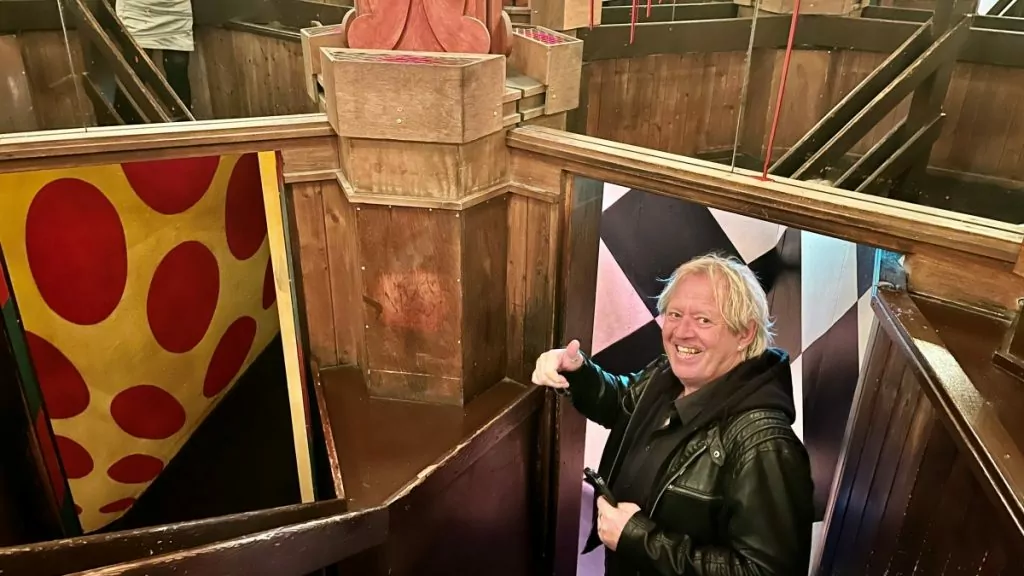
And we keep coming back. A couple of years ago we were invited to experience and write about Halloween at Gröna Lund, when the entire amusement park had been transformed with decorations, horror houses and an autumn atmosphere. It was a completely different Grönan – but still the same place.
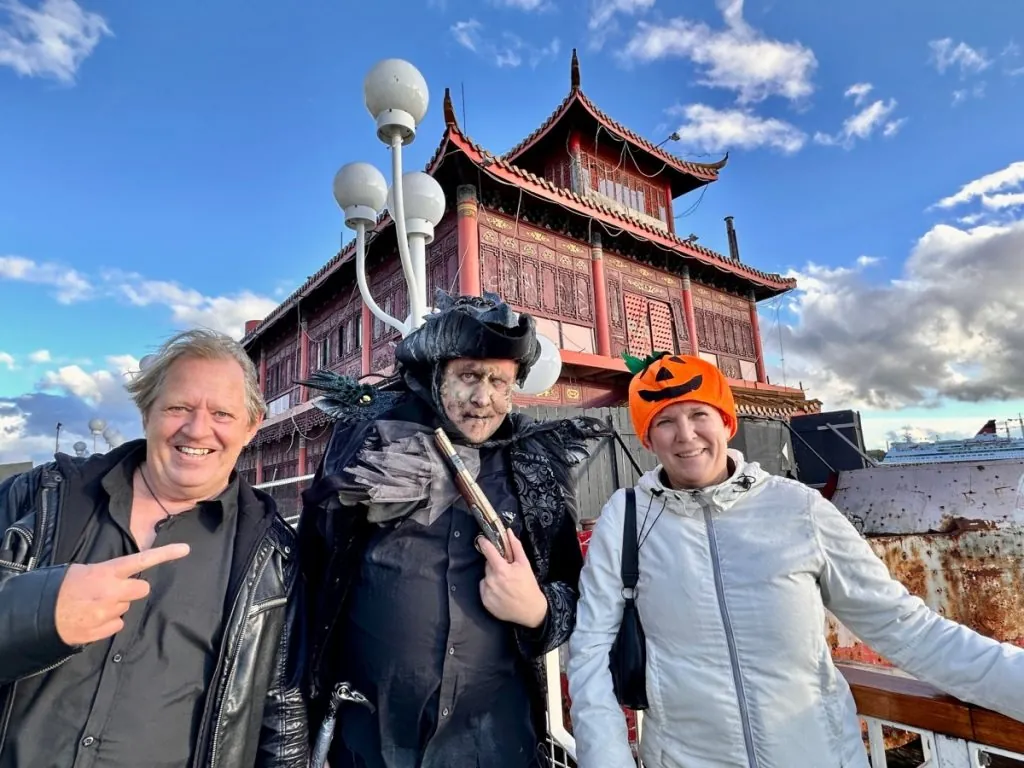
Perhaps that's exactly what makes Gröna Lund so special to us. You come here as a child, teenager, adult and parent – and every time you find a new reason to return. The green space is simply part of Stockholm's life cycle.

Be sure to check the program before your visit. Gröna Lund is not just about the attractions – the concerts on the various stages have been a part of Stockholm's summer evenings for generations.
12. Take a break in Kungsträdgården – Stockholm's green lung
If the Old Town is Stockholm's historic heart, then Kungsträdgården, one of the city's lungs. Right in the city center, opposite NK and just a few minutes' walk from the Old Town, Kungsan is located as a green meeting place between the shopping streets, the Opera House, the Grand Hôtel and the water.
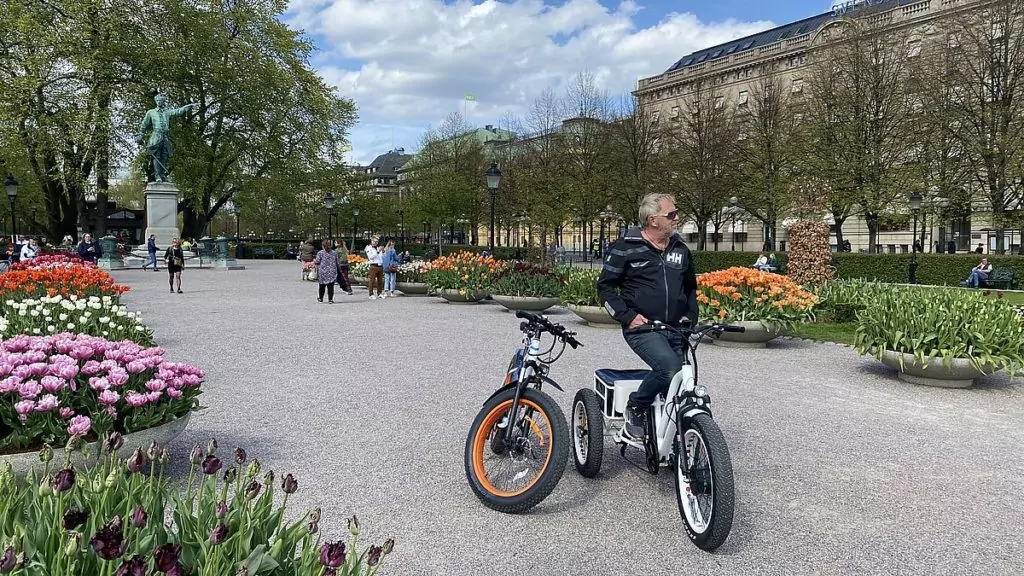
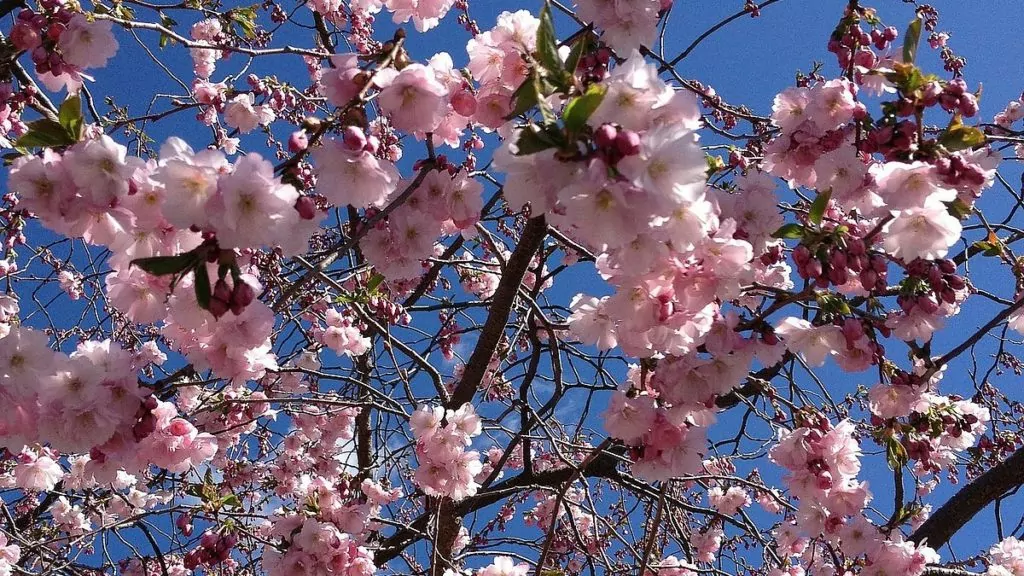
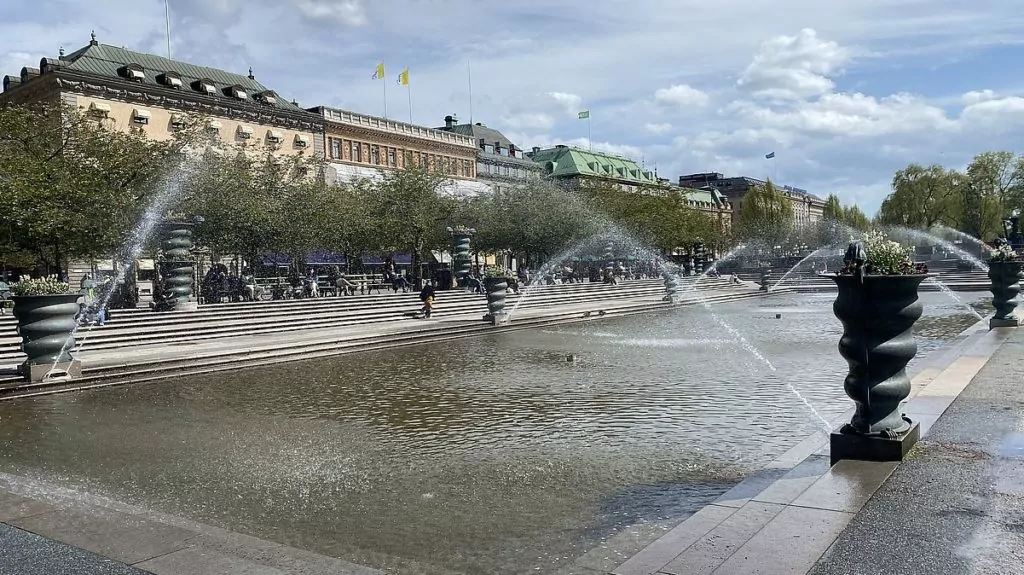
This isn't just a park that tourists tick off a list. Most Stockholmers end up here at least once every year. We do it too. In the spring people come for the cherry blossoms, in the summer the park is filled with concerts and events and in the winter you go ice skating in the middle of the city. Other days you simply sit down for a while and watch Stockholm pass by.
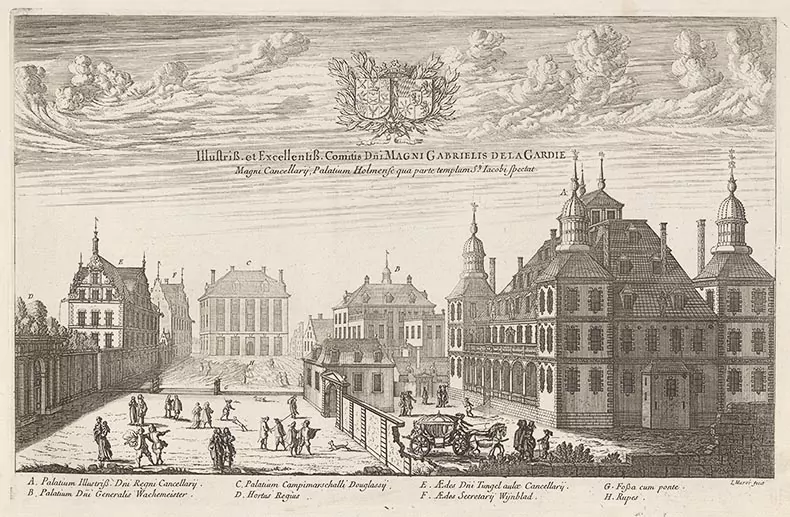
The Royal Garden also tells the story of how Stockholm grew outside the Old Town. The area was once a royal garden that ordinary people had no access to, and where the southern part of the park is today, the magnificent palace stood. Incomparable. Today it is almost the opposite – one of Stockholm's most popular meeting places.
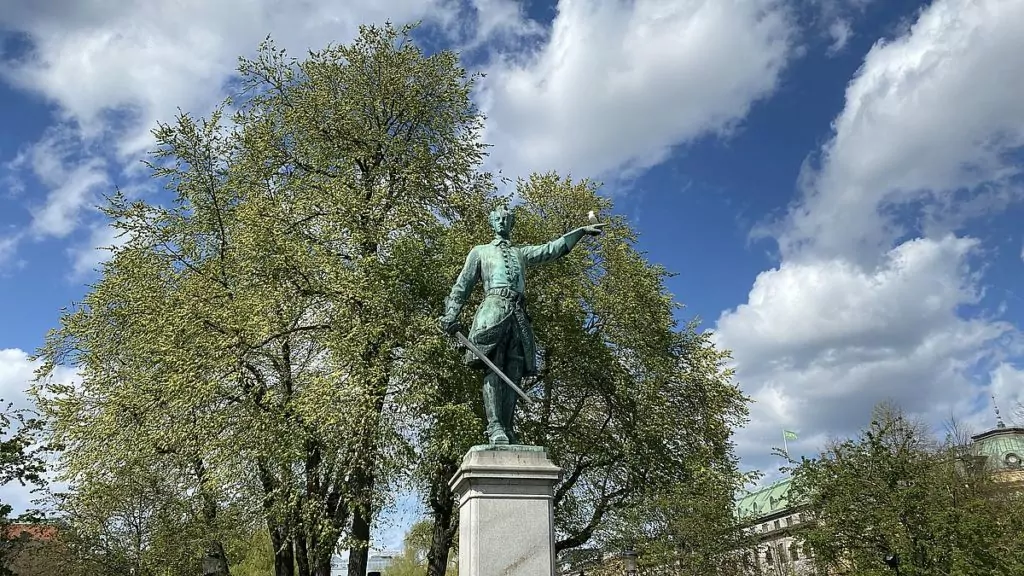
Also look at the large elms at Tehuset. When politicians wanted to cut down several of them in 1971 to make way for a subway, thousands of Stockholmers protested in the famous The Elm Battle. The subway station had to be moved – and the elms are still standing.
Don't try to do too much here. Buy a coffee, sit down and do as the Stockholmers do. Kungsträdgården is as much a place to stop as it is an attraction to see.
READ MORE: Kungsträdgården in Stockholm - and the Makalös Palace
13. Take the boat to Fjäderholmarna – archipelago in 25 minutes
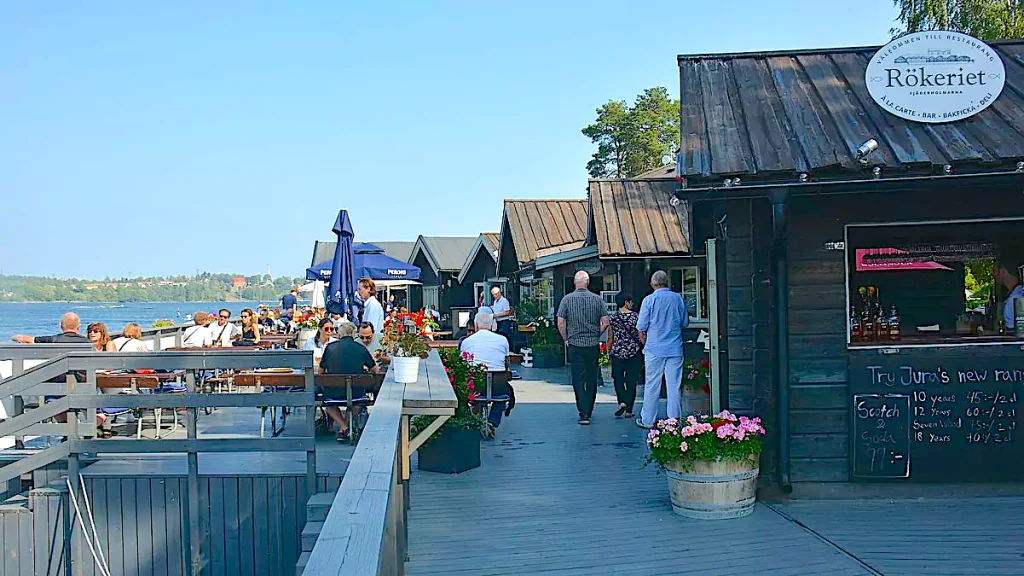
Do you want to experience the Stockholm archipelago but don't have a whole day? Then Fjäderholmarna one of our best tips. In about 25 minutes by boat from central Stockholm, you'll swap city streets for cliffs, boats and an archipelago feel. It's almost ridiculous how quickly Stockholm can change.

We have gone here many times over the years, and for us a day at Fjäderholmarna doesn't really need to be particularly complicated. Packed lunch, something cold to drink, maybe a bottle of bubbly and a good rock in the sun can go a long way. Then you sit there, take a dip and watch the boats passing by and wonder why you don't do it more often.
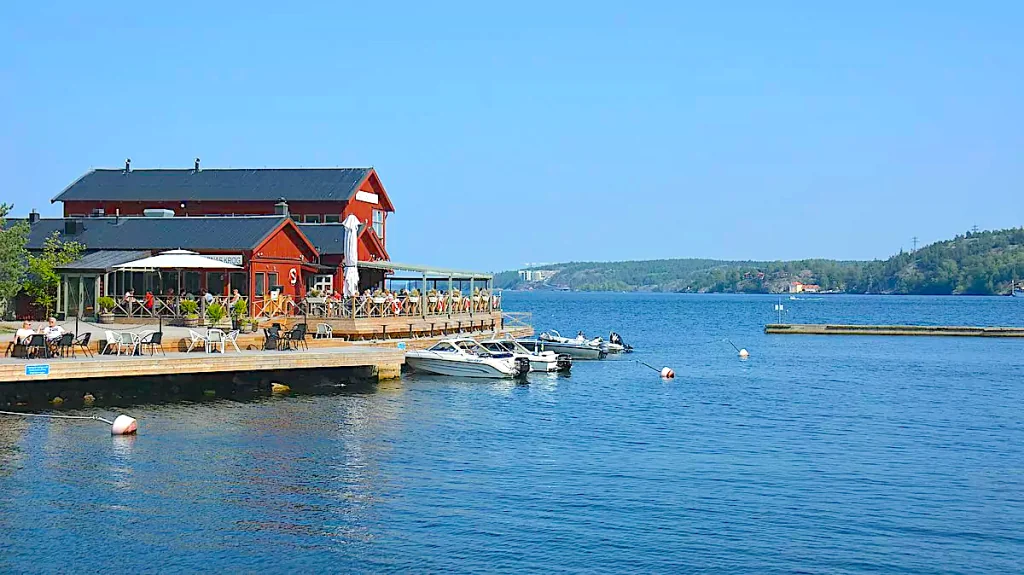
But Fjäderholmarna offers more than cliffs and picnics. There are restaurants, cafes, crafts and during the summer various events and performances. We have also been here for a food festival with friends, when the whole island was filled with food, music and people – a completely different experience than our quiet days on the cliffs.
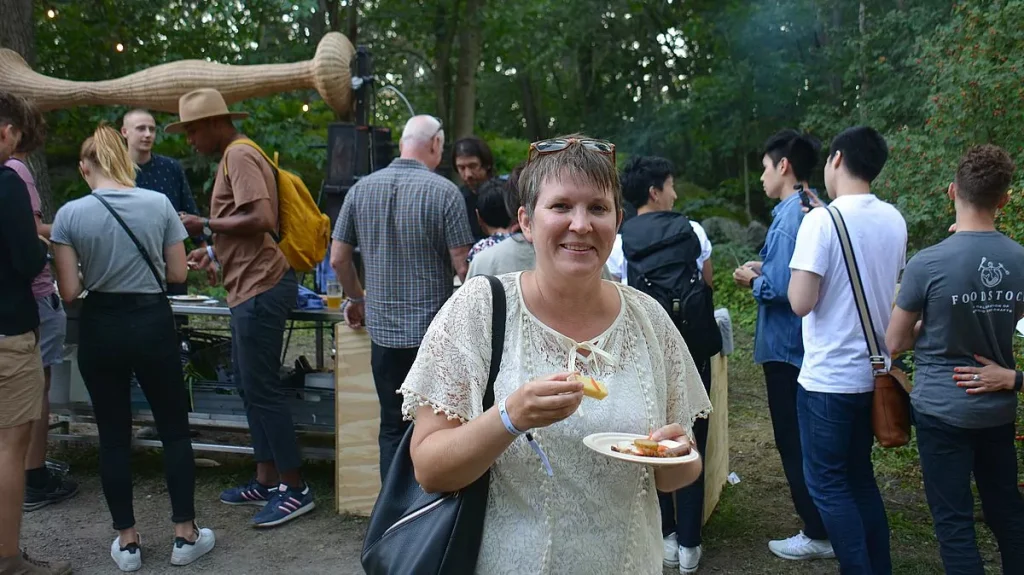
It is also a place where Stockholmers and visitors mix. On nice summer days, the boats to the island fill up, and when you step ashore it feels as if you have traveled considerably further than those minutes from Stockholm.
Take an early boat out, but don't decide too much in advance. Walk around the island, find a cliff by the water and let a few hours disappear. This is an excursion where the archipelago feeling itself is the attraction.
READ MORE: Foodstock at Fjäderholmarna - food festival in the archipelago
14. Step into Astrid Lindgren's fairy tale world at Junibacken
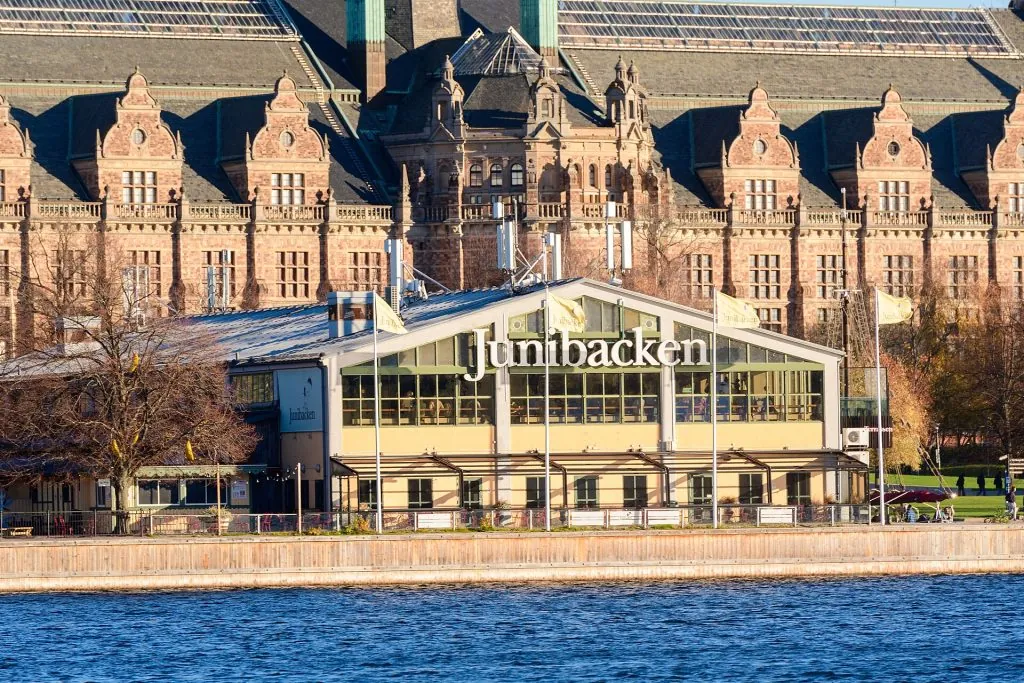
Junibacken opened on Djurgården in 1996, so it didn't exist when Peter himself was a child. However, of course it did exist Astrid Lindgren's stories, and they became a natural part of growing up. Emil i Lönneberga and Pippi Longstocking were read aloud at home and later the characters came to life through the films. That warm feeling from the stories has actually stayed with me throughout my life.
When Peter himself had children, the fairy tales were passed on to the next generation. This included trips to Astrid Lindgren's World in Vimmerby, and even as an adult it is difficult not to be carried away by stories like Ronja the Robber's Daughter. There is something special about fairy tales that you first encounter as a child and then rediscover together with your own children.
On June cheeks Many of these stories have found their own home in the middle of Stockholm. Here, children and adults encounter fairy tale environments, theatre and children's books, and with the Fairy Tale Train you can travel through several of Astrid Lindgren's well-known stories.
Junibacken is of course best suited for families with children, but don't underestimate the nostalgia factor for us adults. If Pippi, Emil, Karlsson on the Roof or Madicken were part of your childhood, there's a good chance you'll recognize yourself too.

15. Step into the Hallwyl family home – one of our favorite museums
In the middle of Hamngatan, just a few steps from Kungsträdgården and the Royal Dramatic Theatre, there is a house that we think many more people should discover. Hallwylska Museum is one of our absolute favorite museums in Stockholm, and we have returned here several times.
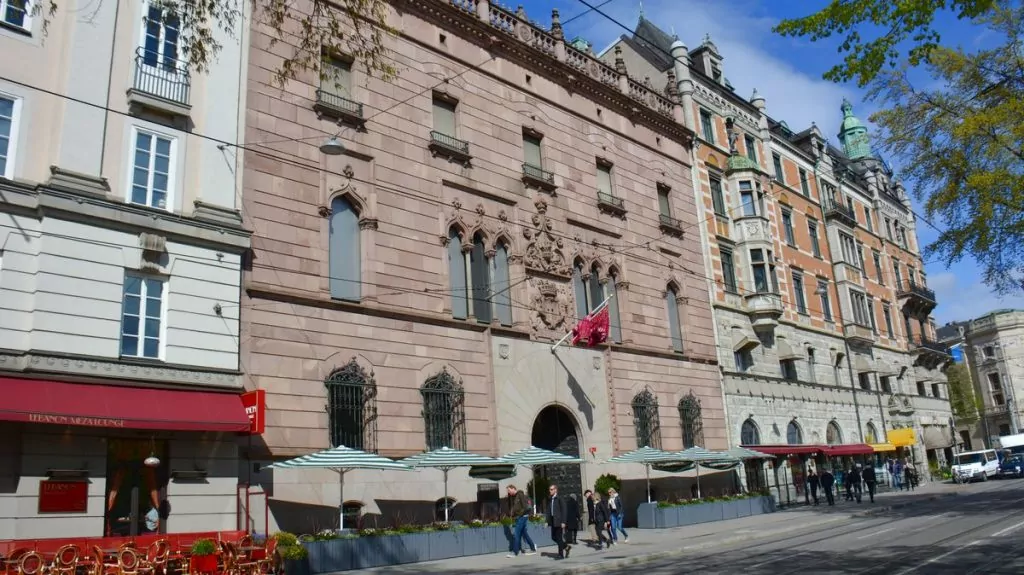
Above all, we can thank a fascinating woman for its continued existence. Wilhelmina von Hallwyl decided during her lifetime that the family home should be preserved and become a museum. She was a passionate collector and also had her enormous collections catalogued. The result is that today we can step straight into the world of the Hallwyl family from the time around the turn of the last century.
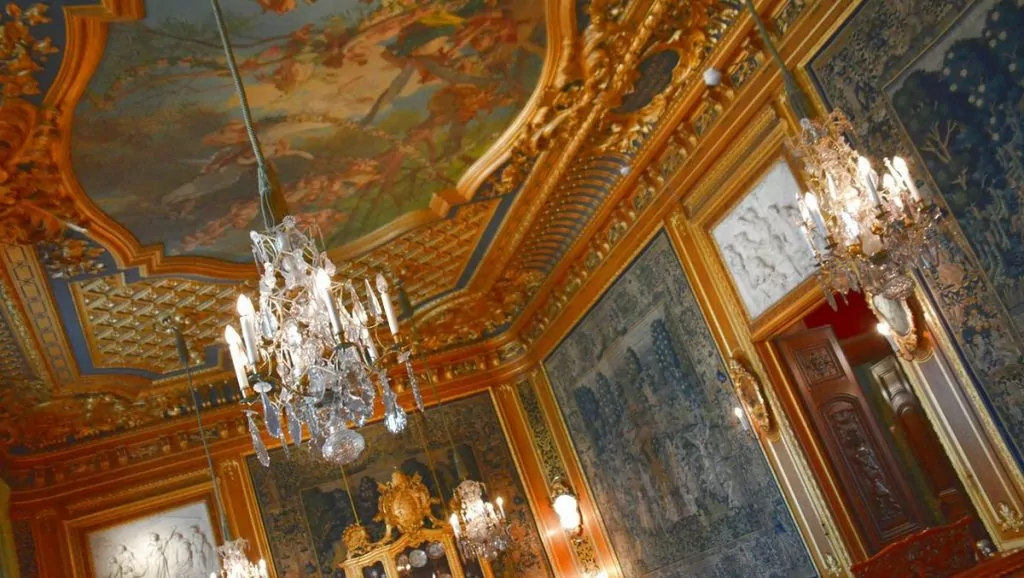
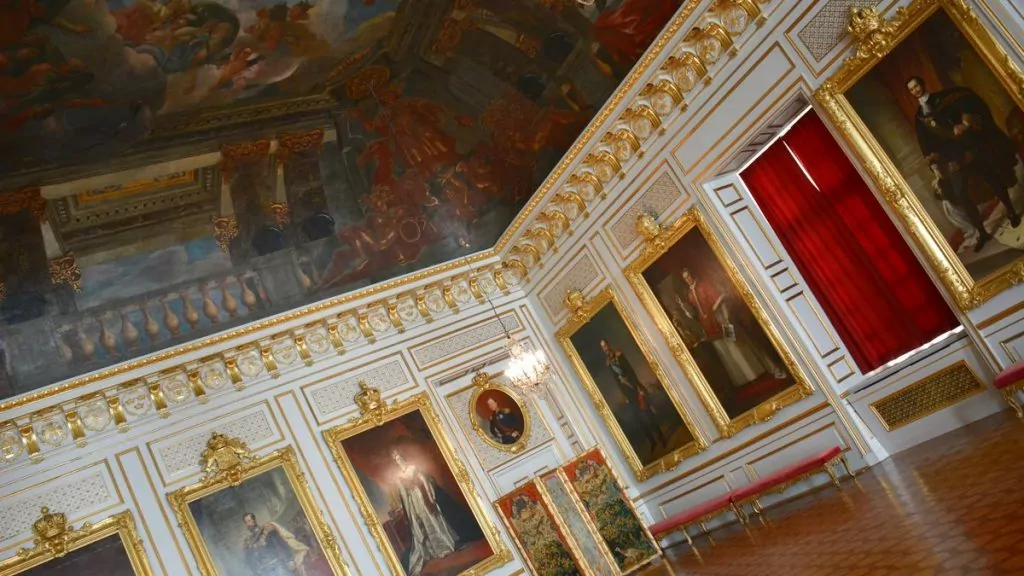
And what a home it is. Behind the historic facade were the modernities of the time such as electric lighting, central heating, running hot and cold water, an electric elevator and even a central vacuum cleaner. At the same time, there are the magnificent salons, the dining room, the smoking room, the kitchen and all the details that tell the story of how one of Stockholm's wealthy families lived.
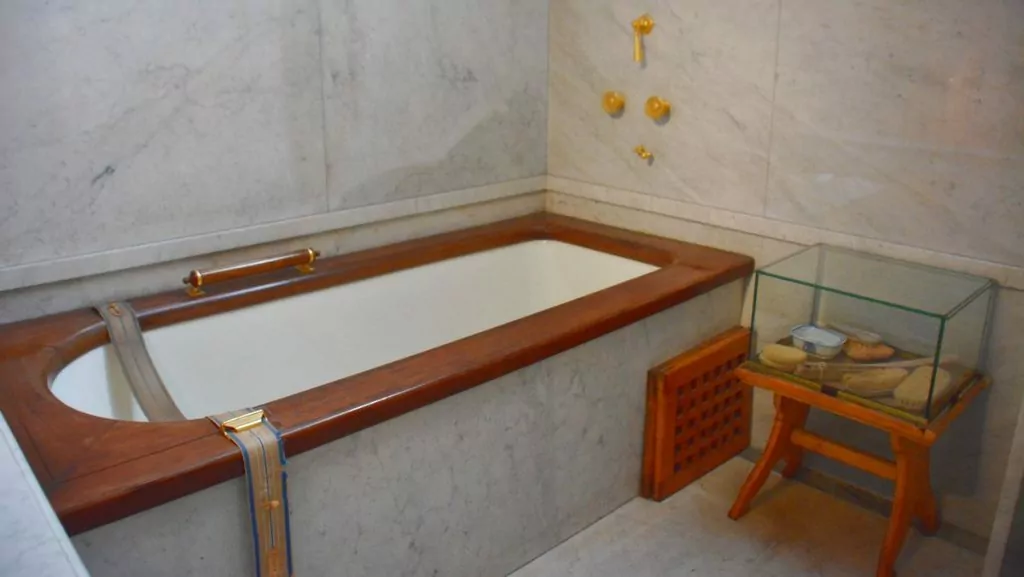
It's the details that we like so much. You almost get the feeling that The Hallwyl family has just left the house and they have been allowed to go around and look around themselves.. It's a long way from a museum with some objects behind glass.
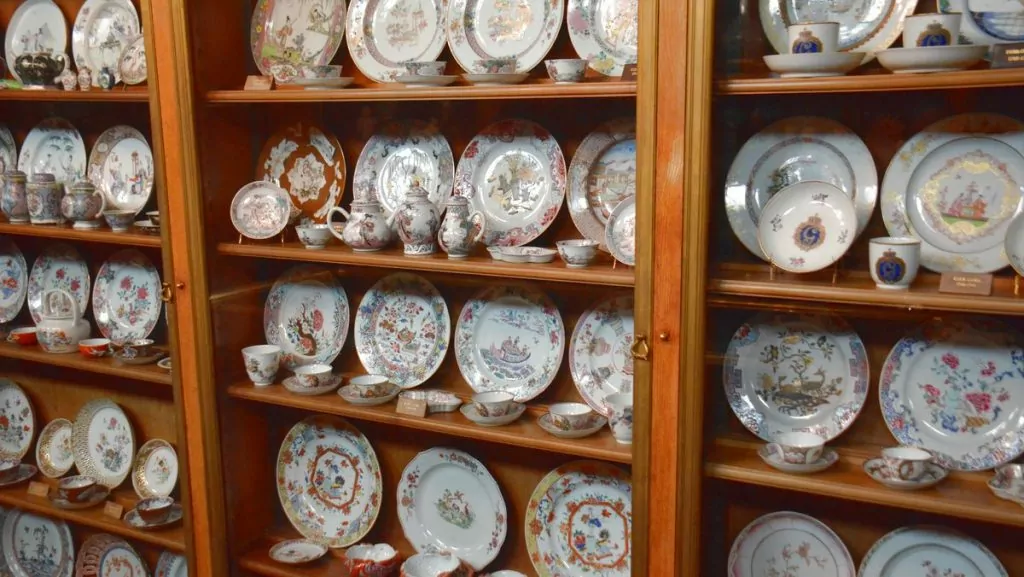
So thank you, Wilhelmina. You ensured that your home could live on long after you – and more than a hundred years later, we still walk around here and are fascinated by it.

16. Stroll on Skeppsholmen – a living museum in the middle of Stockholm
Skeppsholmen is one such place where we think that the whole island feels like a museum, even if you never enter a single museum door. Old military buildings, quays filled with historic ships and views of Gamla stan and Djurgården constantly tell of Stockholm's close relationship with the sea.
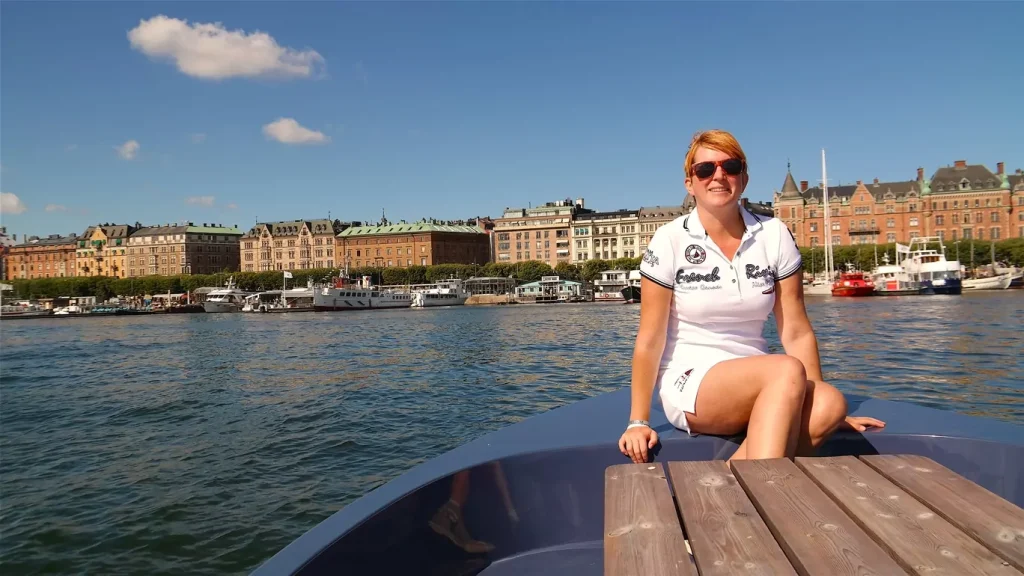
The island was the center of the Swedish navy for several hundred years, and traces of it are still everywhere. Under parts of Skeppsholmen there are large rock caves from the military era and along the quays lie old ships as a reminder of the island's history. The most famous is the stately three-masted full-rigged by Chapman, built in 1888 and today one of the boats that has almost become part of Stockholm's skyline.
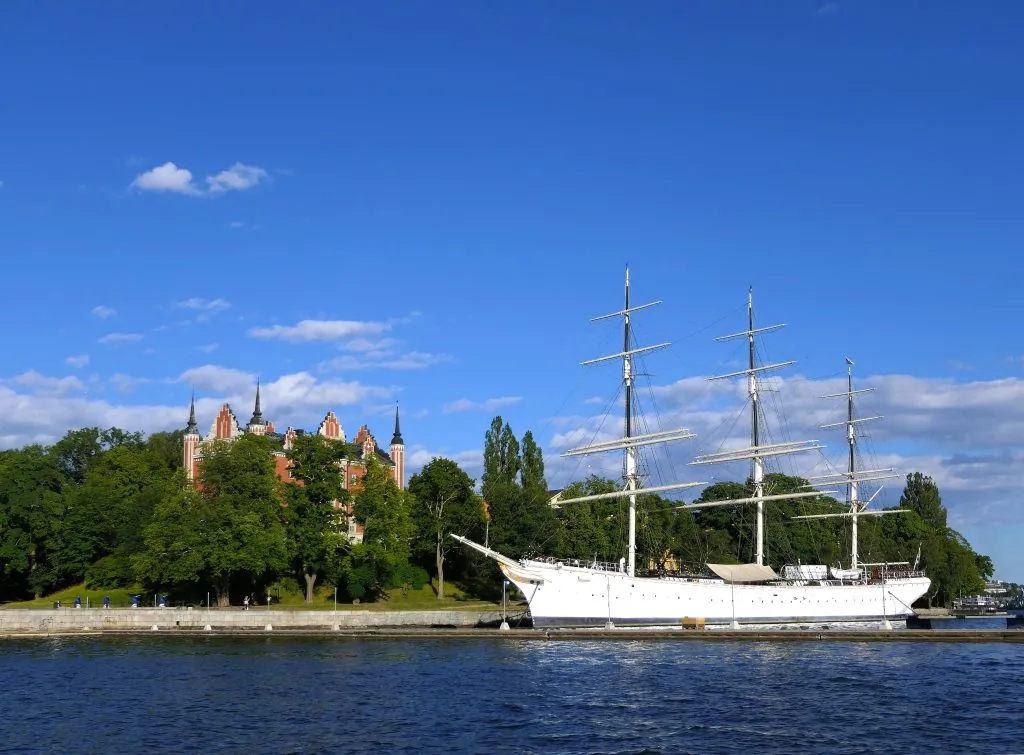
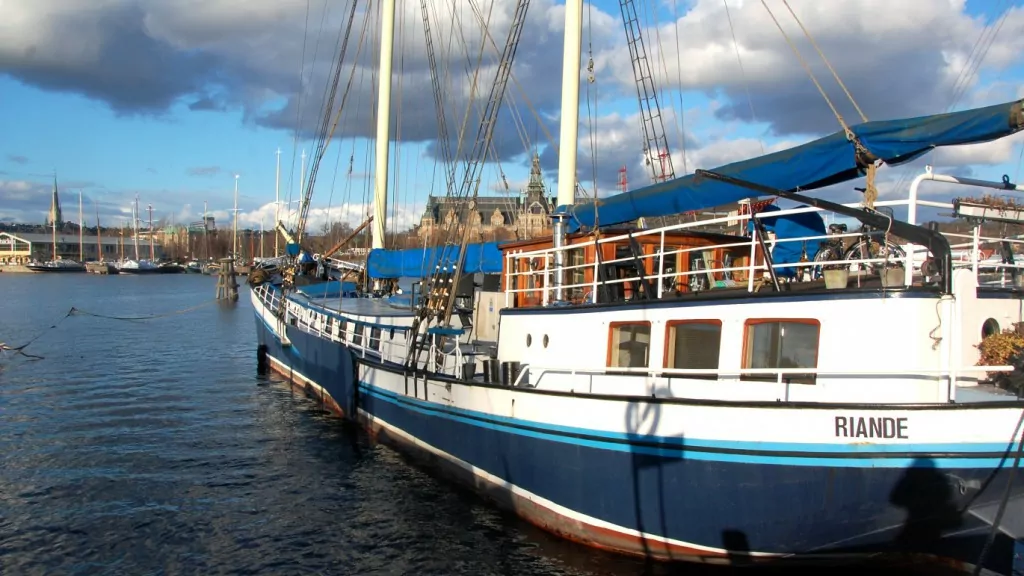
The boats make Skeppsholmen a little extra special for us. We have lived on our houseboat for many years. Freedom, which we renovated from scratch, and therefore we are naturally curious about the old the ships along the quays. Some have been tugboats, others workboats, and many look as if someone could move right in. We could easily be left standing and discussing what we would have done with them ourselves.
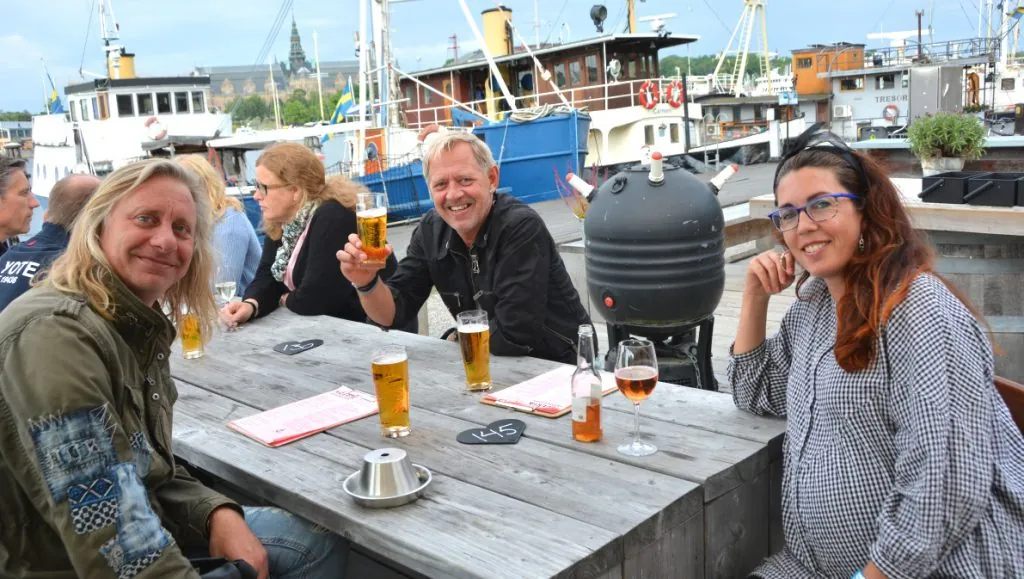
We have come here for many different reasons over the years – for museums, events, meetings and to meet friends. One summer evening Skeppsholmen was full of sailboats for the ÅF Offshore Race. After looking at the boats we ended up at a restaurant with our friends Peter and Eva and were faced with a difficult choice: regular pizza or sour herring pizza. We chose the usual one. Even our sense of adventure has its limits. 😂
On Skeppsholmen there is also Modern Museum, ArkDes and East Asian Museum, and in the large Bergrummet we ourselves happened to discover a whole toy museum when we were actually there for a meeting. But leave time to just walk around the island too.
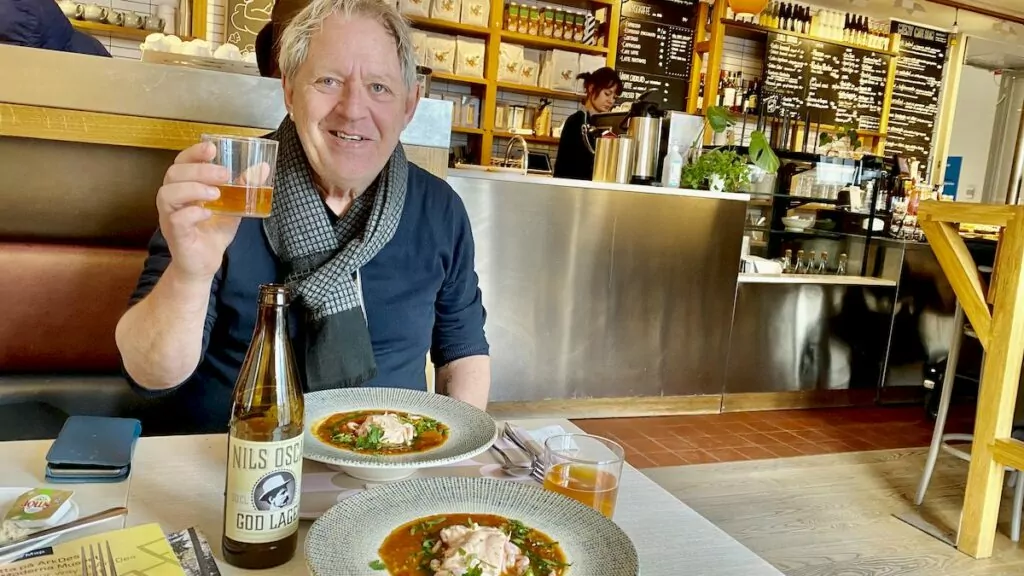
Walk all the way around Skeppsholmen and continue over to little Kastellholmen. Look at the boats, the buildings and Stockholm from the water. This is a place where the walk itself is the attraction.
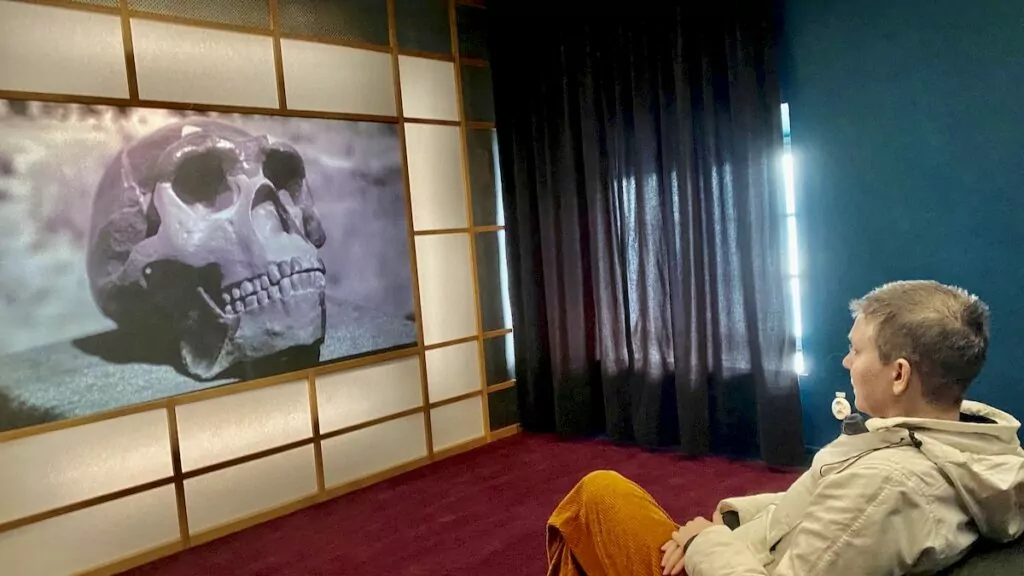
17. Let modern art challenge you at Moderna Museet
Modern Museum on Skeppsholmen shows modern and contemporary art in the form of painting, sculpture, photography, film and installations. But we really think that the most interesting thing is not which artist is hanging on which wall – but what art does to us who watch.
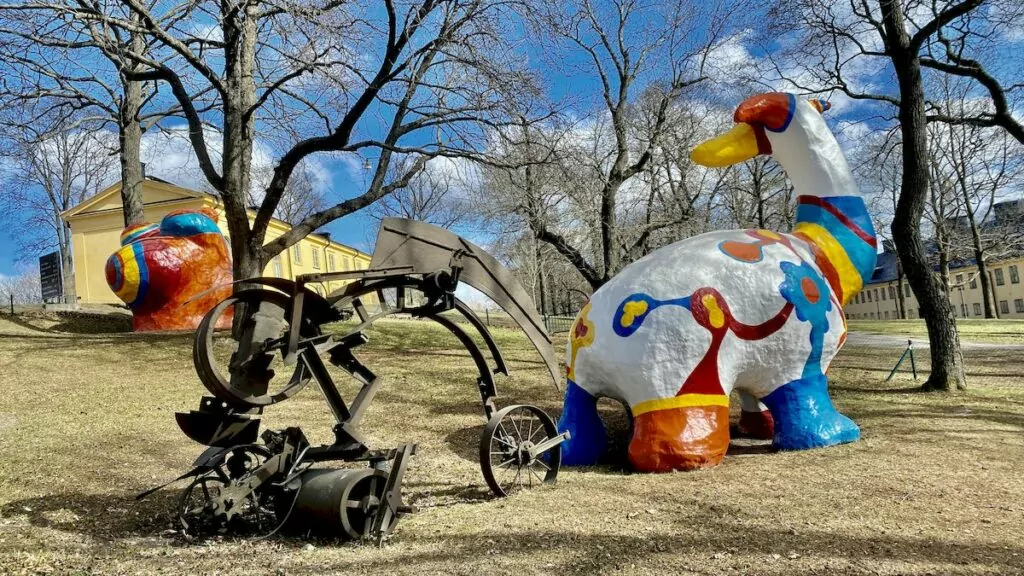
We are not art experts and sometimes we walk out of a gallery and feel like there was nothing there that really struck us. Other times we get stuck in front of a work and stay there for a long time. Art is arty – and maybe it should be. There are millions of different emotions, experiences and ways of looking at the world, and therefore the same work can touch one person and leave the next completely unmoved.
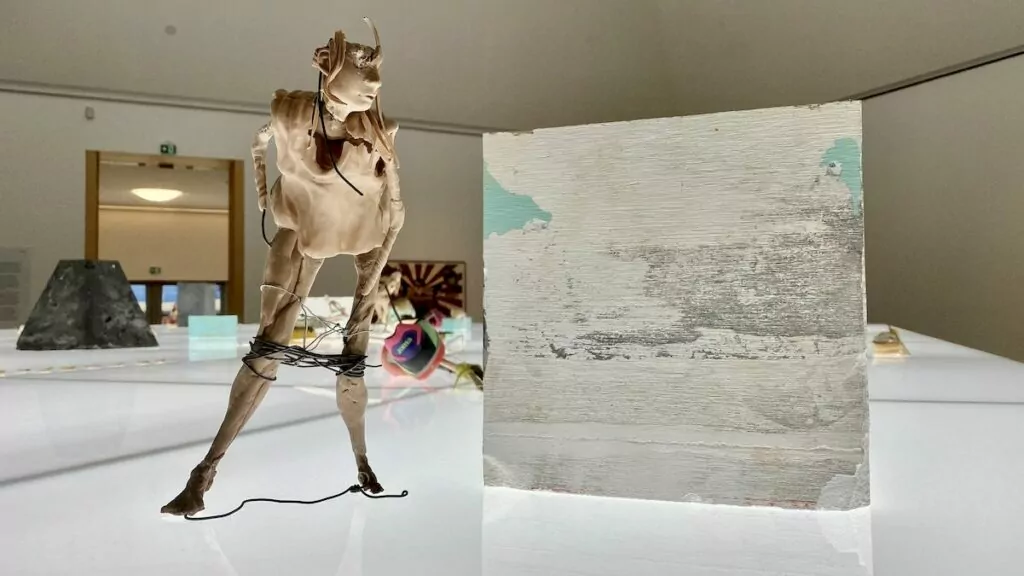
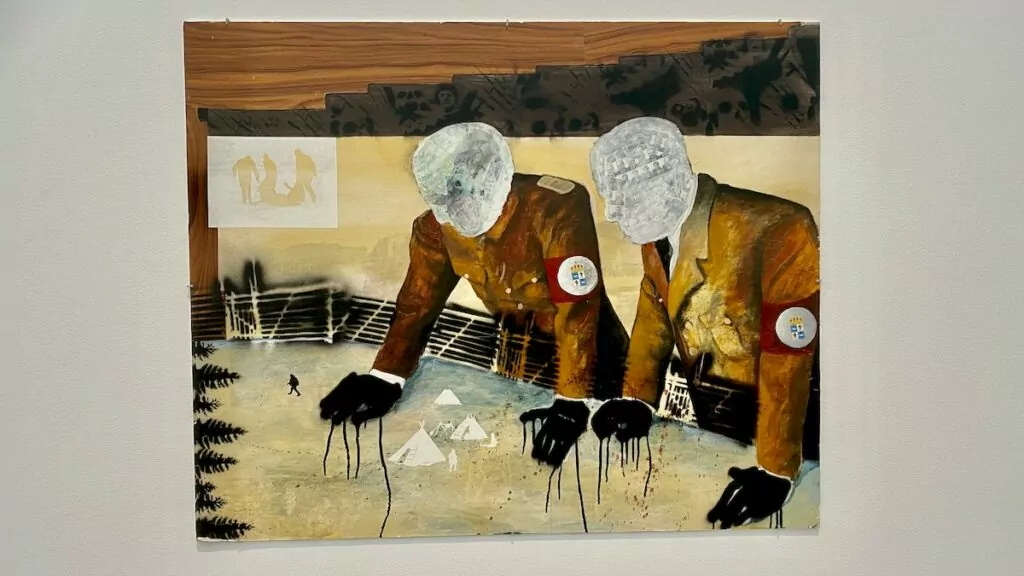
When we visited Moderna Museet, that was exactly what happened. Some works we didn't understand at all, while others made us react, talk, laugh or feel uncomfortable. We were captivated by art that told stories about conflicts, social changes and people's lives – and sometimes it wasn't the art that was difficult to understand, but the world it was trying to describe.
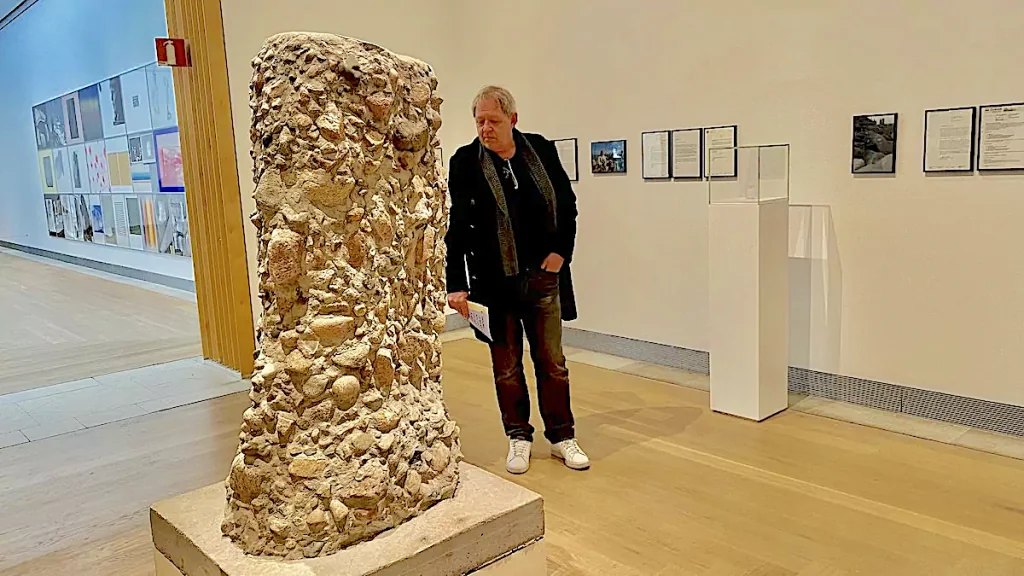
Maybe that's also why we continue to go to art museums even though we don't call ourselves art lovers. Art broadens the way we think and see the world – and sometimes even ourselves. It's pretty close to what we do when we travel: we go somewhere without really knowing what we'll encounter.
Don't try to understand everything. Choose a few works that stir something in you and stay there. And if you get confused by the rest? Then maybe the art has managed to do its job after all.
18. Discover Swedish history underwater at Vrak
At the bottom of the Baltic Sea lie ships, objects and traces of people who disappeared hundreds of years ago. When we visited Wreck - Museum of Wrecks already in 2021 we fell head over heels. The stories can sometimes feel like they were taken from The hunt for the missing treasure – with the big difference that this really happened.
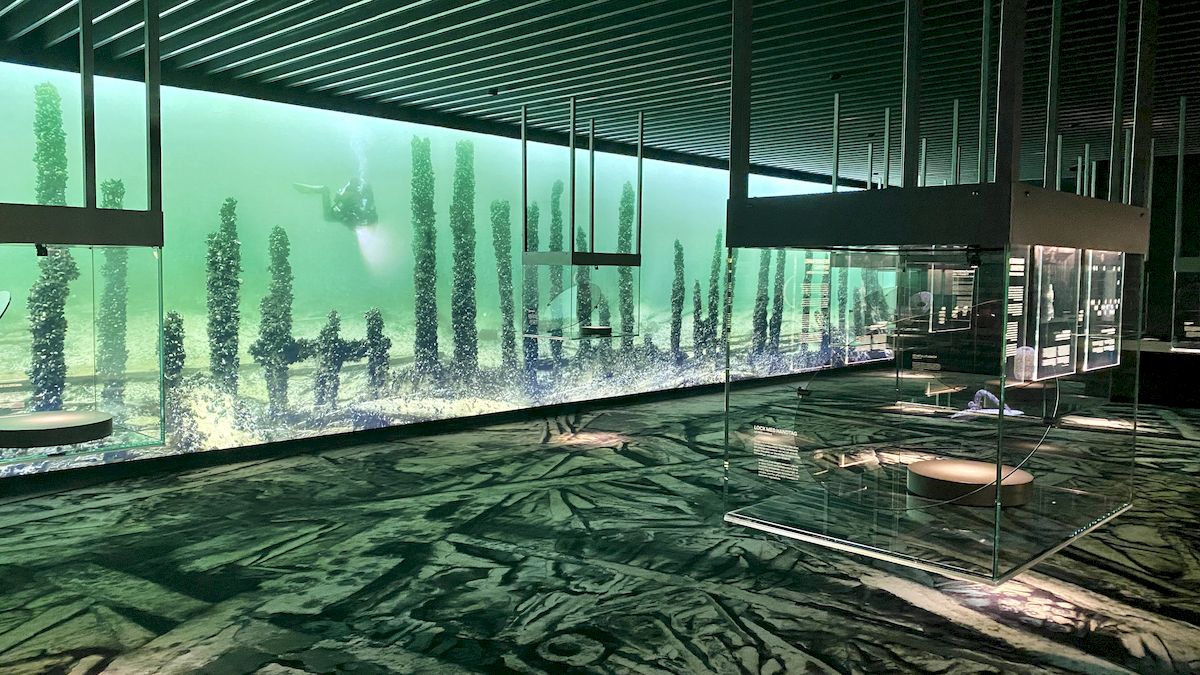
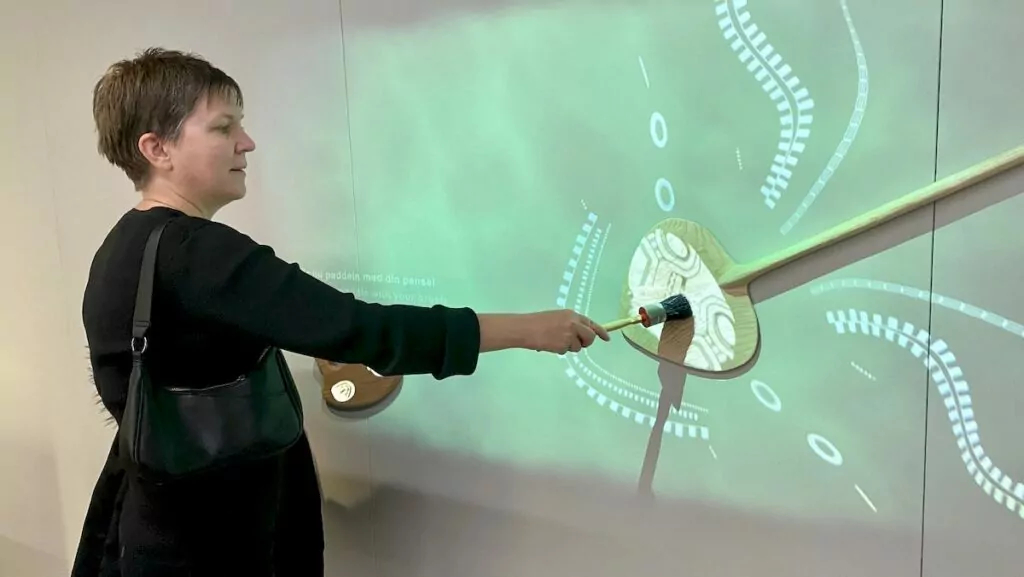
Vrak is a modern and interactive museum where the hidden history of the Baltic Sea is brought to life with film, sound, digital technology and various visual experiences. Here it is not about long rows of objects in displays. Instead, you get to follow the people, the ships and the mysteries and almost follow them down below the surface of the water yourself.
One story we particularly liked is about the warship Traveller Man, which sank in a severe storm in 1660 and then disappeared for more than 350 years. Many people tried to find the wreck before it was finally located in 2012. When you hear the story at the museum from one of those who survived the sinking, the 17th century suddenly comes very close.

And perhaps it is the people who make Wreck so good. Behind every sunken ship are people who set out to sea with a goal, a family waiting at home, and a story that sometimes ended at the bottom of the Baltic Sea. It's not just wreckage – it's people's lives.

We were already impressed when the museum opened in 2021, and in 2026 Vrak was named Museum of the Year. That doesn't surprise us at all. This is a museum we think more people should discover.
Start the visit with the film Sea of memories and give yourself time to immerse yourself in the stories. Vrak is not a museum where you need to read every sign – it is a museum to experience.
READ MORE: Wrecks - Museum of Wrecks on Djurgården in Stockholm.
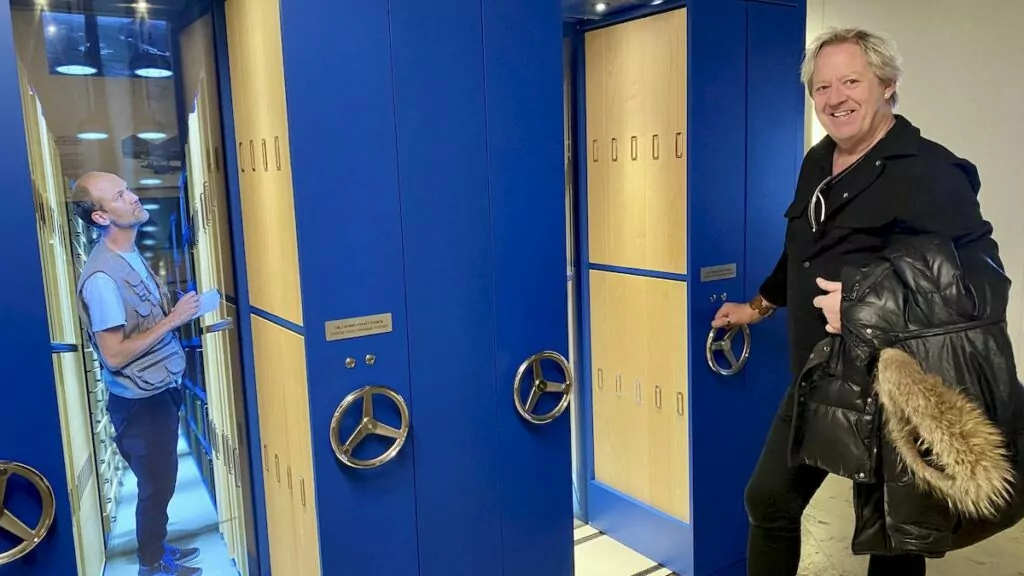
19. The Viking museum – experience the Viking Age on Djurgården
The Vikings have become world famous. When we travel around the world and tell people that we are from Sweden, it is surprisingly common for the response to be something like: ”"Sweden! We love Vikings!"” TV series Vikings has sparked enormous international interest in the Viking Age – but behind the warriors of the TV series there is a much bigger and more fascinating story.
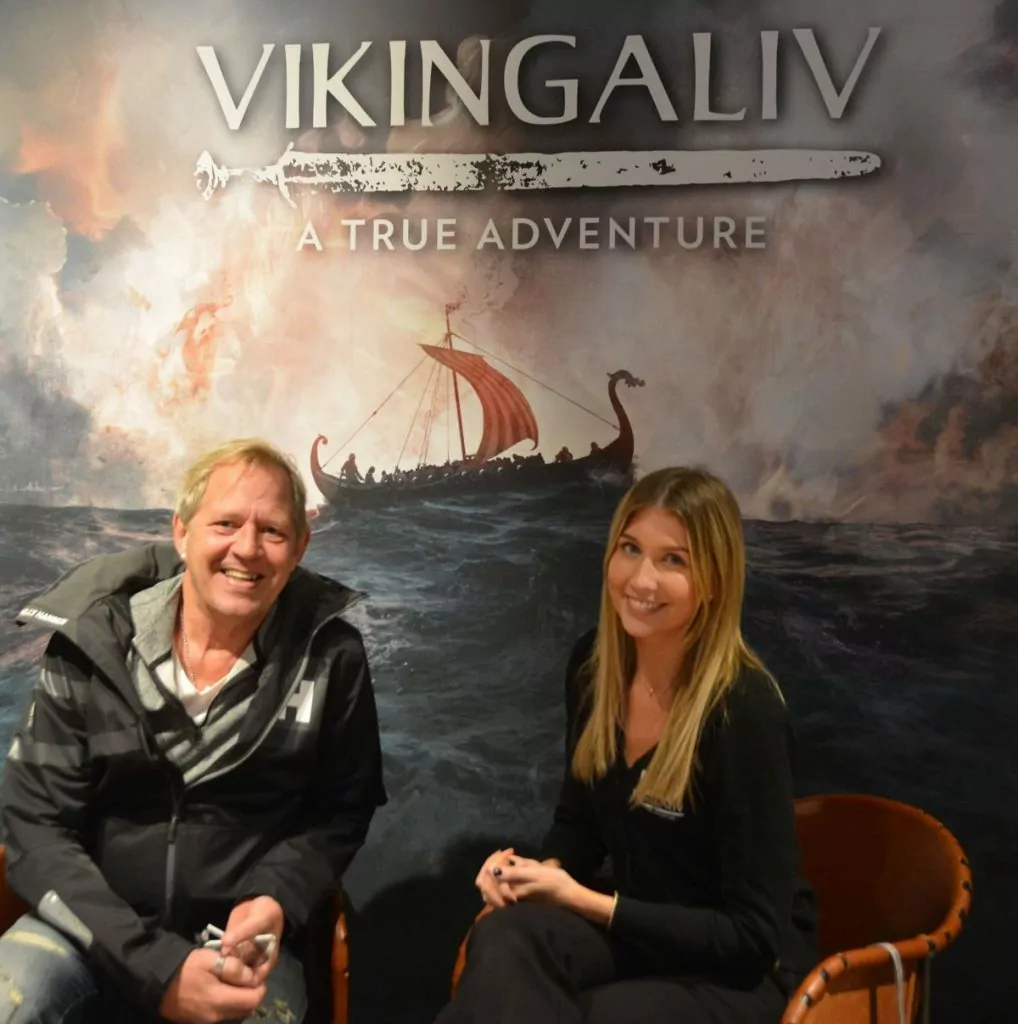
You will encounter that story on The Viking Museum on Djurgården. We wouldn't really describe it as a traditional museum, but rather as an experience where stories, environments and interactivity take you back about a thousand years in time. Here you not only meet warriors and raiding parties, but also get to know the people who were farmers, traders, craftsmen, women and children.
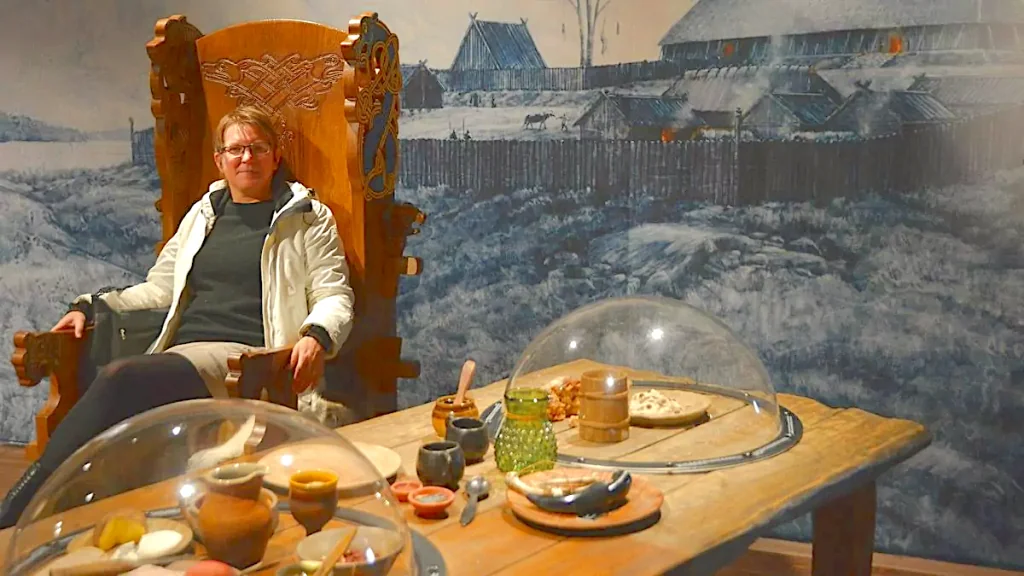
We have followed the Vikings' footsteps in many places during our travels, including the Viking city of Haithabu in northern Germany, in Norway and several times in Iceland. Helena also speaks Icelandic, a language that has preserved much from Old Norse and which makes the connection to the old Nordic world even more fascinating for us.
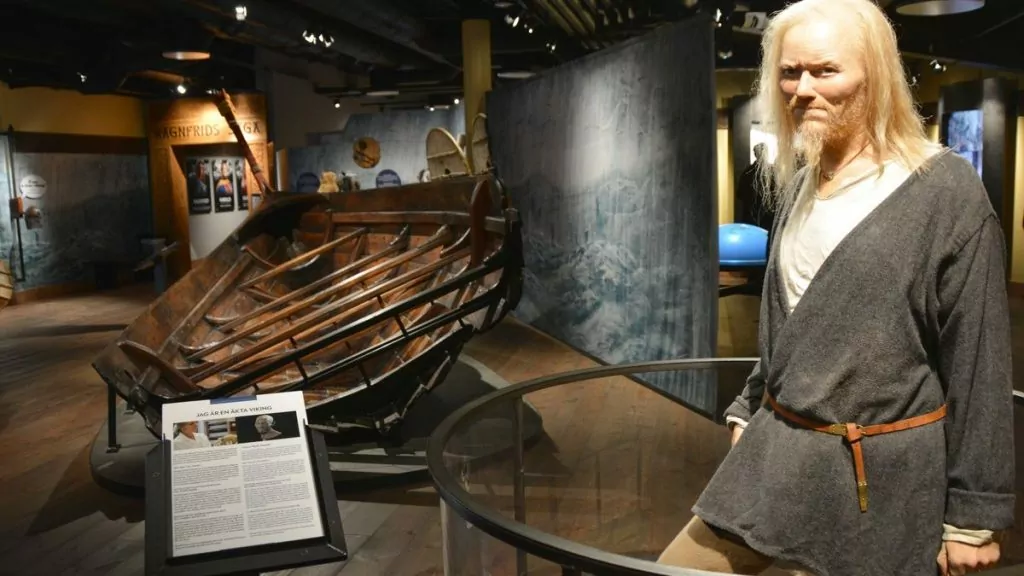
One of the highlights at The Viking Museum is The story of Ragnfrid, where you travel through a story that begins on a Viking farm in the year 963. Here, history suddenly becomes an experience instead of years and names in a book – and that's exactly why we like this place.
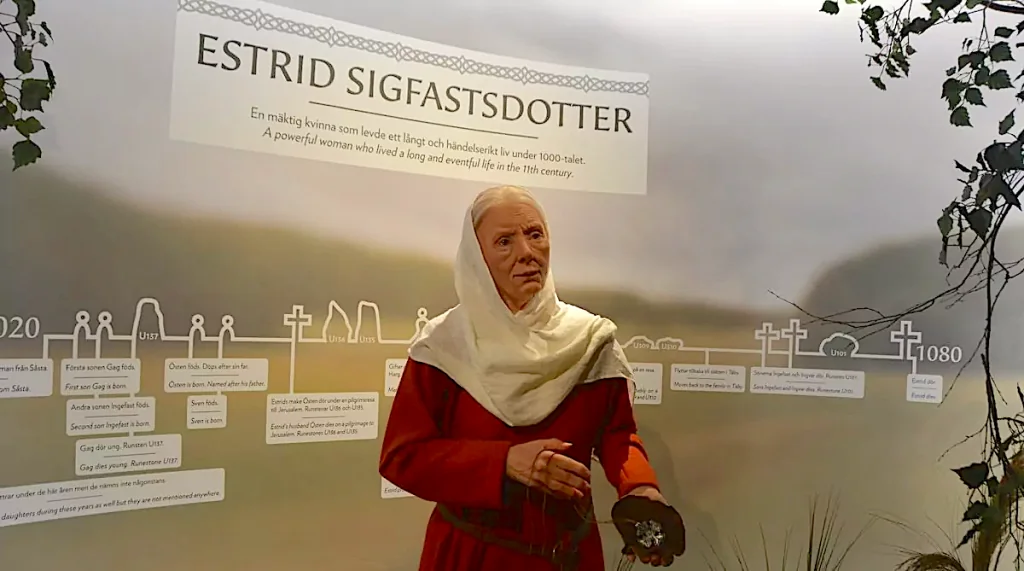
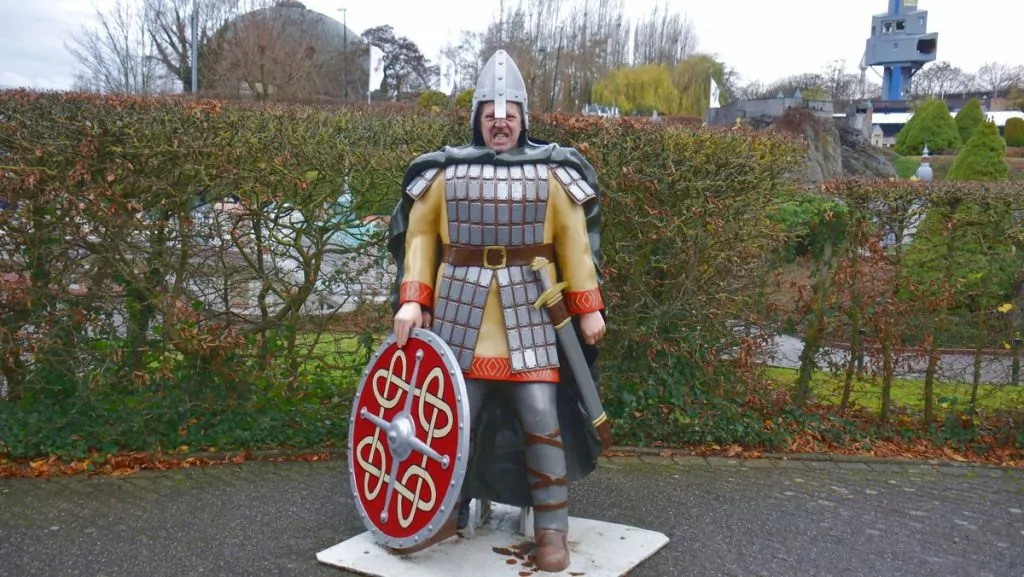
Because the Viking Age is bigger than helmets, swords and raiding parties. It is about people who traveled enormous distances, traded, built communities and left traces behind them far beyond present-day Sweden. The more we ourselves have traveled in their footsteps, the more fascinating that story has become.
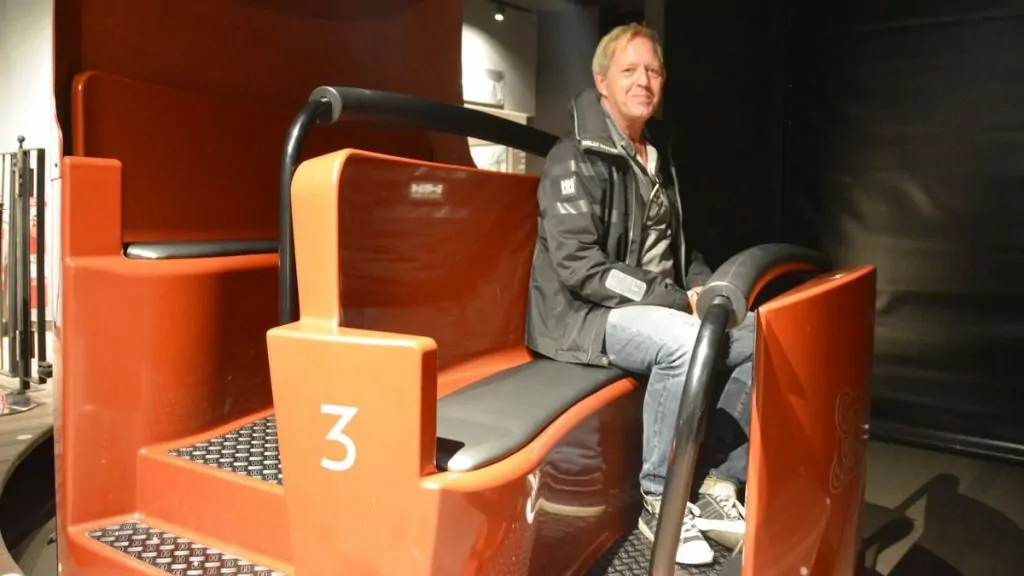
The Viking Museum is suitable for both adults and children, and you don't have to be interested in history to begin with. Come for the Vikings – and chances are you'll leave much more curious about who they really were.
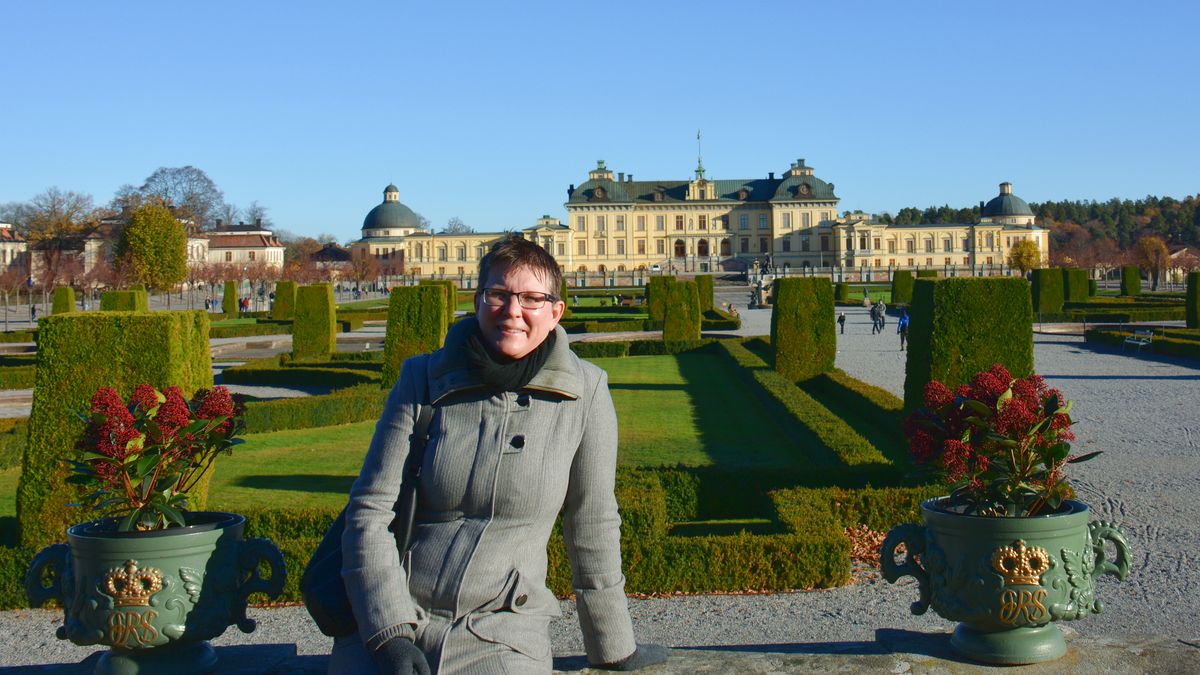
20. Drottningholm Palace – Royal World Heritage Site on Lake Mälaren
It's easy to think of Drottningholm as just a castle, but for us the whole area is the experience. We've walked through the enormous castle park, walked through the royal halls and taken a guided tour of the fantastic Drottningholm Theatre. Here, there are several hundred years of Swedish history gathered in one place – but at the same time it's green, beautiful and wonderful to just walk around.
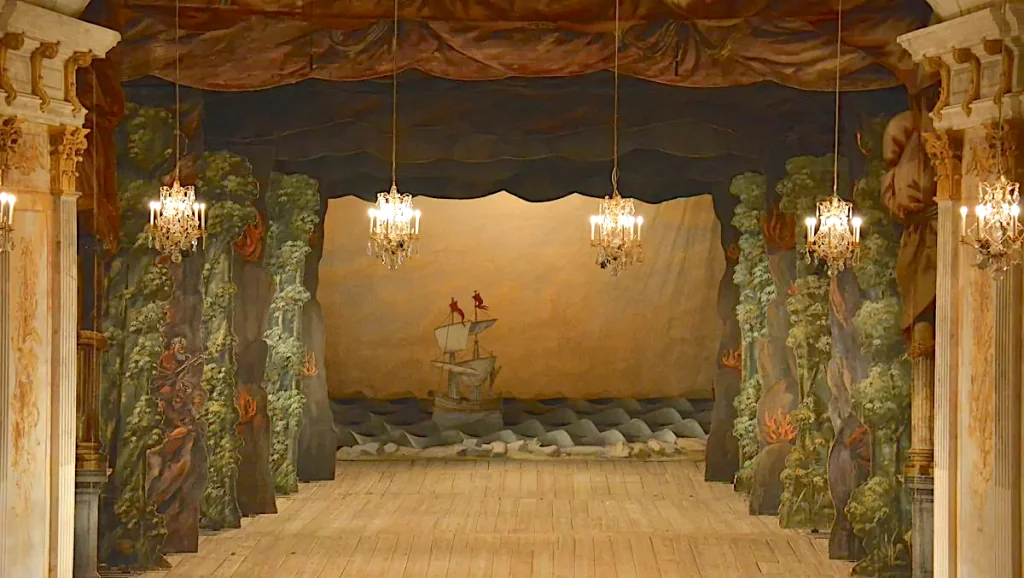
One of our favorites is the old one Drottningholm Theatre from 1766, where the historic stage machinery still remains. Here, wind and thunder could be created long before anyone had heard of surround sound and special effects. The theater is still used for performances, which makes the historic setting even more awesome.
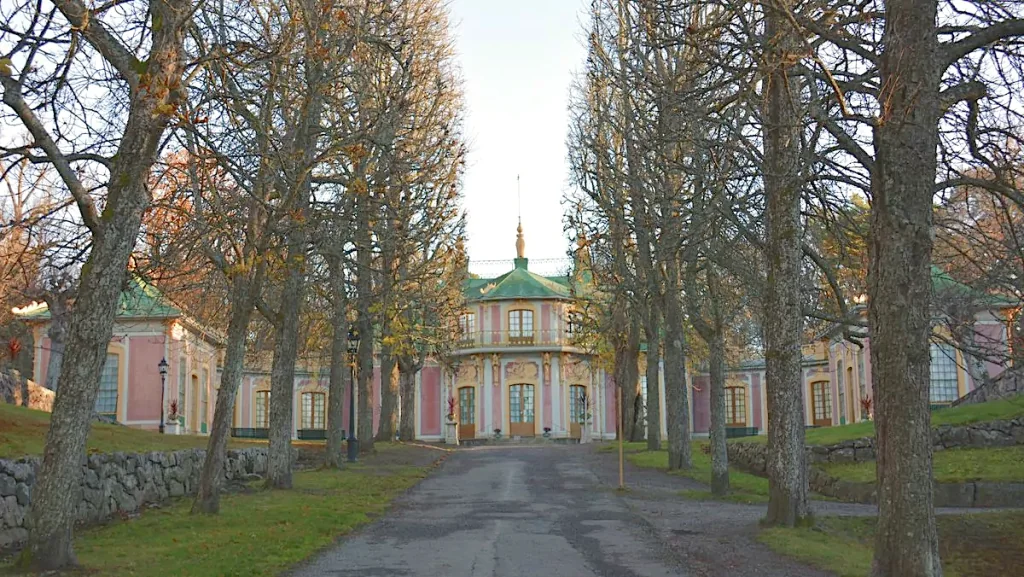
Then continue through the park to China Castle, which Adolf Fredrik originally had built as a surprise for Lovisa Ulrika on her birthday. Also nearby is Confidencen, where the dining table could be lifted up through the floor so that the royals could eat without servants around them. It is details like these that make Drottningholm much more enjoyable than just looking at a beautiful castle.
Allow plenty of time. Drottningholm is not an attraction you can just run into and check off. Combine the palace with the park, China Palace and preferably a guided tour of the palace theater. Then Drottningholm will be a half- or full-day experience.
READ MORE: Drottningholm Palace in Stockholm - guide for your visit
21. Hagaparken – green oasis with butterflies and sharks
Only about 20 minutes by bike from where we live is Haga Park, one of our green favorites in Stockholm. Here the city noise disappears and you can walk or cycle along Brunnsviken, sit on the grass with a picnic and just enjoy. The park itself is also completely free to visit.
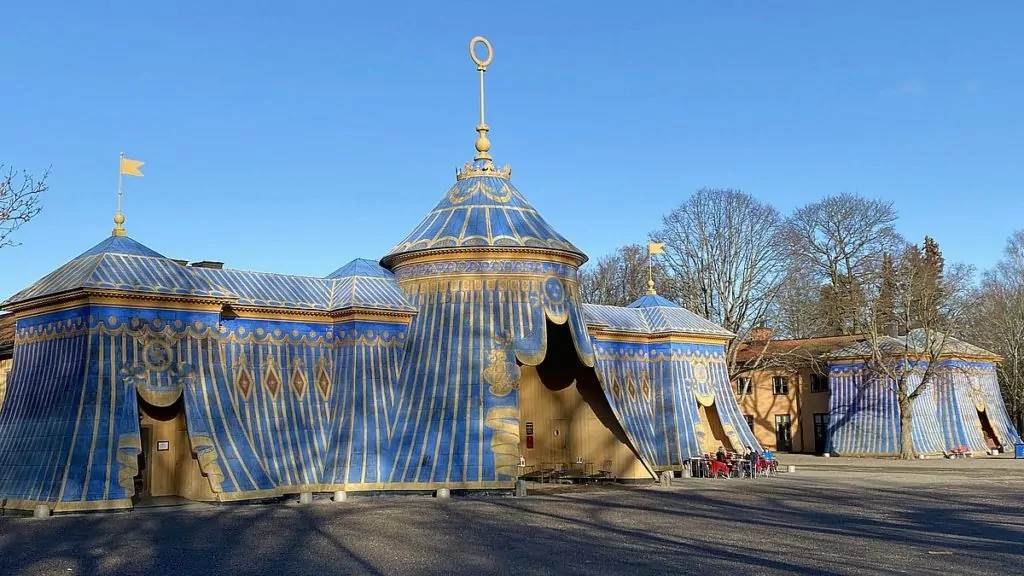
But Haga is much more than nature. Gustav III began creating the royal park in the 18th century and even today history is everywhere. Here you will find the strange Copper tents, Gustav III's pavilion, the Echo Temple and the foundation of the enormous castle that the king planned but never had time to build. Haga Castle is also located here and is today the home of Crown Princess Victoria and Prince Daniel.
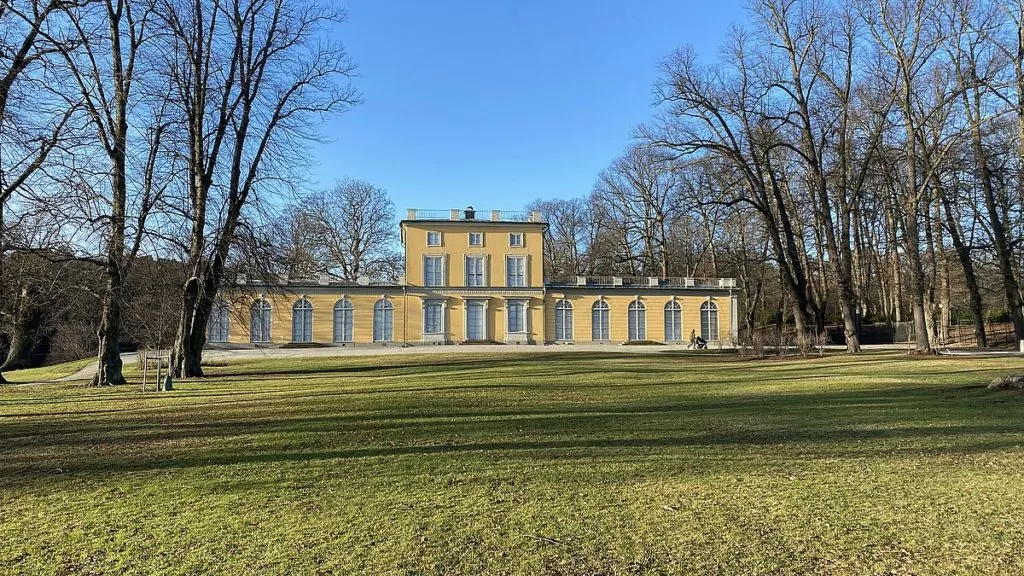
Haga Ocean Butterfly House – the tropics in the middle of Stockholm
And if you have children with you – or simply like animals – you shouldn't miss Butterfly House Haga Ocean behind the Copper Tents. When we stepped inside ourselves, we left Stockholm and suddenly found ourselves in tropical heat with hundreds of exotic butterflies flying around us.
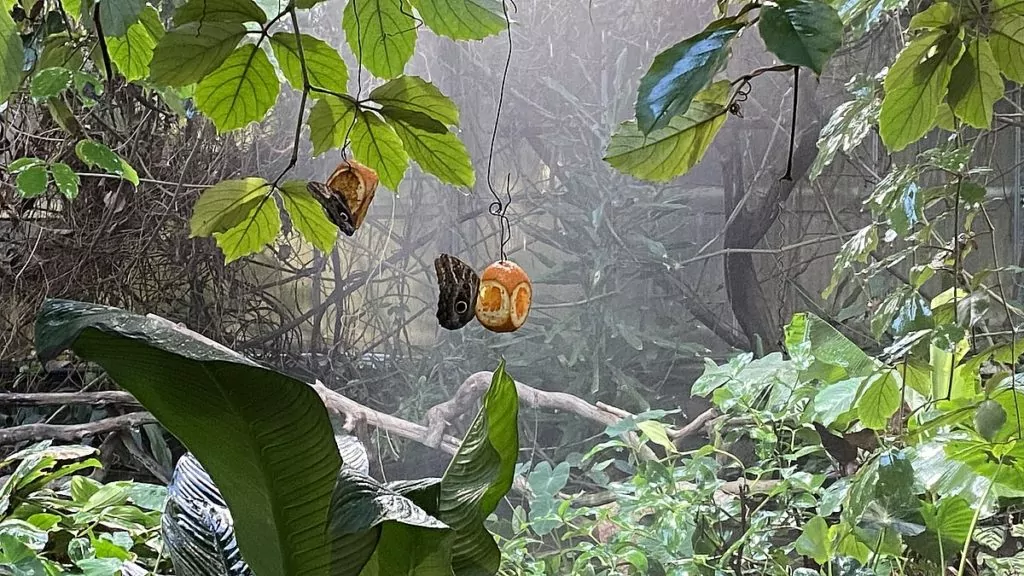
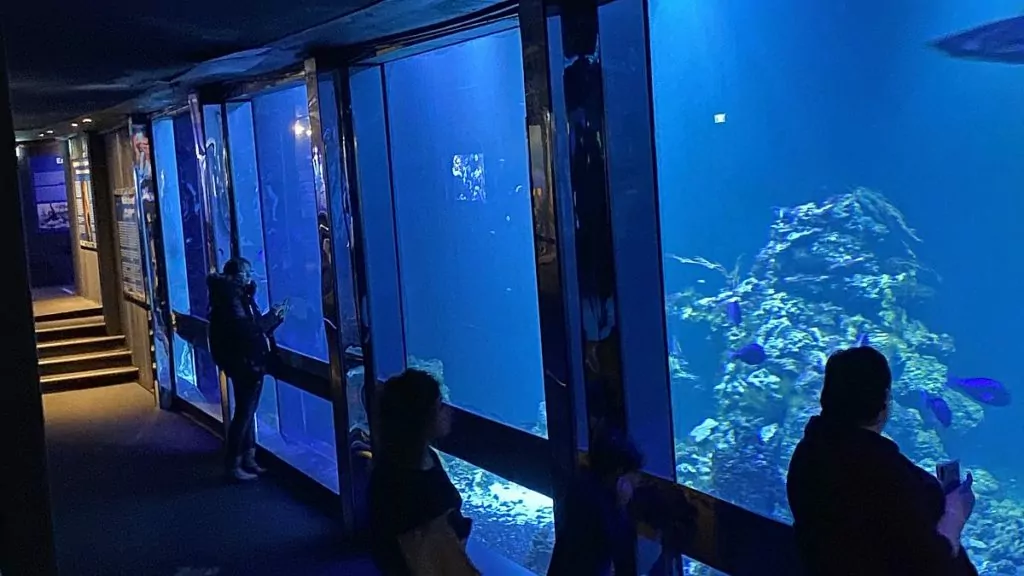
Then the experience changes again. Here there are frogs, lizards and fish, and in the large aquarium swims sharks among the colorful fish of the coral reefs. The combination is actually quite crazy: one moment you're walking among Gustav III's old pavilions in Hagaparken and the next you're standing in tropical heat looking at a shark.
Feel free to bring a picnic and make Haga a half-day. Walk or cycle through the park, see the Copper Tents and the settings from the time of Gustav III and combine with the Butterfly House if you are traveling with children. Hagaparken is free, while the Butterfly House has an entrance fee.
22. Artipelag – art experience in a league of its own
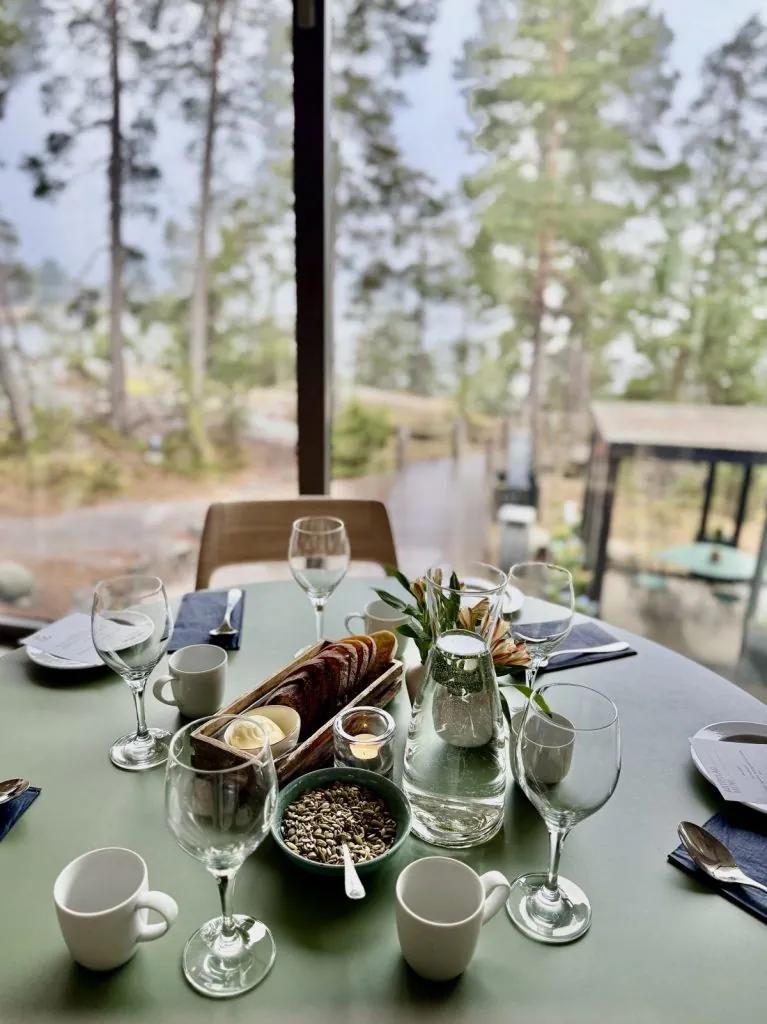
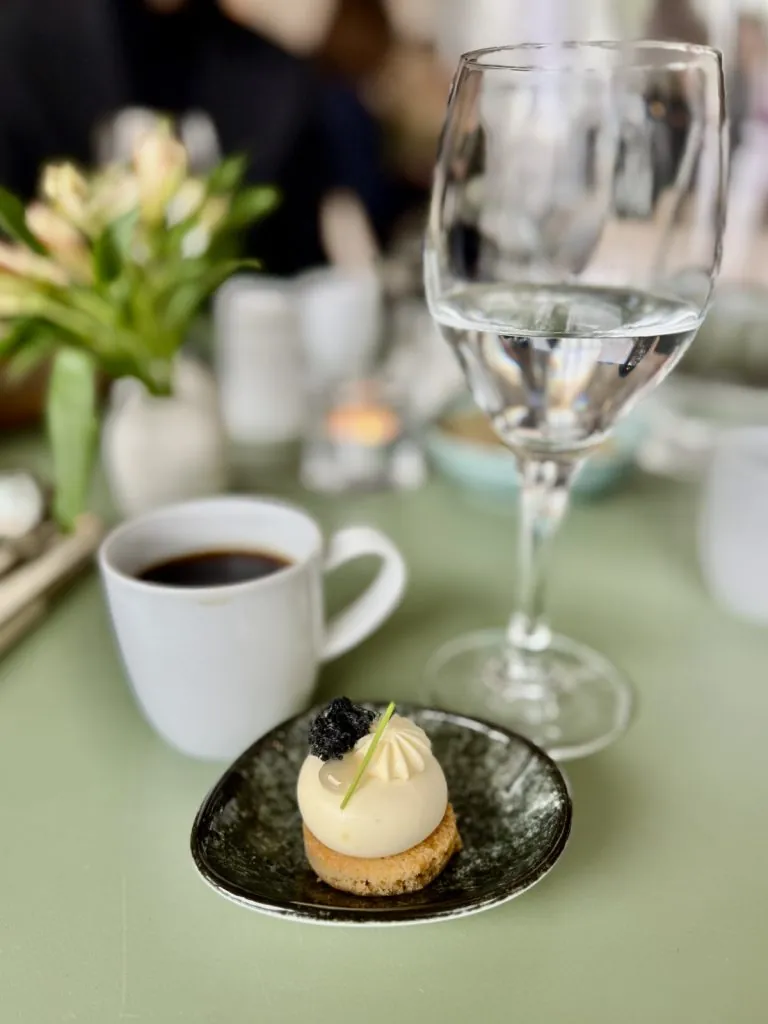
The name is almost as ingenious as the place – Species-in-pelag. Art in the middle of the Stockholm archipelago. We have been to many art museums and exhibitions around the world, but Artipelag is actually in a league of its own. We have also never met anyone who has been here and didn't like the place.
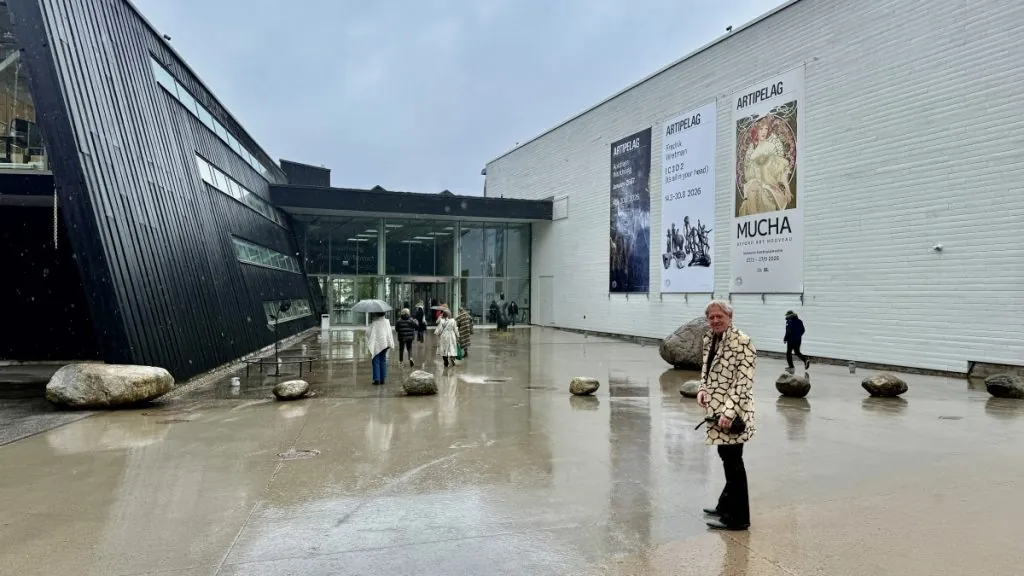
The environment alone is worth the trip. Artipelag is located on Värmdö with the forest and the sea right outside the door. Here you can visit an exhibition, have lunch or coffee with a view of the water and then continue out on the walking paths through the archipelago nature. The art also follows you out the doors – around the area there are works of art placed out in the landscape.
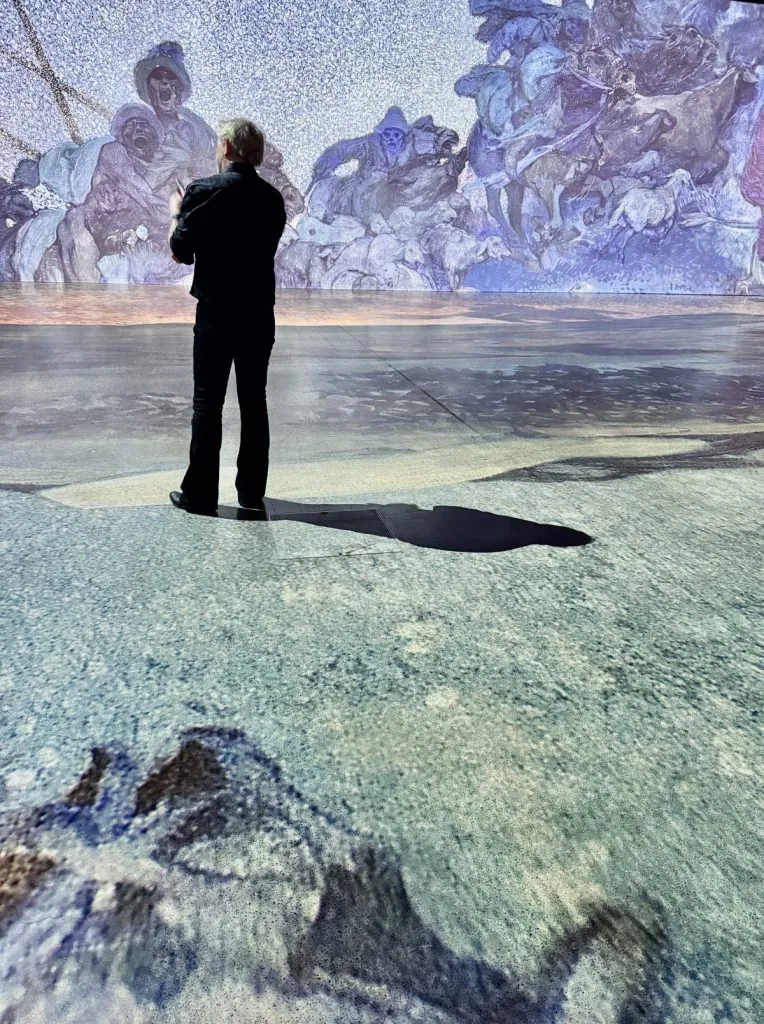
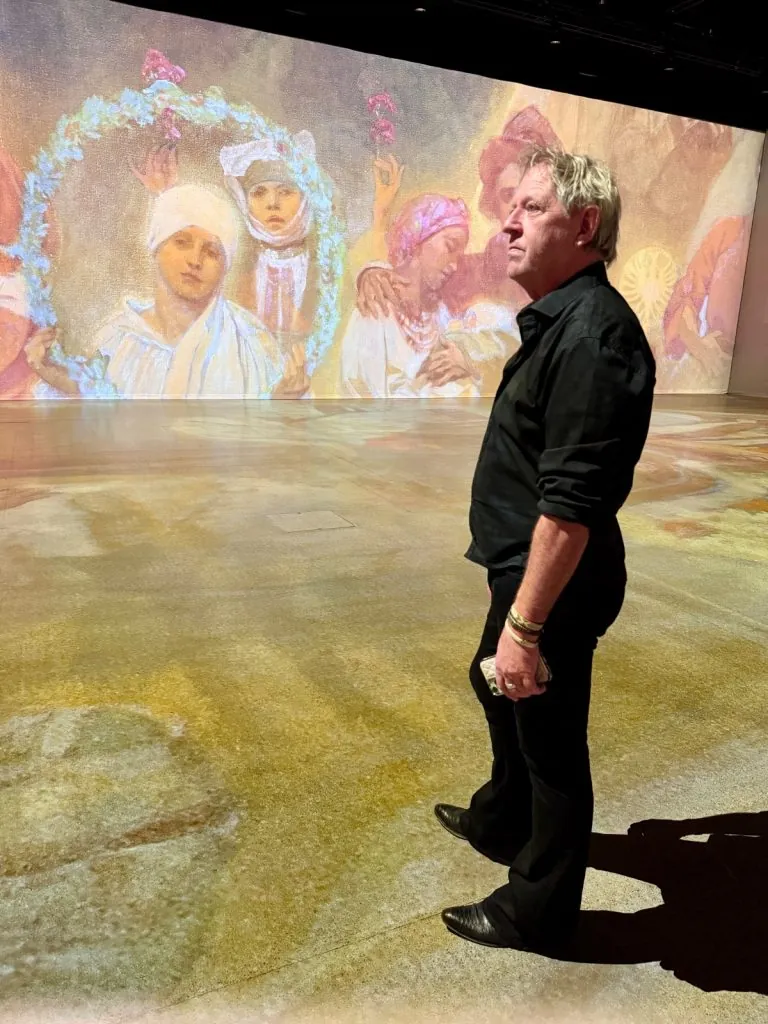
And the exhibitions surprise us time and time again. Most recently we saw ”"Mucha - Beyond Art Nouveau"”, where Alfons Mucha's art doesn't just hang on a wall. Images are projected onto walls and floors along with music and sound, and suddenly you're almost standing inside the art. We were completely absorbed into the experience.
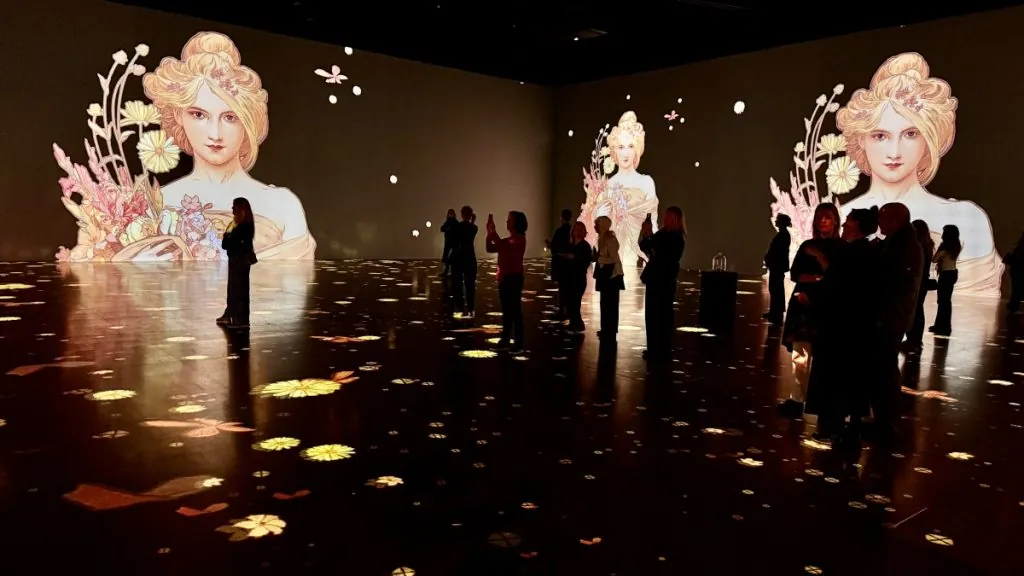
Don't Artipelag for a quick museum visit. Set aside half a day or preferably a whole day. See the exhibitions, eat something delicious, walk among the artworks and continue along the water. During the summer months, you can also make the trip itself part of the experience by taking a boat from Stockholm.
That's also what we think Artipelag does so well. You don't need to know anything about art and you definitely don't need to understand everything. You just need to experience.
Stockholm in 2-3 days - complete itinerary day by day
Do you only have a few days in Stockholm? Then we wouldn't try to cover all 22 places in this guide. Stockholm is at its best when you also have time to stroll along the water, sit down at a café or just enjoy the view. This is our suggestion for a first weekend in Stockholm.
Day 1 – Old Town, the castle and Södermalm
- Morning: Start in the Old Town while the alleys are still relatively quiet. Walk around Stortorget, Storkyrkan and the small alleys, then continue to Stockholm Palace.
- Afternoon: Head over to Södermalm and stroll along Monteliusvägen. Here you'll get one of our favorite views of Stockholm, with the City Hall, Riddarholmen and Lake Mälaren in front of you.
- Evening: Stay in Södermalm for dinner. If you have any energy left, just continue exploring the streets and viewpoints of Södermalm.
Day 2 – Djurgården and some of Stockholm's best experiences
- Morning: Start at the Vasa Museum. Even if you don't normally go to museums, it's hard not to be impressed by an almost complete 17th-century warship right before your eyes.
- Afternoon: Continue on Djurgården and choose according to your interest: Skansen, ABBA The Museum, Junibacken, The Viking Museum or Vrak. Don't try to do everything – choose one or two experiences and leave time for Djurgården itself.
- Evening: Stroll along the water or take the Djurgård ferry back towards Slussen. Seeing Stockholm from the water is an experience in itself.
Day 3 – Choose the archipelago, Drottningholm or Hagaparken
- If you have a third day, we would leave the most central parts of Stockholm and choose and larger excursion.
- Go out to Fjäderholmarna and get a first taste of the Stockholm archipelago, take the boat to Drottningholm Palace or choose a quieter day with Hagaparken, walks around Brunnsviken, Koppartälten and perhaps the Haga Ocean Butterfly House.
- If you have more time and like art and nature, Artipelag Another one of our personal favorite tips – here you get art, archipelago, walks and sea on the same excursion.
Best time to visit Stockholm: May–September, when the days are long and the weather is usually at its warmest. December is also a nice time with Christmas markets and a winter atmosphere.
Where to stay in Stockholm?
So, where should you live in Stockholm? The city is spread across several areas with different characters - here are the best areas to choose from.
Norrmalm - central, convenient and close to everything
Perfect for those who want to live in the centre of the city within walking distance of shopping, restaurants and attractions. You'll be close to the central station and have good transport links across the city. Popular hotels in the area include Haymarket by Scandic with its unique art deco design and Downtown Camper by Scandic which offers a modern and sociable hotel experience.
Södermalm - trendy, creative and relaxed
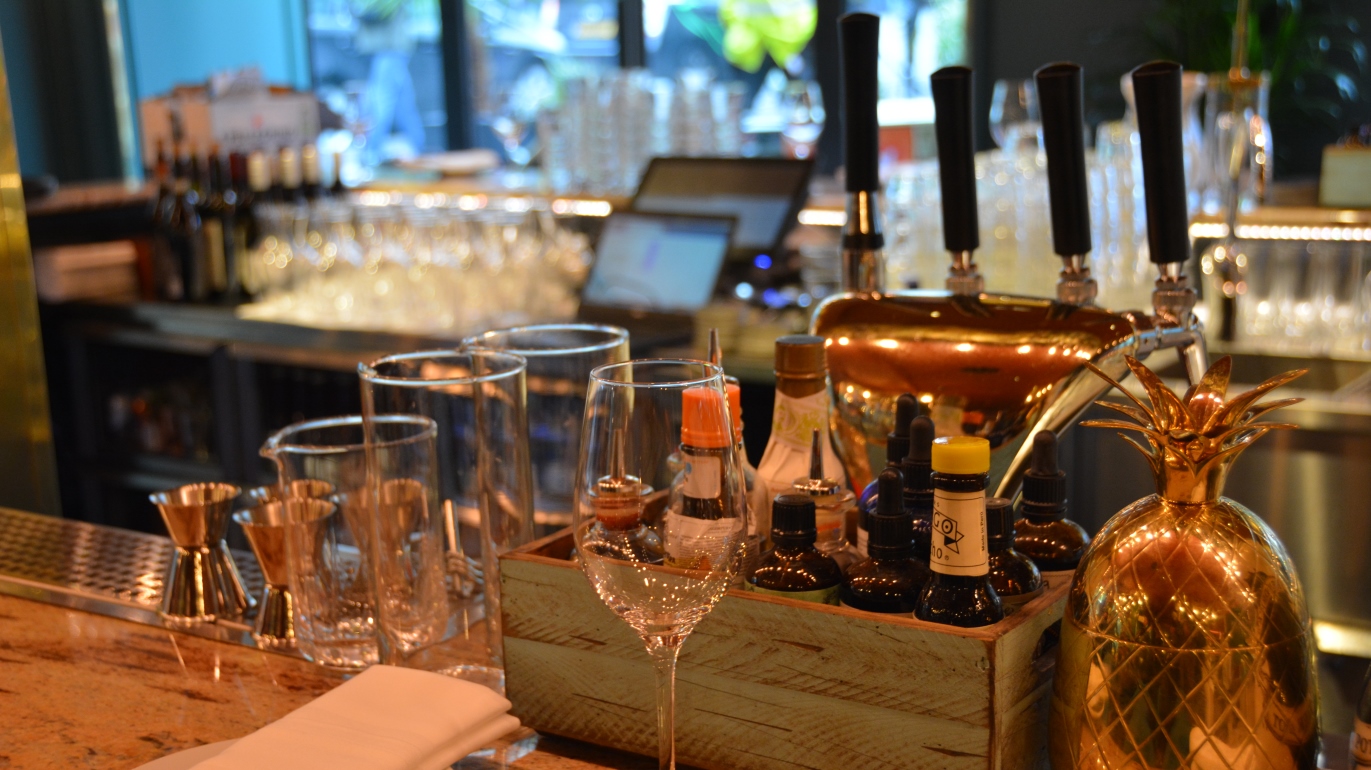
Södermalm is the hipster heart of Stockholm, with vintage shops, cafés and a wide range of restaurants and bars. Here you get a more local feel and a vibrant cultural life. Perfect for those who want to experience a more relaxed and creative side of the city.
Old Town - historic and charming
If you want to live in the centre of history, Gamla Stan is an obvious choice. Here you live among cobbled streets, colourful houses and close to attractions such as Stockholm Castle. A perfect area for a romantic stay or short weekend.
Östermalm - exclusive and calm
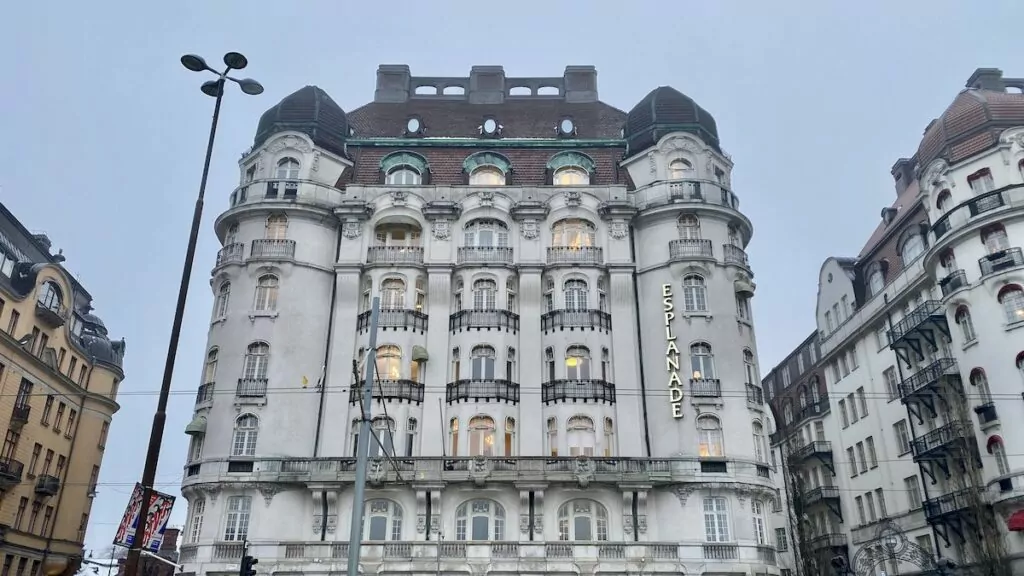
For a more exclusive experience, Östermalm is a great choice. The area is elegant, quiet and close to water and green spaces. Here you will find charming Hotel Esplanade - A classic boutique hotel with lots of character. Suitable for those who want good standards and a more sophisticated pace.
Motorhome living - flexible and close to nature
If you come by campervan, there are also a few different options. Below you can see some more central locations. There are also campsites in several Stockholm municipalities, such as Vaxholm, Haninge, Nynäshamn etc.
- Långholmen car park, Skutskepparvägen (summer only)
- RV park Stockholm, Flaten Skogsväg 30, Skarpnäck.
- Tantolunden campervan campsite, Ringvägen 24, Stockholm
- Ängby camping, Blackebergsvägen, Bromma

FAQ - Frequently asked questions about Stockholm
HOW IS THE EASIEST WAY TO GET AROUND STOCKHOLM?
Stockholm is a very easy city to get around in. We walk a lot between the districts ourselves and like to combine walks with the metro, bus, tram and boat. One tip is to not only see the boat as transport – the Djurgårds ferry and other boats also provide nice views of the city.
CAN YOU EXPERIENCE STOCKHOLM'S ARCHIPELAGO WITHOUT A CAR?
Absolutely, and from central Stockholm, the boat is often the most natural way to get out into the archipelago. You can take a short trip to one of the nearest islands or continue further out and make the boat trip itself part of the experience. For us, the combination of Stockholm and the archipelago is a big part of what makes the city special.
WHAT CAN YOU DO FOR FREE IN STOCKHOLM?
Lots. Stroll through the Old Town, discover the views from Södermalm, walk around Skeppsholmen, Kungsträdgården and Hagaparken or follow the water through the city. Stockholm is a city where some of the best experiences are actually found between the attractions that cost money.
CAN YOU VISIT STOCKHOLM'S ARCHIPELAGO IF YOU ONLY HAVE ONE DAY?
Yes, and then we would choose Fjäderholmarna or idyllic Sandhamn, depending on how much of the day you want to spend on the excursion. Fjäderholmarna is close to Stockholm and is perfect if you want to get a quick taste of the archipelago, while Sandhamn is much further out and gives more of a feeling of a real day in Stockholm's outer archipelago. The boat trip there is also a big part of the experience.
You might also like:
 Things to do in Grebbestad - 12 tips for the oyster mecca



 Things to do in Luleå - 15 tips for great experiences
 Things to do in Gävle – attractions, coast and our best tips
 Things to do in Mora - 16 sights and experiences


 English (UK)
  Svenska
dianasdrömmar says:
Imagine how much there is to do :)good continuation hugs
29 December 2021 - 9:46
Helena says:
There really is so much to see and do in Stockholm! All the best and Happy New Year!
29 December 2021 - 17:32
Maria / emjis says:
What a great post! Lots of good interesting tips for us who do not know Stockholm. The last time I was there was when I was training at Sturebadet as a SPA therapist in the late 90s! Maybe time again.
29 December 2021 - 11:00
Helena says:
Glad you liked the post! What an exciting education you went! 🙂
30 December 2021 - 7:49
bmlarsreseblogg says:
Stockhoim has an almost unlimited number of attractions and excursions. We try to plan one or two on each visit. Now in January we take the train up during the day and then we have thought of the Nordic Museum and possibly. Nobel Museum.
29 December 2021 - 12:38
Helena says:
Yes, I agree. There is so much to see and do here. We take a museum from time to time, when we have some time to spare and want to do something, and there are so many 😉.
30 December 2021 - 7:51
Lena+i+Wales+och+Spanien says:
Thanks for a great list of things to see and do in Stockholm.
Several I have experienced, but some were new and some I can do again.
HAPPY NEW YEAR!
29 December 2021 - 14:23
Helena says:
Glad you liked the list Lena! Good continuation and Happy New Year!
30 December 2021 - 7:51
BP says:
It is often you get home blind, but you have really managed not to be. Surely our beautiful capital offers a lot:-)
29 December 2021 - 19:14
Helena says:
Sure, it's easy to become homebound. I think we felt it in the past, but both the pandemic and the blog have helped us discover Stockholm 😉.
30 December 2021 - 7:52
Lena - gott för själen says:
What a lot of fun and exciting things we have in our capital! Some sightseeing would have been fun to take sometime. I have been on a rooftop walk (so cool!), but never a "regular" one.
Hug Lena
24 May 2022 - 19:55