

Writer: Helena Bergström
Updated: April 2026 | Lebanese food is one of the Middle East's most beloved cuisines – and it's not hard to see why. Lebanese meze is incredibly delicious with all the flavorful dips, pies and salads.
 Tweet
Tweet Share
Share Share
Share Pin
Pin Share
Share Share
ShareWe love Lebanese food and we enjoy eating Lebanese food at restaurants – or ordering it home. Maybe the food is adapted a bit for European tastes and conditions when you eat it here in Sweden, but you still get some insight into Lebanese culture.
In this guide, we take a look at what to eat in Lebanon - and list 25 classic Lebanese dishes you won't want to miss.
Table of contents
What is Lebanese food? – a quick overview
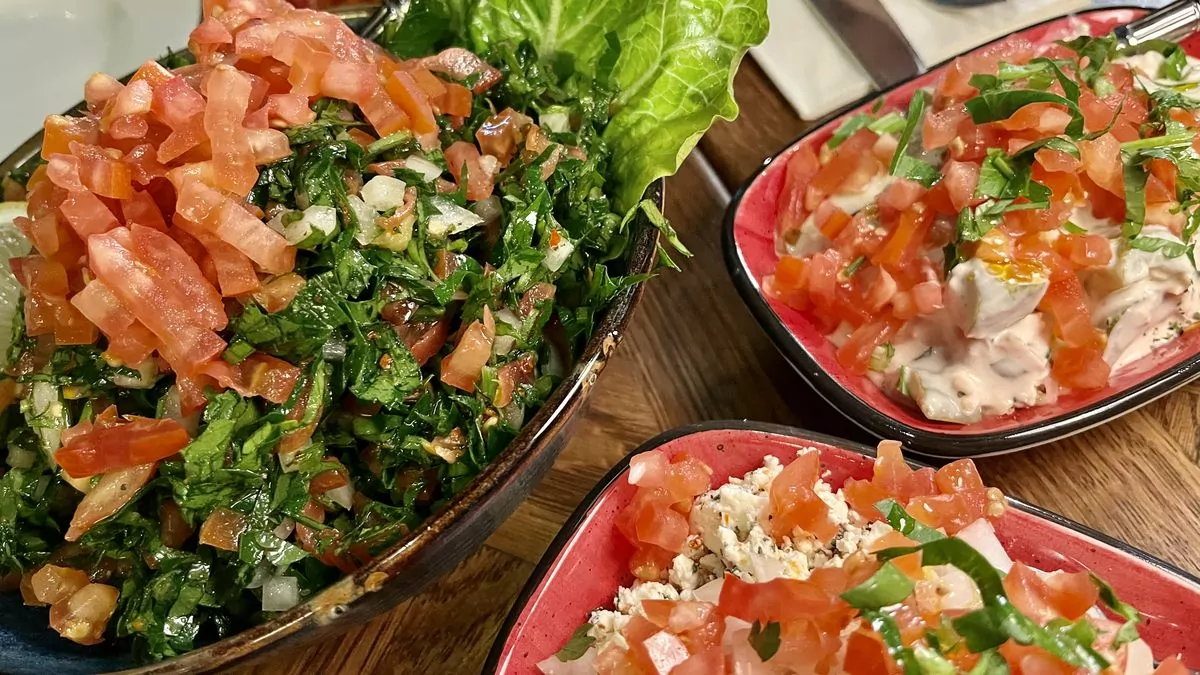
We have reports on Egyptian food and Turkish food – and now it’s Lebanon’s turn! Lebanese cuisine is part of the Levantine cuisine and shares many features with neighboring countries, but also has its own distinct identity. Here are some typical characteristics:
- Meze: Many small dishes shared at the table
- Raw materials: Chickpeas, aubergine, lamb, chicken and fresh vegetables
- Flavours: Lemon, garlic, olive oil and spices like sumac and za'atar
- Bread: Lebanese flatbread is served with almost everything
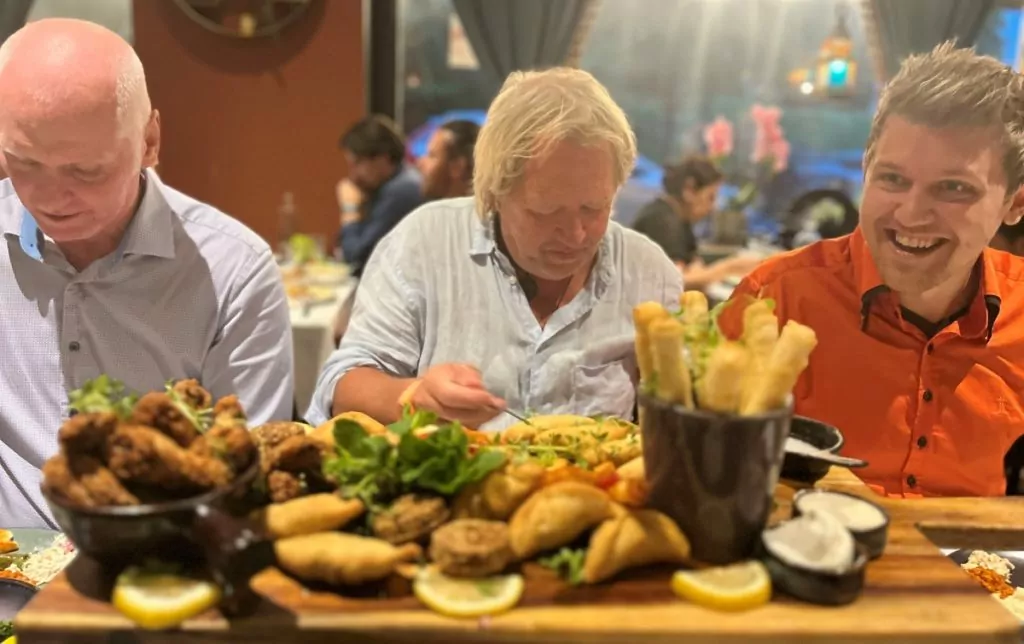
A Lebanese meal is often about spending a long time together, picking from different dishes and enjoying the variety of flavors and textures.
Typical Lebanese food - 25 classic dishes
Here we list Lebanese dishes that are interesting to try, including meze, street food, sweets and drinks.
1. Hummus
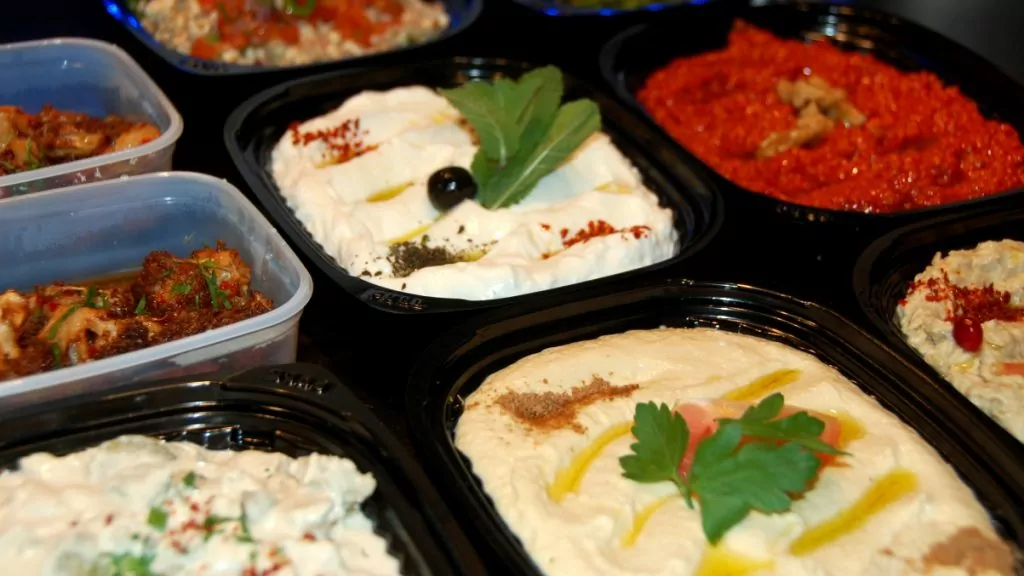
One of the most famous dishes from Lebanon and the whole Middle East. It is made with chickpeas, tahini, lemon and garlic and is often served with olive oil on top. Hummus is both creamy and flavourful and works perfectly as a dip for bread or as part of a larger meal.

2. baba ganoush
A stir-fry made from grilled aubergine that takes on a smoky, deep flavour. Often mixed with tahini, lemon and garlic, it has a deliciously smooth texture. It's a perfect contrast to hummus and a natural part of a meze.
3. Toum (garlic sauce)
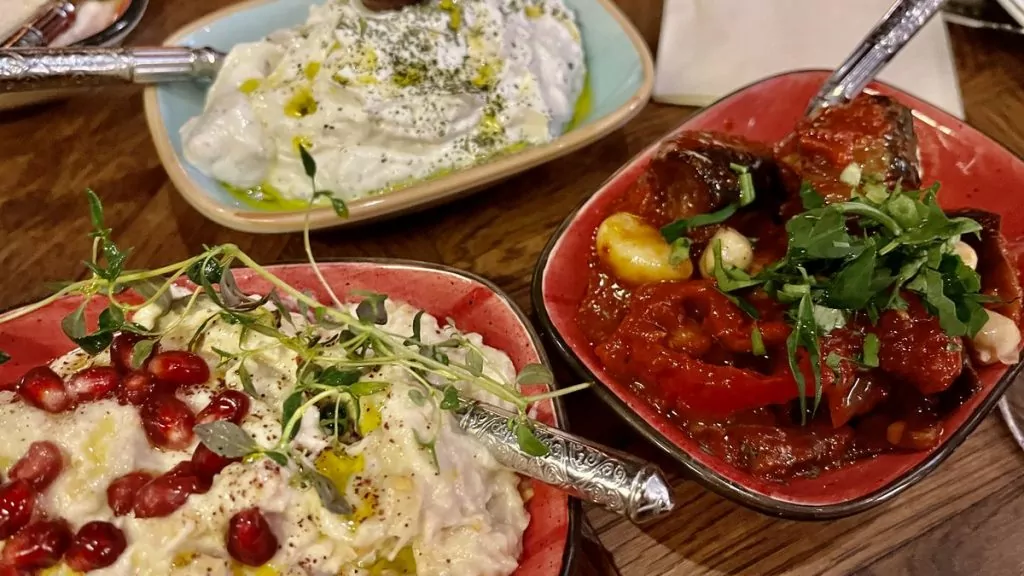
A creamy and powerful garlic sauce made with garlic, oil, lemon and sometimes egg white. It has an intense flavour and is often used as an accompaniment to grilled meat or chicken. Toum is almost a must-have for many dishes and enhances the whole meal.

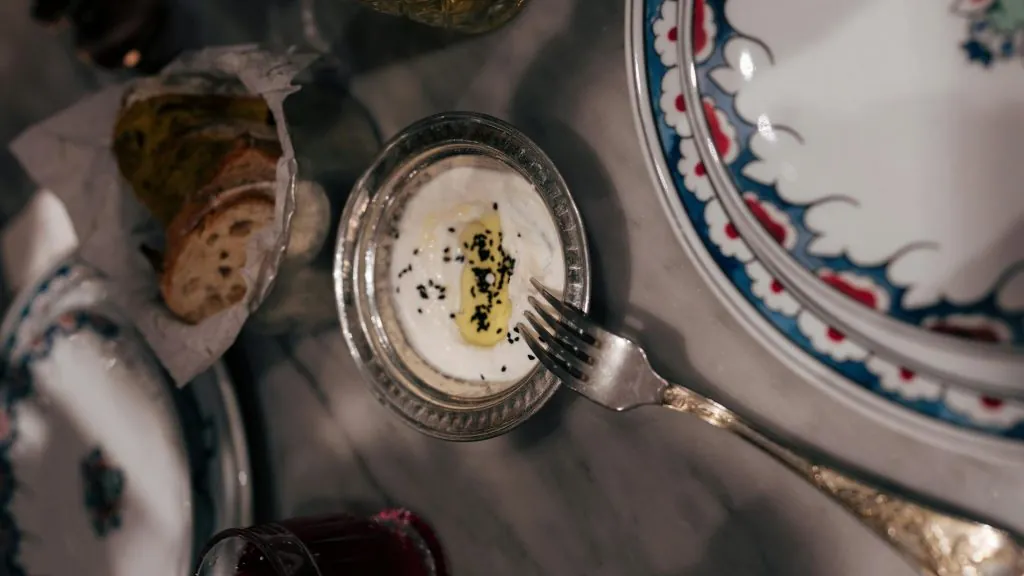
4. labneh
A creamy yoghurt strained until it becomes thick like cream cheese. It is often served with olive oil and za'atar and eaten with bread. The flavour is tangy and fresh and works both as a side dish and on its own.
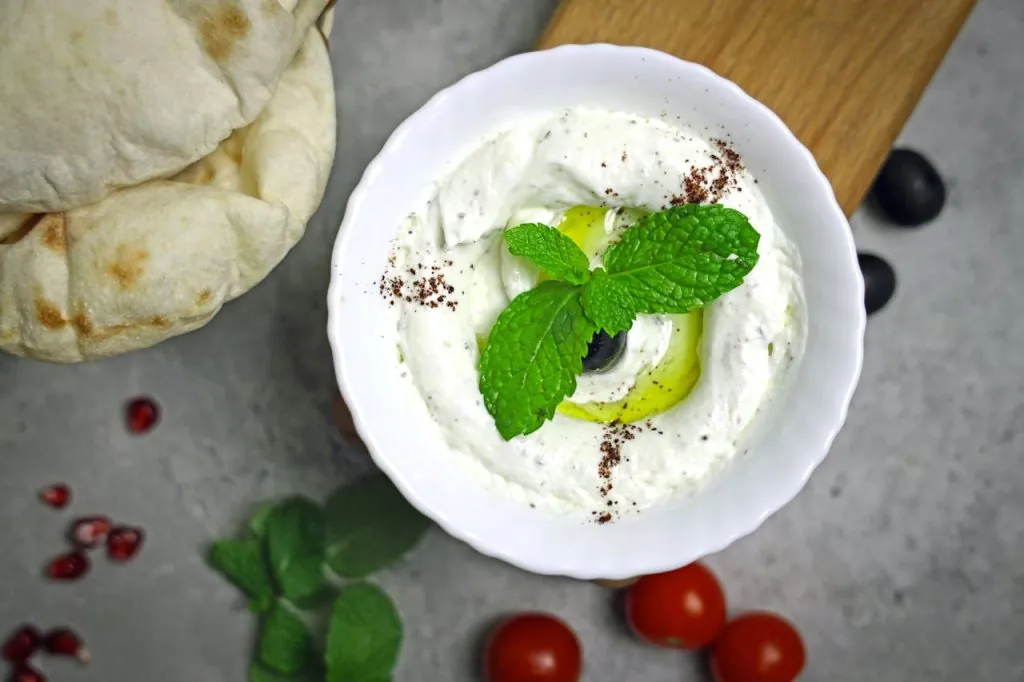
5. Muhammara
A flavourful mix made with paprika, walnuts and pomegranate syrup. It has a nice balance of sweetness, acidity and a little heat. Muhammara may be less well known than hummus, but it's just as good.
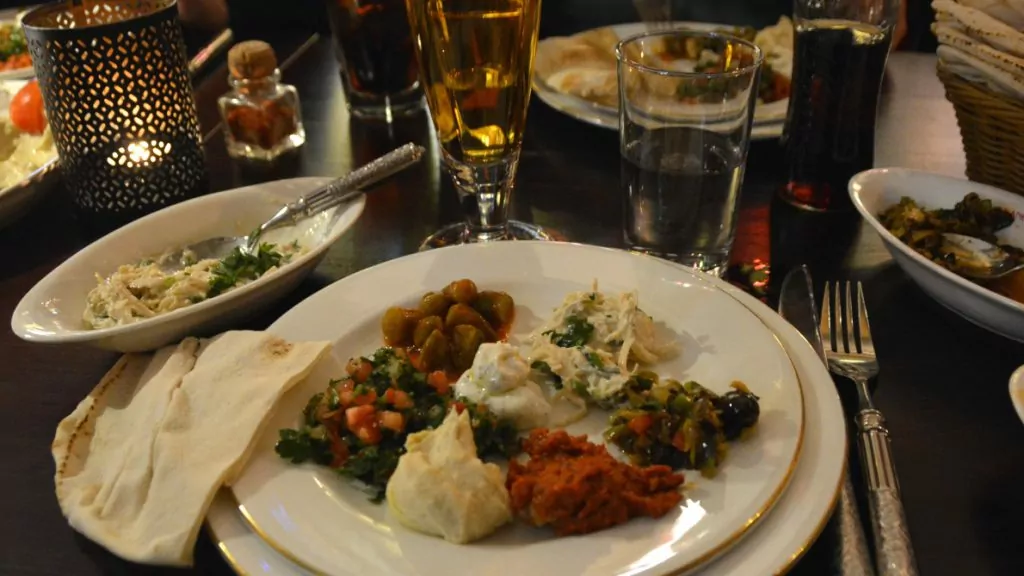
6. tabbouleh
A fresh salad with finely chopped parsley, tomato, onion and bulgur. The salad is flavoured with lemon and olive oil and is both acidic and refreshing. Tabbouleh is a good example of the importance of greens and fresh herbs in Lebanese cuisine.
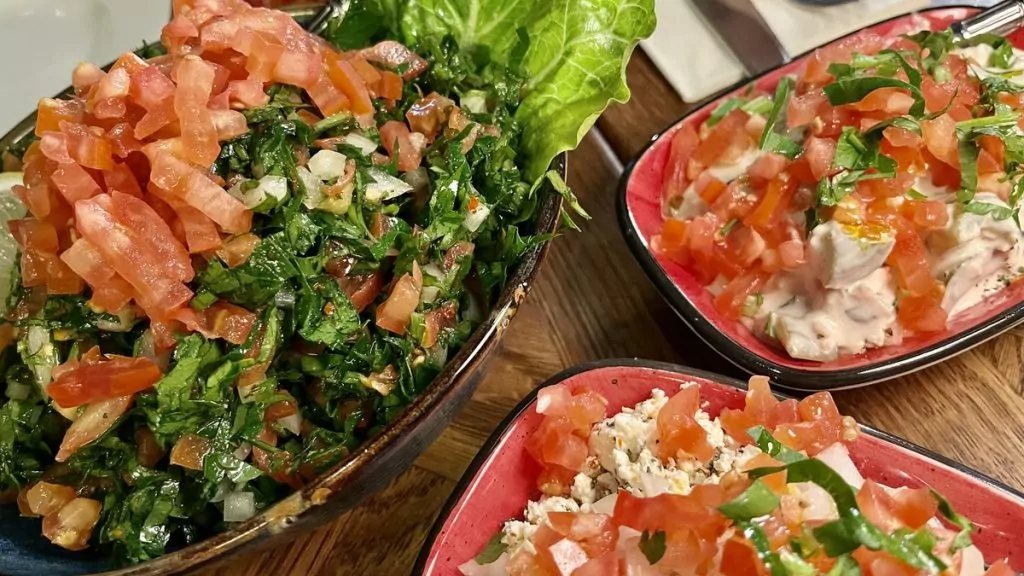
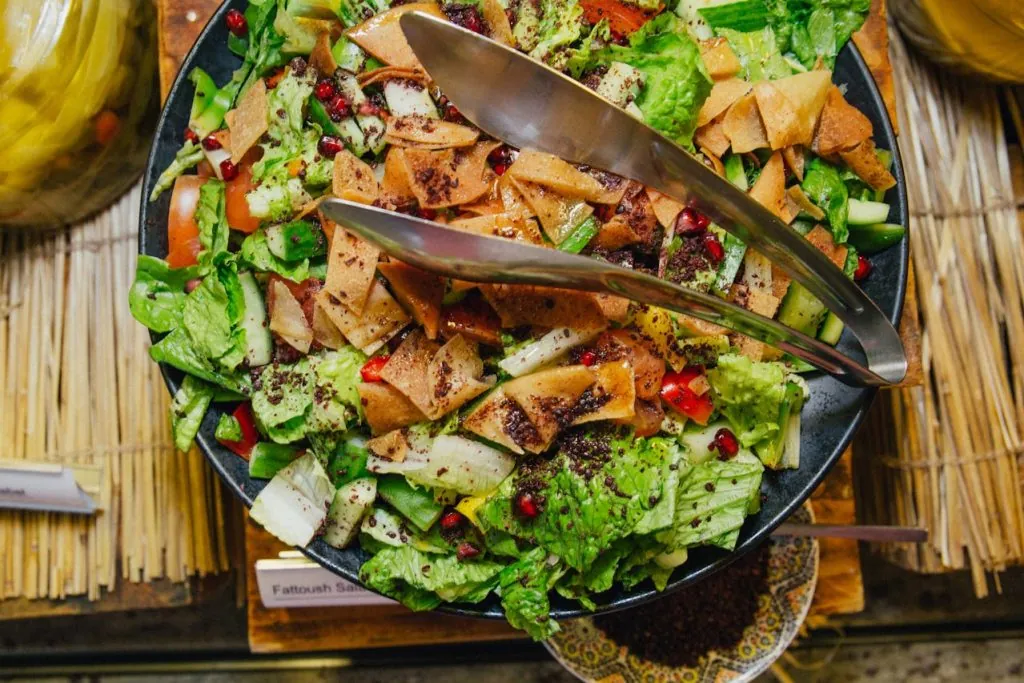
7. fattoush
A salad similar to tabbouleh but containing toasted or fried bread. It is often seasoned with sumac, which gives it a tart and slightly citrusy flavour. The combination of crispy bread and fresh vegetables makes it very popular.
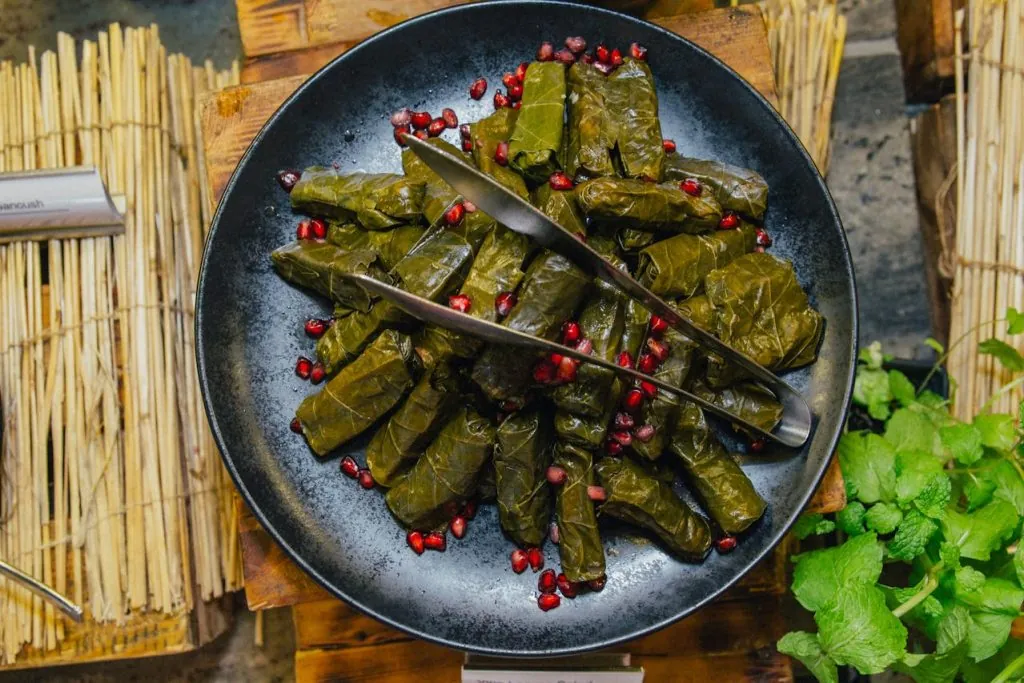
8. warak enab (dolma)
Vine leaves stuffed with rice, herbs and sometimes meat. They are often served cold and have a fresh flavour of lemon and olive oil. It's a dish that takes a little work to make, but is much appreciated.
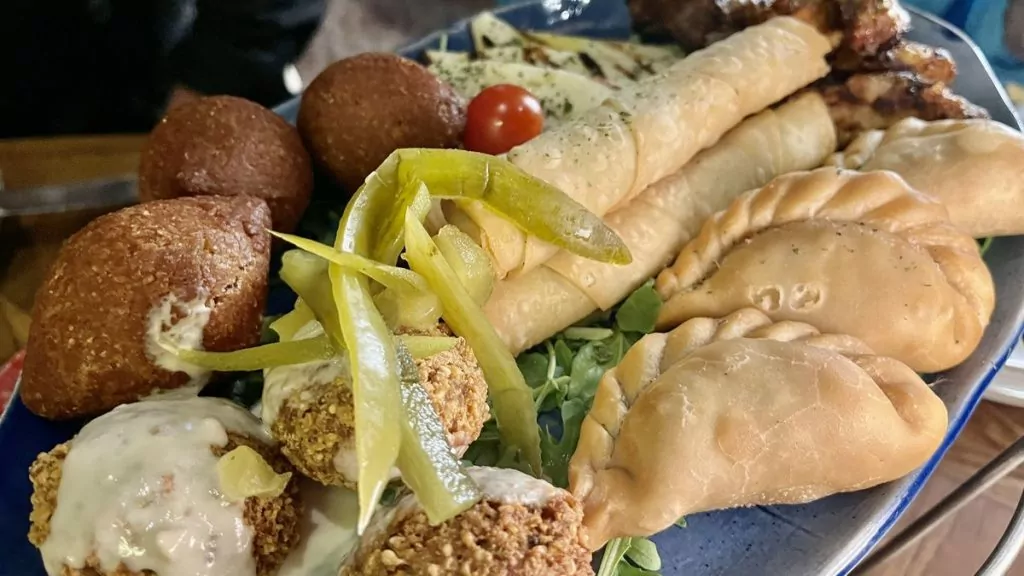
9. kibbeh
A classic dish made with bulgur and meat, often formed into small balls or oblong croquettes. They can be deep-fried or baked and have a filling of seasoned meat and sometimes pine nuts. Kibbeh is considered by many as one of Lebanon's national dishes.
10. Rakakat (cheese rolls)
Thinly rolled sheets of dough filled with melted cheese and then deep-fried until golden and crispy. They are often served warm and can sometimes be topped with a little honey or herbs. Rakakat is a popular dish in restaurants and is usually a favourite with both adults and children.
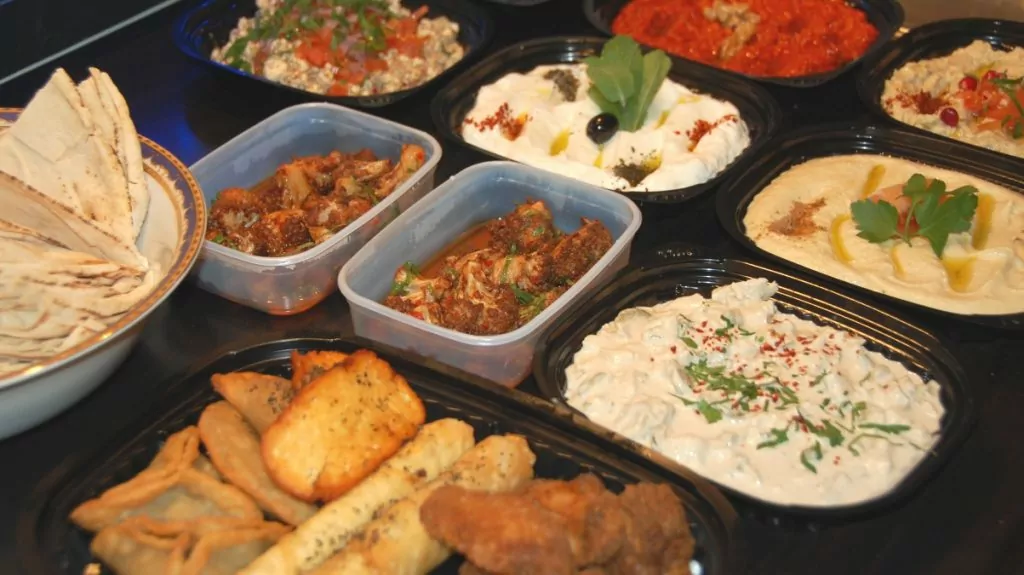
11. fatayer (spinach pirogue)
Small triangular pies filled with spinach, onions and often a little acid from lemon or sumac. They are traditionally baked in the oven and have a soft dough with a flavoursome filling. Fatayer is a very common part of a meze and is appreciated for its fresh and slightly acidic flavour.
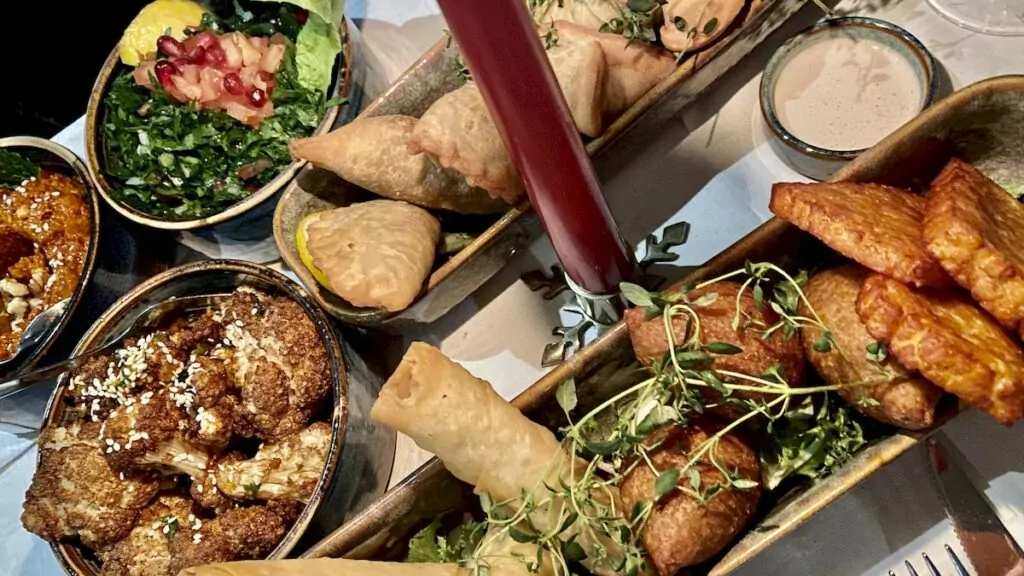
12. Zahra mekli (fried cauliflower)
Cauliflower that is deep-fried until it has a crispy surface and soft centre. It is often served with tahini sauce or lemon and can sometimes be topped with pomegranate seeds. It's a simple but very flavoursome dish, commonly served as a side dish in a meze

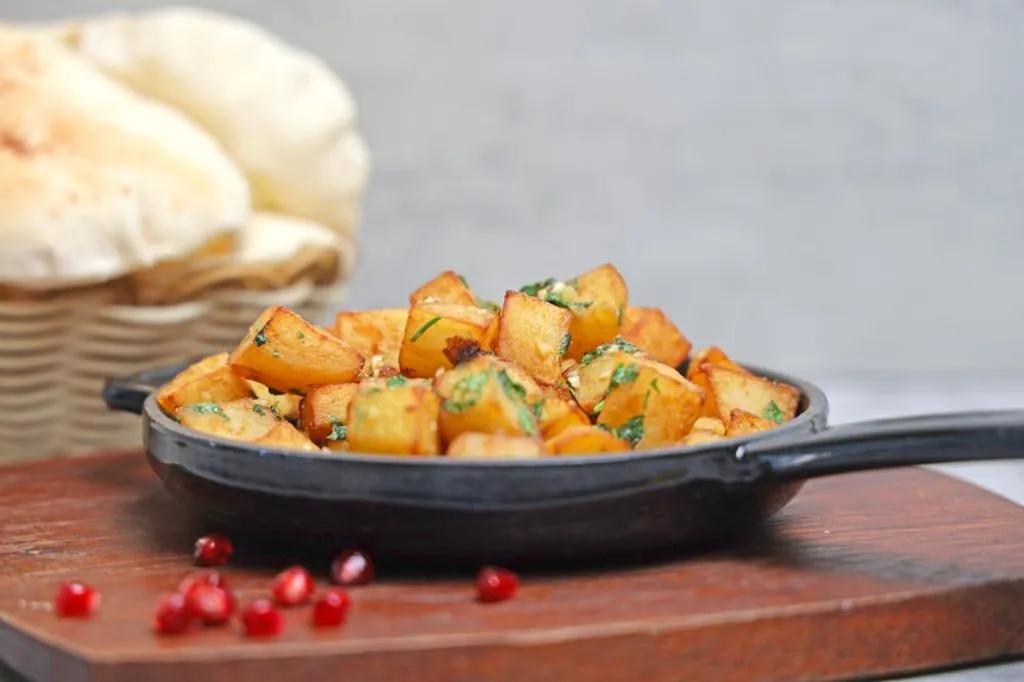
13. Batata harra (spicy potato)
Diced potatoes that are fried or roasted and mixed with garlic, chilli, coriander and lemon. It has a distinct flavour with both heat and acidity, making it a popular addition to other dishes. Batata harra is a classic meze that is often served hot.
14. shish taouk
Grilled chicken skewers marinated in lemon, garlic and yoghurt. They are juicy and flavourful and are often served with rice or bread. A fairly simple dish, but very popular.
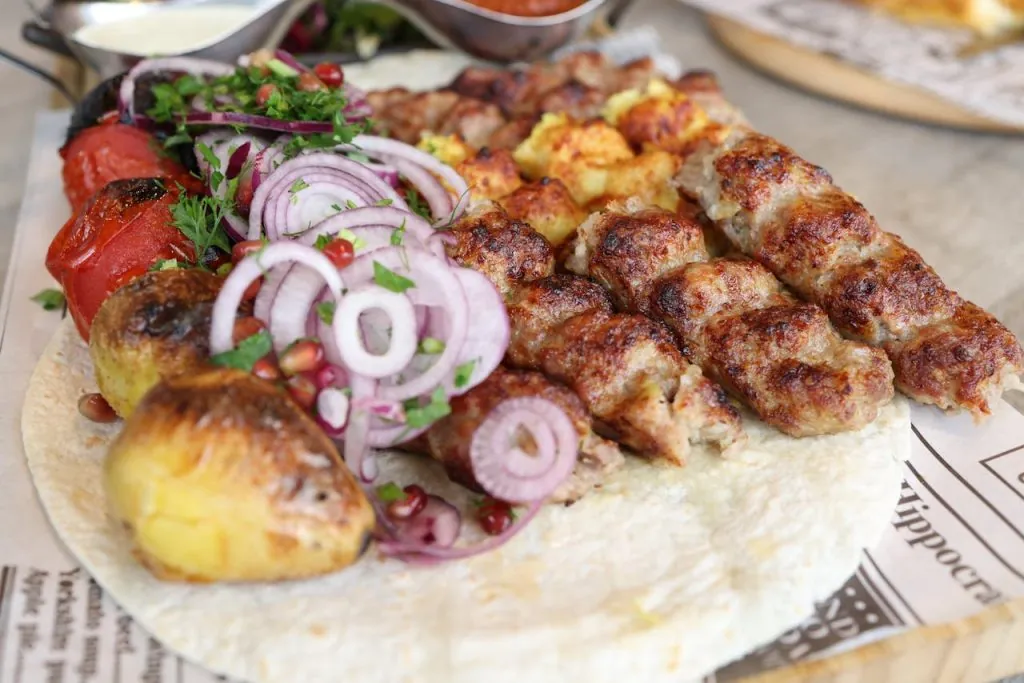
15. Kafta (cardigan)
Spicy minced meat skewers, usually made from lamb or beef. They are grilled and get a nice flavour from herbs and spices. Kafta is often served with salad, bread and various spreads.
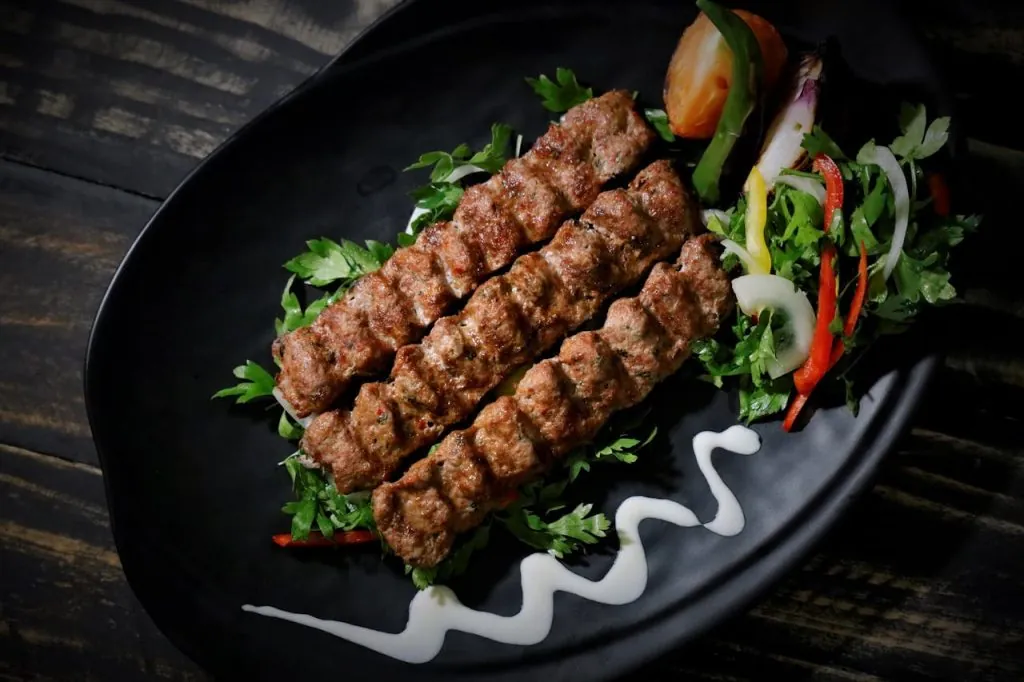
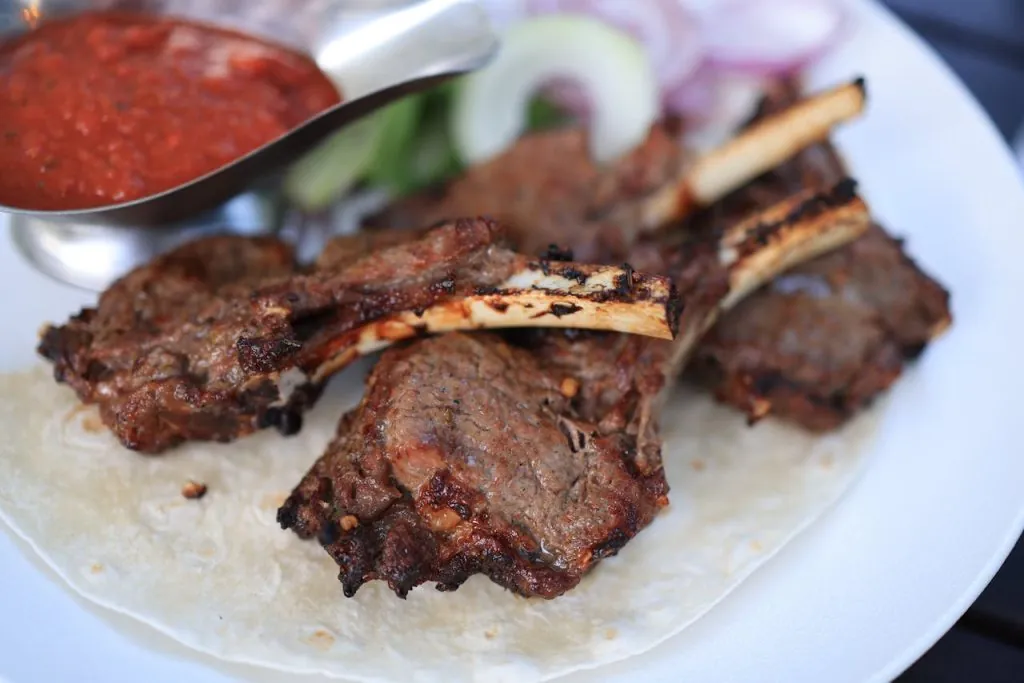
16. grilled lamb
Lamb is common in Lebanon and is often grilled with simple spices to enhance the flavour. The meat is tenderised and served with rice or meze. It is a classic dish for larger meals.
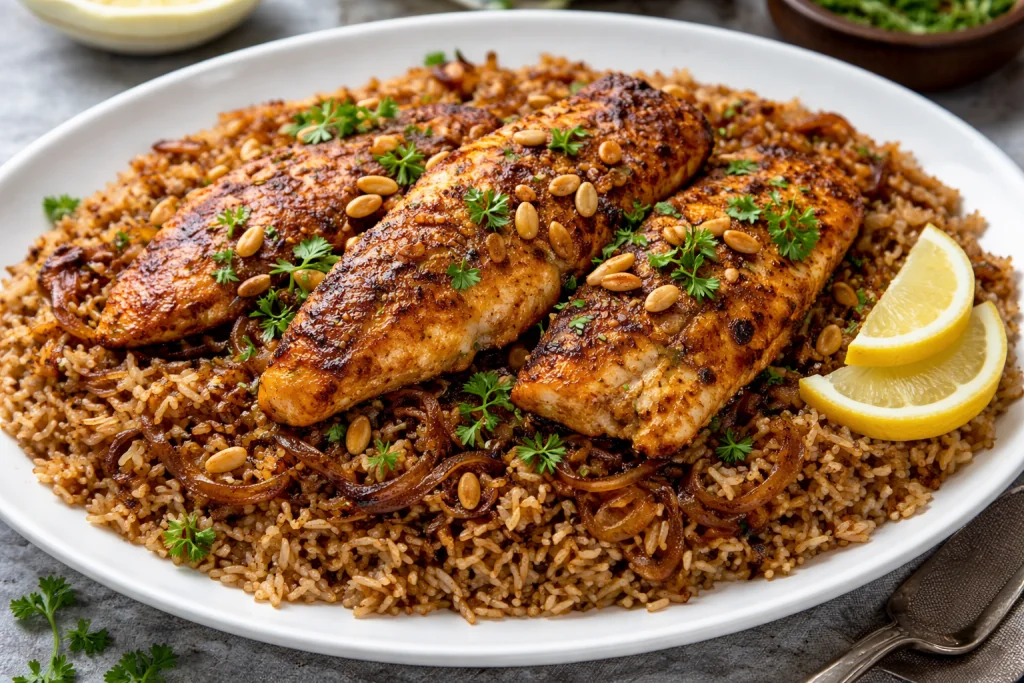
17. sayadieh
A fish dish with rice flavoured with spices and sometimes caramelised onions. It is often served with tahini sauce. It is particularly common along the coast.
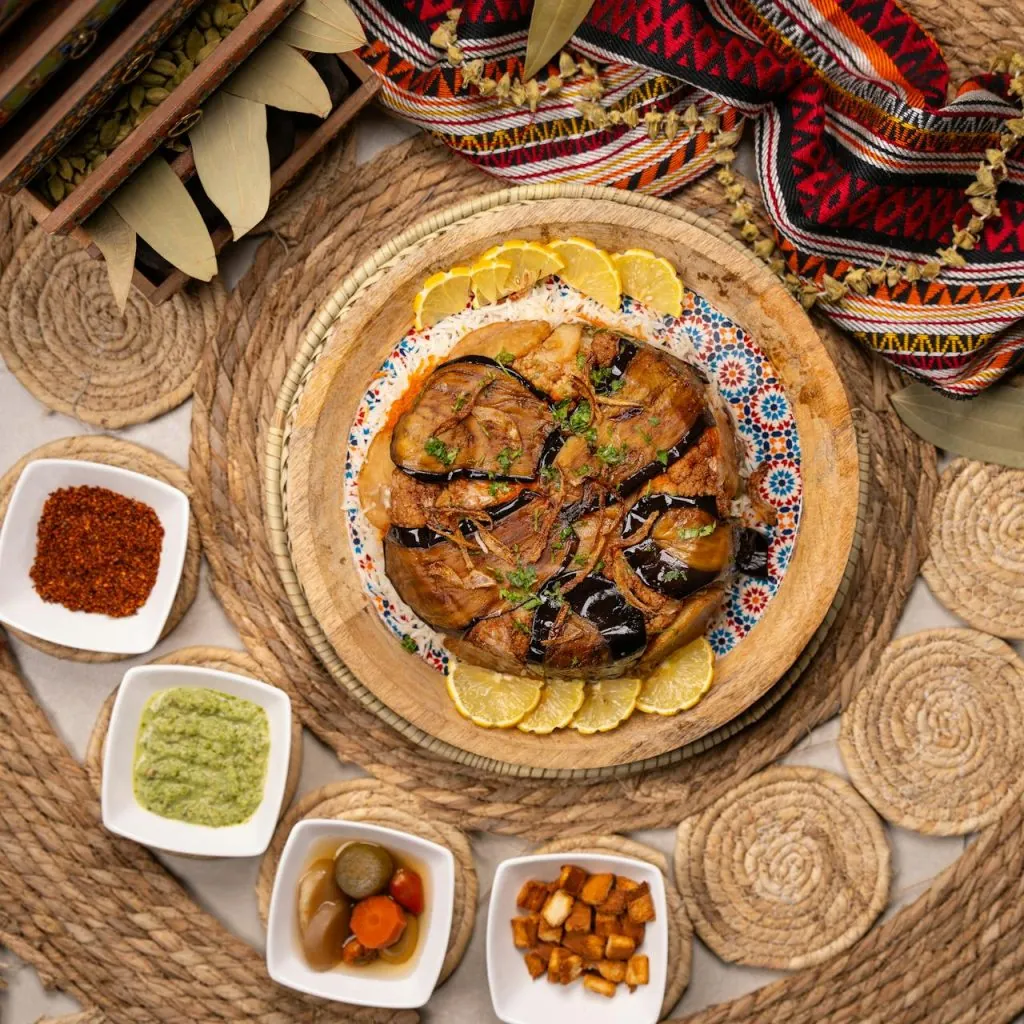
18. Makloubeh
A dish of rice, meat and vegetables cooked in a pot and then turned upside down when served. The result is like a “cake” of rice and filling. The name means “upside down”.
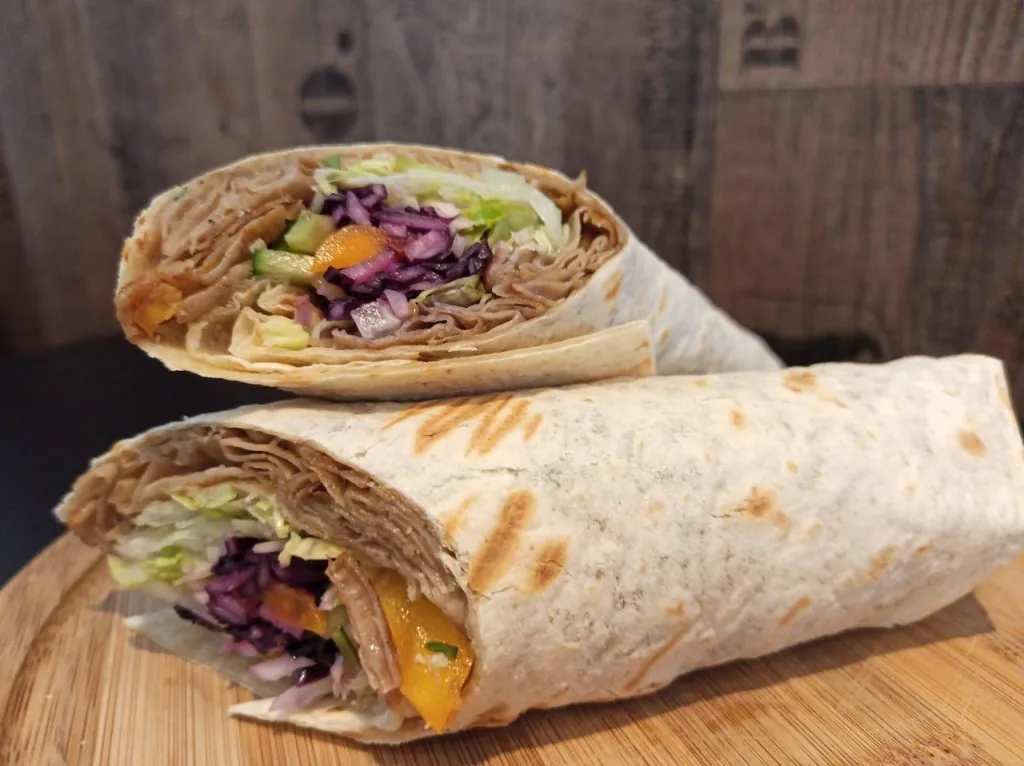
19. shawarma
Thin slices of marinated meat roasted on a vertical skewer. The meat is often served in bread with vegetables and sauces. It's a popular street food dish that comes in many varieties.
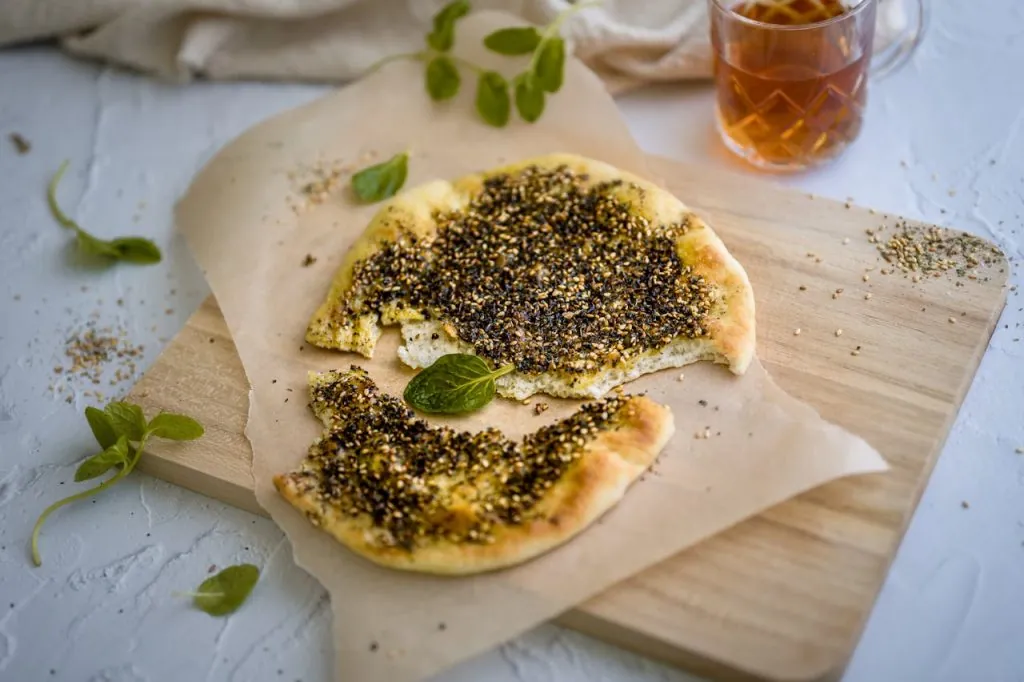
20. Manakish
A type of Lebanese pizza baked with toppings such as za'atar, cheese or meat. It is often eaten for breakfast or as a quick lunch. Simple, tasty and very common in Lebanon.
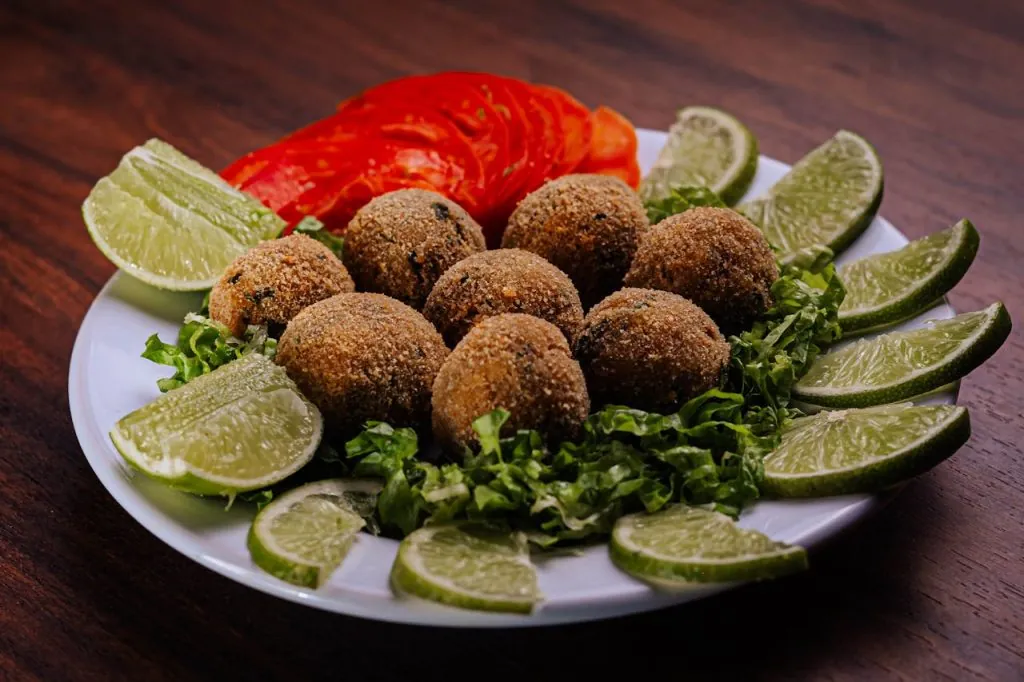
21. falafel
Deep-fried balls made from chickpeas or broad beans. Crispy on the outside and soft on the inside, they are often served in bread with salad and sauce. A popular vegetarian option.
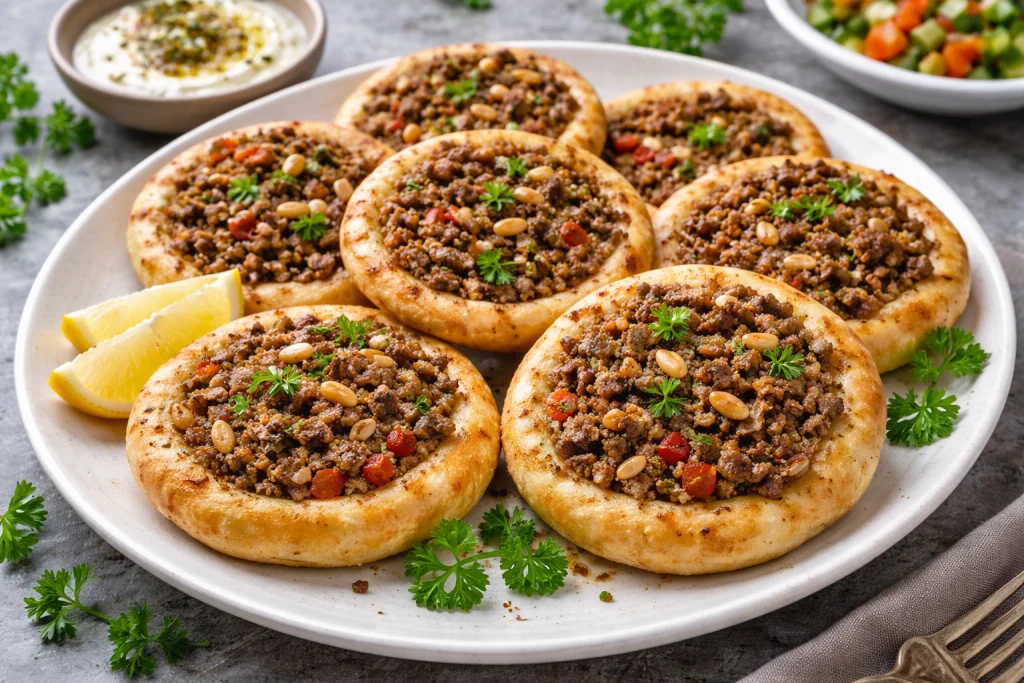
22. Sfiha
Small open pies topped with spiced minced meat. They are baked in the oven and often served as a snack or part of a meze. The flavour is rich and spicy.
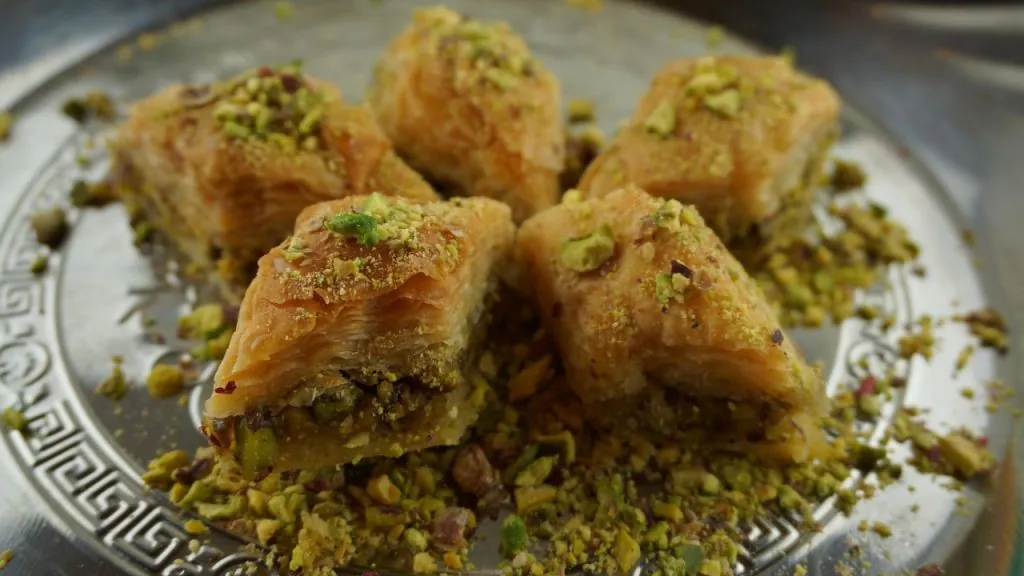
23. baklava
A sweet dessert made with filo pastry, nuts and syrup or honey. It is crispy and very sweet, often flavoured with rose water or orange blossom water. A classic throughout the region.
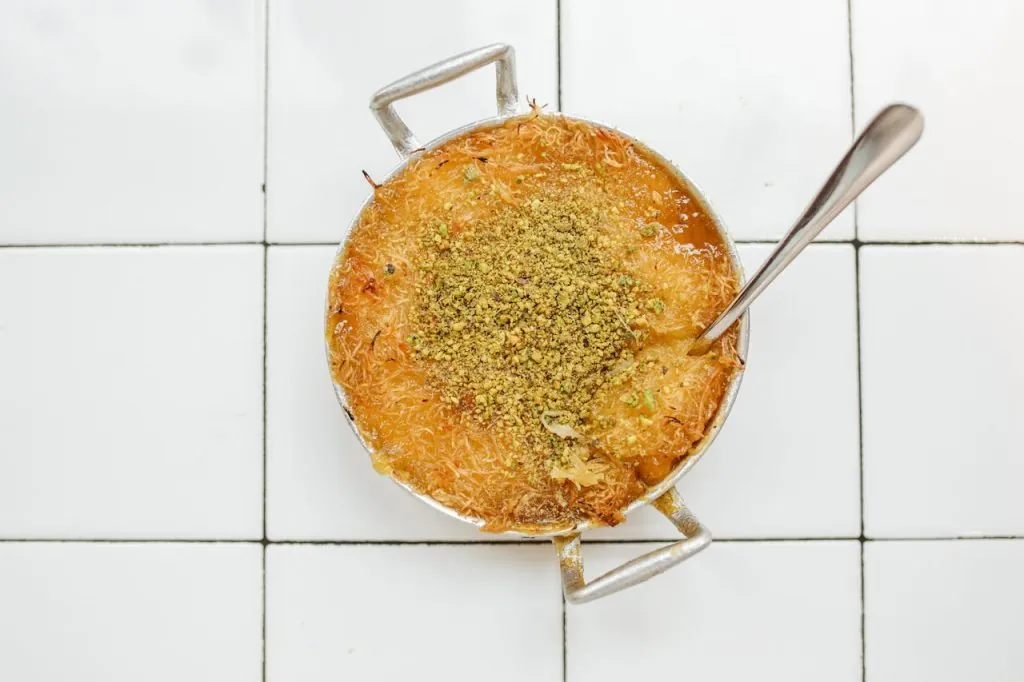
24th Knafeh
A dessert made with cheese, syrup and crispy dough or semolina. It is served warm and is both sweet and slightly savoury at the same time. A very popular dessert in Lebanon.
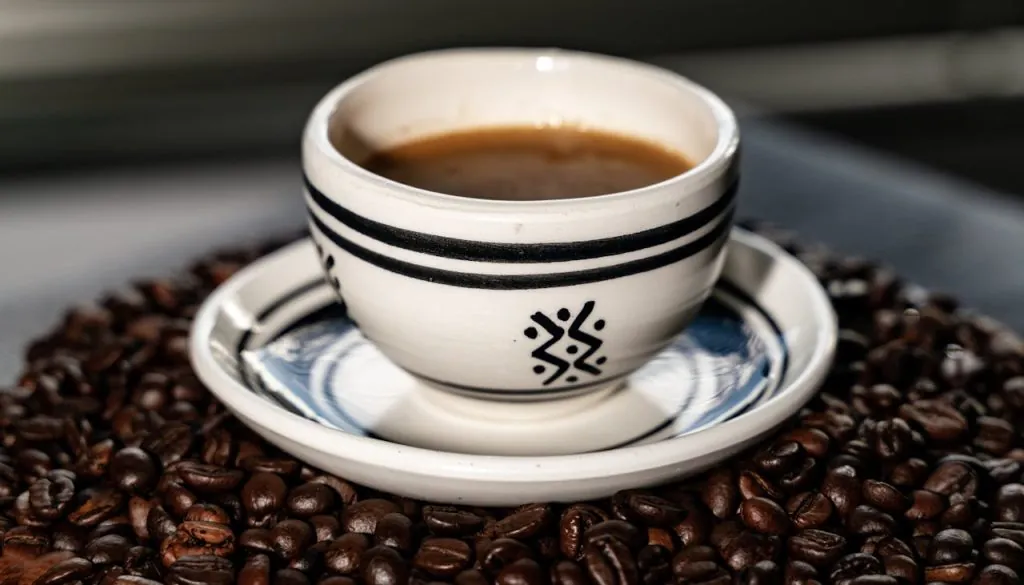
25. Lebanese coffee
A strong coffee similar to Turkish coffee and served in small cups. It is often flavoured with cardamom and drunk slowly. Coffee is an important part of Lebanese culture.
Food in different parts of Lebanon
Lebanese cuisine varies slightly depending on the region:
- Coasts: Lots of fish and seafood
- Bergen: More savoury dishes with meat and stews
- Rural areas: Simple dishes with fresh ingredients and vegetables
Despite the variations, the culture of meze and the love of fresh ingredients is common across the country.
Lebanese wines
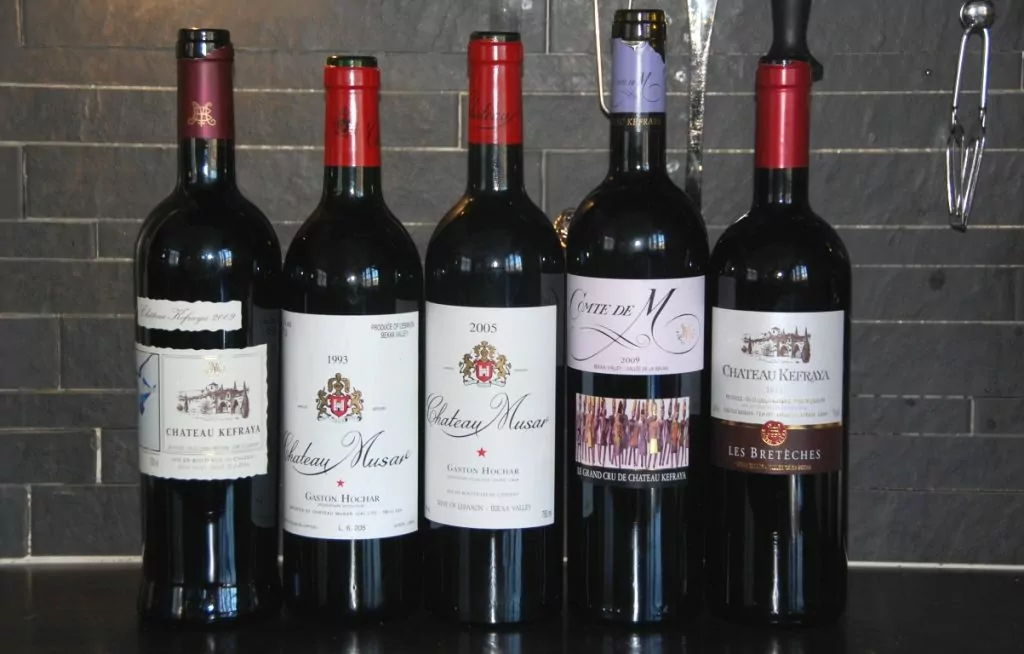
Have you ever tried Lebanese wine? We had a Lebanese evening at home once, and chose to drink Lebanese wines. These are the ones we tried:
- Chateau Kefraya 2009
- Chateau Musar 1993
- Chateau Musar 2005
- Count of M 2009
- Chateau Kefraya 2011
We found one of the wines in Systembolaget's regular assortment, and the others we had to order in advance. All the wines were good and we perceived them as fruity and spicy. One of the favorites was Chateau Kefraya from 2009.
Our thoughts and tips on Lebanese food
- Our favourites: We loved hummus and baba ganoush and pretty much all the meze dishes. A big favourite!
- Consider: It's easy to order more food than you can eat. Order a little at a time!
- Tips: Order several meze and share around the table to get the widest possible flavour experience.
More about food in other countries
Here you can find more stories about food in different countries:
- Turkish food - 20 classic dishes
- Georgian cuisine - 15 dishes in Georgia
- Egyptian food - 25 classic dishes
- Indian food - 25 popular dishes
- Greek food - 25 classic specialities
Frequently asked questions about Lebanese food
What is the national dish of Lebanon?
Kibbeh is often considered one of the country's most typical dishes.
Is Lebanese food spicy?
It is usually not very strong, but more fresh and spicy.
Is there vegetarian food?
Yes, many dishes such as hummus, falafel and salads are vegetarian.
What do you eat for breakfast in Lebanon?
Bread with labneh, olive oil, za'atar or manakish is common.
You might also like:
 Cypriot food - 20 dishes you must try in Cyprus
 What to eat in Austria? - 15 classic dishes you must try
 What to eat in Tunisia - 17 classic dishes you must try
 Vietnamese food - 20 classic dishes you must try
 Finnish food - 20 classic dishes you must try
 The world's 10 best food countries – our favorites



 English (UK)
  Svenska
Lena & Jan says:
Looks really delicious, worth trying on the next Sundbyberg visit to my sister!
09 March 2014 - 11:50
Hörni says:
It sounds both fun and delicious! We have tried Lebanese once, it was good but I have a bit of a problem with the mint that was in the recipe so I will skip it next time.
09 March 2014 - 12:23
Ditte says:
Sounds like a nice evening, indeed. Thanks for the tips on Lebanese wines, not so common. But definitely worth trying, I think. The tip on the Lebanese restaurant was also good. I didn't know about it before. And since the mezze dishes are largely cold, they can be picked up in good time.Good!
The dessert should also be tried!
09 March 2014 - 12:30
Eva i Aten says:
What a fun idea! Maybe it will be a Greek evening next time!
Have a nice Sunday!
☼☼☼
09 March 2014 - 13:19
BP says:
Yum! Love mezze! Thanks for the tip! I have never had Lebanese wine.
09 March 2014 - 14:00
Steve says:
Looks delicious. It's nice to have themed meals.
Lebanese vegetarian meze is a favourite. However, I have never tried wine from Lebanon. May be an addition to the "what to try" list.
09 March 2014 - 14:20
Alexandra says:
But oh so good it looks! Almost so I jump in the car and go to the swamp now at once to buy meze!!! 😀
09 March 2014 - 15:33
admin says:
Lena & Jan, absolutely! We think Libaneza is the best restaurant in Sumpan. Very good and affordable!
Guys, we have also tried to cook some meze on occasion, but we didn't succeed as well as Libaneza...
😉
Ditte, the dessert was good, but a little too sweet and rich for me. I would have liked to replace the chocolate fugue sauce with some kind of fruit...
Eva in Athens, Greek food is very good! But how are the Greek wines?
BP, meze is a favourite for us too. And the Lebanese wines were great!
Steve, there are many good vegetarian meze!
Alexandra, hehe, yes it is really super tasty!
🙂
09 March 2014 - 16:04
Kattas Betrakteser says:
Fun with food and wine. I have no great knowledge of Lebanese wine, but it would be fun to try it. I am a member of Munskänkarna and it gives me the opportunity to botanise among new wines that are not available on the Swedish market.
09 March 2014 - 20:45
ABB-frun says:
Yummy! I know nothing about Lebanese wine but the food is wonderful! Here in BJ there is a restaurant called Thousand and One Nights and they have heavenly good Lebanese, Turkish and Arabic food. I love hummus and baba ganoush!
10 March 2014 - 5:36
FANTASYDINING-En blogg om temarestauranger och resor says:
Very inspiring with theme evenings. We have it sometimes too but far too rarely unfortunately.
10 March 2014 - 9:15
admin says:
Katta, I'm glad you're part of the Mouthwashers! You've heard about them.
ABB wife, we also love hummus and baba ganoush. Usually buy them in cans sometimes...
Fantasydining, it's a bit more fun with a theme, and it makes you a bit more creative!
10 March 2014 - 10:10
Anna Granström says:
Love Lebanese food!!!
I'm a bit of a nerd about wine, I very rarely drink it - and when I do drink it's only organic...
10 March 2014 - 22:30
admin says:
Anna Granström, I also rarely drink (red) wine... but that's mostly because it gives me a headache....
11 March 2014 - 7:35