



Writer: Co-operation partner
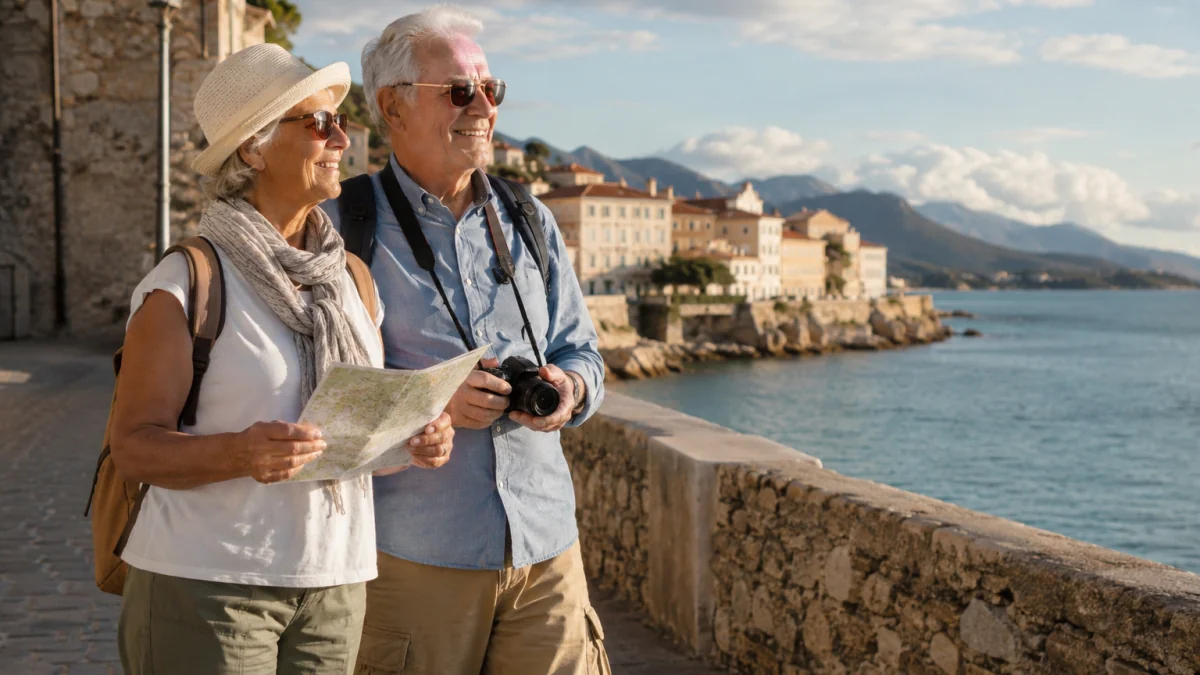
Long-term travel for seniors has become a popular way to get more sun, lower everyday costs and a better quality of life during the winter months. And more and more seniors are taking advantage of affordable senior travel and retirement travel abroad, whether they are traveling as a couple, in a group or as a solo traveler.
 Tweet
 Share
 Share
 Pin
 Share
 Share
Table of contents
What defines a long-term trip?
A long-term trip usually means staying abroad for a longer continuous period, often between 4 and 12 weeks but also longer. It is not uncommon to travel abroad every six months and choose to spend the winter in warmer countries to escape the darkness and cold in Sweden.
Unlike a regular charter holiday, long-term trips are more about living everyday life abroad. Therefore, retirees often choose aparthotels or private self-catering apartments, instead of traditional hotels.
Long-term travel is also often about health and increased quality of life. A warmer climate is gentle on joints and muscles, and sunlight combined with a slower pace has a positive effect on sleep and mood.
Popular destinations for senior travel abroad
Pensioners are primarily looking for destinations with a stable winter climate, reliable healthcare and good communications. Keep in mind that there are usually promotions on long-term travel for retirees to most popular destinations, and the offer is greatest if you book three to four months in advance.
Spain – the most popular choice for senior travel
According to SeniorBarometern, Spain is the most common travel destination for Swedish seniors, and almost half of all people over 55 mention the country as their favorite. In particular, the Costa del Sol, Costa Blanca and the Canary Islands are very popular among Swedish seniors.
Here you will find:
- Swedish associations and Swedish clubs
- Church of Sweden
- Scandinavian medical practices
- Good public transport
- Long-term accommodation and long-stay hotels

Portugal: safe and calm climate all year round
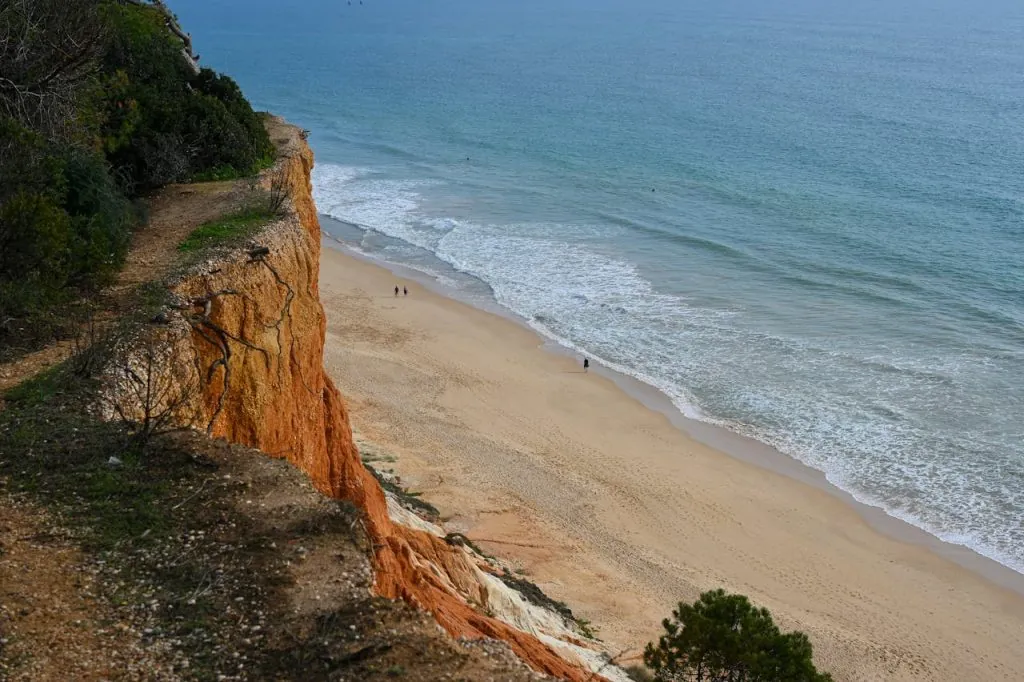
The Algarve coast in Portugal attracts many seniors who want quieter environments, high security and beautiful nature experiences. Portugal is also popular among golf-loving retirees thanks to its wide range of golf courses.
Here you will find:

- Mild winter climate with daytime temperatures around 16–18 degrees.
- High security as Portugal is ranked as one of Europe's safest countries.
- Lower prices than many other European destinations.
- Plenty of golf courses and hiking trails.
During January and February, the climate is slightly cooler than the Canary Islands, but still significantly milder than in Sweden.
Malta and Cyprus: convenient options for older travelers
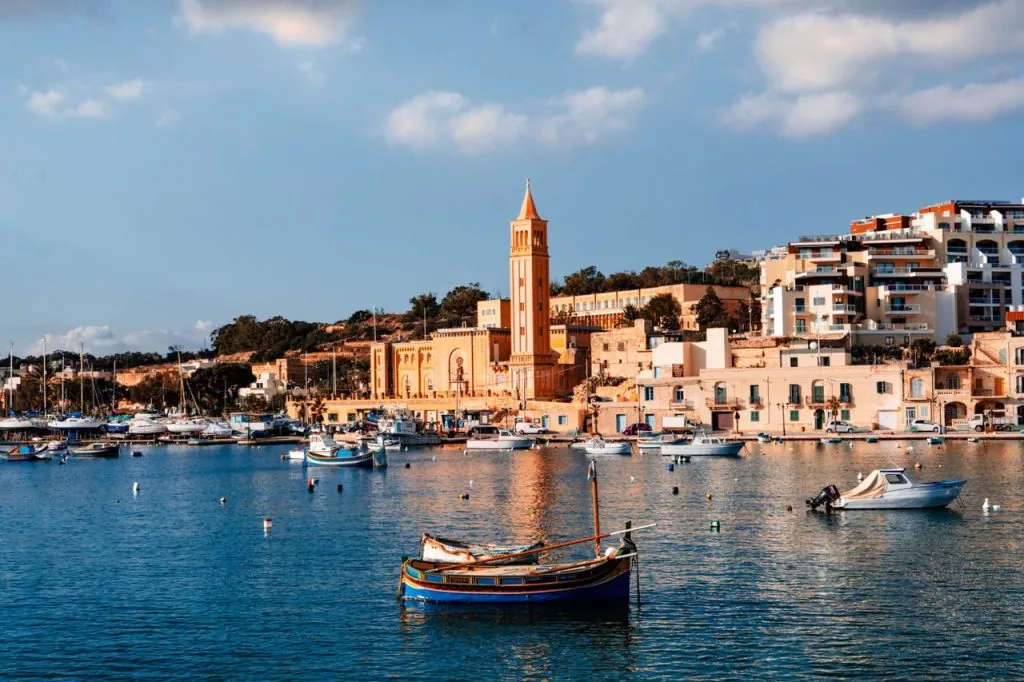
Malta and Cyprus are English-speaking destinations with short distances and good public transport. A simple transport system means that seniors often manage well without a rental car for the entire stay.
The destinations are particularly suitable for seniors who want to combine culture, history and a warmer climate.
Both places are popular thanks to:
- English-speaking destinations with easy communication
- Short distances and convenient public transport
- Historical attractions and cultural experiences
- Pleasant winter climate compared to Sweden
- Affordable accommodation and good access to food culture
Thailand: exotic warmth at a low cost of living
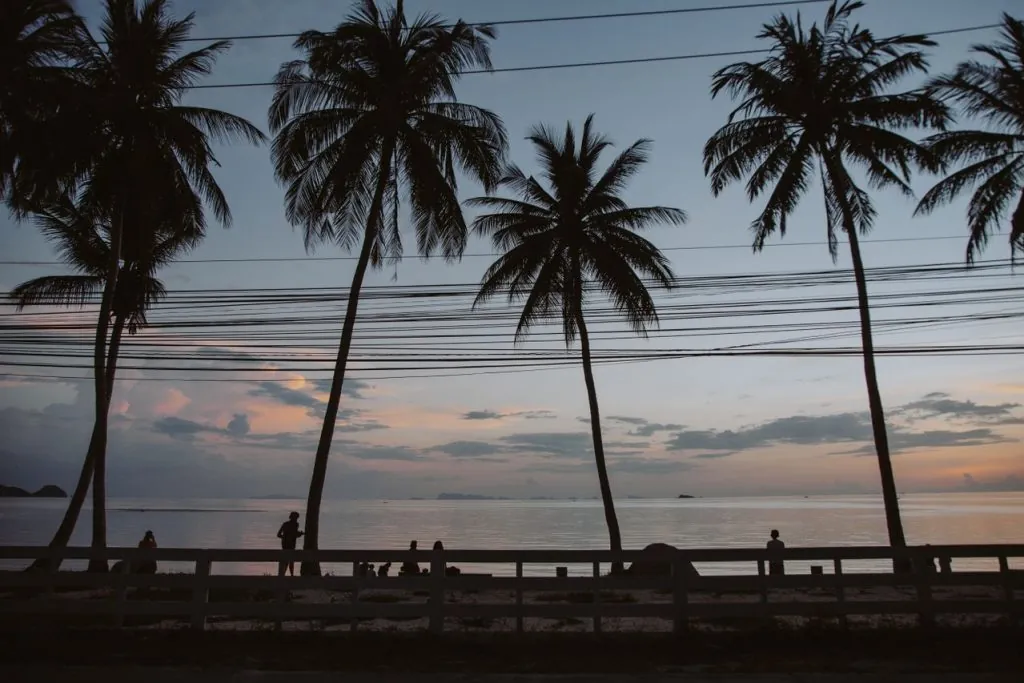
Thailand has established itself as one of the most popular travel destinations among Swedish seniors and attracts retirees looking for stable warmth and low everyday costs.
Hua Hin is particularly popular among Swedish seniors thanks to:
- Calmer pace
- Access to private hospitals with international standards
- Senior-friendly residential areas
- Lower cost of living than Europe
Since the EU card is not valid outside Europe, comprehensive travel insurance is extra important when traveling to Thailand.
How to find cheap senior travel and affordable accommodation
It is often possible to find very affordable long-term trips if you travel during the right period and choose the right type of accommodation.
Travelling in low season
Prices for flights and accommodation along Spain's coasts drop sharply between November and March, except for Christmas and New Year. The Canary Islands, on the other hand, have the opposite season: the winter months are high season there, and the lowest prices are found in May and October.
The cost of accommodation along the Costa del Sol can be 40 to 50 percent lower during the low season compared to the summer, and many charter companies also offer long-stay discounts for seniors who stay for several weeks.
Choose an aparthotel or private apartment
For longer stays, apartment hotels are often the most economical option. The ability to cook your own meals significantly reduces everyday costs compared to eating out every day.
Private apartments through booking sites like Airbnb or local housing agencies have also become popular among retirees because you often get a discount for longer bookings.
Travel for lonely seniors: community and safety
Travel for single seniors is increasing rapidly. At Ving, search traffic for solo travel increased by 70 percent in one year, and travelers are typically 55 years and older. Many organizers now offer group trips where you travel alone but participate in shared activities with others.
Travel alone but never alone
Group trips for solo travelers are often based on you having your own hotel room or apartment, but having the opportunity to participate in shared dinners, excursions, hikes, social activities. You also have the opportunity to socialize with other Swedes on site.
It is suitable for seniors who want to travel independently but still have company and social interaction during their stay.
Swedish tour guides create security
Popular long-stay destinations often have Swedish hosts or tour guides who help with practical questions and arrange activities several times a week. This provides extra security for seniors traveling alone for the first time.

Safety and health during a longer stay abroad
Insurance, healthcare and medications are some of the most important things to plan before a long trip.
Travel insurance is often only valid for 45 days
The travel protection included in most Swedish home insurance policies is valid for 45 days, according to the Swedish Consumer Insurance Agency. Folksam, Länsförsäkringar, If and Trygg-Hansa all have the same limit, and only some upgraded policies extend to 60 days.
Also keep in mind that a short home visit does not give you a new 45-day period. The home stay must be at least 30 days for the period to start again. If you miss the extension, you risk being completely uninsured in the event of illness or accident.
Order the EU card before departure
The European Health Insurance Card (EU Card) can be ordered free of charge from the Swedish Social Insurance Agency and entitles you to necessary healthcare within the EU/EEA on the same terms as residents of the country. The card should always be taken with you when travelling within Europe as a pensioner.
Rules for medicines abroad
Regular prescription medications can normally be taken with you if they remain in their original packaging with the pharmacy label.
However, for narcotic drugs, a Schengen certificate is required when traveling within the EU. The certificate is issued by a pharmacy and is valid for 30 days. For longer trips, a doctor's certificate in English is also recommended.
How are pensions and housing allowances affected?
The national pension is normally not affected by your stay abroad during the winter. If you have housing supplement, the following applies:
- Within the EU/EEA, you can normally keep the housing allowance for up to 12 months.
- Outside the EU/EEA, a maximum of 6 months is usually valid.
The prerequisite is that you keep and pay for your Swedish residence.
Communications and transportation on site
In most popular long-stay destinations, public transportation is well-developed and affordable. Most seniors can manage without a rental car for the entire stay.
Within the EU and EEA, your regular Swedish driving license will work without any special measures. However, if you are travelling outside Europe, you will need an international driving license, which you can apply for from the Swedish Transport Agency.
Practical preparations before departure
The better prepared you are before departure, the easier your long-term stay abroad will be.
1. Digitize mail and payments
Get a digital mailbox like Kivra and activate e-invoice for recurring bills. Direct debit for fixed expenses reduces the risk of missing payments while traveling.
2. Park the car if it is not in use
Parking your car with the Swedish Transport Agency saves you both vehicle tax and motor insurance during the months you are abroad. The application only takes a few minutes and is easily done on the Swedish Transport Agency's website.
3. Traveling with a dog or cat
For travel within the EU, an EU passport for the animal, an ID tag with a microchip and a valid rabies vaccination are required. The vaccination must have been done at least 21 days before departure.
4. Pack for both warm days and chilly evenings
Evenings in Southern Europe can be considerably colder than many expect during the winter months, so layering your clothing works best on long-term trips.
Also keep in mind that homes in Southern Europe lack central heating indoors during the winter.
One advantage of traveling for a long time is that you can buy what you need locally. So instead of packing too many warm clothes, you can plan to shop locally.

Frequently asked questions about long-term travel for seniors
How long can you stay abroad as a pensioner?
The general income pension is not affected by how long you stay abroad and is paid regardless of whether you remain in Sweden or not. Housing allowance, however, ceases after 12 months within the EU/EEA and after 6 months outside the EU/EEA. Contact the Swedish Pensions Agency if you are planning a longer stay abroad to get information about your specific situation.
How much does extended travel insurance for seniors cost?
Extended travel insurance costs most seniors between SEK 1,500 and SEK 5,000 for a stay of 2 to 4 months. The price varies depending on age, destination and scope of coverage, and seniors with medical pre-approval can expect a higher premium.
Can I pick up prescription medication for several months at the same time?
Yes, in many cases it is possible to collect medication for several months before departure. How much you are allowed to collect depends on the type of medication and the form of the prescription. For narcotic drugs, a Schengen certificate is also required when traveling within the EU.
Are there ready-made package tours for seniors traveling alone?
Yes, travel for single seniors is one of the fastest growing segments in the travel industry. Several tour operators offer ready-made group trips that include their own accommodation, Swedish tour guides and shared activities such as excursions, dinners and social gatherings.
Which is the cheapest country for retirees to spend the winter in?
Thailand is often one of the cheapest options for retirees looking to spend the winter abroad for longer periods. Hua Hin in particular offers a low cost of living, cheap food and affordable accommodation compared to many European destinations. Parts of Spain and Portugal can also be very affordable during the low season.








 English (UK)
 Svenska