



Writer: Helena Bergström
Updated: October 2026 | Djurgården is one of the places in Stockholm that we constantly return to. Over the years, we have walked here, gone to museums, looked at art, rode carousels, looked for herons and discovered both well-known sights and much quieter corners. Here we collect our best tips for things to see and do on Djurgården.
 Tweet
 Share
 Share
 Pin
 Share
 Share
Table of contents
Djurgården – a green oasis in the middle of Stockholm
Djurgården is special in many ways. It is home to some of Stockholm's most famous attractions, such as the Vasa Museum, Skansen and Gröna Lund, while you don't have to go very far to find yourself among old wooden houses, large oak trees and still water.
We live in Stockholm ourselves and have visited many of the museums and attractions on Djurgården over the years. But we also like to come here just to walk. It's exactly the combination we like – culture and entertainment on one side and nature and tranquility on the other.
The term Royal Djurgården encompasses a larger area than Djurgården Island itself. In this guide, we focus primarily on the part that most people mean when they say they are going ”to Djurgården” – the area including Skansen, Gröna Lund, the Vasa Museum, Rosendal and Waldemarsudde.

From royal zoo to entertainment and culture
The name Djurgården has historical roots. In 1579, Johan III had a royal animal farm established, including deer, moose and reindeer. The area was later used as a royal hunting ground, and Djurgårdsporten still reminds us of the time when the area was fenced off.
Over the centuries, Djurgården changed. During the reign of Gustav III, the area became increasingly associated with folk life and entertainment, and under Karl XIV Johan, Djurgården was further developed as a recreational area. In the 19th century, several of the activities that are still associated with Djurgården today were added, including Gröna Lund and Skansen.
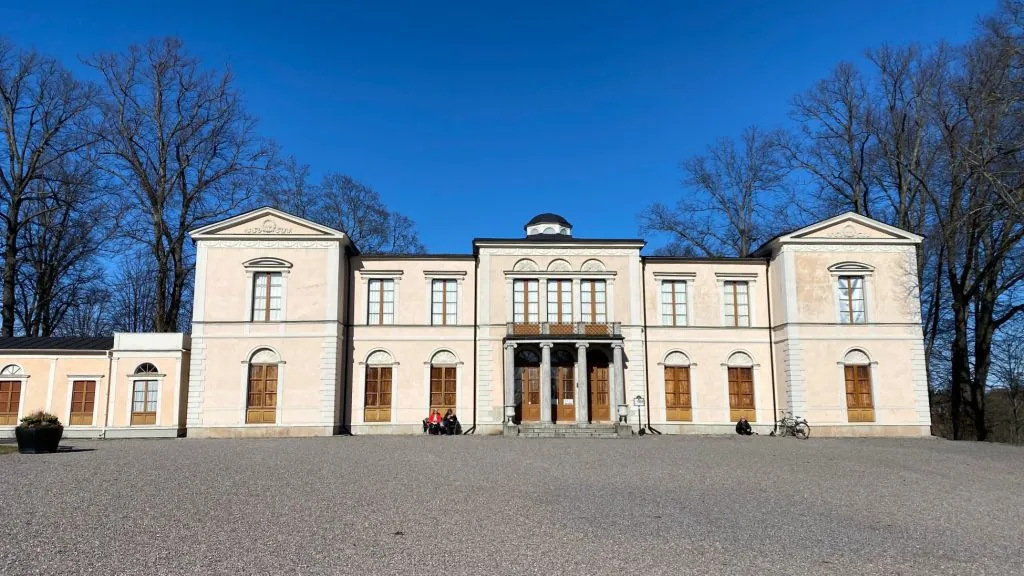
Rosendal Castle was built during the reign of Karl XIV Johan as a pleasure palace, and to this day both the castle and the surrounding greenery remain in the middle of Djurgården.


Things to do on Djurgården – our best tips
It's easy to spend a whole day on Djurgården – or several. If you're here for the first time, the Vasa Museum and Skansen are two of the great classics. If you're traveling with children, Junibacken and Gröna Lund might be attractive, while art lovers can choose between Liljevalchs, Prins Eugens Waldemarsudde and Thielska Galleriet.
If you are more interested in nature and walking, you can instead leave the most visited parts and continue towards Rosendal, Isbladskärret and the quieter parts further out on the island.

And that's perhaps the best thing about Djurgården: you don't really have to choose between the big city and nature. Here you get a bit of both.

Museums on Djurgården
Djurgården is a real museum cluster, and we have visited many of the museums here over the years. Which one is best depends of course on what you are interested in.
Vasa Museum – a ship and a unique history
The Vasa Museum is one of Stockholm's major attractions, and we definitely think the museum is worth a visit – even for those who are not usually particularly interested in ships.
The regal ship Vasa sank on its maiden voyage in 1628 and was salvaged in 1961, after more than 300 years at the bottom. Today, you can get impressively close to the enormous ship and at the same time learn more about the people, life on board and the Sweden where Vasa was built.
READ MORE: Visiting the Vasa Museum in Stockholm - info and tips

Nordic Museum – culture, life and traditions
The building itself makes the Nordic Museum worth noting. Inside the doors, it is about life in the Nordic region – cultural history, traditions, fashion, design, everyday life and how people have lived through different times.
This is a museum where the exhibitions change and where you can easily find something new even if you have been here before.
READ MORE: Nordic Museum in Stockholm - culture, design, traditions

The Viking Museum – meet the Viking Age
At The Viking Museum you can get closer to the Viking Age through objects, stories, environments and interactive features. There is also the Ragnfrids saga ride, where you take a dramatized journey through the world of the Vikings. When we visited the museum, it was called Vikingaliv, which is also reflected in the title of our older report.
READ MORE: Viking life - experiences at the Viking Museum in Stockholm
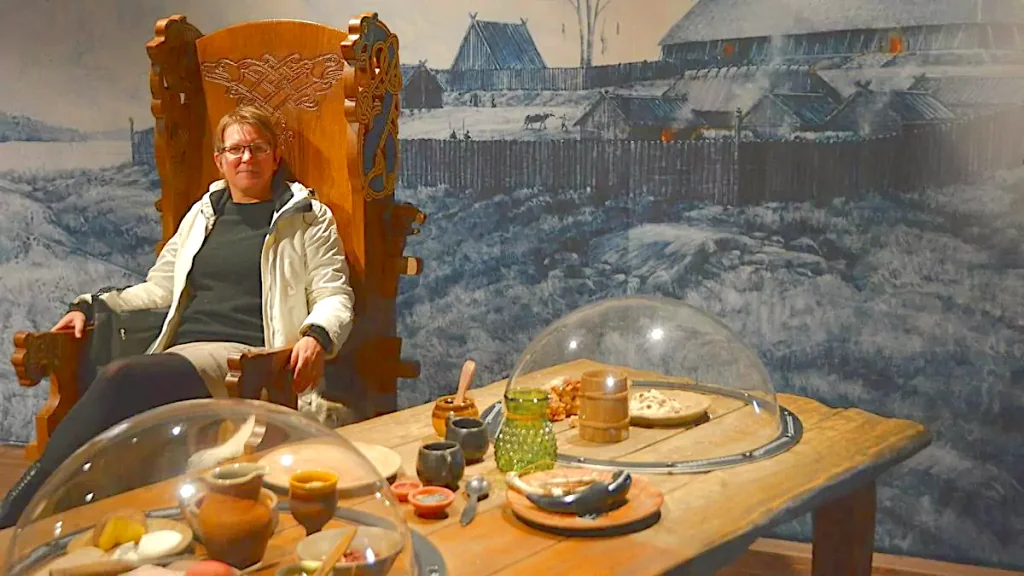
Wreck - Museum of Wrecks
The Baltic Sea is full of wrecks, and at Vrak it's about the stories that hide beneath the surface. The museum is located in the old galley sheds on Djurgården and uses digital technology to tell the story of finds and ships that remain on the seabed.
We thought it was an exciting museum, not least because it tells the story of a world that is otherwise quite difficult to access.
READ MORE: Wrecks - Museum of Wrecks on Djurgården in Stockholm.

ABBA The Museum – for the music lover
At ABBA The Museum, perhaps Sweden's most famous pop group takes center stage. There are stage costumes, objects and stories from ABBA's career, but also interactive parts where visitors can become part of the experience themselves.
READ MORE: The ABBA Museum in Stockholm - lots of nostalgia

Spirits Museum – Swedish drinking culture
Spritmuseum is a slightly different museum that deals with Swedish alcohol and drinking culture, with history, tastes, smells and temporary exhibitions. The museum is conveniently located in two old galley sheds by the water.
READ MORE: Liquor Museum in Stockholm - schnapps songs and tastings

Art on Djurgården
Djurgården is also an excellent destination for art lovers. Three of our favorites are located in very different environments.
Liljevalchs art centre
Liljevalchs is located near Gröna Lund and shows Swedish and international contemporary art. Liljevalchs is perhaps best known for the annual Spring Salon, but various exhibitions are shown here throughout the year.
READ MORE: Liljevalchs konsthall - art on Djurgården in Stockholm.

Prince Eugen's Waldemarsudde
Prince Eugen's Waldemarsudde is a combination of art museum, artist's home and beautiful setting. Prince Eugen was an artist himself and lived here, and for us it is almost as much the location as the art that makes the visit special.
There are also gardens, sculptures and views of the water. A walk here is nice even if you don't go into the museum.
READ MORE: Prince Eugens Waldemarsudde - art in a beautiful setting
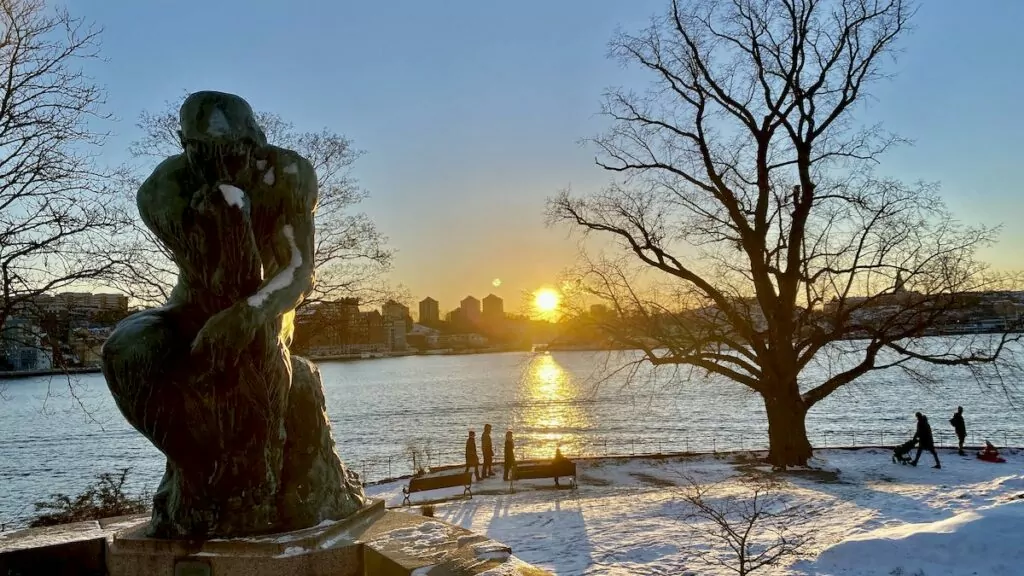
Thielska Gallery
Even further out on Djurgården is the Thielska Galleriet, beautifully situated in a walled park at Blockhusudden. It houses a significant collection of Nordic art, mainly from the turn of the century.
We combined our visit with a boat trip, which is a nice way to make the journey itself part of the excursion.
READ MORE: Thielska Galleriet on Djurgården - and a boat trip
READ ALSO: Art in Stockholm - 12 art experiences

Skansen – animals, history and Swedish traditions
Skansen is one of those places that is almost several attractions in one. It is the world's oldest open-air museum, founded in 1891 by Artur Hazelius, and features historic buildings and farms from different parts of Sweden.
There are also Nordic animals, various activities and crafts, and Swedish traditions such as Midsummer and Christmas are celebrated throughout the year. Skansen is large, so if you really want to discover the area, you can easily spend a large part of the day here.
We have of course been to Skansen many times over the years. It is also the kind of place that changes with the seasons and can therefore be fun to return to.
READ MORE: Visiting Skansen - an open-air museum in Stockholm

Gröna Lund – entertainment, concerts and Halloween
Amidst Djurgården's old houses and museums lies Gröna Lund, Stockholm's classic amusement park. Here you will find carousels and rides, as well as concerts and other events.
We have visited Gröna Lund during Halloween, when the entire area is transformed with pumpkins, decorations, haunted houses and varying degrees of spooky fun. It is a completely different experience than a regular summer visit.
READ MORE: Halloween at Gröna Lund – horror, spooky fun and tips for your visit

Junibacken – fairy tales and Astrid Lindgren's world
Junibacken is primarily a destination for families with children and is based on Swedish children's literature, with Astrid Lindgren's stories playing a central role.
Here you will find, among other things, the Story Train, a theater and environments where children can step into the world of stories. Our guest writer Anna has visited Junibacken with her grandchildren and tells more about the experience in her own report.
READ MORE: Junibacken Stockholm with the grandchildren
Walking on Djurgården
You don't need to buy a single entrance ticket to appreciate Djurgården. On the contrary, one of our favorite things to do here is simply to walk.
The further away from the museums, Skansen and Gröna Lund you get, the more the environment changes. The traffic and crowds disappear and are replaced by water, large trees, birds and green spaces. In some places it almost feels strange that you are still in the middle of Stockholm.

Djurgårdsstaden – charming old quarters
Behind Gröna Lund lies Djurgårdsstaden, a small area with low wooden houses, narrow streets and a completely different feel than the big attractions right next door.
The area began to develop in the 17th century in connection with activities for seafarers, and much of the buildings date from the 18th century. It is not large, but well worth the small detour if you are on Djurgården.
We like the contrast: one moment you're standing among carousels and visitors at Gröna Lund, and just a few minutes later you're walking among old wooden houses.

Beckholmen – shipyard environment in the middle of the idyll
From Djurgårdsstaden you can continue across Beckholmsbron to small Beckholmen. There are large dry docks and a long history of shipping and shipbuilding.
When we first walked here, we were fascinated by the contrasts. Huge ships could be moored for repairs, while the red houses and the tranquility gave a feeling of being far from the big city. It is still one of those slightly unexpected corners of Djurgården that we are happy to recommend.


Rosendal Castle and Rosendal Garden
Amidst the greenery lies Rosendal Castle, which was built in the 1820s as a pleasure palace for Karl XIV Johan. The area around Rosendal still tells the story of the royal part of Djurgården's history.
Also nearby is Rosendals Trädgård, with orchards, greenhouses, café, bakery and farm shop. We have been here ourselves in connection with a culinary event, and the environment is a big part of the experience. Rosendal is also a good stop during a longer walk across Djurgården.
Isbladskärret – birdlife and nature
Continuing further out, Djurgården changes even more. At Isbladskärret there is a rich birdlife and, among other things, a large heron colony, which was established here in 1989 after previously breeding at Skansen. During parts of the year, Scottish Highland cattle also graze in the area to keep the landscape open.
We've been here looking for herons, and it's hard to imagine a greater contrast to city life just a few kilometers away.
READ MORE: Isbladskärret on Djurgården - a favourite in Stockholm

Further out on Djurgården
If you have plenty of time, you can continue further out. Waldemarsudde and Thielska Galleriet can be destinations along the way, and at Blockhusudden you feel far from central Stockholm.
It is also here where you really understand how much more Djurgården is than the big attractions at Djurgårdsbron.
Eat and drink coffee on Djurgården
There are plenty of restaurants and cafes on Djurgården, both independent and connected to museums and other attractions. We have eaten at Villa Godthem, a classic Djurgården restaurant in a beautiful old setting. We have also eaten at Tyrol, connected to Gröna Lund.
At Rosendals Trädgård there is a café and bakery, and as I said we have been here in connection with a food event. It can be a nice stop during a walk, not least because you also get to experience the garden environment itself.
However, we wouldn't plan a Djurgårdsdag too heavily on restaurants. There are many options along the way, and several museums have their own cafes or restaurants.

Djurgården all year round
- Spring It's lovely when the greenery returns and you can once again sit outside and walk for a long time.
- Summer is the liveliest time, with Gröna Lund, boats, outdoor cafes, picnics and lots of people.
- Autumn is one of our favorite periods for walks, when the trees change color and the museums are especially good when the weather is worse. Halloween at Gröna Lund also gives Djurgården a completely different character.
- Winter is calmer. Then you can combine a brisk walk with a museum, and around Christmas Skansen in particular becomes a popular excursion destination.
In other words, Djurgården is not just a summer excursion destination.
A day on Djurgården – our suggestion
If this is your first time visiting Djurgården, we would start by walking across Djurgårdsbron and choosing one of the major museums, such as the Vasa Museum or the Nordic Museum. Then continue to Skansen and spend a few hours there. Finish with a walk through Djurgårdsstaden and along the water – or with Gröna Lund if entertainment is what appeals to you.
Don't try to squeeze in five museums in the same day. Djurgården will be more enjoyable if there is also time to just walk around and look at the surroundings.
Have you already seen the classics?
Then we would do a completely different Djurgårdsdag. Start in Djurgårdsstaden and make a detour to Beckholmen. Then continue through the greenery towards Rosendal and on to Isbladskärret. If you still have the energy in your legs, you can continue further out on Djurgården, perhaps towards Waldemarsudde, Thielska Galleriet or Blockhusudden.
It's a much quieter side of Djurgården – and a side that we really like.
How to get to Djurgården
The easiest – and often most pleasant – way is to walk. From central Stockholm you can walk along Strandvägen and over Djurgårdsbron.
You can also take the tram or bus. Another nice option is the Djurgårdsfärjan between Slussen and Allmänna gränd. The ferry is part of the SL traffic and regular SL tickets are valid.
Djurgården is also great to explore by bike, and there are cycle paths around the island. Please check current routes and timetables with SL before your visit.

Good to know about Djurgården
What shouldn't be missed on Djurgården?
For a first visit, we would prioritize the Vasa Museum or Skansen and also leave time for a walk. Djurgården is more than its attractions, and much of its charm is in the environment between them.
How long do you need to stay at Djurgården?
At least half a day, but preferably a full day. If you want to visit several museums, Skansen and the quieter parts of Djurgården, more than one day is needed.
What can you do for free on Djurgården?
It costs nothing to walk on Djurgården. You can discover Djurgårdsstaden and Beckholmen, walk by Rosendal and Isbladskärret or continue along the water towards the eastern parts of the island without buying an entrance ticket.
Is Djurgården good for children?
Yes. Skansen, Junibacken and Gröna Lund are some of the most obvious choices, but several of the museums are also suitable for families. There are also large green spaces and plenty of space for walks and breaks.
Can you walk around Djurgården?
Yes, and it's a great way to discover the island. How far you want to go is up to you. You can take a short trip around the central parts or continue much further out towards, for example, Isbladskärret and Blockhusudden.
READ MORE: Things to do in Stockholm – 22 attractions and experiences
You might also like:
 Nordiska museet 150 years - Jubilee bridge and new exhibitions
 Art in the Stockholm metro - 16 stations to discover
 Art in Stockholm - 12 art experiences
 A magical food walk in the Old Town - The Stockholm Food Tour
 Swedish Museum of Natural History - Grandma Anna's secret winter journey
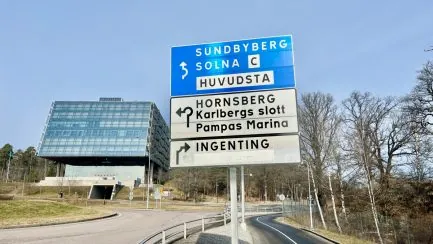 Nothing in Solna - is there anything there?



 English (UK)
 Svenska
Elisabeth says:
A nice tour of Djurgården. There you also have Waldemarsudde and large walking areas!
18 April 2016 - 9:25
Lennart says:
A green oasis near the big city!
18 April 2016 - 9:57
znogge says:
What a nice tour of a beautiful neighbourhood! Stockholm has a lot to offer 😀.
18 April 2016 - 11:52
Anonymous says:
Himmelamalia, your new camera looks good!!! Congratulations on it!
18 April 2016 - 12:24
Steve says:
These are wonderful spring pictures you offer. A trip to Djurgården was a permanent feature at the time when I often visited Stockholm.
18 April 2016 - 13:23
Ama de casa says:
Djurgården is a real oasis! We often used to go there and walk. For a while, I went there about five days a week - but then I was working at Skansen... 🙂 .
18 April 2016 - 15:24
Annika says:
Yes, I like Djurgården. Walked around the entire island when I was last home, I think it's closer to 10 km. It was lovely.
Djurgården is very nice. Now I feel a little homesick again 🙂 .
18 April 2016 - 15:36
BP says:
You are in the countryside even though you are in the centre of the city. Djurgården is as nice as it gets. The shipyard is always exciting, especially the giraffe crane that I glimpse the "neck" of:-)
18 April 2016 - 17:23
JoY says:
Stockholm is certainly beautiful. I have lived in all the neighbourhoods, except Gamla Stan. We have travelled under Stockholm's bridges by boat but have never gone on a city walk except when we did it with the school and that was a long time ago.
Hugs Yvonné
18 April 2016 - 18:24
admin says:
Elisabeth, yes, Djurgården is big and beautiful!
Znogge, there are many great things to discover in Stockholm! 🙂
Anonymous, thank you very much! 🙂
Steve, it was very springy in Stockholm last weekend! 🙂 Funny that you also appreciated Djurgården when you used to be here!
Ama de casa, have you worked at Skansen? What did you work on there? Yes, you can always walk on Djurgården, it's big and green!
Annika, is it 10 kilometres? Yes, the island is big...
BP, I like that it feels like you're in the countryside even though you're in the city centre!
JoY, wow, have you lived in all the neighbourhoods? It wasn't bad! I have only lived in Vasastan. Yes, and then in Solna, Sundbyberg and Åkersberga 😉.
18 April 2016 - 18:37
Comsi Comsa says:
Wow what a nice header with the boat coming along so nicely, great! 🙂
Love walking on Djurgården. 🙂
Hugs ♥
18 April 2016 - 19:33
petra says:
There are many nice things to see at Djurdården! Isn't it fun to explore your own city that has so much to offer?
/Petra
18 April 2016 - 20:17
Rolle o Carina says:
Stockholm is a great summer city!
Take care....:-)
18 April 2016 - 20:49
Anja says:
Hmmmm. Well, I'm not that anonymous ;-)!
Wonder what happened there?
Greetings from "non-anonymous"...
18 April 2016 - 21:16
Ditte says:
Djurgården is a lovely walking area and we often take the boat between Barnängsbryggan and Allmänna gränd to walk around Djurgården with various food/drink stops.
It's also nice to take the bikes on the boat and then cycle around Djyrgården.
On Beckholmen, the Oaxen restaurant is recommended, expensive but with very good food.
Lovely pictures from a nice walk.
18 April 2016 - 21:53
Biggeros says:
Wow, a feast for the eyes to see these beautiful pictures from Djurgården!!!!
I have been to Skansen and Gröna Lund many times and have been well entertained. For me it is nostalgia and wonderful memories that come back when I see these nice photos. Good night and sleep well.
18 April 2016 - 22:53
admin says:
Comsi Comsa, glad you like the picture! 🙂
Petra, yes, it's easy to forget to tour your own city, but it's actually interesting and nice too!
Rolle and Carina, can only agree 🙂 .
Anja, haha, I realised it was someone who had become anonymous by mistake, it happens from time to time 😉.
Ditte, cycling around Djurgården can certainly be nice! (We don't have bikes anymore though as they were stolen just before our Europe trip) We saw the restaurant Oaxen and I've heard about it before, even though we haven't been there. Thanks for the tip!
Biggeros, glad you like the photos! Yes, Skansen and Gröna Lund are places I have also been to from time to time in the past and have memories from! 😉
19 April 2016 - 7:43
Anette says:
Big cities need oases. Djurgården has so much to offer, so much more than a park and very beautiful even in winter.
19 April 2016 - 9:58
Maria says:
I have visited Djurgården a number of times, but I think I missed the 18th century houses!
19 April 2016 - 22:09
Ama de casa says:
I worked as a zookeeper at Skansen. I am a trained poop laugher. Took two years at Kolmården Zoo... 😉.
After a few years in the profession, Anders persuaded me to study programming. Just as well, maybe. But at least I got to spend a few years working on my dream - working with animals 😀.
20 April 2016 - 3:07
admin says:
Anette, yes, but of course it is! Many big cities have nice parks, but Djurgården is, just as you say, more than that! I do not know if I have been there so much in the winter... it will be next winter maybe 😉.
Maria, Djurgårdsstaden is just beyond Gröna Lund, very charming!
Ama de casa, is that true? It sounds a bit exciting and fun after all, but at the same time I guess it can be quite heavy too... What kind of animals did you work with?
20 April 2016 - 7:38
Marianne - Glimt av verden says:
I hope I get time to stroll around there the next time I come to Stockholm! I've been to Stockholm three times, but I've mostly stayed in the area around Gamla Stan, Södermalm and Norrmalm.
20 April 2016 - 19:23
Ama de casa says:
I worked as a permanent replacement, which meant I was in all departments (except the Aquarium, which is independent). But mostly I worked with the seals and predators.
🙂
22 April 2016 - 3:25
Angeliqa says:
Oh, what a lovely post. There is a lot to discover in Stockholm <3
24 April 2016 - 21:39
admin says:
Marianne, then you've seen part of Stockholm anyway! But definitely, Djurgården is worth a visit!
Ama de casa, interesting! The seals and predators sound exciting 🙂 When I was younger, I probably dreamed a little about working with animals, but today I realise that it's probably hard work too 😉.
Angeliqa, yes it does, and we have started to think more and more that we should not forget to see and experience our own city! 🙂
25 April 2016 - 7:30