



Writer: Helena Bergström
Updated August 2026 | What to see and do in Dijon? This French city is primarily known for its fantastic Dijon mustard. The city is located in the heart of the Burgundy wine region and also offers beautiful historic buildings.
 Tweet
 Share
 Share
 Pin
 Share
 Share
Table of contents
Dijon in France
Dijon is a fantastic city to visit. Here you can enjoy both mustard and wine, but also experience historic buildings, charming alleys and cosy outdoor cafés.

We have done two visits to Dijon this year - first when we stayed here for the day on a river cruise at the beginning of May, and then when we returned with our motorhome in June, accompanied by Peter's son Robin and his wife Alexandra. So there's a mix of spring and summer clothes in the photos!


Dijon is located in the Bourgogne-Franche-Comté region of eastern France, about 200 kilometres north of Lyon.
What can you do in Dijon?
So, what can you see and do in Dijon as a tourist? Well, you can check out some great sights, but you can also enjoy food and wine. We share our top tips here.
1. follow the "Owl Walk"
A slightly different way to experience Dijon is to follow the "Parcours de la Chouette" (Owl Walk). Small arrows with owls in the ground point the way to the city's biggest and most important sights.

2. admire Porte Guillaume
As you enter the centre of Dijon, you quickly notice the mighty Port Guillaume. The gate is an 18th-century monument, on the site of an earlier, medieval city gate.


3. check out Notre-Dame church
One of the most important sights in Dijon is the magnificent Church of Notre-Dame (Our Lady), a Roman Catholic church built in the 13th century and considered a masterpiece of Gothic architecture.
The church is decorated, among other things, with 51 "gargoyles" (decorative design of a water diverter, in the form of grotesque figures), which are ornamental rather than functional. The exterior of the church also features two symbols of Dijon: the 'jacquemart' and the owl. The first of these refers to one of the first sounding bells (from around 1350), which adorns the south tower.



4. Touch the owl and make a wish
On the north side of the Notre-Dame church, a small owl sits in the wall. According to tradition, you should touch the owl with your left hand, while holding your right hand to your heart and making a wish. Note that it is important to turn away from the tiny devil statue on the wall, not far from the owl. Otherwise it could all go wrong...


5. Be impressed by the Palais des Ducs
One of the most magnificent buildings in Dijon is undoubtedly the Gothic Ducal Palace Palais des ducs et des États de Bourgogne. The oldest parts of the building date back to the 14th century, while most of what you see today dates from the 17th and 18th centuries.
The palace houses the city's Town Hall (City Hall) and Museum of Fine Arts (the art museum). In front of the palace is a huge square, with plenty of outdoor seating.


6. See more churches in Dijon
If you're a fan of historic churches, there are more to check out in Dijon, in addition to Notre-Dame. Cathedral of St Benigne in Dijon is a Roman Catholic church dedicated to Saint Benignus of Dijon. This Gothic cathedral was built between 1280 and 1325.

St Michael's Church is a 16th-century church, known above all for its beautiful Renaissance façade.

7. Shop for Dijon mustard
One thing you don't want to miss doing in Dijon is shopping for Dijon mustard. You can shop for the mustard in many different shops in town, but our tip is to go straight to the mustard shop Edmond Fallot, located right next to Notre-Dame Church.
You can try different types of Dijon mustard, and there's a huge range of flavours (how about saffron mustard, blackcurrant mustard or tarragon mustard?


8. Check out the Halles Centrales market
If you like food and shopping, don't miss the market in the market hall Central Halls. The hall itself is incredibly beautiful, and it's also great fun to browse through the cheeses, seafood and other delicacies. Please note that the market is only open on certain days of the week - check the current opening hours online to be sure.
READ MORE: Shopping in French supermarkets - our experience


9. Hang out at Place François Rude
One place you won't want to miss in Dijon is Place François Rude, which is often called by locals Bareuzai Square. The first name refers to the sculptor François Rude (1784-1855) and the second name alludes to his sculpture in the square that has "pink socks" (bareuzai) after all the winter trampling.

The place is incredibly idyllic and picturesque, with beautiful houses, charming outdoor cafés and a cute little traditional-style carousel.

10. Taste Burgundian cuisine
There are plenty of nice restaurants and outdoor cafés in Dijon, and what could be better than trying Burgundian cuisine? The most classic dish from this region is of course Beef bourguignon (Burgundian meat stew). This is a rich wine-cooked meat stew, with ingredients such as carrots and small onions. It's delicious!
READ MORE: Kitchen French - all those French terms in the kitchen


11 Prova Pain d'Epices
Another delicacy to try in Dijon is Gingerbread, which is a kind of spice cake, which you can buy in many different stores. We never got round to trying it, so if you've tried it, please leave a comment and tell us what you thought!

12. stroll in the botanical garden Jardin de l'Arquebuse
Jardin de l'Arquebuse is a stunning botanical garden, located near the historic centre of Dijon. Here you can spot lots of beautiful and fascinating trees, shrubs and flowers. There is also a museum and a planetarium. The park is surprisingly large and well visited!


13. Learn about the wine regions of Burgundy
Of course, when you're in Dijon, you don't want to miss out on learning about the different wine districts in Burgundy. There are five main wine districts: Chablis, Côte de Nuits, Côte de Beaune, Côte Chalonnaise and Mâconnais. Dijon is located in the Côte de Nuits, where mainly red wine is produced, from the Pinot Noir grape.
READ MORE: Burgundy wine regions - our experiences and tips
14. Take a trip to Château du Clos de Vougeot
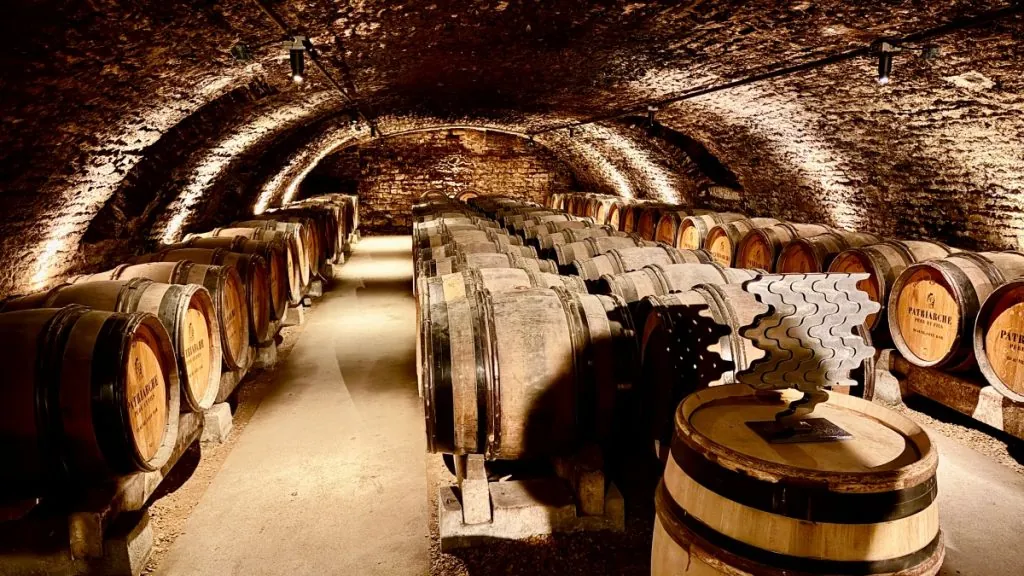
Château du Clos de Vougeot is a historic wine castle, surrounded by vineyards. Although wine is no longer produced here, the castle is well worth a visit. The castle, which is open to visitors, tells the story of 900 years of wine history. You can see old wine presses and historic rooms, as well as an interesting and informative film.


15. Wine tasting at Caveau Moillard
Moillard Cellar, located in Nuits-Saint-Georges, is a nice place if you want to try wine. Here you will find wines from the Côte de Nuits and Côte de Beaune districts. You can pay for a tasting, where you'll also get lots of information about the wines and the area - a great way to learn more about Burgundy wines! Of course, you can also shop for wine if you wish.


16. Go on a river cruise
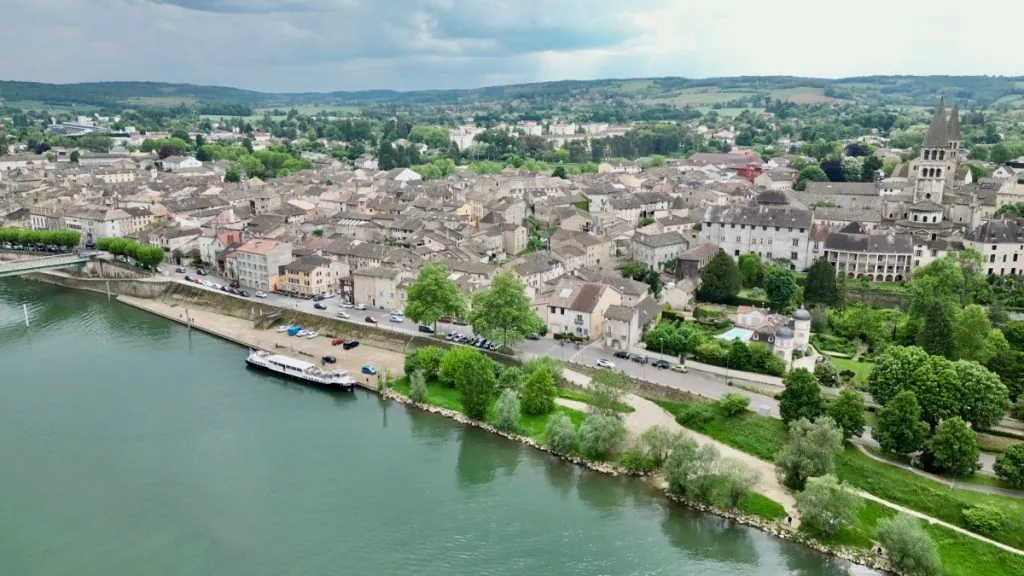
The Saône river runs through Burgundy and is a popular destination for river cruises. There are everything from gigantic barges with room for many passengers to smaller boats that you can drive on your own. Or why not embark on a truly exclusive cruise on the six-passenger Grand Victoria?
READ MORE: Exclusive river cruise in Burgundy, France
More to see and do in Dijon for culture and history lovers
There is of course even more to see and do in Dijon for those who like culture and history, in addition to our tips. Here are a few more suggestions:
- Darcy Garden is a beautiful park in the Neo-Renaissance style.
- Museum of Fine Arts is an art museum in the Palais des Ducs.
- Museum of Burgundian Life is a museum about life in Burgundy.
- Rude Museum is an art museum dedicated to the artist François Rude.
- Philippe le Bon Tower is a historic tower that offers panoramic views.

More to see and do in Dijon with kids
There is of course more to see and do in Dijon for those travelling with children or teenagers. Here are a few more suggestions:
- Lake Kir is a man-made lake where you can sunbathe, swim or, for example, hire a canoe.
- The museum in the Pavillon de l'Arquebuse is a natural history museum.
- Hubert Curien Planetarium is for those who want to learn more about the Universe.

Where can you stay or park your motorhome?
There are of course lots of different hotels and other accommodation in and around Dijon. We came here by motorhome and chose to stay at Camping du Lac Kir. This campsite is fairly basic, but offers all the services you need. The best thing is that you can walk into the city centre in just over half an hour.

More to see and do in the neighbourhood
When you're in Dijon, you're close to other places in Burgundy. In particular, we can recommend visits to Beaune, which is a very nice, pretty and interesting town. You can also visit other villages in the region, such as Mersault. Or why not travel further and experience Lyon?

Even more tips on things to see and do in Dijon
Have you been to this part of France? Do you have any more tips on what to see and do in Dijon? Please let us know!
FAQ – frequently asked questions about Dijon
Where is Dijon located?
Dijon is located in eastern France and is the capital of the Bourgogne-Franche-Comté region. The city is located about 300 kilometers southeast of Paris and is an excellent starting point for discovering the Burgundy wine regions.
What is Dijon famous for?
Best known for its Dijon mustard, its wines and its well-preserved medieval city centre, Dijon also has a rich history as the capital of the powerful Duchy of Burgundy and is renowned for its gastronomy and elegant architecture.
How to get to Dijon?
Dijon is easily reached by high-speed train (TGV) from Paris in around 1.5–2 hours. It is also easy to travel here by car or regional train from other parts of France and neighboring countries.
How many days do you need in Dijon?
Two days is enough to discover the city's main attractions. If you also want to visit vineyards and picturesque villages in Burgundy, it can be nice to stay for three to four days.
What is there to do in Dijon?
Stroll through the historic city center, visit the Palace of the Dukes, the Musée des Beaux-Arts, the Notre-Dame church and the city market hall. Don't miss the popular "Owl Path" (Parcours de la Chouette), a marked walk that leads to the city's main attractions.
What is the Owl Trail in Dijon?
The Owl Trail is a self-guided walk through the historic center of Dijon. Along the route, you follow small brass markers in the street and pass about thirty sights. The name comes from the small owl carved into the wall of the Notre-Dame church, which is said to bring good luck if touched.
Is Dijon a good city for food and wine enthusiasts?
Yes, Dijon is one of France's top destinations for food and wine lovers. It is home to many restaurants, delicatessens and wine bars, and the city is located in the middle of one of the world's most famous wine regions.
Can you visit vineyards from Dijon?
Yes, many of Burgundy's most famous wine villages are just a short drive or train ride from Dijon. Among the most well-known are Gevrey-Chambertin, Nuits-Saint-Georges and Beaune.
Is Dijon child-friendly?
Yes, Dijon is also suitable for families with children. The car-free city center is easy to walk around, and parks, museums and the popular Owl Trail make sightseeing more fun even for younger visitors.
Do you need a car in Dijon?
No, the city itself is best explored on foot or by public transport. However, if you want to visit vineyards and smaller villages in Burgundy, a car is a convenient option.
Is Dijon expensive?
Dijon is generally slightly cheaper than Paris. There are hotels and restaurants in several price ranges, making the city a relatively affordable destination.
When is the best time to visit Dijon?
Spring and autumn are particularly beautiful seasons, with pleasant weather and the opportunity to experience Burgundy's wine landscape. Autumn is especially popular as the vines change color and the harvest is underway in many vineyards.
You might also like:
 Visiting Colmar - a picturesque dream in France
 Things to do in Saint-Émilion, France - our top 9 tips
 Things to do in Bordeaux - 14 tips for France's wine city
 Things to do in Beaune - 15 tips for the wine capital of Burgundy
 Visiting La Romieu in France - a gem of Unesco heritage and feline legend
 Visiting the Gorges du Tarn in France - a scenic canyon


 English (UK)
 Svenska
BP says:
Love that owl walk with the arrows. So nicely done! Reminds me a bit of the cat walk in Riga, but there the cats sit on the roofs. The market hall is so charming. Even that construction brings my thoughts to Östermalmshallen and Les Halles in Paris.
21 June 2025 - 19:47
Helena says:
The owl walk is really nice! I didn't know about the cat walk in Riga, thanks for the tip! 🙂
21 June 2025 - 20:47
Lena i Wales och lite överallt says:
Nice to see lovely Dijon again. Was there many times 20-25 years ago in connection with work.
However, never visited the garden.
26 June 2025 - 15:55