


Writer: Jonathan Gharbi de Maré
The country became an EU candidate country in 2022 but how much do we hear about Moldova and what do we know about it? Here is the first of three articles on Moldova following a five-day visit in May 2025.
 Tweet
 Share
 Share
 Pin
 Share
 Share
Table of contents
Moldova - The country that many have left
When Moldova left the Soviet Union in 1991, around 4.4 million people lived in the country, but the population has declined since then and today around 3 million people live in the country, of which around 700,000 live in Chisinau.

The economy is struggling and many institutions in the country lack the right resources, which is why Sweden and many other countries are providing support. Its GDP per capita is 135th out of 188 and its economy is largely based on agriculture.


Wine production and agriculture
The soil is fertile, so a lot of fruit is grown, but especially grapes, which have long been an important food source. During the Soviet era, Moldova was the largest exporter of wine to the other states of the Union.
Since Moldova became a candidate country to the EU, wine exports have started to move more towards Europe and today we can find Moldovan wines in the systembolaget. More on wine in the next article.


Swedish aid helps in Moldova
To learn a bit more about Moldova and to understand more about what is happening in the country, I was helped by the Swedish Embassy in Chisinau who told me about their ongoing projects. Even though Sweden feels a bit far away, Sweden has a presence in Moldova and it always feels a bit homely to know that there is an embassy at hand in case you run into any problems.

Sweden's role in Moldova has been strengthened as the US cut its aid, as Maia Metaxa, the head of the journalism school in Chisinau, has noticed, Scoala de Jurnalism din Moldova. When a large part of the aid suddenly disappeared, it was Sweden that stepped in to provide support.
Being such a small country, it is particularly vulnerable to outside influences, and investigative and factual journalism has been crucial to political developments. During the last election, there were two sides, one turned against Europe and the other against Russia.

I visited them one evening when they had a visit from a journalist from Deutche Welle who talked about their journalistic work around the world. The presentation was before their internship and it was great to see the enthusiasm to broaden their knowledge.


I also visited Womens Right Centre which Sweden supports, and they explained how they are working to improve the situation of women in the country. Among other things, they have been involved in training the police to become better at dealing with domestic violence.
There is much that needs to be improved, but it was also positive to hear that there are opportunities to improve and help the most vulnerable. The proportion of women in legal training has been evenly distributed, so there are women in all functions within the law. However, there are still relatively few working as patrol police officers, but the proportion is increasing.

They work both with larger projects but also have a free legal counselling service with knowledgeable lawyers. When I visited the centre, I also got to meet some of their counsellors who receive women and provide legal support to vulnerable women.


How to get around Chisinau and sim cards
Google maps can be used to search for bus routes, and if you are travelling alone or in pairs, it can be easy to get around by bus. Bus tickets are bought in cash from a person on the bus and cost 6 lei, 3 kroner. Taxis are cheap and you use the Letz app with cash payment, a journey of 3 km costs around SEK 30.

To avoid roaming charges, buy a SIM card from one of the major phone operators' shops, for example Orange colour, where a sim card costs 45 lei for a week with 20 GB of surfing.
There are the same electrical outlets as at home and Swedes travel in visa-free. The easiest way to get there is probably to fly via Riga or Warsaw but keep an eye out, there may be a direct route between Stockholm and Chisinau in the future.


Accommodation and practicalities in Moldova
The stars of the hotels are a bit different in Chisinau, hence the prices which are significantly lower than at home. I chose to stay the first days at Weekend Boutique Hotel, a 4-star simple hotel. It was right next to the big shopping centre Mall Dova, a name so catchy it brings to mind the famous Gothenburg humour.

You can easily walk around, so if you live around 1.5 kilometres from the triumvirate it is still quite central. The town is quite small as most people live outside in one of the suburbs which are big enough to have their own shopping centres and shopping streets too.

Hotel with pool and cosy garden - Diplomat Club
The last days when I had more time to be at the hotel, I chose a really cosy hotel, admittedly five-star but the price is around a thousand bucks a night. The advantage was that there was both a pool and a really lush garden with several small outdoor rooms and seating areas.


If you are planning a trip to Chisinau and have questions, please get in touch if you would like some tips.
Upcoming article will be on wine and food culture in Moldova, stay tuned, it's coming soon.
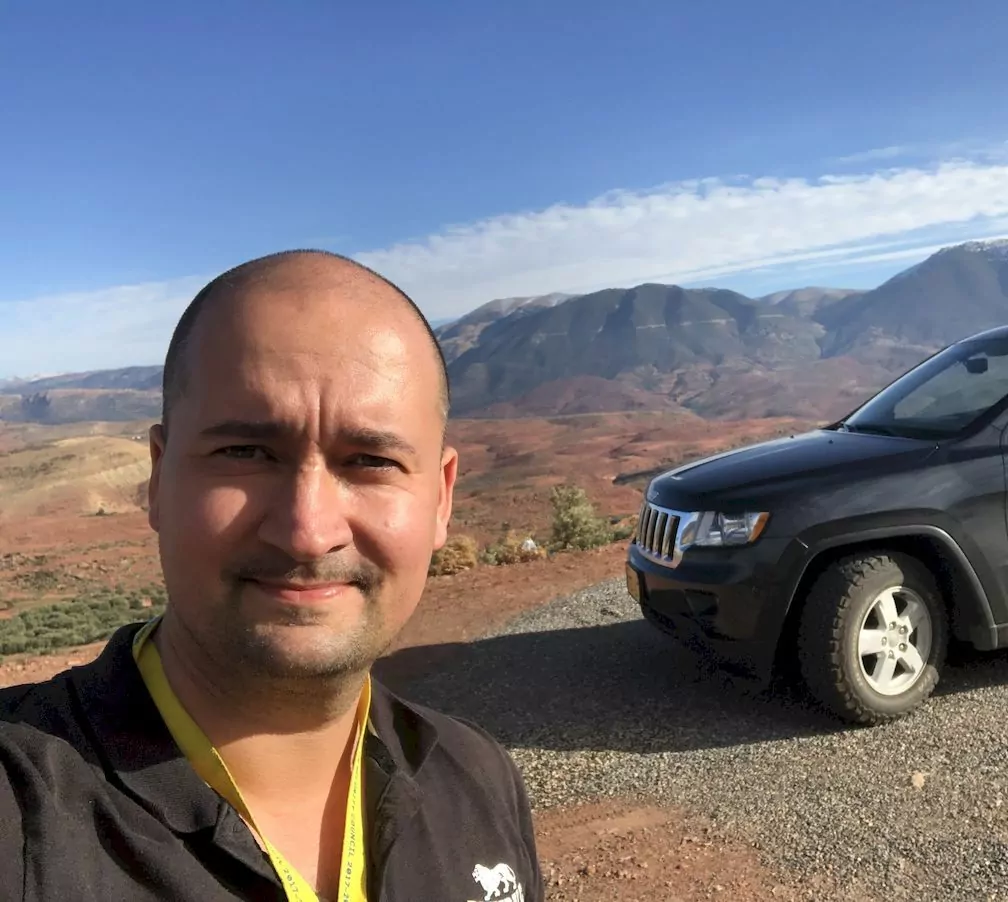
Follow Jonathan here:


 English (UK)
 Svenska
BP says:
What an interesting post! The only thing I knew before reading the post is 1. that Moldova has a female president and 2. that the country has a relatively mediocre football team. Had no idea that Sweden supports the country as much as it does. Also didn't know that Moldova produces wines.
Everything is as cheap there as it was in Estonia and Latvia in the 1990s and 200s.
Many thanks for a very informative post:-)
12 June 2025 - 23:01
Jonathan says:
Yes, it is a bit in the shadows if you say so, but with everything that is in the region, they have become increasingly important. They are very nice prices so you rarely have to screw up when you have to pay;). Glad you liked the article, many thanks,
Jonathan
16 June 2025 - 23:11