



Writer: Björn Erik Gustavsson
Even in the early 1960s, Österlen was not an established concept. On many car maps of the time, the name doesn't even appear - nor is the area described as particularly worth seeing... It was only somewhat later that tourism became large-scale. Since the end of the 20th century, Österlen has become even more glamorised - and is now often referred to as "Sweden's Provence".
 Tweet
 Share
 Share
 Pin
 Share
 Share
Table of contents
Österlen - an abundance of beauty
Artists, culture and nature enthusiasts are particularly keen to visit Österlen, a part of south-eastern Skåne characterised by miles of sandy beaches, beech forests, winding lanes, sandy moorland, picturesque little fishing villages (half-timbered houses, hollyhocks ...), but also of orchards, galleries, craft shops, antiquarian bookshops, cafés in peculiarly aesthetic settings, farm shops, vineyards, rapeseed fields, Stone Age monuments, hiking trails, rolling pastoral landscapes, eco-thinking, sourdough bread, old sailing ships, exciting concerts ...
Österlen is like a huge buffet where you can help yourself and revel in the sheer abundance of beauty.
Gardens and art
Incidentally, the comparison with Provence is probably not entirely far-fetched. Österlen is in growth zone 1 and many garden lovers have become year-round residents here in recent years - a trend that perhaps started with the Mandelmann couple. Their garden has become nationally recognised after the TV series. Nowadays, you can't visit it without booking an appointment via a website.
Carl Linnaeus already noted that there were plenty of exotic plants in this part of Skåne; for example, he found 17 walnut trees in Simrishamn.
I myself travelled down to this charming little town (just under 7,000 inhabitants) at the end of August, with the weather still summer-like. It's a pleasure to stroll around this idyllic town, still marked by its medieval layout: narrow cobbled streets between rows of pastel-coloured stone houses, intriguing little shops, a lively harbour area ...
For those who want to immerse themselves in the history of the area, a visit to Österlen Museum is recommended. Those who prefer expressive, contemporary art should head for Ulf Lundell's art gallery, Rockhead Art.

Sköllengården Farm Hotel
I stayed at a farm hotel a few kilometres south of the city, Sköllengården; a classic Scanian farm dating back to the 17th century and where the white stone buildings frame a cobbled courtyard, as if made for contemplation after a long day's impressions.
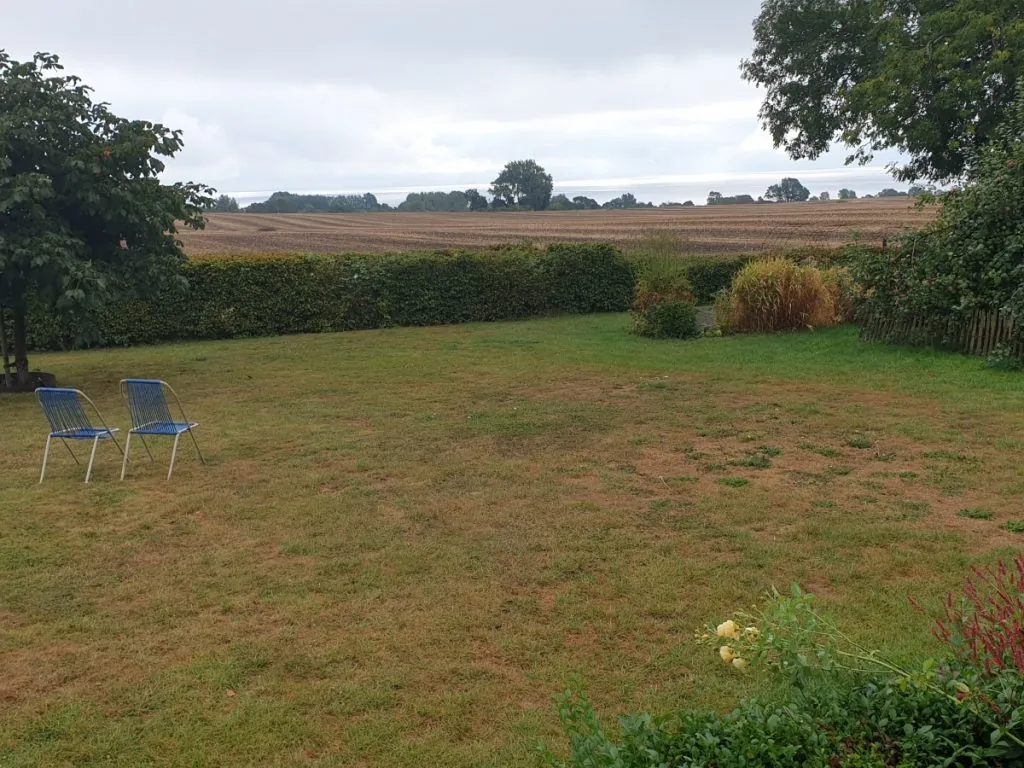
Several of the rooms (hotel standard) look out over rolling fields. And just a few hundred metres away: the shimmering sea, with the outline of the Danish island of Bornholm in the distance. As soon as you enter the tranquillity of this elevated farm, you realise that Österlen is the best place to stay.

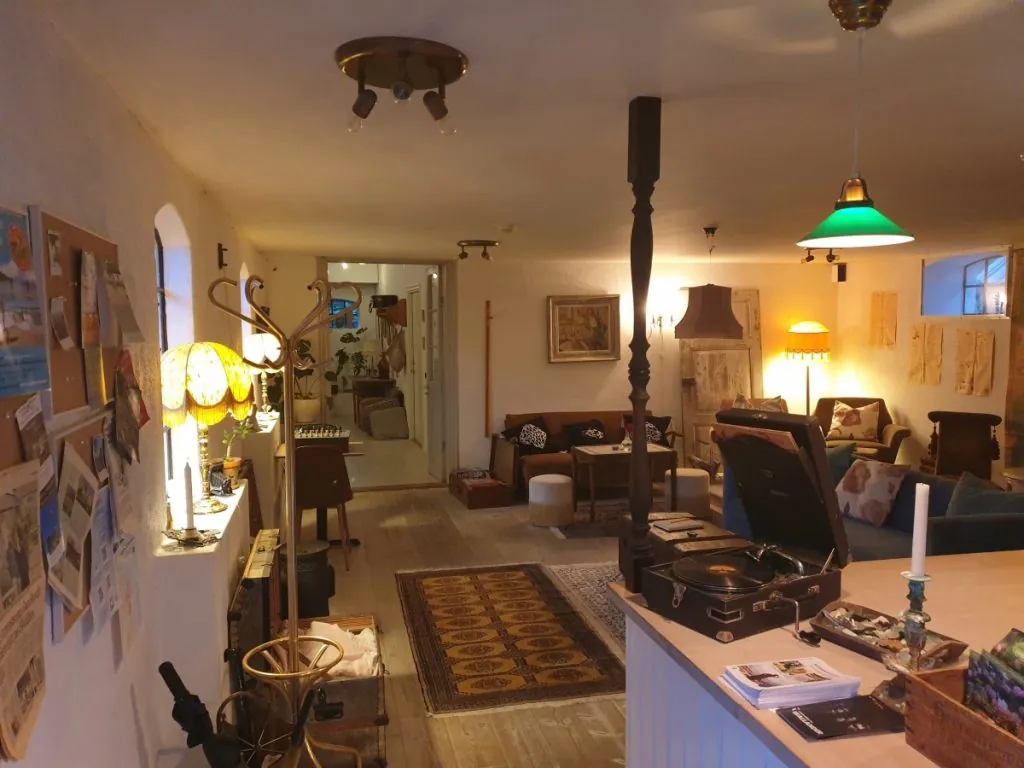
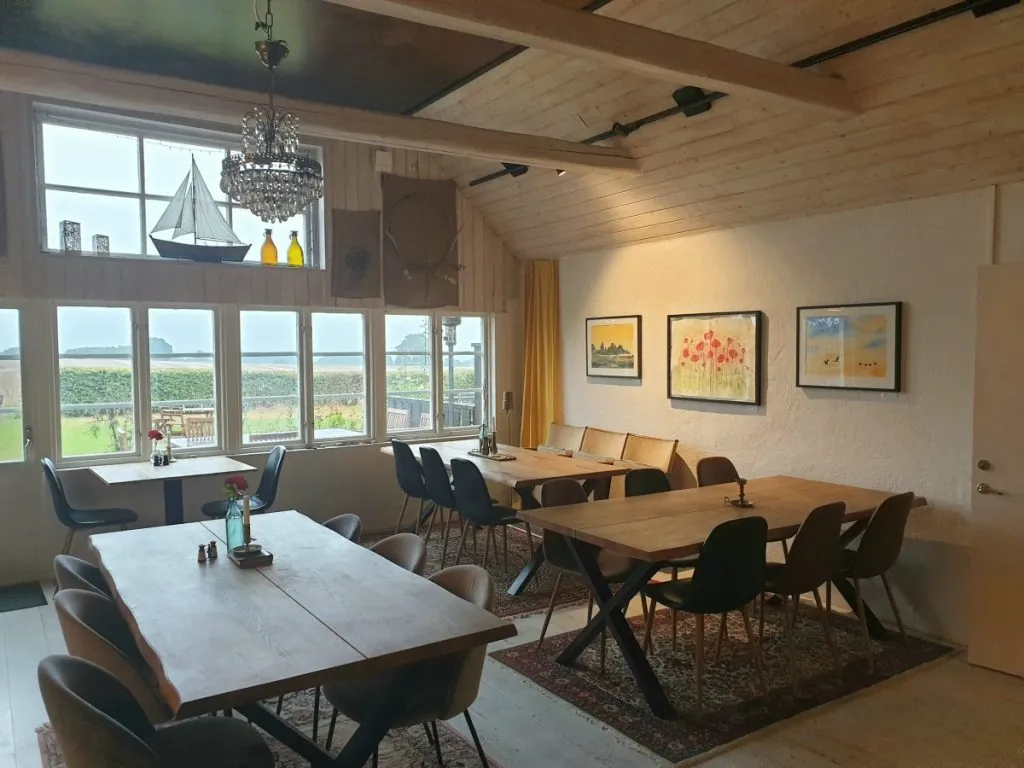
The hosts live in the old manor house next door. The couple's cat, "Drottningen", roams around and gets to know the guests, many of whom come from Denmark and Germany. At the breakfast table, in a room with a panoramic view to the east, there are many enthusiastic comments about the interior design and colour scheme.
In the evening, I order a glass of wine and sit back in a deckchair in the neighbouring garden, letting the beauty of the area sink in. Music can be heard from one of the parlours: one of the guests is trying out a musette accordion. Another couple strolls over to the wood-fired sauna beyond the apple trees.
In the morning I borrow a bicycle and head down to Brantevik, where in addition to flower-framed rows of stone houses there is a café, restaurant and a wonderful rock pool. It can hardly be more Austrian, I think as I enjoy the slightly exotic views of the sleepy little fishing village on this August morning.
Experiences in Österlen
Other great experiences to be had on this Österlen holiday: Stenshuvud National Park, with its lush deciduous forest, grazed meadows and long sandy beach; Sandhammaren Nature Reserve, where the miles-long sandy beach is fringed by dunes and with a dazzling white light reminiscent of Denmark's Skagen; the fishing village of Kåseberga with the famous Ale stones, set on the grassy expanses at the top of the mountain - Sweden's Stonehenge and where it is still unclear today what these sixty massive stones actually had for function.
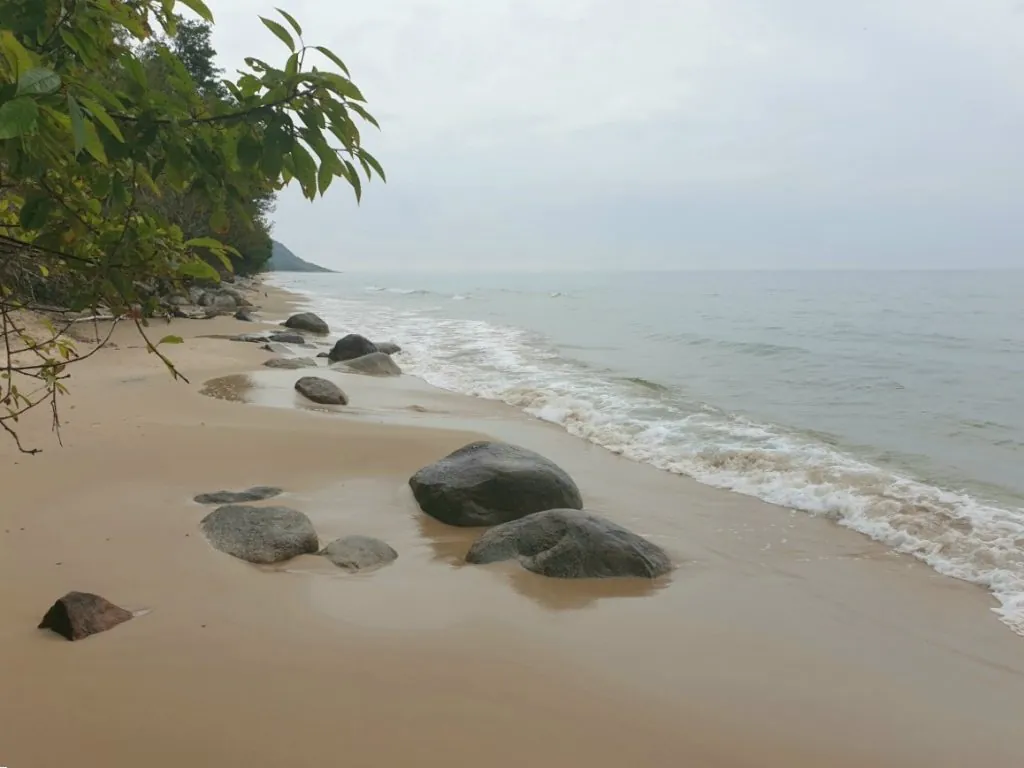
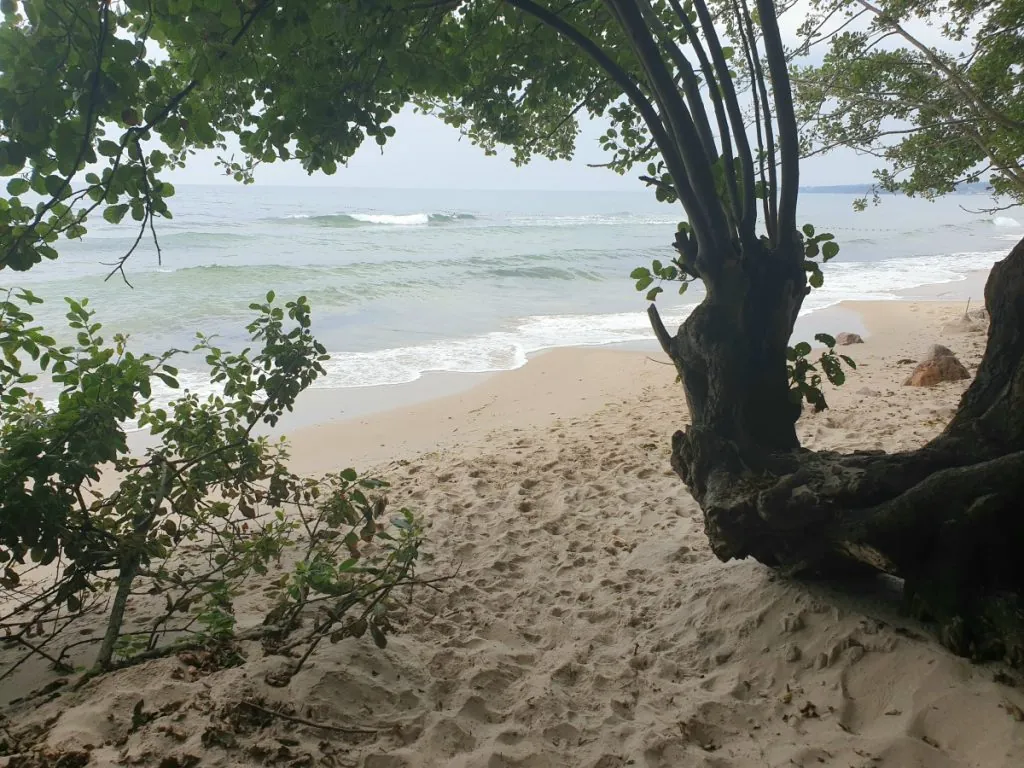
To round off a few intense days in Österlen's gigantic garden, there's the idyllic Knäbäckshusen, with a sandy beach so magically beautiful you can hardly believe you're still in Sweden. Add to this Brösarp's hills and Haväng's strange poetry, and add vineyards and apple orchards and landscapes where rural scents mix with sea air - and the sum of it all means that you return north with a sense of gratitude that you have experienced the peculiar mix of beauty that Österlen actually offers.
Follow Björn Erik here:





 English (UK)
 Svenska
Madde says:
Österlen is so beautiful. Was there a few years ago and probably want to see more.
20 September 2025 - 6:37
Hanneles bokparadis says:
What a nice farm hotel, nice surroundings.
22 September 2025 - 9:54