


Writer: Magdalena
It all started with a cheap flight ticket. I wanted to surprise my husband with a weekend trip in October and when I saw the price to Bucharest, it didn't take many minutes before the tickets were booked. Never before has the path from idea to booking been so short.
 Tweet
 Share
 Share
 Pin
 Share
 Share
When I found the cheap flight ticket from Malmö to Bucharest, I sent a quick message to a friend asking if we should surprise our husbands with a weekend trip. She replied “absolutely!” right away and a few minutes later everything was booked.
I often travel to places I have long wanted to visit or to places I want to return to. This time, the price of the flight was the deciding factor.
At 7pm, on the night we were due to leave, I told my husband we were going on a weekend trip. The plane was due to leave at 10pm, so it was a quick trip and although he was very surprised, he was as positive as I had hoped.
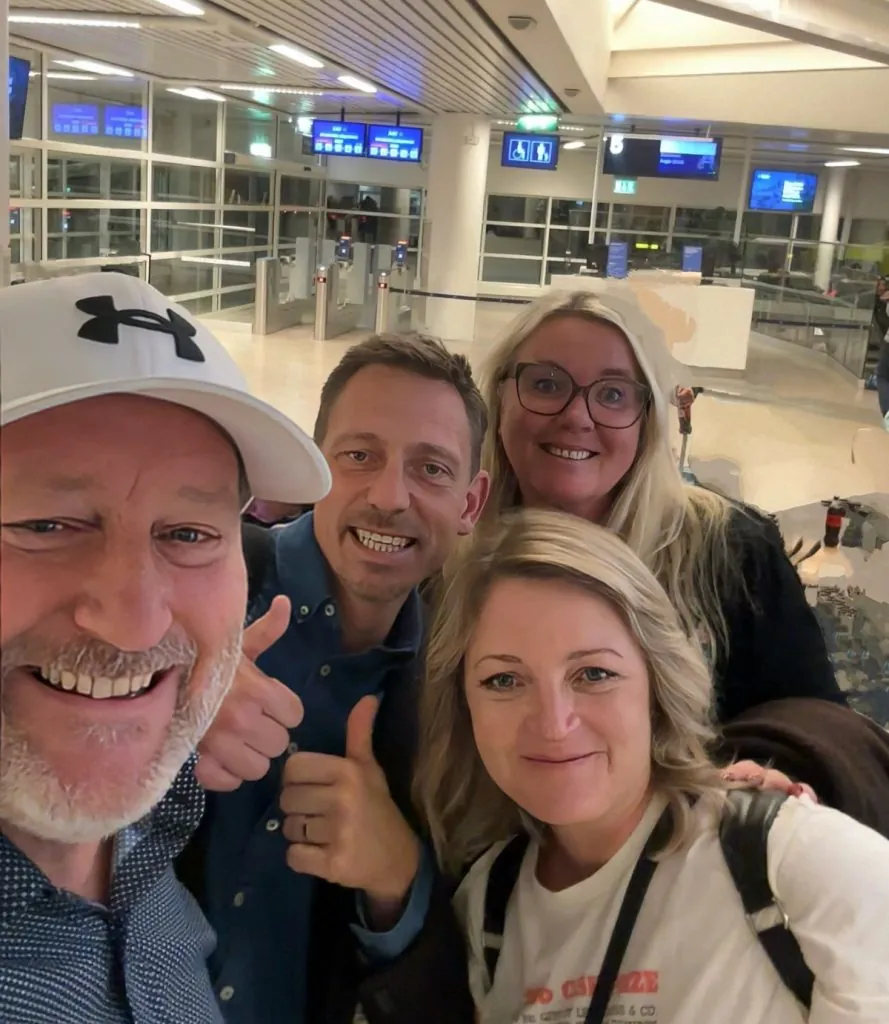
Table of contents
Bucharest - grand, shabby and full of life
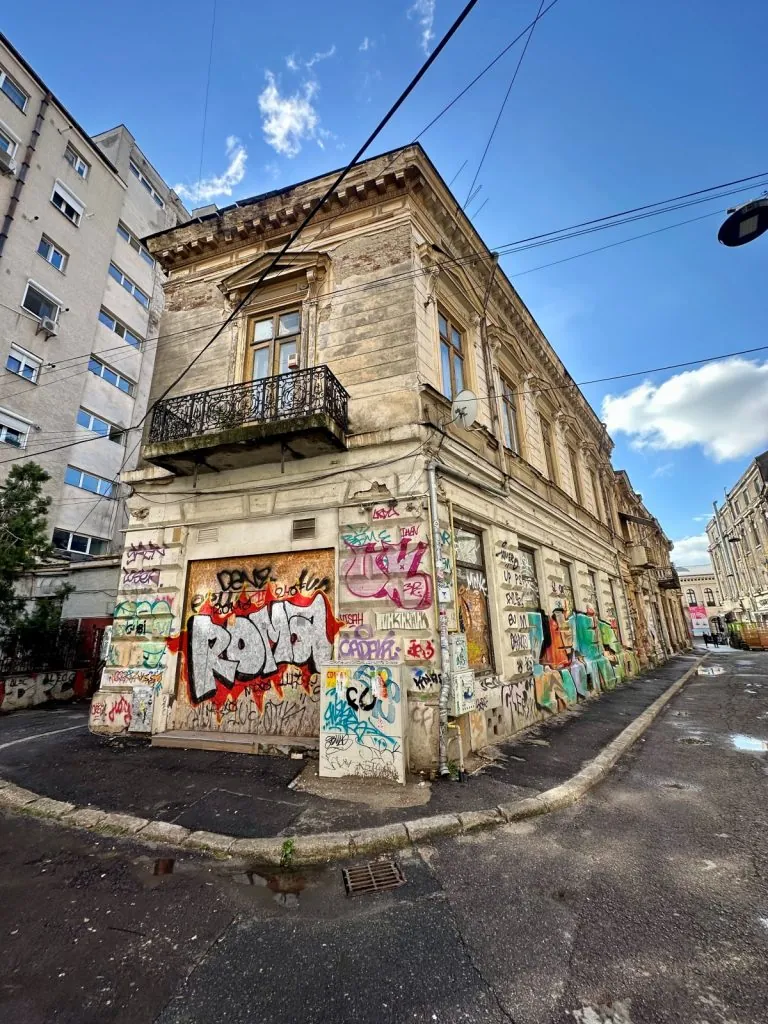
Bucharest proved to be a city of contrasts, where grand buildings and wide boulevards meet worn facades and run-down houses. It is a city with a strong history, a rich culture, and a vibrant nightlife.
Bucharest is known as Little Paris, a nickname given to the city at the beginning of the 20th century, when French architects left their mark on many of the buildings. This is still evident today, not least in the stately avenues, some of the buildings and the Arc de Triomphe, which is reminiscent of the original in Paris.
Old Town, bookshop and light festival
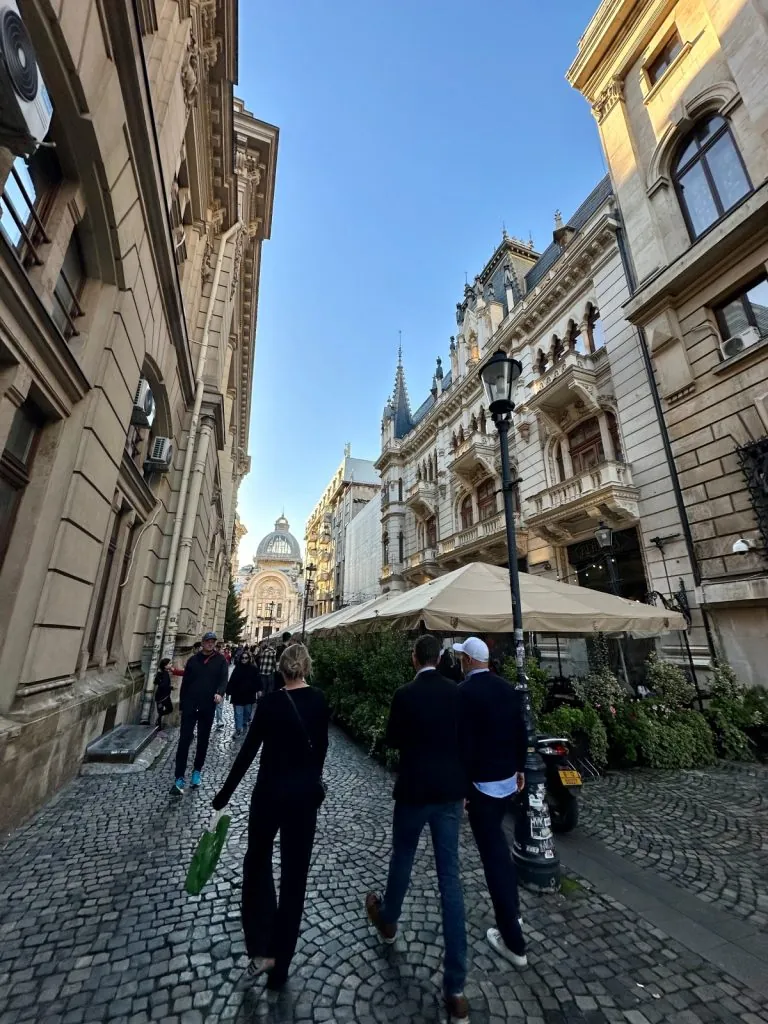
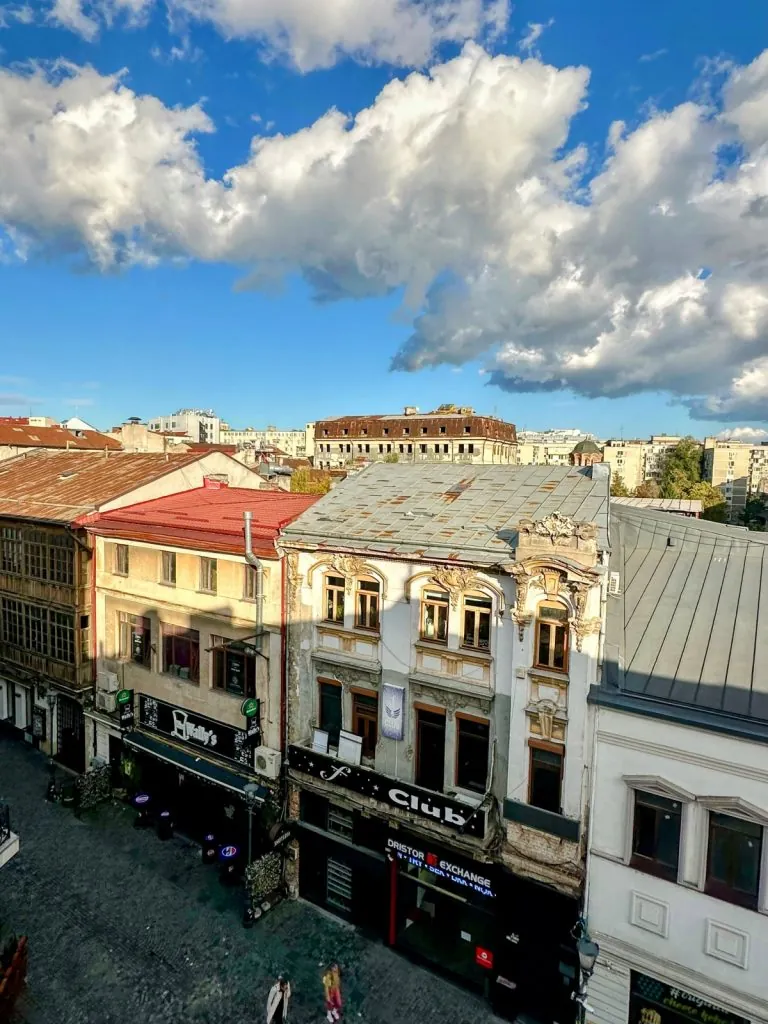
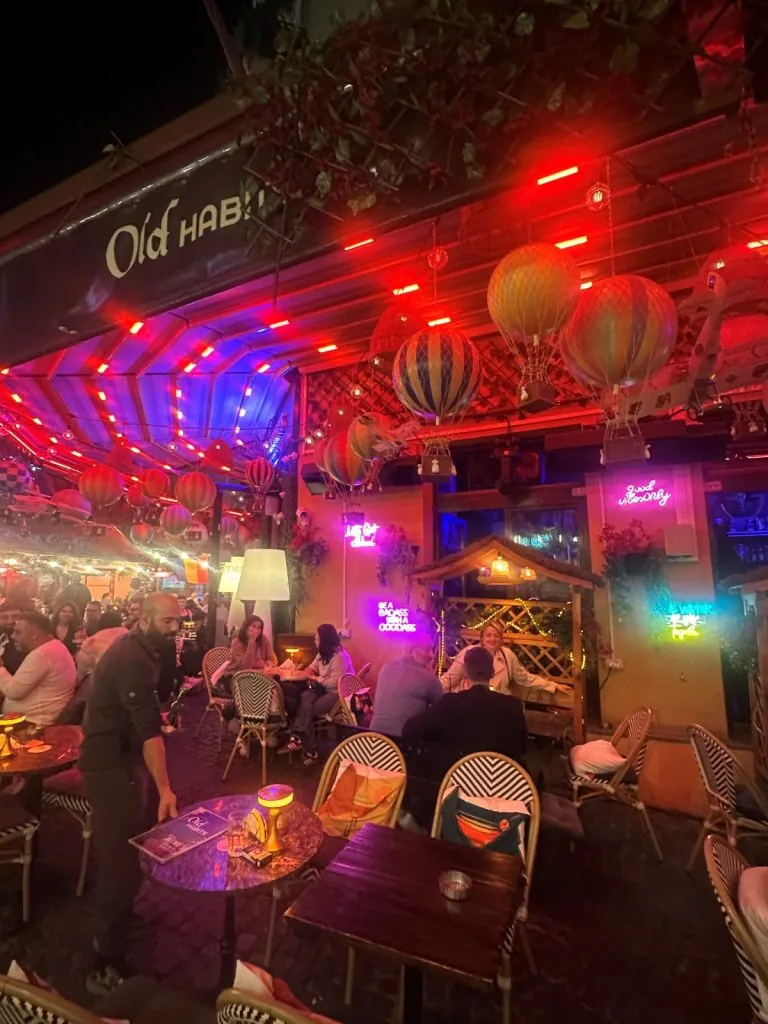
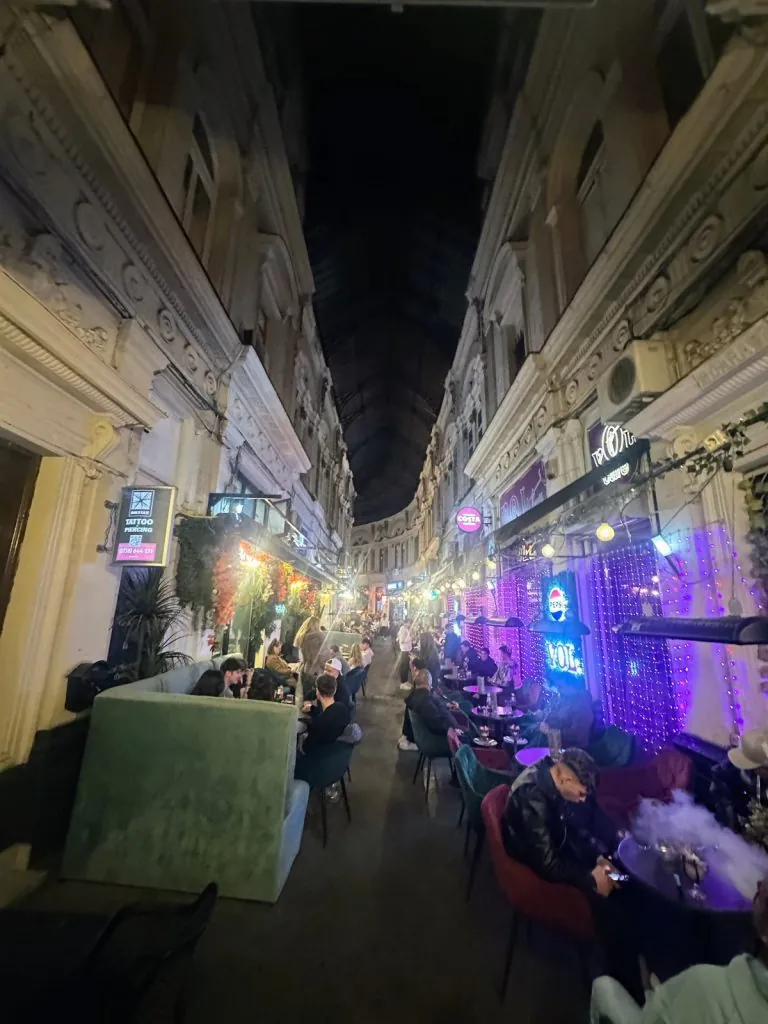
The old town, Lipscani, was where we spent most time over the weekend. It's not cosy in the way that many old quarters in Europe are, but it's a vibrant part of the city. There are old buildings, worn facades and lots of people.

We enjoyed being able to sit on outdoor terraces in October and take part in the lovely, almost festive atmosphere that prevailed during the evenings.
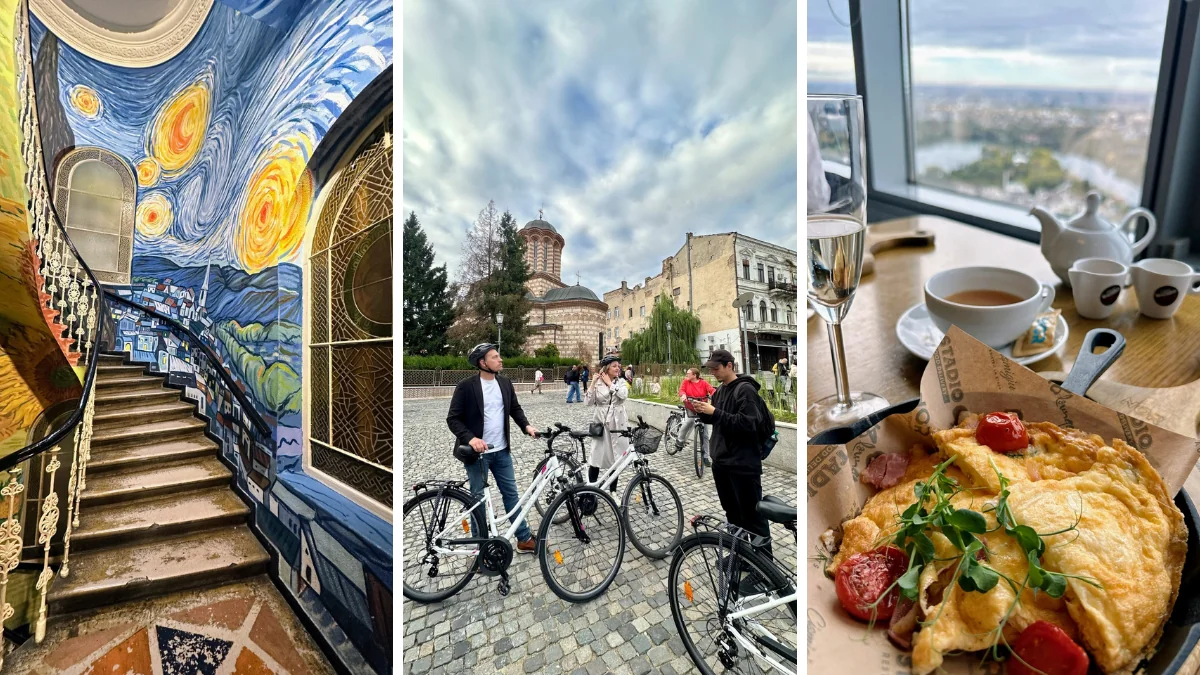
One place in the Old Town worth visiting is Cărturești Carusel, one of Europe's most beautiful bookshops. It is housed in a white plastered building with high arches, spiral staircases and a lovely light. Even if you're not planning to buy anything, it's worth going in just to experience the setting.

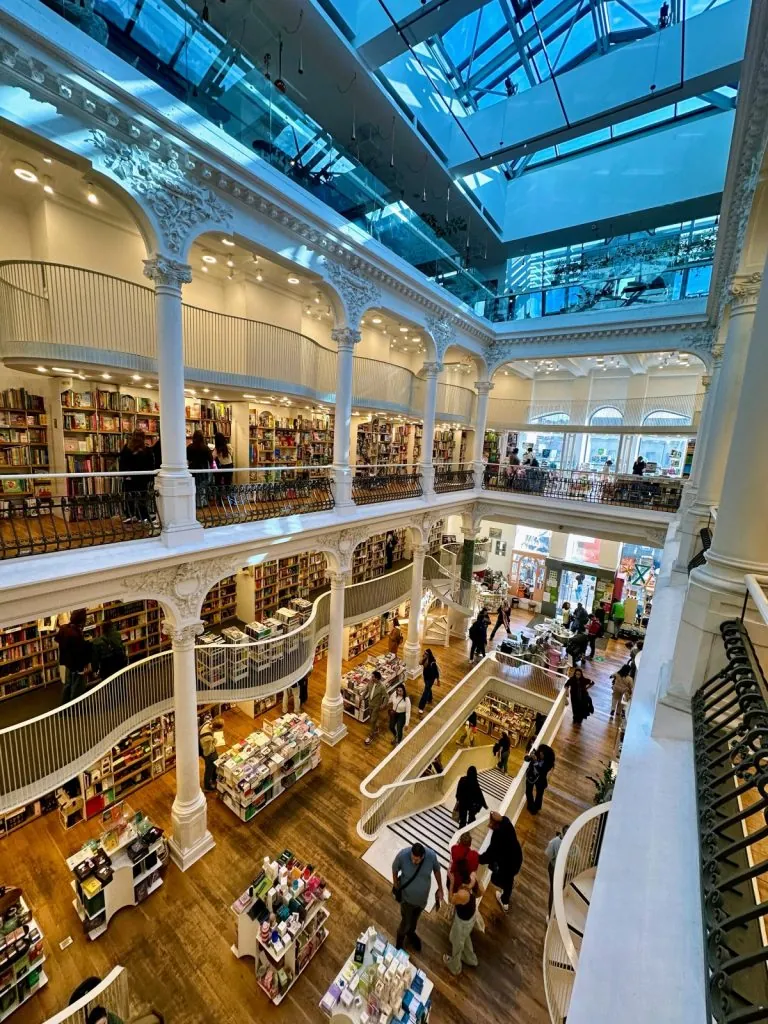
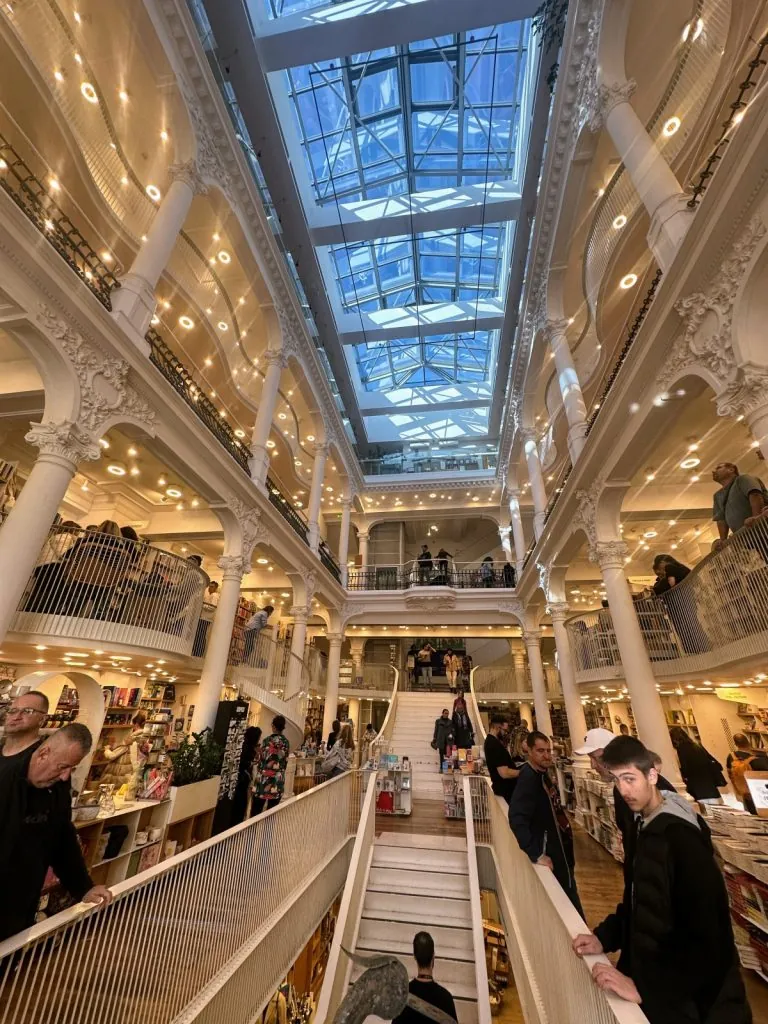
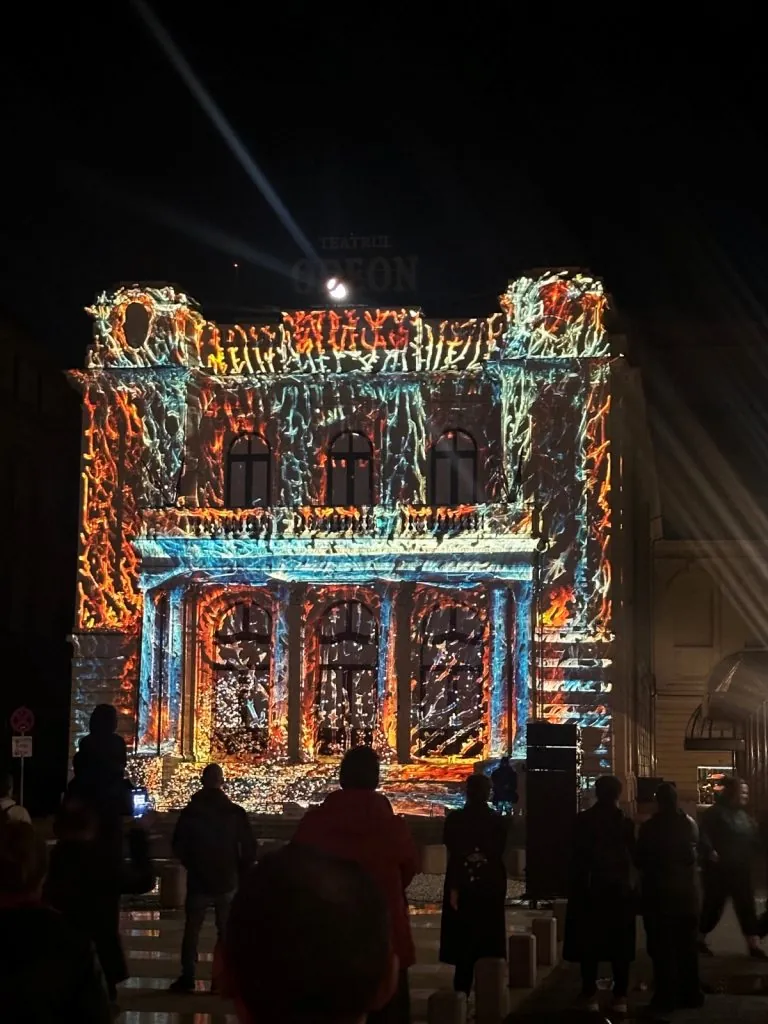
On the weekend we were there, there was also the Spotlight Festival - a festival of light where buildings are transformed into living works of art using light, colour and music.
Museum of Communism
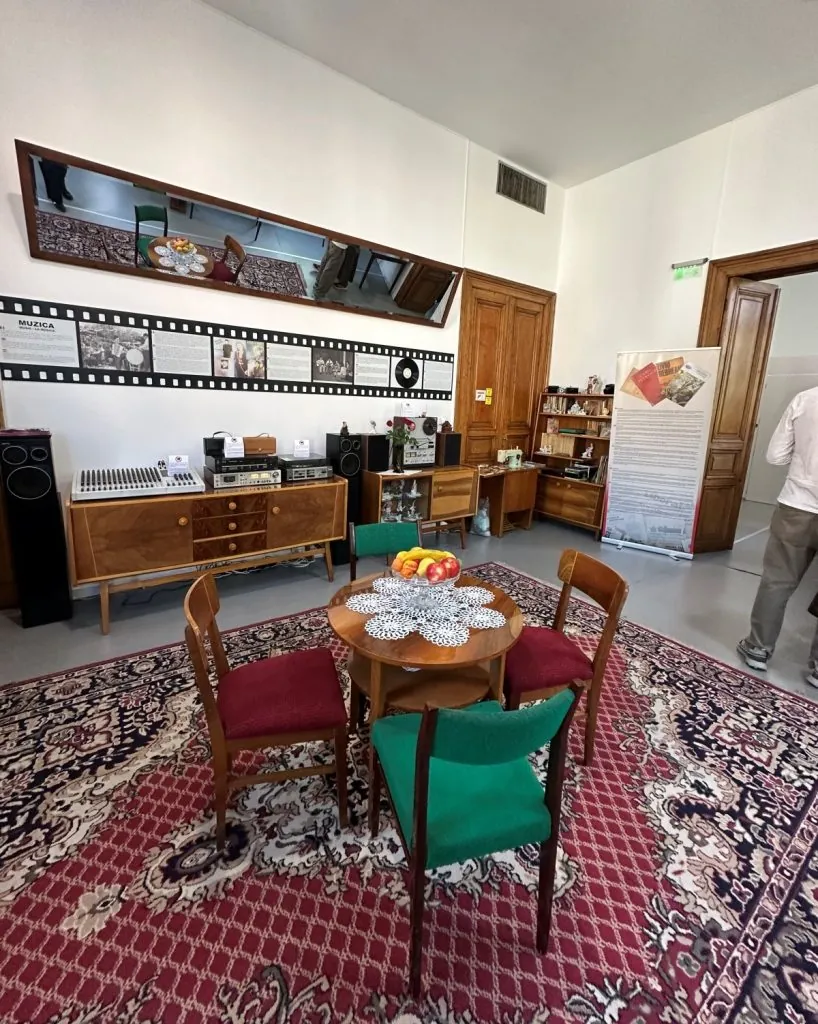
In the centre of the Old Town is the Museum of Communism, a small apartment that tells the story of what life was like during the communist era. The apartment is filled with artefacts, clothes, pictures and stories from a time when surveillance, censorship and rationing were part of life.
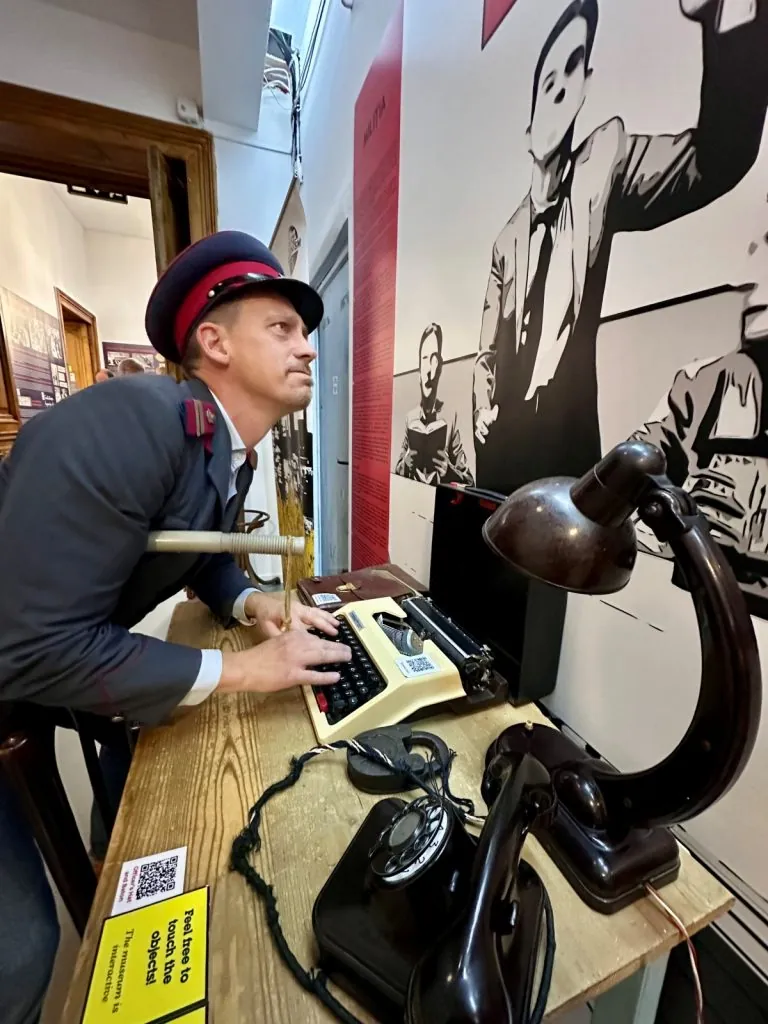
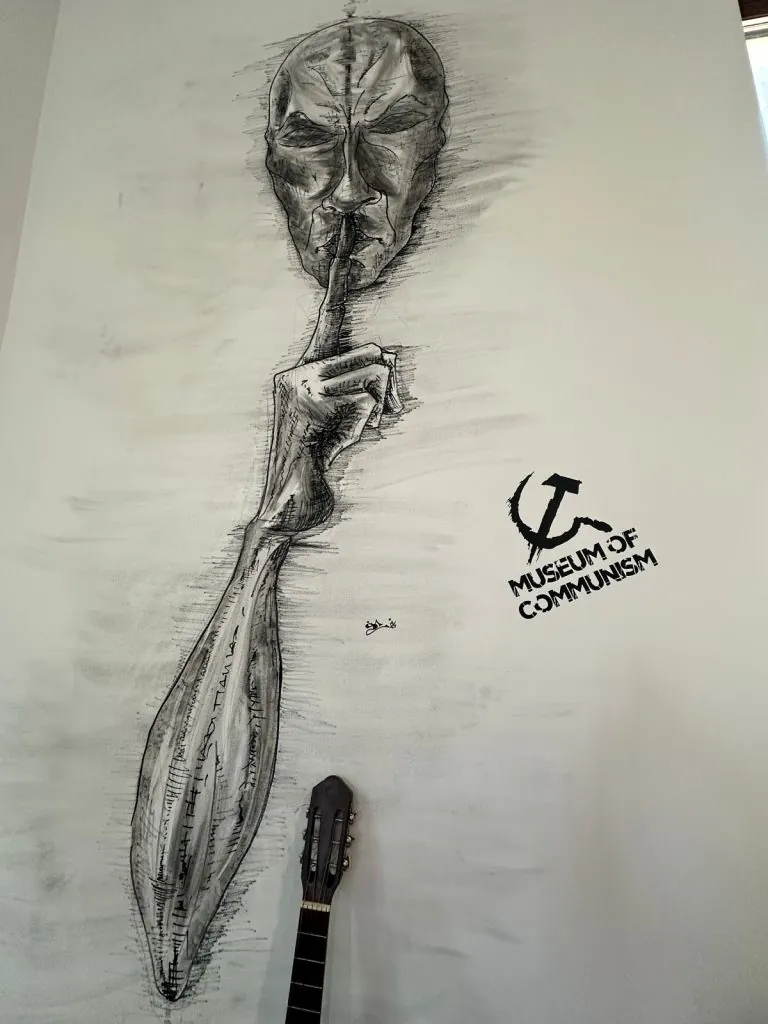
The museum is simple but moving. A visit here was thought-provoking and gave a deeper understanding of how families lived and what daily life was like in a tightly controlled society.
Brunch, dinner and pit stops
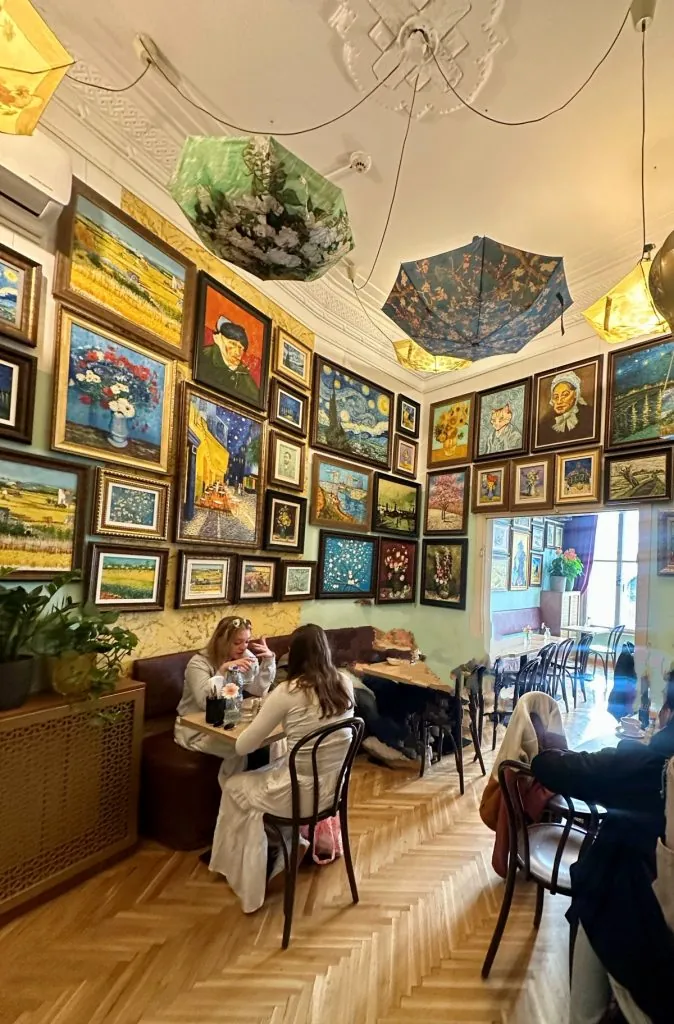
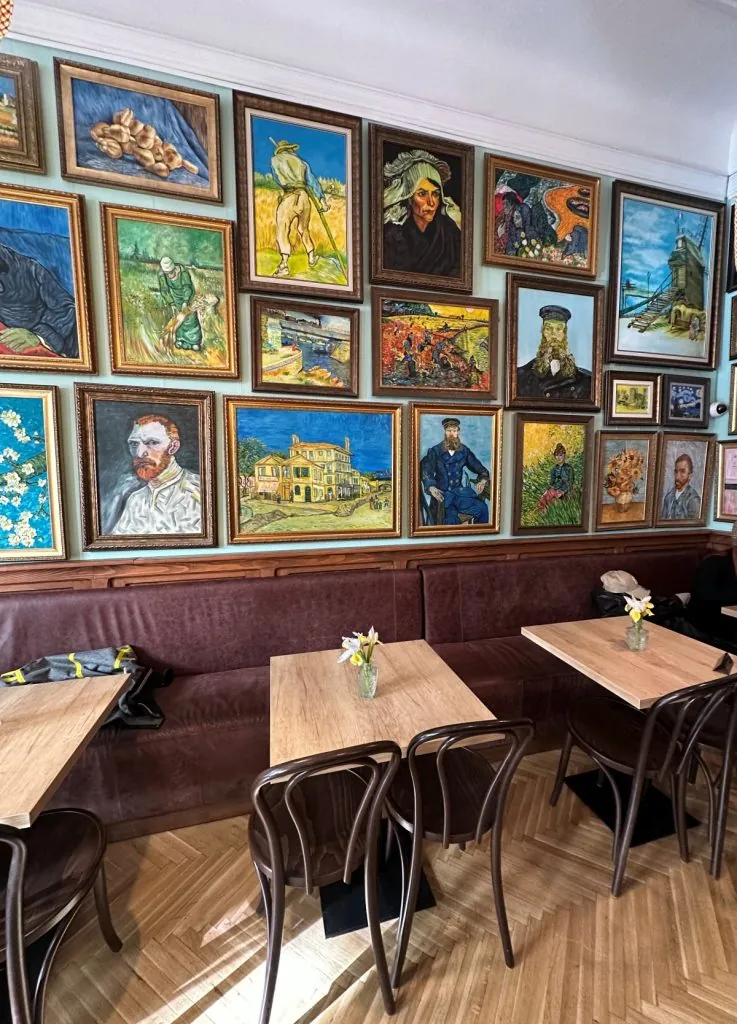
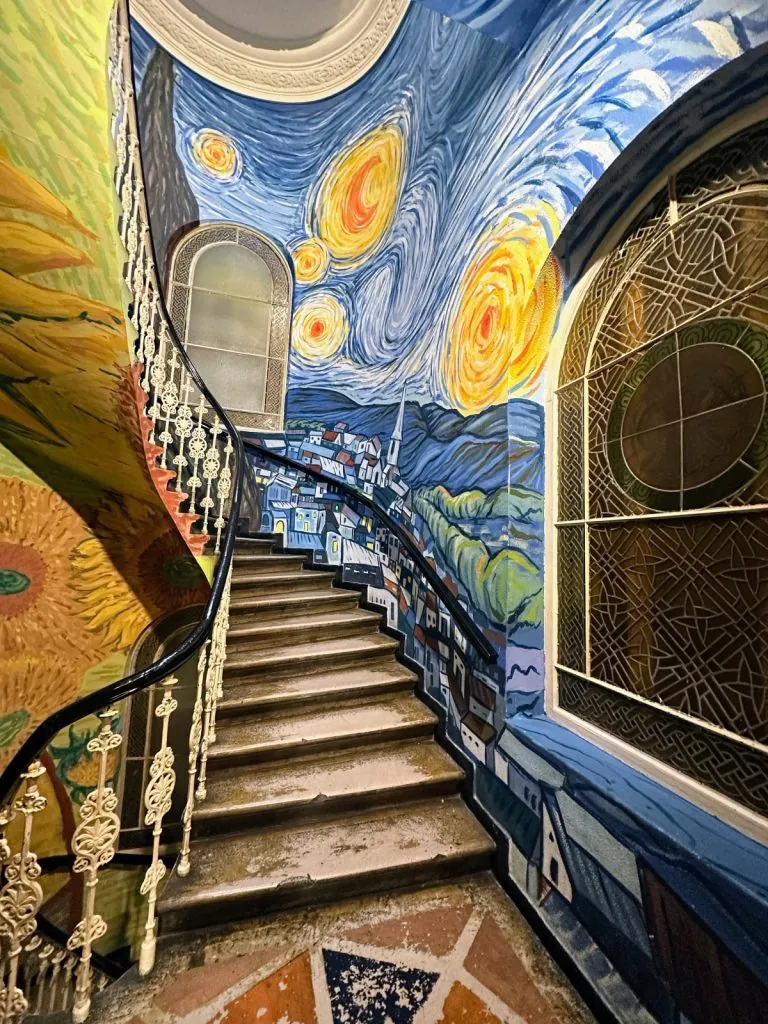
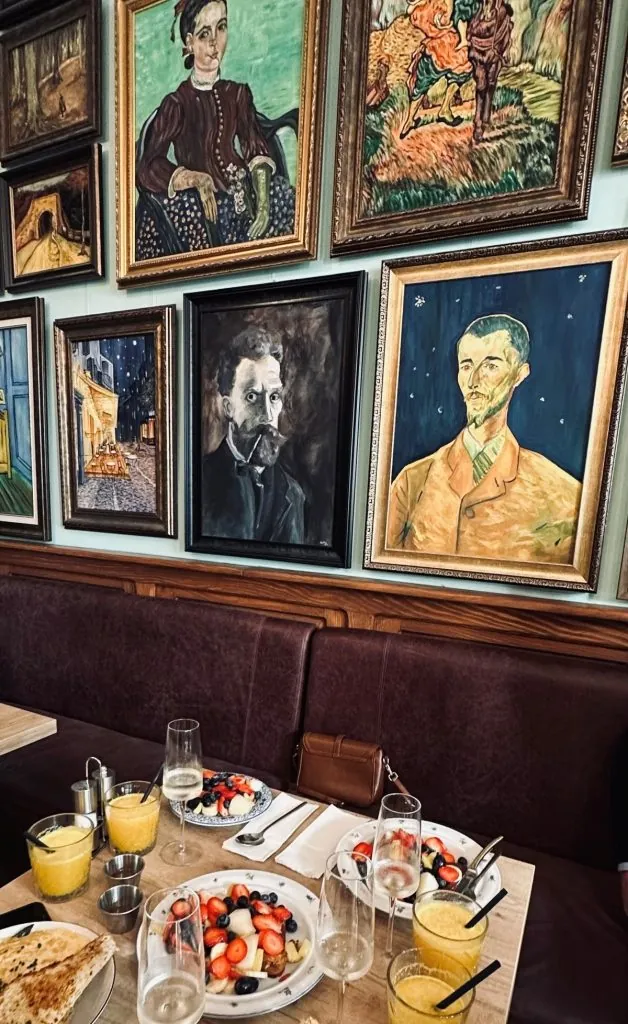
One of our brunch stops was Grand Café Van Gogh in the Old Town. It's a colourful restaurant with artwork adorning all the walls. I had read mixed reviews about the food, but we thought the brunch was good. If you want to be sure to get a seat, you should book a table, as it is a very popular restaurant.
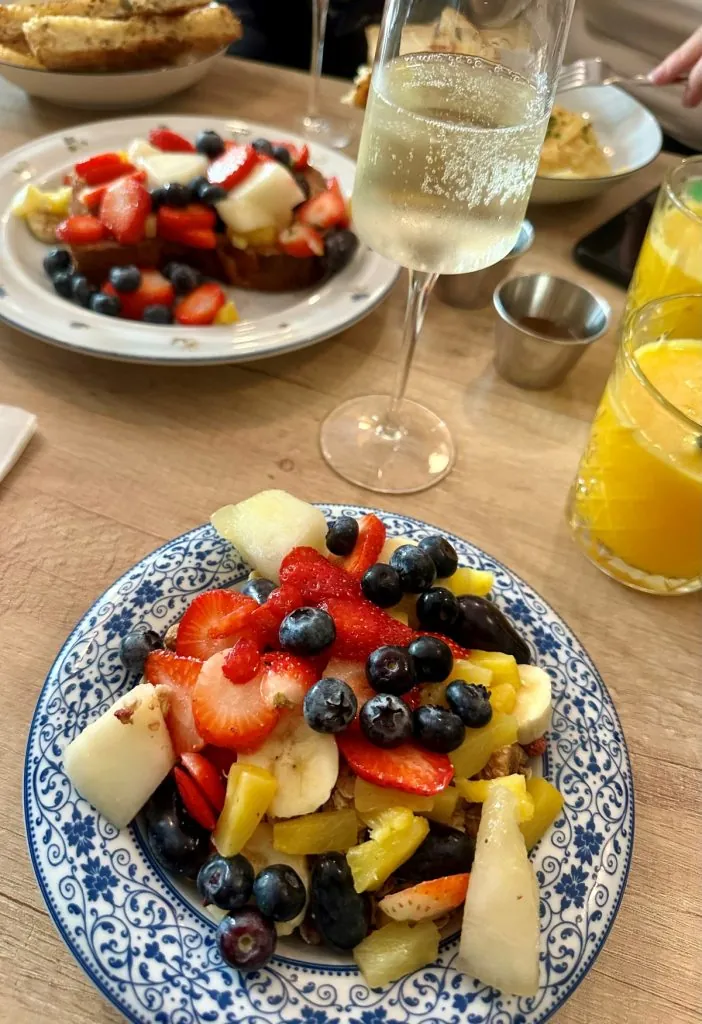
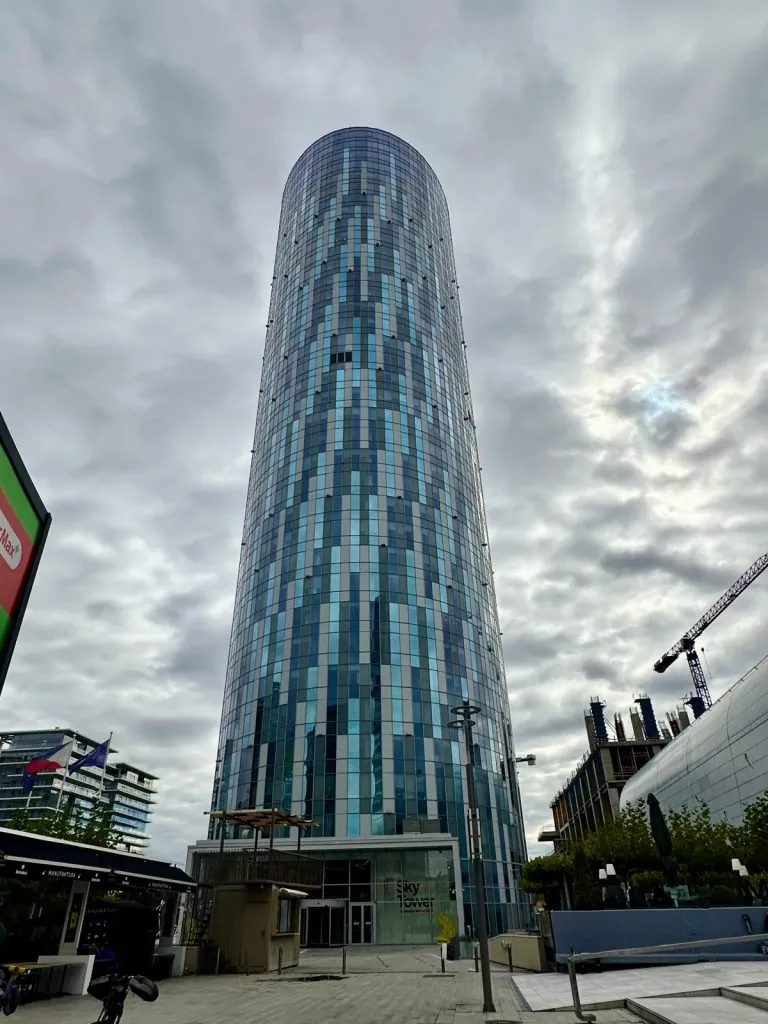
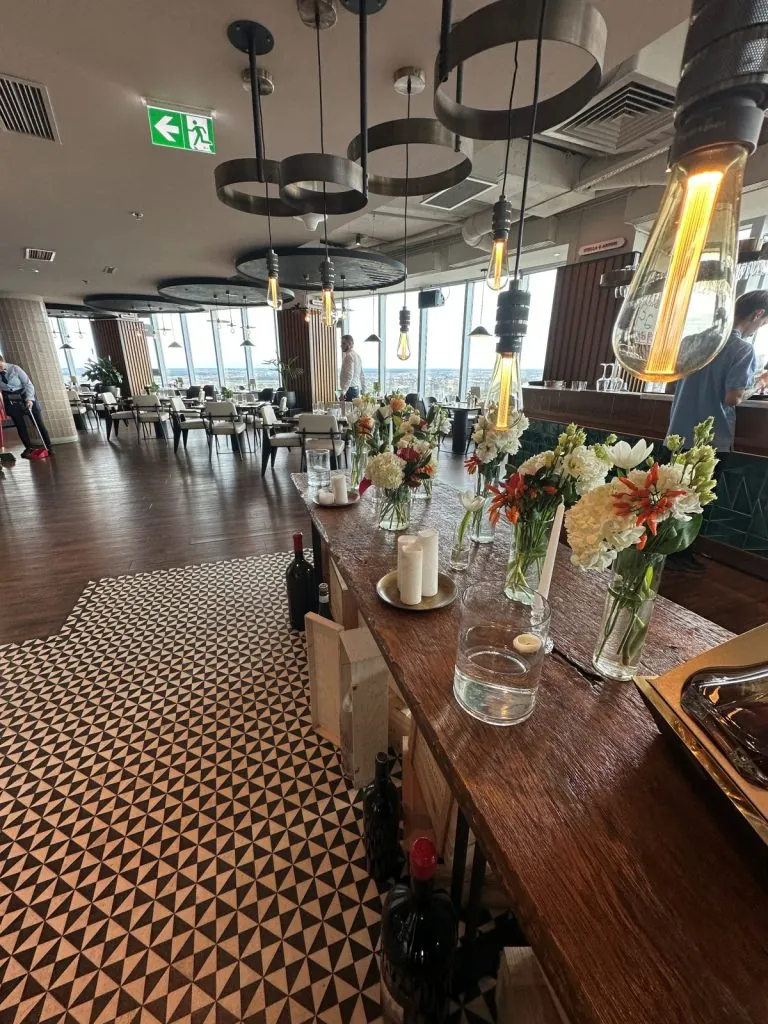
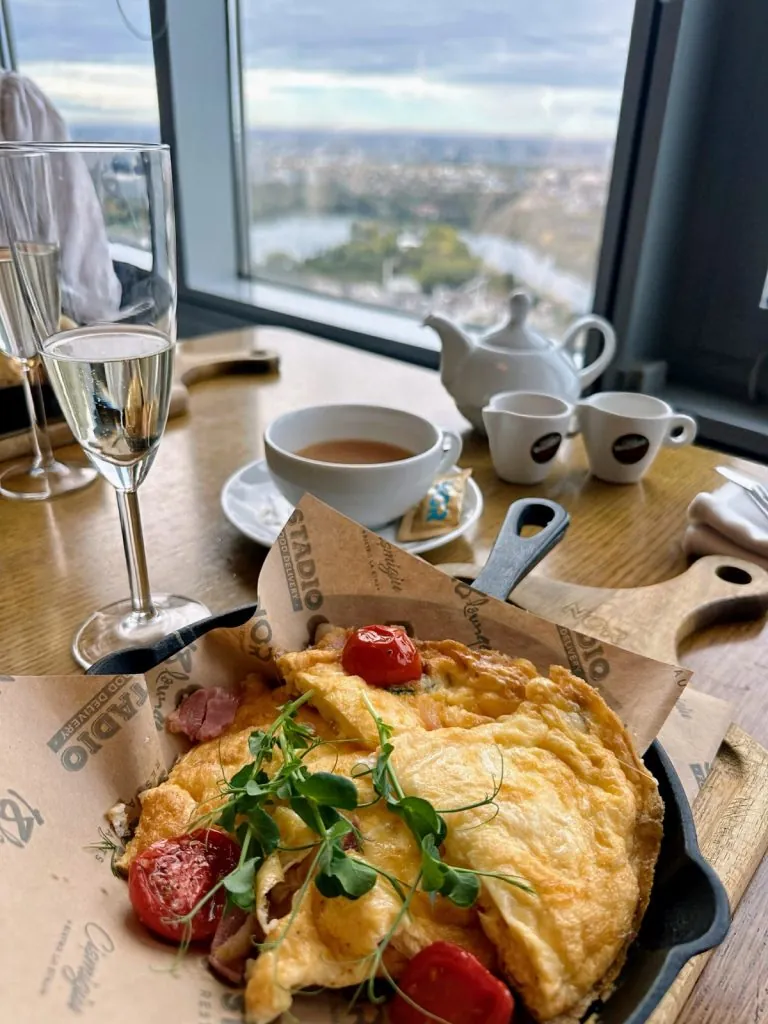
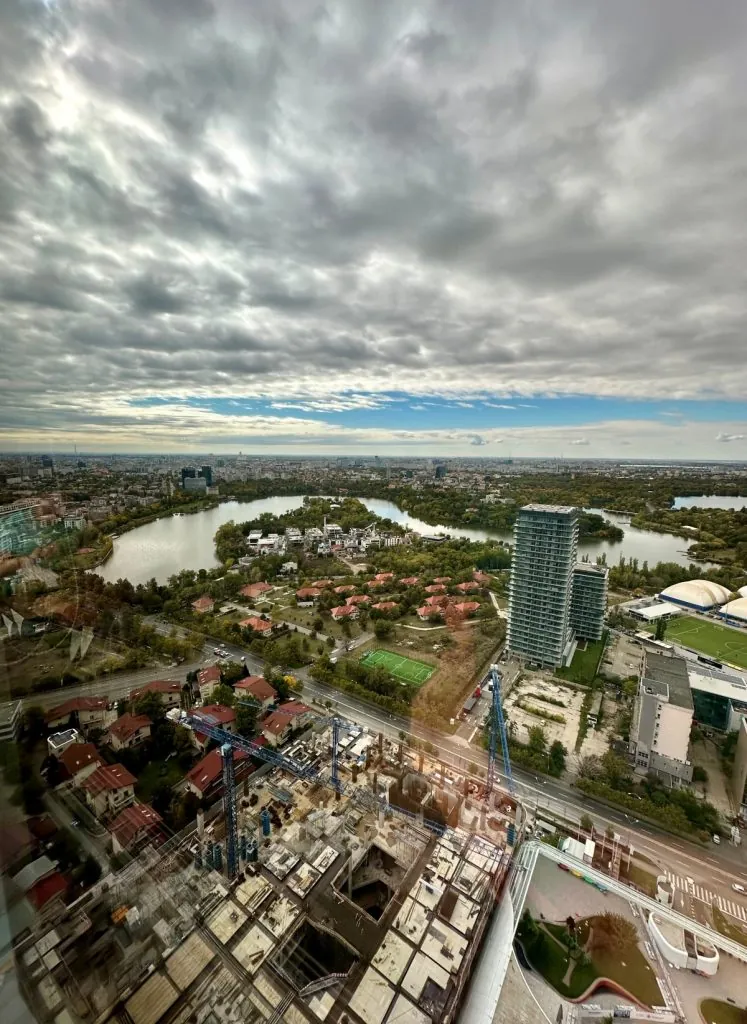
We also had brunch at NOR - Sky Casual Restaurant, located high up in the Sky Tower with panoramic views of Bucharest. It is a modern restaurant with stylish interior, calm atmosphere and really good brunch.
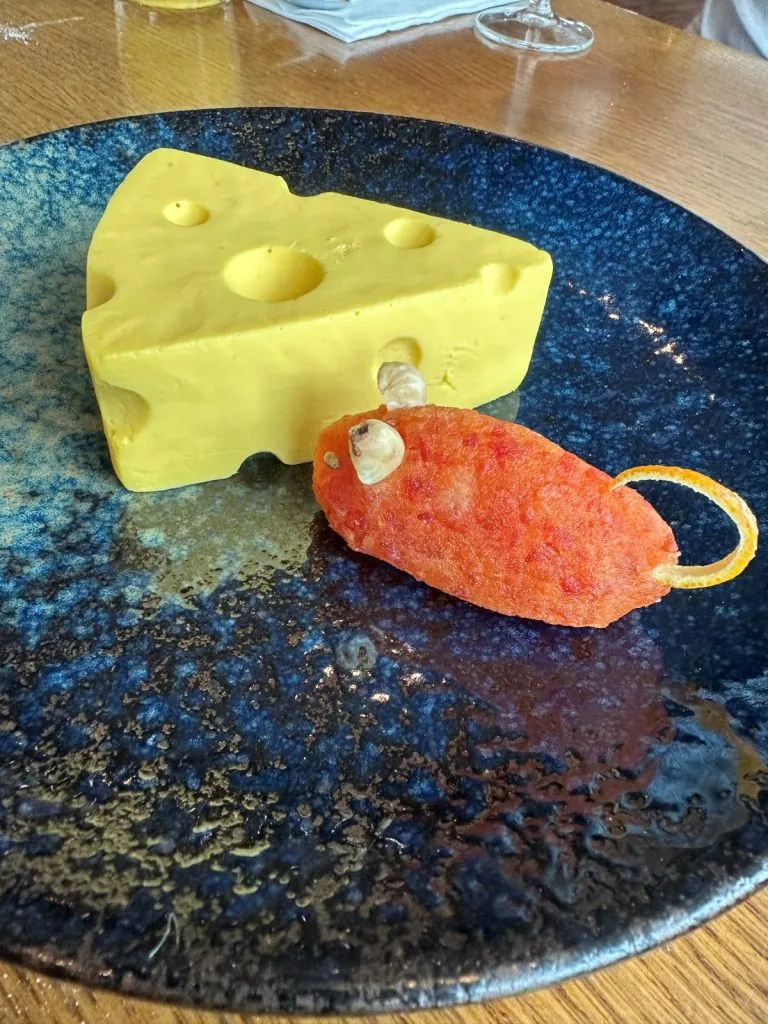
Here we finished with the funniest cheesecake I've ever had - shaped like a little cheese with a mouse next to it, made from some kind of marmalade.
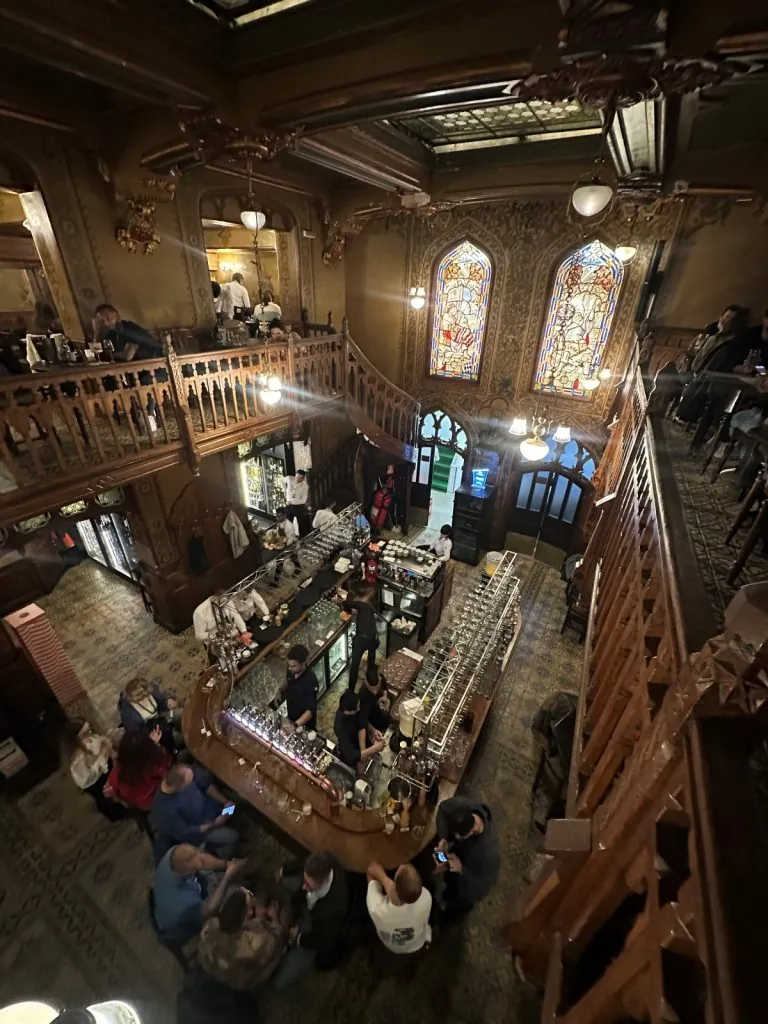
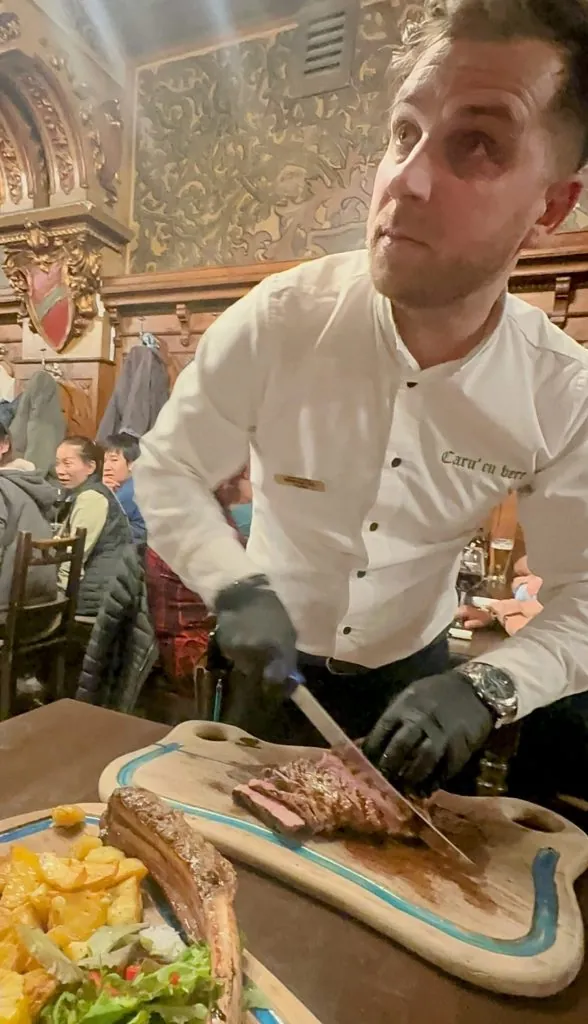
One evening we visited the classic Caru’ cu Bere restaurant, one of Bucharest's oldest and most iconic restaurants. Named one of the seven most iconic restaurants in the world, the restaurant offers rustic food, local beer and a great atmosphere in a historic setting.
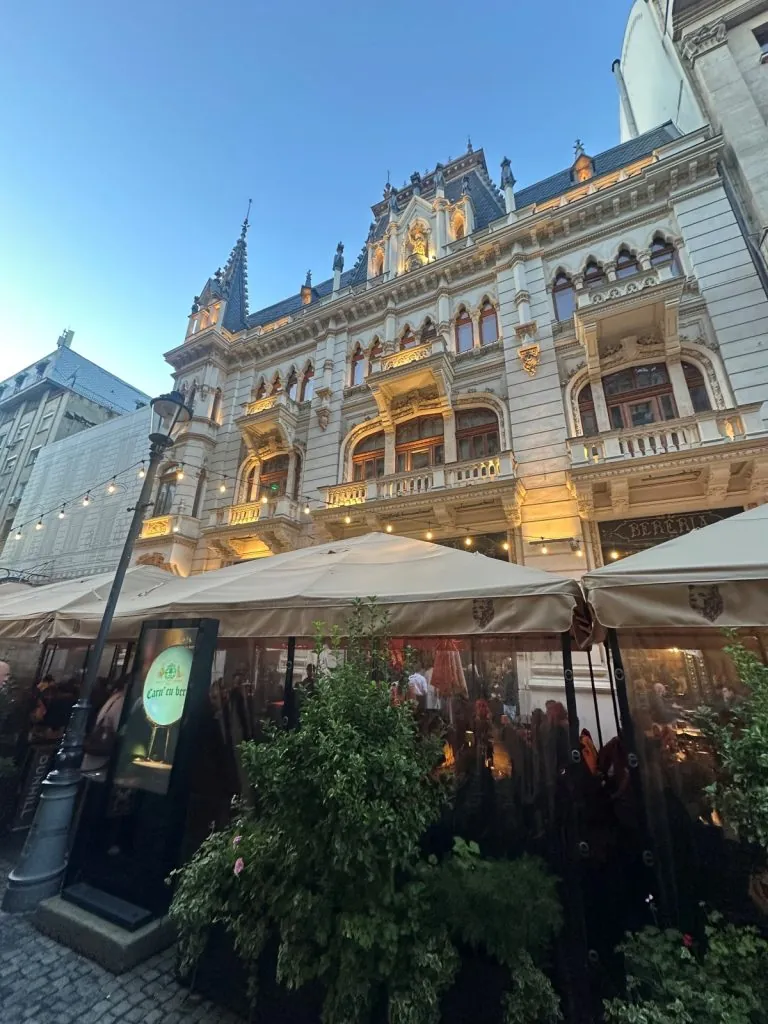
It is certainly a rather touristy restaurant, but we are very glad we went there. The meat was really good, the music lively and the atmosphere great. When the dancing started, a couple of us couldn't resist joining in. If you want a quiet dinner, this might not be the place for you, but for an evening of music, fun and life, Caru’ cu Bere is perfect.
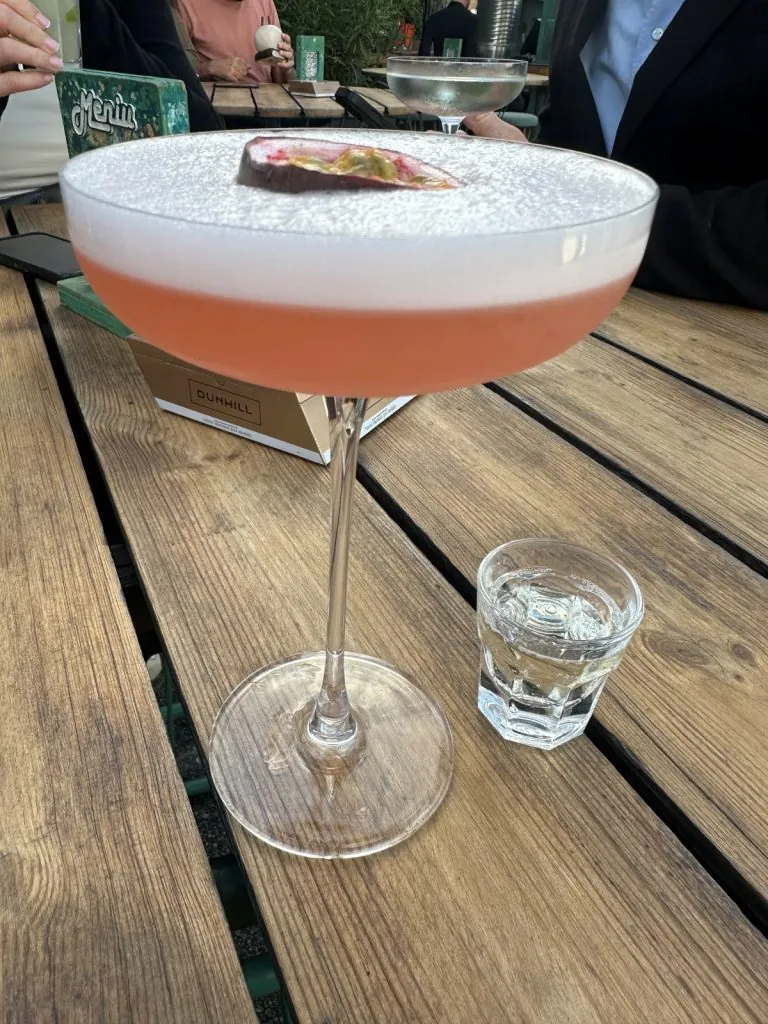
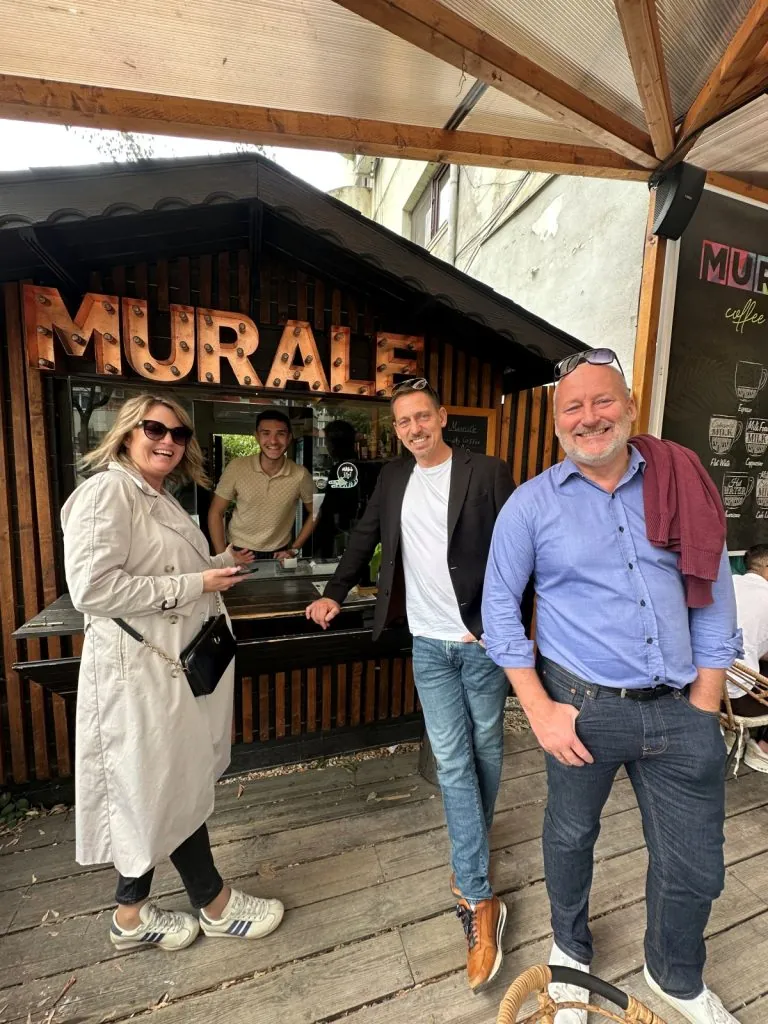
During the days we took several small breaks - a glass of wine here, a drink there - just as it should be on a weekend trip. Bars like Nomad and B4 appeared just when we needed them.
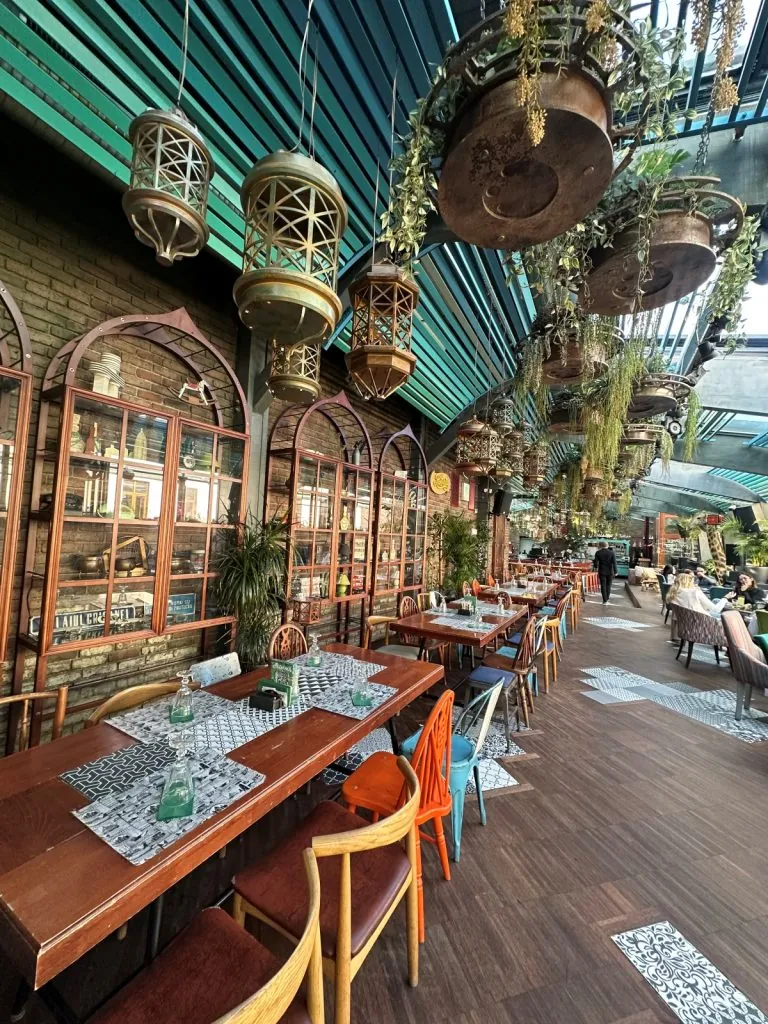
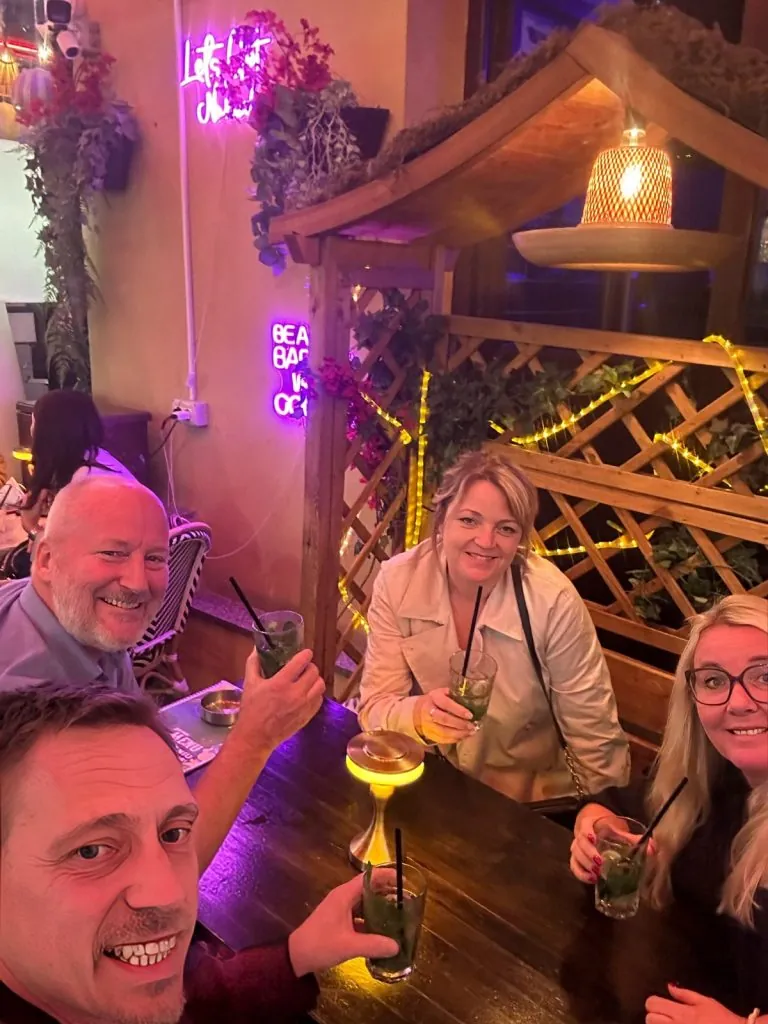
One evening we ended up in Passage Villacrosse Macca, which is a covered passage filled with bars and restaurants with an oriental feel and a lovely mix of tourists and locals.
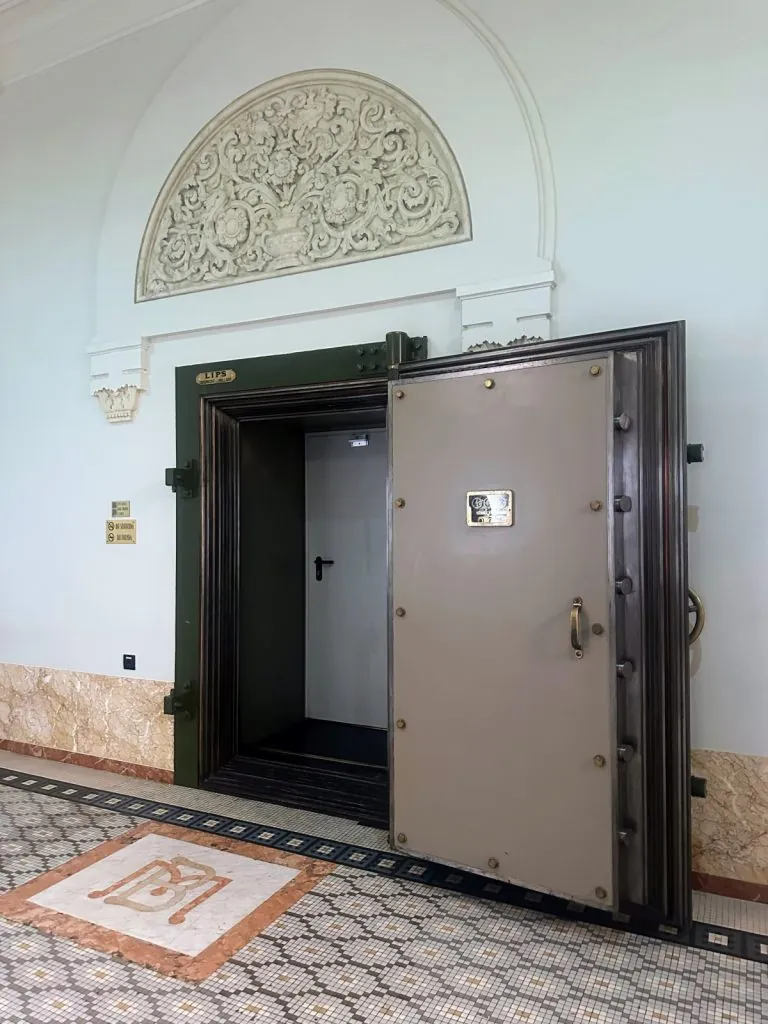
We also went to The Vault, a bar built in the old underground vault of The Marmorosch Hotel, which used to be a bank. I had read about it before the trip and was looking forward to a visit, but when we got there on Sunday evening it was closed. I should have known better - oh well. I got the picture of the massive vault door anyway and the bar in the former bank premises upstairs was an unexpectedly good option.
The bike ride through the city
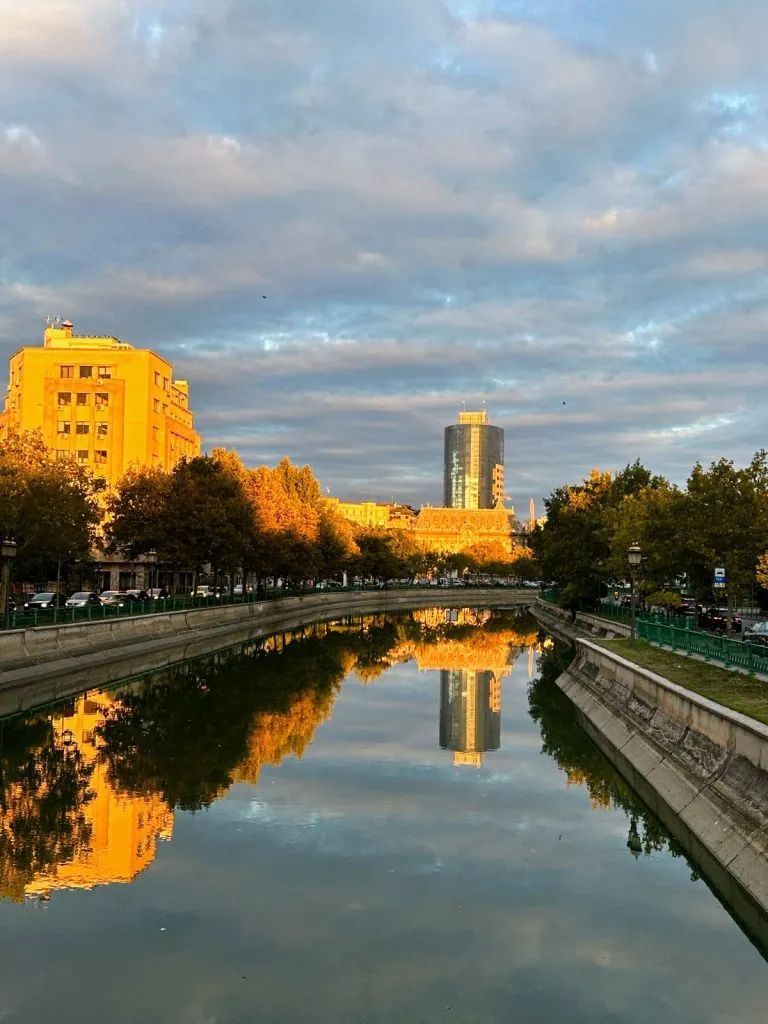
One of the highlights of the weekend was a guided bike tour through parts of the city. We cycled along wide boulevards, through parks and past several of Bucharest's most famous sites.
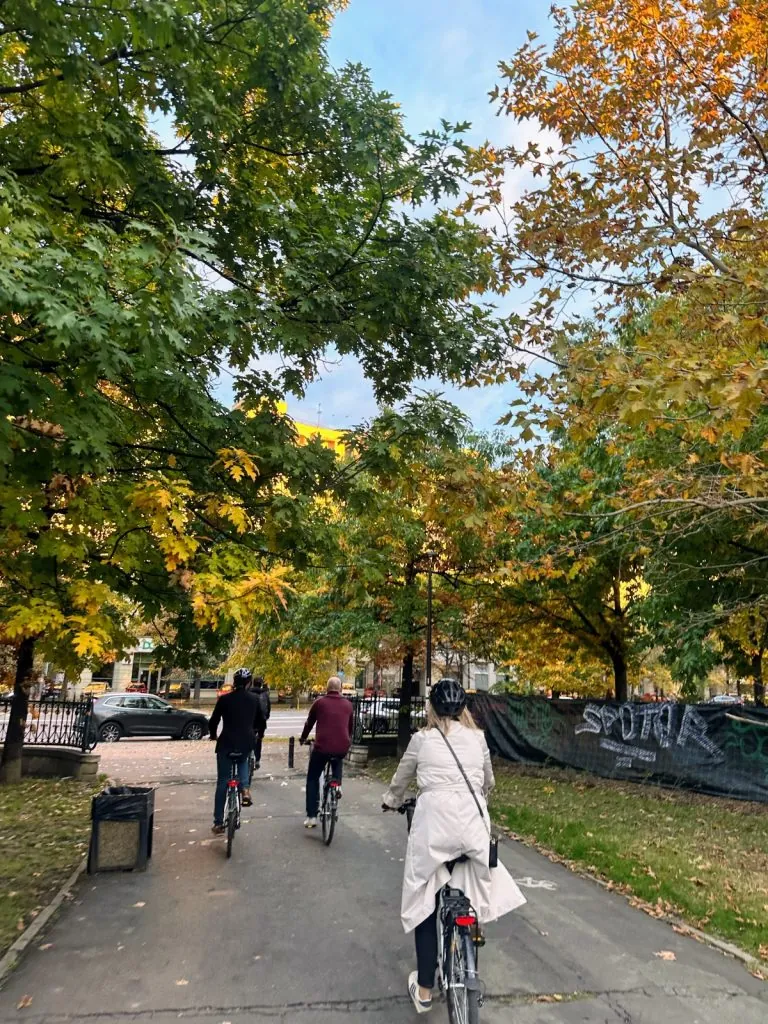
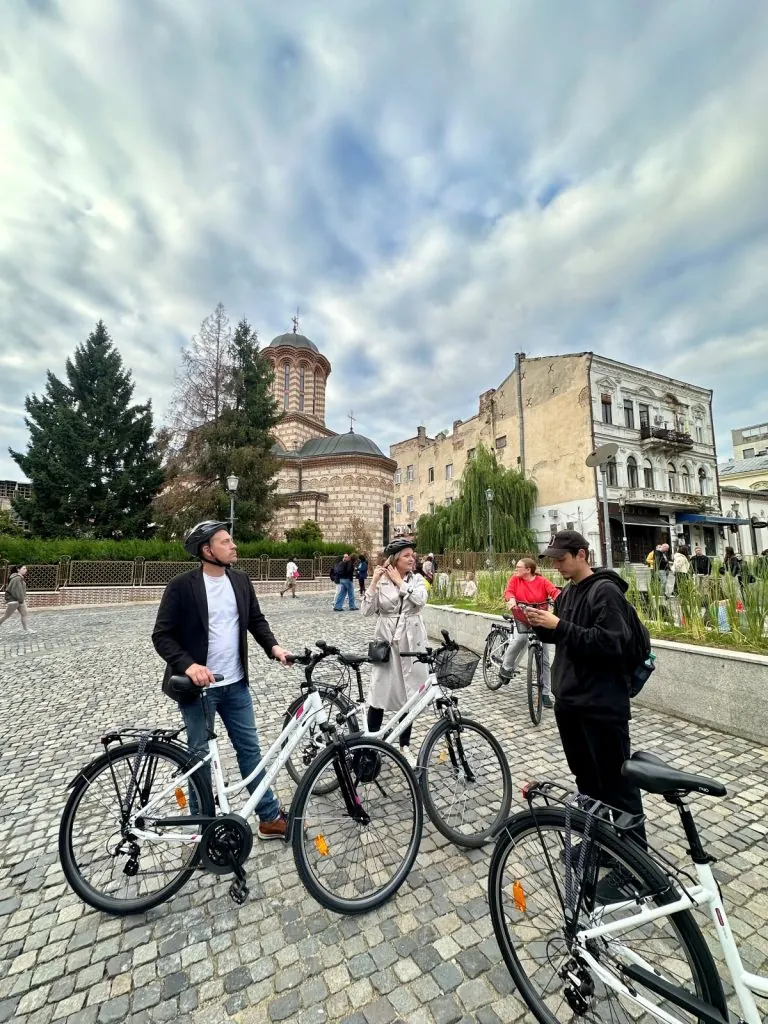
Our guide spoke passionately about the history of the city, about how old and new meet and how Romania, despite its difficult decades, continues to change in a positive direction.
We cycled past churches, squares and historic buildings, but also past contrasts: elegant facades side by side with houses that have seen better days.
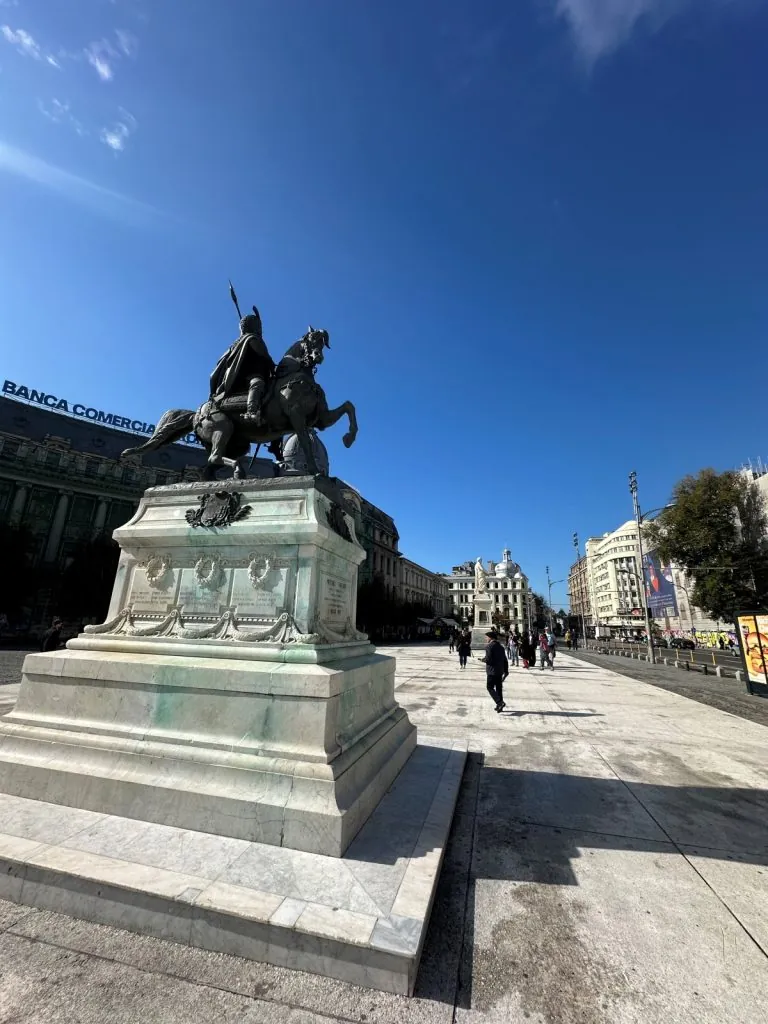
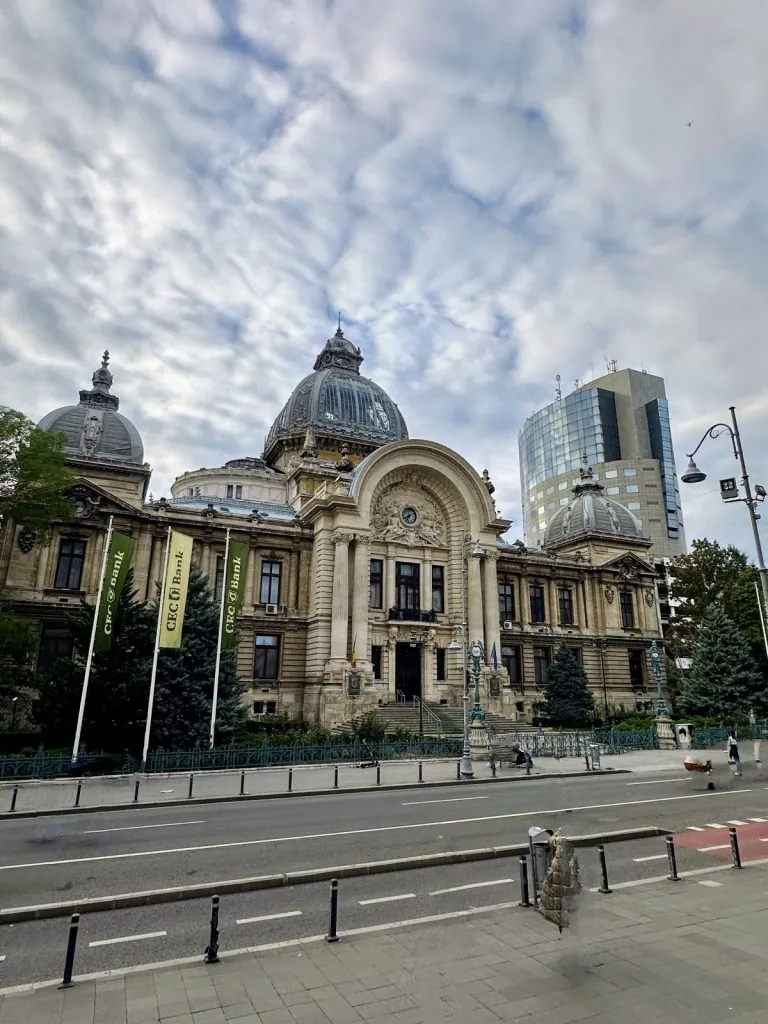
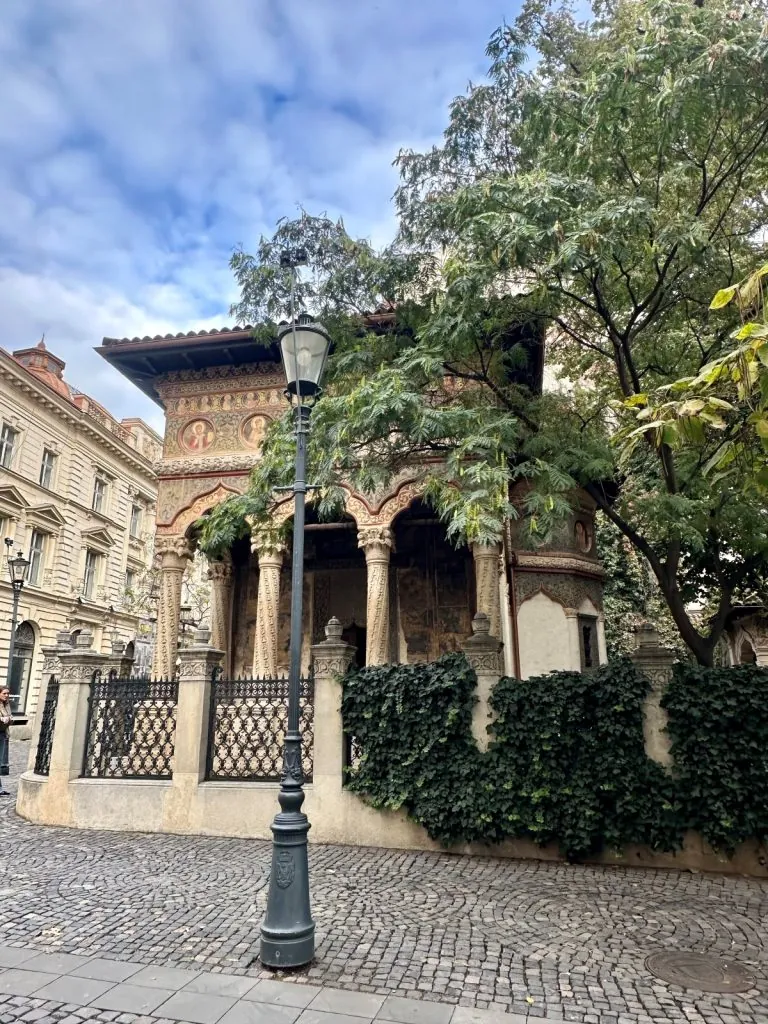
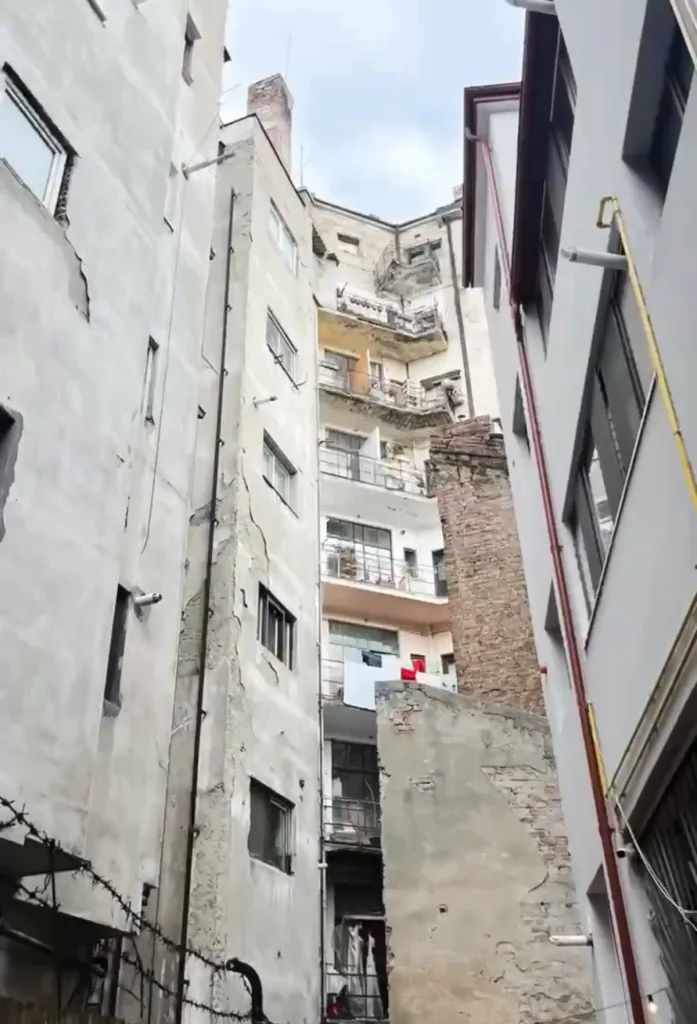
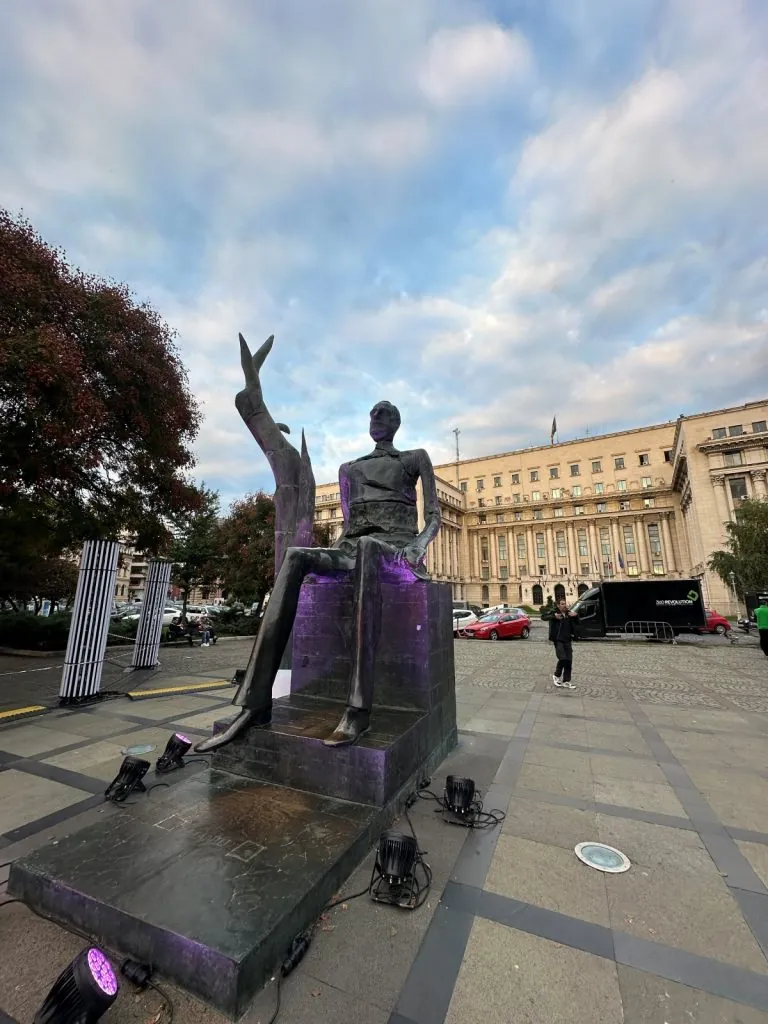
Romania is one of Europe's poorest countries and still struggles with corruption and social inequality. Our guide told us he was grateful to be able to stand there today and talk freely about the country's history - about communism, about injustice and about change - without risking imprisonment. “That's what democracy is,” he said, smiling.
We ended the bike ride at Union Boulevard, the wide avenue built by Ceausescu to surpass the Champs-Élysées. It is both longer and wider and a symbol of excess rather than need, just like the palace on the same street.
The Parliament Palace
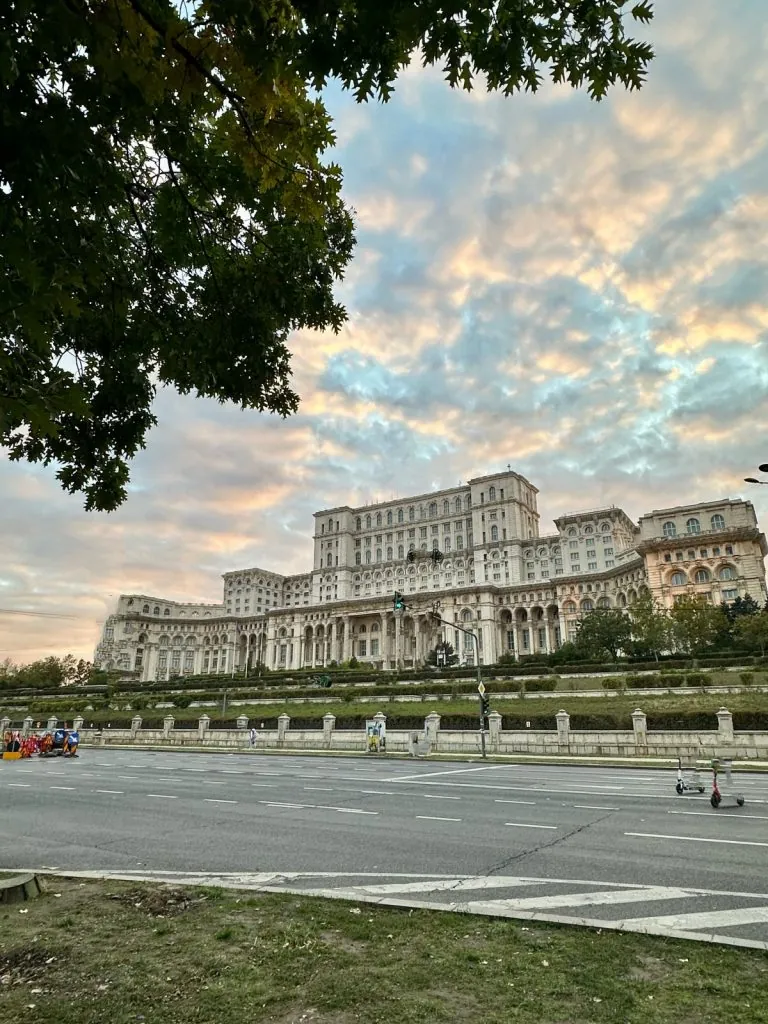
You can't visit Bucharest without seeing the Parliament Palace. It is the second largest administrative building in the world (after the Pentagon) and also one of the most controversial. Our guide described it as “the most unnecessary thing ever built”, and many of the city's residents probably agree.
We stood for a long time looking at the building. It is huge and could impress, but it was impossible to feel admiration when you know the history behind it.
The palace was built in the 1980s on Ceausescu's orders. Over a thousand rooms, bunkers adapted for nuclear attacks and corridors stretching underground. To construct the building, an entire neighbourhood was demolished and thousands of people lost their homes.
After the 1989 revolution, there were various attempts to make the building profitable. There was even talk of selling it to Donald Trump (who, according to our guide, made an offer) and there were plans to turn it into an amusement park or shopping centre. None of this materialised.
Today, many of the rooms are empty, but some are used by the parliament, museums and international organisations. For many Romanians, it is above all a monument to the excesses and human suffering of the dictatorship.
Reflections after a weekend in Bucharest
Bucharest was a pleasant surprise. I had no expectations for the weekend, except that I was sure it would be fun. It was so much more. The history is heavy, but the people are warm and hospitable. We were struck again and again by how many nice and helpful people we met.
The city is cheaper than most European capitals, although I must admit we didn't exactly choose the cheapest restaurants. We had fun, laughed a lot and enjoyed every moment.
I have read that several people have not been very impressed by Bucharest, but I think it is a really good weekend city - welcoming, affordable, interesting and full of contrasts. I may not return, but I am very glad I went there. Thank you Bucharest, for a lovely weekend and for being better than I knew when I booked in a hurry.
Facts about Bucharest
- Country: Romania
- Language: Romanian (we found that many speak good English)
- Currency: Romanian leu (RON)
- Payment: Cards are accepted almost everywhere - we didn't have to use cash at all.
- Flight time from Malmö: about 2 hours and 30 minutes
- Best time to travel: Spring and autumn - warm enough and fewer tourists
- Getting around: The centre of Bucharest is best experienced on foot, but there are also cheap taxis and Bolt cars. The metro is supposed to work smoothly if you want to go a little further away - we never took it ourselves, so I can't speak from personal experience.
- Price level: Significantly lower than in Western Europe, but high quality of food and drink
- Accommodation: We rented an apartment via Airbnb - fresh, well planned and within walking distance to most things. A perfect option for a weekend, especially if travelling with friends.
Things to see and do in Bucharest
- Old Town, Lipscani - the heart of the city, full of bars, music and people late into the night
- Guided bike tour - great way to see and understand the city and its history
- NOR - Sky Casual Restaurant - brunch with stunning views of the whole city
- Grand Café Van Gogh - colourful restaurant filled with art. (book a table)
- Caru’ cu Bere - historic beer hall and restaurant with rustic food, music and dancing (book a table)
- Passage Villacrosse Macca - covered passageway filled with bars and restaurants, perfect for an evening drink.
- The Vault (Marmorosch Hotel) - bar in an old underground vault. Closed on Sundays
- Museum of Communism - small but powerful exhibition about everyday life during the communist era
- Grigore Antipa Natural History Museum - one of Eastern Europe's most impressive natural history museums, with everything from dinosaur skeletons to interactive exhibitions
- Museum of Senses - interactive and playful museum full of optical illusions and installations that trick the brain.
- National Museum of History of Romania - in the Old Town, showing the country's history and national treasures
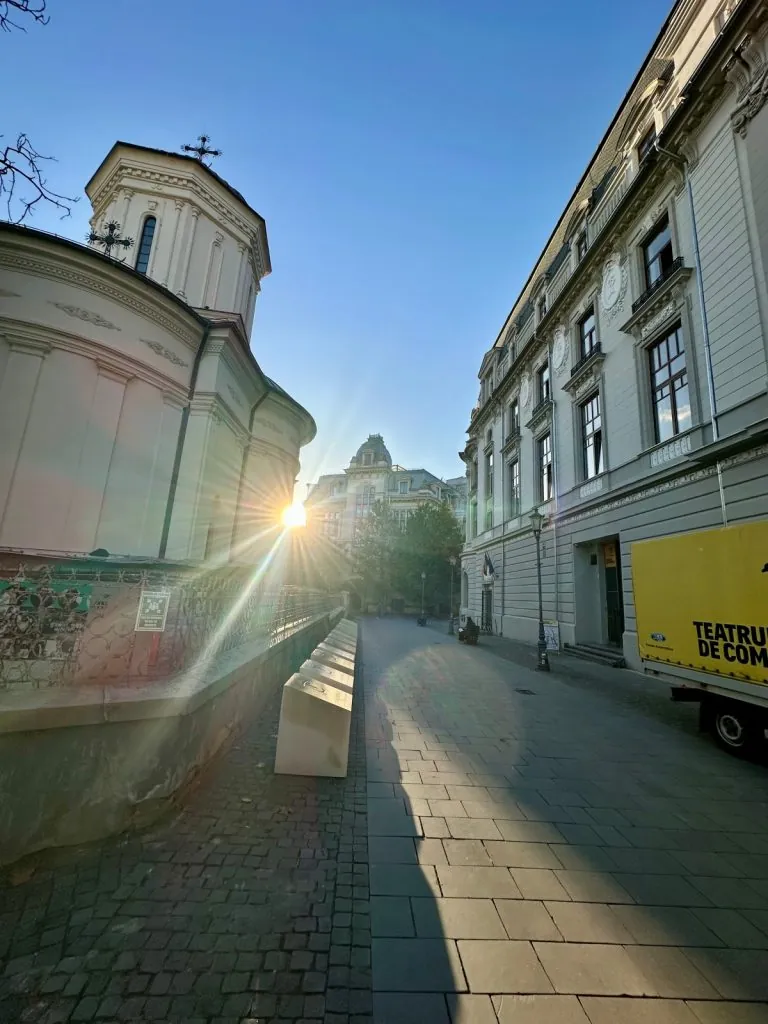
- Stavropoleos Monastery - a quiet monastery in the centre of the Old Town with beautiful architecture and a peaceful atmosphere
- Romanian Athenaeum - the city's elegant concert hall, worth a visit even from outside
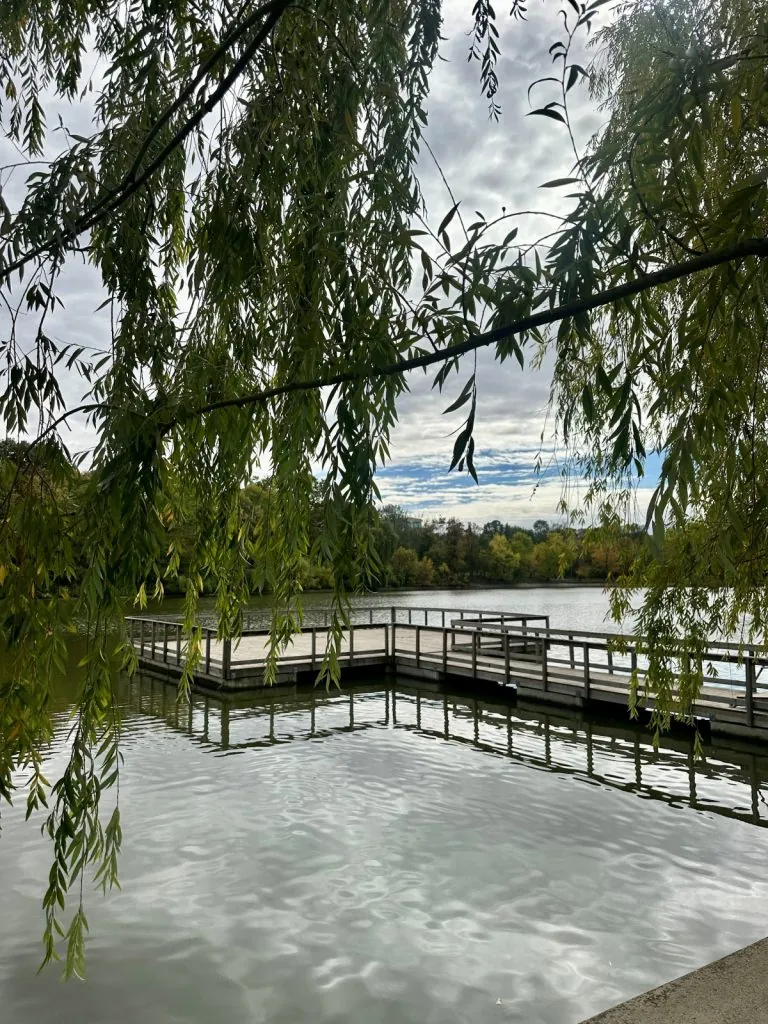
- Cişmigiu Gardens - green oasis in the centre of the city with lakes, bridges and walking paths
- Arc de Triomphe - Bucharest's own triumphal arch, a clear reminder of the city's “Little Paris” period
- Spotlight Festival - keep an eye out if you're travelling in October, when part of the city is bathed in light

Follow Magdalena och Pernilla here:








 English (UK)
 Svenska
Jossu says:
What fun to read about Bucharest, which I did not get to during my visit to Romania. Imagine the huge sums Ceaucescu spent on building the Parliament Palace while his people had to stand in long queues to get food. Incomprehensible.
28 October 2025 - 9:55
Magdalena says:
Yes, indeed. It's hard to realise how much people suffered during C's madness and how deep the scars still run today.
30 October 2025 - 23:07
BP says:
A post completely to my taste! You have summarised Bucharest so incredibly well. The city has everything and then some. I want to go there:-) Thanks for sharing.
28 October 2025 - 20:01
Magdalena says:
Thanks BP, I'm so glad you like the post! I really fell in love with Bucharest - hope you get the chance to go there some day,
30 October 2025 - 20:34
Ditte says:
What a nice and rewarding report about and from Bucharest - Was here in the 70s and admittedly the city and the country's history is much the same but understand and read that much has happened in 50 years.
The fact that Ceaucescu ruined a lot of things for many people is still evident today.
Many thanks for this inspiring post.
and it probably felt like you were in Bucharest for less than a weekend.
28 October 2025 - 21:44
Magdalena says:
Thank you Ditte! 🌸I can only imagine how it was in the 70s. Now there is so much hope and warmth, but the traces of Ceaușescu are still there. It would have been exciting to hear more about how you experienced the city then.
30 October 2025 - 20:39