


Writer: Jonathan Gharbi de Maré
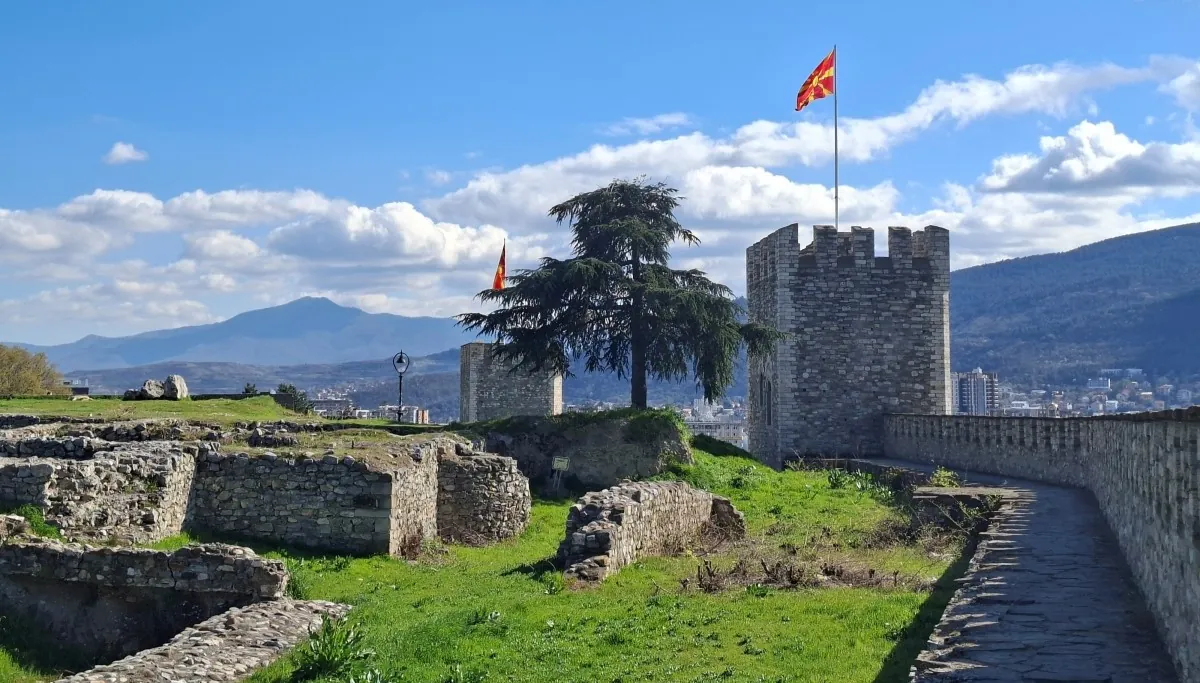
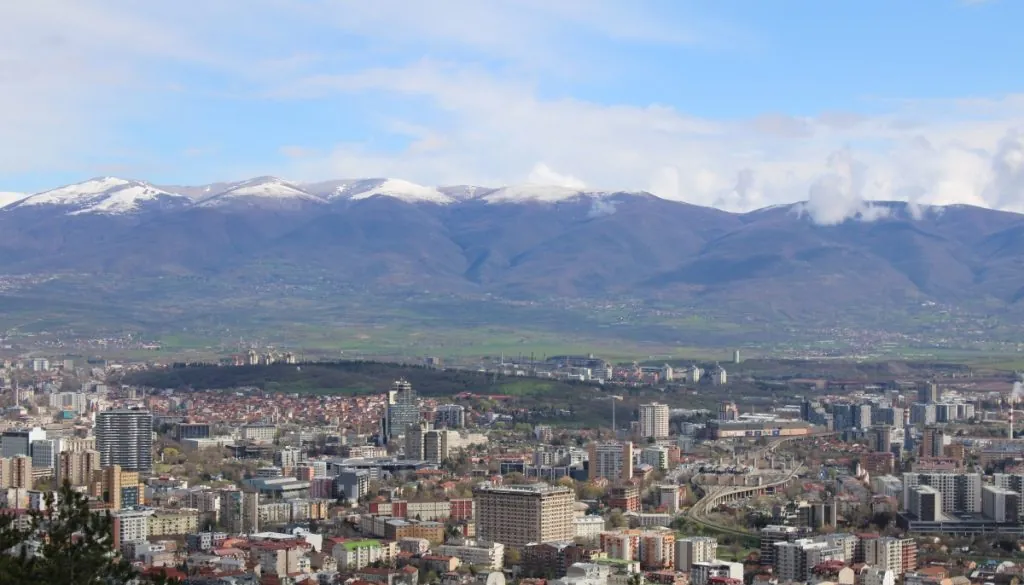
Skopje is known for the large number of statues and historical monuments found in the relatively small capital. It is easy to plan your activities here with small distances and the mountains surrounding the city reward the visitor with beautiful views.
 Tweet
 Share
 Share
 Pin
 Share
 Share
Skopje is a popular destination for spontaneous holidays and weekend visits, and its safety and low prices mean that you don't have to plan much for your visit. The first thing you notice is the architecture and the grandiose buildings, so let's start with the background.
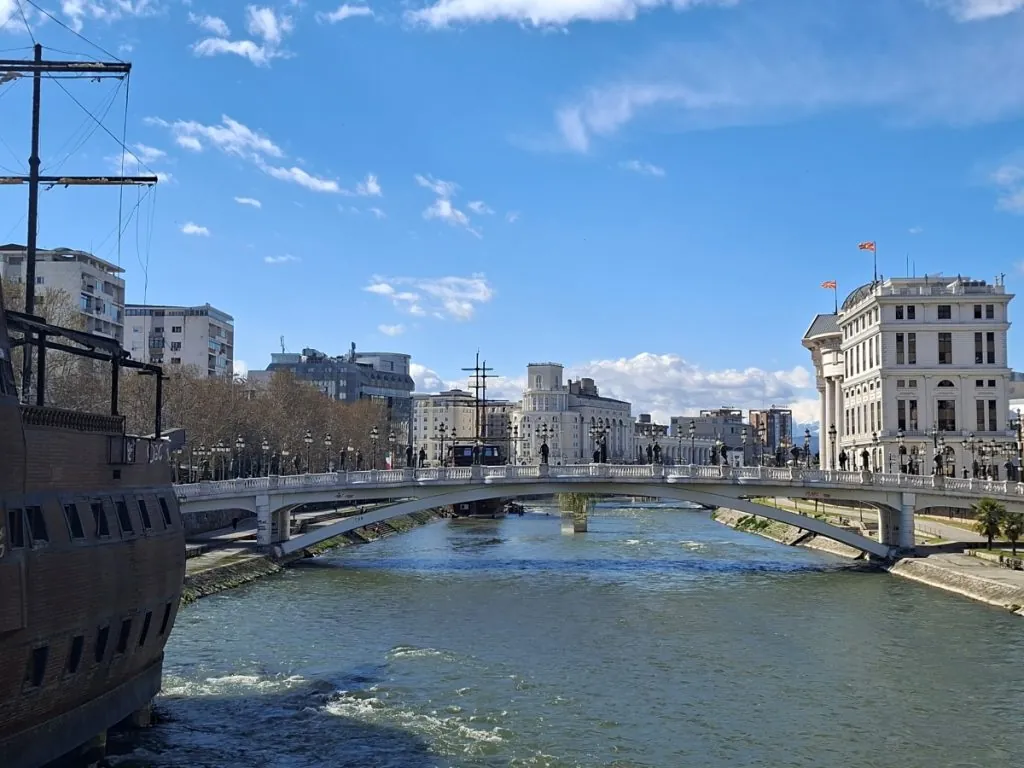
Table of contents
The great Skopje earthquake of 1963
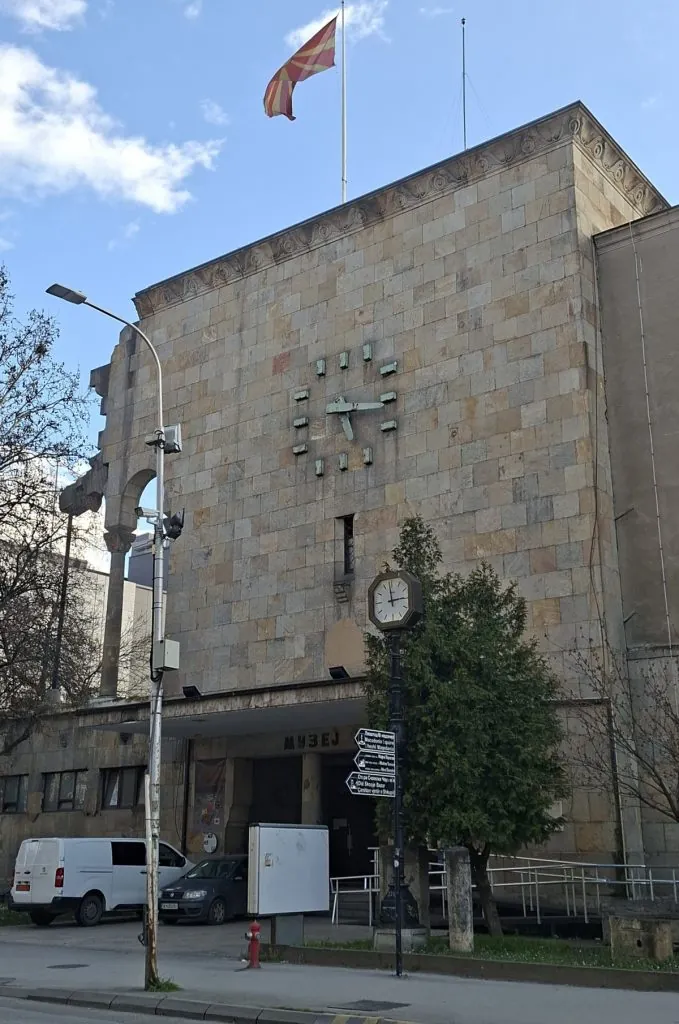
The explanation for the city's distinctive architecture comes from the great earthquake that destroyed 80% of the city's buildings on 26 July 1963. Overnight, the majority of the population was left homeless and international aid poured in to rebuild the city in several stages. Many buildings look older but were built after 1963.
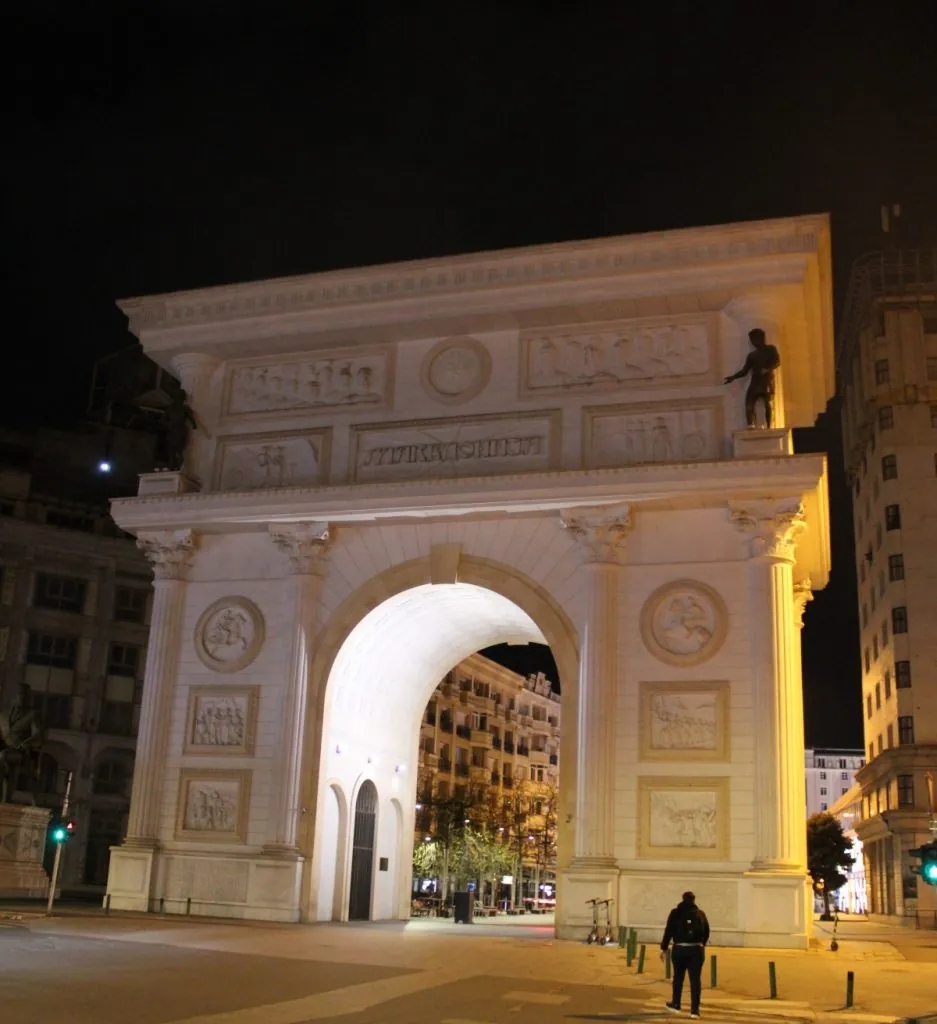
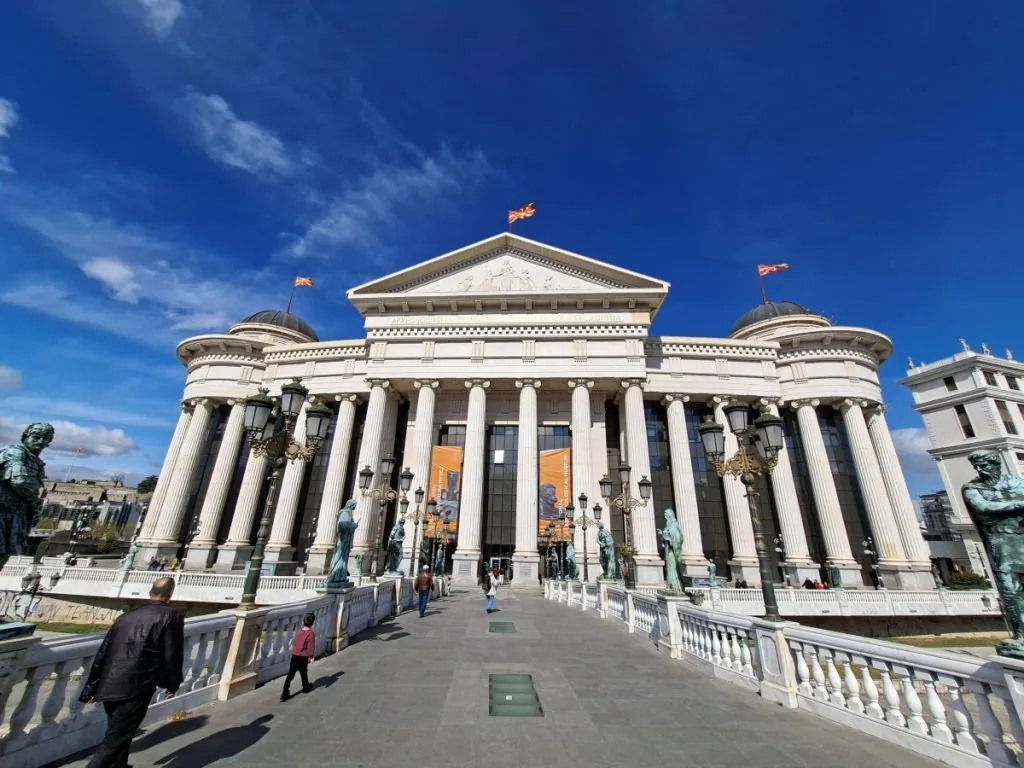
What raises eyebrows are the many statues added during a project in 2014 to make the city more interesting for tourists and create a more historic feel.
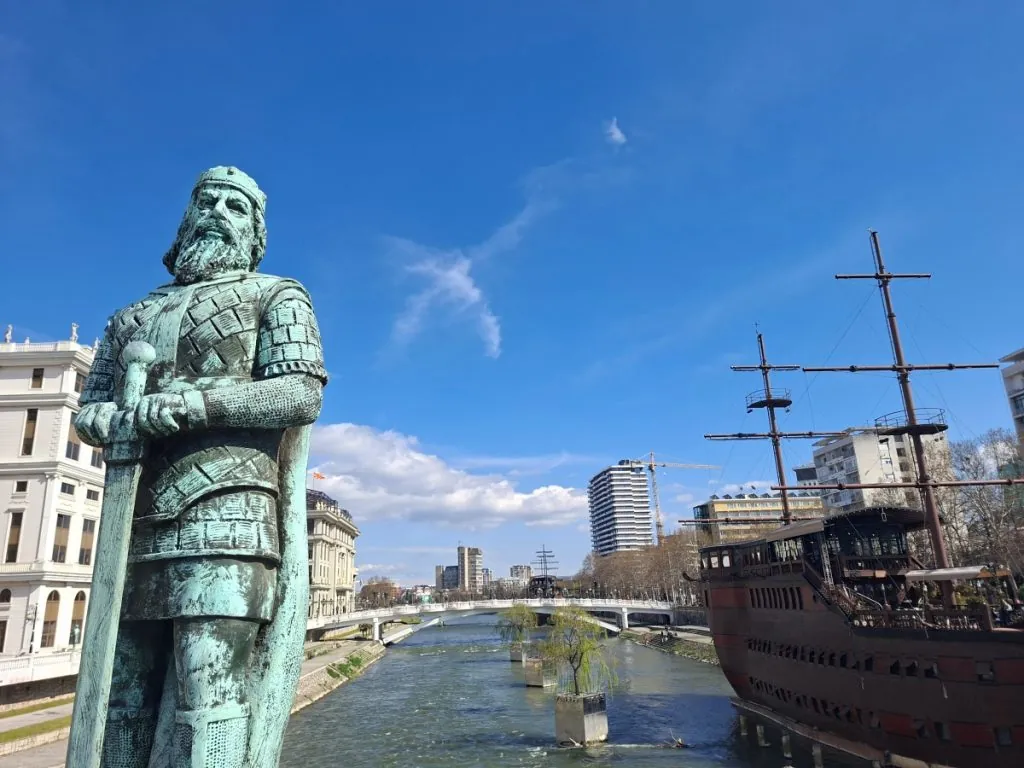
As a visitor, you are of course both amused and stunned by the accumulation of statues in the city. There are so many and if you were rewarded with a beer for each statue you recognise, it would of course increase the desire to study. If you are travelling in a larger group, you can prepare a historical quiz, for example. But it is also an attraction in itself and Skopje really stands out in that respect.
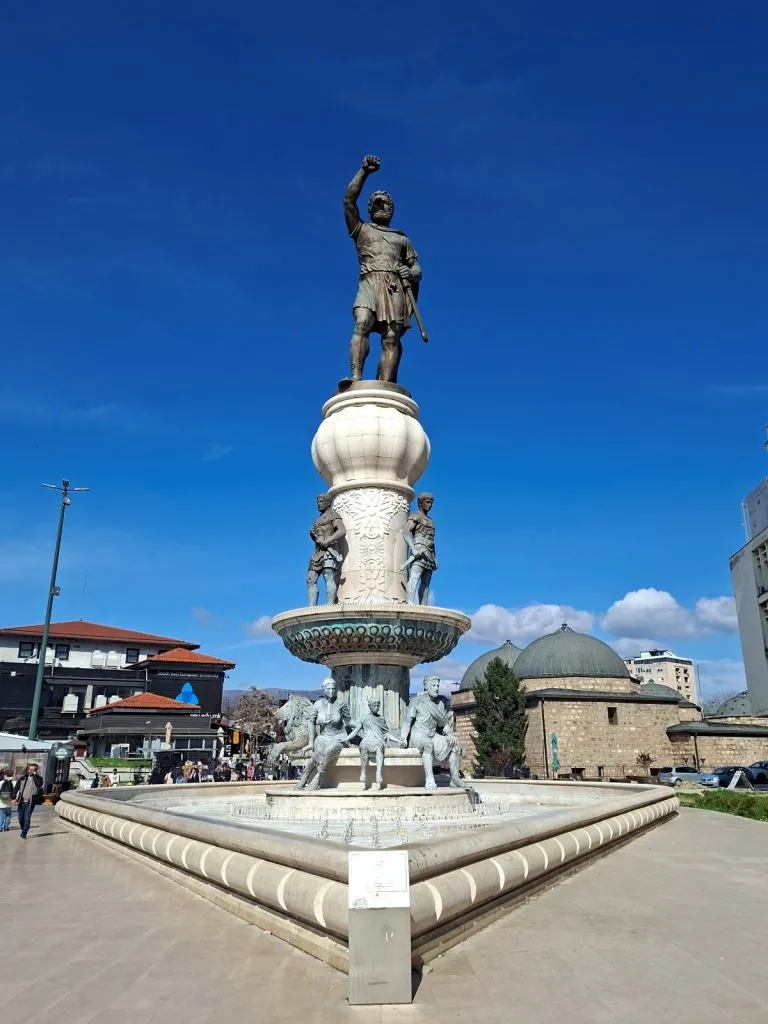
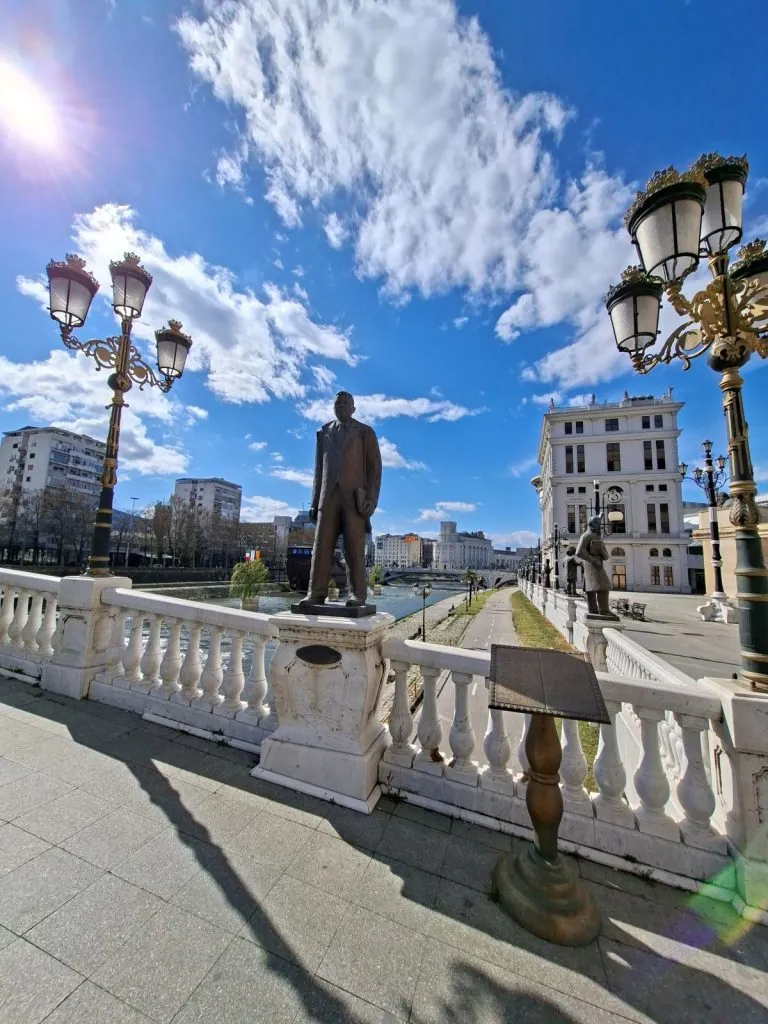
Skopje, a city in a developing country
North Macedonia got its name in 2021 after a long conflict with Greece over the country's former name (Macedonia) was finally over. The economy improved after 30 years of sanctions and Greece ended the blockade against their desire for membership in both the EU and NATO.
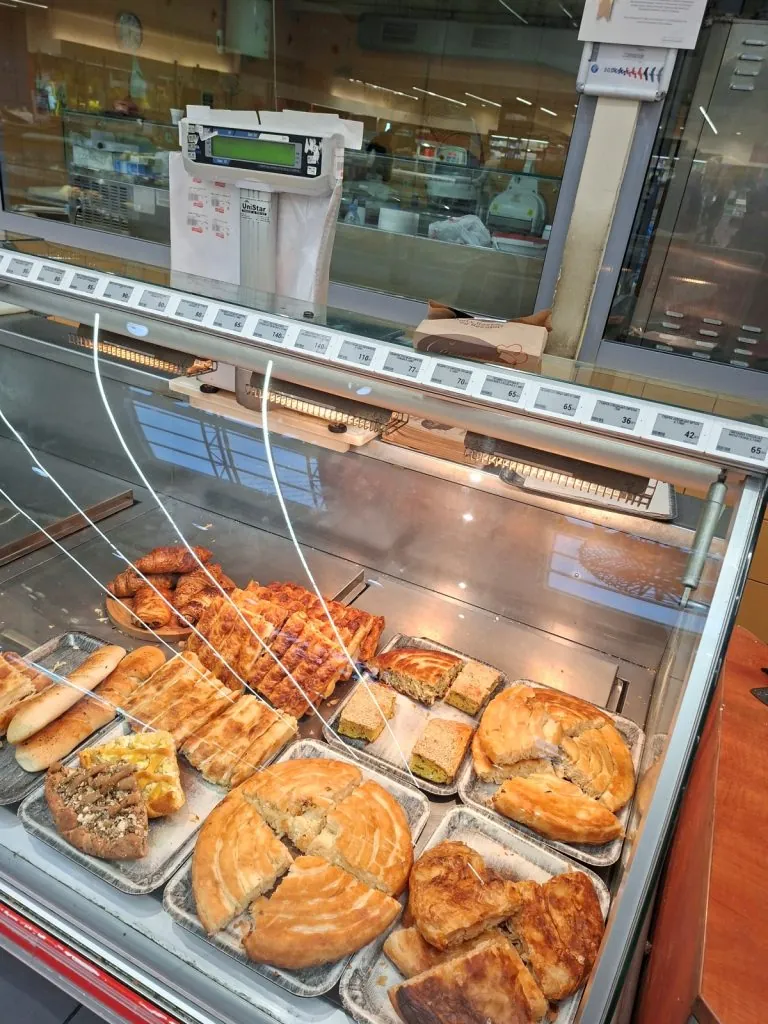
Before that, Macedonia was part of Yugoslavia and was recognised in 1993. They have not had it easy and that also explains why it is so cheap in Macedonia as the economy is still developing. For me, as a beer lover, it was of course a delight to be able to buy a local beer for 20 kroner and even cheaper in some places. The food is also cheap and you can count on less than half the price of what we have in Sweden.
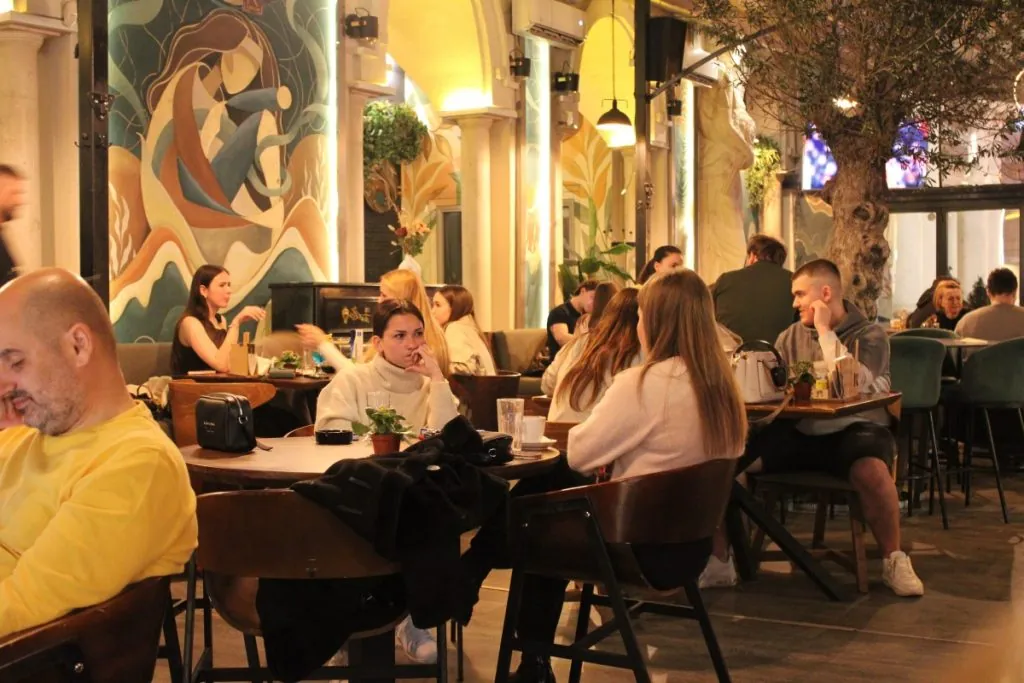
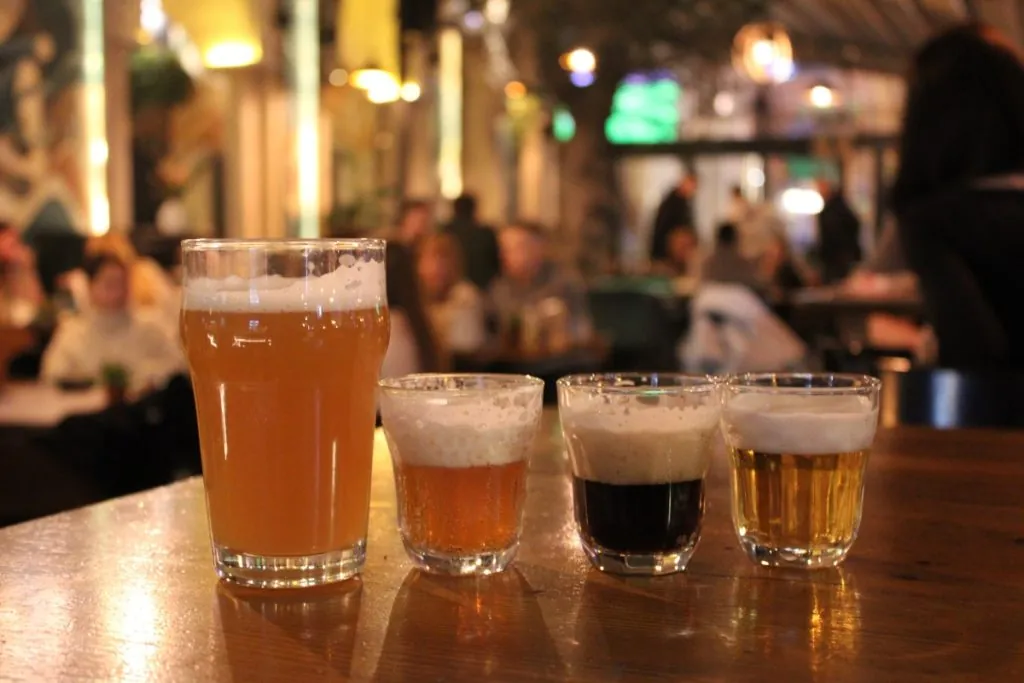
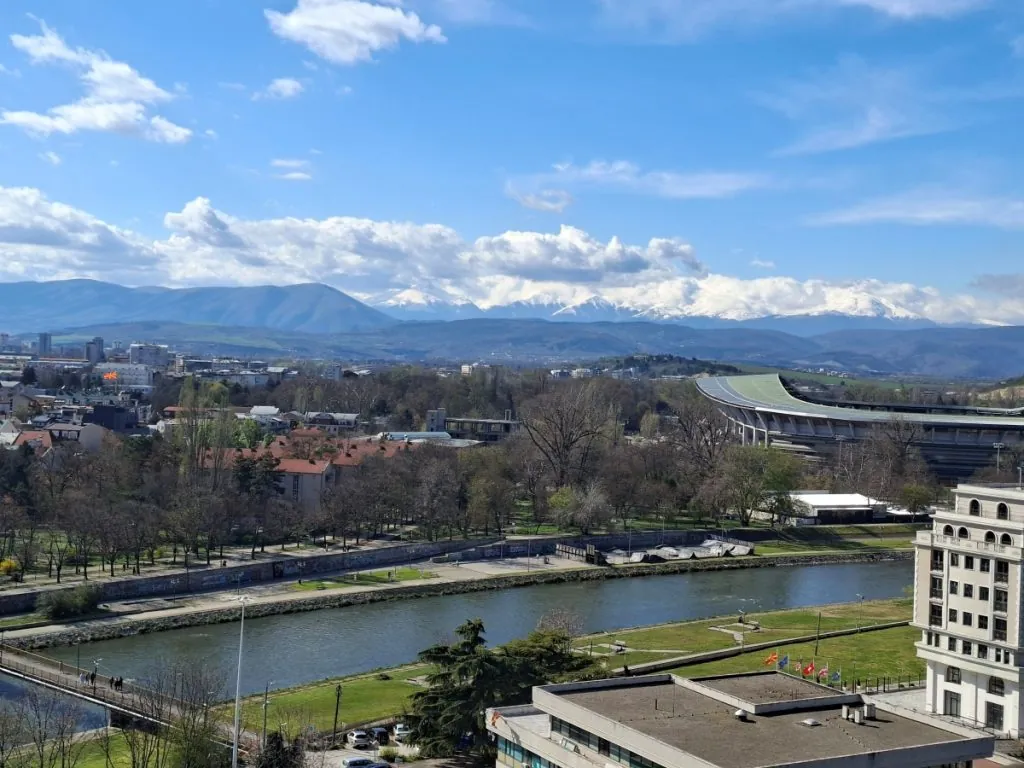
The advantage of Skopje is that it's so small, so you can easily walk around most of the city in a day and just take it as it comes. Perfect for those who get stressed by a thousand places to visit, so focus on enjoying and relaxing. Skopje is easy to walk around and the best views are from the castle above the city.
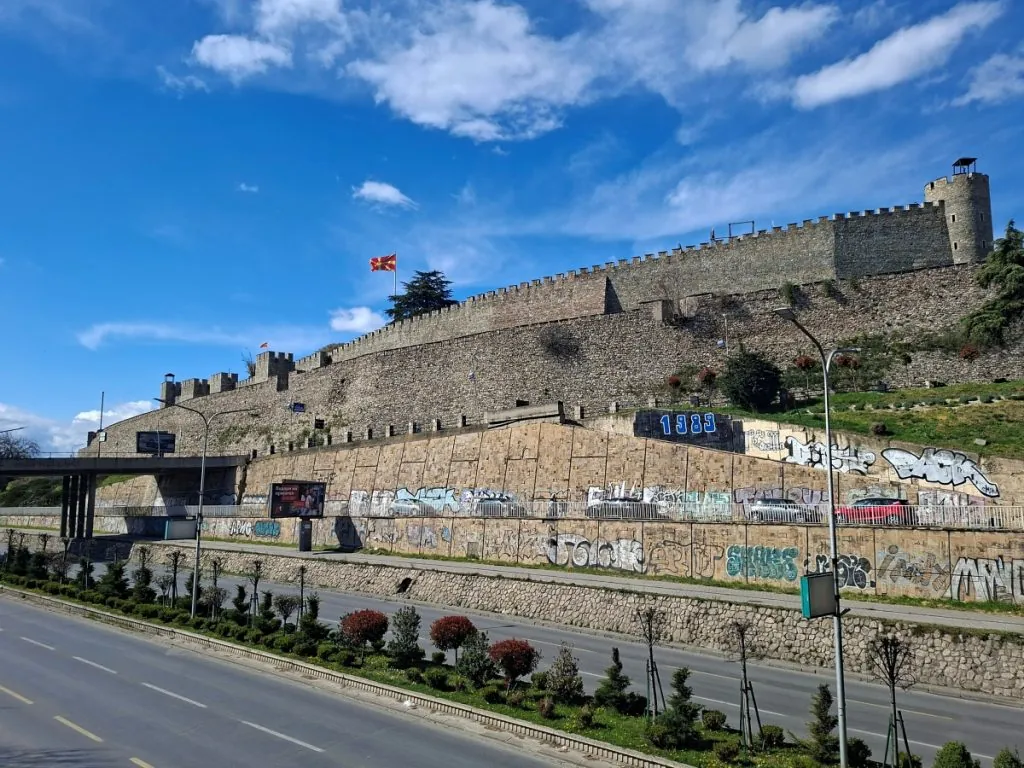
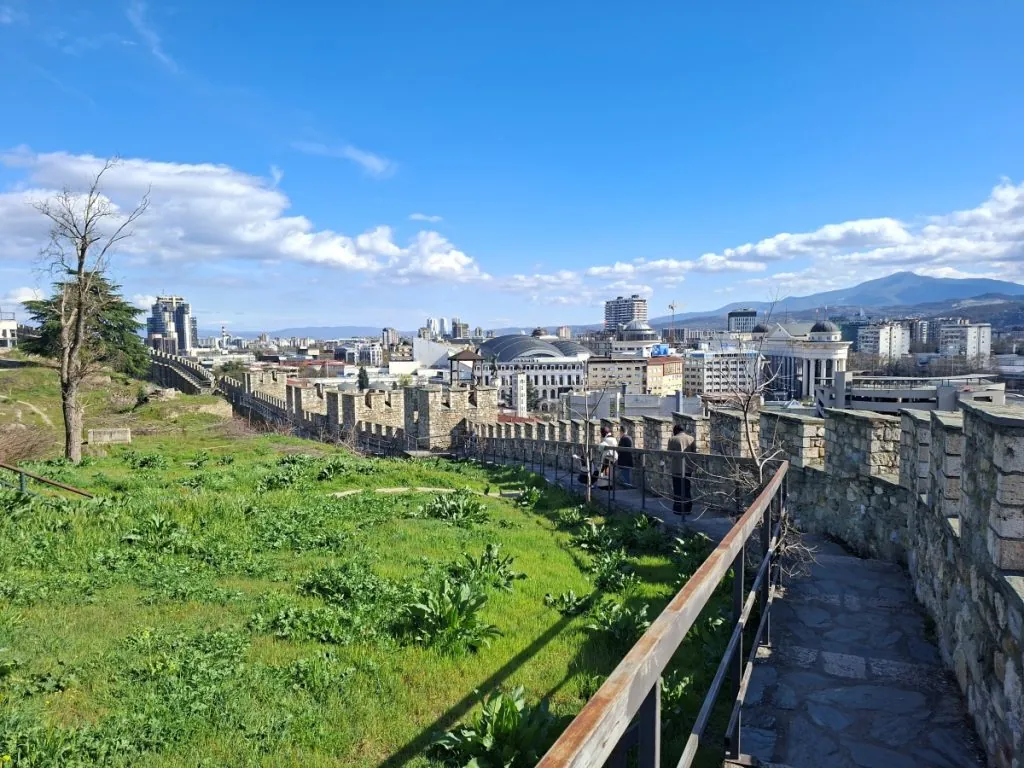
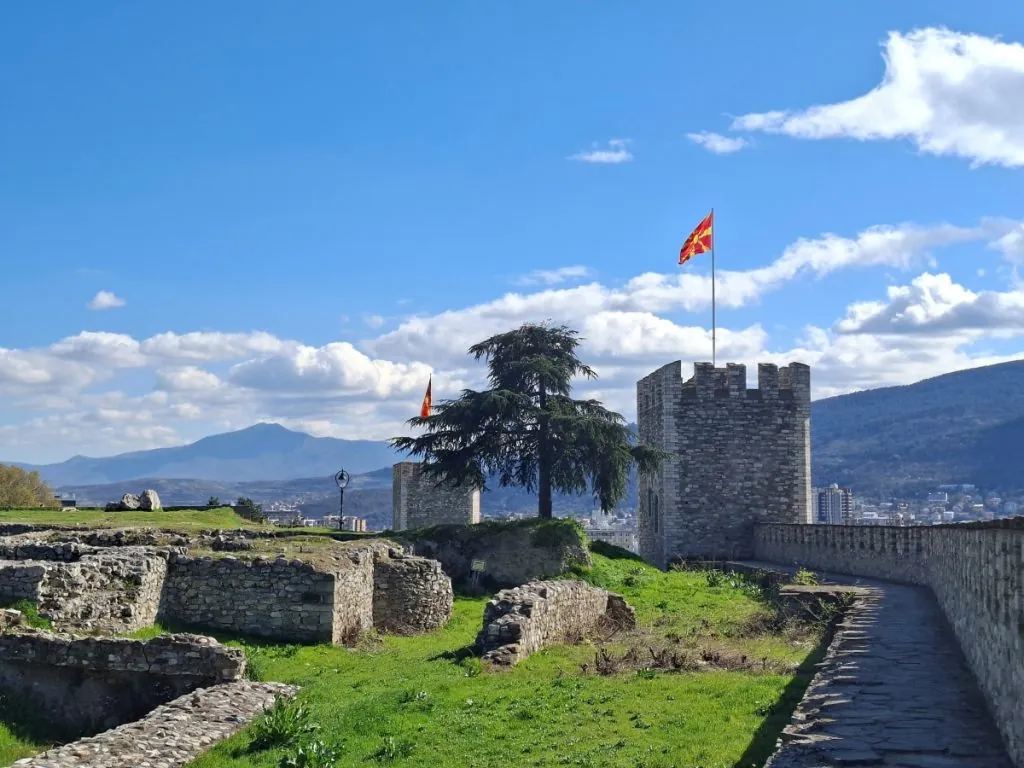
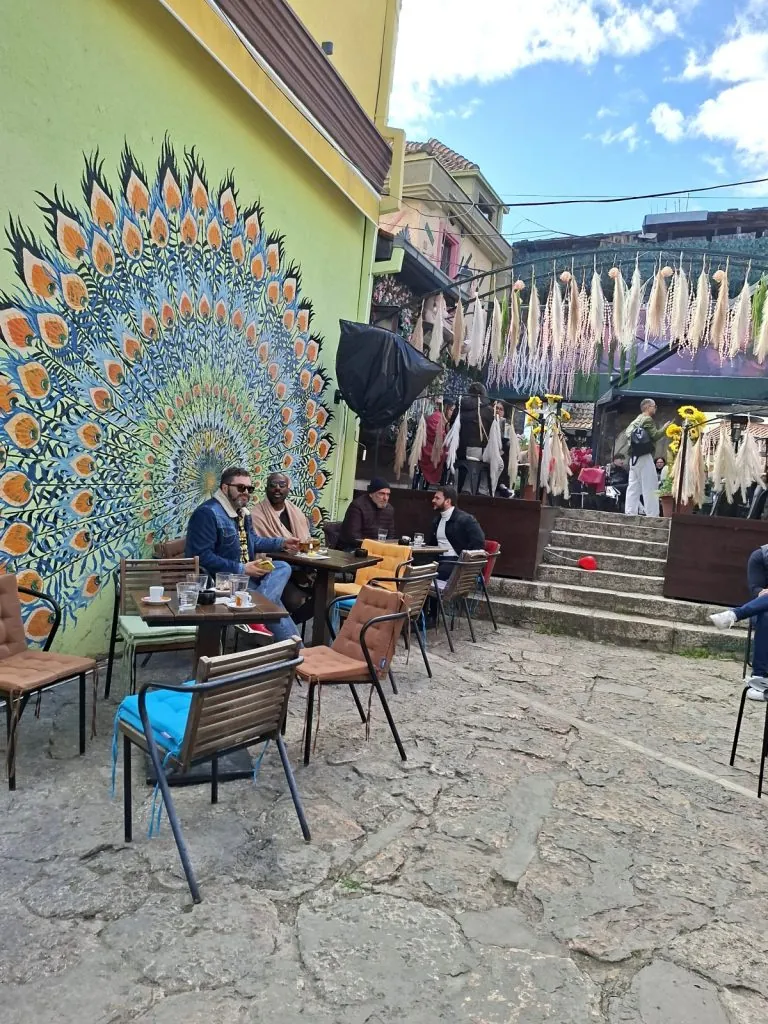
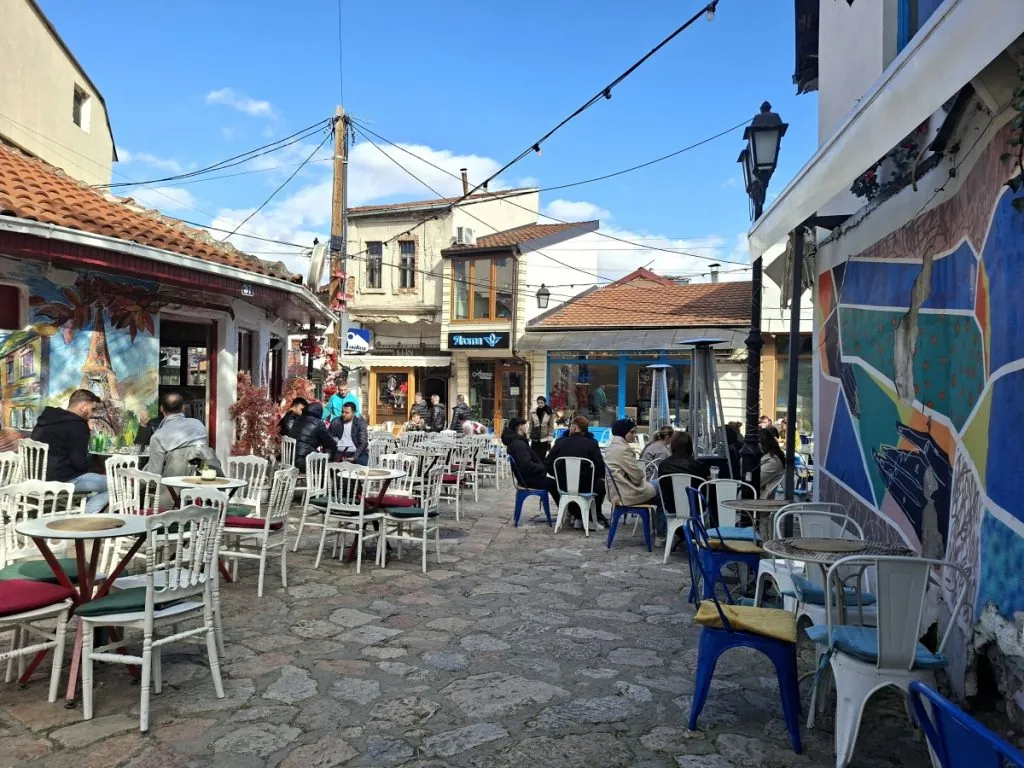
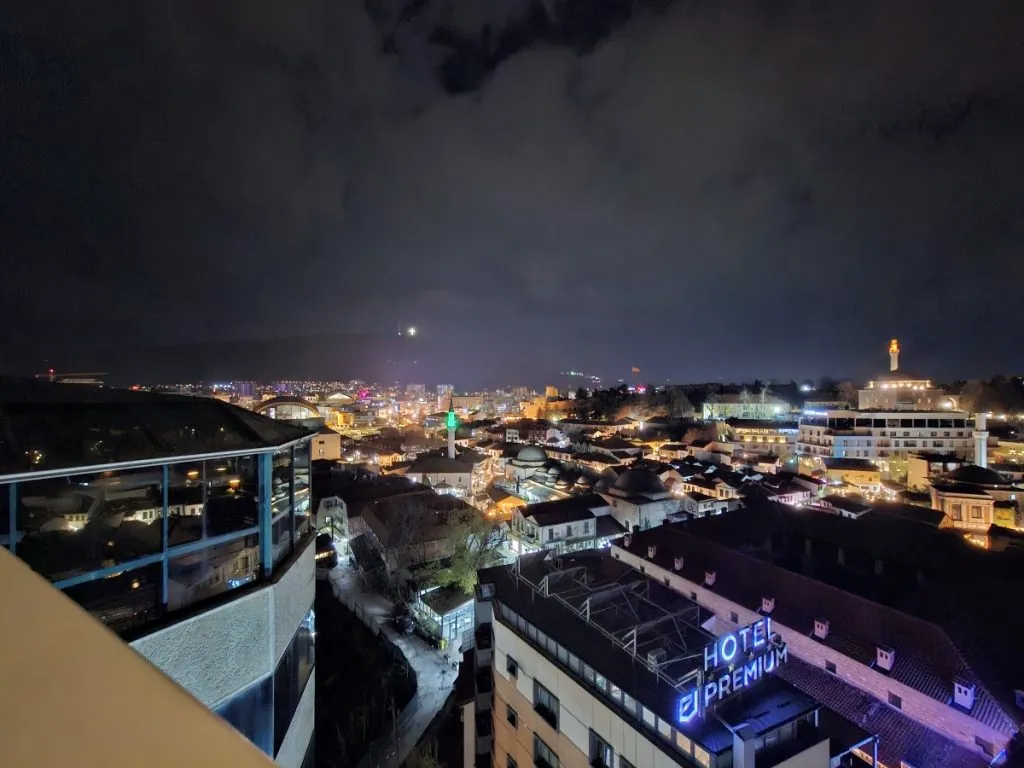
Below is the old bazaar, which dates back to Ottoman times. There is everything from restaurants to gold shops but is an absolute must to visit. The café street Salih Asim is cosy but a bit hidden so many people miss it.

If you're staying two nights or more, you can also do an excursion or two. If you don't want to hike or cycle along mountain bike trails, you can do these shorter excursions in the mountains just outside of town.
For those of you who don't like cycling, kayaking or the risk of tripping on a mountain walk, there is actually quite a lot to discover when it comes to wine culture in North Macedonia. More on this in future reports.
But wine is grown on over 22,000 hectares and the more than 140 vineyards have many wines to sip. The vranec grape, which grows abundantly in the Balkans, is the one to ask for if you want a local grape.
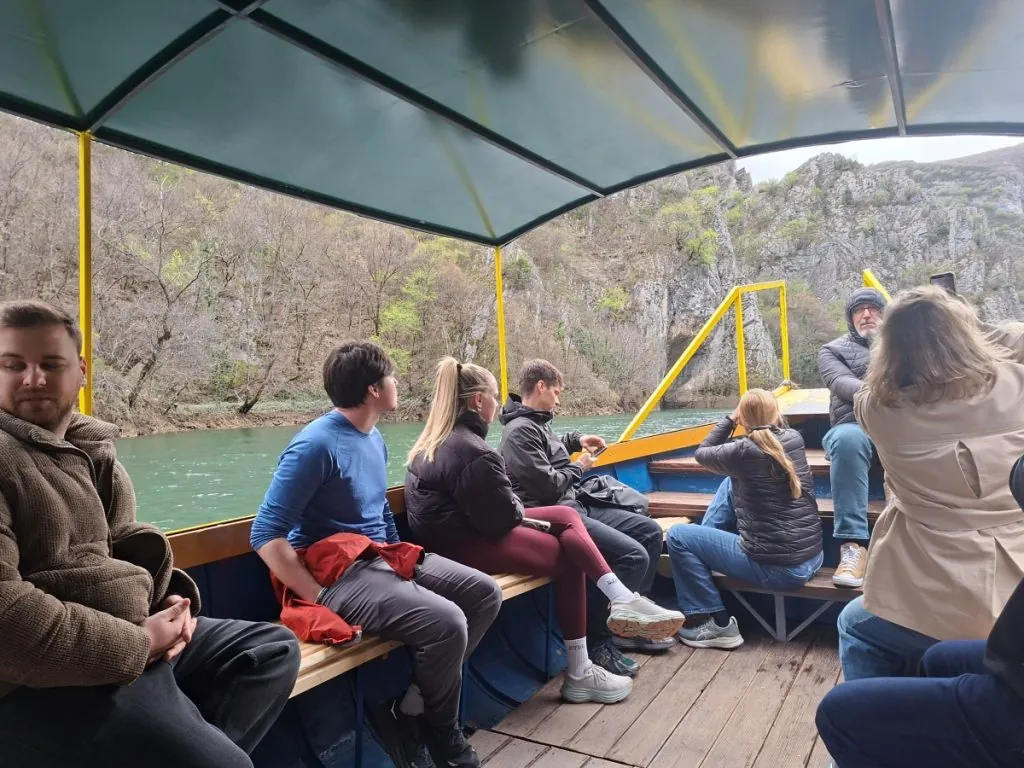
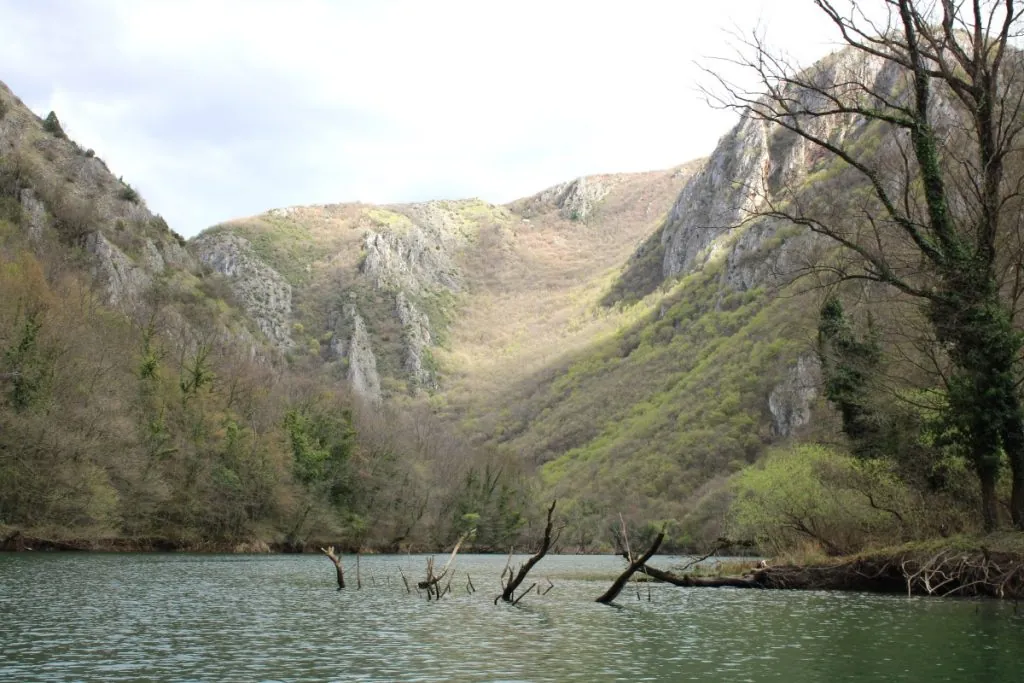
Kayak or boat tour in Matka Canyon
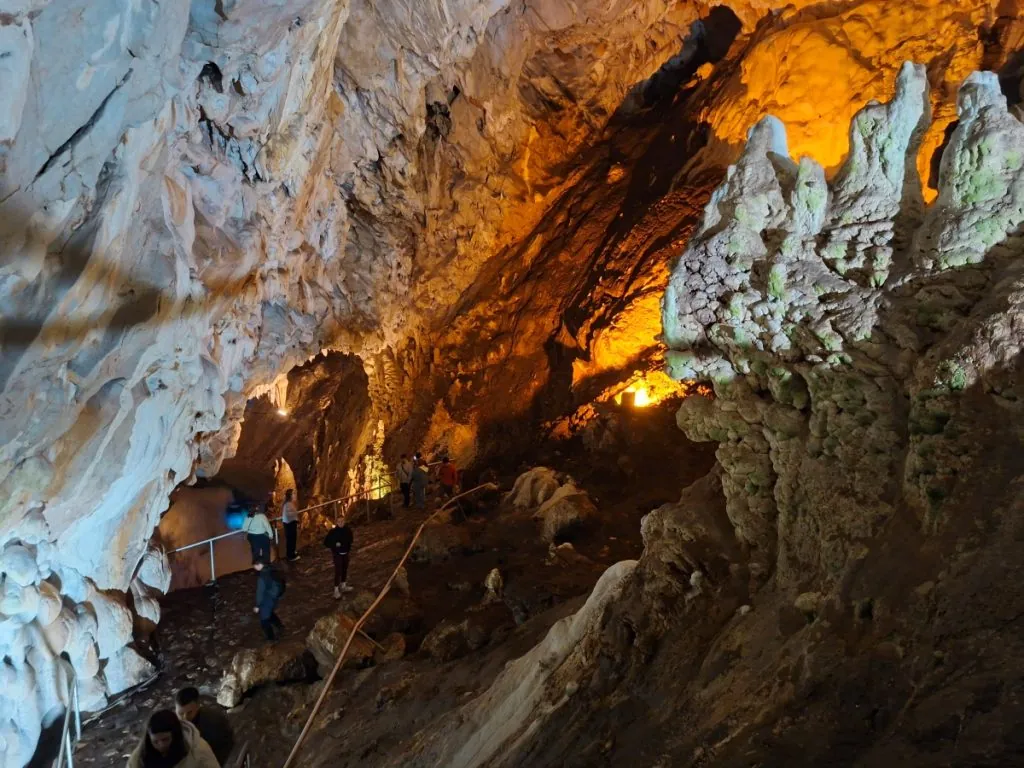
You need a car to get here and it takes about 30 minutes from the city centre. A perfect half-day activity if you are sporty and want to kayak to the cave in Matka. One way, it might take about an hour and a half and costs around 40 kroner an hour for kayak hire. There are a few cafés and small shops along the way for easier shopping, during the summer.
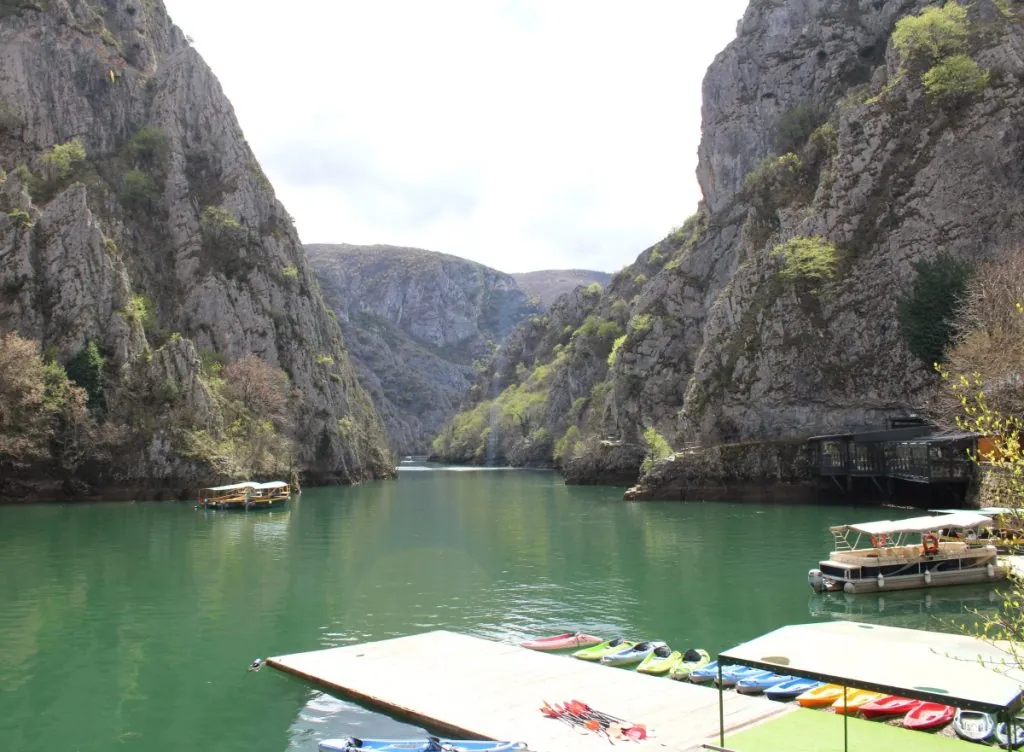
The views are stunning, with tall mountains rising above the icy water to help you keep your balance if you're kayaking. You don't want to fall in unless it's during the summer months! Of course, in the summer you can dip in and warm up when it's often 30+ but in early spring you might be better off taking a boat.
Ethno village with views of Skopje
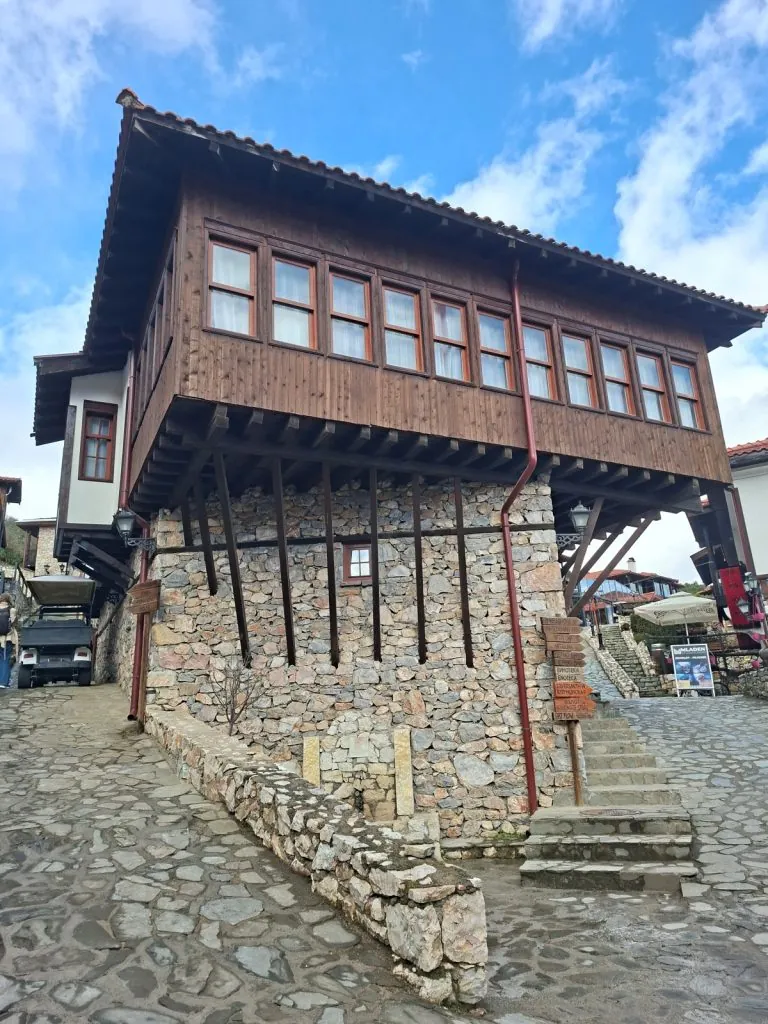
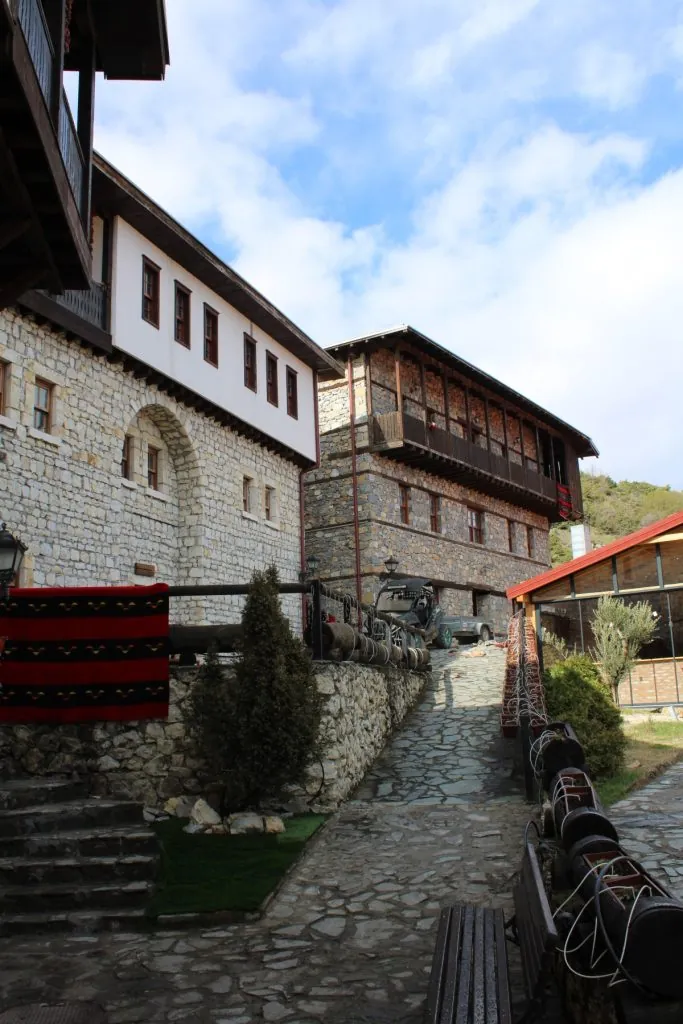
On one of the mountains surrounding Skopje, a large cross shines over the city. Beneath the cross is the newly built hotel village, consisting of houses built according to historical methods. They are somewhat reminiscent of the half-timbered houses in the German-speaking countries, but without yodelling hikers and accordion music.
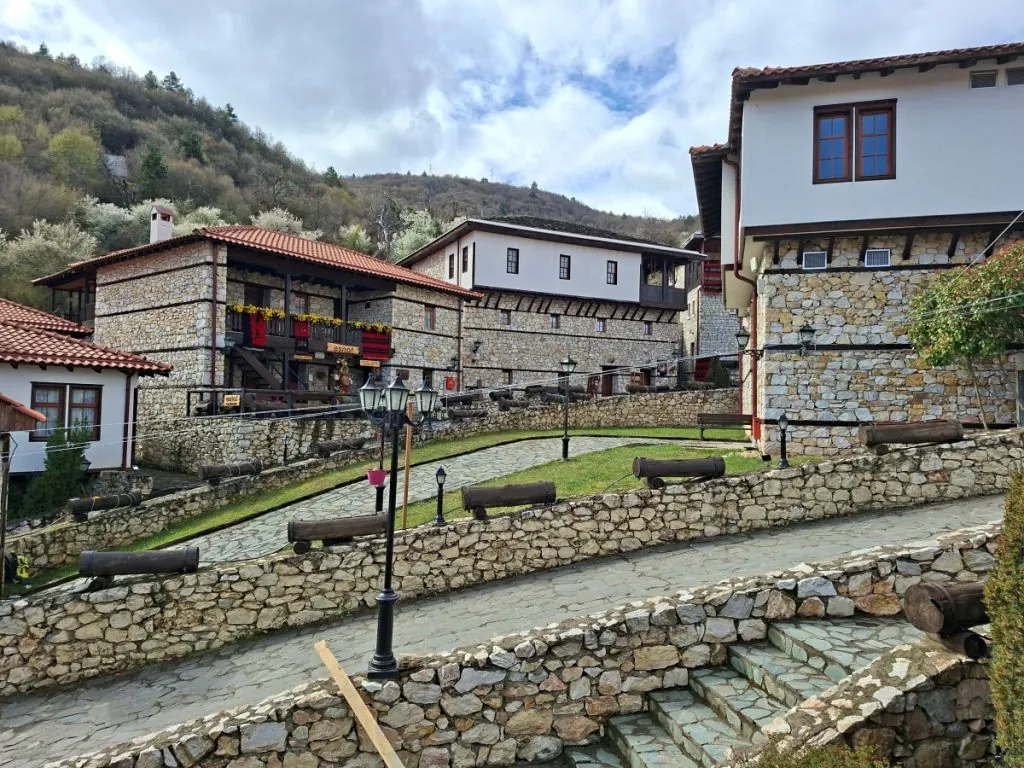
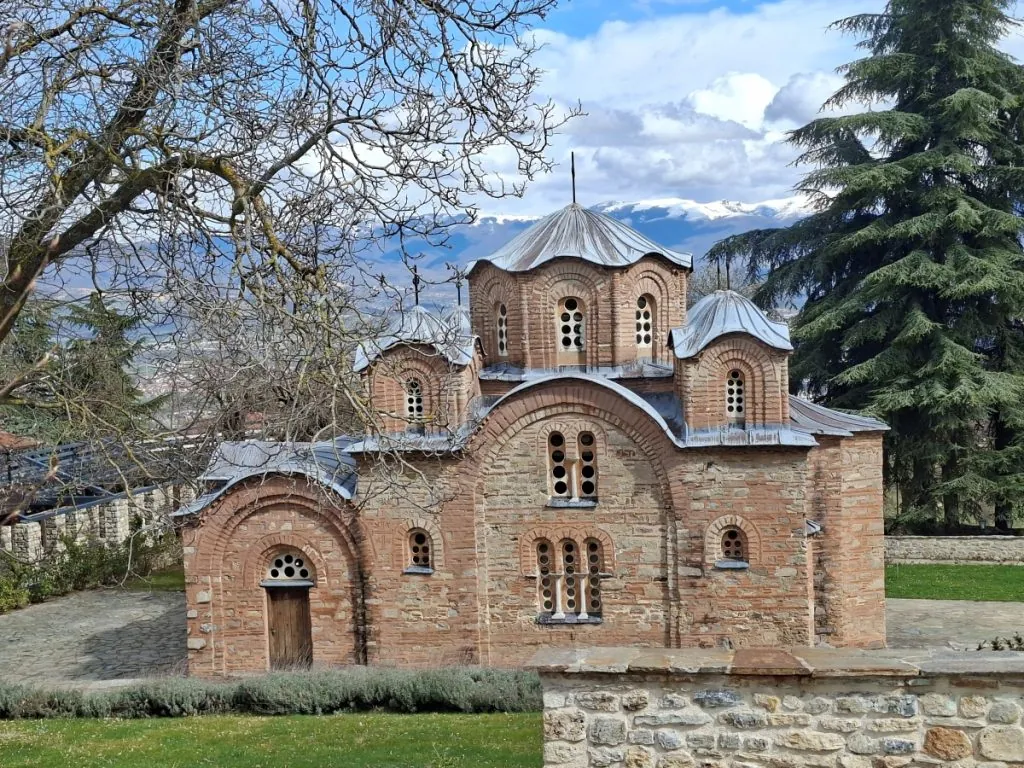
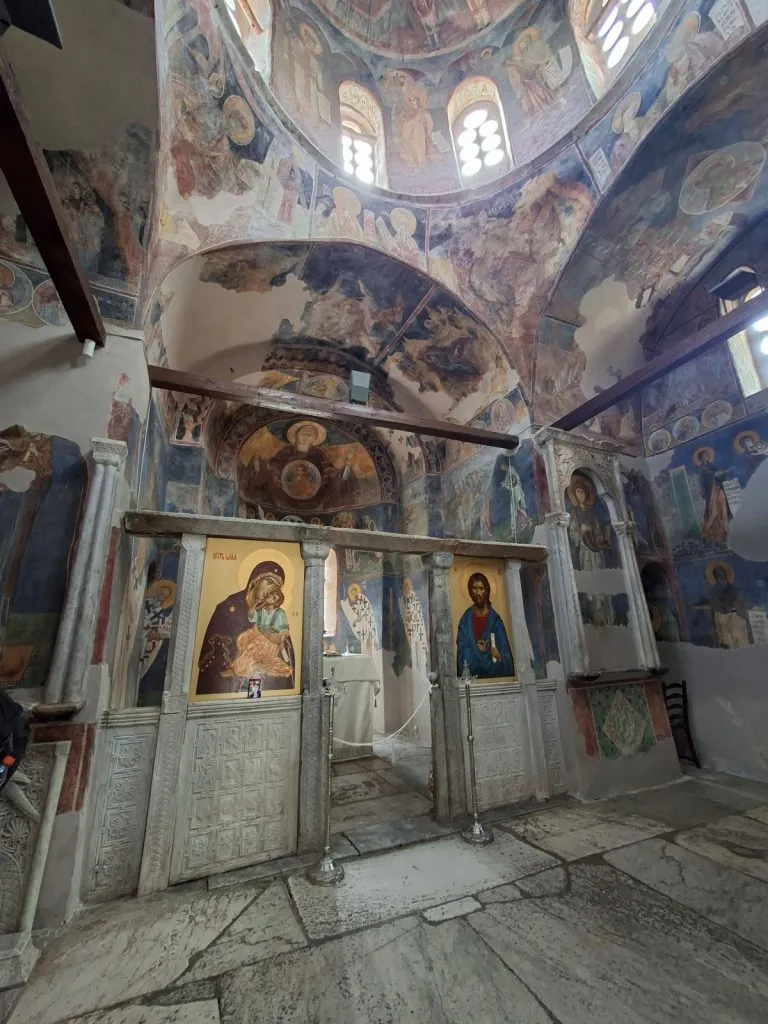
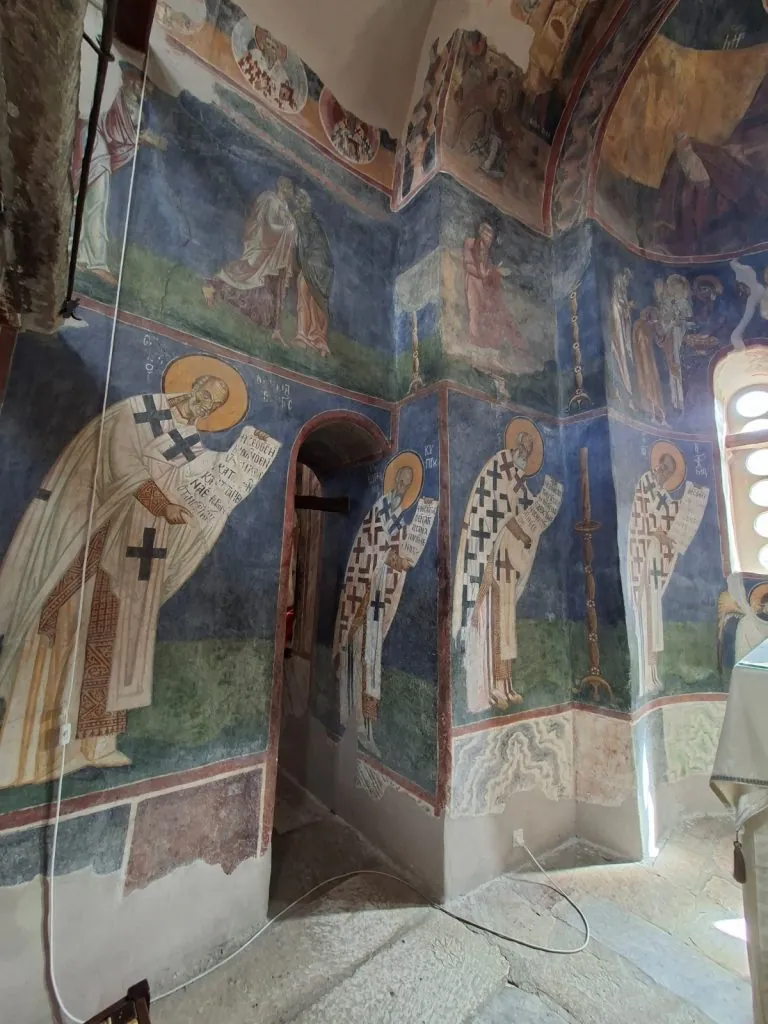
Each house can accommodate one or two families and offers beautiful views at reasonable prices. If you're not staying there, a coffee and a short walk in the neighbourhood will do. Don't miss the beautiful church just below.
Getting to and from Skopje
You can easily fly with the budget airlines directly to Skopje for a few hundred dollars but also do as we did and drive up from Tirana through the beautiful landscapes and past Lake Ohrid. The Balkan countries are small so travelling between them is quick and border crossings are straightforward.
Roads are improving and soon you will be able to take the motorway all the way from Skopje to Ohrid. You can also drive or take a bus to Pristina in two hours or Thessaloniki in three. There are several smaller travel companies that organise tours between the countries, if you want tips, get in touch. I also took the opportunity to visit Pristina and Kosovo. More about Ohrid, Tirana and Pristina in future reports.
This article is part of several articles from a press trip organised by the NAITM National Association for Incoming Tourism of Macedonia. The opinions and text are of course my own.
Follow Jonathan here:







 English (UK)
 Svenska