


Text and photo: Jonathan Gharbi de Maré
Mediterranean, snow-capped mountains, art history and a fantastic cuisine, the south of France on the border with Spain has a lot to offer. Here is a small selection from the region. '’
 Tweet
 Share
 Share
 Pin
 Share
 Share
Table of contents
Roussillon region
The trip begins with a landing in Montpellier and then a rental car for two hours down to Perpignan which is the largest city in the Roussillon region. There are also trains and buses that run between the larger towns.
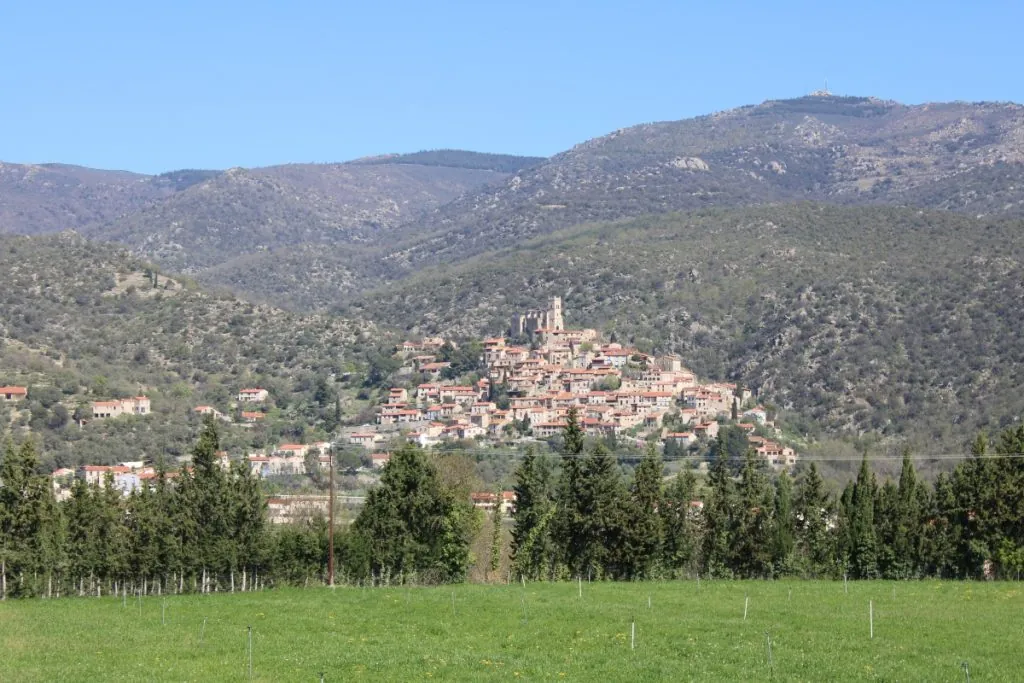
The region has not always been French, before 1659 it belonged to Catalonia, but its history and proximity to Spain have meant that the Spanish influences have survived.
The Pyrenees mountain range today forms the border between Spain and France, but it wasn't like that before. Those of you who have been to Barcelona will recognize the Catalan colors on flags and murals during your trip to the region.
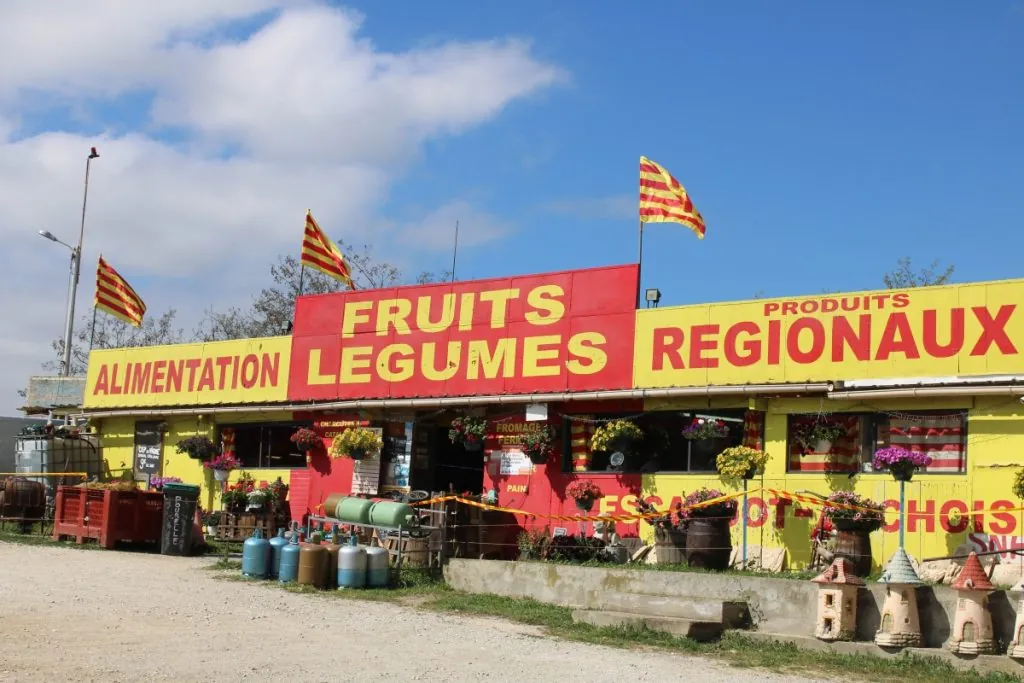
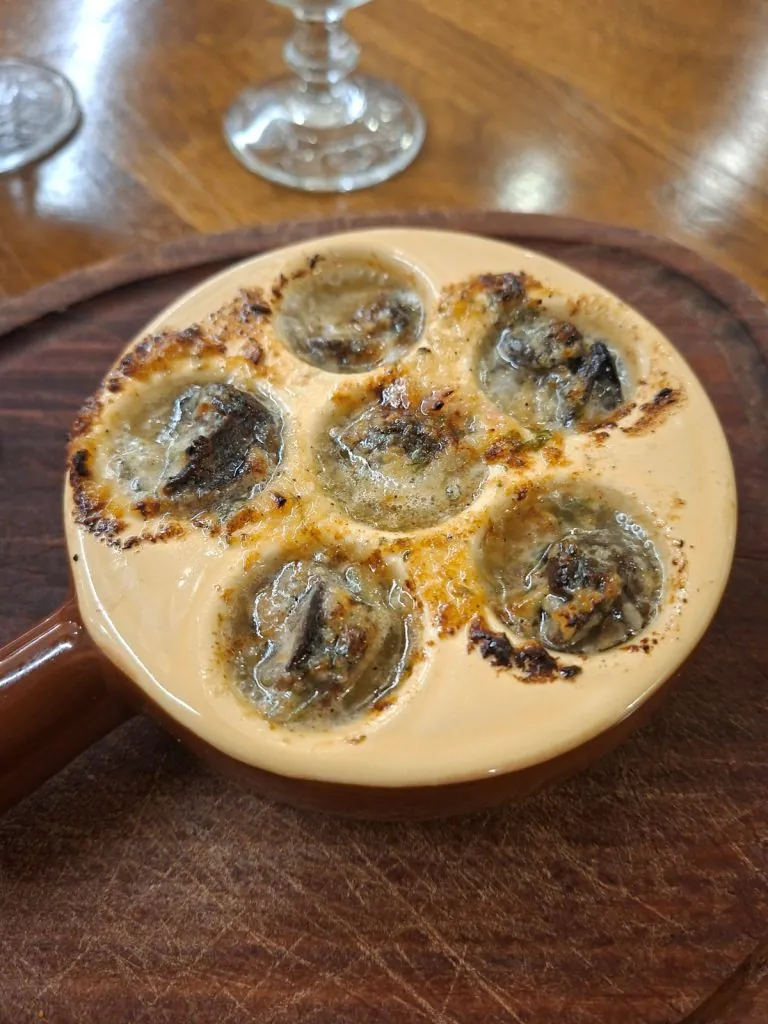
Amazing food and endless wine lists
What surprised me was that both the language and the prices in Paris are very different from the region. Here, as a Swede, you can speak French and understand the locals without having to stand with your eyes wide open and stammer in front of a Parisian who could just as easily have been speaking aliens.
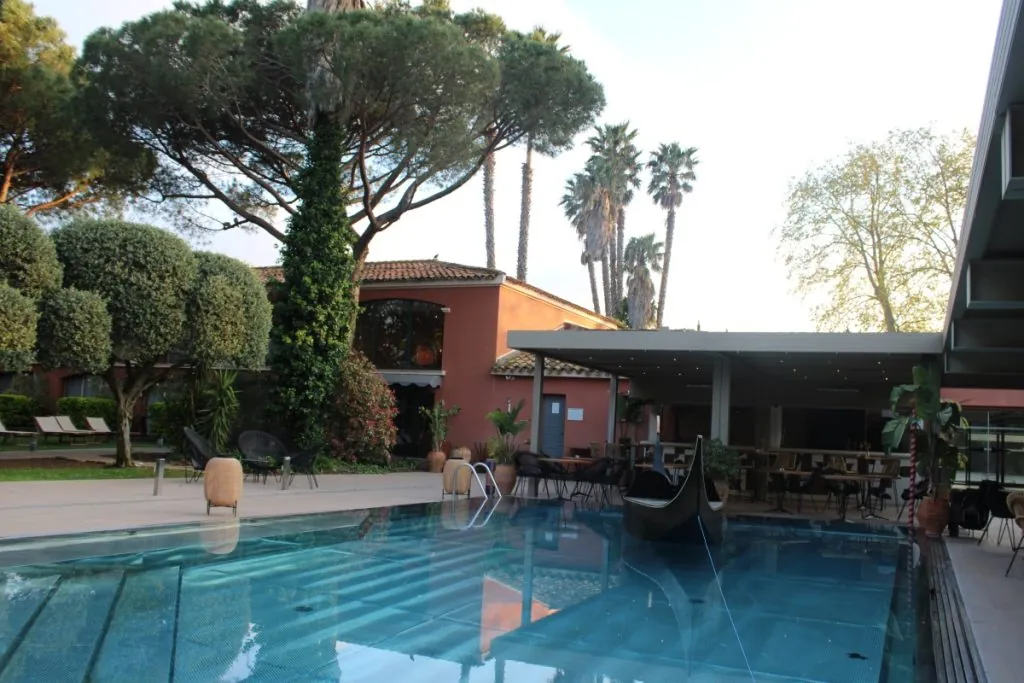
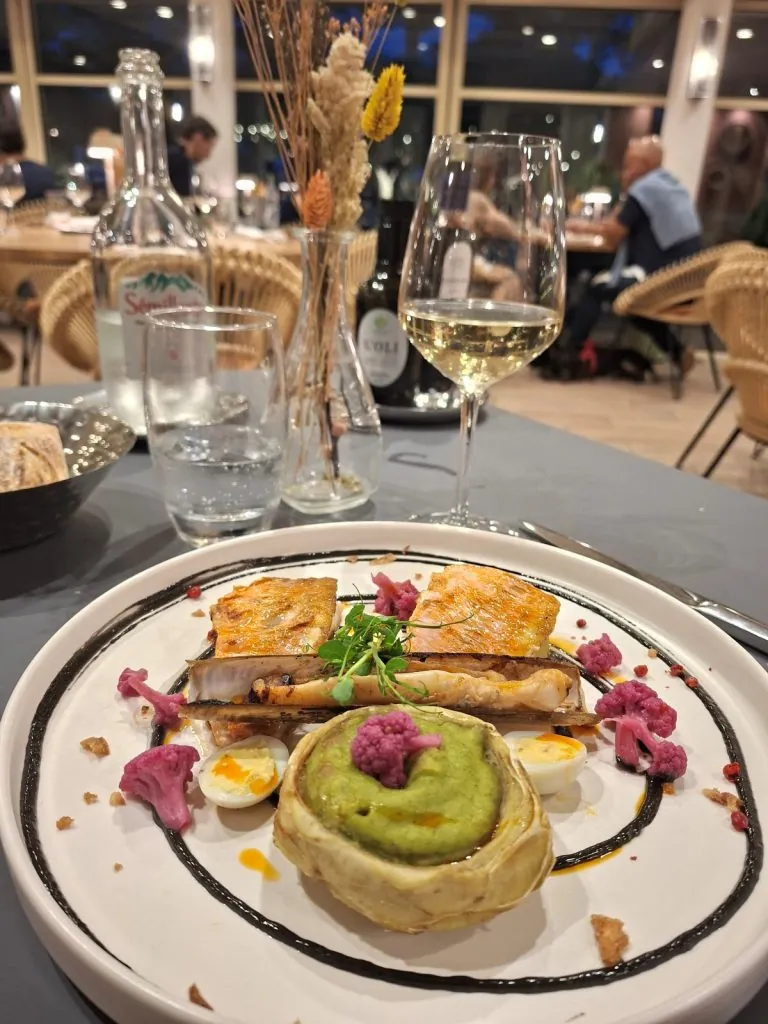
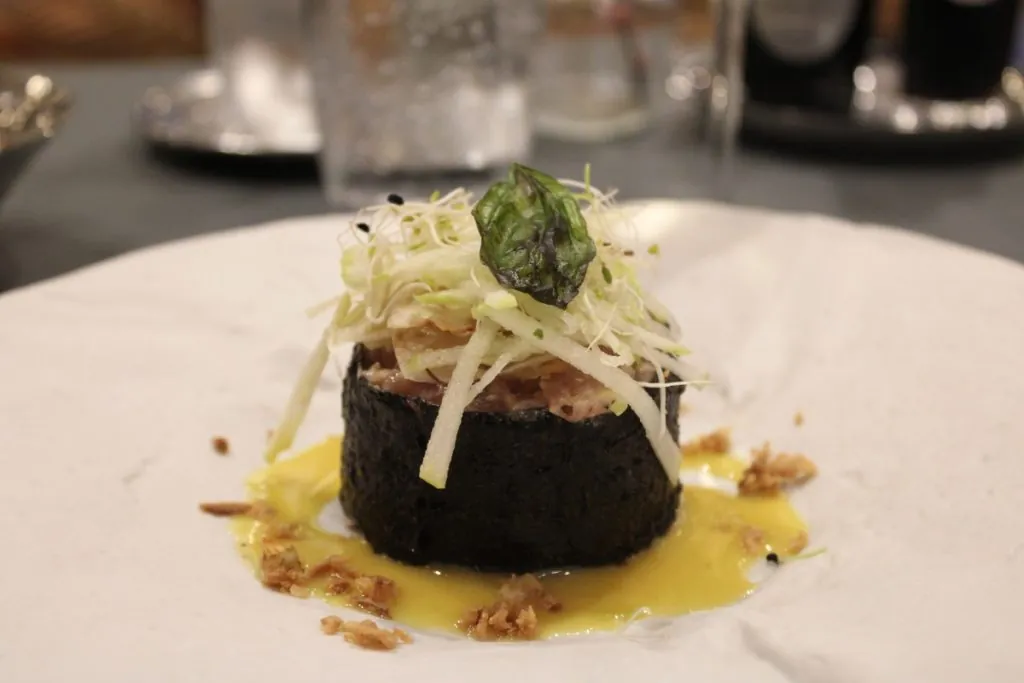
The prices are also far below Swedish prices when it comes to coffee, food and drinks. Even for accommodation, a night at a four-star hotel cost around 1600 kronor. Enjoying delicious ingredients that have been composed both in taste and aesthetics is a joy while browsing the endless wine list.
The most common grapes in Roussillon are cinsault, carignan, grenache, syrah and muscat. Here, French and Catalan mix, new and old traditions and a cuisine united by a love for the catches of the sea. More about sardines and anchovies in the next article but make sure to eat a lot of fish here, they really know how to handle it.

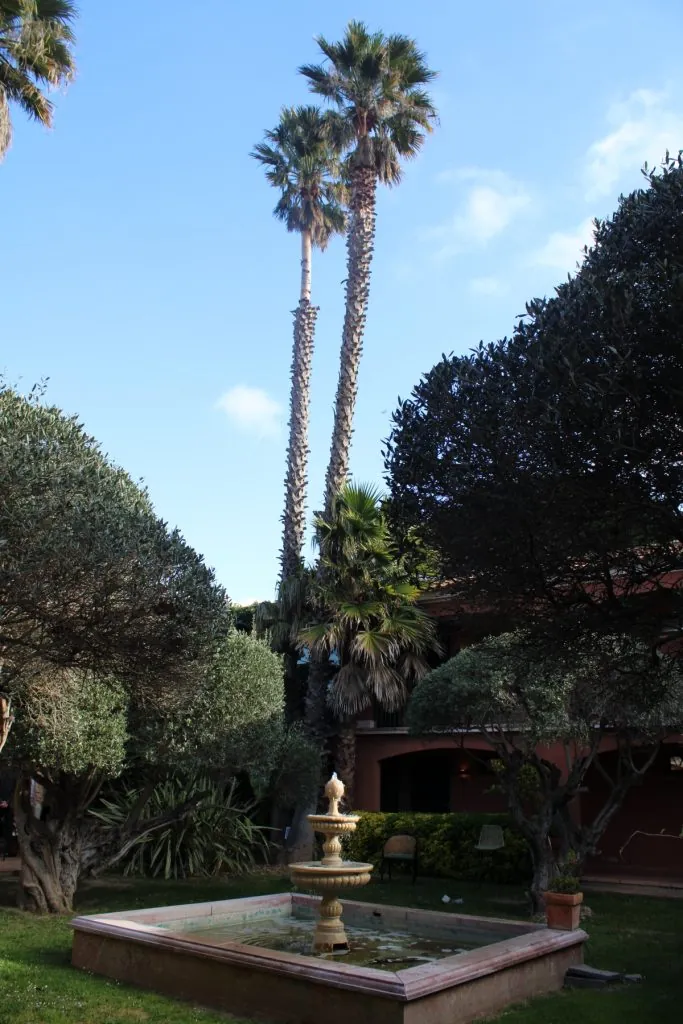
Orgues d'ille sur Tet – incredible rock formations
After a night in Perpignan, it's time to head up into the Pyrenees. It's an incredible feeling to drive along the winding roads and be surrounded by green-clad mountains as you pass one eye-catching village after another.
You are driving towards the small town. Ille-sur-Tet and a little outside it you will find a small office where you can get information and buy a ticket before trudging up through the forest to the magical cliffs.
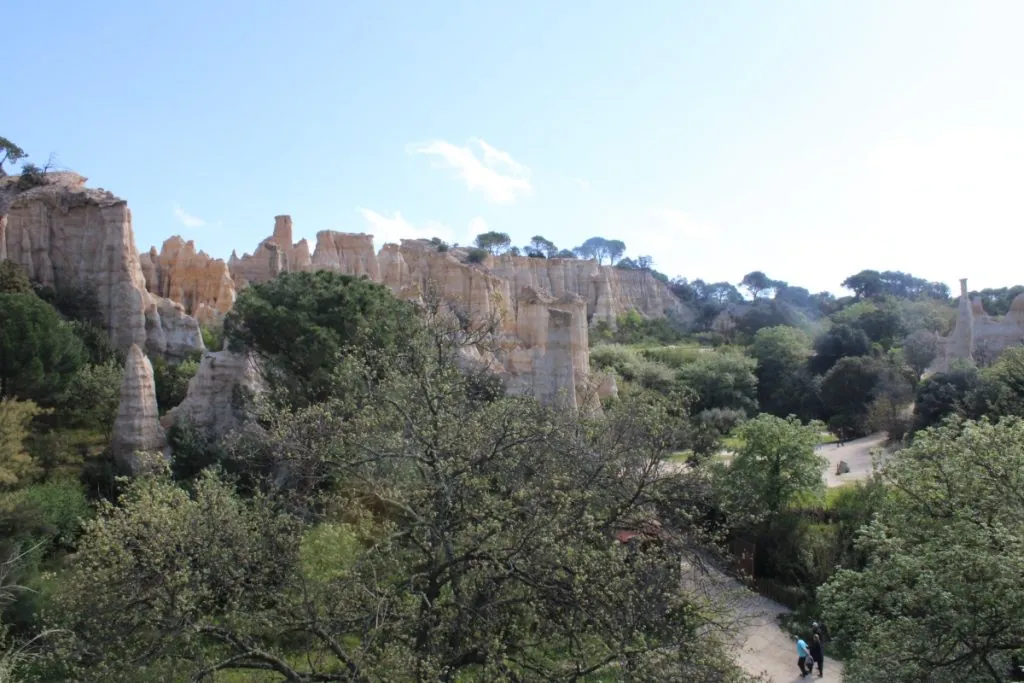
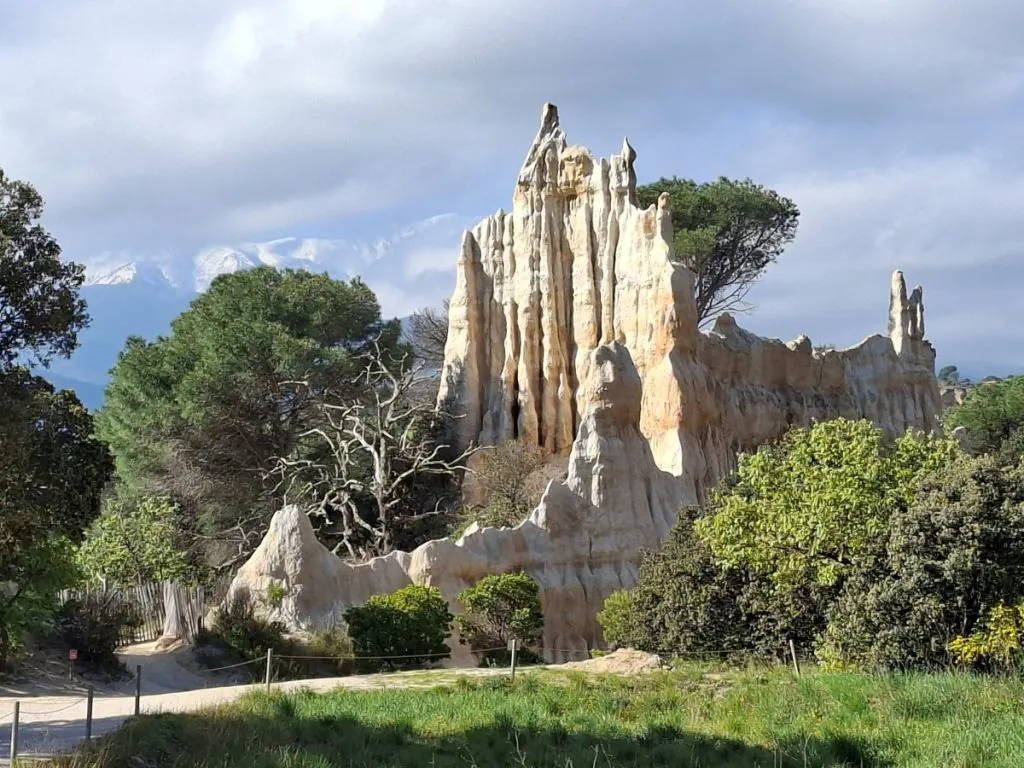
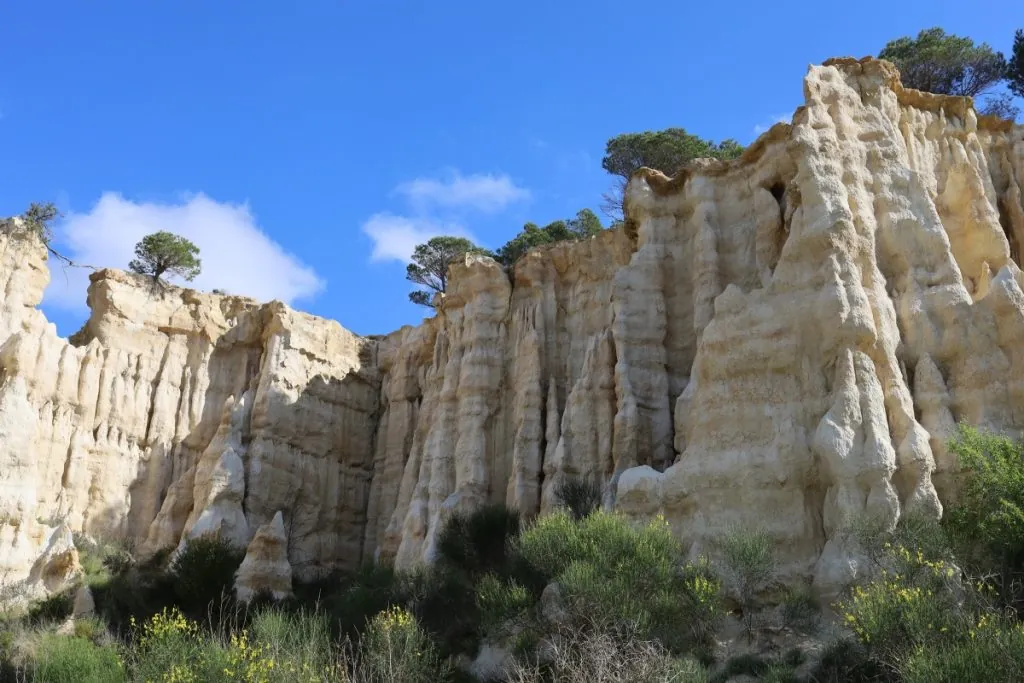
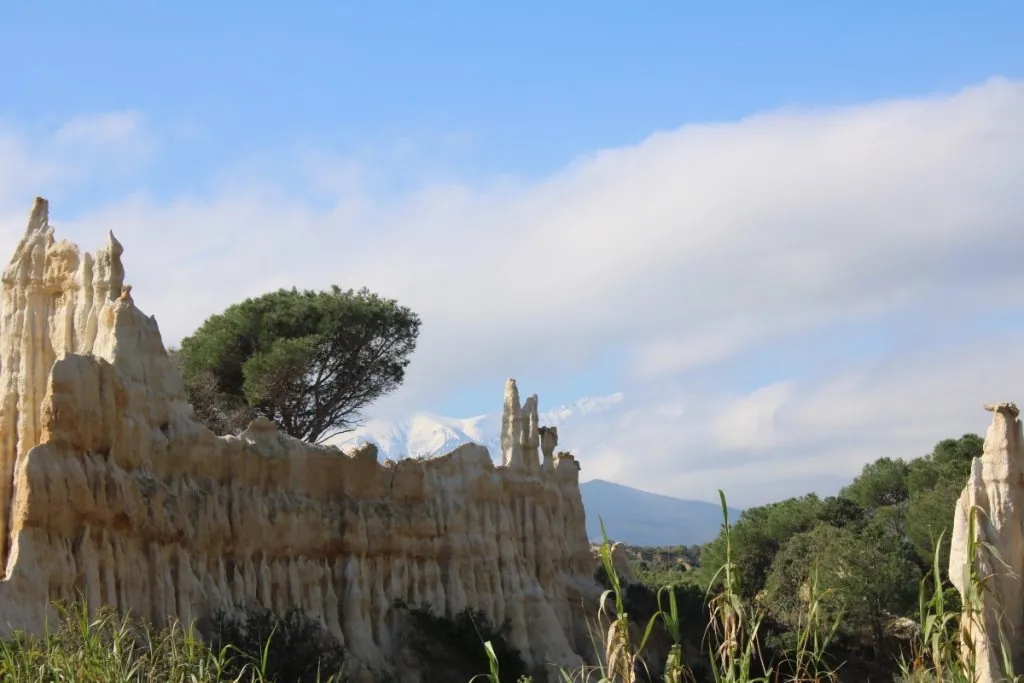
Amazing rock formations tower up against the snow-capped mountains in the background and are beautifully embedded in greenery. The feeling is almost like you are on another continent and your imagination flies away, perhaps that is why the place is so popular to visit. They are called Organs of Ille sur Tet and is located along the road as you drive up towards the medieval town of Villefranche de Conflent.
Church of Saint Pierre in Prades
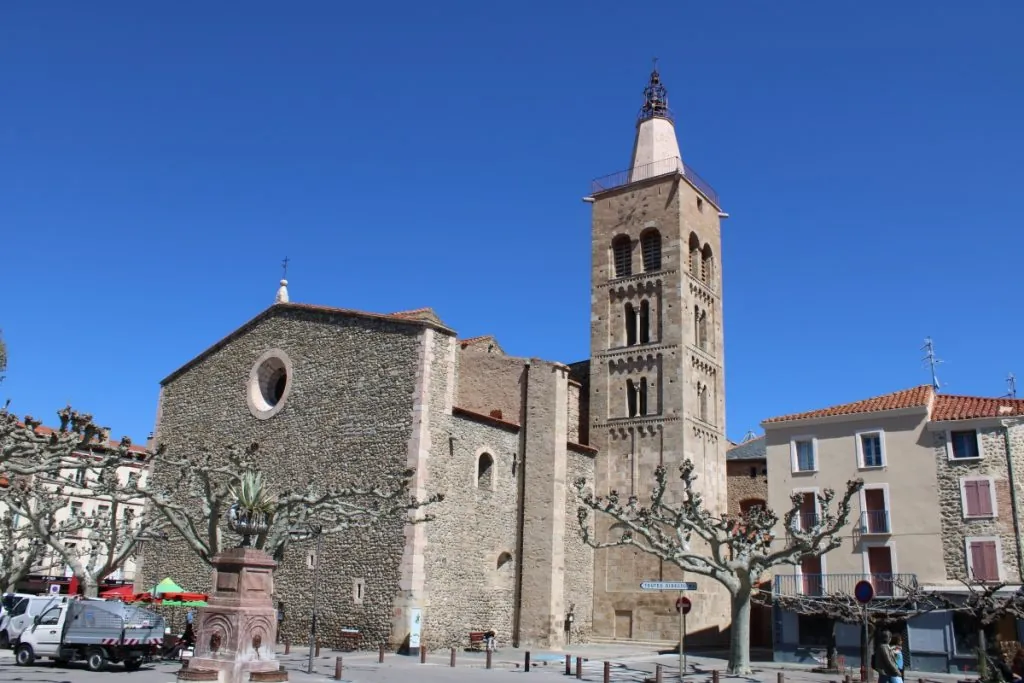
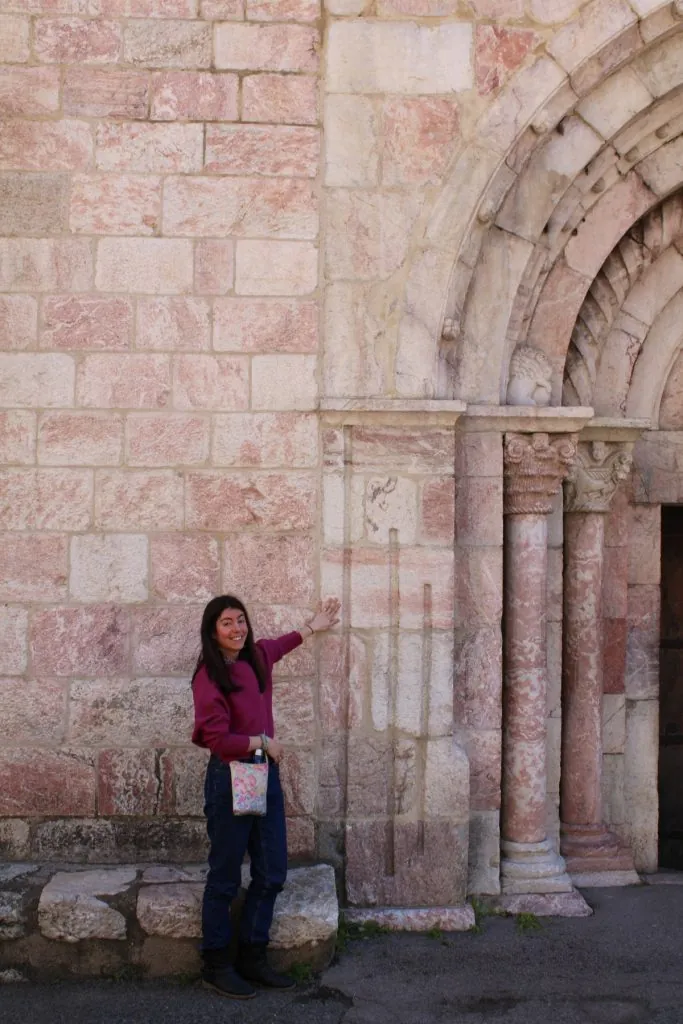
Prades is one of those beautiful and cozy little towns with stone houses that are hundreds of years old. The church is from the 12th century and has been built in several stages.
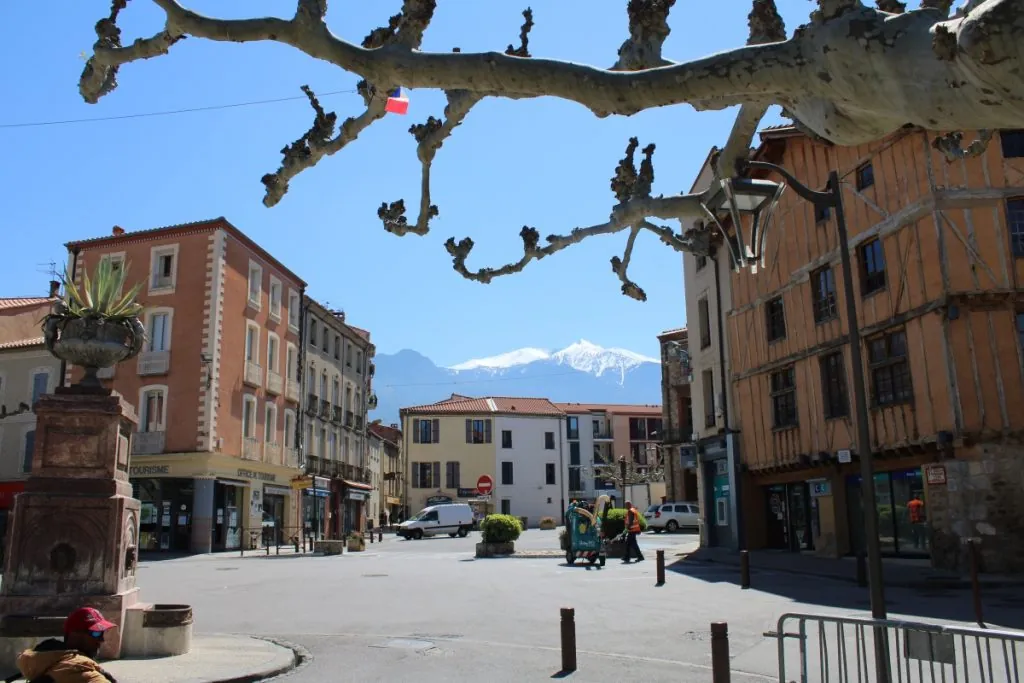
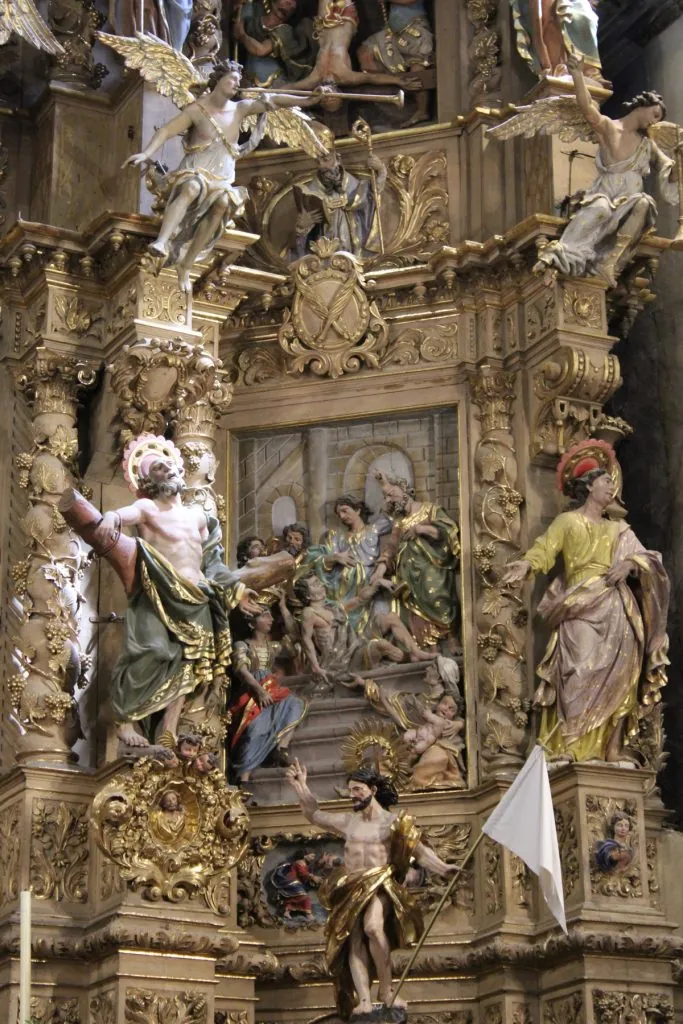
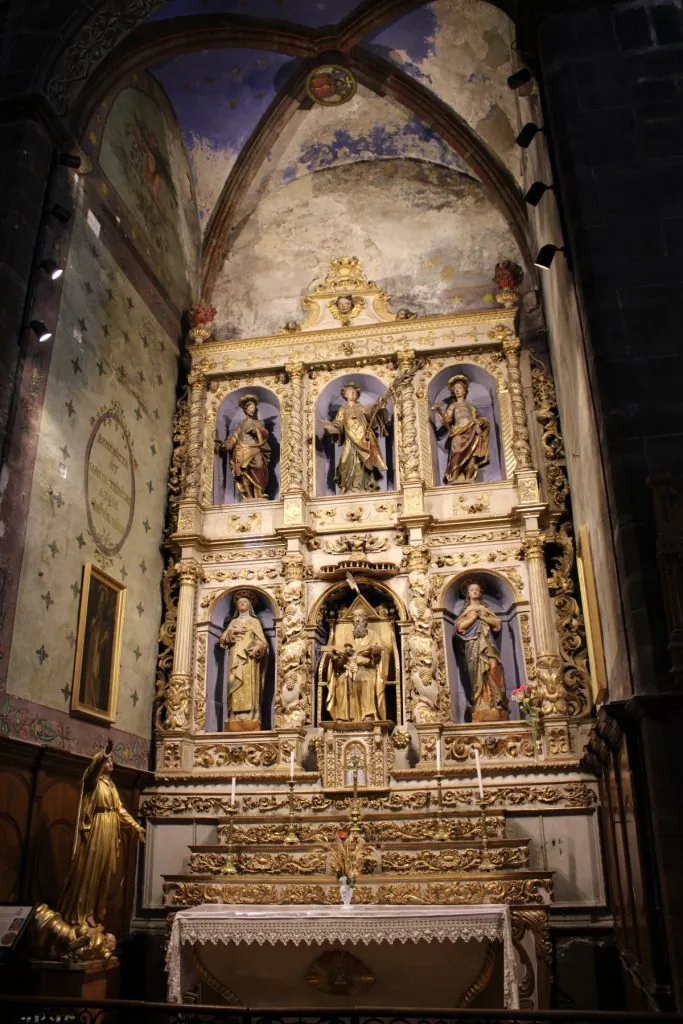
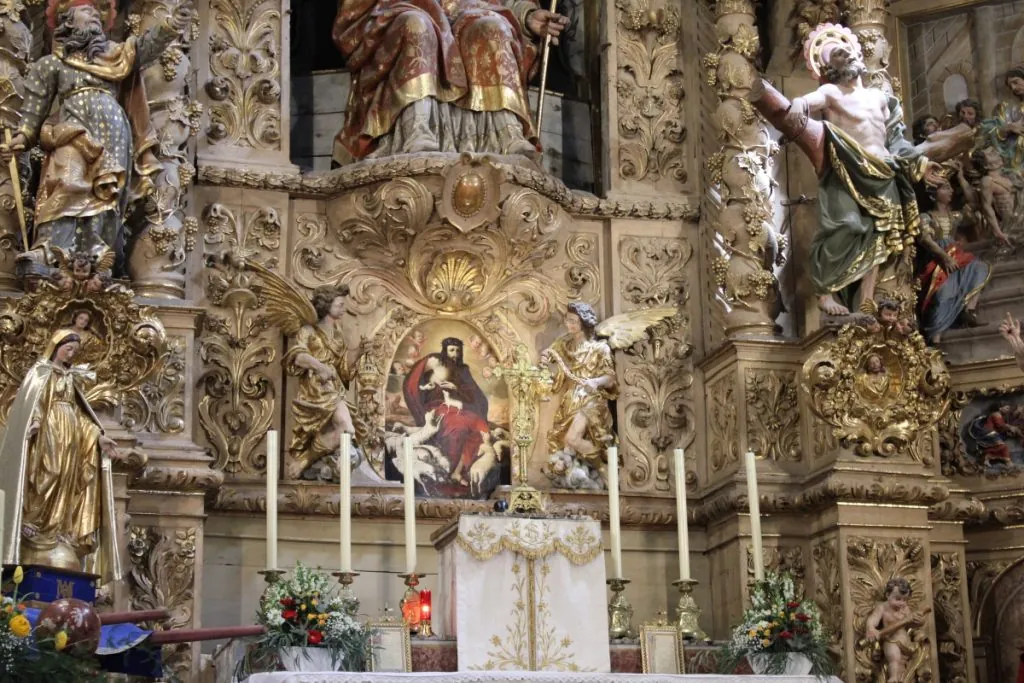
In Prades there is also a church with incredible sculptures and paintings, it is one of the most impressive churches, so don't miss it if you pass by Prades. The small town is difficult to park but there is parking outside the famous restaurant La Ferreria.
It is quite fascinating that the wood carvings were made in the late 17th century by the Spanish craftsman Joseph Sunyer. Many objects in the church also come from Spain. If you visit Prades at the end of July there is a music festival with classical music, earlier in the summer there is also a film festival.
Mount Canigou – the Sacred Mountain
If you travel here by May, you may be lucky enough to see the region's most important mountain adorned with snow. It's called Canigou but also translates to sacred mountain and is considered holy by the locals. It is visible from many miles away so wherever you go in the region you see a glimpse of it and it is very beautiful.
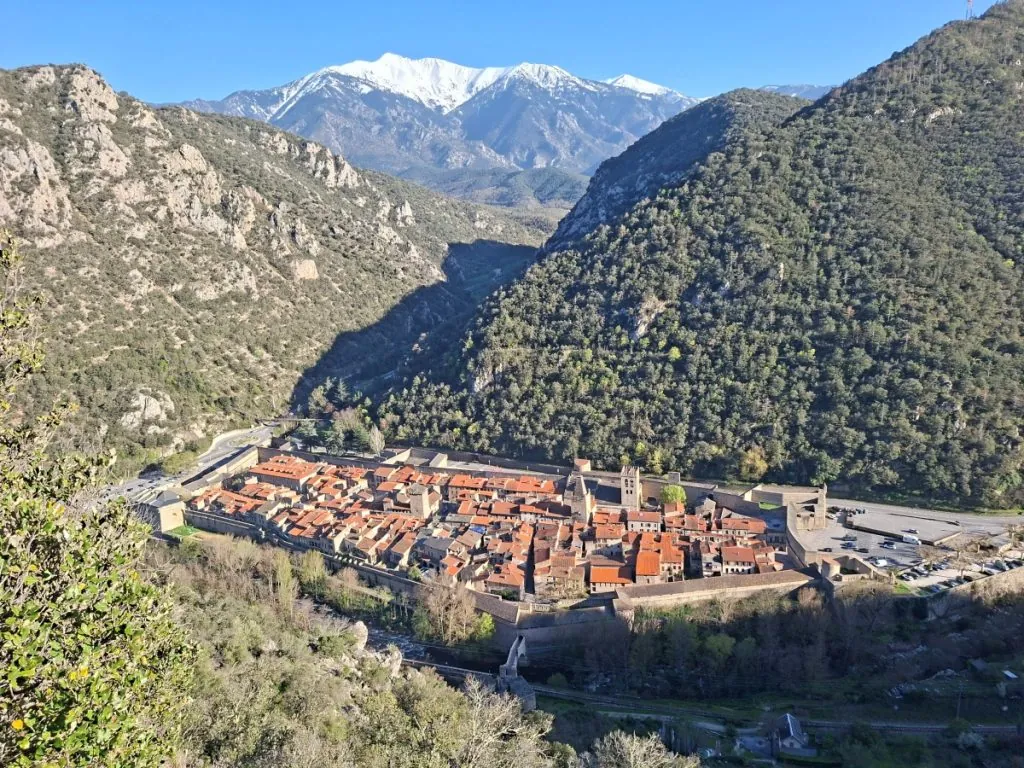
Medieval castle and inner city of Villefranche de Conflent
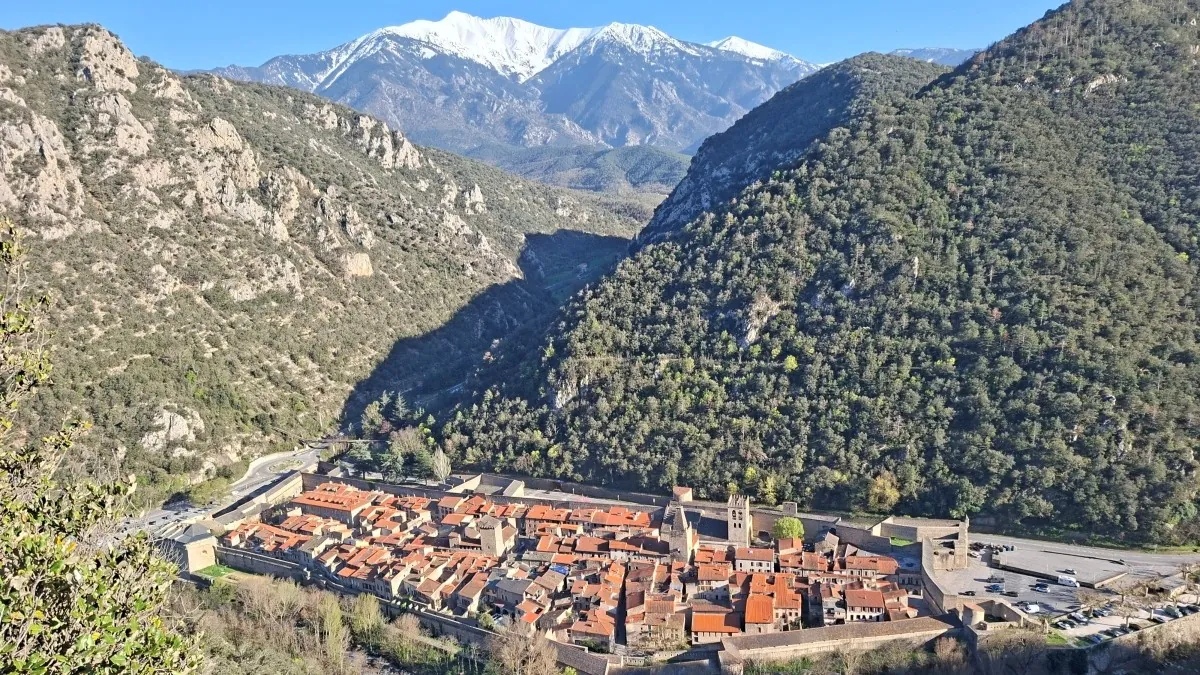
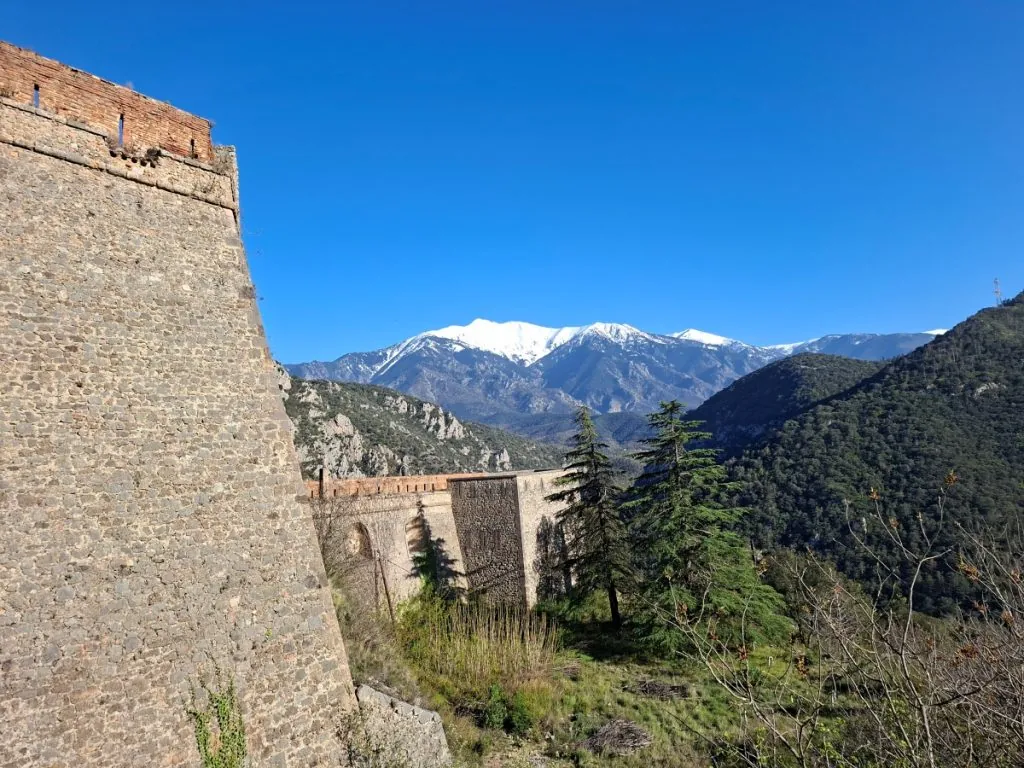
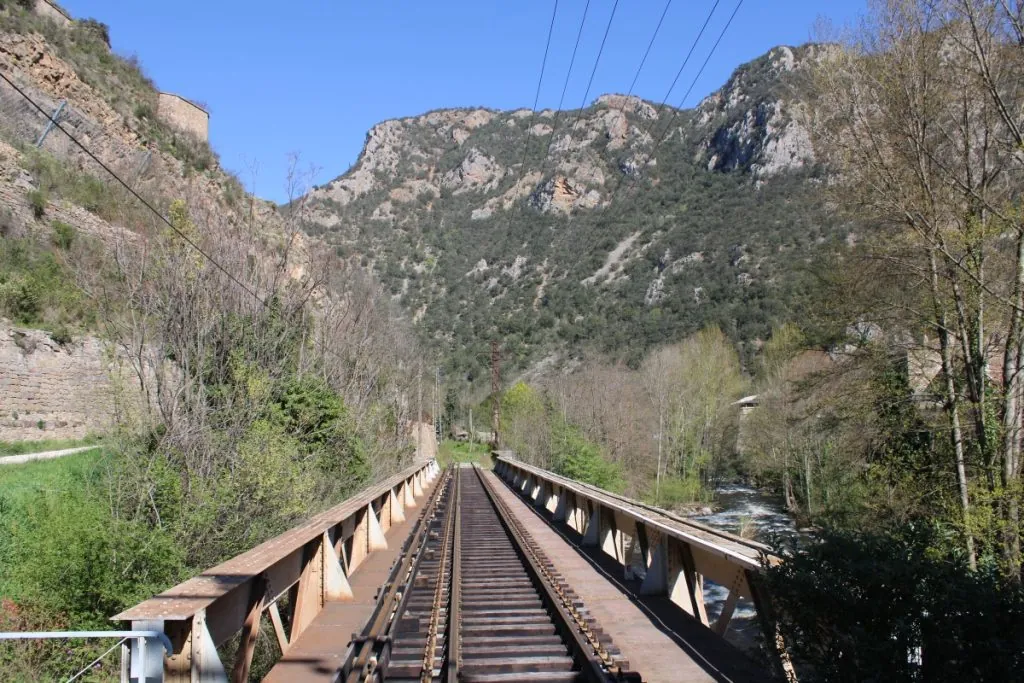
I Villefranche-de-Conflent You should stay overnight and take the time to walk up into the mountains to see the view from Fort Liberia.
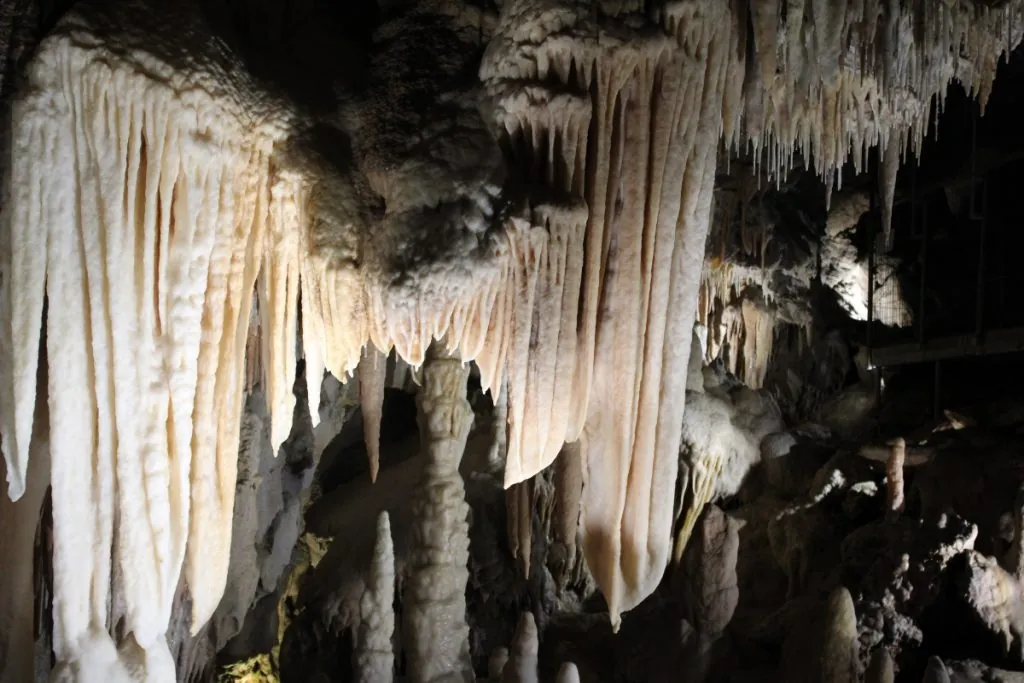
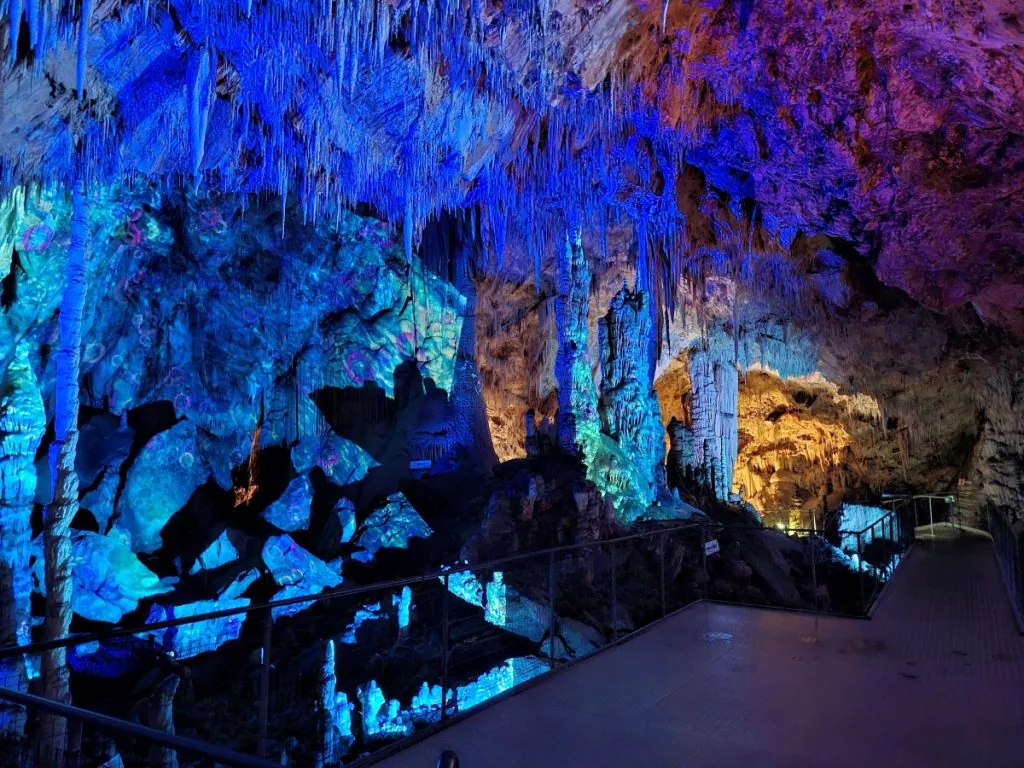
There is also a really long cave within walking distance outside the city where you can spend an hour or two. At the very end of the cave they have a sound and light show you can watch while you rest your legs after the long walk in.
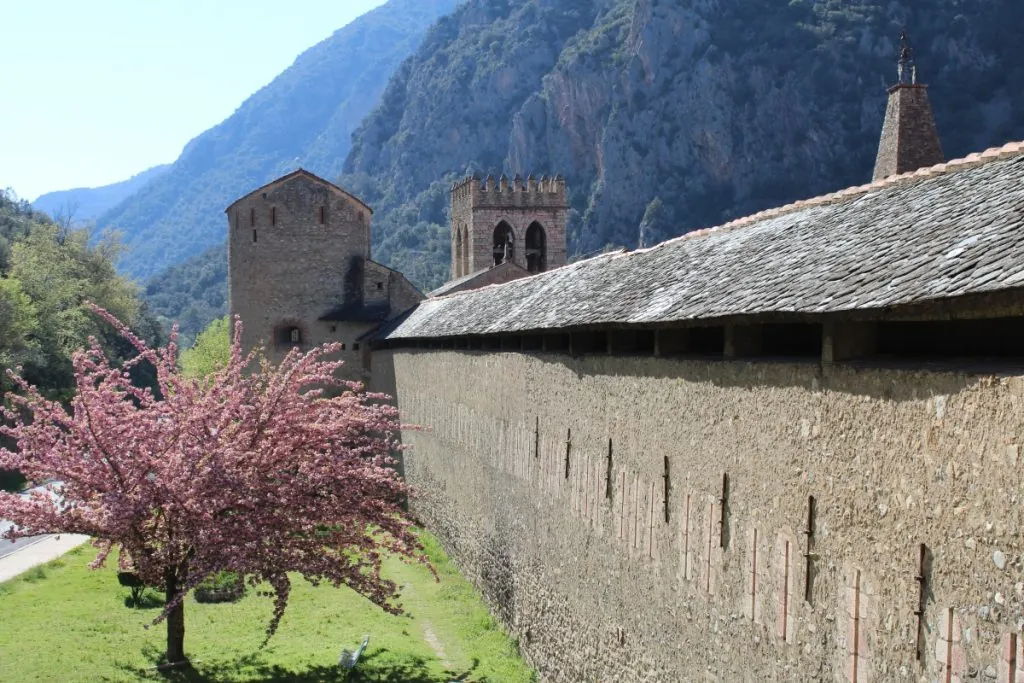
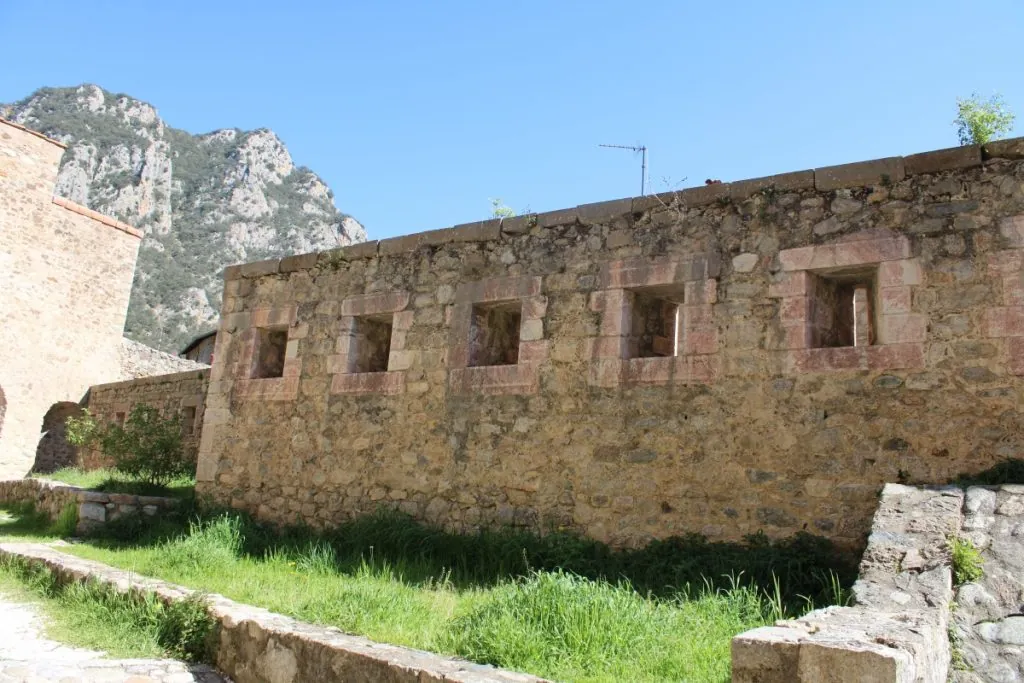
Villefranche de Conflent was an important outpost and trade route between France and Spain. The walls surrounding the small town have small holes both for viewing and for insight. The outer walls of the castle began to be built a thousand years ago and have been added to over the centuries.
For a long period, the rulers were paranoid and spent a lot of time eavesdropping and sneaking up on residents who dared to conspire against the government.
There are many nice restaurants and bars for those who are hungry, but also shops selling everything from medieval imitations and jewelry to witches, a symbol of Villefranche de Conflent.
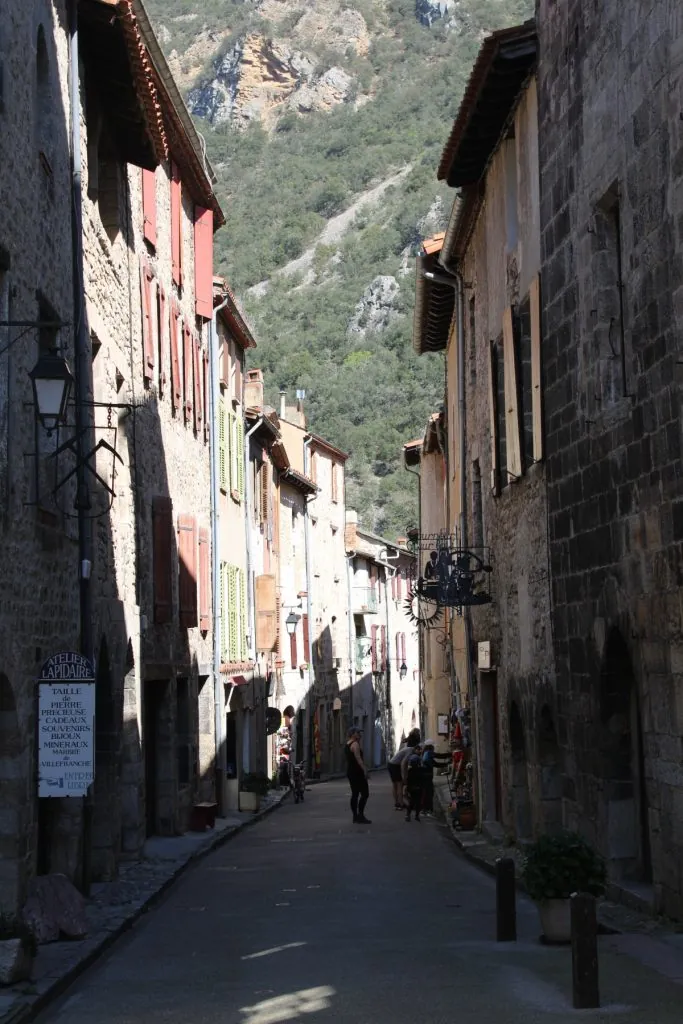
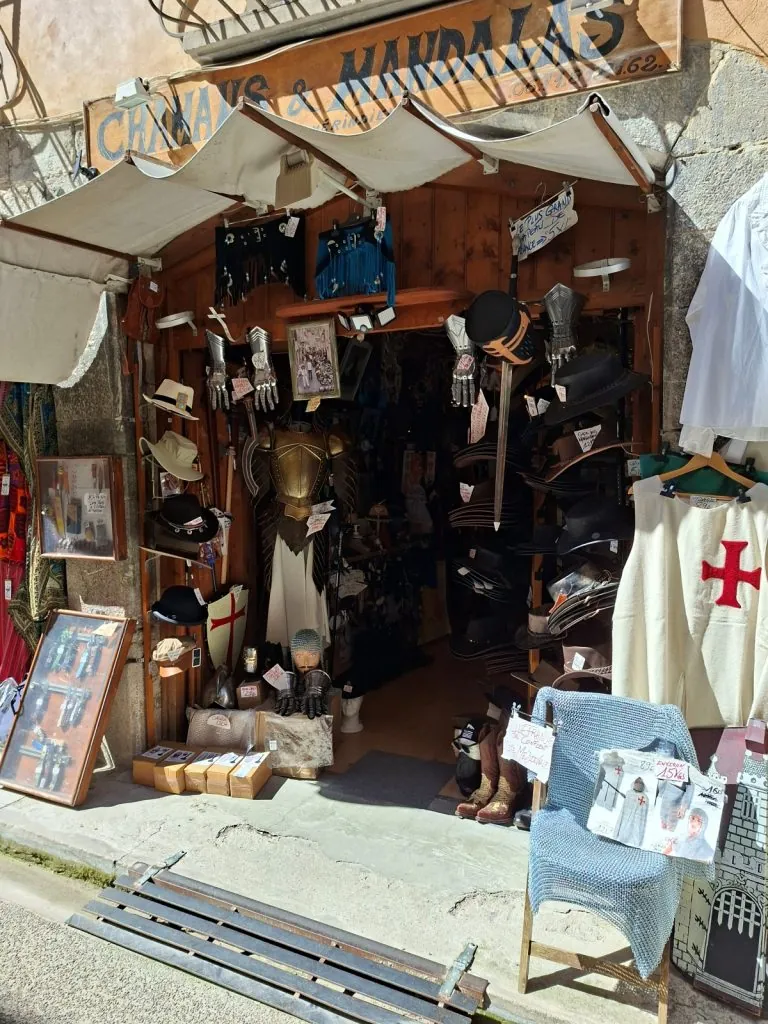
You should definitely walk up to Fort Liberia for a fantastic view. The fort was built by an engineer around 1680 who worked for Louis XIV. The view from the fort is fantastic and the visit to Villefranche de Conflent was definitely something I would do again.
Follow Jonathan here:
Jonathan Gharbi De Maré
You might also like:
 Visiting Rocamadour in France - a sacred pilgrimage site
 Visiting Chateau de Beynac in France - a historic gem
 Visiting La Romieu in France - a gem of Unesco heritage and feline legend
 Visiting La Couvertoirade in France - a fortified knightly town
 Visiting the Chauvet cave in France - with 36,000-year-old paintings
 15 things you did while travelling before your phone took over



 English (UK)
 Svenska
Mikael Bläsberg says:
Very interesting article. Both food and drink mixed with attractions, hiking and culture are included.
Very beautiful views, you really want to book a trip right away.
Is it easy to get across to the Spanish side of the border?
24 May 2026 - 16:51
Jonathan GDM says:
How nice that you like the article and the area! It's easiest near the coast. Quite winding roads through the mountains but incredibly beautiful. There is a major road between Barcelona and Montpellier that is quick to drive.
24 May 2026 - 19:58
Karolina says:
Wow so beautiful!
24 May 2026 - 18:40
Jonathan says:
Yes incredible! Ridiculously beautiful up in the mountains 🥳😍.. absolutely incredible views!
24 May 2026 - 19:58