




Writer: Co-operation partner
Switching to a life where work comes with you in your backpack rarely starts with a plane ticket. It starts with numbers, habits and some uncomfortable decisions. Anyone who wants to work from Lisbon, Chiang Mai or a cottage in Dalarna first needs to know how the income comes in, how taxes work and what a sick day costs. There should also be room for small pleasures, as free evenings can easily be more expensive than expected.
 Tweet
 Share
 Share
 Pin
 Share
 Share
Someone compares coffee shops, another searches for local football, and a third saves receipts in an app for every ice cream and bus ride. Sometimes digital entertainment ends up on the budget line, especially in hotels with rain against the window, where Norwegian gambling sites may appear as an example of something that requires fixed boundaries.
The important thing is not the location, but the rhythm. Three months of preparation is enough for many, if the plan is reasonable. The apartment should be rented out, the insurance should be read carefully, and the job should be tested remotely before the passport gets its first new stamp.
Table of contents
Calculate the actual monthly cost
A travel budget should be written with realistic numbers, not dream numbers. Rent in Porto may look low on the ad, but deposit, coworking, local transport and laundry quickly eat up the difference. A simple model is enough. Write net income at the top, deduct tax, insurance, pension, software and a buffer of at least 15 percent. The rest is the travel fund. Short. Brutal. Good.
Anyone with an assignment should expect two weak months in a row. If the plan can handle it, it will hold up better than a spreadsheet built on the best month ever. A separate card for food and local purchases also makes everyday life clearer. In Sweden, BankID and Swish work fine, but in Mexico or Vietnam, cash is often needed for small purchases. Keep them in two places.
Last come the home expenses. Supplies, mobile phone subscriptions and old subscriptions follow you across borders. Cancel them before departure, not on a shaky airport wifi at 11:40 p.m. It will save both money and your mood when the first work week begins.

Build a workday that can withstand time zones
Time zones punish carelessness. A person who has clients in Stockholm and lives in Medellín has a quiet morning, but meetings often land between 8:00 AM and 12:00 PM local time. That's perfect for some. For others, it becomes a social trap, as new friends want to have breakfast when the computer is already open.

A good setup has two fixed blocks. First, a meeting block that all colleagues know about. Then a deep work block without chats, preferably with the phone in airplane mode. Three hours is plenty when the tasks are chosen the night before.
The boss or client needs to see results, not sunsets. That's why the traveler should write a short Friday report with work delivered, obstacles and next steps. Five lines. No drama. That kind of habit makes the distance less mysterious and reduces the risk of quick check-ups.

Choose places according to internet and everyday life
The beach sells the dream. The router makes the week. Before someone books a month in Split or Da Nang, the accommodation should show a recent speed test, preferably with both download and upload. Video calls require stability, not just high peaks. Also ask about the backup plan. Is there a coworking space within fifteen minutes? Does the café have power outlets, or just fancy lights?
Everyday life weighs more than the view after day ten. A grocery store close to home saves time. A gym with a weekly pass helps the body after long sitting sessions. The washing machine in the house sounds boring, until three shirts are damp and the next client meeting starts in an hour.
The smart traveler tests new cities with ten nights first. If the place feels right, the stay can be extended. If it feels wrong, it is possible to leave without having paid for an entire season.

Take care of the papers before the bag closes
Passports, visas and insurance are boring until something breaks. A laptop that goes missing in Berlin can stop your income in a day, so the insurance needs to cover work, not just vacations. Read the lines about electronics. Call the company and ask for a written answer.
Taxes require the same straightforward treatment. Those who keep their home, family or company in Sweden often continue to have strong connections here. In that case, it is not enough to say that life is global. An hour with a tax advisor costs less than a letter with the wrong amount and interest.
Copies are needed everywhere. Save passports, contracts, insurance policies and prescriptions in an encrypted cloud folder. Also keep a paper copy at the bottom of your bag. Old-fashioned? Yes. But when your phone dies in the passport queue, paper suddenly feels modern.

Keep relationships alive at a distance
Freedom quickly wears thin if no one knows where the person is on Tuesdays. Family and friends don't need to get every detail, but a simple rhythm helps. Sunday photo for the parents. A video call with the best friend every other week. Birthdays on the calendar with an alarm two days in advance. Little things go a long way.
Colleagues count too. Someone who never shows up in informal conversations easily becomes a name in a project system. Participate in Friday coffee sometimes, even from a hostel room. Say something human before the meeting, like the neighbor's dog barked all night. That's enough.
Romance requires extra honesty. A stay-at-home partner needs dates, plans, and answers about what traveling means for everyday life. Unclear promises are a drag. Book your next date before the current one ends, or missing someone will become a project without a manager.

Pack light but plan for mistakes
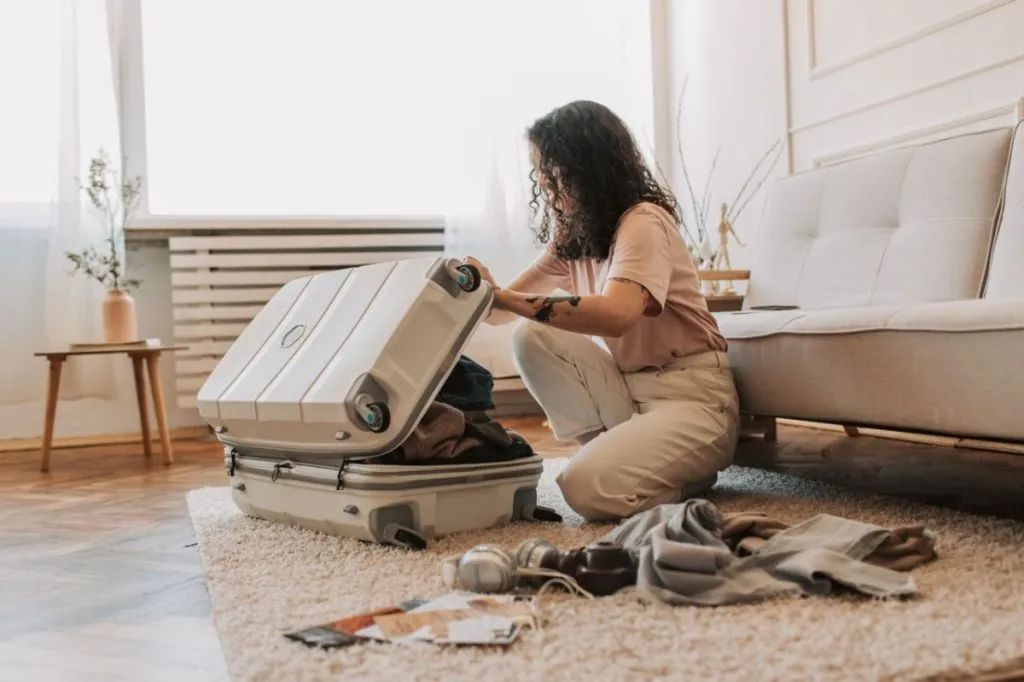
Eighteen kilos in a suitcase sounds reasonable at home, at first. After three flights of stairs in Athens, it feels tough. Most people manage with a cabin bag, a backpack and clothes for seven days. Laundry is almost always available. Your knees thank you immediately.
Technology needs more care than shirts. An extra charger, a short network cable, adapter, power bank and a pair of simple headphones will save more work days than another shirt. Your computer should have automatic backups every night. Test recovery before you leave, not after a stolen bag.
Plan B should be written, not thought out. If the internet goes down, the person goes to location X. If the card is blocked, there is card Y. If the fever comes, the nearest clinic is saved on the map. Start with a two-week trial trip in the same time zone, measure the costs honestly and adjust before the next booking. Anyone who still longs for more can add one place, not five. Book Monday accommodation with a desk, ask for a receipt in advance and let the first working day be boringly simple. Then the problems will be noticed before they become expensive, noisy or embarrassing.
You might also like:









 Plants around the world - Aunt Anna's world of flowers
 New year, new plans – where shall we travel in 2026?



 English (UK)
 Svenska