

Writer: Anna Nilsson Spets
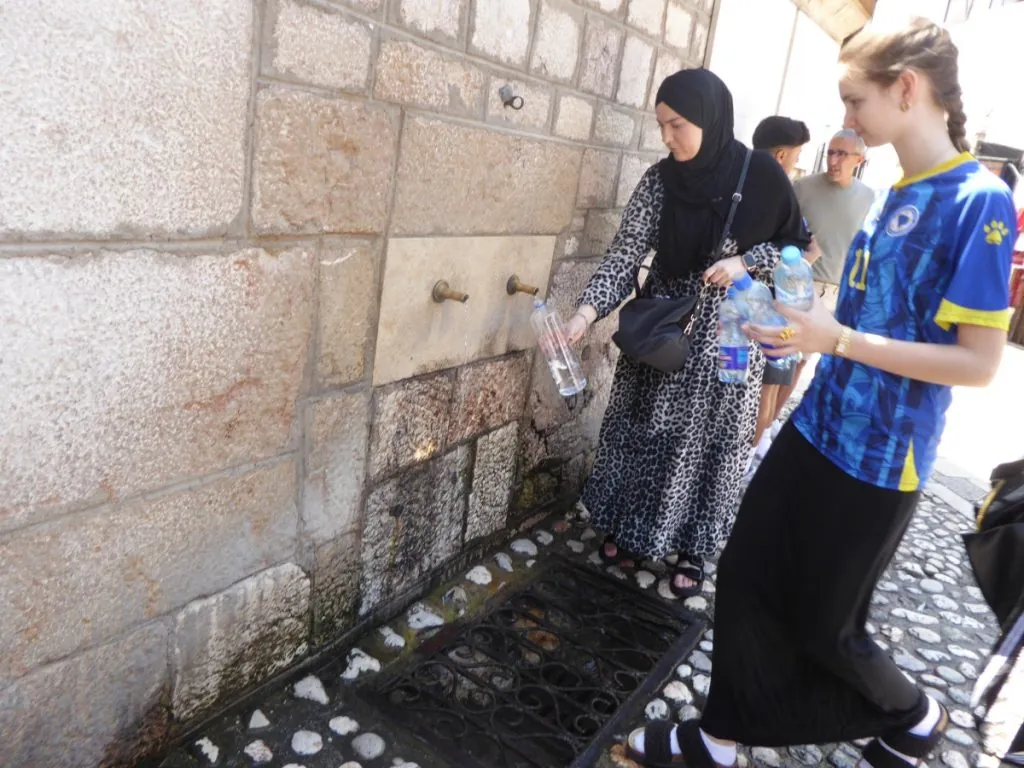
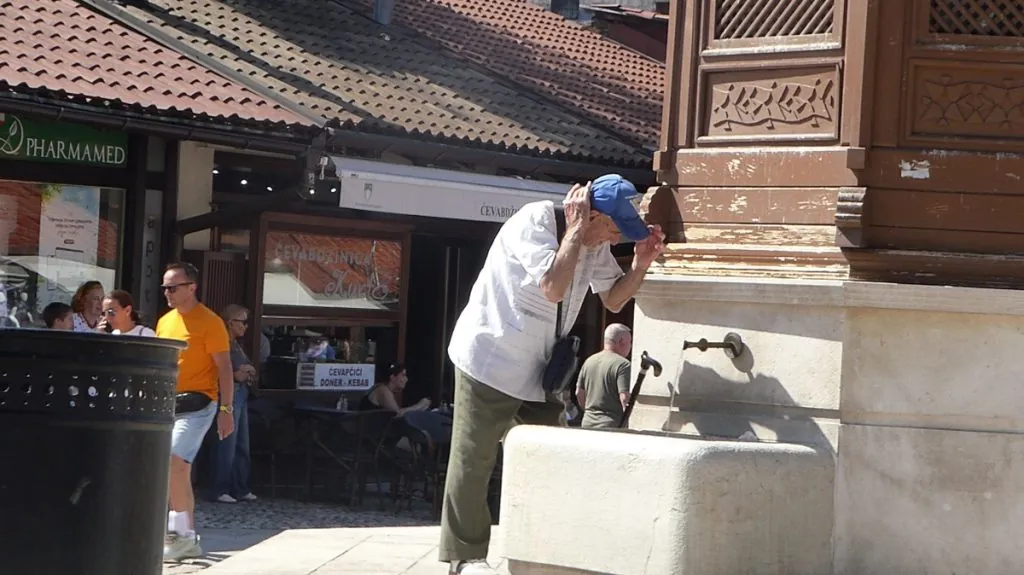
It is said that if you drink the water from the public taps found around Sarajevo, you will return, and I do, time after time.
 Tweet
Tweet Share
Share Share
Share Pin
Pin Share
Share Share
Share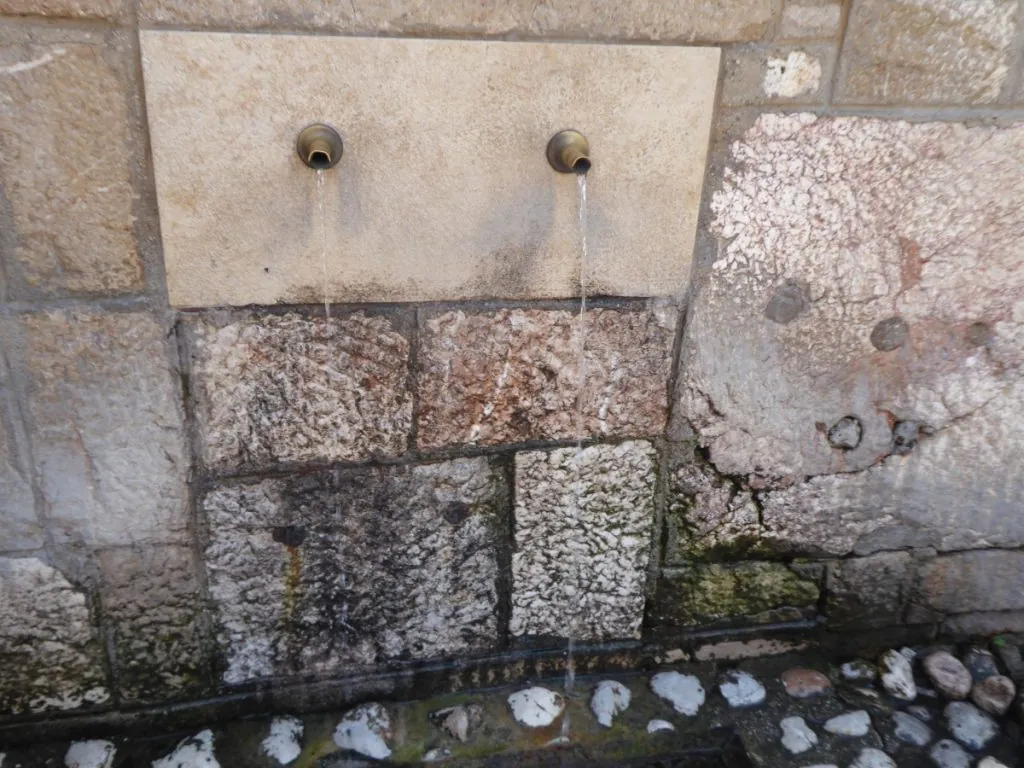
Landing in Sarajevo, Bosnia is a bit like coming home for me. During the war years in the 90s, I worked with refugee reception and many became friends and memories.
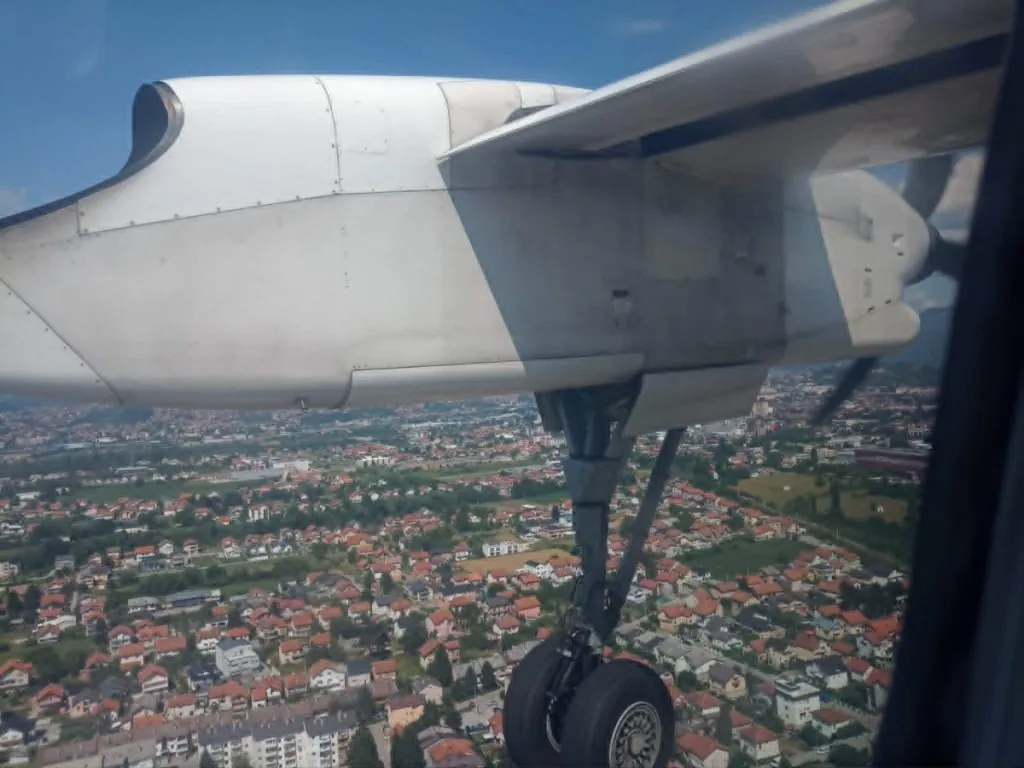
I take a taxi into town, pass the Holiday Inn which was the base from which foreign journalists reported during the war from 1992-1995. Trying to rewire my brain to speak Bosnian again, it's been a long time since I spoke it.
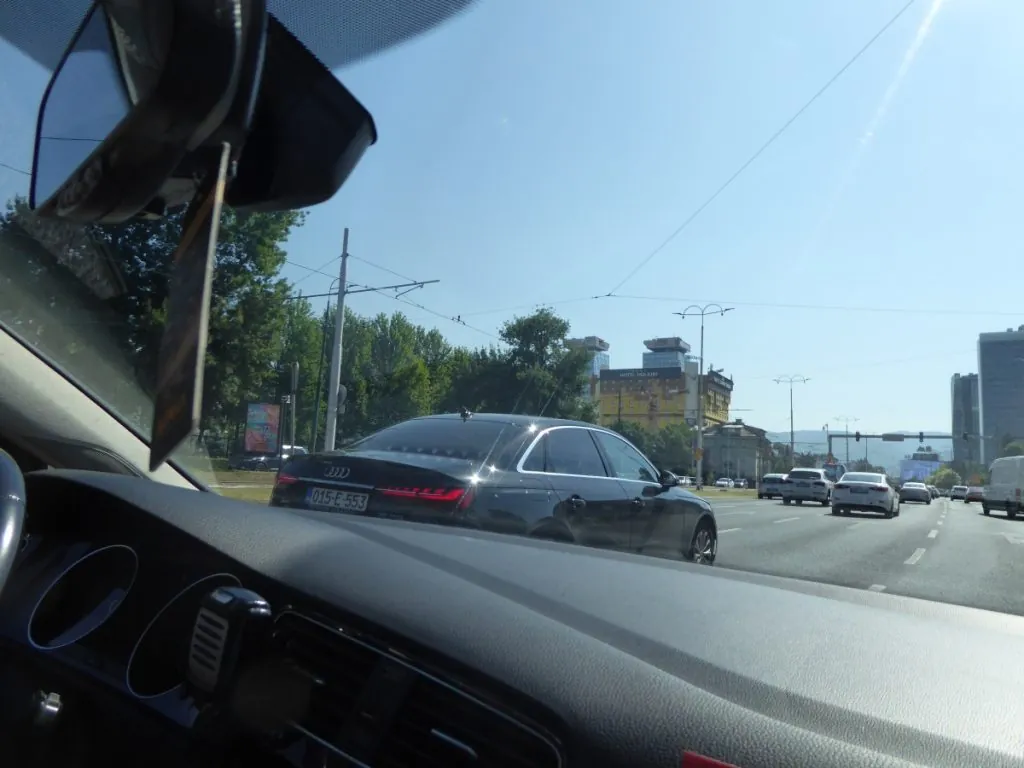
On Snipers Alley, the trams and cars roll by like in any other capital city, one flashback after another rolls over me. People who ran across the street to get water and firewood only to fall victim to the snipers' bullets. Do you remember?
A week's vacation with BOTH the children and grandchildren required some logistics, they have flown in from Stockholm and I from Brussels, we converge at one of Sarajevo's most famous landmarks; Sebilj.
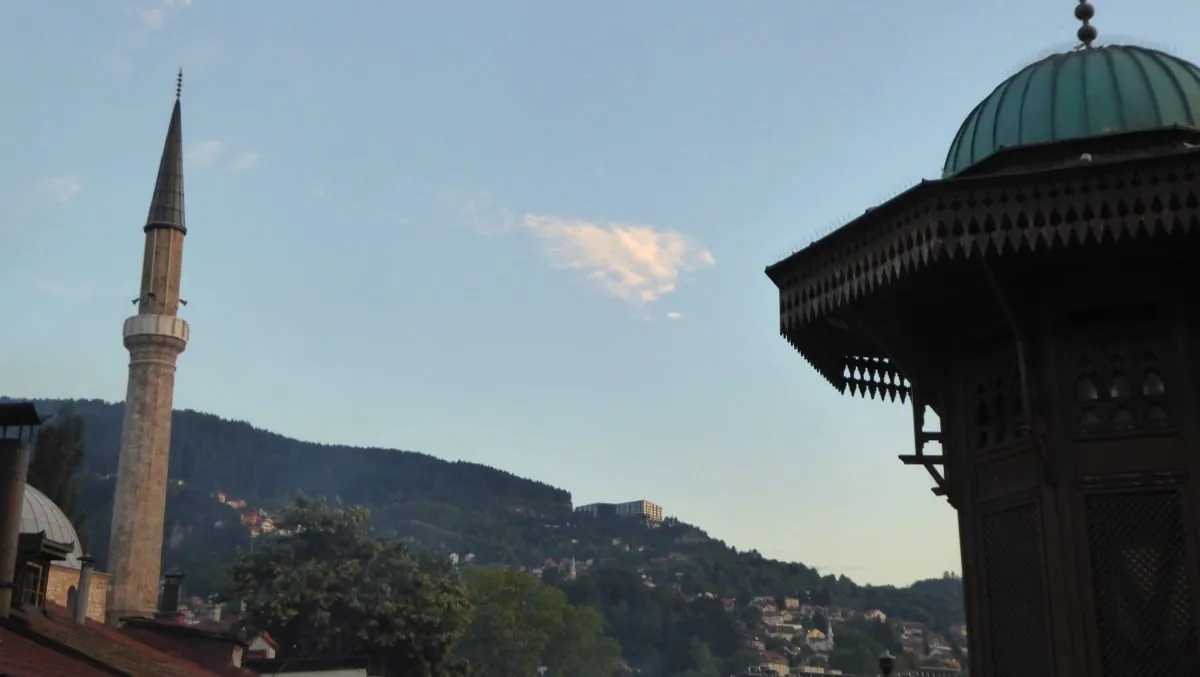
Sebilj is located in the oldest part of Sarajevo, Baščaršija. The word Sebilj is Arabic and means road and Sebilj is a water station where travelers both in the present and the past gather. The first Sebilj was built in the mid-18th century and after a fire it was replaced with the current one.
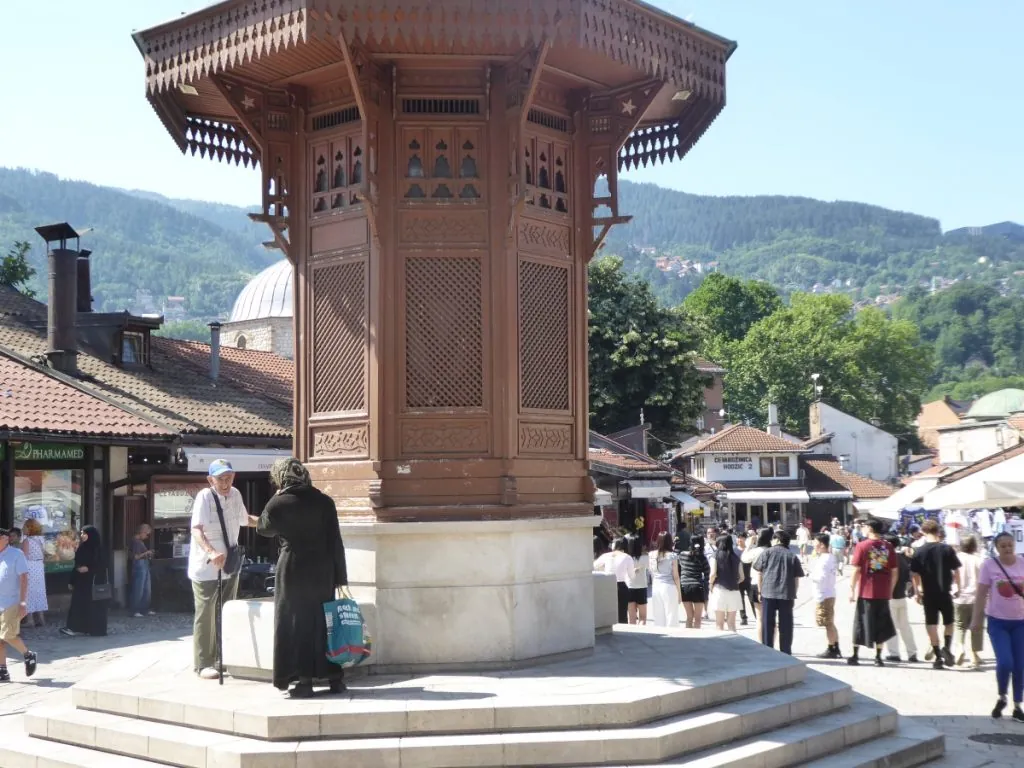
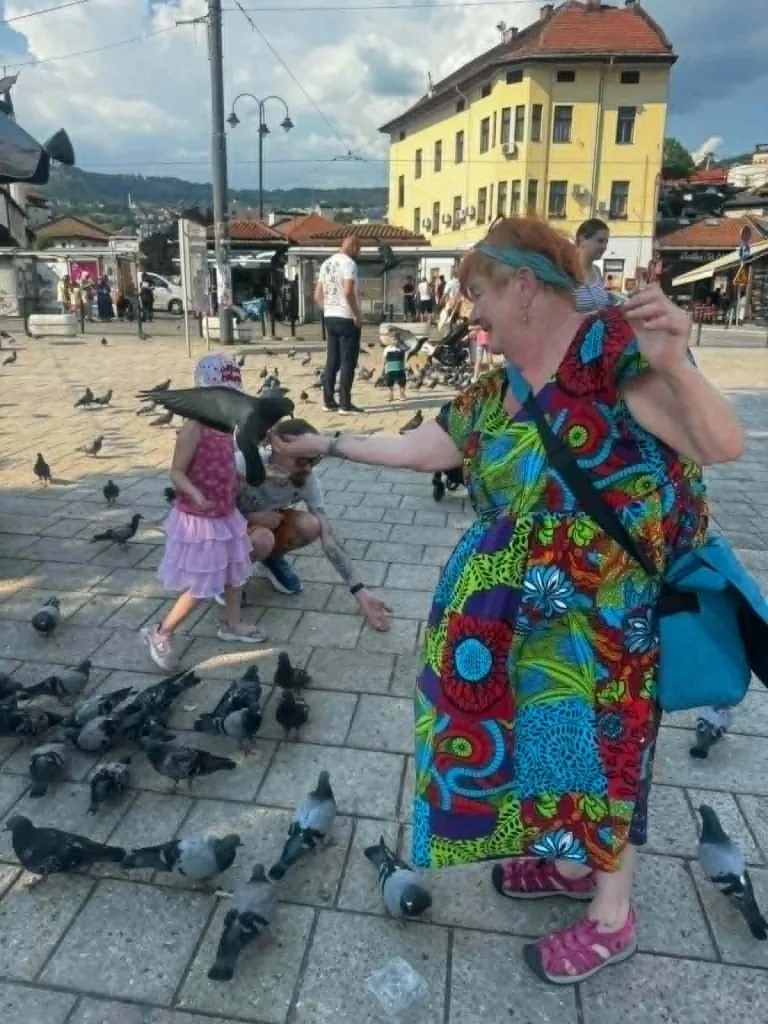
The grandchildren feed the pigeons, they say it brings good luck. And guess what, the old angry man who sells birdseed is still sitting there... Year in, year out.

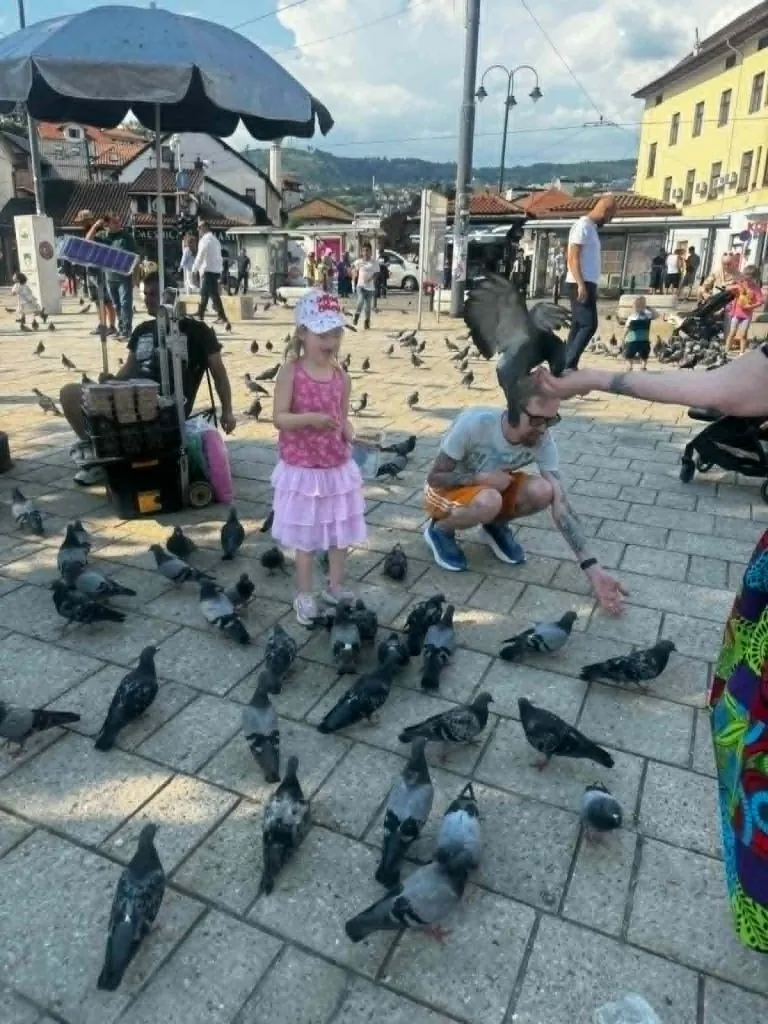
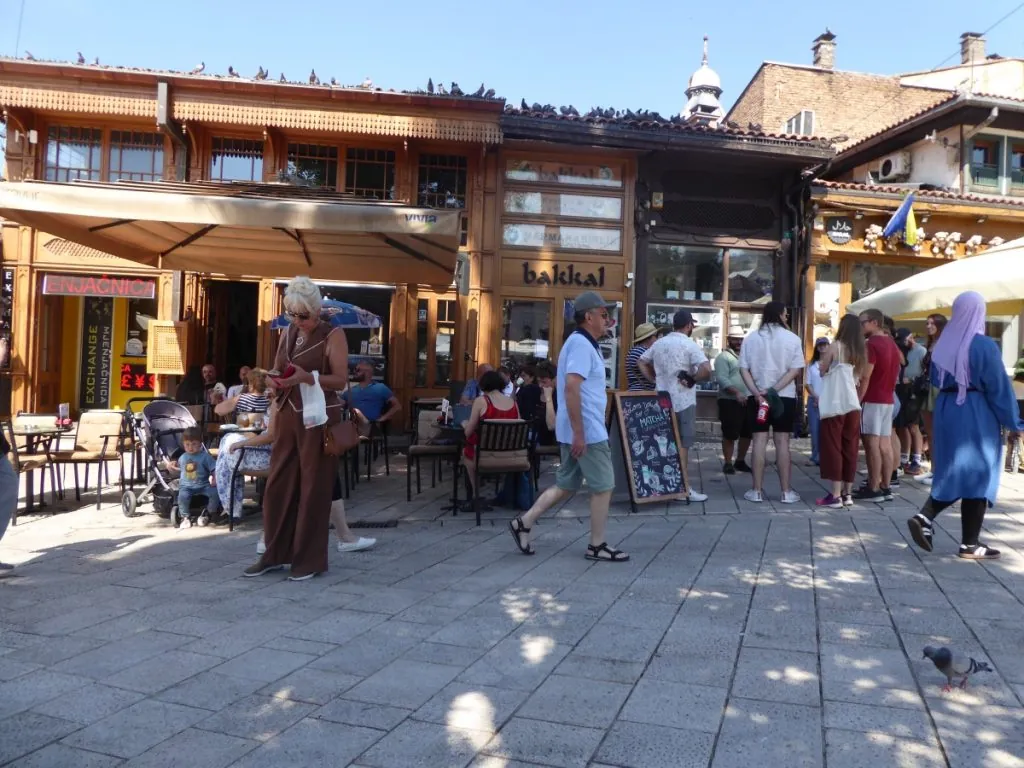
Baščaršija is a real tourist magnet, the streets are lined with cafes and restaurants, shops and ice cream stands.
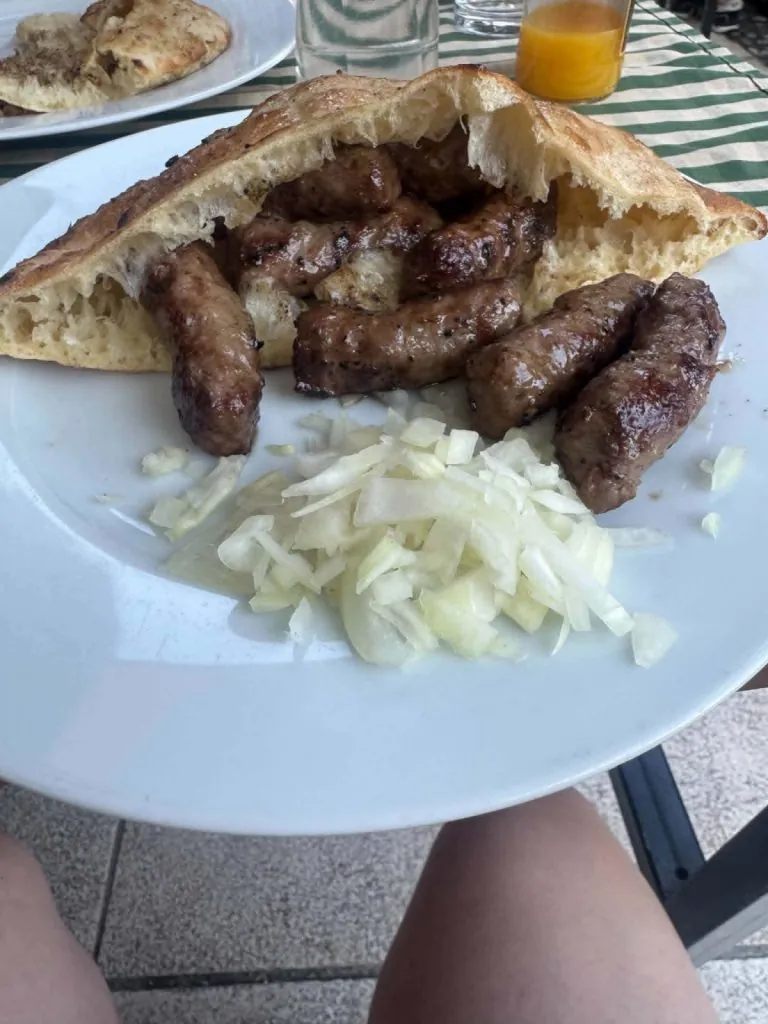
We find a place to eat and start our week with something typical Bosnian; cevap. Cevap is made with minced beef or lamb, eaten with bread (ljepina) and some chopped onion. It's accompanied by ajvar (pepper paste) and kajmak. Kajmak is a bit like creme fraiche.

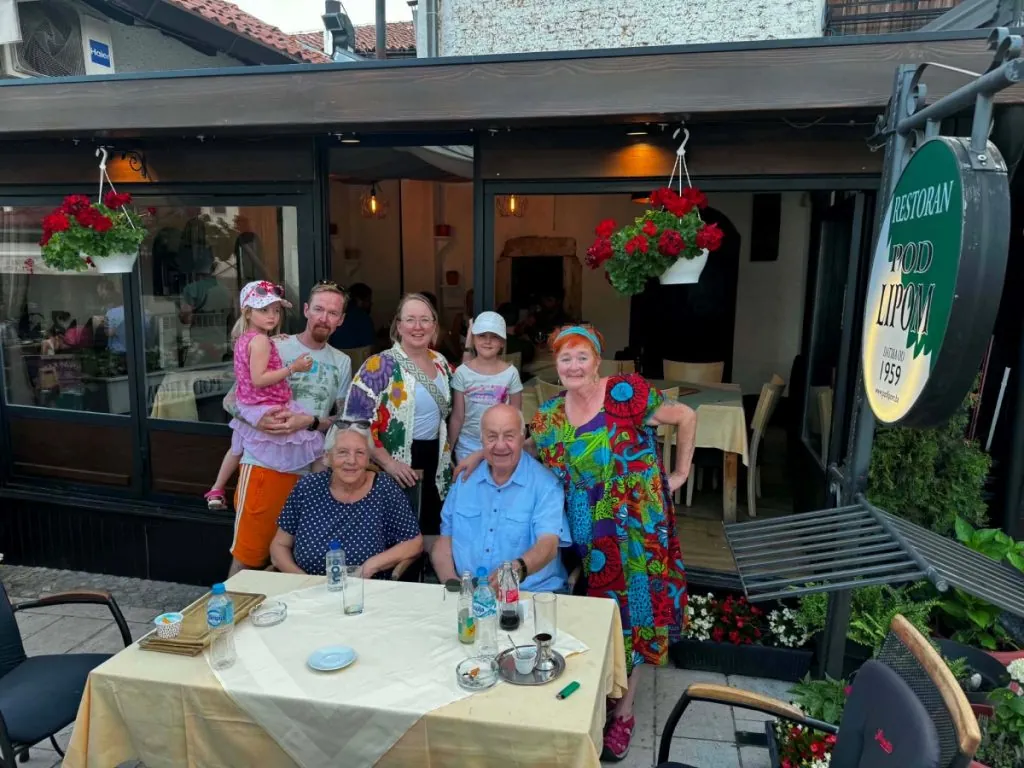
A fond reunion will be with Esad and his wife Visnja. I have known Esad for more than 30 years, he worked as an interpreter in Sweden.
We check in at the super nice little hotel Pigeon Square and when the grandchildren have crawled into bed, I sneak out and sit by Sebilj and enjoy the dusk, the call to prayer from the minaret and the best coffee in the world.
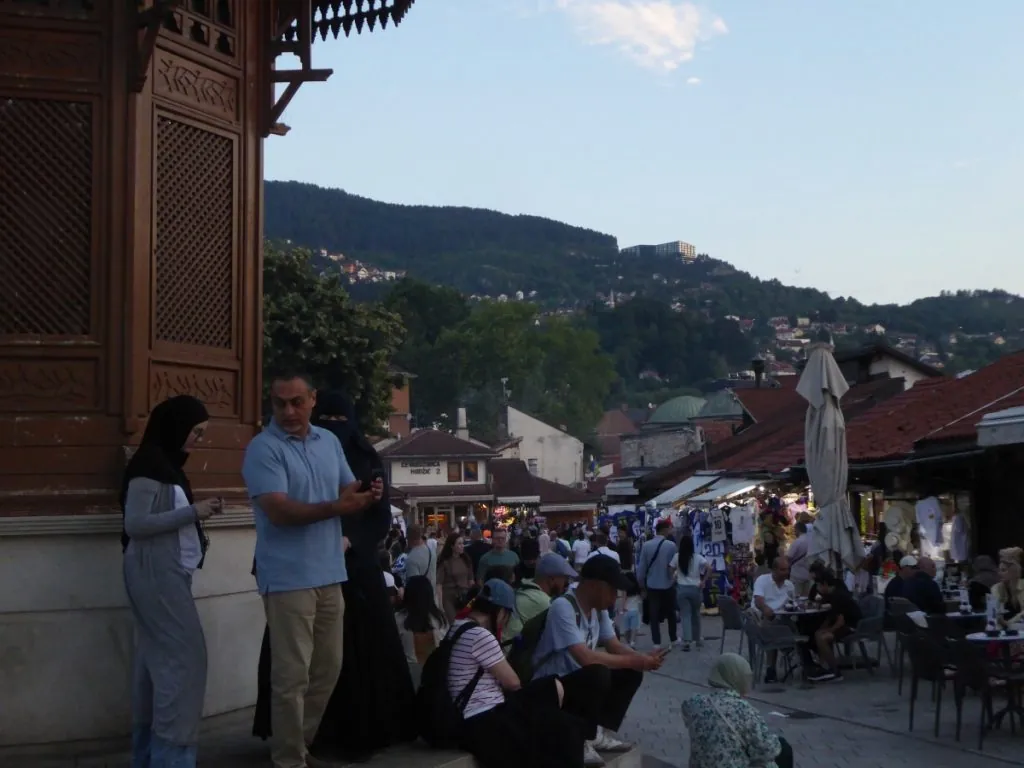
Sarajevo has so much to offer, a city where East meets West.
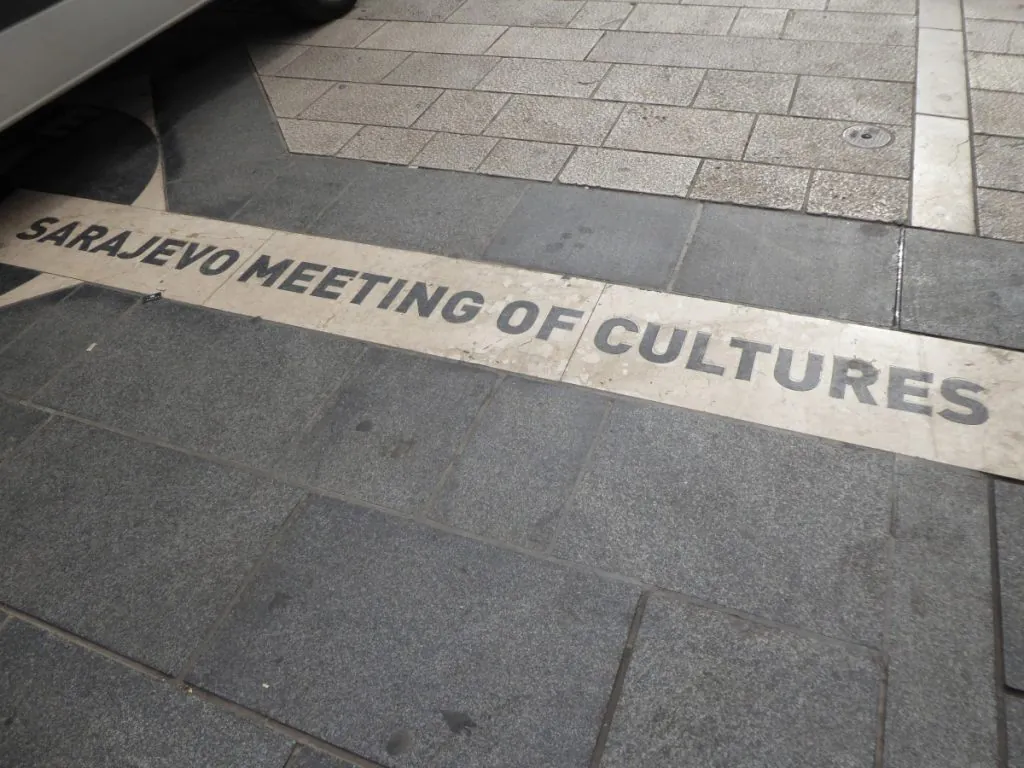
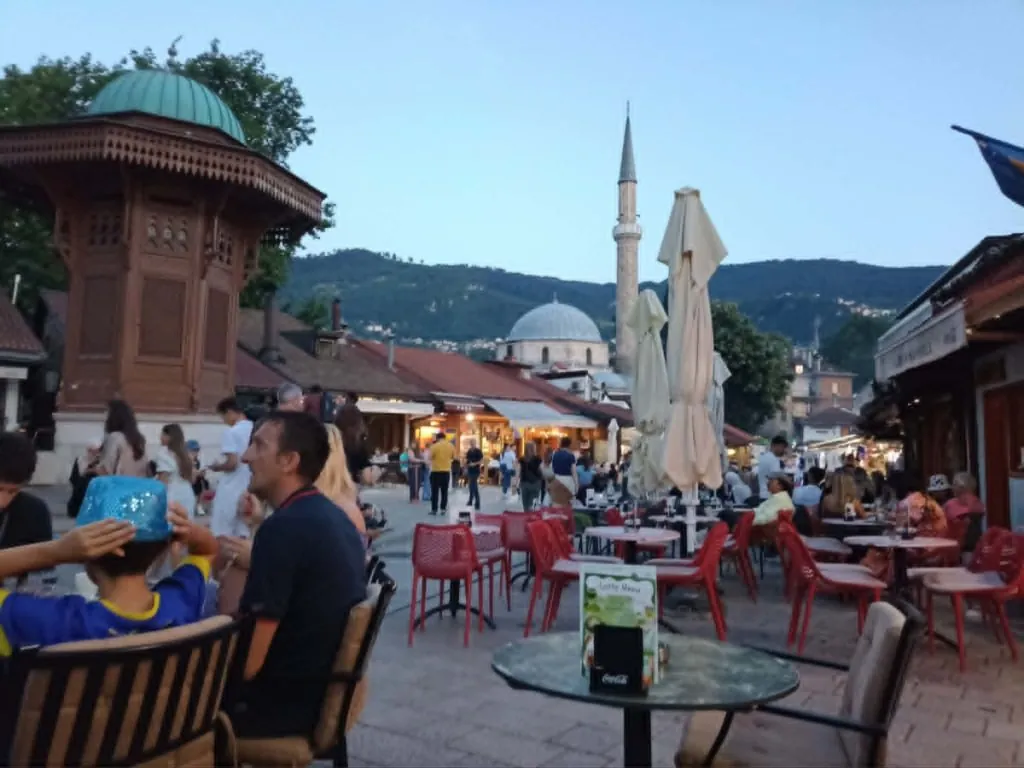
The older part of the city breathes the Orient while the newer parts are more European.
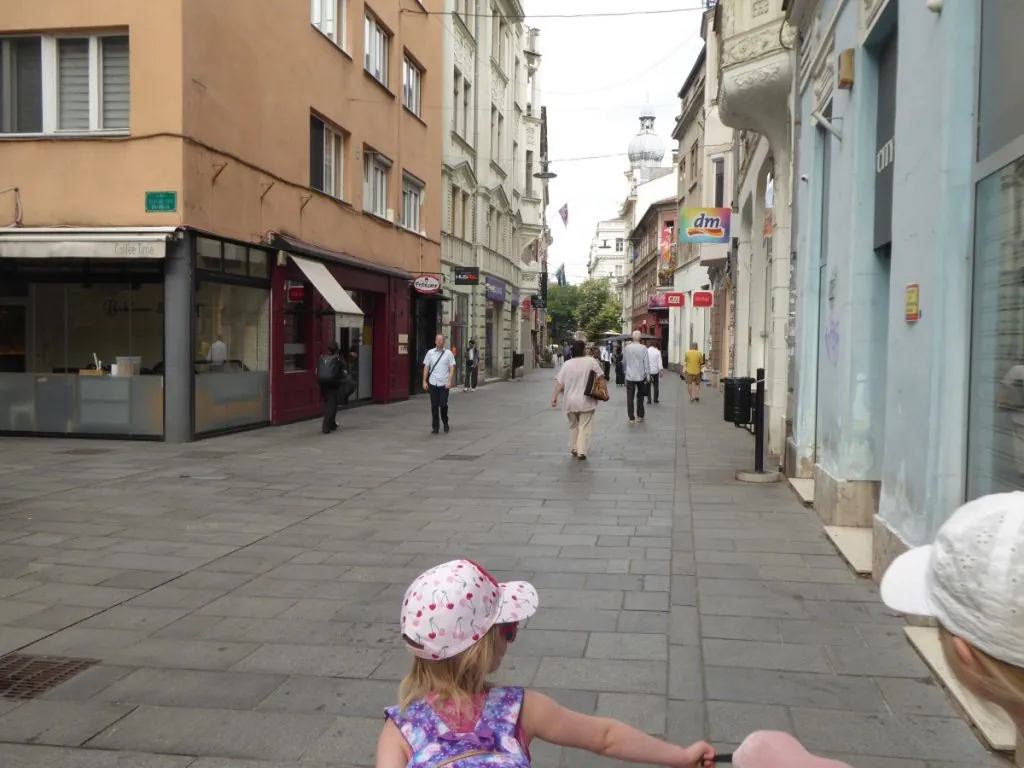
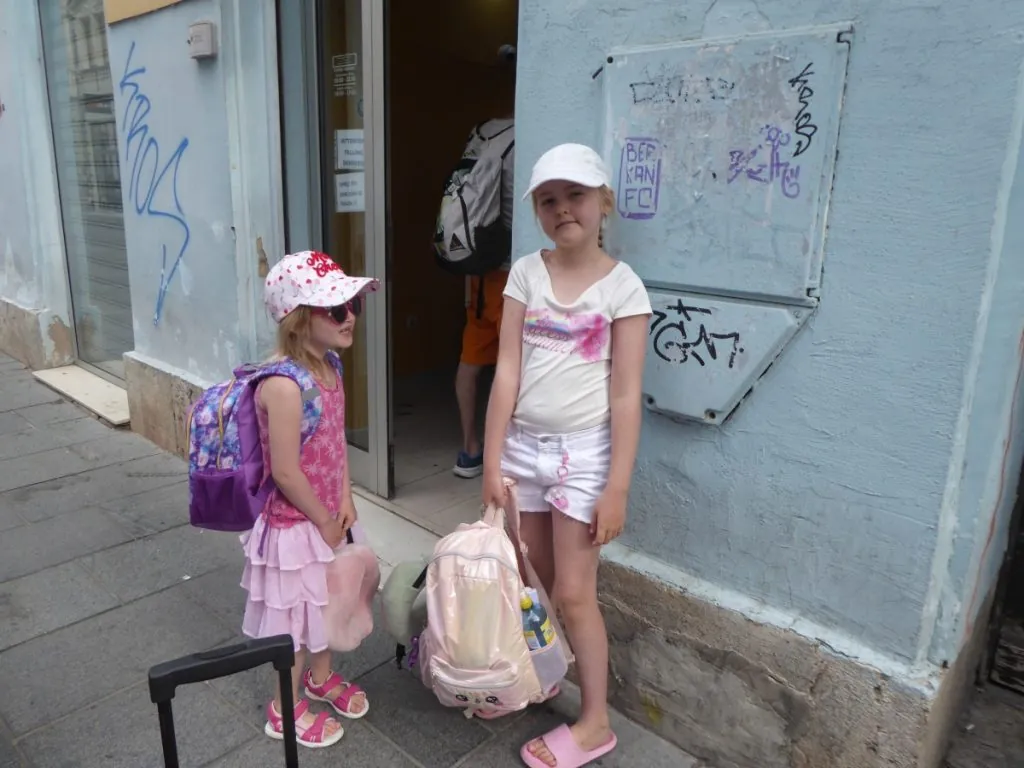
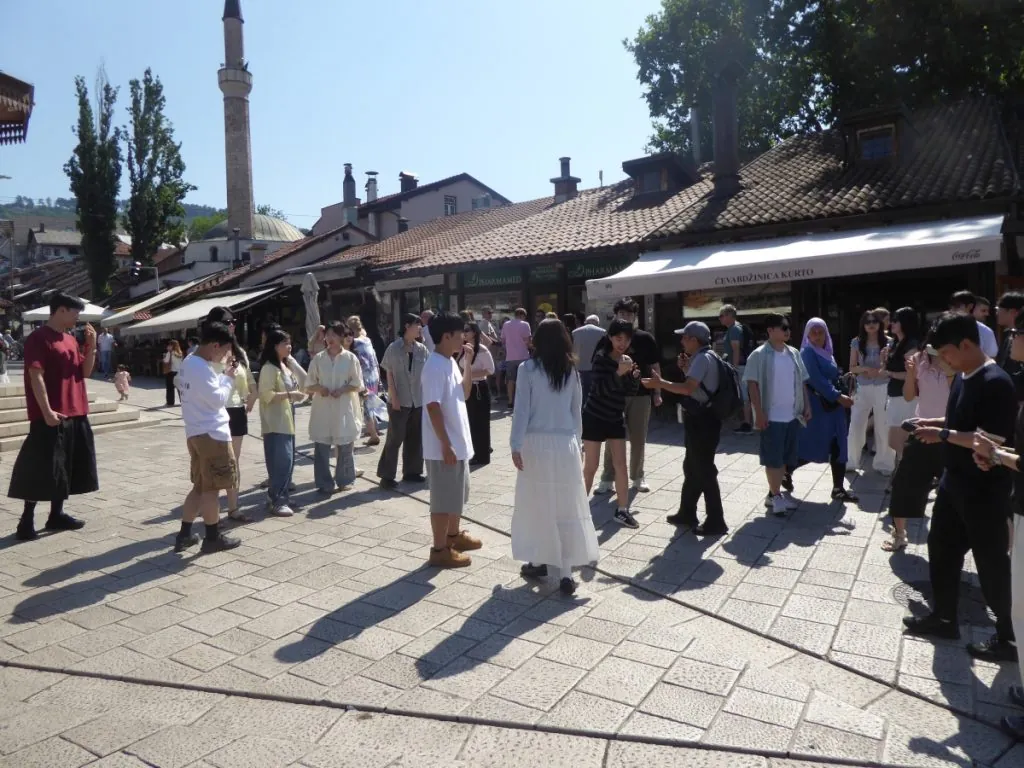
And yes, there are lots of tourists.
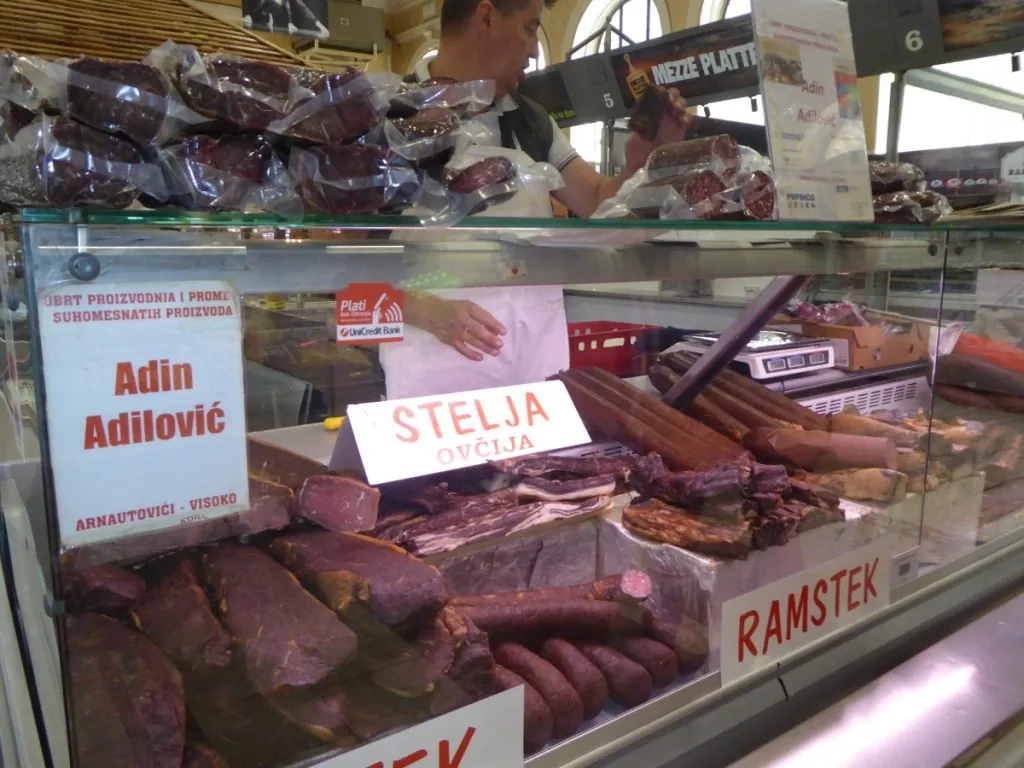
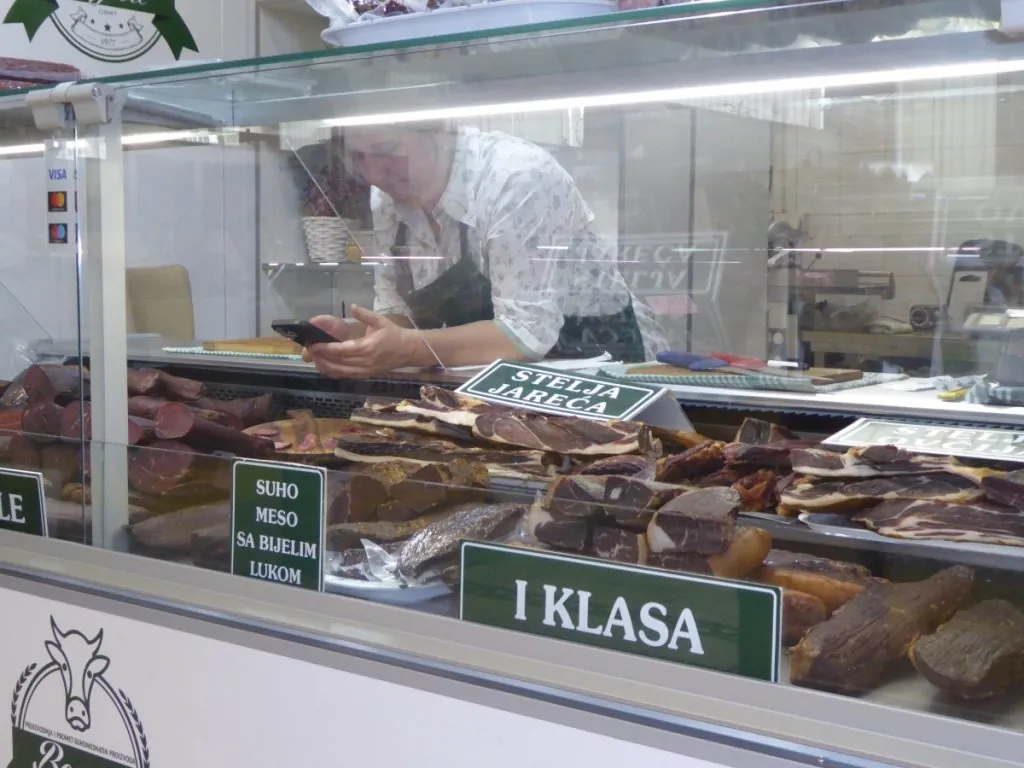
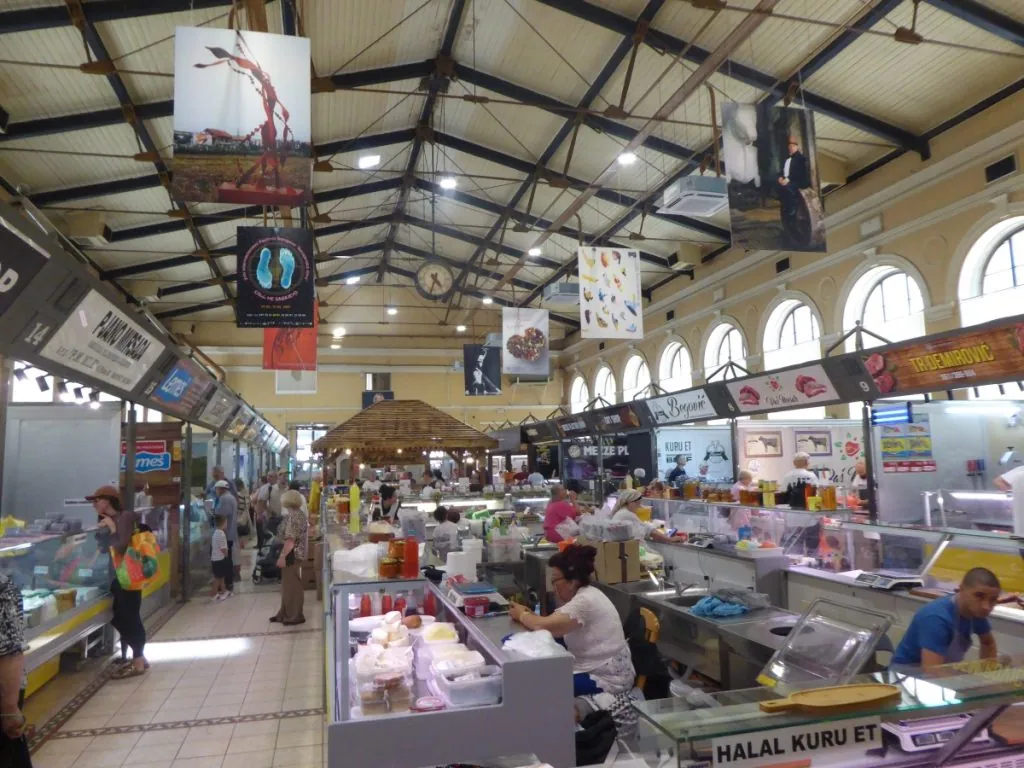
I sneak into a market hall and sniff around among sausages and dried ham, Bosnian specialties.
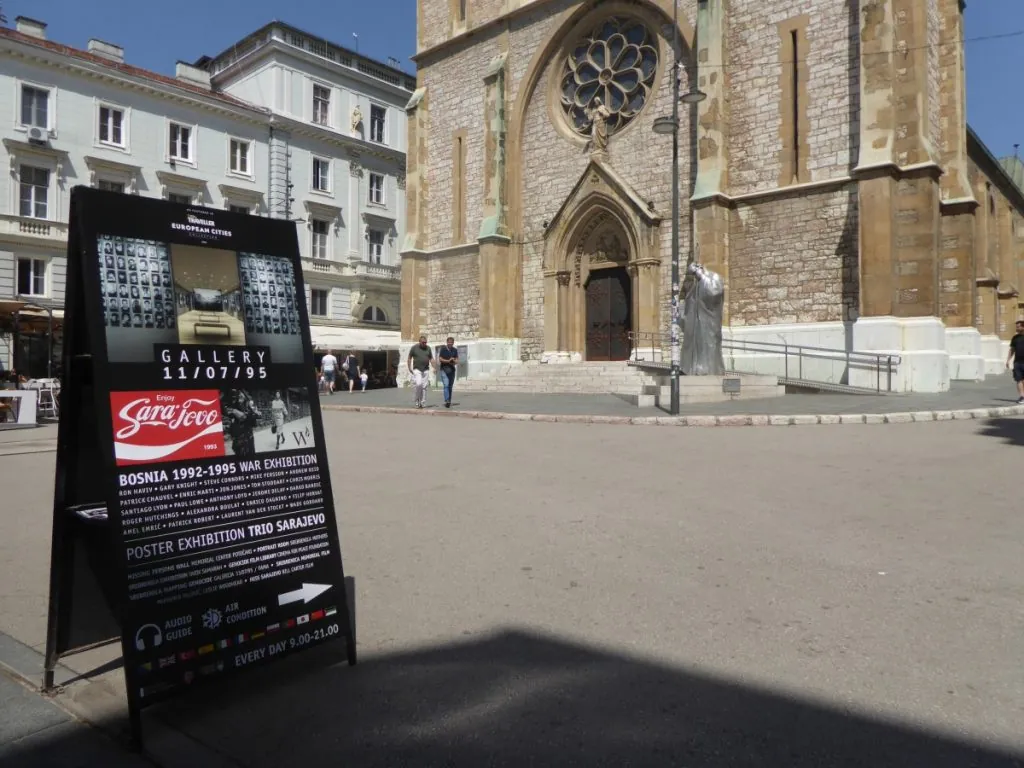
There are many galleries and museums to visit, I have already been to most of them during previous visits but can highly recommend the Children's Museum and Gallery 11/07/1995.
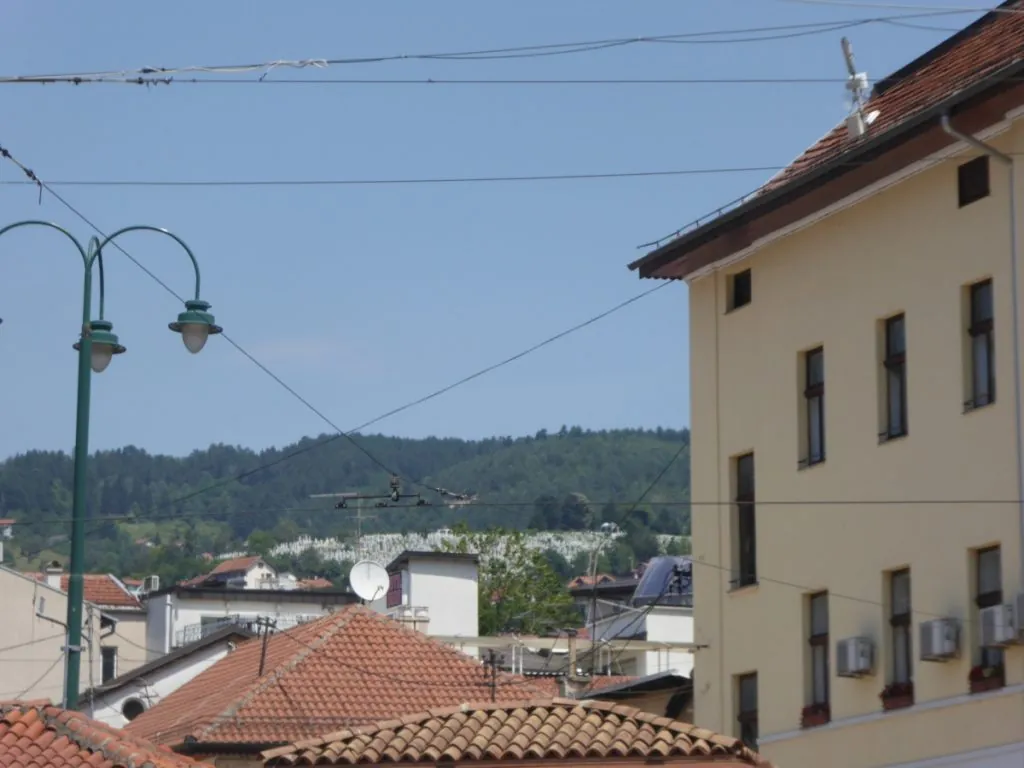
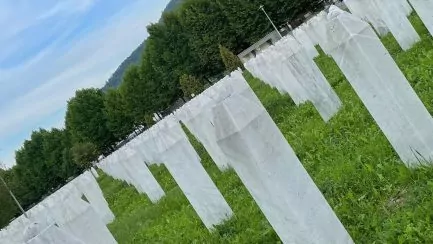
War tourism, of course, the war in Bosnia is part of the city's contemporary history. There are still shell holes in the walls of the houses and on the hills above the city lie thousands of victims, row upon row.
Gazi Husrev-begova, one of the city's mosques, is beautiful both inside and out.
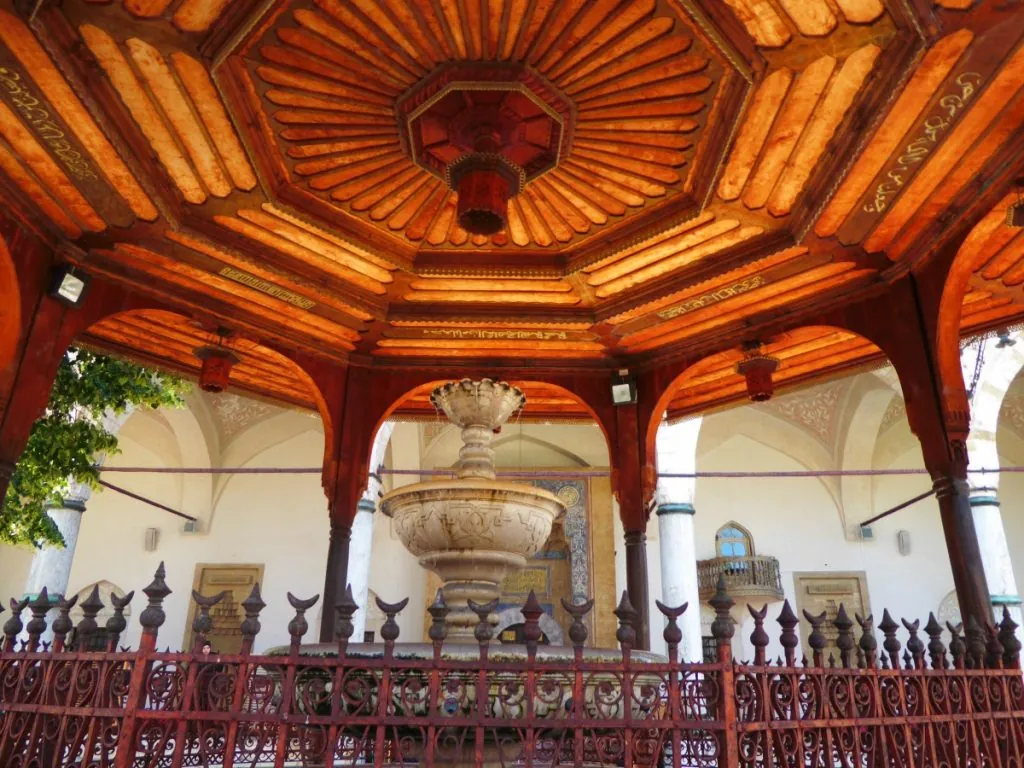
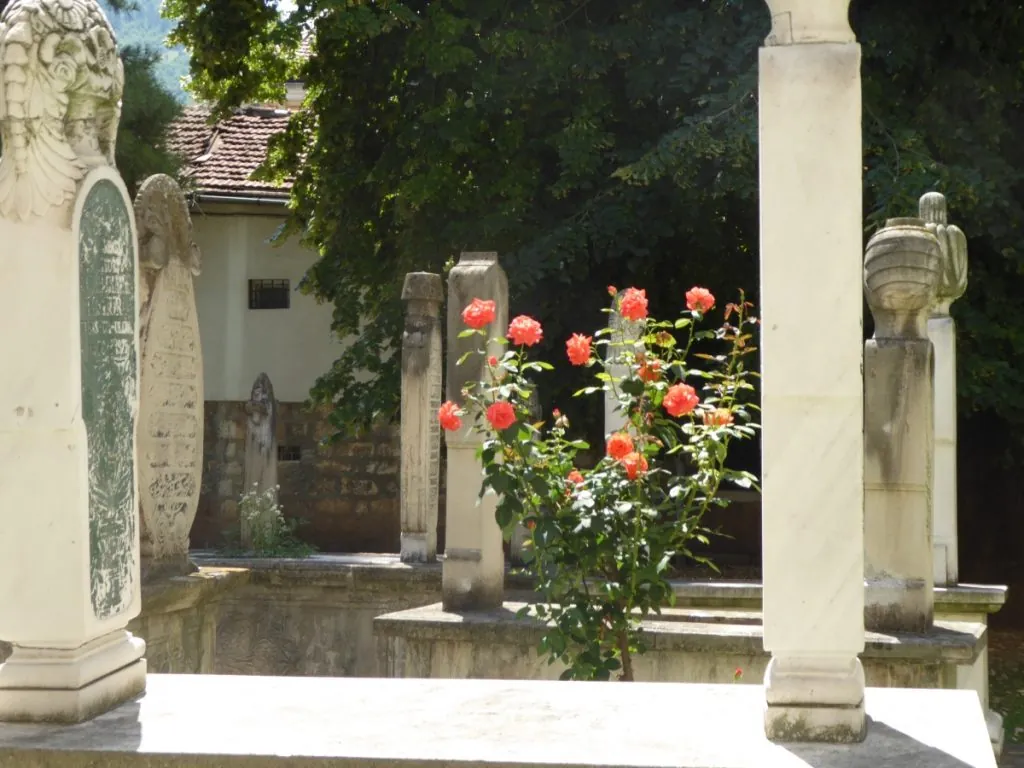
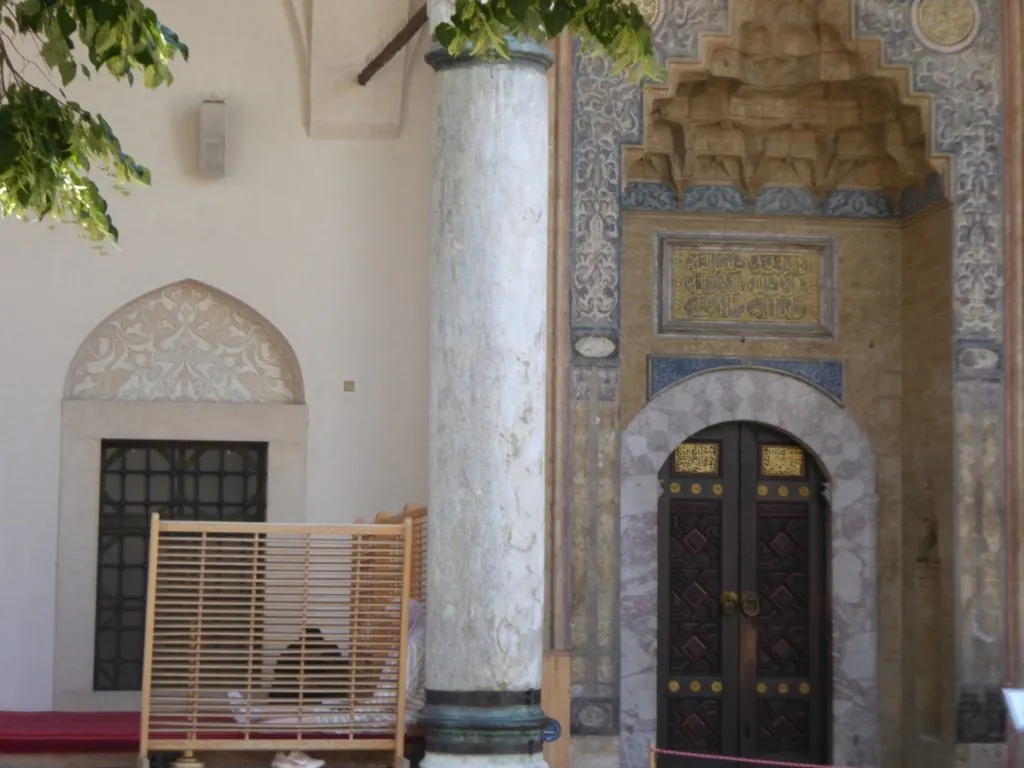
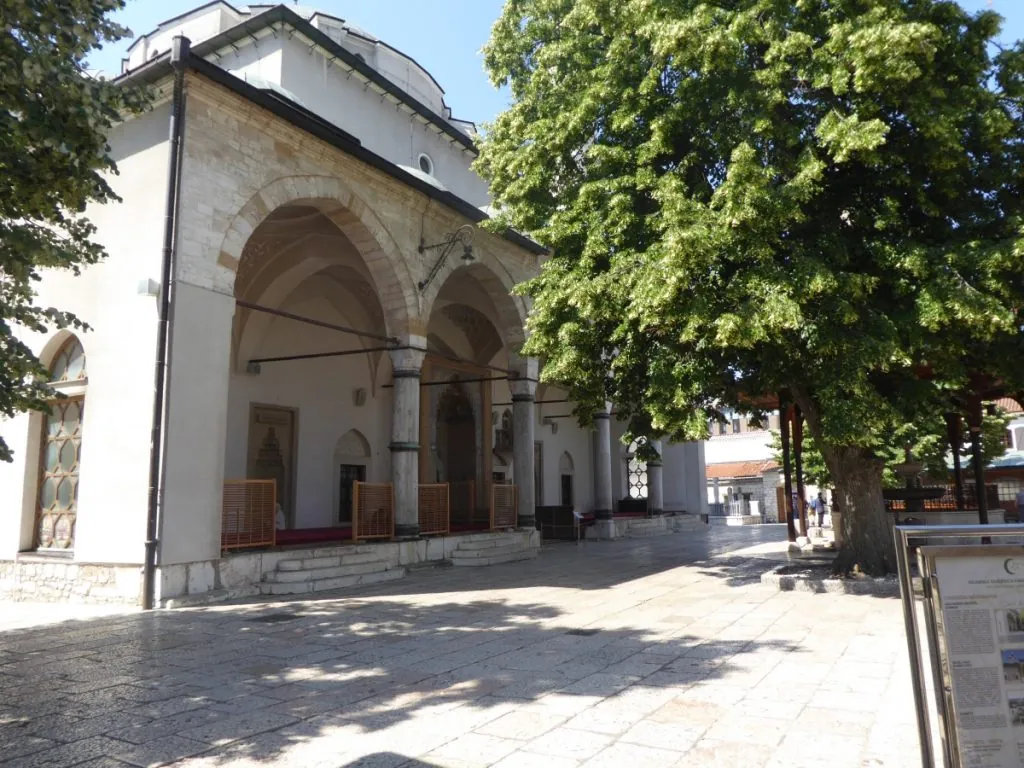
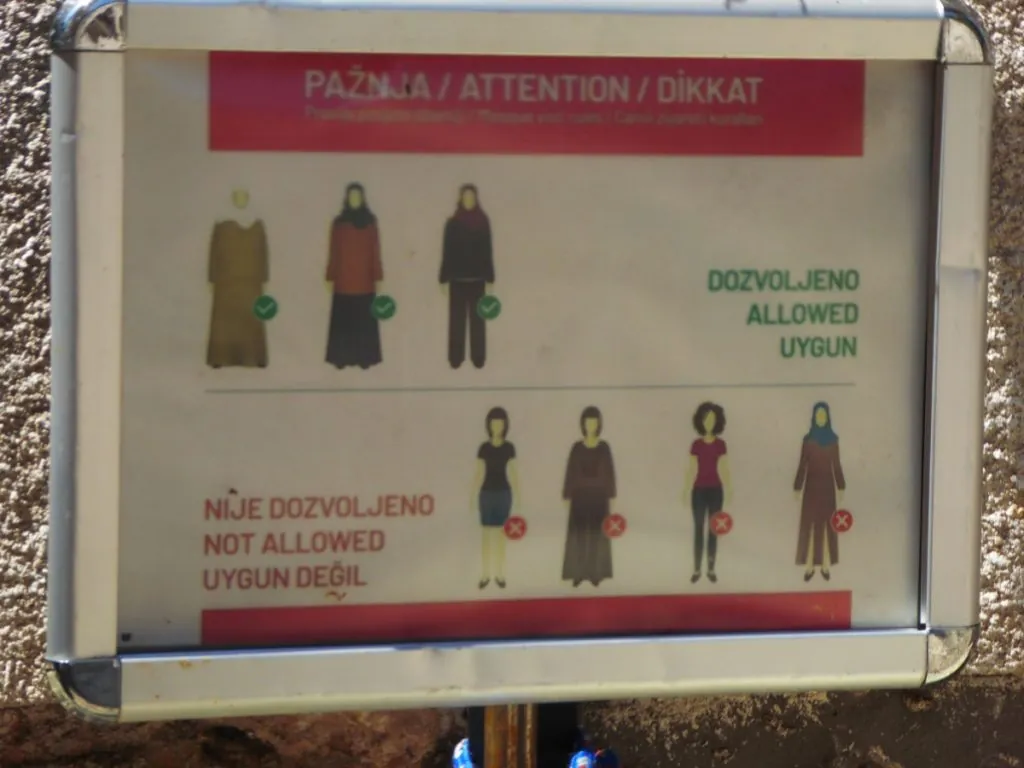
In the courtyard, the magnificent wooden fountain with its intarsias stands out. During prayer times, the mosque is closed to non-believers but can be visited at other times with appropriate attire.
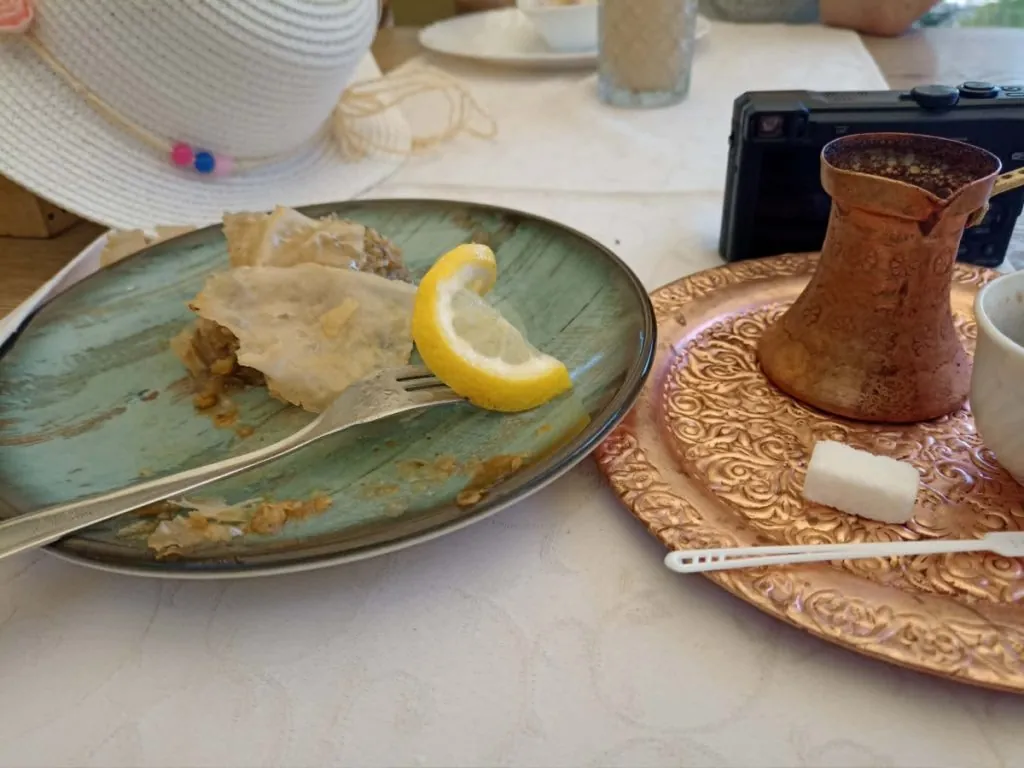
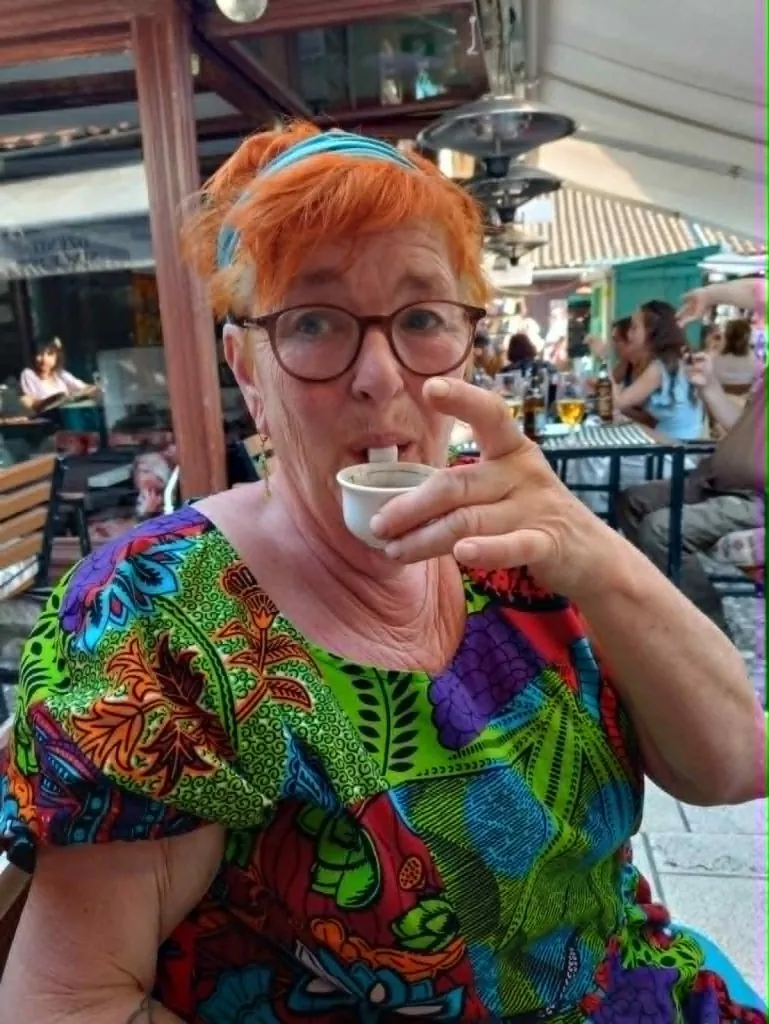
So there it was with the coffee… I am a coffee aunt and love the Bosnian (Turkish) coffee that is served in small copper pots. You put a couple of teaspoons of coffee foam in the cup, pour over the coffee and let it sink a bit. A hard sugar cube is dipped in coffee, bitter and sweet mix in your mouth. The coffee is often accompanied by a Turkish confection; lokum.
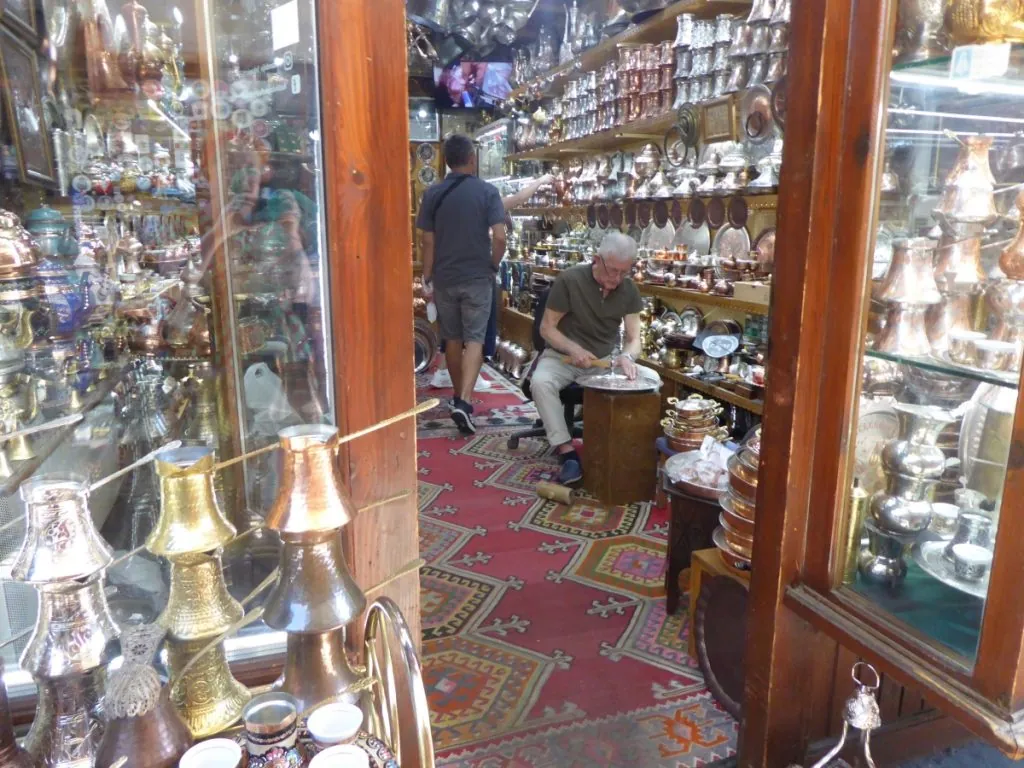
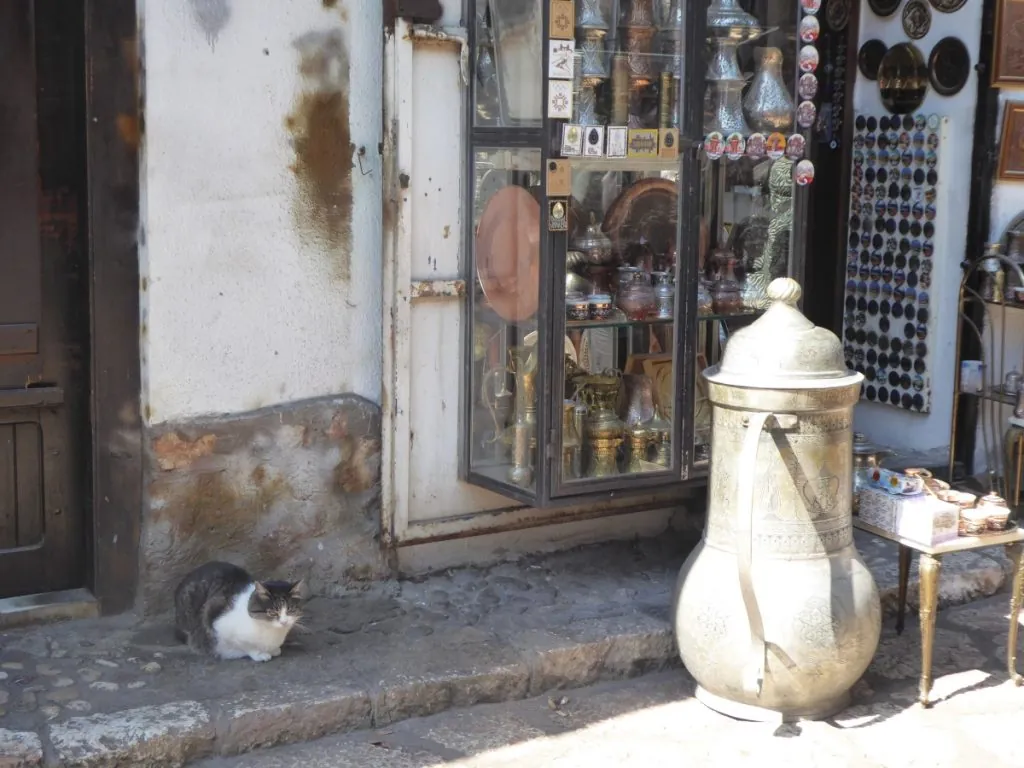
On the street of coppersmiths, hammering is done in every other shop. Beautiful handmade coffee pots, trays and paintings are taken home with tourists.
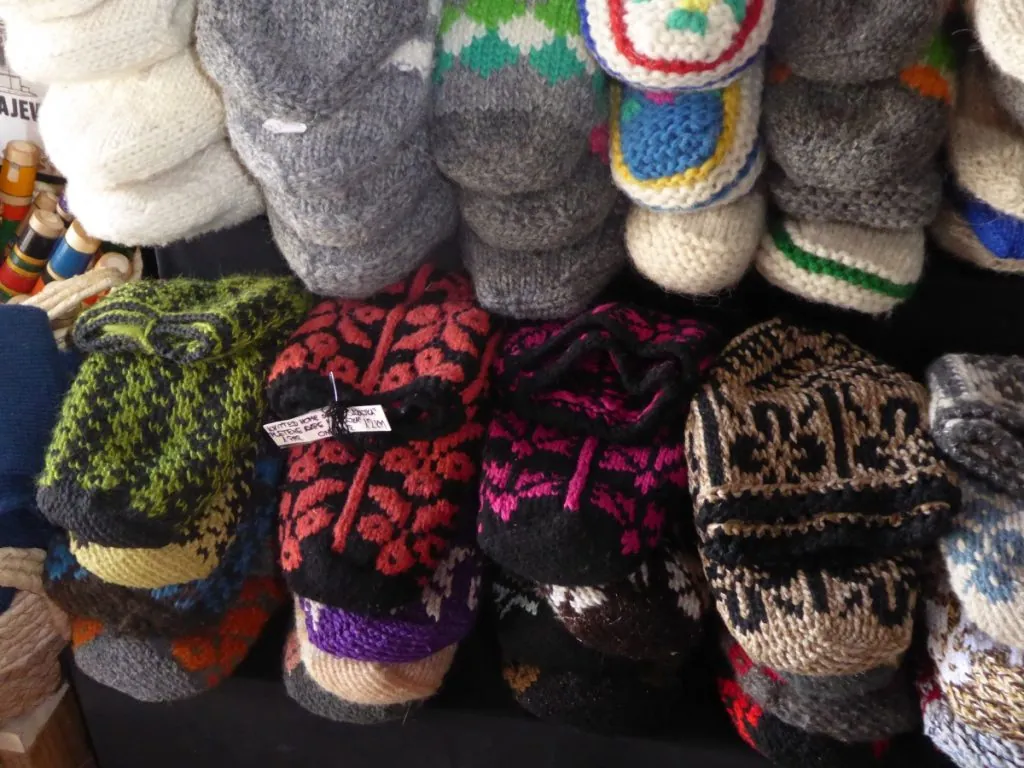
Bosnian socks, something typical that warms cold winter feet.
All the cats are equally typical and they are in good health! There is even a cat museum.
Sarajevo has seven bridges, each with its own history. Many of them were destroyed during the war. Here too, you can imagine a historical timeline. The bridge where Franz Ferdinand was shot in 1914 started the First World War, the Vrbanja Bridge where the young couple Olga and Suada fell victim to snipers in the 90s. The Miljacka River and its bridges have a lot to tell.
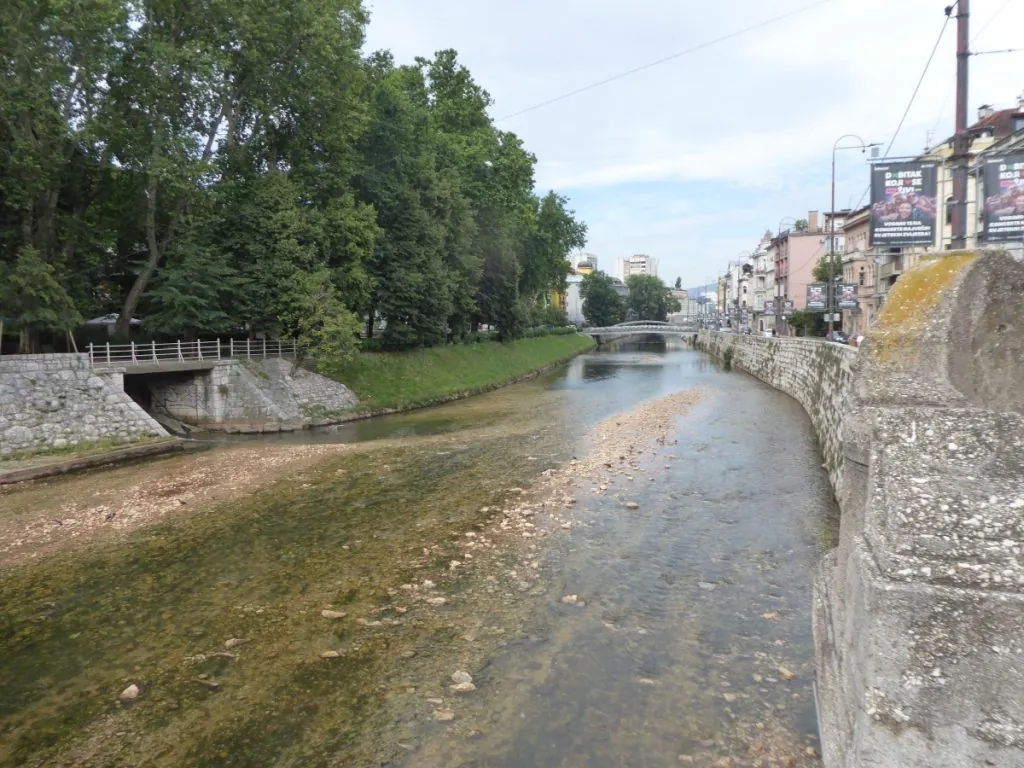
Sure, you can see traces of the more than 1,000-day siege, but after more than 30 years and several trips here, the city in my heart has risen from the ashes and become a vibrant, cultural capital to be proud of.
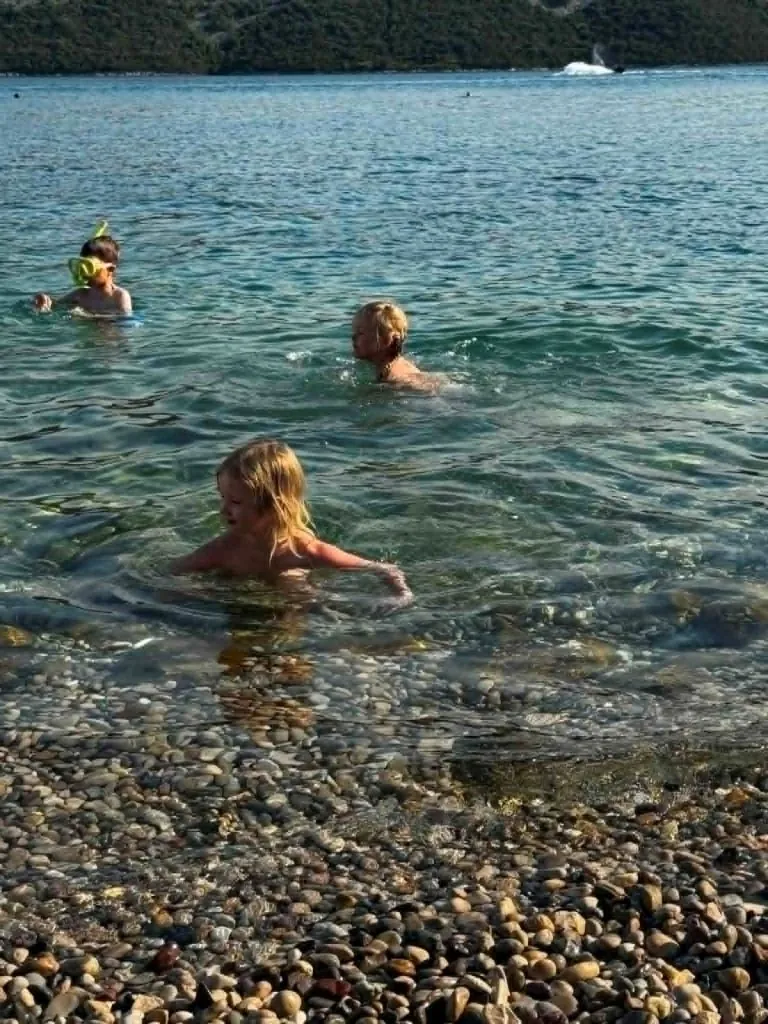
We say goodbye to Sarajevo and pack ourselves into the rental car for the trip to the Adriatic Sea, where we're going swimming!
Getting here and around
- Several airlines has direct flights to Sarajevo and other Bosnian cities.
- The airport is located about 20 minutes drive from the city center. Bus available.
- Tram or bus in town to get around, but most things are within walking distance.
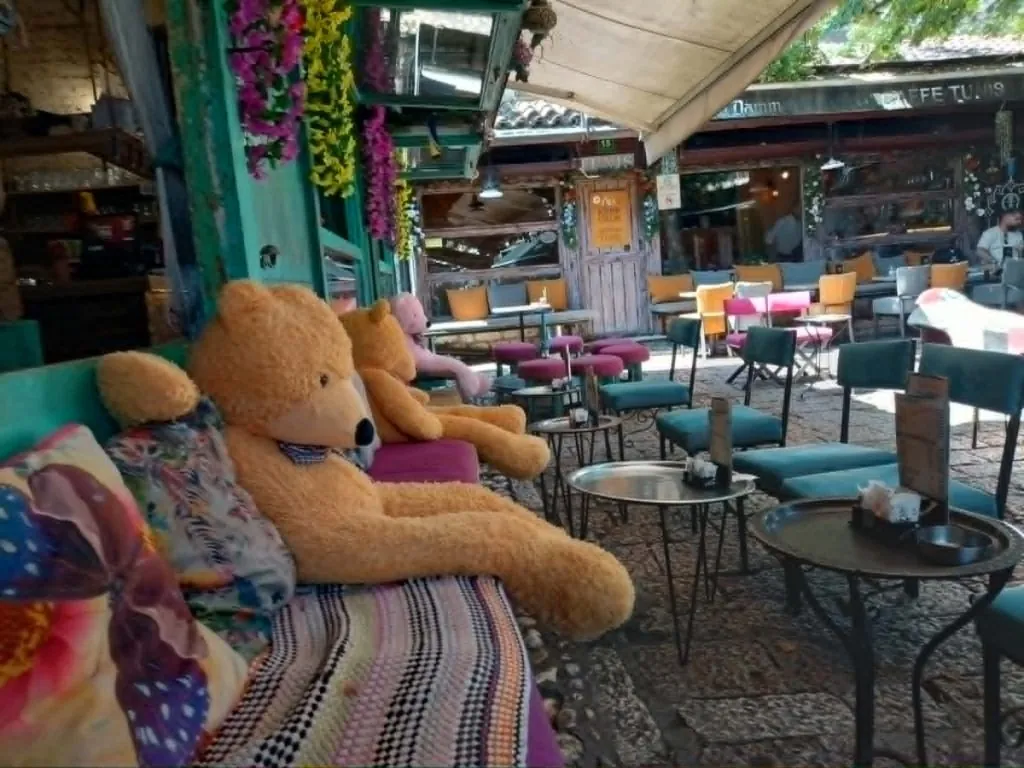
Photo: Anna Nilsson Lace and Emma Karlström Lace
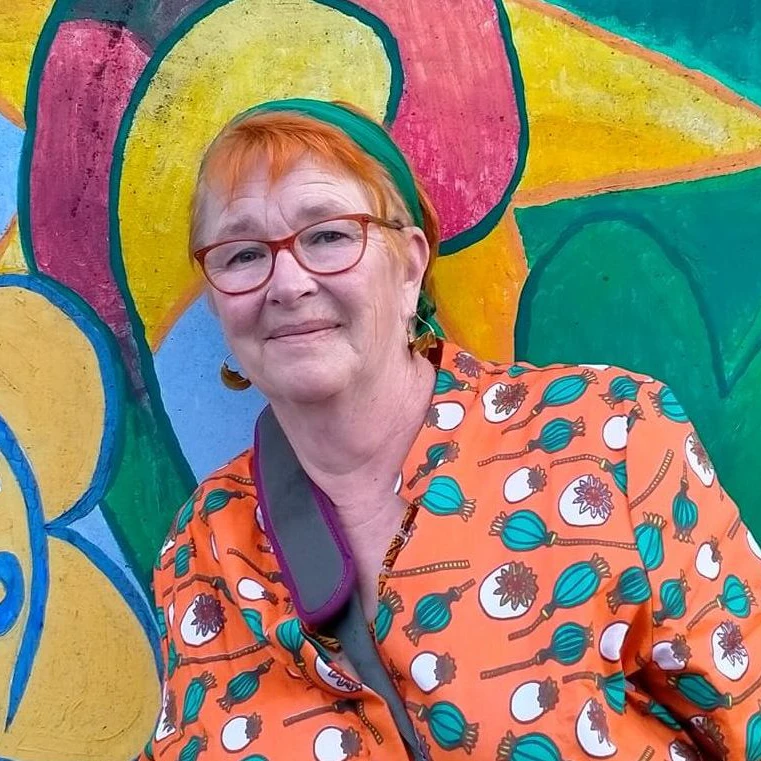
Follow Anna here:



 English (UK)
  Svenska