

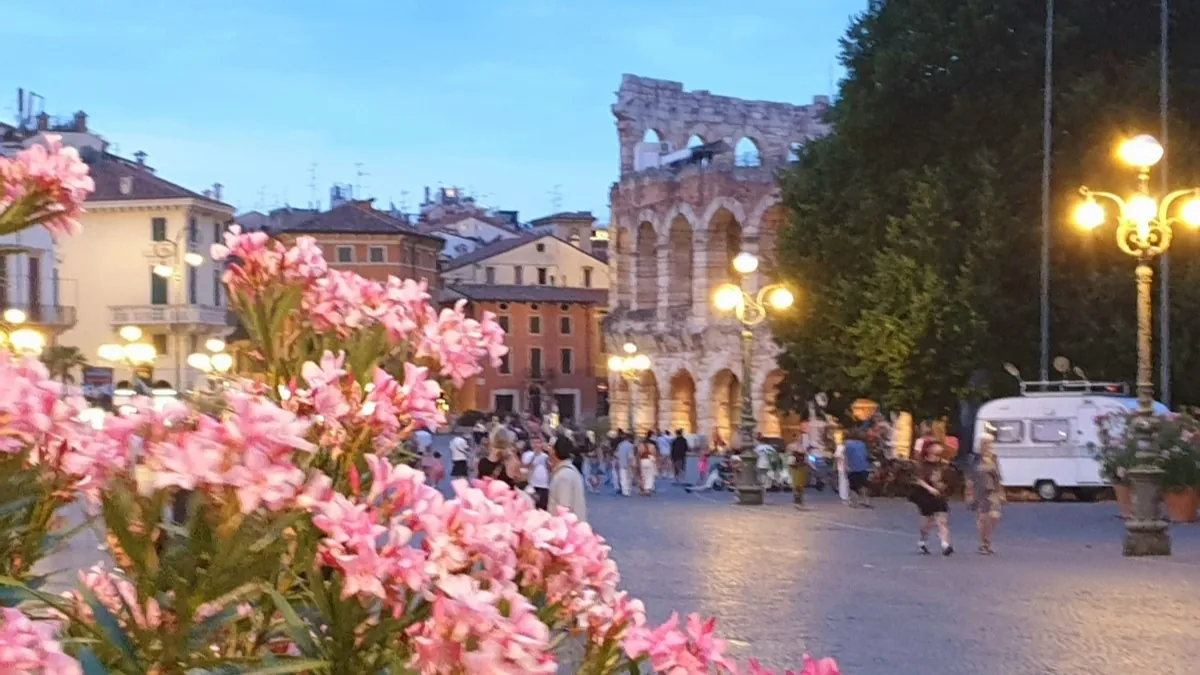

Text and photo: Björn Erik Gustavsson
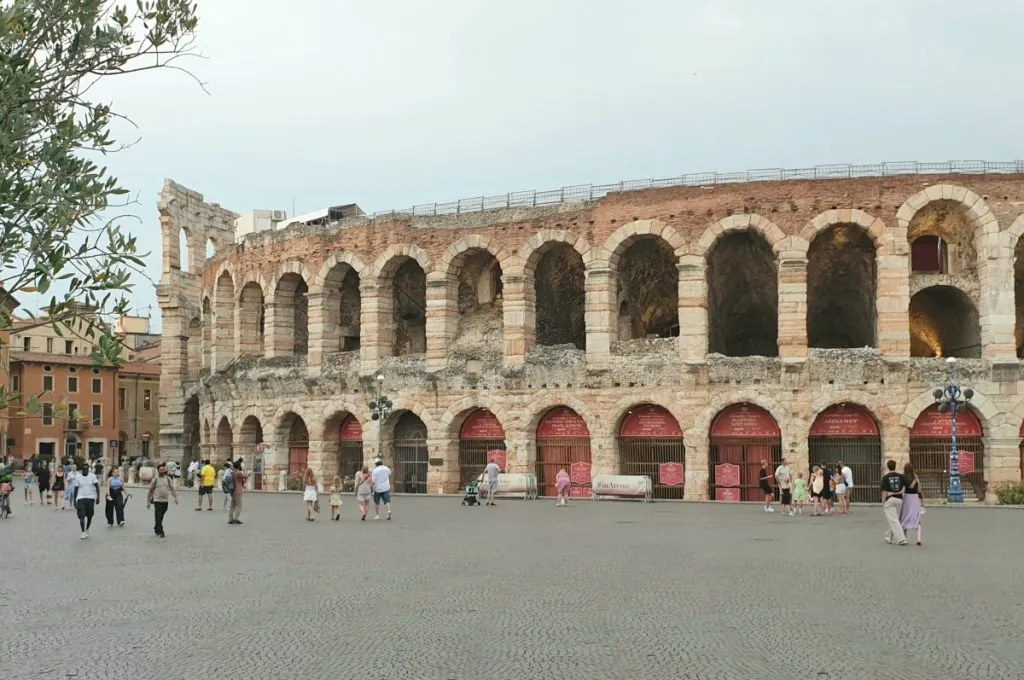
For more than a hundred years, Verona, Italy, has hosted one of the world's most famous opera festivals. The performances take place in a two-thousand-year-old open-air amphitheater with space for tens of thousands of spectators. The "Arena di Verona" is the same size as the Colosseum in Rome - and thus one of the largest arenas ever built during Roman times.
 Tweet
Tweet Share
Share Share
Share Pin
Pin Share
Share Share
ShareVerona, with its medieval character and winding alleys, is probably one of Italy's most beautiful cities. Ancient bridges over a rushing river and a series of magnificent buildings - it's easy to sometimes associate it with Florence or Rome.
The concept of opera in the Roman amphitheater has been extremely successful since 1913. The summer festival in Verona now attracts half a million visitors annually (far more than the number of inhabitants).
I remember that Margareta Dellefors, who founded Dalhalla (perhaps Sweden's foremost outdoor stage), often mentioned the Verona Festival as her main source of inspiration; she wanted to create something similar in Dalarna: grand-scale opera in grand-scale surroundings.
Table of contents
Opera under the stars in Verona
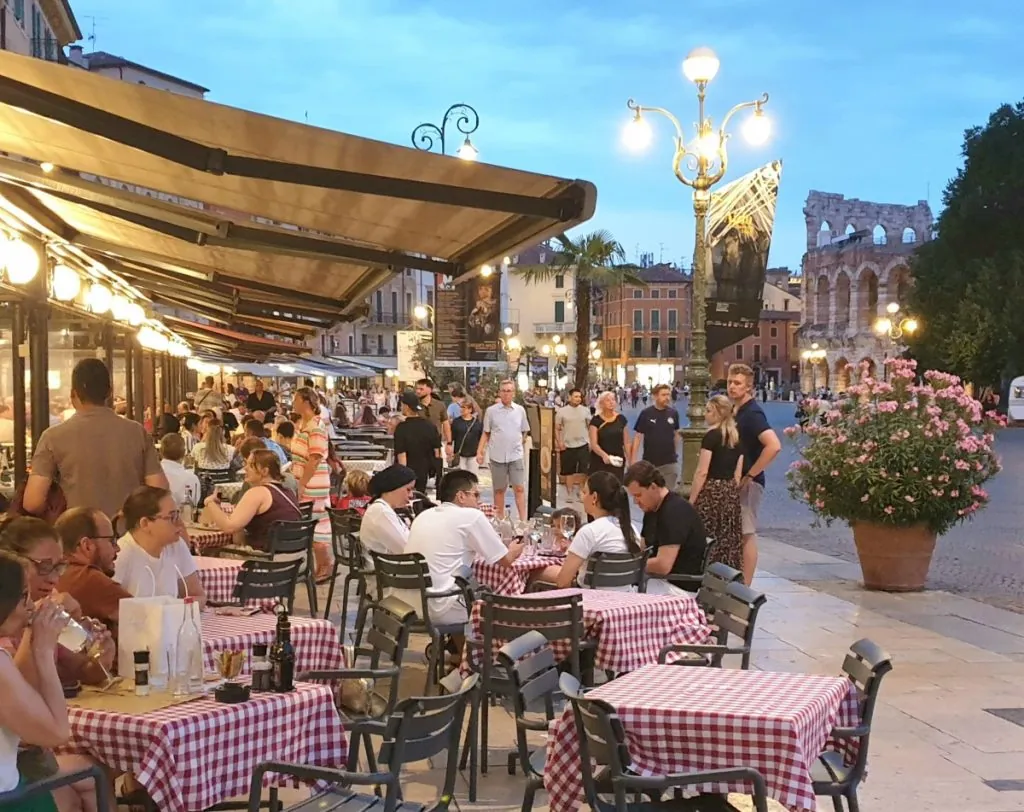
I remember the Verona days in July 2026 as dreamlike. Above all: experiencing high-class productions of both La bohème and La Traviata in the warm, velvety darkness under a starry sky – it surpasses most. The closest I can think of is an evening of opera in Taormina's Greek amphitheater (built 300 BC and with a wonderful view of the Etna volcano in the background).
But before this year's trip to Italy began, I first had time to see some talked-about exhibitions in Stockholm; the Nordic Museum's "Nordbor", about Nordic culture from the Middle Ages onwards (unfortunately fragmented rather than comprehensive, and the displays were insufficiently lit), and the Technical Museum's "Drömlandet" (which describes Sweden's transformation from a poor outlying country to a model people's home state and a globally renowned technology nation in a fascinatingly multifaceted way). Then an overnight stay in the perfectly central hotel Scandic Haymarket, housed in the former PUB department store (where Greta Garbo once began her professional life as a clerk and clothing model).
The following morning, a direct flight to Pisa – where it was so scorching hot that I quickly took a local bus to Pisa Marina; on the Mediterranean coast half a mile to the west. And immediately: genuine folk life around beaches lined with enormous, white marble blocks. After half an hour of swimming and a simple meal on the promenade, I had gathered strength for the rest of the journey.

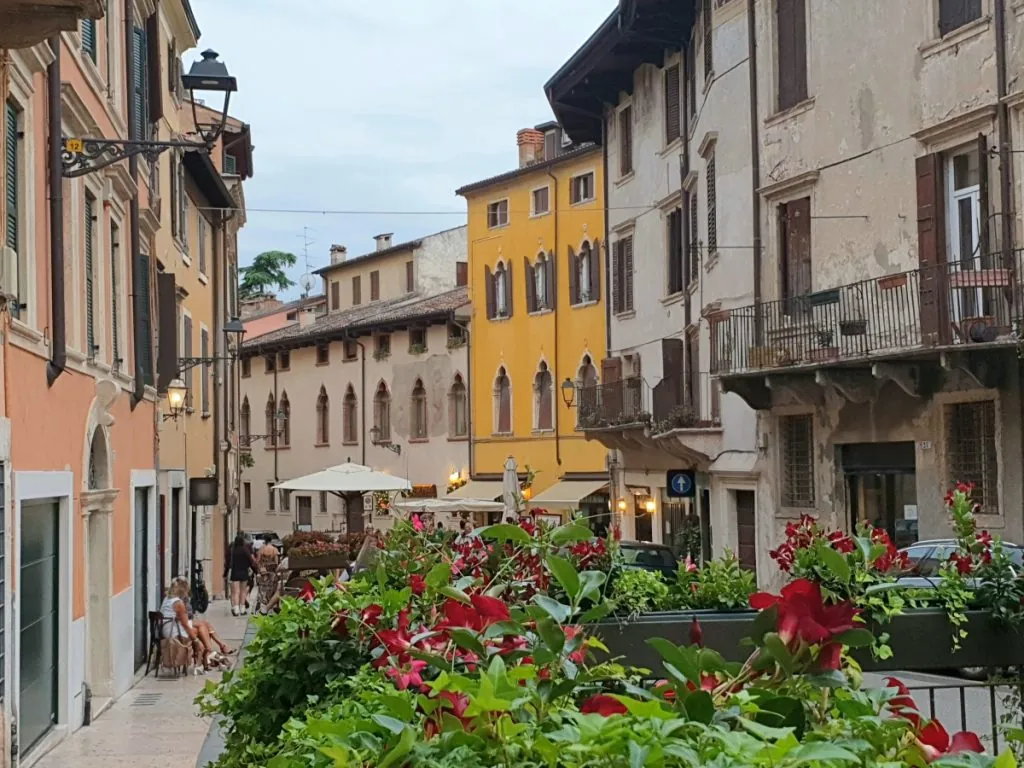
Verona – a city full of Roman history
After a few hours of train travel through wonderful Tuscany: arrival in Verona. I had barely passed the city gate when I saw the mighty, very well-preserved amphitheater on the other side of the square, in the middle of the city. It was built in 100 AD; for a time the city was an important military possession in the Roman Empire. Even today, Verona has numerous remains of both Roman and Etruscan architecture.
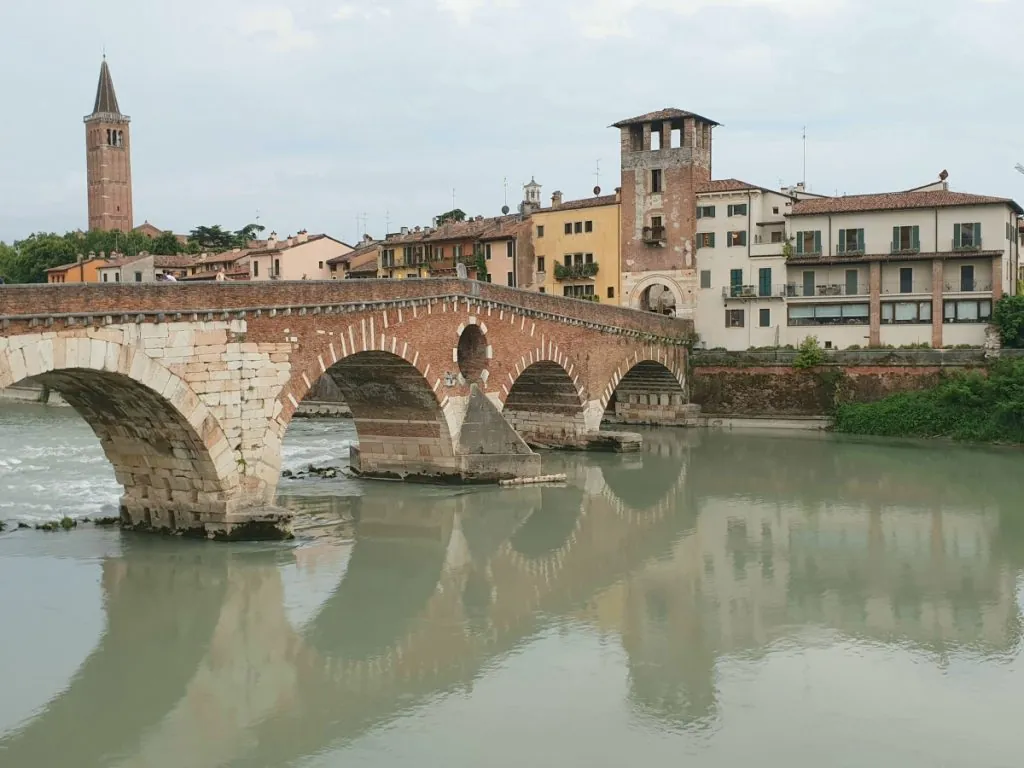
After Rome, no other Italian city has as many remains from the Roman era as Verona – which was an important Roman military installation even before the birth of Christ. Three important roads in the Roman Empire led to Verona: Via Claudia Augusta, Via Gallica and Via Postumia. The Roman poet Catullus came from here – and in the summers he lived in a palace on Lake Garda, fifty kilometres to the northwest.

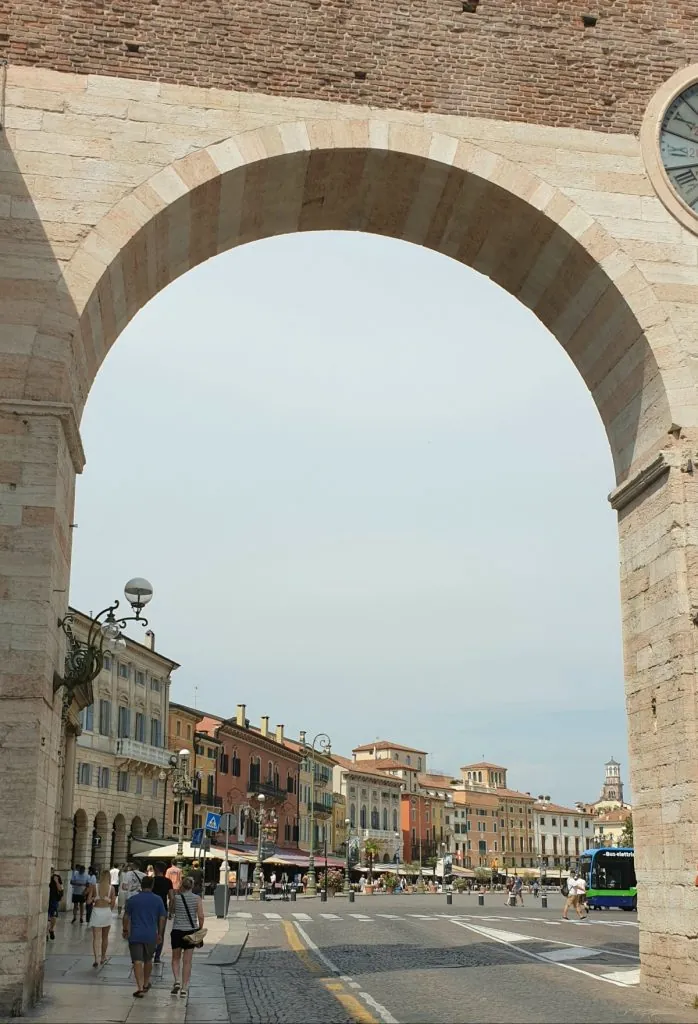
Excursion to Sirmione and Lake Garda
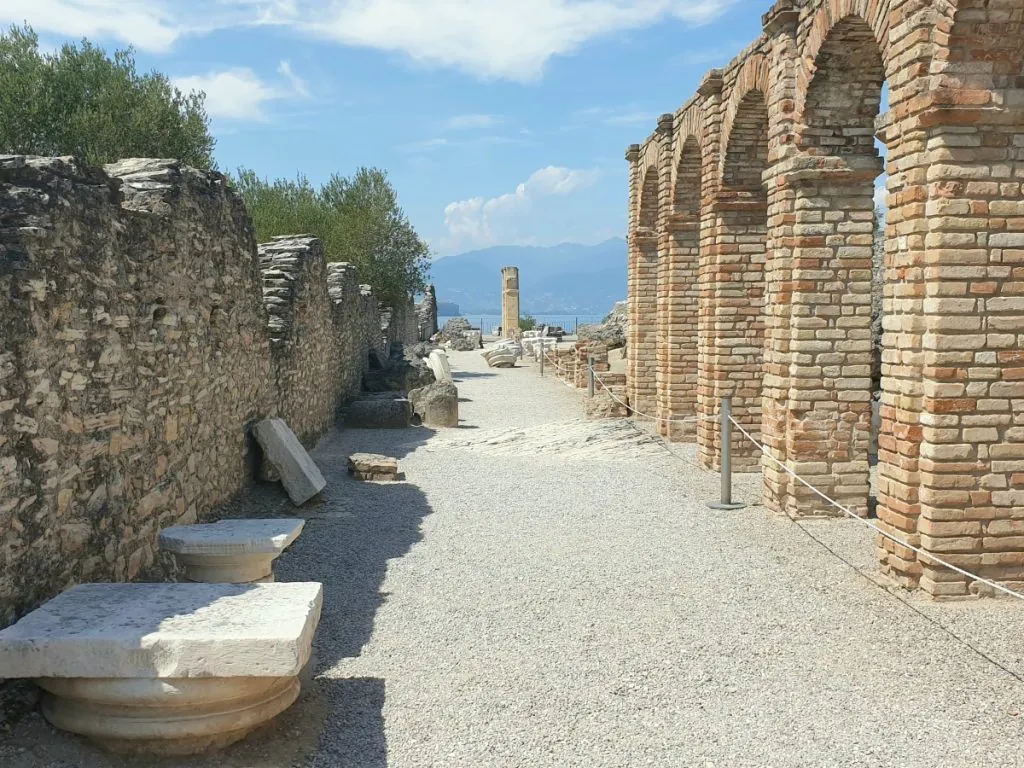
One day I took the bus to Sirmione, incredibly beautifully situated on a narrow spit of land jutting out into Lake Garda and with a wonderful view of the high mountains on the northern side of the lake. In addition to a medieval castle and picturesque views in all directions (plus paradise beaches like ”Jamaica beach”), you can visit the now excavated ruins of Catullus’ palace and an archaeological museum filled with recovered objects, such as clay vessels, statuettes and mosaics.
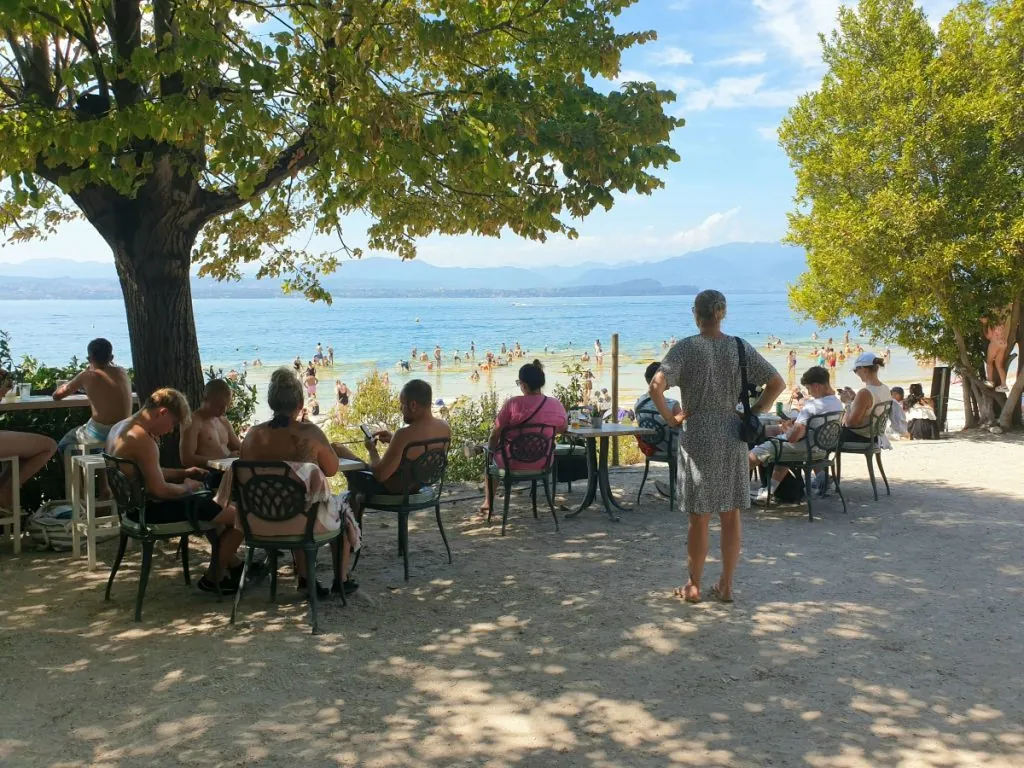
Already in Roman times, Sirmione was a popular bathing spot for wealthy city dwellers who had their summer villas here. Catullus' place was probably one of the largest. The dimensions of his summer residence were 167 by 105 meters. In other words, there was room for both servants and visitors.
Verona is of course also famous for being the setting for Shakespeare's Romeo and Juliet. Tourists flock below the balcony of the "Casa de Giulietta" where Juliet is said to have stood when she was wooed by the infatuated Romeo. It doesn't matter that Shakespeare's story is fictional - and that the balcony was built as late as the 1930s. On the other hand, there is actually a real background: during the early Middle Ages, there were conflicts between the noble families of Montecchi (Montague) and Cappelletti (Capulet).
Arena di Verona – a world-renowned opera festival
However, Verona has become a tourist magnet mainly due to the famous opera festival. Performances are usually given from June to August. The repertoire is dominated by classical, well-known works. In addition to opera-loving Italians, the audience consists largely of international visitors.
I get an interview with the director of the opera festival, Cecilia Gasdia, who previously had an international career as a soprano and who has sung at many well-known opera houses. I ask what criteria the festival is planned according to. Cecilia Gasdia emphasizes that each annual program is the result of a very careful process and that includes a number of aspects.
-Every year we propose something completely new – alongside beloved opera classics such as Aida. Another important criterion for programming is the extent to which the international artists we want are actually available. We also base our work on which periods and days are likely to suit as many visitors as possible.
She emphasizes that they not only want to contract international stars but also try to find and develop young talents. Young talents are scouted around the world or selected through a large number of auditions. In addition, the ambition is for the festival to grow further; "the arena in Verona has become a prestige symbol for opera throughout the world.".
And, last but not least: the place is unique.
-It is an incomparable experience to be inside this thousand-year-old building, built by the ancient Romans, and witness productions that can include up to 500 artists and with 10,000 spectators seated around the stage.
The annual festival is of vital importance for tourism to Verona, says Cecilia Gasdia. The extensive festival means a great deal to both the local and Italian economies, she notes, referring to calculations that state that Verona's opera investment generates the equivalent of SEK 20 billion annually.
In 2027, the opera festival will run between June 11 and September 11; more about the program at www.arena.it/en.
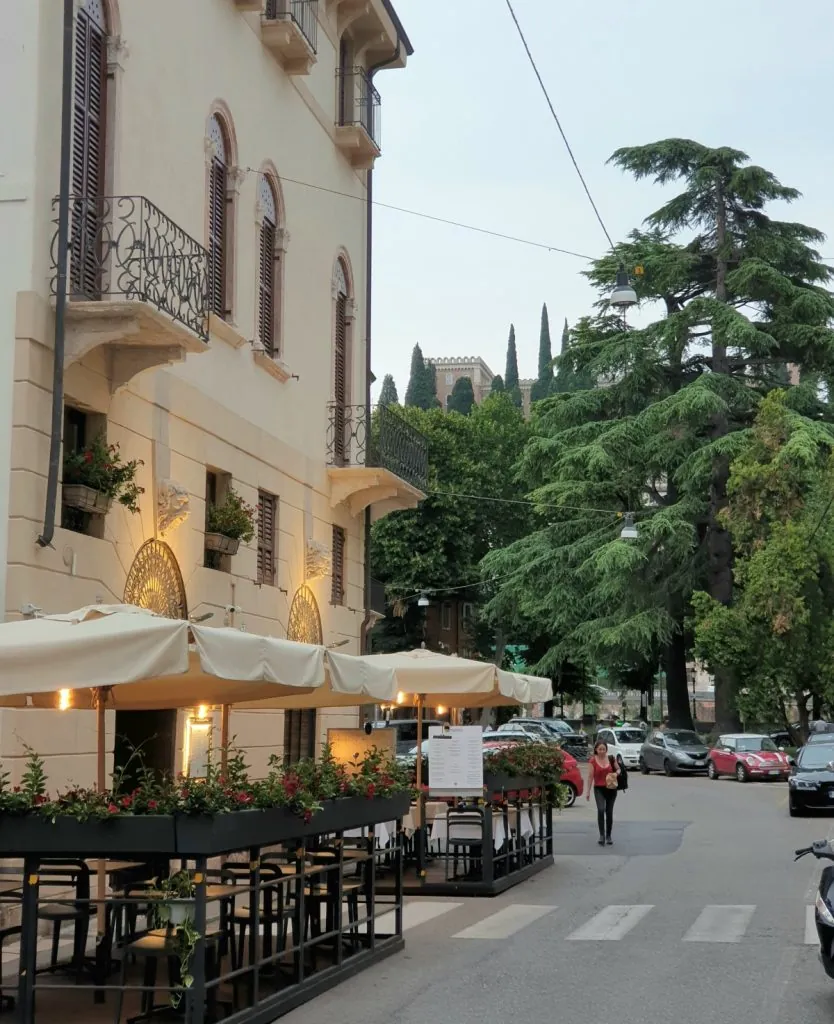
La traviata in the two-thousand-year-old arena
This year I myself had the opportunity to see La traviata; here with fantastic leading actors; not least Vasilisa Berzhanskaya as Violetta and René Barbera as Alfredo. Director Paul Curran has set the action in Paris in 1910; that is, precisely the time when industrialism and modernism began to strongly change people's lives – and here with the entertainment industry's iconic Moulin Rouge as a symbol of these changes.
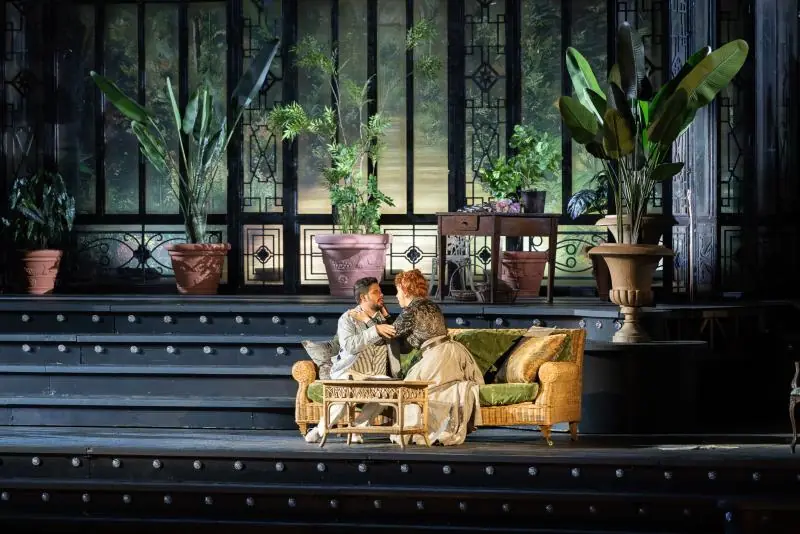
How strange to experience La Traviata under the open Italian sky in the warm darkness of the evening and with thousands of expectant opera lovers around you. It was also an added bonus that the environments changed so playfully and that the stage workers were allowed to become part of the story's transformations so effortlessly.
Verdi wrote La traviata after seeing a dramatization of Alexandre Dumas' novel The Lady of the Camellias at the Vaudeville Theater in Paris – a work that in turn harks back to Dumas's own love story with the teenage girl Marie Dupless; a beautiful courtesan who died of pneumonia at the age of 23 (the prostitutes of Paris still consider her their patron saint and her grave in the Montmartre cemetery is always covered with fresh flowers).
The premiere at the Fenice Theatre in Venice was a fiasco, however; perhaps mainly due to the sensitive content. It depicts love between a possessed man (a pillar of society) and a prostitute. Even worse: Verdi expresses sympathy for ”the fallen one”. He shows how this self-sacrificing Violetta is doomed to perish in a society steeped in hypocrisy and double standards.
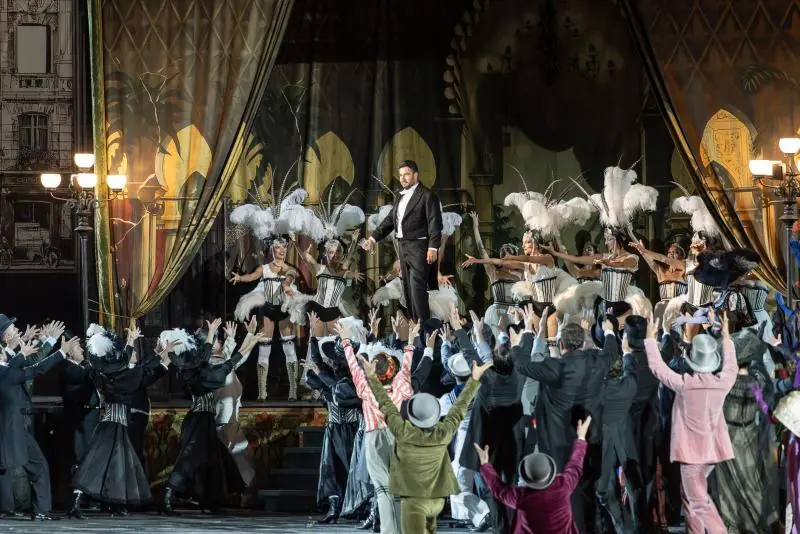
La bohème – one of the strongest experiences of the trip
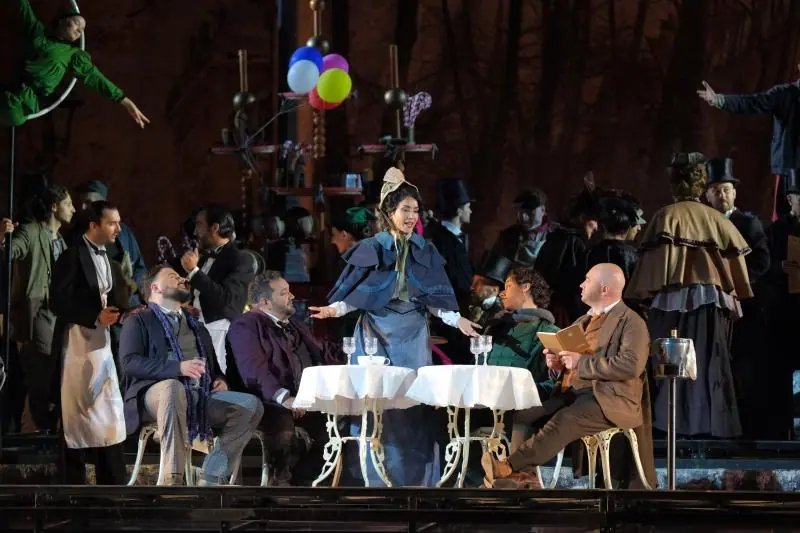
Another evening I sat in the packed, expectantly murmuring arena to see La bohème, one of the most beloved works in operatic literature. With operas such as La bohème and Tosca, Puccini achieved world fame and came to be regarded as the crown prince of the great Verdi. With his hypersensitive, emotional and psychologically profound musical art, he became a master character artist.
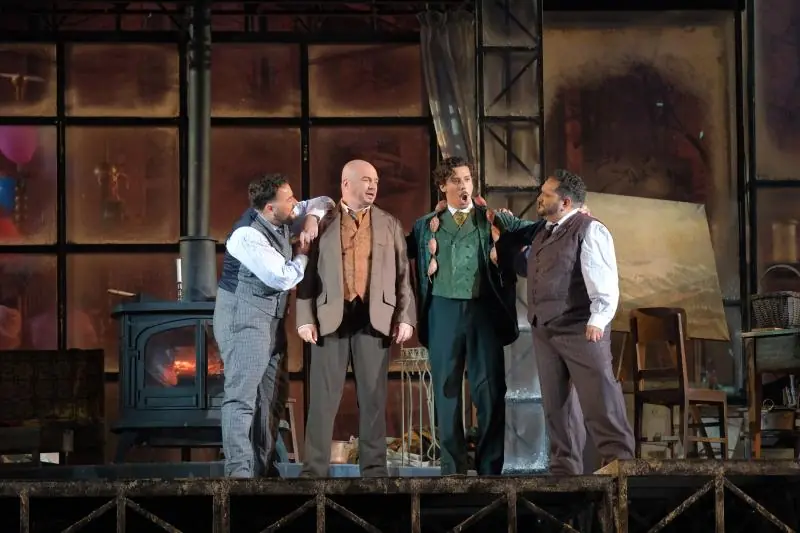
Directed by Alfonso Signorini, this was a performance that, despite its sketchy exterior, delved deep into the depths of the work, and in which the lives of these artists were thus given a reflection of the very coincidences that largely characterize their young, hopeful lives. Once again, very strong performances; especially Yusif Eyvazov's Rodolfo sang heart-wrenchingly with emotion, but also Carolina Lopez Moreno in the role of Mimi.
I have experienced hundreds of opera performances over the years, but these two in Verona stand out in my memory as some of the strongest ever – and not least because the magnificent environment so obviously interacts with the whole.
Verona as a base for more experiences in northern Italy
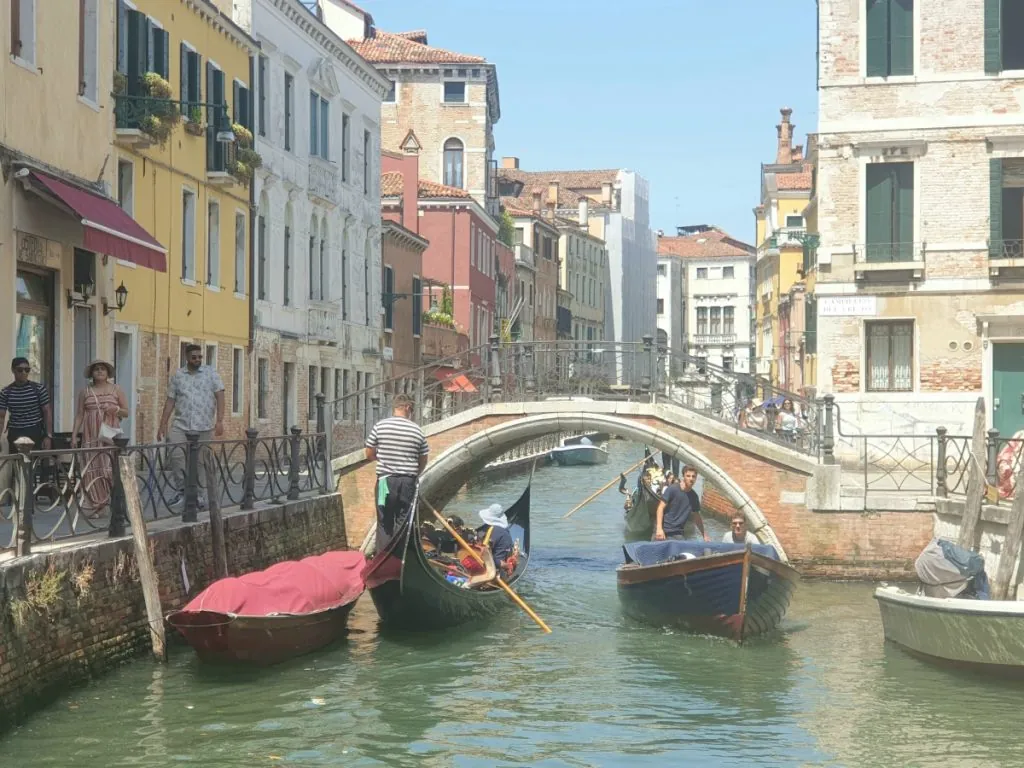
Finally, a big plus is that Verona is so centrally located and easily accessible in northern Italy – and because with the city as a base, you can complement your late-night opera experiences with exciting day trips in various directions. Not only to Sirmione and Lake Garda, but also to – for example – Florence and (why not) Venice, which you can reach after only 1.5 hours by train.
You get off at the Santa Lucia station – and fifty meters in front of the exit, the Grand Canal is blue with all its gondolas, vaparettos and other boats – and suddenly it feels like you have stepped straight into a colorful fairy tale. The impressions are deep and seductive – in much the same way as when you sat spellbound by La bohème the night before.
Follow Björn Erik here:

Mr Björn Erik Gustavsson
You might also like:
 Inspiration from Greece - and plans for a trip
 Sinulog festival in Malapascua, Philippines
 An evening of music at Diggiloo in Ystad
 At the China Theatre right now - Dreamgirls - The Musical
 She travels the world without a permanent job: "People overestimate money and underestimate each other"”
 Bruket Street Art - photos from Wargön's mill in Vänersborg

 English (UK)
  Svenska
Jossu says:
I don't normally have much interest in opera, but just the thought of seeing a performance there gives me goosebumps. Also, Verona seems to be a city that's just right for me. I looked into a day trip there when I was in Venice, but I didn't have time that time.
September 23, 2026 - 6:58