

Text and photo: Björn Erik Gustavsson
A flurry of impressions greet me... Super-designed high-rise buildings. The creak of trams. Sea air. Boats crisscrossing the fjord. Magnificent art museums... And everywhere a cheerful, sparkling language. "You just have to turn right and you're straight ahead."”
 Tweet
Tweet Share
Share Share
Share Pin
Pin Share
Share Share
ShareTable of contents
A capital city in rapid change
What I mainly notice: What an incredible change the Norwegian capital has undergone since the early 1980s! It started with the transformation of a cargo ship quay into ”Aker Brygge”… Then a few high-rise buildings, the construction of a subway… Then, as the oil billions began to trickle into the Norwegian economy, development has accelerated. A series of large-scale renewal projects have changed large parts of the central cityscape.
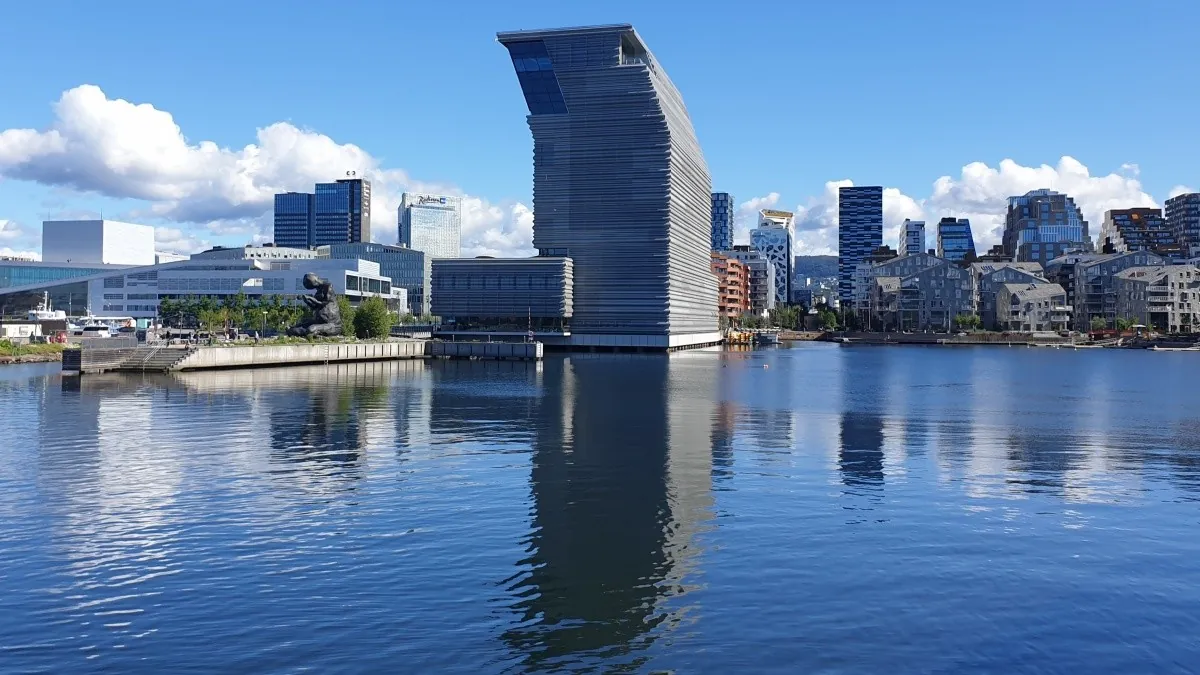
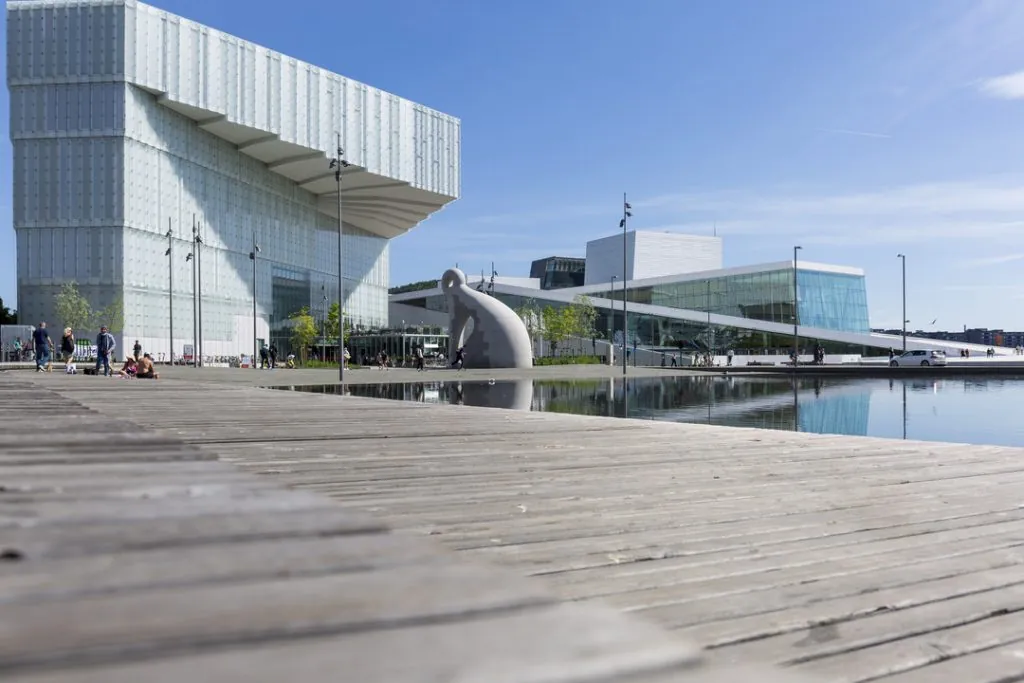
Today's Oslo is a hypermodern city. Where it used to be a container port full of loading cranes, a whole series of iconic cultural institutions are now rising – all worth billions. The Opera House (2008), the Aster Fearley Museum (2012), the new City Library (2020), the Munch Museum (2021) and the National Museum (2022).
Culture is strikingly important in Norway and politicians often argue for ambitious investments. The official culture budget is twice as large as Sweden's - despite the population being only half as large.
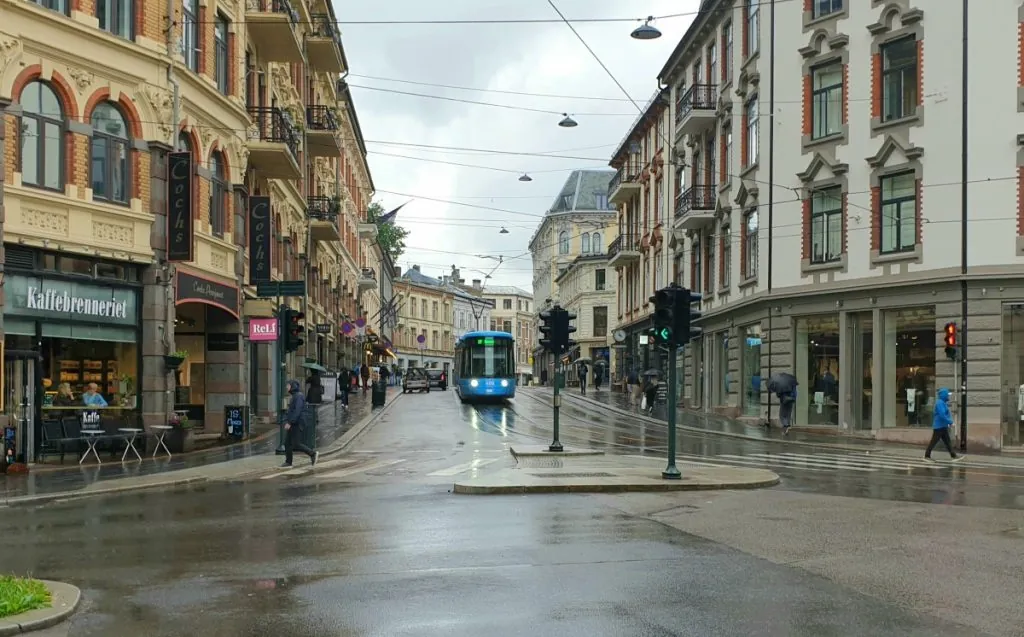
Oslo – a completely different city than in the 1980s
Today's Norway is really different compared to the early 1980s. Oslo had no international feel whatsoever and out in the country the roads were narrow and winding and in almost every village there was a general store and post office. Norwegian jokes were still popular. Like this one: "We have now landed at Fornebu airport. Please turn back the clock twenty years."”
Oslo now has just over 700,000 inhabitants (slightly more than both Helsinki and Copenhagen). If the suburbs are included, i.e. ”Greater Oslo”, the population is around 2 million.
A big city buffet of cultural experiences
And what mainly attracts me to this big city buffet this time is cultural experiences, and during a few intense summer days I manage to experience an incredible amount.
First a little general information: Oslo has three permanent theatres: Nationaltheatret, Det norske teatret and Oslo nye teater. In addition, Det norske opera, Black box teater, Folketeatret and others. The Oslo Philharmonic plays in the magnificent concert hall. In addition, there are music venues, such as Rockefeller music hall.
There are many art museums – and you shouldn't miss the Henie-Onstad Art Center, just over a mile to the west; an exciting place to explore modern and international art. And of course: the world-famous, incomparable sculpture park, Vigeland Park.

From the House of Literature to jazz with Jan Erik Vold
I begin with a visit to the House of Literature, just behind the Palace. A sumptuous patrician villa that has been transformed into a multifaceted dynamo for Norwegian cultural life, with a café in a salon setting, a bookstore and a series of seminars and author appearances every day. It is Europe's first and largest house of literature. Sweden has nothing that even comes close to this.
Right next door, in an equally grand building, is the Artists' House, with exhibitions, programs and a café/restaurant.
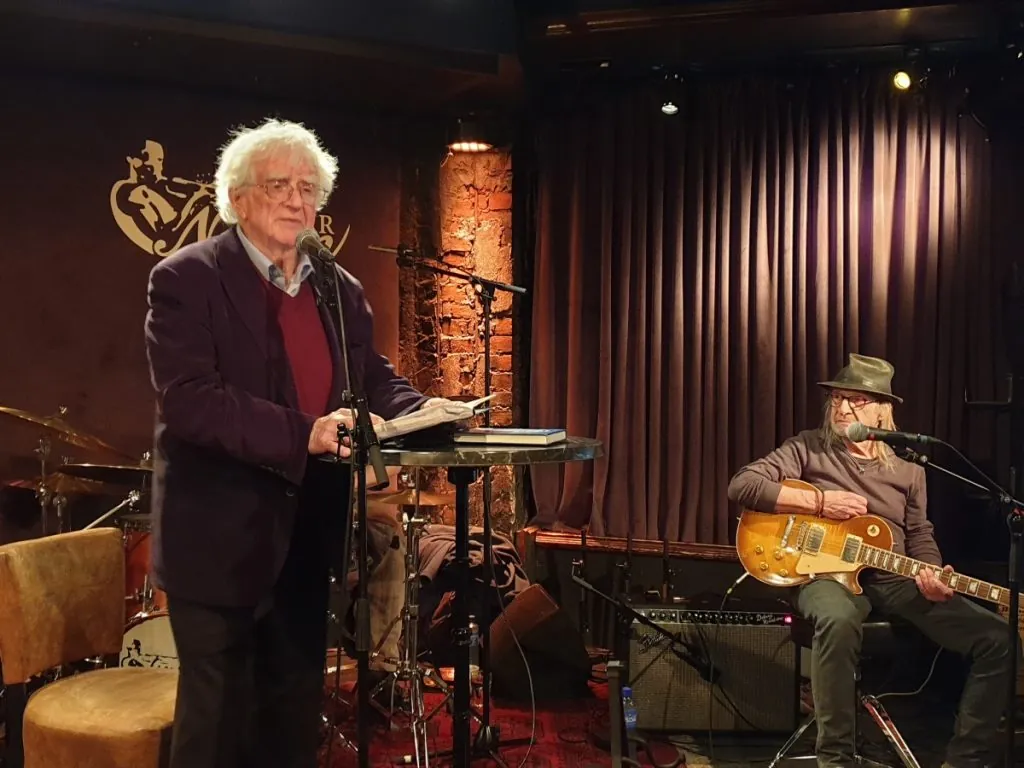
The first evening I visit the cozy jazz club Herr Nilsen, where 87-year-old concrete poet Jan Erik Vold captivates the audience as he rhythmically recites his poems to jazz accompaniment (and occasionally riffing rock). And there is huge applause when he rockily rips off a long series of stanzas from Ibsen's verse drama about Peer Gynt.
New Oslo is emerging by the fjord
I visit the newly opened city library down by the Oslofjord: a magnificent six-story palace. The library has over 20,000 square meters, or two hectares of space! Here, a multitude of experiences are offered to the visitor – on par with its counterpart in Helsinki. The Cultural Center in Stockholm seems like a dwarf by comparison.
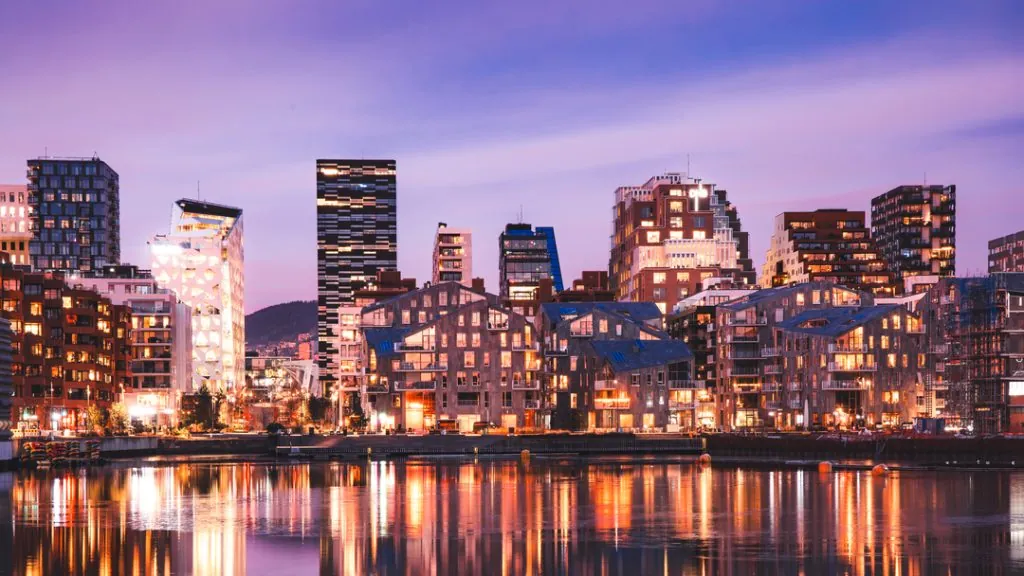
Continue to the residential area of Sörenga. Here the old container port has been transformed into a hypermodern area with exclusive homes housed in an architecturally advanced whole and with Venice-like canals between the houses. If you follow the scenic lake promenade, past a row of restaurants, you will come to a uniquely designed swimming area. A short distance away there is also an area with a richly varied selection of saunas.
Grünerløkka – hip along Akerselva
Further north you can stroll around the well-preserved working-class neighborhoods around the Akerselva River, along which there used to be several factories. Nowadays it's a bit alternative and hip here in Grünerlökka (à la Södermalm or Berlin's Neukölln). I have lunch at the trendy rural romantic "Böndernes hus", where the restaurant balances between rural eco-romanticism and urban design sophistication. If you want to find exciting small shops and bars, Grünerlökka is a must.
Opera, history and art on the Oslofjord
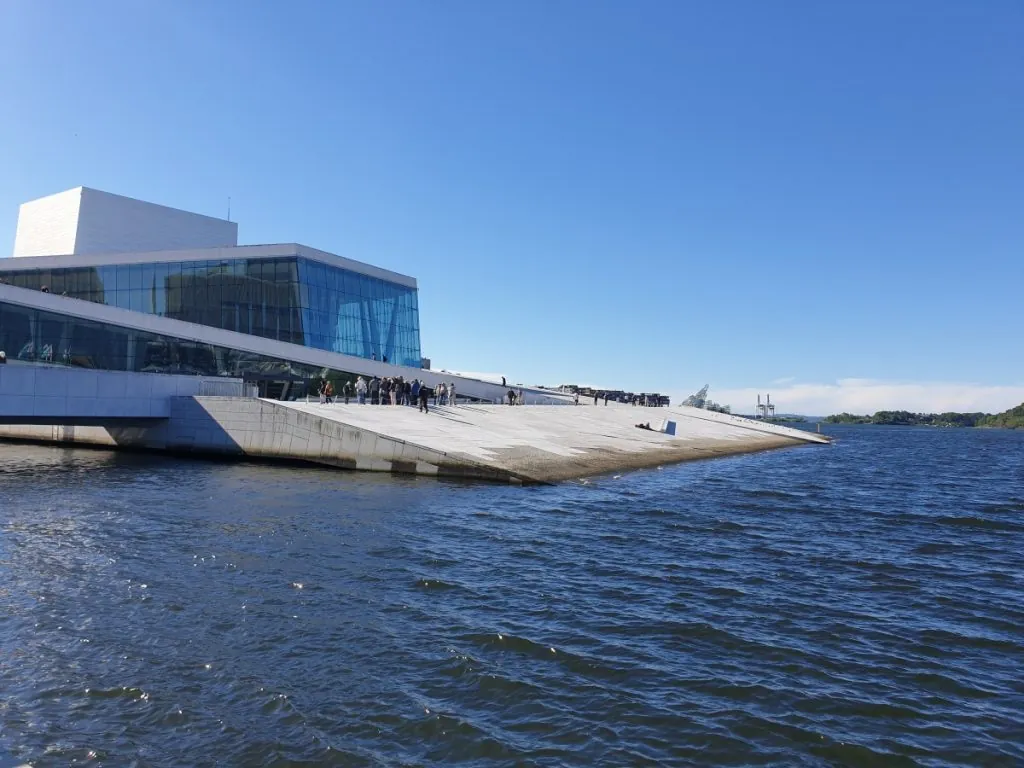
Evening no. 2 I get to experience Kaloyan Boyadijev's strong staging of Romeo and Juliet, here with Prokofiev's colorful music and a choreographic idiom based on classical ballet but with a modern edge. An art experience in itself is of course the iconic building itself. The boldly shaped building down by the fjord, clad in white Carrara marble, actually dazzles the senses; it's that beautiful.
The 700-year-old Akershus Fortress is very worth seeing, with a long and varied history and where the armed forces still have some activities. Particularly exciting is the Norwegian Home Front Museum, which highlights the role of the Norwegian resistance movement during World War II. Nearby is a memorial at the place where the Nazis shot resistance fighters.
Below the fortress is a nice lunch spot, ”Festingen”, with a view of the fjord, the harbor and parts of the city. Even the waiter praises the view: ”I’m happy every morning I come here.”
After visiting the exciting Aster Fearleumuseet, owned by financier Hans Astrup and displaying a significant collection of Norwegian and international contemporary art, I continued by boat to Bygdöy. First a tour of the Norwegian Folk Museum, Oslo's equivalent of Skansen, with buildings that allow visitors to experience fascinating excursions in time and space.
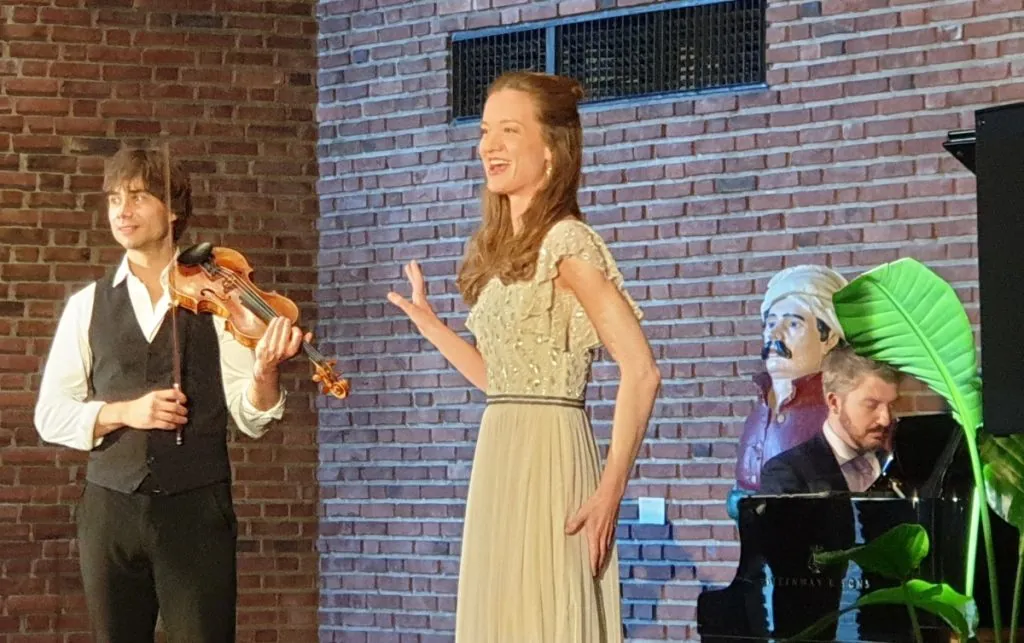
A little later in the evening: The Maritime Museum! The annual Kon Tiki Chamber Music Festival was taking place there – and this evening Alexander Rybak performed with guests. Rarely have I experienced such a joyful, spontaneous, yet highly concentrated concert as this one. The exuberant musical joy on stage was contagious to the audience, who responded with ovations.
Vigeland Park and Oslo's major art museums
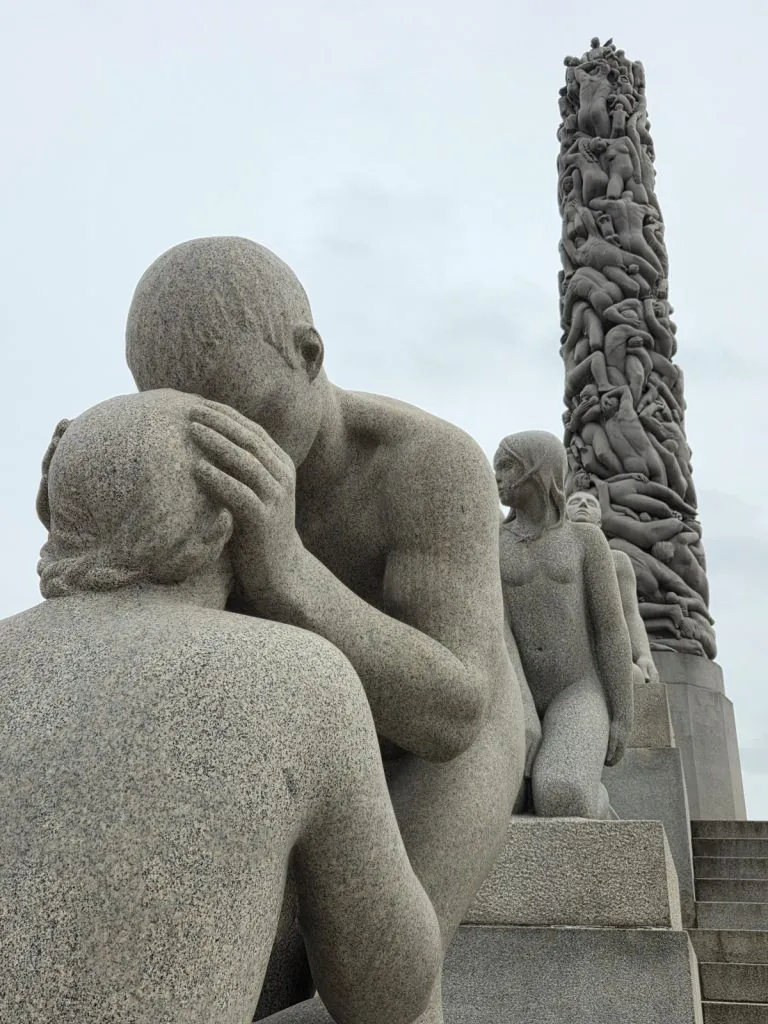
For those who have never been to Oslo: By all means, don't miss the Vigeland Sculpture Park in Frogner Park, where hundreds of Gustav Vigeland's sculptures (which depict people of different ages and existential themes) make the park unique, even in an international context.
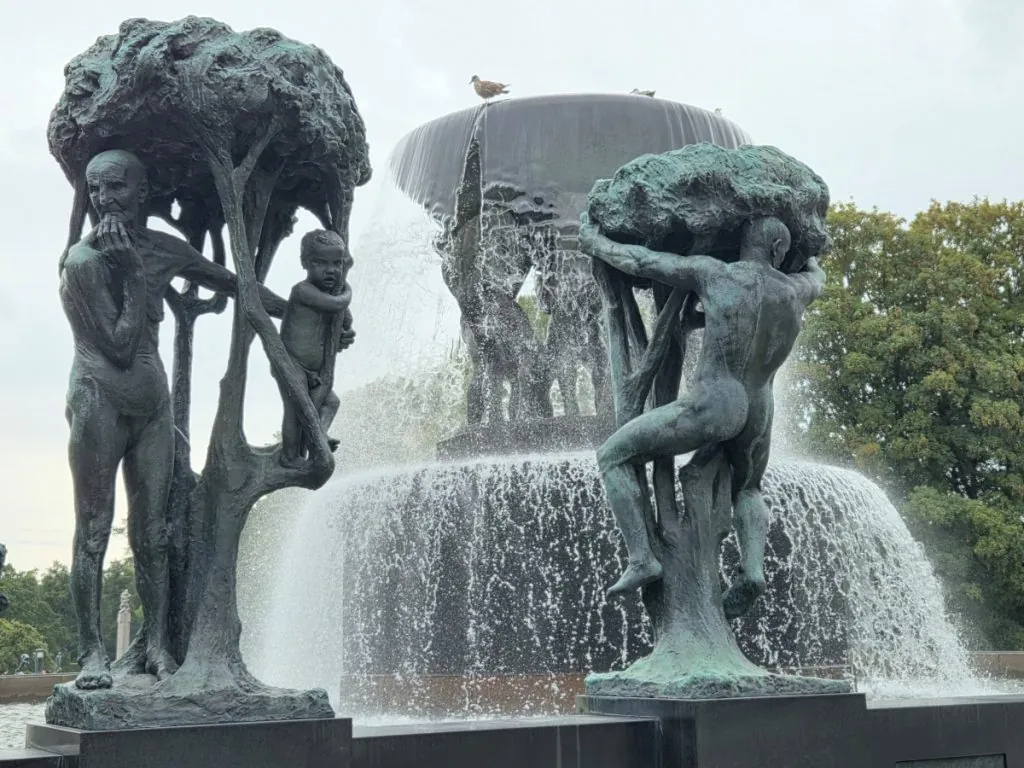
Also recommended is a visit to the chapel built by brother Emanuel Vigeland, which is dominated by an enormous fresco depicting the stages of human life, from birth to death. Please note that opening hours are extremely limited.
The two largest art museums are the National Museum (which replaces the former National Gallery) and the Munch Museum. Both are filled with such an enormous amount of art that you should have at least half a day available for each institution.
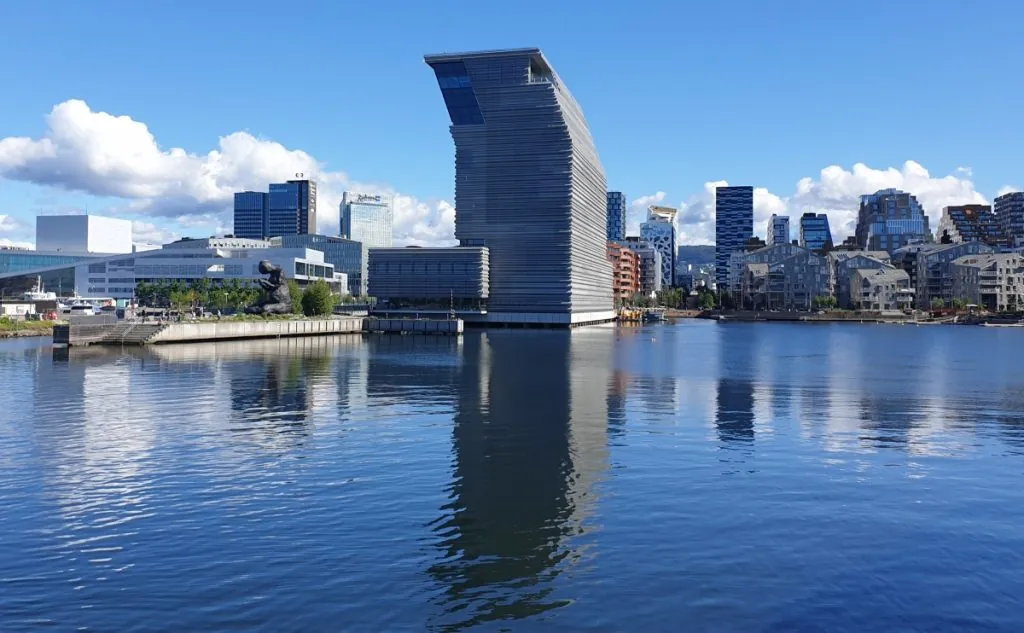
It is worth mentioning that the 13-story Munch Museum is one of the world's largest museums dedicated to a single artist. Edvard Munch bequeathed an enormous art collection to the Oslo municipality: 1,100 paintings, 15,500 graphic sheets, 4,700 drawings, and more.
Three tips for accommodation in Oslo
Finally: Where should you stay during a stay in Oslo? There are of course many possibilities. Here are three tips.
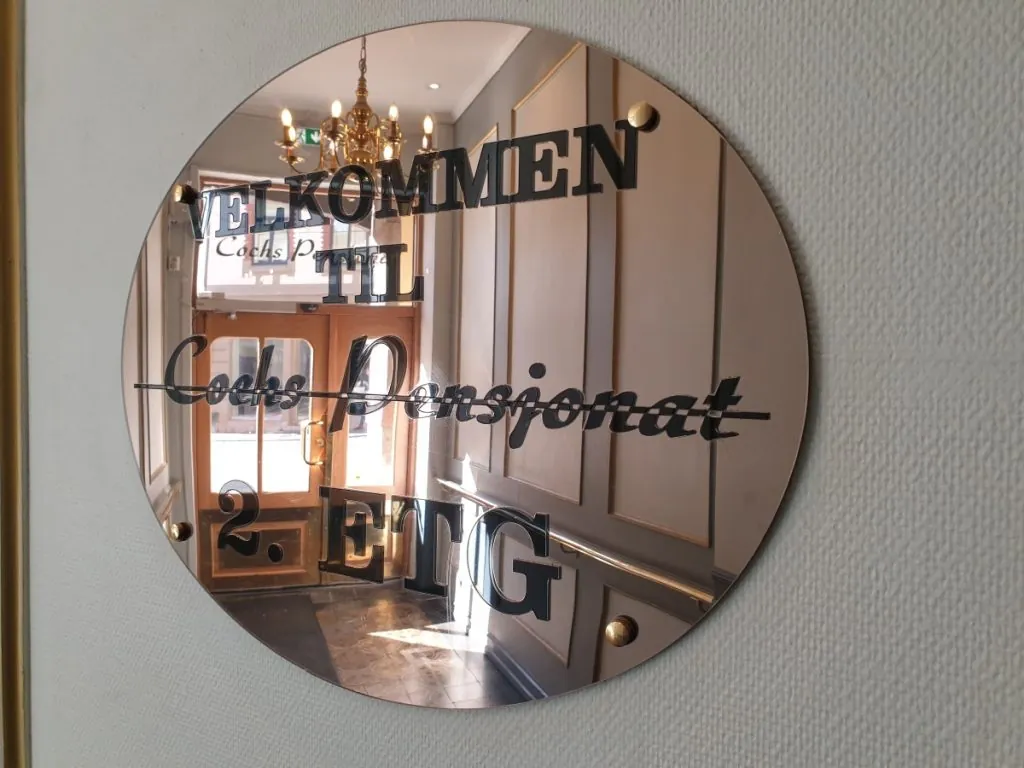
The budget variant: Historic Cochs near Slottsparken. It has been a guesthouse for over a hundred years. The location is excellent, and many of the rooms have kitchenettes.
Modern & stylish: Clarion "The hub". A hyper-designed giant hotel (810 rooms) with an excellent location near the central station. The view from the restaurant on the 13th floor is outstanding.
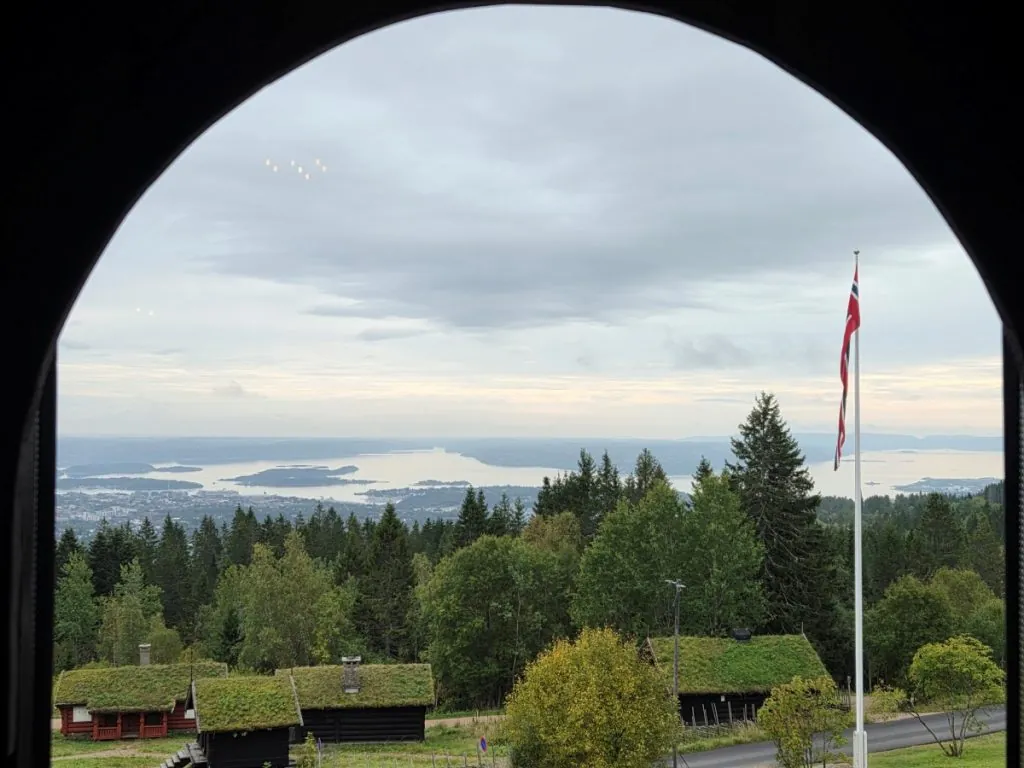
Classic and stylish: Voksenåsen – a cultural center that is both a hotel and a conference center. In addition, it has one of the city's best locations, at an altitude of 500 meters and with fabulous panoramic views of the city, the fjord and the surrounding mighty mountains.
You can easily get to Voksenåsen by taking the metro line past Holmenkollen up to Frognerseter (a unique restaurant from 1891, built in the dragon style of the time and where there is usually a fire burning in the open fireplace and where the feeling of authenticity is striking. Don't miss the place's apple cake - which has been offered here since 1920).
Voksenåsen, opened in 1955, is characterized by Scandinavian design at its most sophisticated. The facility is owned by Sweden and was given by the Norwegian state as a thank you for its help during World War II. In addition to tastefully decorated lounges, there is a large library. Hardly any other Oslo hotel can offer such a thing.
Footnote: With the Oslo Pass you can travel freely on public transport, including a number of local boat lines to the nearest islands in the fjord; in addition, you have free access to around 30 museums.

Follow Björn Erik here:
Mr Björn Erik Gustavsson
You might also like:
 Chemnitz, Germany - European Capital of Culture 2025


 Things to do in Närpes – 10 tips for the tomato city in Finland
 What to do in Jakobstad, Finland - 20 tips
 Shopping in Uzbekistan - markets, crafts and shopping tips
 Glasshouses and glassworks in Glasriket - guide with map


 English (UK)
  Svenska