


Writer: Helena Bergström
Updated: October 2026 | Kenyan food is rustic, filling and varied, with everything from ugali and vegetables to grilled meats, spicy rice dishes and deep-fried treats. We have travelled to Kenya twice and during our second trip we stayed with Kenyan friends, which gave us the opportunity to get really close to everyday Kenyan food. Here we go through what people eat in Kenya – and list 25 classic Kenyan dishes and specialties to look out for.
 Tweet
 Share
 Share
 Pin
 Share
 Share
Table of contents
What do you eat in Kenya? – a quick overview
Kenya is a large country with many different ethnic groups, traditions and regional cuisines. The food therefore looks different depending on where you are in the country. Some typical features are:
- Ugali: One of the country's most important staple dishes, made from cornmeal and water.
- Vegetables and legumes: Sukuma wiki, beans, corn and various kinds of green leaves are common.
- Meat and stews: Beef, goat and chicken are common, as are various forms of offal.
- Rice and spices: Especially along the coast, influences from Swahili and Indian food culture are noticeable.
- Street food: Samosas, fried snacks, sausages and barbecue are among the things you might encounter.
- Tea: Chai with milk and sugar is a natural part of everyday life for many.
During our second trip to Kenya We stayed at the home of Kenyan friends, and in a way it felt like we ate the same dinner every day: ugali, sukuma wiki and some kind of meat stew. Simple, filling and a far cry from restaurant food geared towards tourists.

Typical Kenyan food – 25 classic dishes
Here we list 25 dishes, side dishes and drinks that tell us something about Kenyan food culture. Some are eaten across large parts of the country, while others are native to specific regions or ethnic groups.
1. Ugali
Ugali is one of the most important staple dishes in Kenya and is made by boiling cornmeal with water into a very thick porridge. It is served with vegetables, meat, fish or stew, for example.
When we stayed with our Kenyan friends, we ate ugali almost every day. We'll admit that it was never a personal favorite, but it's definitely edible – and it's filling!
There was also an art to learning how to eat ugali properly. You take a piece with your hand, shape it with your fingers and can make a small indentation that helps to get the vegetables and sauce out. Suddenly the ugali functions as both food and cutlery.


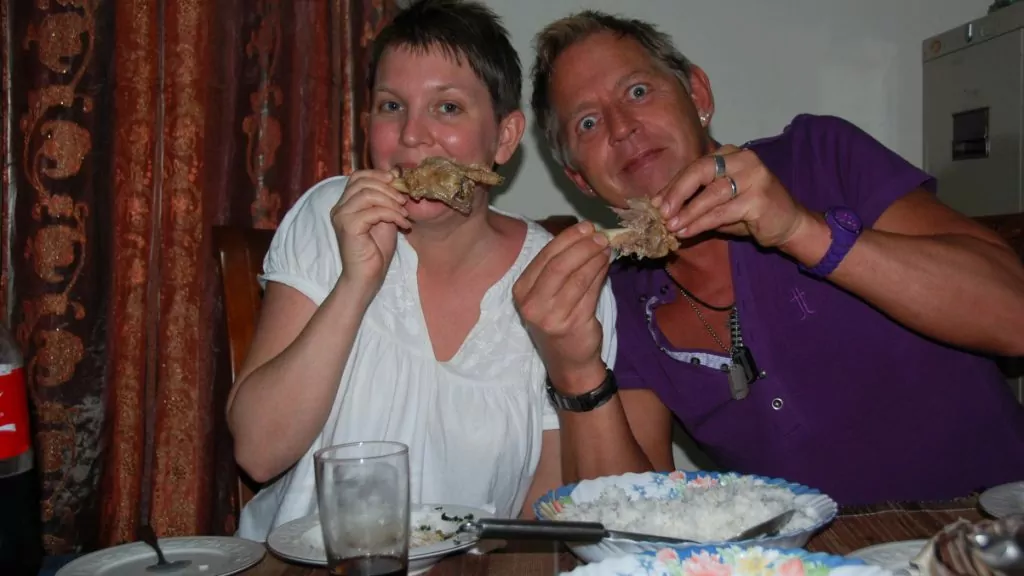
2. Nyama choma
Nyama choma means roughly ”grilled meat” in Swahili and is one of Kenya’s most famous dishes. Goat meat or beef is often used, which is grilled and served in pieces. Nyama choma is also a social dish that is often eaten with others. Common accompaniments are ugali and kachumbari.
3. Sukuma wiki
Sukuma wiki consists of green leaves that are chopped and cooked, often with onions and tomatoes. The dish is cheap, nutritious and a very common accompaniment to ugali.

This also became an everyday meal for us. Sukuma wiki is perfectly fine and goes well with ugali and stew – although after a while we started to crave a little variety.

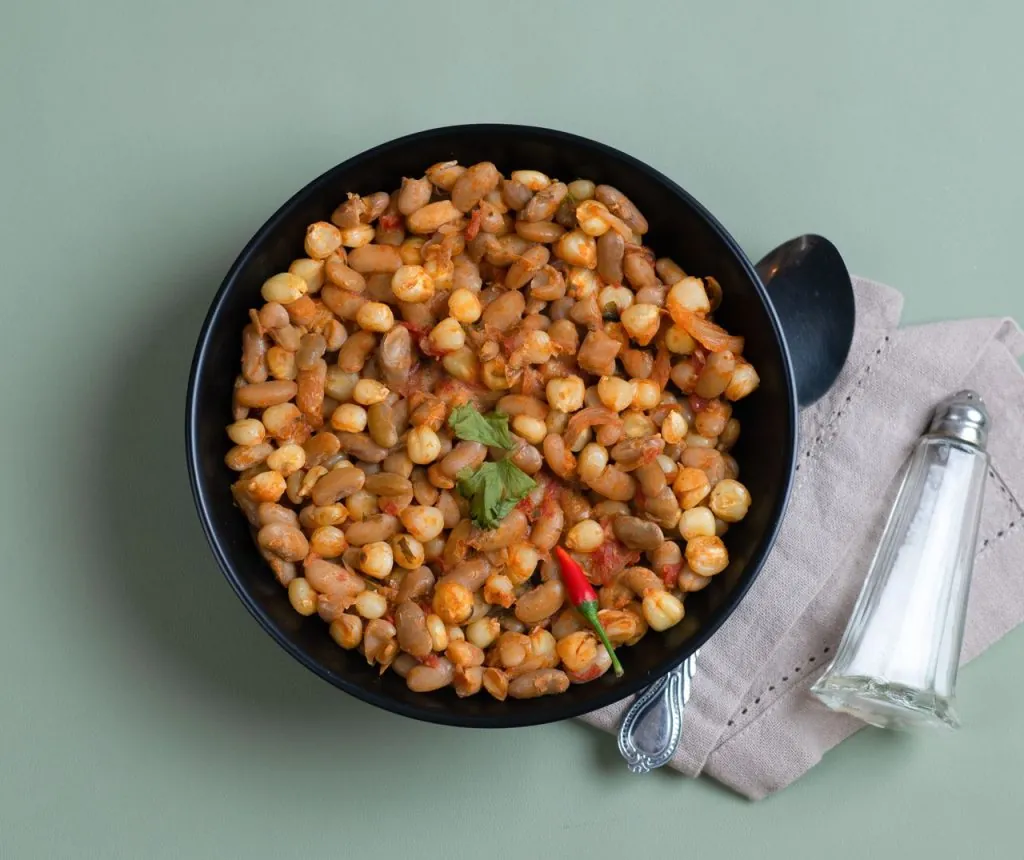
4. Githeri
Githeri is a traditional dish of corn and beans cooked together. It is particularly associated with the Kikuyu people of central Kenya but is now eaten in many parts of the country.
The dish can be very simple, but can also be supplemented with, for example, potatoes, vegetables, onions and tomatoes.
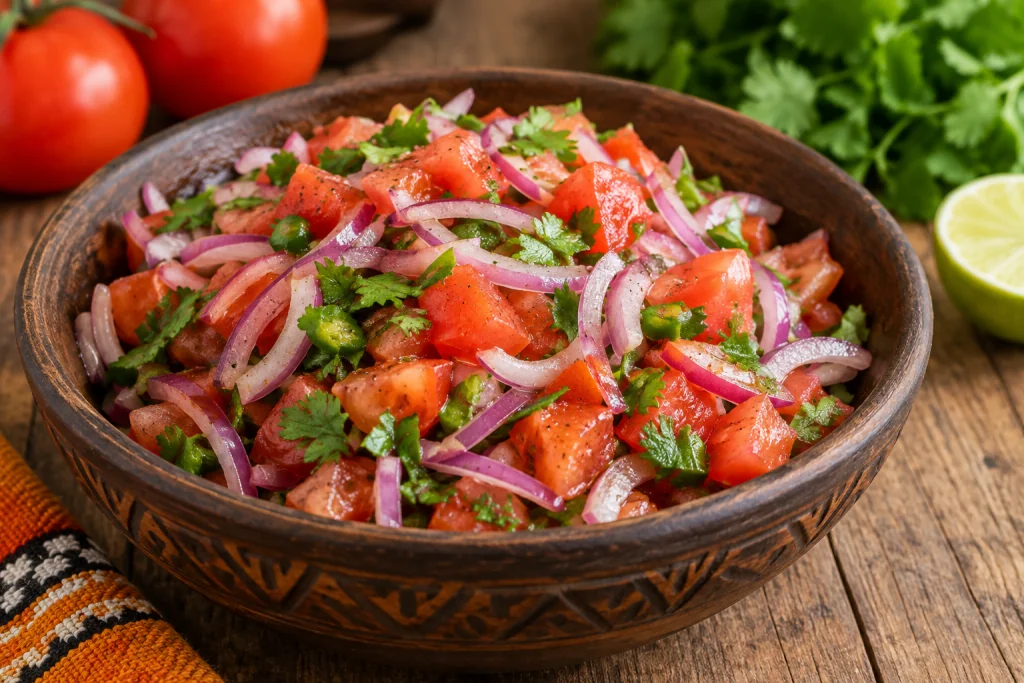
5. Kachumbari
Kachumbari is a fresh salad usually made with tomato and onion, often with chili, coriander and citrus. It is often served as a side dish to nyama choma, for example, and adds acidity and freshness to an otherwise quite hearty meal.
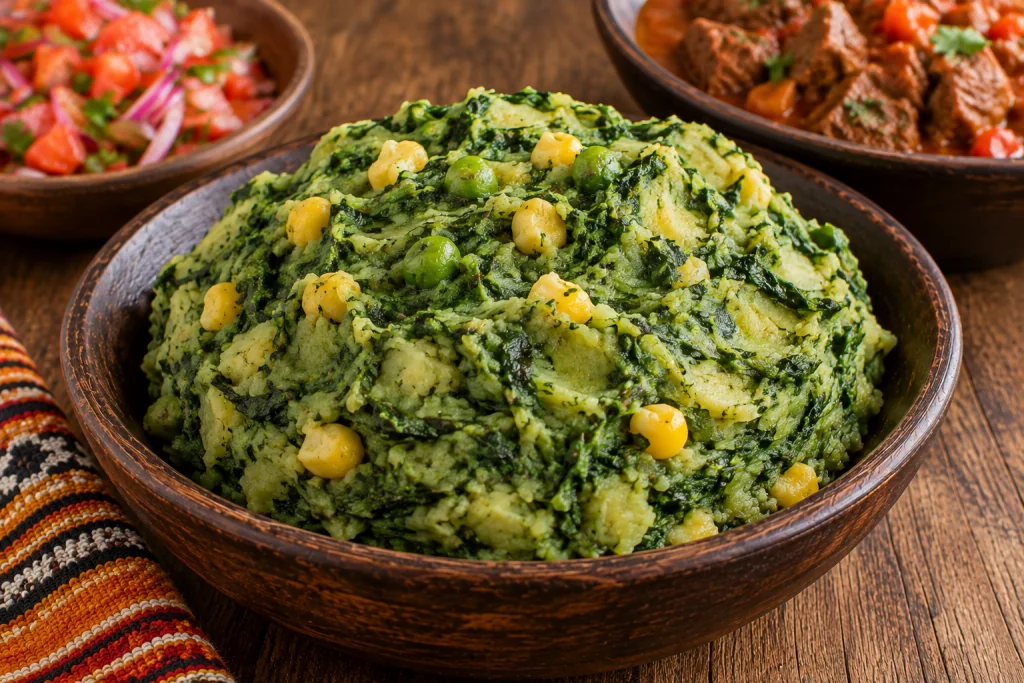
6. Mukimo
Mukimo is a traditional dish from central Kenya, associated with the Kikuyu people. It is a coarse mash that may contain potatoes, maize, peas or beans, and green leaves. Mukimo is often served with meat or stew.
7. Mshikaki
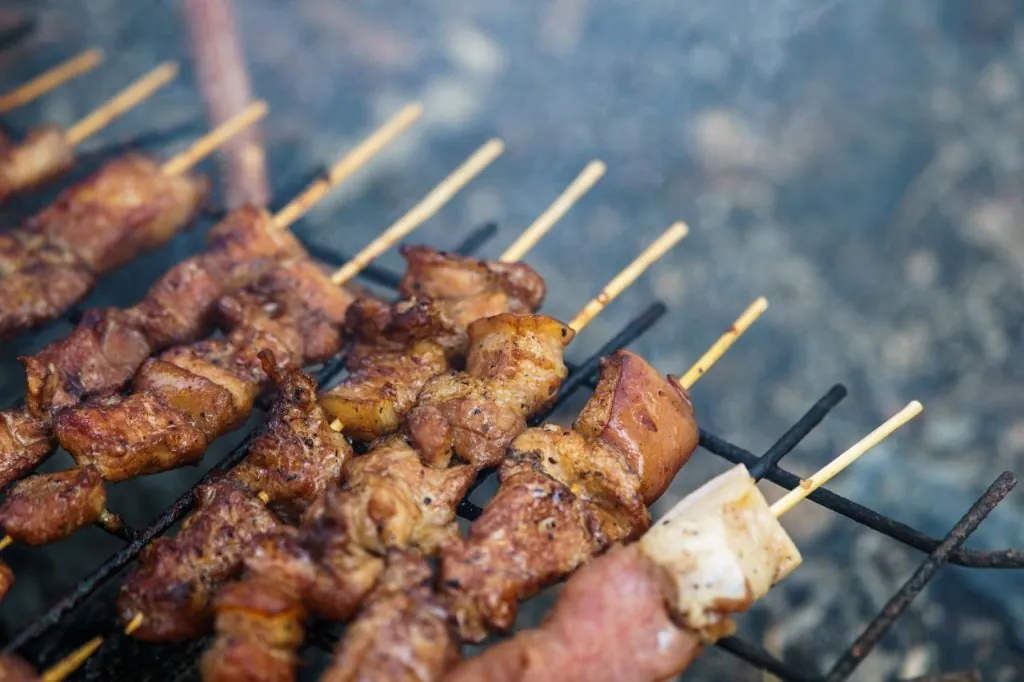
Mshikaki are skewers of small pieces of marinated meat, often beef, grilled over an open fire or embers. They are popular as street food and are particularly associated with the Swahili food culture along the Kenyan coast.
The meat is seasoned in various ways and can be served straight from the skewer, preferably with kachumbari or a spicy sauce. Simple, smoky and much easier to eat on the go than a portion of ugali with stew.
8. Kenyan meat stew
A simple meat stew, often with beef or goat, tomato and onion, is a common Kenyan everyday meal. It can be served with, for example, ugali, rice or chapati.
At our friends' houses we often got some kind of stew with ugali and sukuma wiki. The taste was usually good, but we had to get used to the fact that the pieces of meat could contain significantly more bones and fat and less clean meat than we were used to at home.
9. Chapati
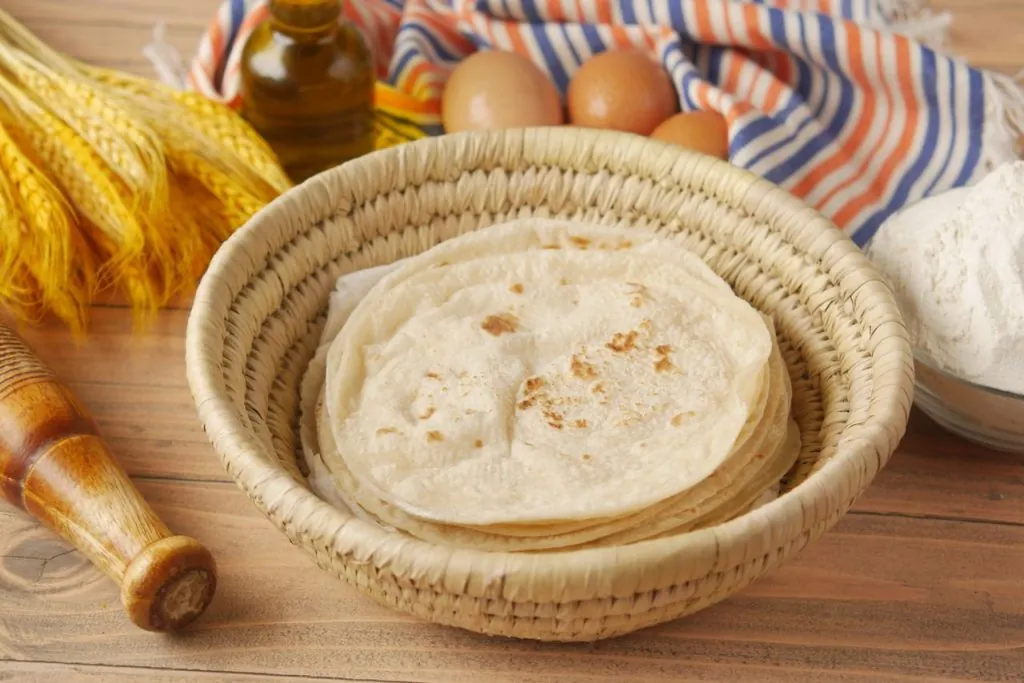
Chapati originated on the Indian subcontinent but has long become an important part of East African food culture.
The Kenyan version is a soft, flat bread that is fried in a pan and served with stews and beans, for example. Chapati can be an everyday food but is also found on more festive occasions.
10. Pilaf
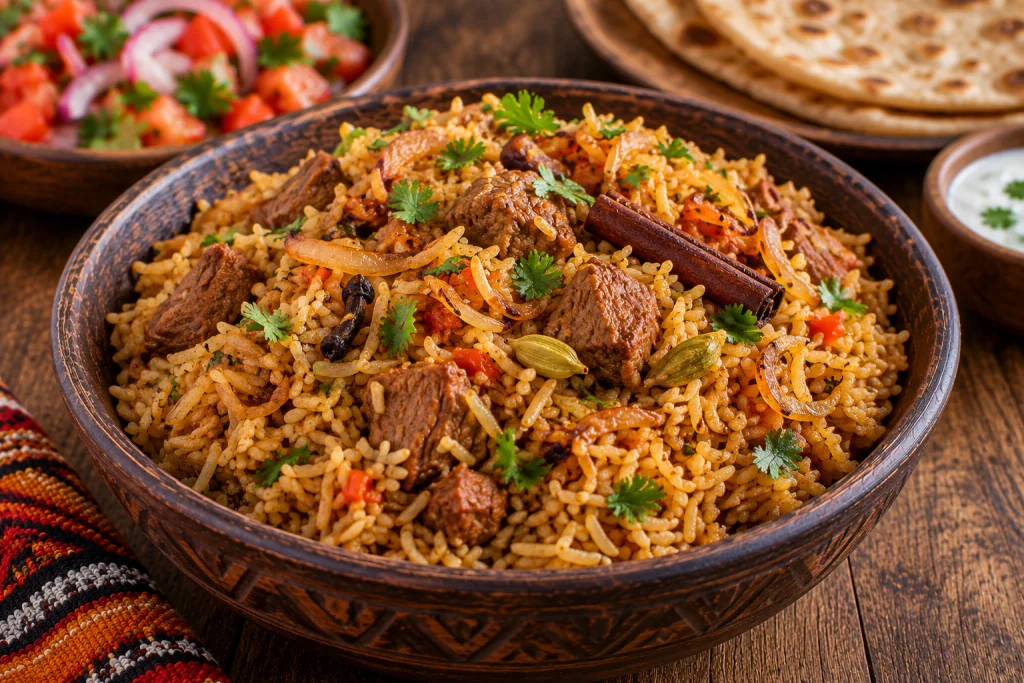
Pilau is a spicy rice dish that is particularly important in the Swahili cuisine along the coast of Kenya. The rice is flavored with aromatic spices and is often cooked with meat.
The dish bears witness to the many influences that have reached the East African coast through centuries of trade across the Indian Ocean.
11. Biryani
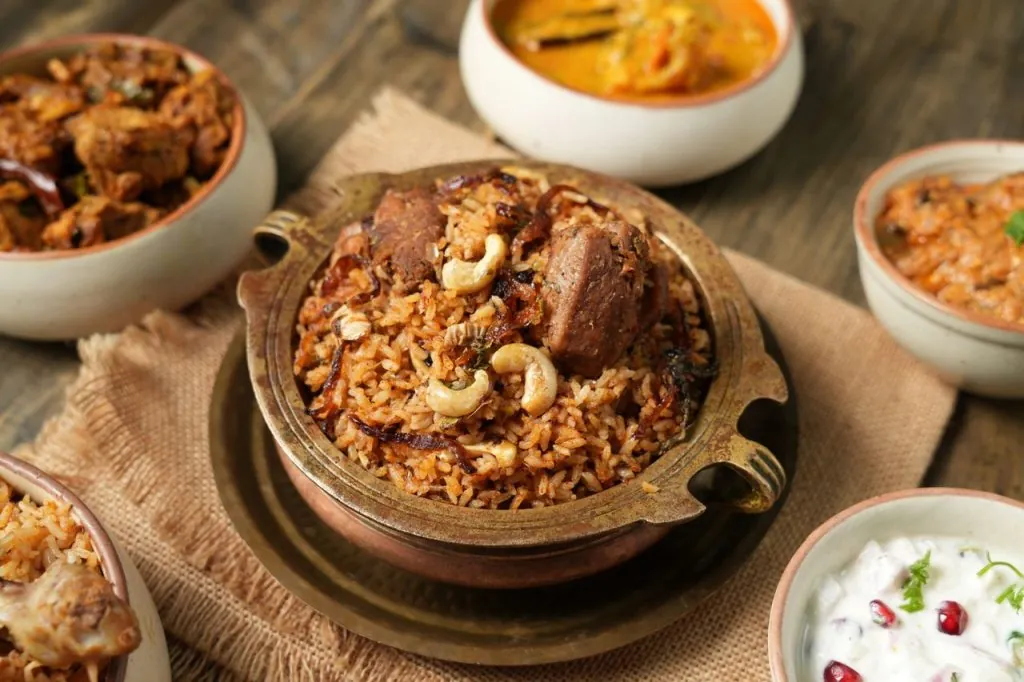
Biryani also has clear South Asian roots and is popular especially on the Kenyan coast. It contains seasoned rice along with, for example, chicken, beef or goat meat.
Pilau and biryani may seem quite similar at first glance, but the cooking methods are different. In biryani, the rice and the spicy meat mixture are often cooked separately before being combined, while in pilau, the ingredients are more often cooked together.
12. samosa
Samosas are triangular dough balls with a spiced filling that is fried until crispy. The filling can consist of meat, lentils or vegetables, for example.
We sometimes had samosas at our friends' houses and after many meals with ugali and sukuma wiki they almost felt like luxury food. Crispy, spicy and very tasty!
Samosas are still something we enjoy eating. We most recently had them as a snack at a Kenyan event in Stockholm.

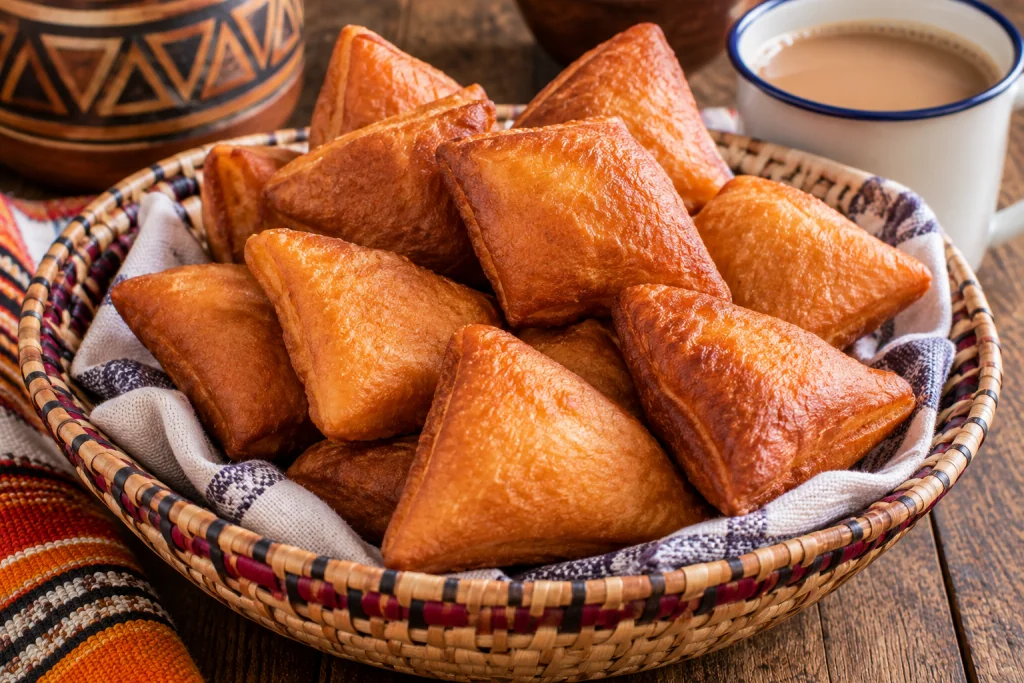
13. Mandazi
Mandazi are deep-fried breads that are common in Kenya and other parts of East Africa. They are slightly sweet but significantly less sugary than, for example, Swedish doughnuts. Mandazi quickly became a favorite of ours. Sometimes they would show up for breakfast at our friends' houses and we would always be extra happy.
14. Mahamri
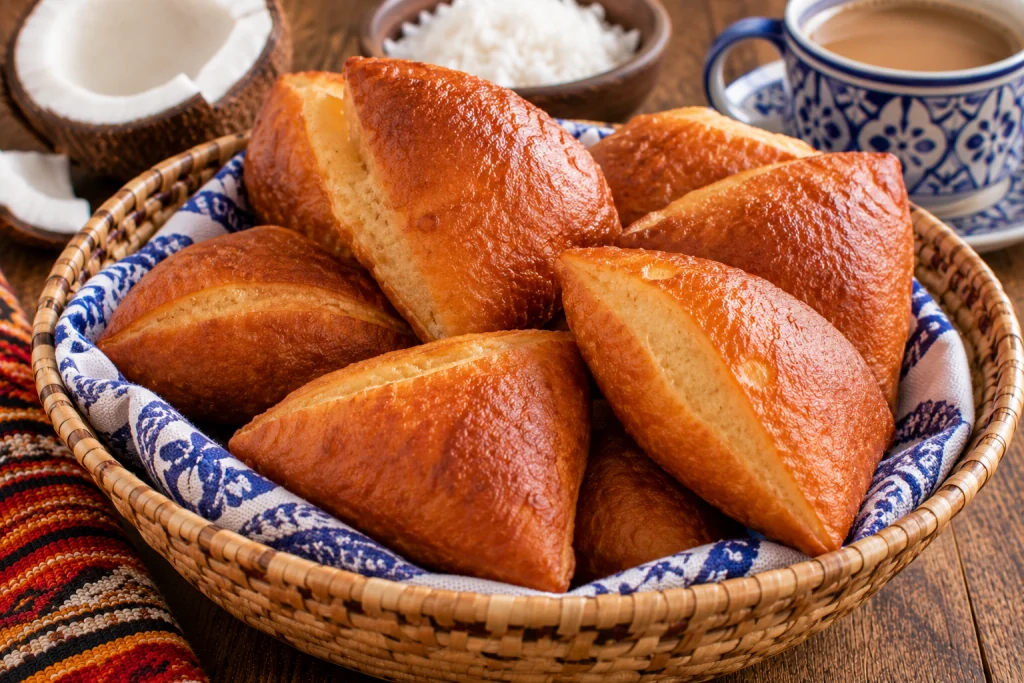
Mahamri is similar to mandazi but is particularly associated with coastal Swahili cuisine. They are often flavoured with coconut milk and cardamom and have a slightly sweet taste. They are eaten for breakfast or with tea, and can also be served with beans.
15. Matoke
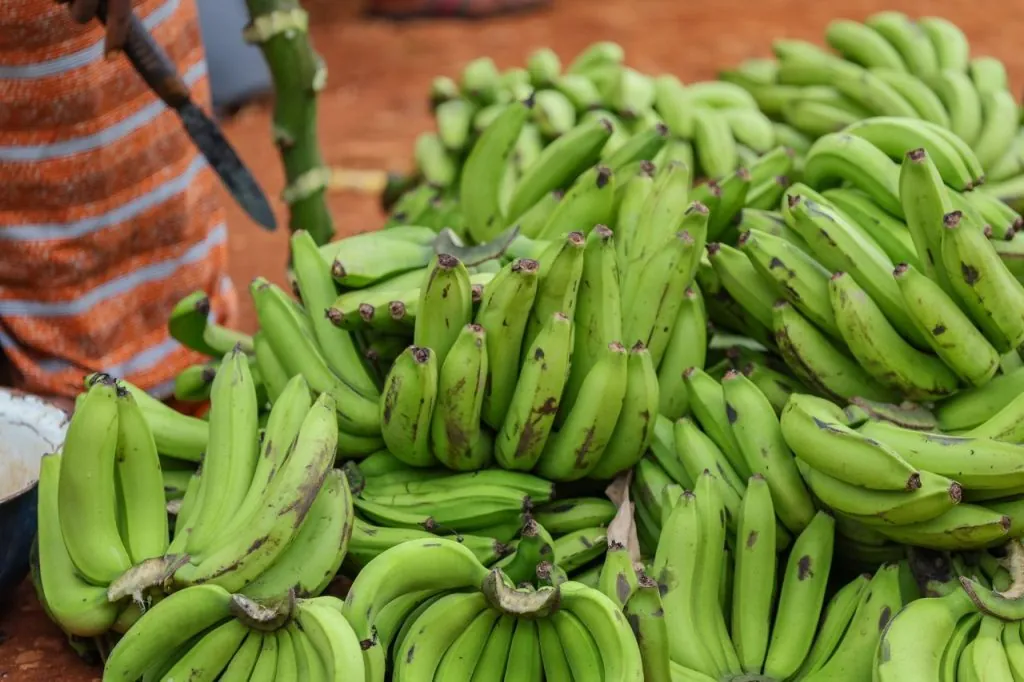
Matoke are plantains that are boiled or stewed and can be served as a puree or in a stew. Plantains are found in several East African countries and are particularly strongly associated with Uganda, but are also eaten in Kenya.
We came into contact with the plantain during our first trip to Kenya. We stayed at a small guesthouse run by a French woman. She cooked very good food, probably with some French influences but often with local ingredients – and we especially remember that she used plantains.
16. Maharagwe
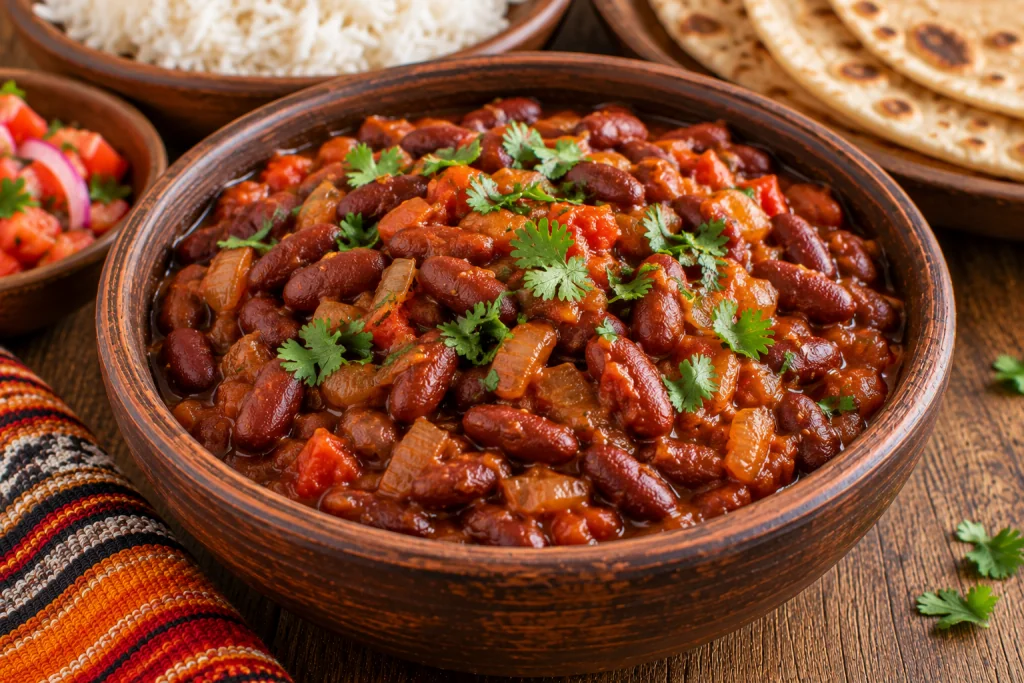
Maharagwe is a bean stew that occurs in various variations in East Africa. On the coast of Kenya, the beans can be cooked with, among other things, coconut milk, tomatoes and spices. The dish can be served with, for example, rice, chapati or ugali and is a good example of how many Kenyan everyday foods work great even without meat.
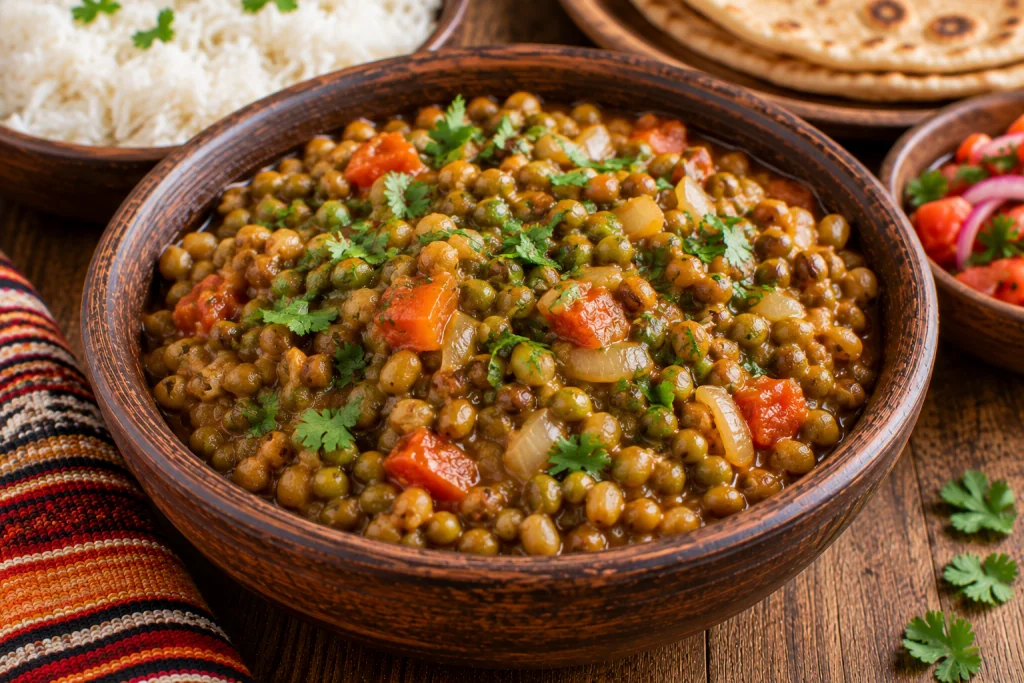
17. Ndengu
Ndengu is green mung beans cooked into a stew, often with onions and tomatoes. The dish is simple and filling and can be served with rice or chapati, for example.
18. Fish of the pukapa
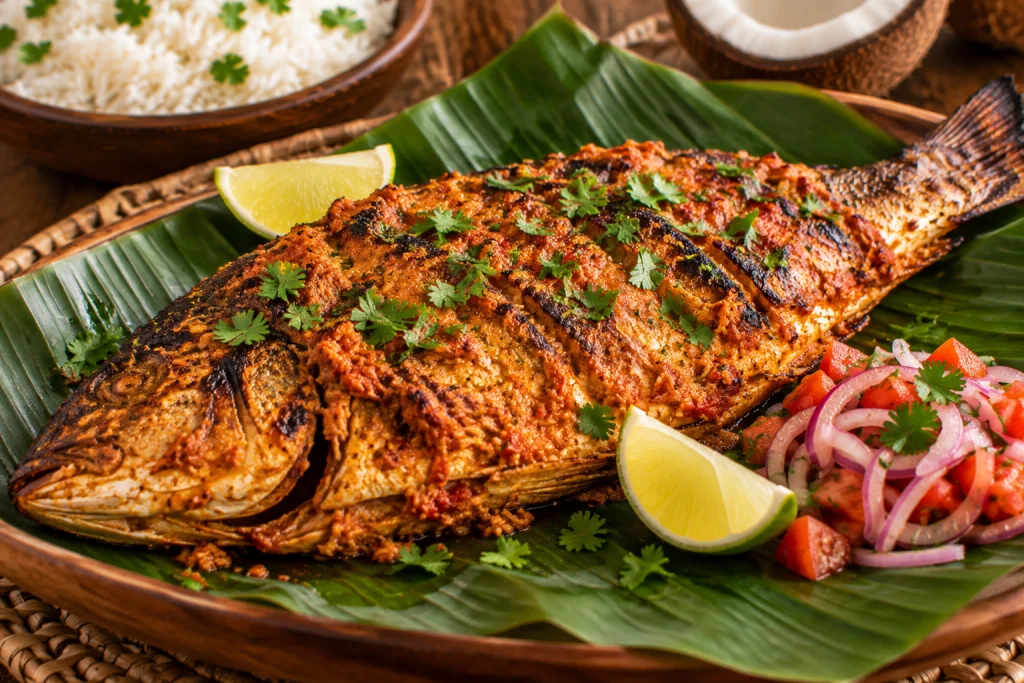
Samaki wa kupaka is a specialty from the Swahili coast. Fish is grilled and covered or brushed with a flavorful sauce that usually contains coconut milk and spices. It combines two ingredients that are particularly important on the coast: fish from the Indian Ocean and coconut.
19. Tilapia
Tilapia is a common food fish in Kenya, especially in the area around Lake Victoria. It can be fried, grilled or cooked in a sauce with tomato and onion. During our second trip to Kenya, we also experienced a very special fish dinner, but more about that below.
20. Omens
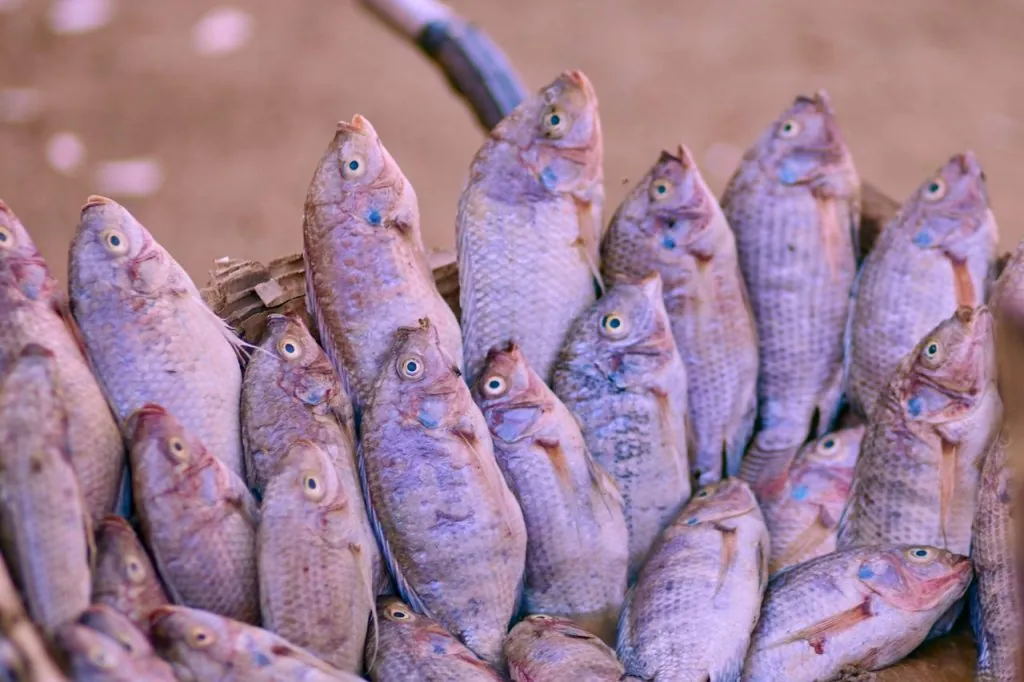
Omena are small fish from Lake Victoria that are particularly important in western Kenya. They are often dried in the sun and can then be fried or boiled with, for example, tomatoes and onions. To the uninitiated, a portion of many whole small fish may look a little different, but omena is an established part of the food culture around the lake.
21. Mutura
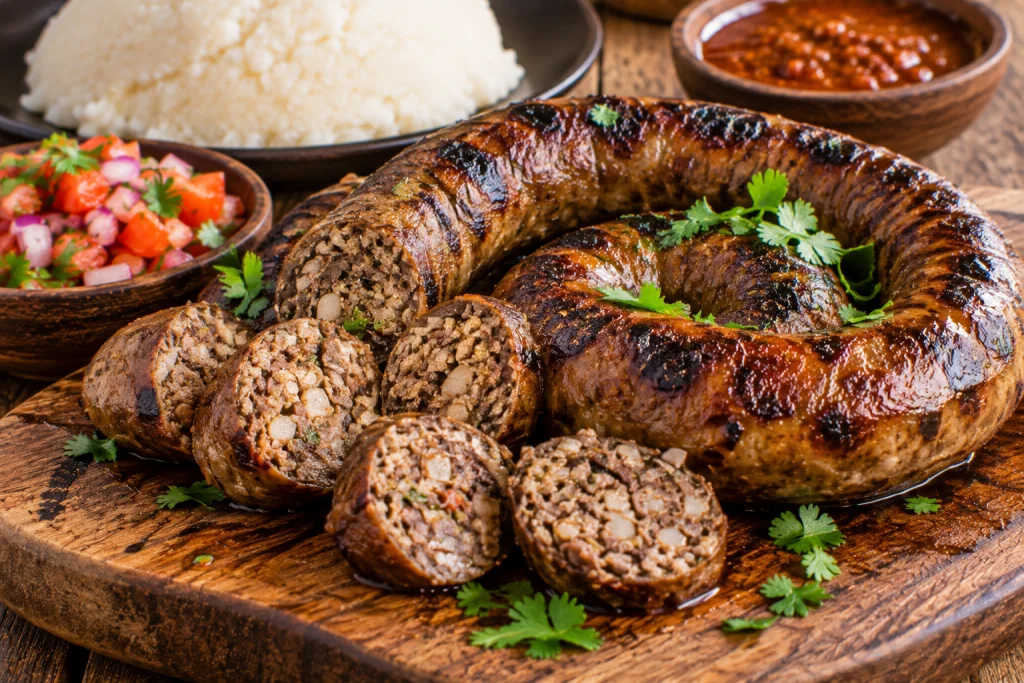
Mutura is a traditional Kenyan sausage, primarily associated with the Kikuyu people of central Kenya. Intestines are used as casings and the traditional filling can consist of meat, minced offal, blood, vegetables and spices.
The sausage is then cooked and grilled and has also become popular as street food. We didn't eat mutura as far as we know, but during a long drive we stopped at a very simple eatery where, among other things, intestines and liver were on the menu. More on that in a moment.
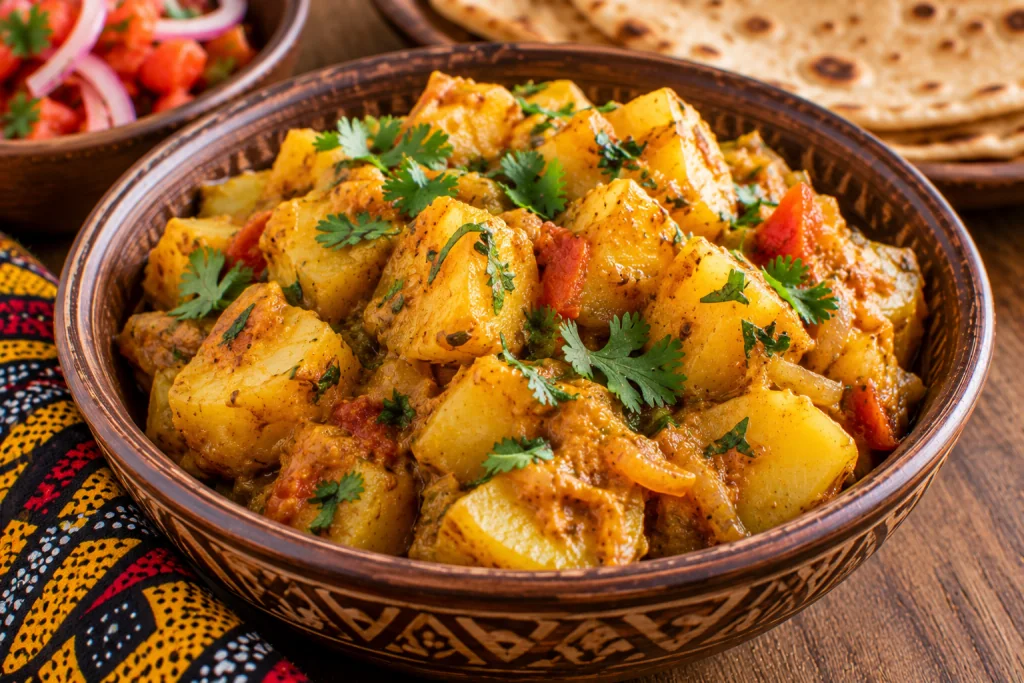
22. Viazi Karai
Viazi karai is a popular street food on the coast of Kenya. Potatoes are boiled, coated in a spiced batter, and deep-fried until crispy on the outside. The dish is often served with chutney or hot sauce.
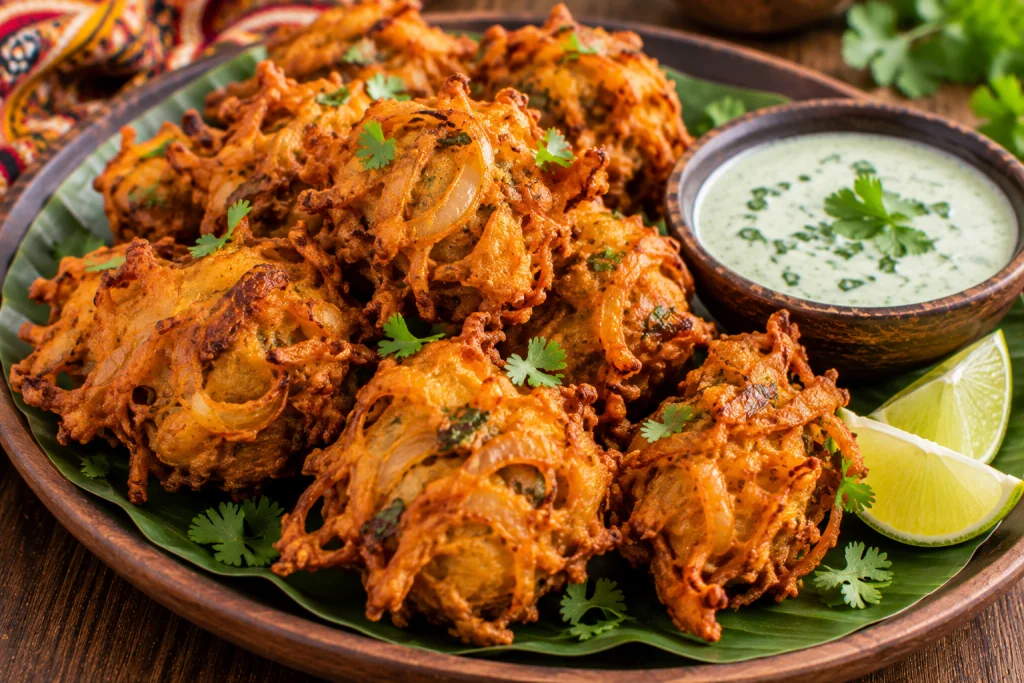
23. Bhajia
Bhajia is another example of the South Asian influences in Kenyan cuisine. Thin slices of potato are coated in a spiced chickpea flour batter and deep-fried, resulting in a crispy snack that is often eaten with chutney.
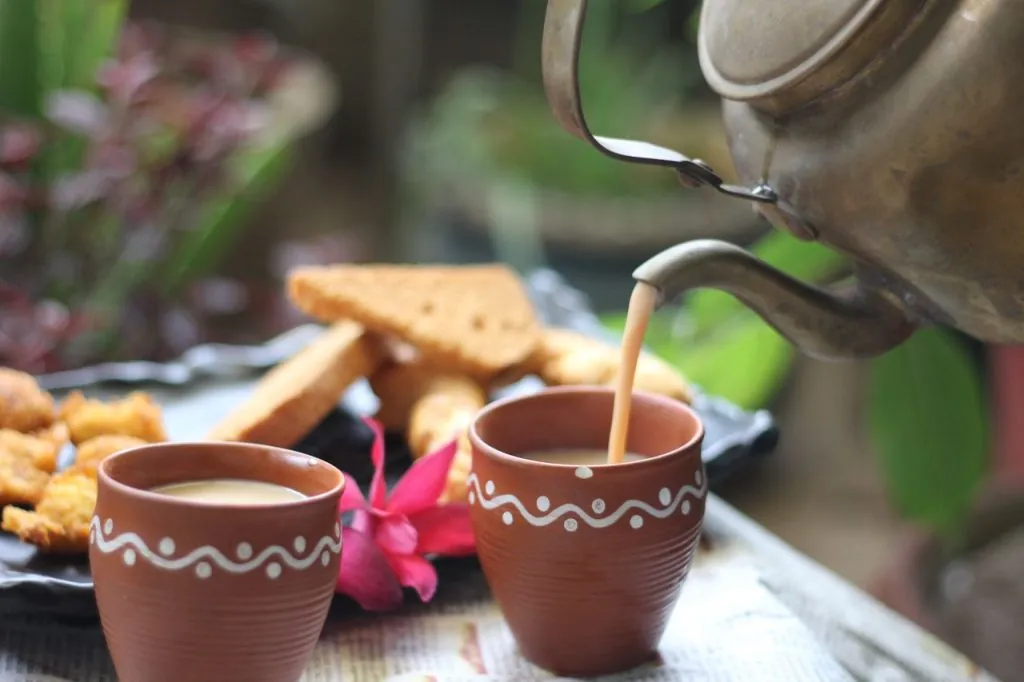
24. Chai – Kenyan tea with milk
Kenya is one of the world's major tea producers, and tea is also an important part of everyday life. Chai is often served with plenty of milk and sugar.
When we stayed with our friends, almost every morning started the same way: tea with milk and bread with margarine. We often also got eggs and sometimes small sausages or mandazi.
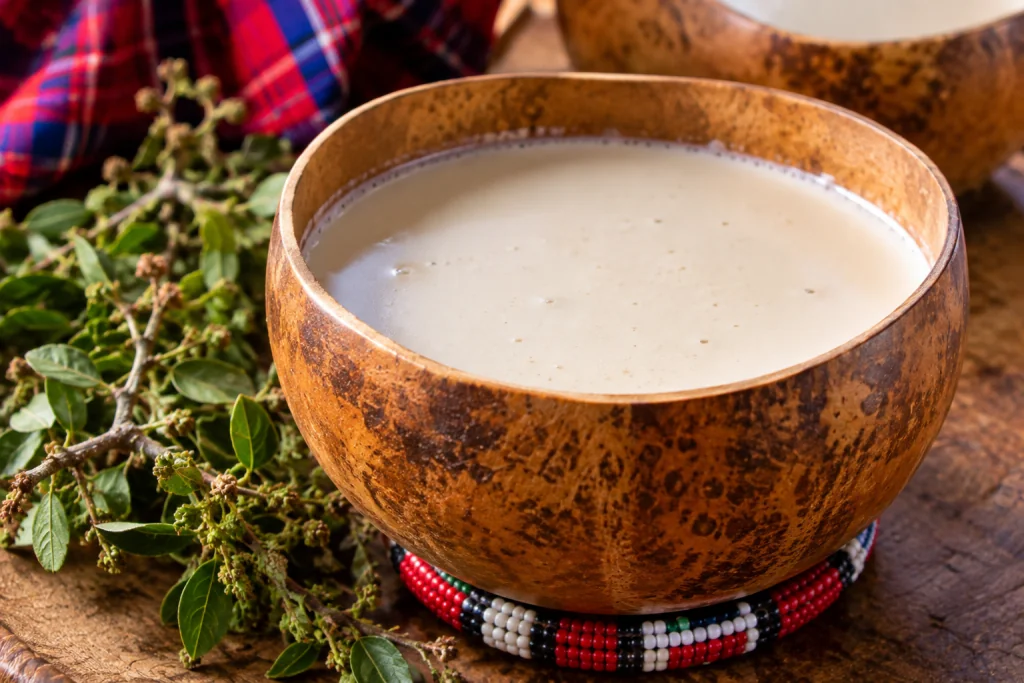
25. Mursik
Mursik is a fermented milk drink primarily associated with the Kalenjin people of Kenya. Traditionally, the milk is fermented in special gourds, which may be treated with ash from selected wood species.
This gives the milk a characteristic flavor and makes mursik something completely different from the milk most Swedish visitors are used to.
Kenyan breakfast – chai, bread and mandazi
What do you eat for breakfast in Kenya? Of course, there is no single answer, but at our friends' houses our mornings often looked pretty much the same.
We were given tea with milk and bread – not toasted – with Blue Band, a margarine that we noticed was on display instead of in the fridge. Most of the time fried eggs were also served, much like a simple omelet.
Sometimes small fried sausages appeared and sometimes we got mandazi. The latter were definitely the highlight of the breakfast!

Eating Kenyan food with your hands
When serving ugali, there is no real need for cutlery. The traditional way is to eat with your right hand. You take a piece of ugali, shape it between your fingers and make a small indentation with your thumb. This can then be used to scoop up vegetables, meat and sauce.
Of course, it looked ridiculously easy when our Kenyan friends did it. For us, it required significantly more practice.
During this trip, we actually got closer to both the food and the ingredients than we usually do when traveling. In one of the apartments where we stayed, there were even live chickens in the kitchen and on the balcony. We strongly suspected that they were not there as pets.
Food for a traditional Kenyan wedding
The reason for our second trip to Kenya was very special: we were invited to a traditional Kenyan wedding. Before the wedding we were going to get away from Nairobi to the village where the mother of the family lived. It was a long drive through the country – and at the same time something of a shopping trip.
Here and there we stopped to buy things that were apparently particularly good there. In one place there were large quantities of bananas, in another live chickens. Eventually we traveled on with, among other things, several cages of cackling chickens.

When we finally arrived at the village, we were greeted by an environment that was completely different from the one we had left in Nairobi, with round houses and no electricity.
In the evening we were treated to fish. As guests, we were allowed to start eating while the others watched, which felt unusual to say the least. We were also told that eating the fish's eye would bring good luck.
Whether this was a local tradition, a family tradition, or perhaps something that was said right then and there, we don't know. But we definitely haven't forgotten the story of the fish eye.

Liver and intestines along the way
The road trips through Kenya also provided some food experiences. On the way back to Nairobi we stopped at a very simple roadside eatery. Here you could buy, among other things, pieces of liver and intestines.

We tried the intestines, but that was where we really reached our limit. Our Kenyan friends were kind enough to let us concentrate on the liver pieces instead.
Intestine food is nothing unusual in Kenya and a well-known example is mutura, where intestines are used both as an ingredient and as a filling.

Crocodile at Carnivore in Nairobi
Of course, we didn't just eat home-cooked, everyday food during the trip. At one point, we also visited the well-known Carnivore restaurant in Nairobi, which specializes in grilled meat.
Here, different types of meat are served from large skewers and the pieces are cut up right at the table. We tried crocodile, among other things. Helena thought the crocodile meat was just okay. Peter was considerably less impressed. Other meats went down better with both of us.

Carnivore is still in Nairobi and the restaurant's concept is still based on a large meat meal with various grilled varieties, which is served until the guest signals that they have had enough.

Kenyan food in different parts of the country
Kenyan cuisine varies greatly depending on where in the country you are and what food traditions dominate in the area.
- Central Kenya: Here you will find the food traditions of the Kikuyu people, including dishes such as githeri, mukimo, irio and mutura.
- Coasts: In Mombasa and along the Swahili coast, fish, coconut, rice and spices play a bigger role. Here you will find, for example, pilau, biryani, mahamri and samaki wa kupaka. The contacts across the Indian Ocean have left a clear mark on the food.
- Western Kenya and Lake Victoria: Fish are naturally important around Africa's largest lake. Tilapia and the small fish omena are common here.
- Rift Valley and pastoral areas: Among ethnic groups where livestock has traditionally been central to their livelihood, milk and meat have also played a major role in their food culture. Mursik is a clear example.
It is therefore difficult to speak of a single ”Kenyan cuisine.” The country's food rather tells the story of different ethnic groups, landscapes, trade routes and ways of life.

More about food in other countries
Do you like discovering the world through food? Here you will find more of our guides:
- Mexican Food – 25 Classic Dishes
- Greek food - 25 Greek dishes
- South African food – 20 classic dishes
- Indian food - 25 Indian dishes
- Chinese food - 20 Chinese dishes
- Moroccan food - 17 Moroccan dishes
Frequently Asked Questions About Kenyan Food
What is typical food in Kenya?
Ugali is one of the most important staple dishes and is often served with vegetables such as sukuma wiki and meat, fish or stew. Nyama choma, githeri, chapati, pilau and samosas are other well-known examples.
What is ugali?
Ugali is a thick porridge made from cornmeal and water. It is served as a side dish and is traditionally eaten with the hand, along with vegetables, meat or sauce.
What is the national dish of Kenya?
There is no obvious official national dish that all sources agree on. Ugali is one of the country's most important staple dishes, while nyama choma is often highlighted as one of the most typical and well-known Kenyan dishes.
Is Kenyan food spicy?
Not necessarily. Some dishes contain chilies and spices, especially in the Swahili cuisine of the coast, but much of Kenyan everyday food is relatively mild. Hot sauces and chilies can also be served on the side.
Is there vegetarian food in Kenya?
Yes. Beans, maize, lentils and green leafy vegetables are important in Kenyan cuisine. Githeri, sukuma wiki, maharagwe and ndengu are examples of dishes that can be vegetarian, and many other dishes can be served without meat.
You might also like:
 Restaurants in Panglao in the Philippines - 9 tips
 What to eat in the Philippines? - 15 classic dishes you must try
 Riding the wine train in Franschhoek, South Africa
 What to eat in South Africa? - 20 classic dishes you must try
 Best restaurant at Arlanda? - we have tested La Girafe
 Christmas spices - Aunt Anna spices up life



 English (UK)
 Svenska
Maggan o Ingemar says:
Food from other cultures is certainly exciting, but we Westerners don't always appreciate their food. I have difficulty with entrails of all kinds. Then the spices are another matter too. We were once offered a chicken stew made in the African way, with lots of spices including cardamom, it was very good, but oh so strong. What wonderful memories you have now.
10 May 2012 - 23:24
Deciree says:
I agree. The food is too strong. Me with my stomach would be in a lot of pain from all this food. No, I can't eat spicy food. But I hope you could, so you could enjoy all this plus the experience.
11 May 2012 - 19:11
admin says:
Maggan and Ingemar, always interesting to try food in other cultures! However, we didn't get any spicy food... A few times we got chilli on the side, but then we were free to spice it up ourselves!
Deciree, as I said, we didn't get any spicy food at all. Maybe different in different parts of Kenya?
11 May 2012 - 20:40