


Writer: Helena Bergström
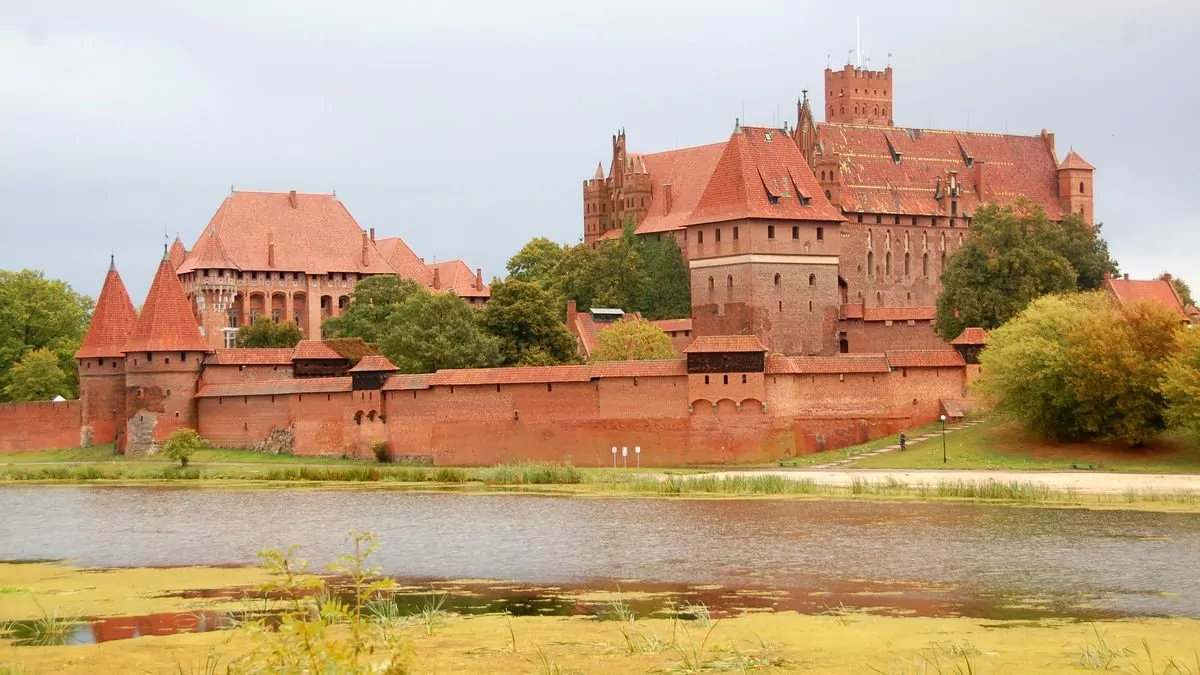
Updated: August 2026 | Malbork Castle in Poland is an enormous medieval castle built by the Teutonic Knights and is now a UNESCO World Heritage Site. Behind the red brick walls, courtyards, halls, chapels, defensive works and exhibitions await you, telling the story of several hundred years of dramatic European history. We spent several hours in Malbork with an audio guide – and were impressed by both the size and all the details.
 Tweet
 Share
 Share
 Pin
 Share
 Share
Table of contents
Malbork Castle in Poland
Malbork Castle in Poland is an impressive medieval fortress. The magnificent castle was added to the UNESCO World Heritage List in 1997, and it is not difficult to understand why this castle should be preserved and protected. We visited the castle with our friends Lennart and Beata, and strolled around the grounds for a few hours with an audio guide.
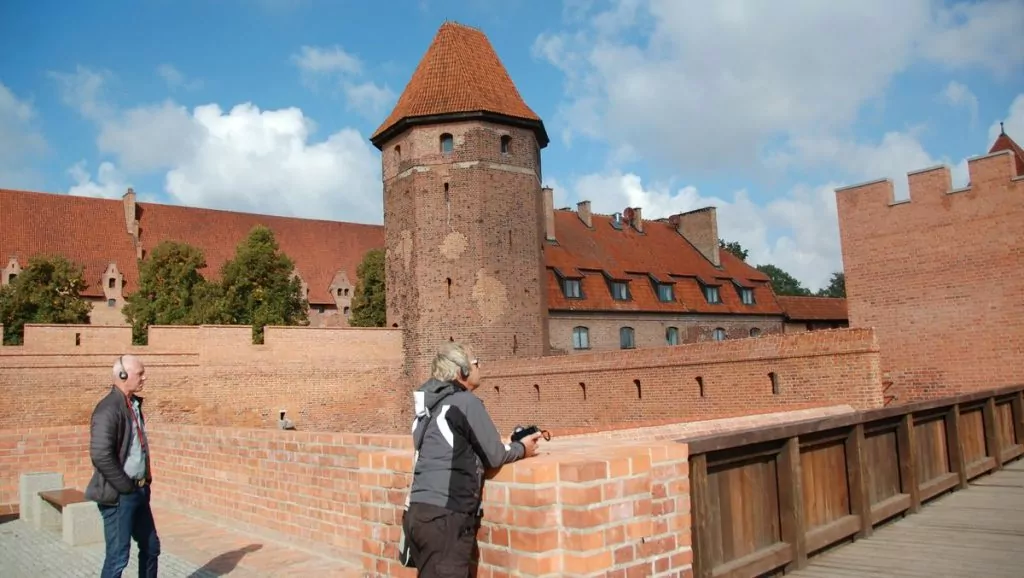
It's fascinating to think back to all the events that took place here, and it's also cool to look at all the creative solutions used to achieve comfort inside the castle.
Brief facts about Malbork Castle
- Polish name: Malbork Castle
- German name: Marienburg
- Location: Malbork in northern Poland
- Built: From the end of the 13th century onwards
- Developers: German words
- Type: Medieval brick castle and fortified monastery complex
- Unesco World Heritage Site: Since 1997
- River: Nutella
- Historical function: Seat of the Grand Master of the Teutonic Order and later royal Polish residence
- Today: Museum and historical site
- Distance from Gdansk: Approximately 60 kilometers
Malbork was built by the Teutonic Order
The Teutonic Knights began building Malbork Castle, then called Marienburg, in the latter part of the 13th century. In 1309, the Grand Master of the Order moved his seat here and the castle developed into the center of the Teutonic Knights' powerful state in Prussia.
Over the following centuries, the site was expanded in several stages. The result was a huge fortified complex with, among other things, residences, chapels, halls, defenses and outbuildings. Its strategic location on the Nogat River provided good opportunities for controlling trade and transport.
From Polish royal residence to World War II
During the Thirteen Years' War in the 15th century, the Teutonic Order lost control of Malbork. In 1457, the castle came into the hands of the Polish king, and after the Peace of Toruń in 1466, the area became part of Royal Prussia under the Polish crown. Malbork then served, among other things, as a royal residence.

The castle also has a Swedish connection. Swedish forces occupied Malbork during the 17th-century wars between Sweden and Poland, including during the reigns of Gustav II Adolf and Charles X Gustav.

After the first partition of Poland in 1772, Malbork came under Prussian rule. The castle was used for military purposes, among other things, and had fallen into serious disrepair by this time. Extensive restoration work began in the 19th century.
During the final stages of World War II, the castle was severely damaged in the fighting in 1945. After the war, Malbork became part of Poland again and a long restoration began. Today, the historic castle serves as a museum.

Visiting Malbork Castle
Just seeing Malbork from the outside is impressive, but it is only when you start moving through the complex that you understand how enormous it is. We explored the castle with an audio guide and spent several hours among the courtyards, halls, corridors and defensive works.

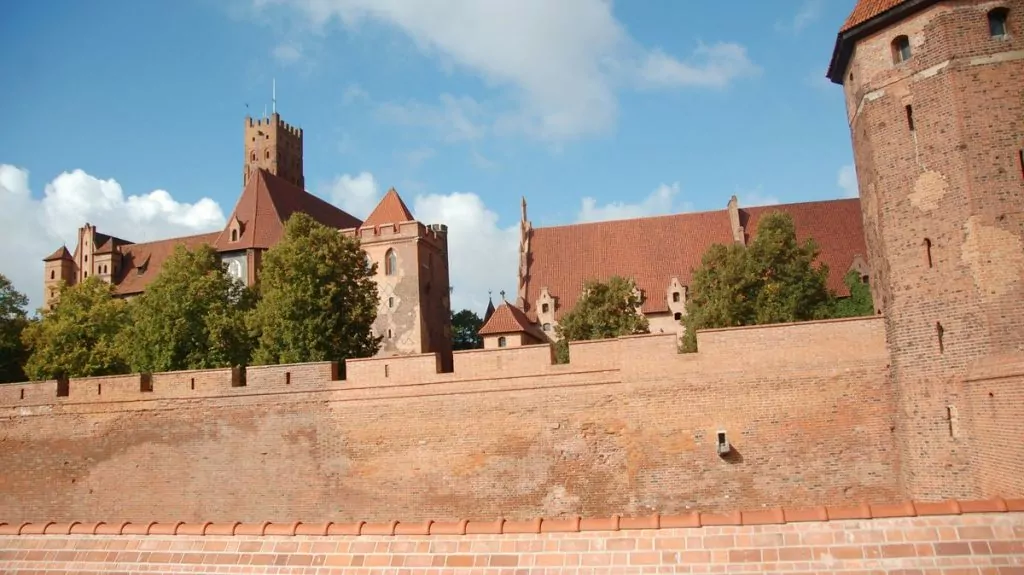
The moats, walls, bridges and many gates already give a sense of how well fortified Malbork once was. Inside the walls, one environment after another awaits, and there is much to discover.
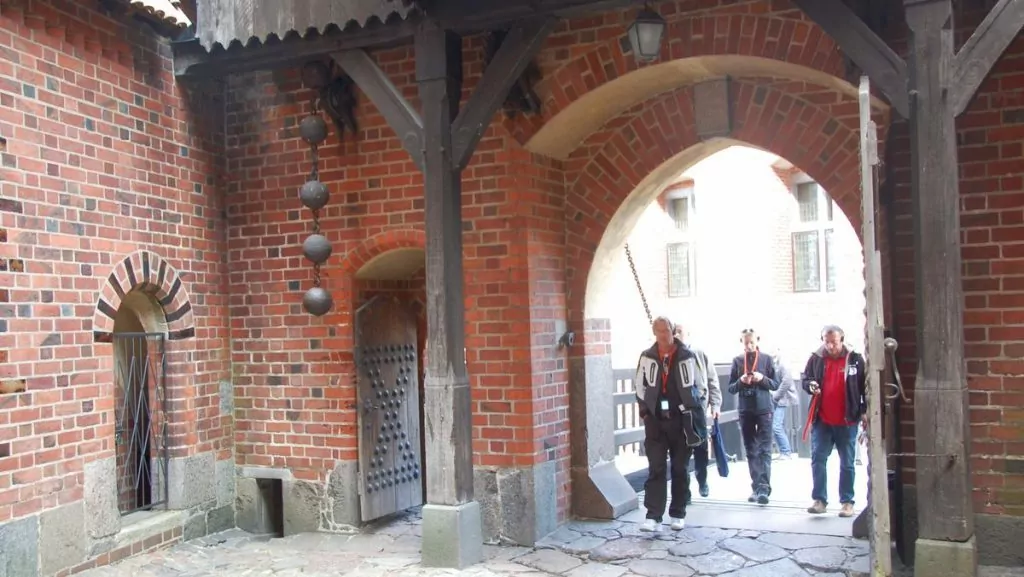
See courtyards, halls and chapels
It is truly fascinating to walk around the castle grounds, and even more interesting to see the castle from the inside. The enormous castle complex consists of several parts, including the High Castle, the Middle Castle and the Precincts. The different parts had different functions – from the monastic life of the friars and the residence of the Grand Master to storerooms, workshops and other practical activities.


Discover the smart solutions of the Middle Ages
Something we were drawn to were all the practical solutions that made life within the walls a little more comfortable. For example, the large halls could be heated with an advanced system where hot air was led up from ovens under the floors – a kind of medieval underfloor heating.
We also got to see kitchens with huge fireplaces and other details from everyday life in the castle. These are the things that make Malbork more than just impressive walls and beautiful halls.

Practical tips for your visit
- Set aside several hours.
- Comfortable shoes are good.
- An audio guide is a great way to get more out of your visit.
- Check current opening hours and ticket prices before your visit.
- Malbork is a good place to visit as a day trip from Gdańsk.
- Trains are an alternative to cars.
Nice end to the day
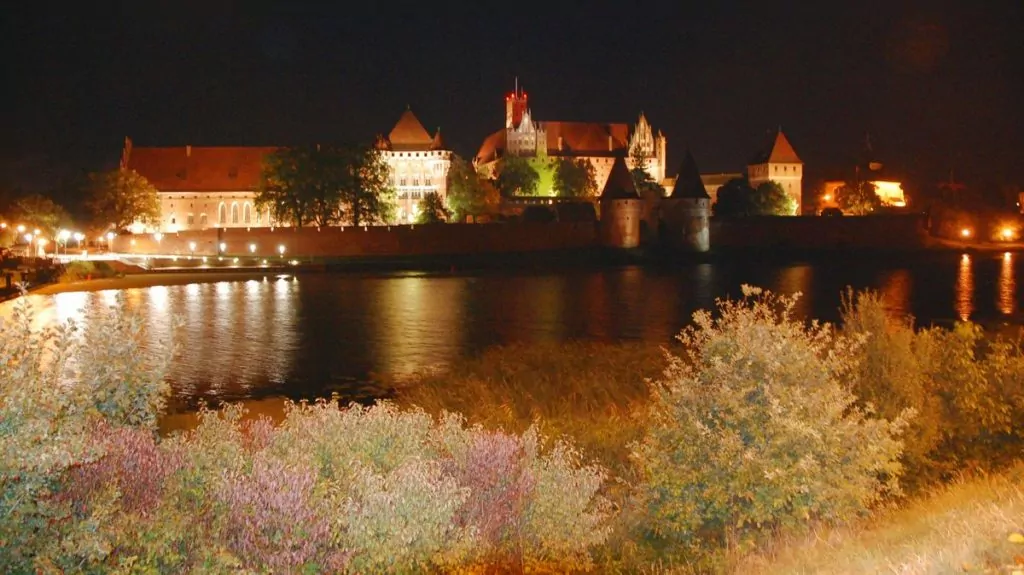
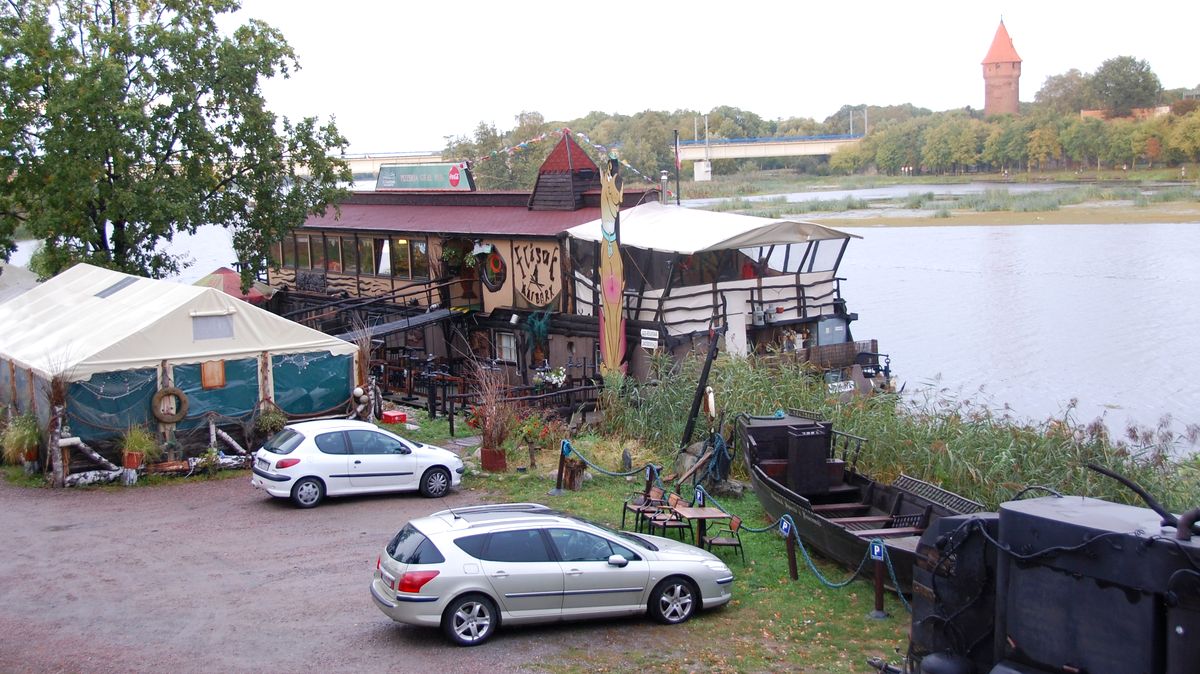
After several hours in the castle, we ended the day at a restaurant by the Nogat River, with a view of Malbork. There we had a truly Polish dinner with żurek, bread, homemade liver pâté and pickled cucumbers – a nice end to a busy day.

More to see and do in the neighbourhood
Starting from Malbork Castle, it is not that far to visit the three beautiful cities in the tri-city region: Gdynia, Gdansk and Sopot. Here you will find tips about these cities and other things to see and experience in the area:

FAQ – frequently asked questions about Malbork Castle
Where is Malbork Castle located?
Malbork Castle is located in the city of Malbork in northern Poland, on the Nogat River. It is about 60 kilometers from Gdańsk, making the castle a popular excursion destination from the Tri-City area.
What is Malbork Castle famous for?
Malbork is best known as the mighty medieval castle and former seat of the Teutonic Order. The enormous complex is built mainly in red brick and is considered the world's largest brick-built castle. Since 1997, Malbork has been on the UNESCO World Heritage List.
Who built Malbork Castle?
The castle began to be built by the Teutonic Order in the latter part of the 13th century. When the Grand Master of the Order moved his seat to Malbork in 1309, the complex developed further and became the center of the Teutonic Order's state in Prussia.
How long does it take to visit Malbork Castle?
Allow at least a few hours for a visit. If you want to follow a longer audio guide, see the exhibitions and explore large parts of the castle grounds, the visit can take half a day.
Can you visit Malbork Castle on your own?
Yes. It is possible to explore the castle with an audio guide, which is a great way to understand both the buildings and the complex history. Please check current ticket options, opening hours and guided tours before your visit.
Is Malbork Castle a UNESCO World Heritage Site?
Yes. Malbork Castle was inscribed on the UNESCO World Heritage List in 1997 under the name Castle of the Teutonic Order in Malbork. The facility is significant, among other things, as an outstanding example of a medieval brick castle.
Is it possible to take a day trip to Malbork from Gdańsk?
Yes, Malbork is a great day trip from Gdańsk. The distance is about 60 kilometers and you can travel both by car and train. From the Malbork train station, it is walking distance to the castle.
Was Malbork Castle destroyed during World War II?
Yes. The castle was badly damaged during the fighting in 1945 and large parts were destroyed. After the war, the complex underwent a long restoration and is now once again one of Poland's most impressive historical attractions.
Is Malbork Castle worth a visit?
We definitely think so. Even if you're not particularly interested in knights or the Middle Ages, the sheer size, brick architecture, courtyards and historic interiors are impressive. For history buffs, Malbork is one of the great places to visit in Poland.



 English (UK)
 Svenska
Steve says:
This castle is both beautiful and impressive. There are so many amazing buildings that I have no idea about, but thanks to the blogging world, I'm always learning something new.
28 September 2014 - 14:42
Ditte says:
I completely agree with Steve; you can learn a lot of new things by reading different blogs. I collect tips, take notes and hope to make a trip to Poland at some point. Should probably not postpone it for too long ....
28 September 2014 - 15:00
Znogge says:
It really was a magnificent building! Impressive and beautiful where it is located.
28 September 2014 - 15:38
Jonathan says:
Wow what a Castle !!! Relatively close as well, did not know Malbork but will be a visit this summer, need inspiration for my own little castle 😜!
25 January 2025 - 17:21