



Writer: Helena Bergström
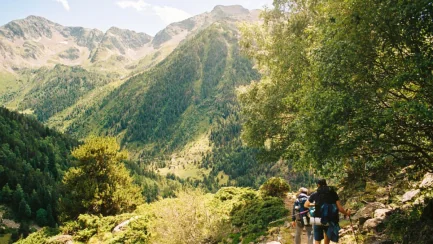
Updated: August 2026 | Picos de Europa is a national park with several mountain ranges in northern Spain, located just inland from the coast between Santander and Gijón. The road in from the coast goes uphill, passing charming villages, small hotels and restaurants and pastures with cows, horses, sheep and goats. The mountains rise dizzyingly high into the sky and it is certainly fantastic to walk around here on a warm summer day.
 Tweet
 Share
 Share
 Pin
 Share
 Share
Table of contents
Picos de Europa in the middle of winter
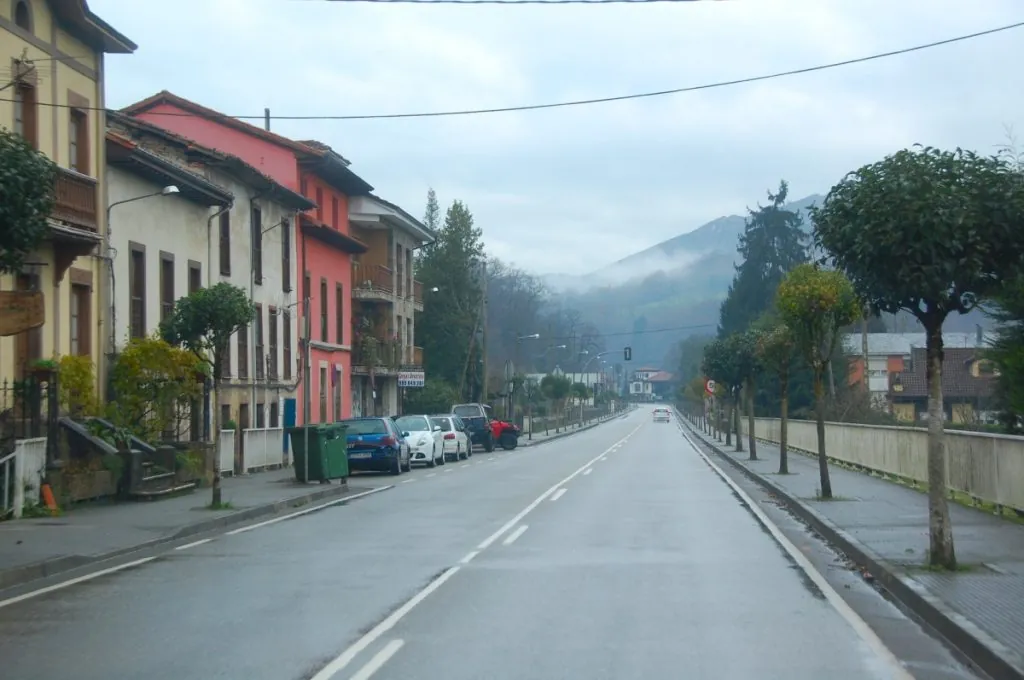
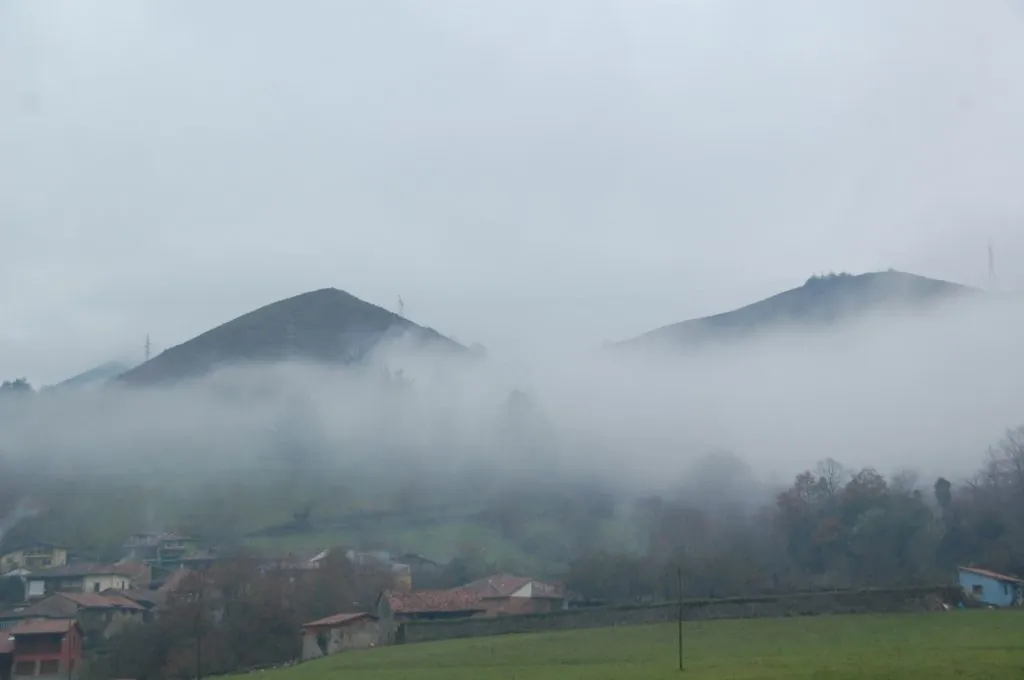
We visited the Picos de Europa during the winter and were greeted by a tranquil mountain landscape with mist surrounding the peaks. Although our visit was short, the nature left a strong impression and we quickly understood why the area is a popular destination all year round.

What are the Picos de Europa?
The Picos de Europa is one of Spain’s most spectacular national parks and a paradise for those who love mountains, nature and hiking. The area stretches across the regions of Asturias, Cantabria and Castile and León in northern Spain, just a few miles from the Atlantic coast. The dramatic limestone mountains rise steeply from the green landscape, offering deep gorges, sparkling mountain lakes and some of the country’s most magnificent views.
Where is the best place to stay?
Where it is best to stay depends on what you want to experience. For hiking and mountain environments, Potes, Fuente De and Arenas de Cabrales popular starting points. If you want to combine the mountains with the sea, you can stay on the north coast and take day trips into the national park.
There are plenty of hotels, guesthouses, campsites and parking spaces, making the area a popular destination for campervan travelers as well.
Camping Picos de Europa
We stayed at Camping Picos de Europa, which is located high up in the mountains. The nature here is incredibly beautiful, but our experience was affected by the fact that it was cold and damp, and we were almost alone at the campsite.
The reason we went to this campsite was that it was one of the few campsites open in the winter in the area and we needed electricity for heating, as the gas had run out and we didn't have a Spanish gas cylinder (and no, it's not just buying it - it all needs to be installed and approved).

When we finally got to the campsite, it turned out that there was only 6 amps of electricity in the poles, which meant that it wasn’t enough for heating… And now it got even colder at night, because we were suddenly high up in the mountains. So yes, we were freezing a bit…

Practical information
- National Park: Picos de Europa National Park
- Location: Asturias, Cantabria and Castile and León
- Size: Approximately 670 km²
- Highest mountain: Torre de Cerredo (2,650 meters)
- Suitable for: Hiking, nature experiences, car and camper trips and photography
- Best time to visit: May–October for hiking, but the area is beautiful year-round. Winter can bring snow and limited access on some roads.
- Nearest major cities: Santander, Oviedo and Leon
Mulled wine and Christmas dinner
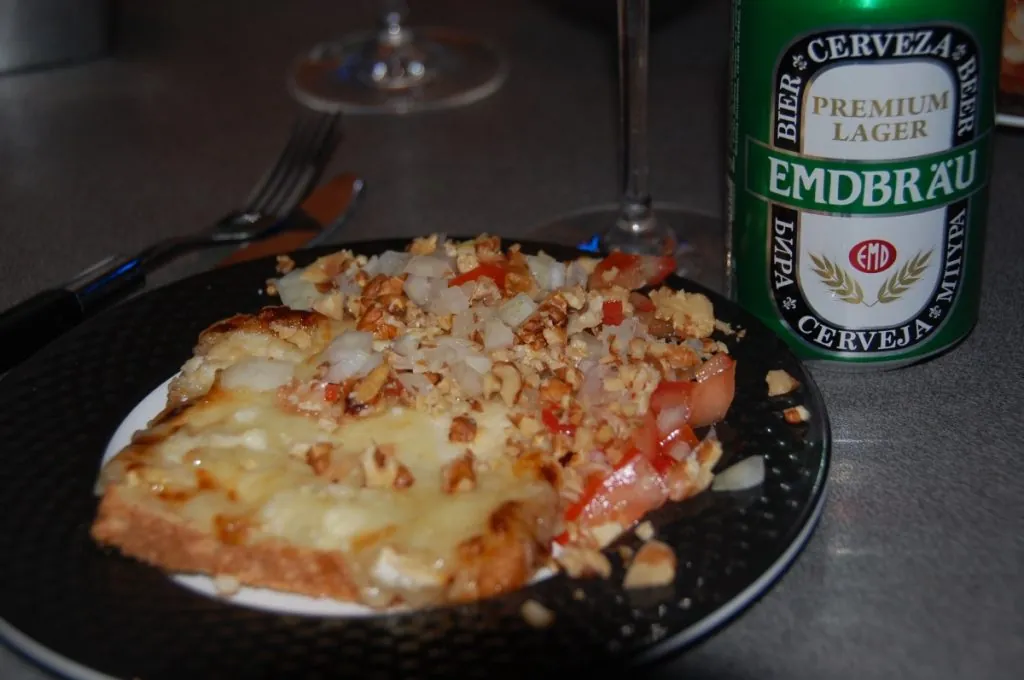
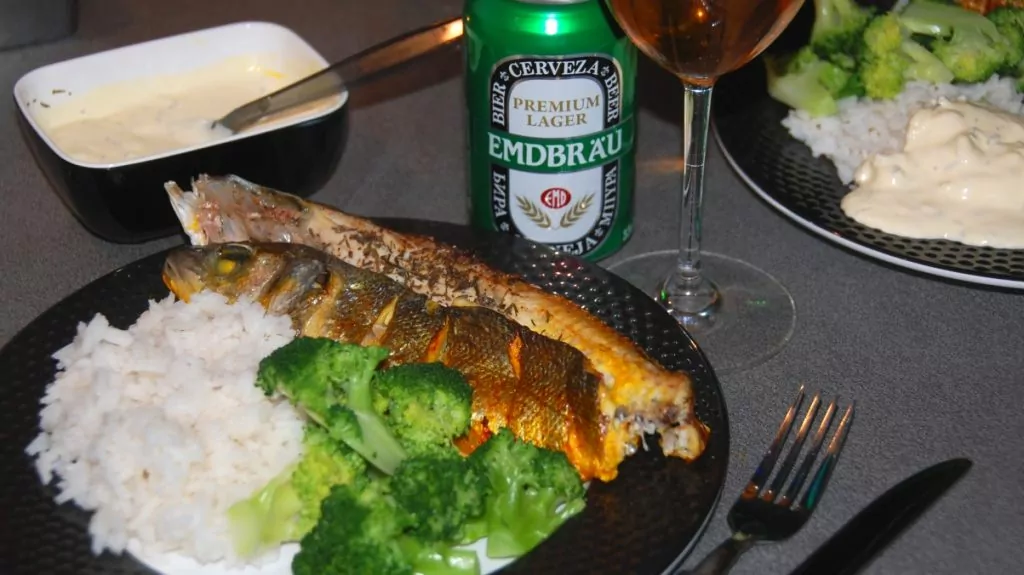
It actually happened to be Christmas Eve when we were in Picos de Europa and even though we were freezing, we wanted to celebrate Christmas. We had mulled wine, which we got from friends, and a three-course Christmas dinner that we managed to throw together: Toast with chèvre, really good fish in the oven, and chocolate ice cream with banana.

More to see and do in Spain
Would you like more tips on things to see and experience in this part of Spain? Here you will find more suggestions and reports:

FAQ – frequently asked questions about Picos de Europa
Where is Picos de Europa located?
The Picos de Europa is a mountain range and national park in northern Spain. The area spans the regions of Asturias, Cantabria and Castile and León, approximately 10–20 kilometers from the Atlantic coast.
What is the Picos de Europa famous for?
Known for its dramatic limestone mountains, deep gorges, beautiful hiking trails and spectacular views, the Picos de Europa National Park is one of Spain's oldest and most visited.
Are the Picos de Europa worth a visit?
Yes, if you enjoy nature, hiking or driving through beautiful landscapes, the Picos de Europa is one of Spain's most impressive destinations. Even non-hikers can enjoy the dramatic views and charming mountain villages.
What is there to see and do in Picos de Europa?
Some of the most popular experiences include riding the Fuente Dé cable car, visiting the mountain village of Potes, driving the scenic road through the Desfiladero de la Hermida, and hiking to the Lagos de Covadonga lakes.
How many days do you need in Picos de Europa?
Two to four days is enough to experience some of the area's highlights, although hikers and nature lovers often choose to stay longer.
When is the best time to visit Picos de Europa?
Spring, summer and early fall are the most popular seasons. During the winter, parts of the area may get snow and some roads or trails may be more difficult to access.
Can you visit the Picos de Europa by motorhome?
Yes, the area is popular with campervan travellers. There are campsites, parking areas and many scenic roads. However, on some smaller mountain roads it may be wise to drive carefully with larger vehicles.
Are the Picos de Europa good for hiking?
Yes, the national park is one of Spain's top hiking areas. There are trails here of varying difficulty levels – from short walks to demanding full-day hikes.
Are there animals in Picos de Europa?
Yes, the national park is home to chamois, deer, wild boar, vultures and various birds of prey, among other things. With a little luck, you might even spot the shy Cantabrian brown bear or the Iberian wolf, although they are very rare to see.
What is there to see near Picos de Europa?
Many people combine their visit with coastal towns such as Llanes and San Vicente de la Barquera or with the Camino del Norte pilgrimage route. Covadonga and its famous basilica are also popular destinations.
You might also like:


 Aphrodite's Rock in Cyprus - visit to the birthplace of Aphrodite
 Philippine ghost animal - 2 places to see them on Bohol Island


 Visiting Kukkolaforsen - whitefish fishing and sauna culture
 Things to do in Ostrobothnia, Finland - 12 tips



 English (UK)
 Svenska
Katarina Wohlfart says:
But what fun for Peter to photograph that. Must have been awesome:) cosy worse 🙂
25 December 2014 - 18:45
admin says:
Katarina, cool environment... but chilly worse! But it was me who took photos... through the car window
😉
25 December 2014 - 19:13
Steve says:
I'm glad you can keep each other warm.
25 December 2014 - 22:05
admin says:
Steve, it has been good several times!
😉
26 December 2014 - 10:35
Ama de casa says:
Brrr... Hope you get the gas sorted out!
26 December 2014 - 11:26
Ulf Lindkvist says:
LPG in Europe:
https://www.google.se/maps/@50.760165,6.0296381,4z/data=!4m2!6m1!1szTb79_uDrGro.kpiTKHKQIcFY?hl=sv
Greetings
Ulf
26 December 2014 - 15:23
Isa says:
What lovely pictures and what an adventure 🙂 hope it works out with the gas!
26 December 2014 - 15:29
Camilla says:
Keep your fingers crossed that it will be resolved soon with the gas! Understand that you do not want to be left without.
And how nice that you could enjoy some mulled wine, mmmm, the Christmas feeling comes easily with hot mulled wine in the mug 😀.
26 December 2014 - 17:32
Steel city anna says:
Hope it resolves quickly with gas and electricity so you can focus on more fun things! Glad you had mulled wine with you. Such things can mean a lot when you are away from home!
26 December 2014 - 16:48
Anonymous says:
Ama de casa, Spain is a complicated country when it comes to LPG, we have learnt...
Ulf, thank you very much for the link. It doesn't work here in Spain anyway apparently, but we can use it later!
Isa, there's always adventure when travelling by motorhome!
🙂
Steel city Anna, it seems the solution is spelled... Portugal
Camilla, the mulled wine was great! And the gas is needed for everything... without it we can't even cook...
26 December 2014 - 18:37