


Writer: Thomas Drakenfors
America is not what you think, at least not at a superficial glance.
 Tweet
 Share
 Share
 Pin
 Share
 Share
Outside the White House it's nicer than expected. An airy park with stately deciduous trees surrounds the building, which only turned white after the English tried to burn it down in the early 19th century.
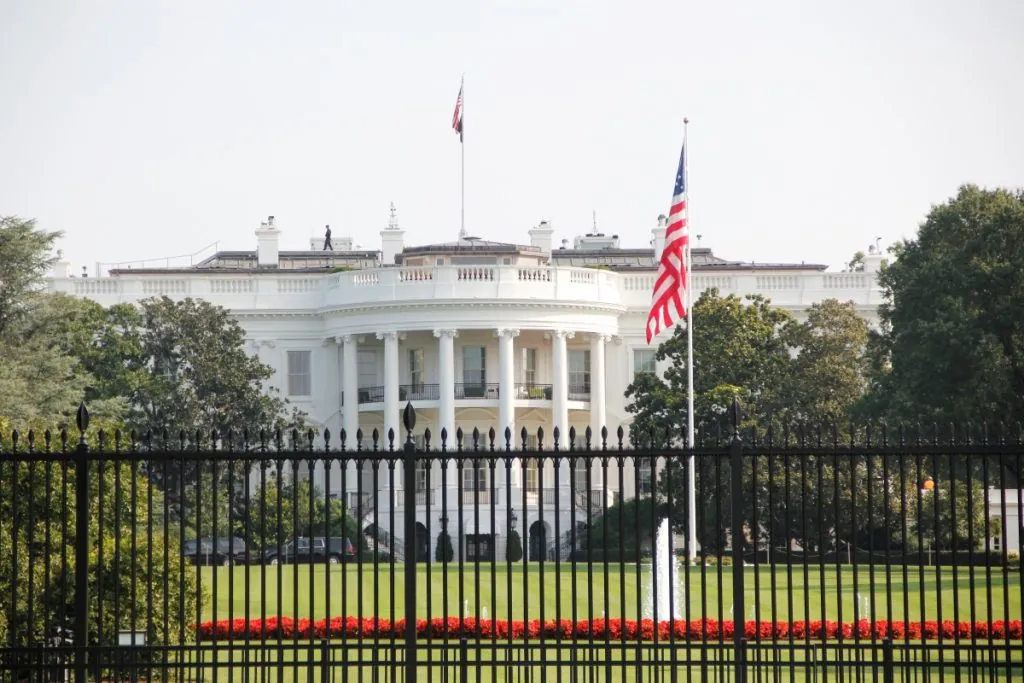
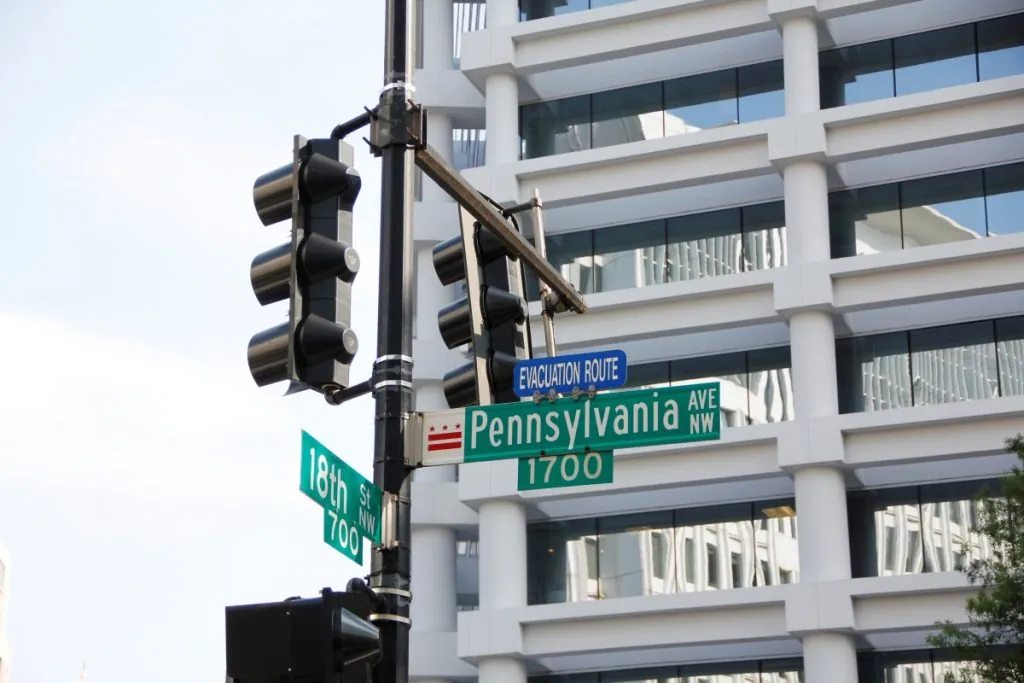
Even out on Pennsylvania Avenue, the atmosphere is airy. A stretch of pedestrianised street stretches out in front of the president's official residence, and there are hardly any people there. A few middle-aged men in suits stroll quietly by, peering up at the windows. But the protagonist has left the country on this hot day in Washington DC.
He has travelled to Scotland, with a much more pleasant climate. Because 35-degree humid and slightly smelly city air is a bit stifling.
In front of the high iron fence that frames the house, a young Asian woman is being photographed by her friend. But along the entire stretch of road in front of the shack, there are no more than ten people, most of them on their way somewhere else.
The unsafe mess that the President wants to fight with the National Guard is conspicuous by its absence, even if there are some shabby and tired existences around the hotel in Chinatown where I have checked in. Here and there in the city, homeless people have pitched tents, but good stuff that looks like it can last a few days even in the Swedish wilderness.
Elsewhere, the odd homeless person has set up camp directly on the tarmac, with no more roof over their heads than what protrudes from the nearest house wall. Some of them with a lot of stuff on the surface all around. Others with just a simple rucksack that doubles as a pillow. But it doesn't look any worse here than in the average European capital, and nobody bothers you.

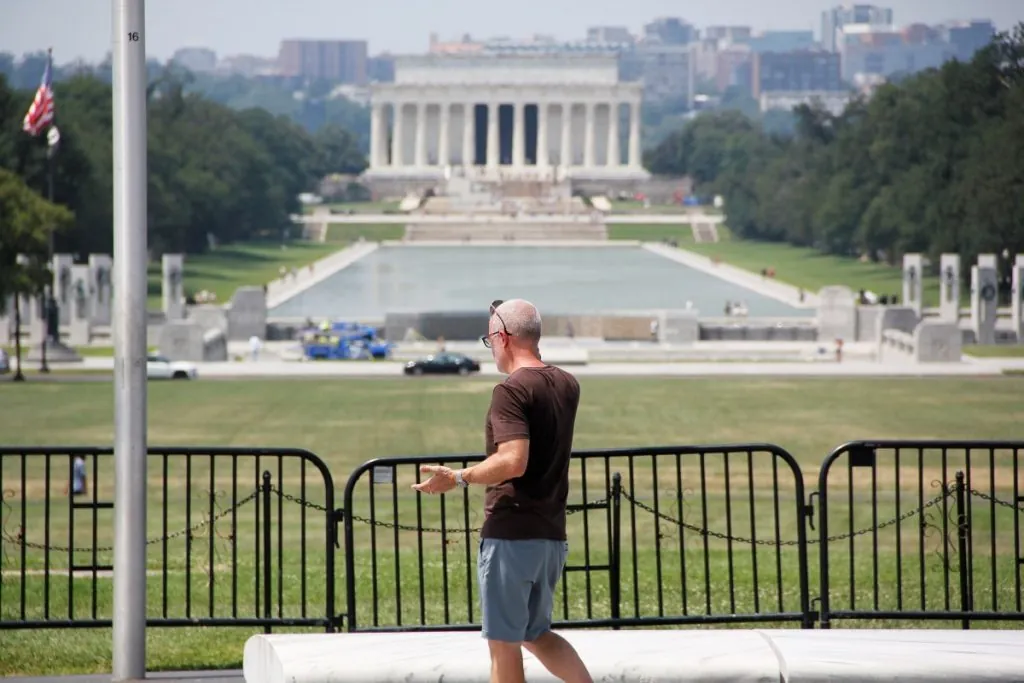
Like most casual visitors to Washington, I walk the Mall, from the Lincoln Memorial, via a memorial to the Americans who died in the Korean War, to the Washington Monument.
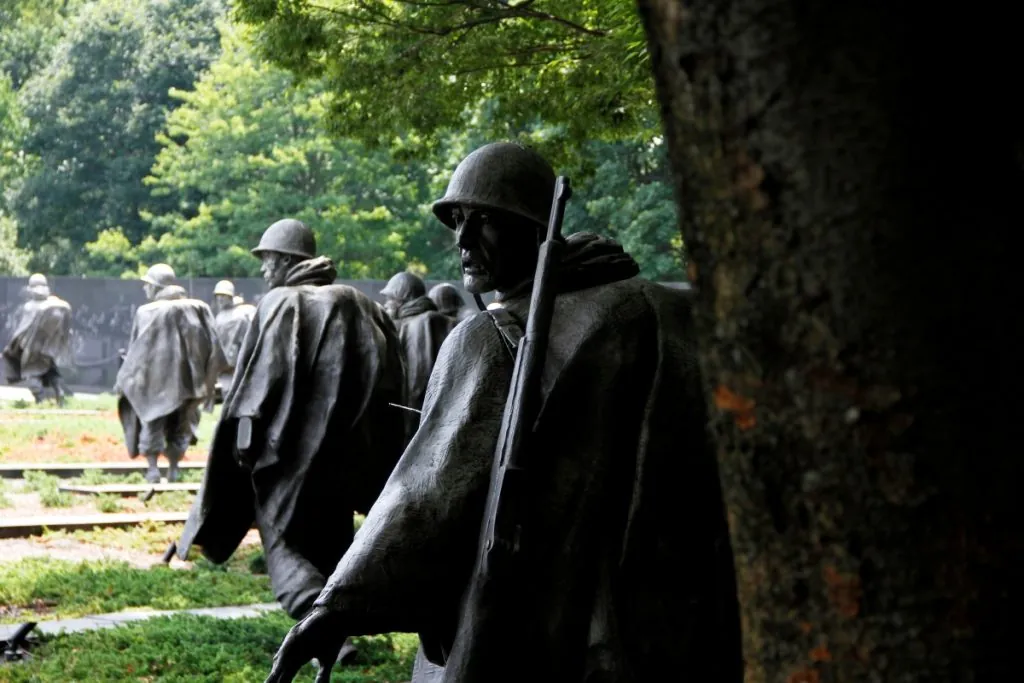
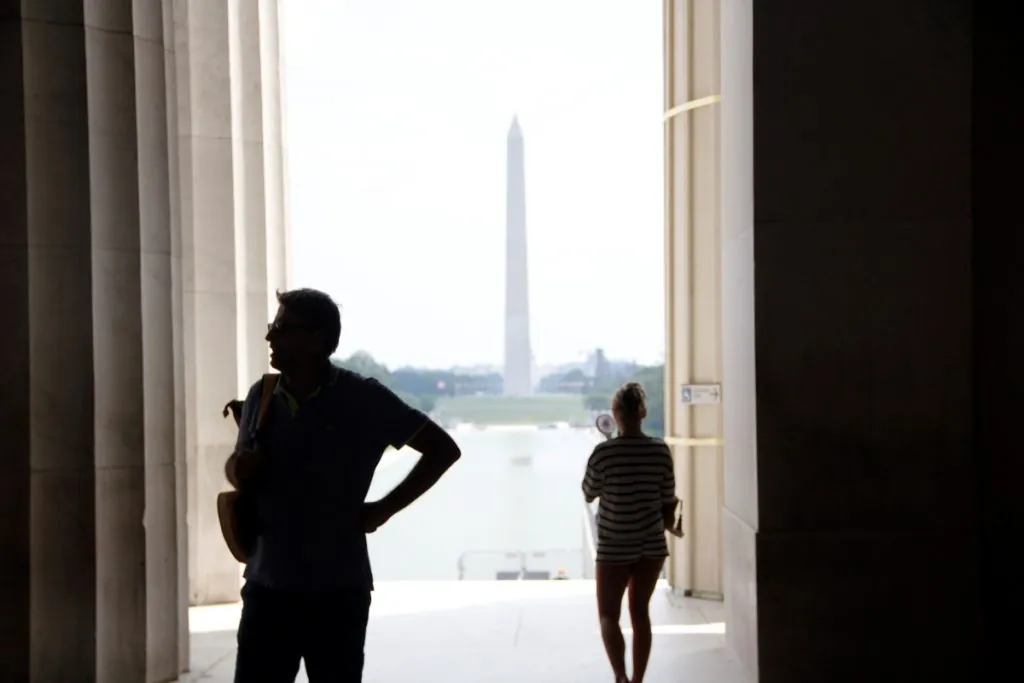
It is agonisingly hot. The sun is relentless. But along the Mall, shady trees are planted. There are also a number of pleasantly air-conditioned museums to pop into. These include the National Gallery of Art, which has everything from the Dutch masters to domestic icons like Edward Hopper, even a da Vinci.

At the National Museum of African American History and Culture, I stand for a long time admiring the bright red paintwork on Chuck Berry's huge cabbed Cadillac, with a chassis the size of a city bus. How they got it onto the floor is beyond me. On the same floor they have displayed James Brown's cape, Leadbelly's guitar and a costume worn by Diana Ross in 1972 when she played Billie Holiday in the film Lady Sings the Blues.
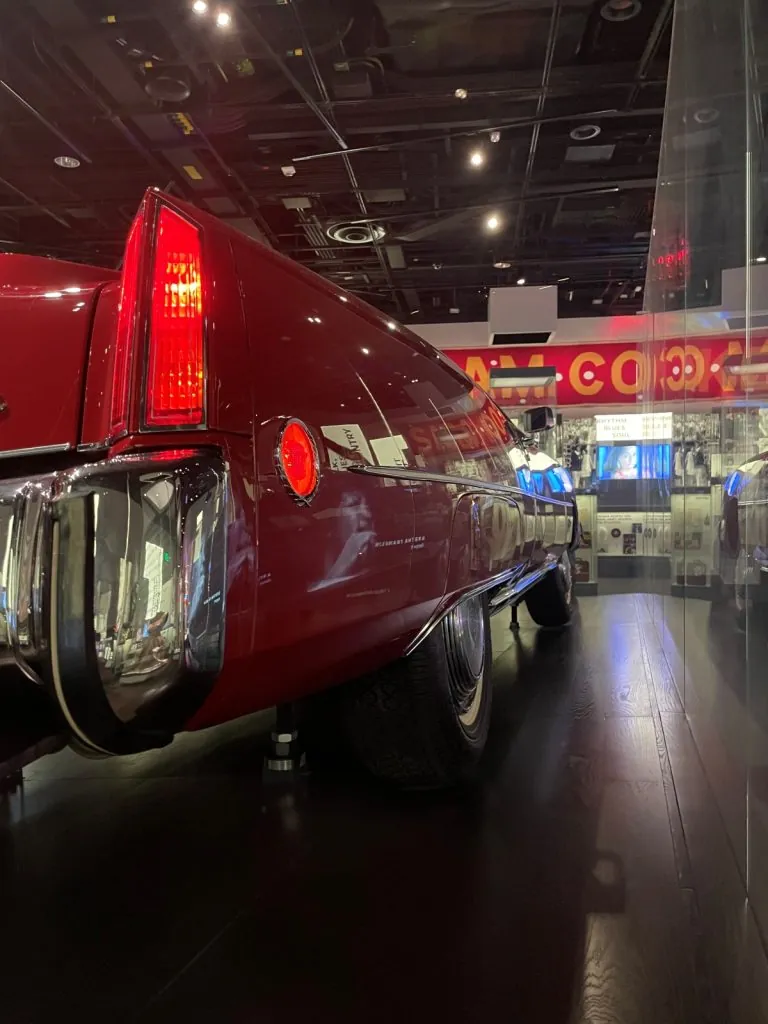
Most of the many museums in the area around the Mall are state-run and have free admission.
The United States appears on the whole a little better than I had expected. At least here in the capital.
Even at passport control at the airport, everything was much easier than expected. The queues moved quickly, not endlessly long and slow as I had been warned. And the inspector did his job efficiently and then obligingly answered my questions about how to get downtown by public transport.
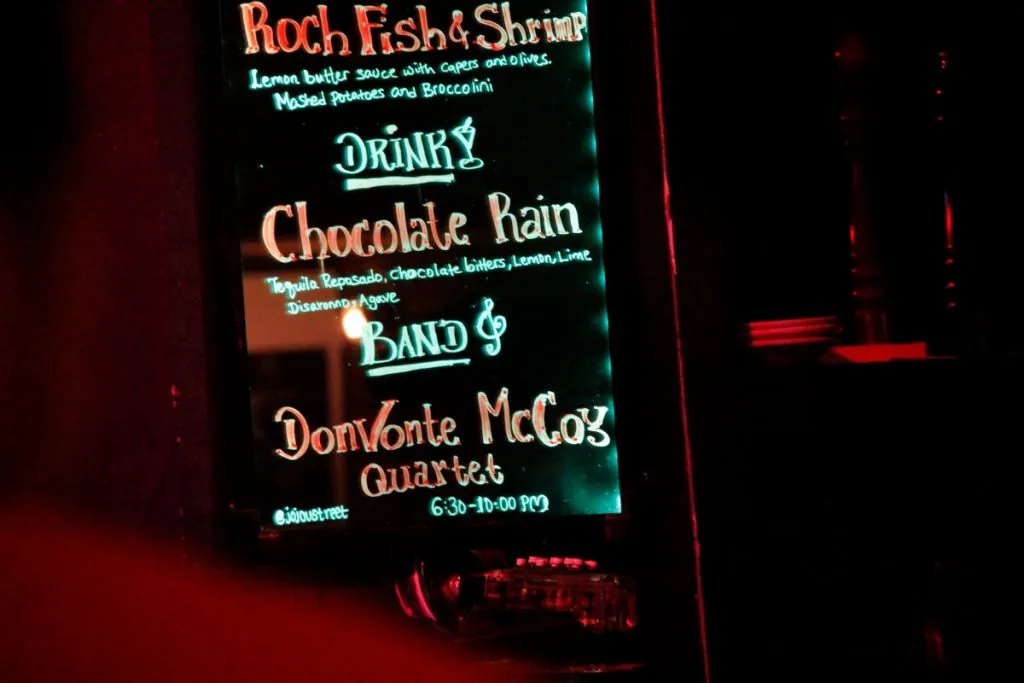
At a bar in Downtown, I meet a MAGA guy in his 35s. He's from South Carolina, and wears his signature red Trump supporter hat backwards. The guy has his own moving company and only goes to big cities like this one when his job takes him there.
Washington is not for him. New York, where I'm going, he doesn't like at all.
- It's just rubbish.
But he doesn't seem particularly passionate in his dislike, it's just not his thing. He lives in the country, with his wife, ten years his junior, sitting next to him at the bar. They're nice to talk to, interested and a bit relaxed in both dress and comments.
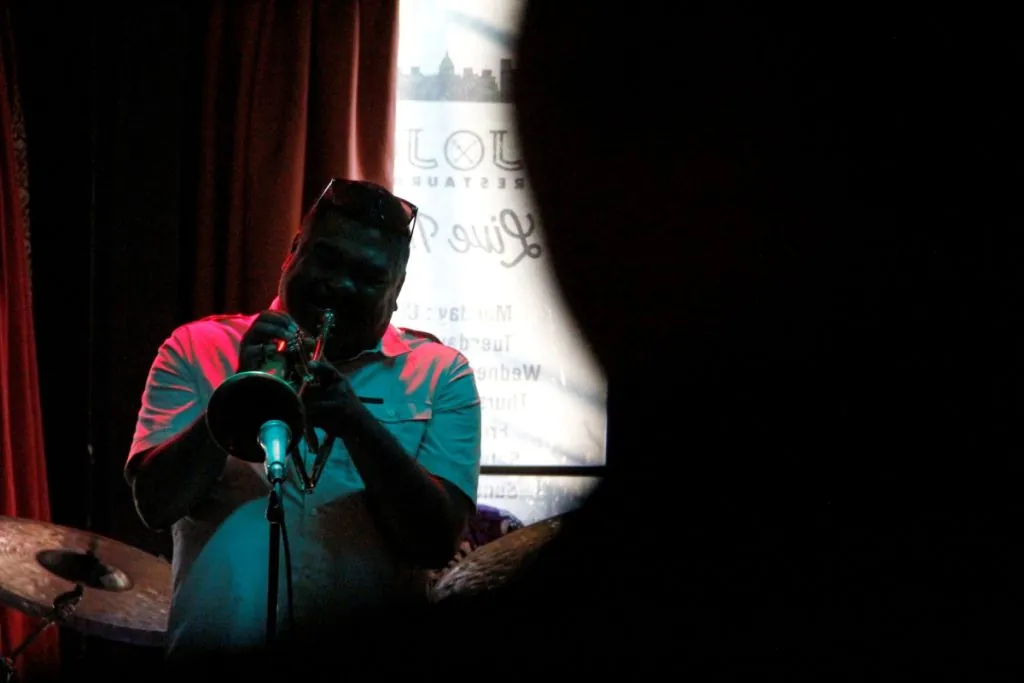
For 700 bucks I get a guided tour of the Library of Congress which, via an underground passage, takes us further into the Capitol. It's interesting. However, the guide seems rather reluctant to answer questions about things like the storming on 6 January 2021 and about the distribution of Republicans and Democrats in the Supreme Court.
- That's not how it works, even if they have a certain party affiliation, they don't act that way on different issues," she says.
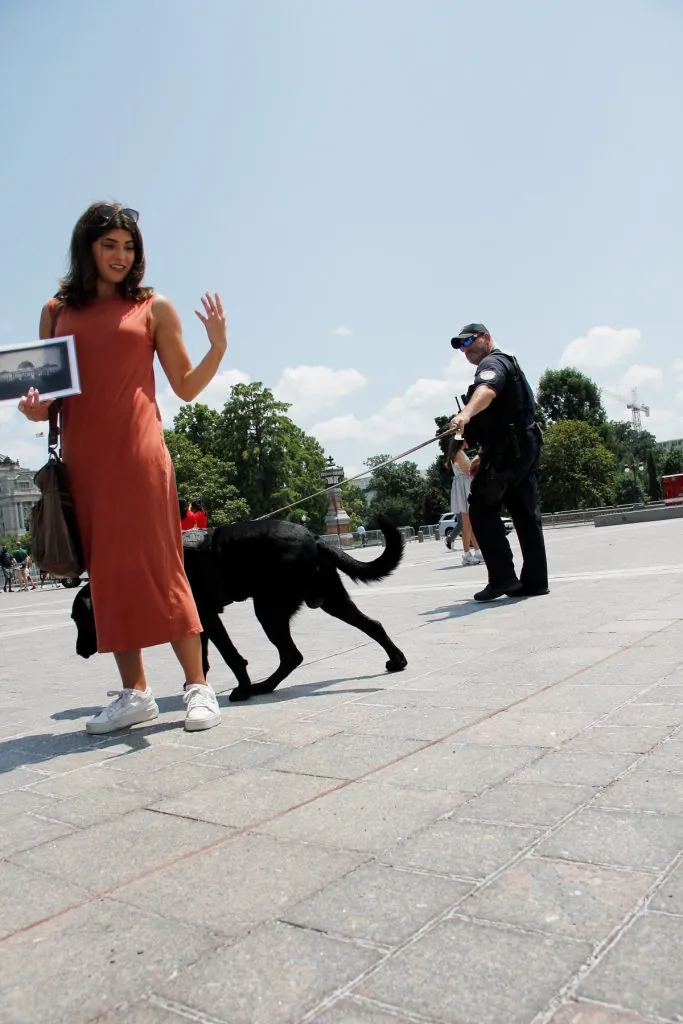
On the plan Outside the Capitol, it's quiet. However, a woman is banging on a saucepan, a demonstration against the war in Gaza. A guard with a large dog patrols around the field, and after a while sniffs our guide.
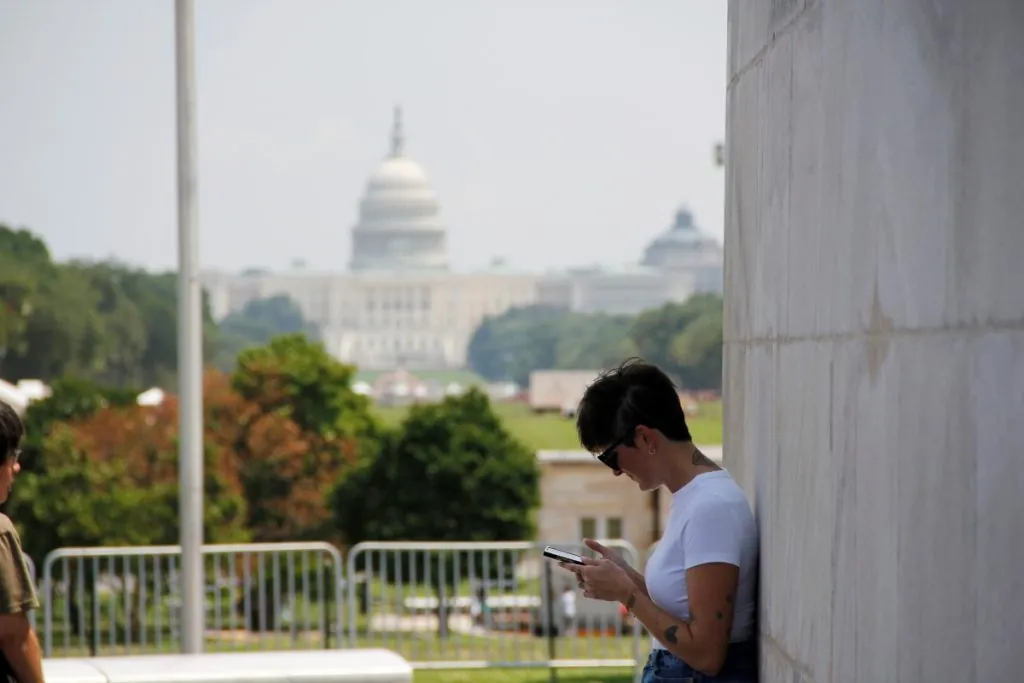
Inside the Capitol, a new guide takes over. She is reprimanded by a man in the group when she mentions the Gulf of Mexico in connection with an artwork on one of the walls.
- The American Gulf! That's the name, he says, but is ignored.
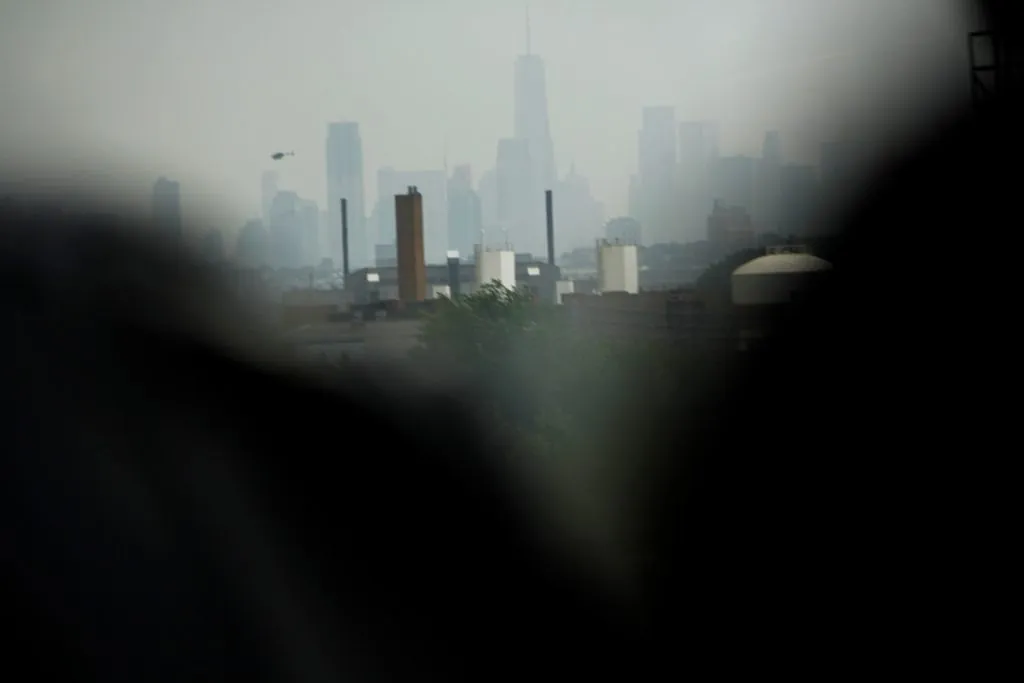
A few days later, I'm on a Greyhound bus to New York. As we roll through New Jersey, I keep an eye out for the motorway exit - the New Jersey Turnpike - where TV gangster Tony Soprano used to turn off in the vignette. I miss it, preoccupied with the Manhattan skyline that magnetically draws the eye.
When I was last here, two decades ago, the city had been radically transformed a few years earlier by former mayor Rudy Giuliani, later an adviser to Donald Trump. He took it upon himself to transform Manhattan. From what it looked like in the detective stories of the 70s and 80s, with open drug sales and prostitution in areas like Hells Kitchen and around 42 Street, to what I experienced when I was here last time.
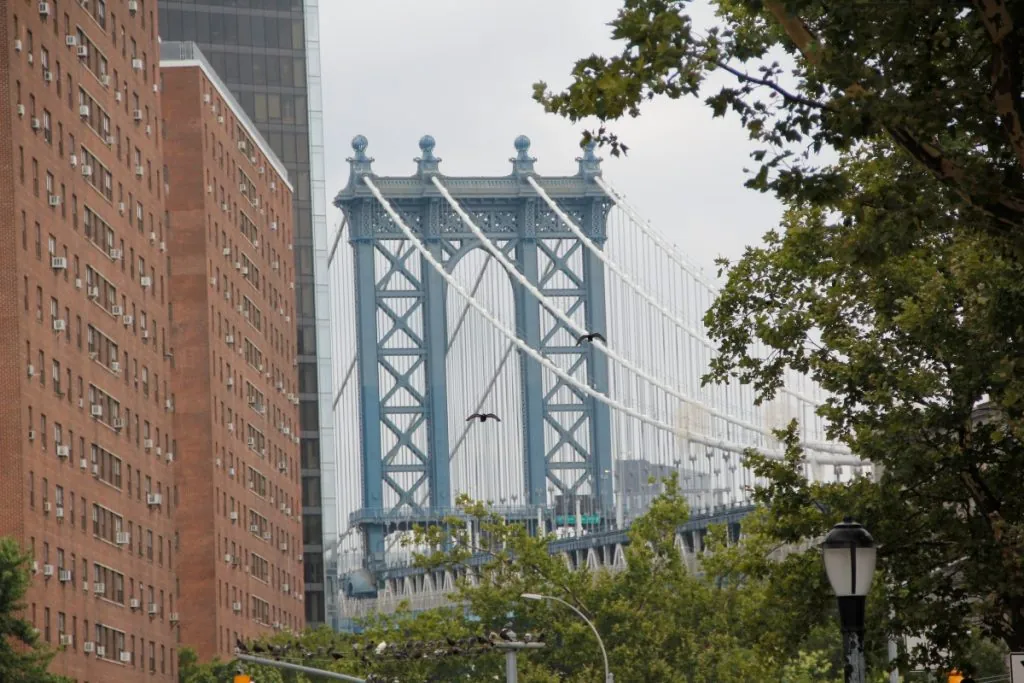
Back then, the year after the attack on the World Trade Centre, Manhattan felt as clean and safe as Brussels. I get the same impression now, although Chelsea and Soho seem a bit more rubbishy and tired than last time. However, the massive heat may play into the impression.
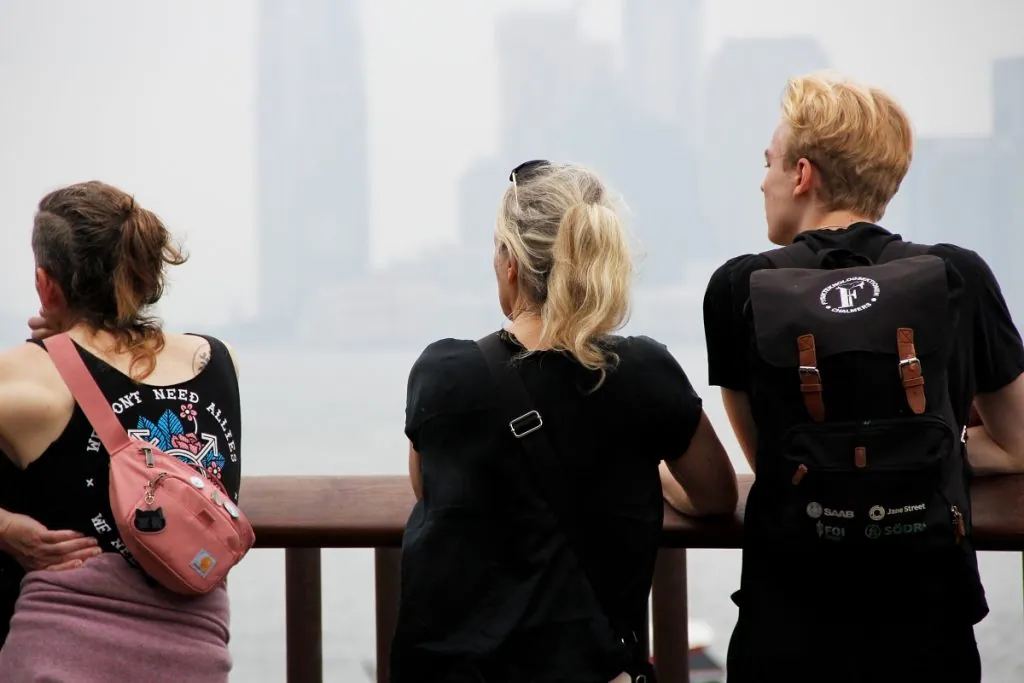
Taking me up the West Side, the home turf of Jerry and his friends in the comedy series Seinfeld. Having lunch at their regular spot Tom's Restaurant, a classic diner and joint that delivers. Much nicer than the Hollywood studio set they filmed in for the show. Fantastic burgers, in the proper American way and great coffee to go with it.
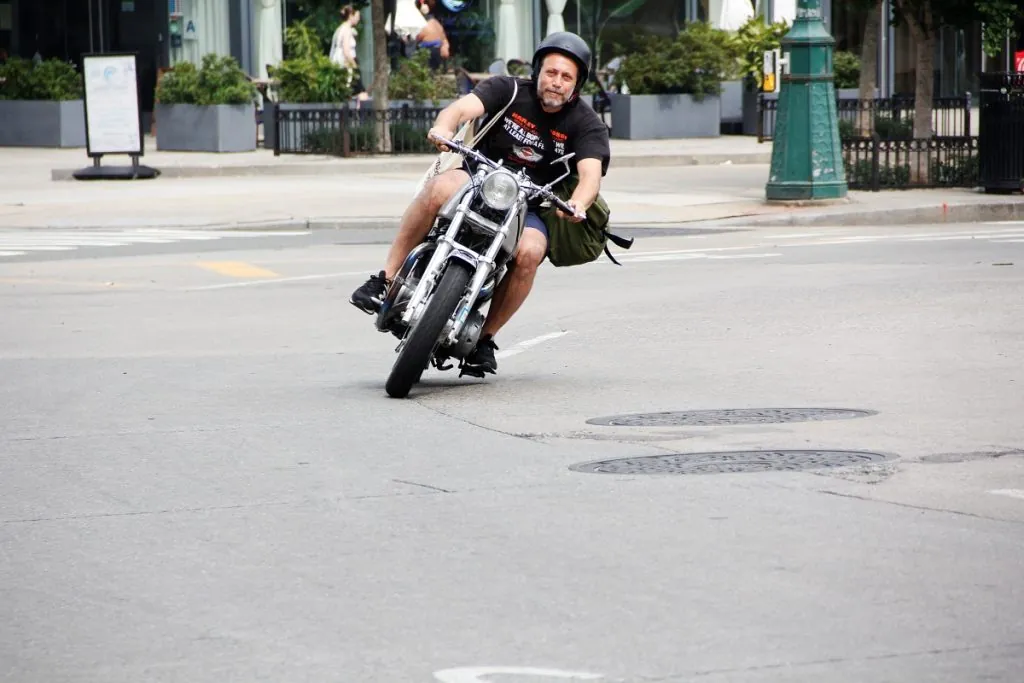
Across Central Park, the queue for the coolly designed Guggenheim Museum is long. It reaches around the corner from the entrance and another 60, 70 metres. But just a few blocks further south, I stumble upon the Neue Galerie, featuring German and Austrian modernism. The museum hides behind an anonymous door with a plain bell. I press it and a uniformed guard peers out.
- Do you want to come in? Sure.
Then a security check reminiscent of what it is at today's airports. The ticket costs $28. Once inside, you'll find, among other things, Gustaf Klimt's golden hit, the portrait of Adele Bloch Bauer from 1907.
On my way back to the Holiday Inn in Chelsea - simple but good - I pass The Dakota Building, where John Lennon lived, and where he was shot in the entrance by the mentally ill admirer Mark Chapman, who has been in jail ever since.
- 'He was lying right here,' says one of the doormen, pointing to the ground just inside the pavement.
Adjacent to the park, street vendors offer various Beatles souvenirs.
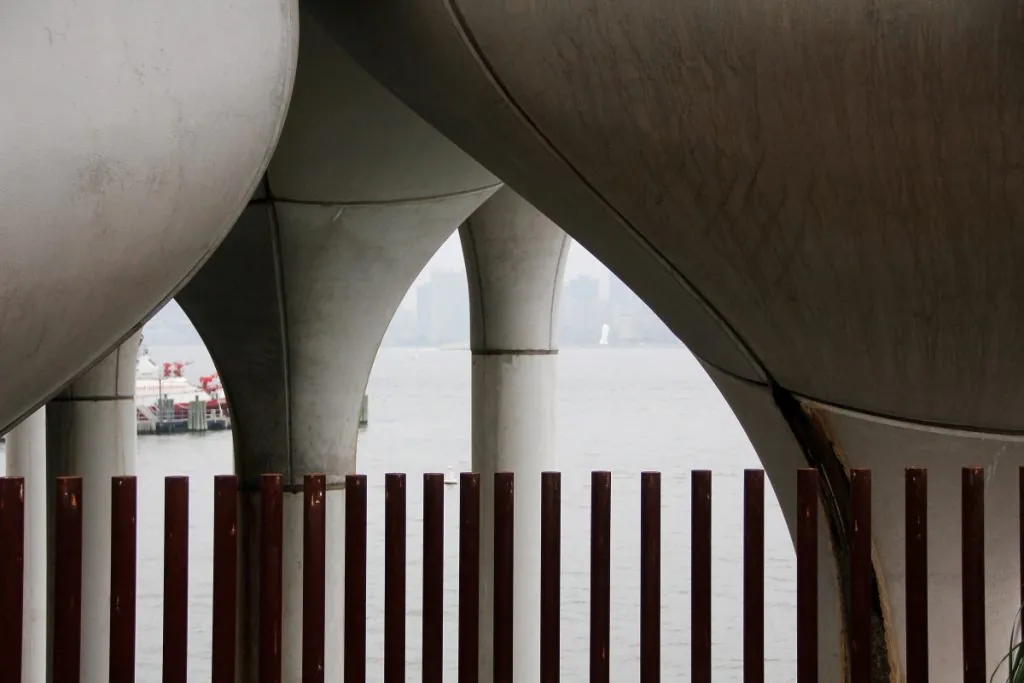
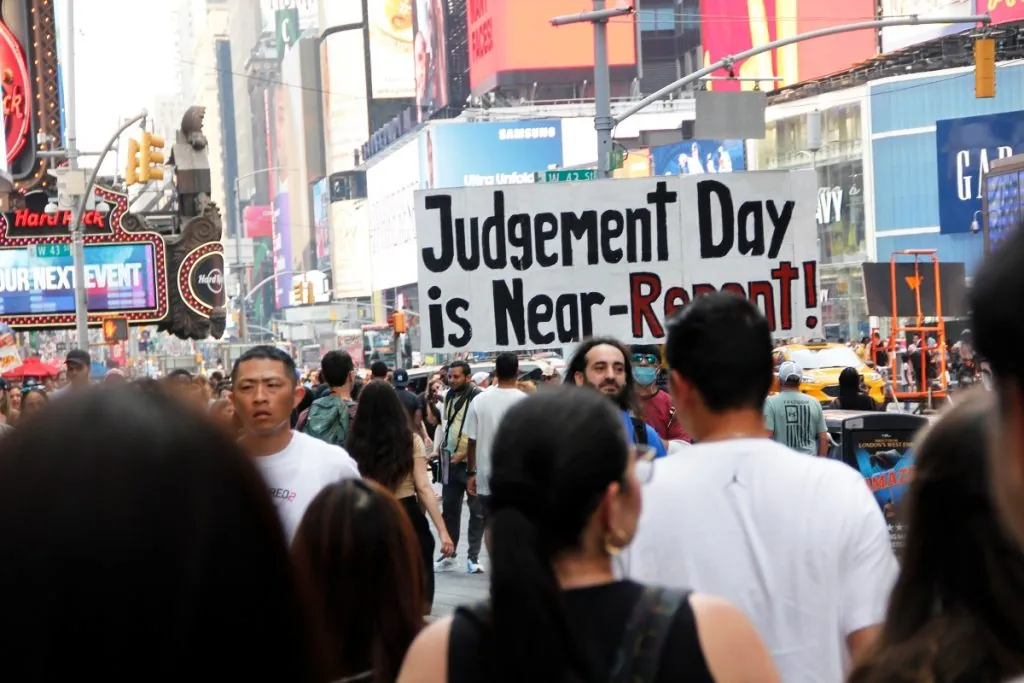
Sooner or later you end up a visitor to New York at Times Square, both a focal point for tourists and close to the public transport hub, the Port Authority. The huge skyscrapers frame the area and create a kind of gravity, it feels special to be in their field.
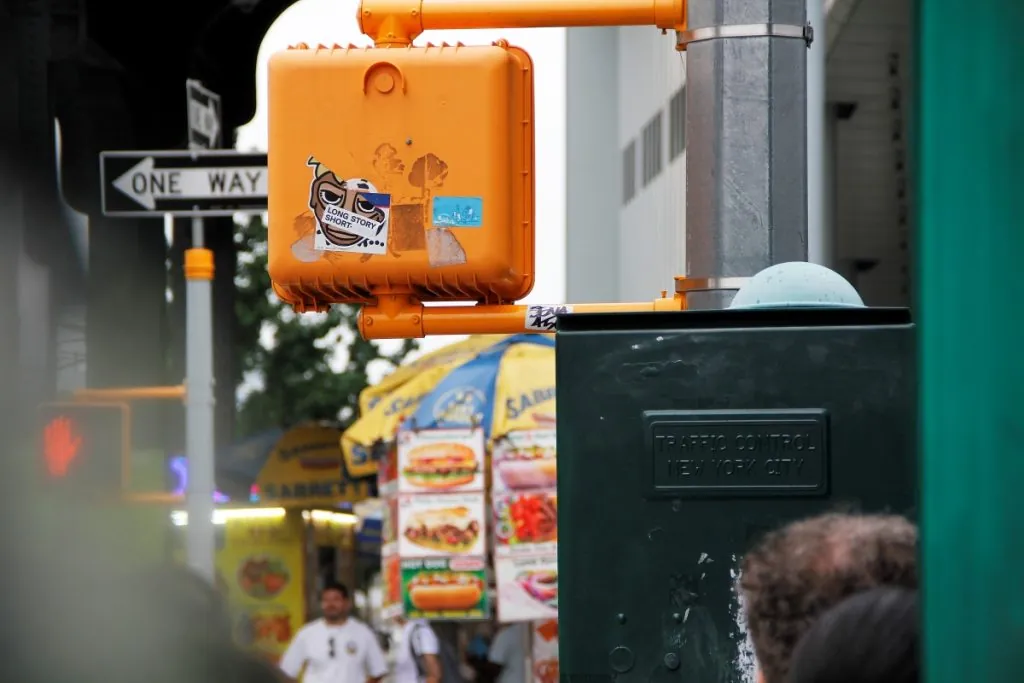
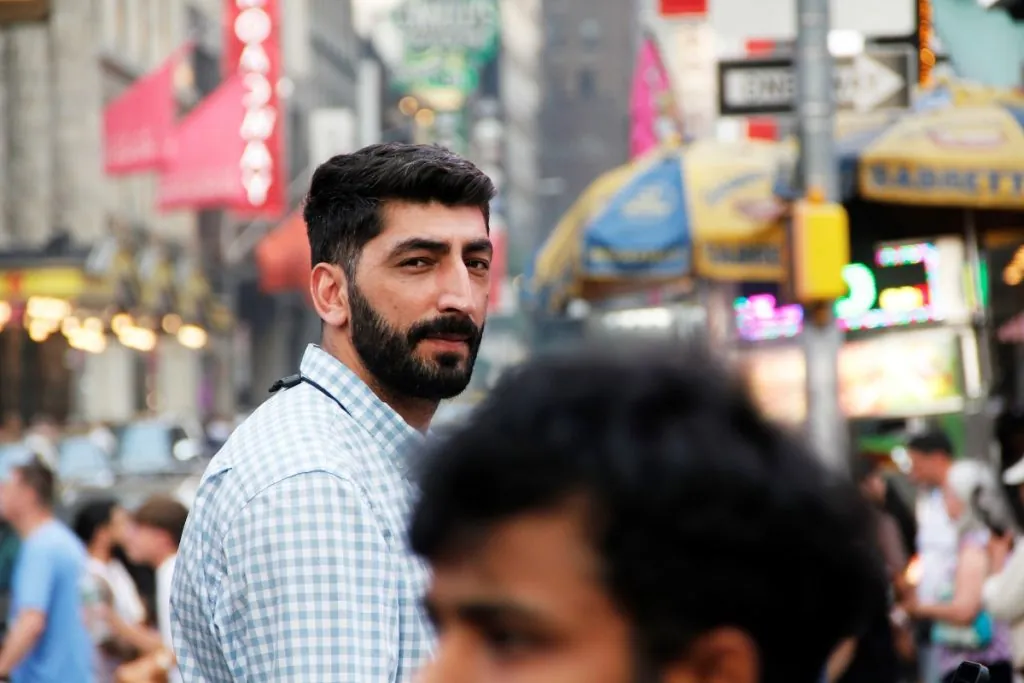
Everything here seems so different compared to the news reporting from the US.
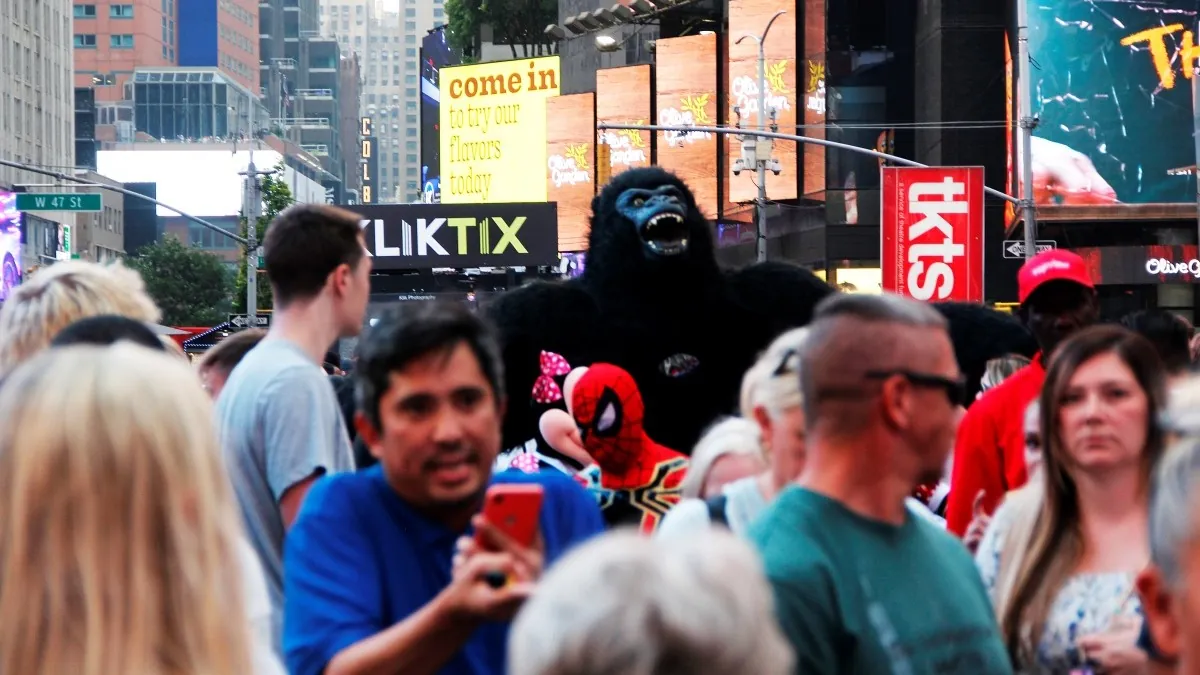
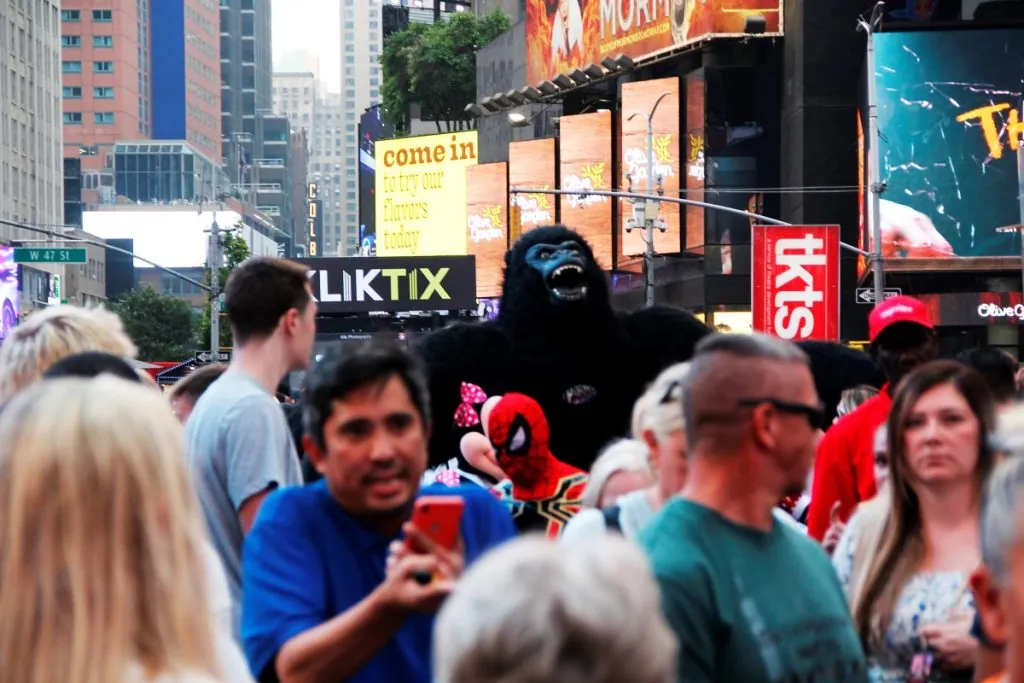
Sure, you can buy Maga caps on every street corner around Times Square, but even though New York and Washington are typical Democratic strongholds, everything scary and repulsive about the country feels unexpectedly distant as I walk around. Then - amid the sluggish crowds - a grim and grinning King Kong head pops up among the tiny human heads. The giant ape in Hitler's favourite 1933 film, which became a symbol of nature striking back at advancing civilisation and colonisation.
Today, it becomes more of an illustration of the ignorant, arrogant and dangerous empire that hides beneath normality.
After a few days in the middle of all this, I reluctantly pack my bag to go back to Washington, and then on home. On my last day in Washington it is grey outside and slightly cooler. I have time for a walk to the DuPont area before it's time to head to Dulles International Airport.
Beautiful Victorian stone houses line the streets, and in one of them is the Philips Collection. A private collection turned museum with works by Degas, Monet, Georgia O'Keefee, Mark Rothko and many more - exquisite art that was once exclusive to a single family. When I come out of the toilet, there's a van Gogh hanging on the wall, a bit carelessly. As if they can afford to fatten up with the masterpieces.
On the commuter train to the airport, I think about the United States and its strange appeal. Like crazy, vulgar, refined and fantastic at the same time. Must go back again, soon.

Follow Thomas here:







 English (UK)
 Svenska
BP says:
Great to be able to free ride to Washington and New York with such a well-written post. The content covers just about everything, succinctly, concisely and irl. The pictures are absolutely amazing. Very different from the usual tourist pictures. Would love to read more posts by Thomas:-)
24 September 2025 - 20:14
Thomas Drakenfors says:
Thanks, glad to hear it!
Have a good time.
/Thomas
26 September 2025 - 6:29
Solan says:
Thanks BP, for writing what I was thinking.
And no, we have no desire to return to our former favourite country.
25 September 2025 - 8:41
Thomas Drakenfors says:
I guess that's the thing about the US, amazing and scary at the same time.
Would love to live there . . . for a while.
/Thomas
26 September 2025 - 6:31