



Writer: Co-operation partner
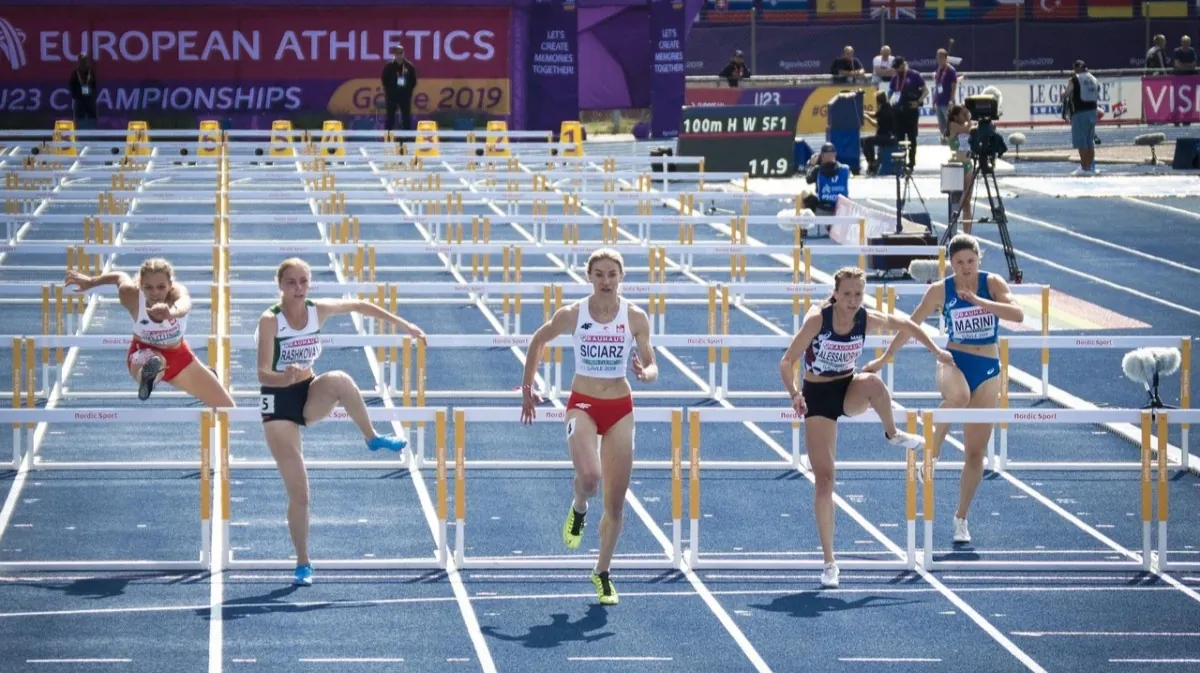
Professional athletes train hard and often push their bodies to the limit in pursuit of success. Yet it's not just training that separates the good athletes from the great ones. Rest and leisure play an equally important role, ensuring that the body and mind have time to recover from the intense demands of competition.
 Tweet
 Share
 Share
 Pin
 Share
 Share
Without proper recovery, athletes risk injury, burnout and a decline in performance. Recognising the value of structured rest days and personalised leisure activities allows players to maintain a sustainable balance and maximise both their physical fitness and mental acuity over a long season.
Table of contents
Why leisure is important
Rest is not just about sleep or lying still - it also includes active leisure time that helps athletes recharge. Whether it's through social activities, creative pursuits or light-hearted entertainment, leisure time helps improve focus and motivation when it's time to return to the training field.
Many coaches now actively encourage their athletes to take time off the pitch, as they know that relaxation reduces stress levels. The most successful professionals are often those who understand the rhythm between effort and recovery and treat rest as an essential part of their programme rather than an afterthought.
Leisure activities for modern athletes
Today's athletes engage in a variety of hobbies. Some like to stream films or series, which gives them a way to mentally disconnect after a demanding match. Others prefer meeting friends, spending time with family or cooking as a form of relaxation and creativity.
Online entertainment also plays a role, with many athletes drawn to interactive platforms and online games, including casino style options. In these cases, some are exploring the top list of the best online casinos with no gambling break this year, as these websites offer more flexibility and variety compared to traditional platforms. This highlights how digital leisure has become a significant part of modern resting routines.
Physical rest and sleep cycles
While leisure activities help with mental recovery, physical rest remains paramount to an athlete's performance. Quality sleep allows muscles to repair themselves, hormones to regulate and energy to be restored. Research consistently shows that athletes who prioritise consistent sleep schedules recover faster and perform better than those with irregular patterns.

For Swedish professionals competing internationally, managing jet lag and adapting to different time zones is also a critical factor. Coaches are increasingly integrating recovery strategies around sleep research, and using tools such as sleep tracking apps and recovery monitoring to ensure athletes maintain peak fitness throughout their careers.

Mental recovery and stress management
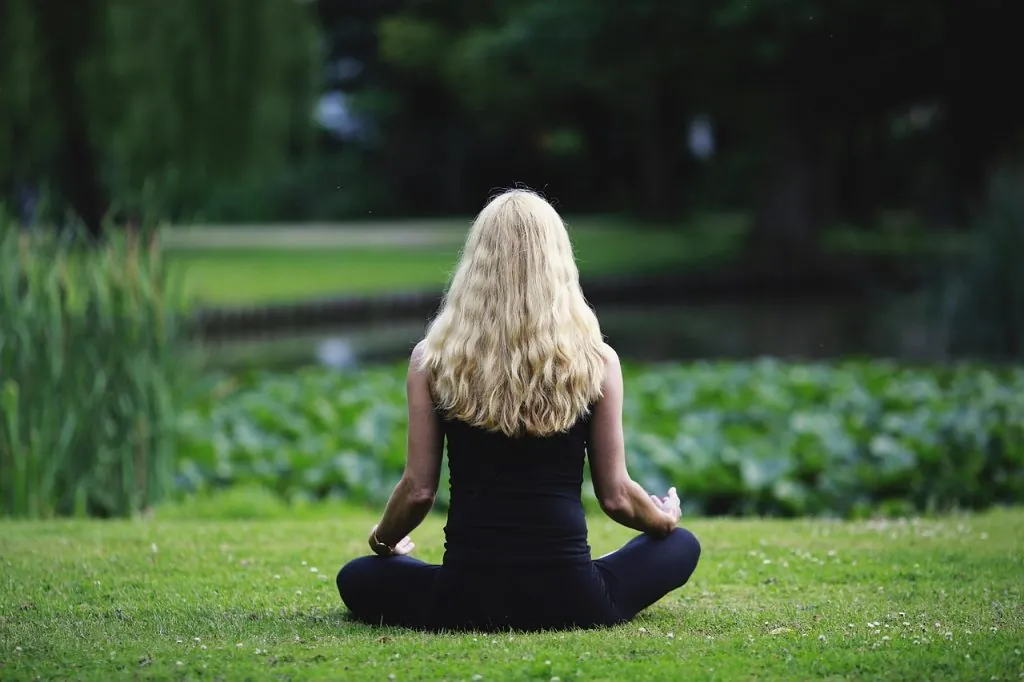
High-pressure environments can lead to mental fatigue, which is as harmful as physical fatigue. Mental recovery is achieved by creating opportunities for athletes to distance themselves from the demands of their sport. This can involve meditation, relaxation techniques or simply enjoying everyday activities that provide a sense of normality.

Leisure activities such as reading, relaxed gaming or social interaction help athletes to disconnect and reset themselves mentally. By encouraging these habits, teams and organisations ensure that players avoid unnecessary stress build-up and return to training sessions with a fresh mind, ready to absorb new tactical instructions and perform at their best.
Hobbies roll
Hobbies provide athletes with creative outlets and personal expression. Cooking, for example, allows them to focus on flavours and nutrition while enjoying a calming process. For others, music or art can serve as an escape from the structured environment of professional sport. These activities contribute to the identity beyond the athlete's role on the field and help them feel balanced and fulfilled.
Importantly, hobbies are not seen as distractions but as tools that indirectly improve performance. By devoting time to non-sporting endeavours, athletes strengthen their ability to cope with pressure, which is crucial when perform in front of large crowds or during high-stakes competitions.

Social contacts and support
Leisure is also about relationships. Athletes benefit greatly from socialising with friends and family, who provide a support system away from the demands of competition. These social interactions create stability and perspective and remind athletes that their lives extend beyond their sport. Strong personal relationships improve emotional well-being, which in turn positively affects performance.
In Sweden, where many clubs value community, athletes often emphasise the role of shared meals, local events and simple social outings as essential parts of their leisure time. Fostering meaningful relationships ensures that athletes have the resilience to cope with both victories and defeats.
Travel, rest and leisure balance
International competition often involves significant travel, which can disrupt rest and recovery. Long flights, changing time zones and busy tournament calendars further burden athletes. Incorporating leisure activities into travel routines helps reduce this burden. Streaming a series on a plane, reading a book in a hotel room or enjoying light-hearted online entertainment can make long journeys more manageable.
Coaches increasingly realise the importance of supporting these routines, ensuring that players arrive at their destinations not only physically ready but also mentally rested. Balancing the demands of travel with personal leisure is key to maintaining long-term performance.
Structured rest days
In many professional sports, rest days are now treated as structured parts of training programmes. Rather than being seen as wasted time, they are scheduled with purpose, often combining light physical recovery sessions with opportunities for leisure.
Athletes may spend the day walking outdoors, cooking a meal at home or socialising with loved ones. Some also enjoy short sessions of online gaming as part of their leisure time. By giving equal weight to rest days, coaches show that performance peaks when training, recovery and leisure exist in harmony. This approach builds resilience for both body and mind.
Long-term benefits of proper rest
The effect of prioritising rest and leisure is evident when looking at the career longevity of an athlete. Those who master the balance between training intensity and personal leisure often maintain higher performance levels for many years. Recovery reduces the likelihood of injury, while leisure activities protect mental health and motivation.
Swedish athletes competing internationally often emphasise the role of rest in their success stories. By treating rest as seriously as competition, they ensure they can continue to perform at their peak, inspiring future generations while protecting their own long-term wellbeing.
A balanced athlete is a better athlete
In conclusion, rest and leisure are not optional extras for professional athletes but essential components of their training. Whether it's through sleep, hobbies, social connections or digital entertainment, these activities provide the balance required to excel at the highest levels.
Modern professionals understand that physical strength alone is not enough; recovery and personal fulfilment are equally important. By embracing diverse hobbies - from streaming films to exploring online games - athletes ensure they are well prepared for the demands of competition. Ultimately, rest creates the foundation for consistent performance, career longevity and sustainable success in professional sport.






 English (UK)
 Svenska