


Writer: Helena Bergström
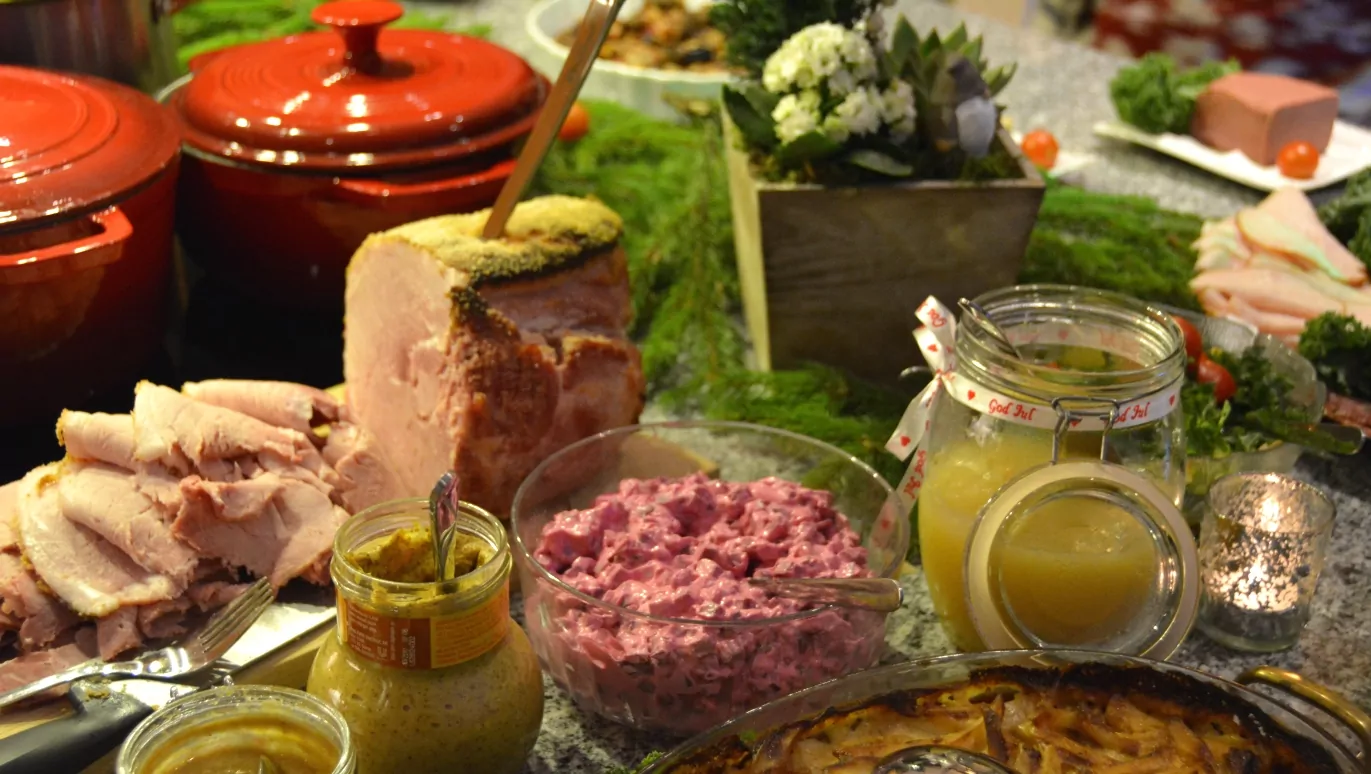
The Swedish Christmas table is far from a uniform tradition, even though many of us today think of the same dishes in connection with Christmas celebrations, such as herring, meatballs and Christmas ham. In the past, conditions were much more varied in our long country, and to some extent, regional differences remain.
 Tweet
 Share
 Share
 Pin
 Share
 Share
Table of contents
Regional specialities on the Christmas table
From the outset, regional Christmas food variations were about finding solutions to the same challenge: how to celebrate a holiday in the middle of winter with what is available in the local area. Today, grocery stores with a similar range can be found throughout the country – but some differences remain.
We present a Christmas food journey from north to south, telling the story of local delicacies, which also becomes a story of culture, climate, landscape and living conditions through the ages. Feel free to write a comment and tell us about even more regional specialities on the Christmas table that you know of!

Norrbotten – Dried reindeer meat
I Norrbotten For generations, dried reindeer meat has been both a necessary winter provision and a festive food, especially in the inland and mountain regions. Dried meat has a long shelf life and tastes good – a reminder of the Sami food heritage and life close to the mountains and open spaces. Even today, dried reindeer meat and suovas (lightly smoked reindeer meat over an open fire) are obvious features of the Christmas table in the north.

Västerbotten – Västerbotten cheese
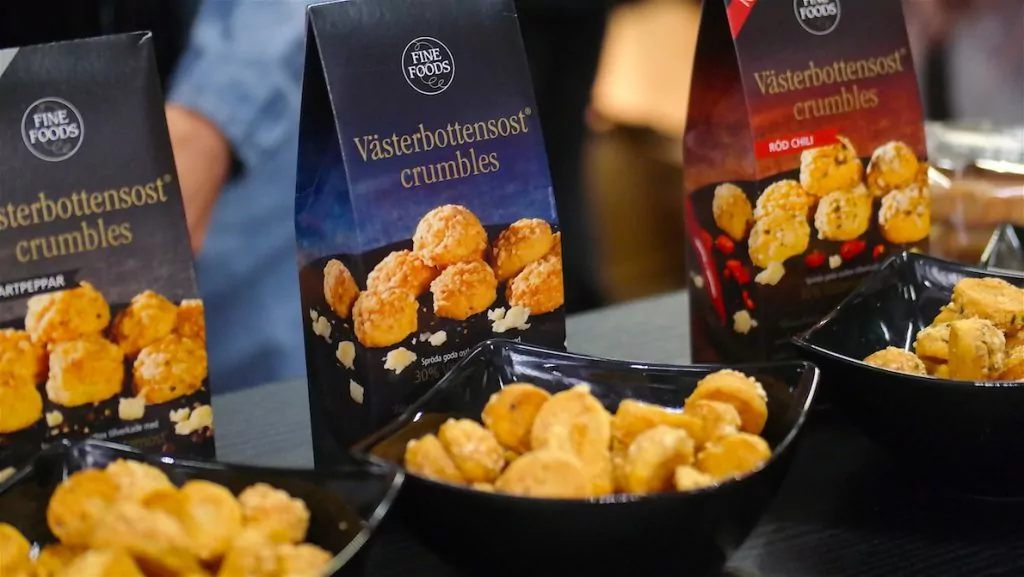
In the past, people used to bake in Västerbotten large quantities of flatbread before winter, and messmör provided both sweetness and energy. Today, aged Västerbottensost cheese has also made its way onto the Christmas table, perhaps throughout the country, but still most firmly rooted in its home region. It can be served as it is, as various snacks or perhaps in the form of a pie.
Jämtland – Smoked sheep and elk meat
I Jämtland Smoking used to be the most important method of preserving meat. Hunting, mountain farming and self-sufficiency influenced the diet, and smoked sheep or goat meat was part of the Christmas feast. Even today, it is common for smoked elk meat or elk sausage to be served as cold cuts.

Hälsingland – Grynkaka
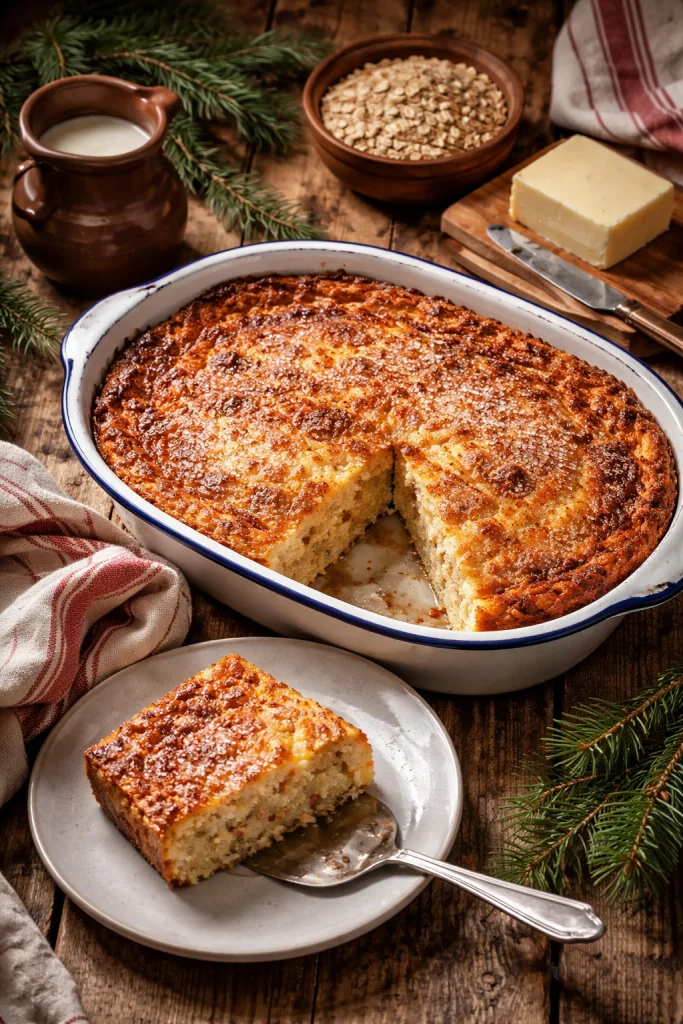
I Hälsingland cereals have been historically important, and this is also true of the Christmas table. Grynkaka, baked from crushed grains, milk and sometimes eggs, was once a festive dish that could feed many people. Even today, the dish is still popular when it is time to celebrate Christmas.
Dalarna – Bread, sausage and pickled meat
Christmas in Dalarna was once closely linked to slaughter. Homemade sausage, brawn and offal dishes took their place on the table, along with hard bread that could be stored well into winter. Christmas food reflects a society where the whole animal was used and nothing was thrown away.
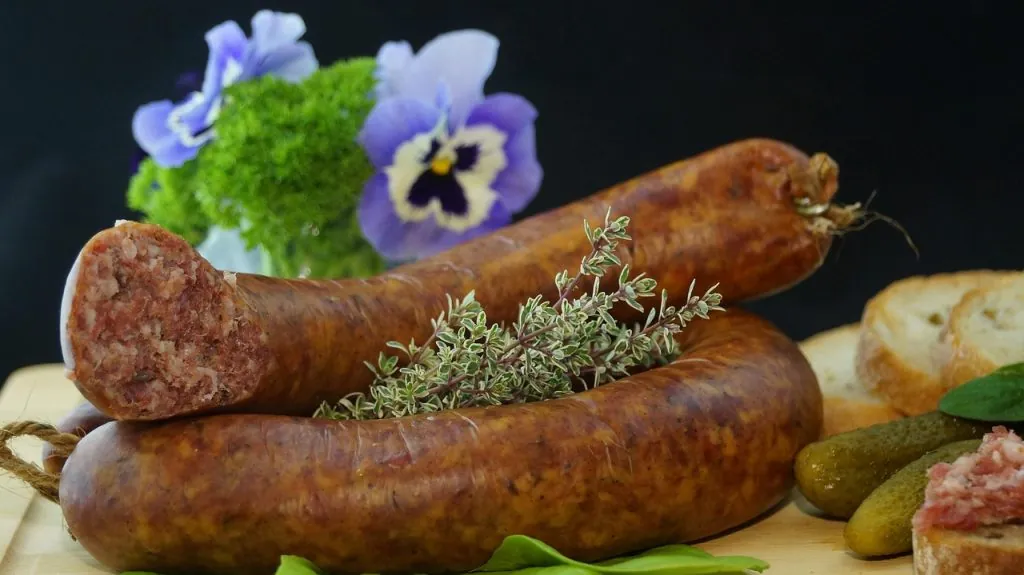
Uppland – Pickled herring
Around Lake Mälaren and in Uppland In the past, herring was a staple of the winter diet. Pickled in vinegar or salt brine, it could be stored for long periods and became a natural part of Christmas meals, when it was often served cold, salted or pickled in vinegar.

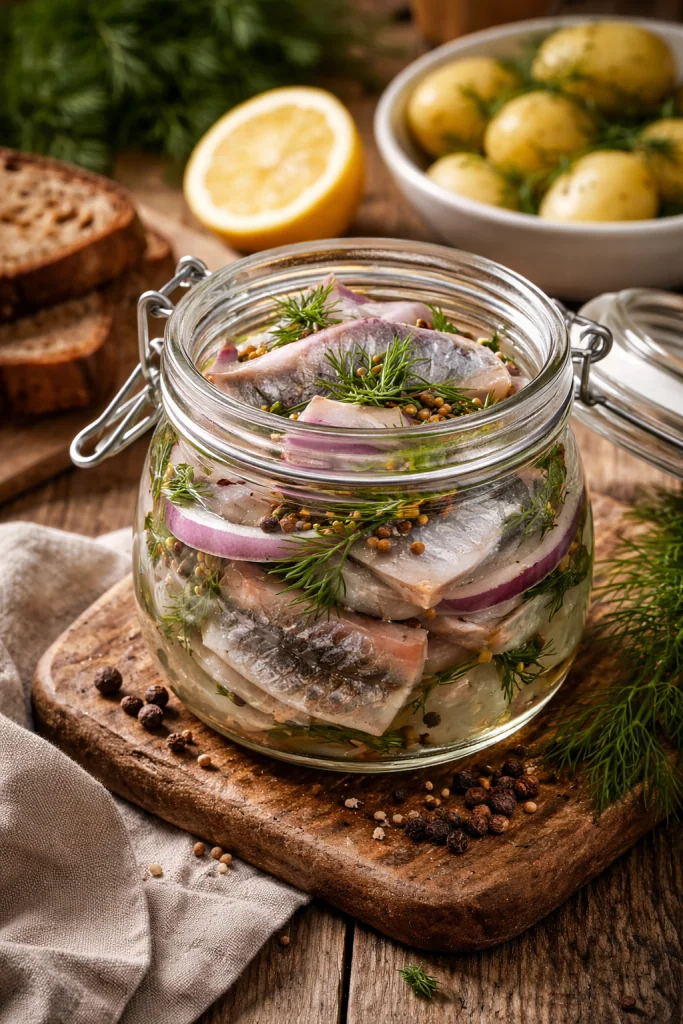
Småland – Pork, lard and potato dumplings
Småland is often associated with rustic, energy-rich food, and historically, the Christmas table was no exception. Pork in various forms, lard and potato dumplings provided the necessary calories during the cold season. Today, both potato dumplings and Småland lard sausages can appear on the Christmas table as a regional feature.
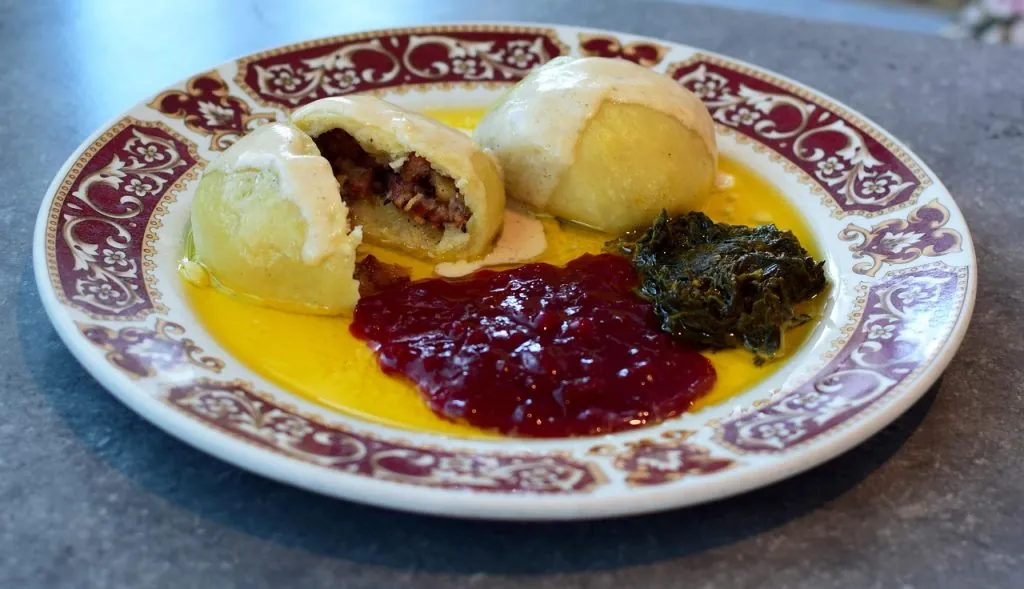
Gotland – Saffron pancake
On Gotland, saffron pancakes have long been associated with holidays and celebrations. Since saffron is expensive, the spice was used sparingly and became a clear sign of celebration. Served with salmbär jam, saffron pancakes are still a Christmas classic today.
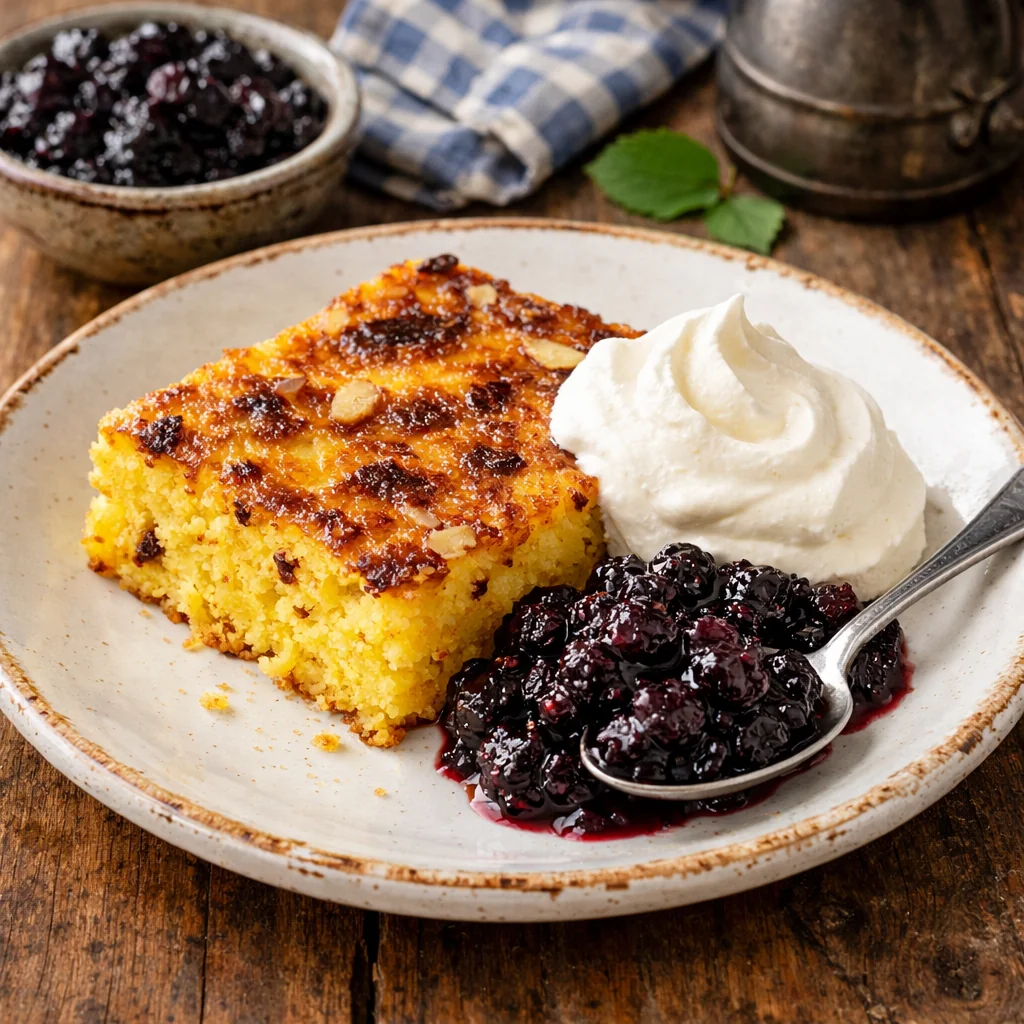
Halland – Long cabbage
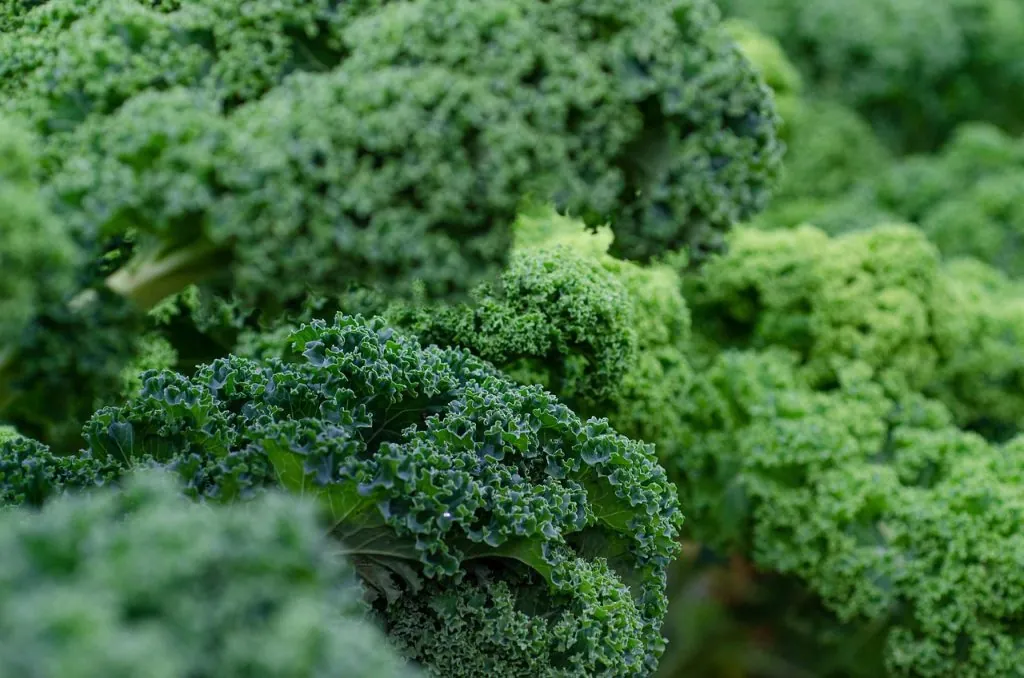
I Halland kale occupies a special place on the Christmas table. It is slow-cooked into a soft, hearty dish that is served with meat and sausages. Kale, which can withstand frost and is easy to store, has always been a staple of the winter diet and is still a regional speciality today. In a modern context, it is also worth mentioning that salmon, in various forms, is an important part of the Halland Christmas table.
Skåne – Brown cabbage
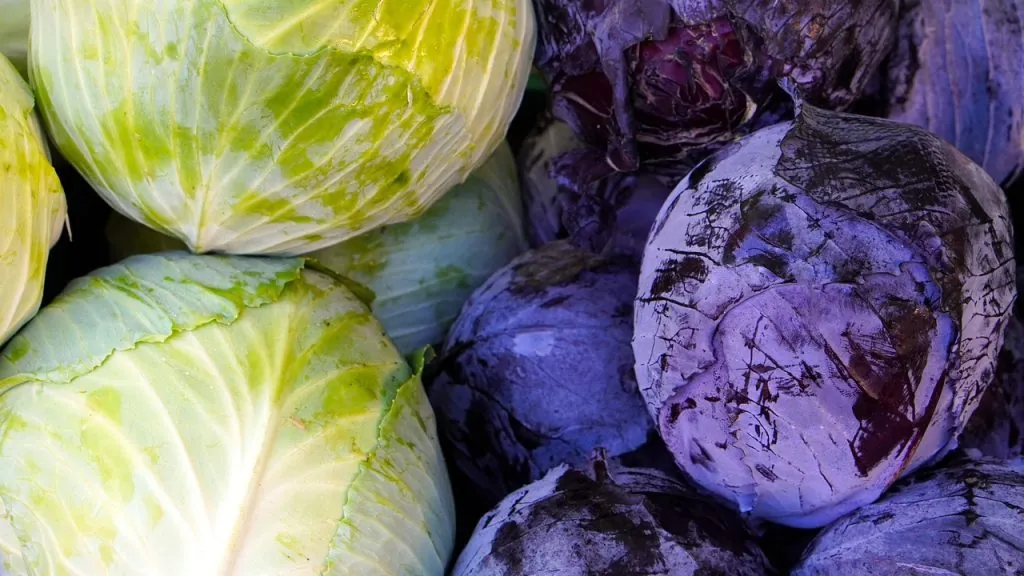
I Skåne The Christmas table bears clear traces of older Danish traditions, and here too, kale plays an important role alongside brown cabbage, i.e. white cabbage that has been boiled and fried.
What regional specialities are served at Christmas dinner where you live?
Today, there are many traditional dishes on the Christmas table that are common throughout the country, but there are also local variations – and perhaps these are the most interesting? Are there any regional specialities on the Christmas table where you live? Or perhaps your family has its own tradition?


 English (UK)
 Svenska
JoY says:
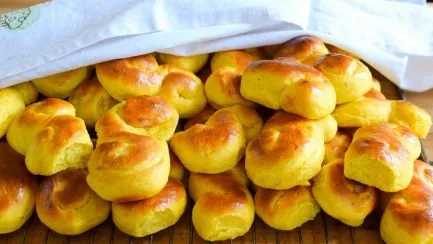
We don't have any special dishes at Christmas. Jakob bakes a bread called Zopf, which is a four-strand wheat loaf. I reminded him about it, so we'll see if he makes it tonight.
I remember when my brother ran a guesthouse in Småland and someone requested kroppkakor (potato dumplings) for the Christmas dinner. I can tell you, he had his work cut out for him when he had to make them in the middle of everything else, ha ha ha.
Hugs to you
23 December 2025 - 17:27
Helena says:
How exciting to have a special type of bread! And I understand that it was a lot of work to make kroppkakor in the midst of everything else, as it's not exactly fast food...!
23 December 2025 - 18:42
BP says:
It was interesting and surprising to learn that certain dishes originate from different parts of Sweden. I would never have guessed that Uppsala has pickled herring as a Christmas speciality. Funnily enough, I also blogged about dried reindeer meat today. I love the meat, but not
1,690 SEK/kg…
I've never heard of Grynkaka. And weren't you Helena from Skåne? Isn't Spettekaka a Skåne speciality? I've never eaten that cake, but my local ICA sells it in large quantities.
23 December 2025 - 18:34
Helena says:
Wow, that's a great price per kilo, I must say! Yes, I'm from Skåne, and spettekaka is very typical of Skåne! But I don't really associate it with Christmas dinner...
23 December 2025 - 18:44
Hanneles boktips says:
Cool, I've eaten some, my daughter-in-law cooked them and in other places.
23 December 2025 - 21:28
Anta Snaque says:
From Norrbotten, we would like to wish you and all your readers a MERRY CHRISTMAS 2025 and a HAPPY NEW YEAR 2026!
Oh, how I suddenly started craving kroppkakor! One of my absolute favourite dishes. Yum! (Could I have been from Småland in my previous life?)😉
In the 1980s, when my Finnish sister-in-law had just moved to Sweden and didn't know many Swedish words, I called them ”body cakes”. (We spoke English to each other from the beginning.) She had never eaten kroppkakor before, but they immediately became one of her favourites.👍
23 December 2025 - 23:06
Helena says:
Merry Christmas and Happy New Year! I haven't even eaten kroppkakor (potato dumplings)... But I have eaten pitepalt (it feels familiar, doesn't it?) and it was delicious! 🙂
24 December 2025 - 8:23
Ulla says:
I have never heard of grynkaka, and I was born, raised and still live in Hälsingland and have never seen it on the Christmas table.
But that's good to hear, I'll have to google it 😊
24 December 2025 - 4:06
Helena says:
Thank you for sharing, that's interesting! We don't have any personal experience with grynkakan, but I've tried to read up on it thoroughly and double-check everything carefully. However, it's quite possible that it's only eaten to a certain extent, as is probably the case with cabbage in southern Sweden, for example. Here are a few sources:
https://sv.wikipedia.org/wiki/Grynkaka
https://www.land.se/mat-dryck/julbordet-avslojar-varifran-du-kommer
https://julbordsguiden.se/landskap/h%C3%A4lsingland
24 December 2025 - 8:27
Ulla says:
Thanks for the link.
I imagine it was more common in inland Hälsingland, where there are/were more farmers than here on the coast in Söderhamn.
24 December 2025 - 11:03
åsa says:
This is interesting when it comes to food, especially during major food holidays.
My family has a tradition of eating turkey on Christmas Eve.
Now there will also be more ”traditional” Christmas food, but that's in the days before and after Christmas Eve.
Have a wonderful Boxing Day and a pleasant weekend.
26 December 2025 - 17:24