




Writer: Co-operation partner
Traveling between multiple countries used to mean juggling SIM cards, dealing with patchy coverage, and seeing data costs rise. That routine feels outdated as digital connectivity becomes more seamless and travel habits shift toward flexibility. A small change in how a device connects can reshape the entire travel experience in Europe.
 Tweet
Tweet Share
Share Share
Share Pin
Pin Share
Share Share
ShareA digital SIM card eliminates the friction associated with physical exchanges and operator restrictions. With eSIM for Europe allows travelers to stay connected across borders without breaking their rhythm or spending time searching for local options. It fits naturally into modern travel, where plans change quickly and access to maps, bookings and information is essential at every step.
Table of contents
Instant activation across borders
An eSIM card allows for activation before boarding a plane, setting the tone for a smoother journey. When the device lands in Europe, connectivity is maintained almost immediately, without queues at kiosks or confusion around local providers. This convenience is especially useful after long flights. It creates a calm start where everything feels clear from the start.
As the journey continues from one country to another, the connection automatically adjusts. There is no need to change cards when moving from France to Italy or Germany. In cities like Paris, Lyon or Marseille, data access feels consistent and reliable. This stable connection allows for easy movement without interruption.

Seamless network switching
Traditional SIM cards tie users to a single network, which can feel restrictive when crossing borders. An eSIM works differently because it connects to multiple partner networks across Europe. This flexibility helps maintain stable coverage even in less congested areas. It provides a sense of continuity that supports seamless travel between regions.
Travelers traveling through Spain can notice this advantage when exploring Madrid, Barcelona, or Seville. Coverage remains stable and data speeds remain usable without sudden interruptions. The experience feels fluid rather than fragmented, making the journey less stressful. It makes every stop feel connected without any extra effort.
Better data control on the go
Managing data usage becomes easier with an eSIM card. Many plans offer clear dashboards or built-in controls that show how much data is left. This helps travelers avoid surprises and stay aware of usage throughout their trip in Europe. It creates a sense of control that keeps daily plans running smoothly.

A person walking through Rome, Florence, or Milan can check maps, browse recommendations, and upload photos without having to guess how much data is left. That level of clarity supports smarter usage and ensures everything flows smoothly. It keeps every moment connected without hesitation.

Flexible plans for changing routes
Travel plans are rarely set, especially within Europe. An eSIM supports this flexibility with options that adapt to short visits, longer stays, or trips between multiple countries. There’s no pressure to commit to strict plans before departure.

Someone starting in Germany and then traveling to the Netherlands or Austria can adjust their data needs along the way. Stops in Berlin, Munich or Hamburg feel easier to manage when the connection keeps up with changing plans. This adaptability adds a sense of freedom to the journey.
Compact convenience without the physical hassle
Carrying around small SIM cards and tools can feel like an unnecessary burden. An eSIM eliminates that worry entirely, as everything stays on the device. There’s no risk of losing a card or damaging a SIM card slot while traveling.
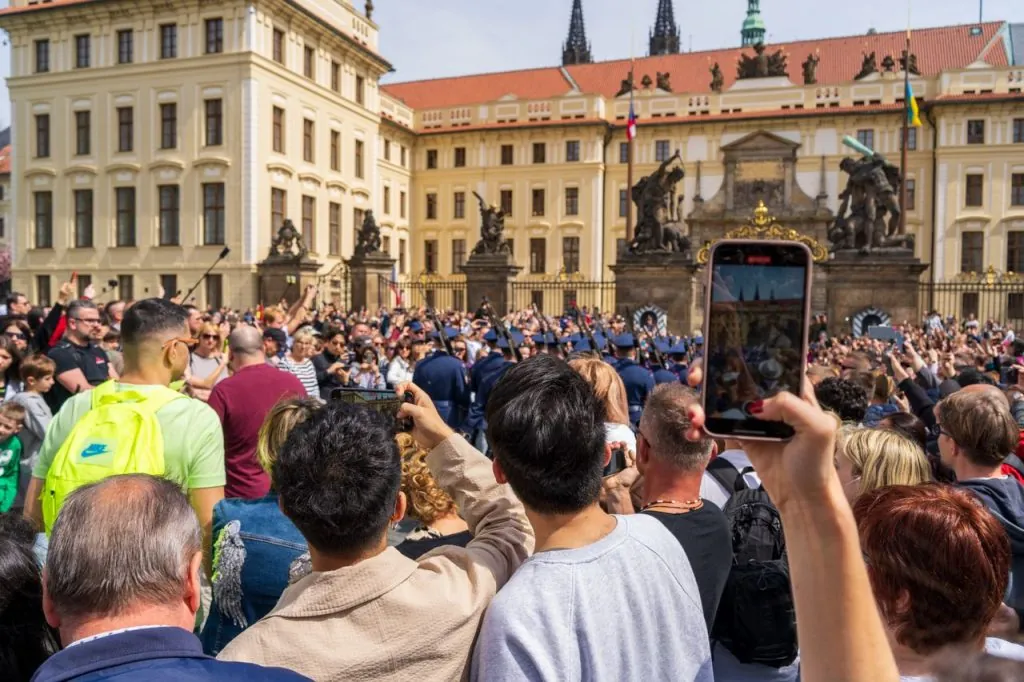
When travelers explore Prague, Brno, or Český Krumlov, they can focus on their surroundings instead of dealing with hardware. The simplicity of a digital set-up allows for a cleaner, more organized travel experience across Europe.
Reliable access in urban and remote areas
Connectivity needs extend beyond major cities. An eSIM card helps maintain access even when moving to quieter regions or scenic routes. This becomes valuable for navigation, bookings, and quick research while on the go in Europe.
In Switzerland, for example, coverage can remain consistent between Zurich, Lucerne, and Interlaken. The ability to rely on data in both busy and quiet areas increases travel security without interrupting the flow of exploration.
Easy device compatibility
Modern smartphones support eSIM technology, making implementation simple. Travelers can switch profiles or add subscriptions directly from the device settings, eliminating the need for additional hardware or complicated setup steps.
A person visiting London, Manchester or Edinburgh can manage their connection with just a few taps. The process feels intuitive, making it suitable for both experienced travelers and those exploring Europe for the first time.
Traveling across multiple destinations feels more seamless when connectivity keeps pace with every step. A digital strategy eliminates common interruptions and supports flexible subscriptions across borders. With eSIM for Europe, staying connected becomes simple, reliable, and easy to manage. It allows travelers to move freely while maintaining access to essential tools and information. This small change in connectivity makes a noticeable difference to the overall experience.











 English (UK)
  Svenska