


Text and photo: Helena Bergström
Prague is a city full of beautiful buildings, historical sights and exciting experiences. But there are also plenty of museums here, and they can be very diverse, to say the least! How about art that deceives the eye, historical sex toys, a dark and surreal world of writers or a journey through evolution? During our visits to the Czech capital, we have visited several museums, and here we tell you about five of them.
 Tweet
 Share
 Share
 Pin
 Share
 Share
Table of contents
Museums in Prague – from illusions to history
We have visited Prague several times and are happy to return to the city. There is so much to see and do here that you will hardly ever get bored, and although the big sights are of course attractive, there is also much to discover behind the doors of the museums.
We like to mix different types of experiences when we travel. One minute we want to learn about history and culture, the next we want to be surprised or just have fun. In Prague we have found museums that fit all of these – although we have to admit that some left a bigger impression than others.
Here are five museums in Prague that we have visited ourselves. If you want more tips on the city, you can also find our guide to attractions and things to do in Prague.
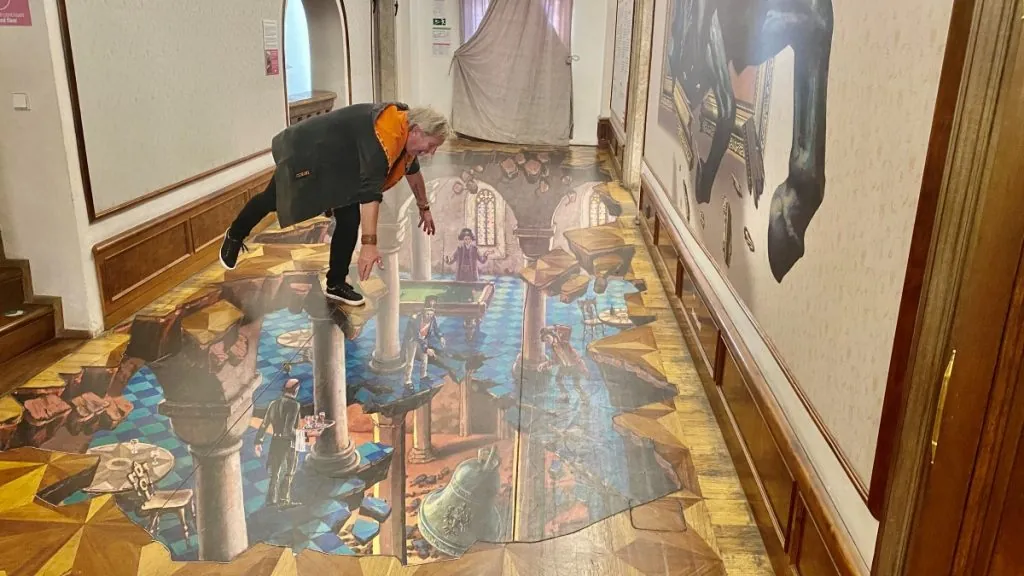
1. Illusion Art Museum – art that tricks the eye
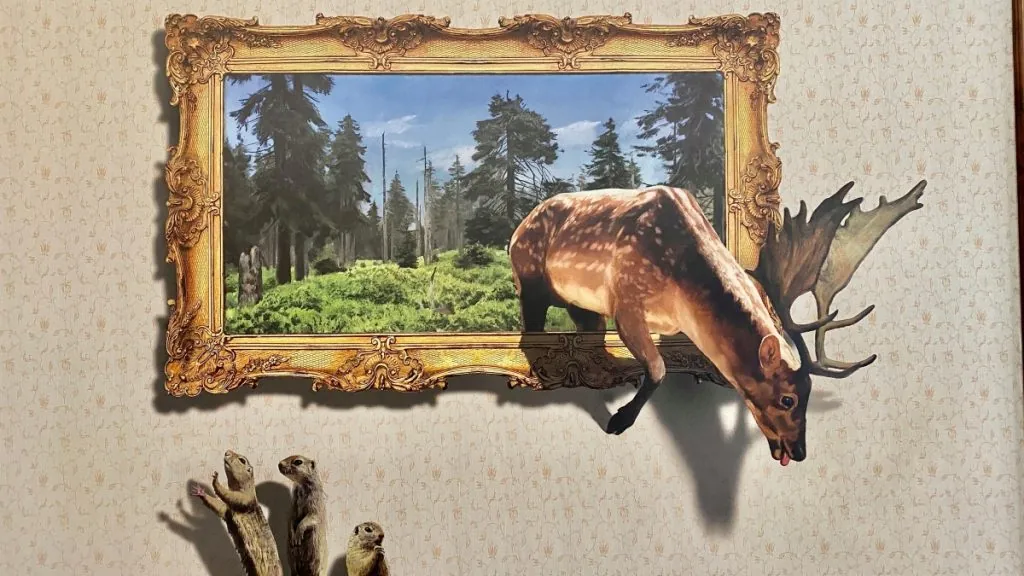
Right next to the Town Hall and the famous Astronomical Clock in Prague's Old Town lies the Illusion Art Museum. Here, a different art experience awaits, where it's not always easy to understand what you're really looking at.

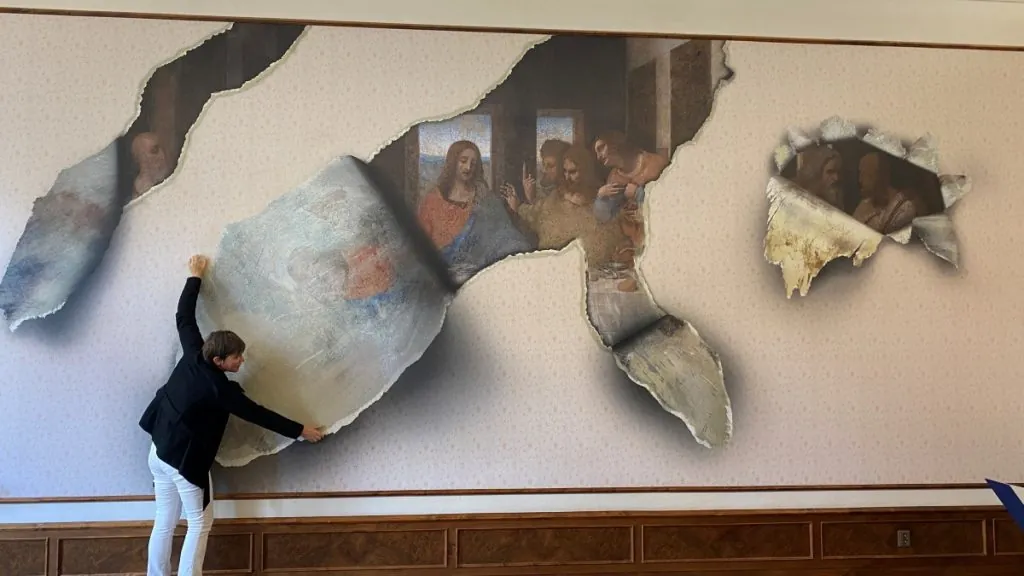
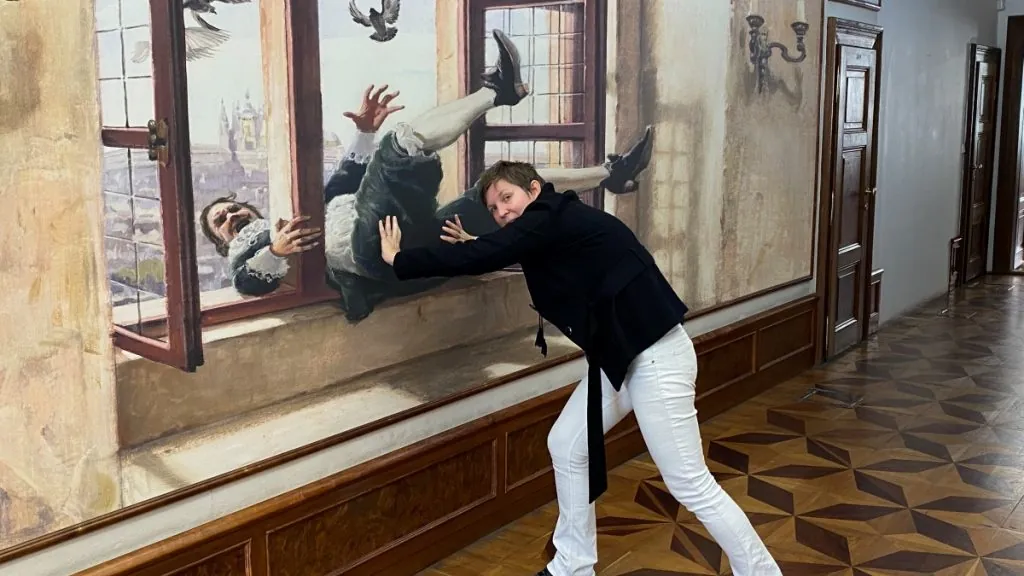
The museum is filled with paintings and artworks that trick the eye in different ways. Some images change depending on where you stand, while others work best when you step into the scene yourself and let someone take the photo. So it's not a museum where you just walk around and look at paintings – here you're welcome to be part of the experience.
We were particularly drawn to a series of portraits created from what looked like piles of old junk. From the side, you could see a collection of seemingly random objects. But when you moved to exactly the right angle, a portrait suddenly appeared!

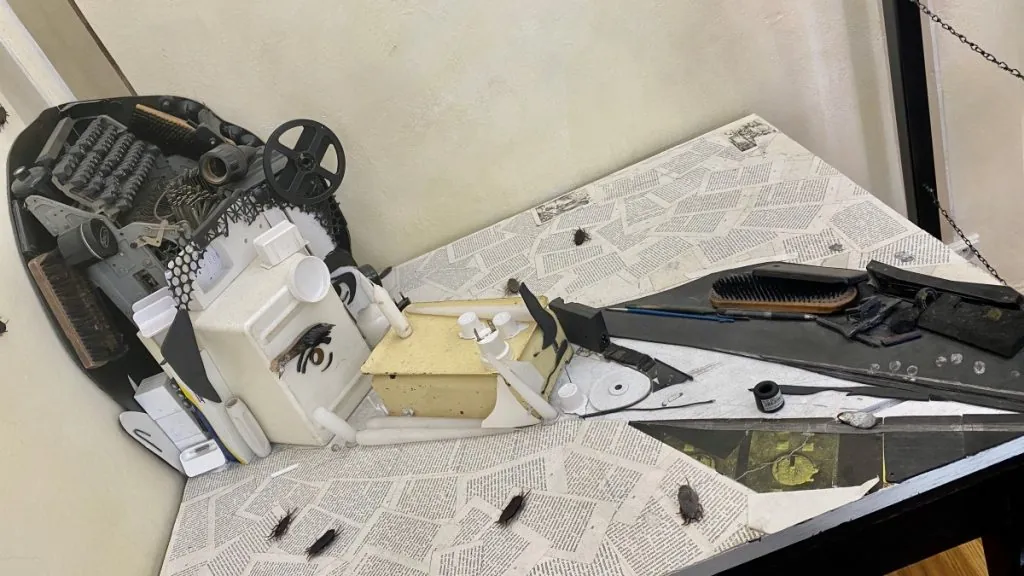
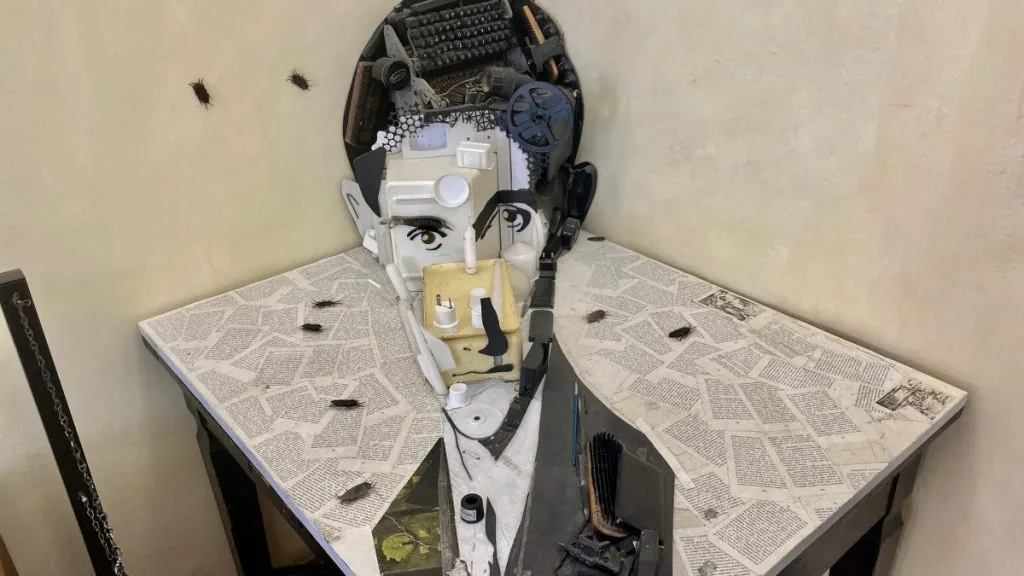
It's fascinating how someone could come up with something like this, and even more fascinating that it actually works. We walked around looking, taking photos, and trying to understand how the artworks were constructed.
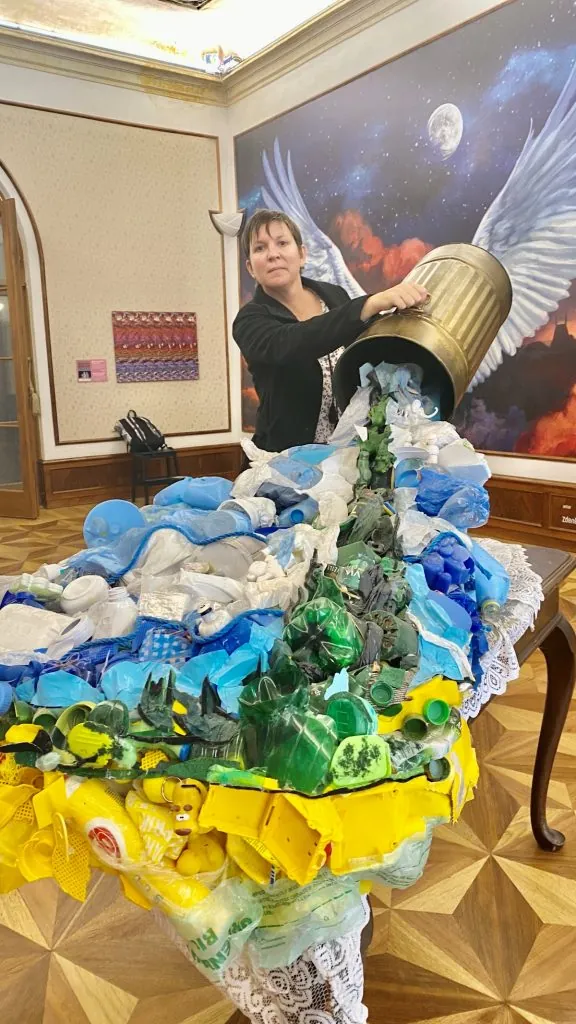
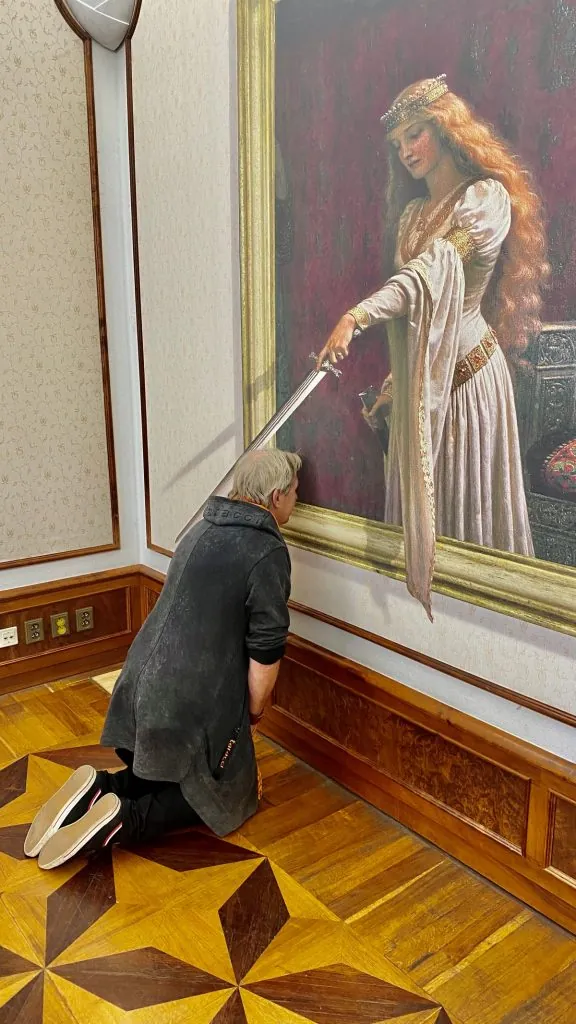
We found the Illusion Art Museum really entertaining. Plus, there's an extra little bonus: from the museum's windows you have a fantastic view of the astronomical clock and the people on the square outside.

2. Sex Machines Museum – a museum for those who are not shy
Not far from the city hall is a museum of a completely different kind. The Sex Machines Museum is exactly what its name suggests: a museum that displays sex toys, devices, and other objects related to sex, from different cultures and eras.
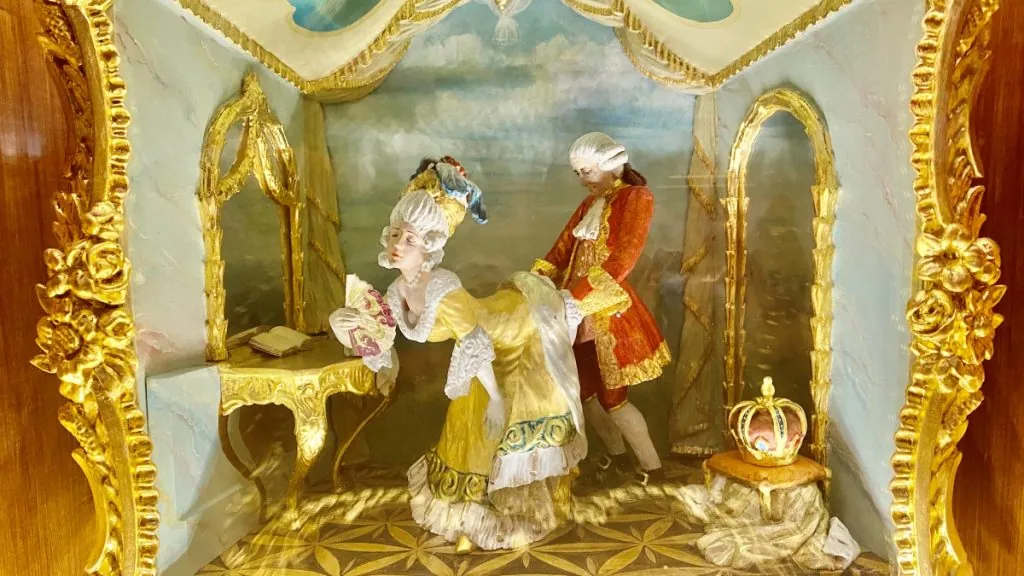
This may not be a museum for the most discerning visitor, but there are plenty of strange inventions here, and some objects really make you wonder how people thought when they designed them.
At the same time, it is also a cultural-historical experience. The objects tell us something about people's sexuality, beliefs and ingenuity throughout history. It is both fascinating, surprising and sometimes quite comical.
Among other things, we saw sex toys that were handcrafted in Czech glassworks. The Czech Republic has a long tradition of glassmaking, but this was perhaps not quite the type of glass art we had originally imagined!
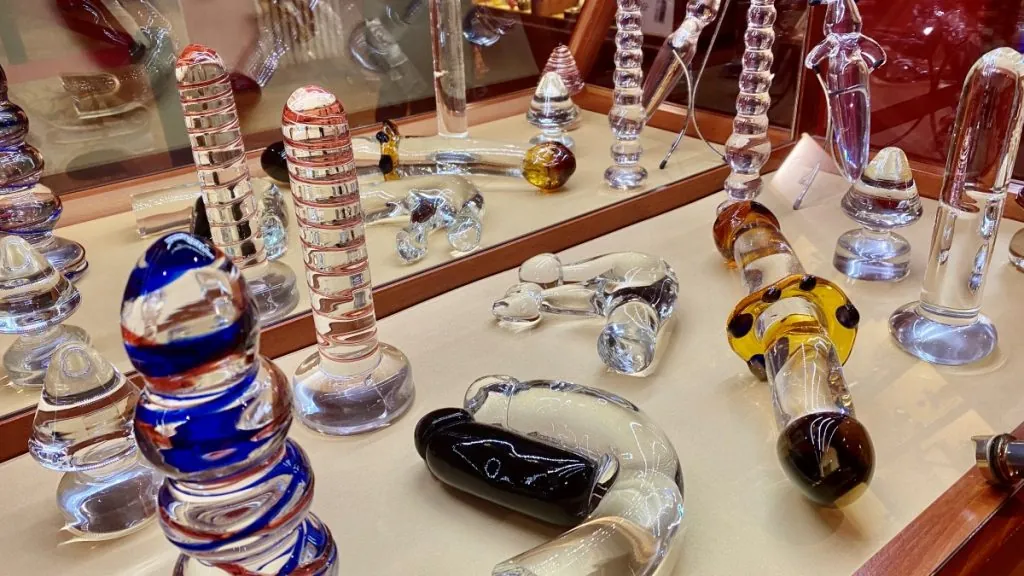
Those who wish can also watch old black and white erotic films. During our visit, films from the 1920s were shown.
We found the museum to be relatively popular, especially in the evening. And if you're wondering about our photographs from the visit, we can tell you that we mainly photographed the nicer parts of the museum...
In other words, the Sex Machines Museum is a different stop during a weekend in Prague. The museum has an 18-year-old age limit and is best suited for adult visitors who are curious and have a certain sense of humor.
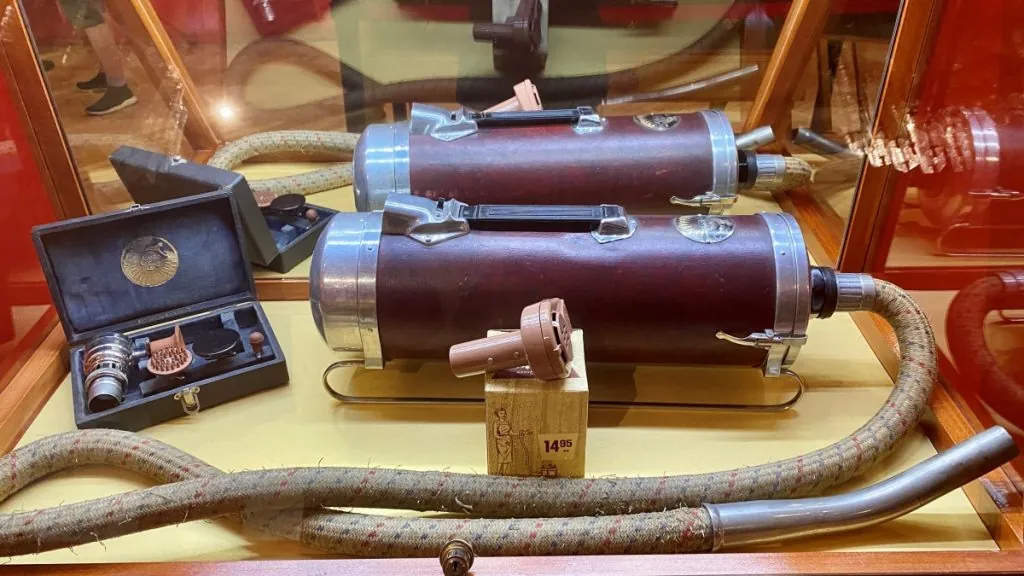
3. Franz Kafka Museum – step into a dark and surreal world
Franz Kafka is one of the writers most closely associated with Prague. He was born in the city in 1883 and is today one of the most celebrated writers of the 20th century, known for his often dark, absurd and surreal stories.
Among his most famous works are: The process, Castle and The transformation. The latter story is about Gregor Samsa, who wakes up one morning to discover that he has been transformed into a giant insect. That starting point alone perhaps says something about the kind of world one can expect to encounter in Kafka.
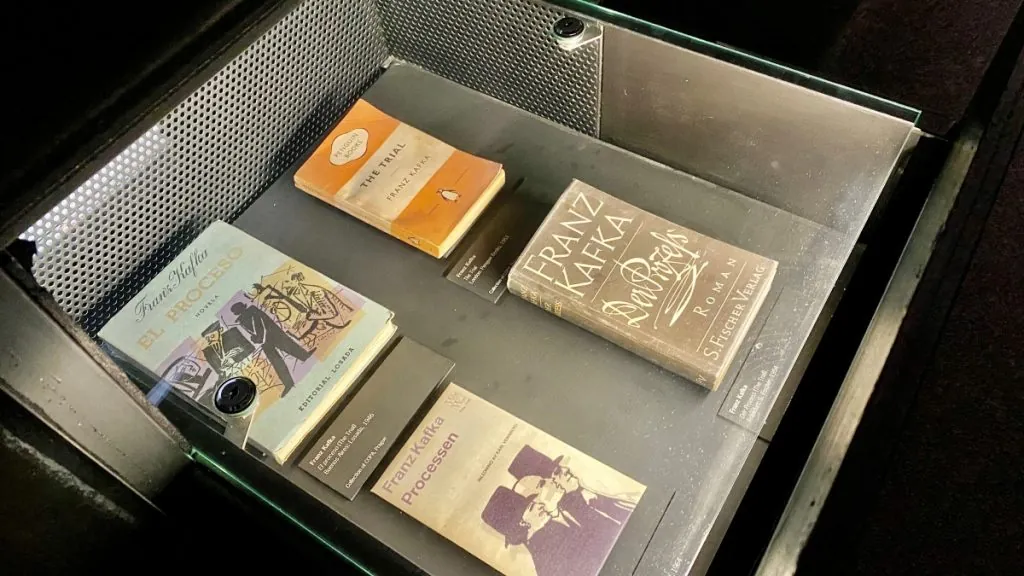
The Franz Kafka Museum is located in the Malá Strana district, not far from Charles Bridge. Here, they have really tried to create an environment that reflects the author's special literary universe.
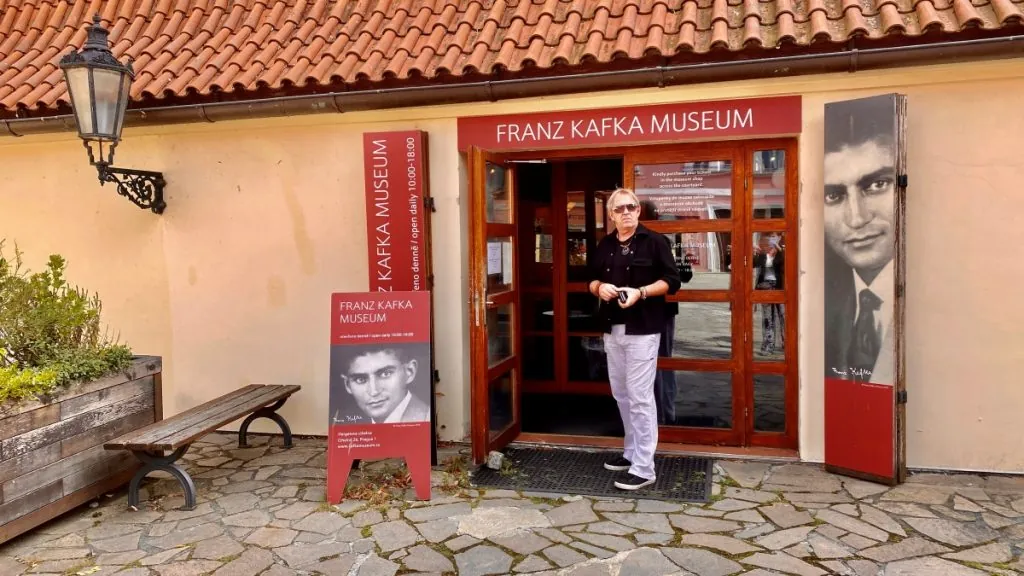
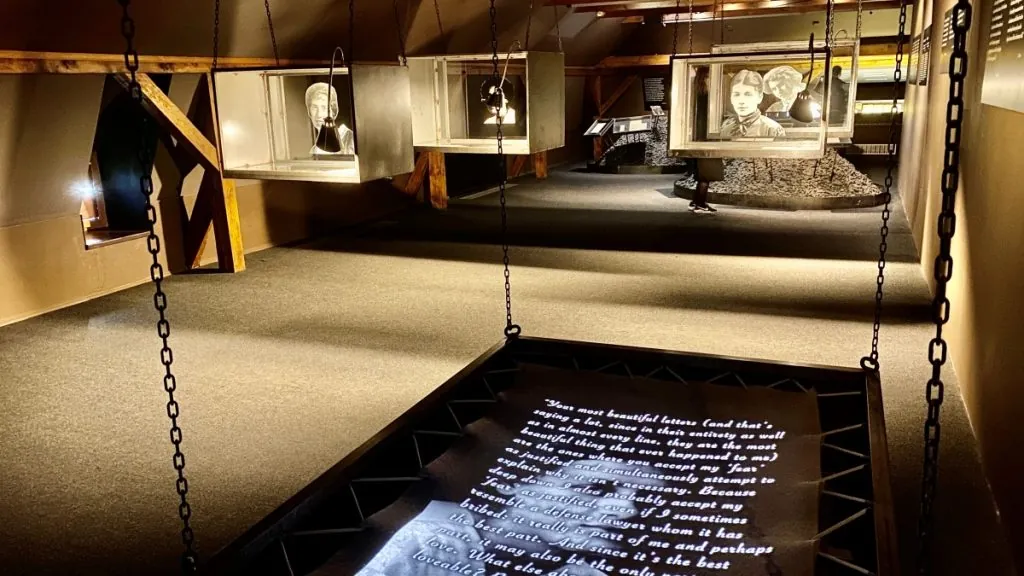
We found the museum to be very aesthetic, but also dark and almost a bit twisted. It is not a traditional museum where you just read information texts and look at objects behind glass. Instead, you are drawn into an evocative world that tries to portray Kafka's life and writing in different ways.
It's effective and different, but we also felt that you'd probably get more out of the visit if you already have some knowledge of Kafka and his books.
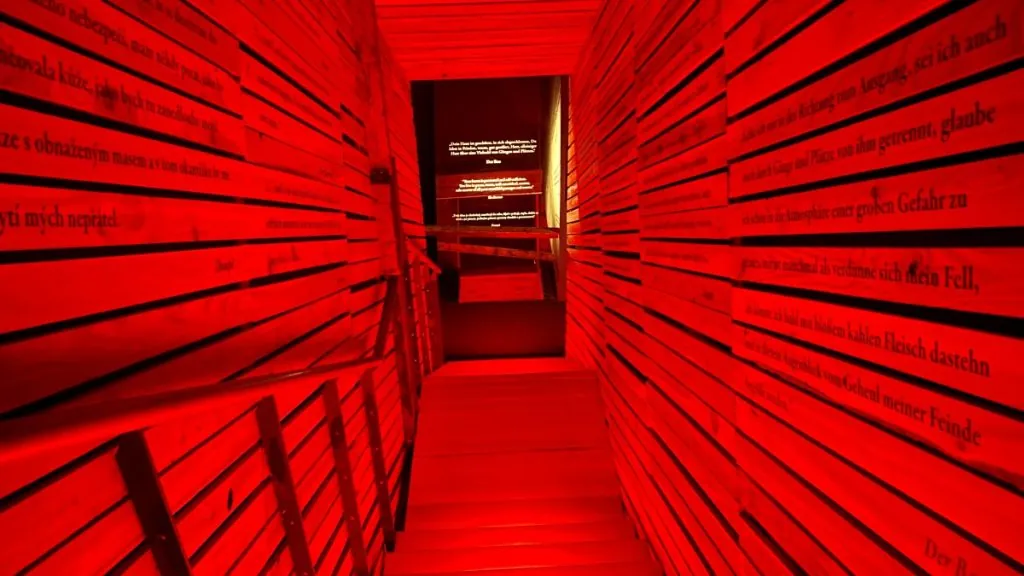
For those interested in literature and the history of writers, the museum can be an exciting experience. However, if you are completely unfamiliar with Kafka, it may be more difficult to understand all parts of the exhibition.
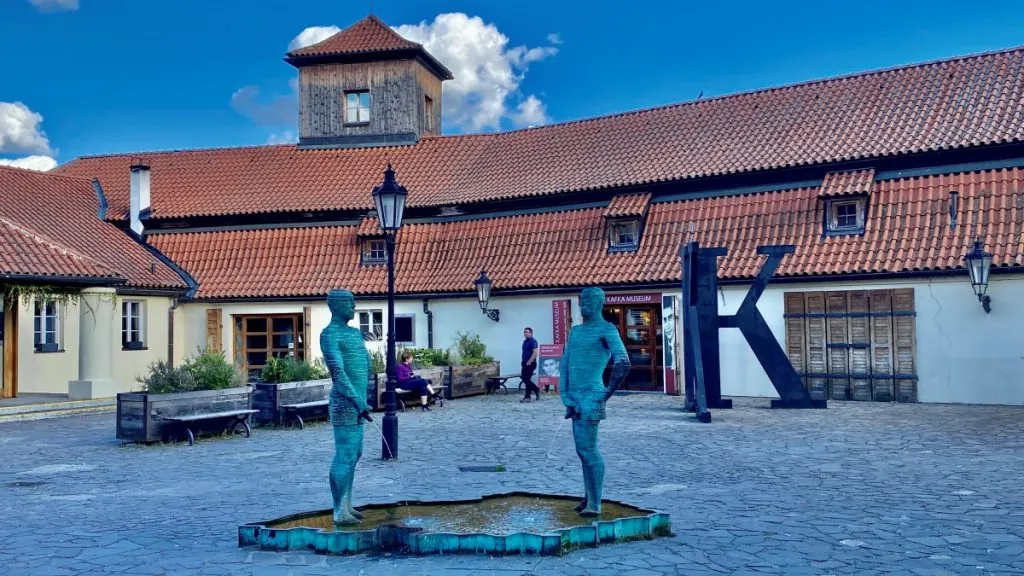
Outside the museum is one of Prague's more unusual sculptures, created by artist David Černý. It depicts two men standing and urinating in a basin shaped like the Czech Republic. Yet another example of how Prague is not short of quirky art experiences!
4. Museum of Senses – when the senses play tricks on us
In Prague there is another museum that works with illusions, but with a slightly different focus than the Illusion Art Museum. The Museum of Senses, as the name suggests, is about our senses and how easily they can be fooled.
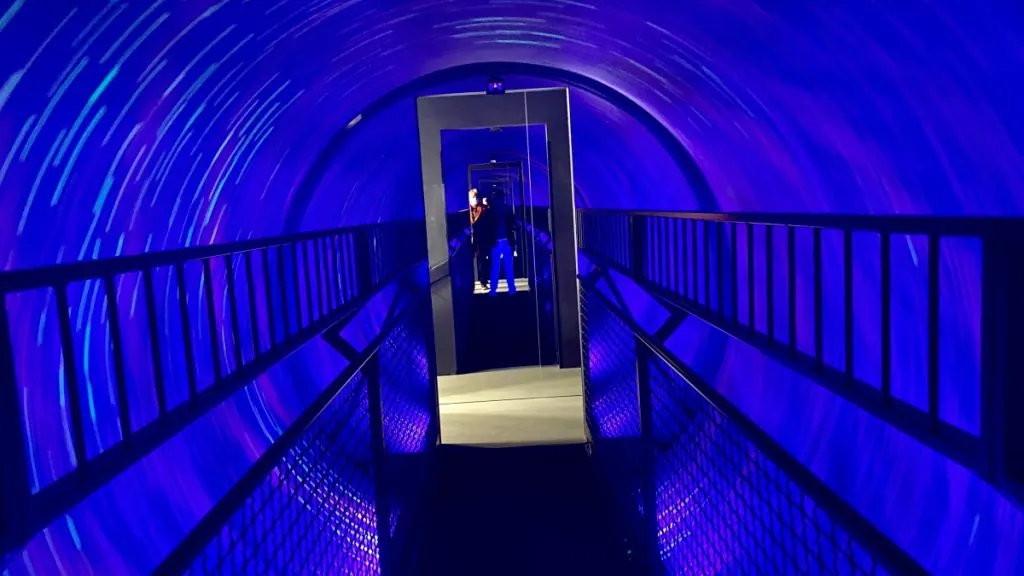
Here, visitors can try out various installations that challenge vision, balance and perception of reality. For example, you can change your appearance with the help of mirrors or step into rooms where the floors and walls lean in strange directions.
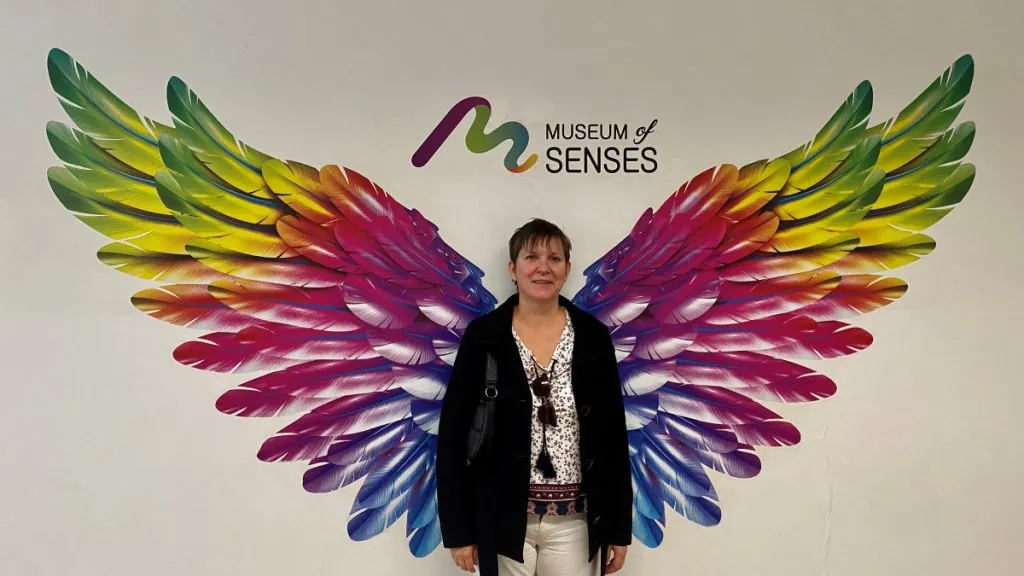
Some rooms are designed in a way that almost makes you lose your footing. What you see simply doesn't quite match what your body expects.
It certainly sounds exciting, and for those who have never experienced this type of installation before, it can certainly be fun. However, we must admit that we were not as impressed by the Museum of Senses as we were by the Illusion Art Museum.
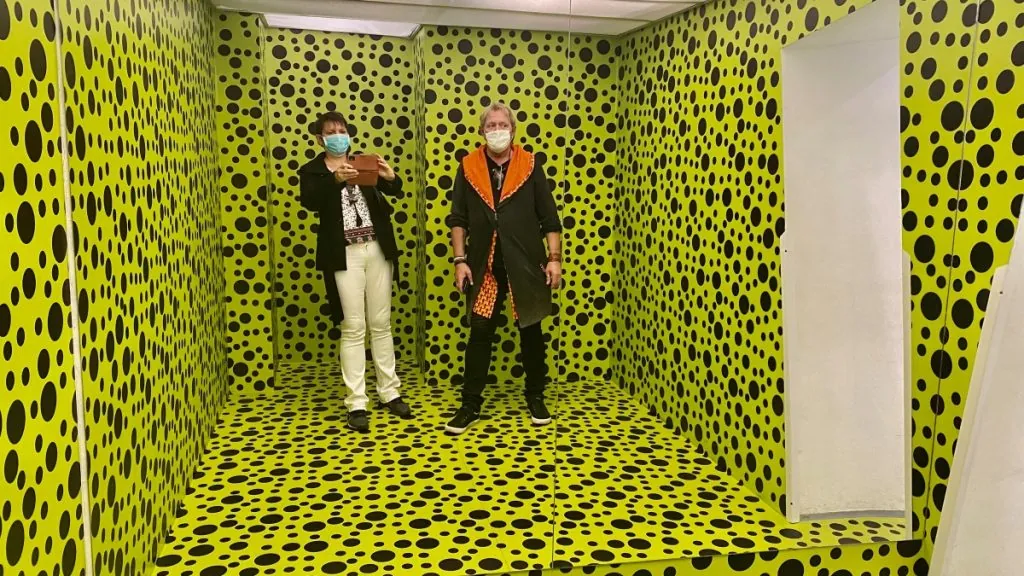
As adults, we didn't find the experiences particularly novel. We had seen similar illusions before, and that real sense of surprise never came.
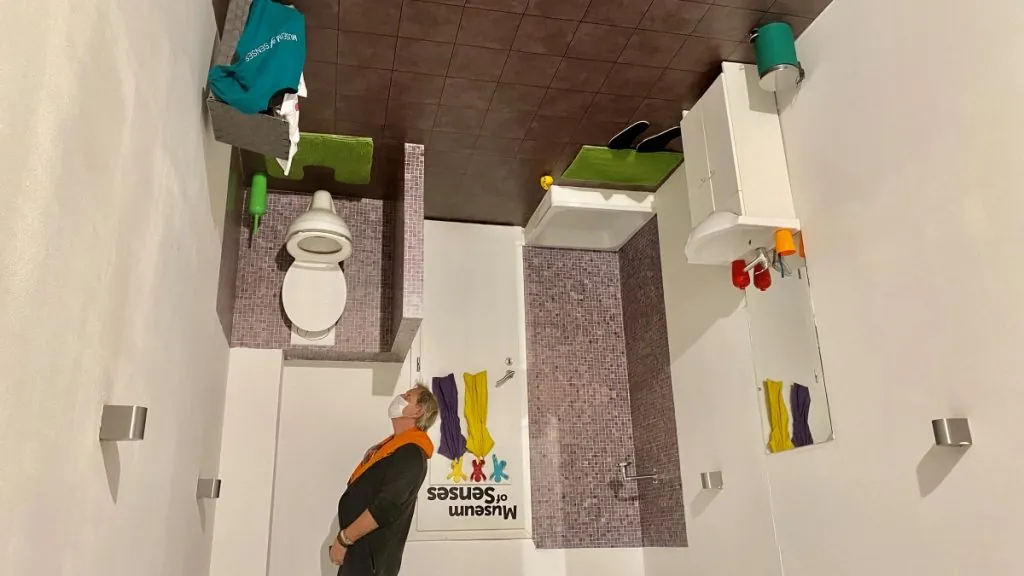
However, we can definitely imagine that the museum is appreciated by families with children. For children of the right age, who may not have experienced this type of illusion before, there is certainly a lot to discover and laugh about.
If we had to choose between Prague's two illusion museums again, we would choose the Illusion Art Museum. But of course, that's a matter of taste, and for families with children, the Museum of Senses could very well be a fun alternative.
5. The National Museum – magnificent architecture and a journey through evolution
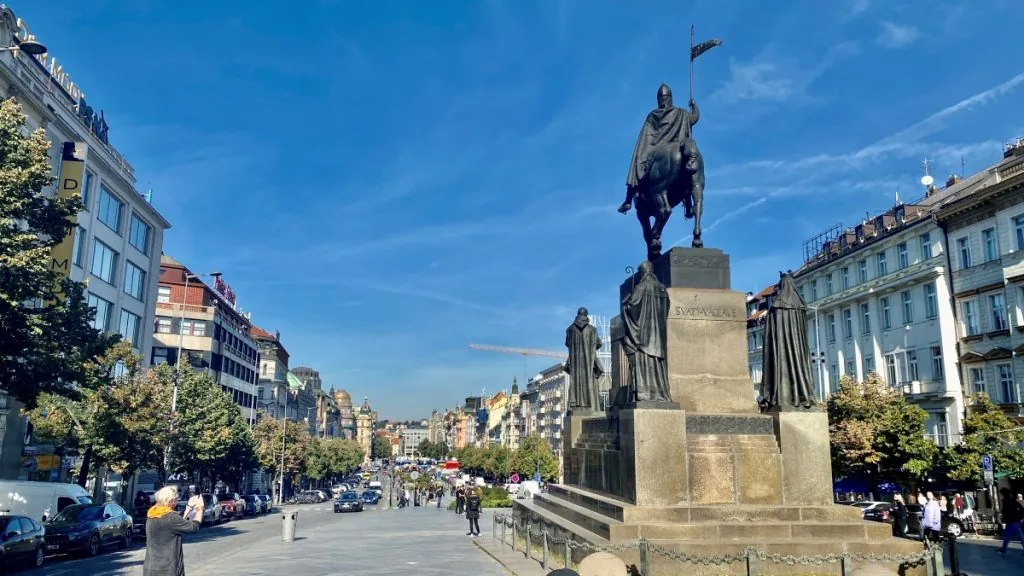
Located on the large Wenceslas Square in Prague is the National Museum, Národní muzeum, which is one of the city's most impressive buildings. And even before you start looking at the exhibitions, there is reason to stop. The museum building is incredibly grand, with magnificent halls, beautiful staircases and lots of architectural details.
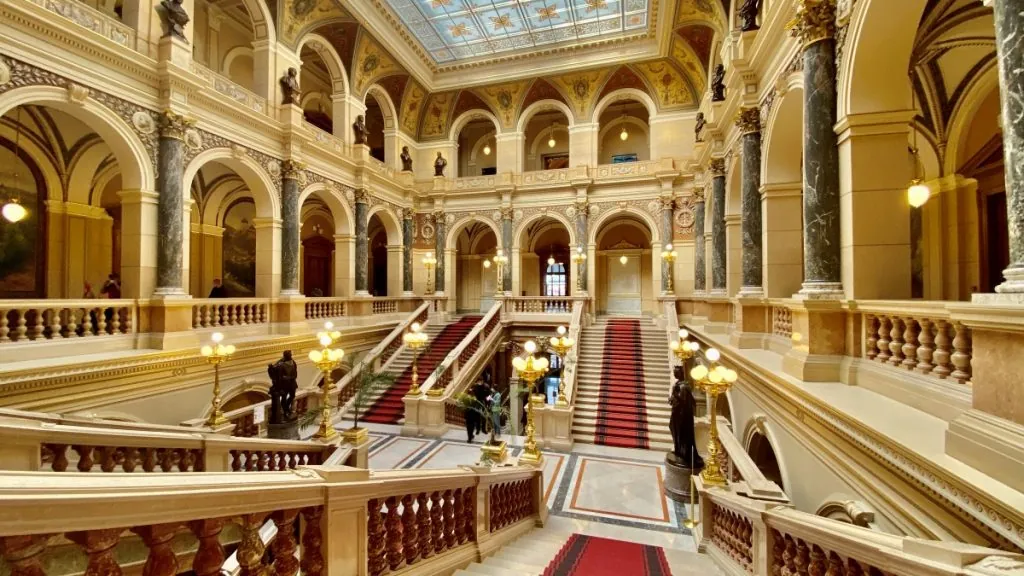
We actually thought the building itself was worth the visit! The National Museum has a broad focus with collections and exhibitions in areas such as natural history, science, culture and history. It is therefore a museum where you can spend many hours if you want to delve into different subjects.
We walked around and looked at some of the exhibits and were particularly drawn to the one about evolution. Here we got to follow the development of life on Earth, presented in a way that was both fascinating and visually appealing. It was nicely done, and we stayed for quite a while.
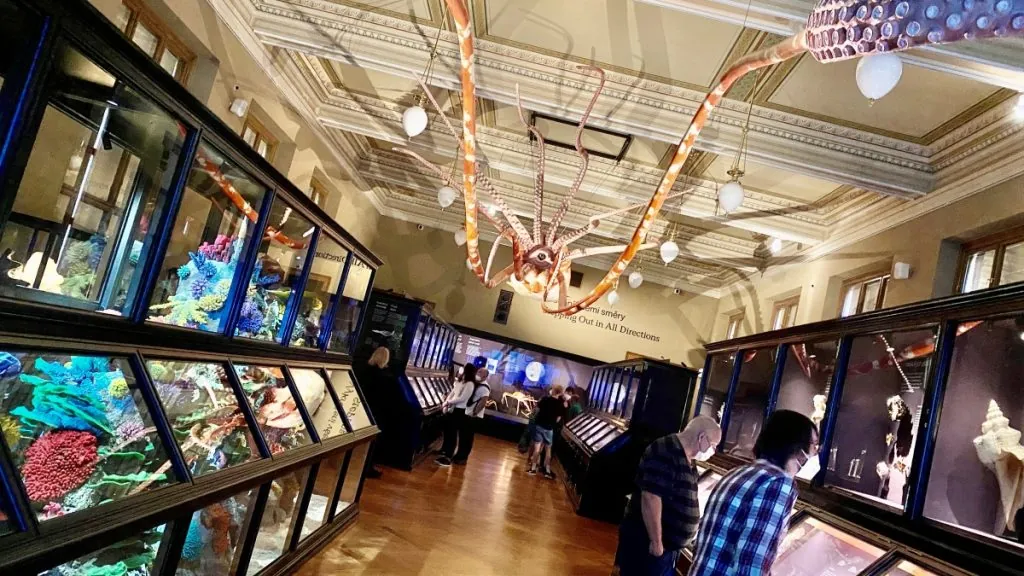
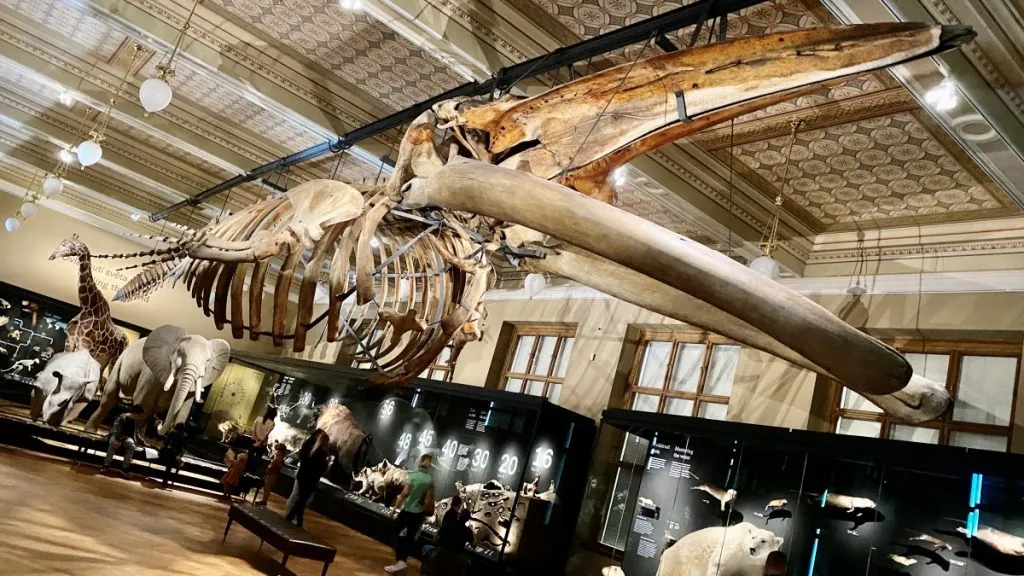
The National Museum is also located in a place with a dramatic history. Wenceslas Square has been the scene of several decisive events in the modern history of the Czech Republic.
In 1969, student Jan Palach set himself on fire in protest against the Soviet-led invasion of Czechoslovakia the previous year. He died a few days later and became a symbol of resistance to the occupation. It was also at Wenceslas Square that large demonstrations took place during the Velvet Revolution of 1989, when the communist regime fell.
A visit to the National Museum can therefore be combined with a walk across Wenceslas Square, where you have the opportunity to reflect on some of the most important events in the country's modern history.
Which museum in Prague is the best?
Of course, it depends on what you're interested in! Our five museum visits in Prague were very different experiences.
We particularly enjoyed the creative art at the Illusion Art Museum and the grand setting at the National Museum. The Kafka Museum was a different and evocative experience, while the Sex Machines Museum offered both cultural history and some surprises. The Museum of Senses didn't quite impress us as much, but it could certainly be fun for families with children.
The great thing about Prague is that you don't have to choose between history, culture and a little more quirky experiences. There's room for it all here, and even after several visits to the city, we still have a lot left to discover!
You might also like:
 Hospital Kuks in the Czech Republic - an unusual attraction
 Visiting the Falu mine - a Unesco World Heritage Site
 Things to do in the Czech Republic - 40 sights and experiences
 Limburg in Belgium - Aunt Anna and the Spirits
 Museums in Cairo - 3 historical museums you don't want to miss
 Today, Äventyrs opens in Stockholm - a modern adventure museum in the city centre


 English (UK)
 Svenska
bmlarsreseblogg says:
We visited the Illusion Art Museum a few years ago, really cool, while I visited the Kafka Museum and the National Museum a long time ago, so it's probably almost out of date now.
October 13, 2026 - 15:22
JoY says:
I was definitely hooked on what you showed from the Illusion Art museum. When we were there many years ago, none of the four of us thought about visiting museums. Maybe it's time for another visit to Prague. I think the Paradox museum in Stockholm is reminiscent of the Museum of Sense.
October 13, 2026 - 16:40