



Writer: Helena Bergström
Updated: October 2026 | The first time we ate coquinas was when we met Swedish blogger Annika in Seville. The little mussels may not have looked that special, but oh how delicious they were! Cooked with olive oil, garlic and lemon, they quickly became a favorite. Later on during our trip through Andalusia, we bought our own coquinas and cooked them in the camper.
 Tweet
 Share
 Share
 Pin
 Share
 Share
But what exactly are coquinas, where can you eat them and how do you cook the little clams?
Table of contents
What is coquina?
Coquinas are small bivalve molluscs that are common along parts of the coast of Spain. The species commonly referred to is called Donax trunculus and the mussels only grow to be a few centimeters in size.
They live buried in the sand in shallow water, which is a detail you may need to consider if you buy fresh coquinas and want to cook them yourself. It can come with a lot of sand – something we learned the hard way!
On Spanish menus and markets you may also come across names like tellina and tellerina. The names are used slightly differently in different parts of Spain and can also be used for closely related species.

Coquinas in Andalusia
Coquinas are particularly associated with southern Spain and Andalusian cuisine, and are particularly common along the Atlantic coast of Huelva and Cádiz and in the Golfo de Cádiz.
Here, the mussels live in the sand near the beach and have traditionally been collected on foot by seafood restaurants, people who pick shellfish along the coast. Fishing for coquinas is regulated, partly to protect the stocks.

For those traveling in Andalusia, coquinas may appear on menus at restaurants and tapas bars, especially along the coast. They are often served simply prepared, allowing the mussels' own flavor to take center stage.
The first time we ate coquinas – in Seville
We discovered coquinas when we met blogger Annika in Seville. She offered us the little mussels, cooked with garlic, olive oil and lemon.

We thought they were so good Of course we asked how she had done it. And it wasn't long before we had the opportunity to try it ourselves.
We cooked coquinas in the camper
After Seville we continued to travel around Andalusia with the camper. Somewhere along the journey between Tarifa and The Port of Santa Maria We saw coquinas again and bought a bunch for the camper.
The great thing about coquinas is that they don't require any advanced cooking. A few ingredients go a long way. However, we learned another thing: Be careful with the sand!
Coquinas live buried in sand and therefore need to be cleaned thoroughly. We obviously weren't careful enough, because our teeth crunched a bit when we ate our clams... They were delicious anyway!
How to cook coquinas with garlic and lemon
This is not an advanced dish, but rather an example of how we cooked the coquinas we bought in Spain. You need:
- fresh coquinas
- garlic
- olive oil
- lemon
- a little salt
- good bread for serving
Clean and rinse the mussels thoroughly to remove as much sand as possible. Inspect the fresh mussels and discard any damaged ones or those that do not close when gently tapped.
Finely chop the garlic and gently fry it in plenty of olive oil. Add the mussels and cook until the shells open. Discard any mussels that are still closed after cooking.
Season with a little salt and squeeze over lemon. Serve immediately, preferably with good bread.
The bread is almost necessary – not for the sake of the mussels, but to soak up the delicious olive oil with garlic and flavor from the mussels.
How do you eat coquinas?
Coquinas are small and are easiest to eat with your hands. Pick up a shell and eat the clam straight from it. Then you take the next one – and the next one…
A plate of coquinas is great as a small dish or as one of several dishes to share. In Spain, for example, you can order them together with other tapas or seafood dishes.
And by all means, don't forget the bread. The flavorful oil that remains on the plate is almost as good as the mussels themselves.
What does coquina taste like?
Even though coquinas are small, they are packed with flavor. They taste like the sea and salty and go wonderfully with olive oil, garlic and fresh lemon.
We were sold on that first plate in Seville. If we see coquinas on a menu in Spain, we'll happily eat them again – and if we were to cook them ourselves again, we'd definitely be extra careful with the sand...

You might also like:
 3 simple and delicious casseroles with stir-fries
 Luxurious seafood buffet at home – tips, menu and inspiration
 Cheese and charcuterie tray - tips for a luxurious party
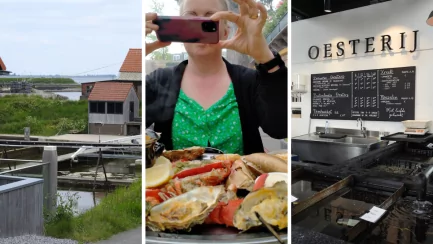 Yerseke in the Netherlands - Aunt Anna in mussel paradise
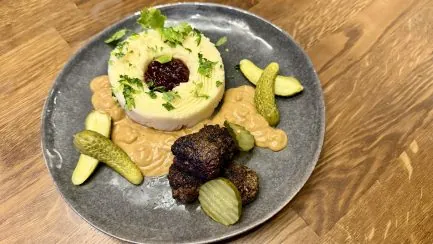 Homemade meatballs with cream sauce and mashed potatoes
 Mussels - Aunt Anna and the sweets of the sea



 English (UK)
 Svenska
BP says:
Drool, drool. Love these clams and understand that you are blessed:-)
11 February 2015 - 18:07
Åsa says:
Deliciously good! If you want a little à portugues, you can add coriander, and maybe piri-piri and vinho verde!
11 February 2015 - 18:37
Casa Annika says:
Glad you cooked it yourself!
11 February 2015 - 19:29
Bosse och Gerd says:
The gateway to heaven is close..., when you eat Coquinas in Spain or Conquilhas in Portugal (the same kind of mussel = kilmussla in Swedish).
In Lisbon near the Rossio square (absolute centre of the city) there is a restaurant that serves only food:
Conquilhas in garlic sauce,
Amêijoas à Bulhão Pato - steamed mussels with garlic, olive oil, white wine and chopped coriander leaves,
Tonight we will dream of these mussels...!!!!
11 February 2015 - 19:55
Ditte says:
Thank you for great recipes. There are plenty of these "coquinas" here, but I have not made them. Now it will happen. Have been satisfied with mussels so far. But fun to vary.
11 February 2015 - 21:19
Marina says:
I love mussels, but I'm not particularly fond of these. In fact, I've only ever eaten them without sauce, and they don't taste very good if you ask me. However, there is a variant here called "lalas" which is something similar and is served in a very strong and tasty chilli sauce - so good!!!
12 February 2015 - 8:38
admin says:
Åsa, ah interesting to hear how the Portuguese do with the mussels! Thank you very much!
🙂
Annika, thanks for introducing us to them! Super tasty and fun to try yourself!
Bosse and Gerd, interesting to know what it is called in Swedish! Sounds like a great restaurant...Mmm!
🙂
Ditte, try it! It was pretty easy! But as said, important to rinse them bogs!
😉
Marina, we think these are great, but tastes vary. And yes, the olive oil, garlic and lemon add to the flavour! Do those lalas exist here in Spain?
12 February 2015 - 10:32
Steve says:
Always fun with a new dish. Thanks for the recipe.
12 February 2015 - 10:54
Ama de casa says:
They're really very good, those
🙂
12 February 2015 - 11:15
solveig rhann says:
Mussels are yummy...but doesn't it take almost the entire water tank to rinse the sand away???
Now my question: If I want to put a picture on your blog, how do I do it? I have a Mac...
We plan to go to Fortuna (Murcia) to an Acsicamping. There is a spa there that attracts...36+ in the water!
Have a good time where you are...
12 February 2015 - 11:55
admin says:
Solan, haha, we didn't take too much water. But maybe we should have...?? Then I don't really understand what you mean? Where do you want to post the picture? Together with your comment...? I don't think that's possible. And on the blog itself, it's only me who posts pictures...? Explain what you mean or email the picture and say what you think! By the way, where are you now?
12 February 2015 - 12:03
solveig rhann says:
Yes, only in connection with comments. For example, a picture from our campsite outside Cartagena in the rain. But now I know how a blog works. We do laundry all day, extremely slow machines. Tomorrow we take the train to Murcia and then it will be a spa in Fortuna.
12 February 2015 - 12:38
admin says:
Solan, it would have been nice with pictures like that, but no it is not possible. We also have rain and washing today! Ok, have checked on the map where you are staying!
🙂
12 February 2015 - 13:01
Marina says:
"Lalas" are what is called "clams" in English (I don't know if there is another Swedish word for them or if we call everything "mussels") and are served with a wonderful sauce of ginger, onion and chilli. If you find something similar, you have to try it!
13 February 2015 - 3:50
admin says:
Marina, thanks for the tip! We will keep our eyes open!
13 February 2015 - 9:52
Kors och Tvärs says:
What a delicious alternative to Moules Frites 🙂 Thanks for the tip.
13 February 2015 - 21:13
Mary af Rövarhamn says:
I have always wondered what those clams called coquinas in Spain are called in Swedish. Does anyone know? They were found on the beaches of the Chagos. The children sat in the sand during the day and dug up dinner for the evening. /Linda
11 February 2016 - 9:10