



Writer: Helena Bergström
Updated: August 2026 | Parque de María Luisa is Seville's most famous park and one of the city's top attractions. Orange trees, fountains, peacocks, historic buildings and the impressive Plaza de España await you here. We visited the park during our trip to Seville and share our experiences and tips.
 Tweet
 Share
 Share
 Pin
 Share
 Share
Table of contents
Parque de María Luisa – a park with a long history
The park has a long history, and was originally part of the private gardens belonging to the palace. San Telmo Palace. In 1893, the enormous area was donated to Seville by María Luisa Fernanda de Borbón, who gave the park its name.
In preparation for the 1929 World's Fair, French landscape architect Jean-Claude Nicolas Forestier was commissioned to redesign the park into a public city park. He created the park we see today – a romantic city park inspired by Moorish gardens, filled with fountains, shady walkways and exotic plants.
We were lucky and were given a tour of the park by our blog friend Annika, who lives in Seville with her husband Jesús and their little daughter Disa. Annika writes interestingly about things like everyday life, cultural differences and Spanish food on her lovely blog. Casa Annika.

Plaza de Espana
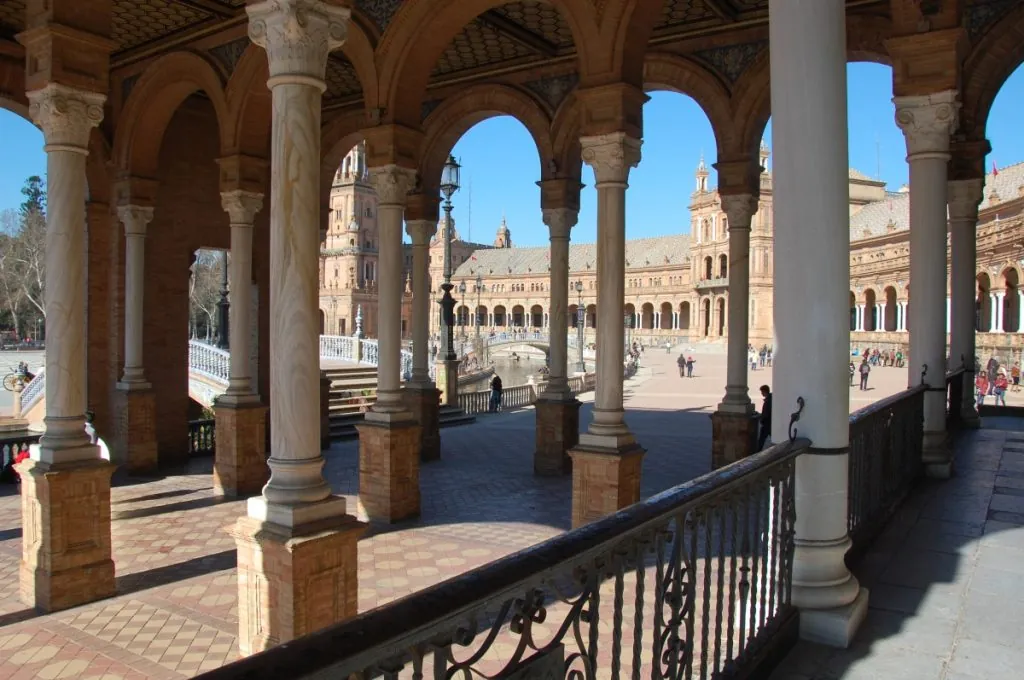
The most striking structure in the park is the Plaza de España, an enormous palatial building next to a square and a canal. This architectural masterpiece was built as the main pavilion for the 1929 World's Fair.

The enormous, semicircular square is surrounded by a magnificent palace building with two tall towers at the ends. In front of the building runs a 500-meter-long canal, crossed by four beautiful bridges that symbolize the four historical kingdoms of Spain.

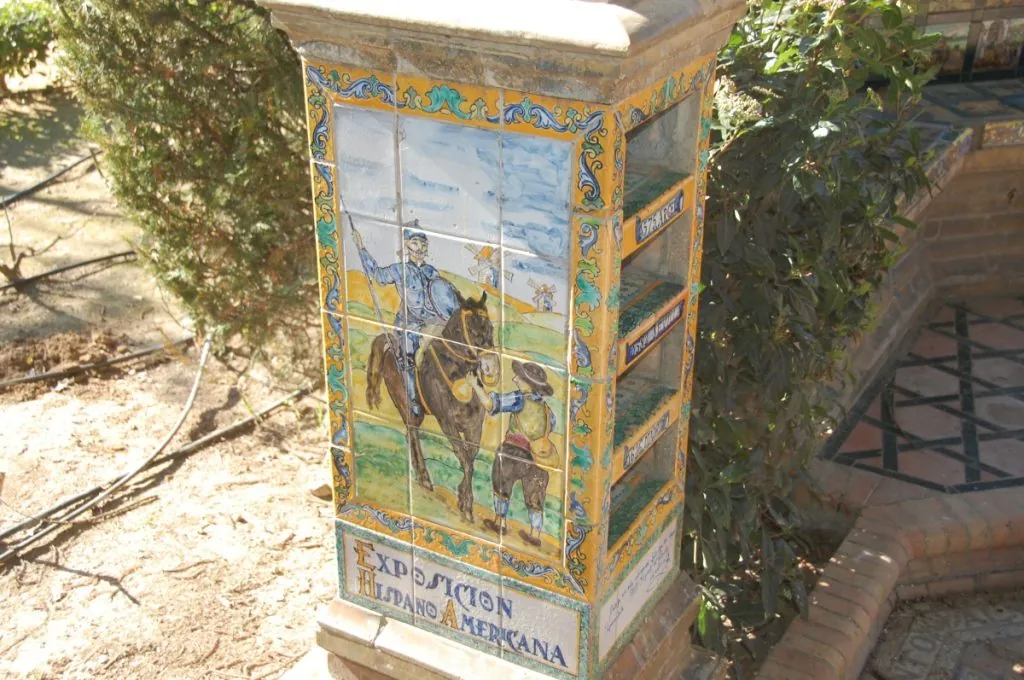
Along the walls of the palace you can see 48 tiled alcoves with benches, each niche representing a Spanish province. Here you can see historical motifs on beautifully painted tiles, known as azulejos.


The fabulous setting has made Plaza de España a filming location for several international films, including Lawrence of Arabia, Star Wars: Episode II - Attack of the Clones and The Dictator.

Stroll among fountains and orange trees
It's not just the Plaza de España that impresses. The park also offers a variety of hidden treasures and leafy oases.

At the southern end is Plaza de America, where you will also find two museums: the Archaeological Museum and the Museum of Folk Art and Traditions.
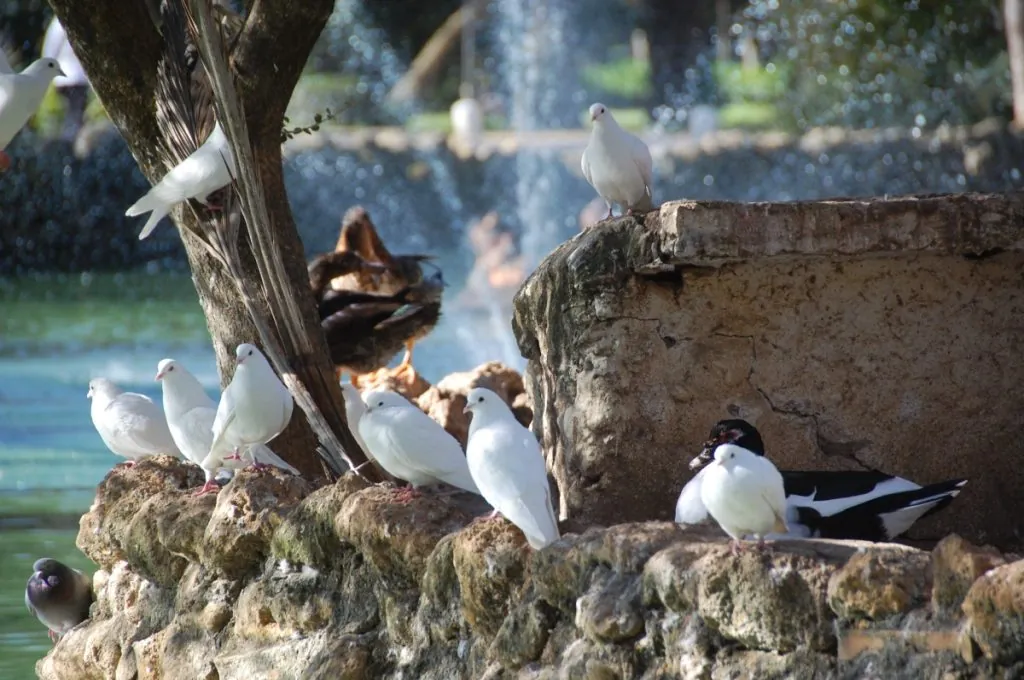
In the middle of the park lies the small artificial hill Monte Gurugu, with a waterfall, caves and lookout points. If you want to watch swans or peacocks, you can instead settle down at Isleta de los Patos (Duck gender).


There are also several small leafy squares around the park – so-called to be glorified – which are dedicated to famous Spanish artists and writers, filled with sculptures and fountains.
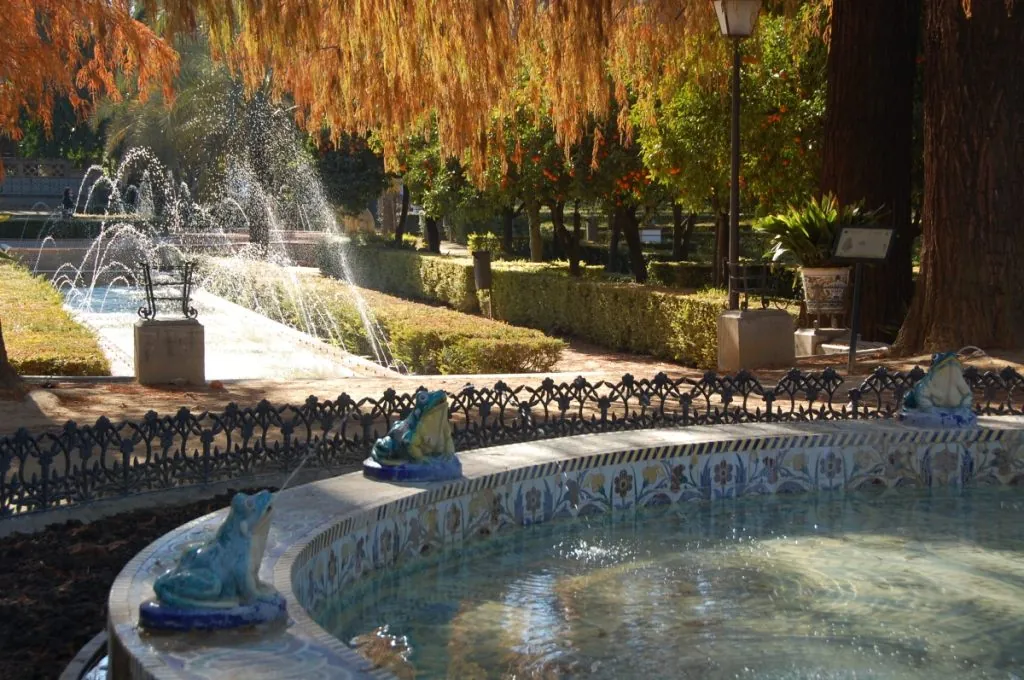
As we strolled through Parque de María Luisa, it was almost hard to believe we were in the middle of a big city. Birdsong, trickling fountains, and the scent of orange trees created a peaceful contrast to Seville's bustling streets.
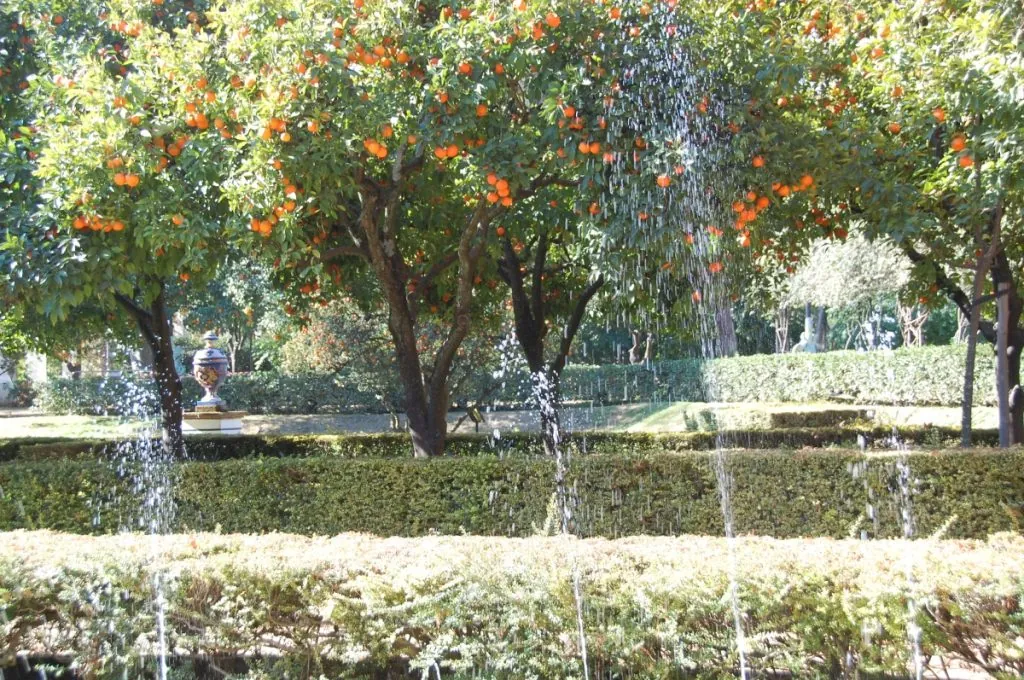
Parque de María Luisa – brief facts
- Established: 19th century (opened as a public park in 1914)
- Redesigned: for the Ibero-American Exposition of 1929
- Location: south of Seville, next to Plaza de España
- Entrance: free of charge
- Time consumption: 1–3 hours
- Suitable for: walking, photography, picnics and families with children
- Best time: spring and autumn
Walk along the Guadalquivir
There is of course much more to see and experience in Seville. For us, it was a walk along the canal, before we took a bus to our friends' house, where we were spoiled with delicious Spanish food in the form of mussels (coquinas) and arroz de marisco (rice with seafood).


Motorhome parking in Seville
For those traveling by campervan, there are several accommodation options in Seville. We chose Areas Autocaravanas, which is relatively close to the city center and serves as a good base for sightseeing. There is water, the possibility of emptying tanks, garbage disposal and electricity (for a few cars).

We had a great time at this campsite, and since Peter had chafed his shoes, there were no further walks in the city, but instead Peter played "the barber of Seville" - and I got a new haircut.

More to see and do in the neighbourhood
Of course, there is more to see and do near Seville. Here you will find more tips.
- Tarifa – Europe's southernmost point
- The Port of Santa Maria
- Alhambra in Granada
- Things to do in Spain – 25 tips

FAQ – frequently asked questions about Parque de María Luisa in Seville
Where is Parque de María Luisa?
Parque de María Luisa is located in the southern part of Seville city center, next to the famous Plaza de España. The park is easily accessible on foot, by bike or by public transport.
What is Parque de María Luisa known for?
The park is Seville's largest and most famous city park. It is famous for its leafy promenades, fountains, exotic plants, historic buildings and proximity to Plaza de España.
Is Parque de María Luisa worth a visit?
Yes, absolutely. The park is one of Seville's top attractions and is perfect for taking a break from the city's bustling streets. Here you can stroll under the shade of large trees, enjoy beautiful plantings and experience a quieter side of Seville.
Does it cost anything to visit the park?
No, Parque de María Luisa is open to the public and it is free to walk around the park.
How much time do you need?
Allow at least one to two hours to stroll through the park and visit Plaza de España. Many people choose to stay longer, especially in spring and autumn.
What is there to see in the park?
Here you will find, among other things, the Plaza de España, several fountains, ponds, pavilions, sculptures and a rich flora with palm trees, orange trees and other subtropical plants. The park is also known for its many birds.
When is the best time to visit Parque de María Luisa?
Spring and autumn offer the most pleasant temperatures, but the park is beautiful all year round. During the summer it is nice to walk here early in the morning or later in the evening when the temperature is lower.
Can you cycle in Parque de María Luisa?
Yes, there are wide walking and cycling paths through the park. Many people rent bikes in Seville and use the park as part of their sightseeing.
Is Parque de María Luisa suitable for families with children?
Yes, the park is perfect for families with children. The large green areas, ponds and wide walking paths make it a pleasant excursion destination for both young and old.
What is there to see nearby?
Right next door are Plaza de España and the many pavilions of Parque de María Luisa. Also within walking distance is Seville's historic center, including the cathedral, Alcázar and the Santa Cruz district.
You might also like:
 Sanspareil rock garden and Zwernitz castle in Bavaria
 Hofgarten Eremitage in Bayreuth - amazing park in Bavaria
 Aunt Anna is (almost) travelling to Japan - the Japanese garden in Hasselt, Belgium
 Visiting the castle of Caserta in Italy - one of the largest castles in the world
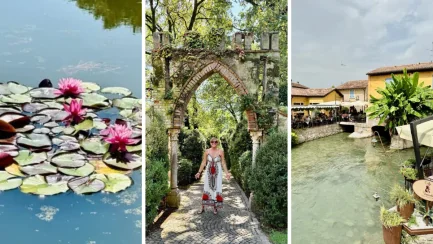 Sigurtá and Borghetto Garden Park near Lake Garda
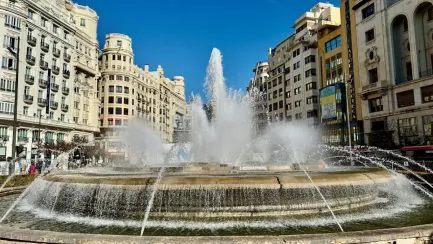 Things to do in Valencia - 15 tips and attractions for your trip



 English (UK)
 Svenska
Marina says:
Definitely to be memorised!
09 February 2015 - 3:11
Znogge says:
It looks exciting and beautiful so thanks for the tip. Who knows where you end up 😉
09 February 2015 - 7:09
Ama de casa says:
That park is really fantastic! I feel like I need to take a trip to the beautiful Andalucia again soon.
🙂
09 February 2015 - 11:33
Lars Permelin says:
How beautiful and delightful, thank you for the great pictures.
09 February 2015 - 11:54
BP says:
Soooo beautiful! Oh how lucky you were with the weather too.
09 February 2015 - 12:14
Bosse och Gerd says:
Thanks for the tip - we will be going via Portugal in the autumn when we return here to Benidorm again and then we will pass Seville !
09 February 2015 - 18:04
admin says:
Ama de casa, the park is really surprisingly worth seeing!
BP, good weather always makes for an even better experience!
🙂
Bosse and Gerd, then it is perfect to take a trip to the park. There is a car park relatively close too!
09 February 2015 - 18:42
Ditte says:
Thank you for very beautiful pictures. I would love to go there on my next visit to Seville but I missed that park. But next time I will take a look there, for sure.
09 February 2015 - 21:40
scottish moments says:
Such wonderfully colourful pictures! Looks so lovely!
09 February 2015 - 21:44