


Writer: Helena Bergström
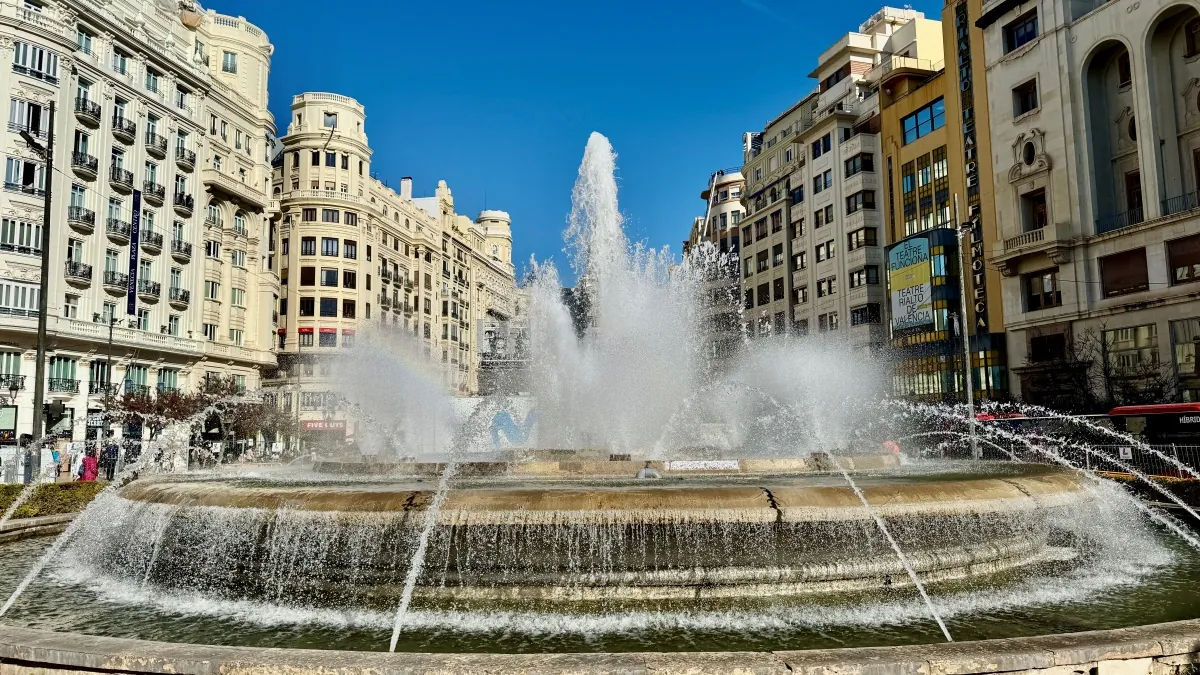
Looking for things to do in Valencia? Valencia is one of Spain's most underrated cities - futuristic architecture, wide sandy beaches and the birthplace of paella await. Here are our top picks for things to do in Valencia, including a ready-made 2-3 day itinerary.
 Tweet
 Share
 Share
 Pin
 Share
 Share
Table of contents
Valencia
We visited Valencia during a few intense spring days, and had a wonderful experience packed with everything from history and architecture to food and drinks.
Quick guide: Valencia
Top 5 Valencia attractions - our top tips
Here are the main sights of Valencia - perfect for those who want to experience the highlights of the city in a short time.
- Torres de Serranos - one of Valencia's most iconic city gates.
- Cathedral of Valencia - One of the city's most famous buildings, it is also home to the famous Holy Grail.
- La Lonja de la Seda - The Silk Exchange is a Unesco World Heritage Site and one of the most famous buildings in Valencia.
- Ciudad de las Artes y las Ciencias - Valencia's most iconic attraction, with futuristic architecture.
- Mercat Central - lively and architecturally beautiful food market.
15 things to see and do in Valencia
In Valencia you can experience the old town, with its historic buildings, as well as modern architecture. There are also great opportunities for food and nature experiences. Here you will find our best tips.
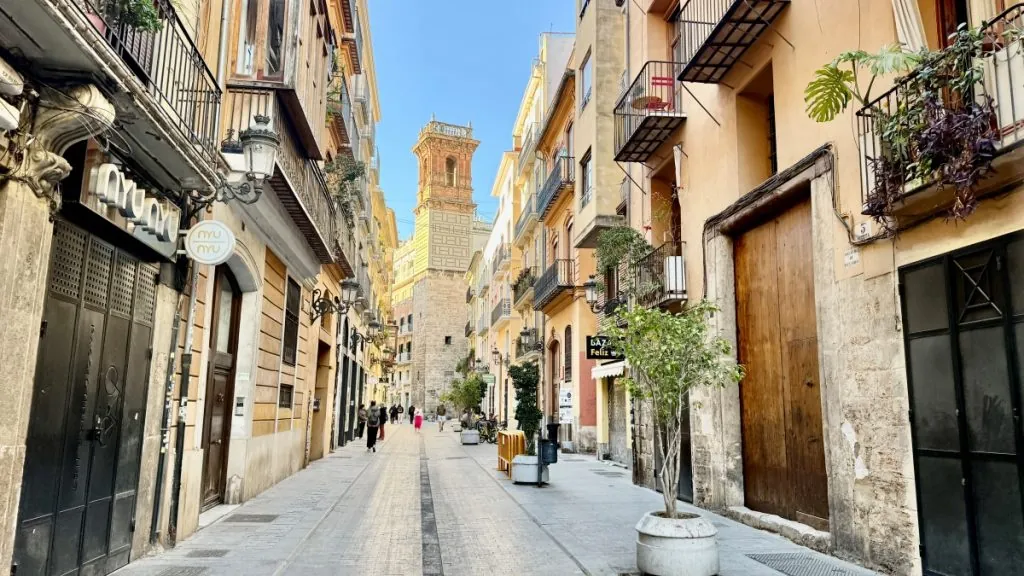
1. Explore the old town of Valencia (El Carmen)
The Old Town is the heart of Valencia and a must-see if you want to experience the city's history. Here you'll find narrow cobbled streets, beautiful churches and small squares with charming cafés. There are also plenty of shops, restaurants and art galleries, all of which help to give the area its unique atmosphere.
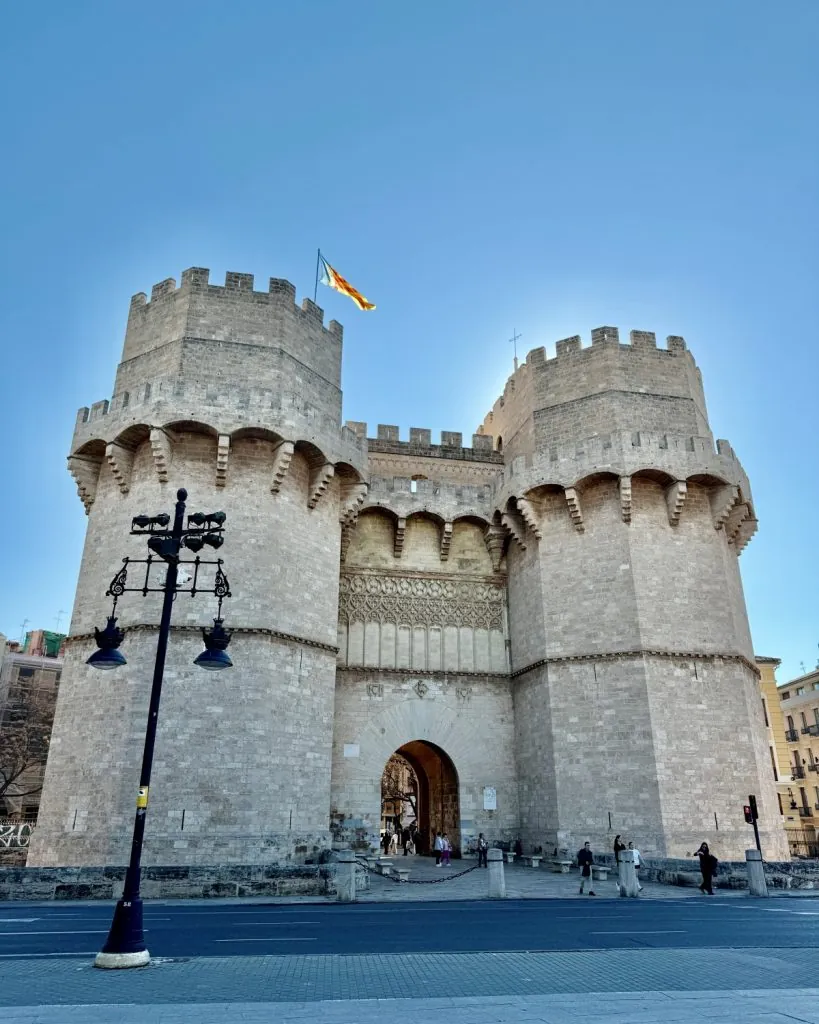
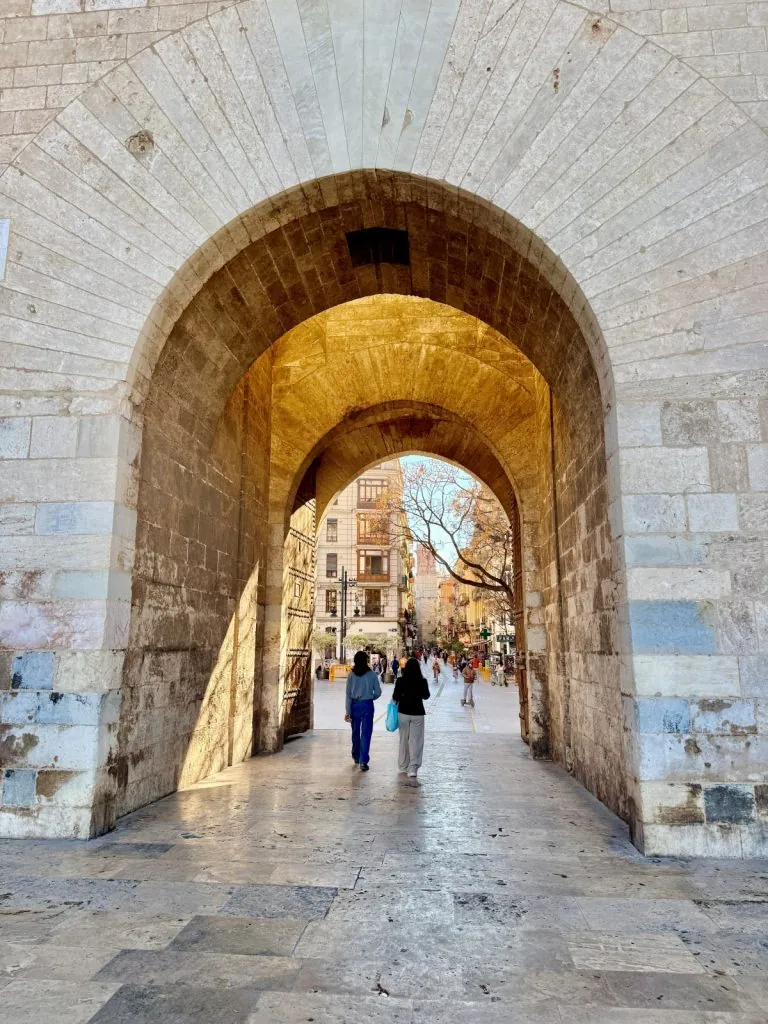
2. visit Torres de Serranos
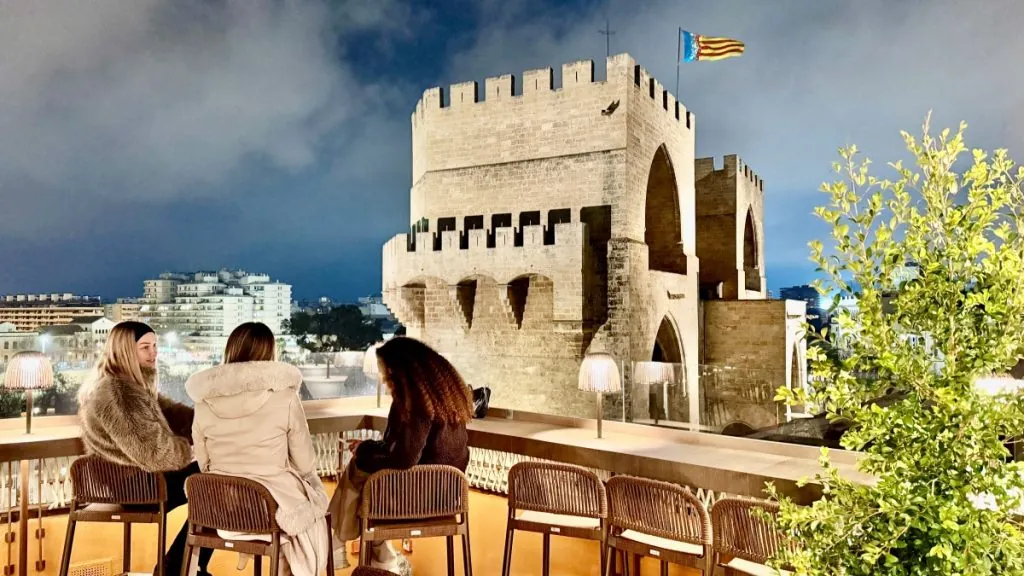
Torres de Serranos is one of Valencia's most iconic city gates and forms an impressive part of the city's fortifications. From the top, you'll get a great view of the old town and the Turia River. History is in the walls - the gate was built in the 14th century and was long used as a defence structure. A perfect place for great photos or to enjoy the sunset!
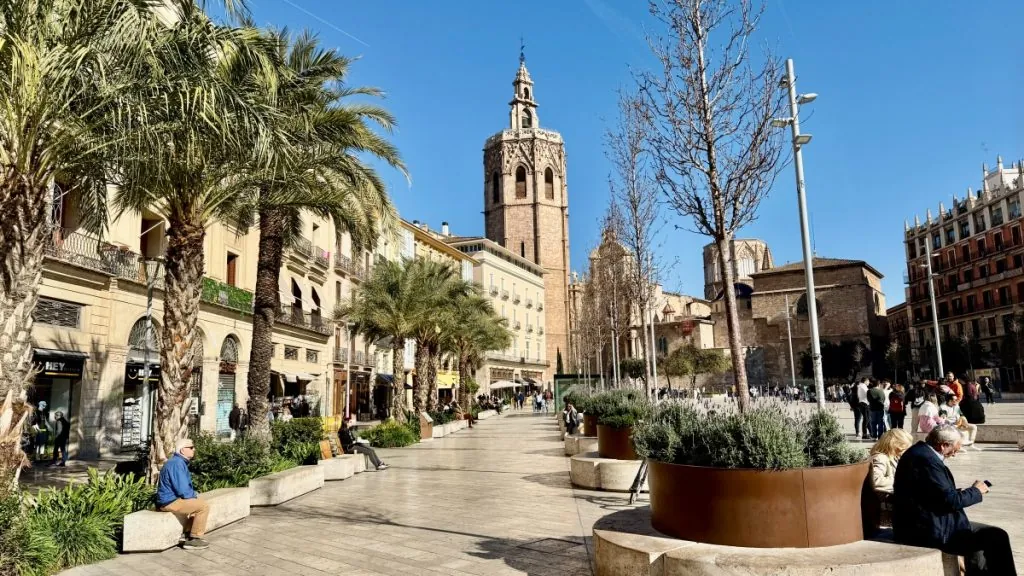
3. see the Valencia Cathedral
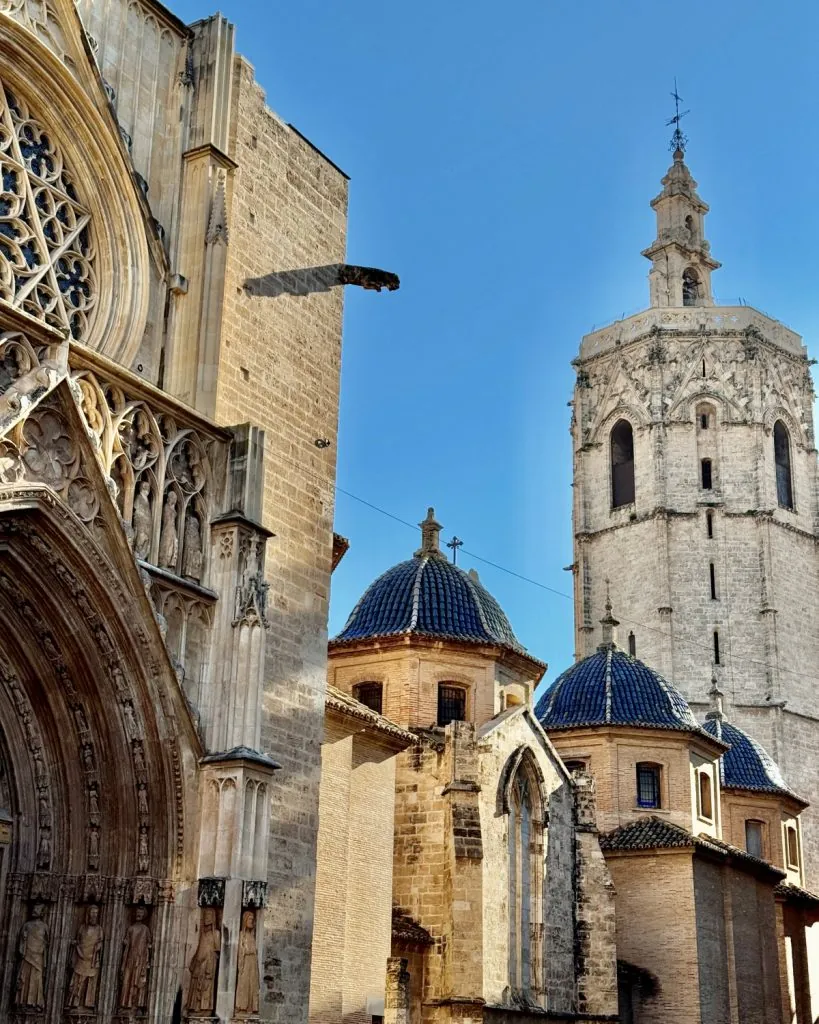
Valencia Cathedral is an architectural treasure with Gothic, Renaissance and Baroque influences. You can also climb the Miguelete Tower for a panoramic view of the city.
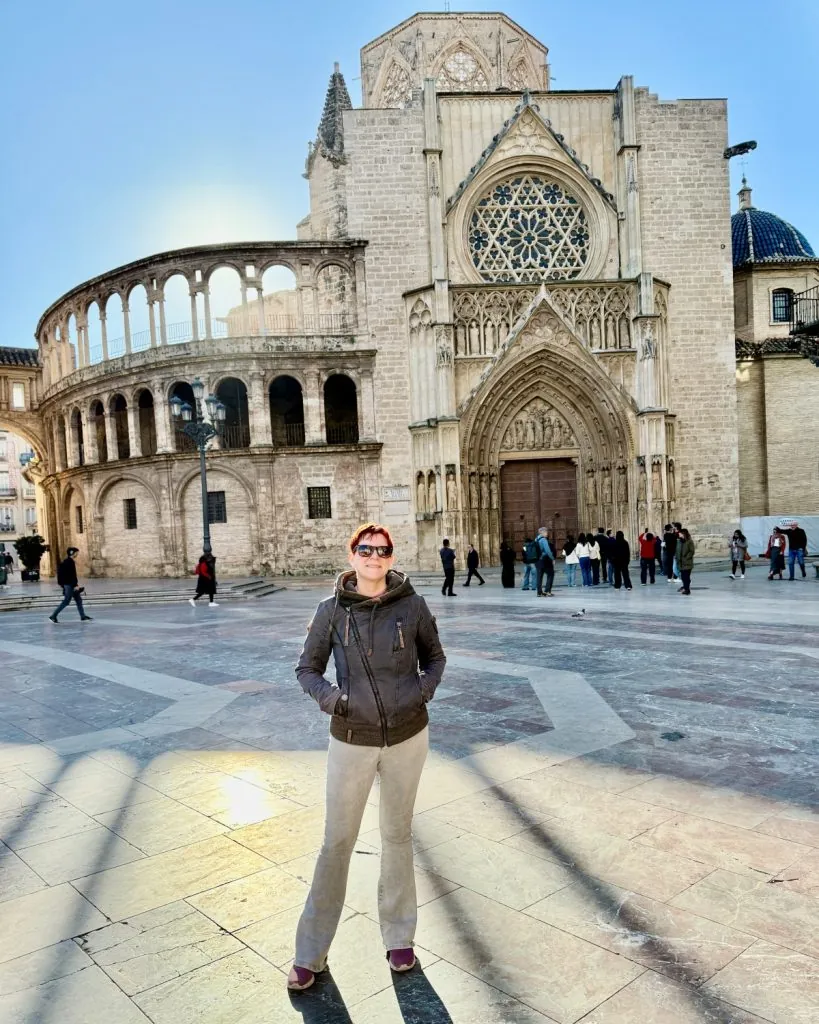
Inside the cathedral is the famous Holy Grail, which is said to be the original chalice from the Eucharist.

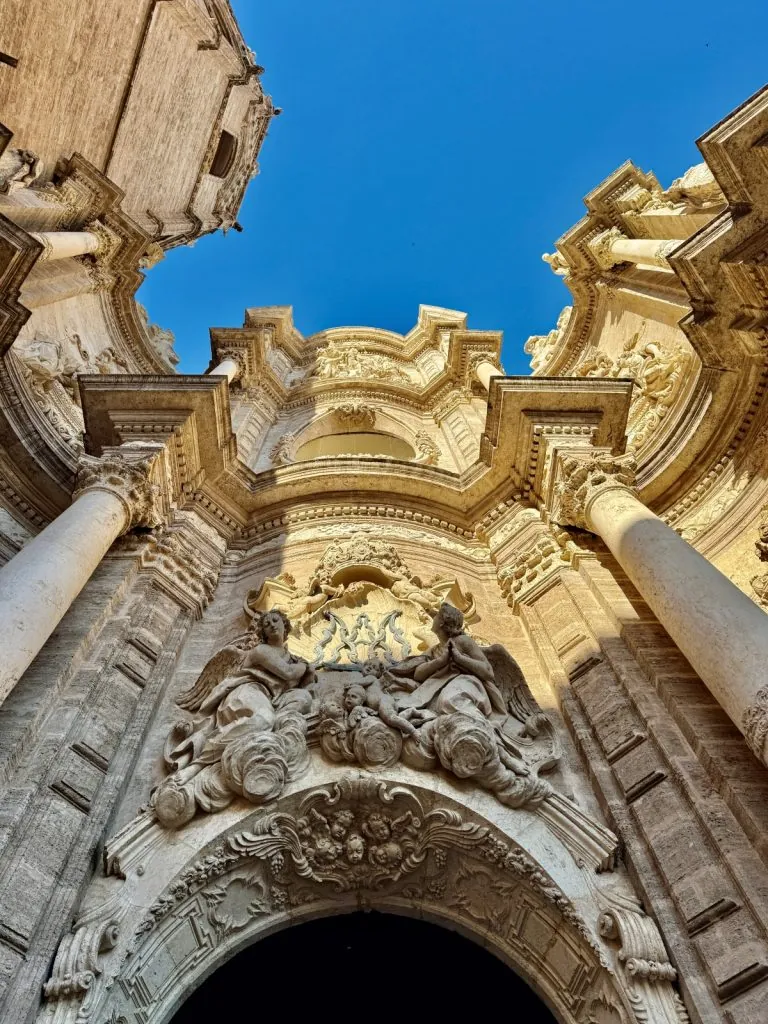
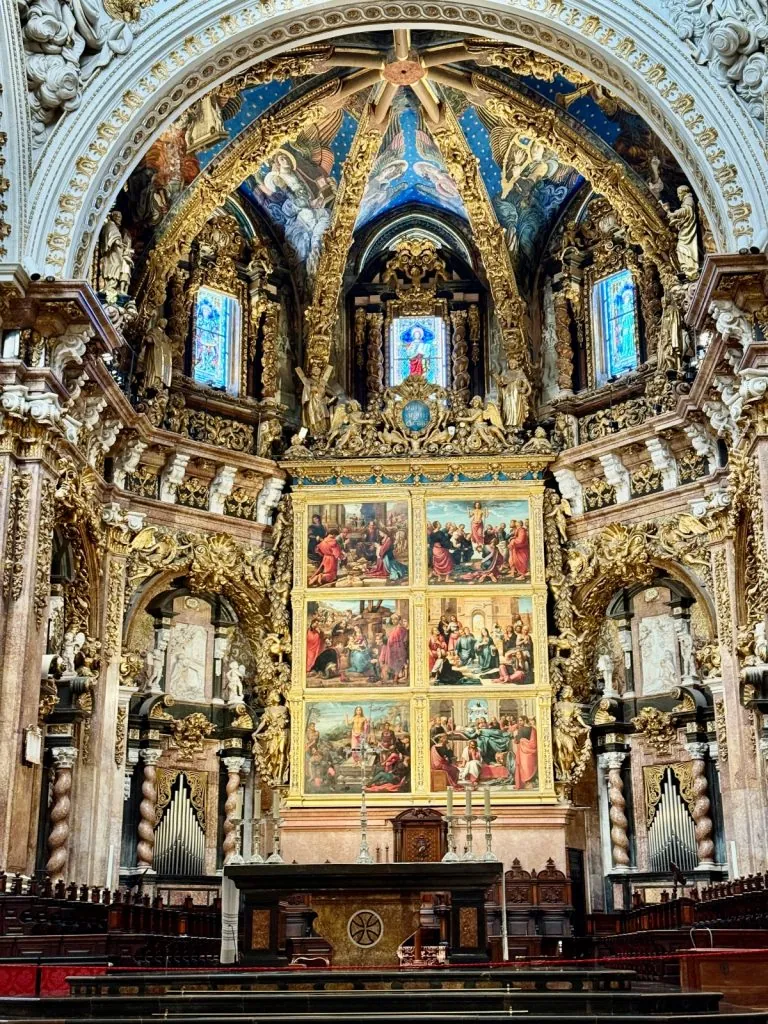
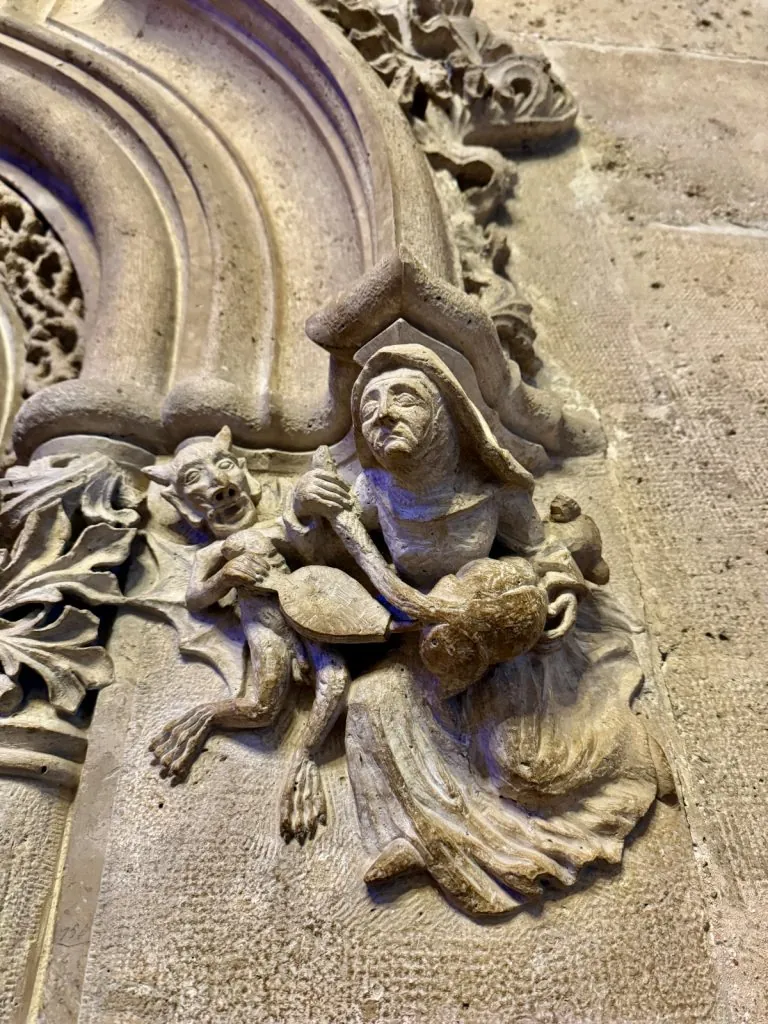
4 Spana in La Lonja de la Seda
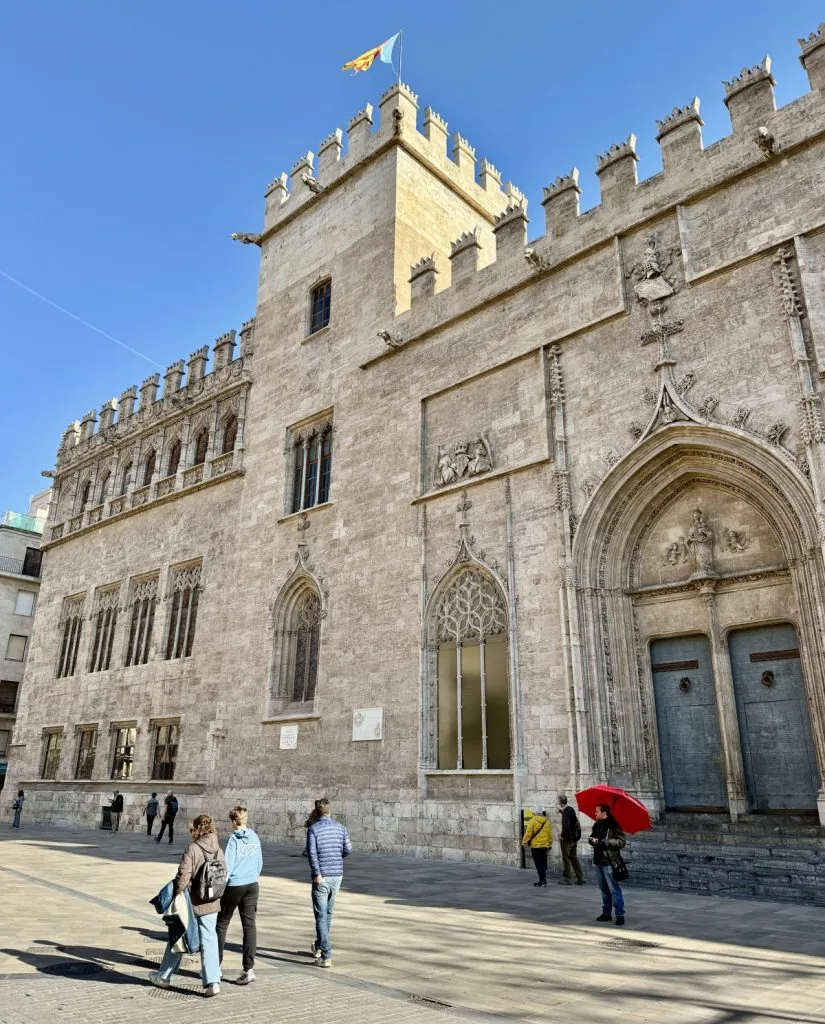
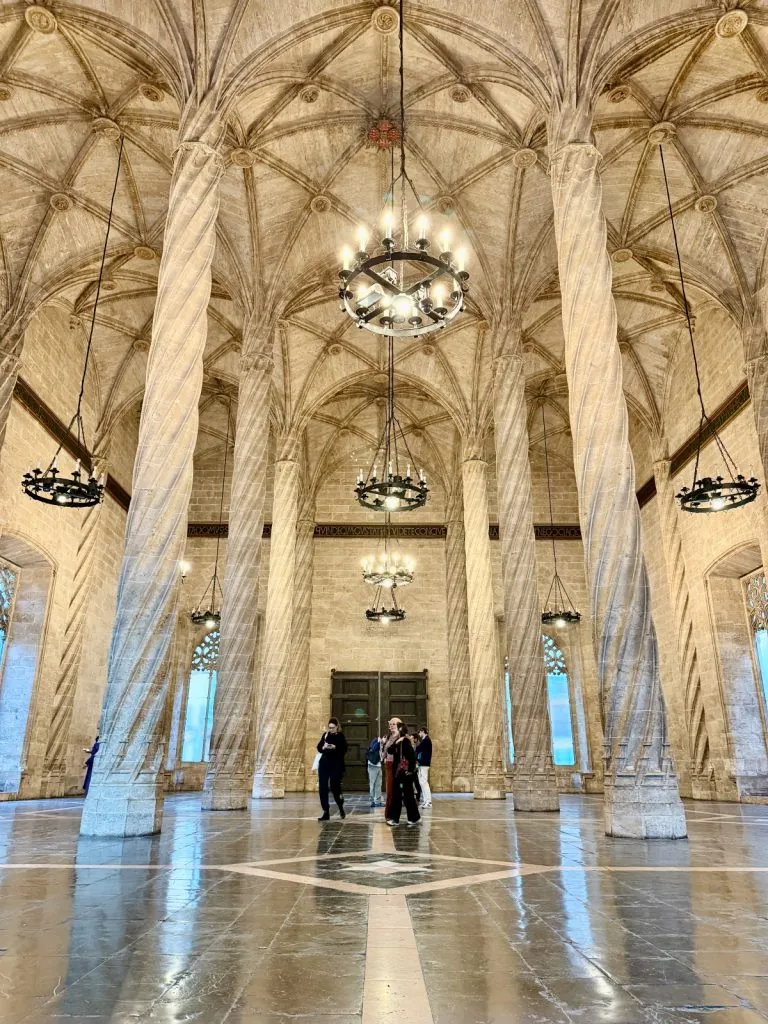
La Lonja de la Seda is a 15th-century masterpiece that is both a UNESCO World Heritage Site and one of Valencia's most famous buildings. Originally used for the silk trade, the building shows the city's importance as a trading centre in the Middle Ages. The architecture is fascinating, while it is dizzying to try to imagine the medieval commerce of this place.
READ MORE: Why architects love Valencia

5. Shop at Mercat Central - Valencia's food market
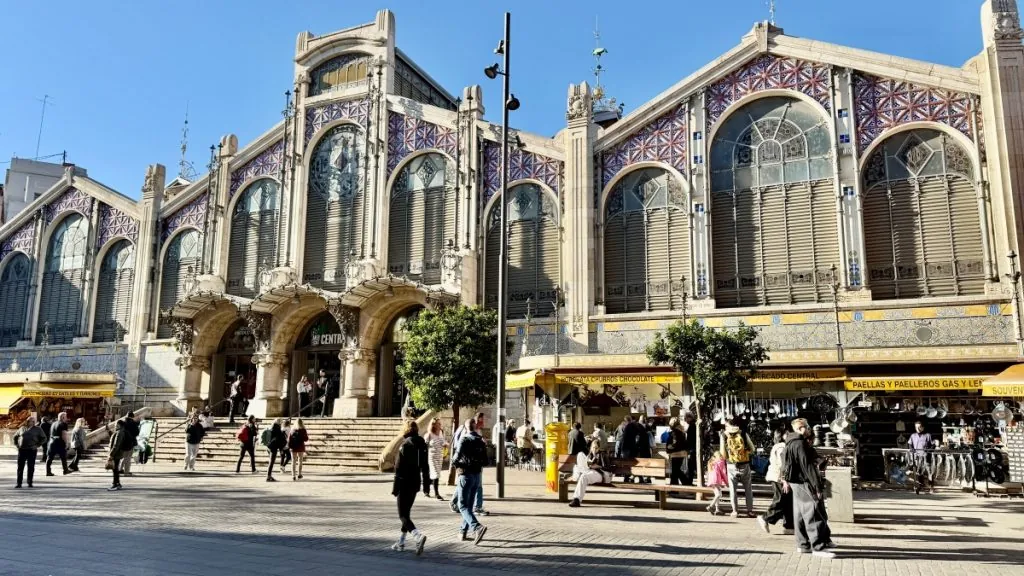
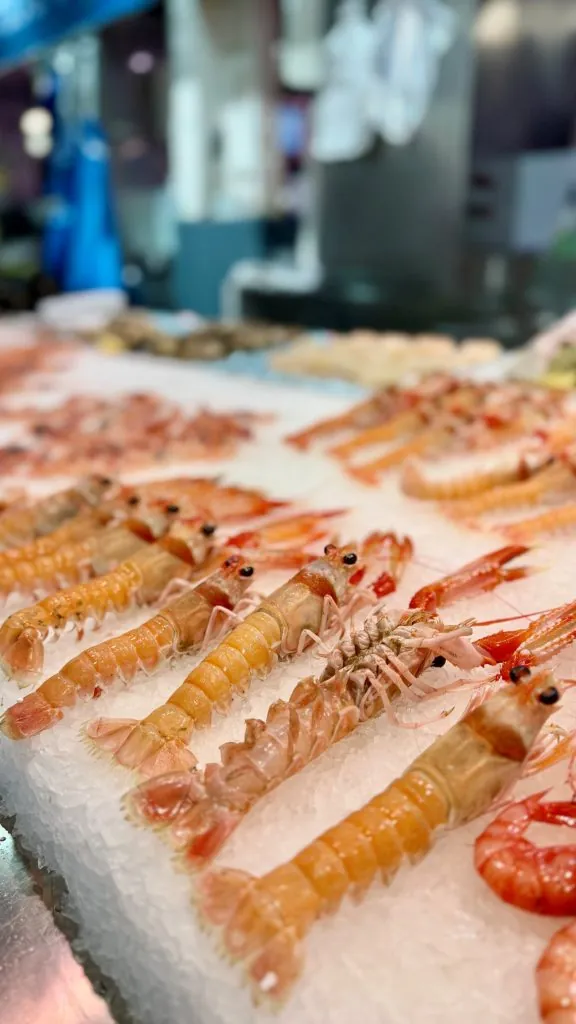
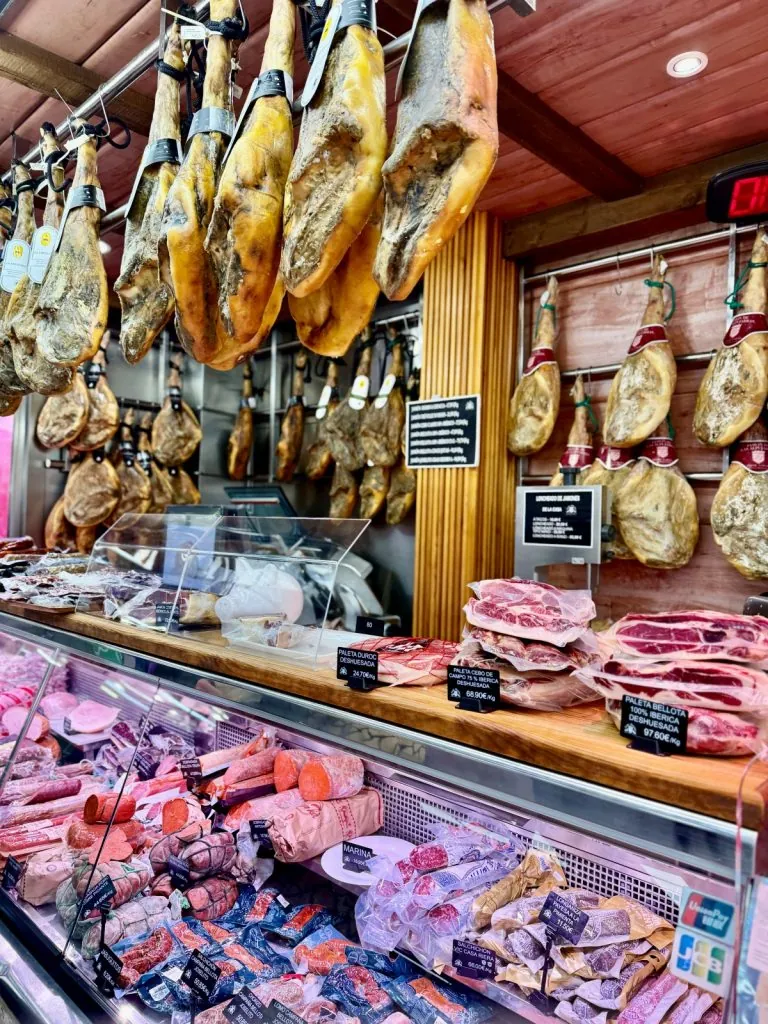
Mercat Central is one of Europe's largest and most vibrant food markets. Here you can browse fresh fruit, seafood, cheeses and local specialities. It's a great place for those who enjoy local culture, sampling local delicacies and buying Spanish treats. The market is also an architectural gem with its beautiful modernist façade and colourful mosaics.
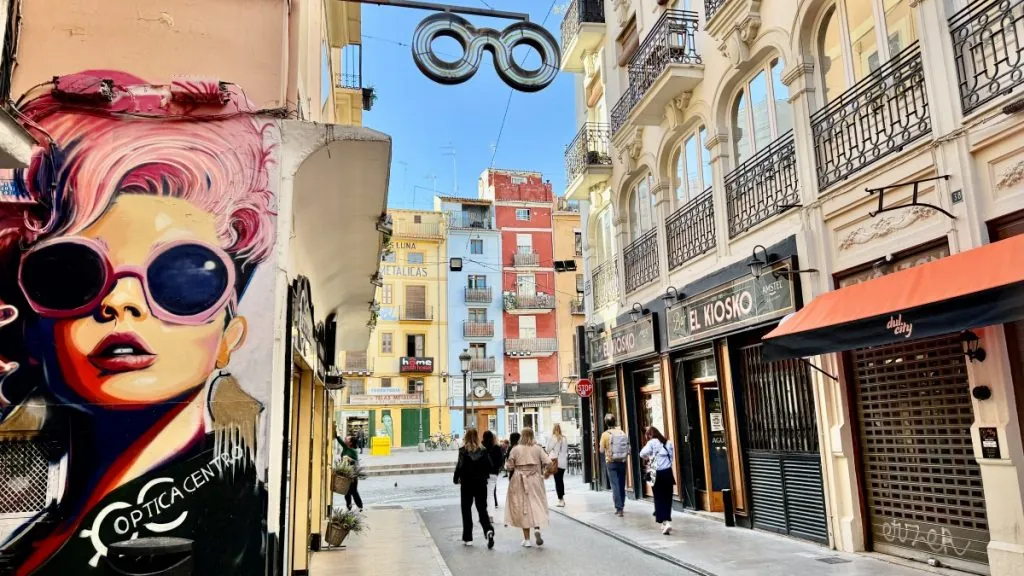
6. Discover street art in the Old Town and in Ruzafa
If you're a fan of street art, there's plenty to discover in Valencia, both in the El Carmen neighbourhood in the Old Town and in the Ruzafa district. Ruzafa is Valencia's trendiest neighbourhood, known for its creative and lively vibe. It offers a wide range of restaurants, cafés and bars, as well as small shops and art galleries. In the evening, the area is filled with music and vibrant nightlife.
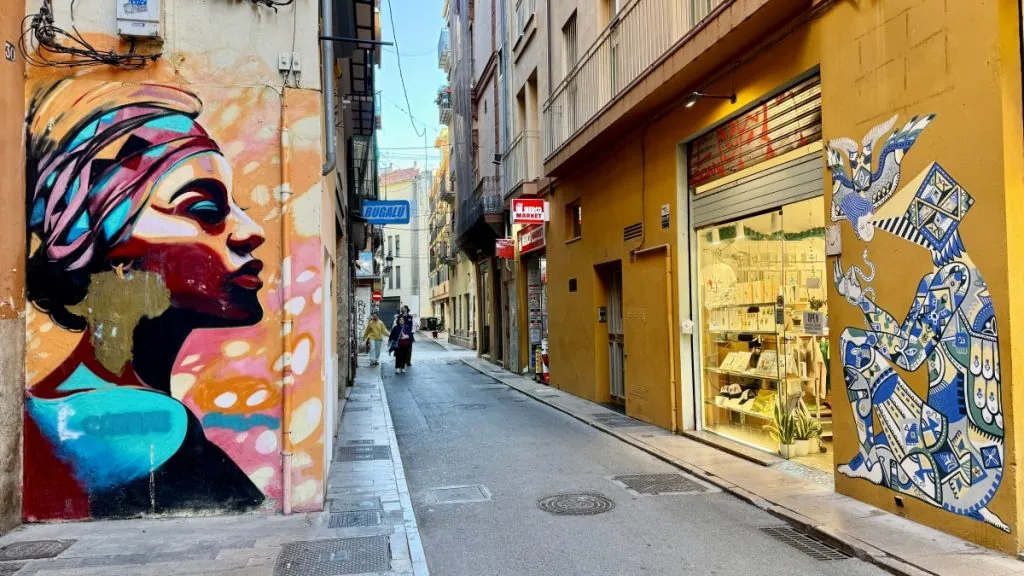
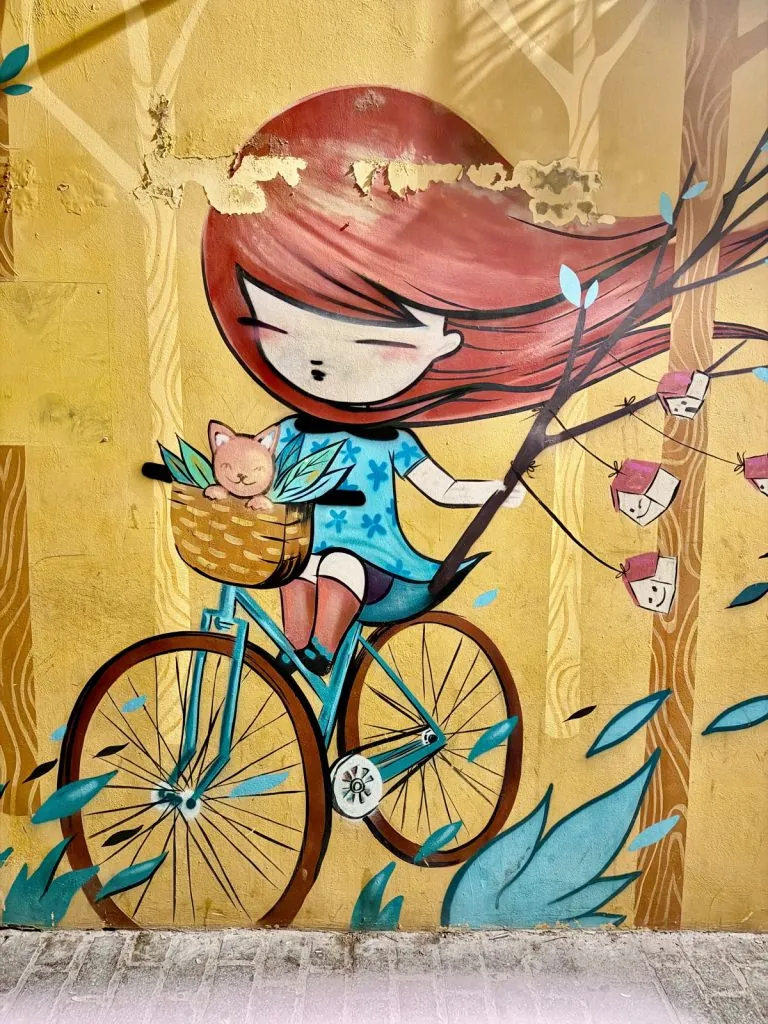

7. Walk or cycle in the Turia Park
The Turia Park is a unique green oasis that runs throughout Valencia in a former riverbed. The park is ideal for walking, jogging or cycling and offers playgrounds, fountains and gardens. It is a perfect place for a picnic or just to enjoy the tranquillity in the middle of the city. If you want to rent a bike, you can continue your excursion - Valencia is a very bike-friendly city!
8. visit Ciudad de las Artes y las Ciencias
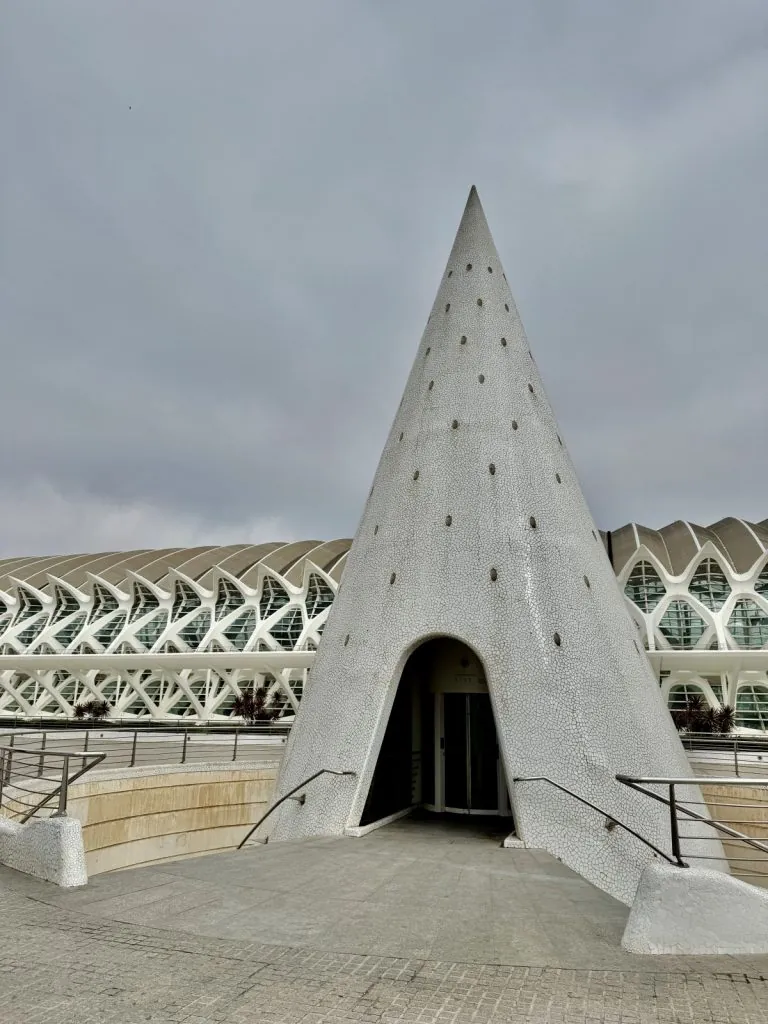
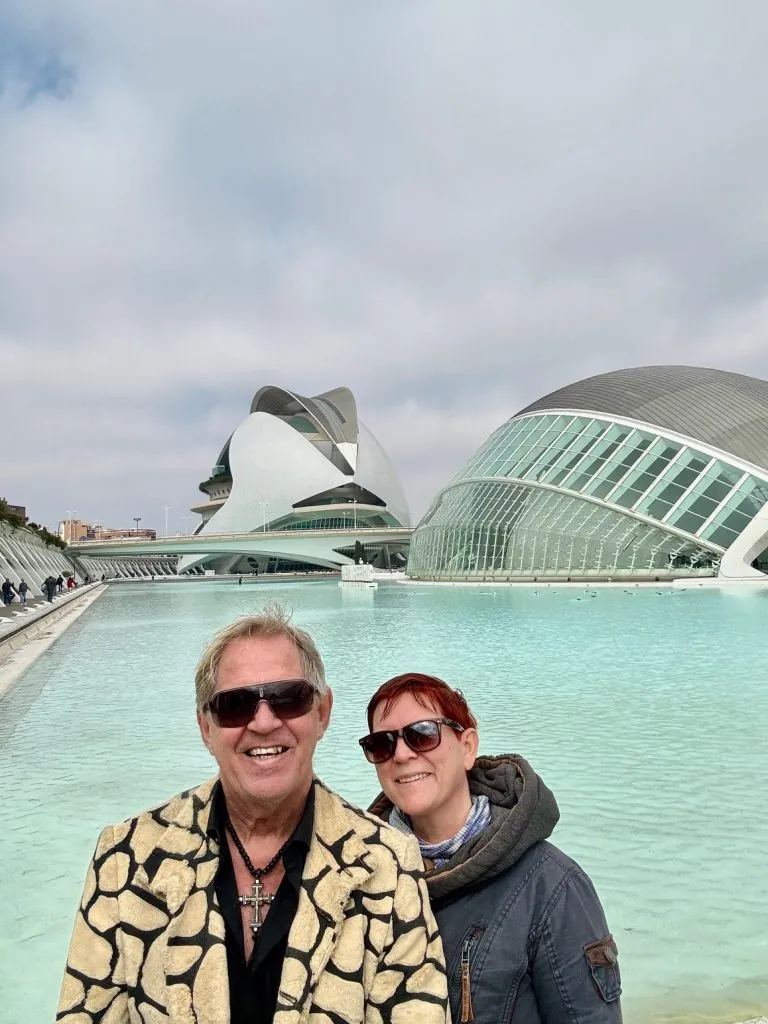
The futuristic complex Ciudad de las Artes y las Ciencias (City of Arts and Sciences) is Valencia's most famous attraction. It has museums, an aquarium and IMAX cinemas that make the visit exciting for both adults and children.
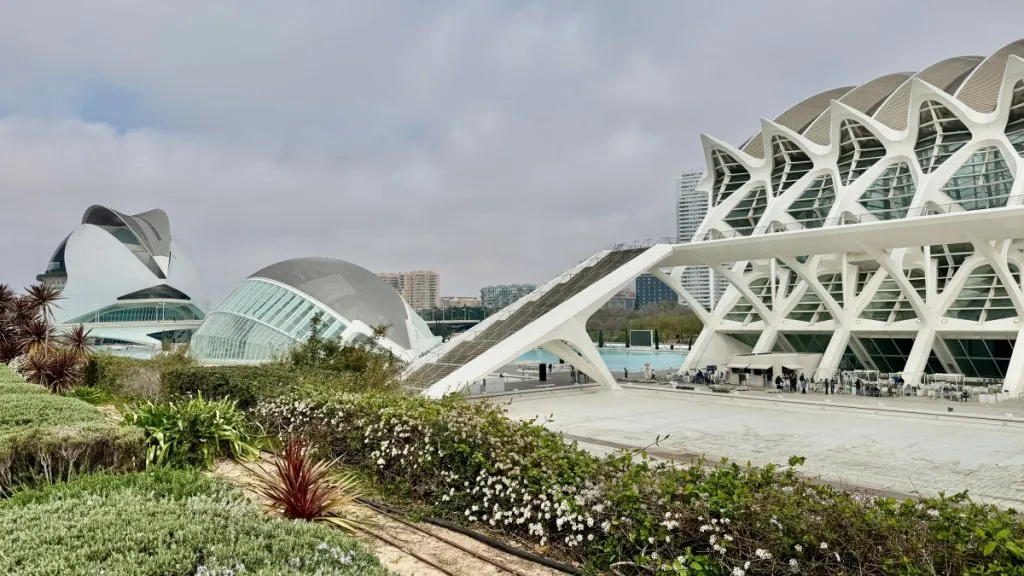
The architecture is spectacular and gives the impression of stepping into another world. In fact, it feels a bit like something from another planet has landed ...
9. Relax on Malvarrosa beach
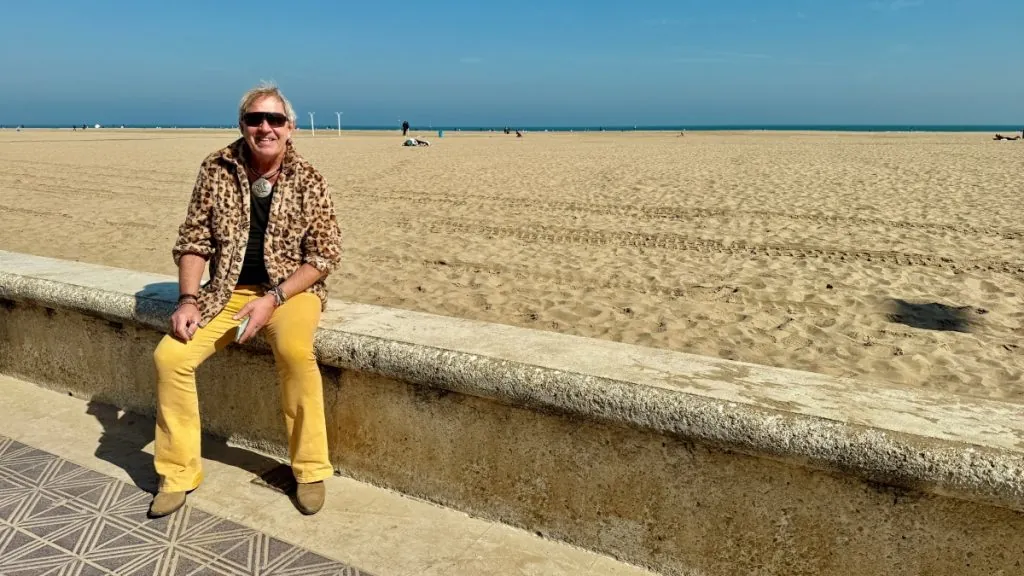
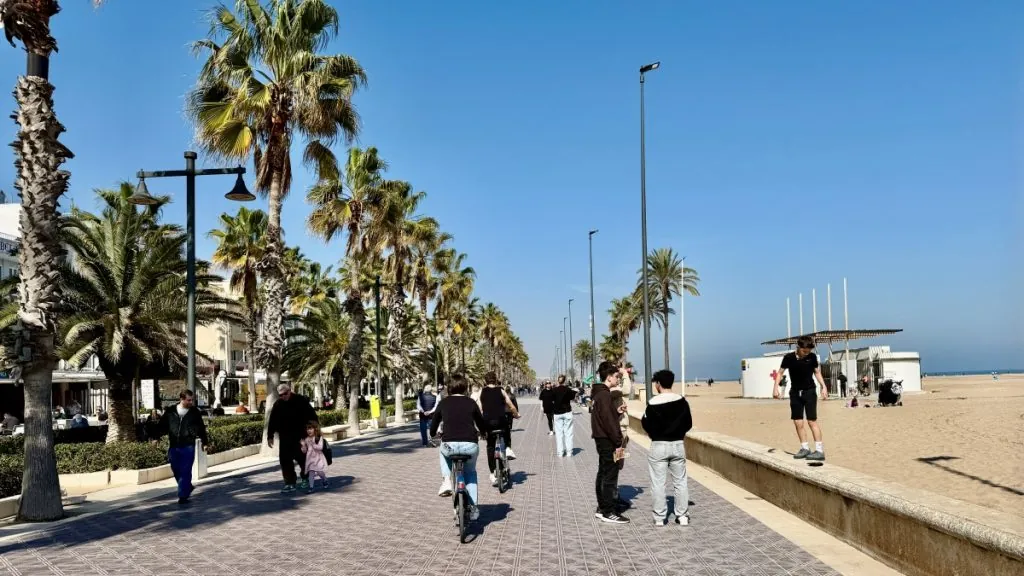
Malvarrosa is Valencia's most popular beach with wide sand and a long promenade. There are plenty of restaurants, bars and cafés serving fresh fish and local cuisine. The beach is perfect for sunbathing, swimming or an evening stroll by the sea. The lively atmosphere makes it easy to combine relaxation with socialising.
10. Eat authentic paella in Valencia
Valencia is the home of paella, and eating a traditional paella here is almost a must. Bear in mind that real paella takes time to cook, so it might be a good idea to order in advance.
Note that the original paella in Valencia is not served with seafood but with chicken, rabbit or sausage, but there are of course different variations. Some local restaurants also offer cooking classes. Paella is not just food - it is an important part of Valencian culture and tradition.


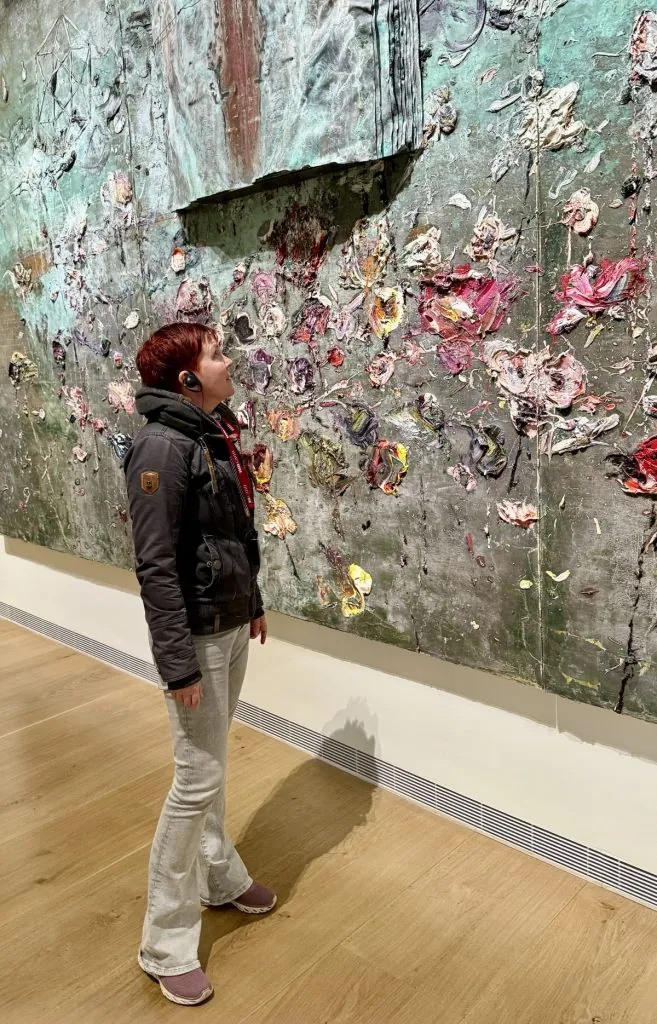
11. See art at the Centro de Arte Hortensia Herrero
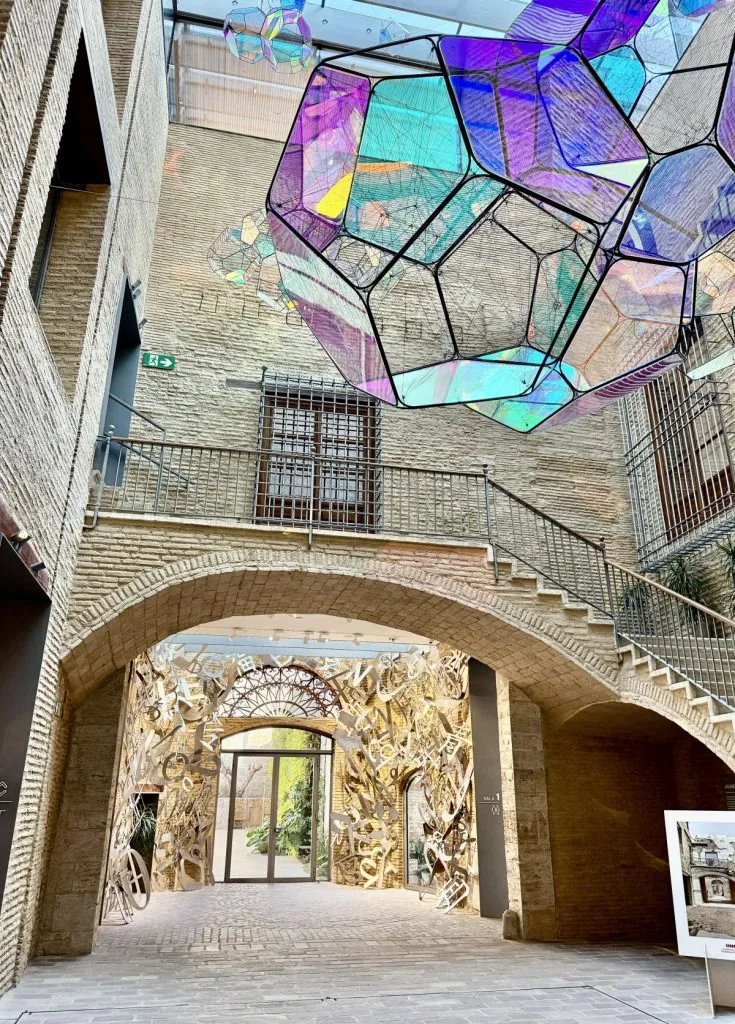
Centro de Arte Hortensia Herrero is a modern art museum located in a beautiful historic building in the centre of the old part of Valencia. The museum focuses on contemporary art and displays works by both internationally recognised and Spanish artists. We highly recommend a visit here - it's an art experience like no other, whether you're an art lover or not.
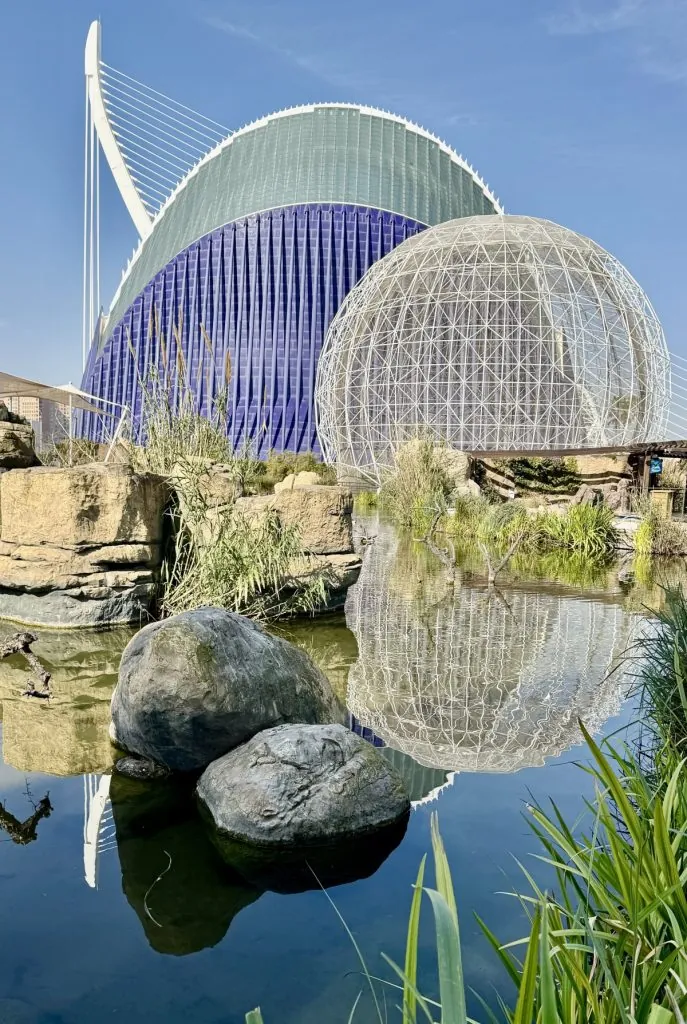
12. see Oceanogràfic
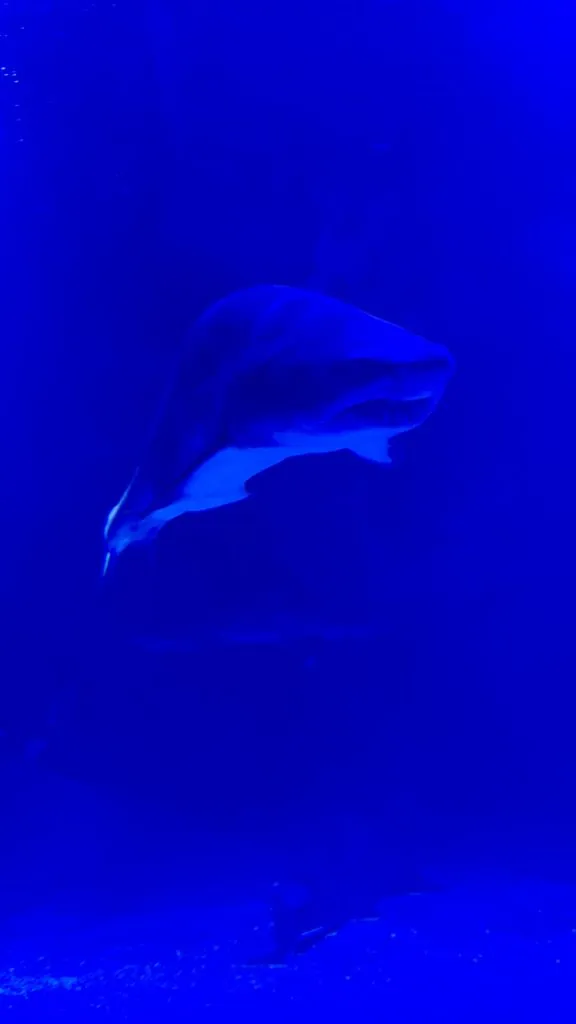
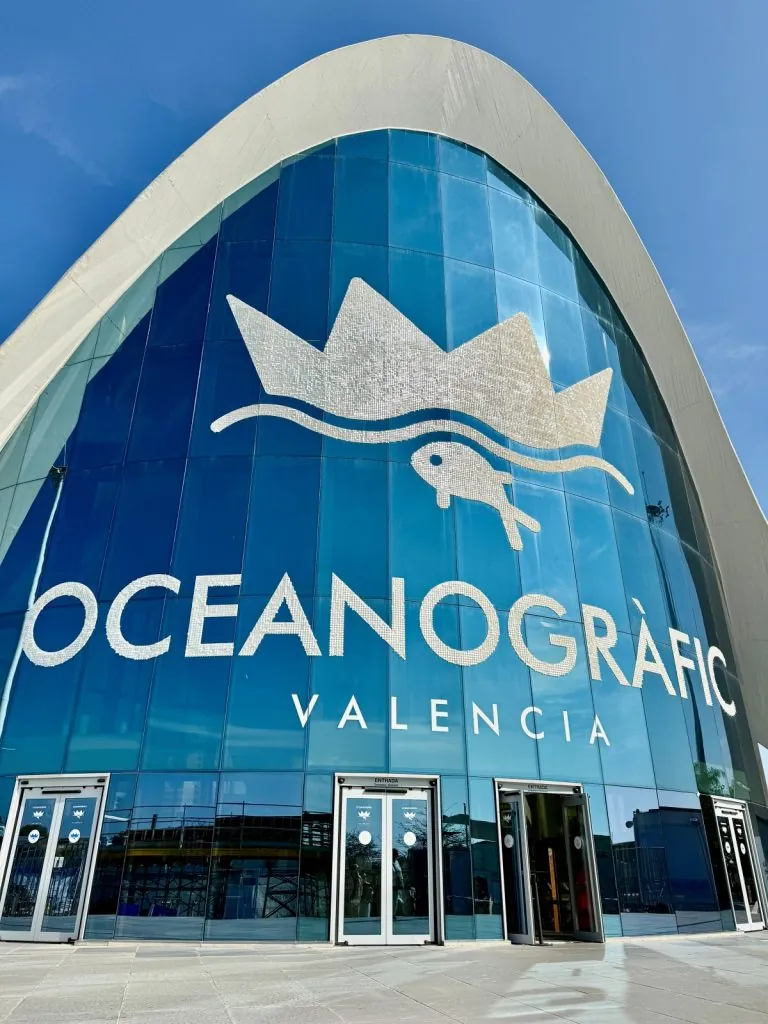
Oceanogràfic is Europe's largest aquarium and a fascinating place for both children and adults. Here you can see sharks, penguins, dolphins and many other marine species (even white whales/belugas!) in environments that mimic their natural habitats.
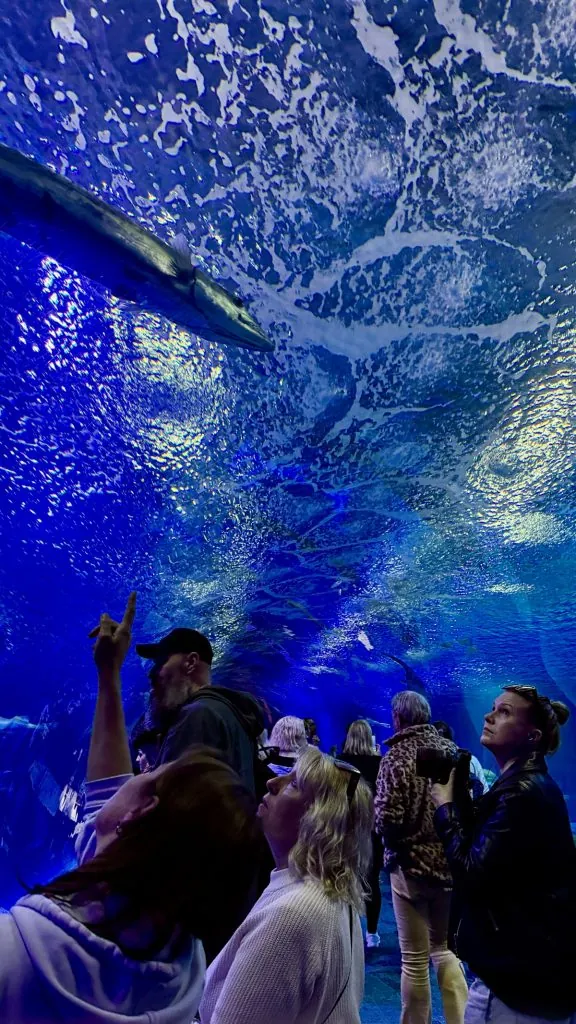
In addition, the futuristic architecture provides a unique experience from the moment you arrive.
13. visit Bioparc Valencia
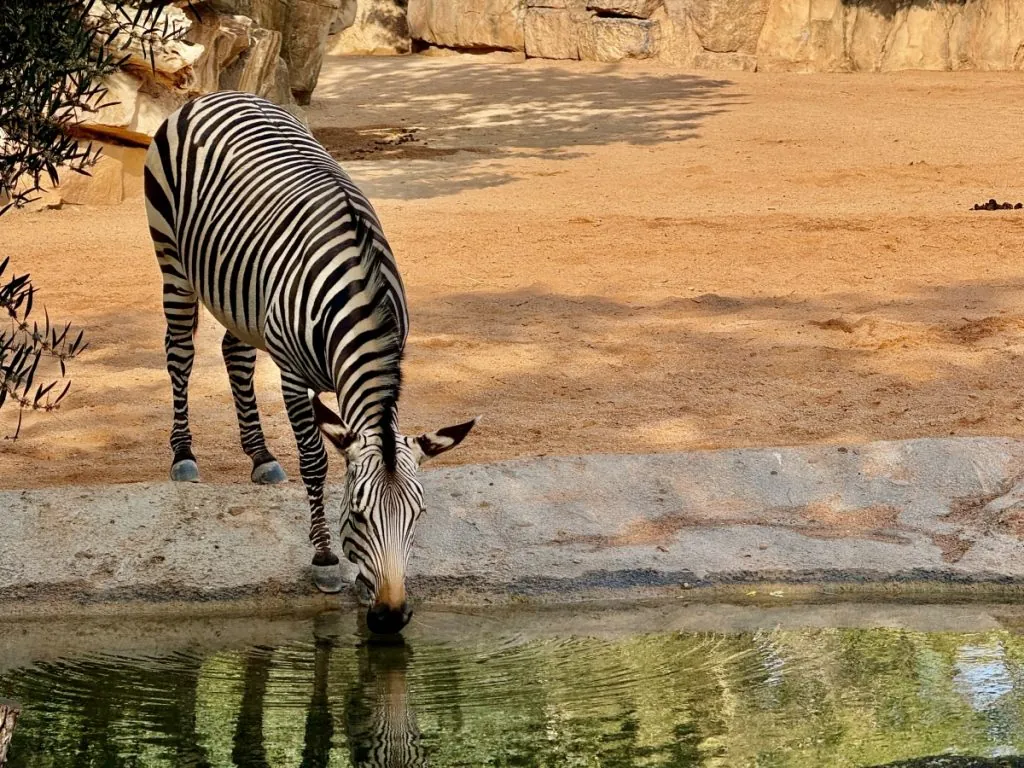
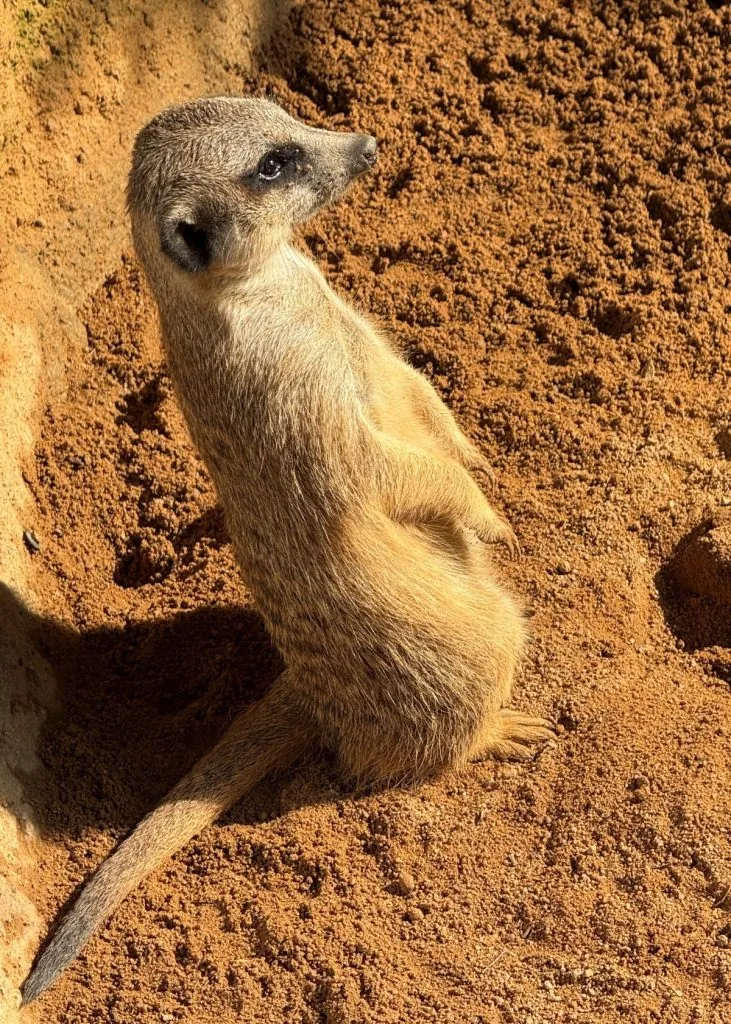
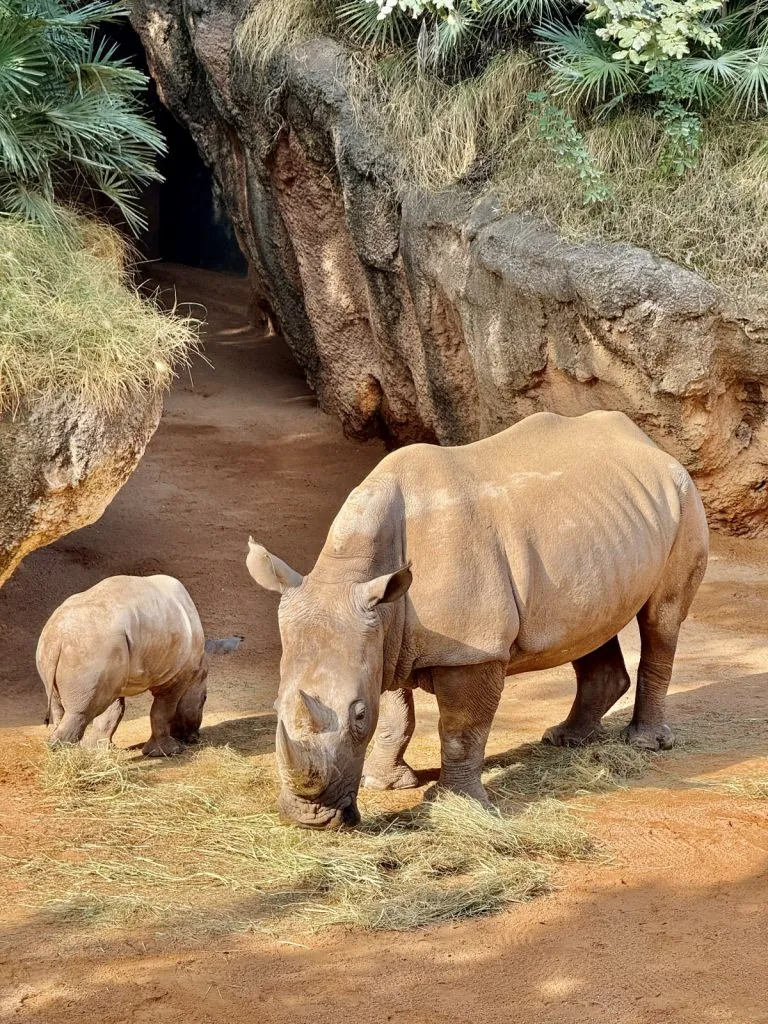
Bioparc Valencia is an innovative and modern zoo focused on mimicking natural environments. Here you can see African animals such as lions, elephants and giraffes up close. The park is dedicated to conservation and education, making your visit both fun and educational.
14. Take a day trip to Albufera
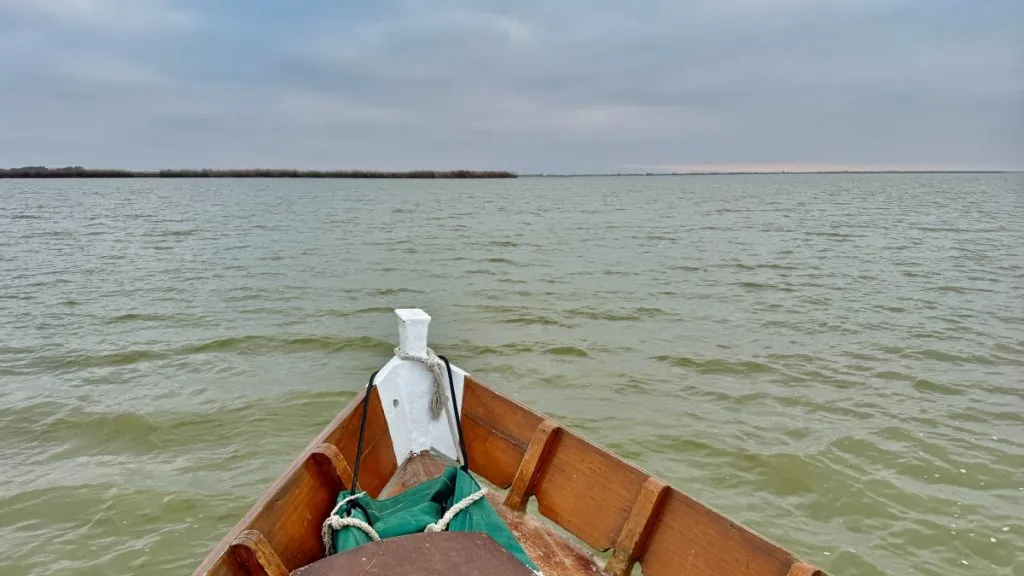
Albufera is a natural area located just outside Valencia. It is famous for its rice fields (think paella!) and beautiful sunsets. The area is also very rich in birds.
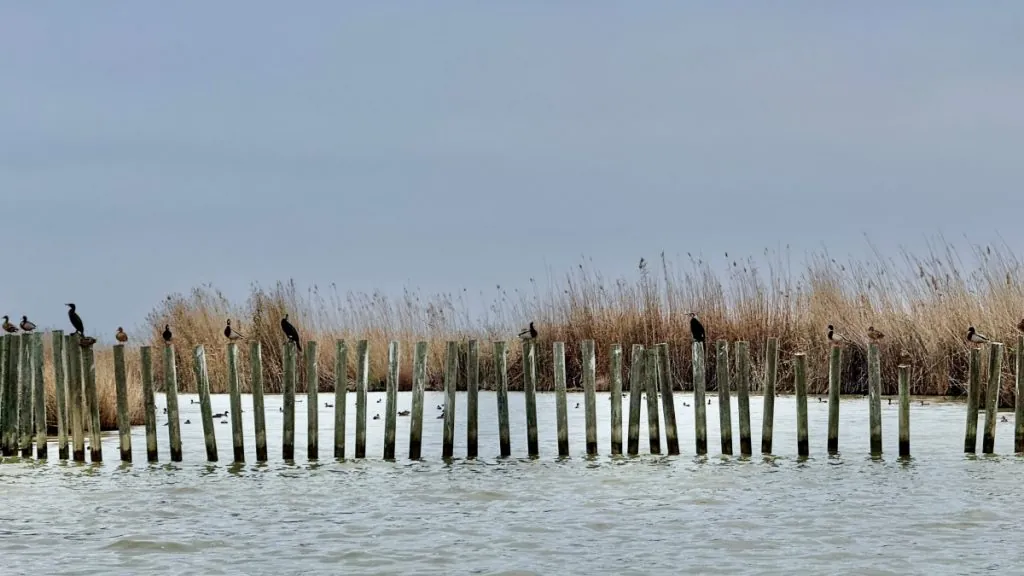
We experienced a calm and pleasant boat trip here, which could only have been improved by a little warmer winds. A moment of relaxation and a nice break from visiting the city!
15. Experience the festival ”Las Fallas”
If you have the opportunity to visit Valencia in March, you won't want to miss the spectacular festival Las Fallas. We went to this once many years ago and it's something we'll never forget - a week of music, fireworks, light shows, feasting and traditional dress. Most special of all are the huge sculptures created by the residents and displayed throughout the town - to be burnt down a week later.
READ MORE: Las Fallas in Valencia - spectacular party in Spain
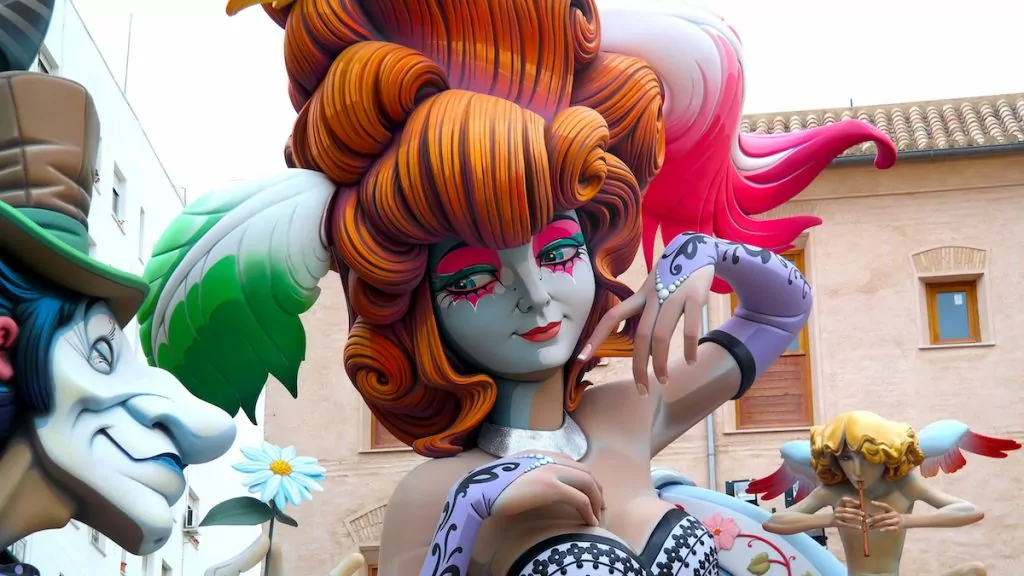
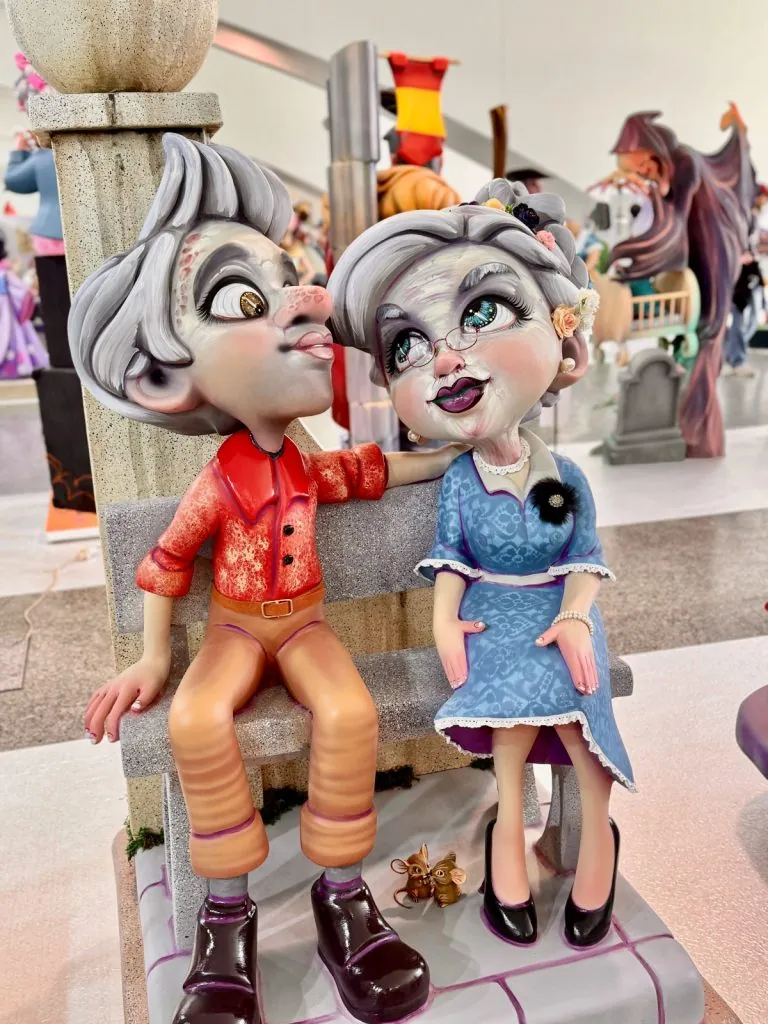
If you don't arrive in time for the festival, you can still visit the permanent museum Museo Fallero de Valencia, which displays figures (ninots) rescued from previous festivals. If you visit Valencia in the period before the festival, there may also be the opportunity to see Exposicion del Ninot - an exhibition showcasing this year's figures.

Valencia in 2-3 days - complete itinerary day by day
Day 1 - Old Town and classic sights
- Morning: El Carmen with Valencia Cathedral and Plaza de la Reina
- Lunch: In the Old Town, preferably a local restaurant
- Afternoon: La Lonja de la Seda and Torres de Serranos
- Evening: Dinner in El Carmen
Day 2 - Modern Valencia and beach life
- Morning: Ciudad de las Artes y las Ciencias - museum or Oceanografic
- Lunch: In the area or on the beach
- Afternoon: Malvarrosa beach
- Evening: Dinner by the sea, and a drink at sunset
Day 3 - Local experiences and nature
- Morning: Mercat Central, with local specialities
- Lunch: Simple lunch near the market
- Afternoon: Cycle or walk in the Turia Park, Alternative: make an excursion to Albufera (nature and boat trip)
- Evening: End your trip in Ruzafa - restaurants, bars and more local flavour
Best time to visit Valencia: Spring (March-May) and autumn (September-November) offer a pleasant climate and fewer tourists.
Where to stay in Valencia?
So, where should you live in Valencia? There are three main areas to consider.
El Carmen - historical and central
Perfect for those who want to live in the centre of the old town with walking distance to many attractions. The area is full of charm, culture and small restaurants. Especially suitable for first-time visitors.
On our last stay we stayed at Hotel Myr Puerta Serranos, which has a fantastic location right at the famous city gate Torres de Serranos. We were also very happy with our comfortable and modern room.
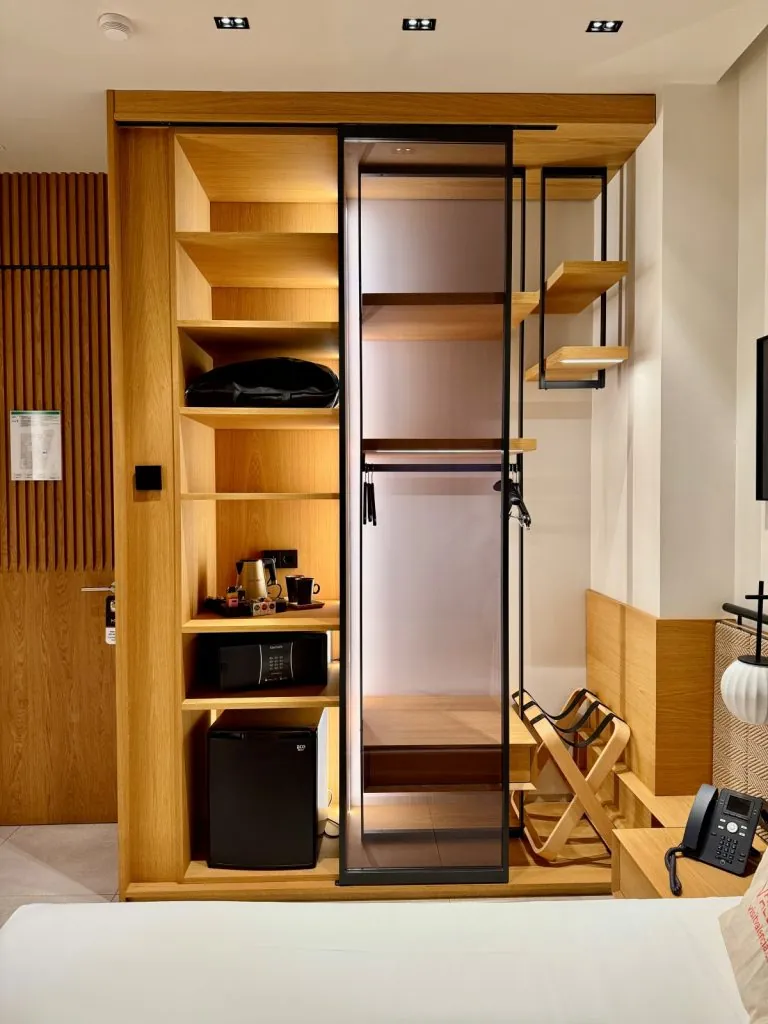
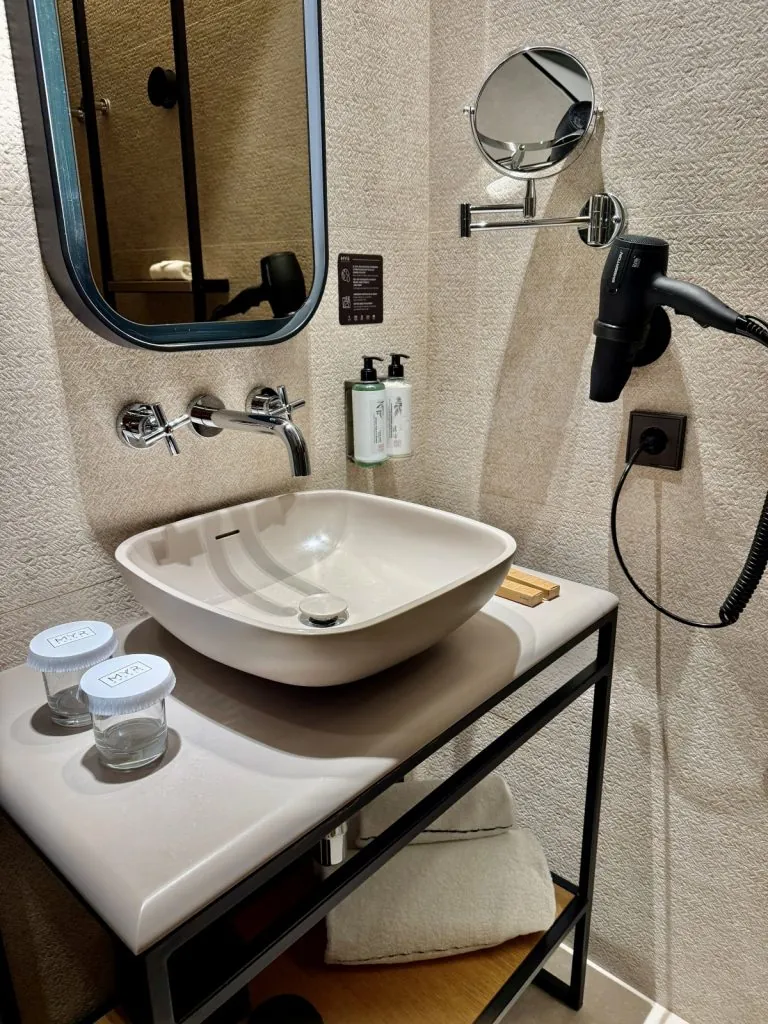
The hotel Myr Puerta Serranos has a very nice rooftop bar, where you can enjoy good drinks and great views.
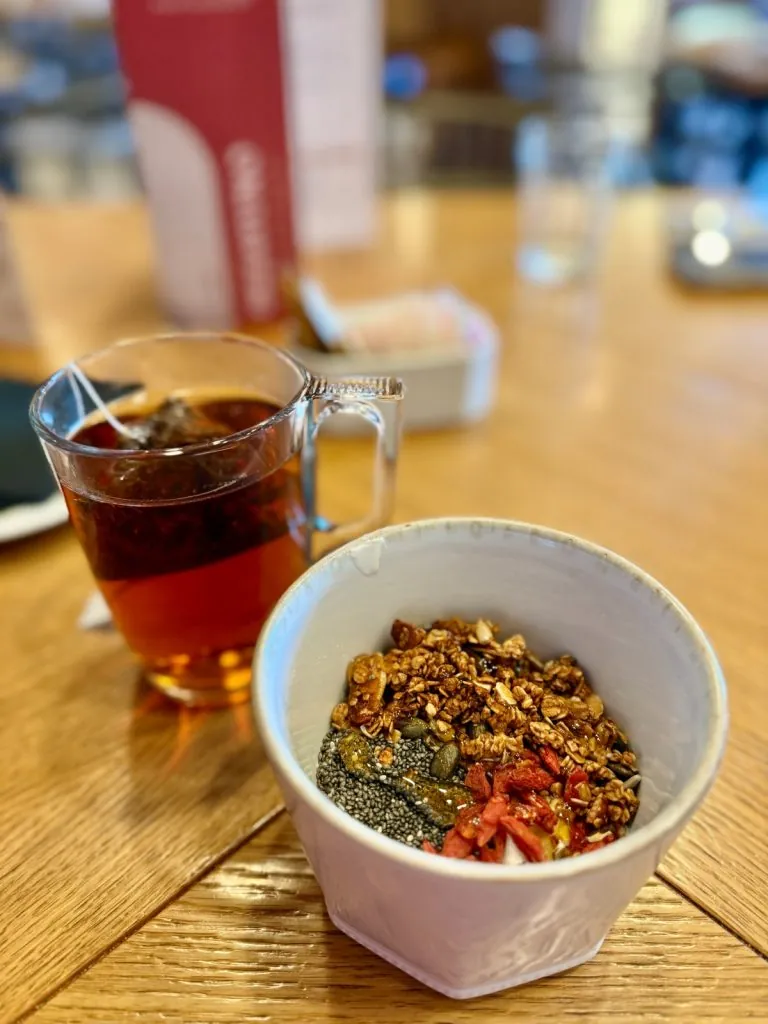
What we appreciated the most at the hotel was still the breakfast. This is an à la carte breakfast with lots of delicious dishes to choose from. Among other things, we enjoyed good breakfast sandwiches to die for and creamy yoghurts with luxurious accompaniments.
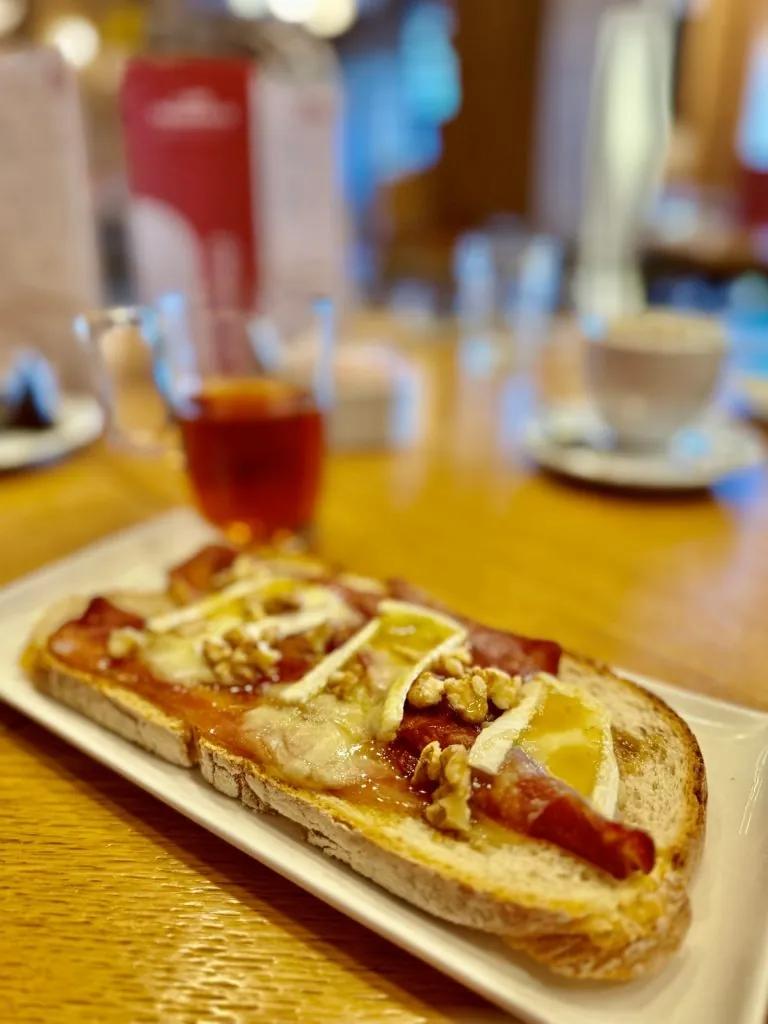
Ruzafa - trendy and lively
A modern neighbourhood with plenty of restaurants, bars and cafés. You'll be in the heart of Valencia's creative scene and close to the city's nightlife. Perfect for those who want pulse and variety.
Beachfront areas - relaxed and holiday-like
Stay near the beach if you want to combine city life with sun and sea. Here you will find long sandy beaches, promenades and seafront restaurants. A great choice for a more relaxed stay.
Are you travelling by motorhome?
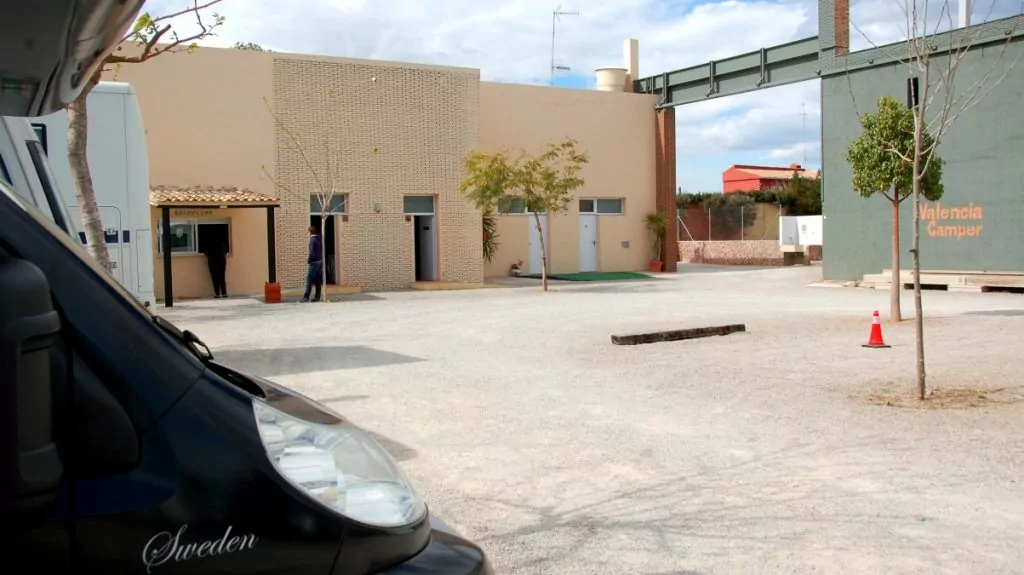
There are plenty of campsites and motorhome parks around Valencia, although most are a bit out of town. When we were here with a campervan many years ago, we stayed at Valencia Camper Park, from where we could take the train into the city centre.
What to eat in Valencia?
There's plenty of delicious food and exciting drinks to experience in Valencia. Among other things, you won't want to miss out:
- Paella Valenciana
- Fish and seafood
- Horchata (sweet and cooling drink made from ground almonds)
- Oranges in all forms
- Agua de Valencia (an iconic drink with orange juice and cava)
There are also many exciting restaurants to experience, whether you want to find a cosy atmosphere in the old town or sit back and relax overlooking the sea.
READ MORE: Food and restaurants in Valencia - our top tips

More city guides nearby
There are, of course, many more exciting cities to experience along the Spanish Mediterranean coast:
- Things to do in Peniscola
- Things to do in Benidorm
- Things to do in Tarragona
- Things to do in Barcelona

Tips in Valencia - our best advice for your trip
- Best time: Summer (July-August) can be hot. Spring and autumn can be a great time to visit! Or why not March, if you want to experience Las Fallas?
- Food and drink: Valencia is a great place to enjoy food and drink. Bear in mind that people often eat late - and take their time.
- Getting around: Rent a bike if you want to get around. It is an easy and pleasant way to experience the city!
FAQ - frequently asked questions about Valencia
How many days do you need in Valencia?
2-3 days are enough for most sights.
Is Valencia expensive?
No, it is generally cheaper in Valencia than in Barcelona and Madrid.
You might also like:
 Palma for Foodies - hot food destination in Mallorca
 Almunecar - Mediterranean gem where culture meets the sea and magnificent views
 Spanish food - 25 classic dishes you must try



 Split in winter – tips for a weekend in Croatia
 Things to do in Helsinki – 21 attractions and experiences



 English (UK)
 Svenska