


Writer: Helena Bergström
Updated: August 2026 | Driving around Iceland is a fantastic way to experience the country's dramatic nature, with waterfalls, volcanic areas, glaciers and small communities along the way. The Ring Road, Route 1, goes around almost the entire island and makes it possible to see a lot of Iceland in one trip.
 Tweet
 Share
 Share
 Pin
 Share
 Share
I have driven all the way around Iceland myself by car, although that was many years ago. Since then I have returned to the country many times, both privately and on press trips. Here I collect my own favorites along the way – along with practical tips for those of you planning a road trip around Iceland.
Table of contents
Around Iceland by car
The Ring Road, or Route 1, is just over 1,300 kilometers long and circles most of Iceland. The road passes many of the country's most famous natural areas and is mostly paved.
It's possible to drive around Iceland in a relatively few days, but that would miss a lot of the point. We'd recommend at least a week, and preferably 10–14 days if you want to take detours, hike, and actually experience the places along the way.
Also, keep in mind that weather and road conditions can change quickly in Iceland. Driving distances that look short on the map can take significantly longer than expected – and sometimes the weather can dictate the day’s itinerary.

Our best stops on a road trip around Iceland
When I drove around Iceland myself, I took the Ring Road, Route 1, with various detours along the way. Here we take the same trip clockwise from Reykjavik, first north and then further around eastern and southern Iceland back towards the capital.
This is not intended as a list of everything you can see along the Ring Road – it could be as long as you like. Instead, I have selected a few places that have made a particularly strong impression on me during my various travels in Iceland. Some are right on the Ring Road, while others require a detour.
1. Reykjavik – start your journey in the capital
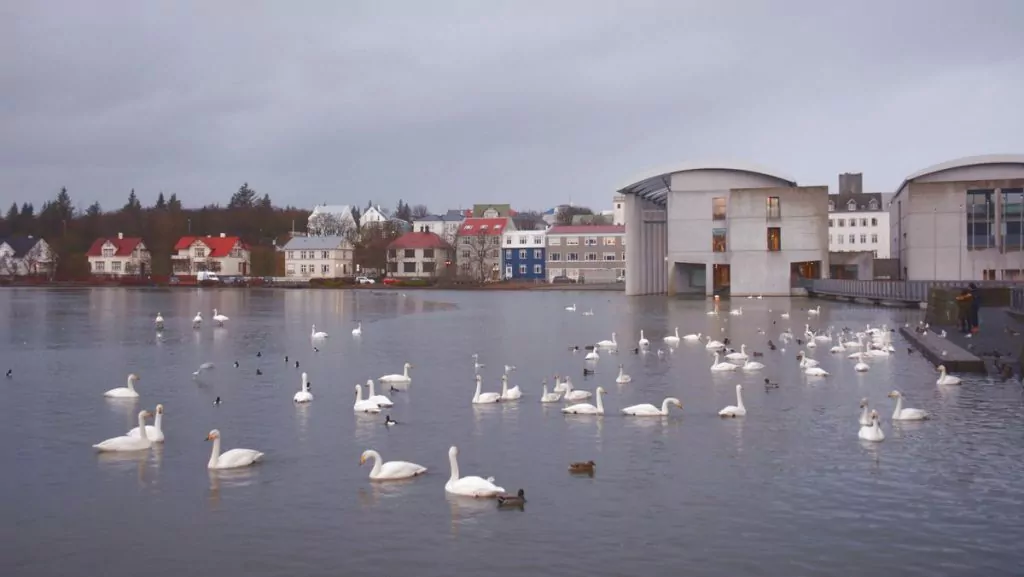
A road trip around Iceland can start with a few days in Reykjavik. Iceland's capital is small enough to explore on foot, but at the same time filled with restaurants, cafes, culture and unique attractions.
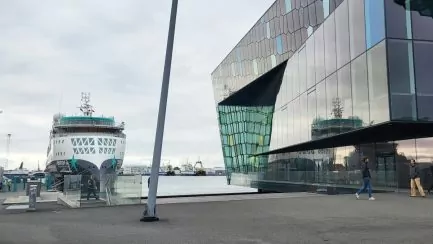
Check out Hallgrímskirkja, stroll along Laugavegur, see the Harpa concert hall and settle down in a cozy café. Reykjavik is also a perfect place to try Icelandic food – from modern fine dining to classic Icelandic sausage.
I've been to Reykjavik many times over the years and the city has changed a lot since my first visits. At the same time, that special Icelandic feel remains – that mix of small town, creativity and international city life.
READ MORE: Things to do in Reykjavik – our best tips

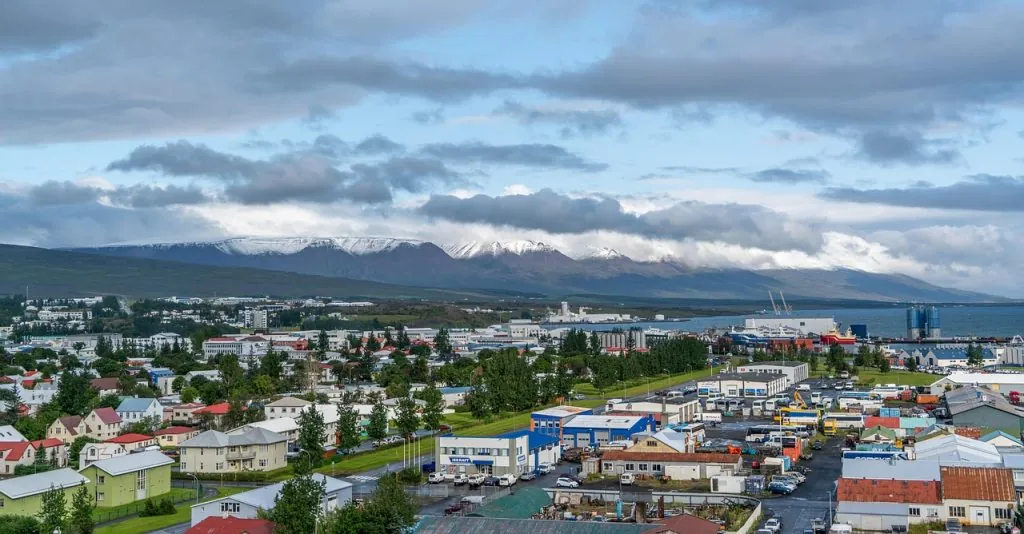
2. Akureyri – the capital of the north
After leaving Reykjavik, the journey continues north. Eventually you will reach Akureyri, which is beautifully situated on Eyjafjörður and is often called the capital of northern Iceland. By Icelandic standards, Akureyri is a large city, but by international standards it is of course quite small.
There are restaurants, cafes, shops and museums here, as well as a botanical garden that may seem a bit unexpected this far north. On a longer drive, it's also nice to have places where you can shop, refuel, eat well and indulge in a bit of normal city life before continuing your journey into the Icelandic countryside.
3. Goðafoss – the waterfall on the Ring Road
Iceland has an almost ridiculous number of beautiful waterfalls, but Goðafoss is one of the easiest to see during a trip along the Ring Road.
The waterfall is about 30 meters wide and the water falls about 12 meters over the cliffs. The name means roughly ”waterfall of the gods” and is associated with the story of Iceland’s conversion to Christianity around the year 1000. Goðafoss is located just off Route 1, making it an easy stop on the road between Akureyri and Mývatn.

4. Mývatn and Hverir – volcanic landscape in northern Iceland
The area around Lake Mývatn is one of the places where Iceland really shows off its volcanic side. With lava formations, craters and geothermal areas, it's well worth setting aside some extra time for the surroundings.
One of the most fascinating stops is Everywhere, where the ground literally boils and sizzles. Here you are greeted by bubbling mud puddles, steam and a strong smell of sulfur in a landscape that almost looks like it belongs on another planet.
The area also includes the strange lava formations at Dimmuborgir and the geothermal Mývatn Nature Baths. In other words, this is an area where there is reason to stay for more than a few hours.

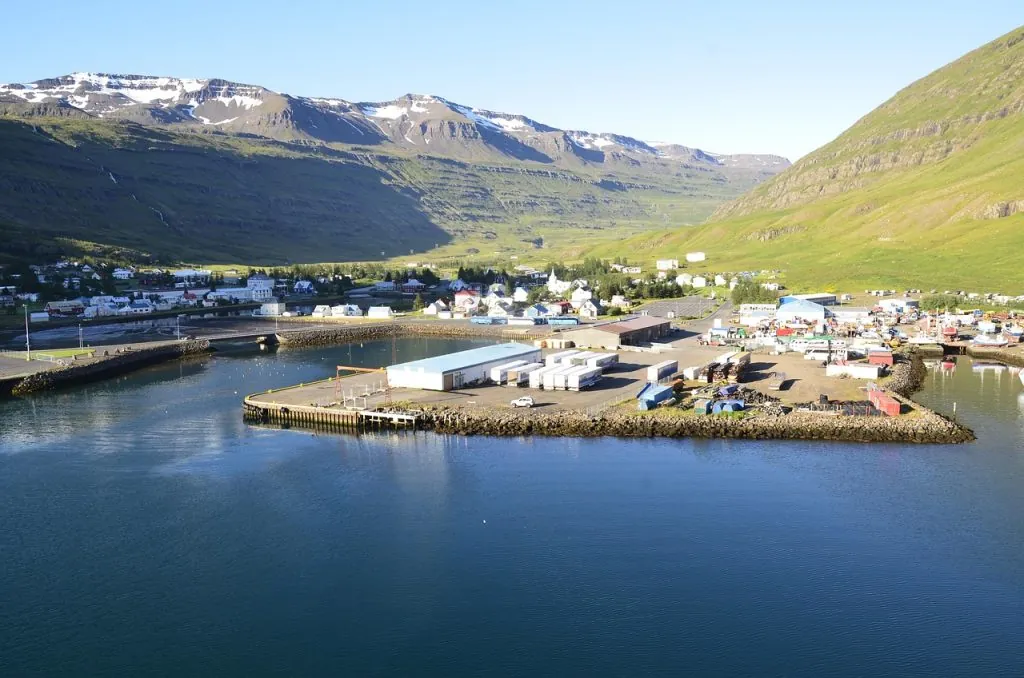
5. Seyðisfjörður – a fjord in the far east
In eastern Iceland, it's worth leaving the Ring Road for a detour to Seyðisfjörður, a small town located at the far end of a narrow fjord surrounded by high mountains. Just the road here, over the mountain and down to the fjord, is part of the experience.
Seyðisfjörður is also Iceland's ferry gateway to Europe. Smyril Line's ferry Norröna arrives here from Hirtshals in Denmark, via the Faroe Islands. I have come to Iceland this way myself, although the ferry route looked different back then. There is something very special about seeing Iceland approaching from the sea.
If you are traveling with your own car or camper from Sweden, this is of course where your tour of Iceland begins and ends. Then you can simply jump into our route right here.
6. Jökulsárlón and Diamond Beach – icebergs by the Ring Road
One of my strongest memories from my first road trip around Iceland is Jökulsárlón. Here, below the mighty Vatnajökull glacier, large blocks of ice float around in a glacial lagoon before eventually drifting out to sea.
When I first visited Jökulsárlón, I took photos with a regular analog camera. My old scanned photos hardly do the place justice – but perhaps they say something about how long this place has fascinated me.
On the other side of the Ring Road is Diamond Beach, where blocks of ice from the lagoon can wash up on the black beach. The contrast between black volcanic sand and transparent ice makes the beach one of the most photographed places in Iceland.
Jökulsárlón is right next to the Ringvägen and therefore does not require a big detour. But don't rush further. This is the kind of place where you can stand for a while and just look.

7. Vík, Reynisfjara and the south coast
The journey continues west along Iceland's dramatic south coast. There is so much to see here that it is really difficult to choose just one stop. The small town Vik i Myrdal is a good starting point. Nearby is the black beach Reynisfjara, with its mighty basalt columns and the Reynisdrangar rock formations out in the sea.
The beach is stunningly beautiful, but the sea here can also be dangerous. Strong waves can suddenly reach much further up the beach than you expect, so keep a safe distance from the water and follow warnings and barriers in place.
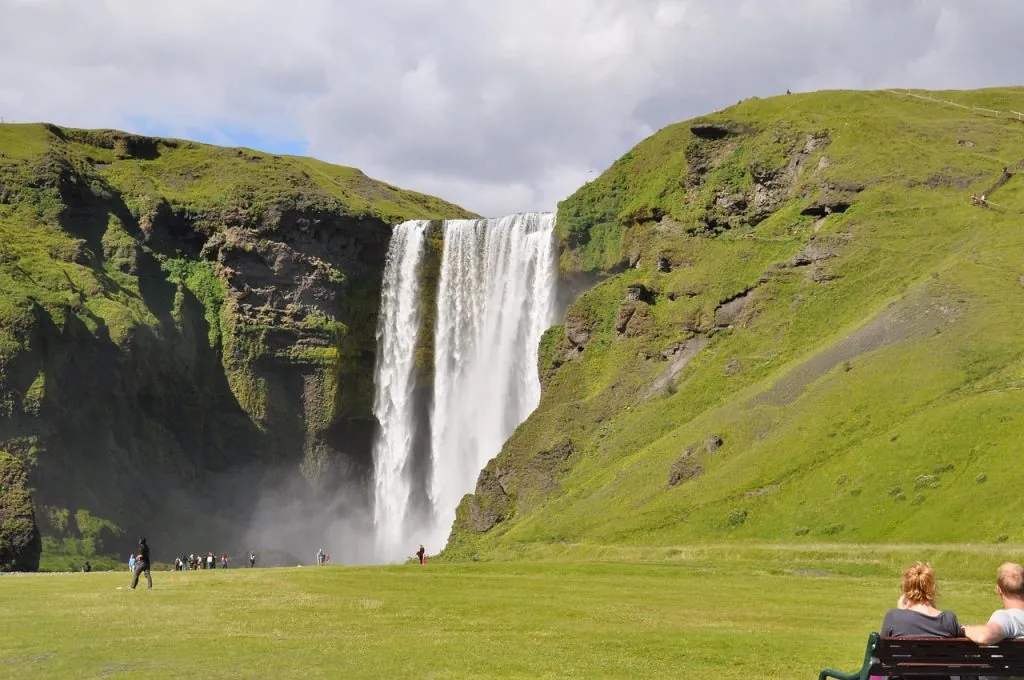
Further west along the south coast, two of Iceland's most famous waterfalls await: Skógafoss and Seljalandsfoss. If you have plenty of time, I would definitely try to include them too.
8. Västmanna Islands – my own special place in Iceland
Off the south coast lie the Västmanna Islands, or Vestmannaeyjar in Icelandic. To get to the main island of Heimaey you need to leave the Ring Road and take the ferry across – but for me this is an obvious detour.
When I was 17 years old, I moved to Heimaey as an exchange student and lived here for almost an entire school year. I attended Icelandic high school, learned the language and got to experience everyday life on a small volcanic island out in the North Atlantic. This is where my very special relationship with Iceland began.
Heimaey is fascinating even for those who have not lived here. In 1973, the Eldfell volcano had a dramatic eruption and parts of the community were buried under lava and ash. Today, you can hike up the volcano and still see the traces of the eruption.
In the right season, the Västmanna Islands are also a fantastic place for those who want to see puffins. For me, the islands are of course much more than an attraction – they are a bit like a second home from another time in my life.

9. Hveragerði and Reykjadalur - among hot springs
Back on the mainland, the journey continues west towards Hveragerði, a village in a very active geothermal area. Here, the heat from the ground is used, among other things, to heat greenhouses, and the surrounding landscape is filled with smoke and bubbles in many places. Just outside the village is Reykjadalur, the ”smoking valley”, which is a popular area for hiking.
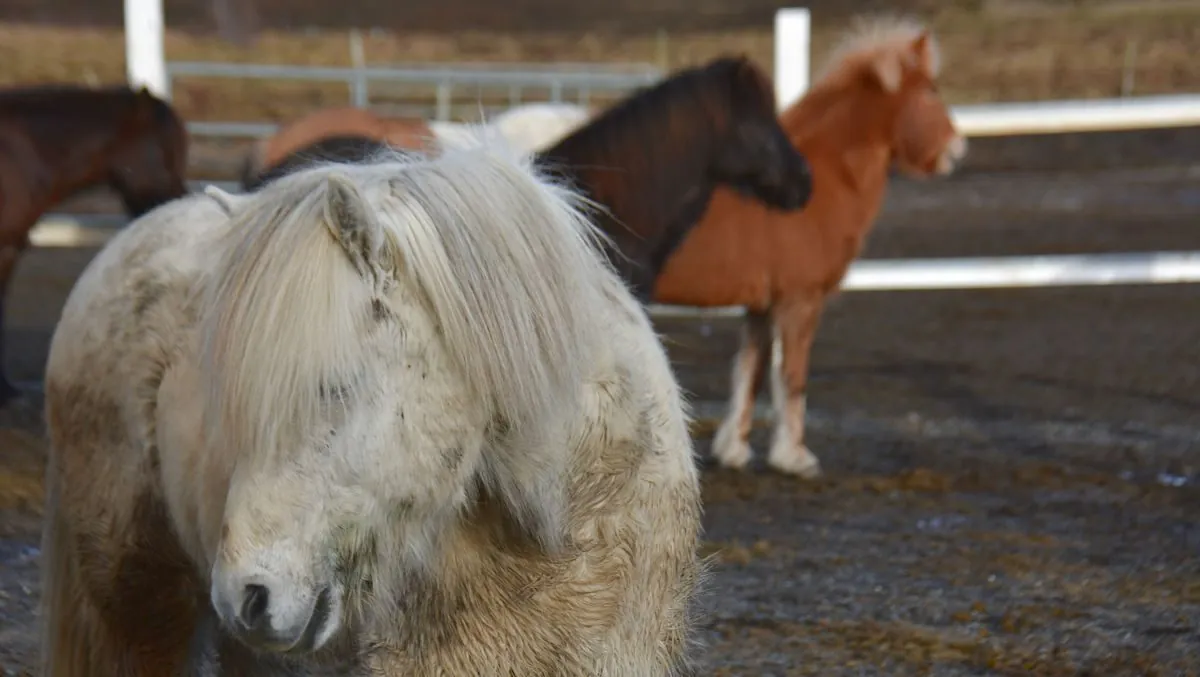
We have experienced the area ourselves from horseback. During our ride it was so cold that our fingers almost froze, while the Icelandic horses struggled up the slopes. When we arrived we could warm our hands in a naturally warm stream. Very Icelandic!
READ MORE: Horseback riding in Iceland – with Icelandic horses to Reykjadalur

10. Þingvellir and the Golden Circle – classics before Reykjavik
Before the tour ends in Reykjavik, you can make one last major detour to Golden Circle, perhaps Iceland's most famous tourist route. Here is Þingvellir National Park, which is both historically and geologically interesting. The Icelandic Althing was founded here as early as 930 and the area is also located in a rift zone between the North American and Eurasian continental plates.
The Golden Circle also includes the geothermal area where Geysir and Strokkur Geysir has given its name to the phenomenon of geysers around the world, while Strokkur is the geyser that usually offers visitors regular eruptions.
The third classic stop is Gullfoss, where enormous amounts of water plunge into a deep ravine. Touristy? Absolutely. Worth seeing? Also absolutely.

Back in Reykjavik
After the Golden Circle, it's not far back to Reykjavik – and with that we've made it all the way around Iceland.
The Ring Road itself is about 1,300 kilometers long, but in practice a round trip becomes considerably longer when you add the Golden Circle, the Västmanna Islands, Seyðisfjörður and other side trips. And it's really the side trips that are a big part of the point.
My advice is therefore not to try to drive around Iceland as quickly as possible. Give your journey time. Stop when the scenery is beautiful, take detours and expect that weather and road conditions can sometimes change your plans.
Good to think about during a car trip
- Check weather and road conditions every day, especially outside the summer.
- Don't plan for long day trips – there are many things to stop for along the way.
- Leave some space in the itinerary. In Iceland, the weather is sometimes the deciding factor.
- Do not drive on roads for which the car is not intended and check the conditions if you are driving a rental car.
- Refuel when you have the opportunity. when driving in more sparsely populated parts of the country.
- Bring clothes for rain, wind and cold. even during the summer. Here you will find a packing list for Iceland.
More to see and experience in Iceland
There is so much more to see and experience in Iceland. Here you will find more tips and reports:
- Facts about Iceland
- The Icelandic language
- What do you eat in Iceland?
- Things to do in Iceland – our best tips
FAQ – Frequently asked questions about driving around Iceland
How long is the Ring Road in Iceland?
The ring road, Route 1, is approximately 1,322 kilometers long and goes around most of Iceland.
What is the Ring Road in Iceland like?
The ring road runs in a large loop around the island. It connects most of the larger towns and takes you through everything from farmland and fjords to lava fields, mountain passes and areas with glaciers. It is not a motorway – traffic can be sparse and the road is smaller than you might imagine.
How many days do you need to drive around Iceland?
Plan on at least seven days, but preferably 10–14 days if you want to have time to make side trips and experience the trip without stress.
When is the best time to drive around Iceland?
The ring road is open and used all year round, but for those who want to do a classic road trip around the whole of Iceland, summer is the easiest time. Spring and autumn can also be nice periods, but the weather becomes more unpredictable and it becomes important to check the current weather and road conditions every day.
Can you drive around Iceland in winter?
Yes, the Ring Road is used year-round, but a winter trip is a completely different experience than driving around Iceland in the summer. Snow, ice, strong winds and rapidly changing conditions can make driving significantly more challenging and roads may be temporarily closed. If you have limited experience with winter driving, I would not choose the road in winter.
Do you have to have four-wheel drive to drive the Ring Road?
No. Under normal conditions, four-wheel drive is not needed for the Ring Road itself. However, if you are going to drive on F-roads and into the highlands, different conditions apply.
Can you bring your own car to Iceland?
Yes. Smyril Line operates the route between Hirtshals in Denmark and Seyðisfjörður in eastern Iceland, and you can bring your own car or camper.
Can you rent a car in Iceland?
The most common and easiest option is to fly to Iceland and rent a car there. You can then start your round trip from the Reykjavik area and return the car before your return trip.
Is it difficult to drive in Iceland?
In good weather conditions, the Ring Road is relatively easy to drive, but the weather can change quickly. Wind, snow and ice can greatly affect driving, especially in winter. Therefore, always check the current weather and road conditions.
You might also like:
 Iceland - Land of storytelling
 Driving in Karpathos, Greece - winding mountain roads
 Driving in Georgia - high mountains and beautiful views
 The Esterel Mountains in France - a spectacular drive along the Corniche d'Or
 Things to do in Malapascua, Philippines - 12 tips
 Pacijan Island in the Philippines - beautiful Camotes Islands



 English (UK)
 Svenska
Lena - gott för själen says:
You can really see Iceland everywhere now. And I get more and more eager to go there! Cool that you know the language too, so well that you can teach it as well!
Hug Lena
09 November 2017 - 6:56
Helena says:
It's probably 15 years since I taught. I'm not as good today, but I can have some everyday conversations anyway 😉.
09 November 2017 - 18:00
4000mil says:
Love Iceland! Made a top list myself after our trip. Some places we both have on our lists. 🙂
09 November 2017 - 7:17
Helena says:
Now I'll have to check out your top 10 list!
09 November 2017 - 18:01
World by Tina says:
Looks absolutely fantastic! Have thought about going there with the Pink Buses, then you stop in the Faroe Islands as well. Have you been there too?
09 November 2017 - 8:48
Helena says:
I have spent two months in the Faroe Islands, when I did my internship at the hospital during my education. Very nice!!!
09 November 2017 - 18:02
Dessi says:
Oh! I love Iceland without even having been there... The dream is (of course) to go there on a really wonderful riding trip. ??
09 November 2017 - 9:03
Helena says:
Of course you should go to Iceland and ride Dessi! 🙂
09 November 2017 - 18:02
Rolle o Carina says:
Would be nice to bathe in the hot springs!
Take care.......
09 November 2017 - 9:44
Helena says:
It's lovely ... especially when it's cold outside! 🙂
09 November 2017 - 21:20
Henny says:
What a fabulous feature. So much so that I will check it out more. Sounds interesting with a tour like you did. Imagine going over with the campervan and taking a tour at a slow pace.
What about crime on the island? Does a lonely old lady dare to go on her own adventures?
09 November 2017 - 10:00
Helena says:
Glad you liked our post! I haven't heard of criminality and I find it very hard to imagine it being a problem, but I'll check more and get back to you!
09 November 2017 - 21:21
Ditte says:
What fun and interesting to read more about Iceland. Great tips! Have not yet been there, but it is on the list.
It is an experience in many ways to live there and to learn Icelandic. But language is important to learn if you live in another country. At least try to. Provides many openings.
09 November 2017 - 10:03
Helena says:
When you learn languages, you also learn about culture! I think you should definitely visit Iceland if you get the chance!
09 November 2017 - 21:22
Ama de casa says:
On our cruise this summer, the ship made two stops in wonderful Iceland. One in Akureyri and one in Reykjavik. Despite the rather short time, we had time to see a lot, including Godafoss and the Golden Circle. But I would very much like to return and ride an Icelandic horse in the fantastic environments that exist there 🙂.
09 November 2017 - 10:11
Helena says:
Haha, love that you say "ride an Icelandic horse"! 😉 Glad you came here with the cruise!
09 November 2017 - 21:24
Marianne - Glimt av verden says:
Iceland is an incredibly beautiful country, and perhaps my favourite among the countries I have visited in Europe. I would especially recommend Jökulsárlón, Seljalandsfoss, Svartifoss, Reynisfjara, Dimmuborgir and other natural attractions at Myvatn, Kalfshámarsvik - and the country's largest forest, Hallormsstadsskógur. Also recommend bathing in a natural hot spring. I have not visited Vestmannaeyjar, which I hope to do another time.
09 November 2017 - 10:39
Helena says:
Wow, so many great tips! I have visited many of these, but not all. Vestmannaeyjar is worth a visit if you come back!
09 November 2017 - 21:25
Ruth i Virginia says:
Interesting to hear about your "affair" with Iceland. Not bad to learn
see the language. Can't even read the alphabet. Like the colourful roofs. 🙂
The first time I landed in Iceland was in 1960, when I flew from
Los Angeles to Copenhagen with my then 4 and 6 year olds.
There were no jets in those days, so we had to make an intermediate landing.
a couple of times to refuel (the journey took more than 20 hours). We
had to get off the plane. The flight attendants put on trench coats.
and the hump (it was April); understand why, for HU, it was windy.
Thought the girls would blow off the 'gangway'. The airport
was a small building.
The second time was in 1978. On the way from Sweden to the USA we stopped (the husband,
me and two teenagers) in Reykjavik. There was only ONE hotel -
belonged to Lofleidir. Very expensive! We stayed in a hostel instead,
which was located in a school. There were at least 20 people in the room. The beds
were metal tourist beds, left behind by the US military after the war.
WWII. And the food - EXPENSIVE. It was boiled fish and potatoes.
I have stopped there several times since. The new airport is
very attractive, I thought. Some sightseeing around the island was
it never did, unfortunately. Nice photos with you, and Ama had great photos from her sightseeing on the island.
09 November 2017 - 12:50
Helena says:
But oh so interesting to hear about your trips to Iceland in the past!!!! A little difference then and now, so to speak...! The Icelandic alphabet is basically the same as the Swedish one. There are two tonal th sounds that correspond to the sounds in the English this and thing. Then each vowel is accented and unaccented, which has nothing to do with emphasis but means different pronunciations/diphthongs.
09 November 2017 - 21:50
Jenn - forever abroad says:
I am so eager to road trip in Iceland. Thanks for the inspiration!
09 November 2017 - 15:13
Helena says:
Glad you liked the post! Road trips in Iceland are a thing! 🙂
09 November 2017 - 21:50
Marina says:
I'm going there! It is high on the list of places to be visited in the near future (probably have to stop working even though I just started, the time is not enough...). And the answer is yes, I am happy to read more about Iceland 🙂.
09 November 2017 - 16:34
Helena says:
That thing about not having enough time ... I recognise that! 😉
10 November 2017 - 4:57
Solan says:
My goodness Helena, what a talent for languages you are! And I'm sure you have a future as an ambassador for Iceland ☺!
09 November 2017 - 17:14
Helena says:
I was 17 years old at the time and I think it's easier to learn languages at that age. Today, my vocabulary is quite poor because I almost never use the language.
10 November 2017 - 4:58
Christine - 29° says:
Now I found out a lot. Have never been to Iceland but it is on the "to-do list". 🙂
09 November 2017 - 17:26
Helena says:
A country worth one - or more - visits! 🙂
10 November 2017 - 4:59
Britt-Marie Lundgren says:
We studied brochures about renting a motorhome in Iceland or bringing our own. It was not exactly a budget trip but incredibly attractive. Iceland's nature is really special so who knows?!?
Very well written post.
09 November 2017 - 18:52
Helena says:
Glad you like the post! I can imagine that it will not be so cheap either to ship over the motorhome or to rent one. But a cool route if you have the opportunity!
10 November 2017 - 5:00
Annette says:
Iceland is a dream destination! For me, but not for the rest of the family, unfortunately. I have ridden an Icelandic horse for many years, so it would be fun to ride the Icelanders' own horses and see the country from horseback. But most of all I want to see and photograph puffins, which I know are present on at least one island off Iceland. Exciting that you have lived there and know the language 🙂.
09 November 2017 - 19:21
Helena says:
Too bad the rest of the family doesn't share your desire to see Iceland! Icelandic horse is a great way to see and experience nature. There are plenty of puffins on the Westman Islands where I lived 🙂.
10 November 2017 - 5:02
BP says:
Now it's my turn to be really impressed! WOW, and I mean your knowledge/training in Icelandic!
I've seen many pictures, watched TV series/documentaries and read detective stories set in Iceland, but I don't want to go there. The reason is the ungrateful climate.
But I don't mind at all looking at more pictures from Iceland. I mean you have lived there and it is more "worth" than "just" travelling. So go for it!
09 November 2017 - 20:21
Helena says:
The climate is not the best if you like heat, so I can understand that point of view. And yes, I've been involved in a lot of traditions and celebrations and stuff, so that's one of the things I'm thinking about writing about!
10 November 2017 - 5:04
Ann-Louise says:
Very interesting reading! I had no idea it was possible to take a ferry to Iceland. I've never been there but am very keen to go there relatively soon.
09 November 2017 - 20:40
Helena says:
Yes, it is possible to go by ferry, although it may not be the most common way 😉 But a ferry is needed for the transport of vehicles and other things. Definitely recommend a visit to Iceland! 🙂
10 November 2017 - 5:26
Travelsis says:
Oh beautiful Iceland? I think we "did" Iceland many years ago when we were there.... but see that there are more wonderful things to discover?
09 November 2017 - 23:41
Helena says:
Iceland is a big country 🙂 Even though I have travelled around the Ring Road, I know there are still things to see and experience!
10 November 2017 - 5:27
Annalena says:
Ég átti kærasta frá eyjunni þegar ég var 15 ára 🙂 Not that I remember anything now, don't even know if google translate did the right thing 😀 But my surname, Ronaldsdotter, I took after the Icelandic tradition. (My dad is named after Reagan who was a "film star" in the 30s). I still haven't made it to Iceland but it's still on my list....
10 November 2017 - 11:02
Helena says:
But is it true? What fun! The translation looks mostly good, although in Icelandic it's more common to say that you're "with a girlfriend" instead of "have a girlfriend". And of course you are going to Iceland! 🙂
10 November 2017 - 16:04
Karin says:
What great tips 🙂
To get to all these places, is it possible with a regular car, or do you need a four-wheel drive car? Going at the end of May 🙂
25 February 2018 - 9:20
Helena says:
Glad you liked the tips Karin! It is possible to travel all around Iceland on the Ring Road by regular car and all of these places are on the Ring Road (possibly a walking distance from the road). However, to the Westman Islands you need a ferry or a flight 😉 A four-wheel drive car is needed when travelling inland.
27 February 2018 - 6:35
Karin says:
Ok, thanks for the answer?
Which restaurants to visit?
28 March 2018 - 20:53