


Writer: Kristina Isacson
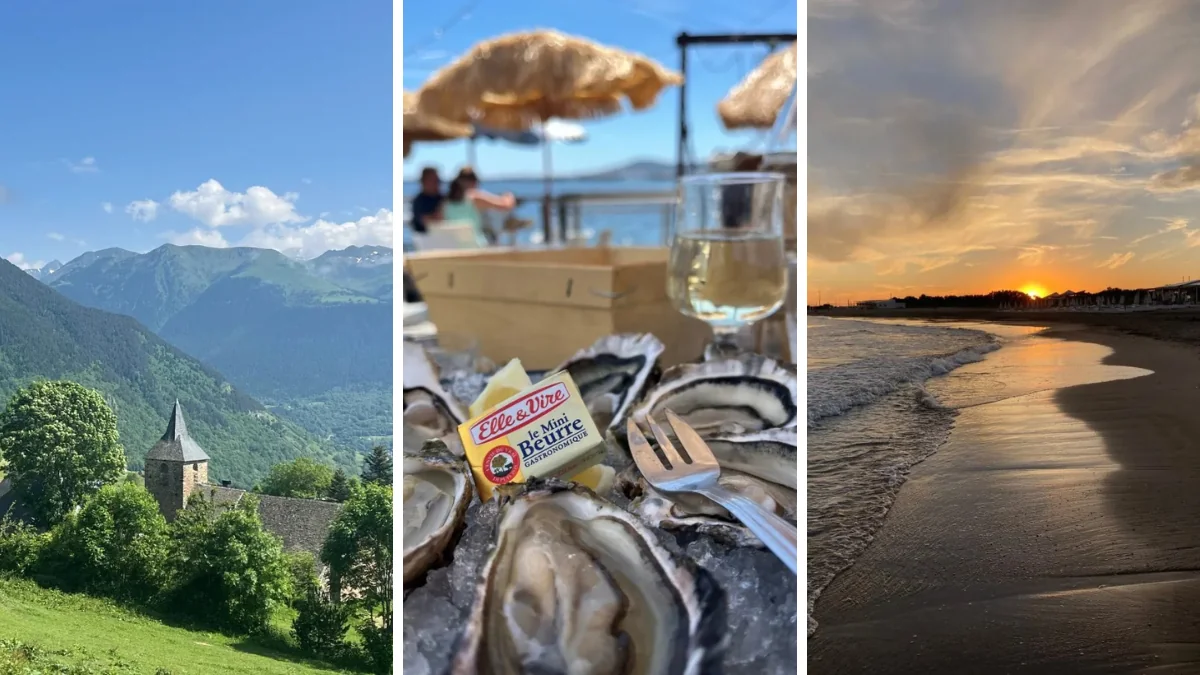
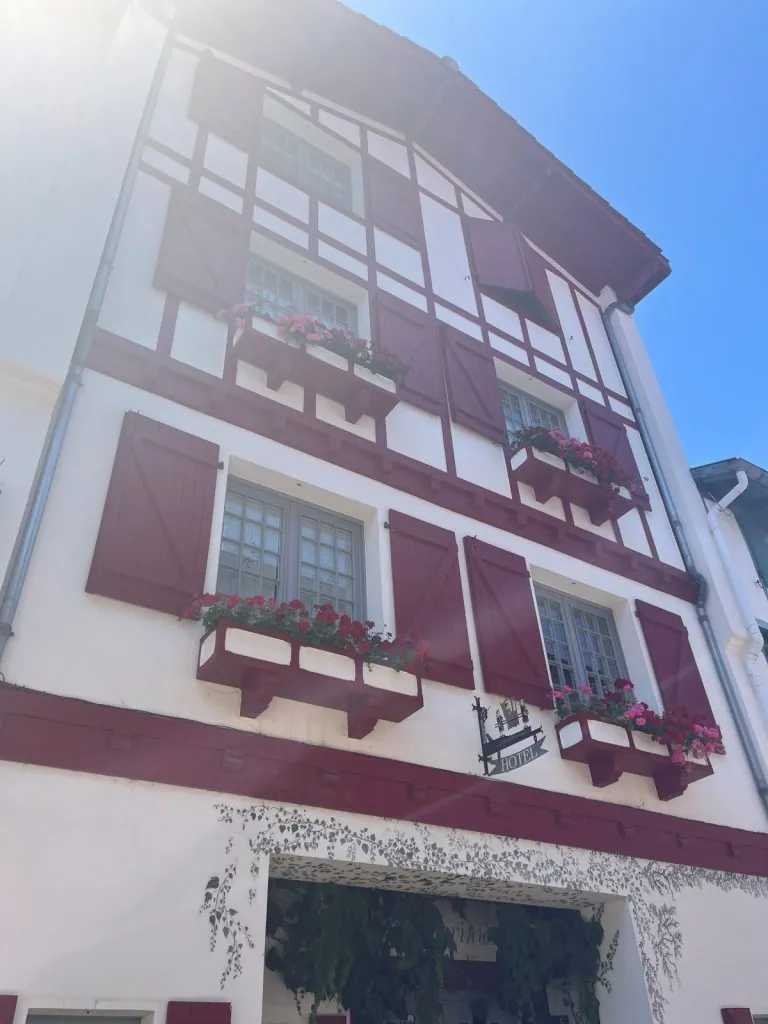
My journey begins on the wild Atlantic coast with its salt-splashed winds and ancient Basque history. Bayonne is the capital of the Basque Country and here you'll find a bit of a metropolitan pulse mixed with plenty of Basque history.
 Tweet
Tweet Share
Share Share
Share Pin
Pin Share
Share Share
ShareTable of contents
The journey starts in Bayonne on the Atlantic coast
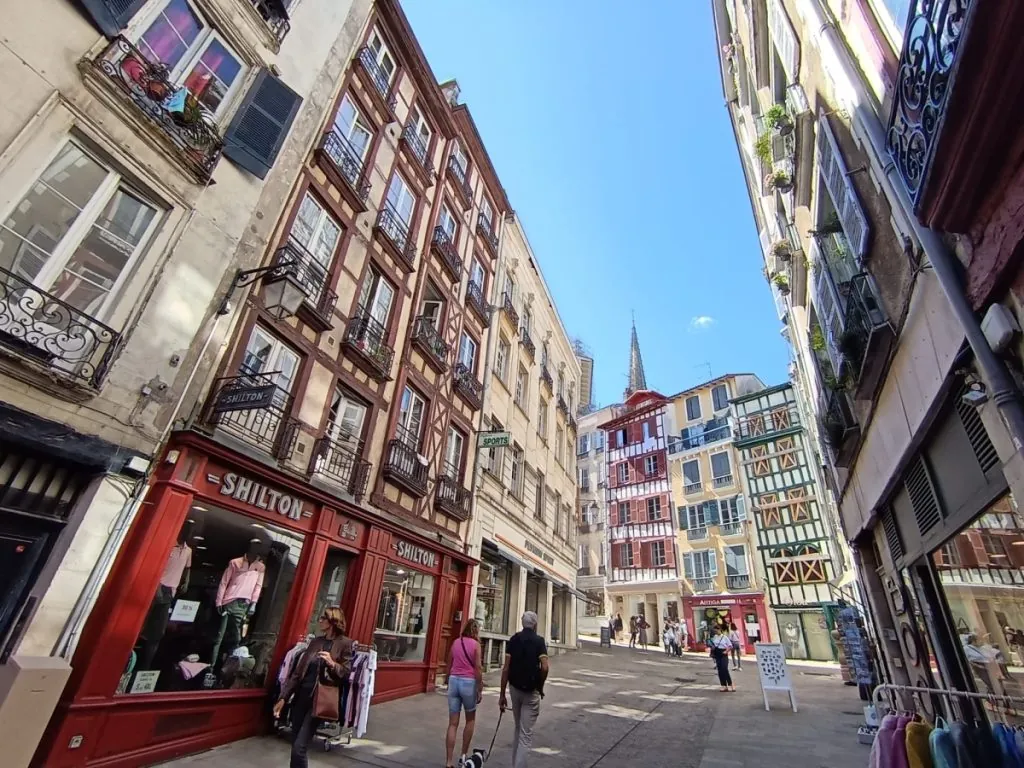
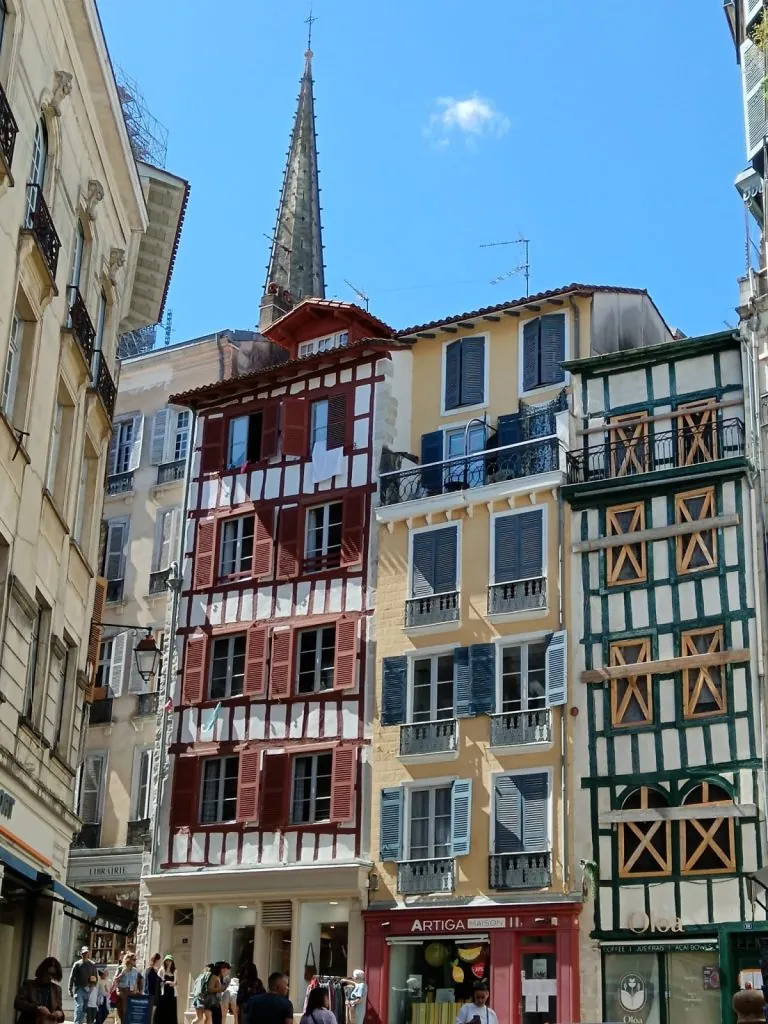
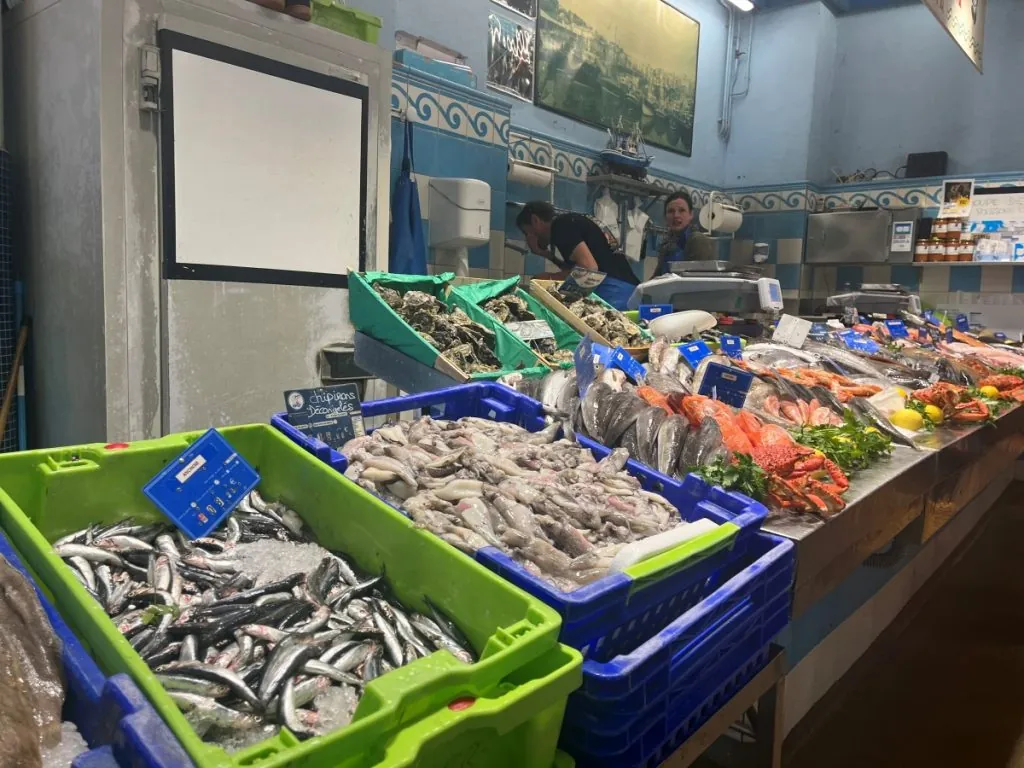
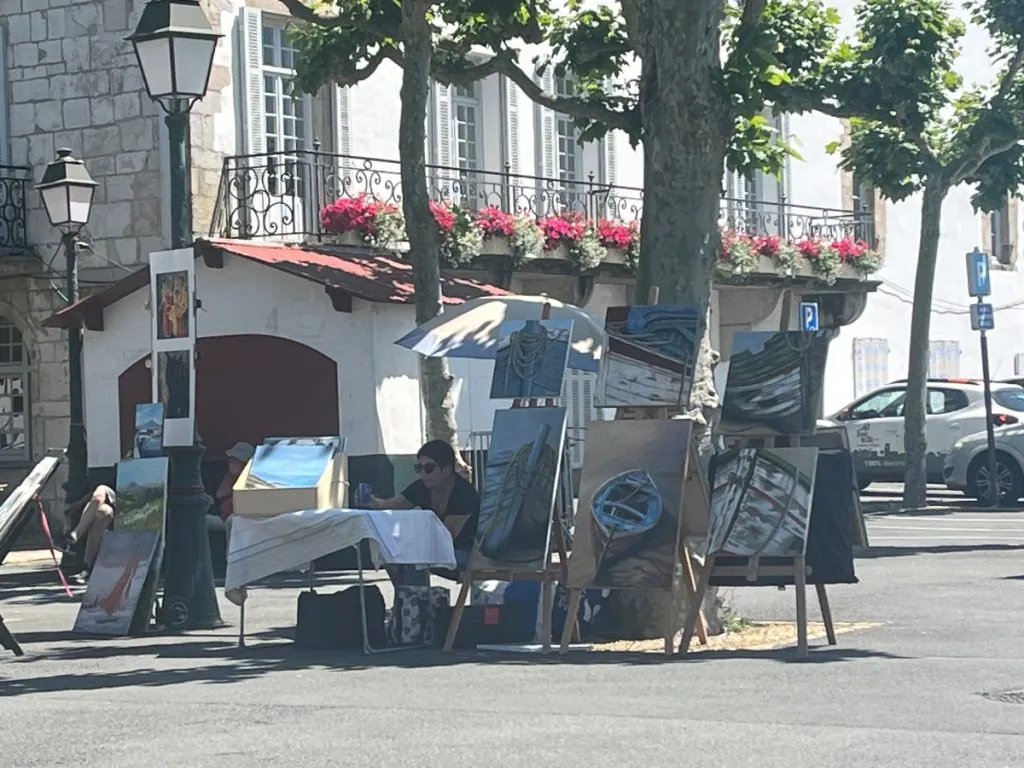
Bayonne is an incredibly beautiful city and I love wandering the narrow alleys of the old town, eating authentic Bayonne ham from the many charcuterie shops and soaking up the atmosphere from one of the many charming cafés.
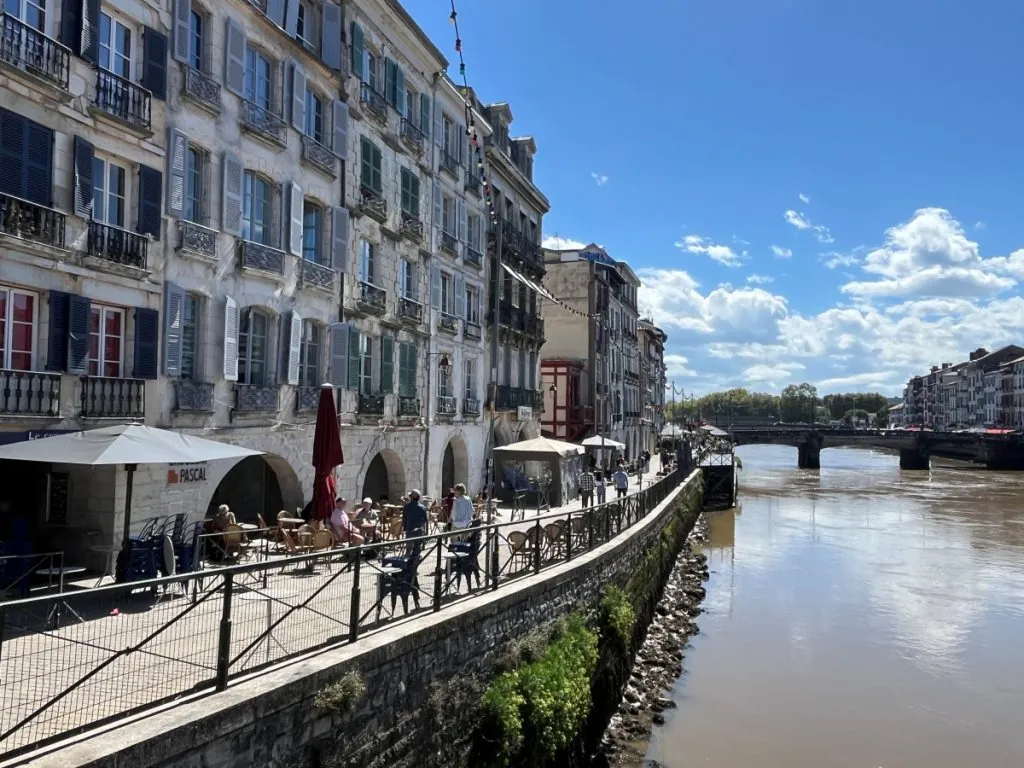
Several languages such as French, Spanish, Basque and English are spoken here as it is the major hub between north, south and east.
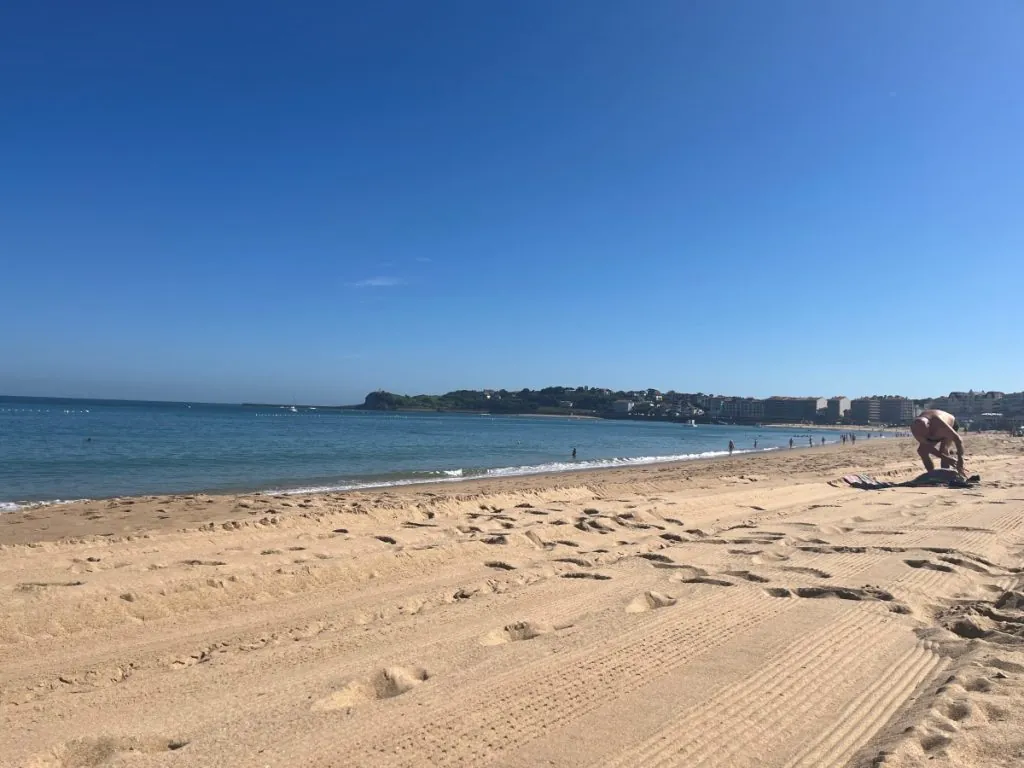
North of Bayonne, there are miles of beautiful chalk-white beaches stretching all along the Atlantic coast up to Arcachon outside Bordeaux. A diamond among beaches where you can swim and enjoy without crowds all year round except for a few weeks in August, when the area is teeming with tourists from around the world.
South of Bayonne are the resorts of Biarritz, Guethary, Saint-Jean-de-Luz, Hendaye and on the Spanish side the beautiful town of San Sebastian. There are local trains between the towns and also buses, so it's very easy to take day trips for a few euros and experience the culture from several places.
San Sebastian, which was occupied for many years, is today an incomparably beautiful coastal town with a long beautiful beach and wonderful tapas places in the old town. A place to discover and I will return here again and again.
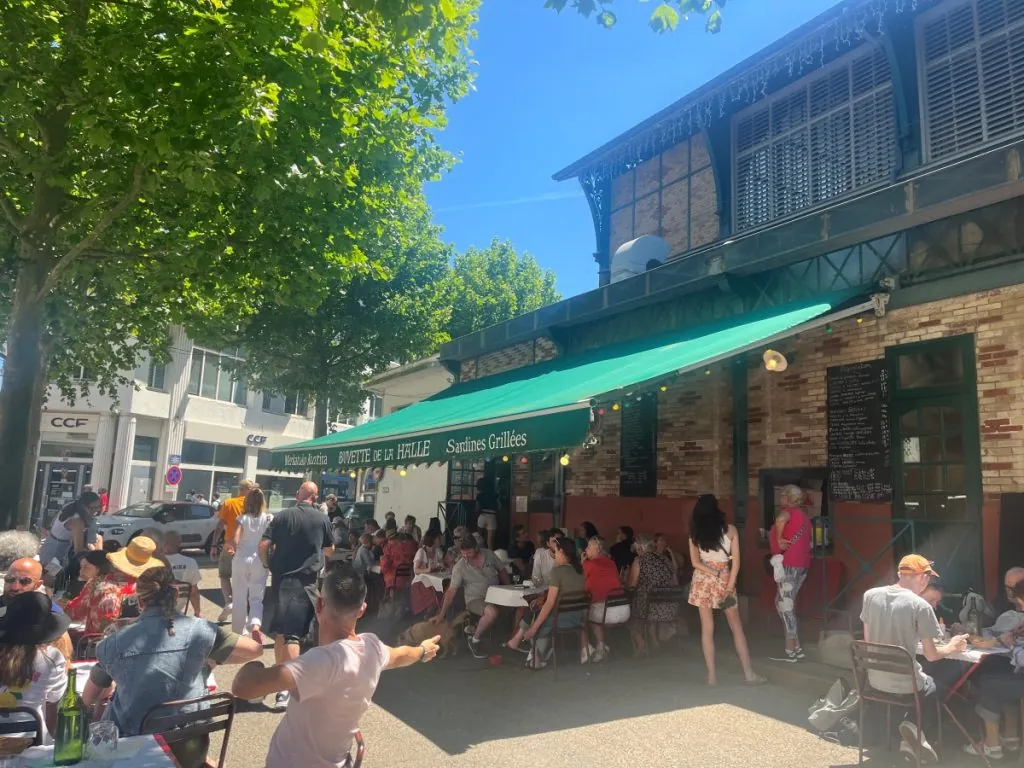
But today we are going on another journey starting from the beautiful train station of Bayonne through the whole south-west of France with stops in Pau, Toulouse, Carcassonne and ending in Séte and Montpellier on the Mediterranean.

So here we go.
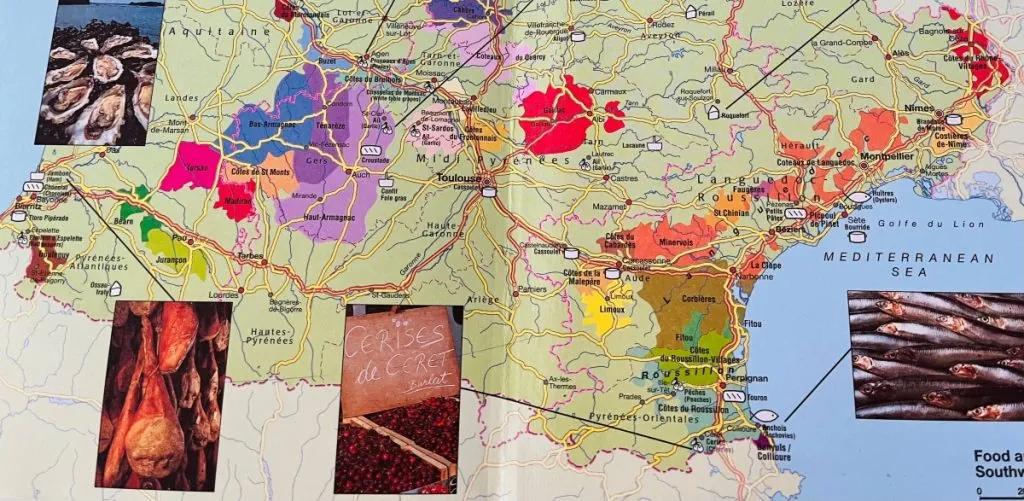
By train to the Pyrenees
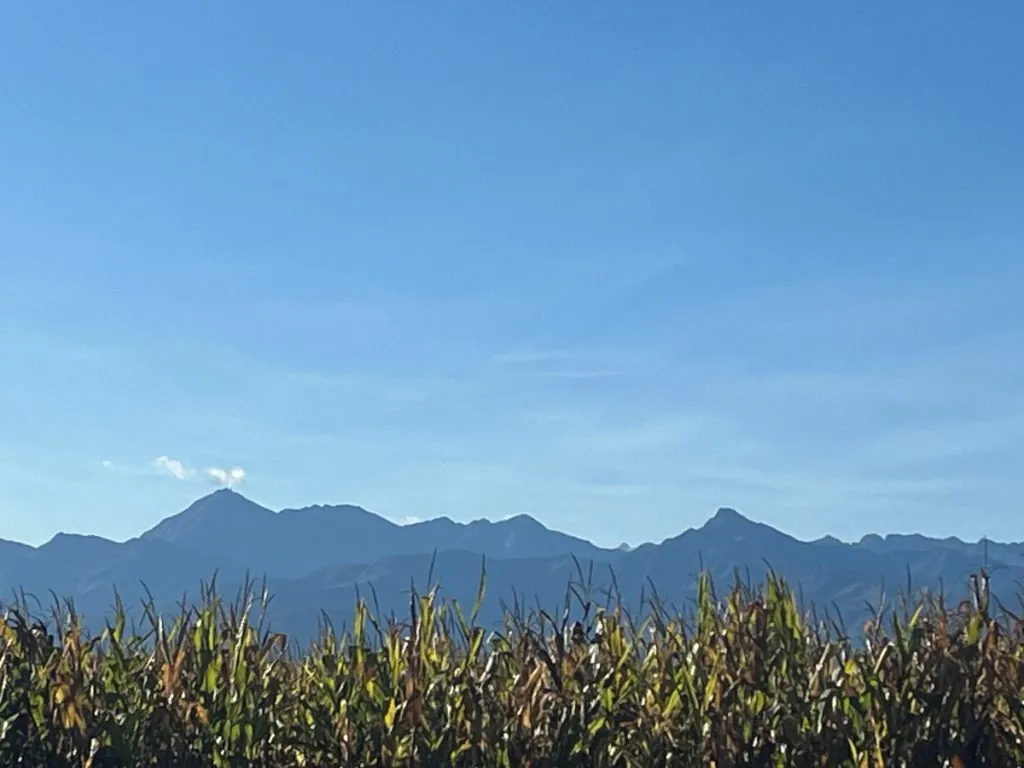
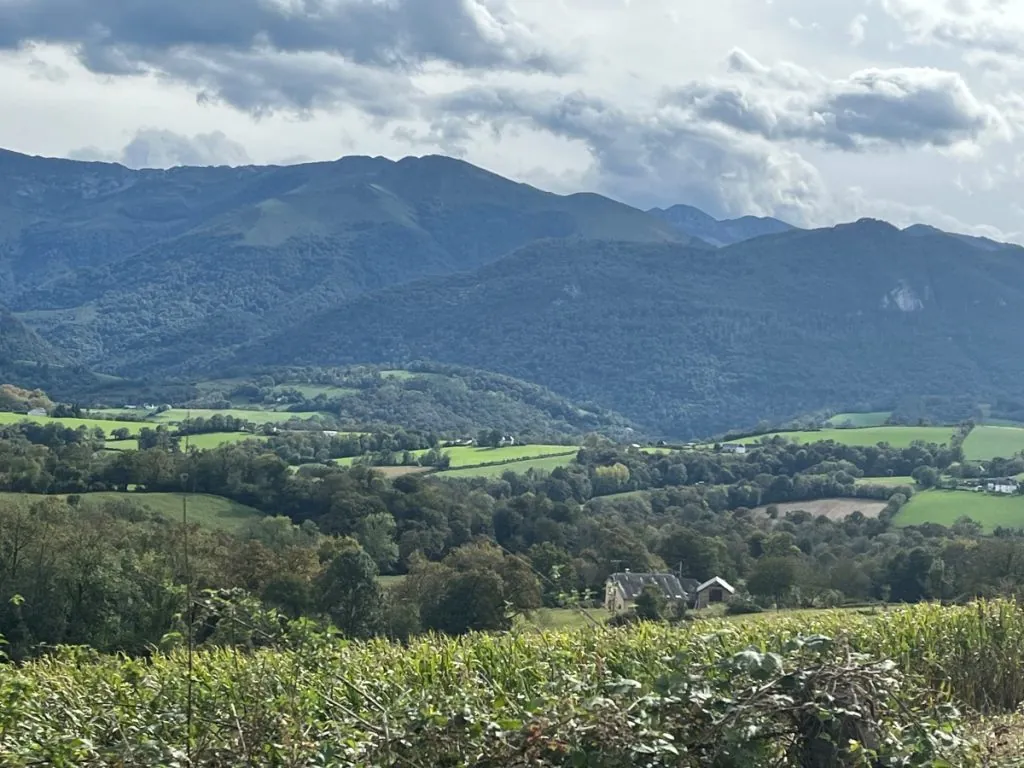
We drive through the beautiful Basque countryside with its well-kept white houses with red knots, the colours of the region. Miles of sunflower and corn fields sweep past and now in September it is harvest time and there is full activity everywhere.
After half an hour's journey by train, the Pyrenees reveal their proud and majestic mountain massifs. The silhouette is incomparably beautiful and I am dumbfounded every time the magnificent mountain range appears. Now we go into another part of the country into the beautiful historic "Bearn" with large beautiful stone houses, rolling hills and vineyards as far as the eye can see.
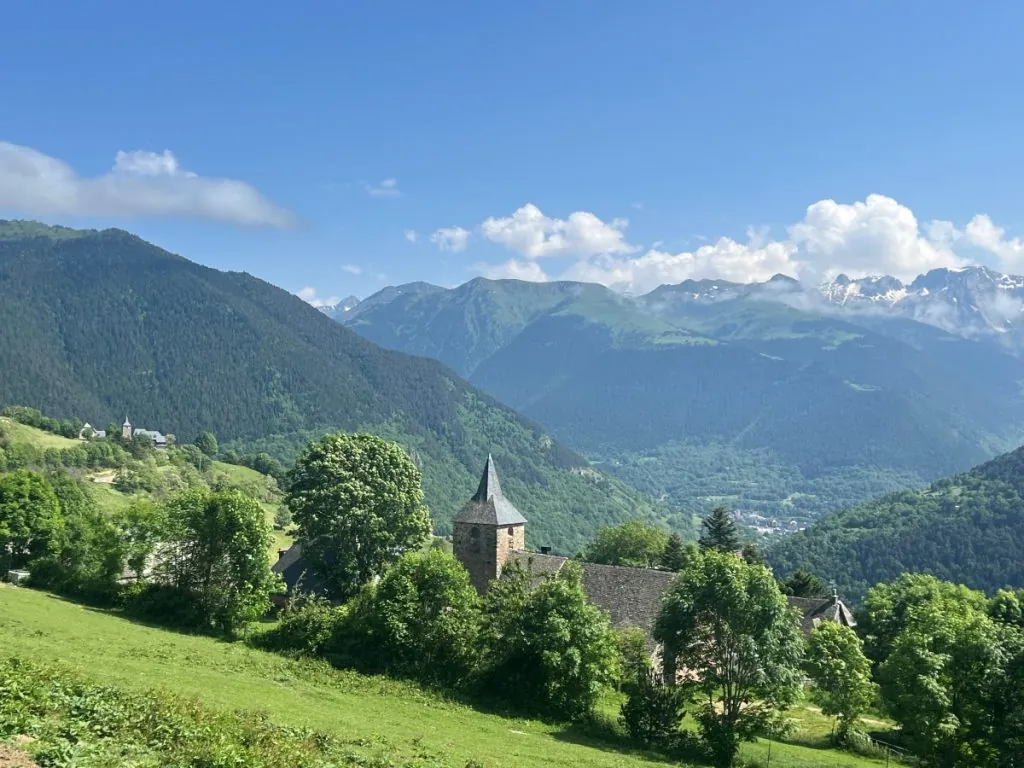
Train stop 1: Pau at the edge of the Pyrenees
An hour after leaving the coast, I arrive in the old royal city of Pau on the edge of the Pyrenees. The famous French king Henry IV (1553-1610) was born in the beautiful grand castle in the old town and Pau was an important city for trade and Napoleon Bonaparte (1769-1821) had the castle as his refuge with his wife Josephine.
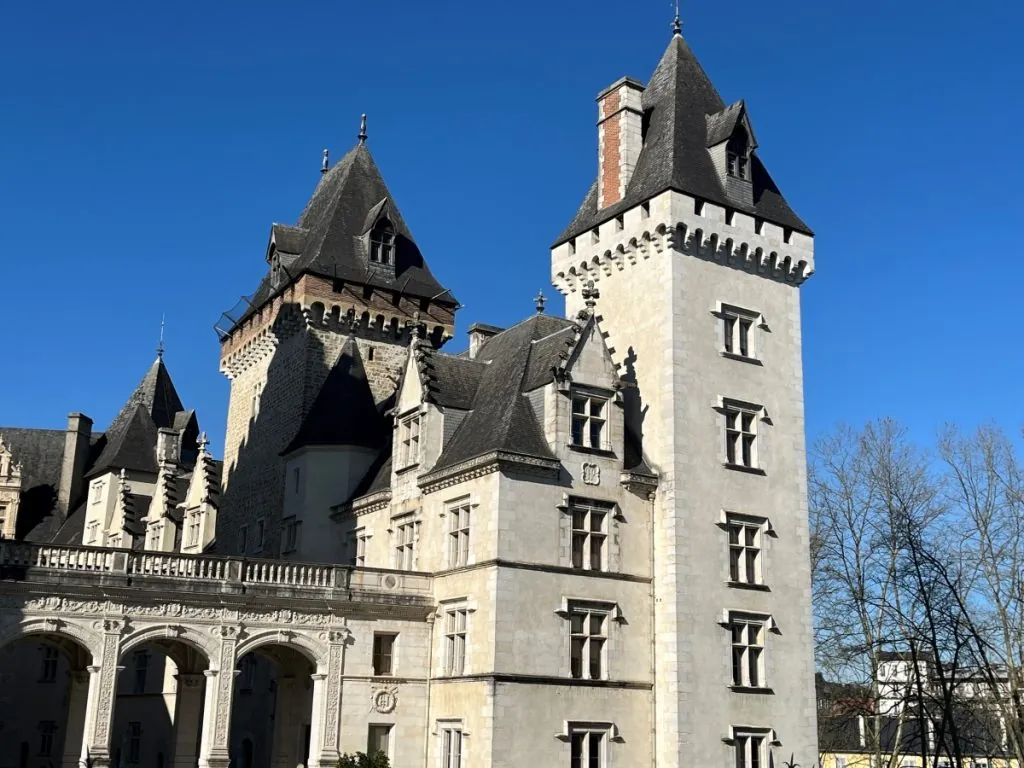
The other royal story is that in the early 19th century, Sweden lacked a crown prince and looked to Europe to find a suitable candidate. The choice fell on the renowned military man Jean-Babtiste Bernadotte (1763-1844), later Charles XIV John of Sweden, from the town of Pau, who had fought for several years as a colleague of Napoleon. The Bernadotte family is the ruling royal family to this day and many words in our Swedish vocabulary are French, certainly influenced by King Jean-Babtiste and Queen Desirée Bernadotte (born in Marseille).
I grab my suitcase and take the small tram up to the edge of town, as Pau is perched on a hill with miles of views of the Pyrenees.
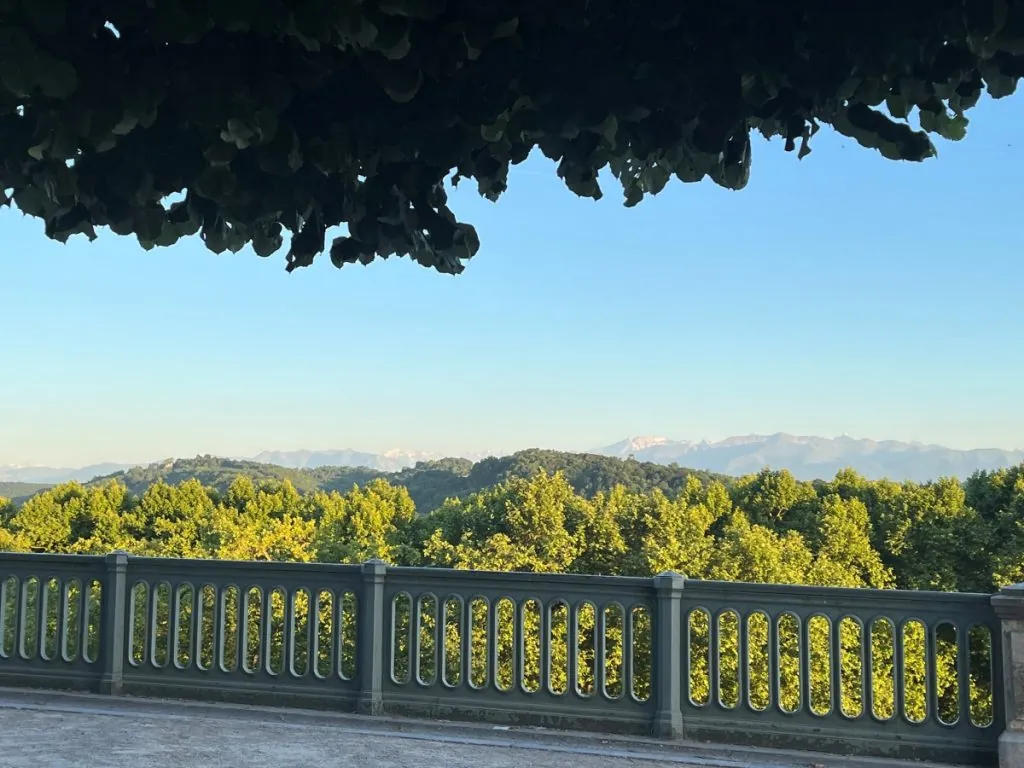
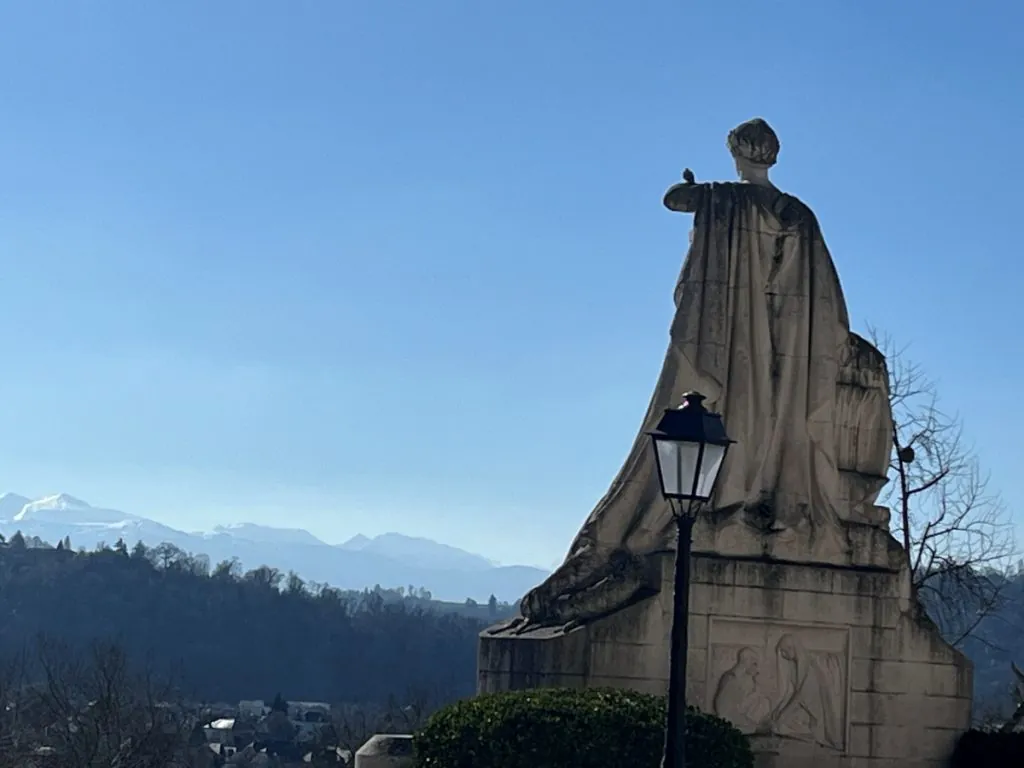
Pau is a very cultural city with many international elements, museums, concerts, art and a popular university attract people from all corners of the world. Hikers, skiers in winter, visitors to the religious town of Lourdes, backpackers and locals mix here.
Spending a few days or a couple of weeks discovering this beautiful area is recommended and hiring a car from the train station is super easy and then it's off you go. South of Pau is the beautiful Juracon wine region and north is Saint Mont, so within a 30-60 minute radius either way, the scenery is incomparable and characterised by countryside, rolling fields, vineyards, cosy French villages and wonderful local food such as Foi Gras (the famous foie gras pâté), cheeses such as Brebi (sheep), Chèvre (goat), wonderful rich stews and of course the Bearnaise sauce which originates and takes its name from the region of "Bearn".
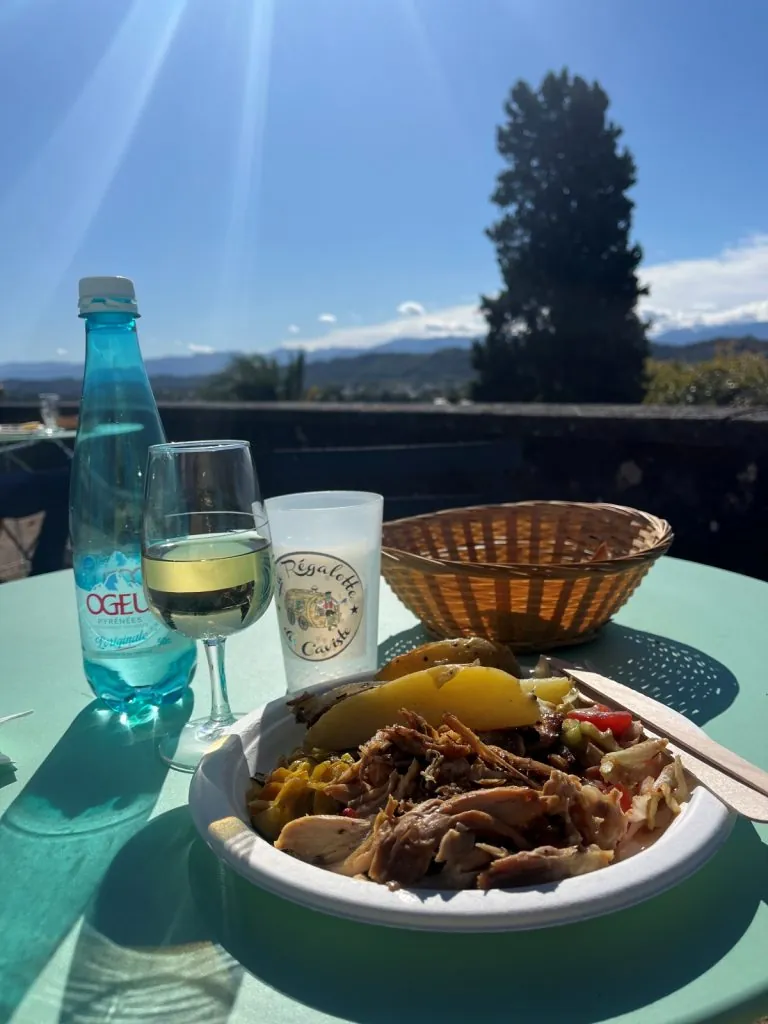
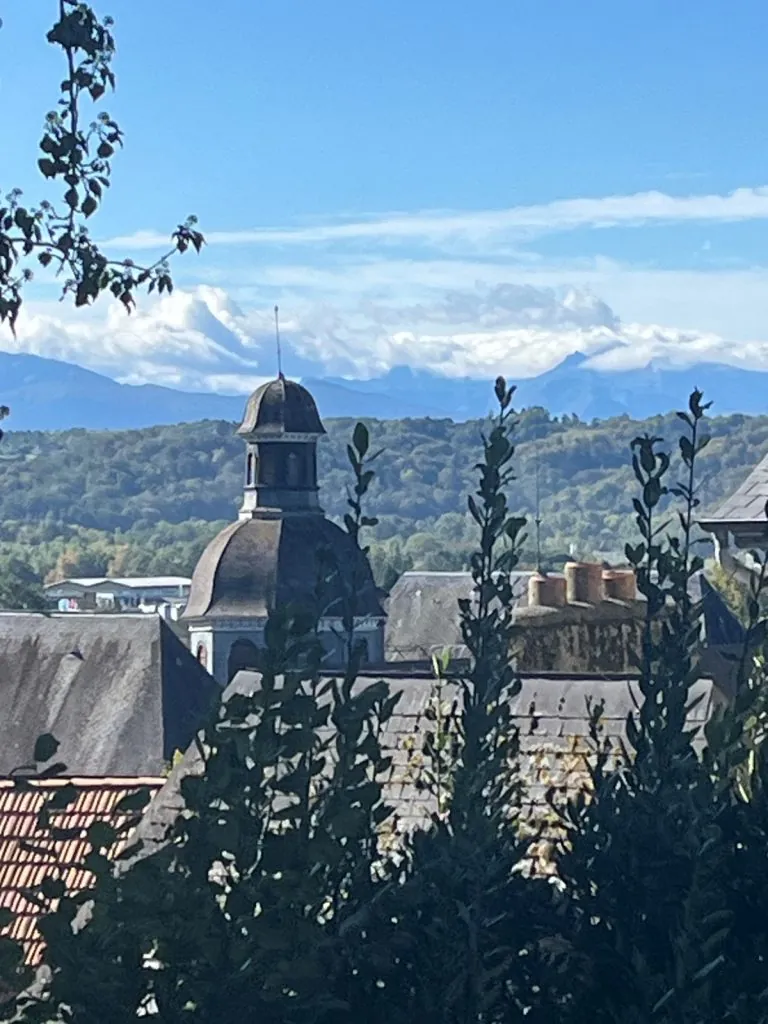
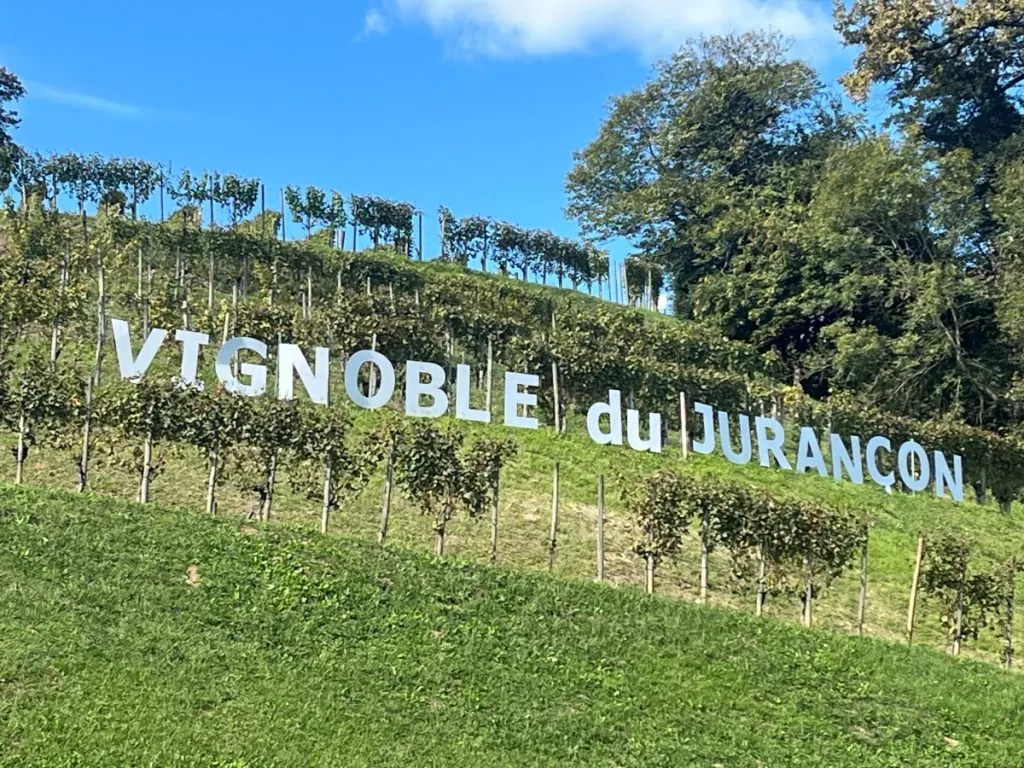
If you like hiking like I do, it's perfect to stay in Pau and day-commute out to the various hiking stations that in winter turn into perfect ski resorts.
30 minutes from Pau is the beautiful town of Lourdes, one of the holiest sites in the Catholic religion. Take a day trip by train, stroll around the small town and visit the beautiful cathedral. Avoid major holidays, however, as the area is overbooked by travelling religious people from all over the world and there can be large crowds.
Train stop 2: Toulouse - the pink city
The journey continues by train to Toulouse, also known as the pink city, as almost all buildings are made of pink-coloured bricks. From the Toulouse-Matabiau train station (with train services to all corners of France), it's only a 10-minute walk to the city centre.
Toulouse is the fourth largest city in France with almost half a million inhabitants, 100,000 thousand of whom are students from all over the world, making it a lively and international city where both French and English are perfectly functional.
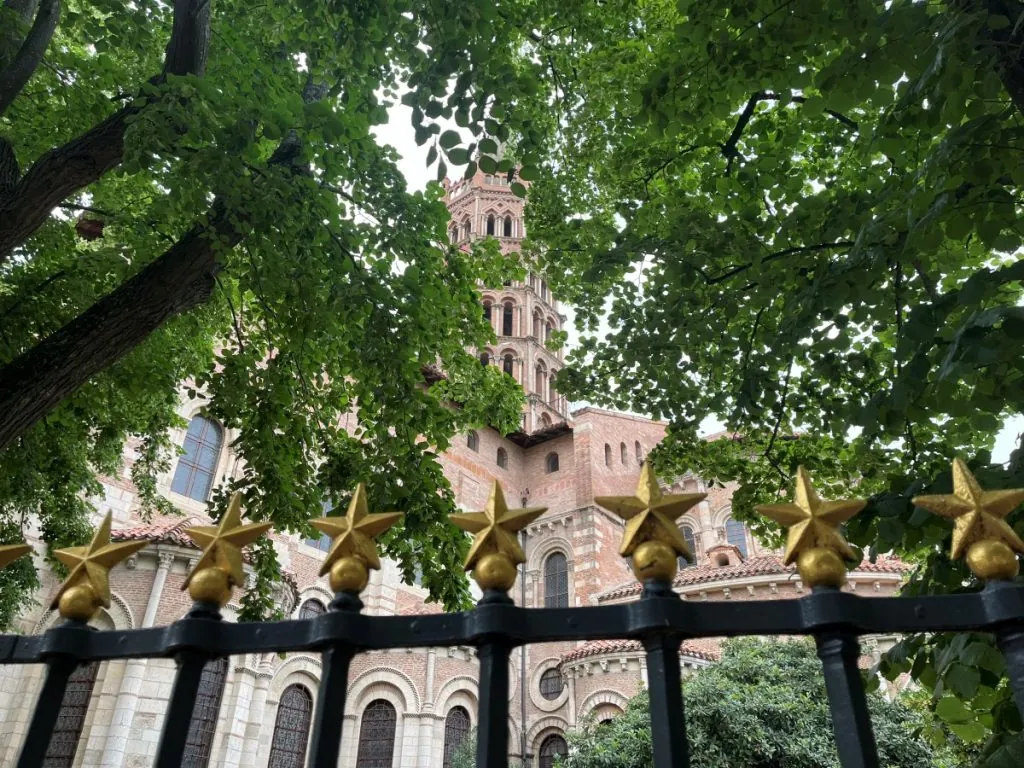
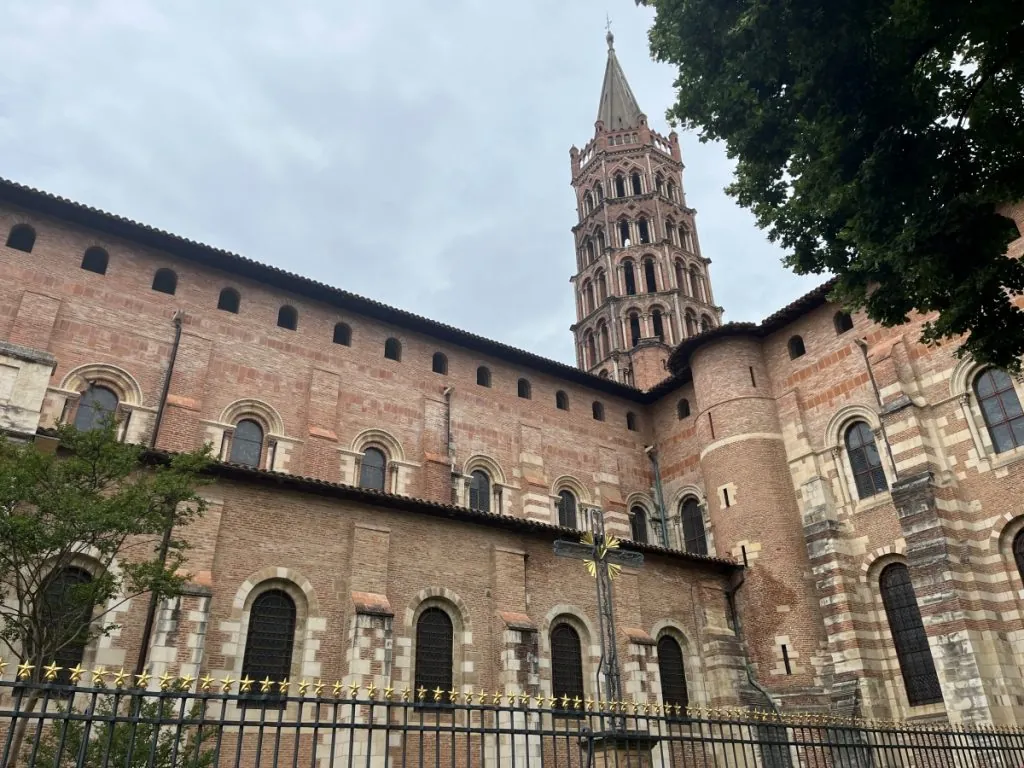
It is also home to aircraft manufacturing, and Air Bus is one of the largest employers, with a large international workforce and a reputation for high living standards.
The AirBus museum "Aeroscopia" is highly recommended and is suitable for both children and adults.
Toulouse is a very walkable city and I love to stroll in the beautiful alleys and along the river Garonne, sit down in one of the many cafes, eat in small wonderful restaurants, visit museums, go to concerts. History is mixed with modern elements and Rugby is undoubtedly the biggest and most important sport here.
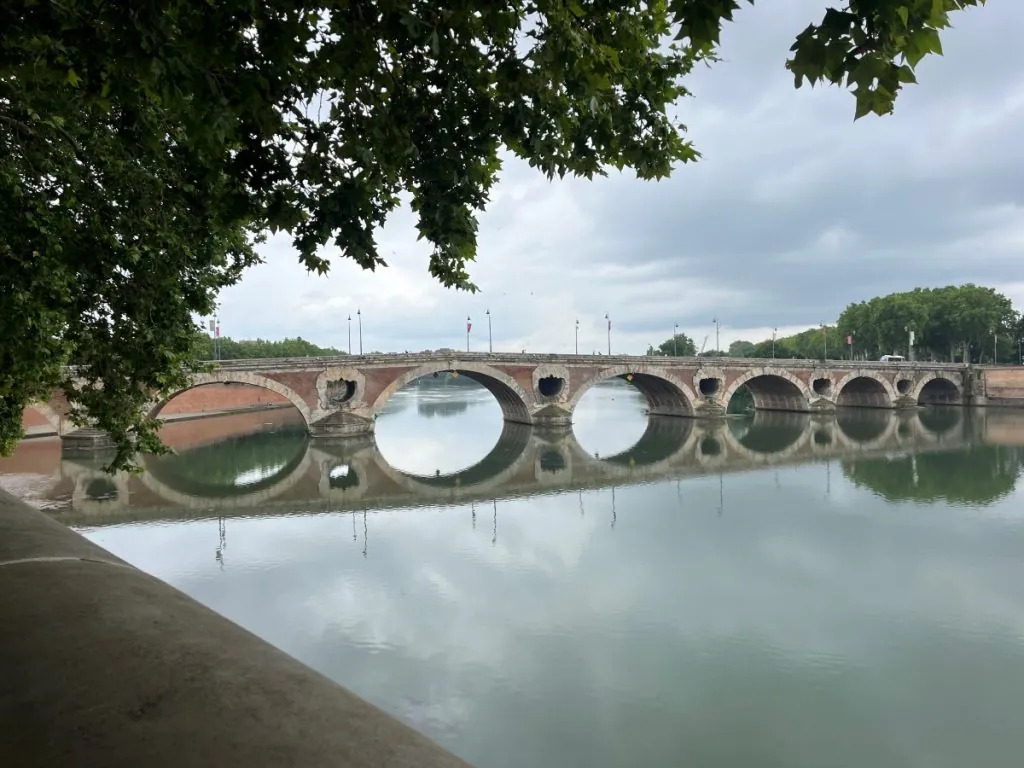
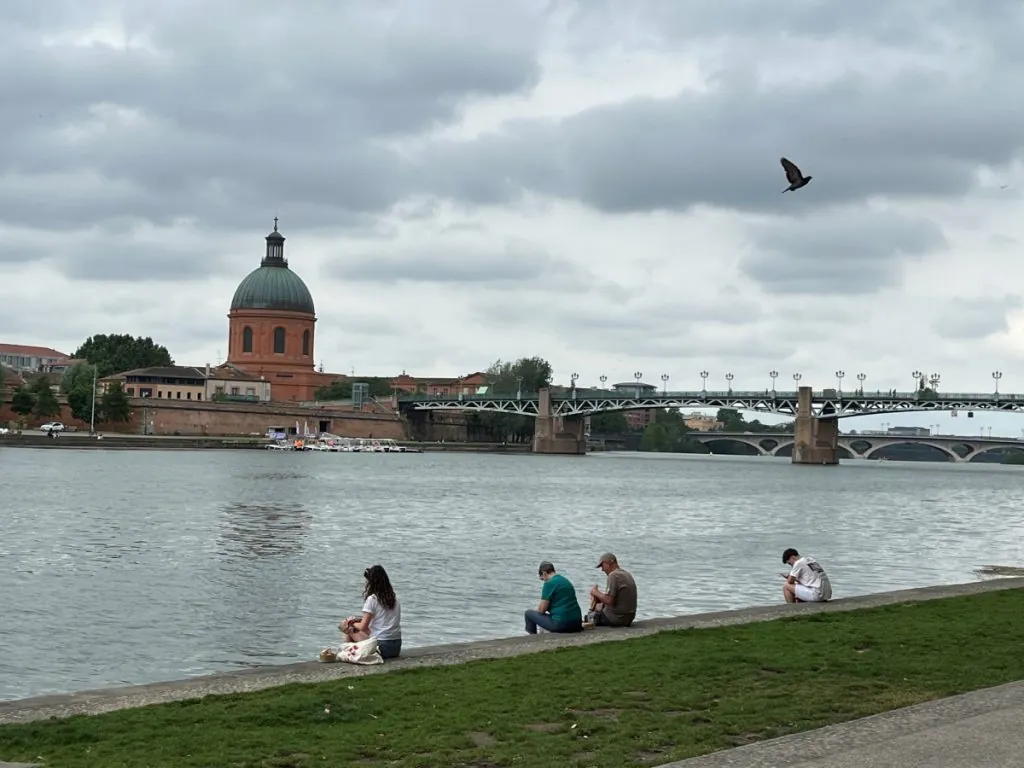
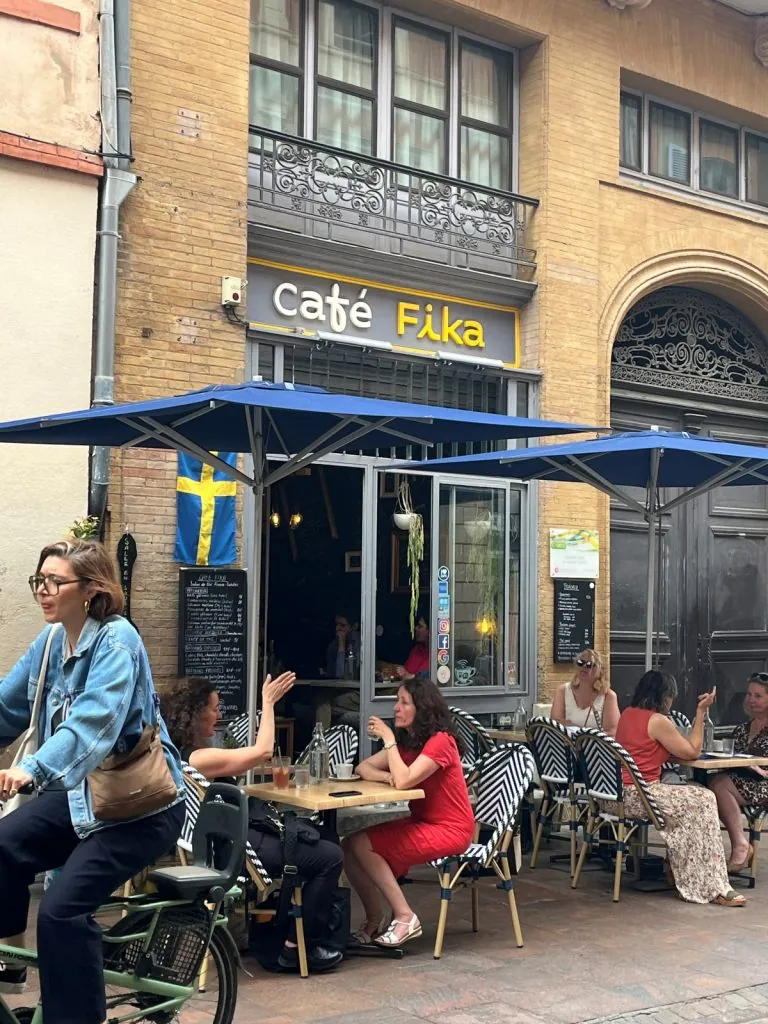
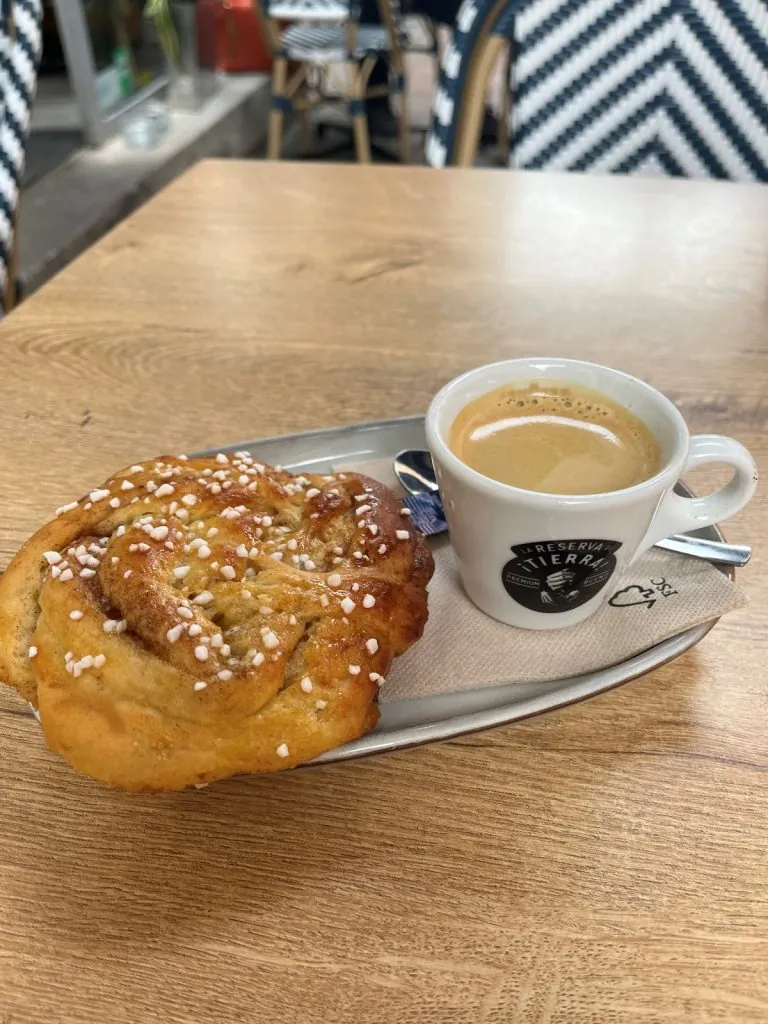
It is also home to a major international airport, Toulouse-Blagnac, making it an important hub in south-west France.
Train stop 3: Carcassone - welcome to the Middle Ages!
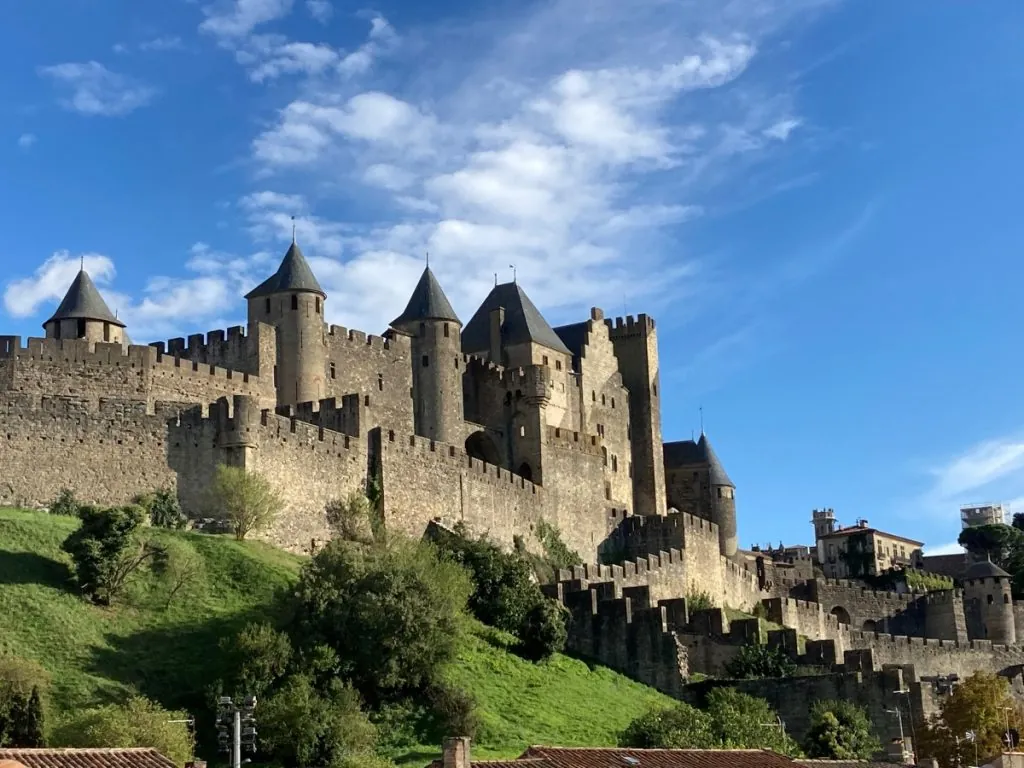
I change trains at Toulouse-Matabiau railway station and continue towards Carcassonne and the old incredibly beautiful and well-preserved medieval city "La Cité", which is like something out of a fairy tale and is a UNESCO World Heritage Site.
The journey takes less than an hour and suddenly you are in a completely different place with a completely different atmosphere in this incomparable country. The area is called "Aude" and it's all about wine, food, history, sacred monasteries and culture.
Carcassonne is divided into the new town and the old town, which makes it marvellous as you have both the typical French meeting the medieval wings.
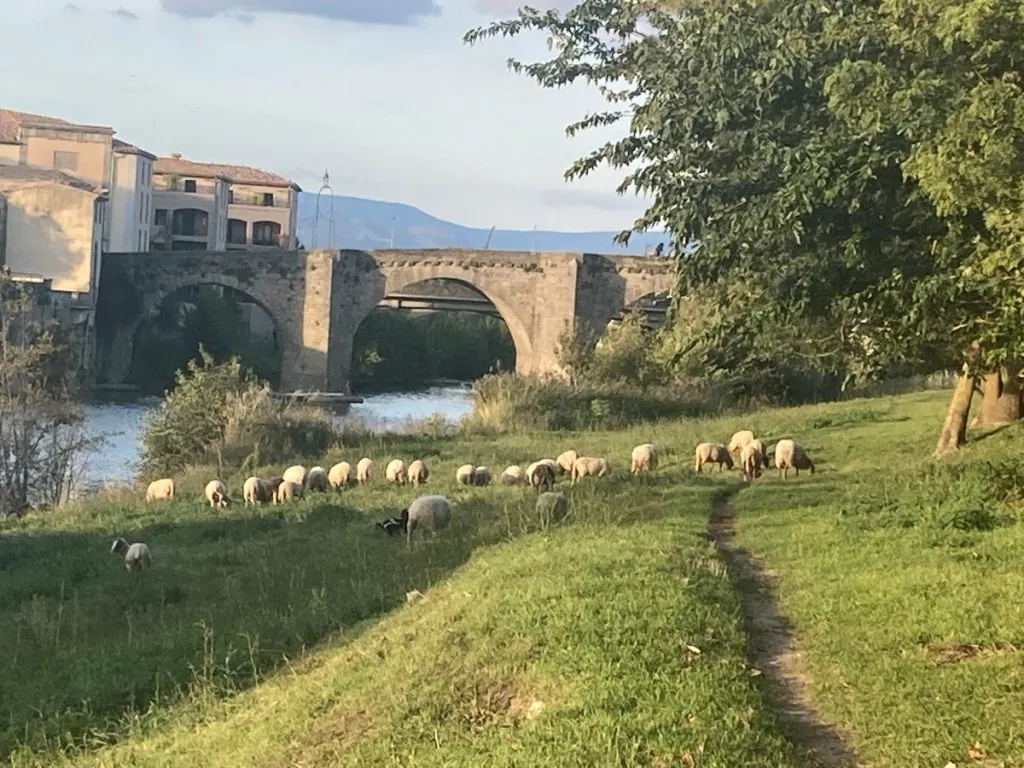
I walk through the city towards "La Cité" and cross the old beautiful bridge that connects the same city. It is so beautiful that you lose your breath every time and suddenly you step into another time long ago.
At the foot of "La Cité" you will find the old town of Carcassonne and I love discovering new exciting streets, stairs and paths that all lead up to "La Cité" Here you will find cosy antique shops, restaurants and small grocery stores with local food on the shelves. The beautiful park, which is adjacent to the river, is used extensively for running, yoga classes, games and pic nics by the locals.
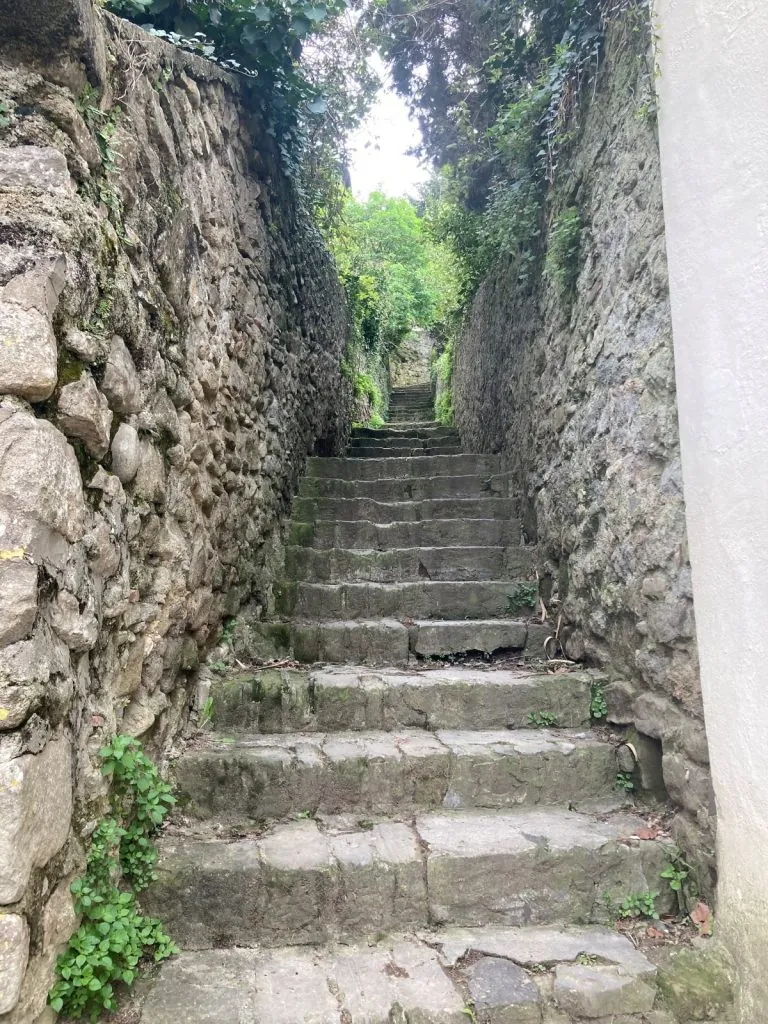
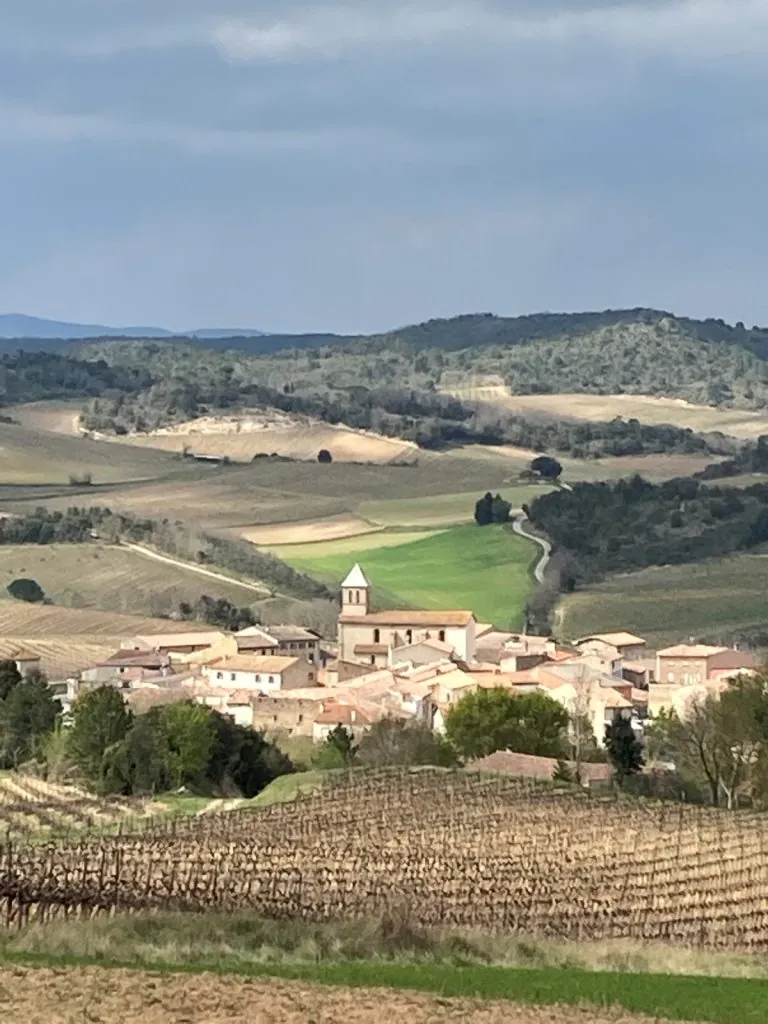
Walk up to the big entrance of "La Cité" and now you really step into another world. Here you can walk and discover new places for a whole day and still not discovered everything. It is really straight into the world of fairy tales with knights, princesses and it is almost like you are waiting for the great dragon to appear in the sky too, so the fairy tale is complete.
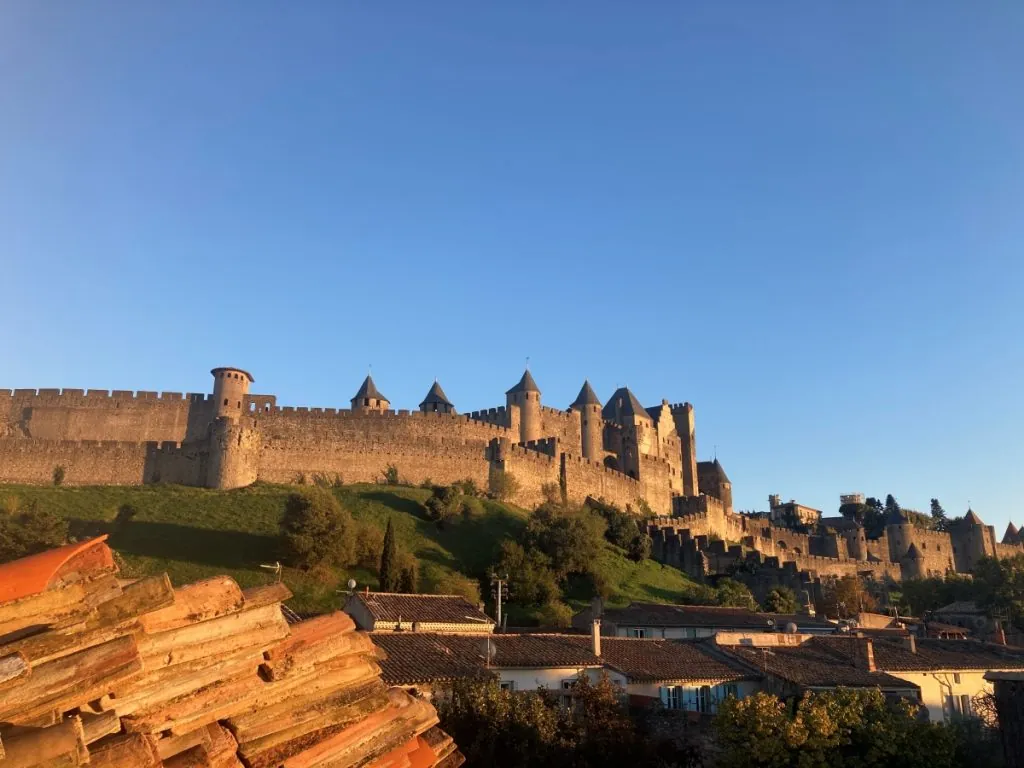
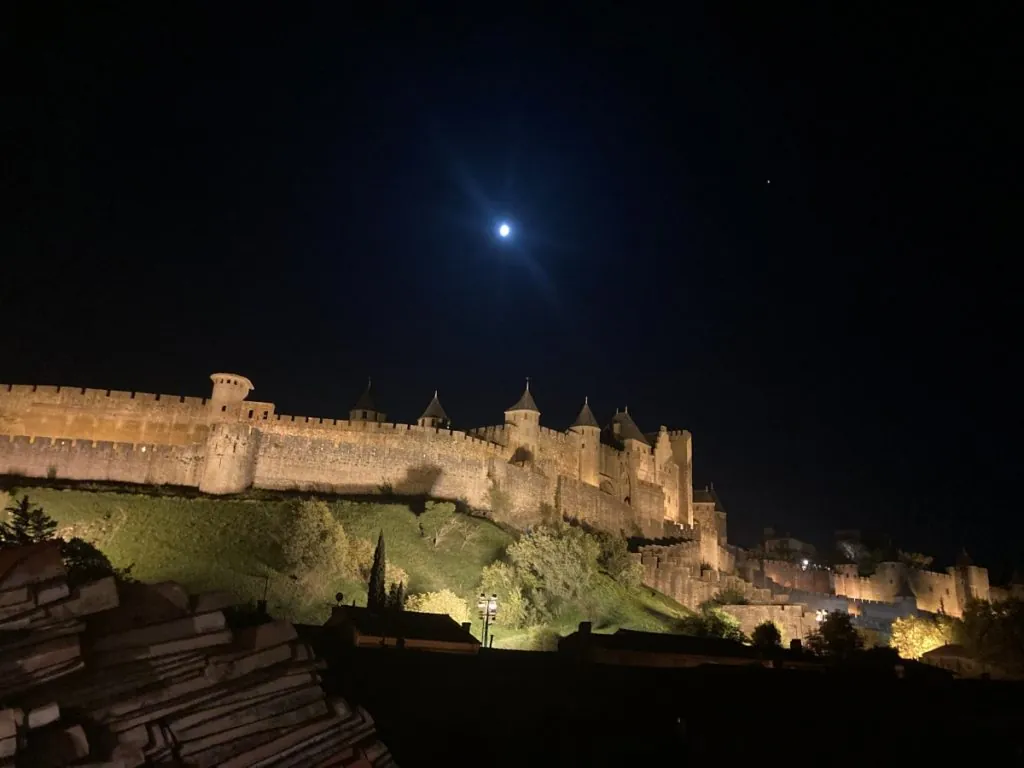
Now in late summer or early autumn, the big tourist groups are gone and the experience is even better as there is no crowding. In the evening, the city lights up the walls and going here for a good dinner is magical.
It is also home to the Canal du Midi, an incredibly popular riverboat experience. It is over 240 kilometres long and runs from Toulouse to the Mediterranean and Séte south of Montpellier.
Strolling along the river is fantastic and I can recommend an early morning walk with fresh croissants and coffee to be taken at the riverside and wave to the boats that quietly and slowly glide by.
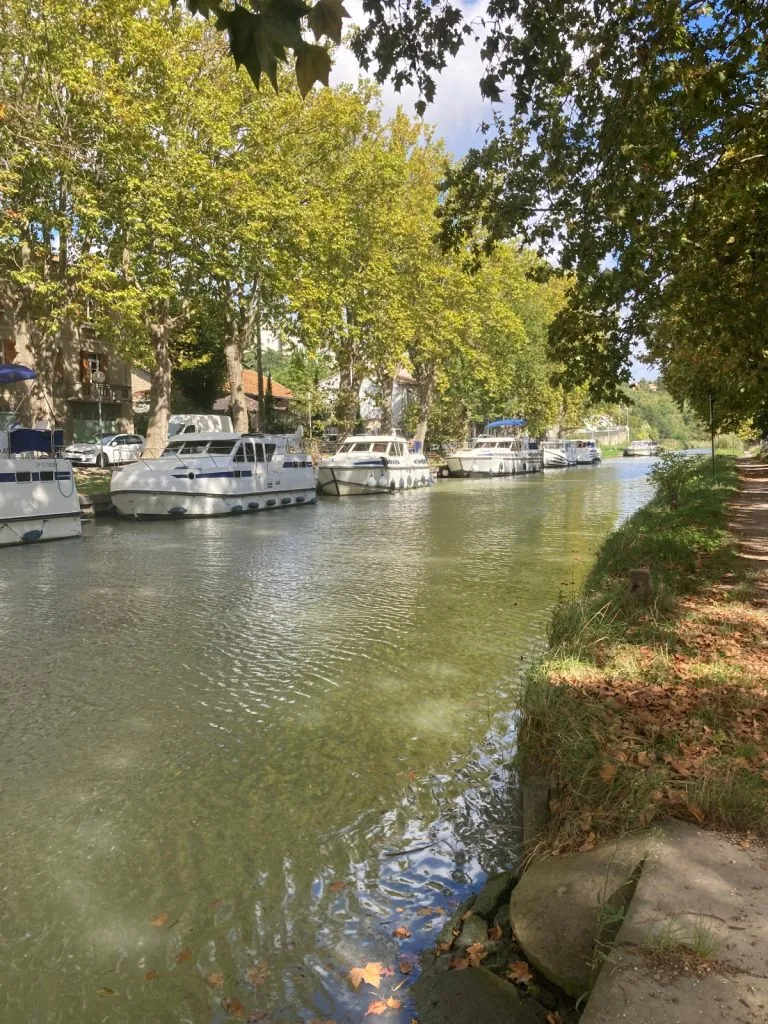
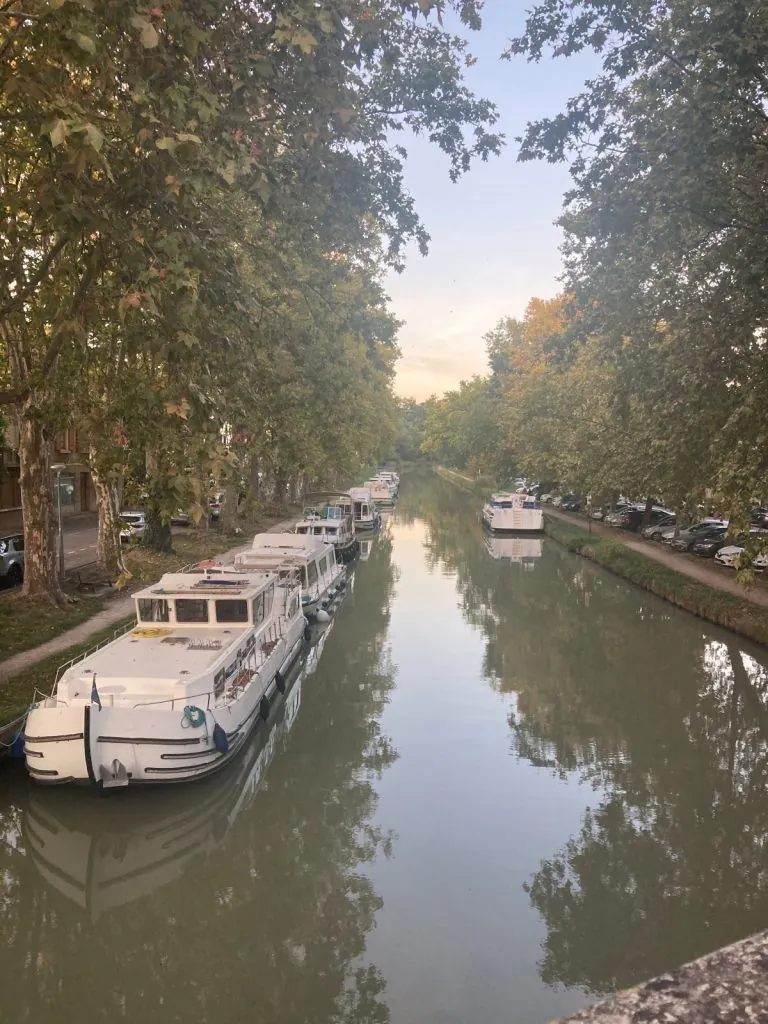
Visiting Carcassonne doesn't require a car as the city is perfect for walking. But to see the breathtakingly beautiful surroundings, including the fantastic wine and Cremant district around Limoux, you will need a car, which you can easily hire from the train station.
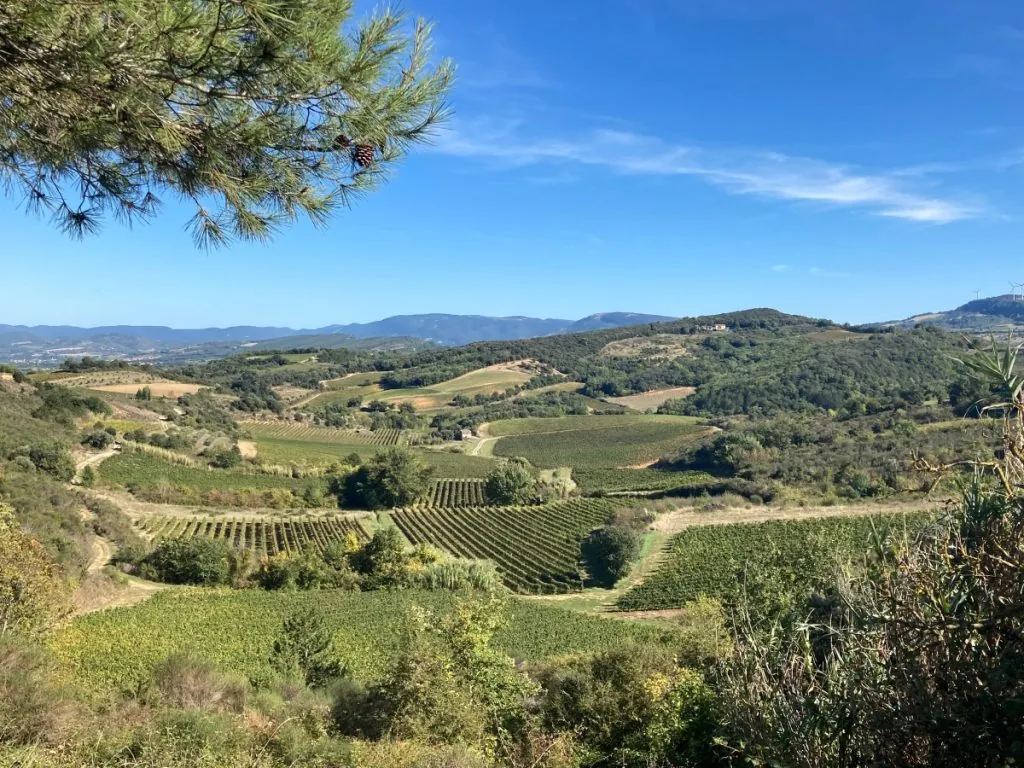
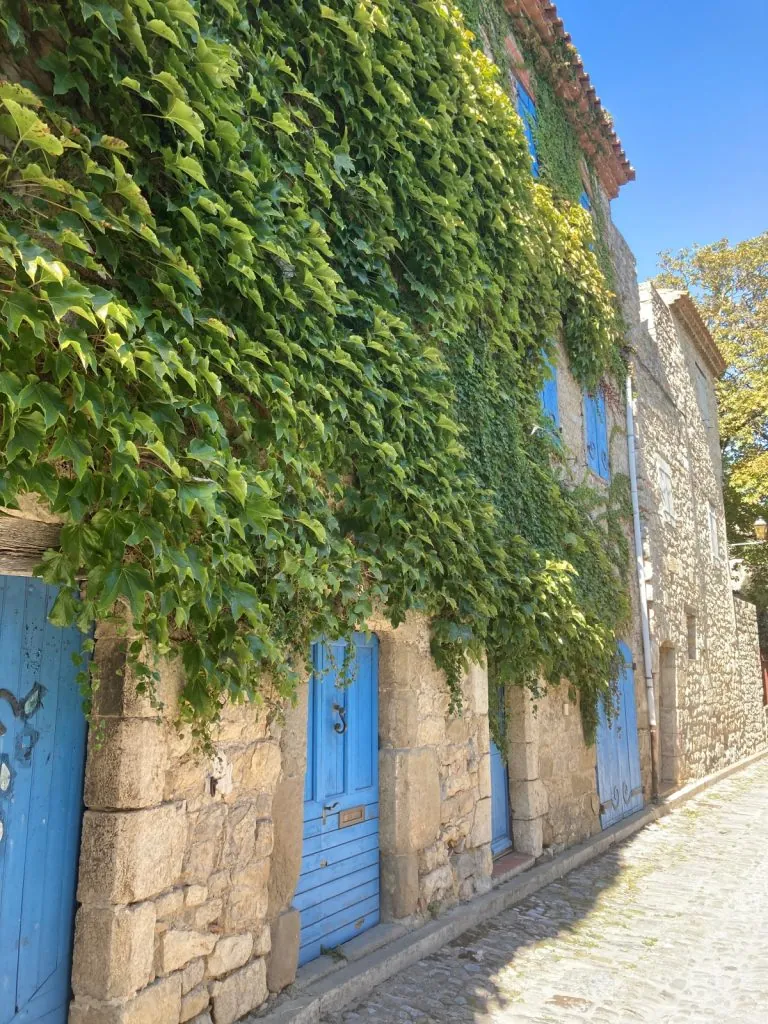
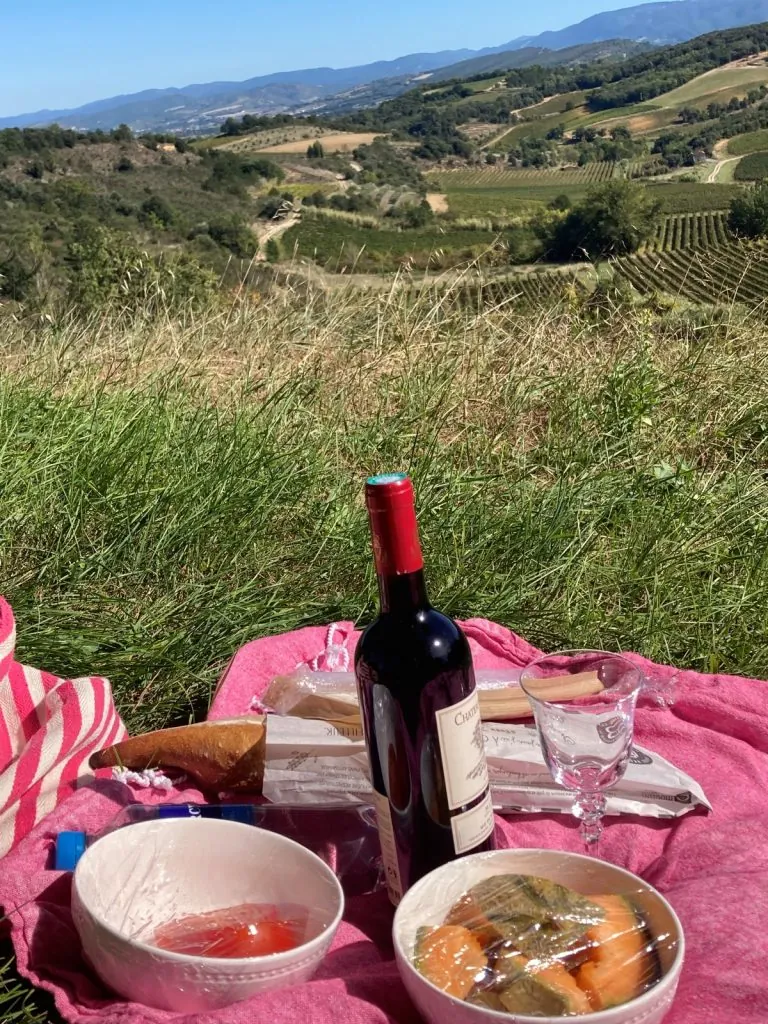
Limoux is, according to history, the area that created the first bubbly drink called Cremant here in the south and also known as Champagne and Cava. The Abbey of Saint-Hilaire is said to be the birthplace of the very first bubbly drink ever and a tour of the pretty little village with the beautiful abbey is a must. Everywhere you go there are wine shops "Cave" and vineyards inviting you to a tasting.
Train stop 4: Séte - "Little Venice"
Now it's time to hop on the train again towards the other coast and the Mediterranean with a first stop in Séte, the small rather unknown harbour town with history from Italy and called "little Venice" by the locals.
The beautiful train journey from Carcassonne to Séte takes about 1 ½ hours and we pass both Narbonne and Beziers on the way with the Mediterranean present all along the coastline.
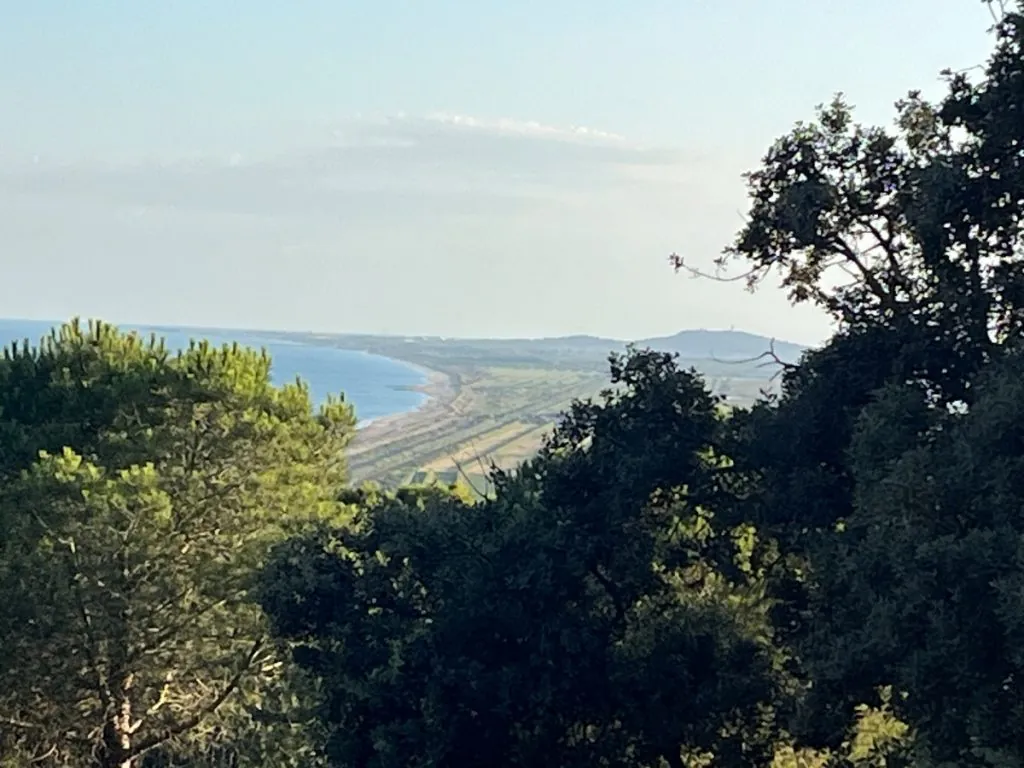
Séte belongs to the Herault and Montpellier region, but is completely its own in style and design. The fact that the city is called "little Venice" is immediately clear when you step out of the train station, as the canals with the boat life are in focus and the old beautiful houses stand proudly lined up along the water.
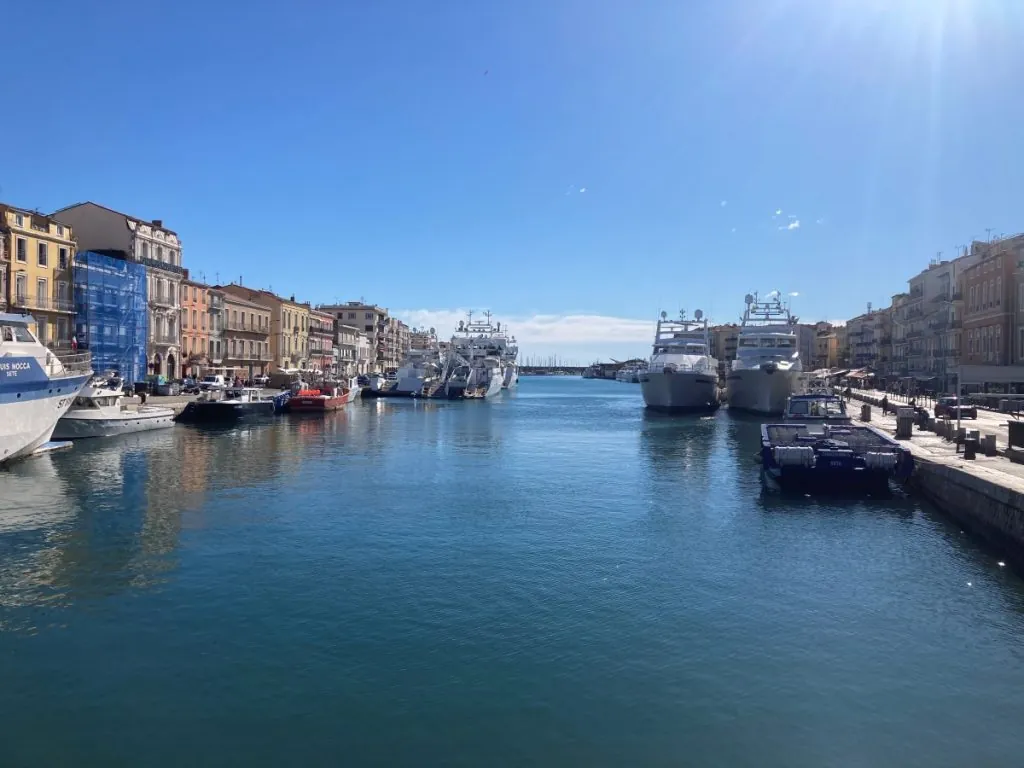
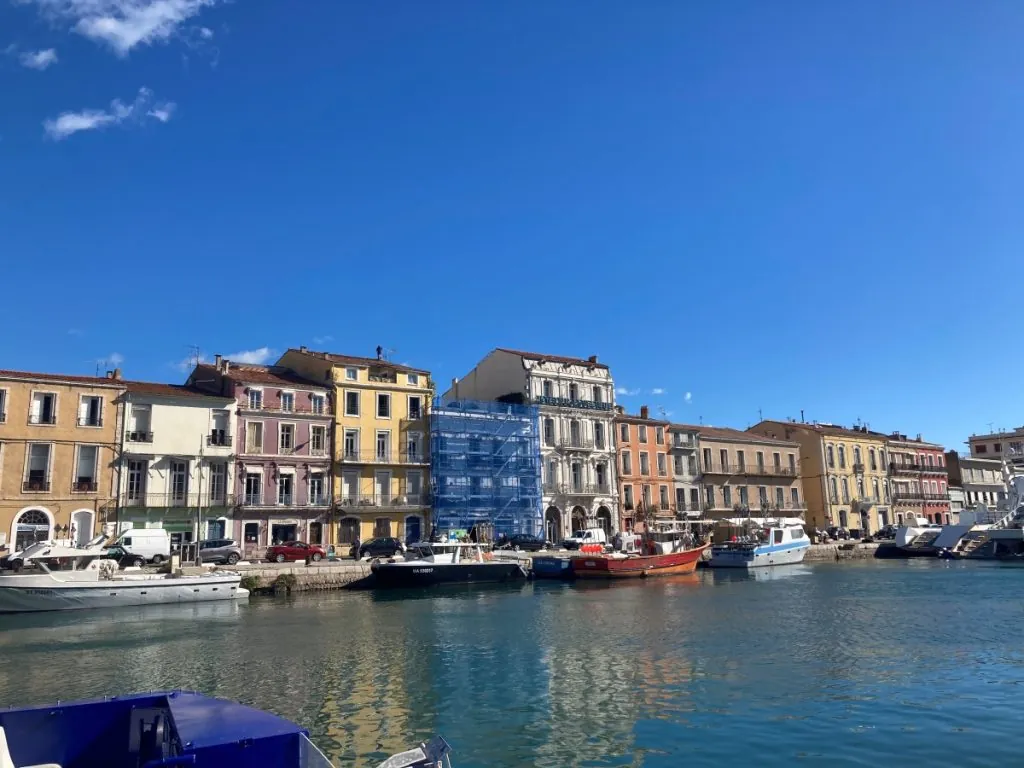
The large international harbour is there in the background, which is one of the most important ports for trade after Marseille. The city, which is partly built on the Mont Saint-Clair mountain, stands out in all its beautiful splendour. It is a quiet yet lively town with seafood as its main dishes and on the other side of the Etang de Thau, perhaps the best oyster farms in the Mediterranean are lined up with places like Bouzigues, Méze and Marseillan.
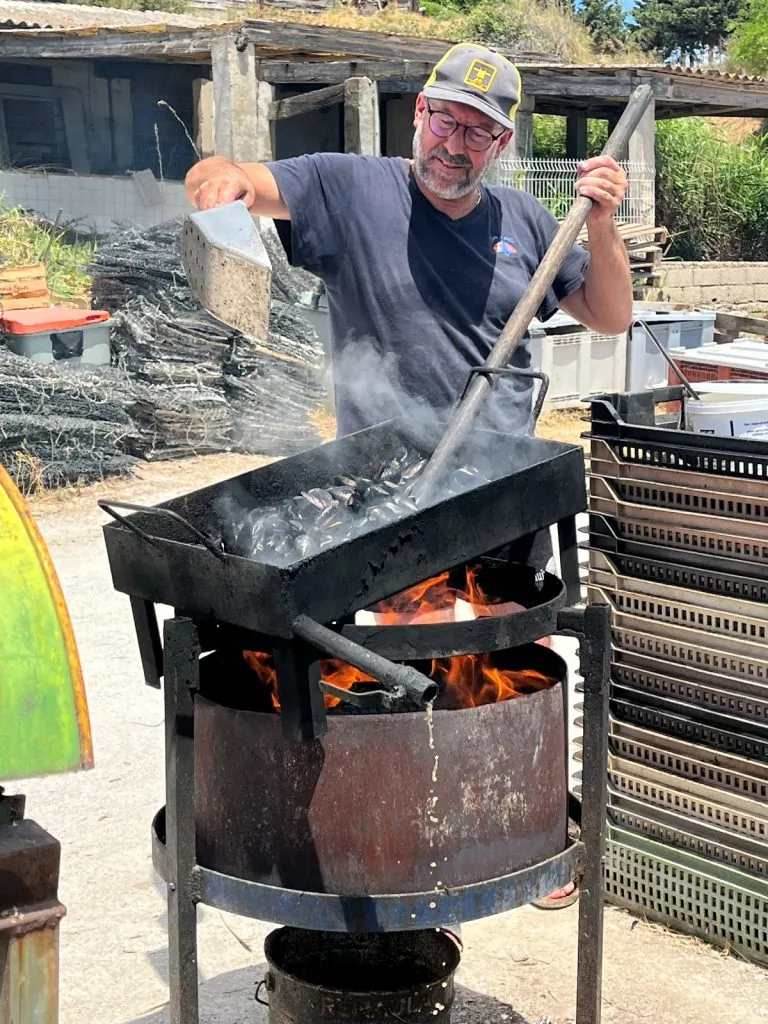
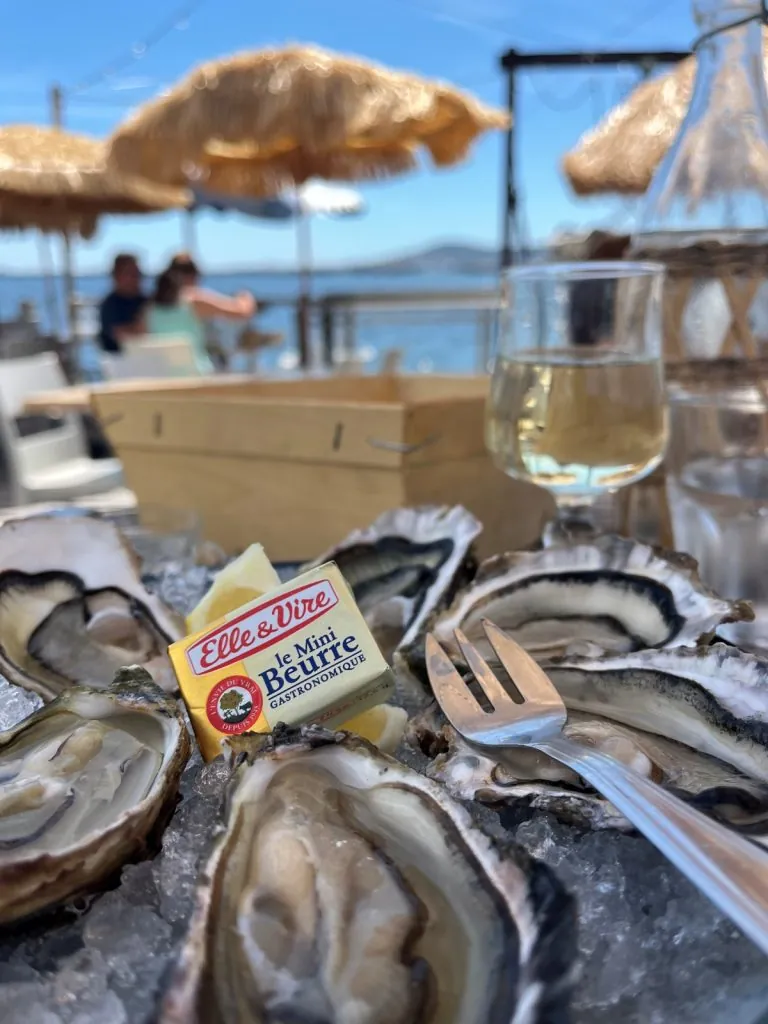
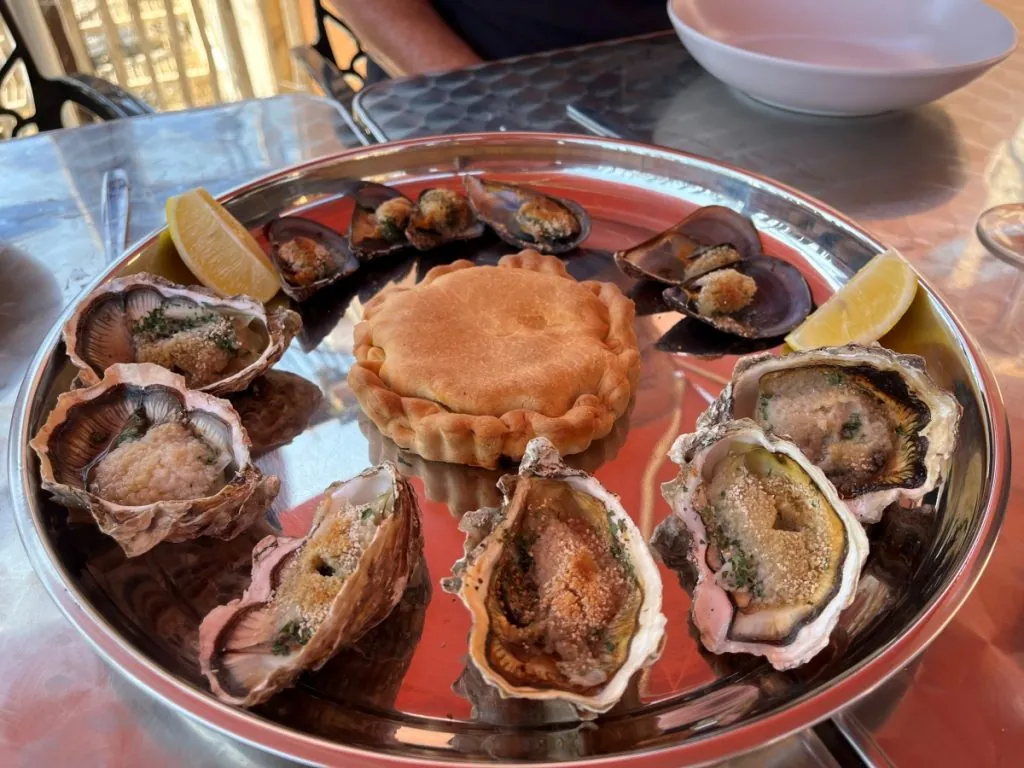
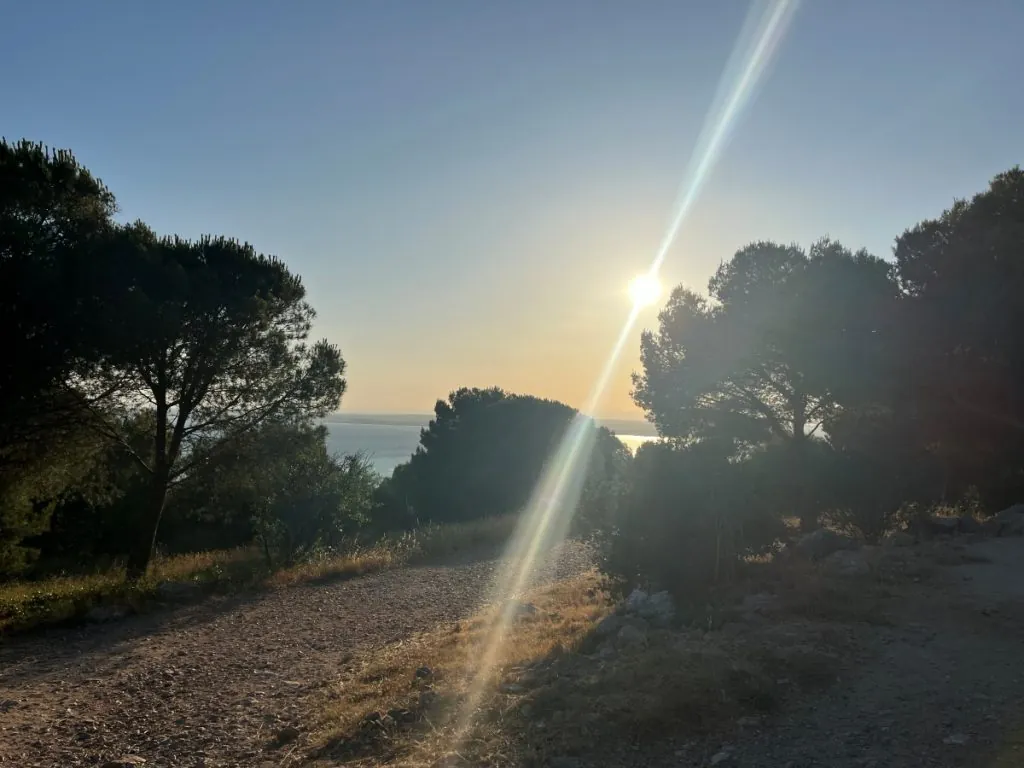
The Mont Saint-Clair mountain is a must with miles of sea and land views and the miles of incredibly magical beach from La Corniche to Agde is one of the most beautiful I have experienced.
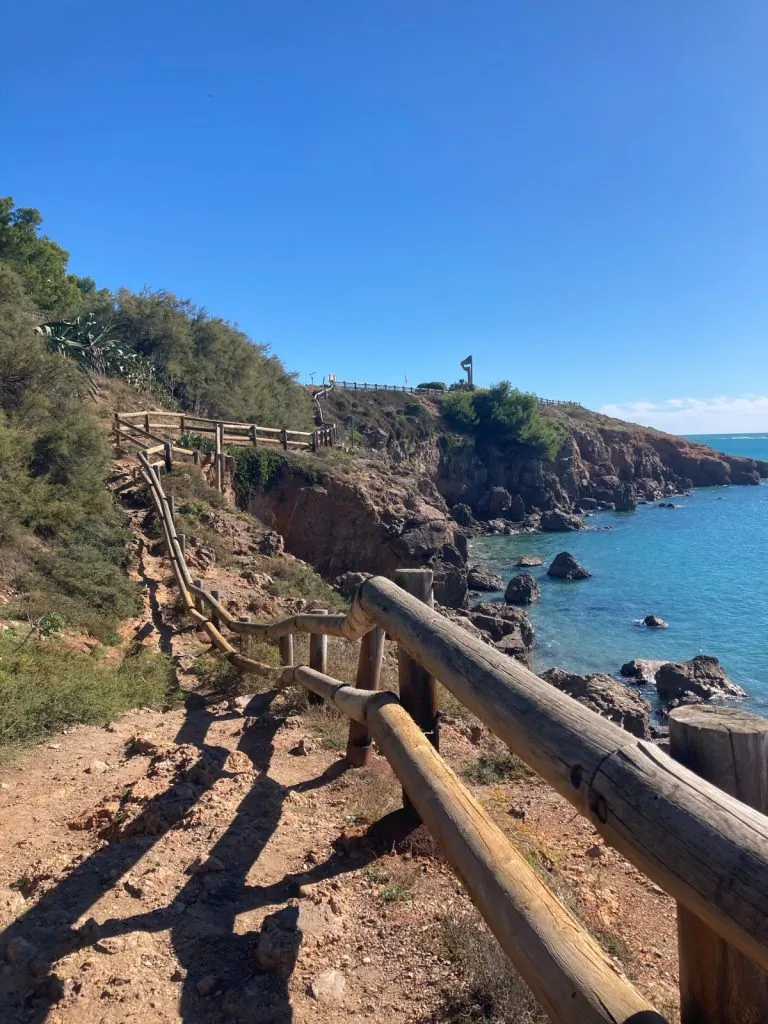
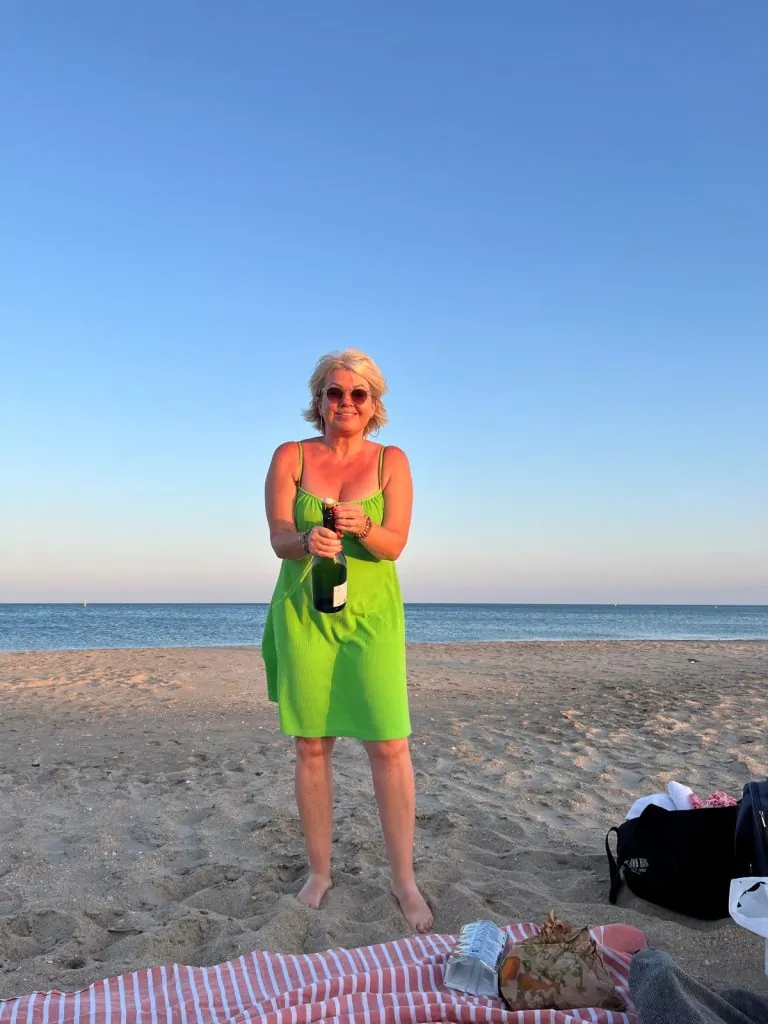
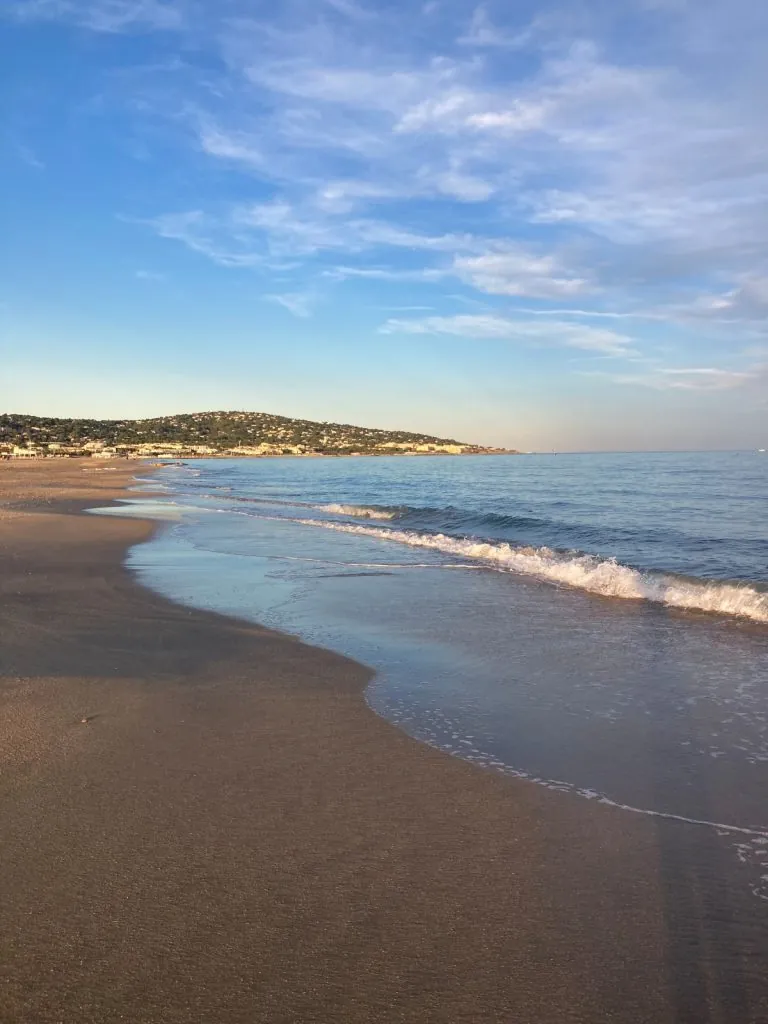
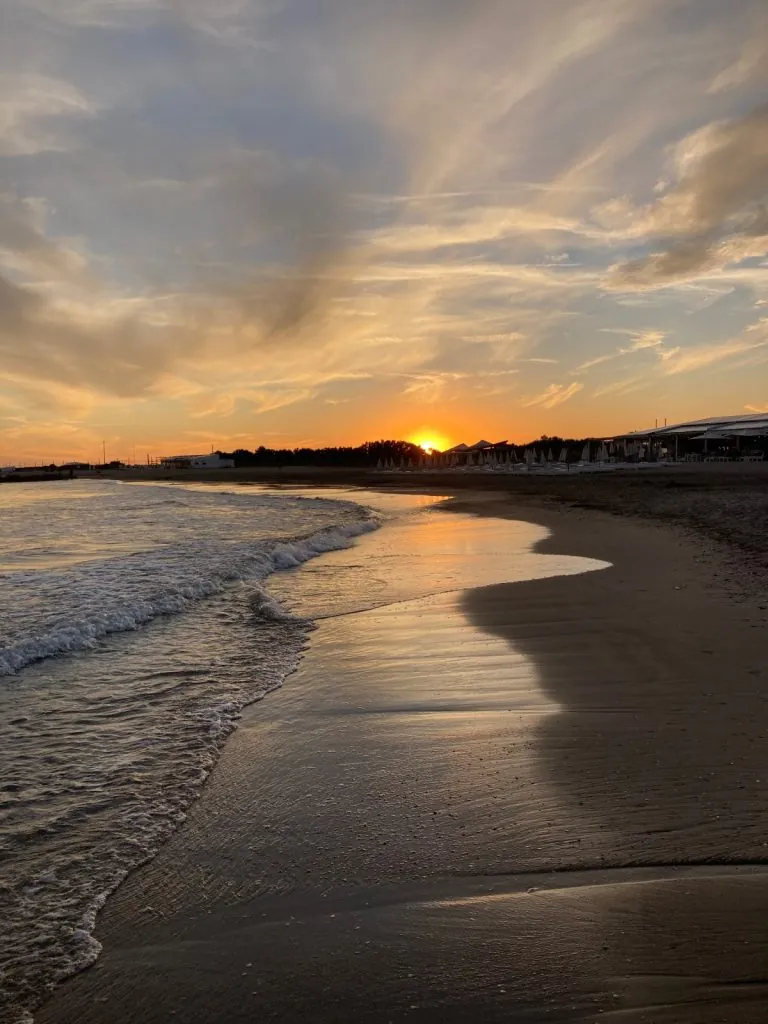
The best way to get around is by foot, bike and local buses, but to visit the Etang de Thau area you can easily hire a car from the train station. However, traffic is intense and it's crowded, so take your time without stress and follow the rhythm of the locals.
Final destination: Montpellier
Time for our final stop this time, the beautiful Roman city of Montpellier and one of my favourite places in this beautiful country.
Montpellier welcomes you as you are with open arms and the atmosphere here breathes freedom, happiness and enjoyment. The beautiful Saint Roch train station is a 5-minute walk from the main square, Place de la Comédie, and you are now in the heart of the city.
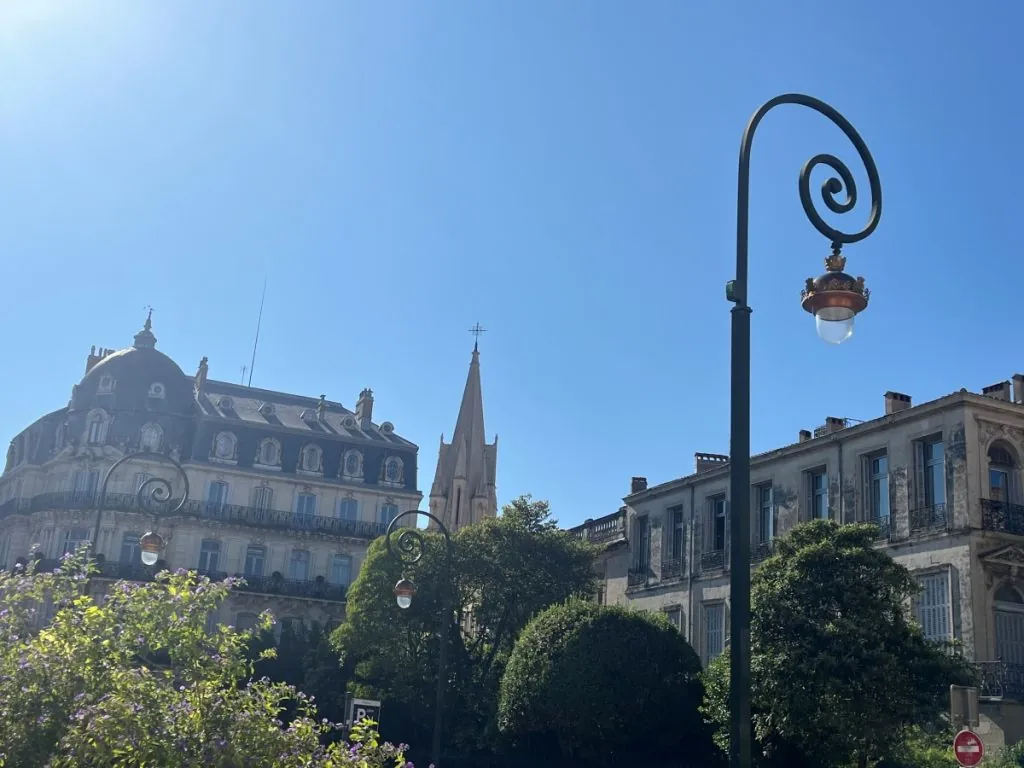
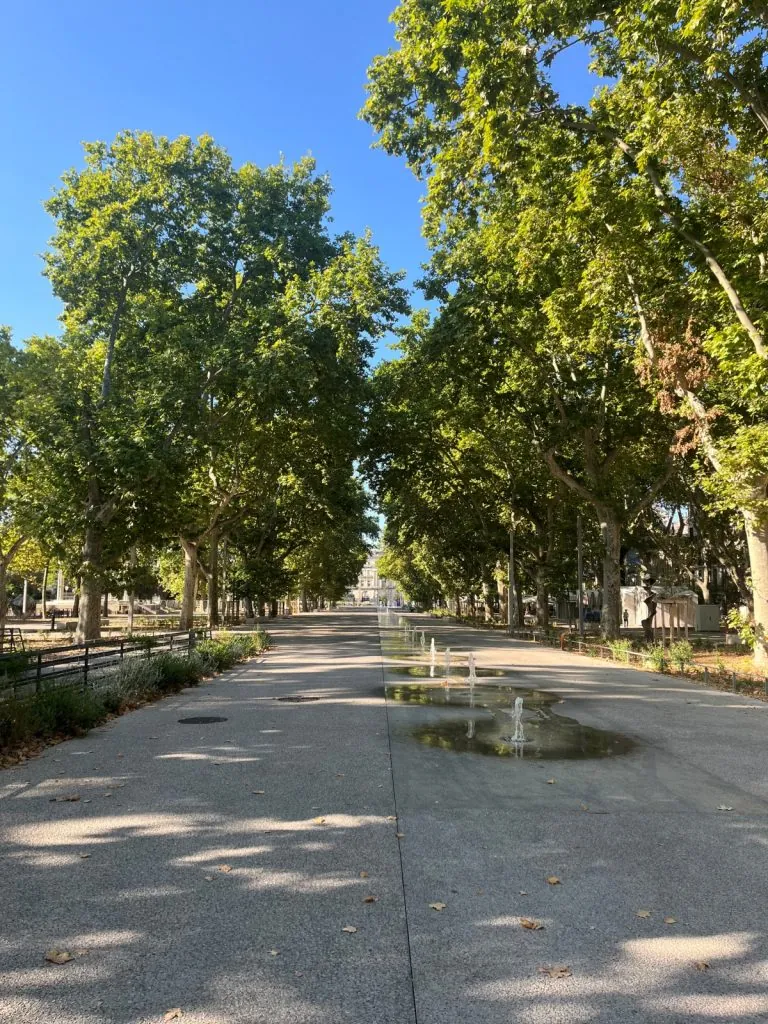
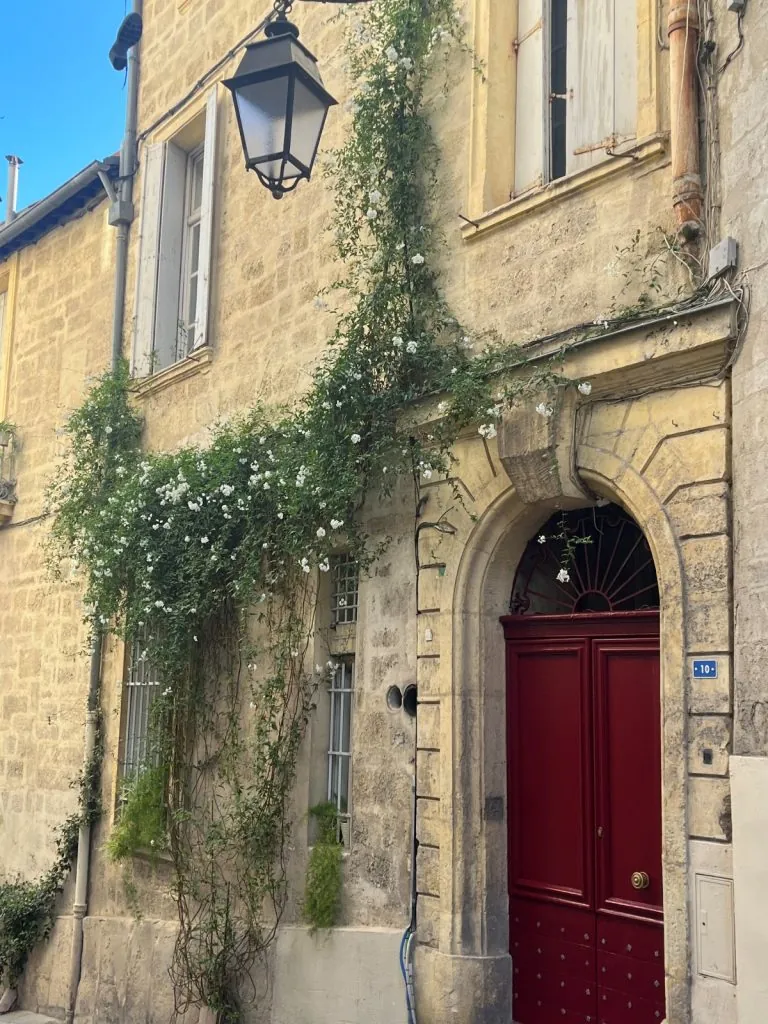
The historic centre is the heart of the city and there is hardly any car traffic at all, the streets, alleys and pretty little squares are entirely the domain of the city's inhabitants. Car traffic is directed around the city and driving in Montpellier is a bit of a challenge as it is crowded and busy. Public transport with the beautiful modern trams is fantastic and takes you to most things both inside and outside the city.
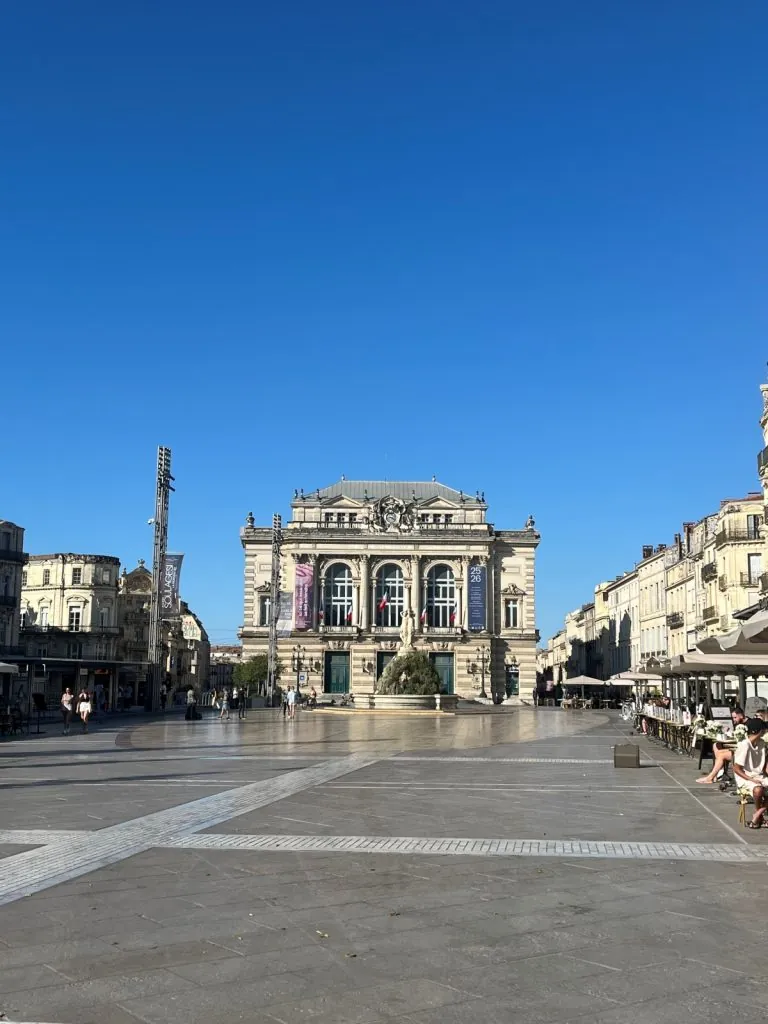
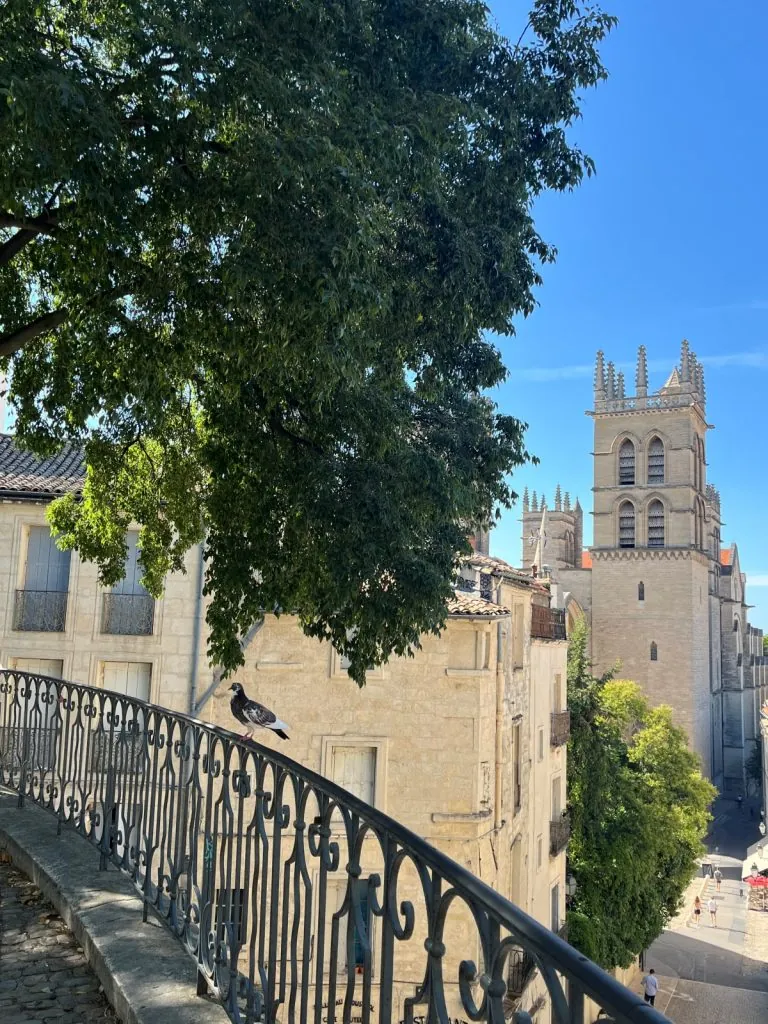
Montpellier is not very big, about 300,000 inhabitants and many of them are students from different parts of the world, and here both French and English are spoken easily by most people. The city is full of energy and joie de vivre with a café, bar or small restaurant on every corner, just sit down anywhere. Prices are low except during the summer period when both accommodation and food are expensive.
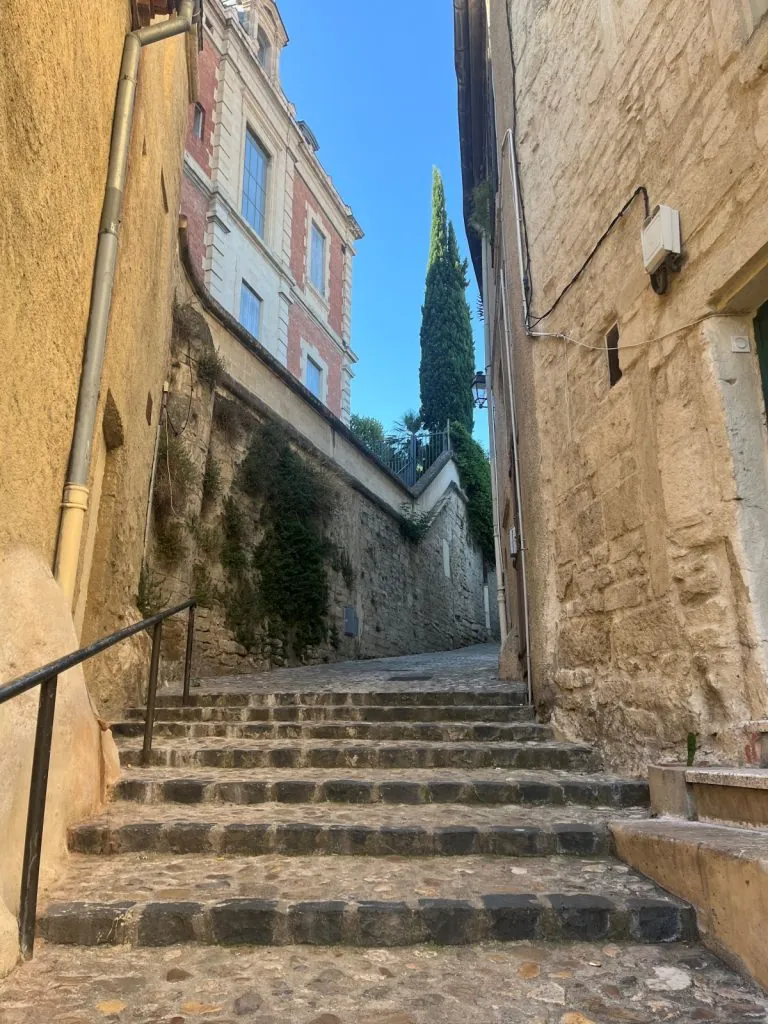
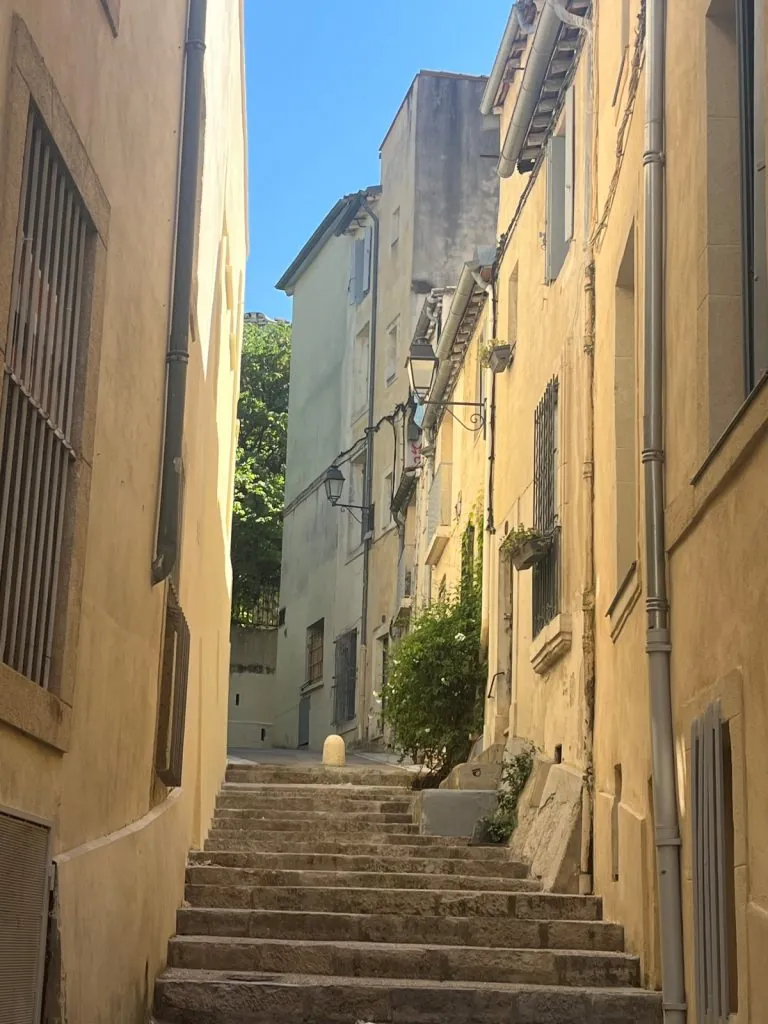
I love visiting the local markets with local food and the amazing flea markets on weekends, where you can find just about anything. Concerts, local festivals, museums and other fun events are always happening, so there is never a dull moment.
If you want a moment of relaxation, I always spend a few hours in the beautiful park "Jardin des Plantes" which is open every day except Mondays from 12.00-20.00 and a great refuge for both locals and visitors.
The people here are incredibly friendly and happy to help if a visitor cannot find their way around or needs other assistance.
Montpellier simply has to be experienced and you can easily fly here from the rest of Europe or you take the train just like me this time. To Paris from Montpellier there are TGV trains and you are in the capital in less than 3 hours and Lyon in just under 1 hour. If you want to continue along the Mediterranean coast towards Marseille and Nice, it is no problem as the trains run frequently and run along the entire coastline.

Follow Kristina here:

Kristina Isacson
You might also like:




 By train around Uzbekistan: to the Samarkand of the Silk Road
 Travelling around Uzbekistan by train: arriving in beautiful Bukhara
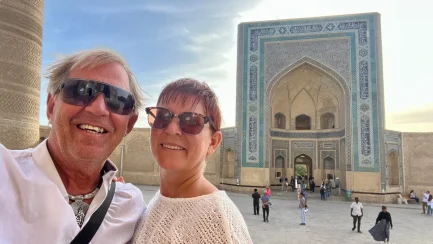 We have been appointed as official tourism ambassadors for Uzbekistan


 English (UK)
  Svenska
Channal says:
Hello, Kristina! What an amazing journey you are sharing, Kristina! I can almost smell the salt water and hear the sound of the train rolling through the French countryside. Your description of Bayonne, with its narrow streets and Basque culture, really makes me want to pack my bags and hit the road. And travelling by train from the Atlantic coast to the Mediterranean sounds like a dream... so much history, nature and charm in one trip. Thank you for inspiring me to discover new places in a sustainable way.
08 October 2025 - 18:01
Kristins Isacson says:
Oh thank you for your great response and feel free to visit my website http://www.flowoftravel.com to read more and follow me on Instagram @flowoftravel.
Kicki
08 October 2025 - 20:36
Ditte says:
What a great report! Many thanks!
Here it was quite a big recognition factor when I read. Several of the places you visit we have also visited. However, in the late 1990s and early 2000s. Since then there have been some scattered visits. Will definitely follow your blog.
09 October 2025 - 17:39
Kicki Isacson says:
Thanks for the great response. Please follow me on my Instagram where I always flag when I post something new @flowoftravel and read more blogs and reports at http://www.flowoftravel.com
Have a nice weekend
10 October 2025 - 13:02
Matilda says:
I visited Carcassonne by train this spring, a memory I will carry with me for life! But realise there is so much more to experience by train!
11 October 2025 - 10:46
Kicki Isacson says:
The surroundings around Carcassonne are magical so taking the train and then hiring a car is a great combination. Check out more on my website http://www.flowoftravel.com and feel free to follow me on Instagram @flowoftravel for more inspiration// Kicki
14 October 2025 - 20:37