

Writer: Helena Bergström
Why is it called that? I love thinking about different words and their origins, and after all these years together, I've got Peter to join me in my word games. He also wonders... why is it actually called that?
 Tweet
 Share
 Share
 Pin
 Share
 Share
Table of contents
Why do people say this?
Once you start thinking about words and their origins, you can't stop. The game is endless. There are countless words and expressions, and each one has its own exciting story to tell. Here is a small selection of words with exciting origins...
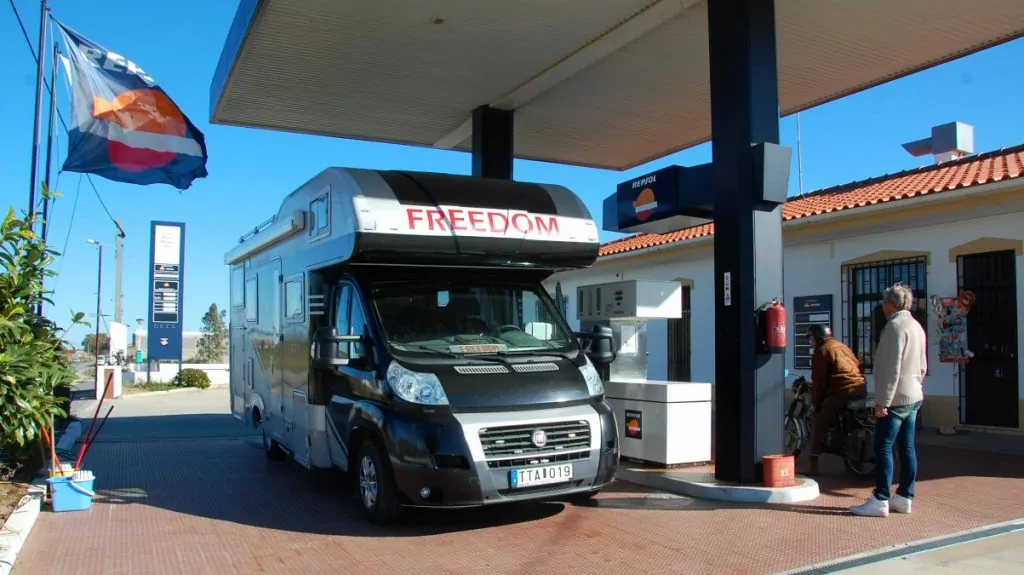
1. Mack
Mack is an acronym of the first letters of the surnames Mathiasson, Andersson, Collin and Key, who together formed the Mackmeter company in Sweden in 1916. The name Mack was engraved on the pumps, and thus the word became synonymous with petrol station.
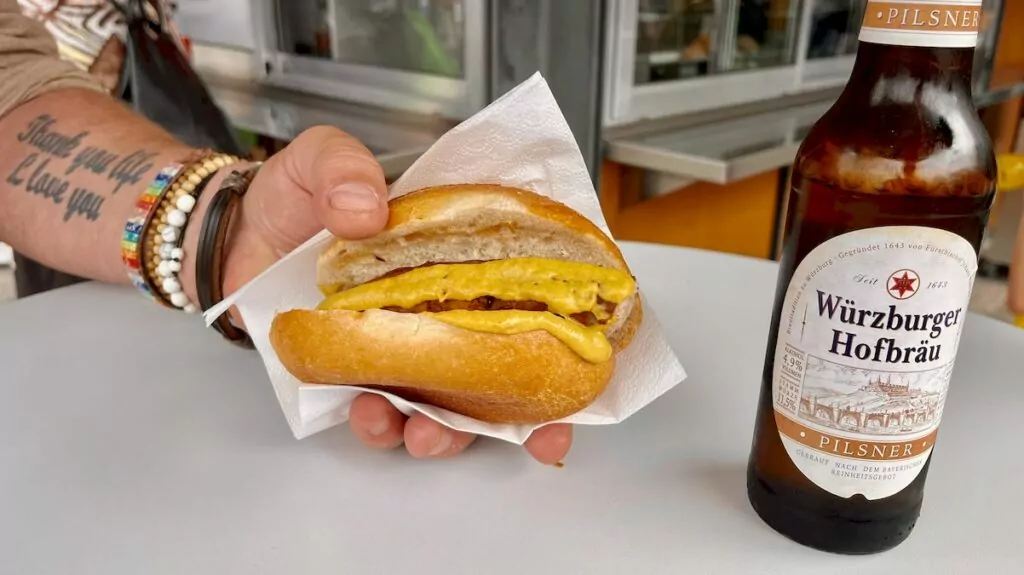
2. Hot dog
When hot dogs first arrived in the United States in the 19th century, they were called ”Dachshund sausages”. People began joking that there was real dog meat in the sausages – hence the name hot dog.
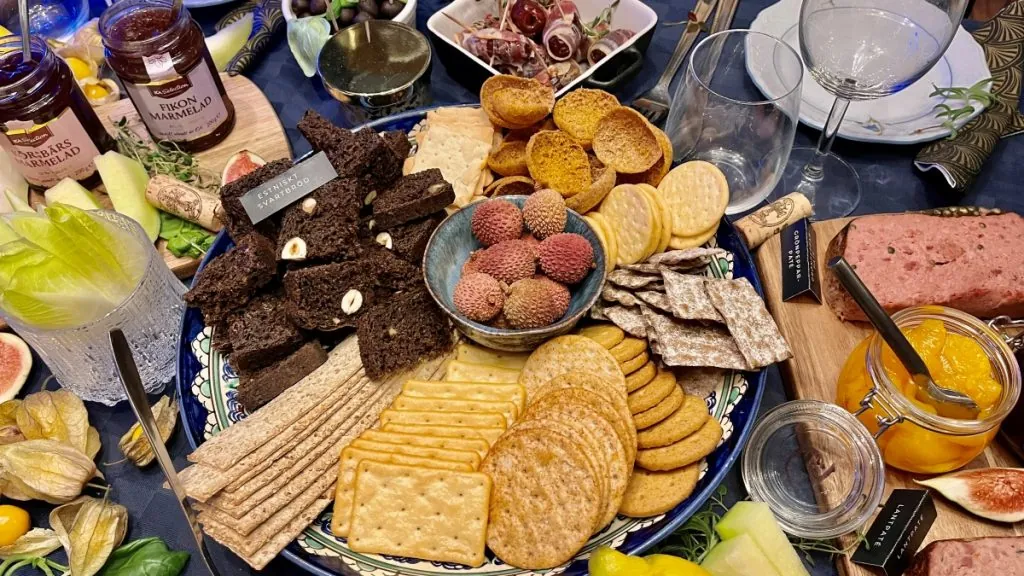
3. Biscuits
The word kex simply comes from the English word ”cakes”, which in turn comes from the Old Norse word ”kaka”. Then you can discuss whether the word should be pronounced with a hard k or a tje sound at the beginning? It's an eternal linguistic debate ...
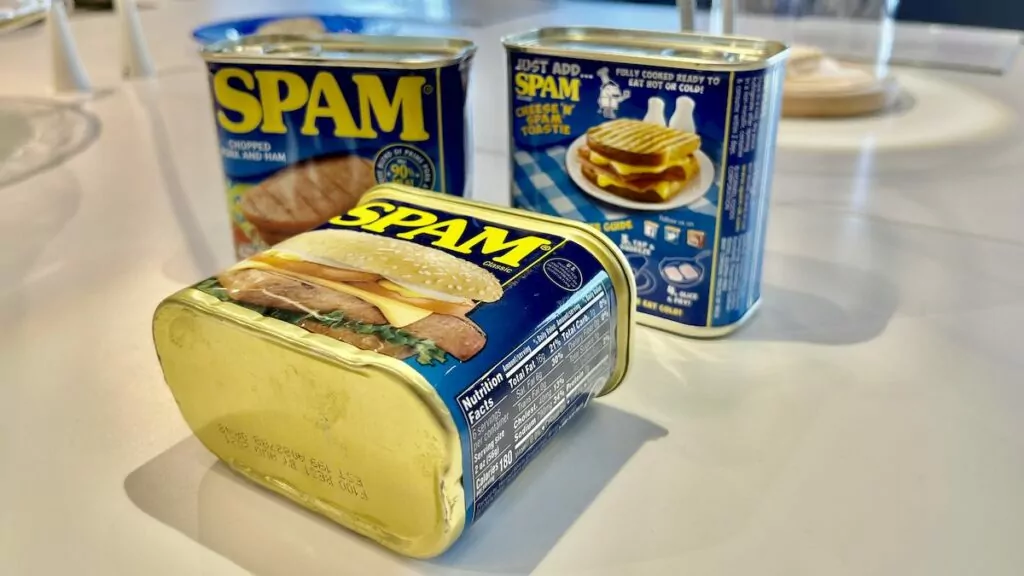
4. Spam
Spam, which usually describes junk mail, comes from the product SPAM, where the word was created to describe ”spiced ham”, i.e. a canned ham from Hormel. The word later became synonymous with junk mail thanks to a Monty Python sketch, where the word was repeated until everyone got tired of it – just like with spam emails.
5. Jeep
During World War II, military off-road vehicles were called G.P. (General Purpose vehicles). When the abbreviation was pronounced quickly, it sounded like ”jeep”.

6. Fire blanket
The word brasklapp comes from Bishop Hans Brask, who lived in the 16th century. He signed a document that he did not really agree with, so he added a note saying, ”I am forced and compelled to do this.” And so the word brasklapp was born...

7. Robot
The word ”robot” was coined by Czech author Karel Čapek in his play R.U.R. (1920). The word comes from the Czech word ”robota,” which can be translated as "day's work" or "slave labour.".


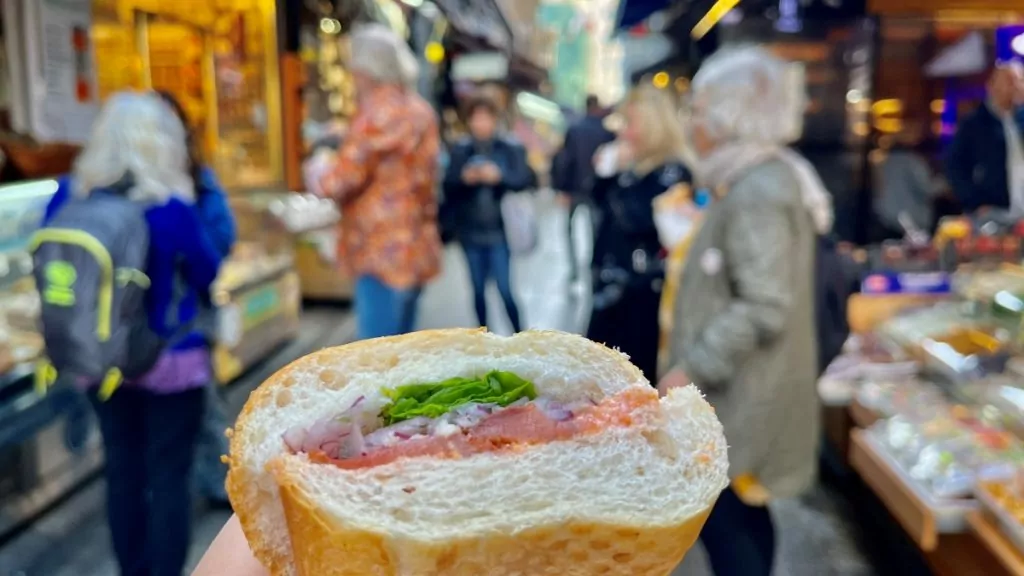
8. Sandwich
The word ”smörgås” comes from the fact that the lumps of butter that form when butter is churned float to the surface of the milk and move around, much like geese. Initially, it was these lumps that were called ”smörgås”. Over time, people went from saying ”slice of bread with smörgås” to just saying smörgås.

9. Sandwich
The sandwich with several slices of bread is named after John Montgau, Earl of Sandwich, who did not want to leave the gaming table. According to legend, he asked for his meat to be served between two slices of bread so that he could continue playing with one hand.
10. Bluetooth
Bluetooth is simply named after the Viking king Harald Bluetooth, who united the tribes of Denmark in the 10th century, because the technology unites different digital devices. The name was chosen by Jim Kardach from Intel, who was inspired when he read about the king in a book. The Bluetooth logo is a combination of the king's runes!

11. Step by step
The expression ”pö om pö” sounds like proper English and means ”little by little”. In fact, the expression was borrowed from French in the 19th century and comes from the French ”peu à peu” (gradually).

12. Bikini
The two-piece swimsuit is named after the Bikini Atoll in the Pacific Ocean, where the United States tested atomic bombs in the same year that the garment was launched (1946). Fashion designer Louis Réard chose the name to emphasise the explosive effect he believed the new, revealing swimsuit would have...

13. Sauna
In Finnish, and also in English, it is called sauna. In Sweden, we use the word bastu, which comes from the word badstuga. It was shortened slightly to simply bastu.

14. Paparazzi
The word paparazzi comes from an Italian film, La Dolce Vita (1960), in which an intrusive photographer was called Paparazzo. The name stuck as a symbol for intrusive photographers.

15. Google
Google was originally a spelling mistake. The idea was to use the name Googol, which is a number written as a one followed by one hundred zeros. But someone made a mistake, and the founders decided to keep the new spelling.

16. Whisky
The word whisky comes from the Celtic ”uisge beatha”, which means ”water of life”. This term was used to describe the distilled spirit, in the same way as the French eau de vie and the Nordic aquavit also means ”water of life” from the Latin aqua vitae.If you say ”uisge beatha” a bit quickly, it sounds a bit like... whisky.

17. Quarantine
The word quarantine comes from the Italian quaranta giorni, which means ”forty days”. This was how long ships were forced to wait during the plague.
18. Ketchup
The word ketchup originally comes from the Chinese ke-tsiap, which is a type of fermented fish sauce. The sauce spread to Malaysia and Indonesia, where the Malay word became ”kĕtjap”. European traders brought the sauce to Europe, and the word eventually evolved into ”ketchup”. And even later, the tomato-based sauce we are familiar with today was developed...

19. Punch
Punch came to Sweden via the East India Company, and it is believed that the name comes from the Hindi word ”panch”, which means ”five”. The five original ingredients in punch are arrack, water, sugar, citrus and tea. An alternative theory is that the name comes from the English word for wooden barrel, puncheons, which was used to transport the beverage.

20. Helicopter
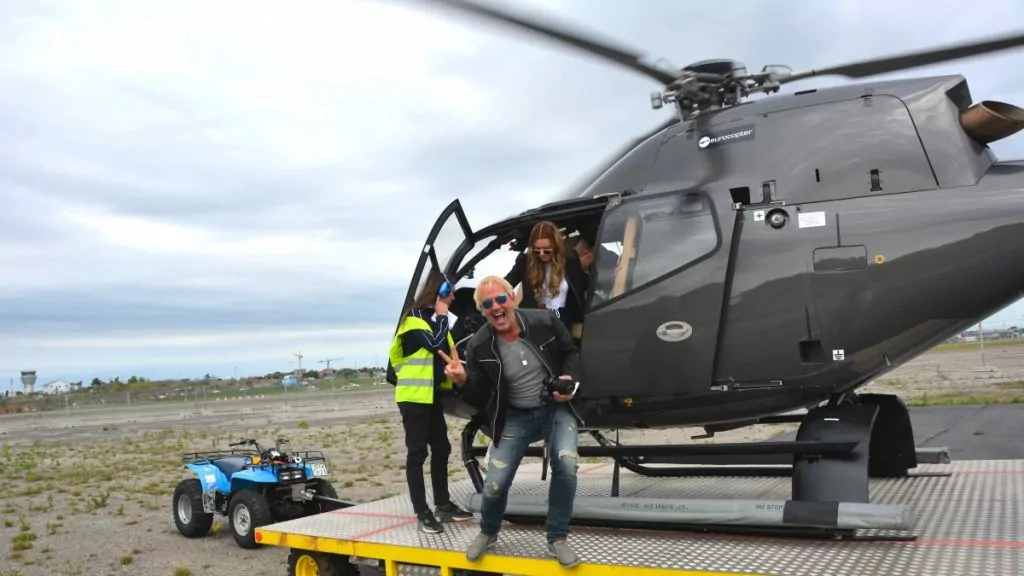
The word helicopter came into Swedish via French, but actually has Greek origins. Helix means spiral in Greek and pteron means wing. In other words, a helicopter is a ”spiral wing”. Not so silly!
21. Coffee break
The word fika comes from the word kaffi, which is a dialectal variant of coffee. The word originated as a kind of ”backslang” (when you deliberately reverse the letters) among students in the early 1900s.

22. That
The word ”dass” comes from German. the house or the cottage (the house/the little house), which was a way of describing the house where one relieved oneself. By omitting the word ”house”, only the German definite article, ”das”, was retained, which was then Swedishised to ”dass”.

23. Troubadour
The word ”troubadour” comes from the Old French and Occitan words for ”one who finds” or ”one who invents,” referring to the medieval poets and musicians who created and performed poems and songs.

24. Pyjamas
The word ”pyjamas” comes from Hindi/Urdu, which in turn borrowed it from Persian. The word means ”leg clothing” or ”garments for the legs” and entered the English language via Swedish. Originally, it referred to loose-fitting trousers worn in warm climates, and later came to mean a type of nightwear.

25. Scandal
The word ”scandal” comes from the Greek word ”skándalon,” which means snare or trap. Initially, it referred to something one stumbled over, but over time it came to mean a moral trap and scandal.

READ MORE: 25 Swedish sayings and expressions – why we say what we say
Do you have any more examples of words with unexpected origins?
Do you have any other examples of words with unexpected origins? Please share them with us!
You might also like:
 25 Swedish sayings and expressions – why we say what we say
 Facts about Lucia - 15 things you (maybe) didn't know
 Dreads in Stockholm - how Peter got a new hairstyle


 Lucia in the past, present and future – a tradition in constant change
 Motorhome, roundabout and morels – Norwegian words for Swedish tourists

 English (UK)
 Svenska
Jossu says:
What a fun post. I knew that Bluetooth was named after Harald Bluetooth, but I didn't know why.
I've heard of the note. And if I remember correctly, the note with those words saved him from being beheaded during the Stockholm Bloodbath.
6 December 2025 - 18:28
Helena says:
Glad you liked it! 🙂 And ah, that was an interesting addition about Mr Brask! 🙂
7 December 2025 - 14:46
BP says:
Hahaha! Love your post. I think it's both interesting and fun to research words, where they come from and what they originally meant. It's fascinating. More of that, please :-)
6 December 2025 - 18:28
Helena says:
Glad you liked it! I love words and stuff, a bit nerdy there, haha 😉 So yes, there may well be more at some point! 🙂
7 December 2025 - 14:47
Anta Snaque says:
The expression ”to put rhubarb on something” sounds rather funny. But it comes from ”to put an embargo on something”. People often change ”strange” words into something they are familiar with and that sounds (well, sort of) like the original.
7 December 2025 - 8:38
Helena says:
Oh, but that was super interesting, what an exciting ”distortion” ... I love that kind of thing!! Thank you for sharing! 🙂
7 December 2025 - 14:48
Marika says:
What a wonderful post! I love the meaning of words. I can only add that the word FIKA here in Italy is very funny, as it is the vulgar word for female genitalia in Italian, FICA. Thank you for this!
7 December 2025 - 12:10
Helena says:
How wonderful that you also like the meaning of words, I think it's so exciting! 🙂 And haha, maybe I should avoid talking about fika in Italy then... 😉
7 December 2025 - 14:49
Znogge says:
Yes, indeed, and the first petrol pump of the MACK brand was constructed on Tegelbruksvägen in Midsommarkransen. Our son's family lives nearby, so we often walk past the house that still has ”MACK” written on it.
Outhouses feel very Swedish, but that's not actually the case.
Words are fun, and there are many unexpected explanations.
7 December 2025 - 21:15
Jag says:
Very interesting post about words. I was familiar with many of the explanations, while others were completely new to me. But the word fika was already in use among street vendors in the 18th century, and I had assumed that it was knoparmoj, i.e. the language of chimney sweeps. But I can imagine that it was popular among students.
7 December 2025 - 22:10
Jag says:
Did my comment fly away?
7 December 2025 - 22:12
Hanneles bokparadis says:
Words are fun, my son told me about Bishop Hans Brask this week...
biscuit [kek´s or çek´s] Stockholmers pronounce it incorrectly
7 December 2025 - 22:21
Amanda (Swedish Passport) says:
But oh, how fun this was to read! I had heard about the origins of the bikini, but the other facts were completely new to me. I found the Bluetooth story particularly interesting – I've long wondered why the logo looks like a rune, but never got to the bottom of why 😉
8 December 2025 - 4:42
Tove says:
This was fun. Word fun! What it means and how it came about is exciting. 👌👍
Come to think of it, Danish pastries aren't available in Vienna, and Berlinerkransar (a type of cake) couldn't be found in Berlin. That's how the rhyme went.
9 December 2025 - 21:21
Lena - gott för själen says:
Oh what a fun post! Also love words and expressions. Some words' origins I knew and some were new.
I am reminded of the refugium, the small ”island” that can exist between two lanes of a street, where pedestrians can ”escape”. It is said to come from the English word refugee.
I also sometimes notice different expressions, without thinking about their origin. One is ”data”, when what is really meant is the computer. The data is the information contained in the computer, so to speak. Another is ”gutter” as many say. It is actually downpipes and gutters, two different things, which people pull together (Regards to the woman who worked at a roofing company). And the last one, which I've really tried to find a common thread in, is when grown people say they are going/coming home when they go home to their parents. It's not necessarily either those who grew up in that home, nor those who moved, nor those who have a particularly good relationship with their parents. I simply have not understood who says so. Would have been so interesting to hear the ”reason”. For me, my home is my home. And my parents have their home.
Hug Lena
29 January 2026 - 6:28