



Writer: Helena Bergström
Why do we actually say that there's a cow on the ice? Swedish is full of strange expressions that we use without thinking about what they actually mean. We sense owls in the bog, put rhubarb on things, have clean flour in the bag and think someone has shit in the blue cupboard.
 Tweet
 Share
 Share
 Pin
 Share
 Share
We are often fascinated by these old sayings and can spend a lot of time pondering and reasoning about the origins of the expressions. During a walk, we began to delve into the subject, which resulted in this report …
Many times, proverbs are hundreds of years old and may have emerged in connection with life on the farm or life at sea, or perhaps with references to folk tales or Bible stories. Here are 25 Swedish expressions that most people recognize – and the stories behind them.
Table of contents
1. There is no cow on the ice
Today, the expression means that there is no reason to stress or worry. But in the old farming society, a cow on the ice was a real problem. Cows were valuable animals, and if they ended up on a frozen lake, they could slip, get hurt, or, in the worst case, walk through the ice.
When someone said there was no cow on the ice, they meant that there was no immediate danger. The expression has survived long after most Swedes stopped having cows on their farms, and is still used when someone worries unnecessarily.

2. Now you've shit in the blue cupboard
To shit in the ”blue cabinet” means that you have gone too far or have done something really wrong. The origin is not entirely certain, but a common explanation is that the blue-painted fine cabinets in the 19th century were used for the family’s finest possessions – porcelain, silver and linens.
Using such a cabinet as a toilet would be about the rudest thing imaginable. The expression became known to a wide audience when actor Janne ”Loffe” Carlsson used it in the film Göta Canal from 1981, but the expression is older than that.


3. Ana owls in the bog
When we sense owls in the bog, we suspect that something is not right. The strange thing is that the expression probably wasn't about owls to begin with. Linguists believe that it comes from the Danish expression "ulve i mosen", meaning "wolves in the bog".
Over time, the word ”ulve” was corrupted to sound more like ”uglor”, and so the Swedish variant emerged. The result was one of our most imaginative expressions – even though owls in a bog don’t really sound particularly scary.


4. Being out on slippery ice
The expression is used about someone who is on uncertain ground or in danger of getting lost. The background is quite literal. In the past, people often traveled across frozen lakes and streams in the winter.
Slippery or thin ice could have fatal consequences. Anyone who ventured out without knowing what they were doing was taking a real risk. Therefore, slippery ice became a symbol of uncertain situations and poorly substantiated claims.

5. Cross the river for water
This expression describes someone who makes things more complicated than necessary. If there is already water on your side of the river, it is of course quite foolish to go across to the other side to get it.
The saying has its roots in practical farming society, where unnecessary work was rarely appreciated. Today, it is used to describe everything from complicated work processes to technical solutions that are significantly more advanced than they need to be.

6. Buying a pig in a poke
Buying a pig in a poke means buying something without first checking what you are getting. The expression comes from markets where dishonest vendors would sell a sack that was said to contain a nice pig. Only when the buyer got home did he discover that the sack contained something completely different.
The saying is found in many European languages and has survived well into the digital age. Anyone who clicks on something from an unknown online store can still risk buying a pig in a poke.

7. Keep clean flour in the bag
If someone has pure flour in their bag, they have nothing to hide. The expression comes from mills and trade where flour could sometimes be mixed with cheaper ingredients to increase profits.
Anyone who truly had pure flour in their bag had nothing to be ashamed of and could let anyone inspect the contents. Therefore, the expression has become an image of honesty and openness.

8. Casting pearls before swine
This expression is used when something valuable is not appreciated by the recipient. Its origins are in the Bible, where one is warned against throwing pearls before swine because they do not understand their value.
Over the centuries, the expression has become a symbol for situations where time, money, or knowledge is wasted on people who cannot or will not appreciate it.

9. Pull everyone together
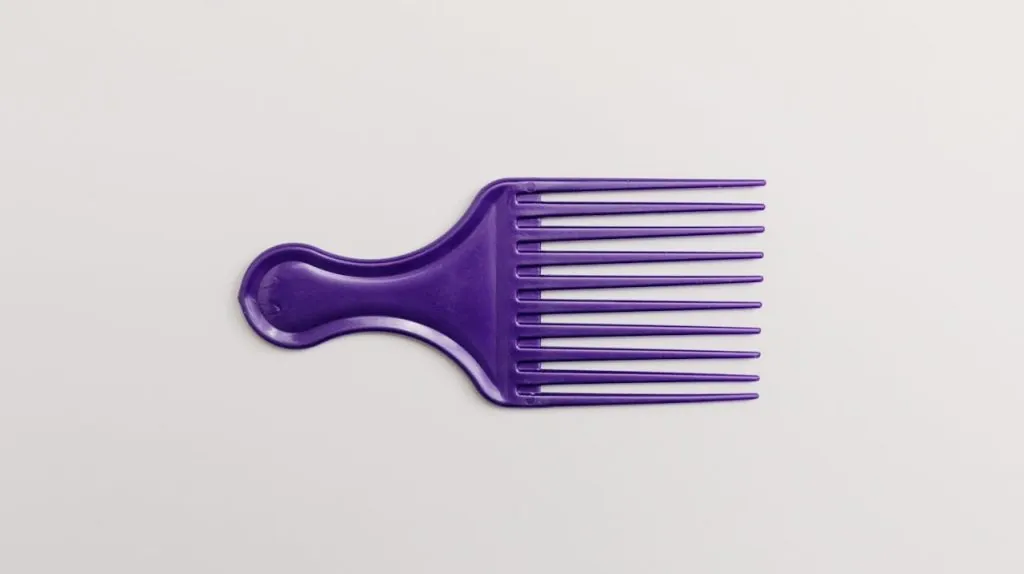
To treat everyone the same without taking into account individual differences. The expression probably comes from older crafts and animal husbandry where the same comb was used for several different animals or materials. The problem, of course, was that different individuals required different treatment. From there the figurative meaning grew.
10. Get your fish warm
When someone gets their fish hot, they get a proper scolding. The origin is not entirely clear, but the expression already appears in older Swedish texts.
One theory is that it refers to fish that is cooked over fire and thus ”subjected” to harsh treatment. Regardless of the exact background, the expression has long been used to describe when someone is told the truth without any embellishment.

11. Boil soup on a nail
This is based on an old folk tale. A wandering stranger comes to a farm where no one wants to offer him food. He then says that he can make soup from an ordinary nail.
Curious farm dwellers gradually contribute vegetables, spices and meat to enhance the soup. In the end, it becomes a feast. The expression is therefore about creating something big from very small resources.

12. Sitting with your beard in the mailbox
The person who sits with their beard in the mailbox has ended up in an embarrassing situation through their own actions. The expression is relatively modern compared to many other Swedish sayings.
The exact origin is debated, but the picture is clear: someone has been so careless that their beard has gotten stuck where it shouldn't be. That's why the expression is used when someone is exposed or gets into trouble.

13. Don't keep all the horses at home
This expression is used when someone seems confused or not really thinking clearly. The horse was for a long time one of the farmer's most important assets. If all the horses were not at home, it meant that something was missing. Over time, horses became a metaphor for thoughts, reason or mental resources.

14. See red
When someone becomes very angry, they are said to see red. Many people associate the expression with bullfighting, but bulls actually react primarily to the movement of the cloth, not the color. Yet the color red has long been associated with strong emotions, blood, and danger. Therefore, it became a natural symbol for anger.

15. Bite into the sour apple
The expression describes accepting something unpleasant that you can't avoid. The image is simple: you know the apple is sour, but you have to take a bite anyway. The expression is found in several European languages and has long been used to describe situations where the best option still feels quite difficult.

16. Planting their last potato
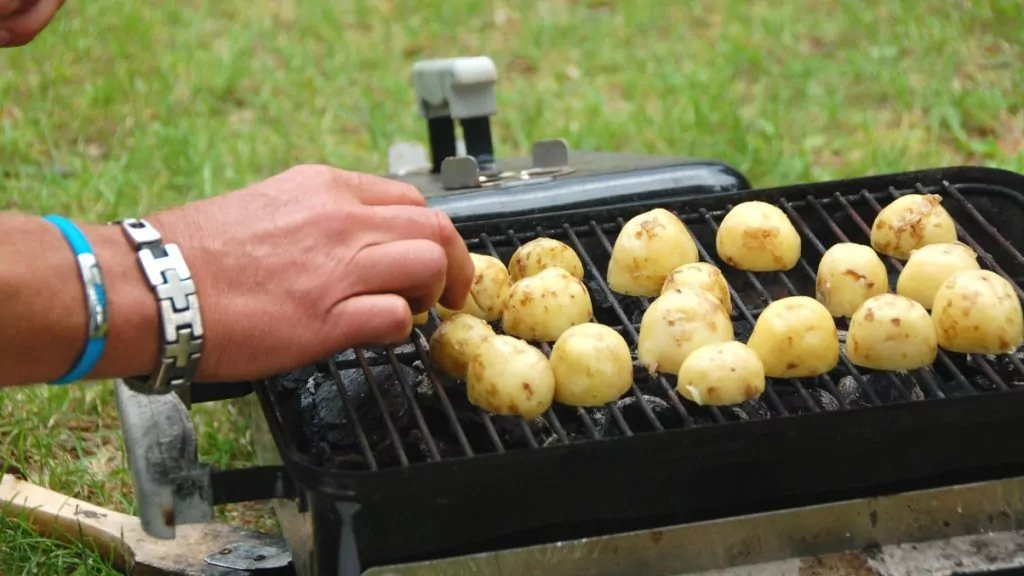
This expression means that you are in a bad situation or that the end is near. Potatoes were for a long time one of Sweden's most important crops. Planting the last potato could symbolize that the possibilities were exhausted or that there was not much left to hope for. Today, the expression is often used jokingly as a threat.
17. Be on the lookout
If something is on the wall, it is current and discussed. Originally, the word ”wallpaper” referred not only to wall coverings but also to cloth-covered tables where important documents were presented for discussion. What was on the table was literally on the wall. From there, its current meaning developed.

18. Add rhubarb
To put rhubarb on something means to take control of or seize it. The origin is debated. A popular theory is that the expression arose through a corruption of the word "embargo", which over time took on a new and more popular form. Linguists are not entirely sure, but the expression has existed in Swedish for over a hundred years.

19. Keep your tongue in the right place
When something requires great concentration, it is important to keep your tongue in the right place in your mouth. Many children actually do this instinctively when they are drawing or building something arrow-shaped. The expression is based on that observation and has therefore become an image for accuracy and precision.

20. The fox said sourly
The expression comes from one of the most famous stories in Aesop's fables. The fox tries to reach some grapes but fails. To console himself, he says that the grapes must have been sour after all. Therefore, the expression is used when someone belittles something that the person would really like to have.

21. Bear service
Today, bear service means a well-intentioned act that has negative consequences. The expression comes from an old French fable in which a bear wants to help his sleeping friend by killing a fly that is sitting on his face. The bear throws a stone at the fly – and seriously injures his friend. The intention was good, but the result is disastrous.

22. A dog is buried here
When someone says that a dog is buried here, they mean that there is something hidden or suspicious behind what is visible on the surface. The expression is found in several European languages and has been used for centuries.
Exactly why it was a buried dog is unclear, but the idea of something hidden underground made the expression a natural symbol for hidden motives and secrets.

23. Don't throw stones in glass houses
The expression ”don’t throw stones in a glass house” is a call to those who criticize others to first examine their own shortcomings. The image is simple but effective: if you live in a glass house, it’s not a very wise idea to start throwing stones, as you risk breaking your own windows.
The saying has been used in Swedish since at least the 19th century and the message is timeless: be careful about judging others if you yourself are not spotless. Peter has his own variation of this proverb, btw: Don't throw an arrow into a rubber boat!

24. Not for all the butter in Småland
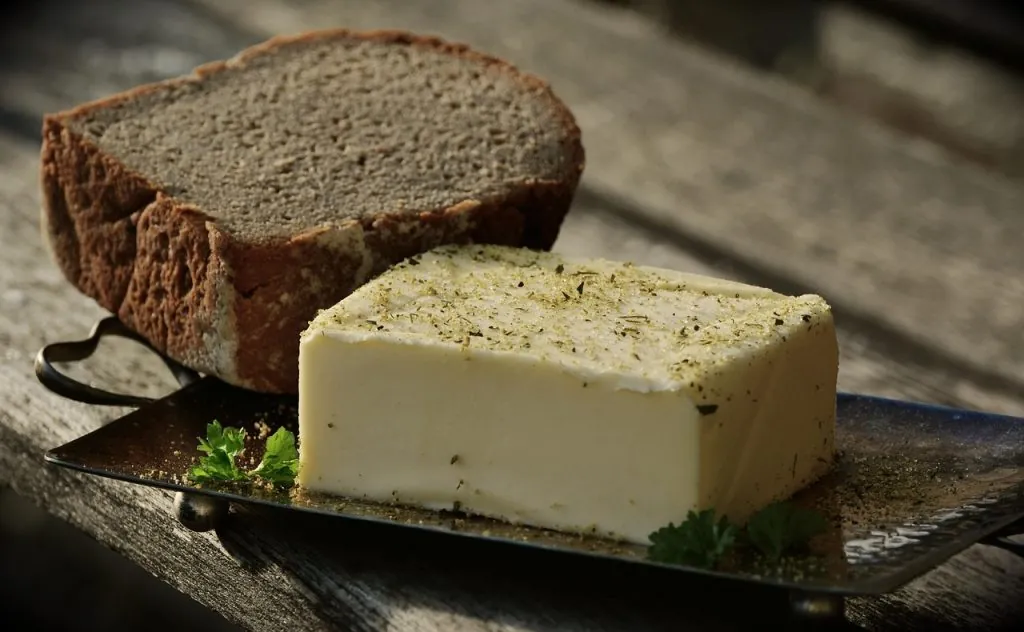
Butter was once a very valuable commodity and Småland was known for its production. Not doing something ”for all the butter in Småland” therefore meant that one would not do it at any price. The expression shows how strong the connection between everyday life and language has been throughout history.
25. As you make the bed, so you lie.
This classic proverb is known throughout much of Europe. The meaning is simple: our actions have consequences. He who makes the bed carelessly will sleep uncomfortably himself. The expression has therefore been used for generations to remind people of responsibility and foresight.

READ MORE: Why is it called that? 25 words with unexpected and bizarre origins
Swedish sayings and expressions tell about the past
The fascinating thing about Swedish proverbs is that they act as little time capsules that evoke times long gone. In the proverbs, there are traces of farms, marketplaces, old fairy tales, Bible stories and everyday life that have long since disappeared. The proverbs keep history alive, even though people today may never have seen a cow on ice or bought a pig in a sack…
What Swedish sayings and expressions do you use?
Which of these expressions do you use most often? And is there an old saying from your hometown that more people should know?
You might also like:
 Why is it called that? 25 words with unexpected and bizarre origins
 Dreads in Stockholm - how Peter got a new hairstyle
 Installing a combustion toilet - for summer houses and mobile homes
 Aunt Anna, the unlucky bird - a summer that did not turn out as planned
 Aunt Anna and death - All Saints' Day and cemeteries of the world
 Christmas trees through the ages – Aunt Anna and the Christmas trees



 English (UK)
 Svenska
Anna Nilsson Spets says:
Oh my god, I love sayings and use many.
My favorite is -It's as safe as a herring flashing in a barrel.
Shit in the blue cupboard, yes in my youth we had a club "The Friends of the Blue Cabinet Association", for those of us who shit in the blue cupboard. We had t-shirts with us.
03 June 2026 - 6:04
Helena says:
So, interesting!! I've never heard that first saying!! And haha, so much fun with your club, wonderful...!!!
03 June 2026 - 19:56
Madde says:
I work in LSS and have met many people with autism. Many people with autism take everything literally, which can be completely crazy sometimes. I've worked for many years and you never learn, hehe. When I was new, a user was in a really bad mood. My colleague asked if he woke up on the wrong side, and we were told that he woke up on the same side as always. 🙂
03 June 2026 - 8:49
Helena says:
Very interesting comment! I have also worked with this target group (mostly more administratively but also interviewed many in the target group) and can really relate to what you describe. An important point! Sometimes I also think that people might say these expressions without even really thinking about it…
03 June 2026 - 19:58
Eval8 says:
I'm very familiar with all these sayings. One came to mind when I was reading, but now it's completely gone from my mind.
Happy Wednesday!
03 June 2026 - 9:28
Helena says:
So that thing where you think about something and then forget it.... I can really relate to that!! Wishing you a great week ahead!
03 June 2026 - 19:59
Anna i Portugal says:
Expressions like that are fun, but difficult for those who are learning the language 🙂 I feel the same way here in Portugal, incomprehensible sayings if you don't know the background. I hope this post helps some who are struggling with the Swedish language because these expressions are certainly used a lot. Nice collection you made!
03 June 2026 - 10:36
Helena says:
Sooo good input! Yes, it must be super difficult when you have to learn the language!! I can imagine it's the same in Portugal...!
03 June 2026 - 20:00
Marika says:
Great fun to read! I think owls in the bog are because you can neither hear nor see them. They are incredibly silent animals.
I thought it was a good idea not to shoot arrows in a rubber boat.
Just as several here have already said, it becomes difficult when you speak another language or are, for example, autistic.
Here in Italy they usually say; in bocca al lupo = into the wolf's mouth, when someone is going to do something difficult. It has long been said that one should respond; crepi il lupo = death to the wolf. This has always been so difficult for me because I really don't want the wolf to die. Then I read that it is a misconception. Because actually you are safe in the wolf's mouth just like its cubs are. I guess the origin comes from some folk tale where wolves were always mean.
03 June 2026 - 11:39
Helena says:
Thank you very much for your comment! It's great that you like Peter's expression with arrows in a rubber boat, he drives it a little from time to time... 😉 And so interesting with the Italian expression! Thanks for sharing!
03 June 2026 - 20:04
JoY says:
Fun compilation that everyone recognizes and uses from time to time. Jakob is good at Boiling soup on a nail, He usually uses Pure flour in a bag, but does some twist on it that I have forgotten now and it could apply, for example, to these surveillance cameras, which many are against.
03 June 2026 - 14:38
Jossu says:
Interesting post. What amazes me is how sayings like these have spread. Someone must have started the expression and then it has spread throughout the country, in a time without the internet or other ways for a private person to reach out to a lot of others.
03 June 2026 - 20:16
Znogge says:
I think sayings are good and I like to use them. They seem to last a long time 😀
04 June 2026 - 20:02
Bo Gustavsson says:
Hey, what a fun article! I think a strange expression is: ”The wings of history”.
Where could this come from?
Yours sincerely, Bo
07 June 2026 - 22:11
Lena - gott för själen says:
Oh what a fun post. I love language, words and expressions. Feel free to come up with your own too 🙂
Of course I recognize all the expressions in the list, but I can't say that I use them very often. The thing about the arrow in the rubber boat was also ingenious. I've heard many variations of the thing about not all the horses at home, but the most common is probably not all the knives in the box. Kind of the same.
I once remember a slightly older colleague who used expressions and proverbs extremely often. Moreover, always ”wrong” (unconsciously). To the extent that the right thing to do is to use what most people do. I remember two things in particular that she said.
”"They haven't had to do any advertising, it's just spread like wildfire" (rings on the water).
”"I had a best friend when I was a kid. We were like hay and straw" (smile and long straw).
It was hard to hold back laughter sometimes 🙂
Hug Lena
August 04, 2026 - 13:03