

Text and photo: Jonathan Gharbi de Maré
Do you like to travel in the footsteps of great artists, sit in the café where Picasso sat, walk outside Matisse's house, then Céret and Collioure in the south of France are perfect for you. We are in the Roussillon region where there is incredibly beautiful nature and many interesting places to visit. So it's not just the art that attracts, but also history and beautiful nature with snow-capped mountains and deep forests.
 Tweet
Tweet Share
Share Share
Share Pin
Pin Share
Share Share
ShareTable of contents
Mattisse and Fauvism in the city of Collioure
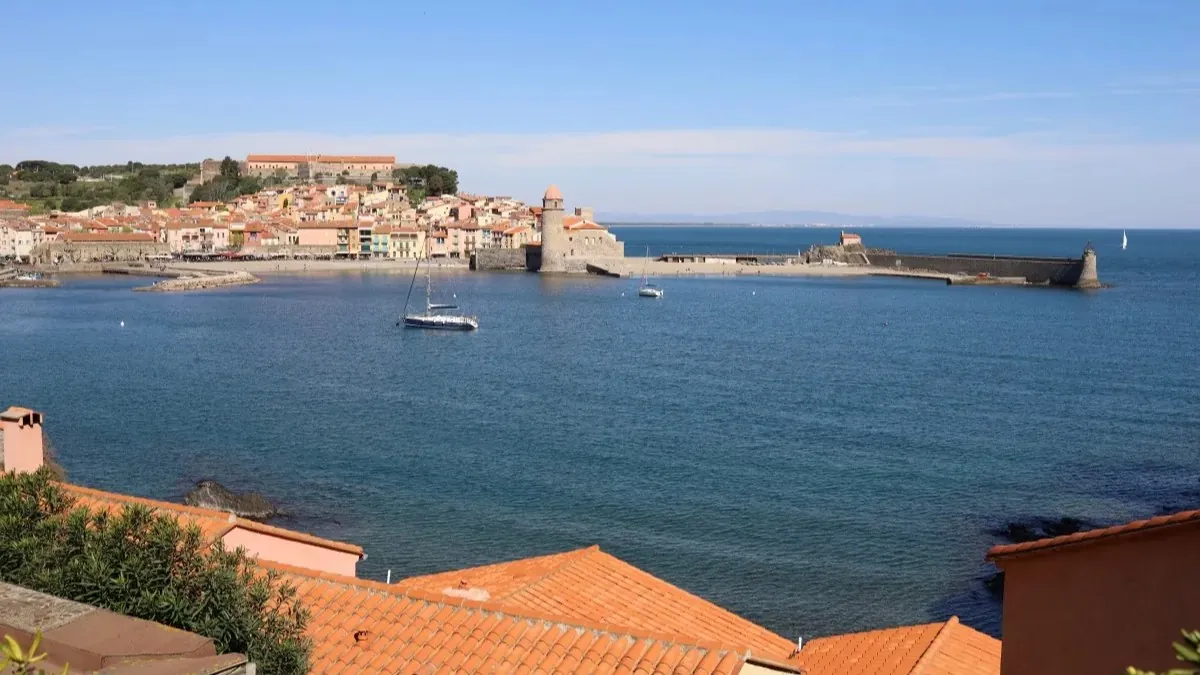
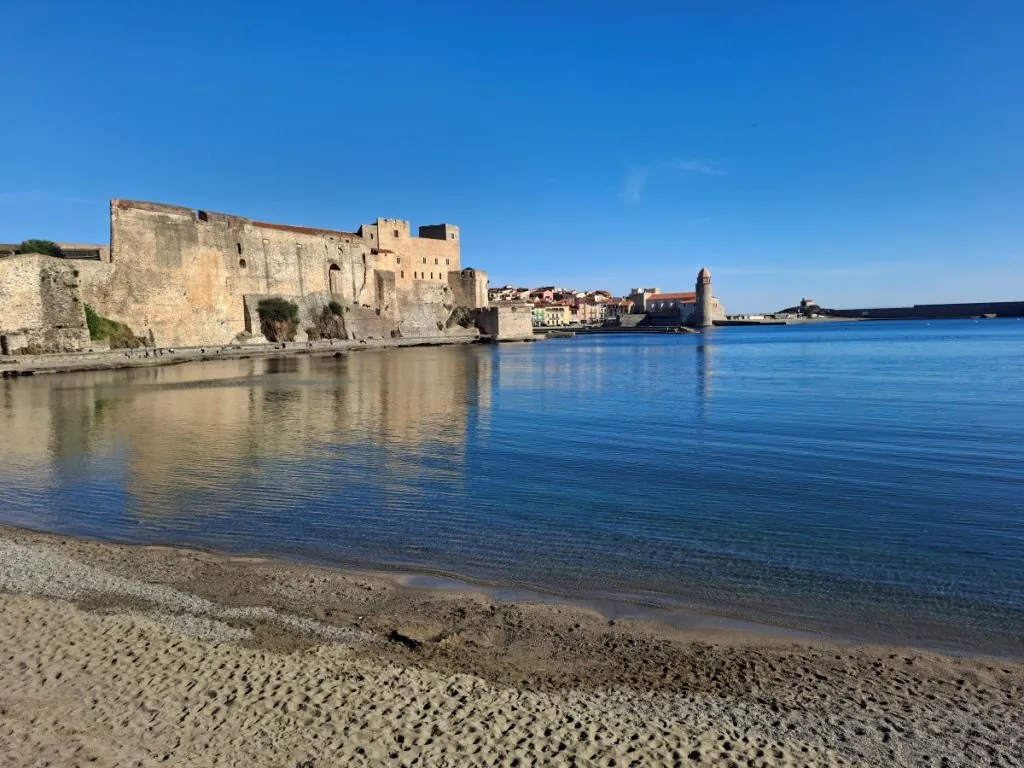
The picturesque town of Collioure, with its colorful houses and large medieval castle, attracts art lovers from all over the world. It was here that a movement arose that would radically change art and open up new perspectives.
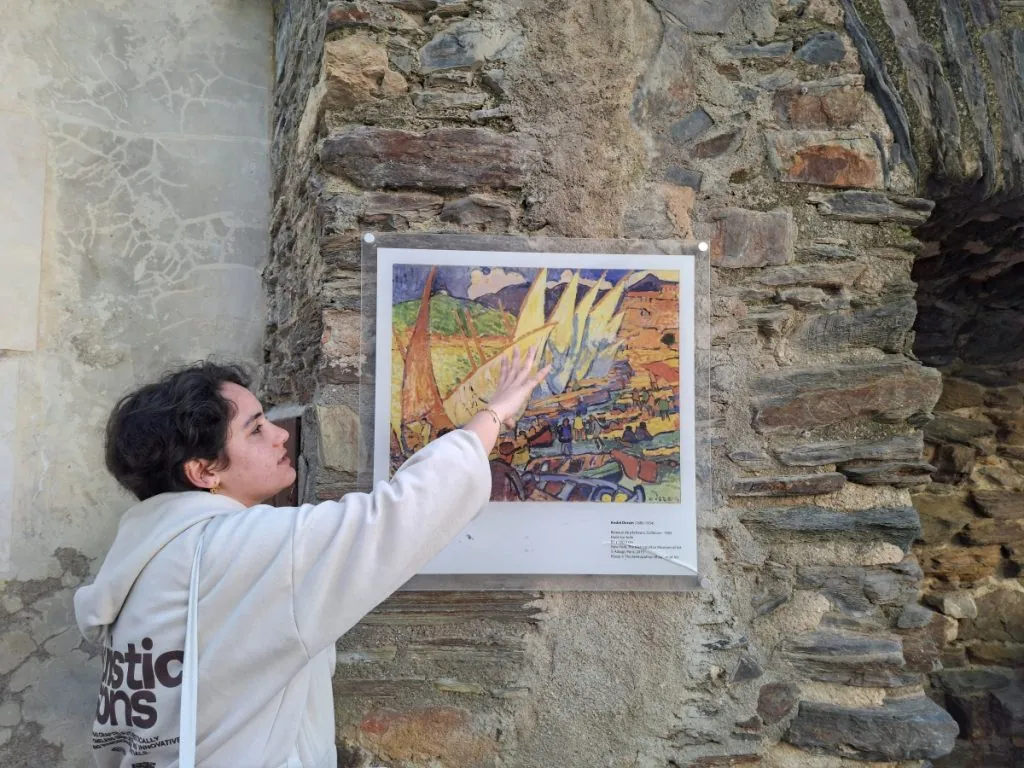
It was at the 1905 Paris Salon d'Automne that the art style Fauvism emerged. Visitors were greeted by a collection of paintings with distorted shapes, spontaneous brushstrokes and unnatural colours. Behind the daring style were Henri Matisse, André Derain and Maurice de Vlaminck.
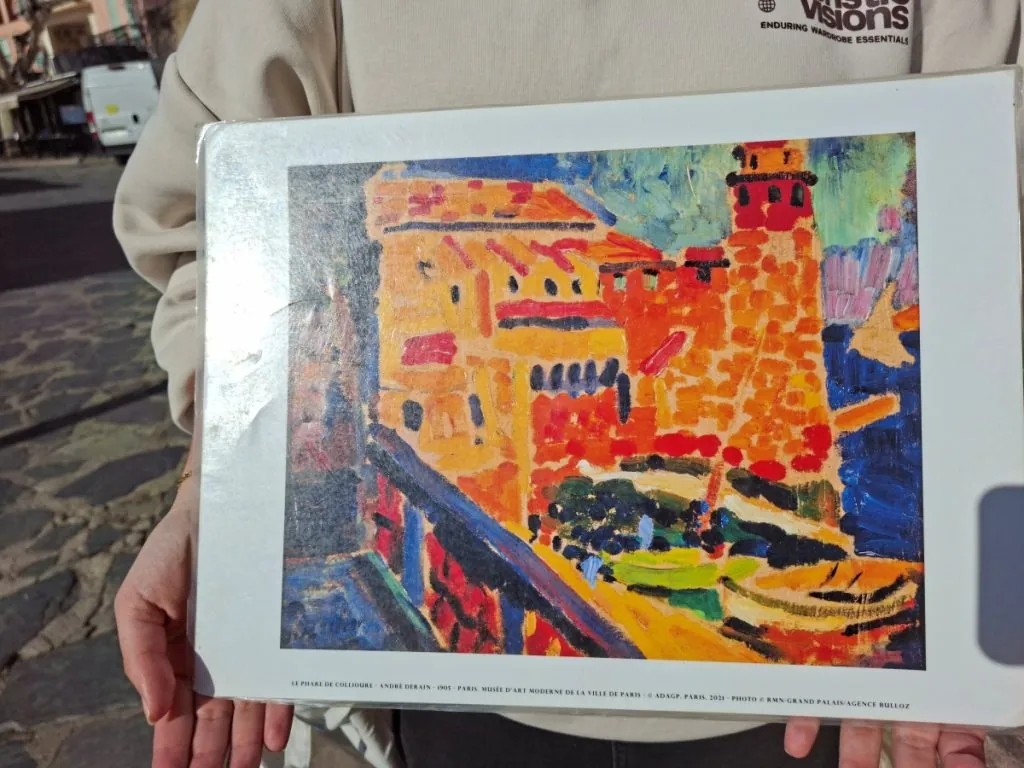
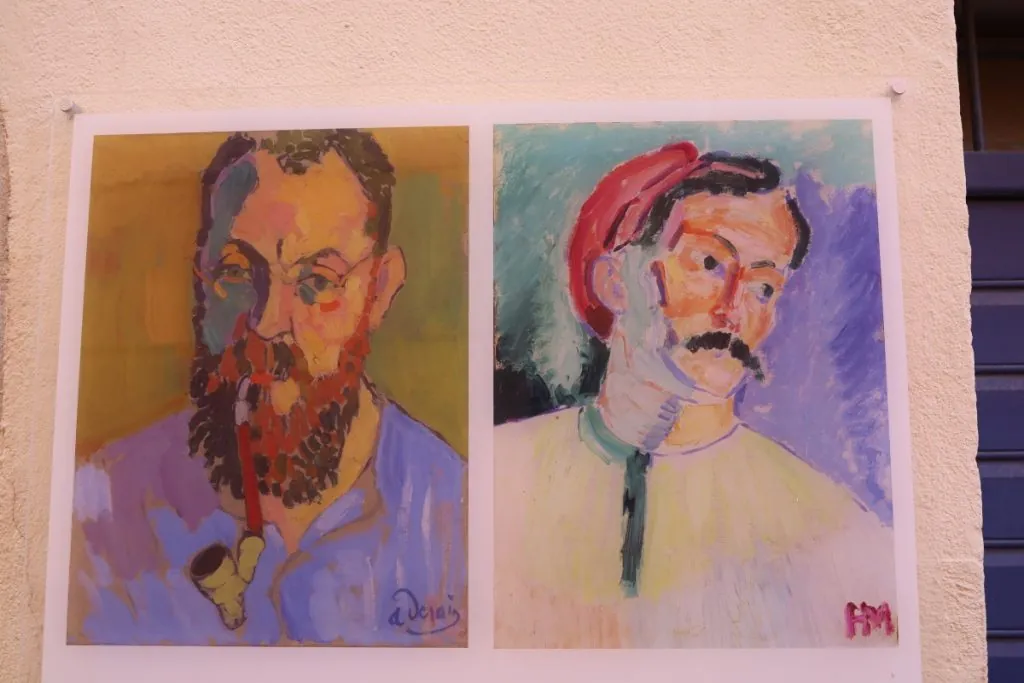
It was an angry art critic named Louis Vauxcelles who coined the term by calling them in French: The Fauves, the wild beasts.
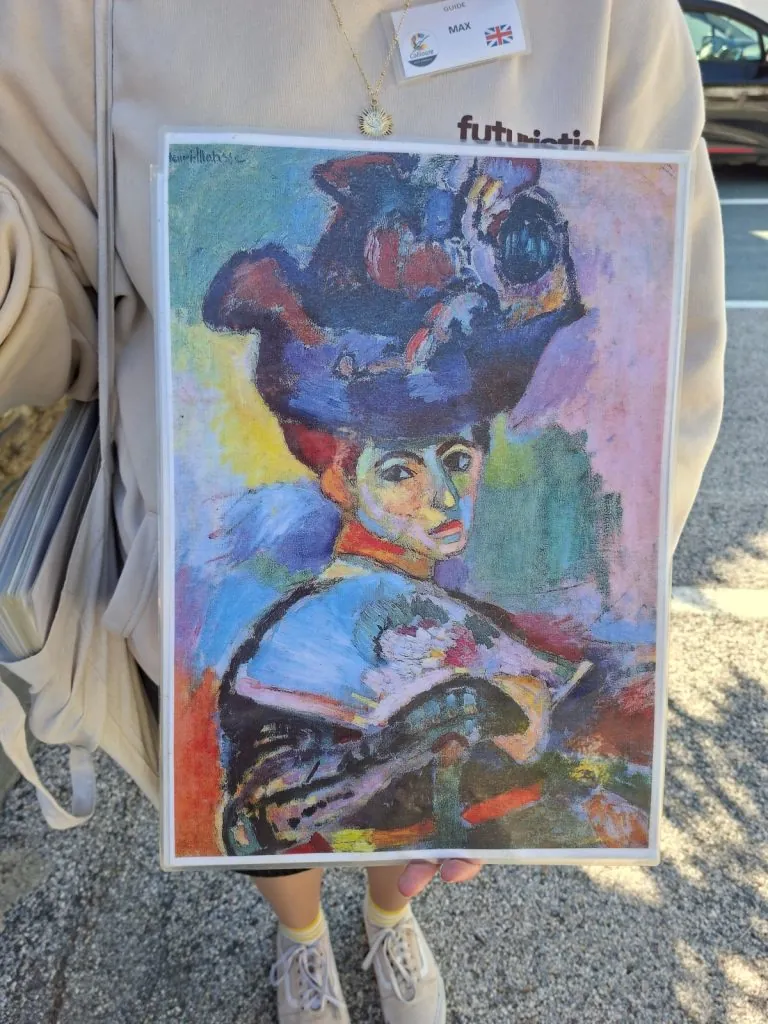
One of the most controversial and today known Fauvist works is Woman with a hat, where Matisse depicted his wife with wild brushstrokes and colors that did not reflect reality. Another hallmark of the Fauvists was that there were very strong colors in the paintings and often yellow, green, red and blue.
The artist town of Collioure
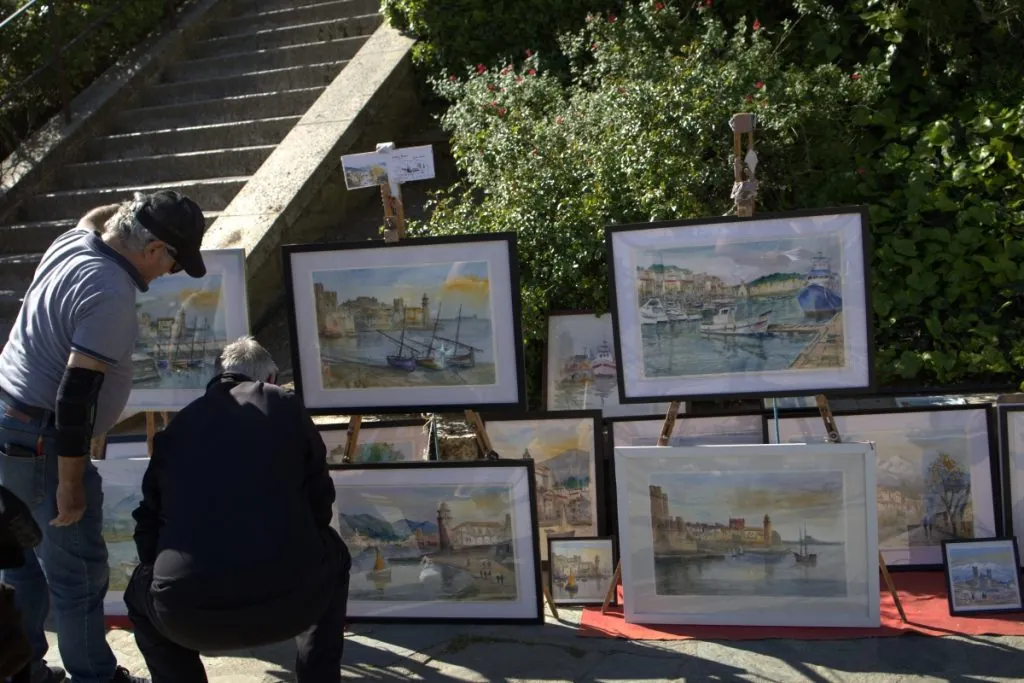
Matisse and Derain were not the first artists to visit Collioure and paint in the lovely light of the Mediterranean coast and enjoy the cozy feel of the town. At the beginning of the 20th century, it was a fishing village where sardines were caught and packed for export, which is a vibrant industry even today.
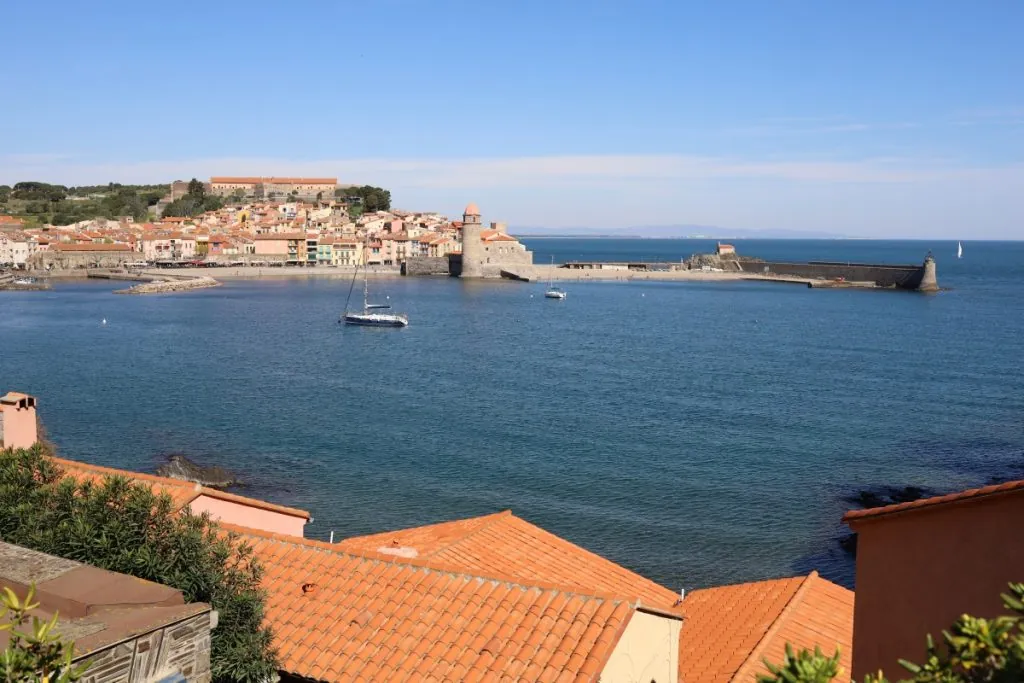
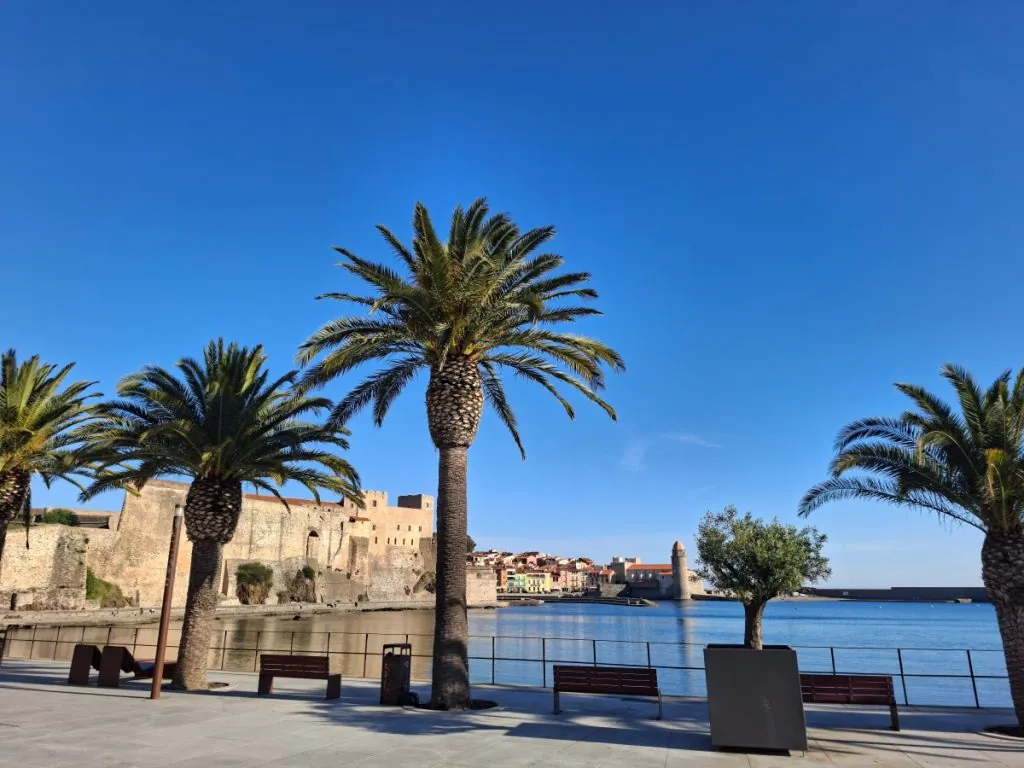
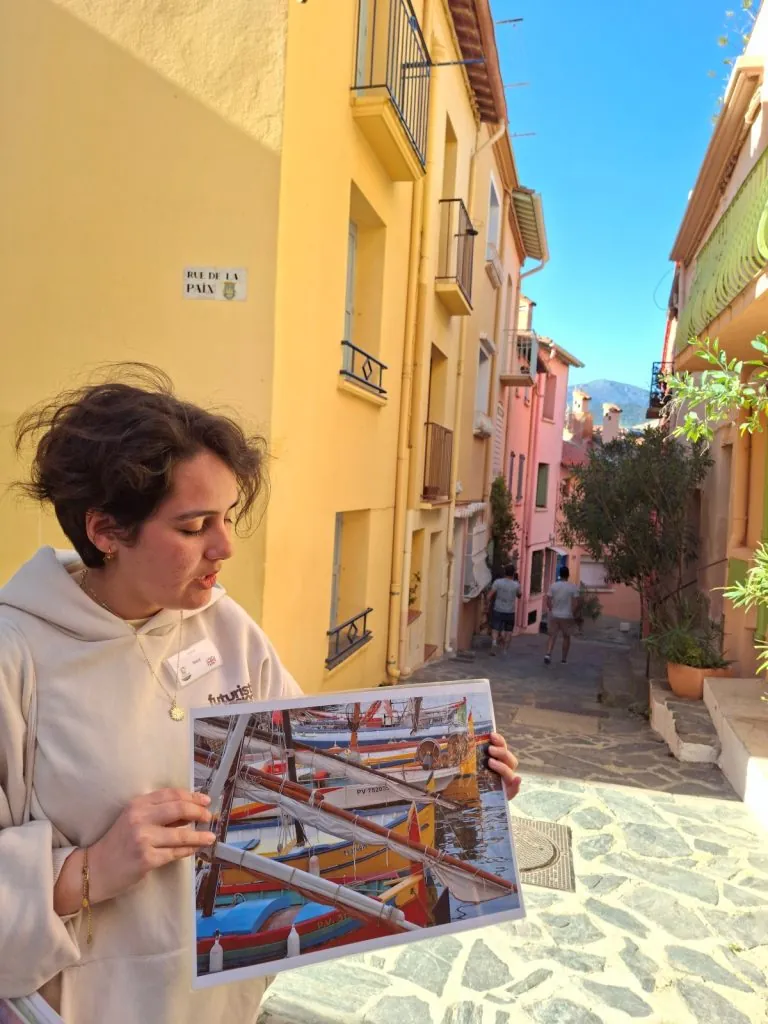
The fishermen used the leftover boat paint to paint their houses, so from the boats in the harbor to the city streets you could see strong colors in contrast to the blue waves of the Mediterranean Sea.

But according to the principles of Fauvism, the sea could be painted yellow and the boats could be depicted in completely different colors, it was the feeling of the object that determined the color and not reality. Perhaps not controversial today, but at the time it was something new.
After being a revolutionary idea and receiving harsh criticism in 1905, the expression had already begun to spread far beyond Collioure by 1908 and was absorbed into other art styles.

Swedish artist Sigrid Hjerten and Fauvism
There is actually an artist in Sweden who is associated with Fauvism and that is Sigrid Hjerten, a Swedish artist who worked in the early 20th century but was also part of the movement around Matisse. She studied at his art academy in Paris around 2010 and was inspired by Fauvism which can be seen in the works the green sofa and studio interior which was painted in 1915-1916.
Attractions and experiences in Collioure
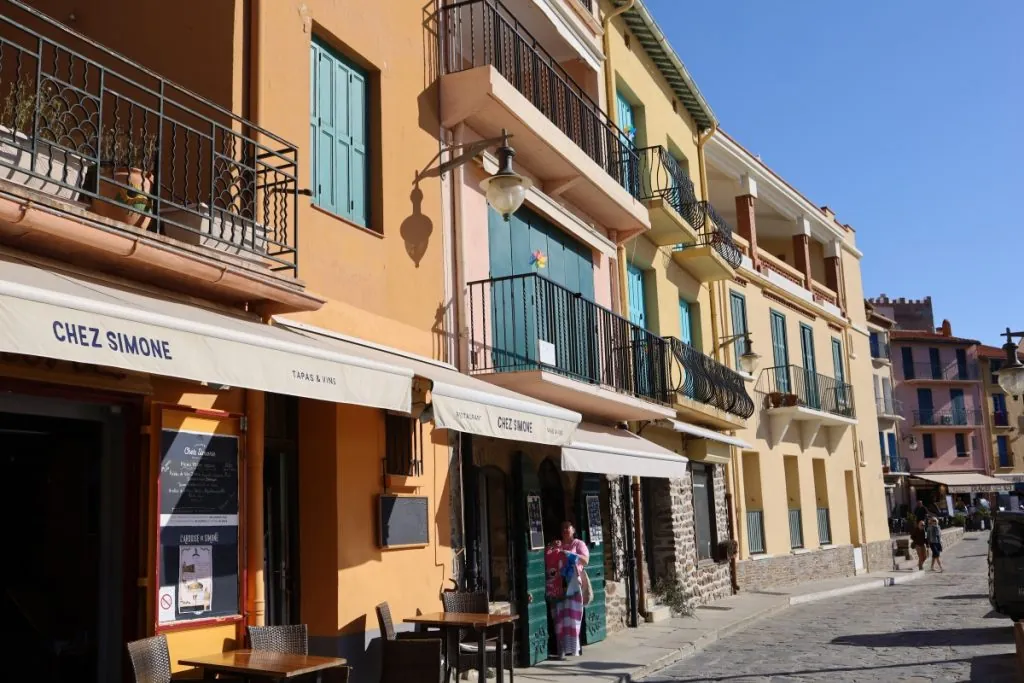
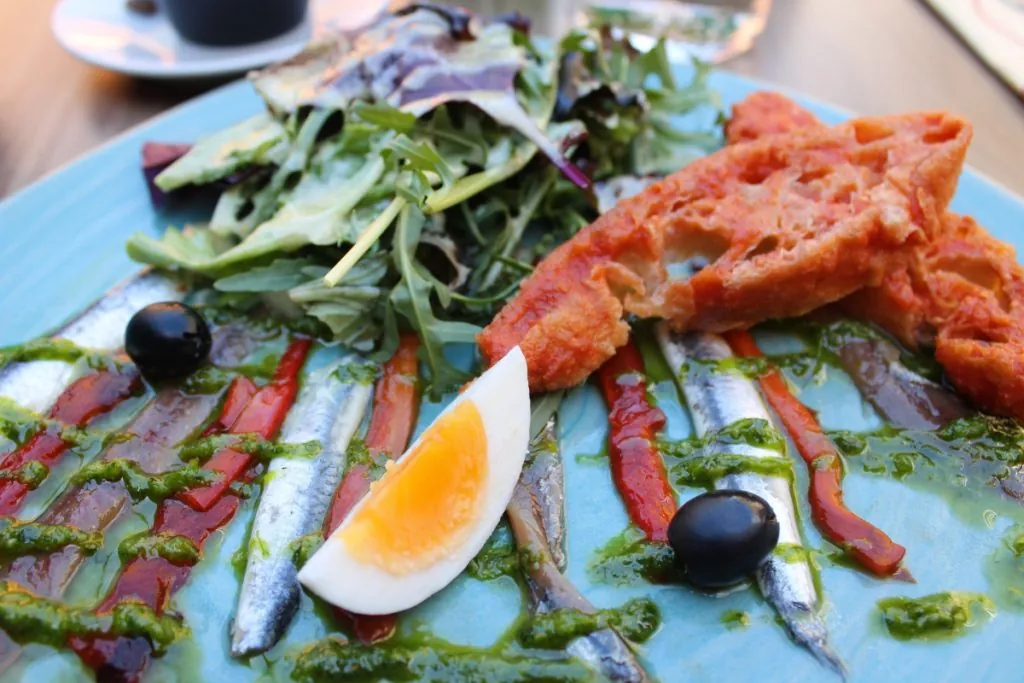
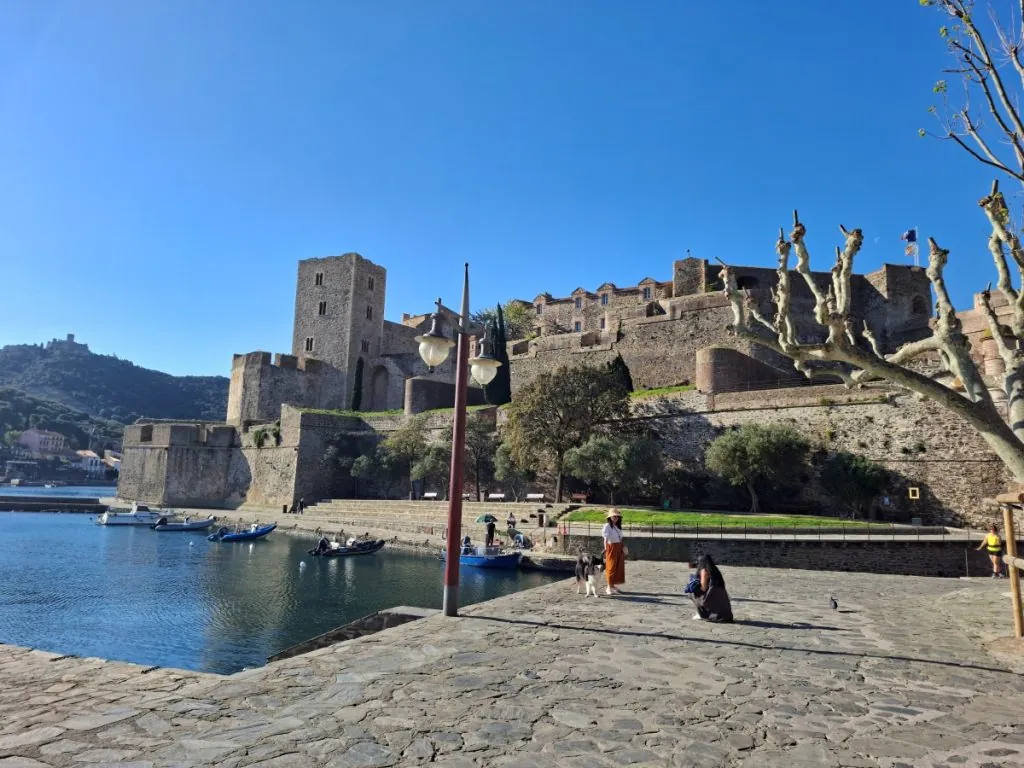
You can take various guided art tours and see where in Collioure the paintings were painted and walk past Matisse's old home. Anchovies in all their forms have been caught and sold in Collioure since a long time ago. The castle, which is Collioure's landmark, was built in the 13th century and is beautifully located down by the beach and is an important part of the city's charm and history.
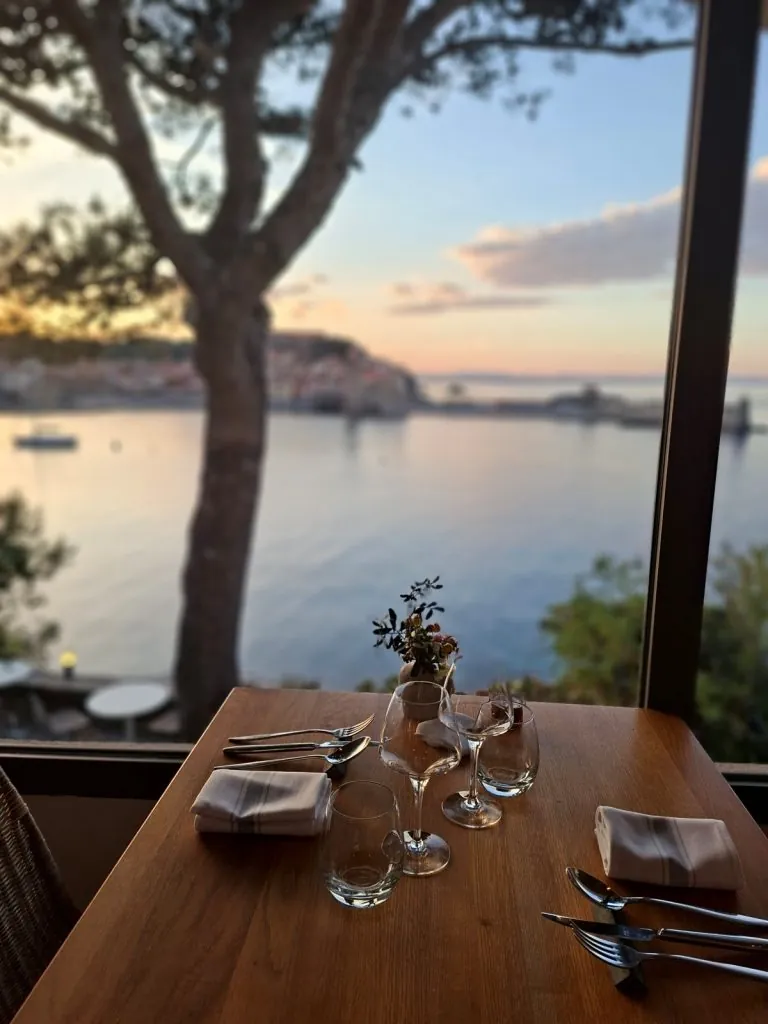
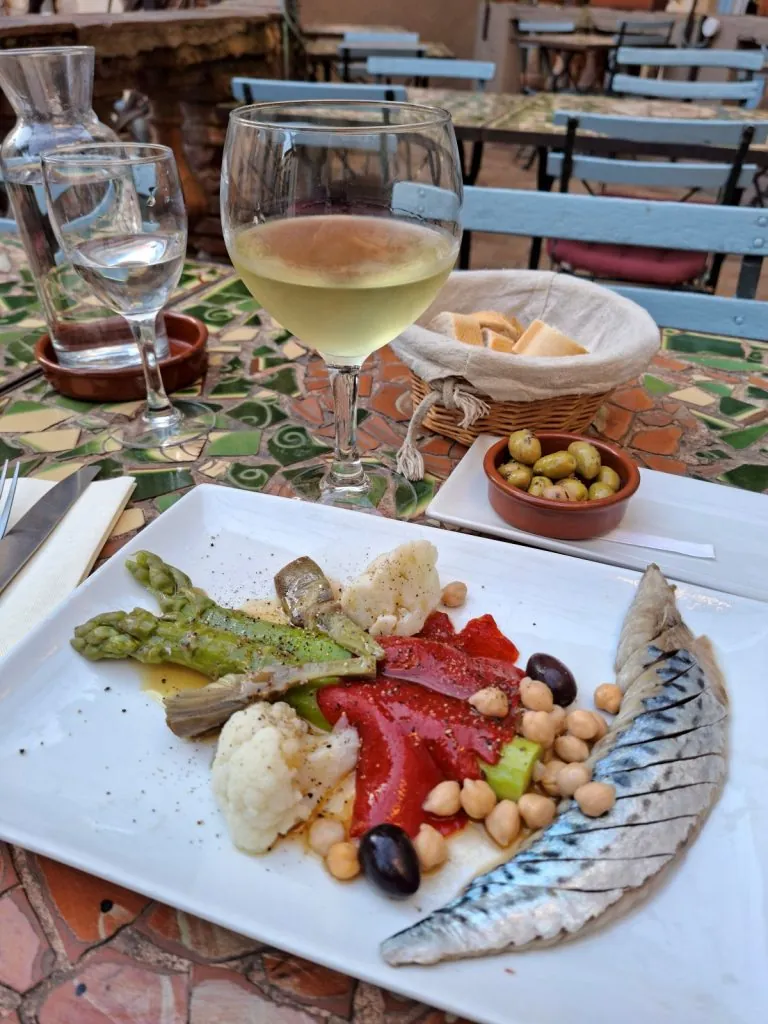
When it comes to drinks, you should familiarize yourself with Banyuls which is produced like port wine but has a significantly longer history and is unique to the region.
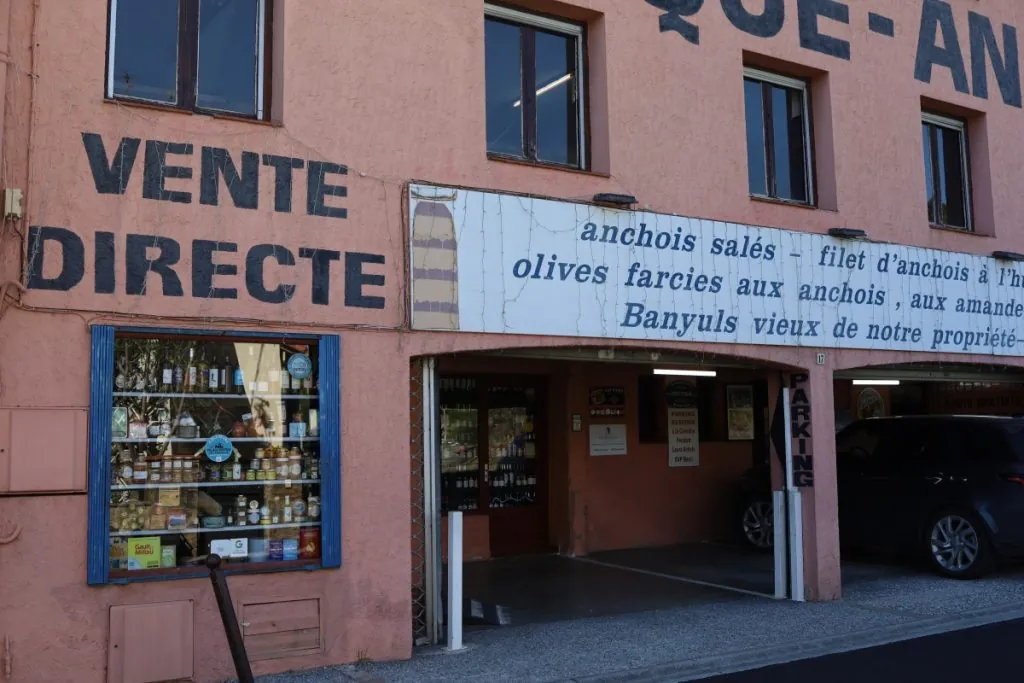
When Collioure was the epicenter of revolutionary artistic events from 1905-1908, it would be perfect to visit Ceret where the next exciting period in art history was from 1911-1914.
The city is located forty kilometers inland along beautiful roads that wind through the countryside. So pack your bags, enjoy a glass of local Grenache and follow the fascinating story of how a small French town became known as the ”Mecca of Cubism.”.
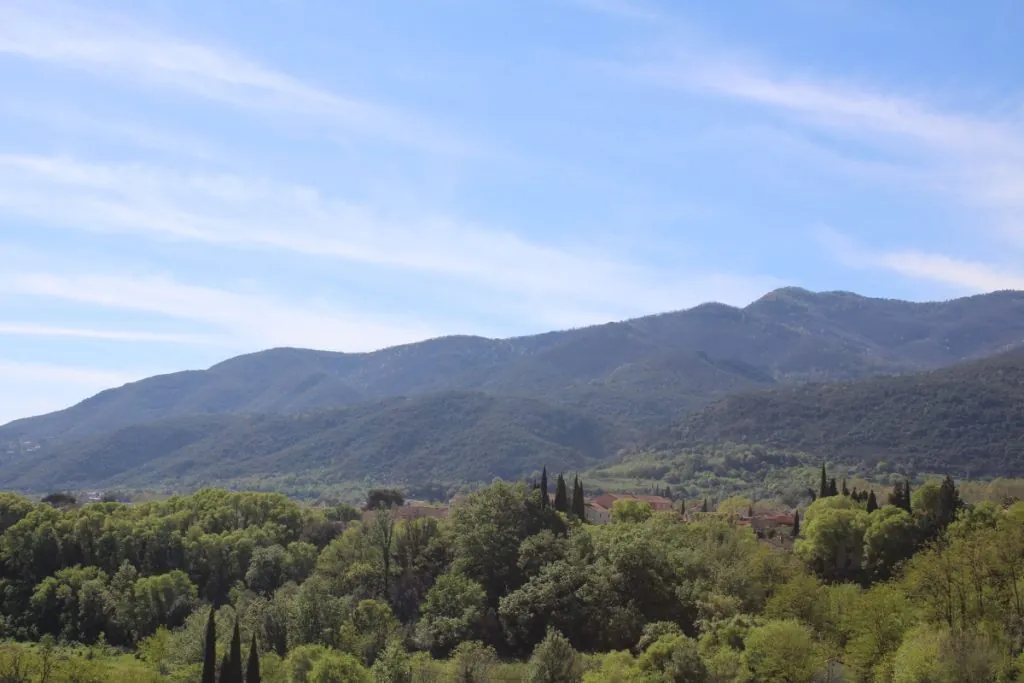
Picasso and the city of Ceret, the main center of Cubism 1911-1914
To the uninitiated, this might just look like another pretty, sleepy French town at the foot of the Pyrenees. But in the early 1910s, this small Catalan outpost became the epicenter of innovation in Cubism and collage art.
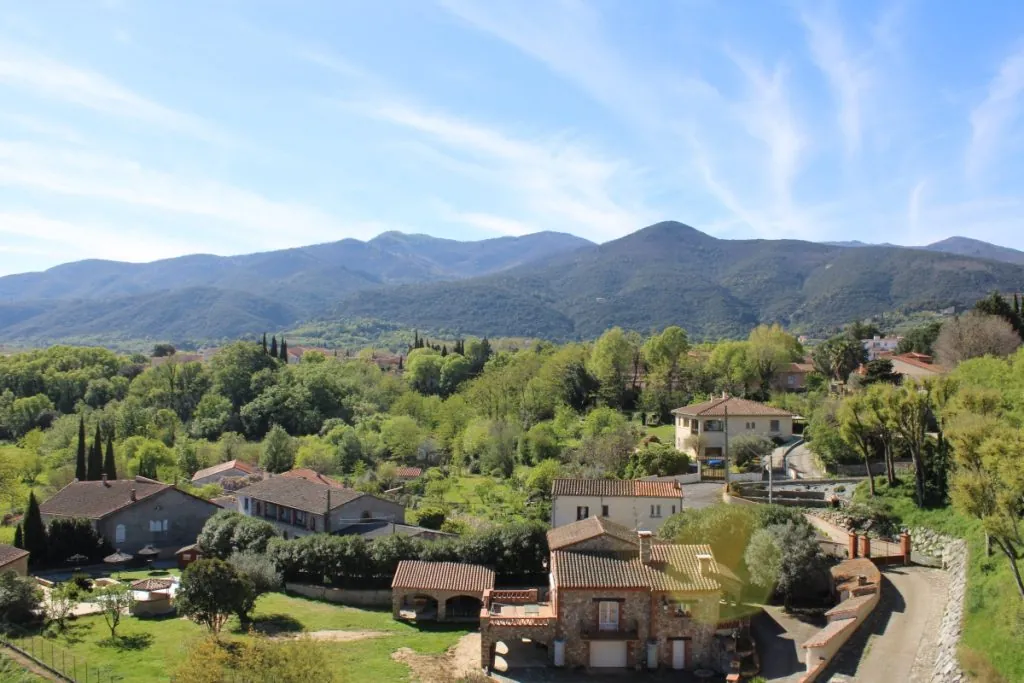
It was here that Pablo Picasso and Georges Braque took reality, broke it into geometric fragments and developed Cubism. Although Cubism started in Paris, it was Picasso and Braque who were the main protagonists and they spent a lot of time in Ceret.
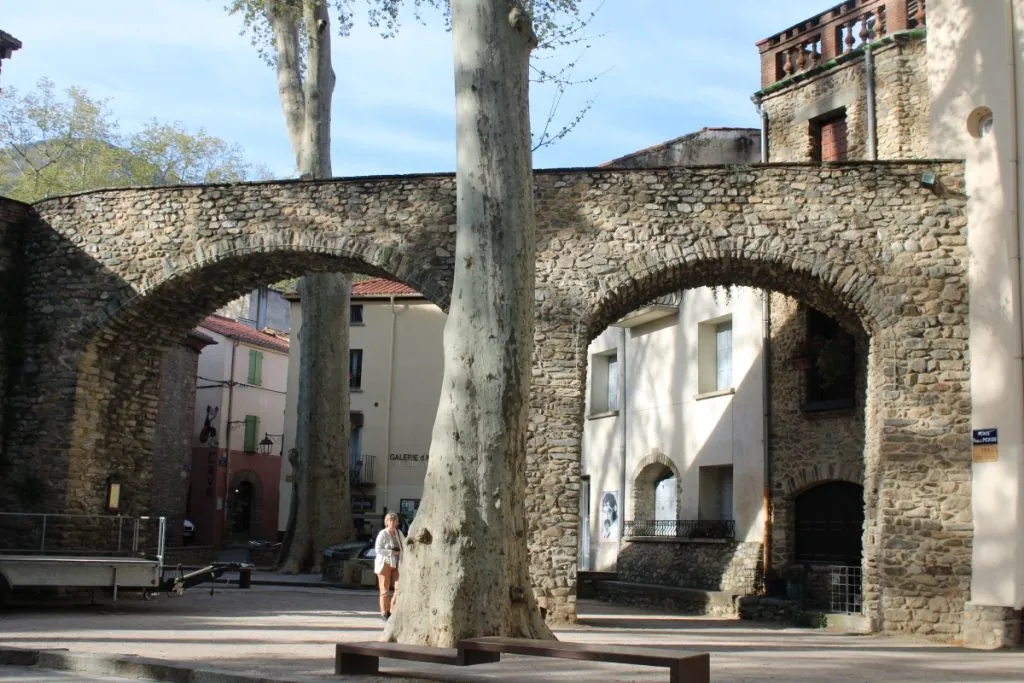
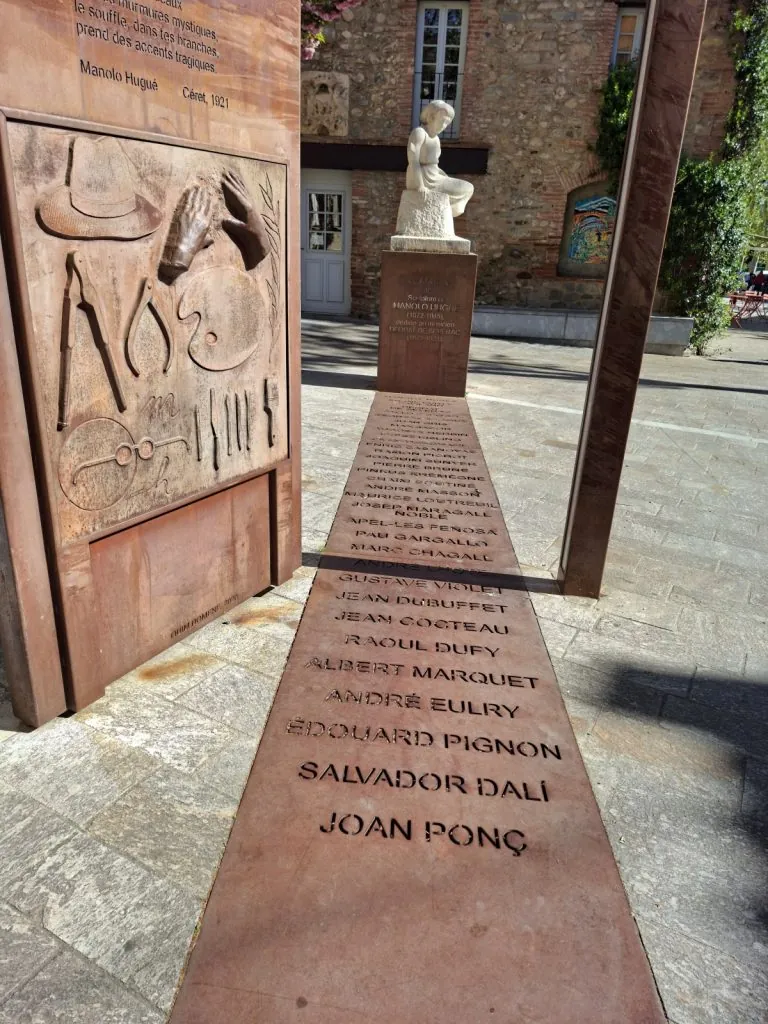
The artistic invasion began in 1910 thanks to the Catalan sculptor Manolo Hugué. He was broke, tired of the Parisian winters and looking for a place where a few francs could buy a week's worth of bread, cheese and wine. He discovered Céret, fell in love with the town's relaxed atmosphere and immediately sent word to his artist friends in Paris.
In 1911, one artist after another began to arrive in Céret, and one of them would play the leading role: Pablo Picasso.
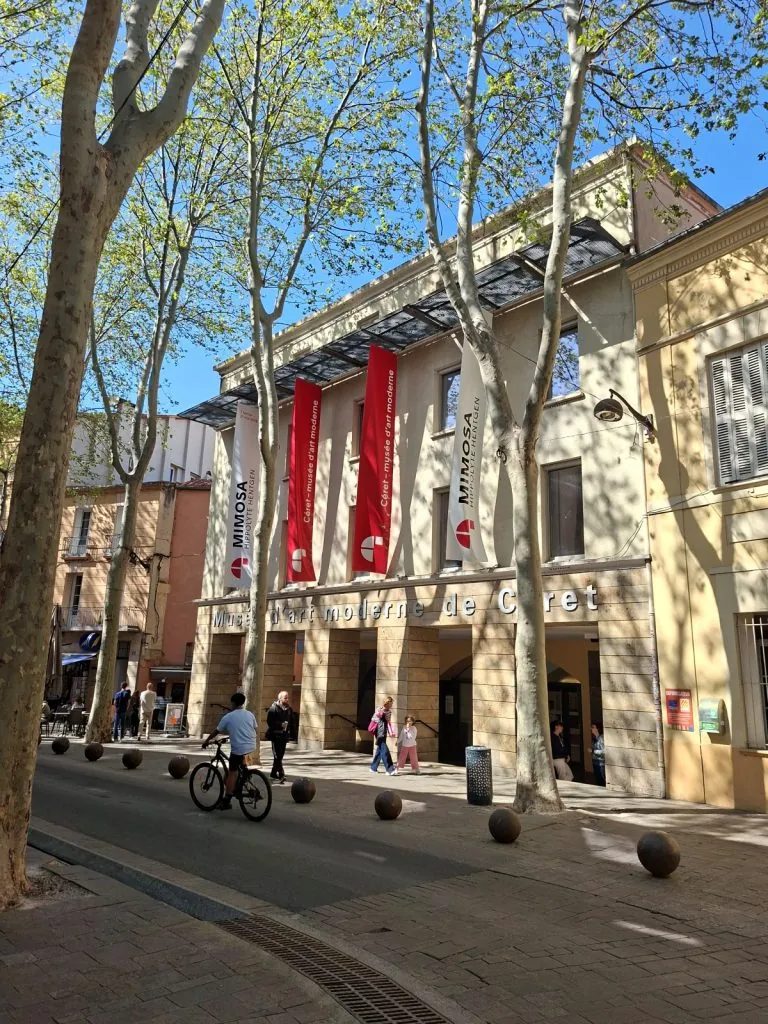
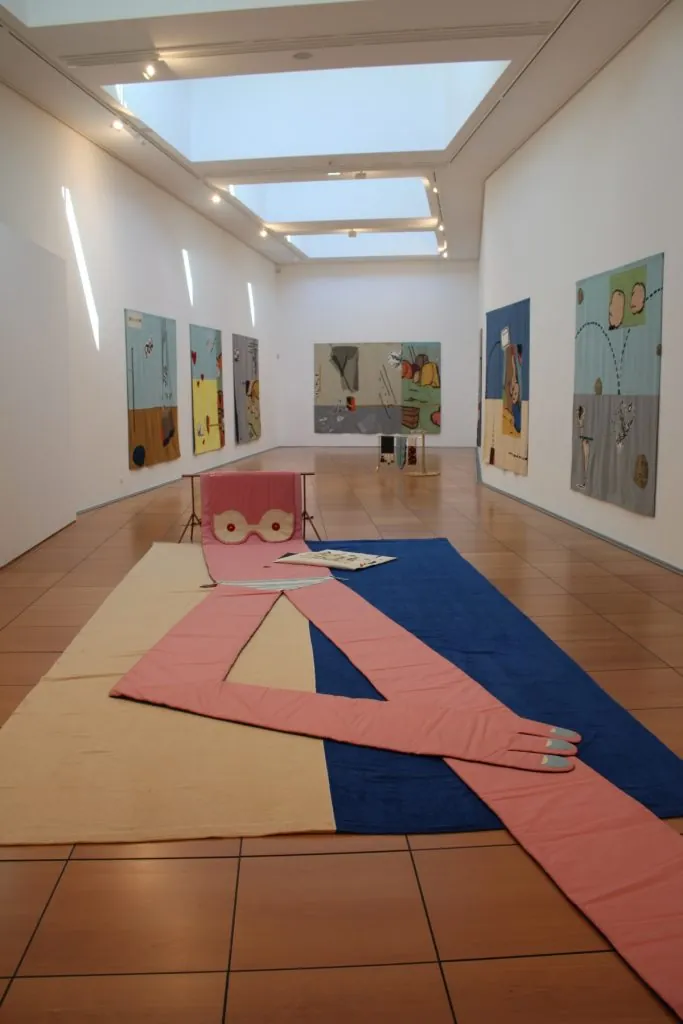
Picasso and Braque: The foremost Cubists in Céret
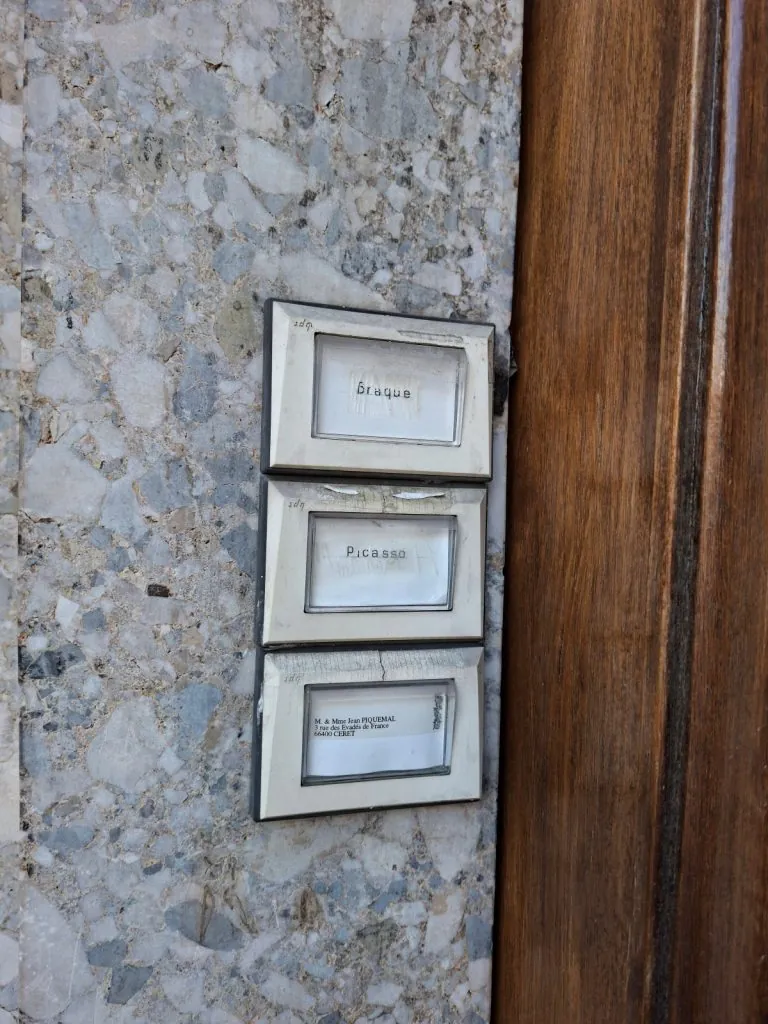
When Pablo Picasso arrived in Céret in the summer of 1911, he was not alone. He had with him his mistress Fernande Olivier and his close friend Georges Braque.
After Hugué, Picasso and Braque, many other artists came. An important person was the art collector and Picasso friend Frank Burty Haviland who moved to Céret in 1910. He bought a monastery in the town and transformed it into an artistic meeting place where local artists gathered.
Synthetic and Analytical Cubism
Even before they arrived in southern France, Picasso and Braque had begun experimenting with the ideas of Paul Cézanne, trying to simplify nature into spheres, cones, and cylinders. But something about the sharp, contrasting lines of the landscape around Céret pushed them further toward what art historians call Analytical Cubism.
Around 1912, Cubism entered a new phase called Synthetic Cubism. Artists stopped breaking down objects into lots of small shapes and instead began creating images with larger, simpler shapes.
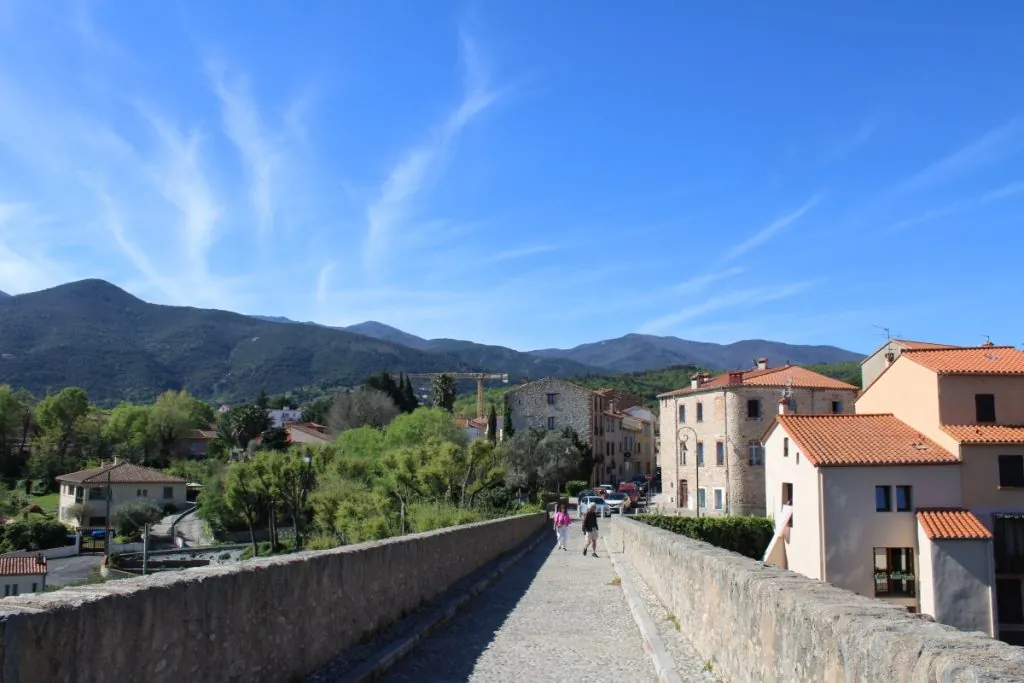
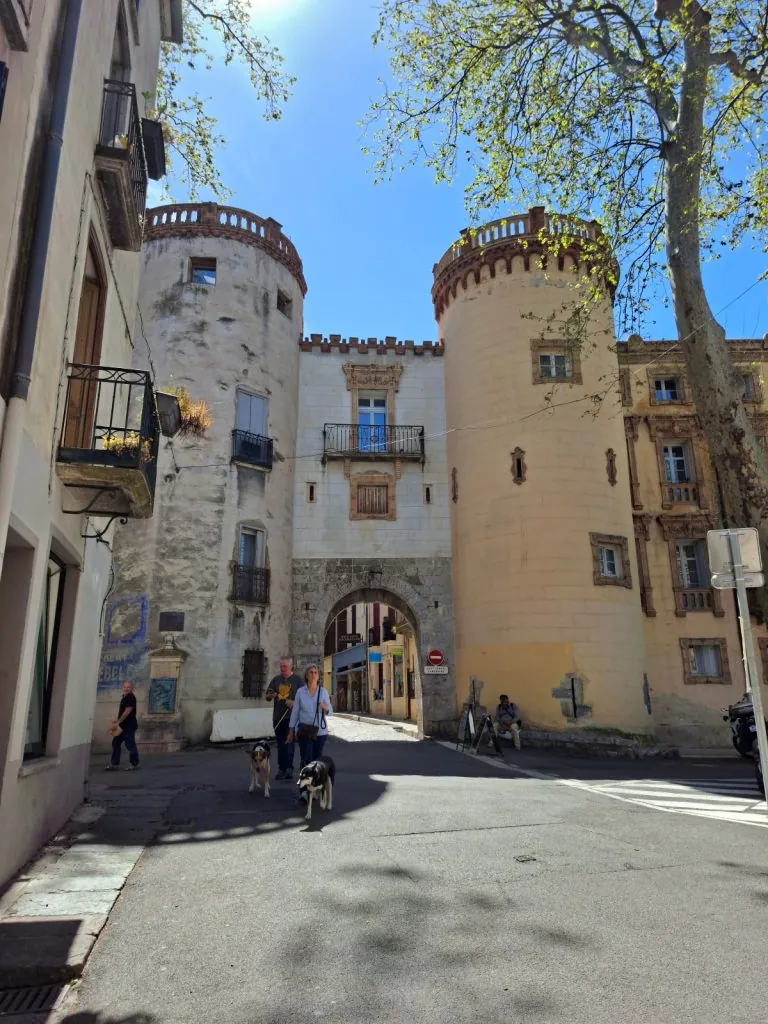
They sat side by side in their shared studio, painting the city's bridges, old stone houses and the surrounding mountains. But instead of creating beautiful postcard motifs, they did something completely different. They viewed a house from the front, from the side and from above at the same time, flattening the perspectives and arranging them on one and the same canvas.
Life in Céret: Wine, music and poor artists
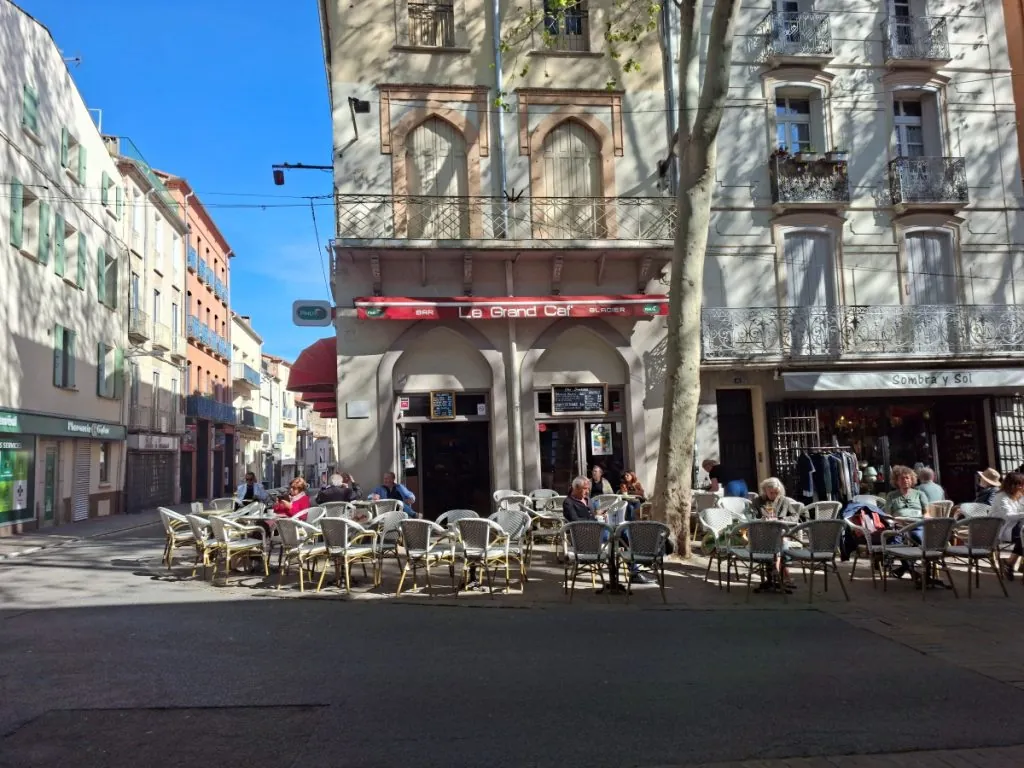
When they weren't in the studio, they would hang out at Café Pablo (then called Café Grand), which still exists today, where they would drink cheap wine from the region. Since they were constantly short of money, they often tried to pay for food and drink with drawings and paintings.
The lucky residents who accepted these strange ”cube drawings” instead of cash unknowingly secured fortunes for their grandchildren. Those who demanded coins and threw away the sketches? Their descendants probably aren’t smiling as much today.
From Paint to Paper: The Birth of Collage in the South of France
By 1912, Picasso and Braque began to feel that their abstract, fragmented paintings had become too abstract. Viewers could no longer tell the difference between a guitar and a wine bottle. They needed a way to ground art in the real world again.
Georges Braque went into a local wallpaper shop in Céret, bought a roll of cheap decorative wallpaper, cut it up, and glued the pieces directly onto a drawing of a guitar. Pablo Picasso took the idea even further by gluing pieces of local newspapers, food wrappers, and matchboxes onto his canvases.
It was a scandalous provocation against the traditional art academies of Paris. Picasso and Braque basically said: ”art can be a piece of the local newspaper and a wallpaper scrap from the shop around the corner.” It changed everything and paved the way for pop art, modern design and conceptual art several decades later.

Follow Jonathan here:
Jonathan Gharbi De Maré
You might also like:
 Art in Stockholm - 12 art experiences
 Visiting Zorngården and the Zorn Museum in Mora - fascinating!
 Visiting the Carl Larsson farm in Sundborn
 Visiting Chateau de Beynac in France - a historic gem
 Visiting the Dune du Pilat in France - Europe's largest sand dune
 Things to do in Dijon - 16 tips for the mustard city in Burgundy


 English (UK)
  Svenska