


Writer: Helena Bergström
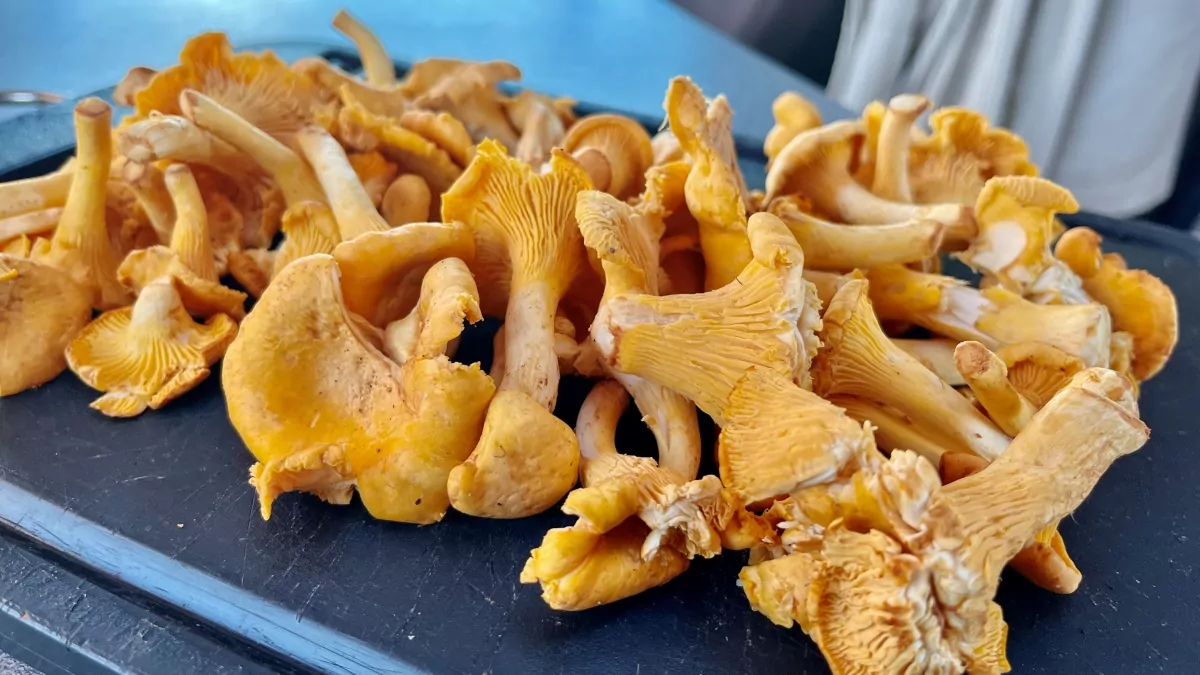
Yellow, golden and absolutely delicious. Chanterelles are often called ”the gold of the forest”, and for many, the hunt for the yellow mushrooms is part of late summer and autumn. But did you know that chanterelles are difficult to grow, that they live in close collaboration with trees and that Swedes have not always been as fond of mushrooms as we are today?
 Tweet
Tweet Share
Share Share
Share Pin
Pin Share
Share Share
ShareTable of contents
We love chanterelles…
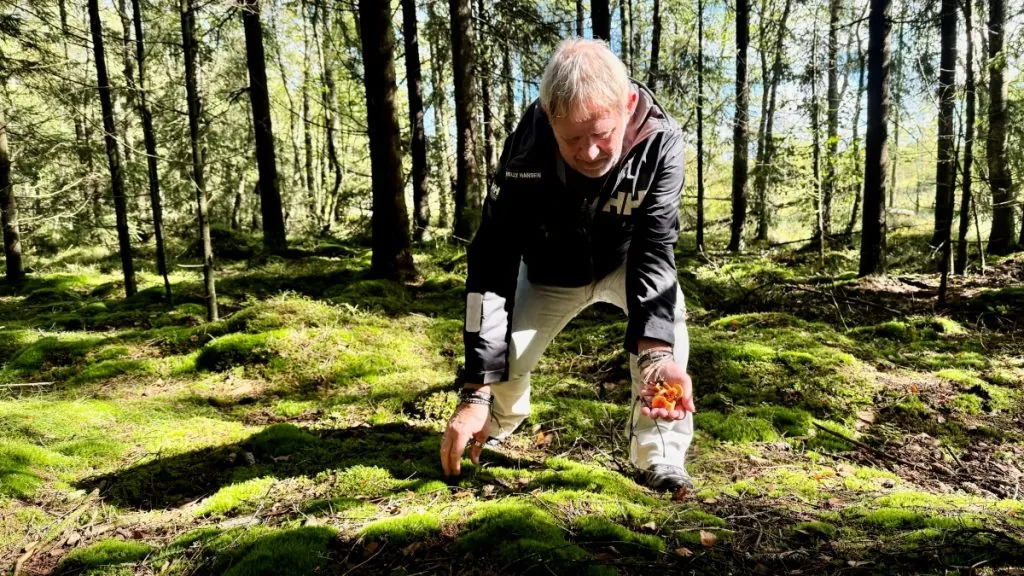
We both grew up picking chanterelles. Where Peter grew up, there were plenty of them, while chanterelles were much more elusive where I, Helena, grew up. They were definitely there, but there were also plenty of tourists looking for the same little yellow treasures. So actually finding a good chanterelle spot always felt very luxurious.
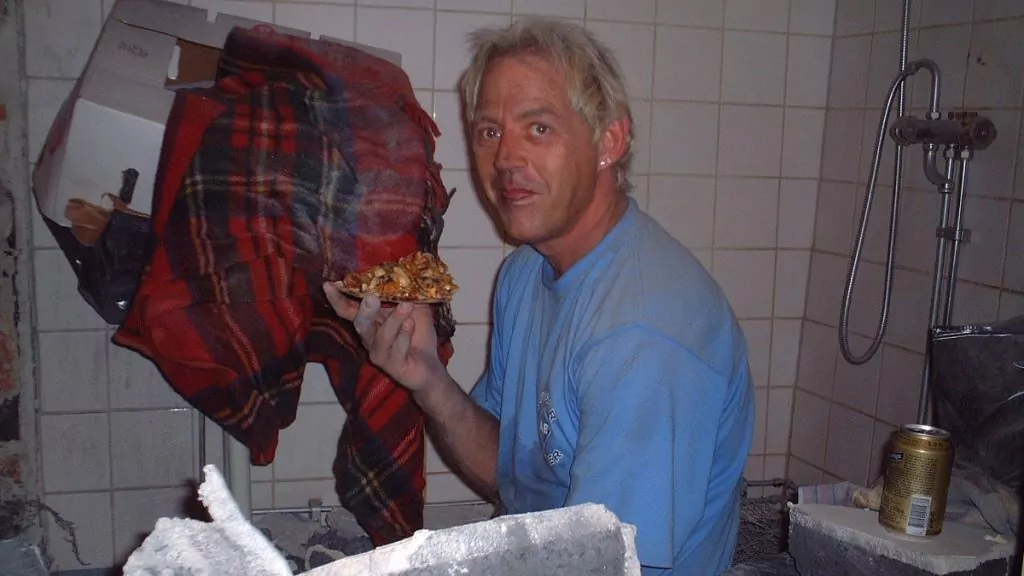
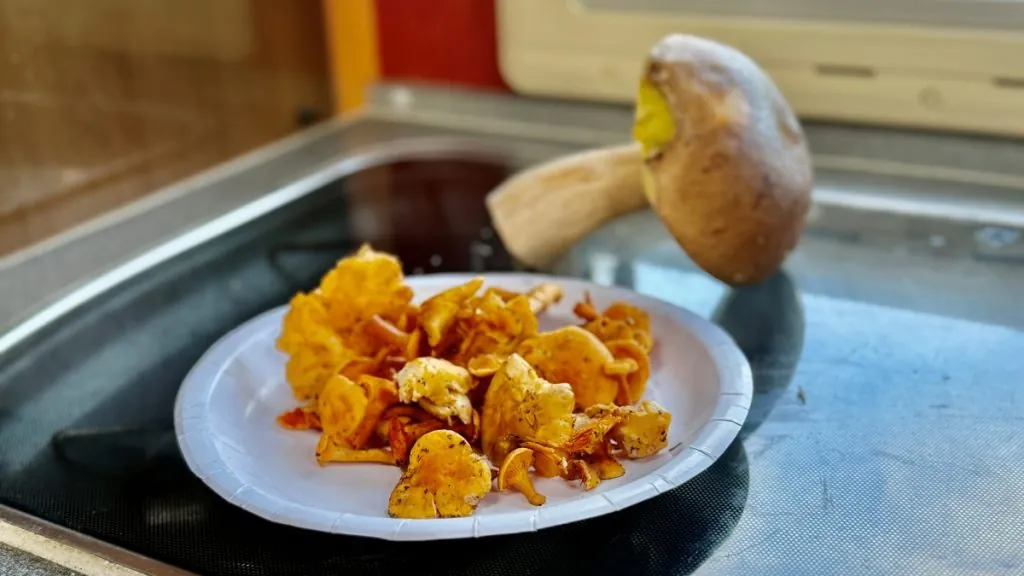
Today we usually buy our chanterelles in stores or at squares and markets, but recently we were lucky enough to find them ourselves in the forest again. Extra cozy! The find ended up in our absolute favorite way: butter-fried chanterelles on hard bread.
25 facts about chanterelles
But what do we really know about chanterelles? Here we have collected 25 interesting, fun and sometimes a little unexpected facts about the gold of the forest.
1. Chanterelles are almost impossible to grow
Mushrooms, oyster mushrooms and several other edible fungi can be grown on a large scale. Chanterelles are much trickier.
The reason is that the chanterelle does not live its life on its own. It needs to form mycorrhiza together with living trees, which means that the fungus and the tree live in close cooperation. Scientists have succeeded in getting chanterelle mycelium to form mycorrhiza with tree seedlings under controlled conditions, but the step from there to a stable and profitable commercial chanterelle cultivation is a big one.
So the chanterelles you see in stores are not normally grown in the same way as mushrooms. They are picked in the wild.

2. Chanterelles cooperate with trees
Below ground, the chanterelle mycelium and the tree's roots meet. There, a fascinating exchange takes place. The tree is helped by the fungus to absorb, among other things, water and mineral nutrients from the soil. In return, the fungus receives carbohydrates that the tree has produced through photosynthesis.
Chanterelles can form this partnership with several different tree species, including spruce, pine, birch, oak and aspen. Therefore, you can find chanterelles in both coniferous and deciduous forests.

3. You never see most of the fungus
When we say ”a chanterelle,” we naturally think of the yellow mushroom sticking out of the moss. But what we pick is actually just the mushroom’s fruiting body, the part that forms for reproduction.
The much more long-lived part is hidden in the soil in the form of mycelium, a network of thin fungal threads. To put it simply, the chanterelle in the mushroom basket could be compared to an apple on an apple tree. We pick the fruit, but the organism itself remains.
4. A good chanterelle spot can deliver year after year
Have you found a really good chanterelle spot? Make a note of it! Since the mycelium can remain in the soil, chanterelles can return to the same spot for many years when the conditions are right.
However, the amount of mushrooms that emerge varies depending on factors such as temperature, rainfall and other environmental conditions. It is perhaps not surprising that the coordinates of really good chanterelle spots are sometimes treated as family secrets.

5. You don't ruin the chanterelle stand by picking the mushrooms
Should you leave some nice chanterelles to be sure that there will be new ones next year? And should you cut off the mushroom instead of pulling it up?
A long-term Swiss research project investigated mushroom picking over a period of 29 years. The results showed that picking itself had no demonstrable negative effect on future fruiting body production.
The researchers also did not see any significant difference between cutting the mushroom and picking it up. The mycelium remains in the ground even when the fruiting body ends up in the mushroom basket.
6. But the pedaling can actually matter
However, the same Swiss study yielded another interesting result: When the soil was trampled, the production of the fungi's fruiting bodies decreased.
So there is reason to be a little careful when searching. Picking chanterelles doesn't seem to be the big problem. Having lots of people wandering around in the same small patch of forest could be worse. Perhaps another argument for not revealing that secret chanterelle spot to just everyone...
7. Chanterelles don't have real discs
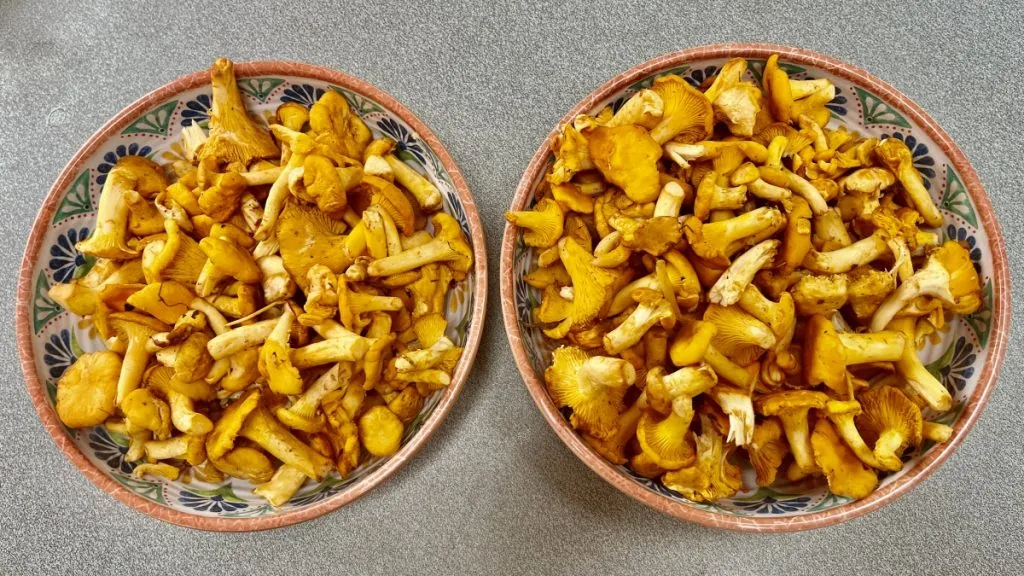
Turn a chanterelle over and at first glance it looks like the underside is full of discs. But if you look closer you'll see that it's more like branched folds or ridges running down the base.
This is one of the characteristics that distinguishes the chanterelle from true chanterelles. The cap is initially more domed but eventually becomes flatter and often funnel-shaped, with a wavy and irregular edge.
8. Chanterelles can grow with many different trees
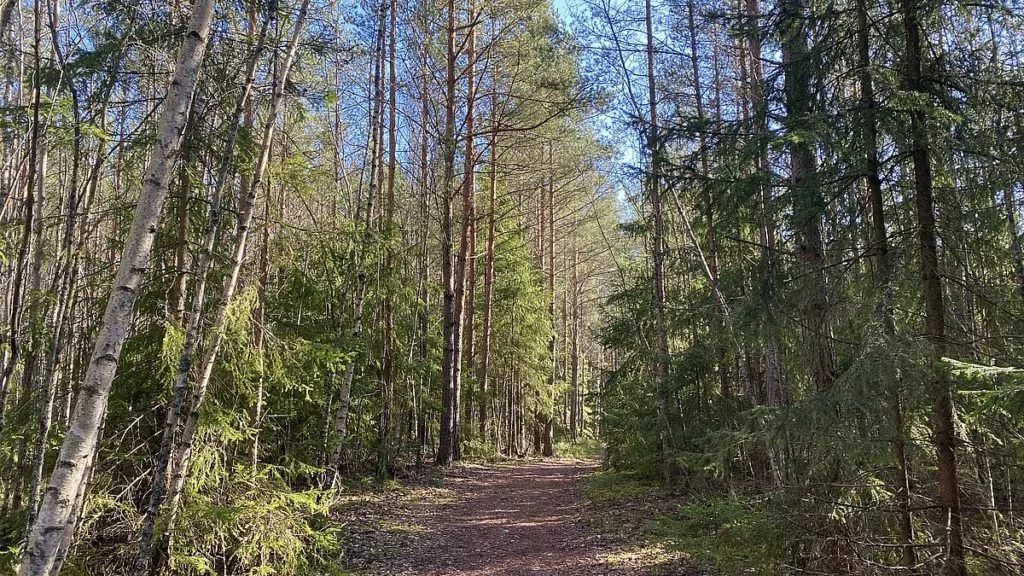
You don't need to look for a single specific type of "chanterelle forest." Common chanterelles can live with many different trees and are found in both coniferous and deciduous forests.
Spruce, pine, birch, oak and aspen are examples of trees that can have chanterelle mycelium at their roots. Of course, this does not mean that chanterelles are found everywhere where these trees grow. Soil conditions, moisture, temperature and many other factors also play a role. And some forests simply seem to be much better chanterelle forests than others.
9. Chanterelles are found in almost all of Sweden
Chanterelles are spread across large parts of the country and can appear from summer and well into autumn.
Exactly when the chanterelle season starts varies of course between different parts of Sweden and from year to year. Heat and precipitation play a big role, and a year that feels hopeless in one place can be fantastic a few miles away. In other words, it is difficult to set a single start date for the chanterelle season.
10. Chanterelles are unusually rarely worm-eaten
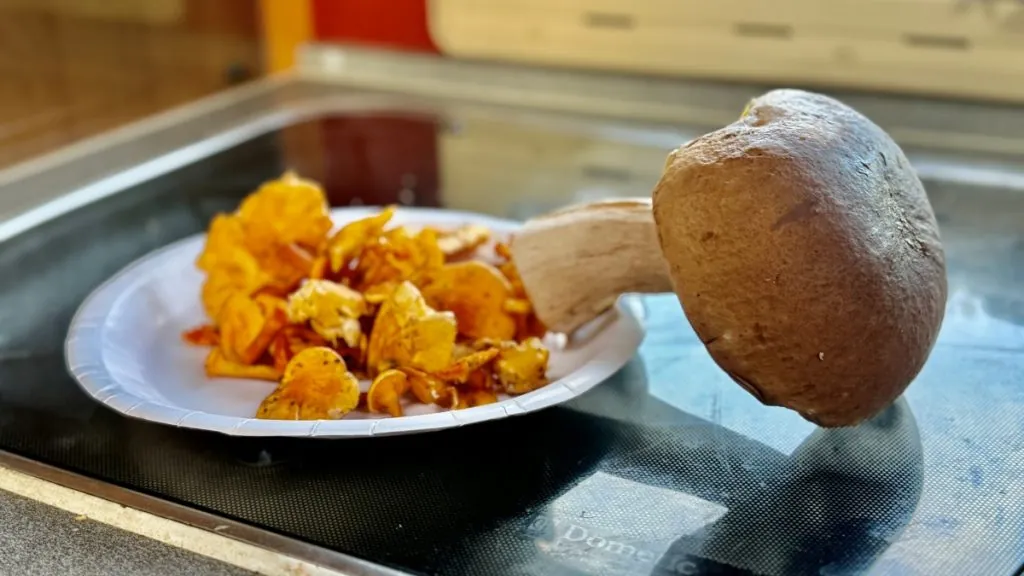
Anyone who picks Karl Johan or other soups knows the disappointment: a fantastic specimen from the outside turns out to be full of small passages and larvae when you cut it in half.
Chanterelles often fare better. They are relatively rarely attacked by insect larvae, which is another reason why they are so grateful to pick. However, chanterelles can also become old, soft or attacked in other ways. As always, it is important to use only fresh mushrooms.
11. The chanterelle was known as an edible mushroom already in Linnaeus' time
Chanterelles are not new to our dining tables. Carl von Linné described chanterelles as edible as early as the 18th century. Scientific systematics looked different back then and the mushroom was first placed together with many other species in the very broad genus Agaricus.
In 1821, the Swedish mycologist Elias Fries placed the chanterelle in the genus Chanterelle and gave it the name Chanterelle, the scientific name we still use today.
12. Swedes haven't always been crazy about mushrooms
Today, a good chanterelle spot can cause both jealousy and secrecy. Historically, Swedes have had a much cooler attitude towards mushrooms. Mushrooms appeared in fine Swedish cooking as early as the 18th century, and Cajsa Warg's famous cookbook contained mushroom dishes. But among large parts of the population, there was a long-standing suspicion of mushrooms as food.
During the 19th century, Elias Fries, among others, tried to spread knowledge about which mushrooms were edible. Books and posters were published that would teach Swedes to better utilize the food that actually grew out in the forests. Today, we hardly need to be persuaded when it comes to chanterelles.
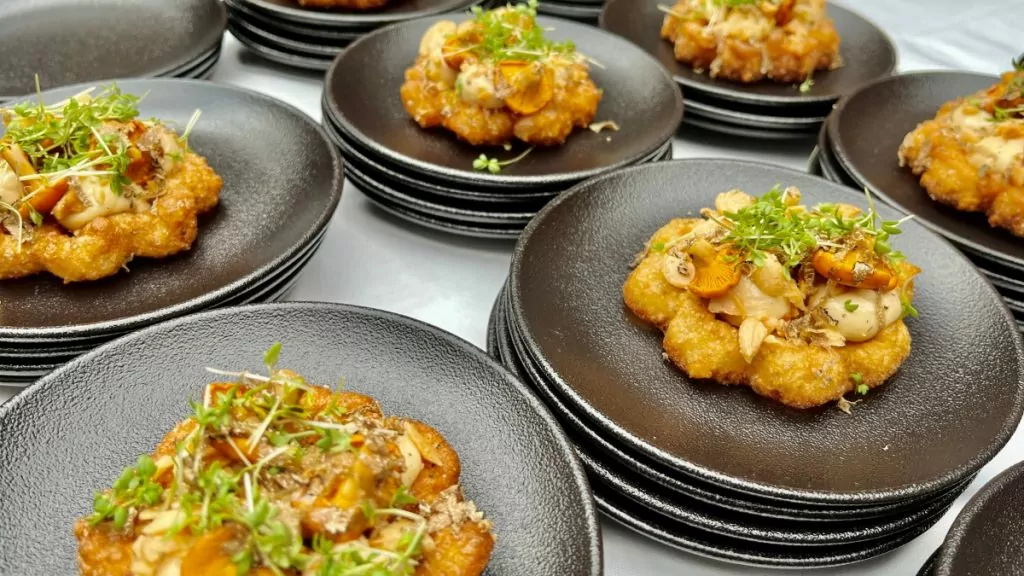
13. The name chanterelle refers to the shape
The scientific genus name Chanterelle originates from a word for cup or goblet and refers to the shape of the mushroom. The species name cibarius means roughly edible or something pertaining to food.
The scientific name Chanterelle can therefore be described very simply as something like an ”edible little cup.” Quite fitting for a mushroom that over time often develops a distinctly funnel-shaped cap.
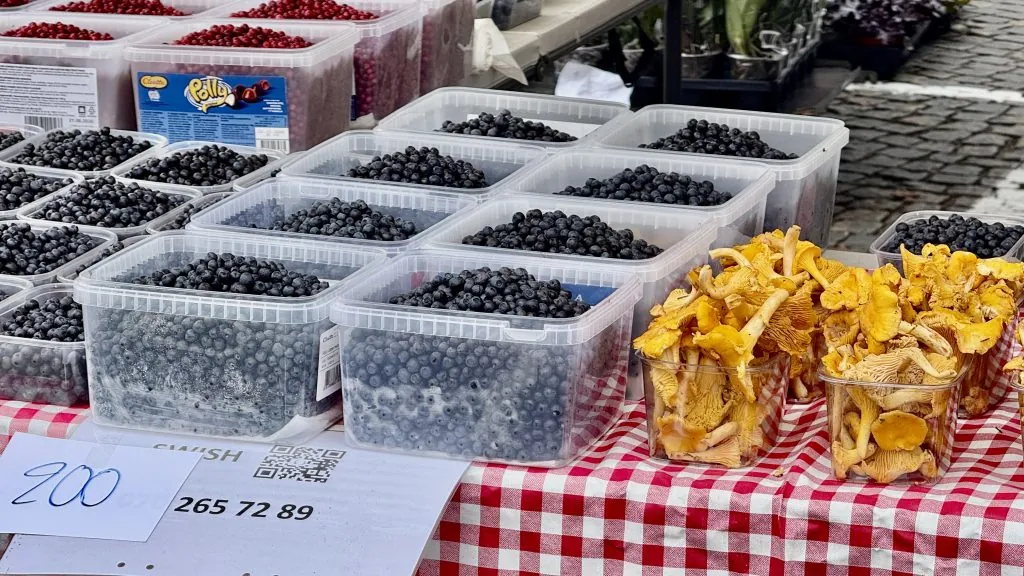
14. Chanterelles were once so common that they were associated with something worthless
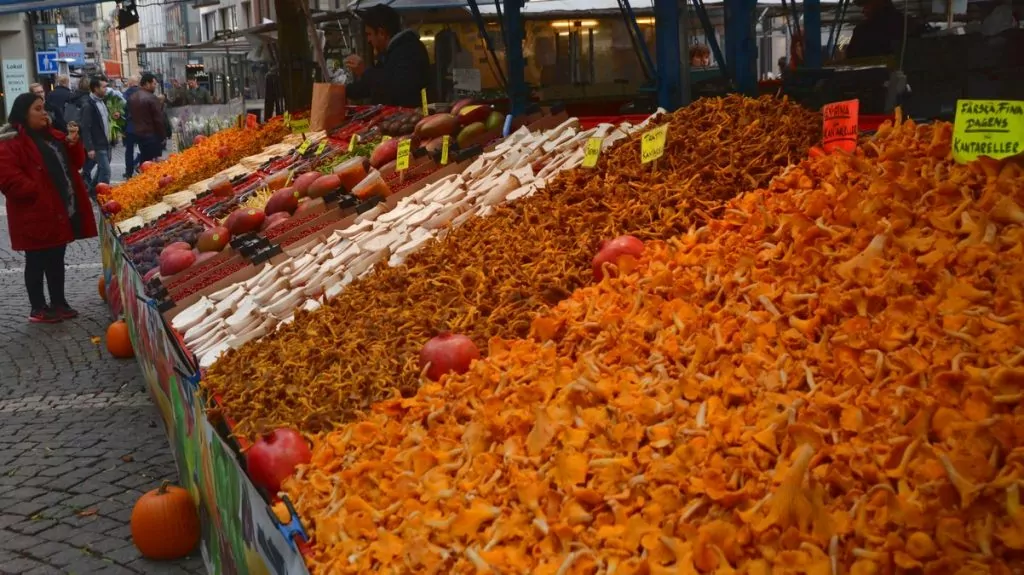
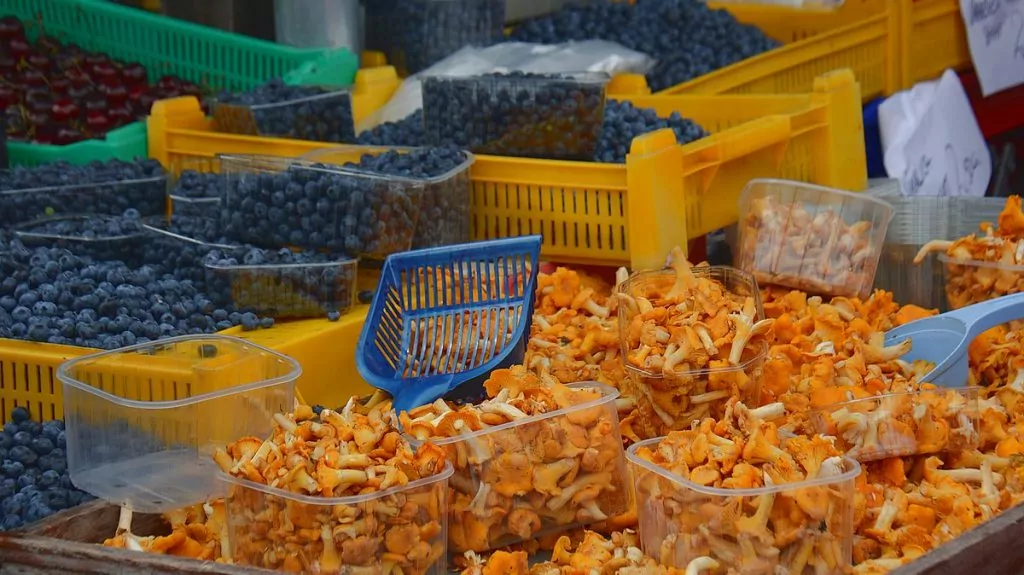
Today, chanterelles are called the gold of the forest and can cost a pretty penny at markets and in shops. Historically, at least in some parts of Europe, the situation has been completely different.
In German there is the expression ”"not worth a chanterelle"”, roughly ”not worth a penny.” A common explanation is that chanterelles used to be available in such abundance that they were very cheap and were therefore associated with something of little value.
The exact origin of the expression is debated, so the story should be taken with a pinch of salt. But the contrast is still lovely. Today's sought-after "forest gold" has given its name to something that was once considered worthless.
15. As early as the 15th century, people were baking ”chanterelles”
Here is perhaps the strangest chanterelle fact on the list. In German-language recipe collections from the 15th century, there are recipes for small pastries that were supposed to look like chanterelles. Dough was shaped into small mushrooms with a cap and a foot and cooked in fat.
In one version, they were served with honey, spices, saffron and grapes, among other things. So it wasn't a recipe. with chanterelles. Small edible imitations of chanterelles were made. Apparently the characteristic shape of the mushroom was well-known enough already in the Middle Ages to inspire cooking.
16. The chanterelle has many names in Europe
If you order chanterelles at a restaurant abroad, they may be called something completely different. In French, they are often called girolle, while the chanterelle in Germany is called Chanterelle. In Austria, Egg fungus a common name. The latter refers to the yellow color of egg yolk.
In other words, the chanterelle is a well-known edible mushroom in many parts of Europe, although the names and food traditions vary.
17. Chanterelles can smell like apricot
Have you ever stuck your nose into a basket of freshly picked chanterelles? The scent is often described as fruity and sometimes specifically apricot-like.
It's not just romantic food language. Scientists who have analyzed the aroma of chanterelles have identified a large number of different volatile substances that together contribute to the special scent. So the next time you're standing with a handful of fresh chanterelles, you can test it yourself. Do you smell apricot?
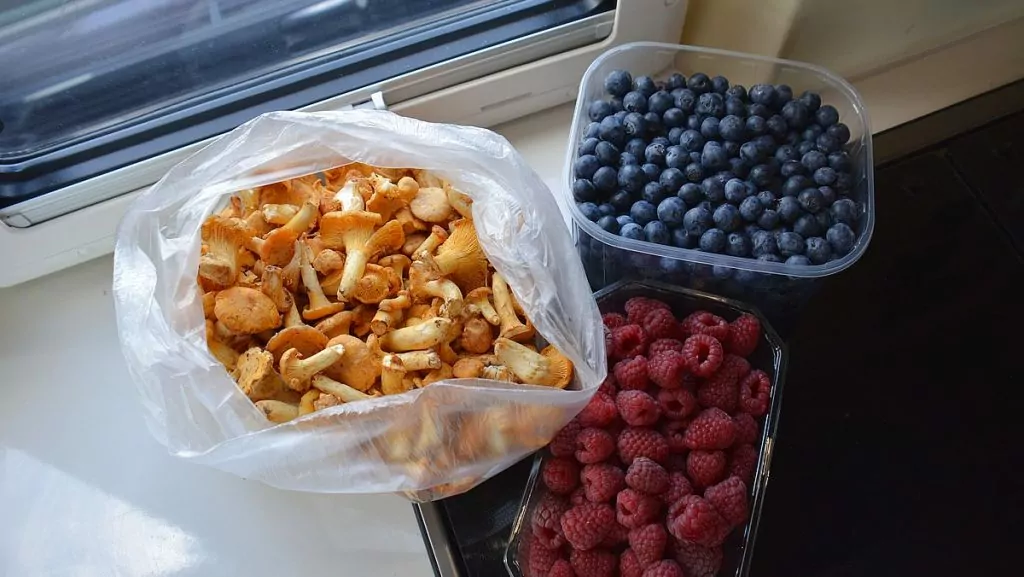
18. Chanterelles contain vitamin D
Mushrooms may not be the first thing that comes to mind when you hear the word vitamin D, but chanterelles contain vitamin D2. Mushrooms can form D2 from the substance ergosterol when exposed to UV light. The levels can therefore vary depending on species and growing conditions, among other things.
Chanterelles are also low in energy and consist largely of water. Of course, you can influence that yourself by putting them in a generous dollop of butter...
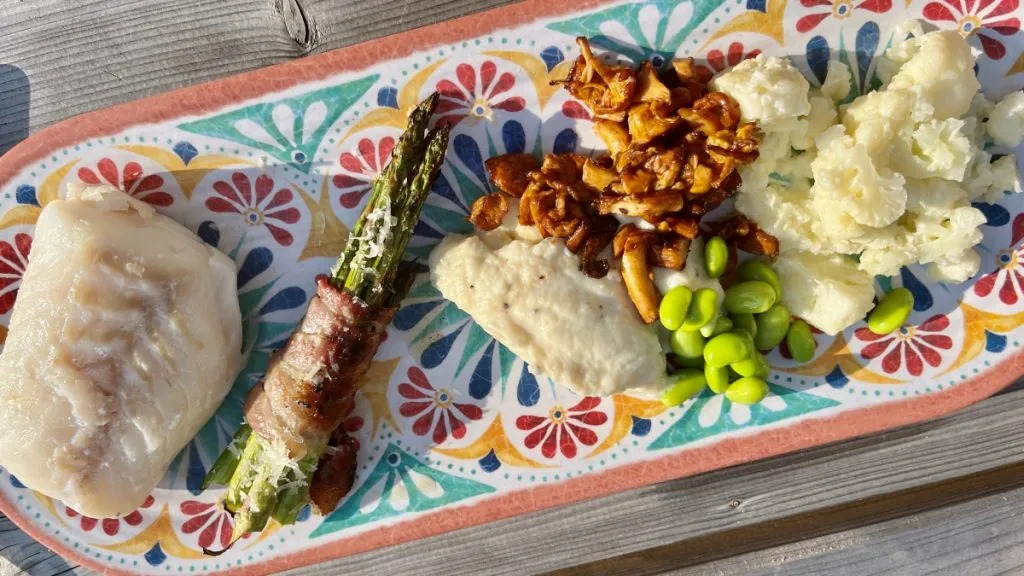
19. Chanterelles can actually be dried
You sometimes hear that chanterelles cannot be dried. That's not quite true. Chanterelles can dried, but both the texture and taste change and many people find that other mushrooms, such as chanterelles and Karl Johan, are better suited for drying.
A common alternative is therefore to let the chanterelles release their liquid in a frying pan and then freeze them. This way, the autumn harvest can be enough for many future dinners.
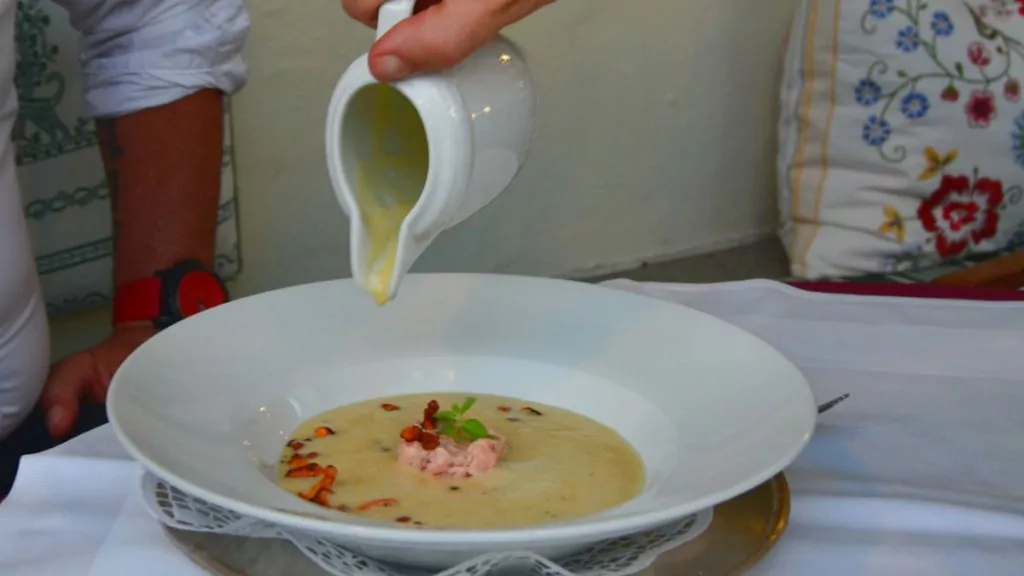
20. Butter-fried chanterelles are hard to beat
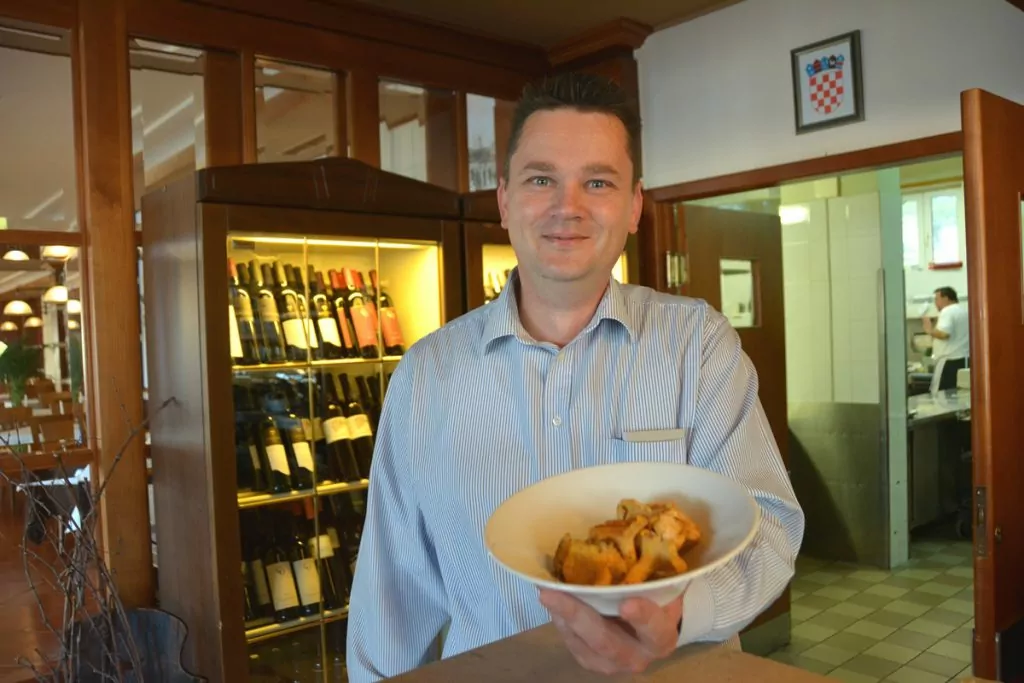
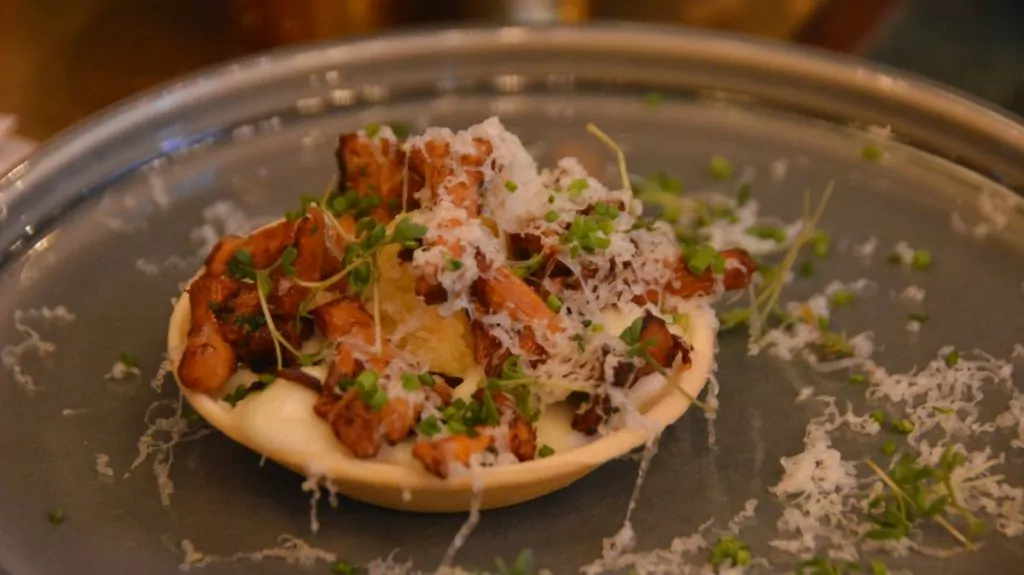
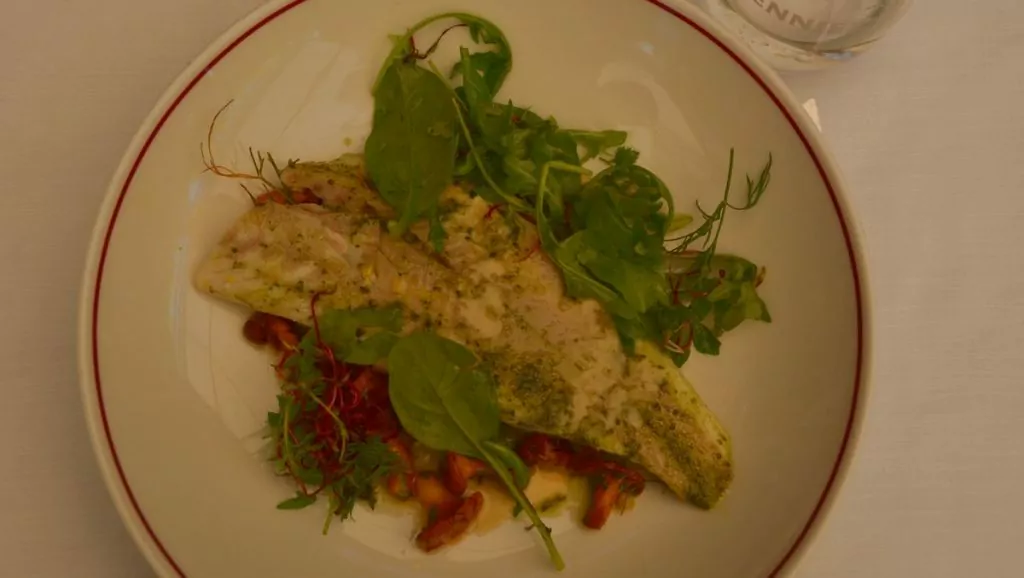
Of course, you can make lots of sophisticated dishes with chanterelles, but sometimes the simplest is also the tastiest. Our favorite way is to fry the chanterelles in butter and serve them on hard bread. If we have just been out and picked them ourselves, the chanterelle sandwich tastes even better in some strange way.
Butter-fried chanterelles are also great as a side dish for meat or in a creamy pasta. In the latter case, cream, parmesan and perhaps a little garlic or herbs are nice companions.
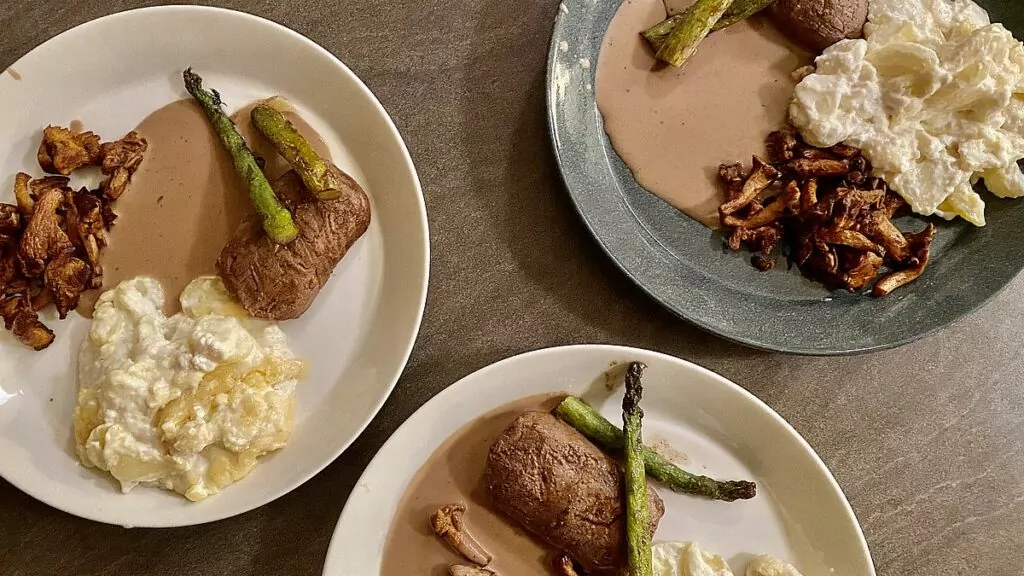
21. Chanterelles are eaten in different ways around Europe
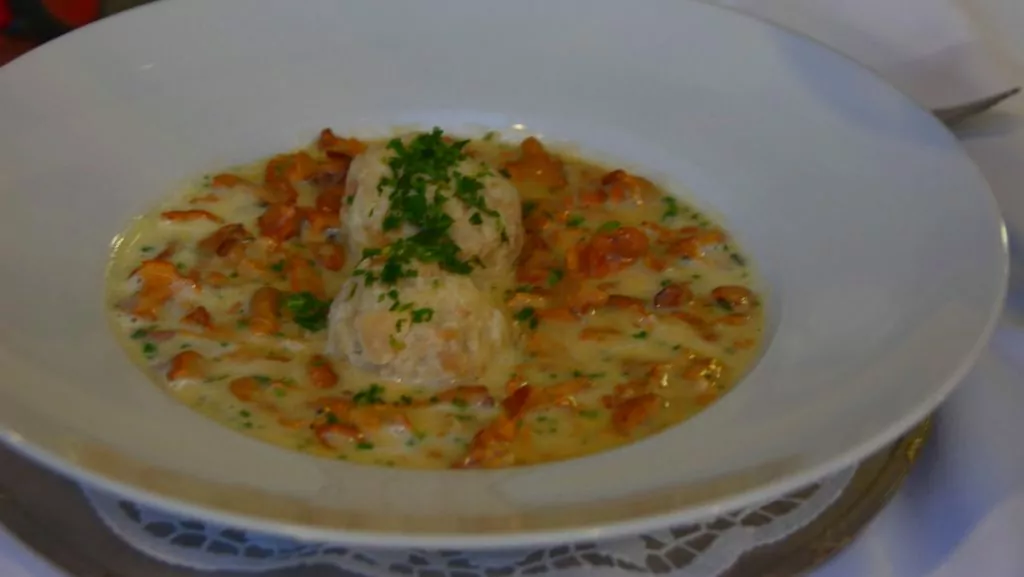
Chanterelles are popular in many European cuisines and the combinations vary. In German-speaking areas, they can be Chanterelles or Egg fungus served with, for example, dumplings, eggs or meat and often appears in creamy sauces.
In France, girolles a prized edible mushroom that can be fried and served as a side dish or used in sauces and other classic dishes. Many recipes have in common the same thing as the Swedish chanterelle sandwich: you let the mushroom itself play the main role.
22. In Sweden, even tourists are allowed to pick chanterelles
Here is a chanterelle fact with a clear travel connection. Thanks to the right of public access, you can pick wild mushrooms in Sweden. This applies not only to us who live here but also to foreign visitors.
There are of course exceptions. In nature reserves and national parks, special regulations may apply, and the right of public access always entails both rights and obligations.
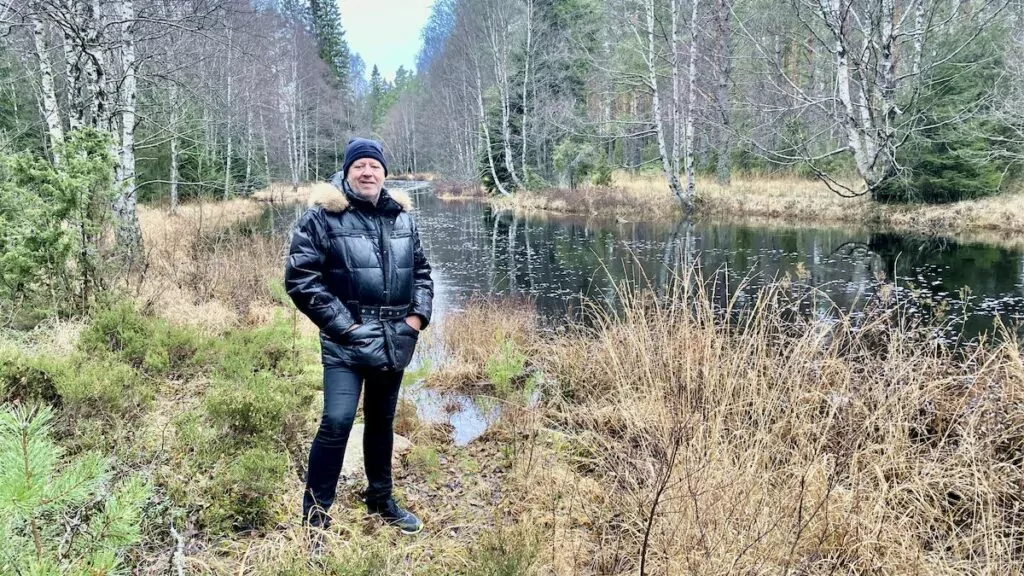
For me, Helena, the mushroom picking by tourists was very tangible when I was growing up. Where I lived there were chanterelles, but there were also plenty of other people looking for them. Maybe that's why it still feels a little extra luxurious when I find a really nice chanterelle spot.
23. In Germany, the rules are significantly stricter
Mushroom picking is not the same everywhere in Europe. In Germany, chanterelles are subject to special protection regulations. There is an exemption that allows picking small quantities for personal use, but the Swedish system where the right of public access provides a far-reaching opportunity to move around in nature and pick mushrooms is far from self-evident everywhere.
If you are going to pick mushrooms while abroad, it is therefore wise to check the local regulations. Regulations can also differ between different regions and protected natural areas.
24. Chanterelle and funnel chanterelle are not the same mushroom
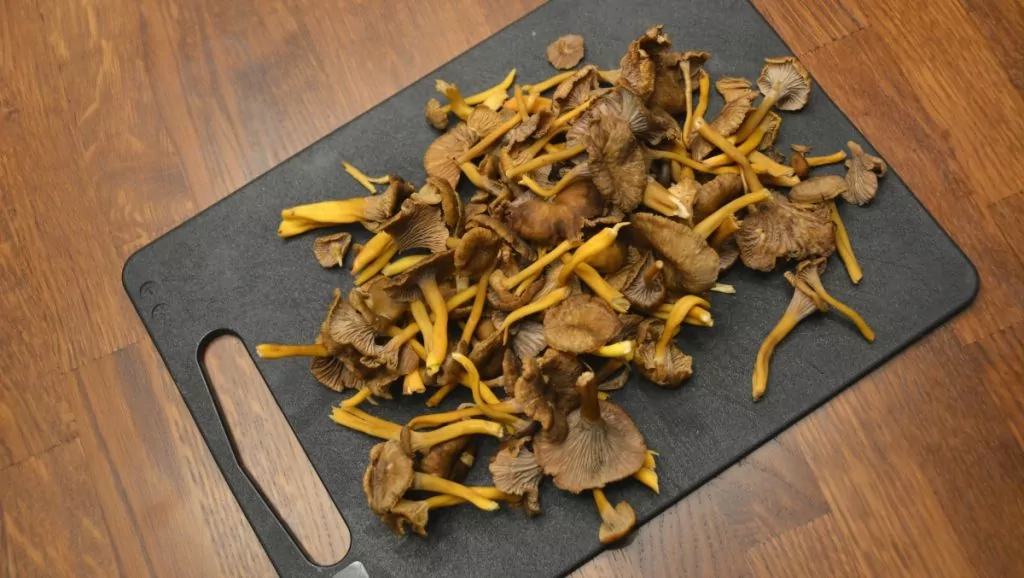
Both are fantastic edible mushrooms and both have "chanterelle" in their Swedish names, but common chanterelle and funnel chanterelle are not the same species. Common chanterelle is called Chanterelle, while the funnel chanterelle is called Craterellus tubaeformis.
There are also more species of chanterelles. In Sweden, there is the amethyst chanterelle, which resembles the common yellow chanterelle but can be recognized by, among other things, violet tones and small scales on the cap. The world of chanterelles is therefore larger than you might first think.
25. All the ”chanterelles” in the world are not our chanterelles
The name was previously used Chanterelle significantly wider than today. Yellow chanterelles that looked roughly the same in different parts of the world could simply be counted as the same species.
Modern DNA research has changed the picture. Fungi previously called Chanterelle, not least in North America, have been shown to represent other species.
This does not mean that there is a lack of chanterelles outside of Europe. On the contrary, there are many species within the chanterelle genus. But the yellow mushroom that looks exactly like our Swedish chanterelle on another continent does not have to be the same species.
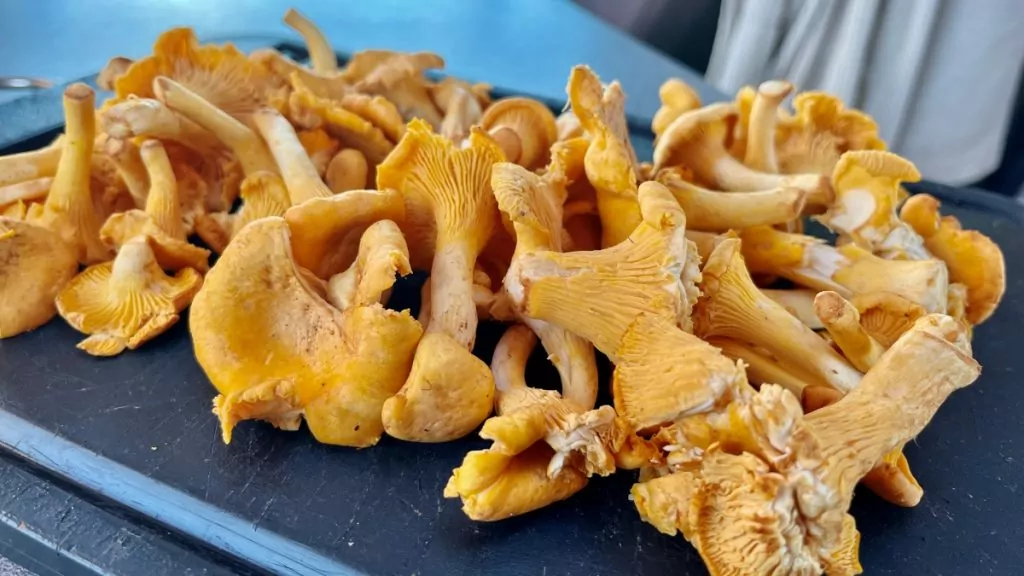
The gold of the forest is still a favorite
The more you learn about chanterelles, the more fascinating they become. What we see above ground is just a small part of an organism that lives alongside the trees beneath our feet. Chanterelles have gone from being something people needed to be encouraged to eat to becoming one of our most sought-after edible mushrooms.
And yet, perhaps it's not all of these facts that we think about when we suddenly see something yellow shining among the moss. Then we mostly think: Chanterelles! And immediately start thinking about that butter-fried chanterelle sandwich...
You might also like:
 Facts about lussekatter - 12 things you (maybe) didn't know?
 13 dishes on the Christmas table - the history of Christmas food
 Durian, the king of fruits - Auntie Anna's fruit session
 Aunt Anna cracking nuts
 Saffron - Aunt Anna and the golden pistil
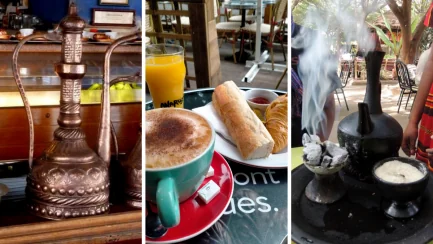 Coffee around the world - Aunt Anna's coffee dreams



 English (UK)
  Svenska
Anki says:
Lovely post about chanterelles… even though they are not my favorites 🙂 Most of our edible mushrooms are mycorrhizal fungi, meaning they live in symbiosis with trees…
My favorites are herring kremla, karljohan and proud mountain skivling if you're wondering 🙂
September 24, 2026 - 6:37