


Text and photo: Mauro Rongione
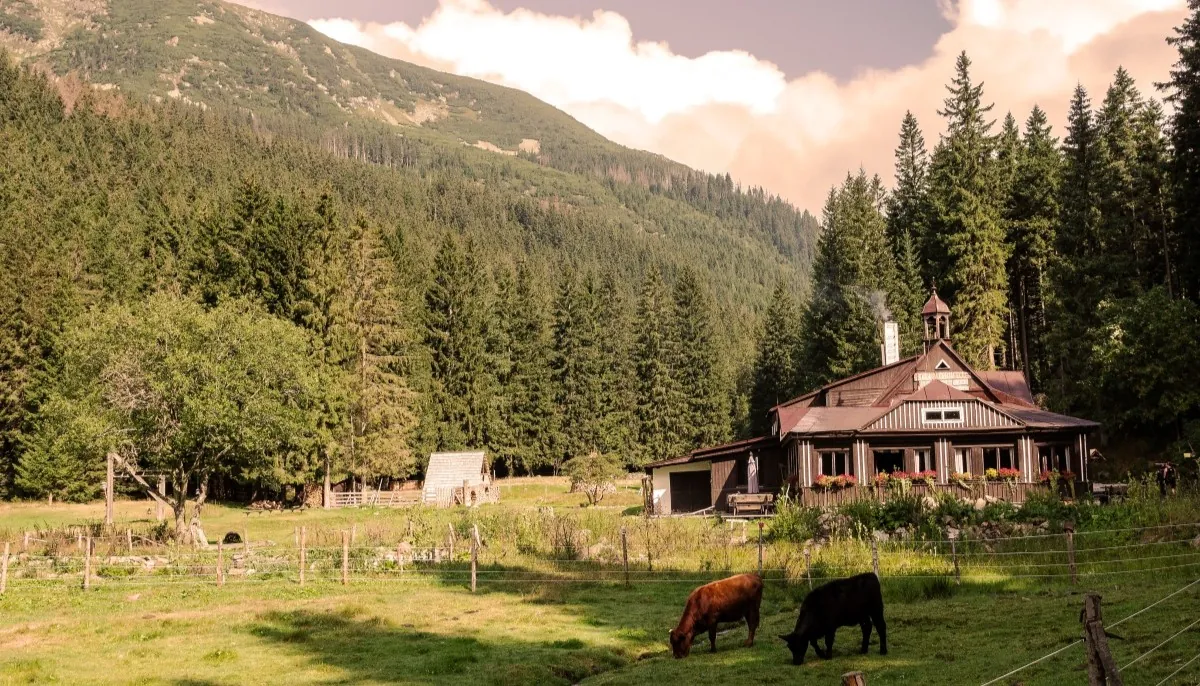
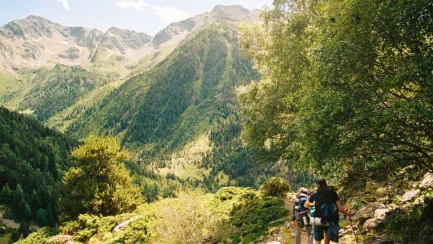
Majestic mountain ranges, forests stretching across the horizon, and hiking trails with views into two different countries are great for those who love the outdoors. But how do you attract those who would rather spend their late summer at the bar or in a hotel armchair?
 Tweet
Tweet Share
Share Share
Share Pin
Pin Share
Share Share
ShareTable of contents
Hiking and beer in the Krkonoše Mountains
In the northern Czech Republic, they have the solution: combine hiking with perhaps the country's greatest pride, beer. Along Krkonoše Beer Trail mountain air, local breweries and a new generation of brewmasters who are changing beer culture, not least women with their own ideas and clear visions, meet.
For some, a late summer vacation means tents, freeze-dried dinners, and miles of trails. For others, it sounds more like a training camp than recovery. But the Czech Beer Trail through the Krkonoše Mountains does its best to combine nature experiences with comfort.
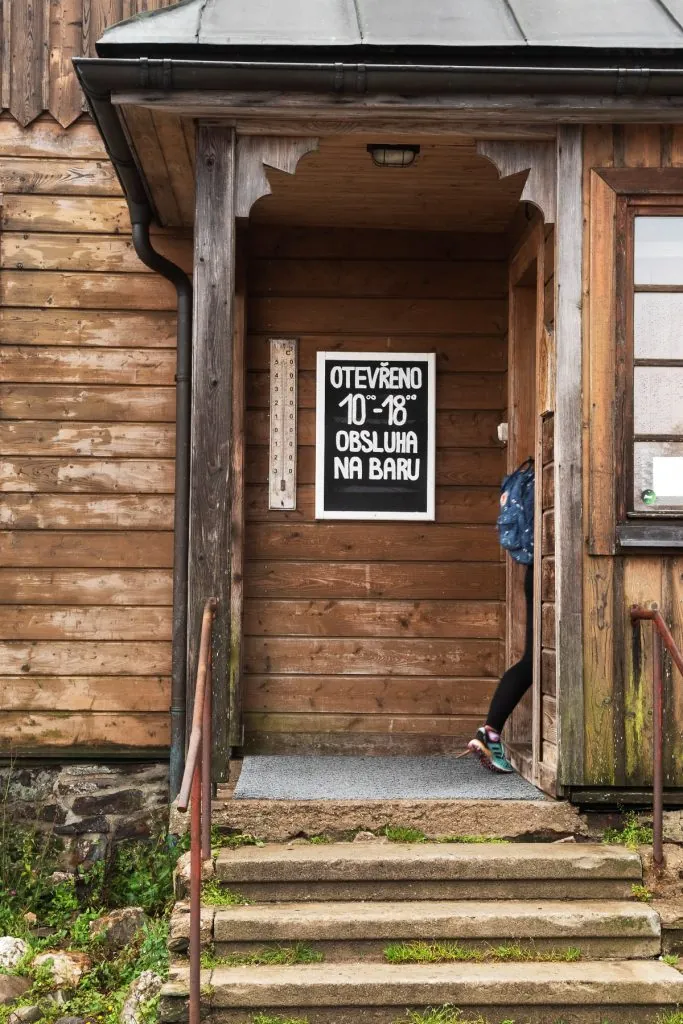
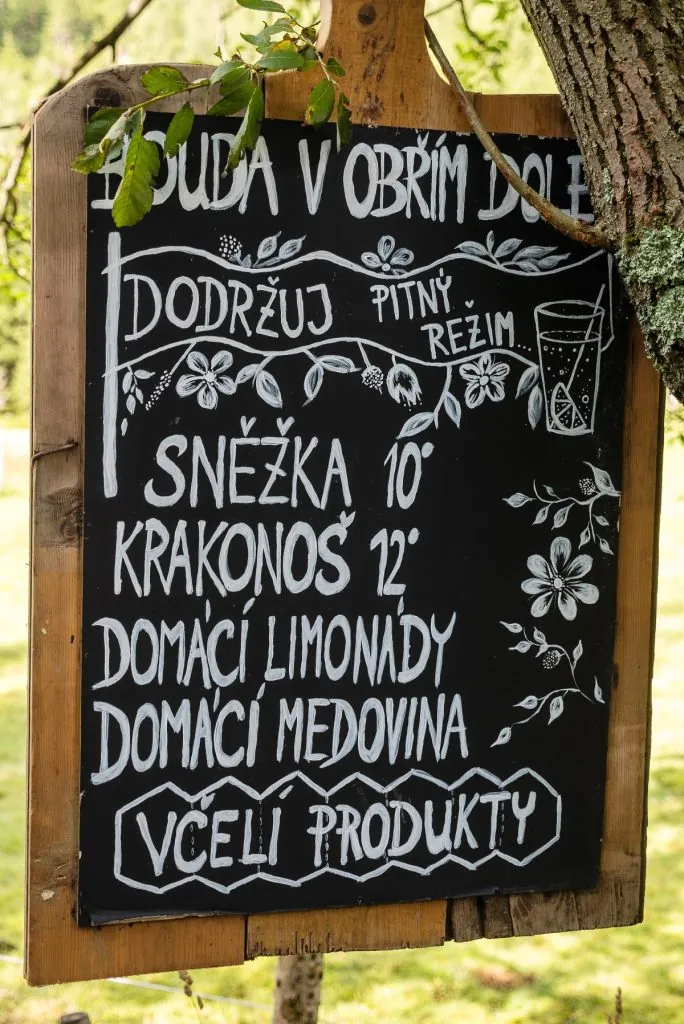
Day hikes between small breweries, hearty meals and beds that are considerably softer than a sleeping pad await you here. The 30-mile-long trail has become a way to discover both the mountains and the country's vibrant beer culture at a leisurely pace.
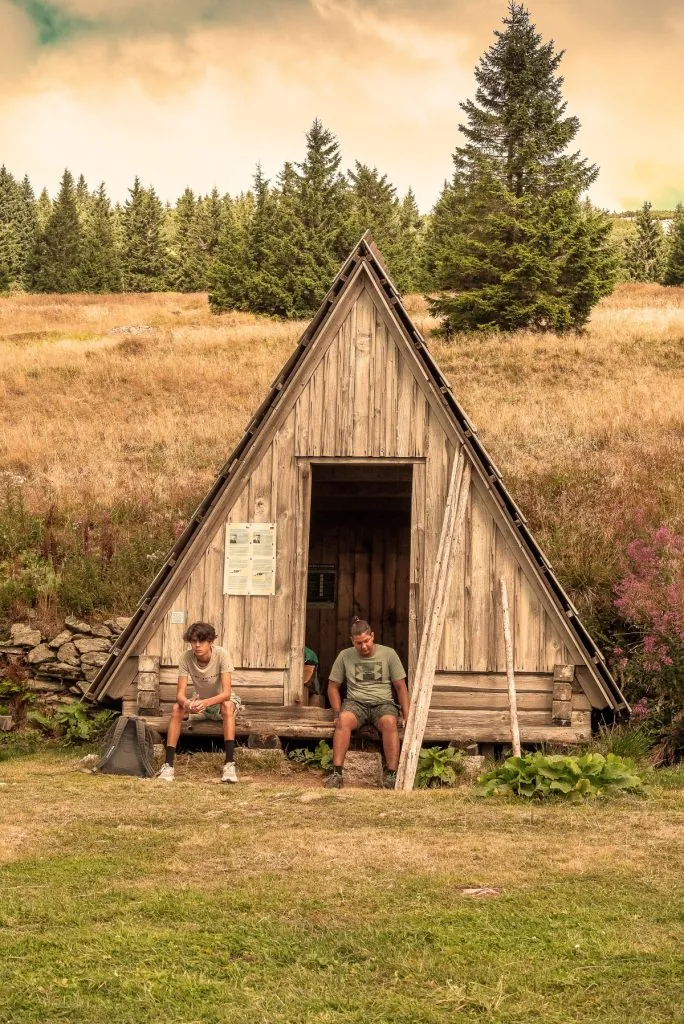
Czech Republic, a country with a strong beer culture
The Czech Republic has long been one of the world's most devoted beer countries. The classic pilsner was born here in the 19th century, and beer culture is still deeply rooted. Traditional lagers still dominate many pubs, often brewed with the well-known Žatec hops and soft water that give a round and balanced taste. At the same time, something new is happening alongside the classic beer styles. Small breweries are experimenting with fruity IPAs, sour ales, and hop varieties from other parts of the world.
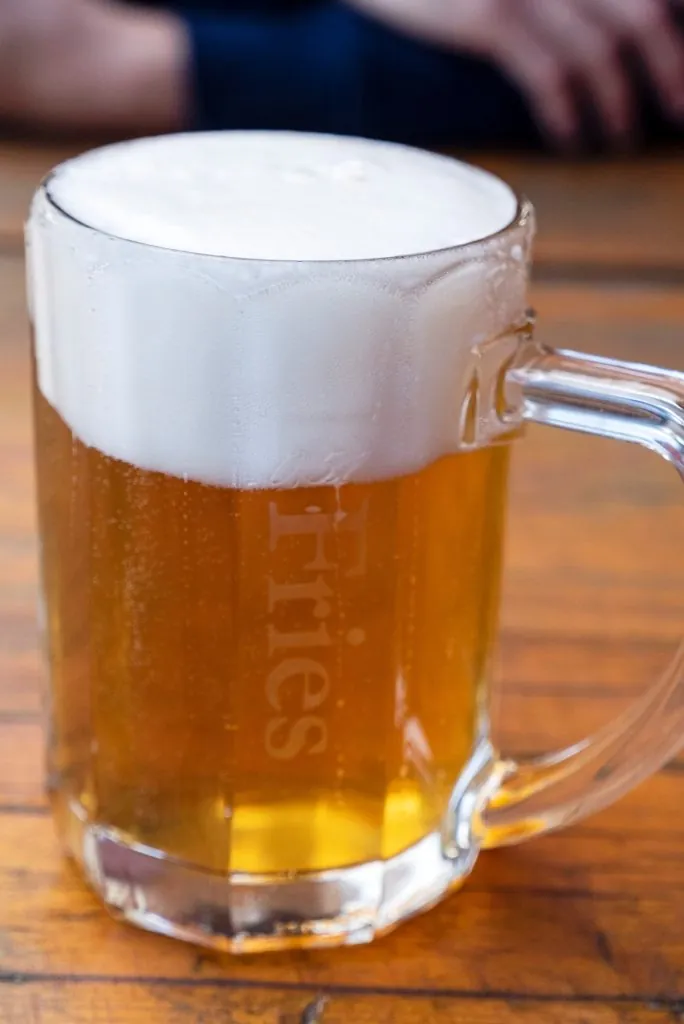
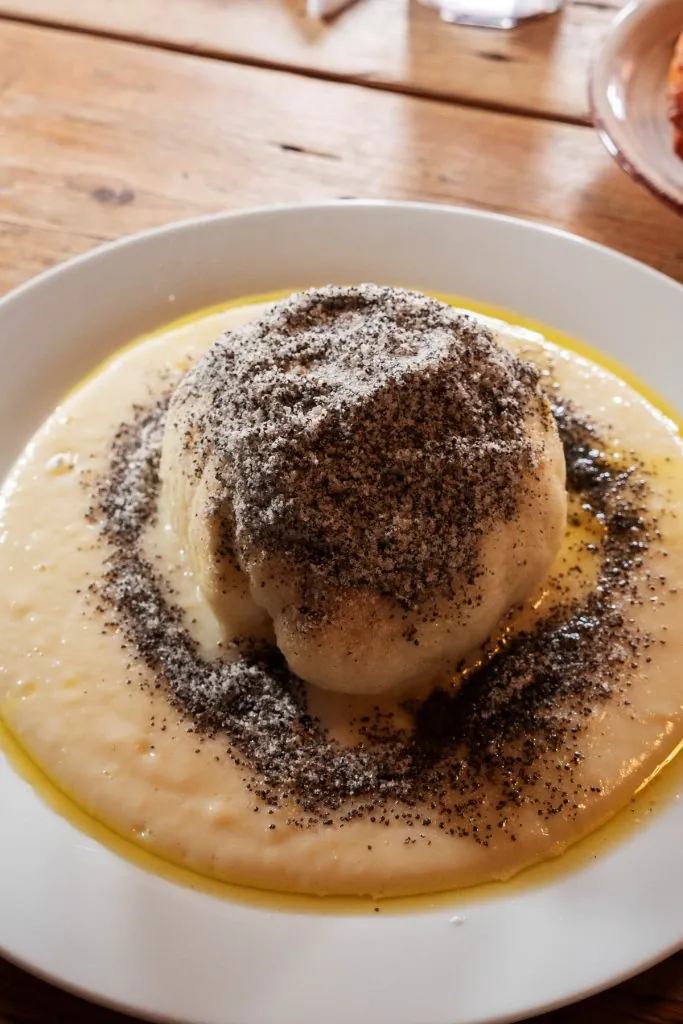
The journey begins in Prague before heading north towards the mountains. Just outside the city centre lies Holešovice, an area where old industrial buildings have been transformed into restaurants, bars and creative meeting places. At a lively local pub we meet Karolina Chroustovska, brewmaster at Chroust microbrewery which she runs together with her husband.
In the glasses is served a hop-aromatic IPA with notes of citrus, tropical fruit and a fresh scent of coniferous forest. Karolina says that the ambition has never been to produce the most varieties, but to create beers with a clear identity and local roots. Rather a few well-crafted brews than a large but anonymous range.
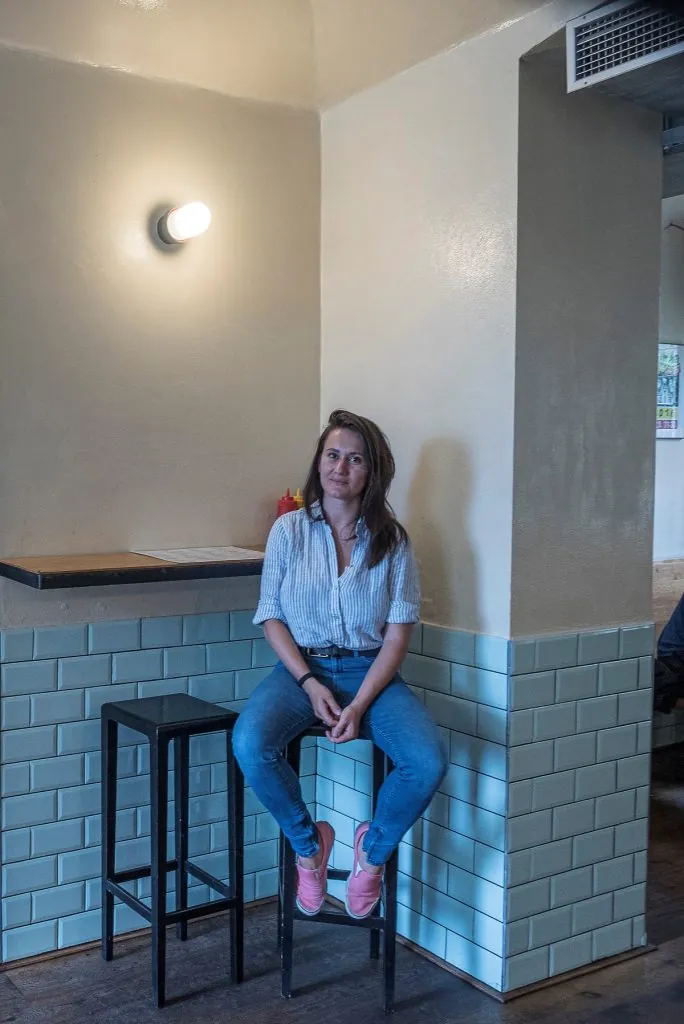

“We try to make beers that people actually remember,” she says as the glasses are filled.
She describes how many small breweries in the country would rather focus on quality than line up twenty different labels on the shelves. For her, craft is as much about patience as it is creativity.
She describes being a woman in the brewing industry as less dramatic than many might think.
“If the beer is of a high standard, the rest matters less. People care most about what's in the glass, not who was behind the tanks,” she says.
She also talks about a growing network of female brewers in the country where experiences and ideas are shared between colleagues who have long been in the minority in the profession.

From Prague towards the mountains
The further away from Prague we get, the more the landscape changes. The gentle hills are replaced by dense spruce forests, high slopes and ski resorts that lie dormant between seasons. The roads wind through small villages where pensioners sit outside cafes and where the wooden facades bear the marks of many harsh winters.
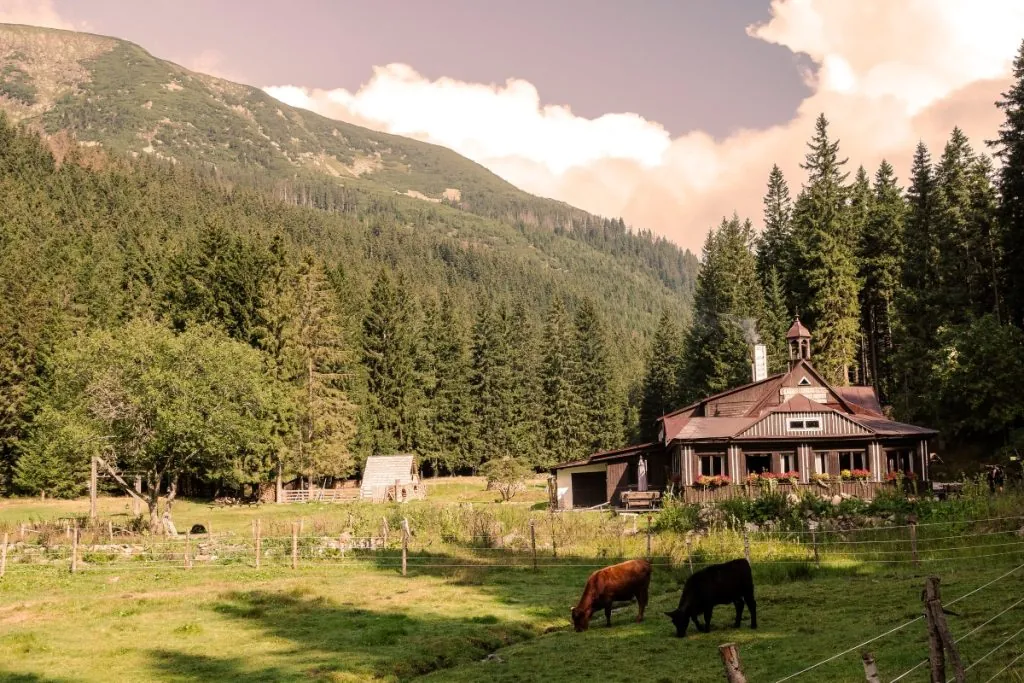
A few hours later we reach Trautenberk brewery, located high up in the mountains with views of valleys and dark forests.
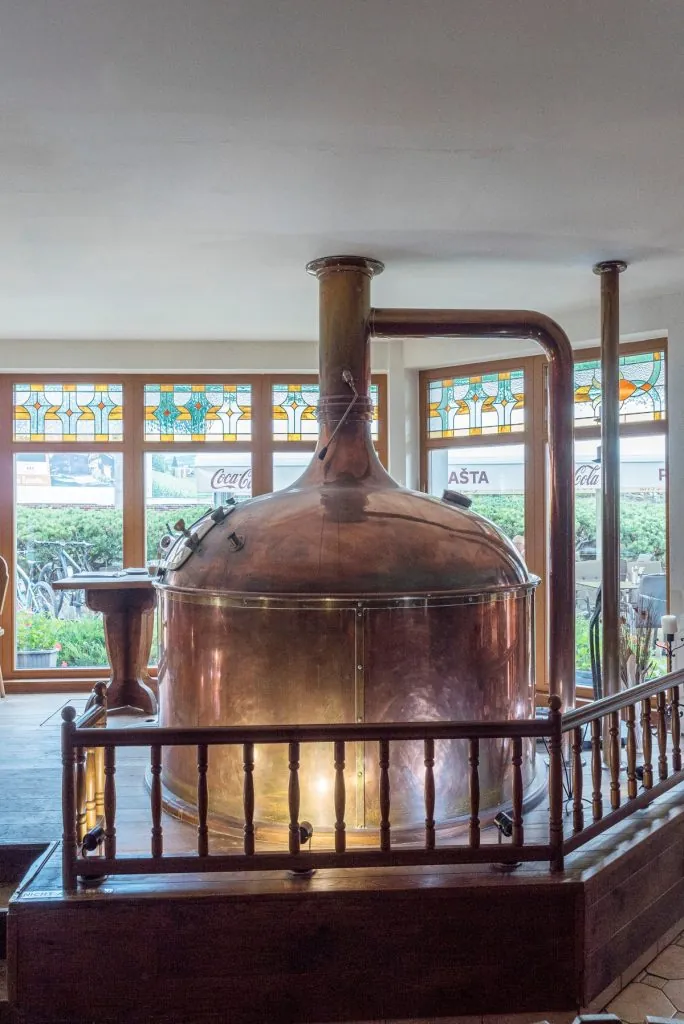
The brewery is housed in an older building where the beer is still produced in underground cellars. Both classic lagers and more modern varieties are brewed here. A light lager with a dense head offers herbal notes and soft maltiness, while a sour beer inspired by Berliner Weisse has a cherry flavor and a fresh character that is unexpectedly good after a long day outdoors.
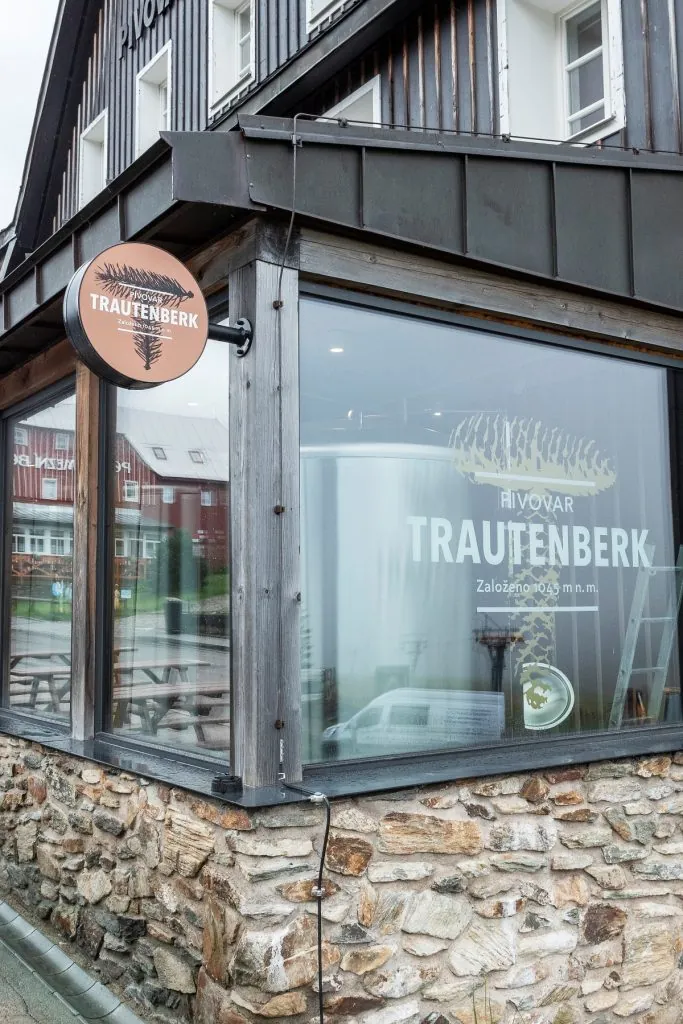
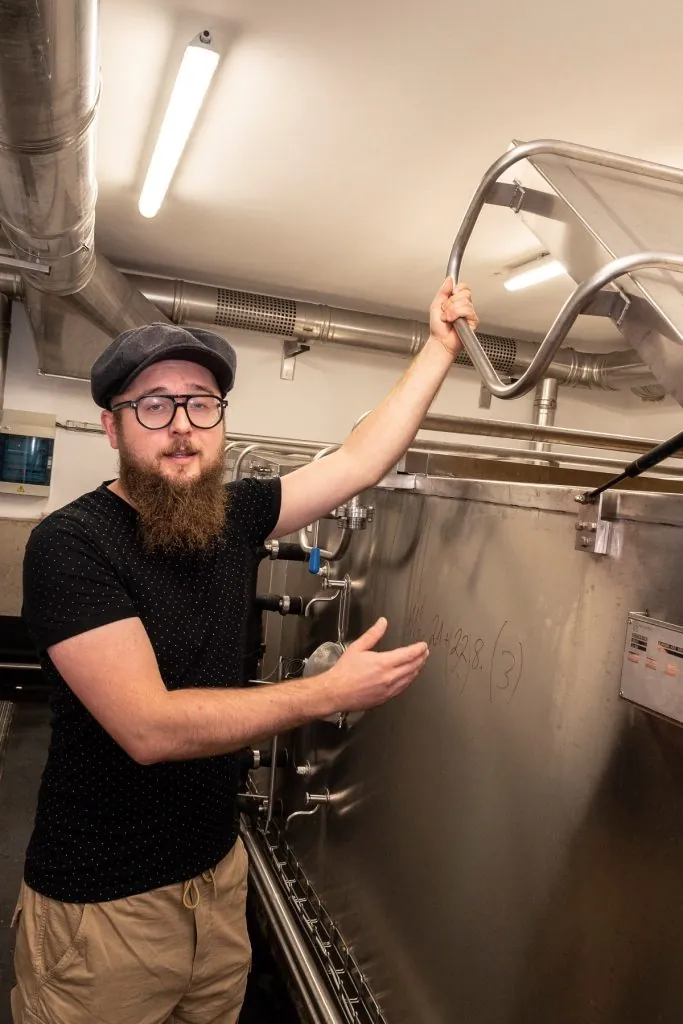
The brewer tells us that the beer is still stored in a cellar over a hundred years old several meters below ground.
“The temperature down there does almost half the work for us,” he says, tapping a fermenter lightly as if it were an old friend.
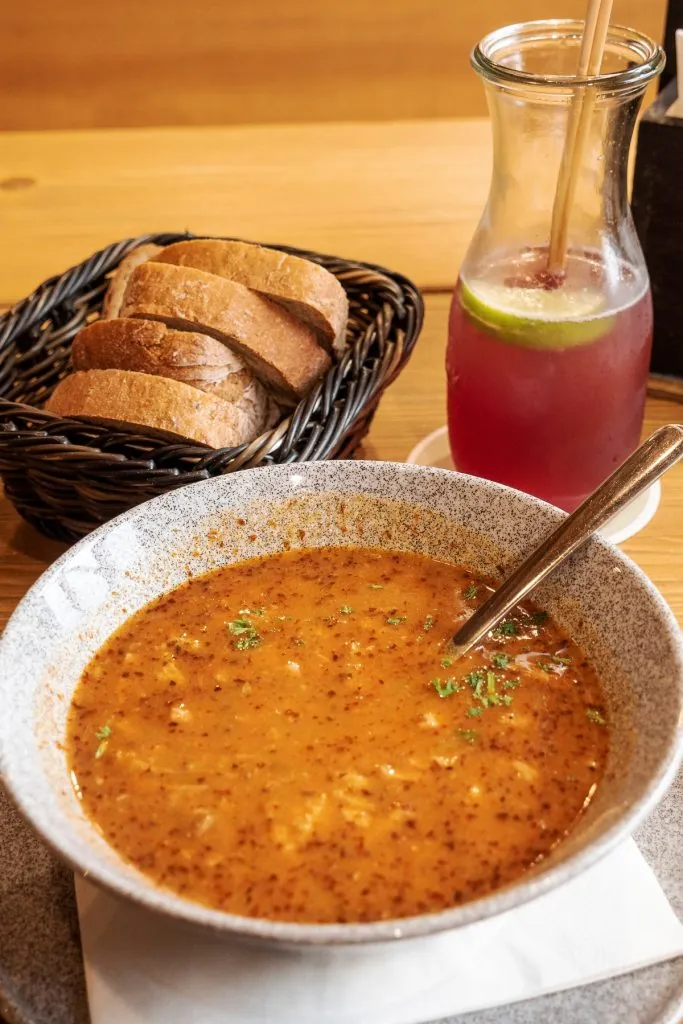
Dinner that evening consists of rustic mountain food rather than the small portions of a fine-dining restaurant. Juicy burgers, jalapeños, and beetroot and goat cheese salads are served alongside freshly baked bread and cold glasses. After hours of traveling, the food tastes almost excessively good, as if the altitude and clear air have turned up all the senses a few extra notches.
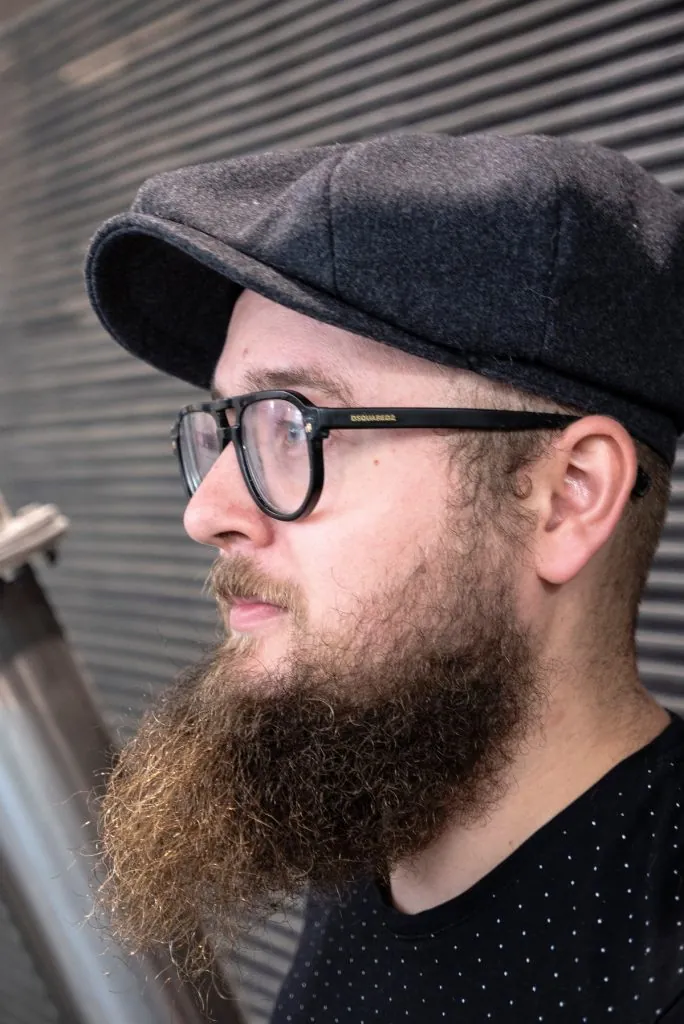
Out on the Krkonoše Beer Trail
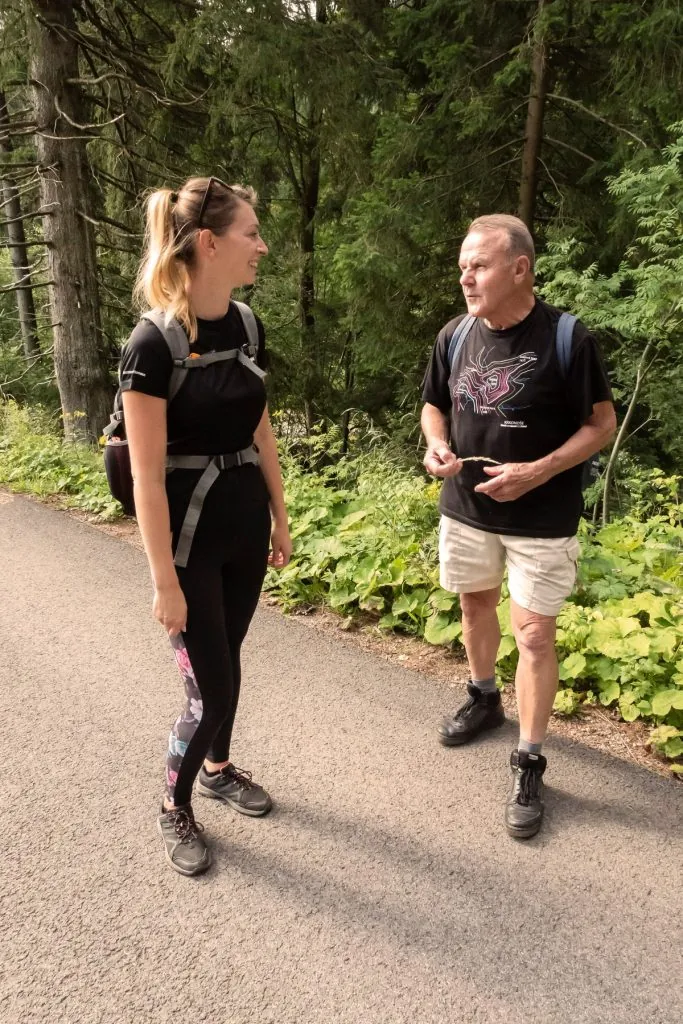
The next morning we set out on the trail with a guide and a few other hikers. The pace is leisurely but the terrain is steep at times. The group consists of both experienced outdoor enthusiasts and people who are mostly attracted here by the combination of beer and nature. Some have advanced hiking poles and the latest shell jackets, others are wearing sneakers and admit after the first hill that their form of exercise has been ”walks to the fridge”.
The guide laughs and assures that the trail does not require elite fitness.
“You don't have to be a mountain athlete to handle this. But it's smart to pack some chafing plasters,” he says.
Towards Sněžka, the highest mountain in the Czech Republic
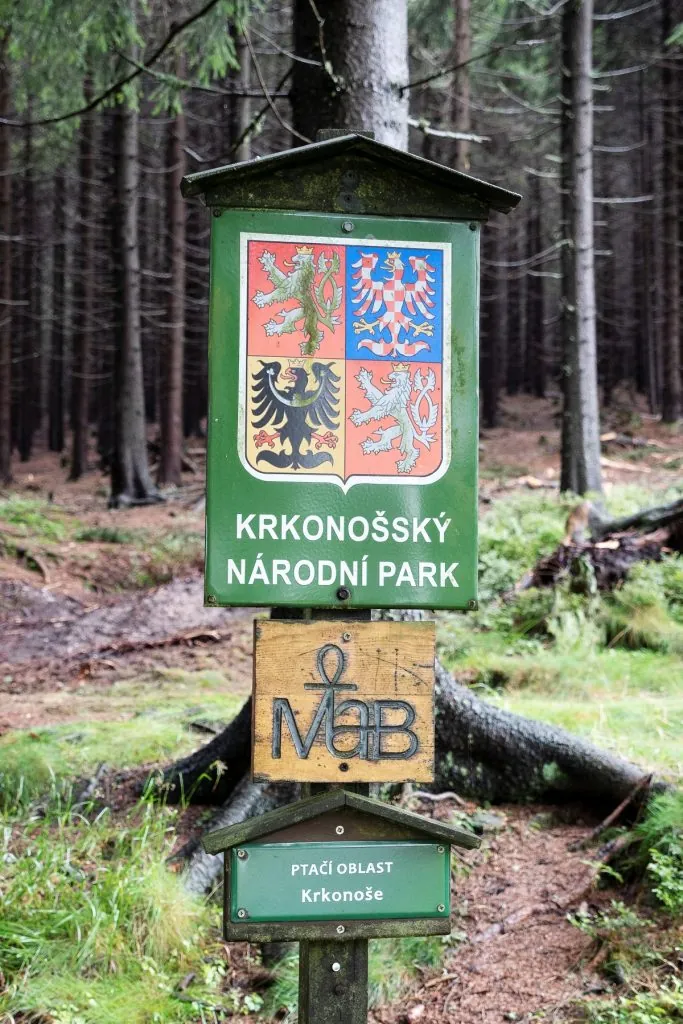
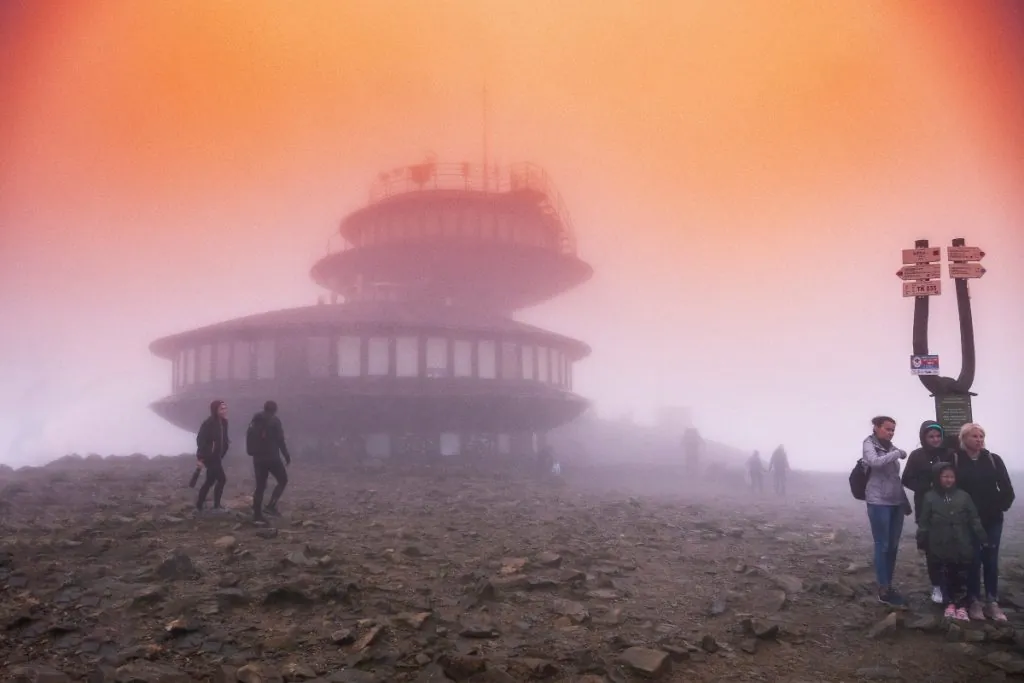
The target for the day is the area around Sněžka, the highest mountain in the Czech Republic. From the top, views open up over both Poland and the Czech Republic, and further down, a barren landscape spreads out where traces of the Ice Age are still visible between the stone fields. Here and there, large blocks lie scattered as if giants once enjoyed throwing stones over the mountain slopes.
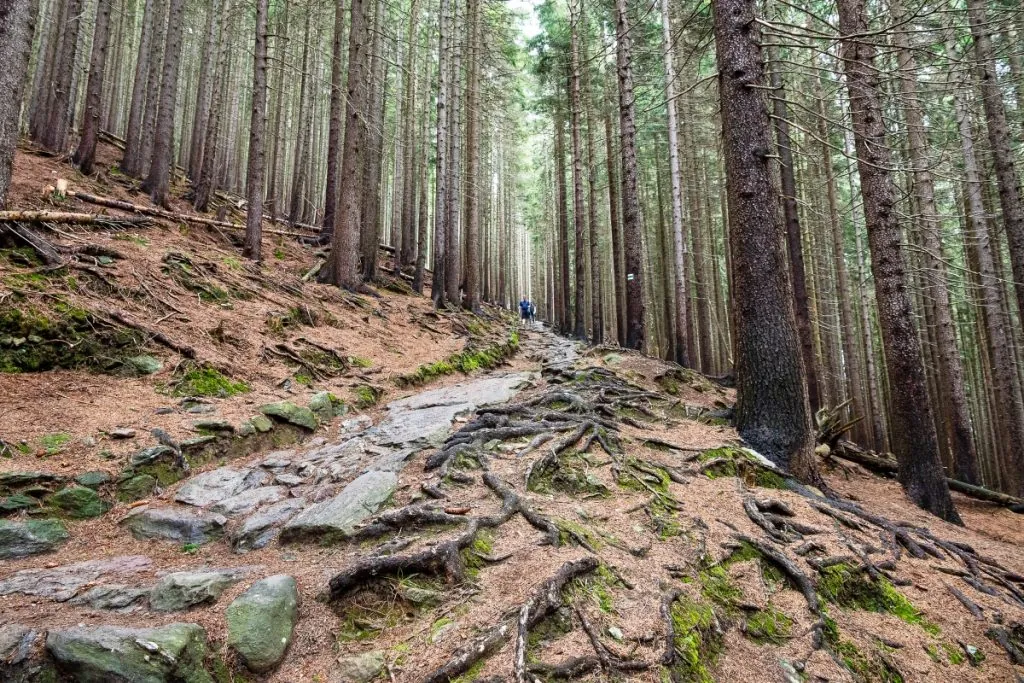
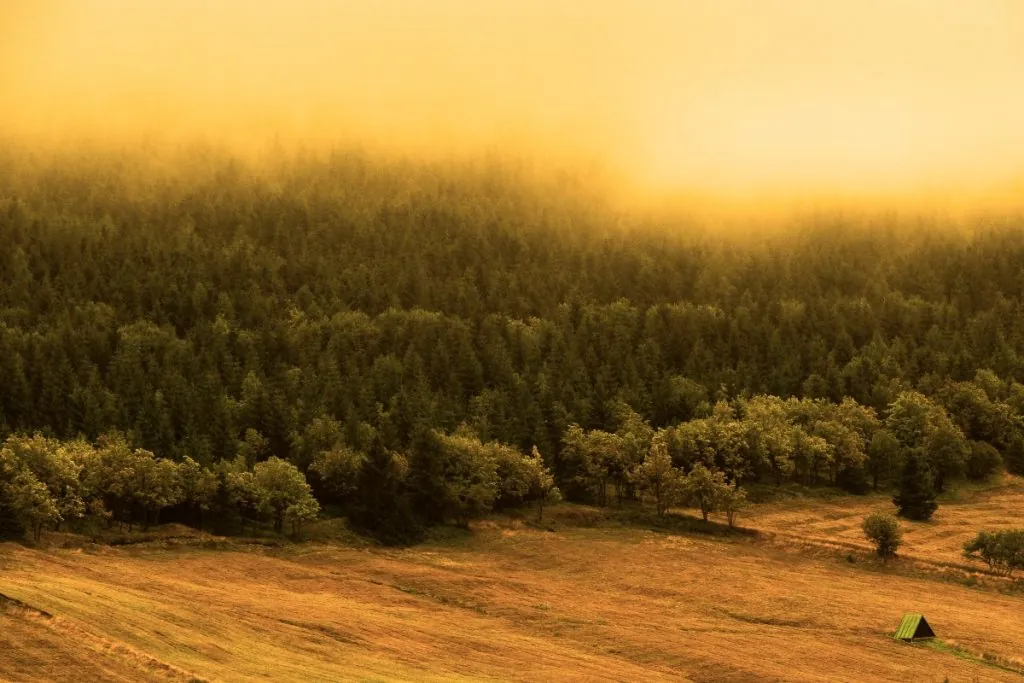
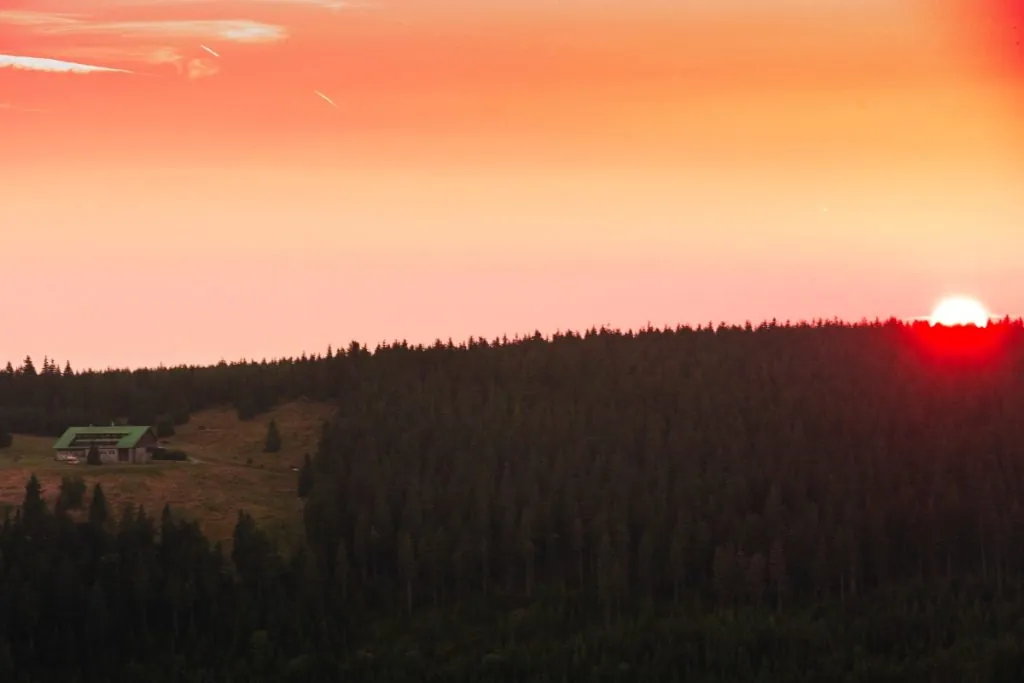
The weather changes quickly in the mountains in late summer like this. One moment we are hiking through fog and light rain, the next the sun breaks through yellow-green-red slopes that almost bring to mind alpine villages further west in Europe. When the legs start to protest on the uphills, this evening's brewery stop serves as effective motivation.
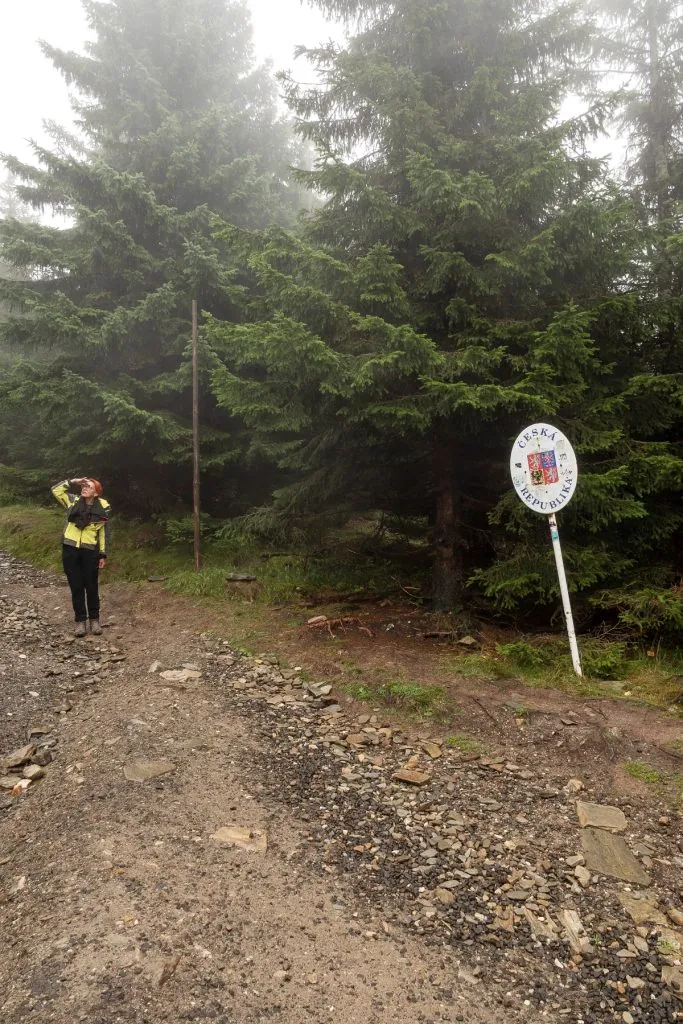
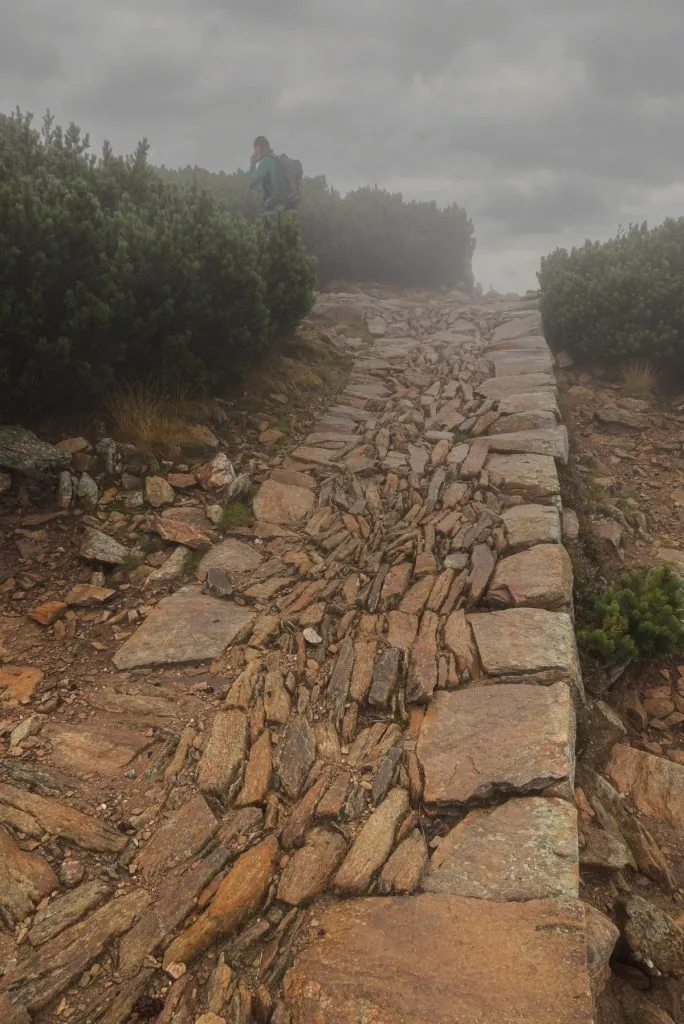
During a particularly steep stretch, someone in the group starts fantasizing out loud about the first beer of the day.
“I'm just thinking about cold layers and dry socks right now,” says one of the hikers, making the rest of the group laugh.
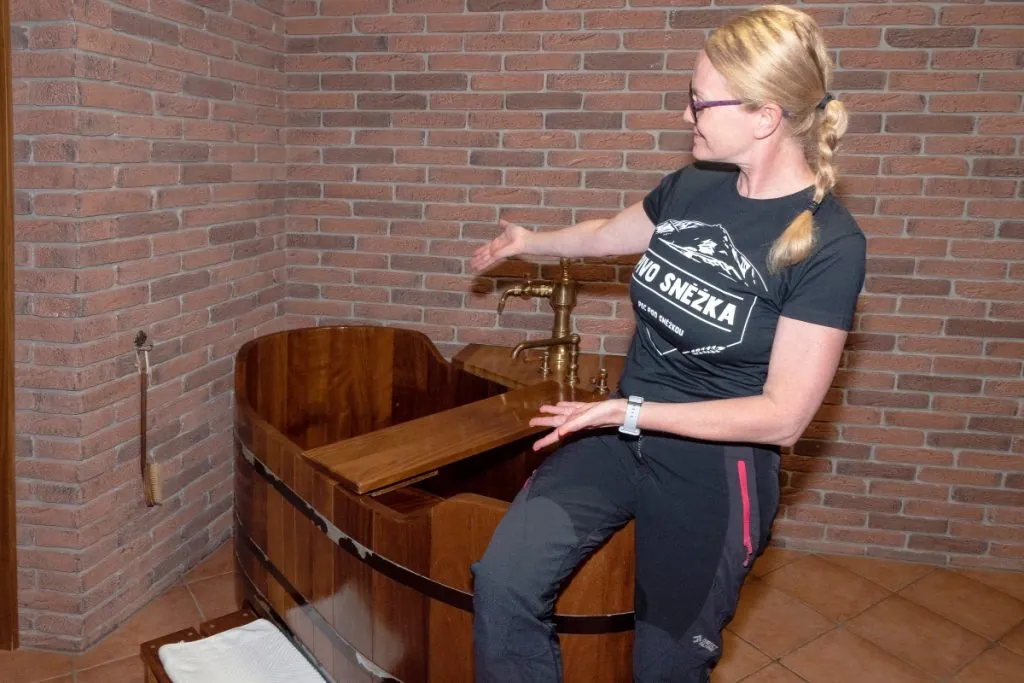
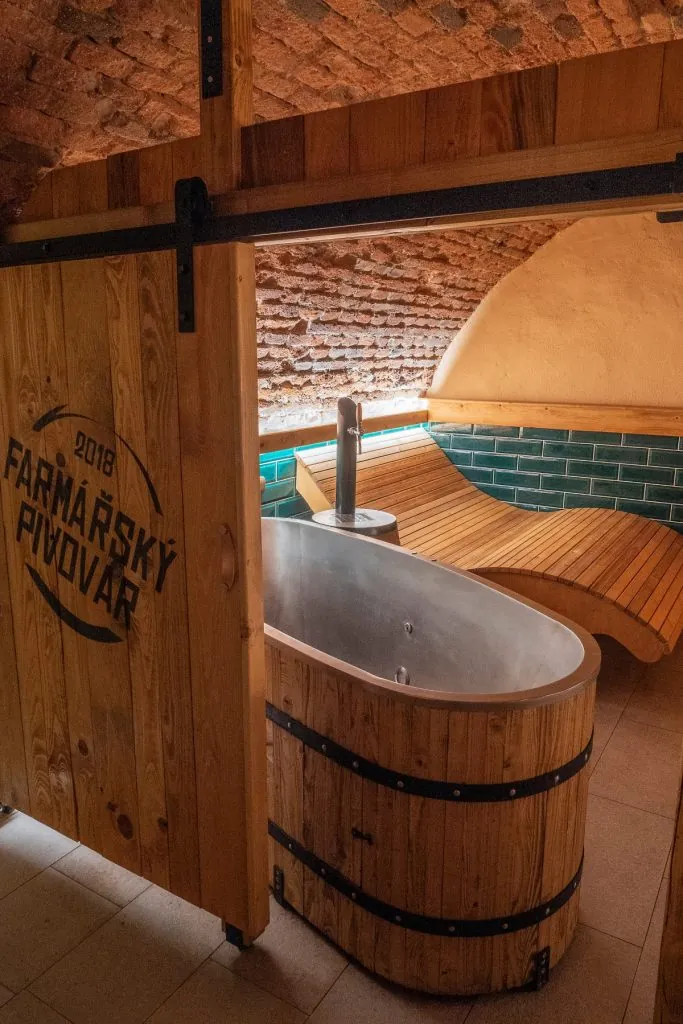
At one of the stops, a brewery awaits where guests can bathe in large wooden tubs with their own beer tap next to the bath. The combination at first sounds like a joke made up by a marketing department in a good mood, but after several hours of hiking, the warm steam and cold lager feel like pure therapy for tired legs.
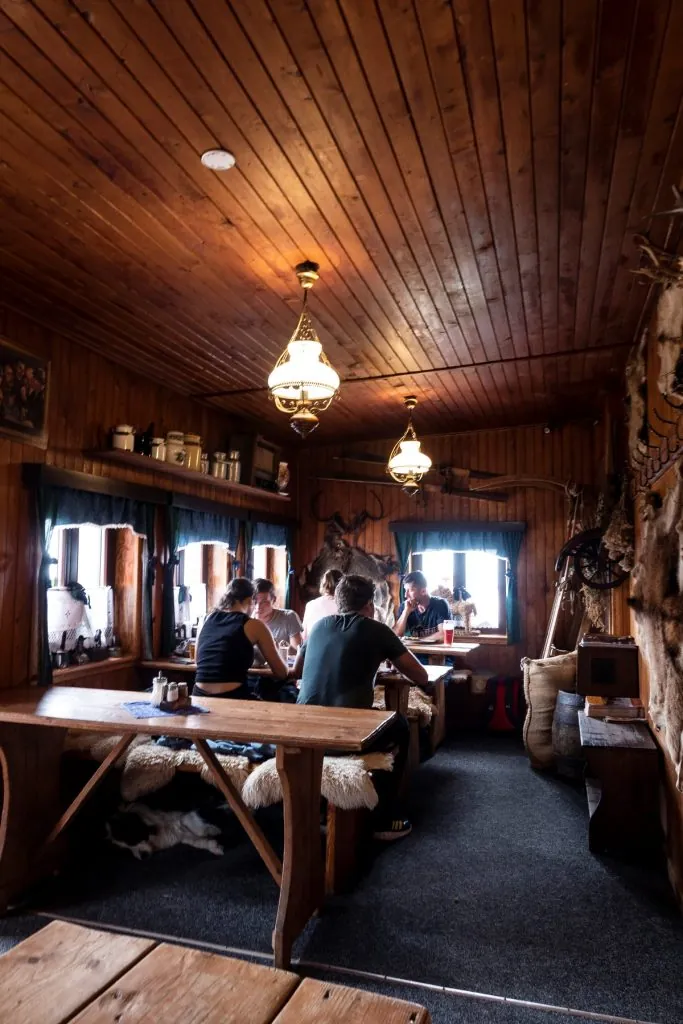
The beers here range from dark IPAs with hints of cocoa and chocolate to full-bodied lagers with distinct bitterness and mature yeast character. The conversations around the heavy wooden tables are as much about hop varieties and brewing methods as they are about today's hike and tomorrow's stage.
Someone tries to describe the taste of a lager as ”a bit like butterscotch and herbs,” while another stubbornly claims it reminds of buttermilk. The discussion becomes unexpectedly long and strangely engaged.
The idea behind the Krkonoše Beer Trail
Behind the beer initiative is, among others, entrepreneur Karel Polívka, who early on saw the opportunity in allowing several small breweries to collaborate instead of competing.
– I realized pretty quickly that we benefit more from helping each other than trying to win over our neighbors, he says.
Since the trail was created, the area has attracted both beer-interested travelers and people who might otherwise never have gone mountain hiking.
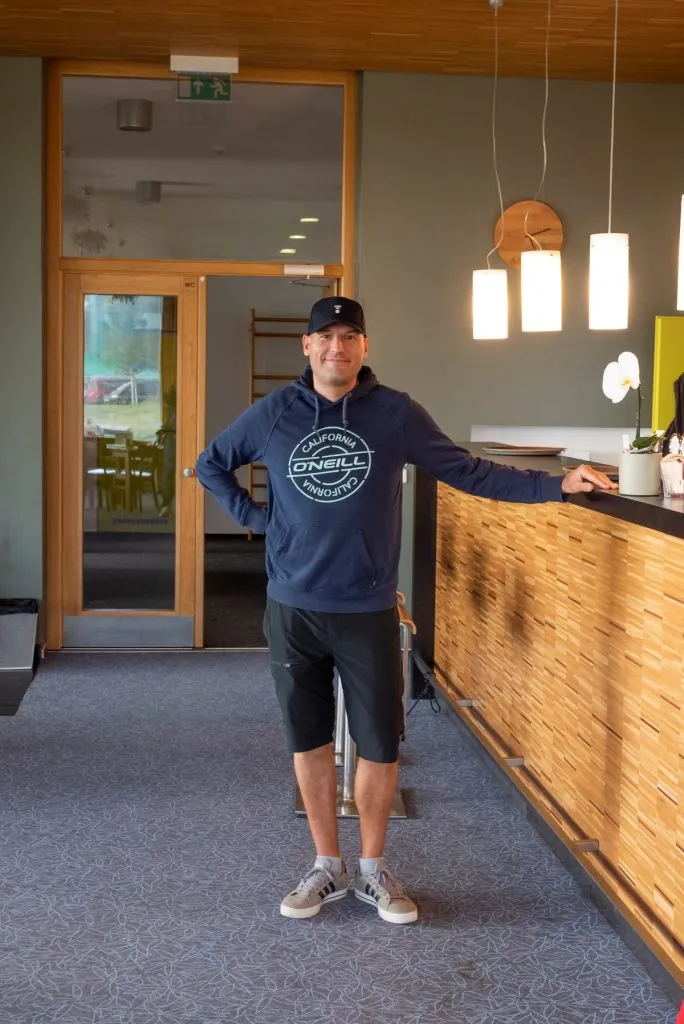
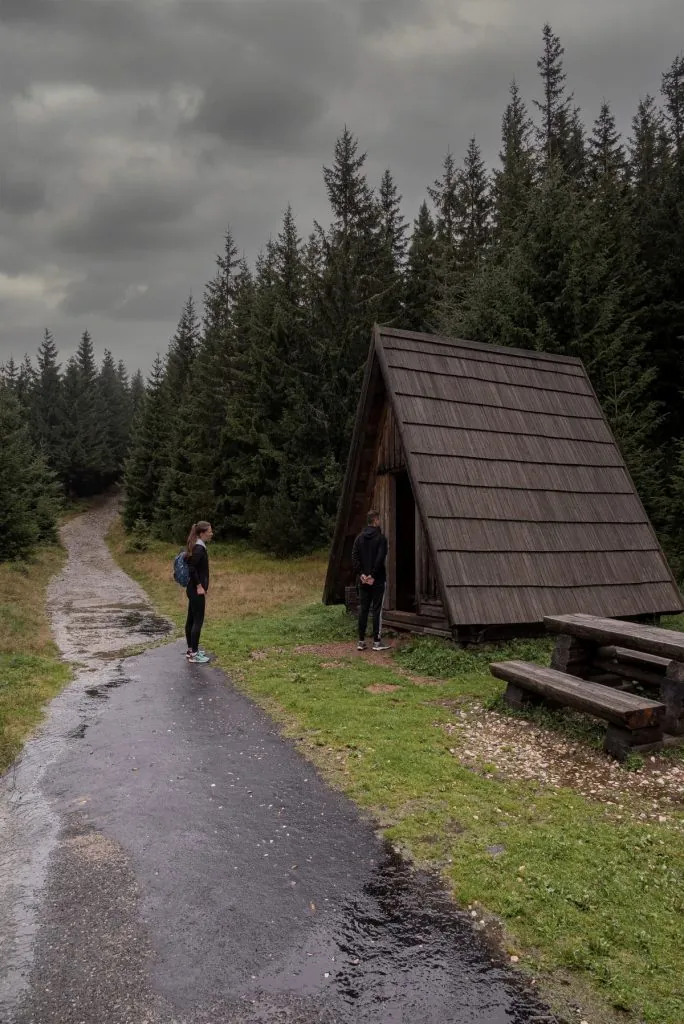
In the evenings, the guesthouses are filled with hikers with muddy shoes and rosy cheeks. Some stay for a long time with maps spread out on the tables, while others sink into the saunas and small pool areas that have become increasingly common at the breweries. The combination of physical exertion and well-brewed beer seems to create a special kind of community. No one is in a particular hurry anywhere.
Further along the journey, even more breweries await with their own interpretations of Czech beer culture. One is experimenting with New Zealand hops in lagers, which give distinct notes of lime and grapefruit. Another brewery prefers heavily hopped ales where caramel and citrus coexist with a marked bitterness.
New flavors and female brewmasters
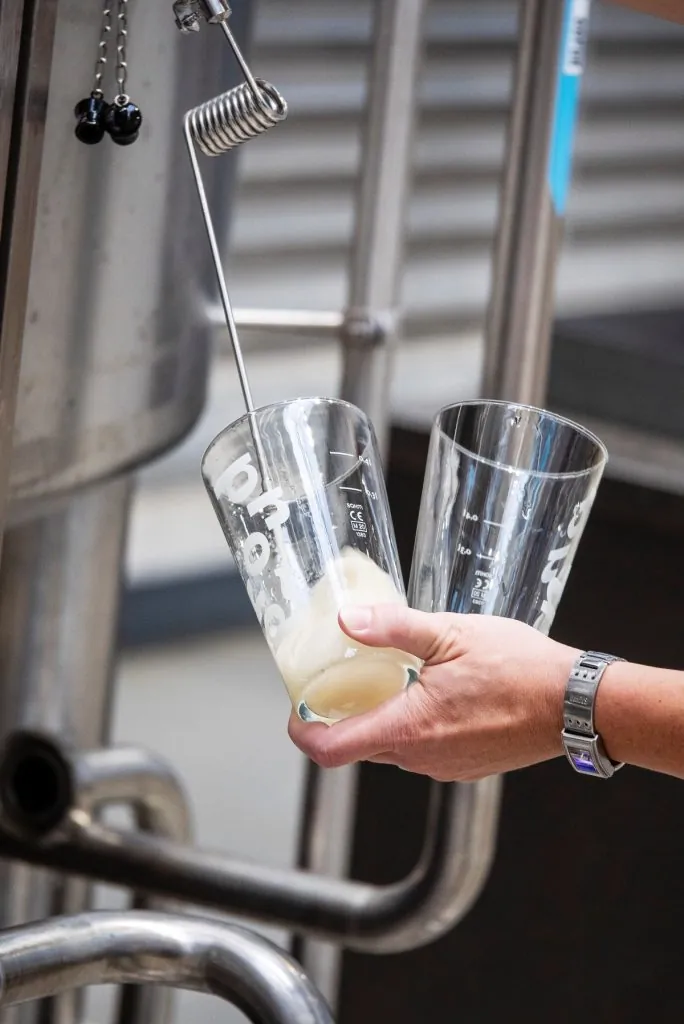
On the way back to Prague we also stop in Plzeň, the birthplace of pilsner. Many people come here for the large and historic breweries, but in a converted old power plant is located Proud microbrewery where the focus is on experimentation rather than tradition.
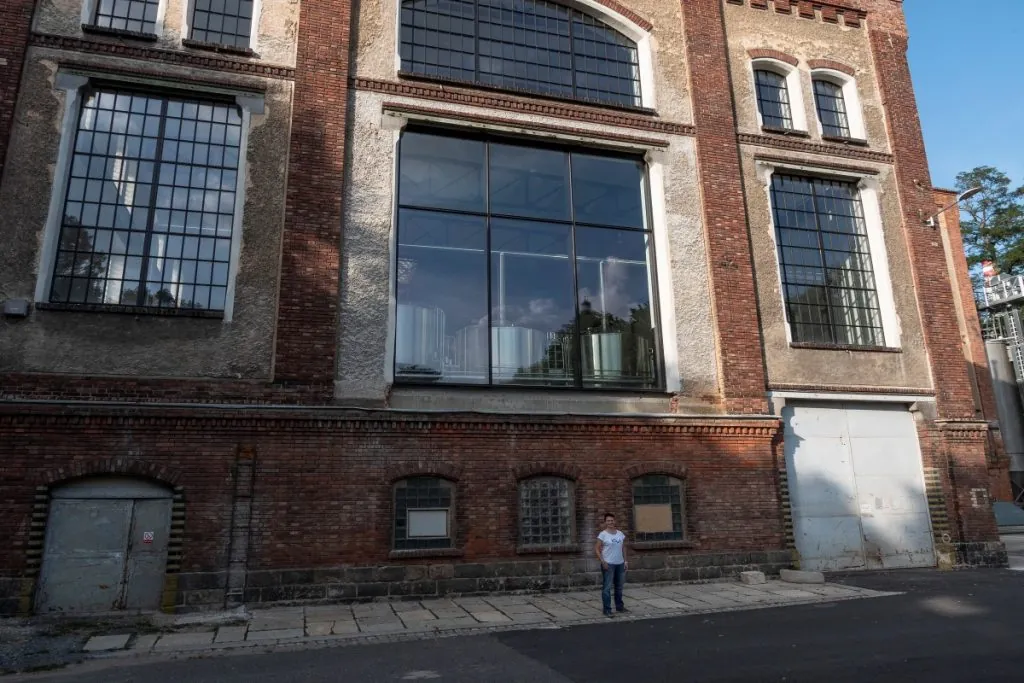
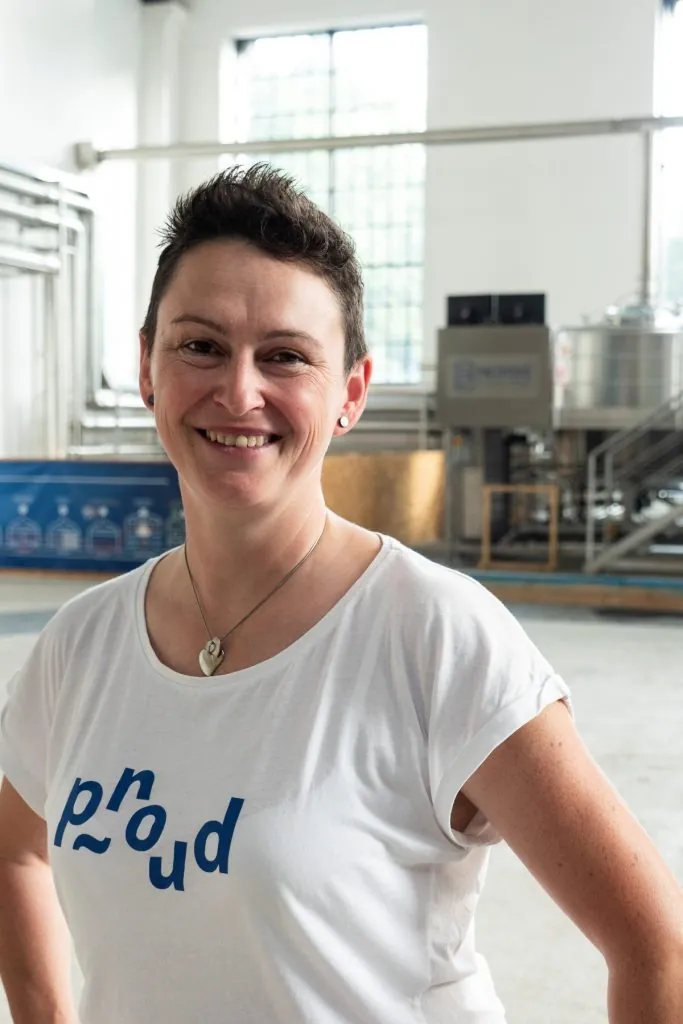
Here we meet brewmaster Lenka Strakova, who believes that the image of the brewing profession is still outdated.
“Many people still think that brewing is about carrying heavy bags all day. It doesn't look like that anymore,” she says.
With modern technology, reality looks different today, and she hopes that more women will apply to the profession.
“You have to be curious and dare to try new things. And chemistry definitely helps,” she says with a laugh.
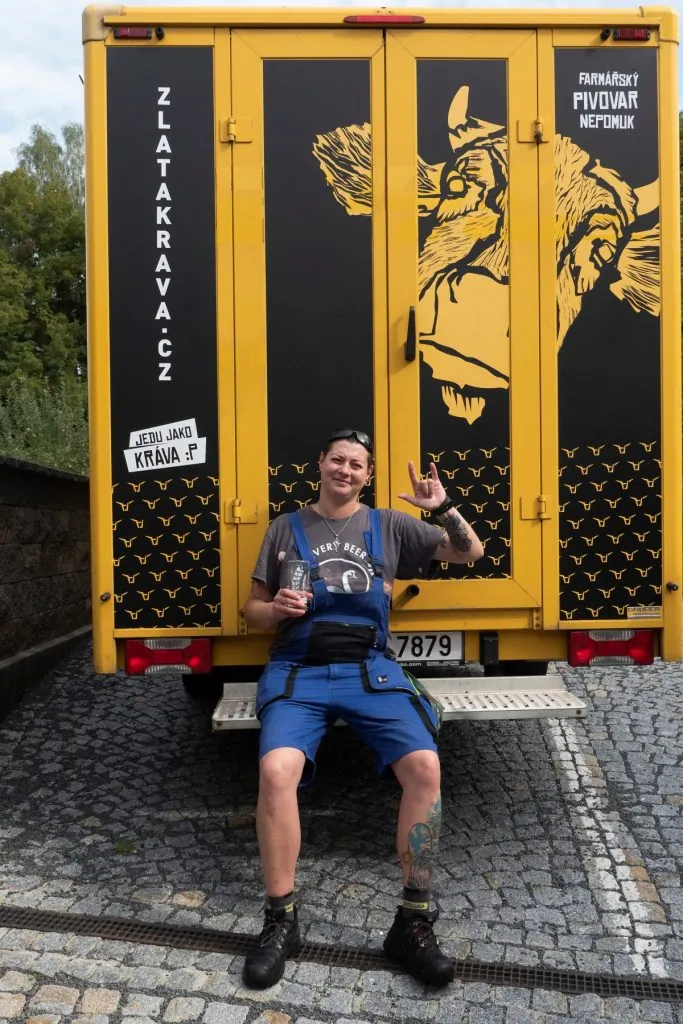
In the small town Nepomuk We meet another brewmaster, Zaneta Petruzalkova, whose dark stout is aged in red wine barrels and takes on notes of wood, blackcurrant and chocolate. She describes the work of running a brewery as like steering a heavy tractor through difficult terrain.
“It's important to stay on course and not drive off the road when it starts shaking,” she says, smiling.
At the same time, she admits that some people still raise their eyebrows when it comes to female brewmasters.
“But in the end, it's all about passion. Without it, beer becomes just another bland drink,” she says.
Although the beer culture in the Czech Republic is steeped in tradition, a clear change is evident. New flavors, new ideas and more female brewers are making their mark on an industry long dominated by old habits. And perhaps it is precisely there, between mountain trails, small breweries and frothy glasses, that the Czech beer culture of the future is emerging.

Follow Mauro here:
Mr Mauro Rongione
You might also like:
 Culinary winter walk in Austria - in glorious Vorarlberg!
 Visiting Hrubá Skála in Bohemian Paradise, Czech Republic
 Things to do in the High Coast - 25 sights and experiences
 Testing Christmas beer - and Christmas food in a new way
 Gotland in a glass – among beer lovers, whiskey connoisseurs and gin romantics




 English (UK)
  Svenska