

Writer: Helena Bergström
Updated: September 2026 | Winter camping with a motorhome or caravan can be both cozy and adventurous. But cold, snow and sub-zero temperatures place different demands on both the camping vehicle and you as a camper. Here we go through what is good to think about – from heating and water to winter tires, condensation and frozen taps.
 Tweet
Tweet Share
Share Share
Share Pin
Pin Share
Share Share
ShareTable of contents
Winter camping - camping all year round
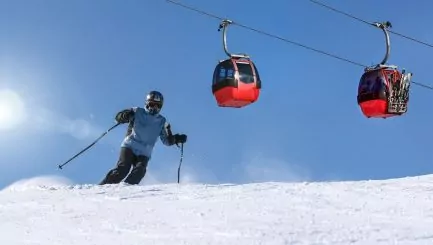
Does the camping season have to end just because it's winter? No, of course not! For those who like snow, skiing and crisp winter days, winter camping can actually mean the start of a whole new season.
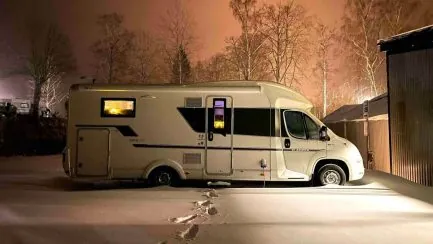
Winter camping can also look very different. Some people park their caravan on a seasonal site near the ski slope and build a small winter home with a porch. Others go out in their motorhome on shorter weekend trips or longer winter trips.
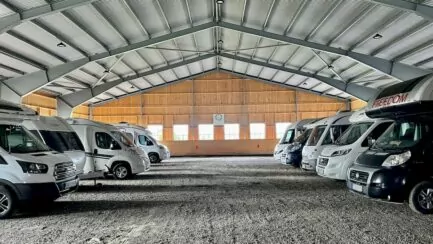
The common thing is that freezing temperatures pose slightly different challenges than camping during the summer. Here it is about using the motorhome or caravan in winter. If the vehicle is instead to remain unused during the cold months, winter storage is the way to go, and then you need to think a little differently.
Can all motorhomes and caravans be used in winter?
Different motorhomes and caravans have different conditions for winter camping. It's not just about how warm and comfortable you can get inside the living area, but also how the vehicle is constructed.
Insulation and heating systems play a role, but also where the fresh water tank, grey water tank and water pipes are located. If they are in heated and insulated spaces, the conditions are of course better when the temperature drops.
The first tip is therefore perhaps the most important of all: get to know your own camping vehicle. Find out how the heating and water systems work and what the manufacturer recommends for winter use.

1. Make sure you can stay warm
The first thing you think about when camping in the winter is probably heating. Depending on the camper or caravan, heating can be done with LPG, diesel, electricity or a combination of different energy sources.
When it's really cold outside, it naturally takes more energy to maintain a comfortable temperature inside. So make sure you have sufficient margins and think about how you will solve the heating problem if you are without shore power.

Also keep in mind that heating is not just about keeping you warm and comfortable. In some vehicles, the heating system helps protect tanks, pipes and other installations against frost.
Also keep the air passages for the heating system clear. Pushing packing in front of air intakes or covering heat sources with wet clothing can impair air circulation and contribute to condensation.
2. Protect water and sewers from freezing
Water is one of the biggest challenges when camping in the winter. If water freezes, it expands, which can damage pipes and water heaters, for example.
The sensitivity of the system depends on the design. In some winterized campers, the fresh water tank and pipes are located in insulated and heated spaces. In other vehicles, parts of the system may be more vulnerable.
Greywater also needs attention. An exposed greywater tank or drain cock can freeze when the temperature drops.
Therefore, follow the instructions for your specific vehicle and heating and water system. If the water system is not to be used in sub-zero temperatures, it may need to be completely drained.
And don't forget the drain itself. Snow, slush and ice must not block a drain valve that needs to be able to release water.
3. Keep an eye on electricity and batteries
Winter camping is often easier at a campsite with shore power. If you want to go without electricity, you need to have a much better understanding of your energy consumption.
Heating systems, lighting, water pumps and other equipment need electricity, and in winter the need can be greater, while solar panels often produce significantly less than during the summer months.
The capacity you need depends entirely on your system and how long you plan to be without external power. Find out what your particular camper or caravan requires before you set off.
4. Ventilate even when it's cold
When it's below freezing outside, it's tempting to want to keep every bit of warmth inside. But good ventilation is important even in winter.
We humans produce moisture just by breathing, cooking, and being in the vehicle. Then add snowy shoes, wet jackets, and maybe ski clothes and gloves.
If the air cannot circulate, condensation can form, especially on cold exterior walls, windows and inside cabinets. Therefore, do not block the vehicle's ventilation or air circulation to try to keep the heat in.
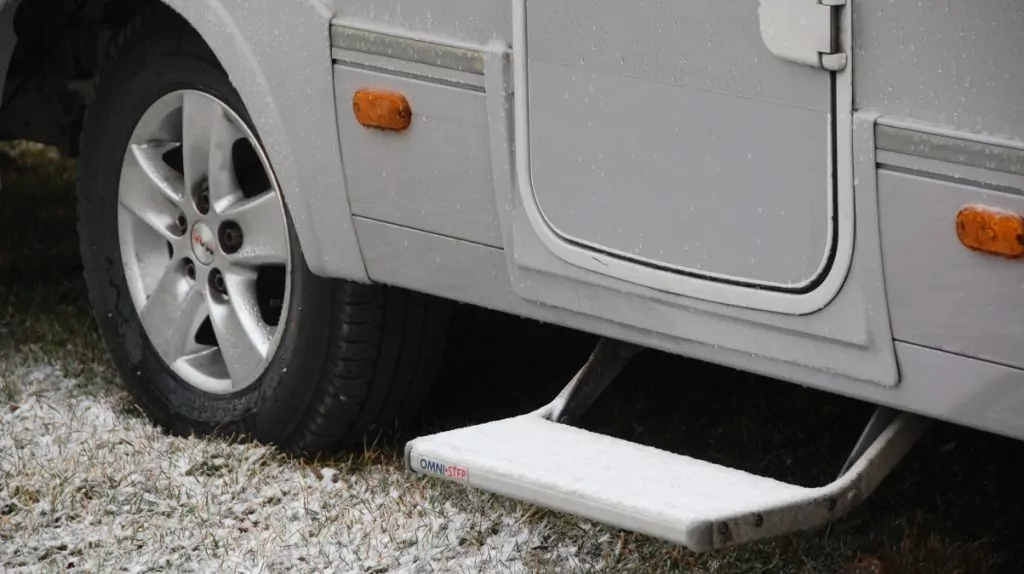
5. Prepare for winter roads
If the motorhome or caravan is to be driven on Swedish winter roads, the tires must of course also be adapted to the conditions.
In Sweden, passenger cars, light trucks and their trailers must have winter tires or equivalent equipment between December 1 and March 31 when winter road conditions prevail. The rules also apply to motorhomes, and there are special provisions for, among other things, tread depth and vehicles with different total weights.
Winter road conditions mean that there is snow, ice, slush or frost on some part of the road.
Good to know about winter tires: Always check the current regulations with the Swedish Transport Agency before your trip. For a class II passenger car with a total weight of over 3,500 kilograms, a minimum tread depth of 5 millimeters in winter road conditions applies, while the corresponding requirement for vehicles up to 3,500 kilograms is at least 3 millimeters.
If you are going to winter camp abroad, you also need to check the regulations in the countries you will be driving through. Requirements for winter tires, studded tires and snow chains differ between different countries.
And regardless of what the law says, the most important thing of course applies: adapt your driving to the road conditions.
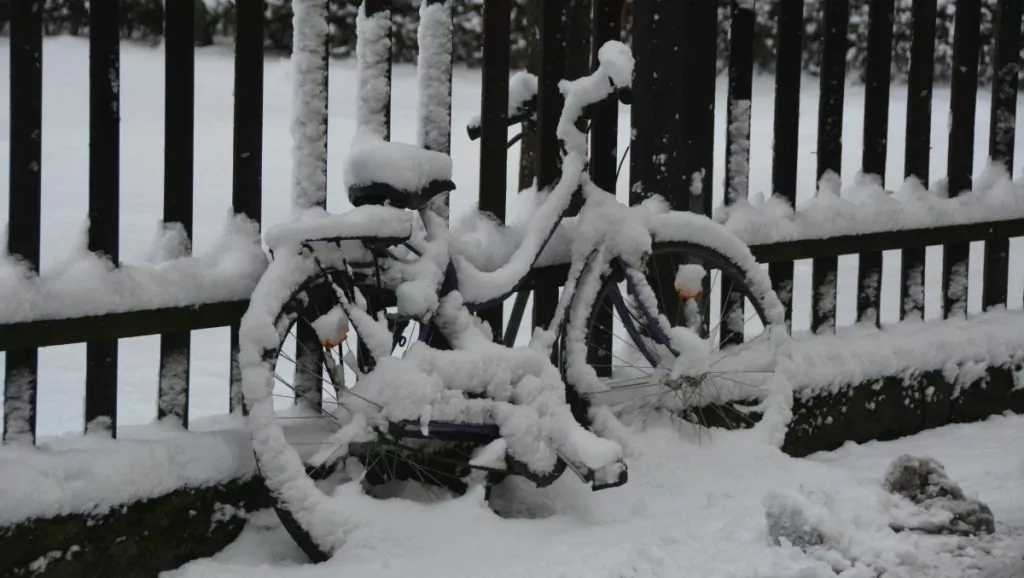
6. Choose your installation location carefully
In the summer, you might primarily think about the view and evening sun. In the winter, there are a few other questions.
What does the ground look like? What happens if there is a lot of snow during the night? Is the area plowed? Is there a risk of wheels or supports freezing when the temperature fluctuates between plus and minus degrees?
Also check what services are actually available during the winter. A campsite that is open all year round may have different facilities available in the winter than during the high season.
For the inexperienced winter camper, a winter-open campsite with electricity, a service house and the ability to fill and empty can be a convenient place to start.
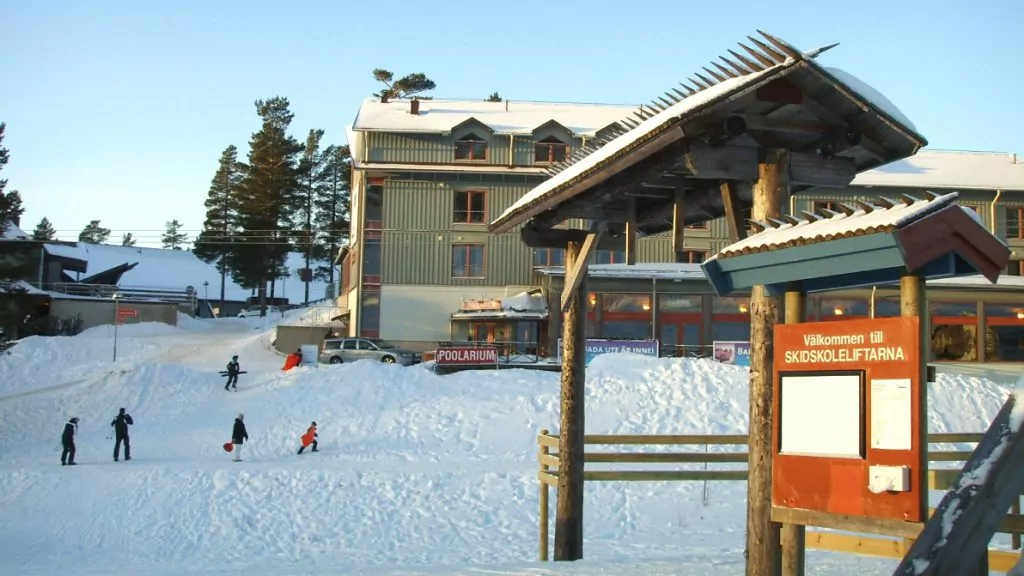
7. Keep an eye on snow and ice
Snow can be incredibly beautiful, but large amounts also mean extra work for the winter camper.
Keep an eye on snow and ice around the motorhome or caravan and make sure that important openings, ventilation, exhausts and other features that the manufacturer says should be kept clear are not blocked.
The roof may also need attention if there is a lot of snow. However, there is no general rule about how much snow a specific vehicle can handle – follow the recommendations for your particular motorhome or caravan.
8. Plan for wet clothes and winter gear
Winter clothes take up space. Ski jackets, pants, boots, gloves, helmets, skis and other equipment take up even more space – and much of it is also wet when you get back.
Anyone with a caravan on a seasonal site can benefit greatly from a winter awning or a porch. In a motorhome, a garage or other separate storage space can be practical.
When camping, the service house can also make things easier. The less wet equipment you need to dry inside the vehicle itself, the easier it will be to keep the moisture down.
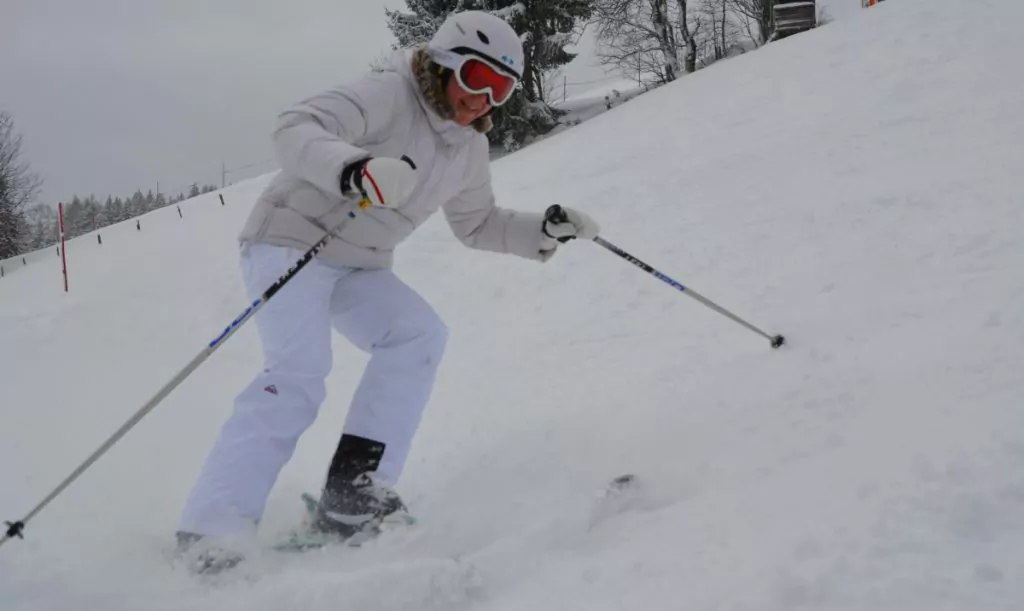
9. Pack a little differently for winter camping
What you need to bring depends on where you are going, the weather forecast and how you plan to camp. Some things that can be extra useful in winter are:
- snow shovel
- ice scraper and snow brush
- flashlight or headlamp
- proper shoes and warm gloves
- extra LPG or other energy reserve, depending on the heating system
- equipment for handling snow and ice around the vehicle
- those required for winter driving at the current destination
And perhaps most importantly: check the weather forecast before you set off. A winter weekend with a few degrees below zero is something completely different from a heavy snowstorm with severe cold.
10. Start with a simple winter trip
Your first winter camping trip doesn't have to be in northern Sweden in minus 25 degrees. A much easier way to test is to choose a winter-open campsite relatively close to home. With shore power, a service house and the ability to fill and empty, you can calmly discover how your particular camping vehicle performs when the temperature drops.
Does the heating work as intended? Is the water system holding up? Where do you dispose of all the wet shoes? How quickly does the gas or diesel run out? After a few days, you will know much more about the next winter adventure.
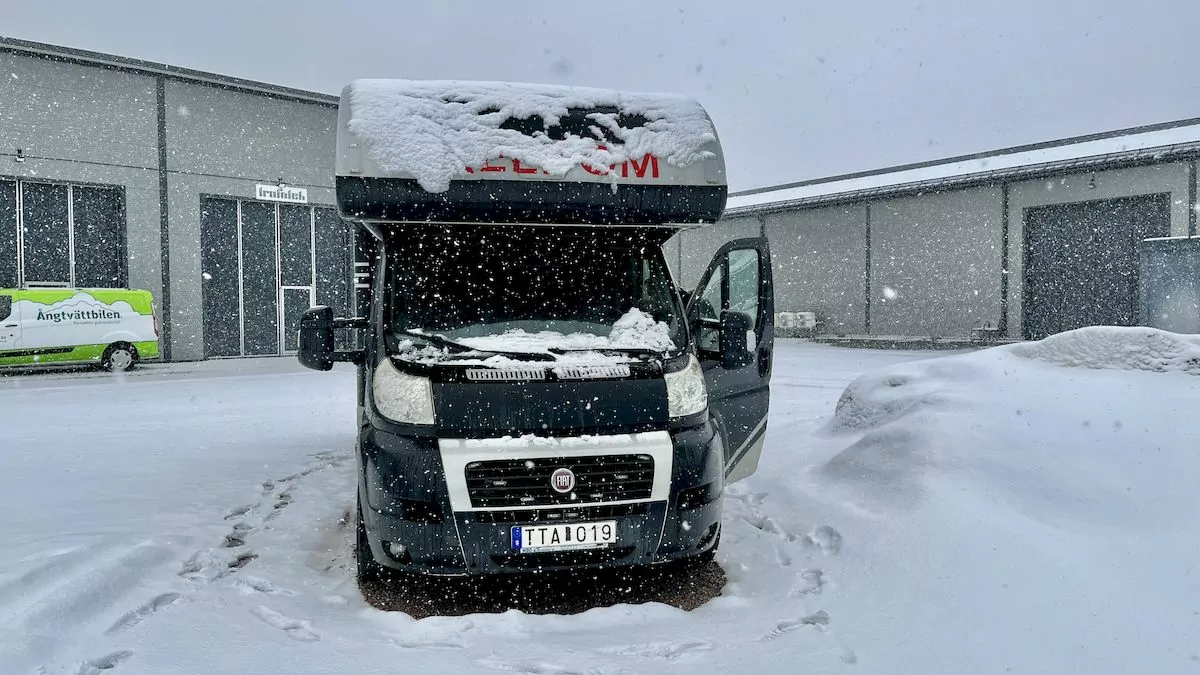
Winter camping with a motorhome or caravan – what's the difference?
Winter camping with a caravan or motorhome can involve quite different types of camping. For example, those with a caravan can choose a seasonal site at a ski resort and leave the caravan there all winter. With a porch or winter awning, you get extra space for outerwear and equipment, and the car is available for excursions.
With a motorhome, it is easy to change locations and make shorter or longer winter trips. At the same time, the entire accommodation must be made ready to drive every time you move, and you need to think about how water, heating and other systems work even during the trip itself.
Which one is best simply depends on how you want to use your camping vehicle.
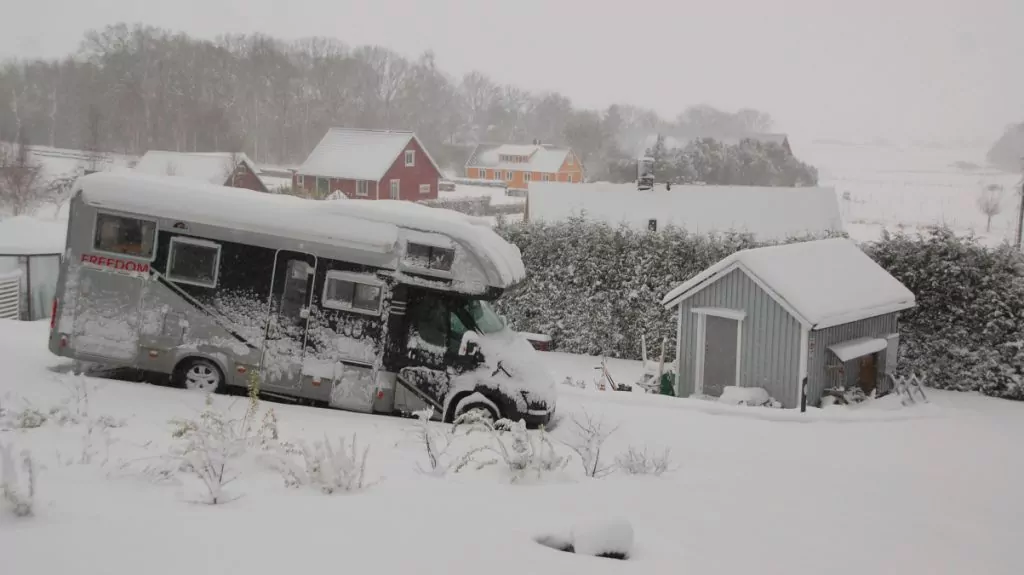
Our experiences of winter camping
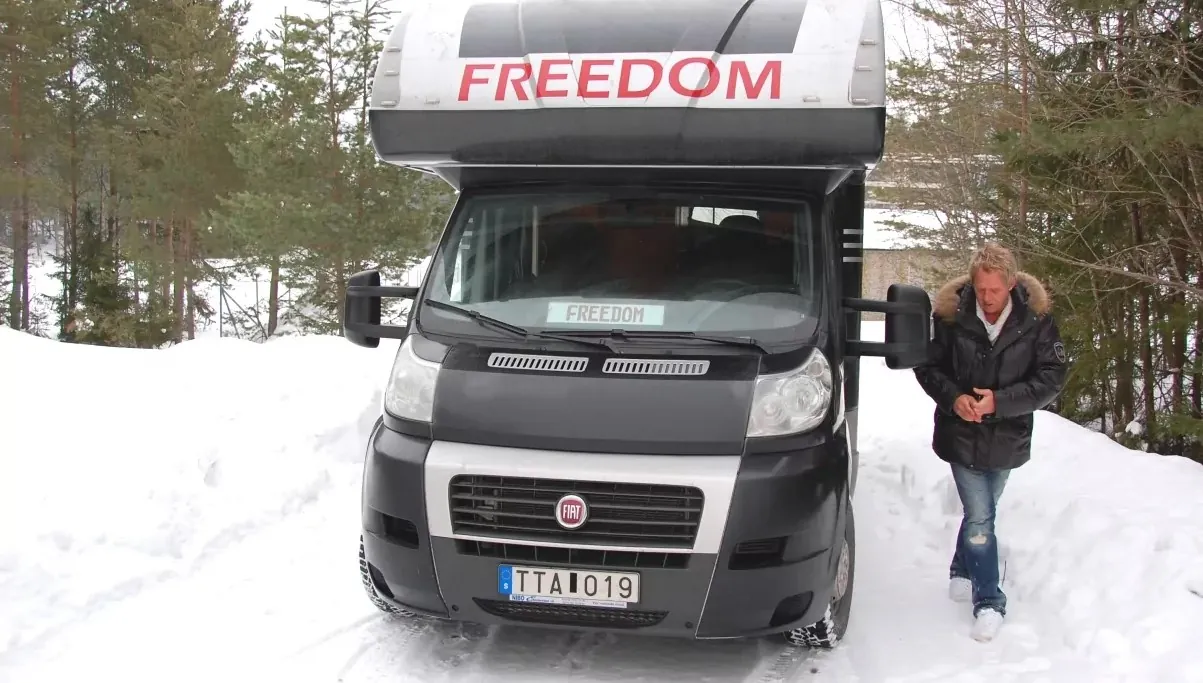
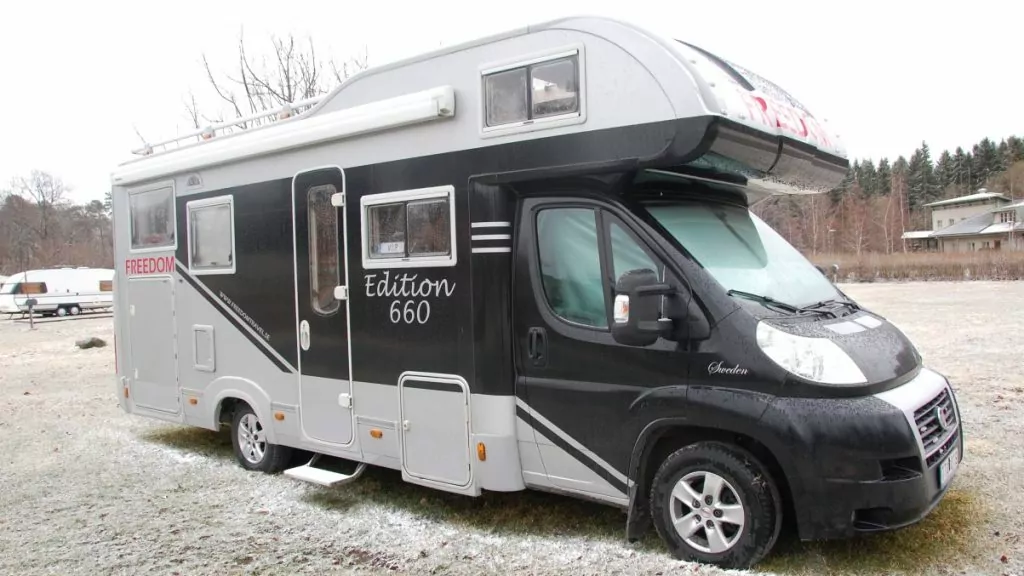
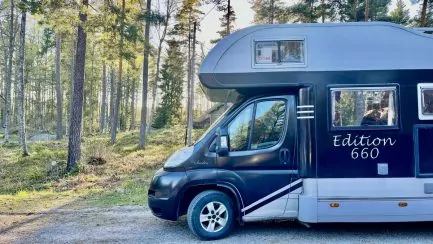
When we bought our first camper in 2008, we got winter tires included. During the first few years, we used them occasionally and also tried camping in real winter weather.
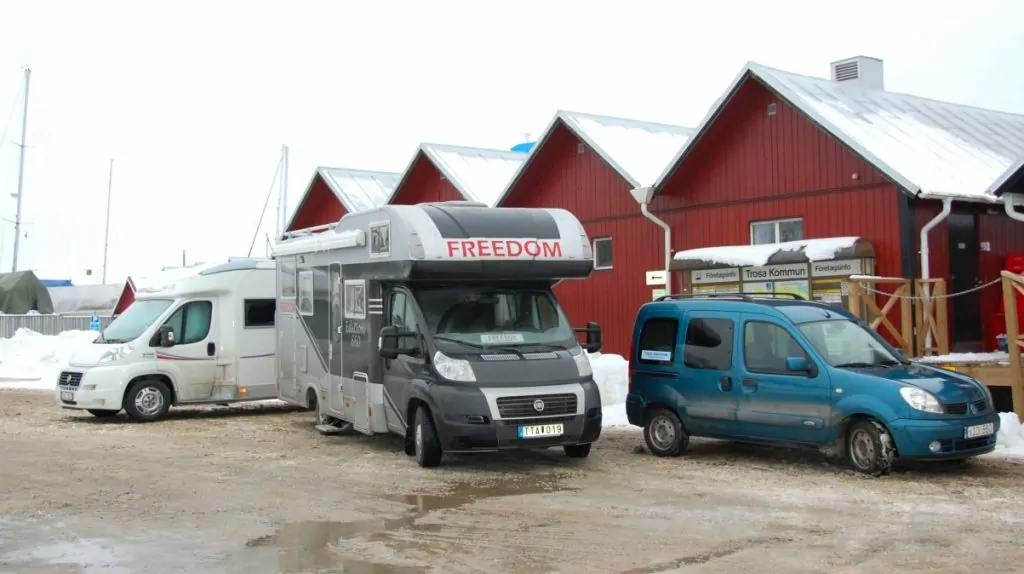
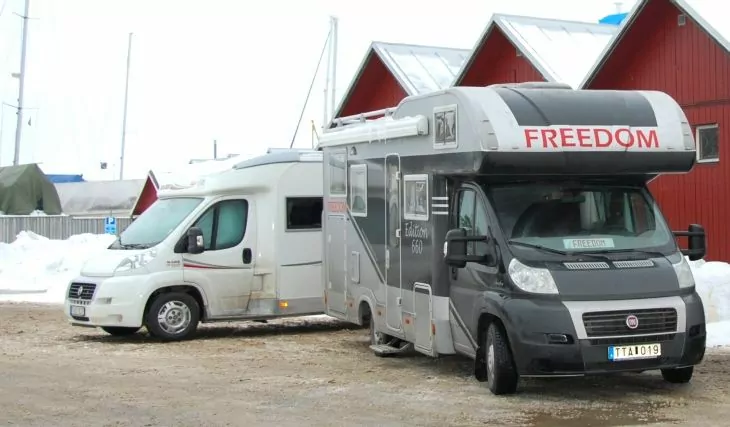
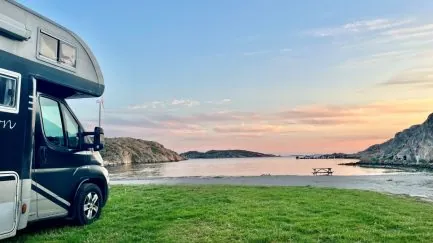
One such time was a snowy winter weekend in Trosa in 2011. We parked our camper by the water and spent the weekend walking, eating well, reading, and playing board games.
And the camper itself? Yes, the heating worked perfectly and we were warm and comfortable. However, when it was time to empty the waste water, we discovered that the drain cock had frozen solid…
So at least we learned something about winter camping that weekend! Over time, we also realized that we ourselves prefer to use the camper in the spring, summer and fall. In other words, we are not extreme winter campers – although we have tried.
Others, however, have been completely turned off by winter camping. Our guest writer Marlene tells how she and her family first put their camper away for five long winter months, but then bought winter tires and started using it year-round.
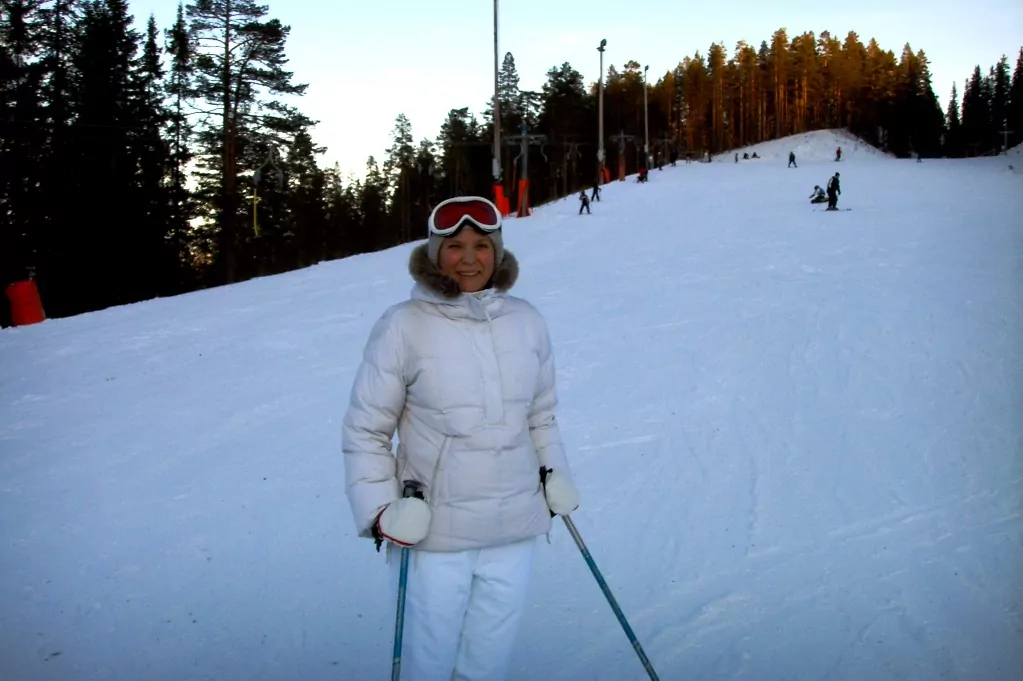
We have also interviewed Camilla Gunnarsson, whose family chose a completely different option: winter camping with a caravan on a seasonal site, a log cabin and lots of skiing.
READ MORE: Can you camp in the winter? – Marlene's experiences of winter camping with a camper
READ MORE: Camilla Gunnarsson, winter camper – about winter camping with a caravan
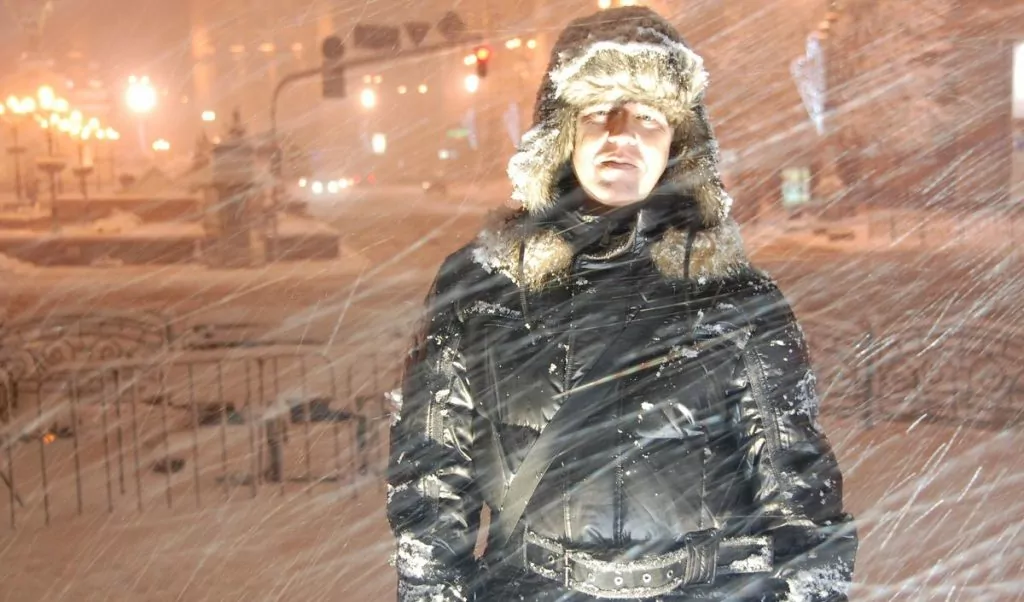
Winter camping – cozy but different
Winter camping doesn't have to be particularly complicated, but sub-zero temperatures mean you have to think about things that are barely noticeable during the summer. Water can freeze, energy consumption increases, and suddenly all your wet winter clothes need somewhere to fit.
At the same time, there is something special about camping in the winter. Snow outside the window, a warm camper or caravan, perhaps a day on the ski slopes and then a quiet evening inside in the warmth.
For those who get to know their camping vehicle and start under reasonable conditions, the camping season simply doesn't have to end just because winter comes.
Do you winter camp with a camper or caravan? Please share your best experiences and tips!





 English (UK)
  Svenska
Katarina på Filippinerna says:
Spontaneously, how hard it sounds! You have so much stuff with you every time you go to the mountains. I have a small apartment in the mountains outside Åre, the small drying cabinet in the bathroom is knee thick to dry all your stuff... The car is thick with stuff, for maybe only at best 2- 3 days... But! It is so wonderful to get out, so you do all this anyway! Year after year! As luck would have it!
Hugs
03 December 2010 - 7:34
Ama de casa says:
Hmmm... Winter camping is probably not for us tenters....
🙂
04 December 2010 - 17:59
admin says:
Ama de casa, well, I would probably take it easy with that...
😉
04 December 2010 - 19:57