



Writer: Helena Bergström
Updated: August 2026 | Venice is one of the world's most special cities, built on islands and crisscrossed by canals where boats replace cars and buses. Here you'll find magnificent palaces, narrow alleys, gondolas, historic churches and some of Italy's most famous sights.
 Tweet
 Share
 Share
 Pin
 Share
 Share
We've visited Venice three times, all while traveling by campervan, and have had time to experience both the classic highlights and the pleasure of just getting lost in the alleys and canals. Here are our top tips for things to see and do in Venice.
Table of contents
Venice – the city on the water
Venice, or Venezia in Italian, is located in the Veneto region of northeastern Italy. The historic city is built on islands in the Venetian Lagoon and is crisscrossed by a network of canals. Instead of regular streets, the water is used for a large part of transportation, and gondolas, taxi boats, water buses and transport boats coexist here.
For many centuries, Venice was the center of the powerful Republic of Venice and one of Europe's most important trading cities. Traces of its heyday are still visible in the magnificent palaces, churches and squares.
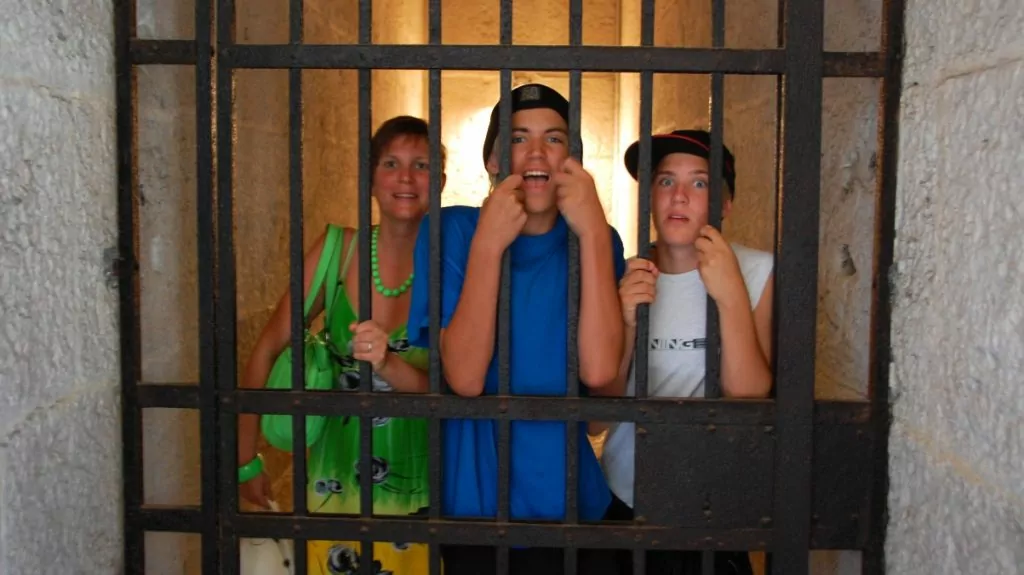
We have returned to Venice several times ourselves. The first time we travelled alone, another time we brought our youngest son Billie and his cousin Pontus with us and on another visit we travelled together with our eldest son Robin and his wife Alexandra. All times we came by camper, but once inside Venice it is of course walks and boats that matter.

1. Experience St. Mark's Square
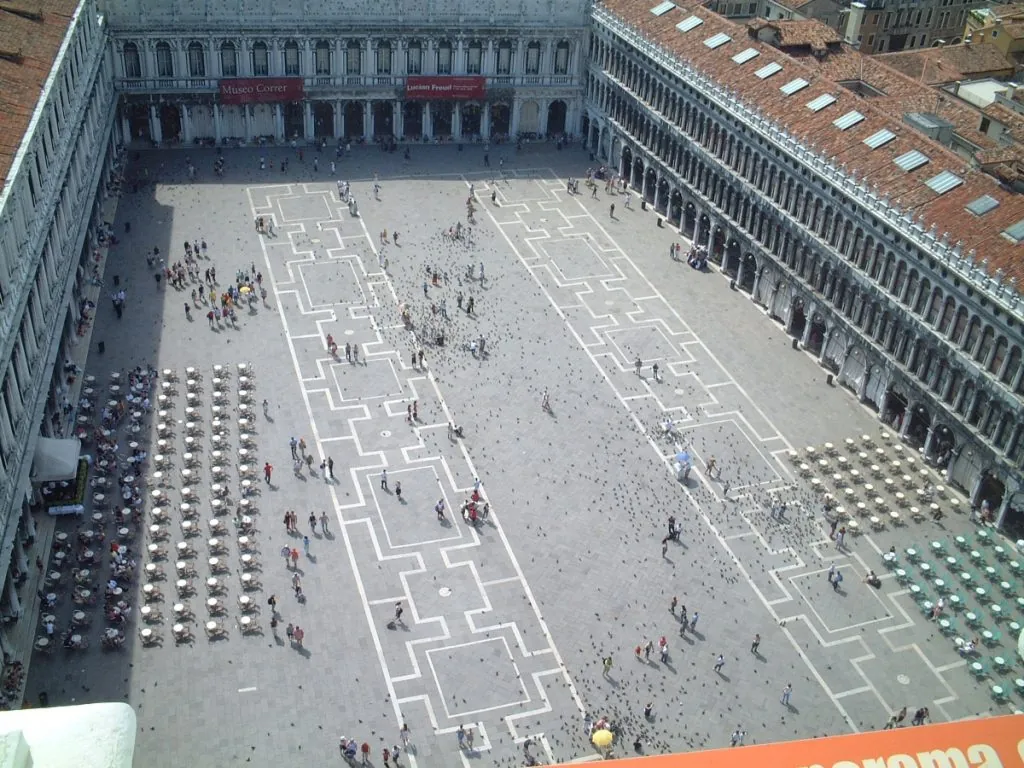
Piazza San Marco, or St. Mark's Square, is Venice's most famous square and a natural place to start your exploration. The square is surrounded by some of the city's most impressive buildings, with St. Mark's Basilica and the towering Campanile di San Marco in the foreground.
There are also elegant historic cafes here and for much of the day the square is filled with people. St. Mark's Square can be intense and touristy, but it's hard to visit Venice without at least standing in the middle of the square and taking in the atmosphere. Note that it's expensive to have a coffee here - if you do, be prepared to pay for the special experience, not just the coffee.


2. Visit St. Mark's Basilica
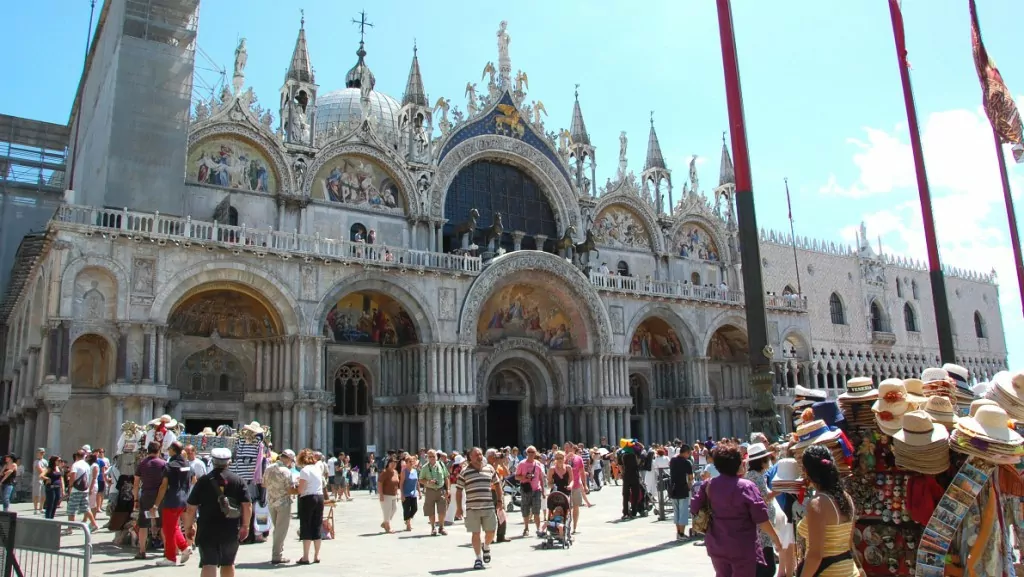
Basilica di San Marco is one of Italy's most spectacular churches. Built to manifest the wealth and power of Venice, it features architecture that clearly demonstrates the city's historical connections with the Byzantine world.
Inside, the church is famous for its extensive golden mosaics. The outside is also impressive, with domes, arches, sculptures and lots of decorative details. Queues can be long during popular times, so be sure to check current rules and the possibility of pre-booking your visit.

3. See the Doge's Palace
Right next to St. Mark's Basilica is Palazzo Ducale, the Doge's Palace, which was the center of political power during the heyday of the Republic of Venice.
The Doge, Venice's supreme leader, lived here, while the building was also used for administration and justice. Today, you can visit the palace and see magnificent halls, works of art and historical environments. The building is also one of Venice's most characteristic, with its bright Gothic facade facing the lagoon and St. Mark's Square.
4. Walk across the Bridge of Sighs
The famous Ponte dei Sospiri, the Bridge of Sighs, connects the Doge's Palace with the old prison buildings.
The name is said to refer to the sighs of prisoners as they caught a last glimpse of Venice through the bridge’s small windows before being led to their cells. The story is romantic to say the least – and the bridge has become one of the city’s most photographed sights. The bridge is clearly visible from the Ponte della Paglia, right next to the Doge’s Palace.
5. Be impressed by the Rialto Bridge
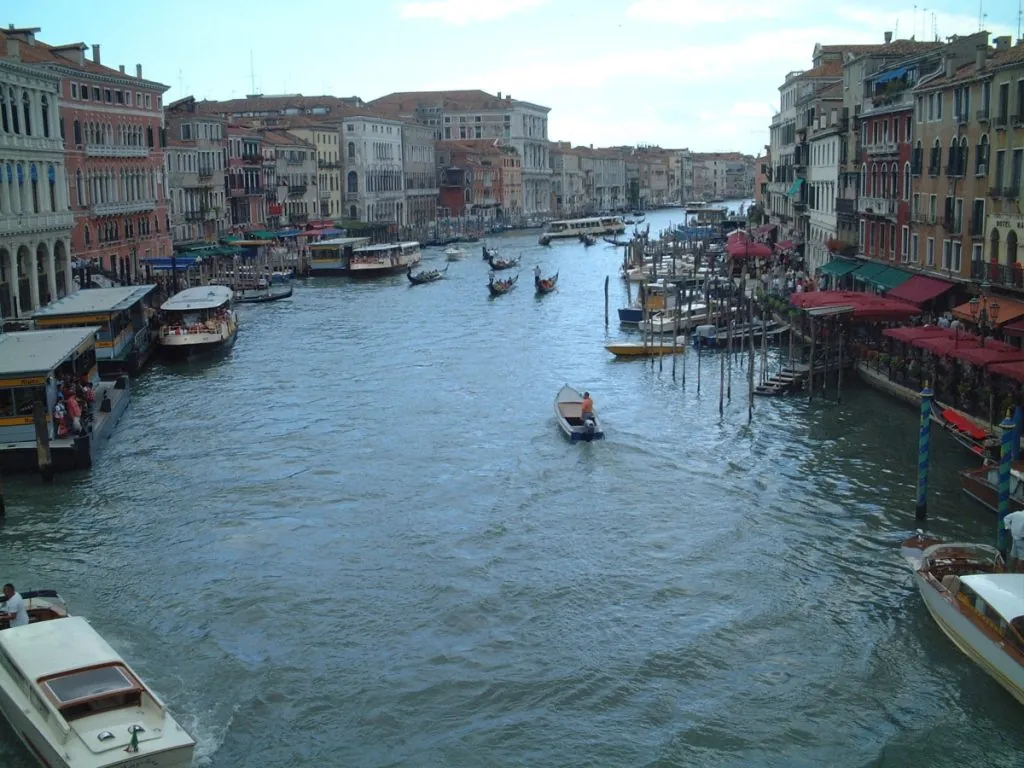
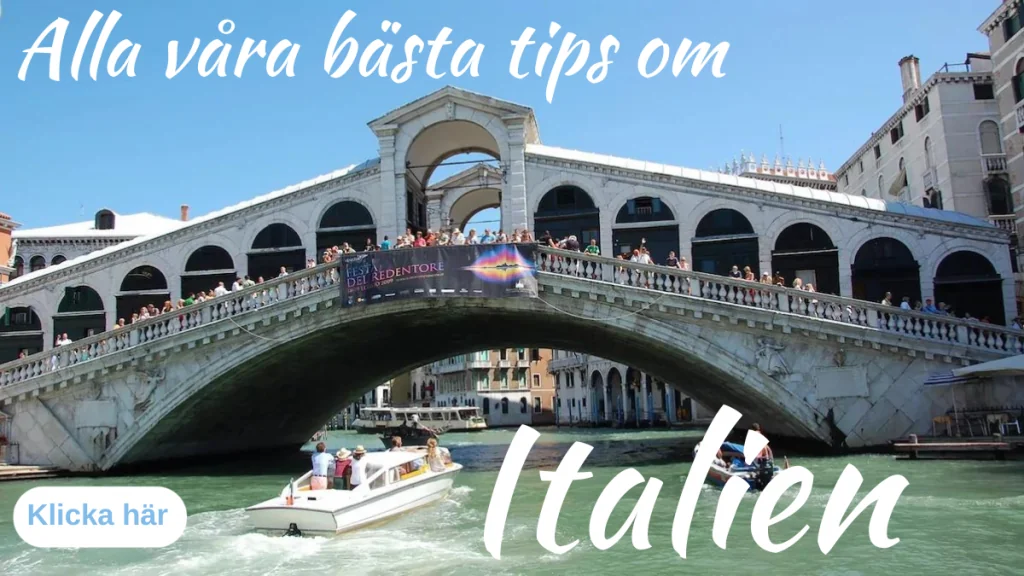
The Rialto Bridge is the oldest of the bridges over the Grand Canal and one of Venice's most famous landmarks. The current stone bridge was built in the late 16th century and is lined with small shops. From here you also get a classic view of the Grand Canal, with palaces, gondolas and boats passing below.
The area around Rialto is almost always full of life and is a good place to combine with a visit to the nearby Rialto Market.


6. See the Grand Canal
The Grand Canal is Venice's main waterway, winding through the city in a wide S-shape. Along the canal are numerous historic palaces built for the city's wealthy families.
One of the best ways to experience the Grand Canal is from the water. You don’t necessarily need to book an expensive boat tour – even a trip on the vaporetto, Venice’s water bus, offers stunning views. We’ve done a lot of boating during our visits and find the water transport itself to be part of the Venice experience.

7. Ride a gondola in Venice
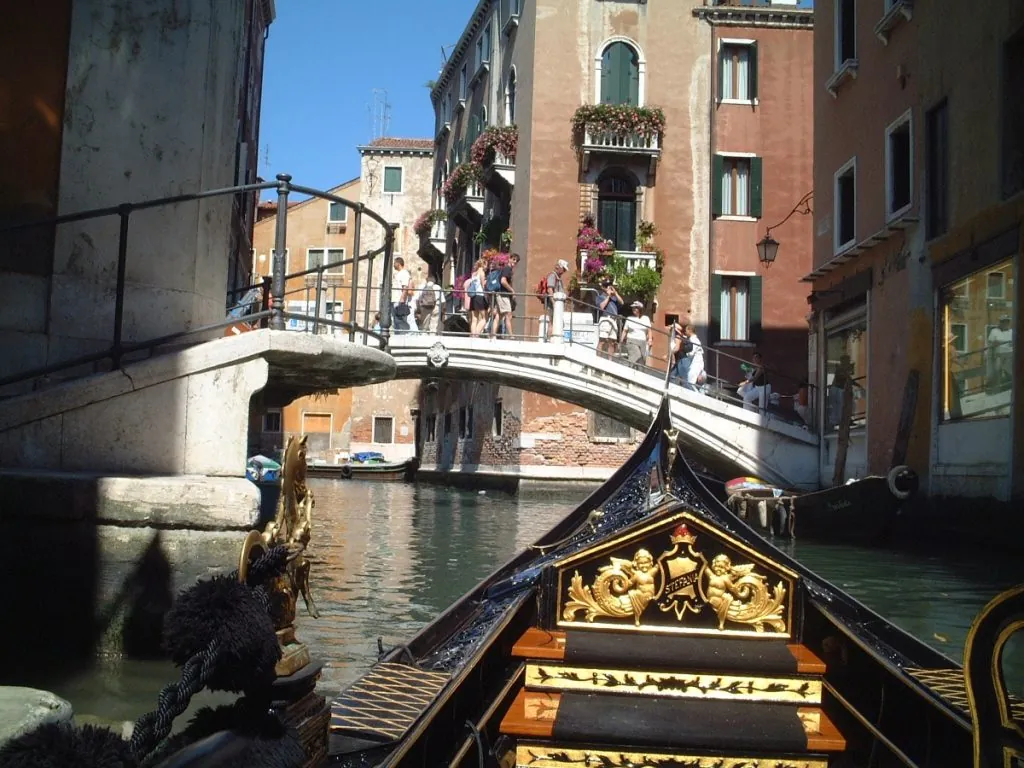
A gondola ride may be touristy – but it is also a very special Venice experience. From the low black boat you see the city from a completely different perspective. The gondola glides through narrow canals, under small bridges and past old houses whose facades rise directly from the water.
We have tried the gondola ourselves and absolutely think it was an experience. It is not the cheapest thing to do in Venice, but for those who have always dreamed of a gondola ride, this is of course the place.

8. Ride the vaporetto – Venice’s water buses
Since the historic part of Venice lacks regular car traffic, public transport is largely provided by boats. The water buses are called vaporetto and serves both the city itself and the islands in the lagoon.
Taking the vaporetto is both practical and sightseeing in itself. A trip along the Grand Canal allows you to see Venice's palaces and churches from the water for a significantly lower price than a private boat trip. For those planning to make multiple boat trips, a time-based travel card can be more economical than separate tickets.

9. Try a taxi boat
If you want to get around a little more exclusively, there are Venice's famous water taxis, water taxi. These are private motorboats that can take you between different places in Venice and the lagoon. It is significantly more expensive than the vaporetto, but if there are several of you who share the cost – or simply want to treat yourself to the experience – it can be a memory in itself.
10. Get lost in the alleys of Venice
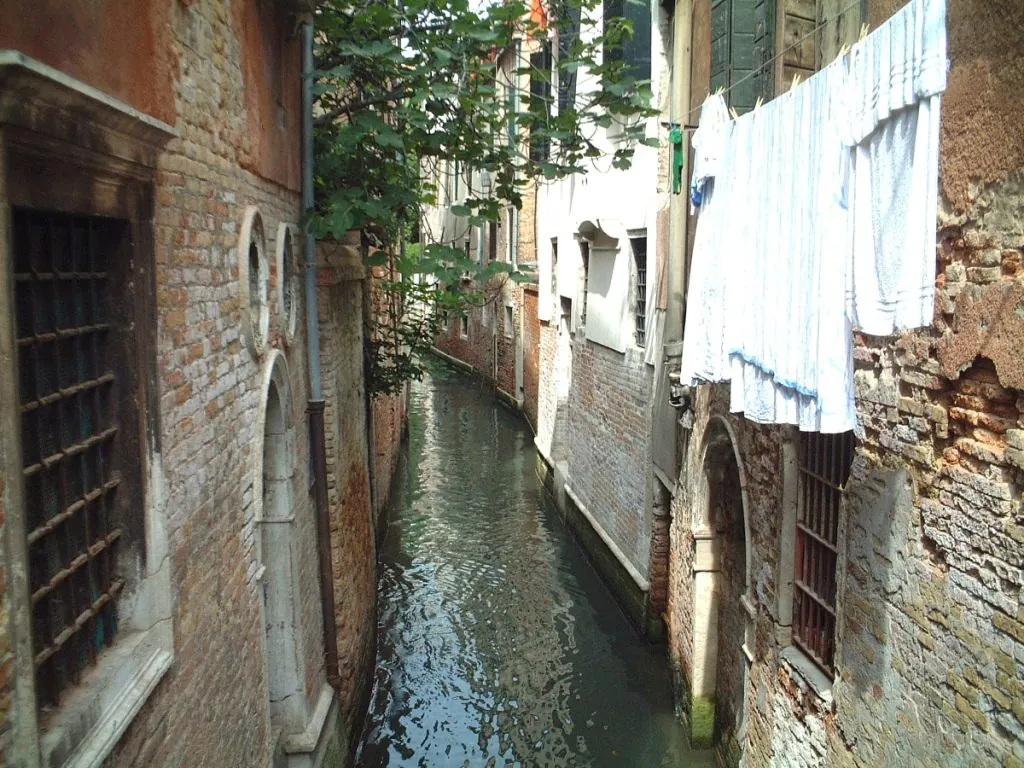
One of our favorite things to do in Venice costs nothing: just walking. Leave the main tourist routes between Rialto and St. Mark's Square and follow any alley that looks interesting. Suddenly you might find yourself standing by a small canal, a hidden church or a square where laundry hangs between the houses and everyday life goes on.
Venice is a city where it's almost natural to get lost. Sooner or later you find your way back – and it's often on the detours that you find the most atmospheric environments.


11. Experience the Cannaregio district
Cannaregio is located in the northern part of Venice and can be a good area to visit when you want to get away from the most touristy neighborhoods.
Here you will find canals, restaurants and residential areas, as well as Venice's historic Jewish ghetto. The word "ghetto" actually gained international popularity from Venice, where the city's Jewish population from the 16th century was forced to live within a restricted area. Today, it is home to synagogues, museums and memorial sites, among other things.
12. Visit colorful Burano
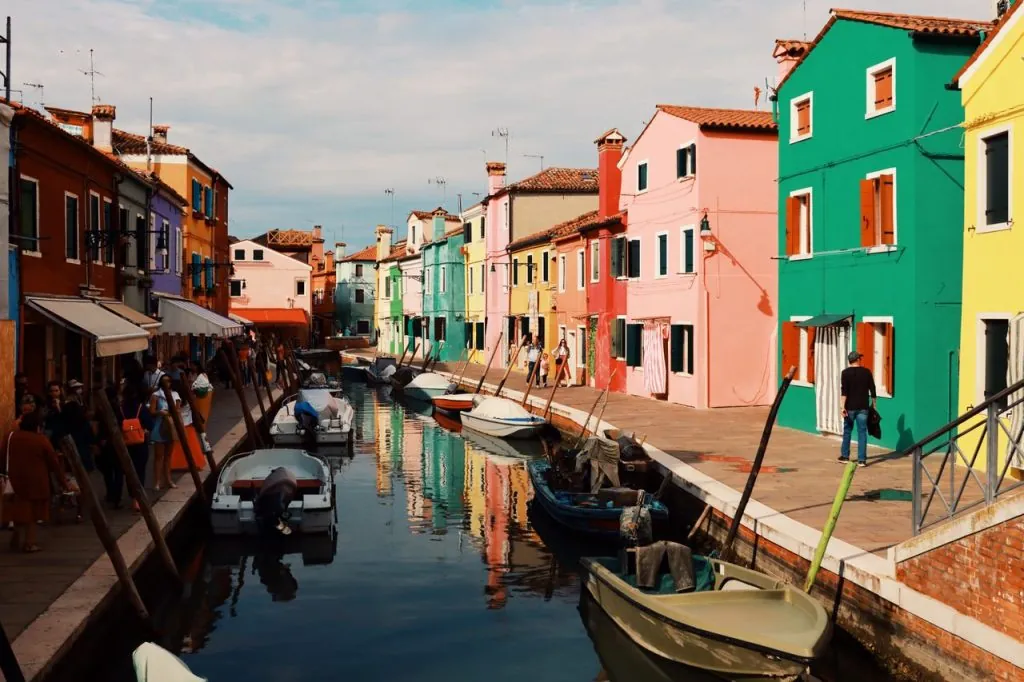
If you have a little more time in Venice, you can take a trip to one of the islands in the lagoon. Burano is easily recognized by its intensely colored houses along small canals.
Traditionally associated with fishing and lace-making, the island offers a completely different environment from central Venice. It takes a while to get here by boat, so plan on at least half a day.
13. Discover the glass island of Murano
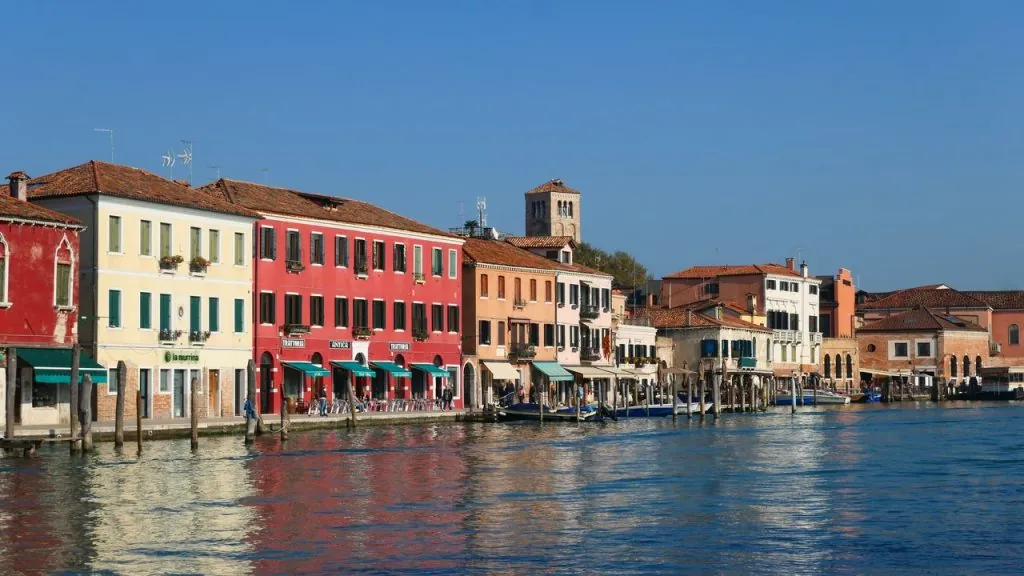
Murano is located significantly closer to central Venice and is primarily known for its long tradition of glassmaking.
As early as the 13th century, Venice's glass furnaces were moved to Murano, partly because of the risk of fire. Even today, there are glass workshops and shops where you can see and buy Murano glass. Murano is easily reached by vaporetto and can be combined with, for example, Burano.
14. Eat cicchetti
Of course, Venice also has its own food traditions. One of the nicest is cicchetti, small bites served at traditional bars, so-called bàcari. For example, it could be small pieces of bread with fish, shellfish, cheese or various spreads. Order a few different ones with a glass of wine or a spritz.
It's an easy and enjoyable way to try several flavors and at the same time experience a more everyday side of Venice. We can also highly recommend the Italian ice cream, gelato, incredibly delicious!
READ MORE: Italian food - 25 classic dishes you must try

15. See Venice at night
If you have the opportunity to stay after many day visitors have left the city, Venice changes.
The alleys become quieter, the lights reflect in the canals and the historic buildings take on a completely different atmosphere. St. Mark's Square and Rialto are still popular, but you can also take a walk through the smaller central neighborhoods. Experiencing both the intense Venice of the middle of the day and the much quieter city of the evening is a good reason to stay at least one night.

Venice – short facts
- Country: Italy
- Region: Veneto
- Location: Venice Lagoon on the Adriatic Sea
- Historic center: Built on islands connected by bridges
- Best known for: Canals, gondolas, St. Mark's Square and historic palaces
- Don't miss out: St. Mark's Square, St. Mark's Basilica, Doge's Palace, Rialto Bridge and Grand Canal
- UNESCO: Venice and the lagoon are a World Heritage Site
- Suitable for: History, architecture, romance, food and photography
- Time consumption: At least 2 days, preferably 3–4 days including one of the islands
- Best time: Spring and autumn for more comfortable temperatures and sightseeing
Venice by motorhome
We have visited Venice three times and each time we have come by camper. It actually works great, although of course you can't drive in in Venice itself, as it is a car-free city. Instead, you can stay at a campsite or similar and get to Venice by bus, for example, or via an arranged excursion.
We have lived at, among other places, Camping Rialto, a simple campsite with a good location for visiting Venice. There are service houses and everything you need, but no luxury. Buses to Venice leave from just outside and the campsite offers information about times and tickets.
We have also stayed at Jesolo International, a five-star campsite that is a little further away, but from where it is also possible to book bus tours.

More to see near Venice
Venice is well placed to combine with other destinations in northern Italy. Verona is a natural stop west, as is Lake Garda. You can also continue towards Padua, Vicenza or the wine regions of Veneto, for example.
FAQ – frequently asked questions about Venice
Where is Venice located?
Venice is located in the Veneto region of northeastern Italy, on the Adriatic Sea. The historic city is located on islands in the Venetian Lagoon and is connected to the mainland by a bridge.
What is Venice famous for?
Venice is best known for its canals, gondolas, historic palaces and magnificent churches. Among the most famous sights are St. Mark's Square, St. Mark's Basilica, the Doge's Palace, the Rialto Bridge and the Grand Canal.
What is there to see and do in Venice?
Visit St. Mark's Square and Basilica, see the Doge's Palace and the Bridge of Sighs, walk across the Rialto Bridge and experience the Grand Canal. You can also ride a gondola or vaporetto, eat cicchetti and take excursions to Murano and Burano.
How many days do you need in Venice?
Two days is a good starting point for a first visit, while three or four days will give you more time to explore quieter neighborhoods and take excursions to the islands in the Venice Lagoon.
Is it worth taking a gondola ride in Venice?
A gondola ride is relatively expensive, but it also gives you the opportunity to experience Venice from the small canals and is one of the city's most classic experiences. For a cheaper way to see the city from the water, the vaporetto is a good option.
What is vaporetto?
The Vaporetto is Venice's water bus and serves as the city's public transport on the water. The boats run along various routes through Venice and on to several of the islands in the lagoon.
Can you walk everywhere in Venice?
Large parts of historic Venice are best explored on foot. The islands and districts are connected by hundreds of bridges, but for longer distances and trips to other islands, a boat is required.
Which islands should you visit outside of Venice?
Murano and Burano are among the most popular. Murano is known for its glassmaking and Burano for its colorful houses and traditional lace. Torcello is also an interesting excursion destination for those with more time.
When is the best time to visit Venice?
Spring and autumn are good for sightseeing as temperatures are often more pleasant than in the middle of summer. However, Venice can be visited all year round, and different seasons give the city a different atmosphere.
Is Venice expensive?
Venice can be expensive, especially when it comes to accommodation and restaurants on the main tourist routes. By seeking out smaller central neighborhoods, using public transportation, and comparing restaurants, you can keep costs down.
Do you have to pay an entrance fee to visit Venice?
Venice has introduced a visitor fee for certain day visitors during selected days and times. Rules, dates, fees and exemptions are subject to change, so always check the current regulations before traveling.
Can you visit Venice by motorhome?
Yes. There are campsites and other accommodation options on the mainland and in the area around Venice. A convenient option is to leave your campervan at the campsite and use the bus or boat to get to the historic city.
You might also like:
 Rome on a budget – free attractions and cheap entertainment
 Visiting Pompeii - a time capsule from the year 79
 Sigurtá and Borghetto Garden Park near Lake Garda
 What to do in Sirmione - 12 tips for a gem on Lake Garda
 Visiting Riva del Garda - a gem on Lake Garda
 Things to do in Athens – from ancient columns to Greek folk life



 English (UK)
 Svenska
Anonymous says:
Hello!
How much does a gondola ride cost?
Seems quite cosy!
Have a pleasant journey.
12 August 2011 - 15:00
admin says:
Anonymous, we took the gondola the first time we were in Venice (about five years ago). It cost 800 SEK and we think it was for about half an hour, or maybe 40 minutes. Expensive, even though it was nice to do it once.
12 August 2011 - 22:04
Stattinskan says:
I love Venice - well, Italy in general 😉 When you holiday with a motorhome you get a completely different freedom ... however, I have only holidayed in a rented motorhome 😉.
Gomorron on you!
13 August 2011 - 8:30
Camilla says:
Oh..Venice..dreaming away to romance and adventure! I'm jealous, yes I am 🙂 Hope you have a great time!
13 August 2011 - 11:38
lennart says:
There is a simple pitch in Venice. Perfect to stay on the island if you want to make the most of Venice and just sleep in the campervan 🙂.
http://www.veniceparking.it/en/find-parking/Venezia%20Tronchetto%20Bus%20and%20Camper%20Parking/
26 February 2018 - 13:51