



Writer: Helena Bergström
Updated: August 2026 | We have to admit that we fell a little in love with Umbria. Here, green hills, olive groves and sunflower fields spread out between historic towns and small villages, and the pace often feels calmer than in many of Italy's most visited tourist areas. We traveled through Umbria by camper, spent several days at Lago Trasimeno and enjoyed nature, boating, local food and rural accommodation. Here we share our experiences and tips from Italy's green heart.
 Tweet
 Share
 Share
 Pin
 Share
 Share
Table of contents
What is Umbria?
Umbria is located in the middle of Italy, between Tuscany, Lazio and Marche, and the region's capital is Perugia. Unlike most other Italian regions, Umbria has no coastline, but the landscape is dominated by green hills, valleys, forests and farmland.

It is also home to Lake Trasimeno, one of Italy's largest lakes. The region is known for historic towns such as Assisi, Orvieto and Spoleto, but also for olive oil, wine, truffles and a rural landscape that has earned Umbria the nickname "the green heart of Italy".
Why is Umbria called the green heart of Italy?
Umbria is usually called ”The green heart of Italy”, and it's not hard to see why. The region is located in the middle of the Italian peninsula and is the only Italian region without a sea coast or land border with another country. Instead, you are greeted by a rolling inland with green hills, forests, valleys, olive groves and vineyards.

For us, it was the landscape and the tranquility that made the strongest impression. We vividly remember green hills, yellow sunflowers, olive trees and the sound of crickets in the heat.

Maybe that's what made us fall in love with Umbria so much. The region felt less touristy than many other parts of Italy we've traveled to, and we liked the relaxed, rural feel. "The Green Heart of Italy" actually feels like a pretty apt nickname.

Things to see and do in Umbria
Umbria offers historic cities, medieval villages, green landscapes and lakes. Here are some of the region's most interesting places to discover.


Perugia
Perugia is the capital of Umbria and is beautifully situated on a hill surrounded by green countryside. The historic city centre is filled with narrow alleys, old stone houses, squares and grand buildings. Among the sights are Piazza IV Novembre with the Fontana Maggiore fountain and Palazzo dei Priori. Perugia is also famous for chocolate and for its large jazz festival.
Assisi
Assisi is one of Umbria's most famous towns and is primarily associated with Francis of Assisi. The large Basilica di San Francesco is the town's main attraction and, together with other Franciscan sites, is on the UNESCO World Heritage List. The town itself is also worth visiting, with medieval stone houses, narrow streets and views of the Umbrian countryside.

Orvieto
Orvieto is dramatically situated on a high cliff of volcanic tuff. The city is most famous for its magnificent Gothic cathedral, the Duomo di Orvieto, but it also has a charming historic center and exciting underground environments. Another famous attraction is the deep well, the Pozzo di San Patrizio.
Spoleto
Spoleto is a historic city in eastern Umbria with roots far back in time. Here you can see the beautiful cathedral, stroll through the old town center and discover Roman remains. Above the city lies the mighty fortress of Rocca Albornoziana.
Lake Trasimeno
Lake Trasimeno is one of Italy's largest lakes and is surrounded by green hills, olive groves and small towns. Here you can enjoy swimming and boating, visit towns such as Passignano sul Trasimeno and Castiglione del Lago or take a boat out to one of the islands in the lake.
We spent several days at Lago Trasimeno ourselves, including a boat trip from San Feliciano to Isola Polvese. The lake became one of the places we fell in love with the most during our time in Umbria.

Lago Trasimeno – marine life in Umbria
Lago Trasimeno was the center of much of our time in Umbria. The lake is surrounded by green hills, olive groves and small towns, and out on the water you can see sailboats and other small boats. There are beaches and campsites here, and from several towns you can take the boat out to the islands in the lake.
We spent several days in the area, alternating relaxation with small excursions. One of the most enjoyable was the boat trip from San Feliciano to Isola Polvese.

San Feliciano and boat trip on the lake
San Feliciano is a small town on the eastern side of Lago Trasimeno and from here we took the boat out to Isola Polvese. Lago Trasimeno has three islands – Isola Maggiore, Isola Minore and Isola Polvese – and Polvese is the largest. The boat trip itself was short, but offered nice views of the lake and the surrounding landscape.


Isola Polvese
Isola Polvese is the largest island in Lake Trasimeno and today a green excursion destination with nature, walking paths and historical remains. Here you can find, among other things, the ruins of a medieval castle, the church of San Giuliano and the remains of an old monastery.


We walked around the island for a while, but it was really hot during our visit. In the end, we gave up on our sightseeing ambitions and headed down to the water for a much-needed swim.


Afterwards, it tasted extra good with an Italian beer and a sandwich with tomato and mozzarella before it was time to take the boat back.

Food, wine and olive oil in Umbria
Food was an important part of our experience of Umbria. The region is known for its rustic cuisine, where local ingredients play a big role, including olive oil, truffles, cured meats, cheeses and legumes. Wine is also produced here, including around Montefalco and Orvieto.
During our days in the area, we experienced the close connection between food and landscape several times. We lived among olive groves, ate vegetables grown on site, and sampled local olive oil, honey, and other products. One of our favorites was a plate of truffle pasta accompanied by a glass of red wine – simple, Italian, and very tasty.

Rural living in Umbria
Part of our experience of Umbria was about the accommodations. For a few days we swapped the campervan for a hotel and got to experience two quite different sides of the area around Lago Trasimeno.
The Seagull
For a few days we stayed at a family-owned The Seagull, near Lago Trasimeno. Here we alternated excursions with lazy hours by the pool and dinners at the hotel's restaurant and pizzeria.


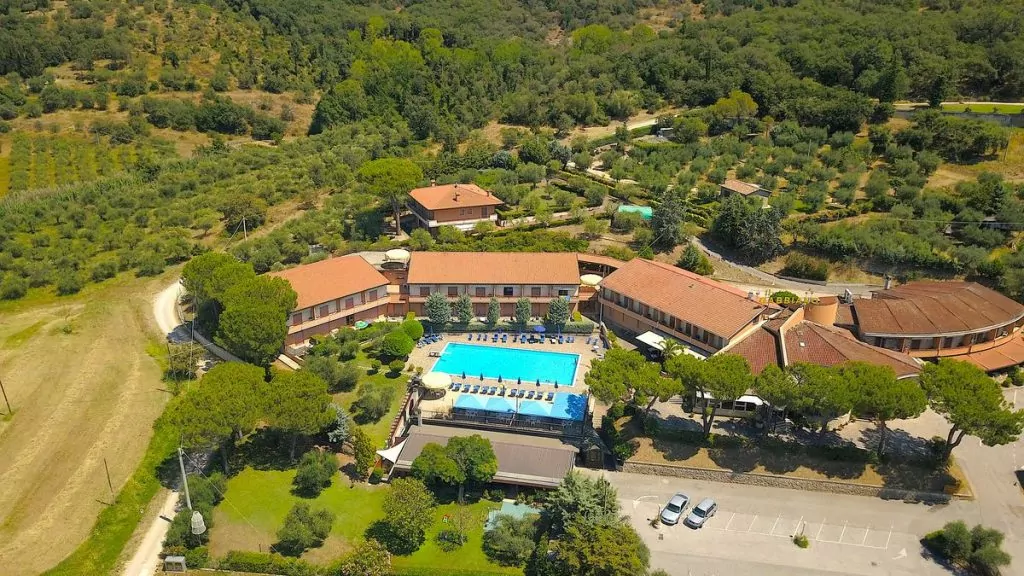
The family had their own olive groves and produced their own olive oil, as well as vegetables used in the restaurant. One evening we had pizza at the pizzeria – and it was actually among the best pizzas we had in Italy. It was obvious that more people appreciated the place, because in the evening the restaurant was filled with both adults and children.


Il Cantico Della Natura
The ecological resort Il Cantico Della Natura is located high on a hill on the eastern side of Lake Trasimeno. It overlooks both the lake and the green valleys.


We spent many hours by the pool, walking in nature and ending the days with Italian food and wine. This resort in Umbria must really be the perfect place for those looking for relaxation and peace. It go as well as not feeling stressed in this environment.
If you hang around the hotel, you don't have to do much more than relax by the pool or maybe read a good book in a hammock.
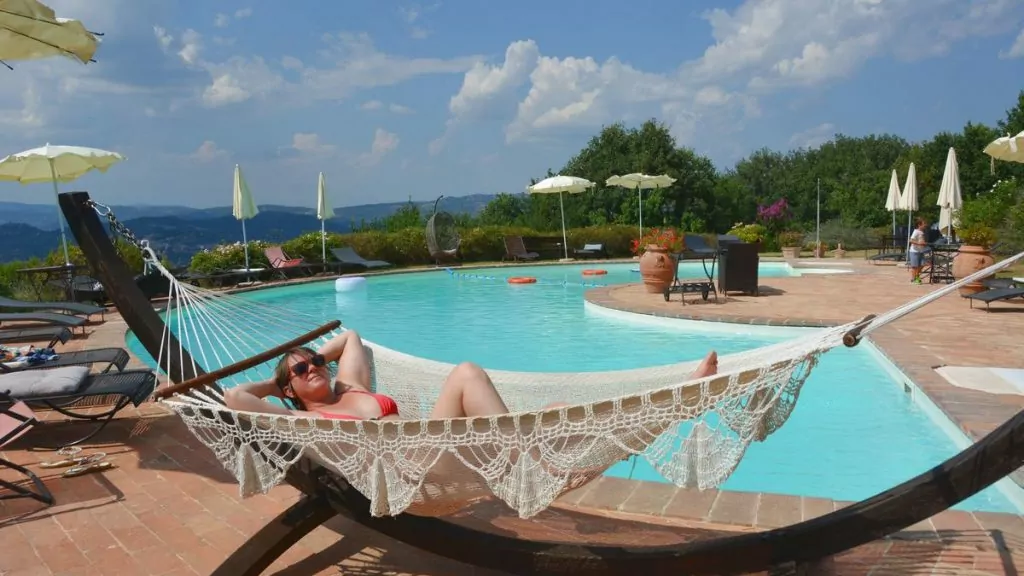

One evening we ate truffle pasta by the pool – one of those simple vacation memories that still sums up Umbria pretty well for us.

Umbria by motorhome
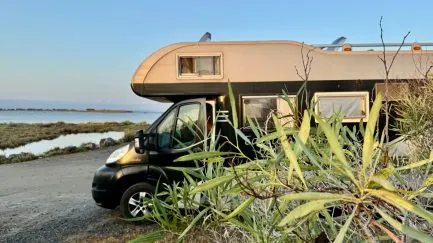
We travelled through Umbria by camper van and found the region to be a great place for a road trip. There are plenty of small roads through beautiful countryside, and the distances between many of the sights are relatively short. Keep in mind that historic towns often have narrow streets and ZTL zones, so it may be easiest to park outside the city centre.

At Lago Trasimeno we stayed at, among other places: Eden Park, a relatively simple campsite near the water with shaded pitches under the pine trees. For us, the relaxed campsite fit in well with the feeling we got from Umbria in general – green, close to nature and uncomplicated.

When is the best time to travel to Umbria?
Umbria can be visited all year round, but Spring and early autumn are particularly nice periods. During April–June the landscape is green and blooming and the temperatures are usually good for sightseeing, hiking and excursions. September and October often offer pleasant weather and are also a wonderful time for those interested in food, wine and local harvests.
Under July and August It can get really hot, which we experienced ourselves. Summer is great for those who want to combine excursions with swimming and relaxation at, for example, Lago Trasimeno, but in the middle of the day the heat can make sightseeing tiring.
If you want to discover Umbria's cities, villages and landscapes, we would therefore choose May, June, September or early October

More to see in the neighbourhood
Here you will find more reports about places and experiences nearby.
- Things to do in Rome
- Tuscany – a journey around cultural heritage
- Small-scale and genuine in the Marche region
FAQ – frequently asked questions about Umbria
Where is Umbria located?
Umbria is located in central Italy and borders Tuscany, Marche and Lazio. The region has no coastline and is completely enclosed by other Italian regions. The capital is Perugia.
What is Umbria known for?
Umbria is known for its green and hilly landscape, olive groves, historic towns and medieval villages. The region is also associated with food and drink such as olive oil, truffles and wine, as well as cities such as Assisi, Perugia and Orvieto.
Why is Umbria called the green heart of Italy?
Umbria is often called the ”Green Heart of Italy” due to its location in the middle of the Italian peninsula and its green landscape. It is home to forests, hills, valleys, olive groves and vineyards, and the region has no coastline.
What is there to see and do in Umbria?
Visit historic cities such as Perugia, Assisi, Orvieto and Spoleto, discover small medieval villages and enjoy the Umbrian countryside. Lago Trasimeno is another popular excursion destination, with opportunities for swimming, boat trips and visits to the islands in the lake.
Which cities are worth visiting in Umbria?
Perugia, Assisi, Orvieto and Spoleto are among Umbria's most famous cities. Smaller towns such as Spello, Gubbio, Todi and Montefalco are also popular destinations for those who want to discover more of the region.
Is Umbria worth a visit?
Yes, especially if you appreciate historic towns, Italian food and beautiful landscapes. Umbria can also be a good option for those looking for a more rural and in many places less tourist-intensive experience than some of Italy's most visited regions.
How many days do you need in Umbria?
With three to four days you will have time to experience one or more cities and parts of the countryside. If you want to do a longer round trip, visit Lago Trasimeno and discover several of the region's cities and villages, a week or more is a better option.
When is the best time to travel to Umbria?
Spring and early autumn are great times to visit Umbria. April–June and September–October are usually good for sightseeing, hiking and excursions. July and August can be very hot, but are also great for swimming and relaxing at Lago Trasimeno.
What to eat in Umbria?
Umbria is known for its rustic cuisine made with local ingredients. Some of the specialties include truffles, olive oil, cold cuts, legumes and pasta. The region also has a long wine tradition, with well-known wines from Montefalco and Orvieto, among others.
What is Lake Trasimeno?
Lago Trasimeno is a large lake in western Umbria, near the border with Tuscany. The lake is surrounded by small towns, olive groves and green hills and has three islands: Isola Maggiore, Isola Minore and Isola Polvese. Among other things, you can swim, take boat trips and visit the islands.
Is Umbria suitable for a motorhome trip?
Yes, Umbria is well suited to exploring by motorhome and offers beautiful roads through a varied landscape. There are campsites and other overnight accommodation options in several places, including around Lago Trasimeno. In historic city centres it is wise to park outside the centre and be aware of ZTL zones.
You might also like:
 Lake Como in Italy – Varenna, Bellagio and beautiful villages
 Visiting Cala Gonone in Sardinia - boat trip in a paradise
 Visiting Gorropu Canyon in Sardinia - hiking with dramatic views
 Free camping in Sardinia - plus beach life and mussel picking
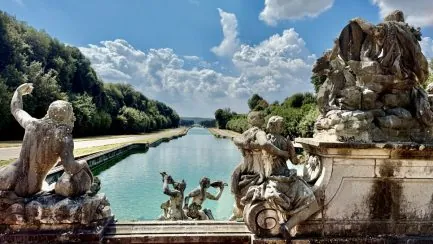 Visiting the castle of Caserta in Italy - one of the largest castles in the world
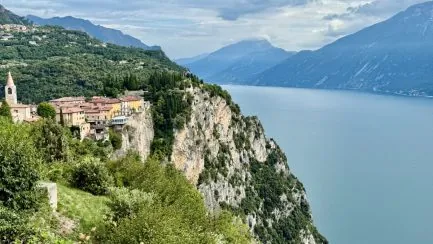 Guide to Lake Garda - 17 tips for experiences around the lake



 English (UK)
 Svenska
Our Vantastic Travels says:
I agree that the places you saw during your trip were beautiful. It can also be nice to avoid a lot of tourists once in a while.
30 July 2018 - 7:51
Helena says:
Very nice to avoid too many tourists, we think! It is possible from time to time, at major attractions and so on, but in the long run it can be tiring. Very relaxed here in Umbria! 🙂
30 July 2018 - 8:39
Ama de casa says:
Oh so beautiful! Love the sunflower pictures, especially the first one - sooo lovely picture! 🙂
Have a great start to the week!
30 July 2018 - 8:17
Helena says:
The sunflowers were so beautiful! 🙂 Thank you the same!
30 July 2018 - 8:39
Seija Viitamäki-Carlsson says:
It's nice there. We've been to Umbria on two different trips. You are exploring the heart of Italy. Keep up the good work!
30 July 2018 - 8:37
Helena says:
Great that you have been twice to Umbria! Fantastically nice! 🙂
30 July 2018 - 8:41
ReiseLinda says:
Umbria looks lovely!
30 July 2018 - 8:47
Helena says:
Very nice! We have become very fond of Umbria 🙂 .
30 July 2018 - 12:48
Husisblogg says:
Looks really lovely. It can also be nice to avoid the main tourist routes for a change.
Peter looks really good in this picture, a glass of wine and his drone.
30 July 2018 - 9:53
Helena says:
Wine and toys make him feel good, Peter 😉 It's great to get away from the worst tourist routes, we think!
30 July 2018 - 12:49
Anna | Boihusbil says:
It looks really lovely! We would like to experience Italy, so Umbria feels natural to get into the wish list there.
30 July 2018 - 9:54
Helena says:
Umbria is recommended! Nice to travel by motorhome when it is not so crowded!
30 July 2018 - 13:23
Nils-Åke Hansson says:
Looks to be in the area where our Grandchildren and their family holidayed,
30 July 2018 - 10:04
Helena says:
Then I can think that they had a nice holiday! 🙂
30 July 2018 - 13:23
Britt-Marie Lundgren says:
Umbria seems to be a very good alternative to, for example, touristy Tuscany.
Then you get a big praise for nice foros. They fit in any tourist brochure and Peter's drone has also been put to good use!
30 July 2018 - 10:47
Helena says:
Glad you like our photos Britt-Marie! Yes, I think Umbria can be a good alternative to Tuscany!
30 July 2018 - 13:25
dianasdrömmar says:
Love Italy, we went 3 summers ago, wonderful trip, hugs and enjoy the trip/Diana
30 July 2018 - 12:34
Helena says:
Italy is great for car holidays! 🙂
30 July 2018 - 13:25
Eva – People in the Street says:
What a wonderful trip you are doing! I love the large sunflower fields in Italy, one of my favourite memories from when we were in Tuscany. The picture of you among the sunflowers is absolutely wonderful 🙂 .
30 July 2018 - 15:11
Helena says:
Glad you like the picture! I can imagine that there are similar views in Tuscany! 🙂
30 July 2018 - 23:14
Steve says:
Oh dear, what an amazing journey. I understood the scale of it when I saw the excellent film, as usual.
I understand that you have fallen in love with Umbria.
Lovely picture of you there in the sea of sunflowers. A rose among roses.
30 July 2018 - 15:36
Helena says:
Thanks Steve, glad you like the picture! 🙂
30 July 2018 - 23:14
Ditte says:
Umbria is beautiful! And that there are less tourists here. It's been a long time since we were there, but I would love to come back for a few days and preferably in the autumn. Admittedly, I love the sea but not to either sunbathe or crowd. Very nice pictures!
30 July 2018 - 16:03
Helena says:
Same here, we also like the sea, but not when it's too crowded 😉.
30 July 2018 - 23:15
Conny says:
It seems wonderful and good in every way. I have to admit that I am excited to take it as my next destination.
30 July 2018 - 16:07
Helena says:
We can highly recommend Umbria! 🙂
31 August 2018 - 15:08
Matts Torebring says:
You already know that we love the country, we escape from the tourist resorts, because this is how we want it.
30 July 2018 - 19:10
Helena says:
It's nice that there are alternatives to the tourist resorts!
31 August 2018 - 15:09
BP says:
What great pictures, not to mention the film! Both the personal introduction and then the video taken with the drone. Absolutely wonderful to watch. The sunflower field is enormously beautiful. Great fun to follow you for four more weeks:-)
30 July 2018 - 21:07
Helena says:
Glad you like our pictures and films! 🙂
31 August 2018 - 15:10
BP says:
Forgot to say - of course Peter said you were going to Hyères and the islands there. An absolute canooooooon choice I can say. Incredibly nice there and the water there is actually turquoise, even though it is the Mediterranean. Yes, it was at least when I was there;-) Rocky beaches in Hyères, so put on flipflops!
30 July 2018 - 21:14
Helena says:
Great to hear it's a good choice! 🙂
31 August 2018 - 15:10
Marianne - Glimt av verden says:
Such nice sunflower pictures! That's an area you don't hear about very often. Happy travelling!
30 July 2018 - 21:44
Helena says:
I agree that you don't often hear about Umbria. A nice destination!
31 August 2018 - 15:11
Marias Memoarer says:
How nice! So the sunflower field is too lovely <3
31 July 2018 - 12:40
Helena says:
🙂
31 August 2018 - 15:11
Linda Engström, resa medvetet says:
I would pay dearly to be in such a sunflower field. So very beautiful
02 August 2018 - 9:35
Helena says:
Very nice! 🙂
31 August 2018 - 15:12