


Writer: Helena Bergström
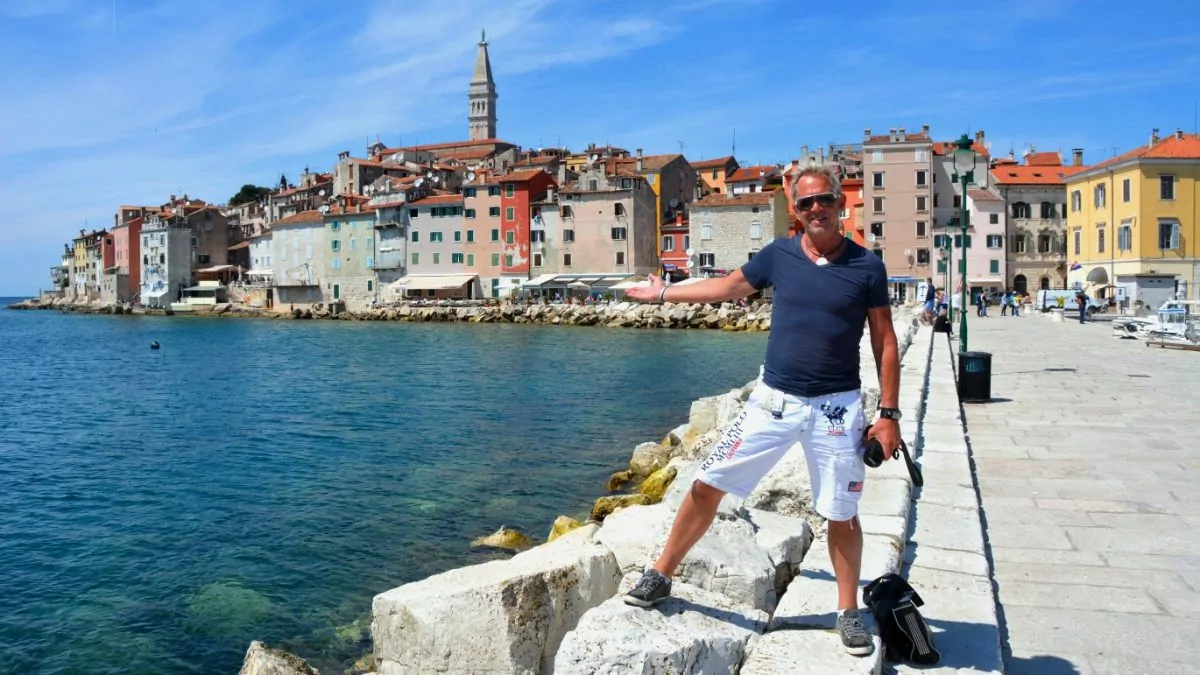
Updated: August 2026 | What to see and do in Rovinj, Croatia? This beautiful coastal town on the west coast of Istria is one of our favorites in the area, with colorful stone houses, winding cobblestone streets and the Adriatic Sea right next door. Here you can stroll through the old town, walk up to the Church of St. Euphemia, swim from the cliffs, eat Istrian specialties or go on a boat trip.
 Tweet
 Share
 Share
 Pin
 Share
 Share
Table of contents
Rovinj in Croatia
Rovinj in Croatia is located at Istria west coast, about four miles north of Pula. This is a beautiful medieval town right on the Adriatic Sea, filled with charming alleys and cosy restaurants.
1. Stroll through the old town of Rovinj
The best way to experience Rovinj is simply to head into the old town and start walking. The historic center is located on a peninsula, and the narrow cobblestone streets wind up the slope towards the Church of St. Euphemia at the top.
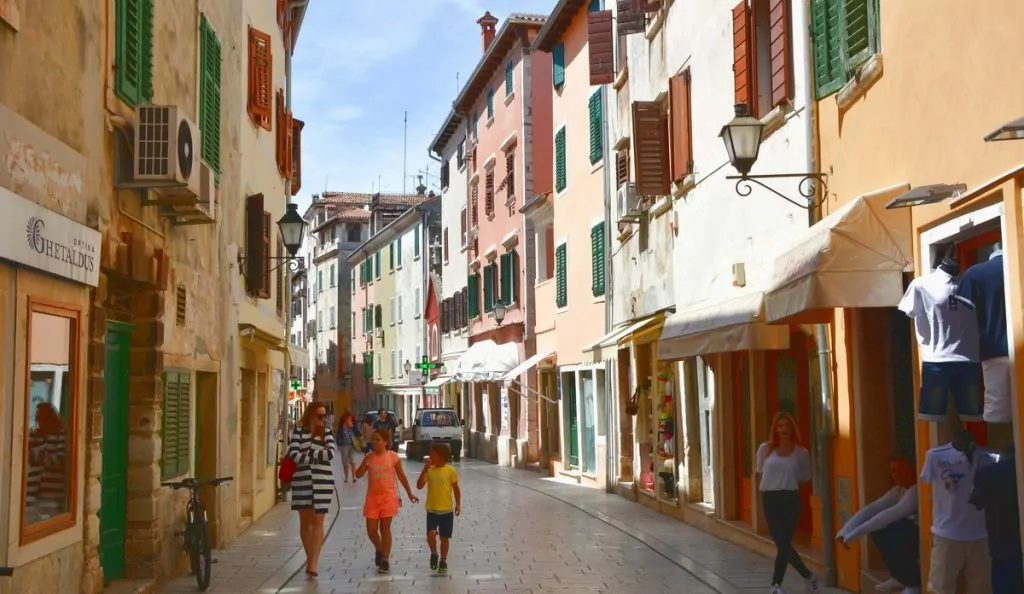
Here, old stone houses with colorful facades, small shops, galleries, restaurants and cafes are crowded together. Laundry hangs between the houses and between the alleys you can glimpse the blue Adriatic Sea. It is easy to get lost for a while – and that is almost part of the experience.

2. Visit St. Euphemia's Church and the church tower
At the top of the old town is the Church of St. Euphemia, Rovinj's most prominent landmark. The large Baroque church was built in the 18th century and is dedicated to the town's patron saint, St. Euphemia.
Next to the church rises the tall bell tower, inspired by the campanile of St. Mark's Basilica in Venice. Those who make it all the way to the top are rewarded with a fantastic view over the rooftops of Rovinj, the Adriatic Sea and the islands off the coast.
When we were here we decided to go up. The stairs were partly made up of narrow wooden steps with plenty of air in between – not for the faint of heart! I (Helena) gave up about halfway up, while Peter continued up and got to photograph the view for both of us.

3. Discover Grisia and its charming alleys
One of the most famous streets in old Rovinj is Grisia, which leads up to the Church of St. Euphemia. The steep cobblestone street is lined with small galleries, studios, shops and old stone houses.
But don't just stick to the main street. Venture into the side streets, where it's often quieter and where you'll find small staircases, arches, courtyards and unexpected views of the sea. For us, these are exactly the environments that are a big part of Rovinj's charm.


4. See the Balbi Arch and the historic surroundings of the old town
At the entrance to the old town center stands Balbi's Arch, Balbijev luk, built in the 17th century on the site of an older city gate. The arch is a reminder of the long period when Rovinj was under the rule of the Republic of Venice.
All around you can find more traces of the city's history, and the Venetian influence is still clearly visible in the architecture. Rovinj actually has two official languages – Croatian and Italian – and the city's Italian name, Rovigno, is visible in many places.
5. Stroll along the harbor
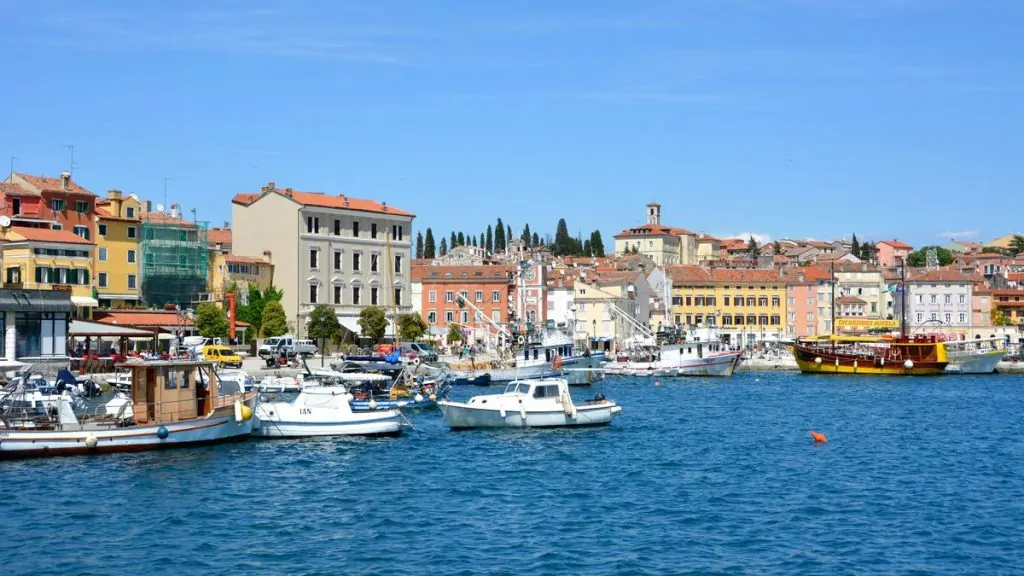
Rovinj is just as beautiful from the water as it is from the alleys. The harbor is filled with small boats, fishing boats and excursion boats, while restaurants and cafes line the quays.
From here you also get some of the classic views of the old town, where the houses seem to rise straight out of the Adriatic Sea with the tower of St. Euphemia's Church at the top. It's especially beautiful in the evening when the sun starts to set.
6. Sunbathe and swim in Rovinj
The special thing about Rovinj is that the sea is always close by. Around parts of the old town there are cliffs and small swimming areas where you can take a dip almost in the middle of the historic houses.
If you want more traditional beaches, there are many more options just outside the city center. As in many other places in Istria, it's mostly rocks, stones and pebbles rather than soft sandy beaches - but the water is often amazingly clear. There are also many small rocky ledges with small practical stairs, so you can easily access them for swimming, right in the middle of town. Nice!

7. Taste Istrian food, truffles and olive oil
Rovinj is also a great place to discover Istrian cuisine. The proximity to the sea is evident in the restaurant menus, where fish, squid, mussels and other seafood are common.

Istria is also famous for its truffles and olive oil. On the menus you can find pasta with truffles, for example, while local delicatessens sell olive oil, truffle products, wine and other Istrian specialties. Another tip is to try fuži or pljukanci, two traditional Istrian pasta varieties.
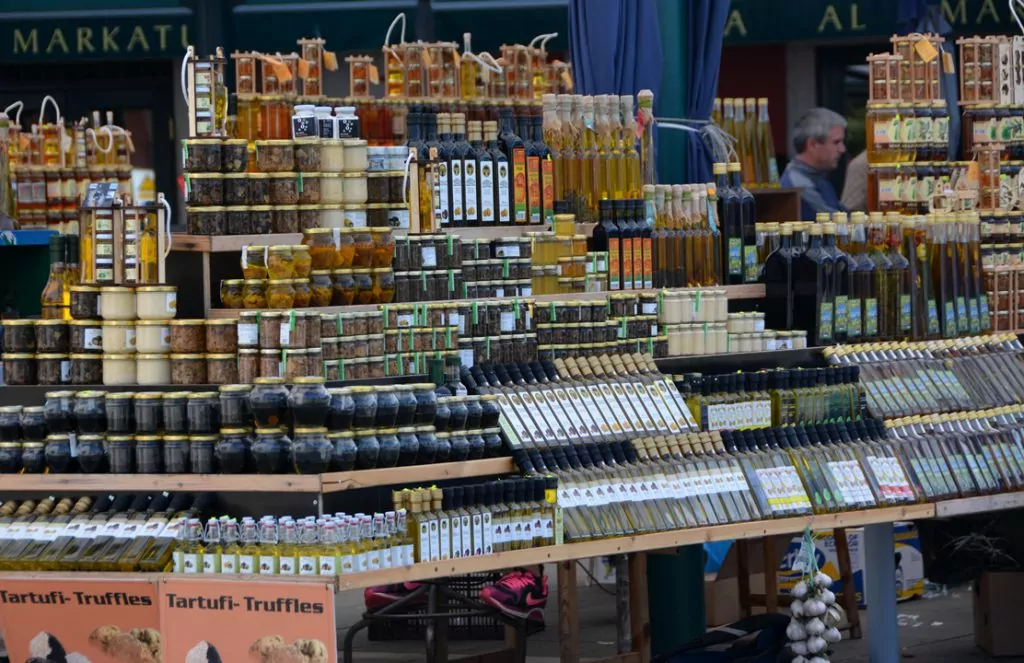
A little miss at the grocery store…
We were going to make fried eggs for lunch and had bought bread, eggs and a small package that we were absolutely convinced was butter. It turned out to be yeast. Has anyone tried frying eggs in yeast? We ended up with boiled eggs that day…
8. Take a boat trip from Rovinj
Rovinj is also best experienced from the sea. Various types of boat trips are offered from the port, from shorter trips along the coast to excursions among the islands in the Rovinj archipelago.
A boat trip also gives you the opportunity to see the famous skyline from the right angle – from the sea. The tightly packed houses of the Old Town and the Church of St. Euphemia above it are one of the most characteristic views in all of Istria.
The range of tours varies with the season, so the easiest thing to do is to check what is offered when you are there.

9. Discover Zlatni Rt – Golden Cape
South of central Rovinj lies Zlatni Rt, also known as Golden Cape or Punta Corrente. The green area is a lovely contrast to the narrow alleys of the old town and is great for walking, cycling and swimming.
There are forests, walking and cycling paths, cliffs, small coves and several places where you can sit by the sea, making the area a great place to combine sightseeing in Rovinj with some quieter hours in nature.
10. Experience Rovinj at sunset
Rovinj is beautiful all day long, but the city takes on a very special atmosphere in the evening. As Rovinj is located on the west coast of Istria, you can watch the sun set over the Adriatic Sea, and there are plenty of places along the water to sit down.
Take a walk around the old town, find a spot on the cliffs or sit on an outdoor terrace by the sea. When the light becomes softer and the old house facades are colored by the evening sun, Rovinj is perhaps at its most beautiful.
Rovinj – from island to peninsula
When you see Rovinj from the sea, it's easy to understand why the old town has taken on its special shape. The historic part of the city was originally located on its own island., densely built up with houses climbing up towards St. Euphemia's Church at the highest point.

Over the centuries, the population grew and the space on the small island became increasingly limited. In 1763, the strait between the island and the mainland was filled in again, transforming Rovinj from an island into the peninsula we see today.
The city's history goes back much further than that. Over the centuries, Rovinj has been under Roman and Venetian influence, and especially the time under the Republic of Venice has left a clear mark on the architecture and atmosphere of the old town.
Even today, the old town centre is very densely built up, with narrow alleys and houses right on the water. It is precisely this special cityscape – with the sea all around and the church tower at the top – that gives Rovinj its characteristic skyline.

By motorhome to Rovinj
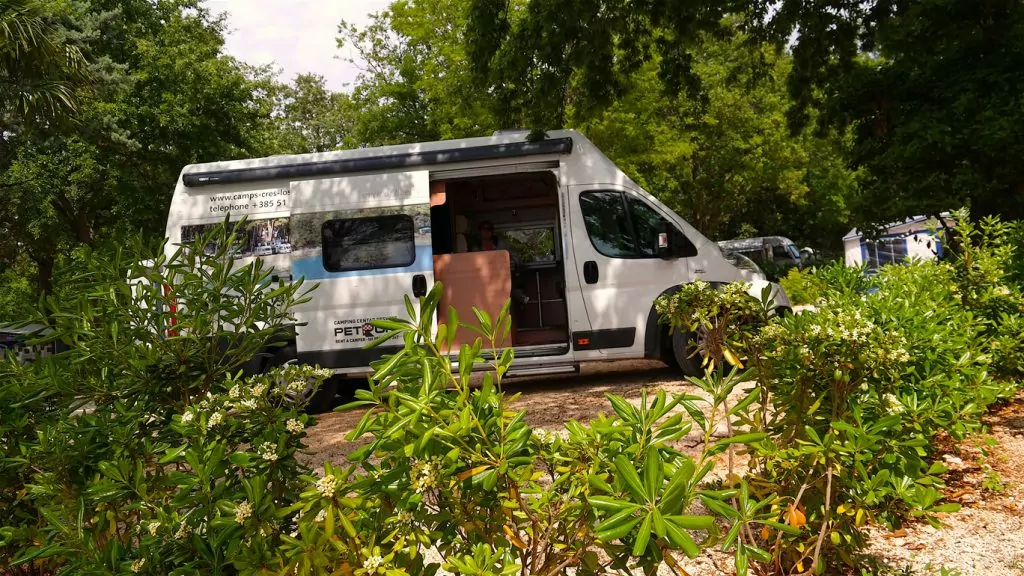
When you are used to driving a big camper, it should be easy to drive and park with a small "plate ice", as we did this time. There were quite a few parking spaces in Rovinj, but everywhere there were signs with crossed out campers so it took us a while to find a place where we could park. We didn't stay overnight, but if you want to do that there are several campsites outside the town.
See more in the neighbourhood
There is a lot to see and experience in Croatia. Here are some suggestions for some fantastic places, not too far from Rovinj:
FAQ – frequently asked questions about Rovinj
Where is Rovinj located?
Rovinj is located on the west coast of Istria in northwestern Croatia, on the Adriatic Sea. The city is located about 35 kilometers north of Pula and is a good place to combine with other places in Istria, such as Poreč, Vrsar and Fažana.
What is Rovinj famous for?
Rovinj is best known for its beautiful old town with narrow cobblestone streets and colorful houses located close to the sea. One of the city's main landmarks is the Church of St. Euphemia, whose tall bell tower can be seen from afar.
What is there to see and do in Rovinj?
You can, among other things, stroll through the old town, visit the Church of St. Euphemia, walk along the harbor and the pedestrian street Grisia, swim, try Istrian food and take a boat trip. Just outside the center is also the green area of Zlatni Rt, Golden Cape, with walking and cycling paths and many swimming opportunities.
Is Rovinj worth visiting?
Yes, we definitely think Rovinj is worth a visit. The combination of the historic center, the sea, the restaurants and the beautiful surroundings makes the city one of our favorites in Istria. Rovinj serves both as a day trip destination and as a base for a longer vacation.
How many days do you need in Rovinj?
In one day you can discover the old town, the harbor and several of the most important sights. With two or three days you also have time for swimming, Zlatni Rt, restaurant visits and maybe a boat trip. Rovinj also works well for a longer holiday if you want to combine sightseeing with sun and swimming.
Can you swim in Rovinj?
Yes, there are plenty of swimming opportunities both in and around Rovinj. In some places you can swim from rocks and bathing platforms near the town, while there are more beaches and coves further out from the center, including at Zlatni Rt.
Does Rovinj have sandy beaches?
Rovinj is not primarily a destination for sandy beaches. Cliffs, rocks, pebbles and landscaped bathing areas dominate here. However, the water is often clear and beautiful, and there are many beautiful places for swimming along the coast.
When is the best time to visit Rovinj?
May, June and September are great months if you want warm weather but want to avoid the most intense high season. July and August offer the most summer life and warm bathing water, but then Rovinj is also the most visited. Spring and autumn are good for sightseeing, walking and excursions.
How far is it between Pula and Rovinj?
It is approximately 35 kilometers between Pula and Rovinj by car, so the two cities are close enough to each other to easily combine during a trip to Istria.
Can you visit Rovinj by campervan?
Yes, but you should check current parking regulations and possibilities for campers before visiting. The Old Town is car-free and parking possibilities closest to the center are limited, so with a camper it may be easier to stay at a campsite or parking lot in the area and get into the center from there.
You might also like:
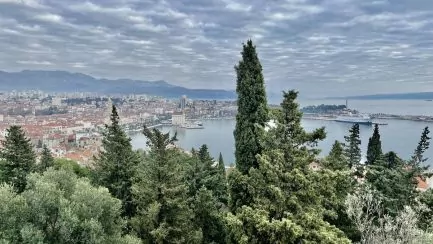 Split in winter – tips for a weekend in Croatia
 Things to do on Hvar in Croatia - our top 12 tips
 Things to do in Bregenz, Austria - our top 12 tips
 Things to do in Rauma – 14 tips for a Finnish UNESCO city
 Things to do in Närpes – 10 tips for the tomato city in Finland



 English (UK)
 Svenska
Cathinka says:
How lovely it sounds! Sucks a little in the Mediterranean storm ...
20 May 2016 - 8:09
Geddfish says:
Thank you for these wonderful pictures of beloved Rovinj! 😀
I've walked these alleys, bought fresh fruit at the market, walked along the quayside looking at boats and walked all the way up to Euphemia Church!
I had a reunion with you, great! 😀
Friday hugs, Gerd ♥
20 May 2016 - 8:24
Lisa - livet från den ljusa sidan says:
Haha! Yeast! ??
Beautiful city! So fun to follow your journey!
20 May 2016 - 8:42
Deciree says:
When we go to Croatia now, we must visit Rovinj. I had decided that already before your post here:) ...now it became even more determined:) Thanks for the pictures. Hugs
20 May 2016 - 8:43
Steve says:
You look like you're having a great time. Egg lunch, what else in a city on an egg-shaped peninsula.
20 May 2016 - 8:44
nils-åke hansson says:
Language can make things difficult. And finding the right shop is not always easy.
20 May 2016 - 8:56
Kattas Betraktelser says:
Not at all wrong in any way 🙂
20 May 2016 - 9:02
Åsa says:
An egg-shaped city? Boiled or fried? Hahaha. Great picture of the alley, you seem to have a great time!
20 May 2016 - 9:12
znogge says:
What a wonderful alley! I wouldn't have made it in that tower either, that's for sure! But at least you tried 😀 Always something!
20 May 2016 - 9:24
admin says:
Cathinka, I understand that! We don't want to go home from here haha 😉
Geddfish, how nice that you have been here! Very nice city!
Lisa, typical of what you do abroad, just laughing at the misery, haha 😉.
Deciree, you are right!!! 🙂
Steve, there were a lot of eggs in this post 😉.
Nils-Åke, you make mistakes sometimes! This was not the first time... 😉.
Åsa, haha, I suddenly realised that there were a lot of eggs in this post, but so be it ... 😉.
Znogge, yes I chose to be happy with my attempt! I walked at least half ... 😉 ...
20 May 2016 - 9:27
Ama de casa says:
Oh how nice it looks! But why do you always have to go UP? It's really hard and scary... 😉.
Haha! Frying in yeast is probably not the easiest thing to do. But I think you were a bit of a coward to give up so easily? 😉 I once tried to buy a disposable grill in France. However, I was a little doubtful that it was really the right one, and asked (gestured). It turned out to be a dehumidifier... Haha! 🙂
20 May 2016 - 9:44
Dryden - Traveler's Edition says:
Oh, views and vistas!
20 May 2016 - 10:28
Rolle o Carina says:
Looks undeniably nice and nice where you go! 🙂
Take care and enjoy.....
20 May 2016 - 11:37
Ulla & Torgny says:
So nice pictures, getting more and more hungry to "motorhome" in this country. It sounds expensive to lie on campsites all the time, do you find any pitches or can you fricamp somewhere'...... enjoy and have' de' nice!
20 May 2016 - 11:50
Ruth i Virginia says:
What a wonderful city! Makes me wish, that I was
several years younger. I'm still keen on travelling, so it's...
truly a pleasure to be an armchair traveller together
with you and other travel bloggers.
The photo from the church tower is amazing. All those brick red
thanks to the blue - both sky and sea. Beautiful!
20 May 2016 - 13:32
Imelda says:
Amazingly beautiful! Rovinj is really worth a visit! Butter is called maslac ?
20 May 2016 - 14:36
Berit says:
Yes, it looks like I imagined, charming! May take us there sometime!
20 May 2016 - 15:14
Veiken says:
Such lovely pictures. I just enjoy seeing them!
Hahaha! Frying in yeast! You're sure you wouldn't do anything else????
20 May 2016 - 15:21
Anna, New York – My Bite of the Big Apple says:
Oh, so beautiful! We just went back to the same part of Croatia. Maybe time to discover Istria too!
Laughed at the yeast thing (sorry) 😉 I agree that it is not easy to shop abroad. Not even in the US where you should understand what is written on the packaging. There is too much choice!
20 May 2016 - 16:31
Lena & Jan says:
The longing for the Mediterranean stings, but the tomato cultivation at home is now in place so maybe you will soon get rid of the tomato abstinence, we do not have that disease in the winter in Spain 🙂 🙂 Continue enjoying the trip!
20 May 2016 - 16:40
admin says:
Ama de casa, haha, dehumidifiers and disposable grills are not EXACTLY the same...??
Dryden, there are plenty of nice views in Croatia! 🙂
Rolle and Carina, thank you and yes, it is very nice here!
Ulla & Torgny, it is nice to motorhome in Croatia! There are some pitches, but it is not as widespread as in some other countries. Free camping can work in a few places, but is generally not so popular. However, the campsites are often ACSI-affiliated (i.e. good prices in the low season) and prices in Croatia are generally good (apart from Dubrovnik which is expensive).
Ruth in Virginia, it's great that you want to travel with us and glad you like the photo!
Imelda, thanks, we'll know for next time! ??
Berit, we definitely think so! 🙂
Veiken, glad you like the pictures! And well, somehow it didn't feel like a good time to bake... 😉.
Anna, Istria is well worth a visit! Where in Croatia do you usually go?
Lena & Jan, thank you! And it sounds nice to grow your own tomatoes! 🙂
20 May 2016 - 16:44
Beatrice says:
A bit nicer weather there than here! 😛
20 May 2016 - 16:53
Ditte says:
Great pictures of a very beautiful and old city.
Yes, language can be a problem, but you managed to get the eggs right. Well done!
Perfect for a trained and fit runner, it's a great way to get to the top of the tower and the views of the city, land and sea are beautiful.
20 May 2016 - 16:55
Annalena says:
I have been there, fantastic!
20 May 2016 - 17:17
admin says:
Beatrice, when we left Sweden it was like 6 degrees and a storm. Hope it has become a little better!? 😉
Ditte, haha, yes it was perfect that he wanted to "run" up and take the photos! 😉
Annalena, funny that you also liked Rovinj! 🙂
20 May 2016 - 17:30
Anna, New York – My Bite of the Big Apple says:
We have been south of Dubrovnik, one summer in Plat and one summer in Cavtat. Really nice places, both - very close to each other. Have guest blogged about them on Hallin's travel blog.
20 May 2016 - 19:52
Matts Torebring says:
It was definitely worth it to get that last picture.
20 May 2016 - 20:27
BP says:
Hahaha! Would have liked to see fermented eggs actually, but obviously I can't;-)
Soooooo fun that you ended up in Rovinj, which I think is soooooo cosy. Oh the pictures are absolutely superb (good that I did not look at Peter's Insta yesterday). Continue to enjoy to the fullest:-)
20 May 2016 - 23:27
admin says:
Anna, ok thanks, interesting to hear! We have not been there. We have been to Dubrovnik though (nice city but oh so many people ;))
Matts, I thought so too (standing on the ground, haha).
BP, oh how nice that you have been in Rovinj, sooo nice! And Peter and I should probably start synchronising better with our pictures... 😉.
21 May 2016 - 6:56
Anki says:
Looks absolutely fantastic!
Keep up the good work!
21 May 2016 - 7:29
admin says:
Anki, you too!
21 May 2016 - 17:58
Discovering The Planet says:
Not been to Croatia yet and would love to go. After reading your posts I want to go there even more. Rovinj is now on the list 🙂
26 May 2016 - 18:34
Annika says:
Just loved Rovinj, one of the most cosy towns I've been to.
03 March 2018 - 20:55