

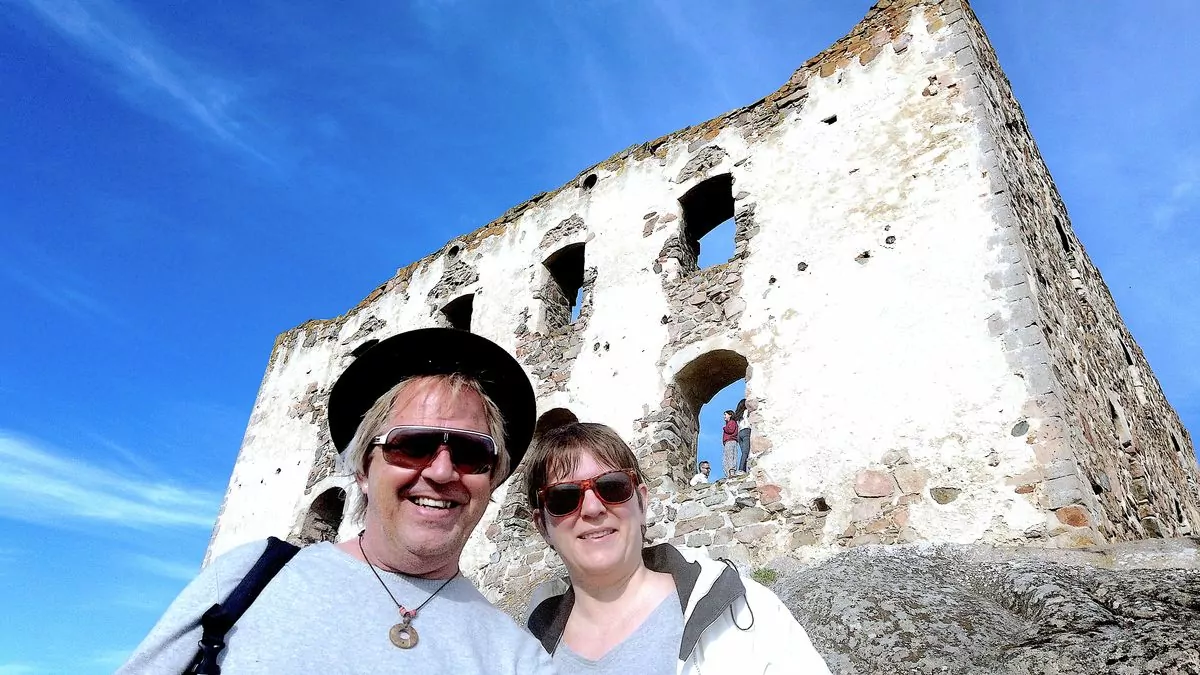
Writer: Peter Bergström
The Swedish Ruin Road is a themed road that takes you around half of Sweden to all the cool church, monastery and castle ruins. Travel on your own and at your own pace - by car, motorhome, caravan or motorbike.
 Tweet
Tweet Share
Share Share
Share Pin
Pin Share
Share Share
ShareTable of contents
Svenska ruinvägen
The Swedish Ruin Road is a FREEDOMtravel Theme Road that runs from Bohus Fortress in Kungälv, up between Lake Vänern and Lake Vättern to Uppsala. The Ruin Road zigzags downwards between all the cool ruins all the way down to Malmö. You can follow it from any direction, or pick your favourite part (your favourite spots) in the middle. This is an idea to make it easier for you to go on a little adventure. Happy travelling!
Svenska ruinvägen
Brief facts about the Swedish ruin road
- Length: 1796 km
- Start: Bohus Fortress
- Stop: Balkåkra church ruin
1. Bohus Fortress
The Bohus Fortress has been defended by Norwegians, Danes and Swedes and has suffered a total of 14 sieges - a Nordic record. Today, you can come here to wander around the ruins, imagine the dramatic battles of history and perhaps breathe a sigh of relief that you don't have to stay in one of the dungeons.

2. Gräfsnäs castle ruins
Gräfsnäs castle ruin outside Alingsås in Västergötland was originally (probably) a medieval house, which in the 16th century was developed into a castle by Count Sten Eriksson Leijonhufvud. Later came Count Ebba who ruled tyrannically over the castle, was a hated despot by the women who worked for her. They charged a curse on the castle and that it would burn down 3 times every hundred years. The castle burned down in 1634-1734 and 1834. It is said that the curse is still here after 1834 because they did not want to rebuild the castle again. Spooky or what?
3. Gudhem Monastery
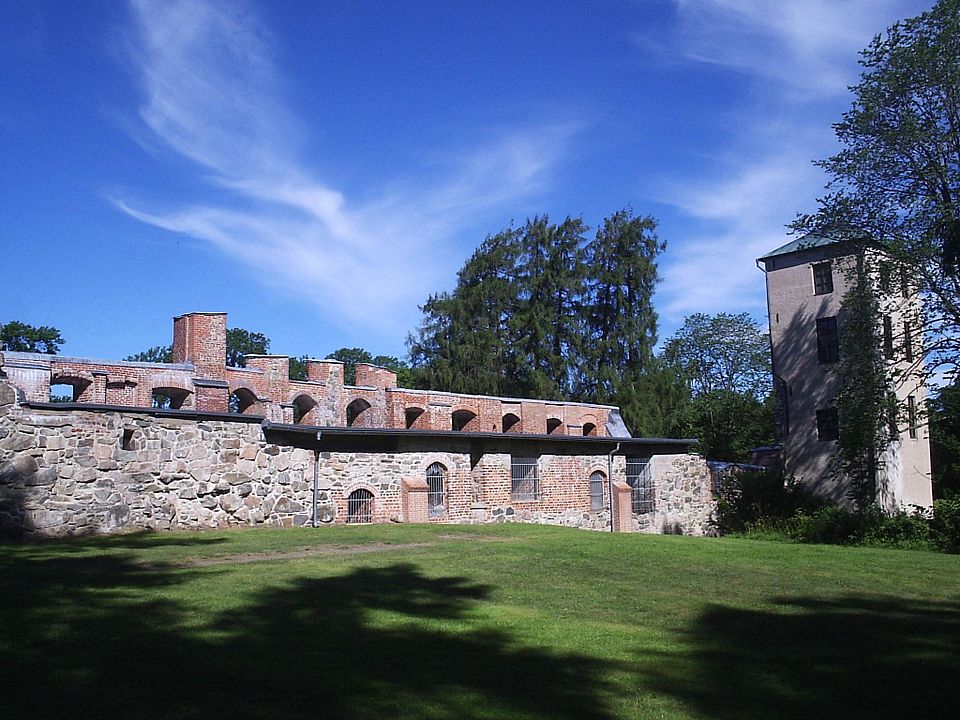
Gudhem Monastery operated as a nunnery between the 12th century and 1529. The monastery was affiliated with the Cistercian order and had its heyday in the 13th century.
4. Varnhem monastery ruin
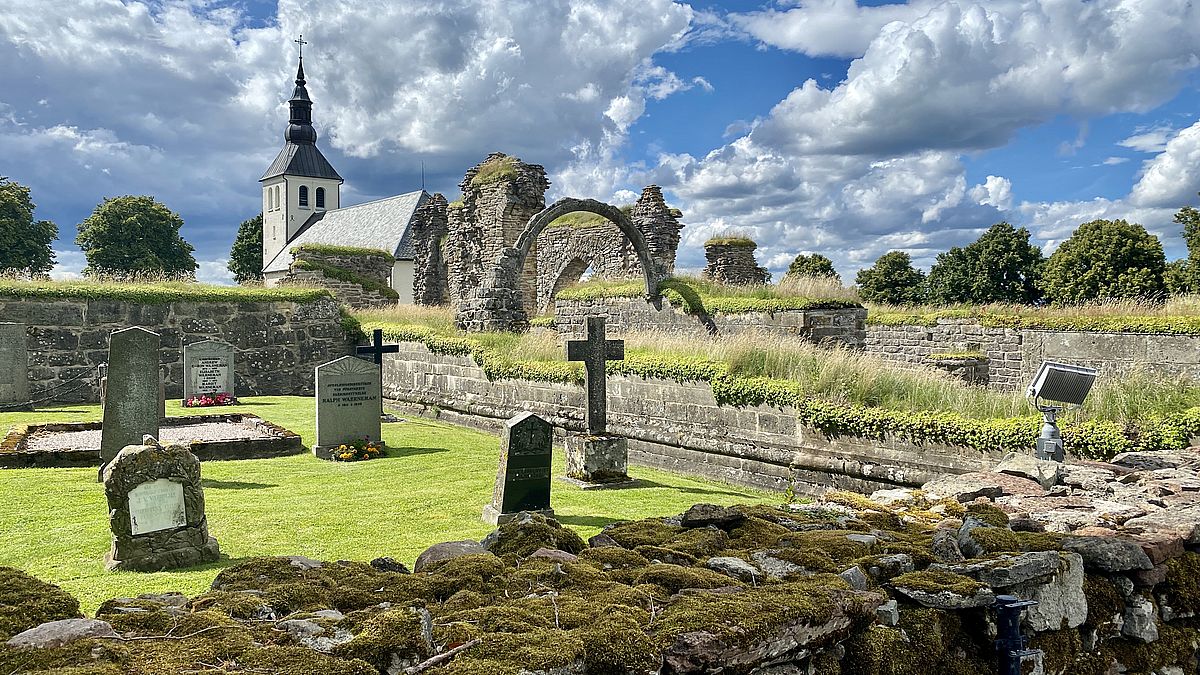
Here are the ruins of Varnhem Monastery and also the ruins of one of Sweden's oldest churches from the Viking Age. A grave and skeleton from the 10th century of a girl named Kata and the grave of Birger Jarl, the father of Sweden who created Sweden's laws in the 11th century.
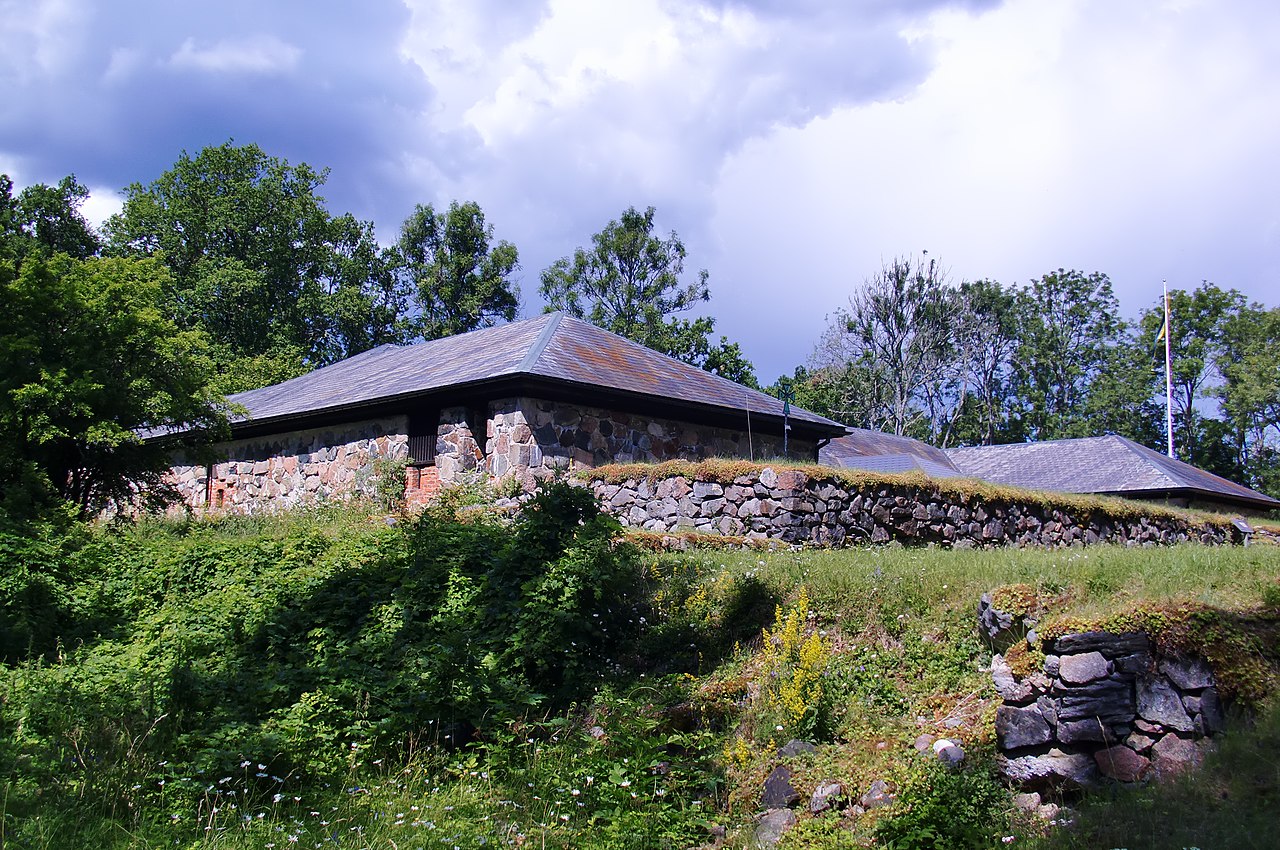
5. Kägleholm castle ruins
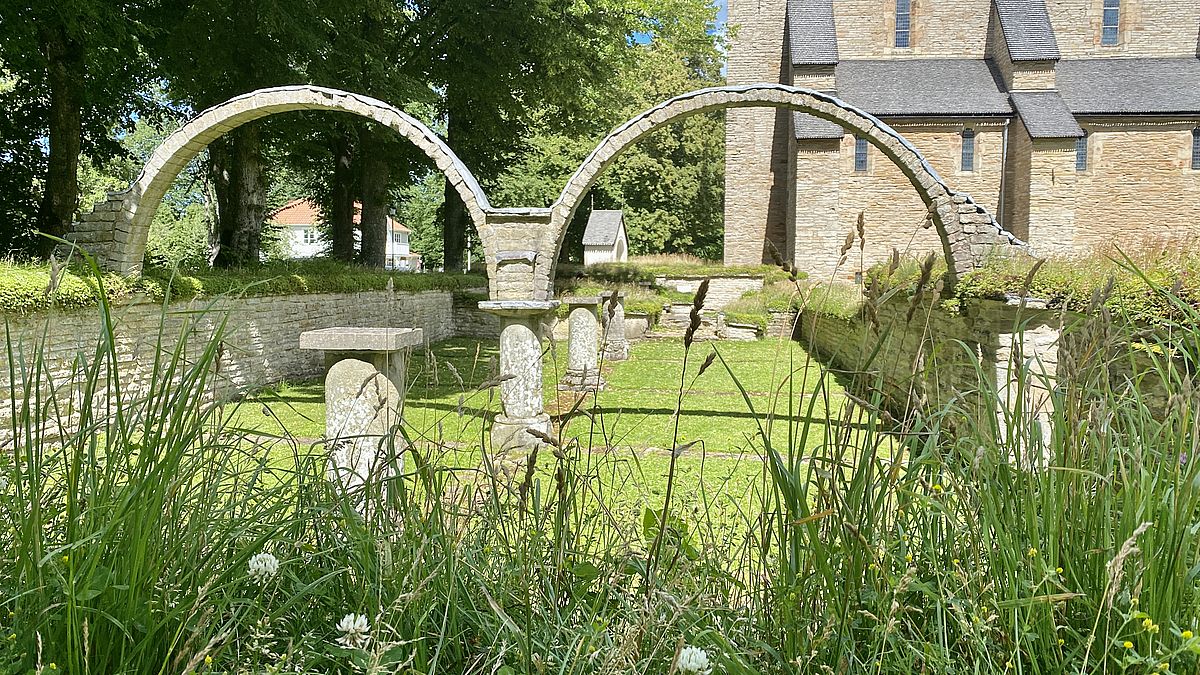
In the Middle Ages there was an estate here and the owner, Ulf Månsson, was a magistrate in Närke and the husband of St Birgitta. In 1541 Gustav Vasa bought the estate and named it Kägleholm. In 1674 the chancellor and count Magnus Gabriel de la Garde inherited the entire estate from his mother Ebba Brahe.
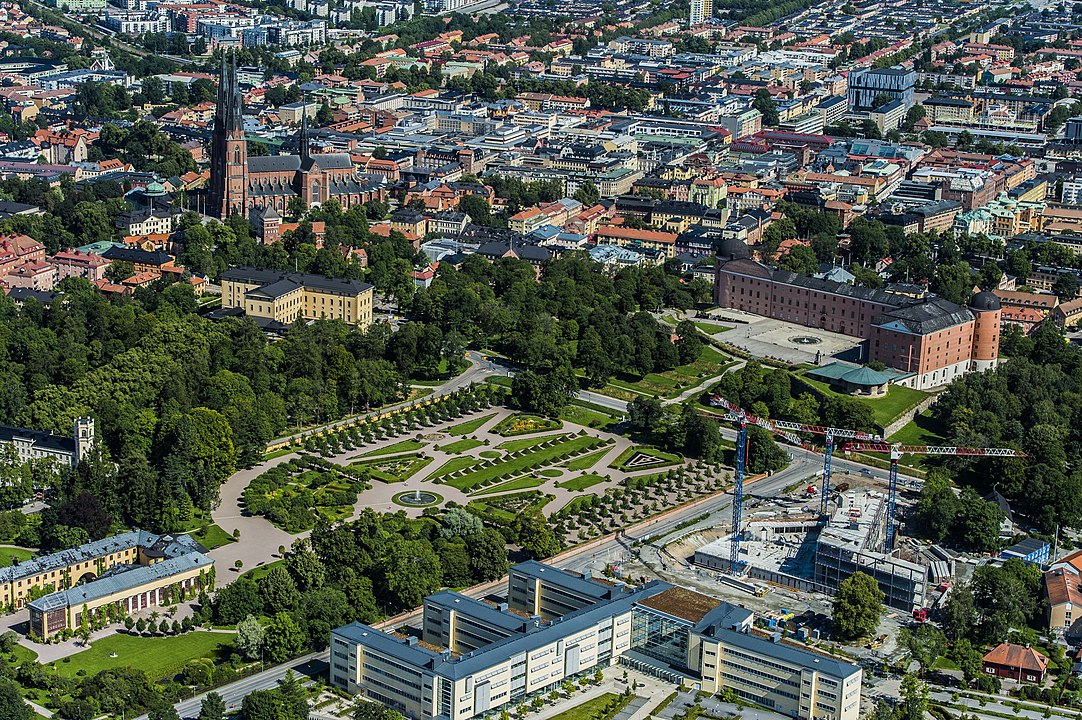
6. Vasaborgen Uppsala Castle
The construction of Vasaborgen began in 1549 as part of a series of Vasaborgs to protect contemporary Sweden. In 1567, the first parts were completed and in the same year the famous Sture murders occurred in the castle's dungeon. The castle burned on 23 April 1572 and was rebuilt as a Renaissance palace by Johan III.
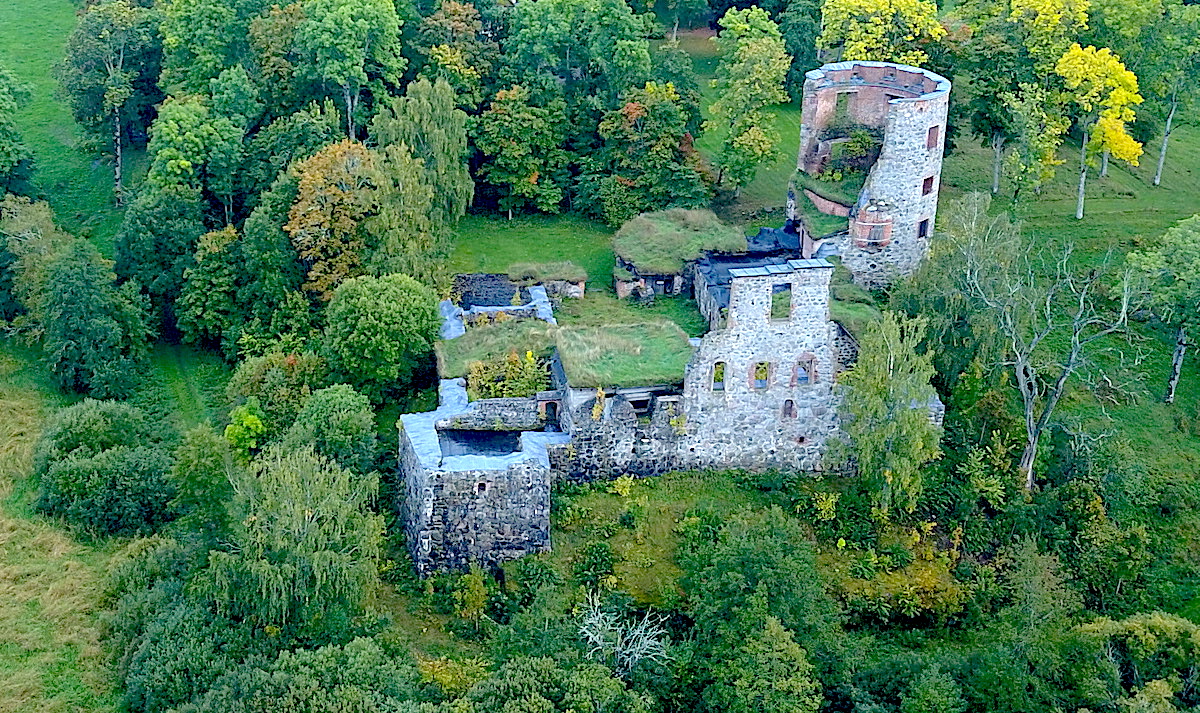
7. Mörby castle ruins
Mörby was a farm in the 14th century, which was expanded into a Renaissance castle in the mid-16th century by Gabriel Kristiernsson Oxenstierna. The castle is said to have been one of Uppland's most beautiful castles and the additions just kept on coming.
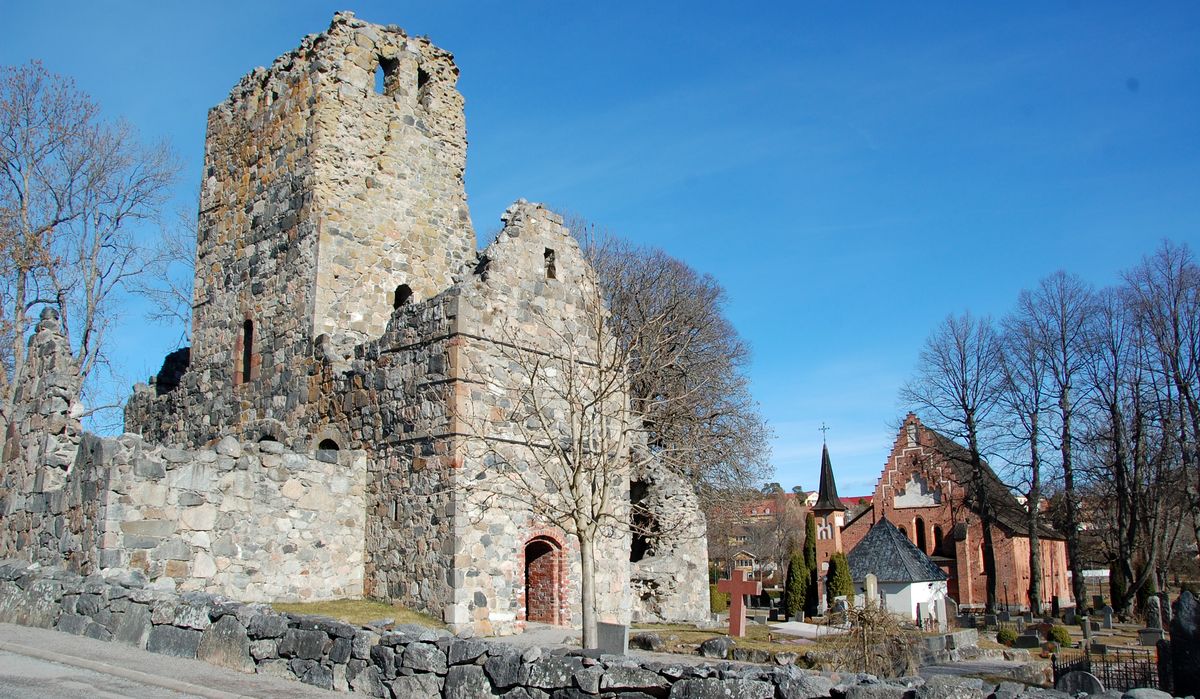
8. Sigtuna church ruins
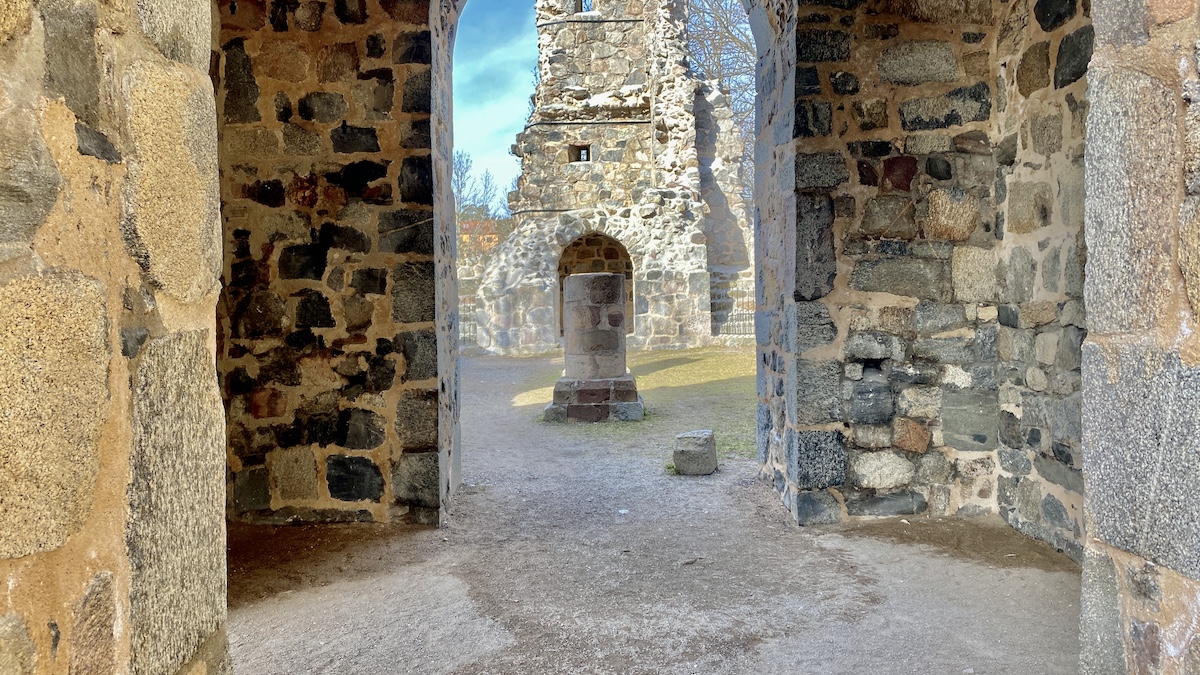
We checked out St Olav's church ruin, located in the cemetery west of St Mary's Church in Sigtuna. Around 1100, the central chancel, chancel and transept were built, and later the nave was built. Right next to the church ruin is a spring that is probably connected to the cult of the church's patron saint, St Olav.
9. Haga castle grounds
In the late 1770s, Carl Fredrik Adelcrantz was the first of six different architects to design a pleasure palace in Haga Park. The palace was to have the feel of the Temple of Apollo in Versailles, and in 1785 Gustav III (the theatre king) bought the Brahelund area in Haga Park where he would place the palace.
Tip: Visborg Castle & church ruins
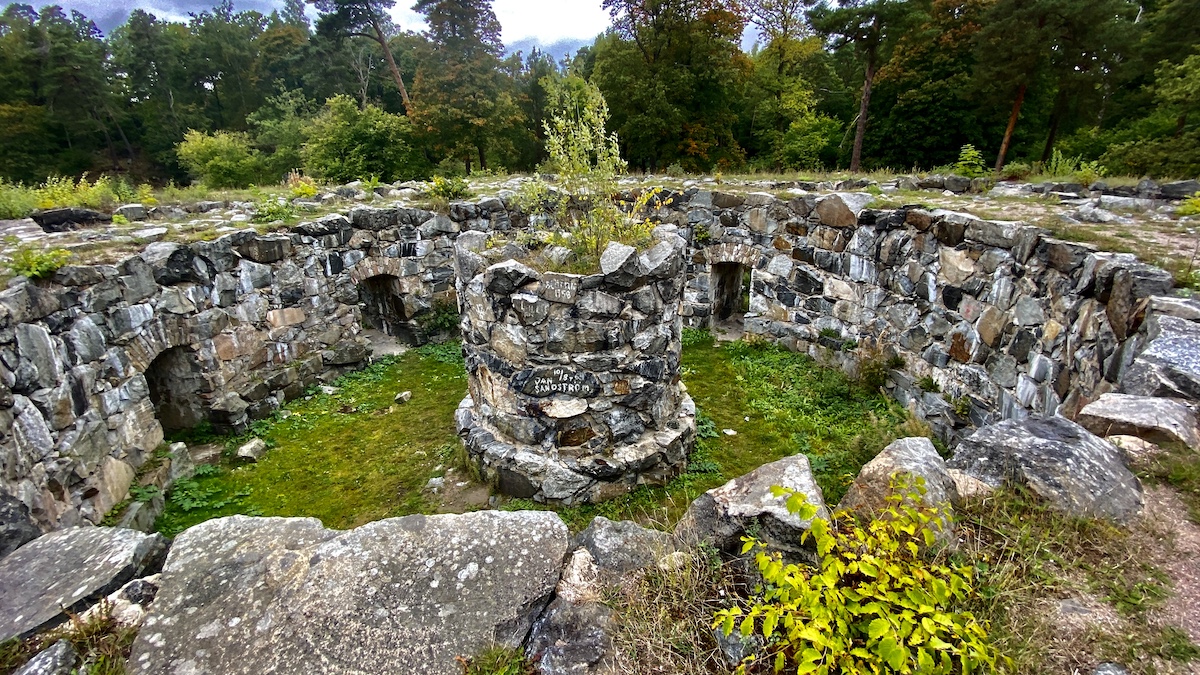
Visborg is a fortification and an old castle and is a huge attraction. Gotland also has some fantastic church ruins that are all worth seeing. Don't miss these! Take the ferry from Nynäshamn to Gotland.
- Elinghem
- Ganns
- St Nicolai
- Drotten's church ruin in Visby
- Saint Lars
- Saint Clement
- St Göran
- Saint Hans & Saint Pers
- St Anders
- St Catherine's
- Only Ödeskyrka
- Roma Monastery ruins
10. Nyköping house
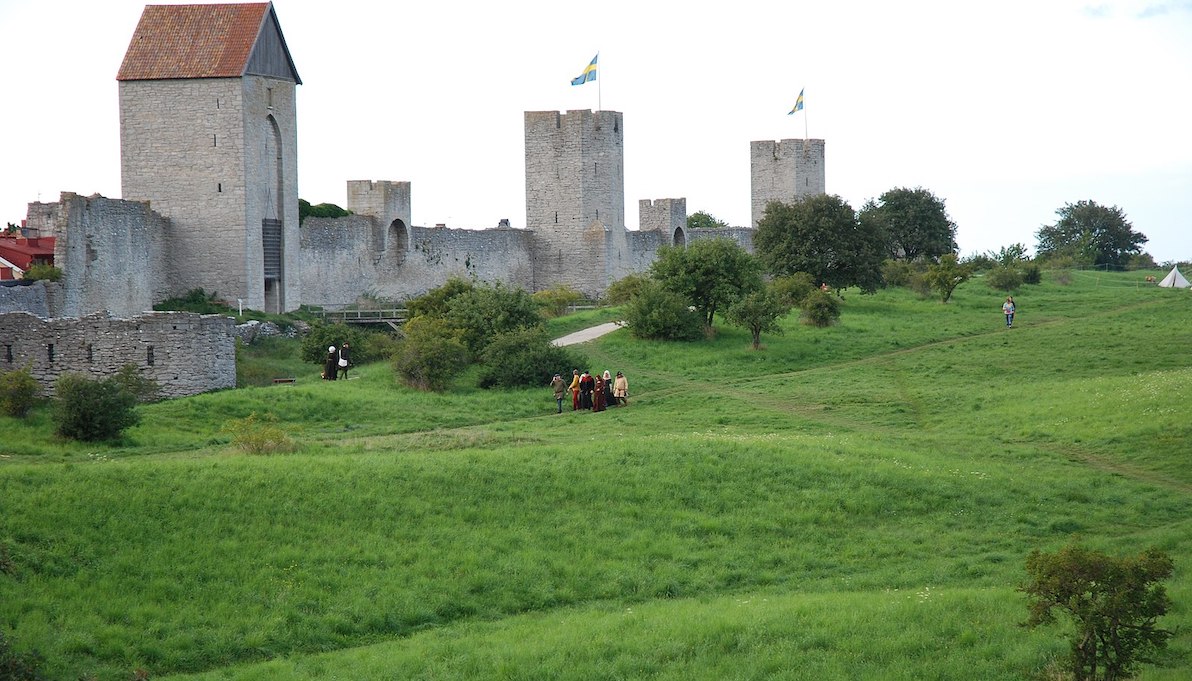
Nyköpingshus was built in the 12th century as a medieval defence castle, probably under the leadership of Birger Jarl. Much of what you can see today originates from this time. One of the most dramatic and best-known events at Nyköpingshus is what came to be known as the Nyköpings gästabud.
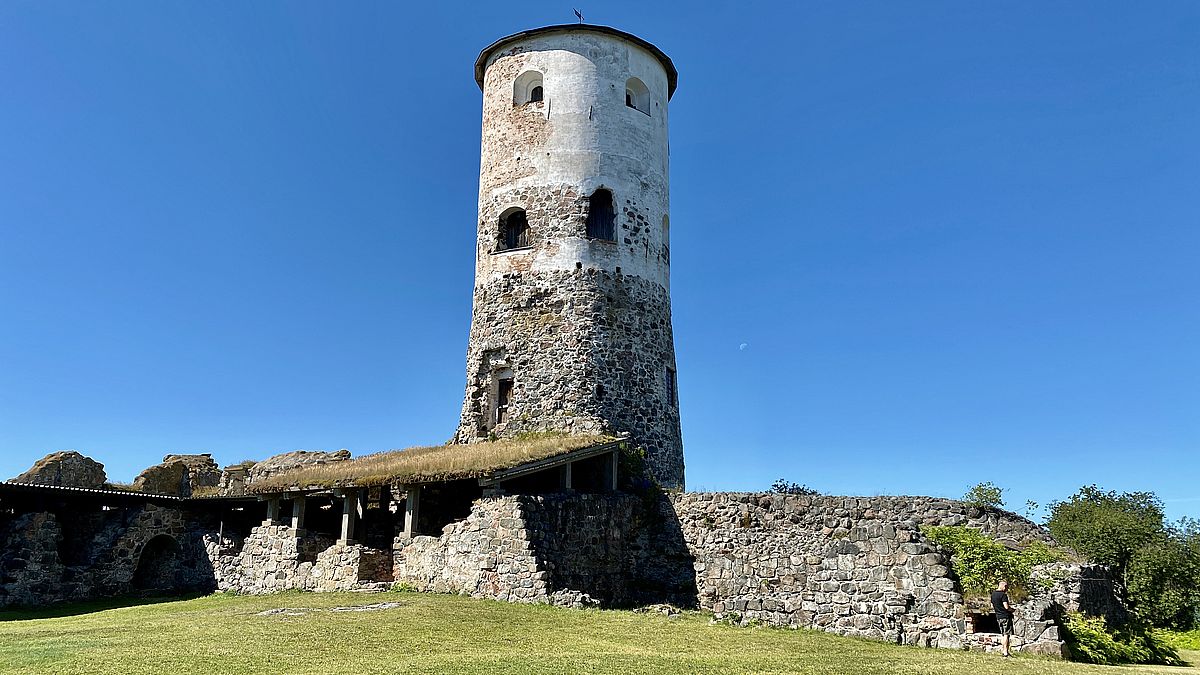
11. Stegeborg Castle ruins
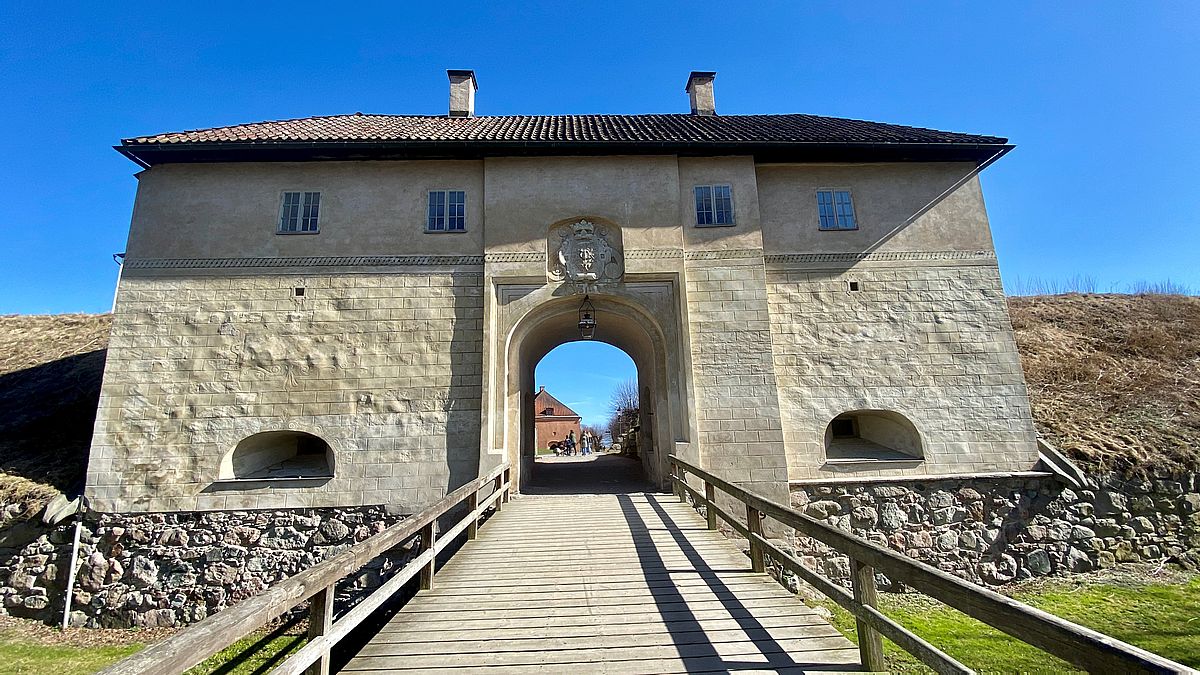
Stegeborg has a history that goes way back in time. It is known that piles were used here as early as the Viking Age to control shipping. The oldest building here is the ruins of Stegeborg Castle.
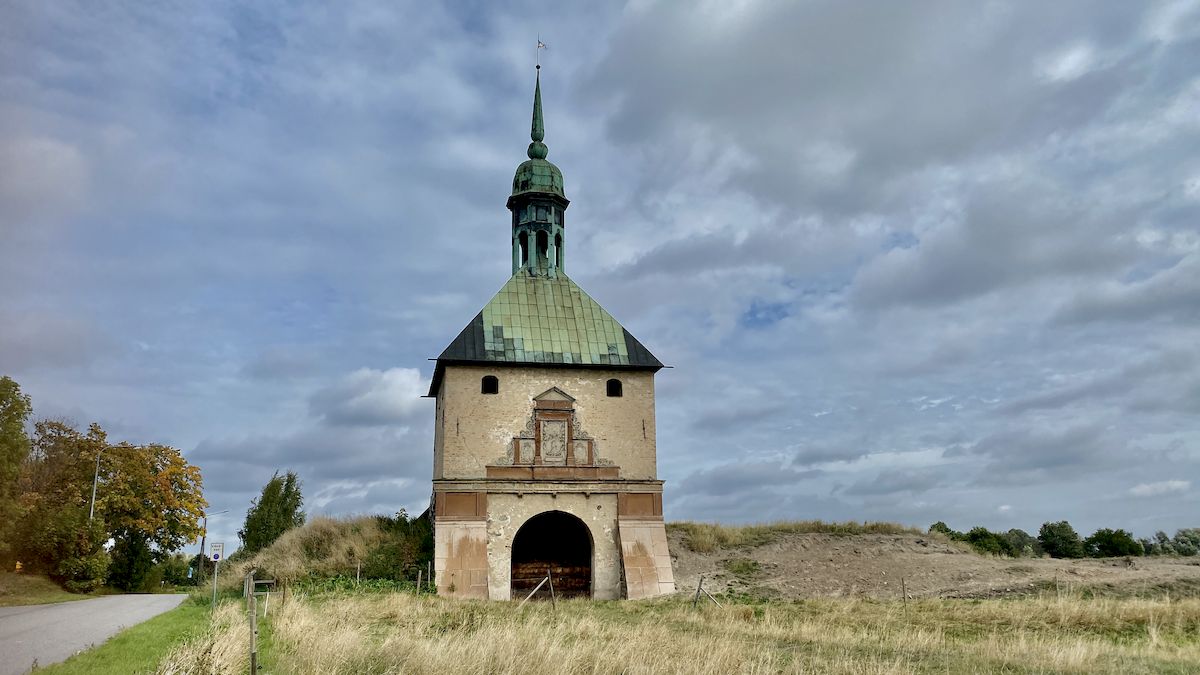
12. Johannisborg Castle ruins
In 1613, Johannisborg Castle began to be built by Duke Johan of Östergötland as a residence and protection for the city of Norrköping. The Dutch architect Hans Fleming was probably commissioned to build it.
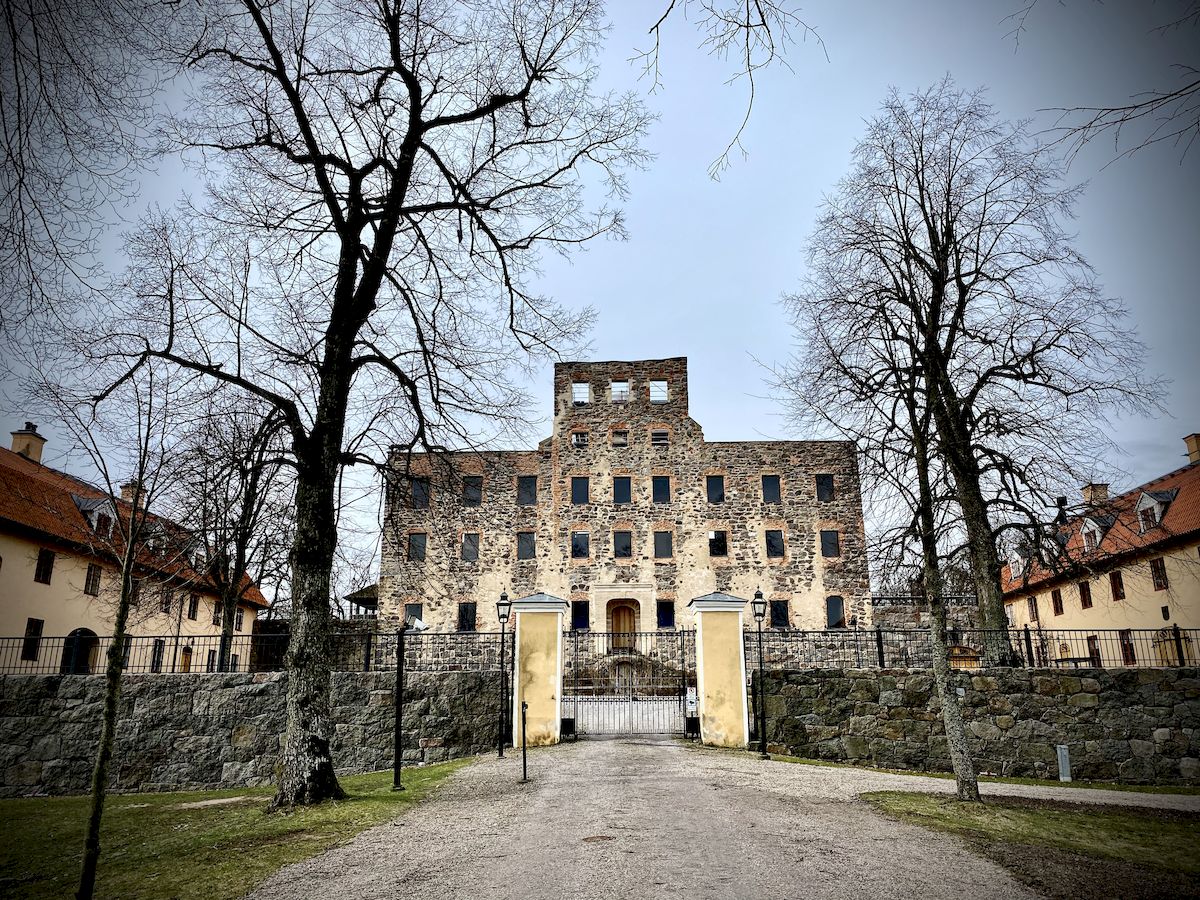
13. Stjärnorps Castle Ruin
Stjärnorps Castle was built in 1655-1662, in what was then the parish of Vreta Kloster, by Count and Field Marshal Robert Douglas. The castle was designed by the well-known architect Nicodemus Tessin the Elder, who was also the architect of Drottningholm Palace, for example.
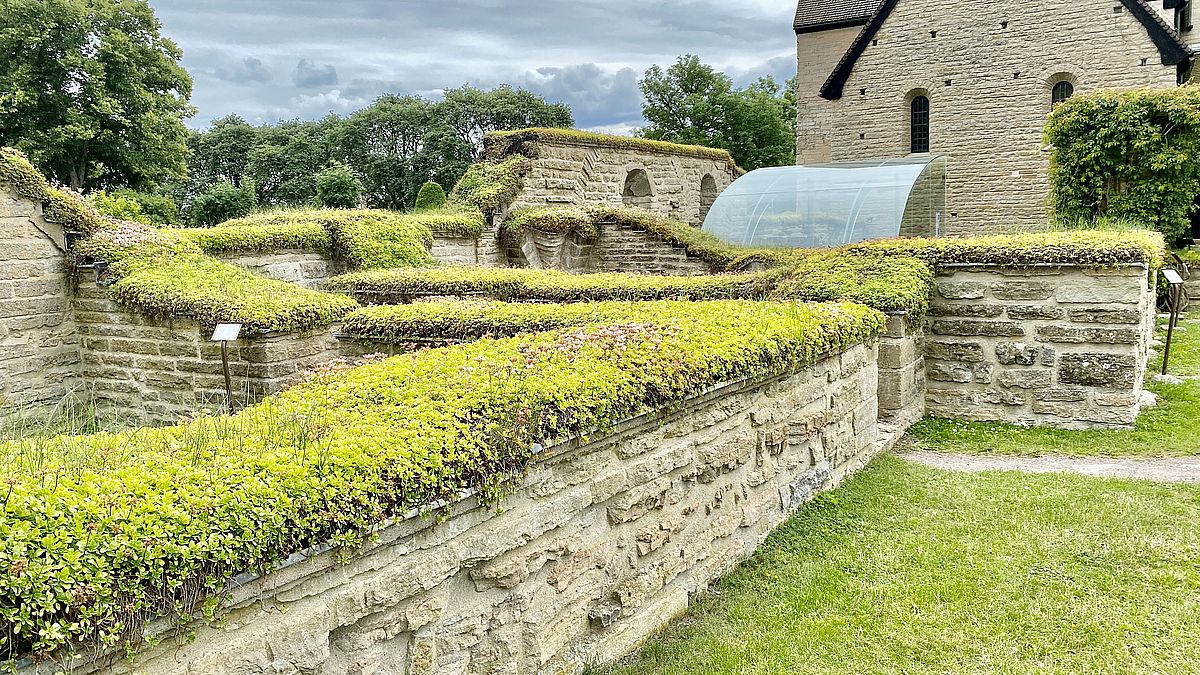
14. Vreta monastery ruin
Vreta Abbey was founded as a Benedictine nunnery in the early 12th century. King Inge the Elder and his wife Helena donated the land for the monastery, which was one of Sweden's very first monasteries.
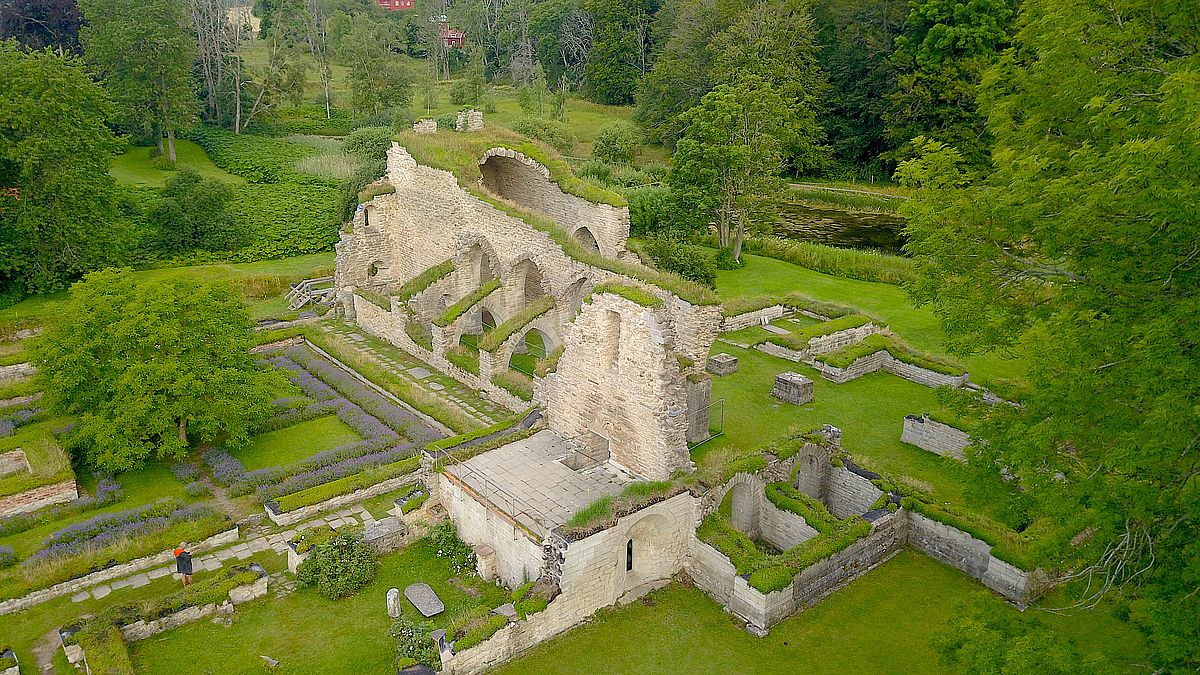
16th Brahehus
Per Brahe the Younger had Brahehus built between 1638 and 1651. The house would have been a widow's residence for his first wife Kristina Katarina Stenbock, but she died before it was completed.
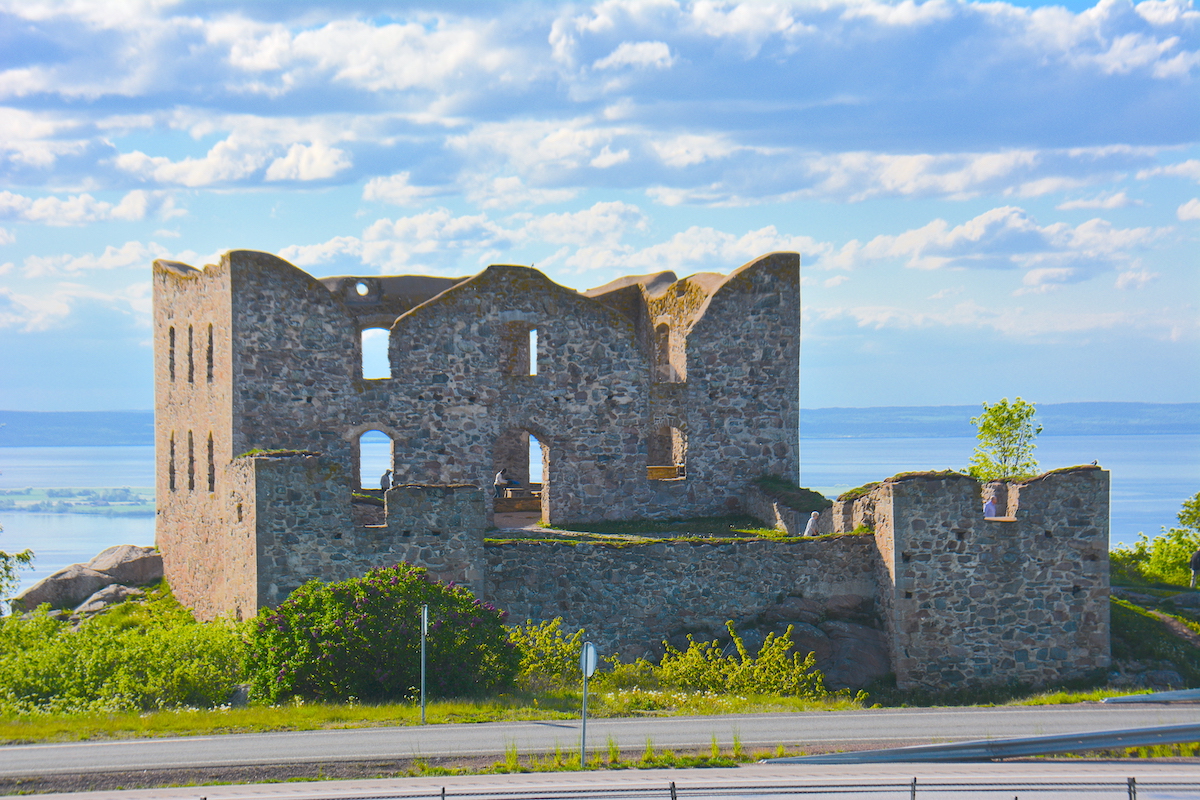
17. Visingsborg castle ruins
Right next to the ferry terminal on Visingsö is the ruins of Visingsborg Castle, which is perhaps the island's most important attraction. This was once a powerful estate that belonged to Per Brahe the Younger in the late 17th century.
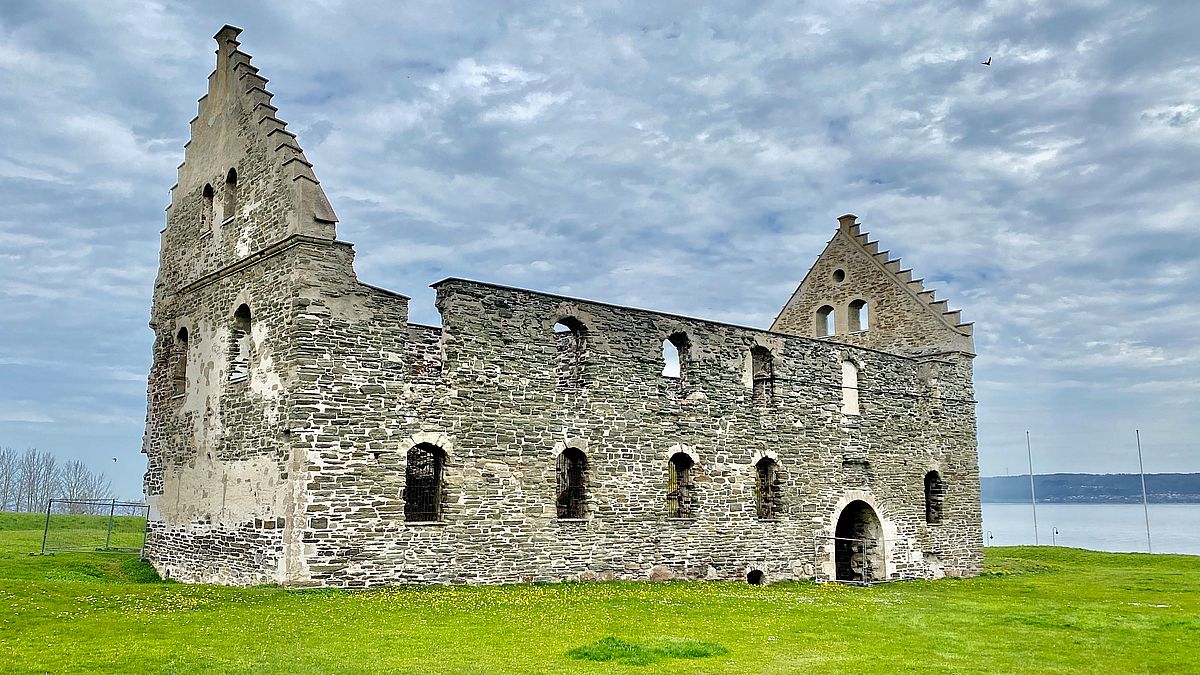
18. Näs castle ruins
Näs castle was built in the 12th century and was one of Sweden's first castles, national castle and national bank. In 1318 the castle was pledged by King Birger Magnusson to the Danes. The castle was burned down after battles in 1318 when King Birger was in exile.
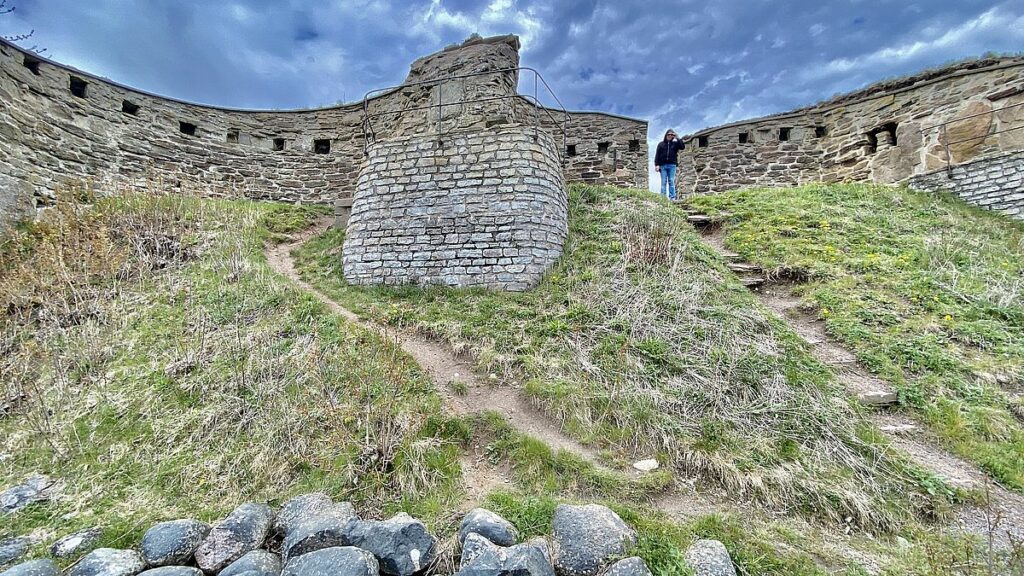
19. Eksjöhovsgårds castle ruin
The place where the castle ruin is located is mentioned for the first time in 1287 and it is believed that it could have been Sten Sture's hunting farm. Stureätten had the farm between 1420-1616, after which field marshal C.M. Lewenhaupt received the farm from the crown in return for his services.
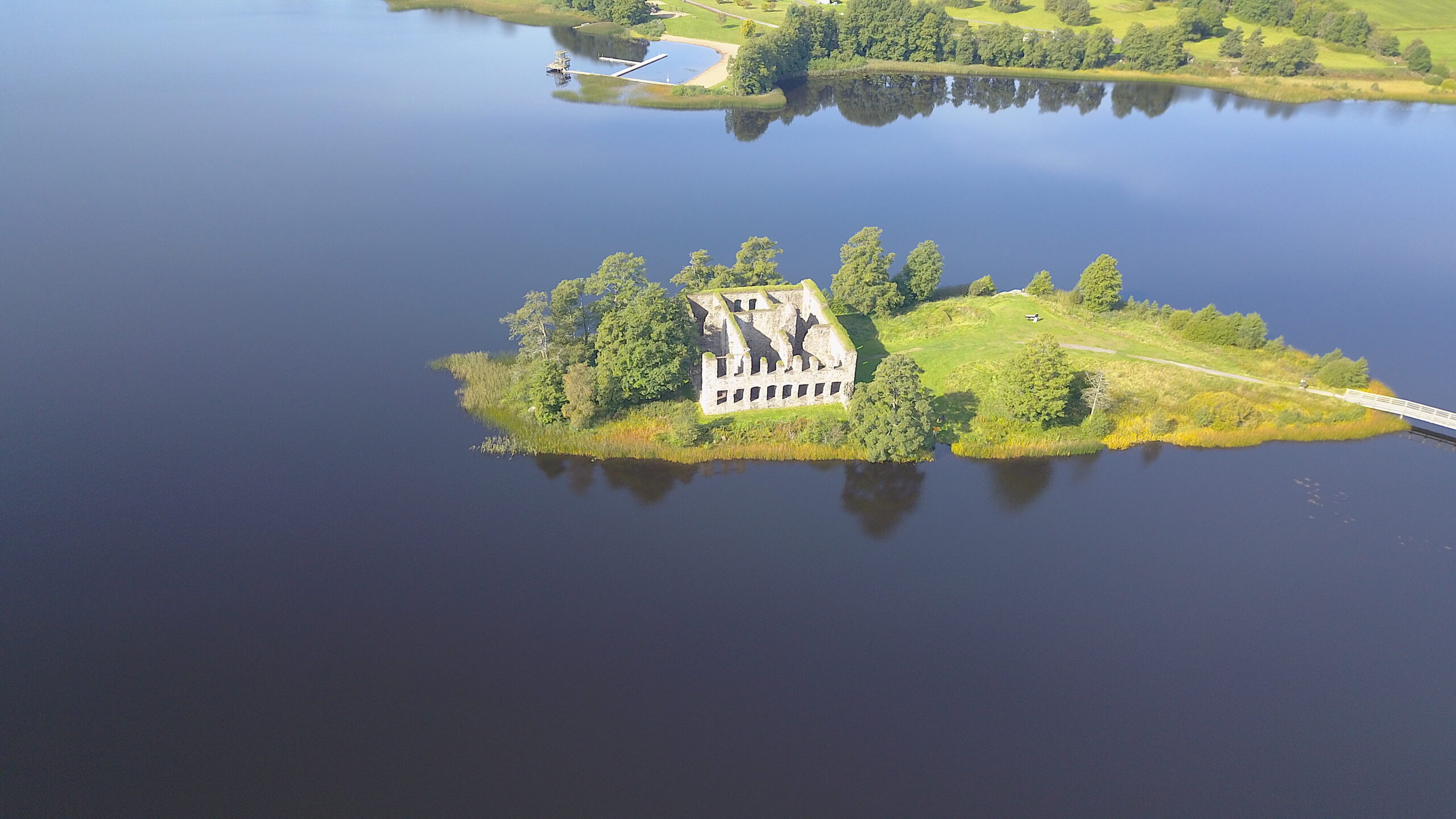
20. Kronoberg Castle Ruin
Kronoberg Castle Ruin is a well-preserved historical ruin that tells interesting stories about Gustav Vasa and the Dacke feud. Join us on an exciting journey to the 16th century!
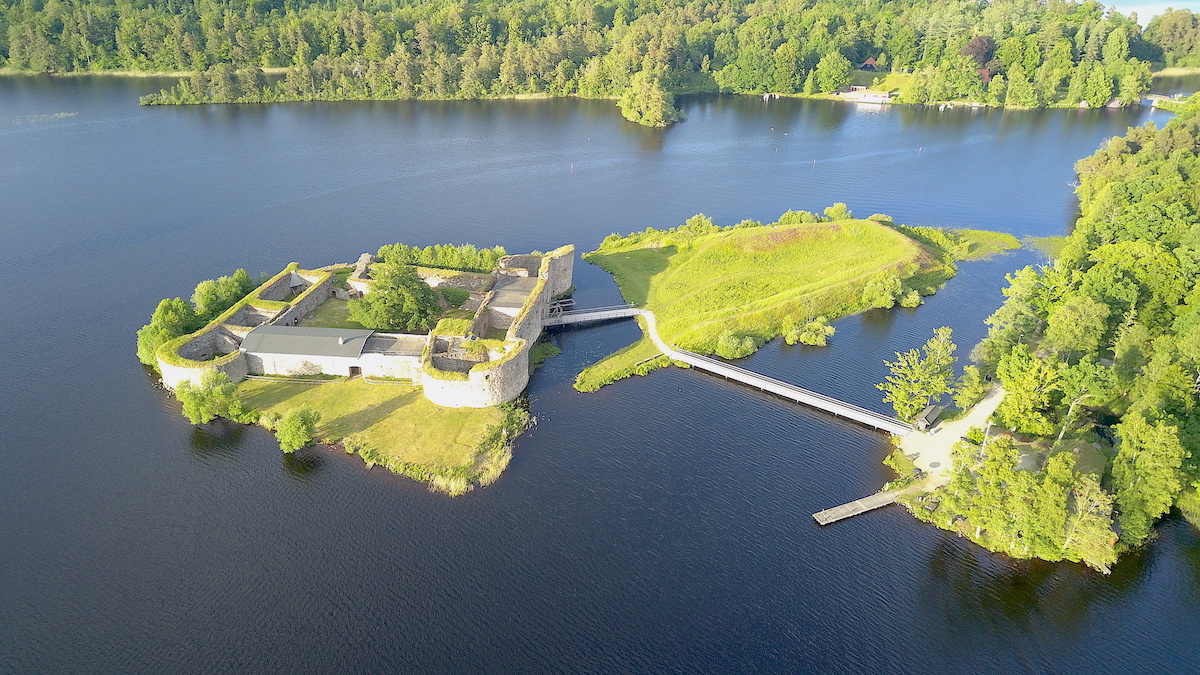
21. Bergkvara Castle Ruin
Since the 14th century, it has been a residence for knights and squires. In 1420, the Trolle family took over, where Arvid Trolle was also a Swedish councillor and magistrate in Östergötland with about 1000 farms, who inherited another 475 farms in Skåne. Bergkvara was thus one of the largest estates that ever existed in the Nordic countries.
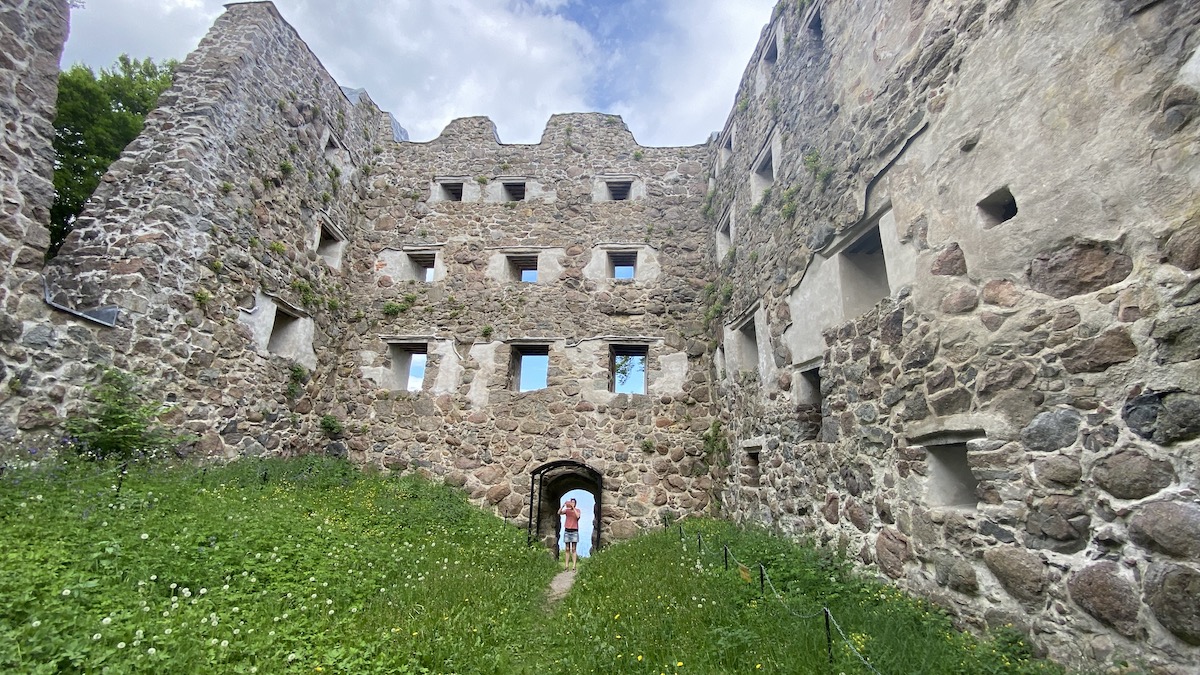
22. Borgholm Castle Ruin
Borgholm Castle is today a ruin of the castle built on Öland in the 13th century - and rebuilt in the 17th century into a grand baroque palace by Charles X Gustav. Many people have passed through here over the years, from kings and bailiffs to craftsmen and prisoners. Today, Borgholm Castle is one of Öland's biggest tourist destinations.
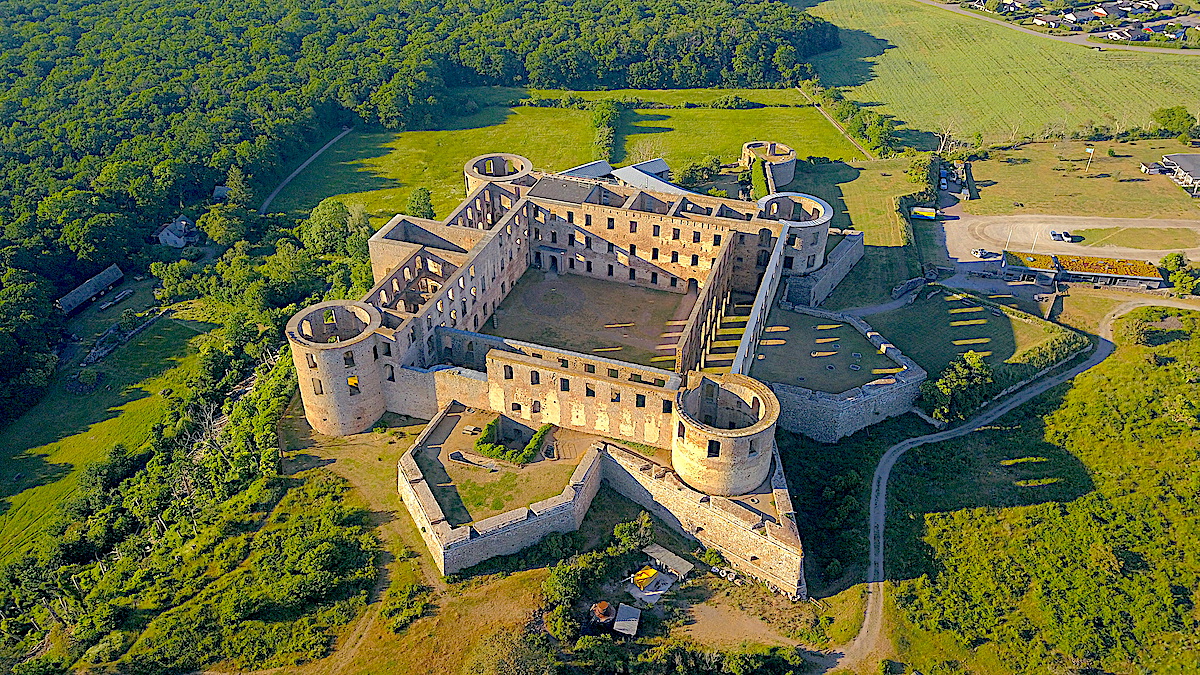
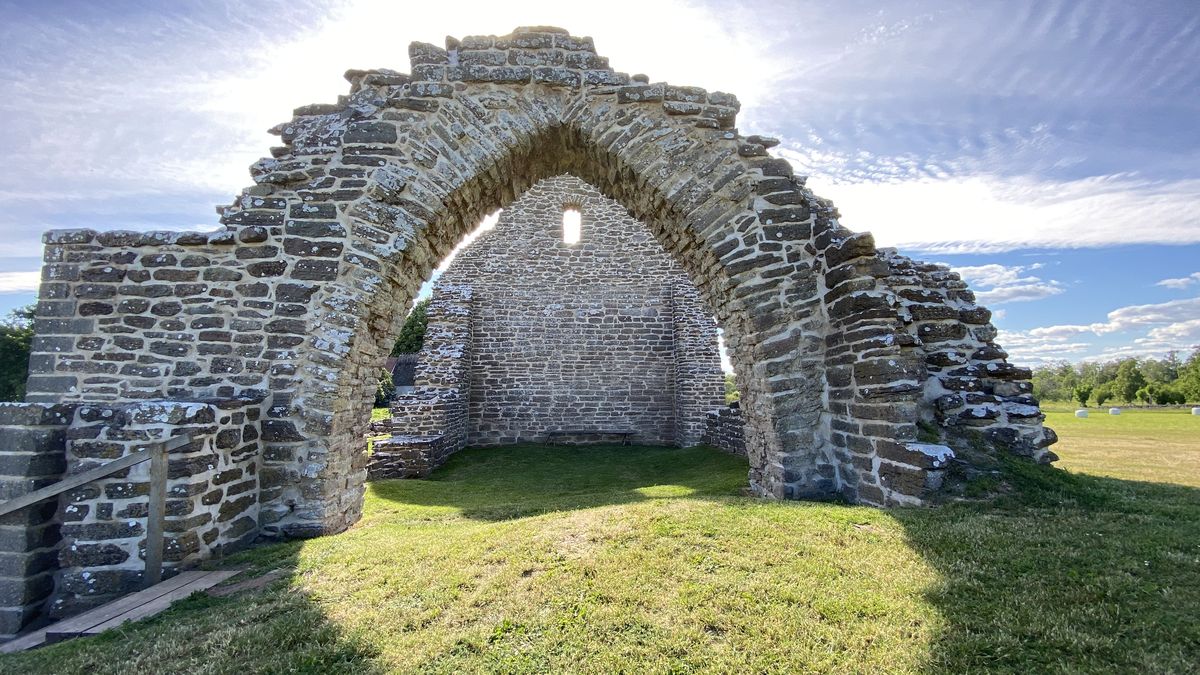
23. St Knut's Chapel
St Knut's Chapel was built in the 12th century and abandoned in the 16th century. The name derives from the Danish saint-king Knut, who was killed in an uprising in Odense in 1086. The name indicates that the site has had contacts with Denmark and the Danish Knutsgillene.
24. Lyckå castle ruin
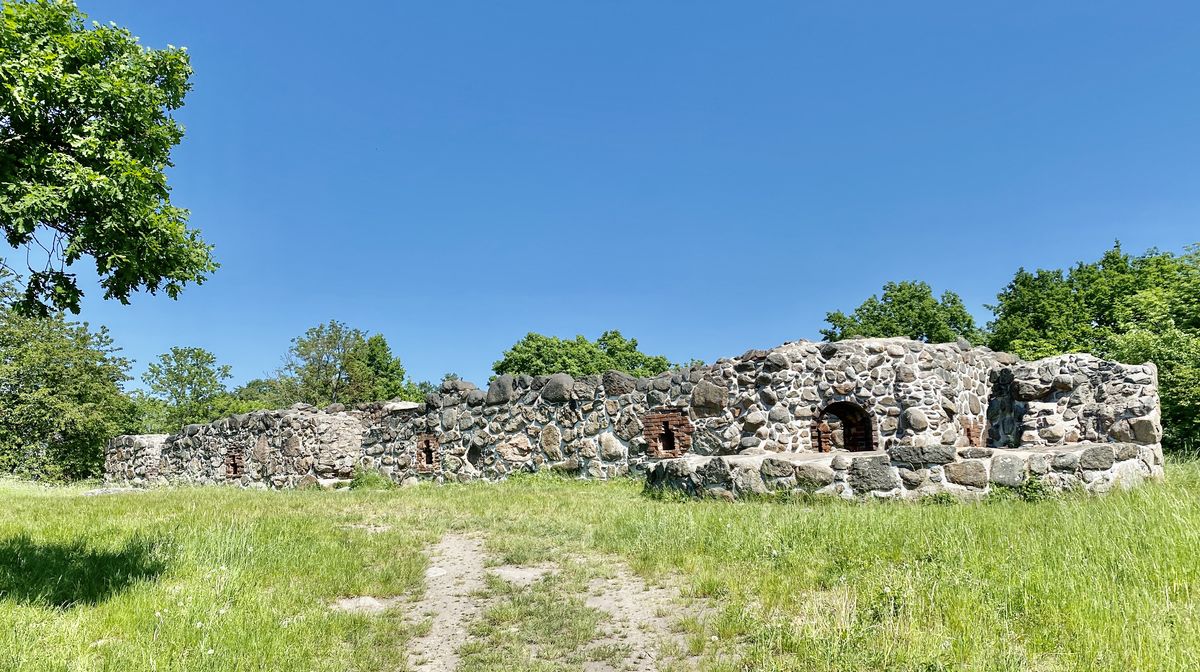
Blekinge belonged mainly to Denmark until the Peace of Roskilde in 1658, and its history was characterised by struggles between Danish and Swedish lords. In 1545 the lord of Lyckå received a royal order to build a "permanent house".
25. Sölvesborg castle ruin
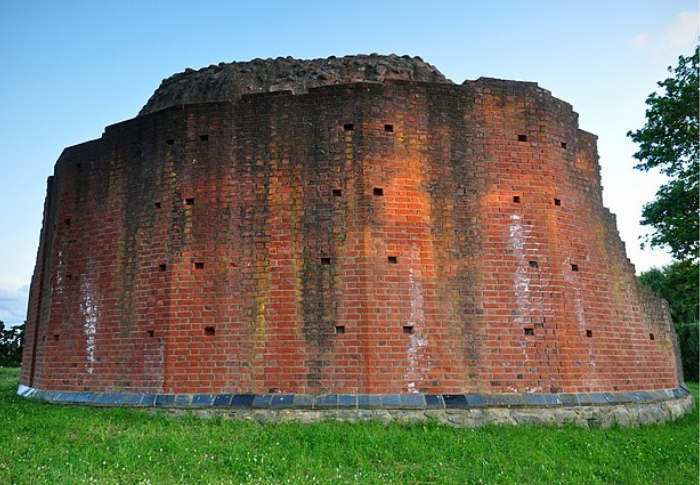
Sölvesborg is a ruined castle and a ruined castle and the reason it has been called a castle is because royalty has stayed at Sölvesborg. The castle was first mentioned in 1263 and in the early 14th century two huge towers were built under the Danish King Erik Menved. In the early 15th century, Queen Margaret of Denmark and Erik of Pomerania stayed here.
26. Balkåkra church ruin
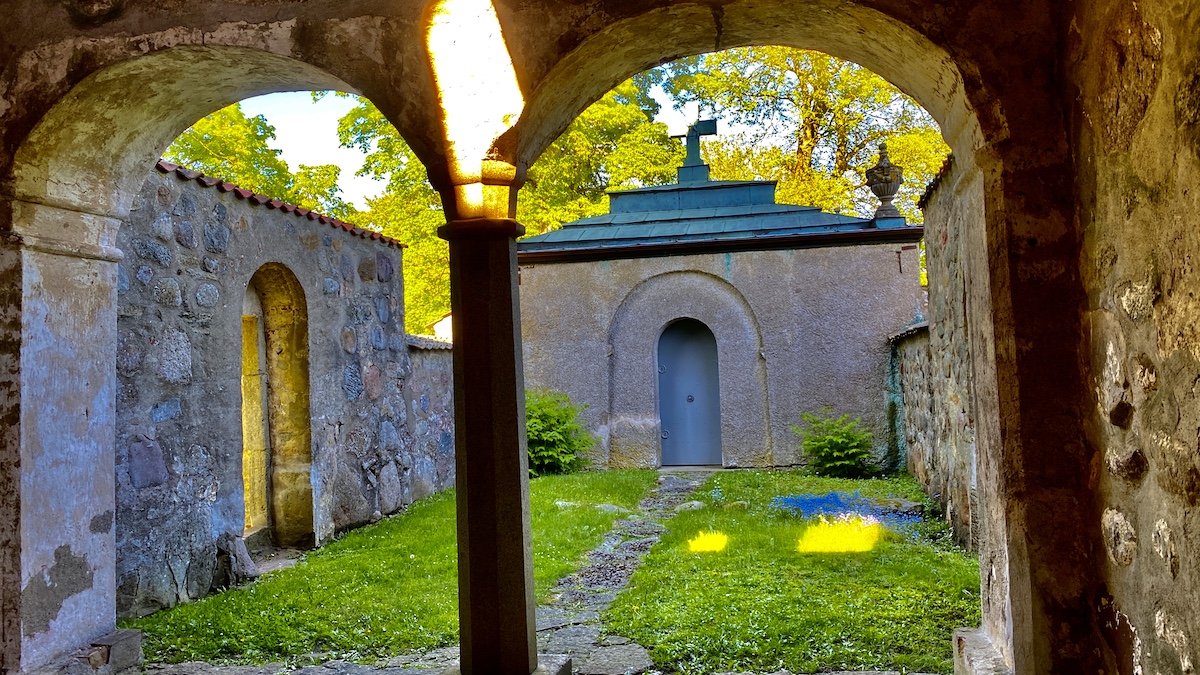
Balkåkra Church was built in the 12th century. When Carl Linnaeus travelled to Skåne in 1749, he thought the church was "small and covered", and the church was then called "Barkare kyrka".


Follow Peter here:
Peter Bergström
You might also like:
 Swedish Smålandsvägen - FREEDOMtravel Themed roads
 Swedish Västergötland road - FREEDOMtravel Themed roads
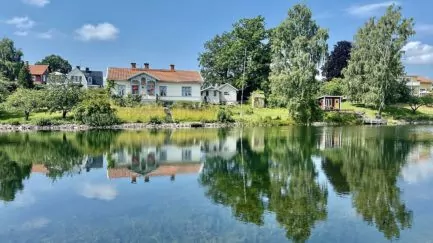 Svenska Östergötlandsvägen - FREEDOMtravel Themed roads
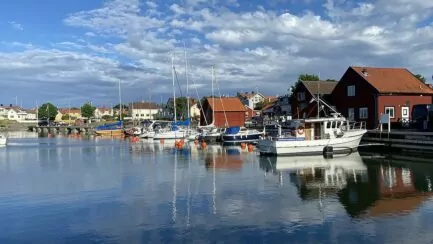 The Swedish Upplands Road - FREEDOMtravel Themed Roads
 The Swedish Unesco Heritage Route - FREEDOMtravel Theme Road
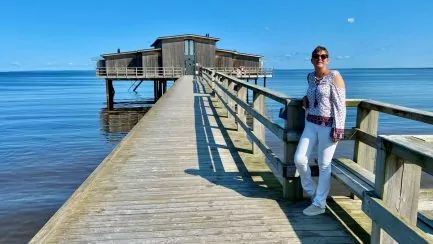 Swedish Bath Road - FREEDOMtravel Themed Roads


 English (UK)
  Svenska