

Writer: Peter Bergström
Updated: August 2026 | What do you know about Finland? Our eastern neighbor offers thousands of lakes, millions of saunas, exciting history, world-famous design and the occasional odd competition. Here we have collected 30 interesting, fun and sometimes surprising facts about Finland.
 Tweet
 Share
 Share
 Pin
 Share
 Share
Table of contents
Facts about Finland
Finland is a Nordic country with a land border with Sweden, Norway and Russia. The country has a coast towards the Baltic Sea and also includes the self-governing island nation of Åland. The capital is Helsinki and the two national languages are Finnish and Swedish.

1. Finland has around three million saunas
Saunas are an integral part of Finnish culture, with around three million saunas in a country of just under six million people. Saunas can be found in homes and summer cottages, in hotels and workplaces – and sometimes in much more unexpected places.
Finnish sauna culture was inscribed on UNESCO's list of the Intangible Cultural Heritage of Humanity in 2020. The tradition is not only about sauna bathing itself, but also about customs, community and well-being.

2. Finland elected a king who never took office
Finland gained independence from Russia in 1917, but it was not obvious that the country would become a republic. After the civil war in 1918, there were strong forces that wanted to create a monarchy.
On 9 October 1918, the German Prince Friedrich Karl of Hesse was elected King of Finland. However, Germany lost the First World War and the plans became politically impossible. Friedrich Karl abdicated in December of the same year and thus never took office as king. In 1919, Finland became a republic.

3. Åland belongs to Finland but has extensive autonomy
The Swedish-speaking island kingdom Åland belongs to Finland but has extensive autonomy. Åland has its own parliament, its own flag, its own stamps and the right to make laws in many areas.
Åland is also demilitarized, which means that there are no military forces or fortifications on the islands under normal circumstances.

4. Marimekko created one of Finland's most famous patterns
Founded in 1951, the Finnish design company Marimekko is known worldwide for its colorful fabrics and patterns. Perhaps the most famous pattern is Unikko, with its large poppy flowers. It was created in 1964 by designer Maija Isola and has since become something of a symbol of Finnish design.

5. Finland has around 188,000 lakes
Finland is often called the ”land of a thousand lakes,” but that’s a huge understatement. Depending on how you count, there are around 188,000 lakes in the country.
Lake systems primarily characterize central and eastern Finland, where water, forests, islands and summer cottages together create a landscape that feels very typically Finnish.

6. The coast of Finland has a huge archipelago
Finland also has one of the world's largest archipelagos, with tens of thousands of islands along the coast. The archipelago in southwestern Finland and around Åland is particularly extensive.
Here you will find everything from small uninhabited islets to larger islands with villages, restaurants, guest harbours and ferry connections. A great way to experience the area is to travel along the Archipelago Ring Road outside Turku.

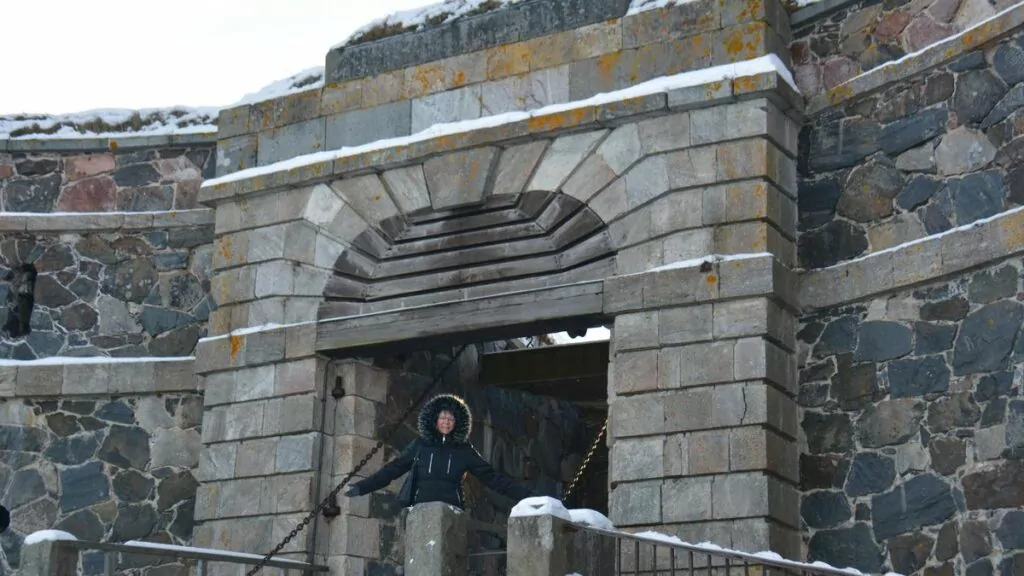
7. Suomenlinna surrendered to Russia in 1808
The Sea Fortress Sveaborg outside Helsinki began to be built by Sweden in 1748 as a defense against Russia. When Finland was still part of Sweden, the fortress was an important base for the Swedish archipelago fleet.
During the Finnish War, Suomen was besieged by Russian forces. In 1808, the commandant Carl Olof Cronstedt decided to surrender. The decision was much debated and the reasons for the capitulation are still debated today. After Finland became independent, the fortress was given the Finnish name Suomenlinna, "Fortress of Finland".
8. Santa Claus' official home is in Rovaniemi
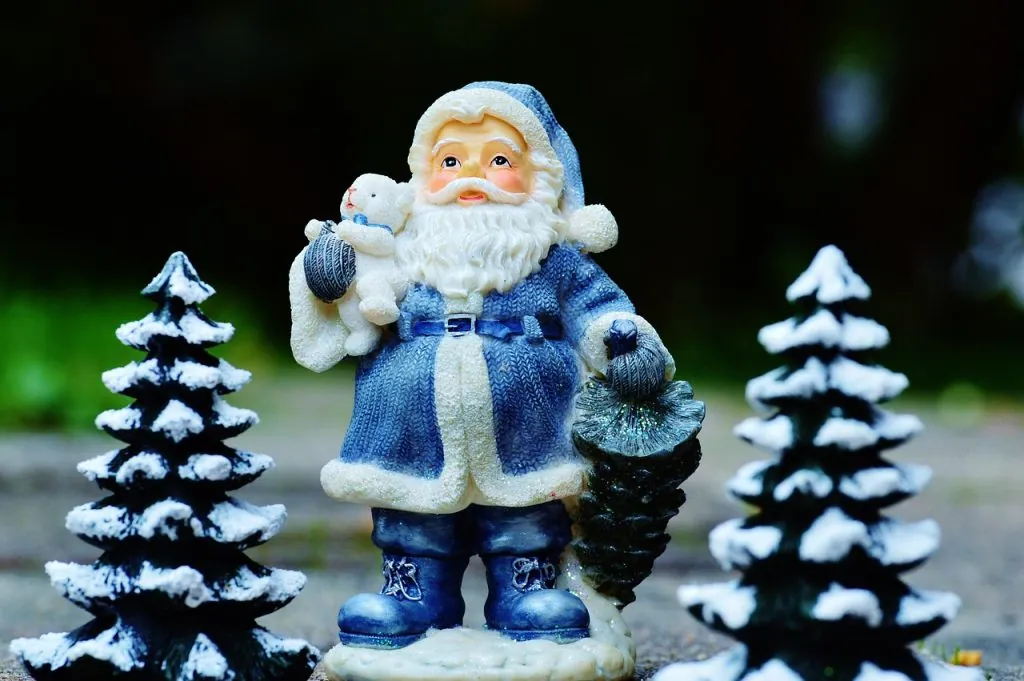
Where Santa Claus actually lives is of course up for debate, but Finland has decided. His official hometown is Rovaniemi in Finnish Lapland.
Here, Santa Claus Village is located right on the Arctic Circle, where you can meet Santa and visit his post office. Letters to Santa are sent here from children in many parts of the world.
9. Salty liquorice is in full swing in Finland
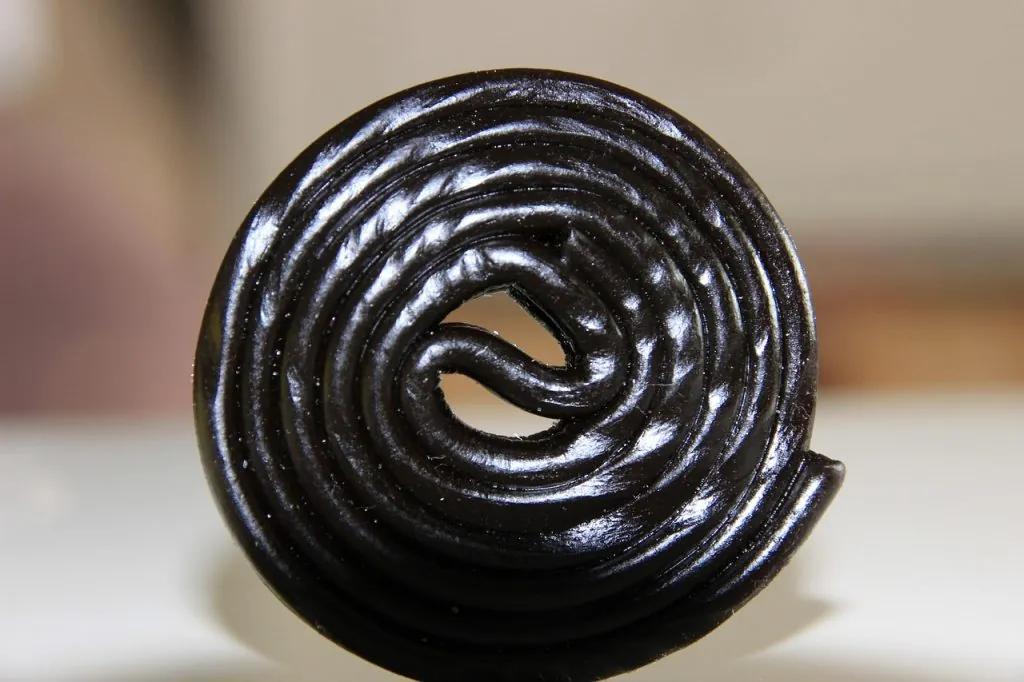
If you like salty liquorice, you've come to the right place. In Finland, you can find salty liquorice and licorice in all sorts of forms – as candy of course, but also in ice cream, chocolate, pastries and drinks.
Salmiakki is so established in Finnish food culture that its taste is hardly considered particularly strange. However, for the unaccustomed visitor, some combinations may take some getting used to.
10. Finland hosts some very odd competitions
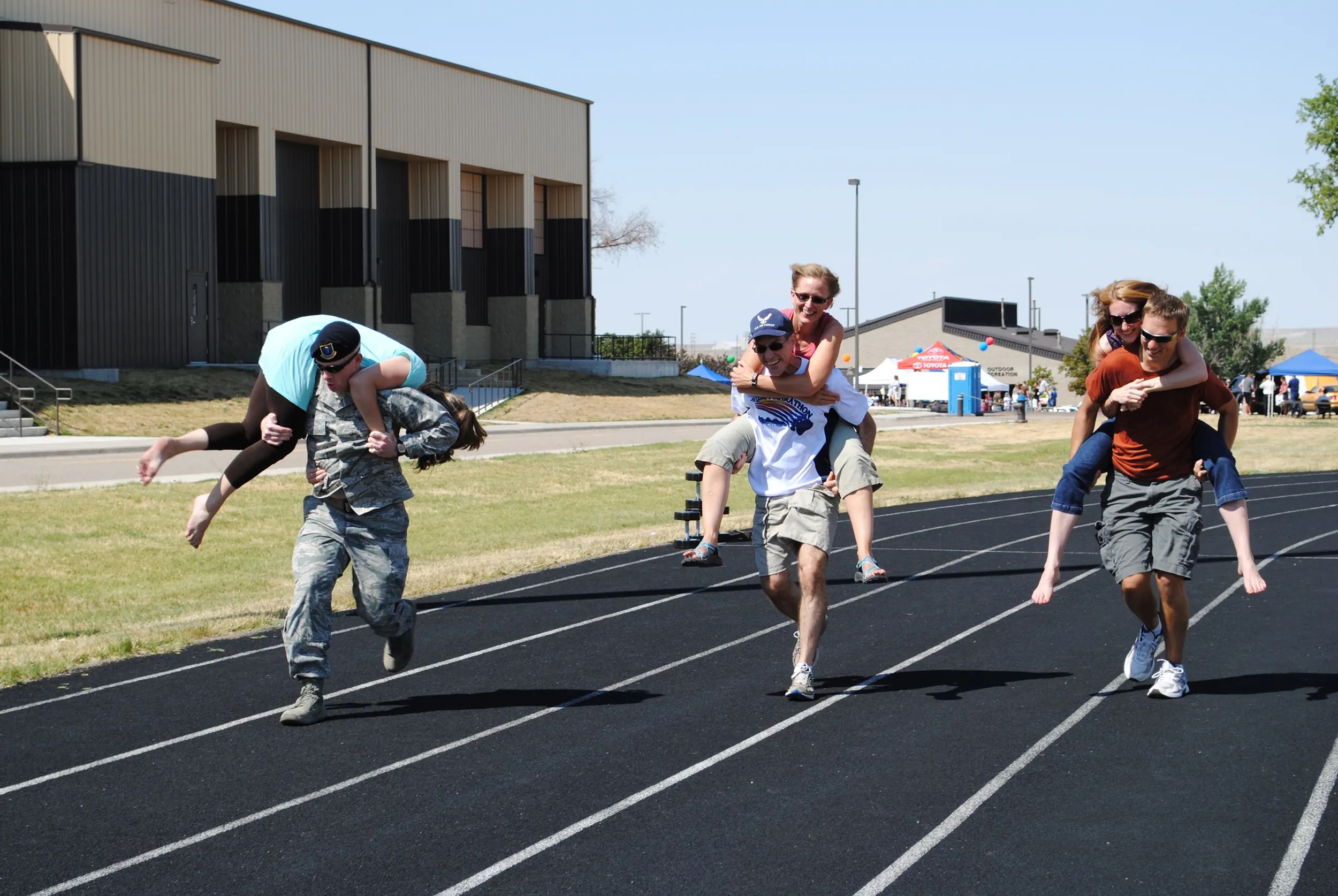
Apparently, regular sports aren't always enough in Finland. The country has made itself known for a number of unusual competitions and world championships.
In Sonkajärvi, the world championship in wife-carrying is held, where participants make their way through an obstacle course carrying a partner. In Oulu, there are air guitar competitions, and in Lapland, among other things, the world championship in tree hugging has been held.
Finns simply seem to have a special talent for turning even the most absurd ideas into organized events.
11. The flag of Finland became official in 1918
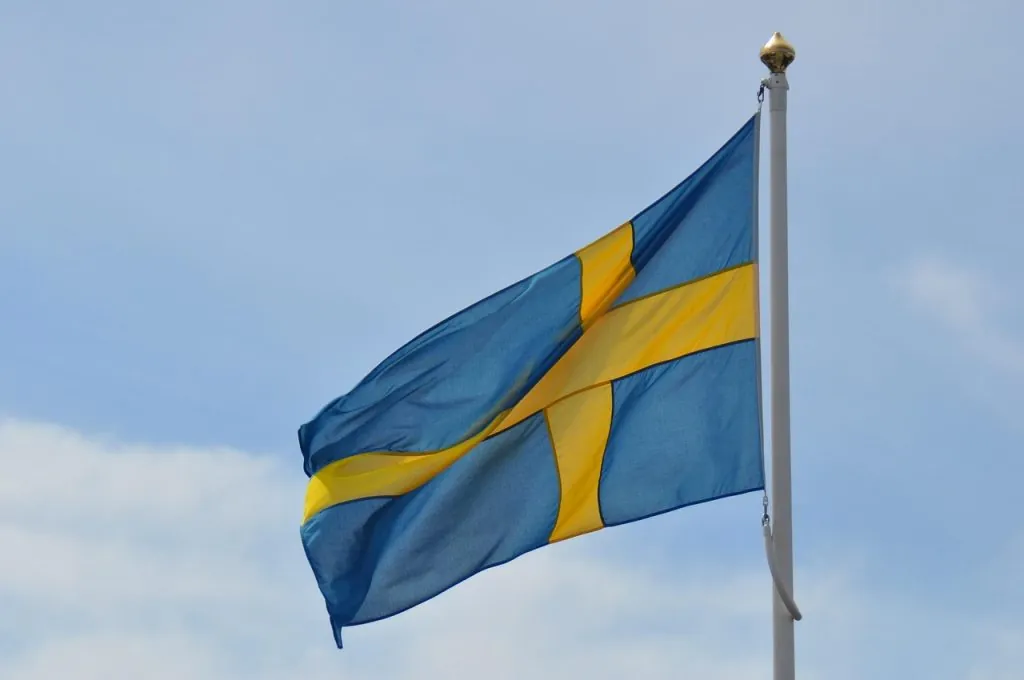
Finland's blue and white cross flag became official on 29 May 1918, just a few months after independence. The colours have long been associated with the Finnish landscape. As early as the 19th century, author Zacharias Topelius described blue as the colour of the country's lakes and white as the colour of winter snow.

12. Finland has eight World Heritage Sites
Since 2026, Finland has eight sites or collections on the UNESCO World Heritage List:
- Sveaborg
- Old Rauma
- Petäjävesi old church
- Verla wood grinding and cardboard factory
- Sammallahdenmäki burial mounds from the Bronze Age
- High Coast/Kvarken Archipelago, shared with Sweden
- Struve's meridian arc, which extends through several countries
- Alvar Aalto's works, a collection of 13 buildings in various locations in Finland
The latest World Heritage Site, Alvar Aalto's work, was inscribed on the list in 2026.

13. Iittala has been making glass since 1881
The well-known Finnish design brand Iittala has its roots in a glass factory founded in the village of Iittala in 1881.
Over the years, the company has collaborated with some of Finland's leading designers and architects. One of the most famous products is Alvar Aalto's undulating Savoy vase, which has become an international design classic.

14. Finland was part of Sweden for several hundred years
The area that is today Finland was part of the Swedish Empire for several hundred years. Swedish laws, administration and church structures were therefore of great importance to Finland's development.
After the Finnish War of 1808–1809, Sweden lost Finland to Russia. Finland then became an autonomous Grand Duchy within the Russian Empire until independence in 1917.
The common historical heritage is still clearly felt, not least by the fact that Swedish is one of Finland's two national languages.
15. Moomin was created in Finland
The Moomin characters were created by the Finnish-Swedish author and artist Tove Jansson. The first Moomin book was published in 1945 and was followed by more books, picture books and series.
Today, the Moomins are known throughout much of the world. In Naantali outside Turku, you can also visit The Moomin world, where Moominvalley and its inhabitants have their very own summer land.

16. Finland has an unusually strong heavy metal scene
Finland is internationally known for its rock and metal scene and has given the world bands such as Nightwish, HIM, Children of Bodom and Apocalyptica.
Heavy metal has an unusually strong position in the country, but the Finnish music scene is of course much broader than that. Finland has also exported everything from classical music and jazz to pop and electronic music.
17. The Sami are indigenous people of northern Finland
The Sami are an indigenous people whose traditional settlement area, Sápmi, extends across parts of Finland, Sweden, Norway and Russia.
In Finland, the Sami's home area is the farthest north and includes Enontekis, Enare and Utsjoki as well as the northern part of Sodankylä. There are three Sami languages traditionally spoken in Finland: Northern Sami, Enare Sami and Skolt Sami.
Reindeer herding is an important part of Sami culture, but today's Sami society naturally encompasses many different professions and ways of life.

18. Finland became independent in 1917
Finland was an autonomous grand duchy within the Russian Empire from 1809. After the Russian Revolution in 1917, the possibility of independence opened up.
The Finnish Parliament adopted the Declaration of Independence on December 6, 1917. The date is still Finland's Independence Day and one of the country's most important holidays.
19. Rye bread has been designated as Finland's national food
Karelian pies are a true Finnish classic, but it was rye bread that was voted Finland's national food for the country's centenary in 2017.
Rye bread has been eaten in Finland for centuries and comes in many regional variations. A traditional variation is the round reikäleipä, with a hole in the middle. In the past, the loaves could be strung on poles and stored hanging under the roof.

20. Finland has a 1,340 kilometer long border with Russia
Finland's land border with Russia is about 1,340 kilometers long and stretches from the Gulf of Finland in the south to the border with Norway in the north. The border has played a central role in Finland's history and, among other things, divides the historical area of Karelia between Finland and Russia.

21. Finland is the happiest country in the world in 2026
Finland once again ranks highest in the World Happiness Report 2026. The country has been in first place year after year and has thus become almost synonymous with international happiness measurements.
The report does not measure how happy people are every minute. The ranking is based on people's own assessment of their lives and is influenced by factors such as social support, health, freedom and trust.

22. Finland gave women full political rights as early as 1906
In 1906, Finland implemented a historic parliamentary reform. Women were granted both the right to vote and the right to stand for election to parliament.
Finland thus became the first country in Europe to grant women the right to vote at a national level and the first in the world to grant women full political rights, including the right to stand for election. In the 1907 elections, 19 women were elected to parliament.

23. Silence doesn't have to be embarrassing in Finland
Finns are sometimes described as being taciturn, and of course there are no traits that apply to an entire nation. But there is one cultural difference that many visitors notice: silence in a conversation doesn't have to be perceived as something uncomfortable that must be immediately filled with small talk.
Straightforward communication, modesty and a healthy dose of self-irony are also usually associated with Finnish culture. Perhaps that is where we should look for the explanation for all these world championships in air guitar and wife-carrying?

24. The Finnish word for the northern lights means ”fox forest”
The Northern Lights are called the north wind in Finnish, which literally translates roughly as ”fox country.” The name is usually linked to old Finnish folklore, where a magical fox was said to run through the northern landscape and make sparks fly into the sky with its tail.
In reality, the Northern Lights are caused by charged particles from the sun interacting with the Earth's magnetic field and atmosphere. Finnish Lapland is an excellent place to try and experience the phenomenon.

25. Nokia started with wood and became the world leader in mobile phones
Nokia's history began in 1865 when engineer Fredrik Idestam founded a wood grinding mill. The company eventually developed into a group with operations in areas such as paper, rubber, cables and electronics.
During the 1990s, Nokia became a giant in mobile telephony. In 1991, the world's first official GSM call was made in Helsinki using Nokia equipment, and by 1998 Nokia had become the world's largest manufacturer of mobile phones.
Today, Nokia is primarily a telecommunications and network technology company.

26. Finland had an alcohol ban for 13 years
Finland introduced alcohol prohibition in 1919. The idea was to reduce alcohol problems, but just like other places where similar laws were introduced, smuggling and illegal sales arose. After a referendum, the prohibition was abolished in 1932.
The Finns have also given the world the floor kalsarikennit: to drink alcohol at home in your underwear with no intention of going out. It still has to be considered an unusually specific word.

27. Naantali throws a seven-sleeper into the sea every year
On July 27th, Seven Sleepers Day is celebrated in Finland. The tradition is based on the belief that anyone who sleeps a long time on that day risks being lazy for the rest of the year.
I Naantali The tradition has developed into a huge folk festival. Early in the morning, the year's official seven-sleeper is chosen – often a famous person – who gets a rather rude awakening by being thrown into the sea.

28. Finland still ranks high in international school surveys
Finland's school system became internationally renowned after very strong results in the first PISA surveys in the 2000s.
The picture is more nuanced today. In PISA 2022, Finnish students were still above the OECD average in mathematics, reading and science, but the results had deteriorated compared to previous measurements.
Finland is still one of the stronger countries in terms of education, but the old claim that the country is always at the top of the world is no longer as true.

29. Fazer started with a pastry shop in Helsinki
Karl Fazer opened his first Franco-Russian patisserie on Kluuvikatu in Helsinki 1891. From there, the business grew into one of Finland's most famous food companies.
Fazer is perhaps best known today for chocolate, not least the classic blue milk chocolate Karl Fazer. The company also manufactures sweets, bread and other foods.

30. The world's oldest preserved diving suit is found in Raahe
At the museum in Brahestad is one of Finland's more remarkable historical treasures: The Old Gentleman, or Wanha herra, which is considered the world's oldest preserved diving suit.
The suit dates back to the 18th century and is made of leather. The design made it possible for a person to go below the water's surface, for example to inspect or work on ship hulls.
It may not look like something you would voluntarily crawl into and be submerged in the sea with – but as a piece of technological history, it is undeniably fascinating.

Quick facts about Finland
- Highest point: Halti, 1,324 m a.s.l. on the Finnish side
- Longest river: Kemijoki, approximately 550 km
- Second largest city: Espoo
- Biggest lake: Saimen (Saimaa), about 4,400 km²
- Sea: The Baltic Sea, with coastlines on the Gulf of Bothnia, the Bothnian Sea and the Gulf of Finland
- Main sports: Ice hockey is very popular, as are football, athletics, cross-country skiing and other winter sports.
- Neighbouring countries: Sweden, Norway and Russia
- Climate: Temperate to cold temperate climate with distinct seasons. Summers are mild to warm, while winters are cold and snowy, especially in northern Finland. The coastal areas have a slightly milder climate thanks to the Baltic Sea.
More factual reports
- Facts about Germany
- Facts about Estonia
- Facts about Hungary
- Facts about Poland
- Facts about the Czech Republic
- Facts about Albania
Follow Peter here:
Peter Bergström
You might also like:
 Visiting Bomarsund Fortress - interesting history in Åland
 Things to do in Kökar on Åland – our 10 best tips
 Things to do in Naantali – 12 tips for a Finnish archipelago gem
 Things to do in Raahe, Finland - 10 tips
 Finncanopus to Finland - premiere of new vessel
 Facts about Georgia - 30 things you (might) not know
 English (UK)
 Svenska
Helena från Finland says:
Hi there and thanks for the great Finland info! A lot we didn't know😂Want to correct one thing. Our border with Russia is 134 miles. Anyway, it is long. Have a good time 🥰
10 August 2024 - 11:12
Helena says:
Thanks for the correction, fixed it! 🙂 I also changed from "mile" to "kilometre" because mile usually gets wrong at the automatic translation to other languages...!
10 August 2024 - 11:26
Annette says:
Fun and interesting reading! We should adopt the tradition of presenting doctoral students with a sword when they defend their thesis! I'm renting out a small cottage with a storage room, and a man from Finland asked if he could turn the storage room into a sauna, apropos of how much Finns love to sauna! I had heard about the incredible land of lakes and thought that travelling along water through Finland would be very beautiful. I hardly saw a single watercourse. There was always forest between the road and the water. it was a big disappointment. But it was still overall a positive experience 🙂
10 August 2024 - 16:22
Helena says:
Interesting story about the storage room! Yes, probably sauna is popular in our neighbouring country always! 😉 Aha, sorry you didn't get to see the lakes from the road, but nice that it was a good experience anyway!
11 August 2024 - 7:37
Frido says:
Sleepy head day is called Sjusovardagen in Finnish-Swedish.
Thank you for highlighting Finland on your platform!
10 August 2024 - 17:21
Helena says:
Glad you appreciate us highlighting Finland and thanks for the word in Finland Swedish. I have added this now! (Remember they told me about this day when we were in Naantali, but we talked about it in English and have since read about it in English too. Good with the Finland-Swedish word too of course!)
11 August 2024 - 7:39
Anta Snaque says:
Interesting and nice writing about our dear eastern neighbour. But some errors have crept in.
I, a non-Finnish speaker, but living just a couple of hours from the Finnish border (and gifted with a lovely sister-in-law from southern Finland), reacted to the spelling of Suomenlinna. It is not spelt Sou.... Finland is called Suomi in Finnish.
Furthermore, Iittala is spelt with two i's. Maija Isola is not called Marija. And Sibelius is known as Jean, not Johan.
Even more fun to blog-read when it's right. 😉
14 August 2024 - 1:03
Helena says:
Of course, it is nicer with correctly spelt words! Thanks for your keen eye! 🙂 Will fix right away!!!
14 August 2024 - 6:05