





Writer: Co-operation partner
A car holiday should be one of the highlights of your year, whether it's through Swedish forests and lakes or across the border to new places in Europe. But to fully enjoy your freedom, it's a good idea to give your car a little extra care before setting off. This will make your journey safer and reduce the risk of unnecessary interruptions and costs.
 Tweet
 Share
 Share
 Pin
 Share
 Share
Table of contents
First step: Check the car
Start by checking your car's main fluids and components a couple of weeks before travelling:
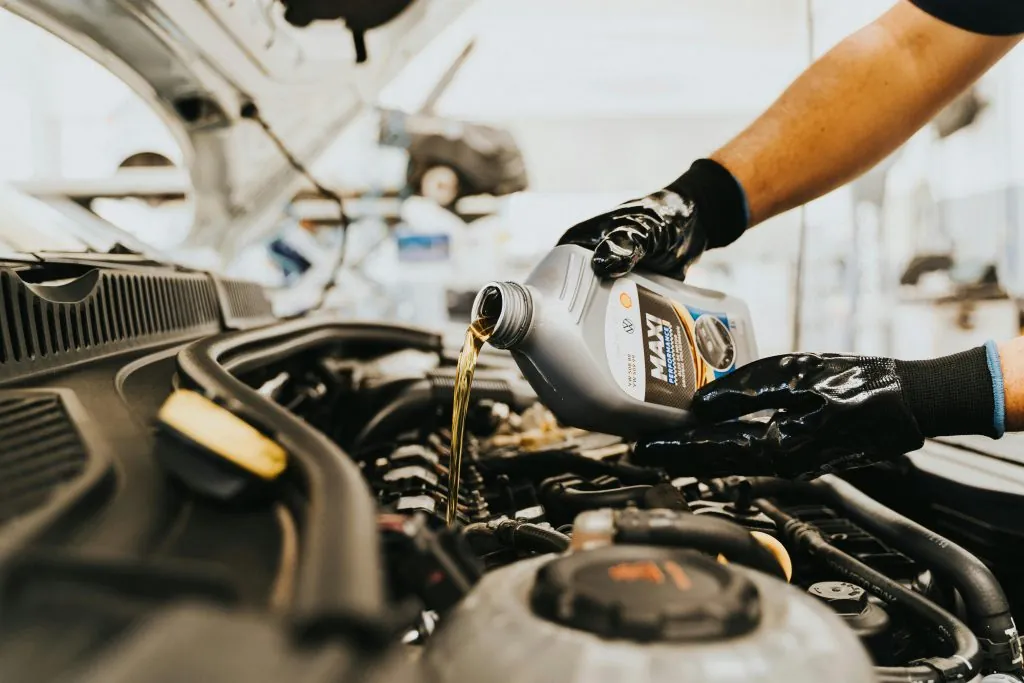
- The engine oil should be at the correct level and changed as recommended to protect the engine under load.
- The coolant should be at the correct level to keep the engine at a stable temperature, especially during long journeys or in hot weather.
- The washer fluid should be topped up properly as it is often used up quickly due to dusty roads and insects on the windscreen.
- Air filters and cabin filters should be clean to ensure good airflow and a comfortable environment in the car.
- Battery performance should be checked with a simple test.
- All lights, including brake lights and indicators, must work.
- The windscreen wiper should provide clear visibility without streaks when driving in the rain.
It's also smart to think ahead and bring well-chosen spare parts, depending on the make and model of your car. One tip is that you can find car parts and spare parts online, using a search form on the AD Bildelar website, for example. Enter the licence plate number and you will automatically get a list of parts that fit your car. This saves time and reduces the risk of incorrect purchases.
Ensure that there is safety equipment
It's no fun to be caught out when something unexpected happens and realise you haven't packed the necessary safety equipment. Here are some things you should make sure you have:
- Reflective vest, easily accessible from the driver's seat to be put on before getting out of the car.
- First aid kits are good to have for minor injuries while travelling.
- Extra bulbs allow the lighting to be fixed quickly if something breaks.
- Jumper cables are always useful if the battery starts to give up, or to help others.
- Jack and spare wheel needed to change tyres in case of puncture.
These are all things that are always good to have in the car, not just for long journeys.
Tyres: check wear and pressure
Tyre condition affects both safety and fuel consumption. Tyres should have an even tread depth and must be free of cracks or bulges. Worn tyres give less grip. This is particularly noticeable in the rain or on gravel. Unevenly balanced or unevenly worn tyres can also lead to vibrations that are tiring for the driver.
If there will be many people in the car, and a lot of luggage, you may need to adjust the tyre pressure according to the resulting weight. The recommended pressure is usually indicated on a label in the door frame or in the car's manual.

With the right pressure, the car rolls easier and this is reflected in fuel consumption, if nothing else. Too low a pressure can also increase wear and make the steering feel stiff. If it's too high, it can make the ride feel harder.
Also bear in mind that temperature changes affect the pressure. Therefore, if you are travelling through several countries or landscapes where the temperature varies, you may want to stop occasionally for a short check at a petrol station along the way.


Brakes and steering
The braking system should not hesitate when you press the pedal, and this is something you should check before setting off. The change is often subtle, so you may not have noticed it in your normal driving.
A soft or spongy feeling may indicate air in the system or worn parts. Another sign is a grinding or scraping sound when braking, which may indicate that the pads or discs are starting to wear. If the car pulls to one side when braking instead, it could be due to uneven loading or that something needs to be adjusted.
The steering should feel stable and responsive, with no lag. If the steering wheel vibrates or if it feels difficult to keep a straight course, this may be an indication that something in the steering or wheel suspension needs to be checked. It could also be the wheel alignment.
During long journeys, even small abnormalities tend to become apparent, and they may even worsen. That's why it's a good idea to do a careful test beforehand and note if anything feels unusual.
Packing and weight distribution
Both driving comfort and safety are affected by how the car is packed. Placing heavy bags high up or far back can make the car rear-heavy and sway at higher speeds or when cornering. It can also increase the braking distance and make the steering feel less direct. Therefore, it is best to place the heaviest items as low and as close to the centre of the car as possible, preferably at the back of the boot against the backrest.
Items needed during the journey, such as jackets, food and chargers, should be stored within easy reach so that you don't have to stop to retrieve anything from the depths of your luggage. However, avoid keeping loose items in the passenger compartment, as they can be thrown out during sudden braking.
Once everything is sorted and the car is packed, all you have to do is enter the first destination in the GPS and set off. Have a good trip!






 English (UK)
 Svenska