

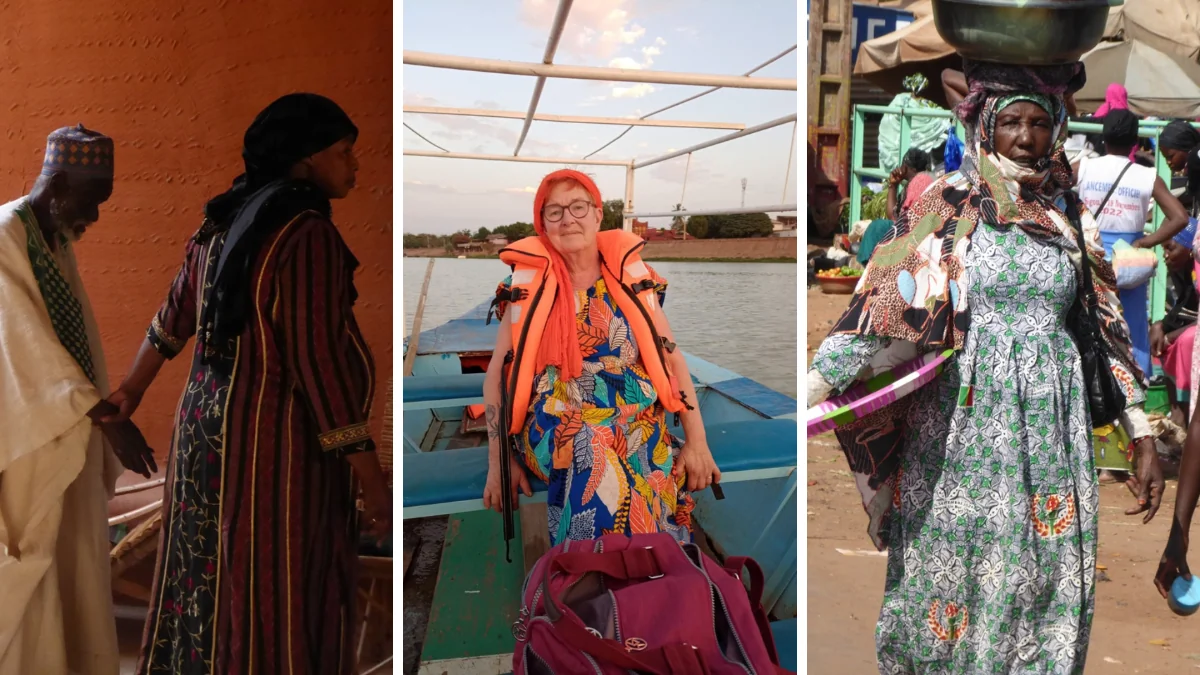

Writer: Anna Nilsson Spets
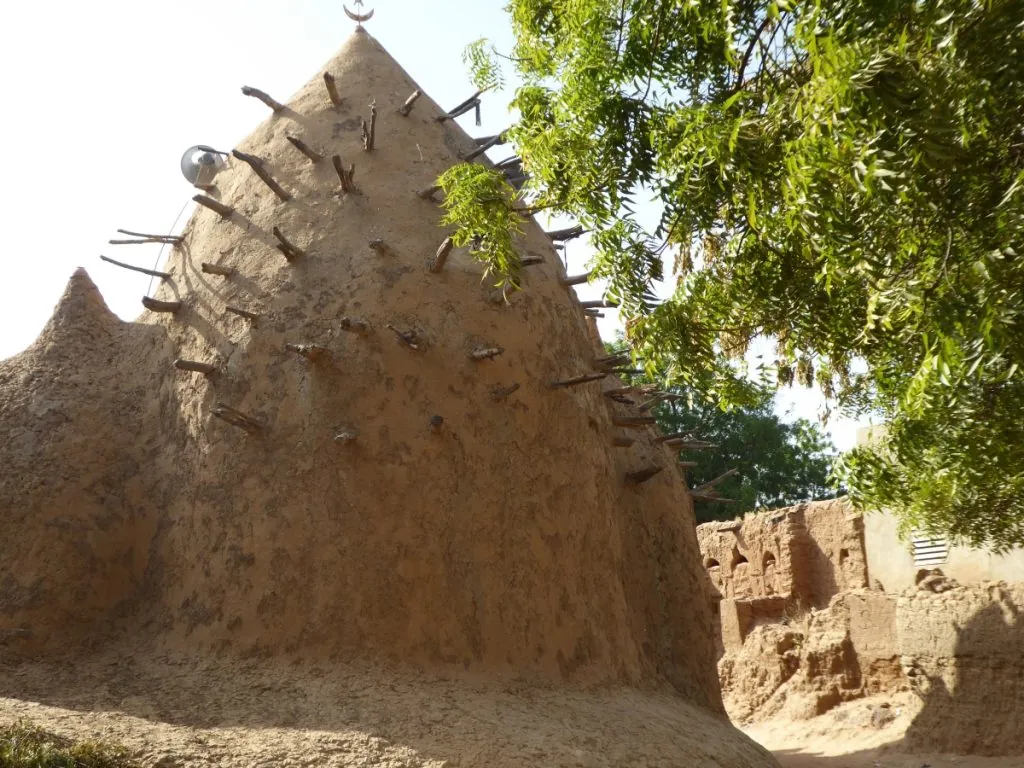
We are on our way to Ségou, Mali's second largest city in modern times, but before we get there we stop in the old Ségou; Ségou-Koro which is half an hour's drive ahead.
 Tweet
 Share
 Share
 Pin
 Share
 Share
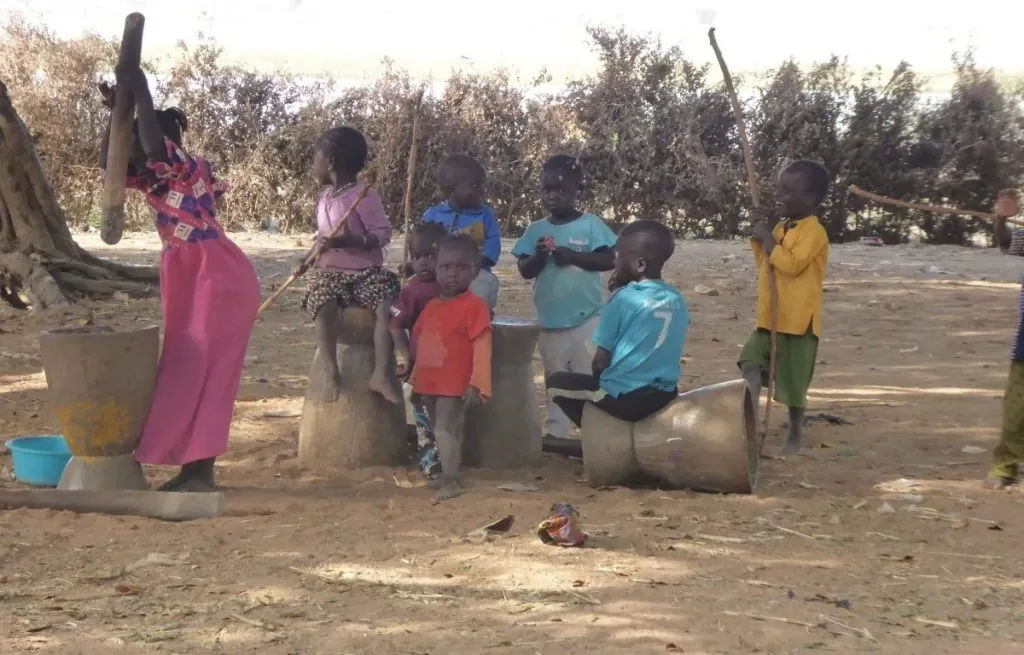
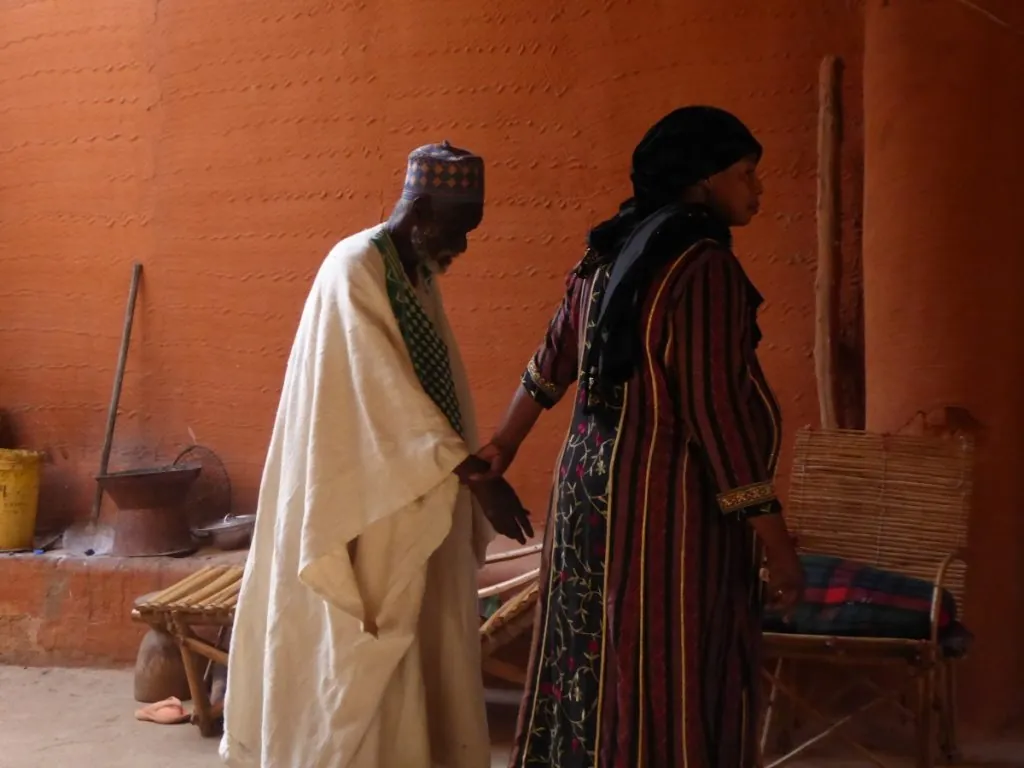
In Ségou-Koro, you can hear the wings of history from the 18th century as the then capital of the Bambara Empire. The village chief is led out by one of his wives, he greets me and I introduce myself.
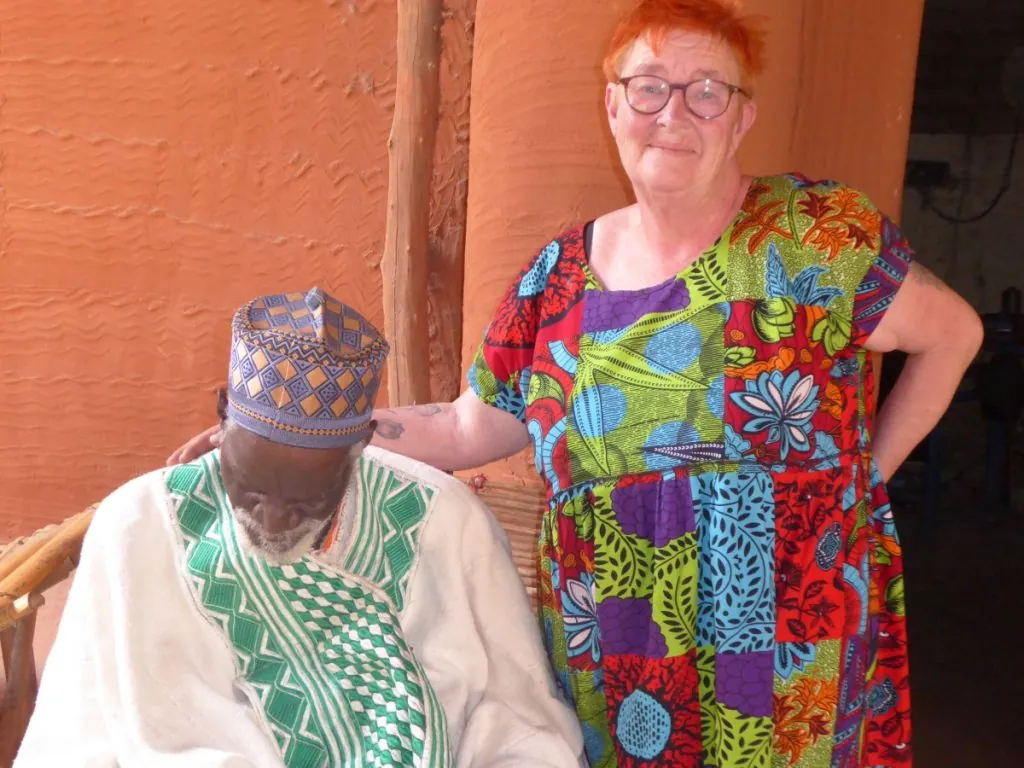
In Mali, polygamy is allowed, up to four wives. The parents of the married man usually choose a bride for their son. A wedding takes several days and is a very expensive affair. Family, friends and villagers are invited, and there is eating and dancing.
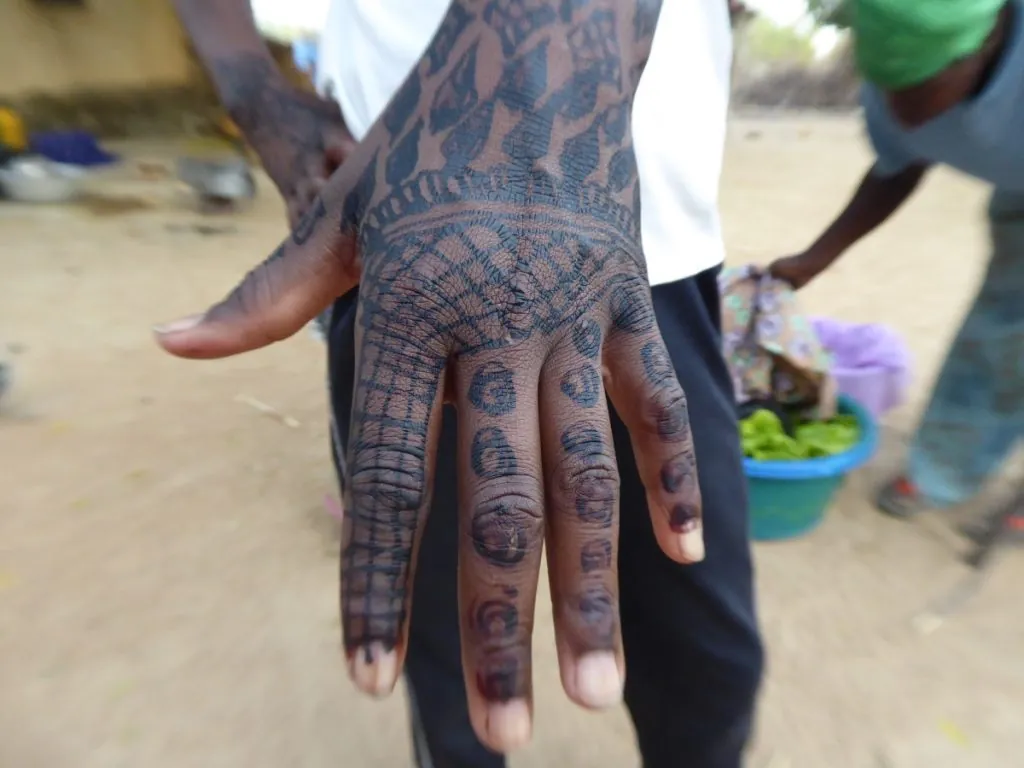
The first king of the Bambara people, Butin Coulibaly, is buried here in a crypt.
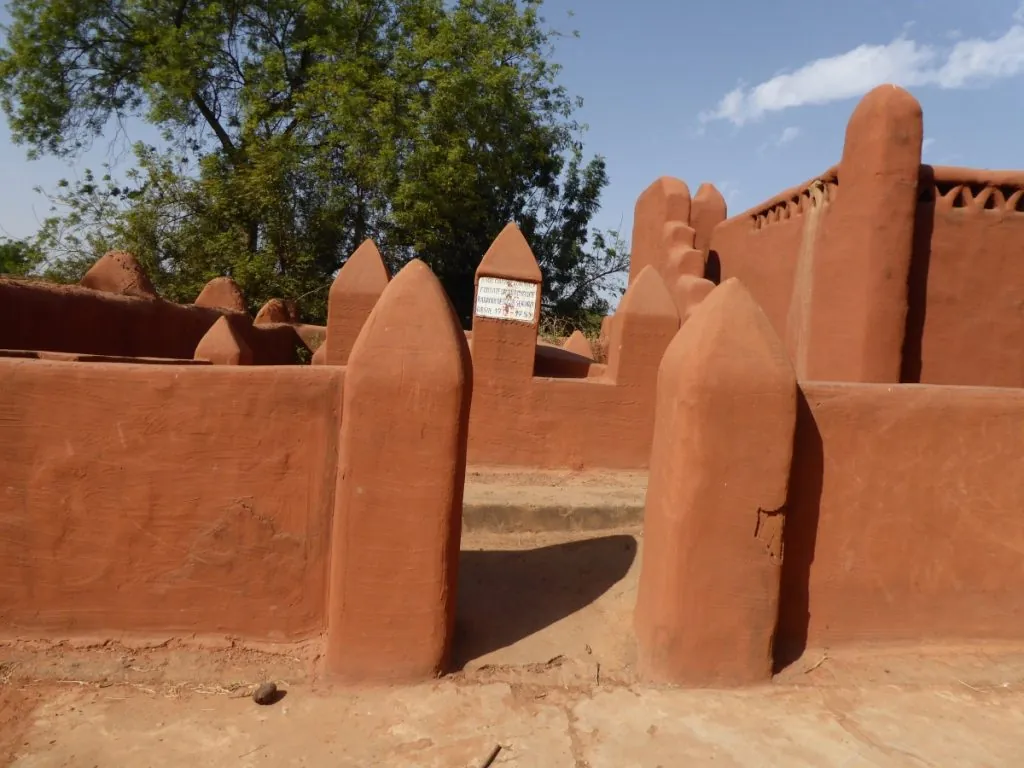
We visit the King's old castle/fortress, it was built in 1712 and has been preserved and renovated over the centuries. The king reigned for 43 years.
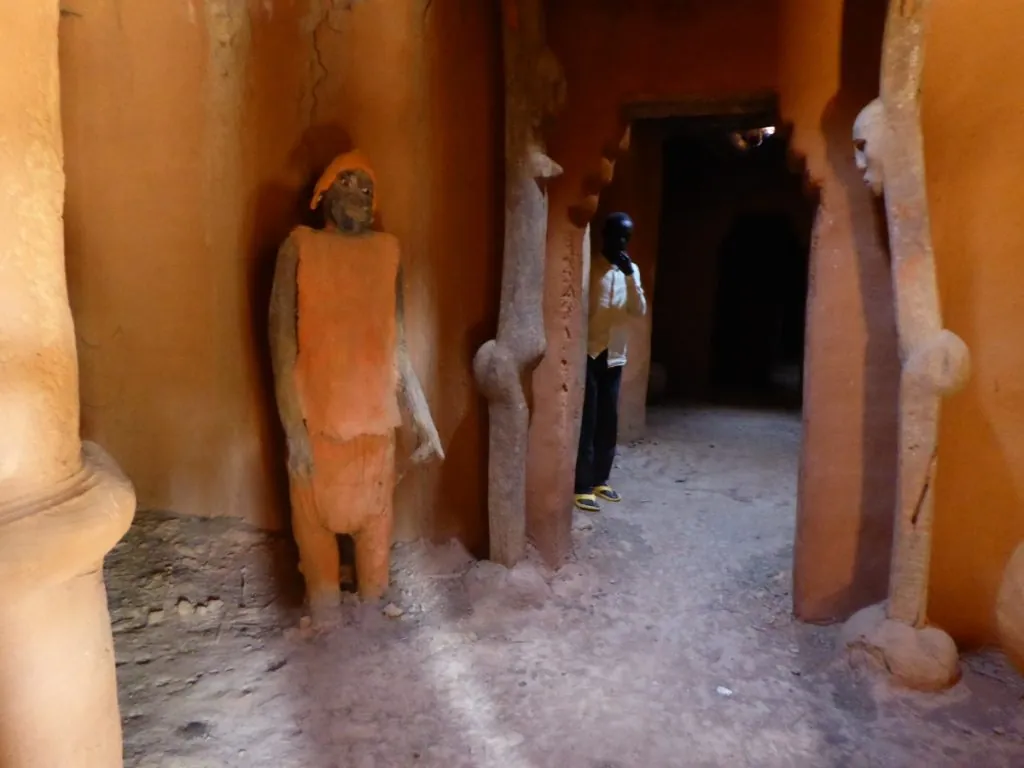
The spectacular mosque was built by King Butin, himself a non-believer, for his mother, a Muslim. It was built in 1749.
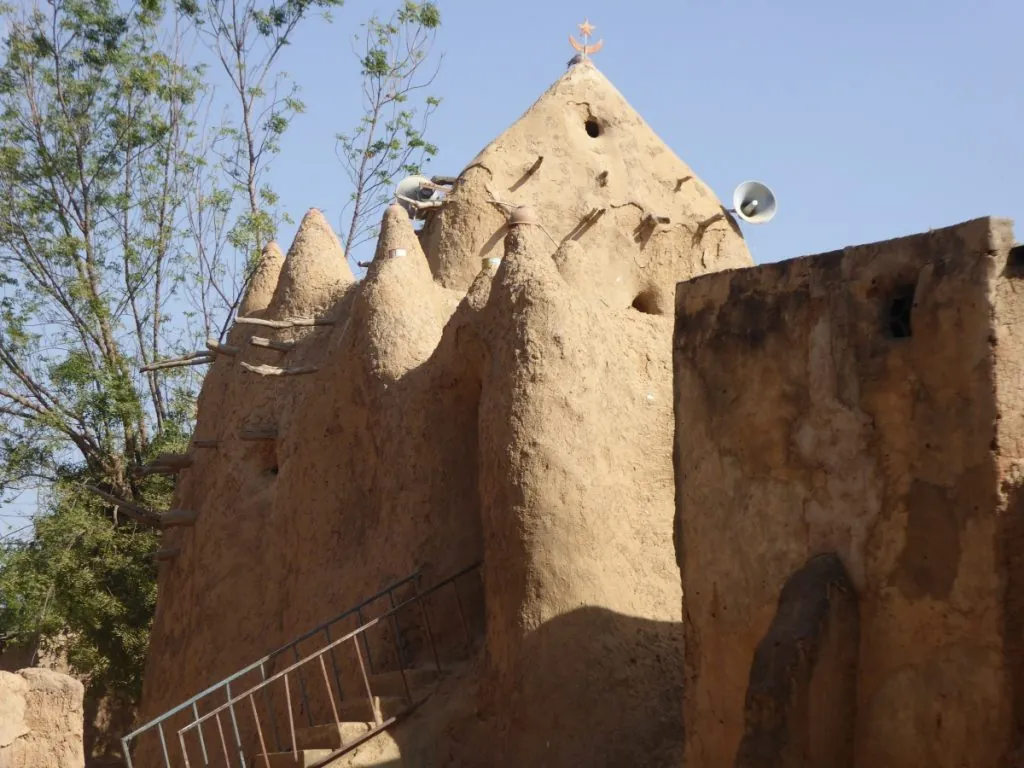
The newer Ségou is a vibrant city known for its wide-ranging culture of music and crafts. Pottery making and the Bogolan batik, so typical of Mali, have their roots here.

Music yes, every year the great Festival sur le Niger de Ségou is held, the festival that attracts people from all over the world and many famous artists.
I check in at Hotel independence, way too fancy really and I'm always a little ashamed when I stay a little luxurious. According to Swedish standards, possibly three-star. The pool is unfortunately completely empty, it would have been nice with a dip.

The French colonial-style hotel is located right on the Niger, the hotel restaurant is right across the street and it has a great terrace overlooking the river.
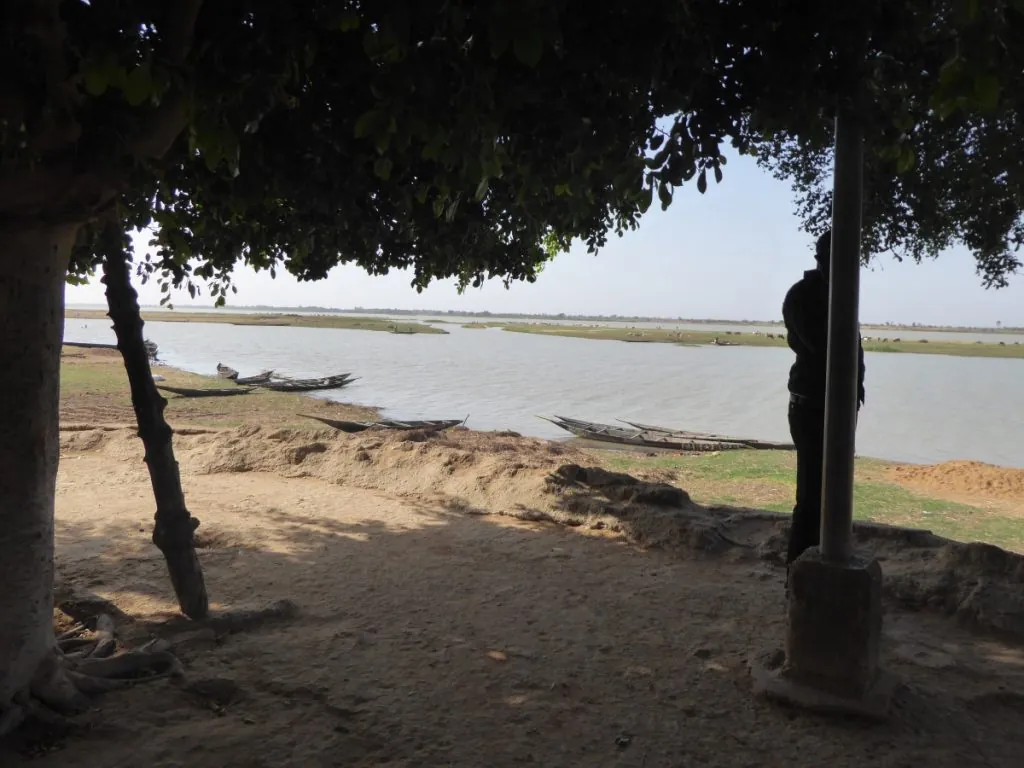
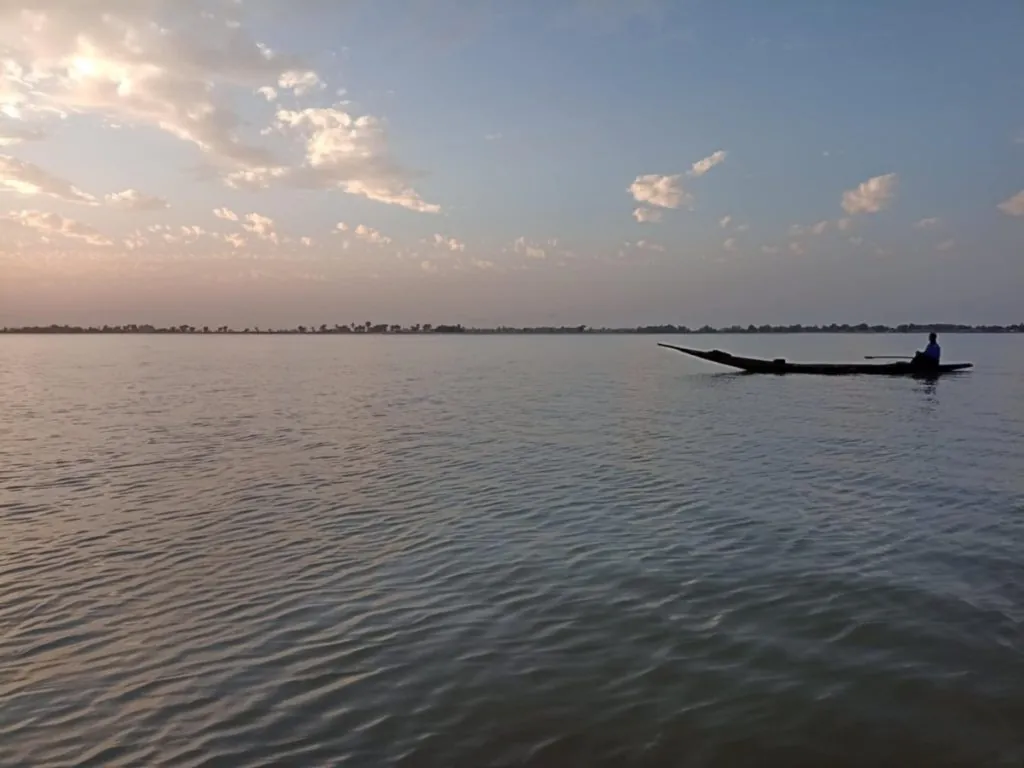
Before the sun goes down, we take a trip on the Niger, Africa's third longest river. The Niger River starts in Guinea and flows through Mali, Niger, Benin and Nigeria where it ends in the Atlantic Ocean. 2400 km!
The river has always played an important role as a transport route, and still does today. I was actually quite surprised when I saw that there were actually inhabited islands. And yes, there are both crocodiles and hippos but they stayed away unfortunately.
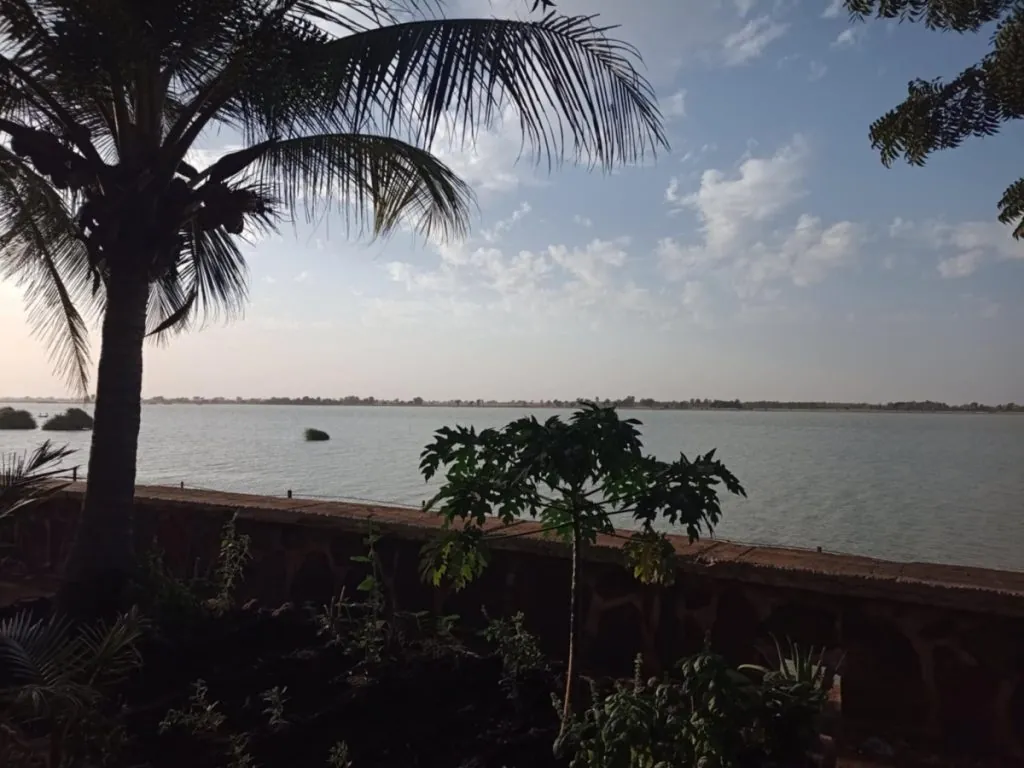
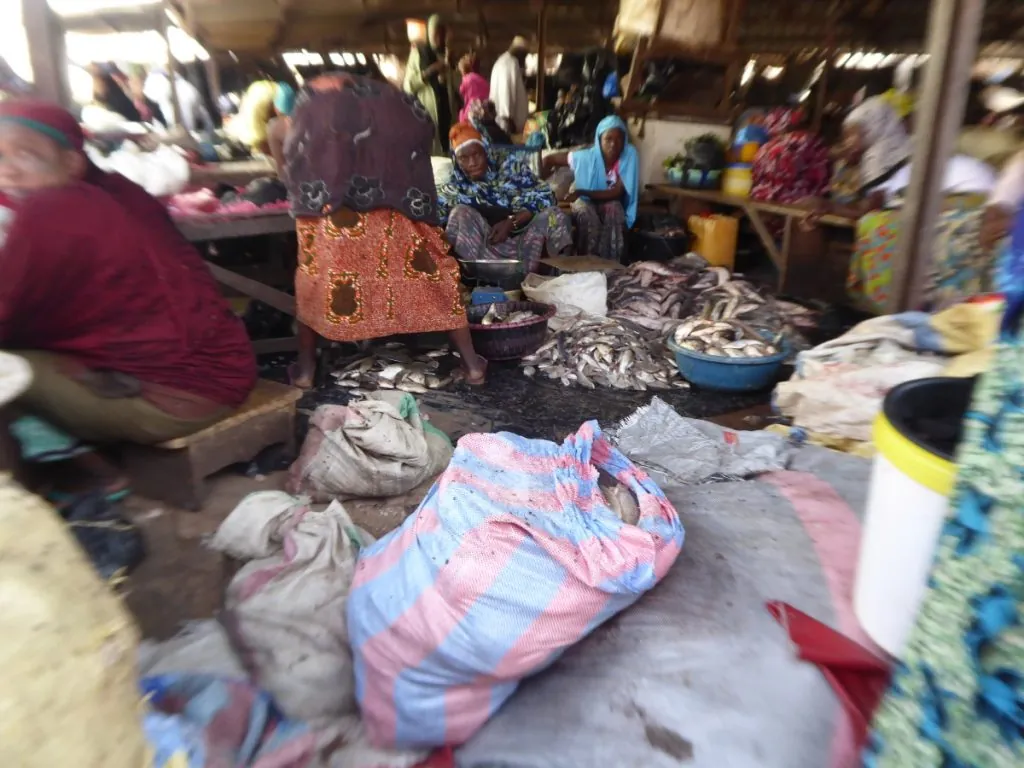
Of course, fishing is a major source of income, with nets being set in the evening and scented at sunrise. When business picks up at the nearest village market, there's fresh fish!
Along the river banks, cultivation is common, in this dry landscape the crops are irrigated with the river water. Lettuce and other vegetables glow bright green in contrast with the red soil.
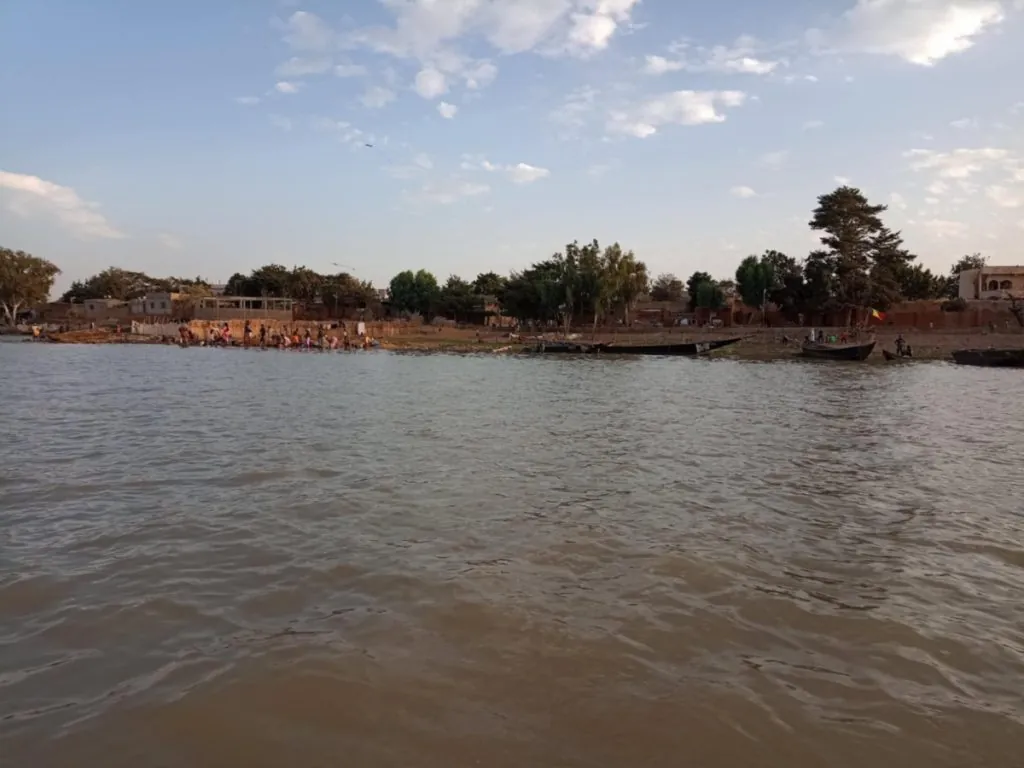
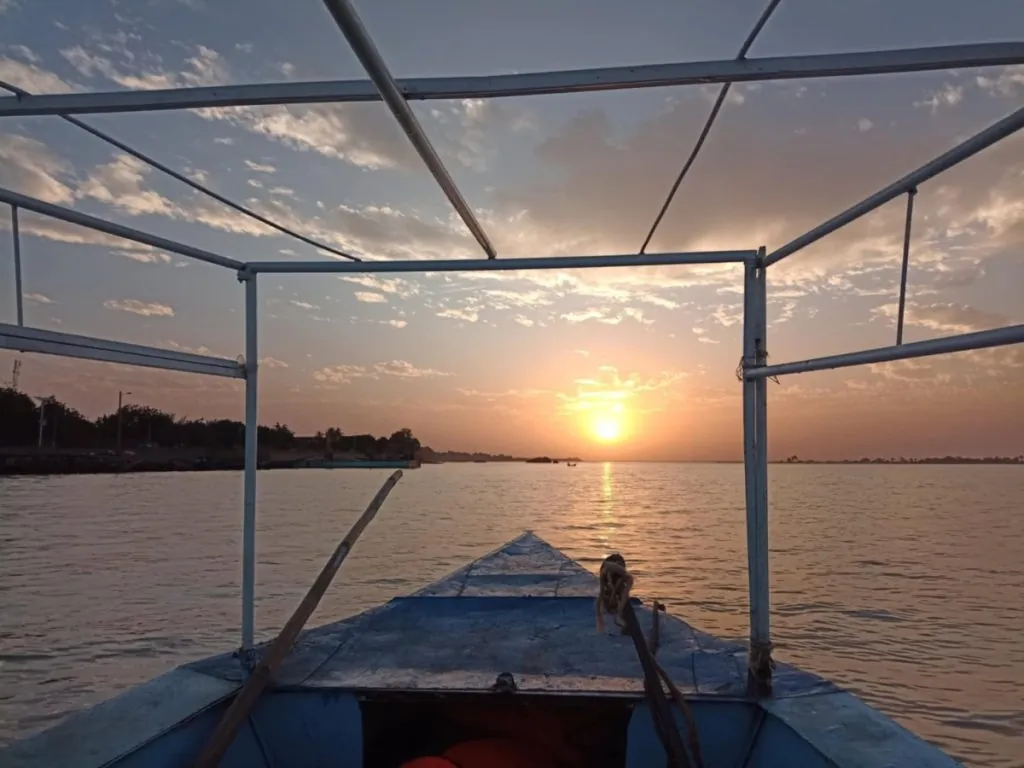
The sun goes down, colouring the sky in all the colours of the palette, I have dinner on the terrace, crushing stubborn mosquitoes and seeing hundreds of flying big bats.
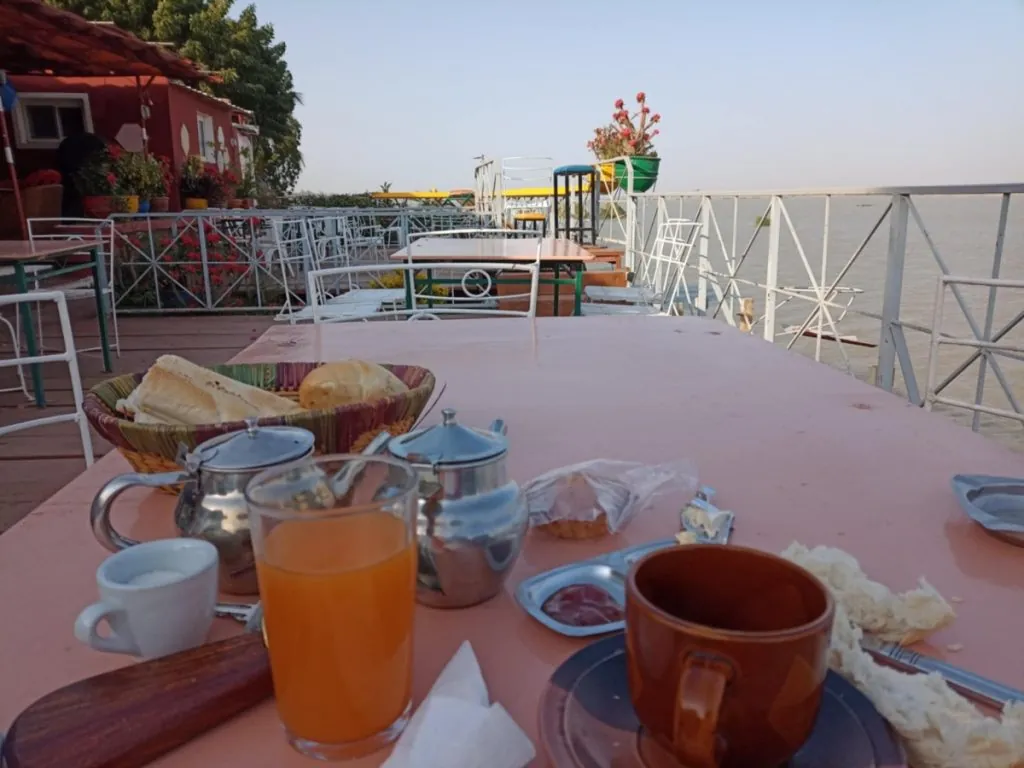
Breakfast on the terrace was not entirely out of place ...
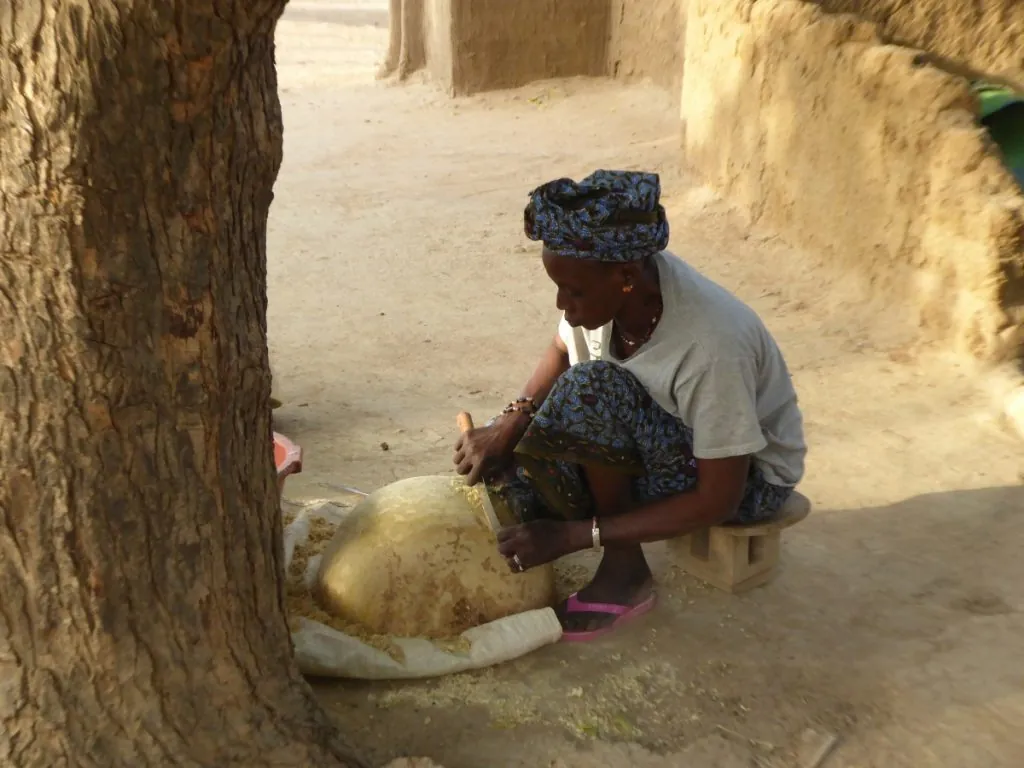
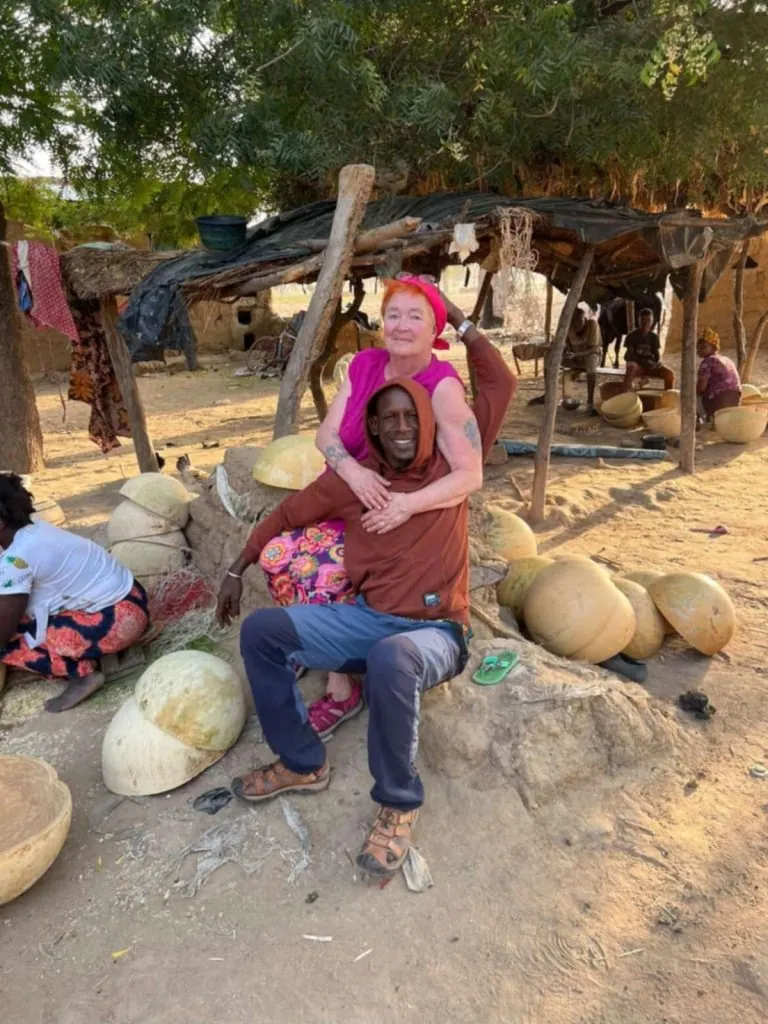
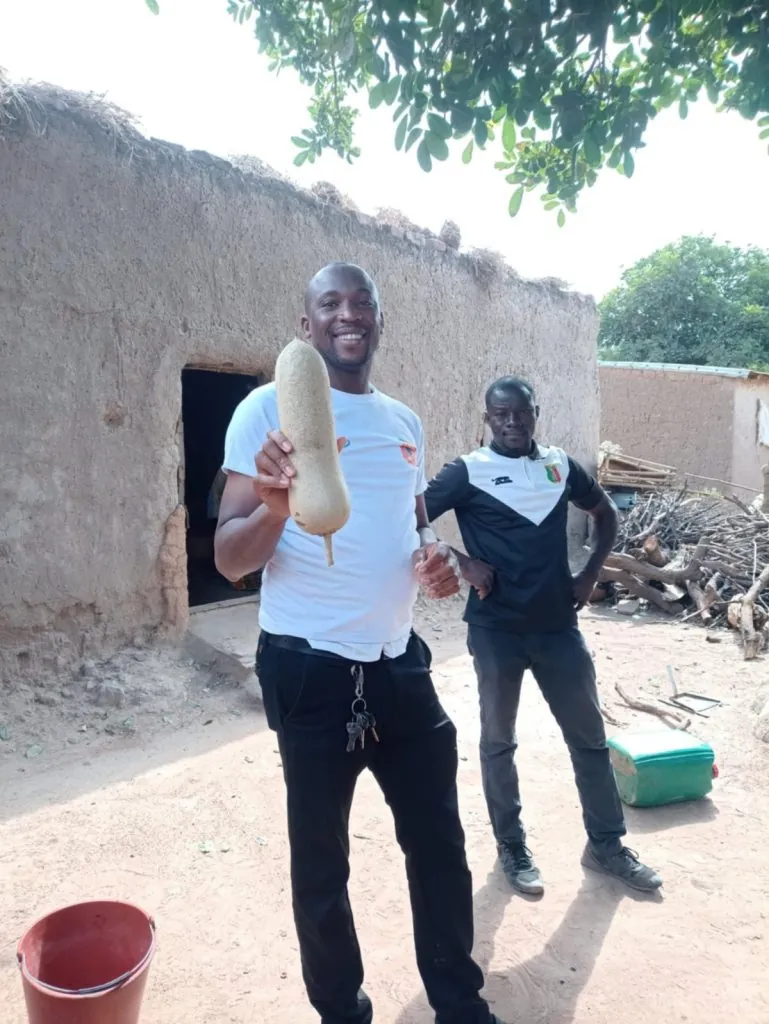
This day was of the calmer kind, enjoying life by the river and reading a little. In the afternoon we go to a village with a speciality, namely gourds, which includes the whole village in terms of work.
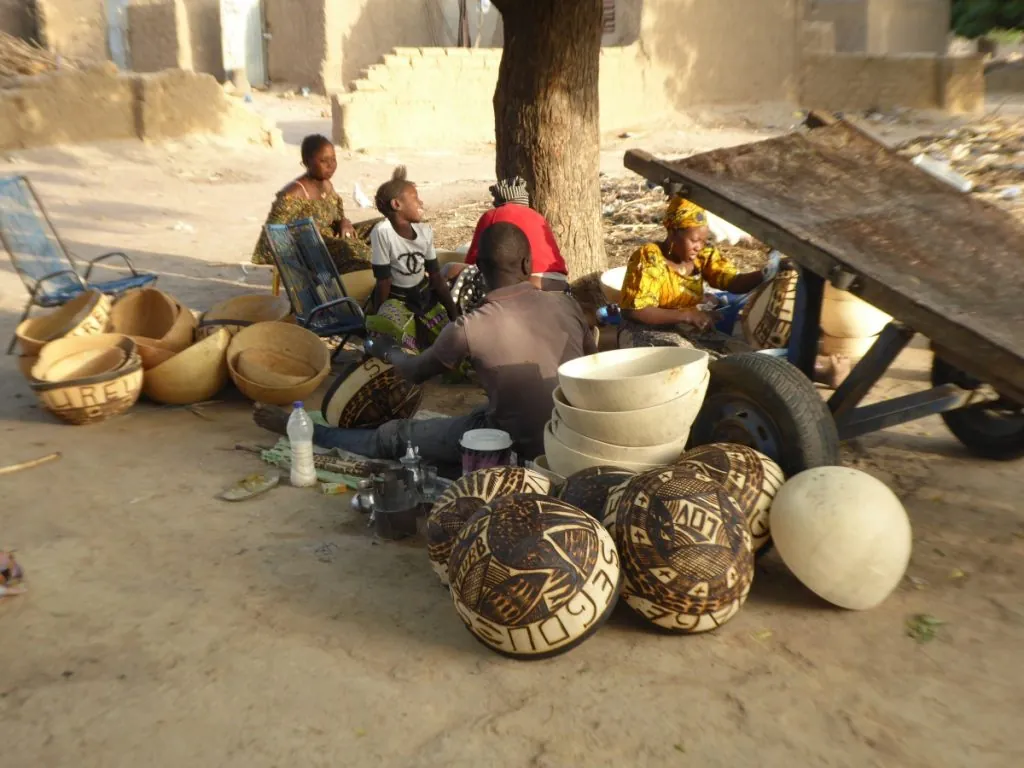
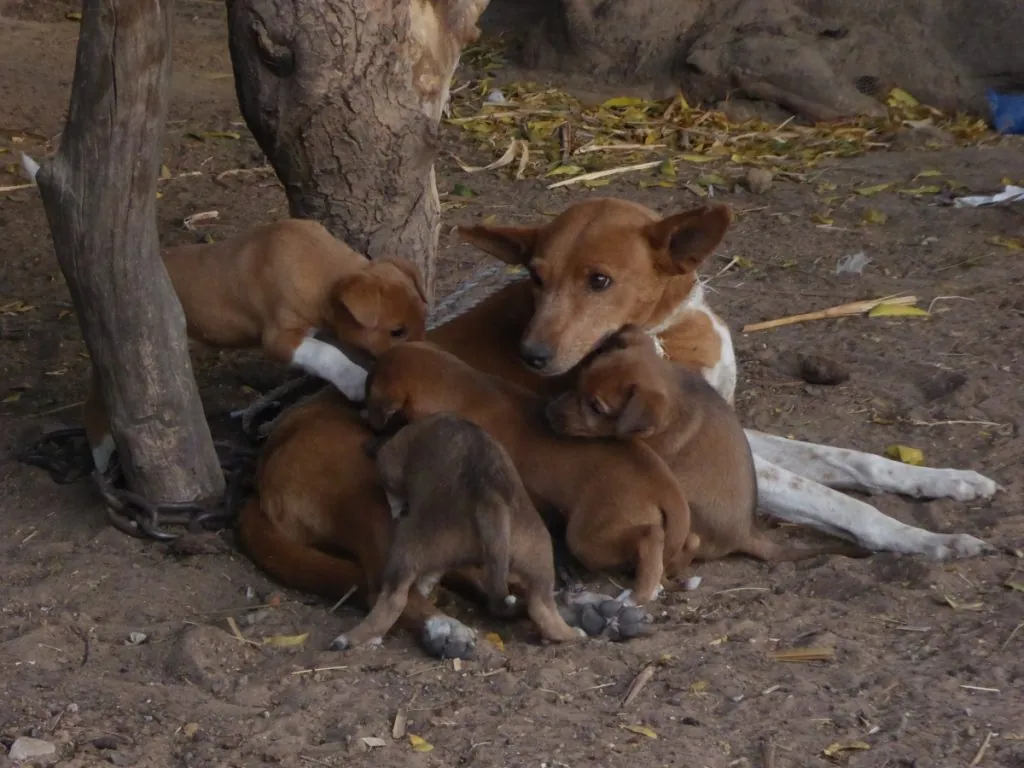
At this time of year, the fields are empty and the gourds are already harvested. The dried gourds are hollowed out, rinsed and then ground silky smooth.
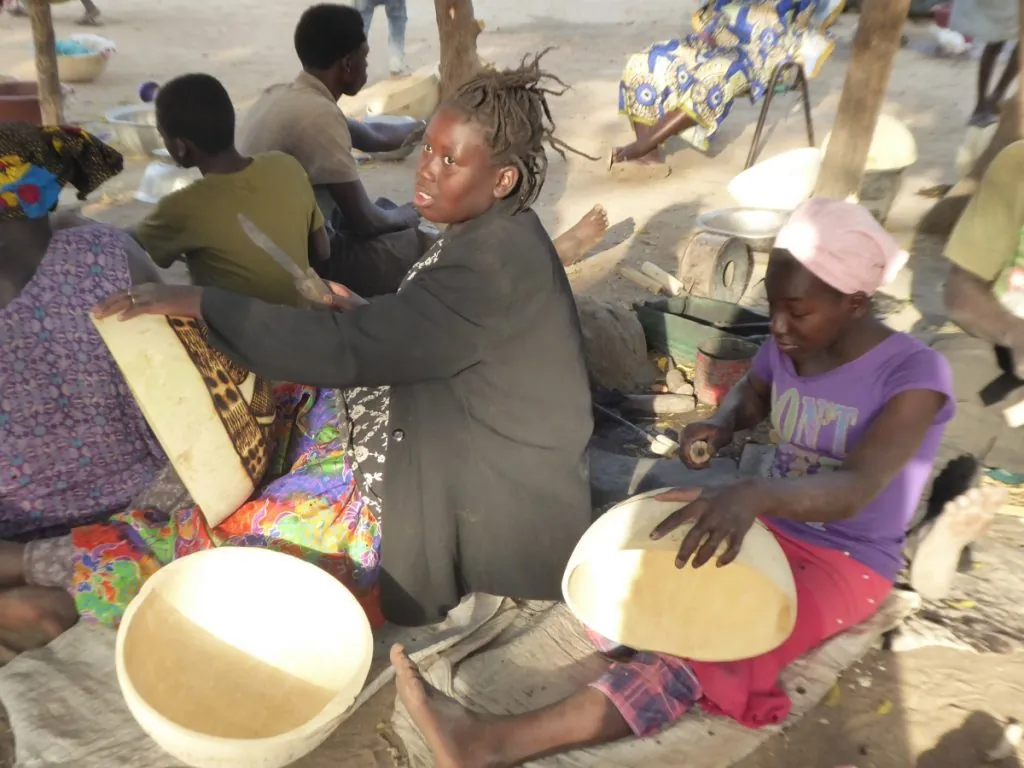
The work is done by several generations, a boy keeps the fire going to warm the tools, mum and grandma wash and sand and dad decorates!
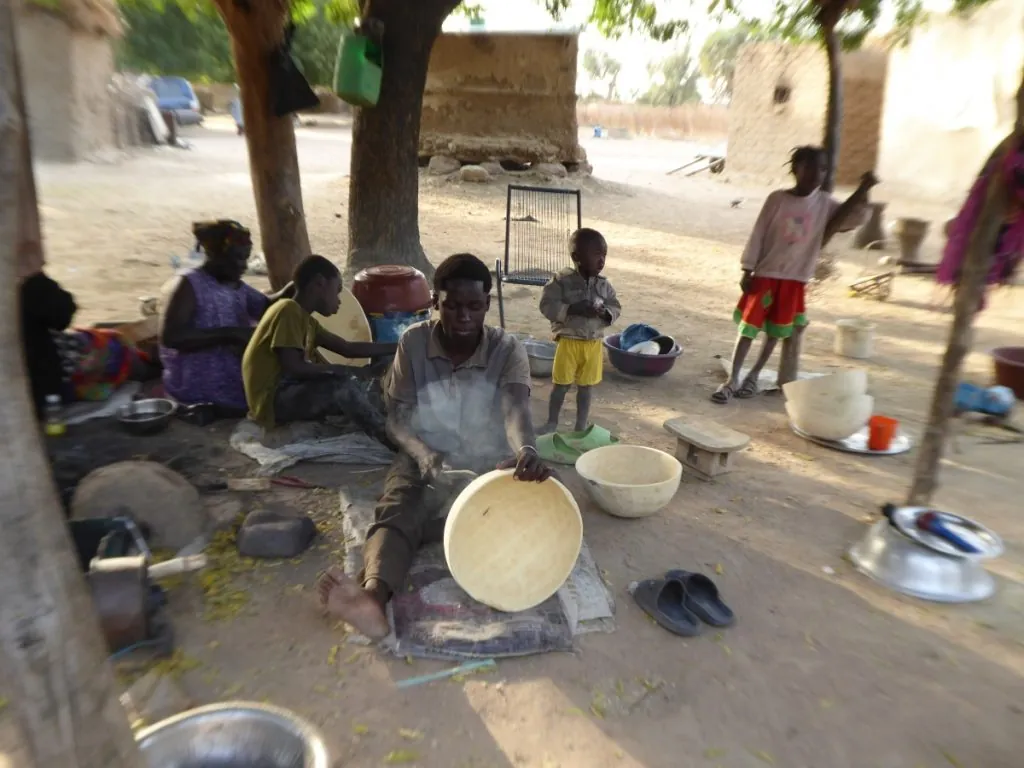
The craft is finished with decorations, these are burned in with a glowing tuning iron. The beautiful objects are used in the kitchen, as storage or as for me; a nice memory from Mali.
The journey comes to an end and we head back to Bamako, the traffic and exhaust fumes ...
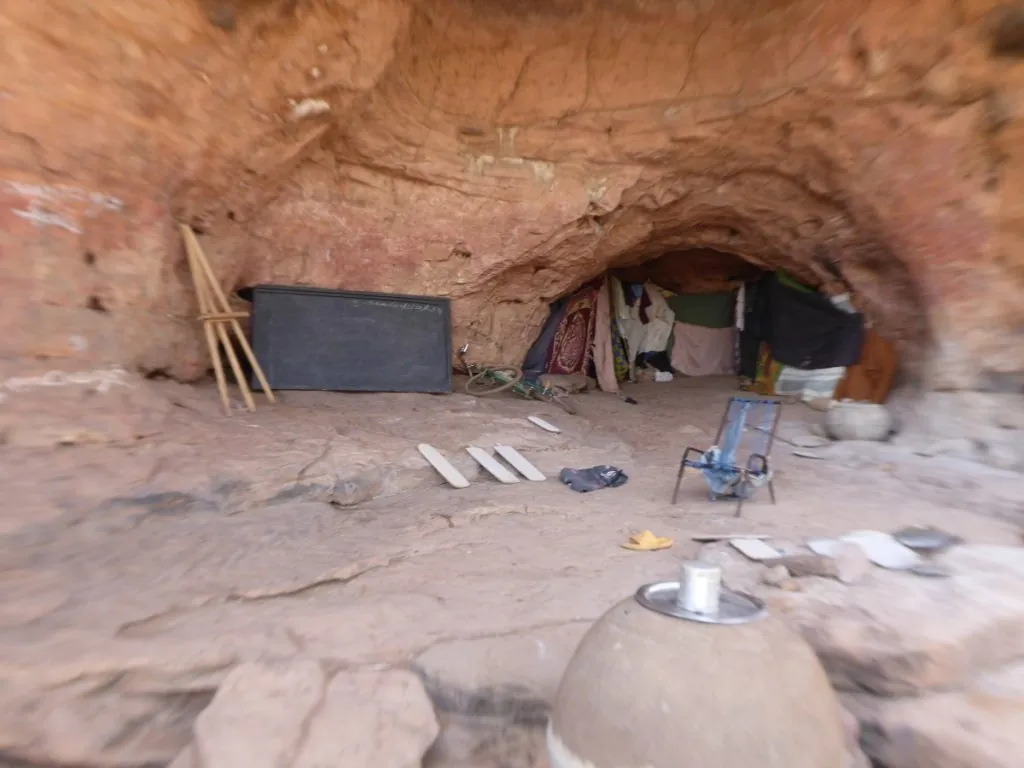
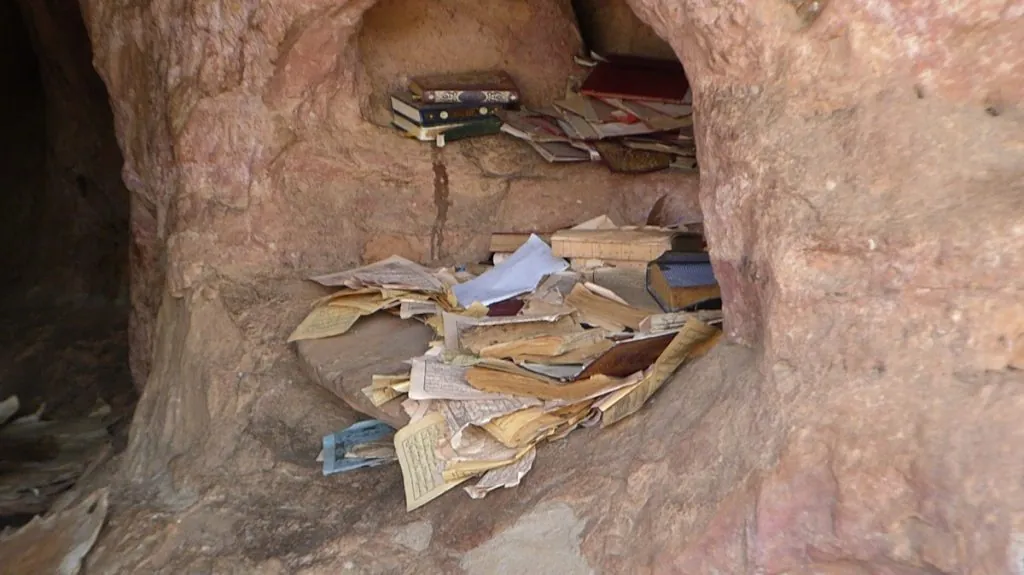
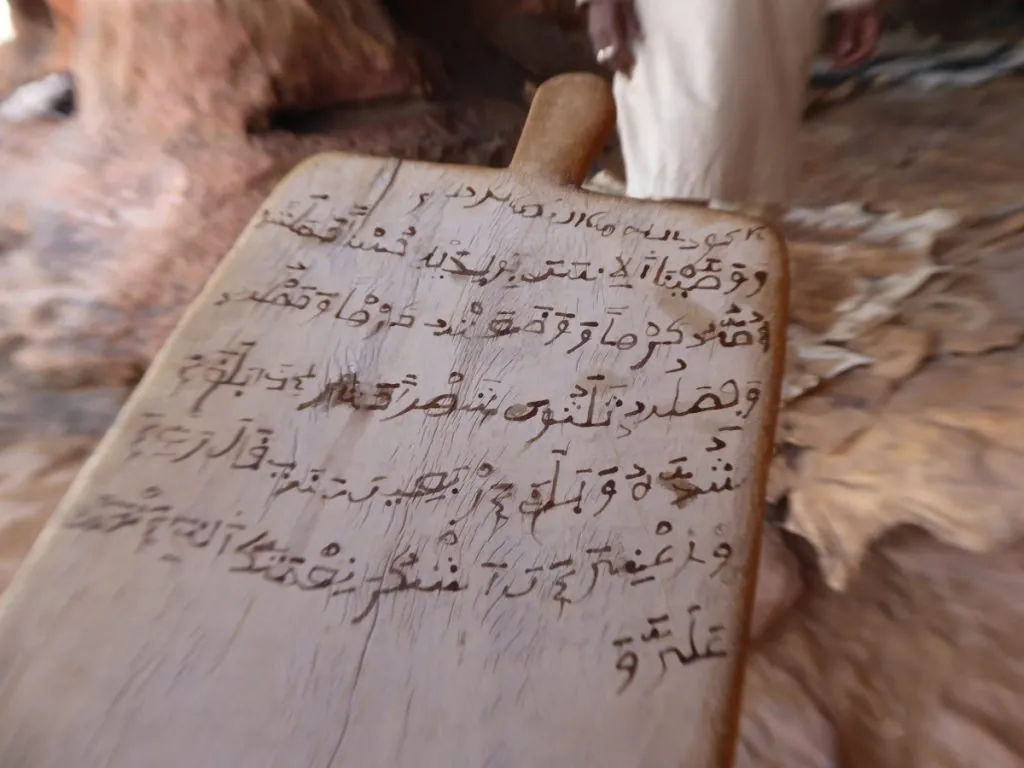
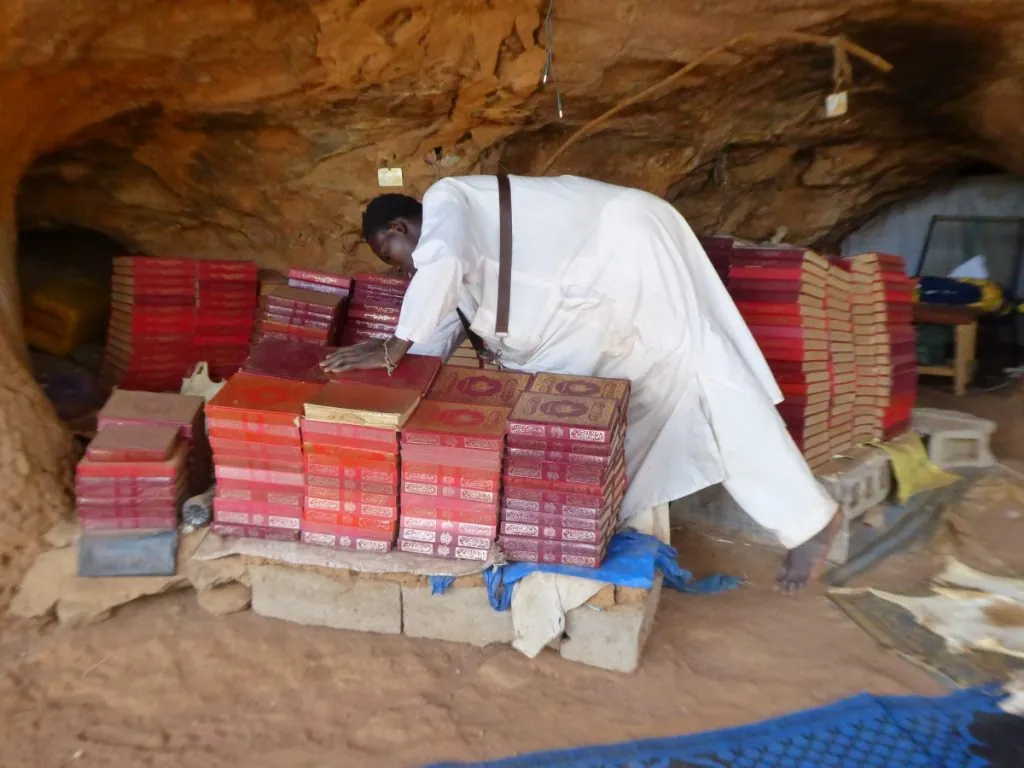
Koulikoro is 35 kilometres from the capital, we will stop there. See the crouching camel? That's the mythical Niamé Fara where people go to meditate and seek peace. Right next to it is the Faramissi Cave, which is actually a mosque visited by pilgrims every year.
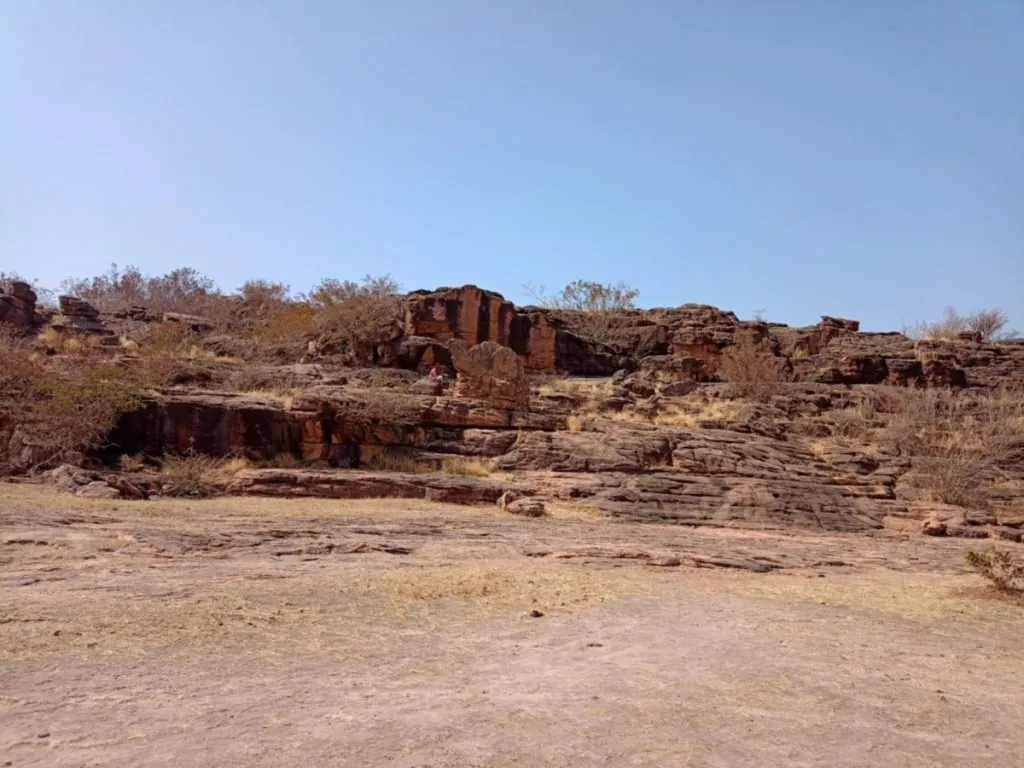
The cave also hosts a Koranic school.
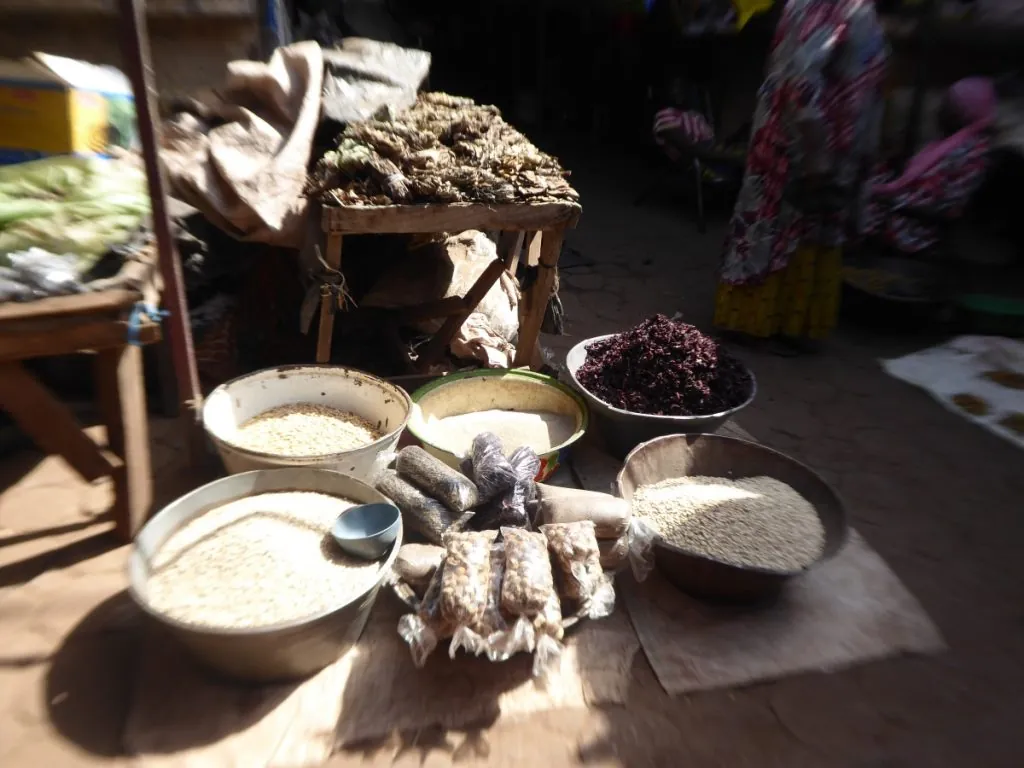
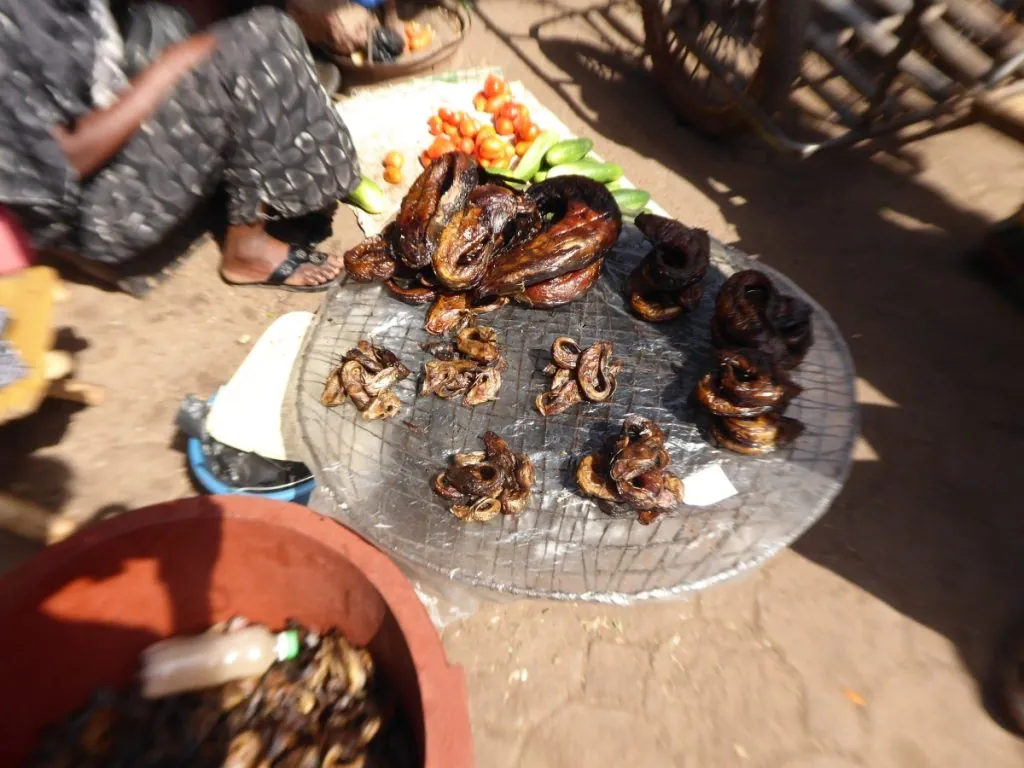
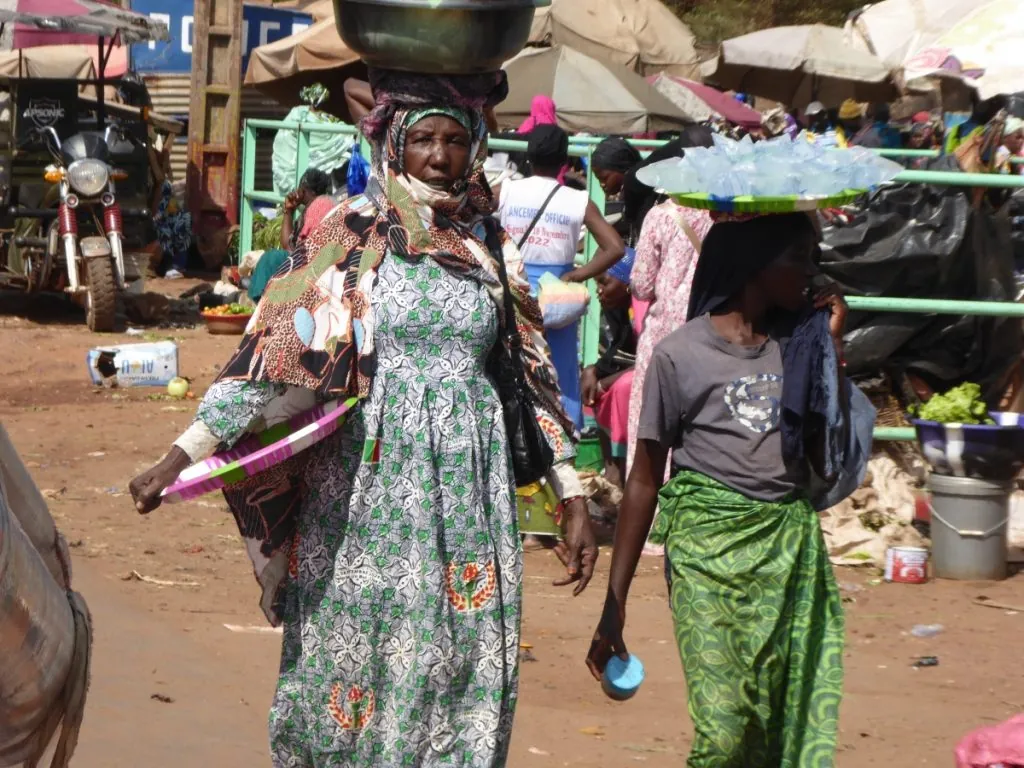
A pit stop at a market, as exuberant as any other.
A final visit will be to the co-operative that works with Bogolan technique, a kind of batik. Bogolan, or mudcloth in English, is a way of creating beautiful patterns with fermented clay and plant extracts. The tradition is centuries old and originates from the Bambara people.
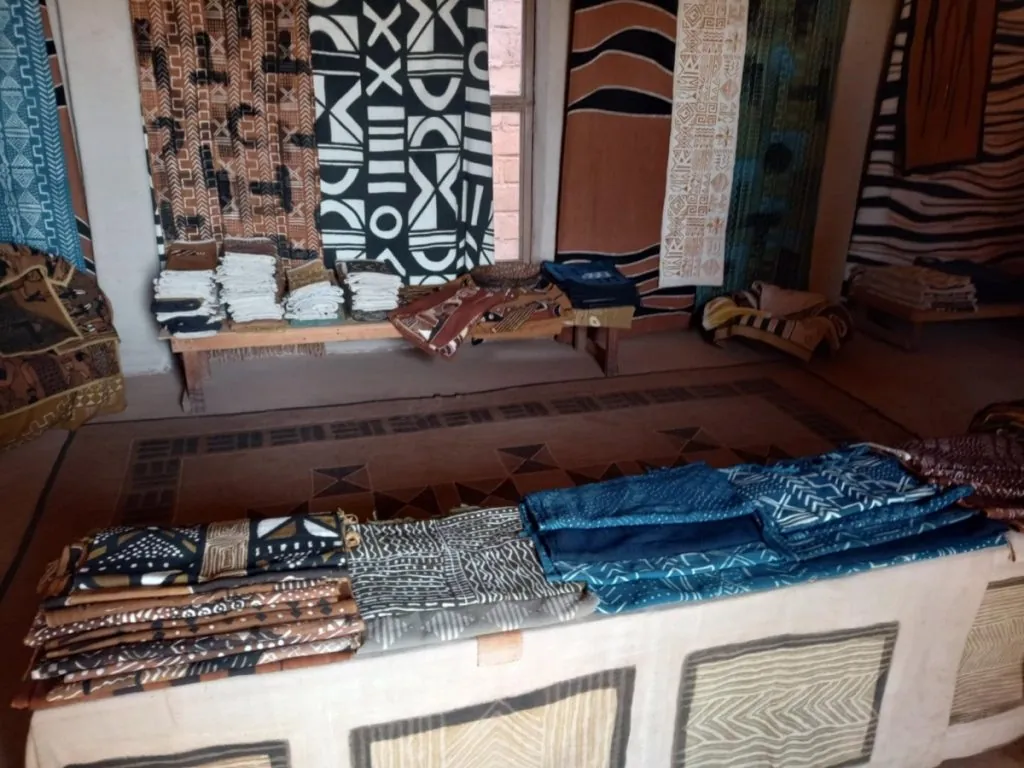
The fabrics, woven cotton fabrics, are first dyed yellow with extracts from a tree, African birch, then sun-dried and then painted by hand with the clay that can last up to a year in its fermentation vessel.
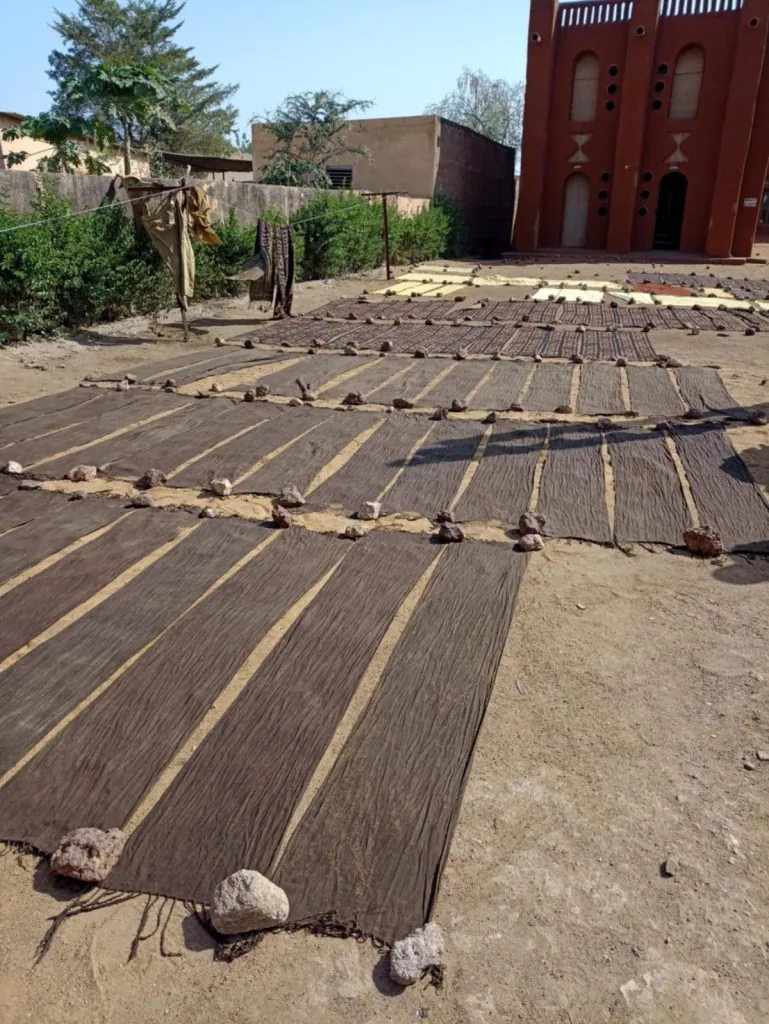
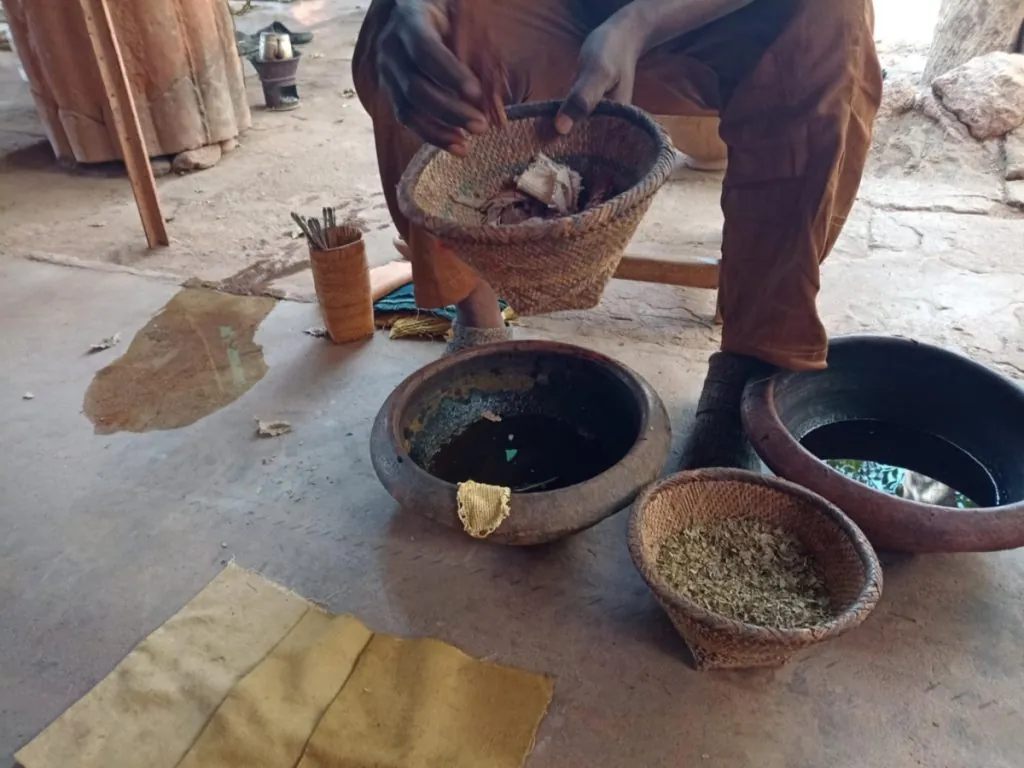
The details are symbols for different things like crocodiles, warriors etc. The next step is to paint in empty fields with other plant decoctions, dry and then rinse.
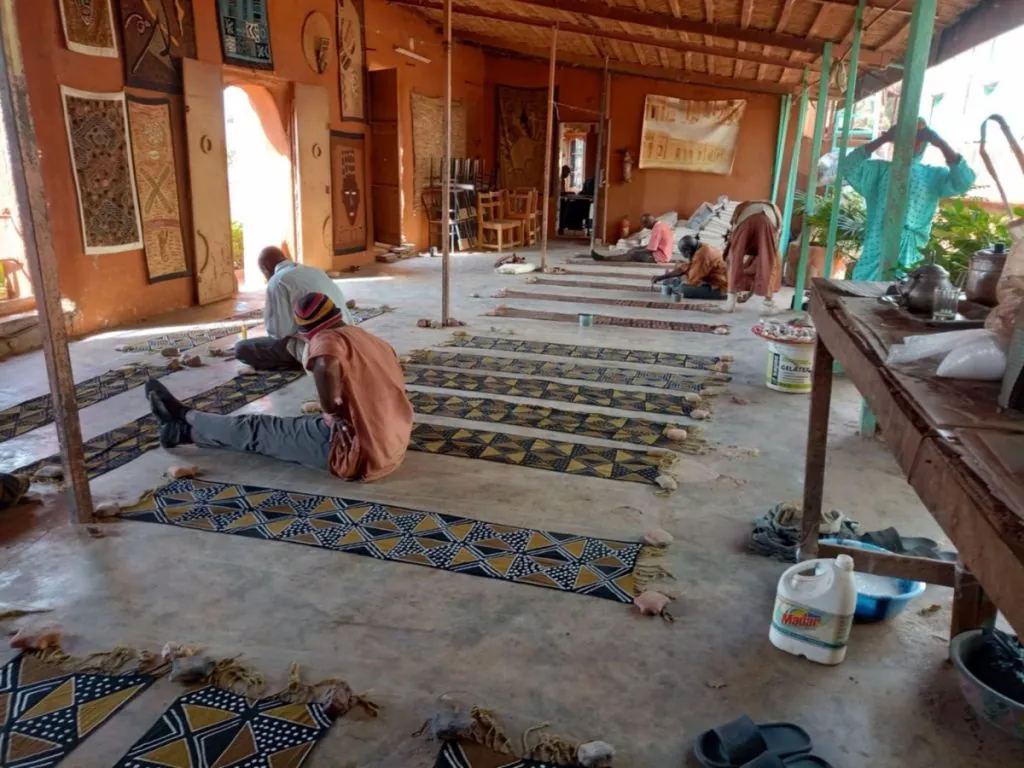
Bogolan is something very typical of Mali, although it has now found its way to the outside world. I buy a couple of metres of fabric, go to the tailor and have a skirt made. A nice memory.
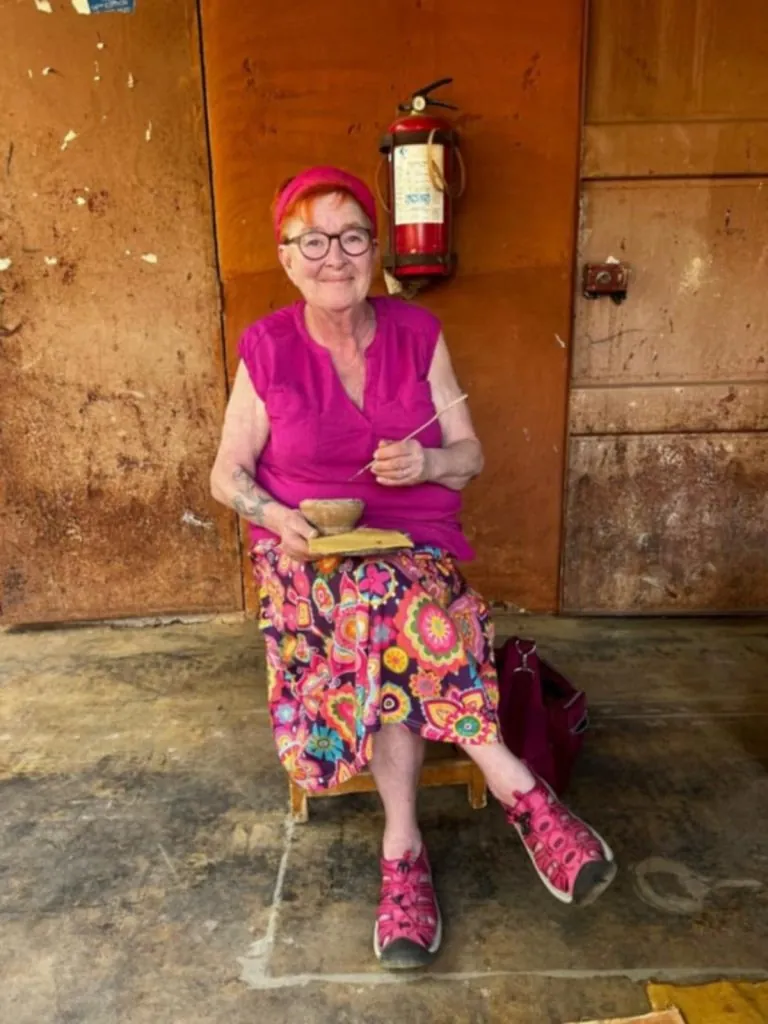
The last day is spent resting, solving crosswords and packing at The sleeping camel, my plane leaves in the middle of the night and I treat myself to a lounge visit à la low cost in Cassablanca. Tired packed lunch boxes and dry cakes, but there was a smoking room!
So I have now ticked off another country in Africa! A fantastic country with many interesting cultural experiences, spectacular nature and above all friendly people. Without my great guide Amadou and driver Aboucabar this trip would not have been this good, thank you very much.
Next trip ... Gabon!
Follow Anna here:
Anna Nilsson Spets
You might also like:
 Siby village in Mali - Aunt Anna and the magic masks
 Film and TV series shooting locations - 10 places to visit
 Mali in West Africa - Aunt Anna among ants and motors
 Underground river in Puerto Princesa - Unesco heritage in the Philippines
 Uzbekistan - a journey along the Silk Road
 Aunt Anna among coffee and pancakes in Ethiopia



 English (UK)
 Svenska
Znogge says:
Yes, what an experience this trip was and so much you have seen. It is a completely different thing when you get away from the big cities and instead close to the ordinary population. Our youngest daughter did her specialised work in Bangladesh and lived in a small rural school for two weeks. An experience too, even if not everything was fun to see. However, that is the reality.
Do you aim to visit every country in Africa? Then it's good to have a personalised and skilled guide because it simplifies things.
04 February 2026 - 9:57
Anna Nilsson Spets says:
Yes I have seen lots of interesting... The goal is not to visit all the countries of Africa, I can not afford it, Next trips will be Gabon and then Congo DCR.
I'm glad your daughter was in Bangladesh.
04 February 2026 - 18:39
bmlarsreseblogg says:
Thank you for taking me to another African country, where I will never go myself. Fantastic experiences and wonderful people! We have only ticked off eight countries in mostly southern Africa but the continent is amazing!
04 February 2026 - 10:00
Anna Nilsson Spets says:
Southern Africa is beautiful and I would probably like to go to Namibia.
Thanks for reading, have a good time.
04 February 2026 - 18:40
BP says:
Well, that was the end of that trip. Of all your travelogues that I read, this one was the most ”exotic” I must say. And the most courageous of you. Two things that surprised me in this post:
The crypt and the mosque were really ”lavish” and nice compared to how the indigenous people live today. Moon marriage can have its advantages, but not necessarily when the parents choose the wives for the guy.
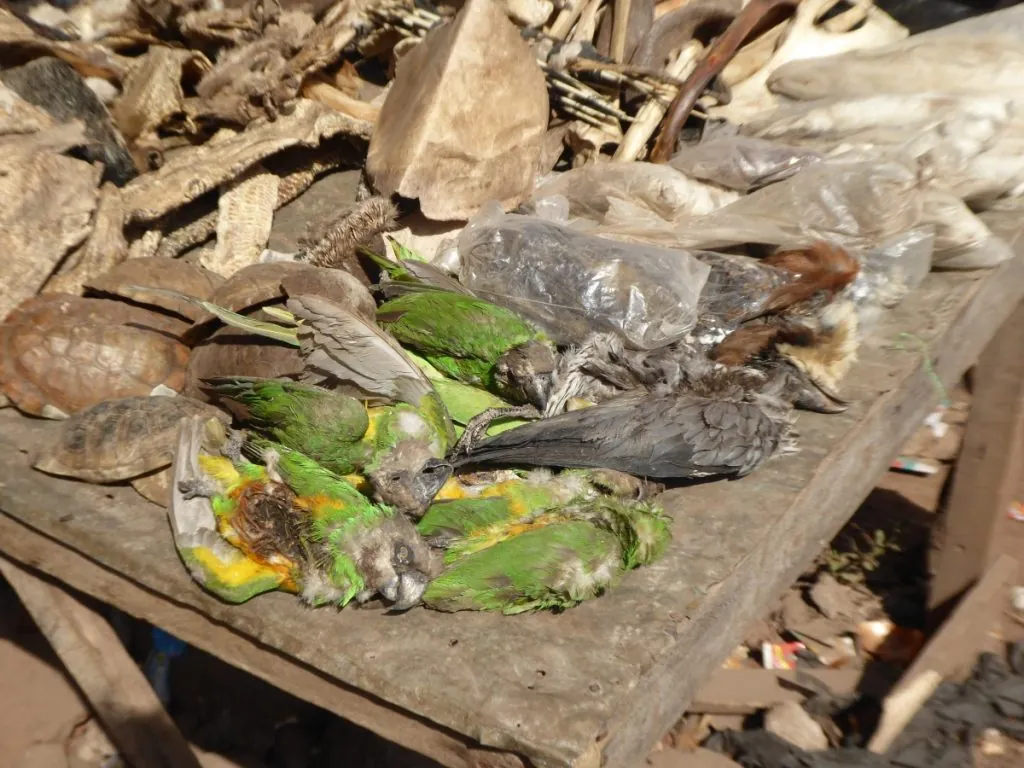
Yes on one of the last pictures I see both dead birds and turtle shells. Are these dead ”creatures” also used to make the special batik or are they eaten as food...
I'm glad you bought a few metres of cloth and had a tailor make a skirt for you. I remember my husband doing the same thing in Banjul, Gambia. He chose hand-printed batik fabric and had a tailor at the local market make him a dressing gown.
Gabon next then:-) Exciting:-)
04 February 2026 - 19:16
Anna Nilsson Spets says:
Well now this one is over and you just have to save up for the next one !
The dead animals are used for rituals and folk medicine.
The fabric is great and the skirt looks nice
Take care
05 February 2026 - 6:03