

Writer: Helena Bergström
In Sweden, we associate Easter with herring, eggs and maybe a piece of lamb. But in other parts of the world, the Easter table looks very different. From sweet pastries in southern Europe to rich soups in eastern Europe, food reflects history, religion and local produce.
 Tweet
 Share
 Share
 Pin
 Share
 Share
Here are some of the world's most exciting Easter dishes - and where you can experience them.
Table of contents
Italy - sweet cake and long lunches
In Italy, Easter is one of the major food holidays of the year. Many gather for long family lunches where lamb, artichokes and local specialities take centre stage.
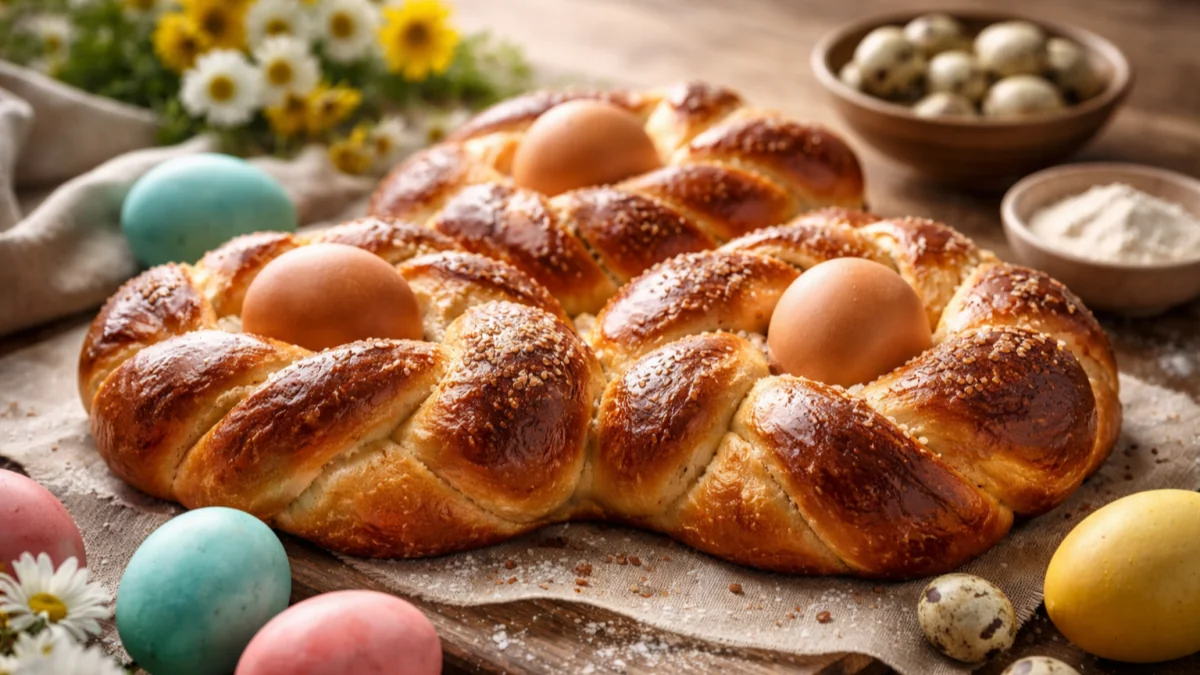
The most iconic symbol is the Colomba di Pasqua - a soft cake shaped like a flying dove. It is often eaten with coffee and marks the end of Lent.
Where to experience it: Smaller towns and rural areas often offer the most genuine experiences.

Greece - grilled lamb and nightly traditions
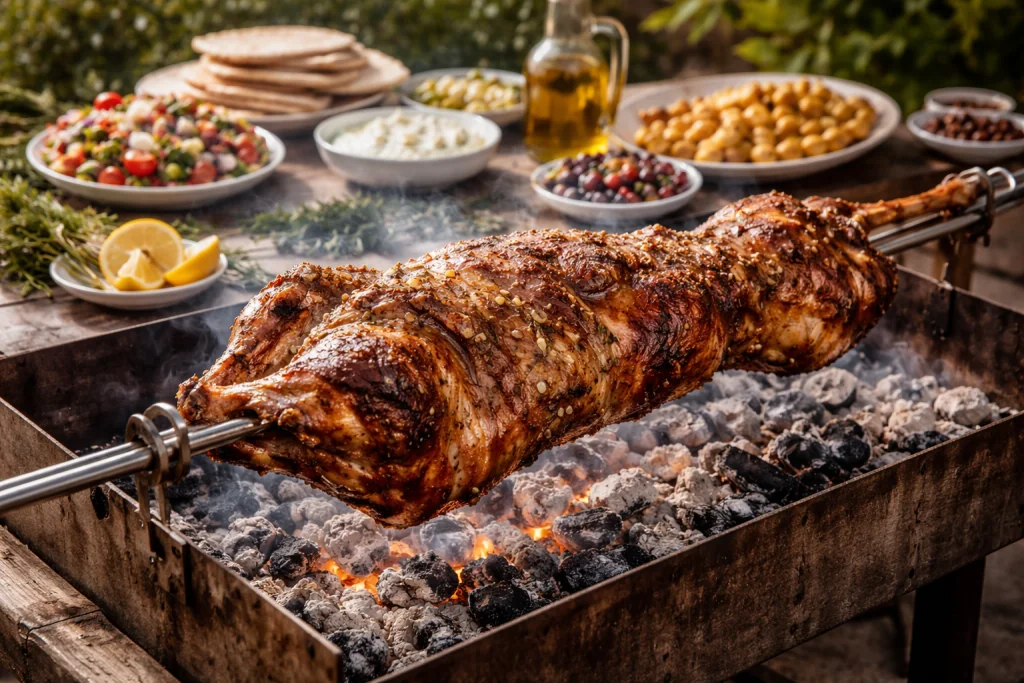
In Greece, Easter culminates in a big family feast. After midnight mass, the fast is broken with a soup called magiritsa, and the next day lamb is slowly grilled over an open fire. The flavours are simple but powerful - lemon, garlic and herbs dominate.
Travel tips: On islands like Crete or Naxos, you'll get a more traditional experience than in the big cities.

Spain - sweetness amidst the drama
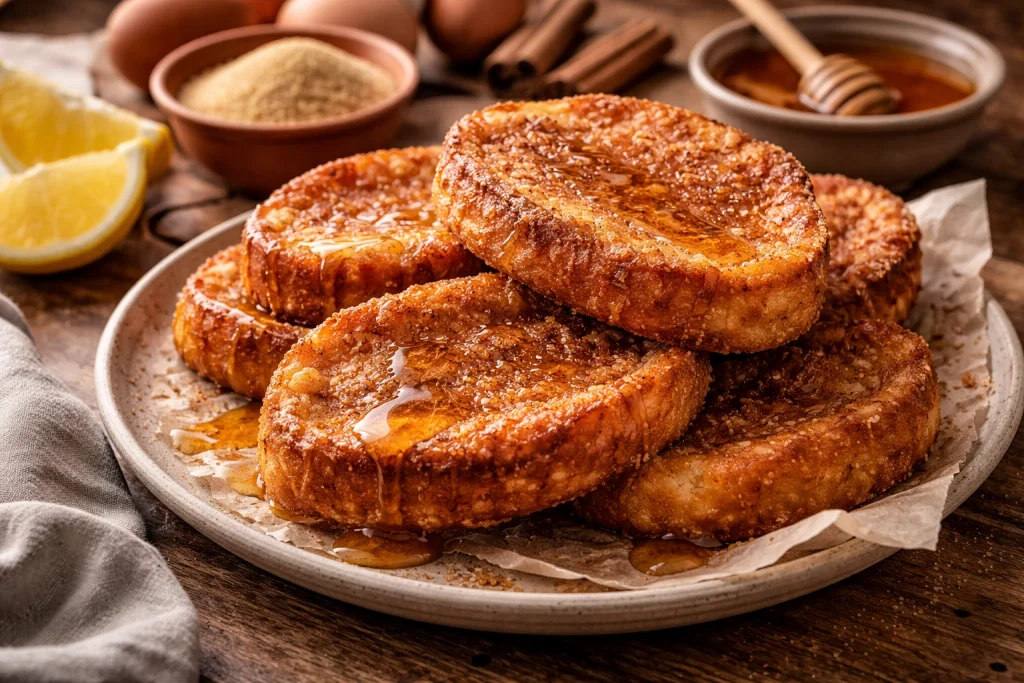
During Semana Santa in Spain, the streets are filled with processions - and the kitchens with the aroma of torrijas. This classic dessert, resembling French toast, is made with bread, milk, eggs and sugar - often with honey or cinnamon.
READ MORE: Semana Santa - Spain's mighty Easter processions

Poland - traditions in every bite
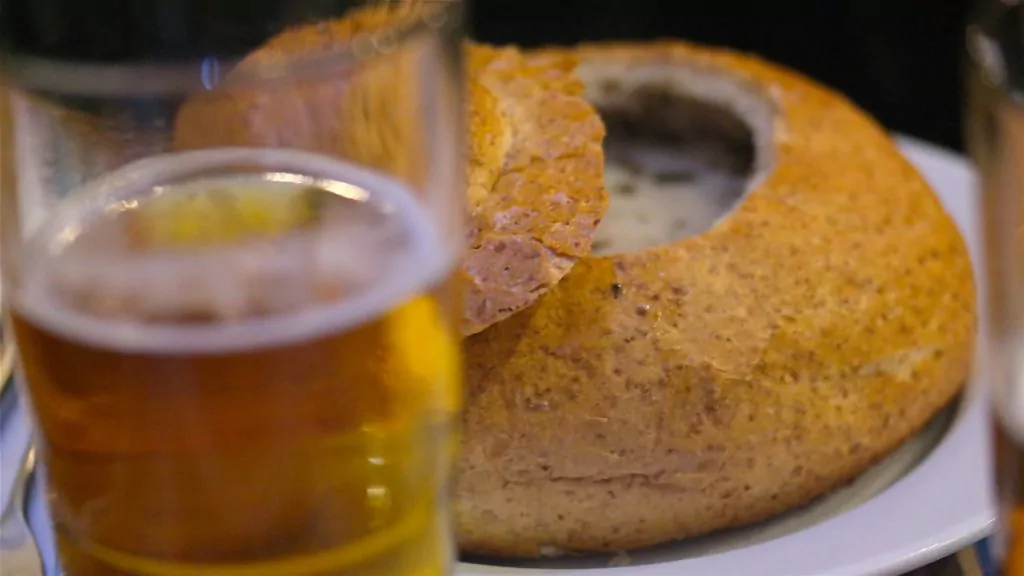
In Poland, Easter is strongly linked to both religion and food. Many families bring a basket of food to church for blessing. It is also traditional to eat the Polish soup zurek and biała kiełbasa (white sausage).
Did you know? Each ingredient in the Easter basket has symbolic meaning.
France - chocolate and classic elegance
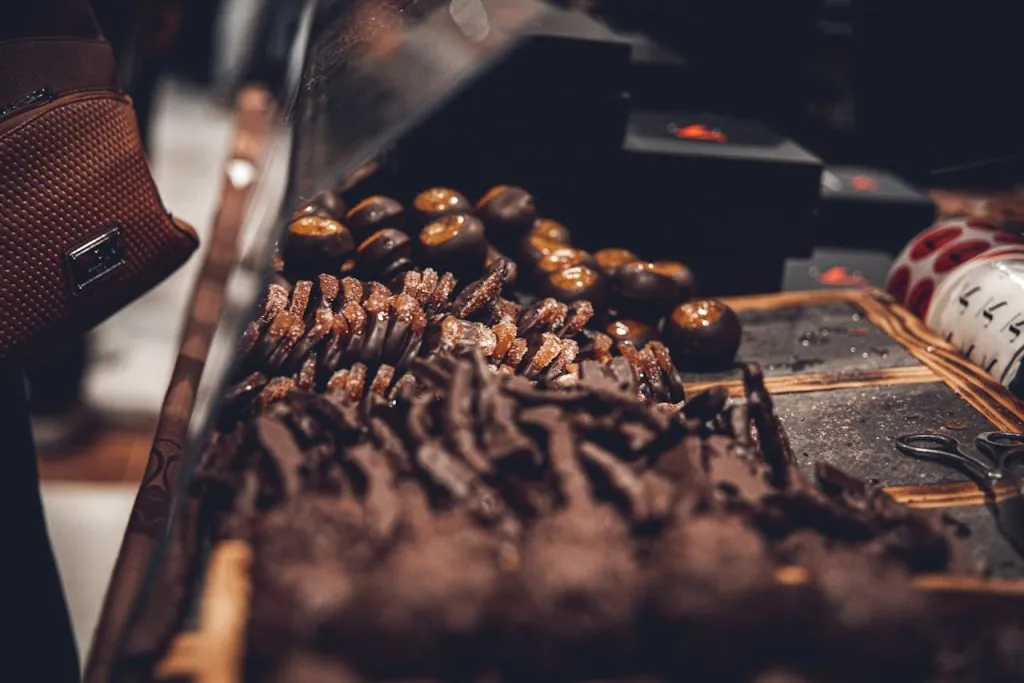
In France, Easter is both playful and gastronomic. Chocolate shops are filled with artistic creations, while many homes serve roast lamb.
Be experienced: Paris is perfect for both chocolate and Easter spirit.
Great Britain - spicy buns and tradition
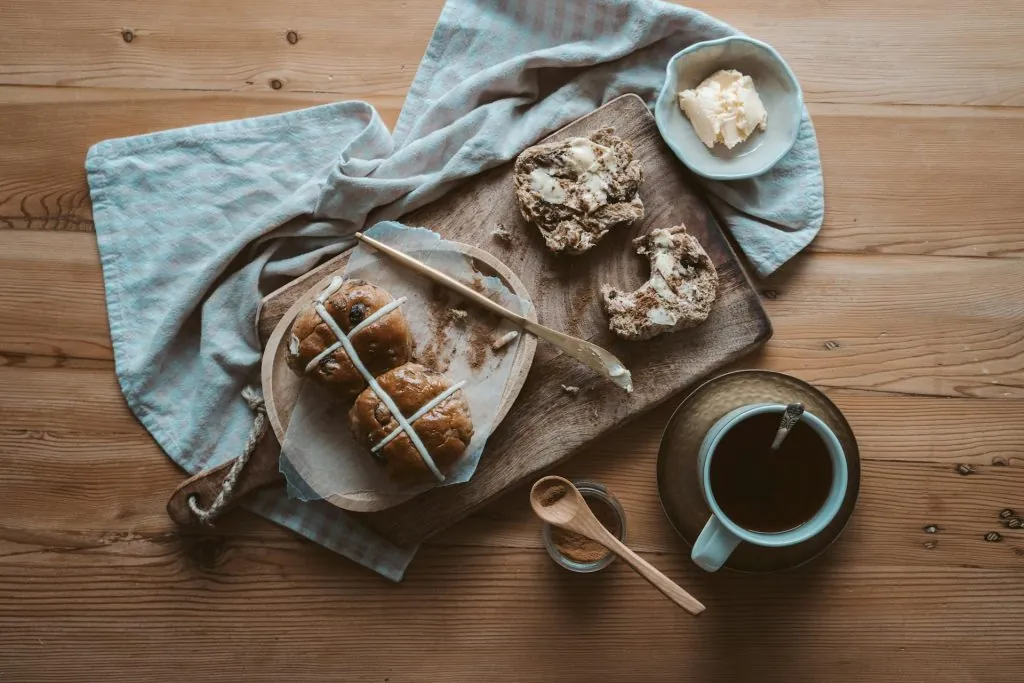
In the UK, hot cross buns are eaten on Good Friday. The soft buns with spices and raisins are recognised by their characteristic cross. They are often served hot with butter.
Portugal - bread with symbolism
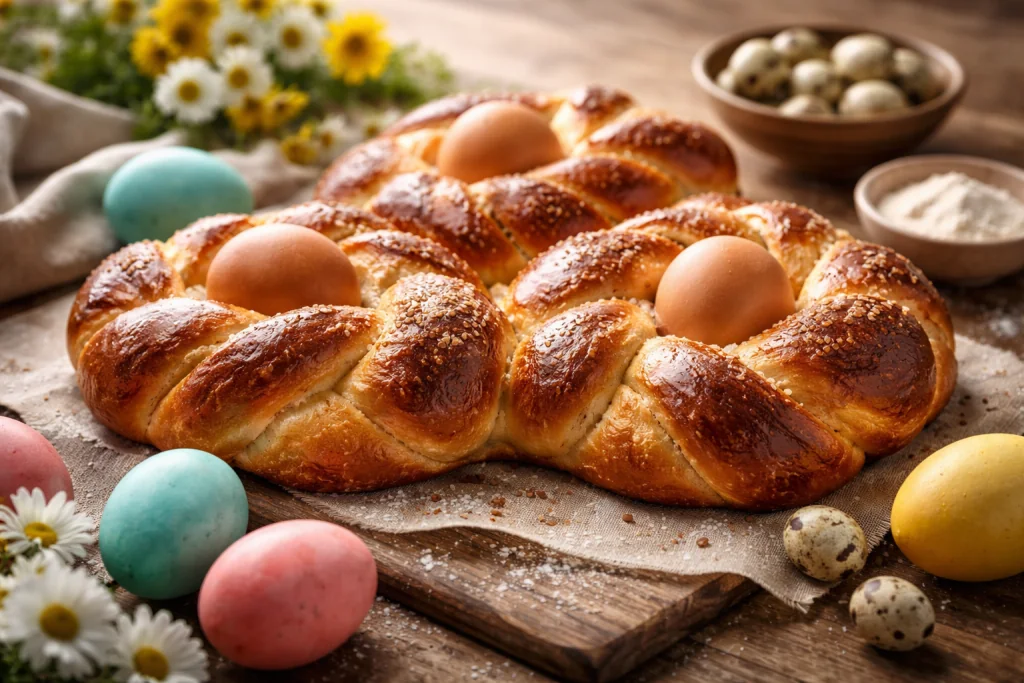
In Portugal, Folar da Páscoa is a traditional bread often baked with eggs inside. It symbolises life and rebirth - a recurring theme in Easter food culture.
Germany - colours and baking traditions
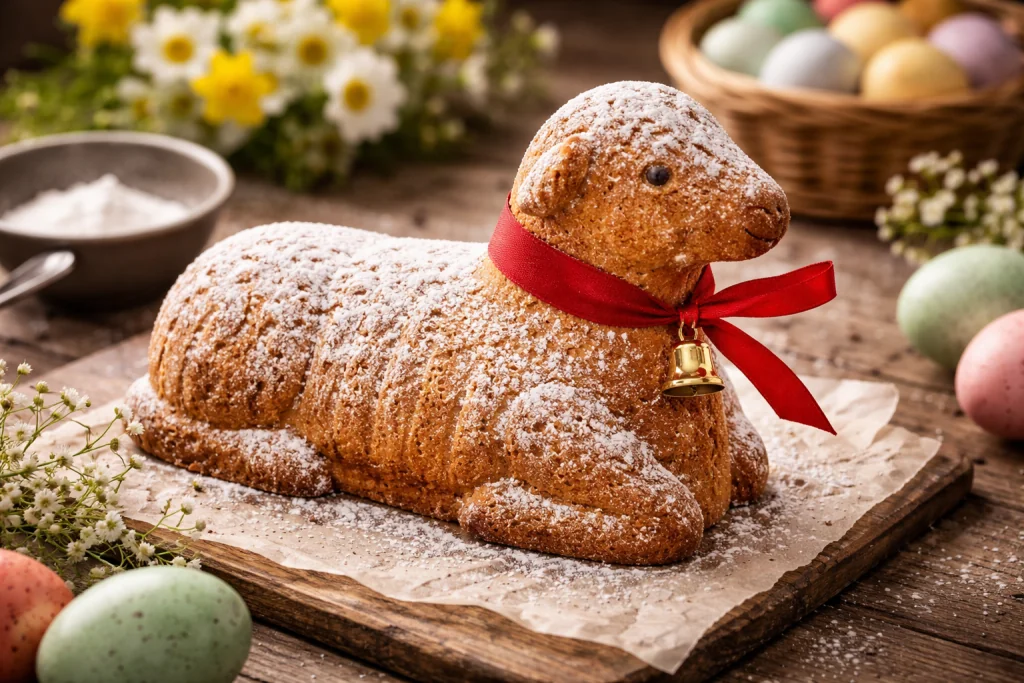
In Germany, eggs play a major role at Easter, both as food and as a symbol. Easter is also very much about pastries and decorations. Many regions have their own Easter breads and cakes. Perhaps most iconic is the osterlamm - a soft sponge cake baked in a special lamb-shaped metal mould.
Mexico - sweetness with deep meaning
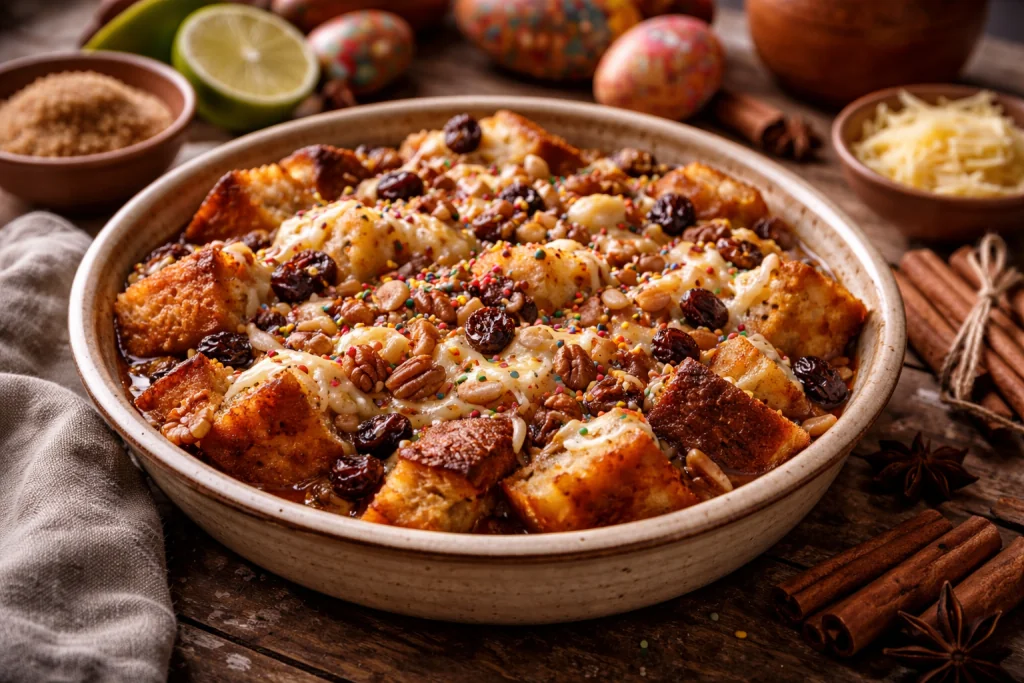
In Mexico, capirotada is a classic Easter dish. The sweet bread pudding mixes ingredients such as cheese, raisins and syrup. The dish has religious symbolism, with each ingredient representing parts of the Easter story.
USA - Easter as a family holiday
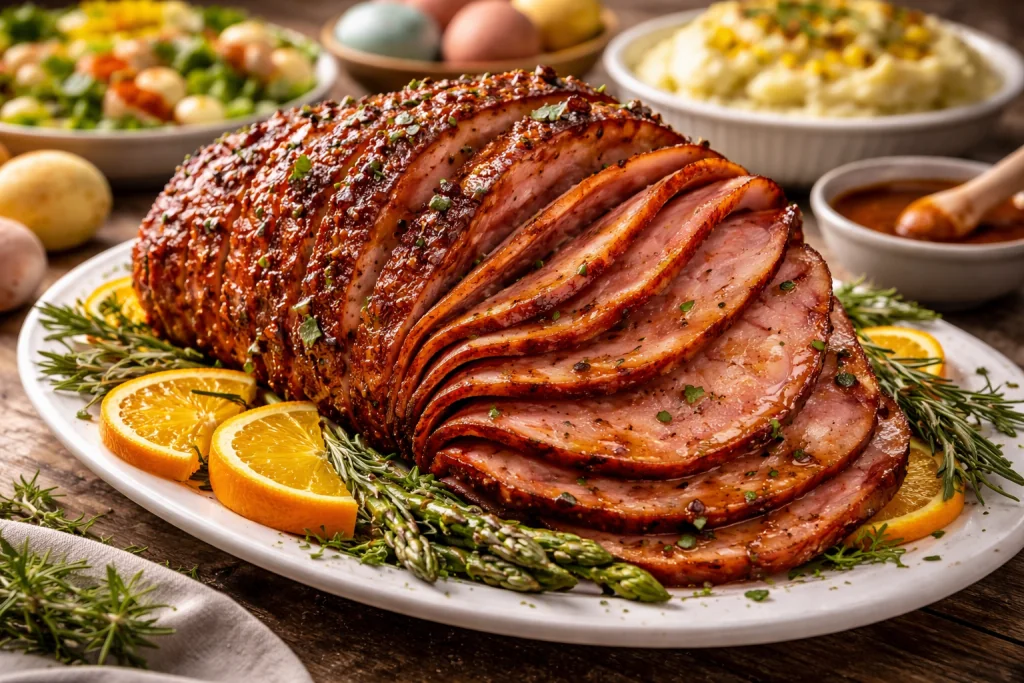
In the United States, Easter is often less religious and more focused on family socialising. Here, dishes such as:
- glazed ham
- deviled eggs
- colourful desserts
Sweden - the classic Easter table
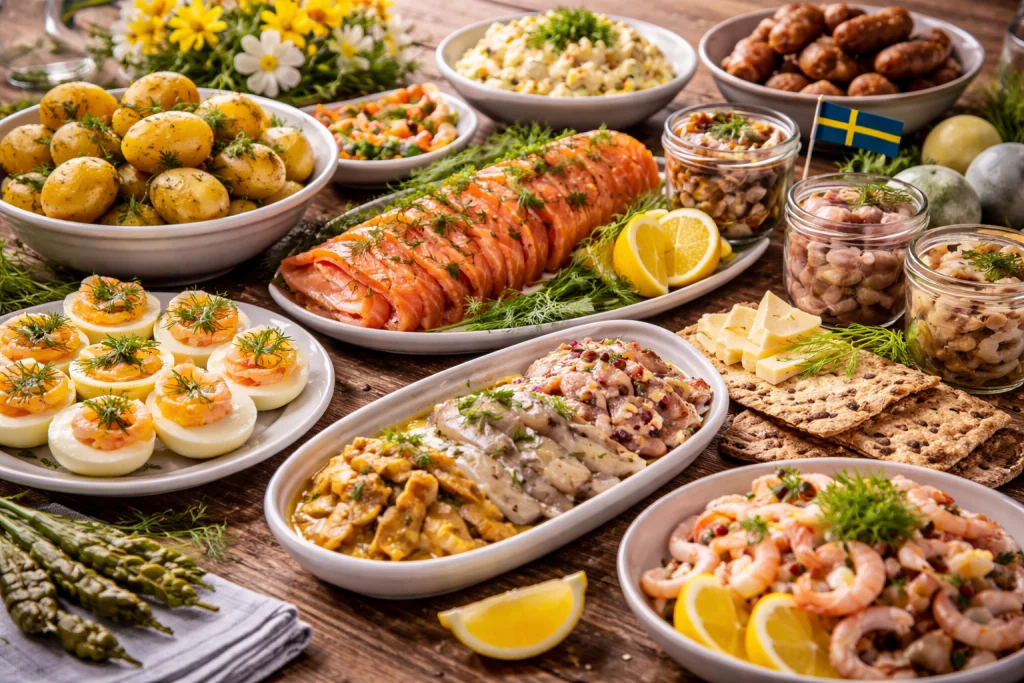
In Sweden, Easter consists of herring, eggs, salmon and sometimes lamb. The Easter table is similar to the Christmas table, but perhaps feels a little lighter, brighter and more spring-like.
READ MORE: Easter in Sweden - 12 Swedish Easter traditions
What are your experiences with Easter food around the world?
Wherever you are in the world, Easter food is a reflection of culture, history and community. For travellers, it is also one of the best ways to truly experience a destination.
What are your experiences with Easter food in other parts of the world? Please tell us!
Frequently asked questions about Easter food
What is typical Easter food?
It varies - but eggs and lambs are common in many countries, often symbolising life and renewal.
Why do people eat eggs at Easter?
The egg symbolises new life and has therefore become a central part of the celebrations.
Is lamb always part of Easter?
No, but it is common in many Christian countries, especially in Europe.
You might also like:
 Facts about lussekatter - 12 things you (maybe) didn't know?
 13 dishes on the Christmas table - the history of Christmas food
 What to eat in Tunisia - 17 classic dishes you must try
 Finnish food - 20 classic dishes you must try
 The world's 10 best food countries – our favorites
 Estonian Food – 17 Classic Dishes You Must Try



 English (UK)
 Svenska
Anna Nilsson Spets says:
What we eat in Belgium is probably mostly eggs. Maybe a pork roast, stuffed chicken, lamb. But that's mostly what's starting to disappear. Easter bread, yes, with raisins.
And then chocolate eggs for pre....Happy Easter
02 April 2026 - 6:19
Helena says:
Some kind of Easter bread seems common in many places! Thanks for the report from Belgium! 🙂
02 April 2026 - 18:43
Znogge says:
I don't have much experience of being abroad over Easter but on one occasion we were in Rome and another time in Berlin. However, we chose to eat ”normal food” that belongs to the country and did not notice much of the Easter food.
Happy Easter!
02 April 2026 - 9:55
Helena says:
Yes, that can often be the case when travelling... Happy Easter!
02 April 2026 - 18:43
Anta Snaque says:
Very eggy eye candy. I have probably now gained a few kilos just by looking at the lovely pictures 😏
HAPPY EASTER!
02 April 2026 - 18:41
Helena says:
Wishing you a happy Easter!
02 April 2026 - 18:44
Aberaber says:
Definitely want memma, Finnish sweet rye pudding eaten with unwhipped cream and sugar.
We use up several packages during Easter.
Not much for lamb, it goes away,
02 April 2026 - 19:18
BP says:
I obviously haven't been abroad over Easter except in Spain, because it was really interesting reading what people eat in different countries.
Funny that zurek is also Easter food in Poland. I haven't seen torrijas in Benidom/Alicante, but we have seen the processions, both on Palm Sunday and Easter Sunday. Otherwise, I think Spanish desserts are not so ”appealing”.
02 April 2026 - 21:33