


Writer: Helena Bergström
Estonia is perhaps best known for its charming capital Tallinn – but the country's food culture is also exciting to discover. It combines Nordic ingredients, Eastern European influences and old traditions that have survived for generations.
 Tweet
 Share
 Share
 Pin
 Share
 Share
At the same time, Estonia has gained an increasingly dynamic and modern restaurant scene in recent years, where young chefs are interpreting classic flavors in new and creative ways.
In this guide, we go through what to eat in Estonia – and list 17 classic Estonian dishes and specialties you don't want to miss.
Table of contents
What to eat in Estonia? – a quick overview
We have told about Polish food and Slovak food – and now it's time for the Estonian food additions. Estonian food is characterized by:
- Proximity to nature: fish, potatoes, cabbage, mushrooms and berries
- Rustic dishes: a lot of boiled, fried and pickled
- History: influences from Russia, Germany and the Nordic countries
- Season: big difference between summer and winter
We have travelled a lot in Estonia – both in Tallinn and around the country with our camper van – and have had time to try some of the traditional dishes, but perhaps even more of the modern restaurant cuisine.

Typical Estonian food – 17 classic dishes
Here we list Estonian dishes that are interesting to try, including desserts, sweets and drinks.
1. Verivorst (blood sausage)
Verivorst (blood sausage) is a classic Estonian dish that is eaten mainly during Christmas, often with sauerkraut and lingonberries. It is slightly different from Swedish blood sausage because it is coarser and spicier. As a tourist, you often have the chance to try it at Christmas markets, where it is usually served.


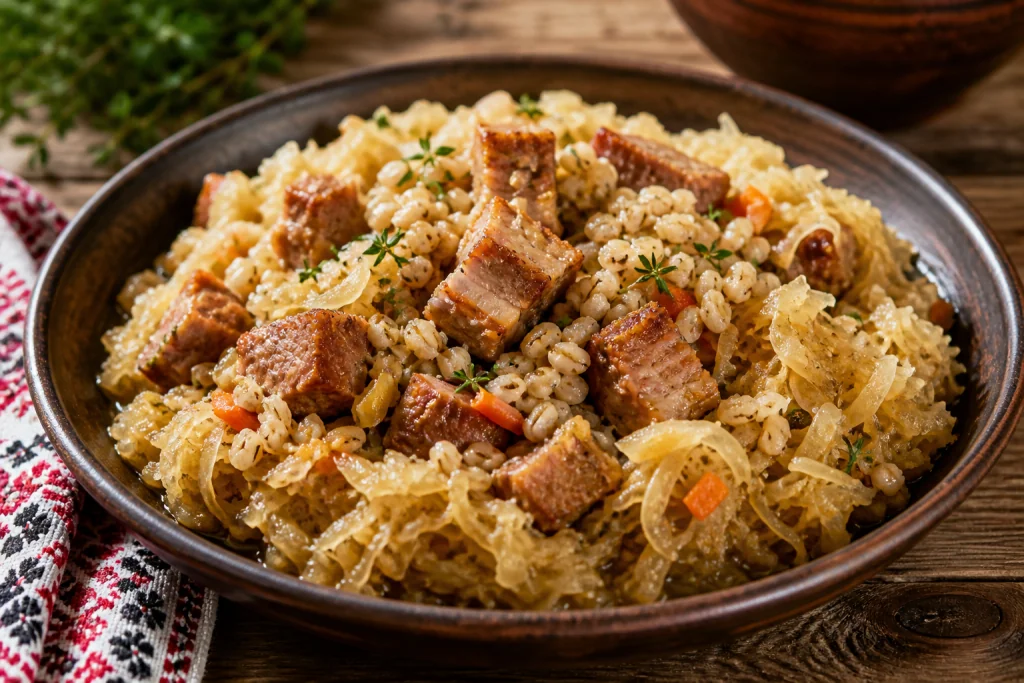
2. Mulgicapsad
Mulgikapsad is a rustic dish from southern Estonia that combines sauerkraut, pork and barley. The flavors are rich and sour, and the dish is especially popular during the winter months. Typical Estonian home cooking!
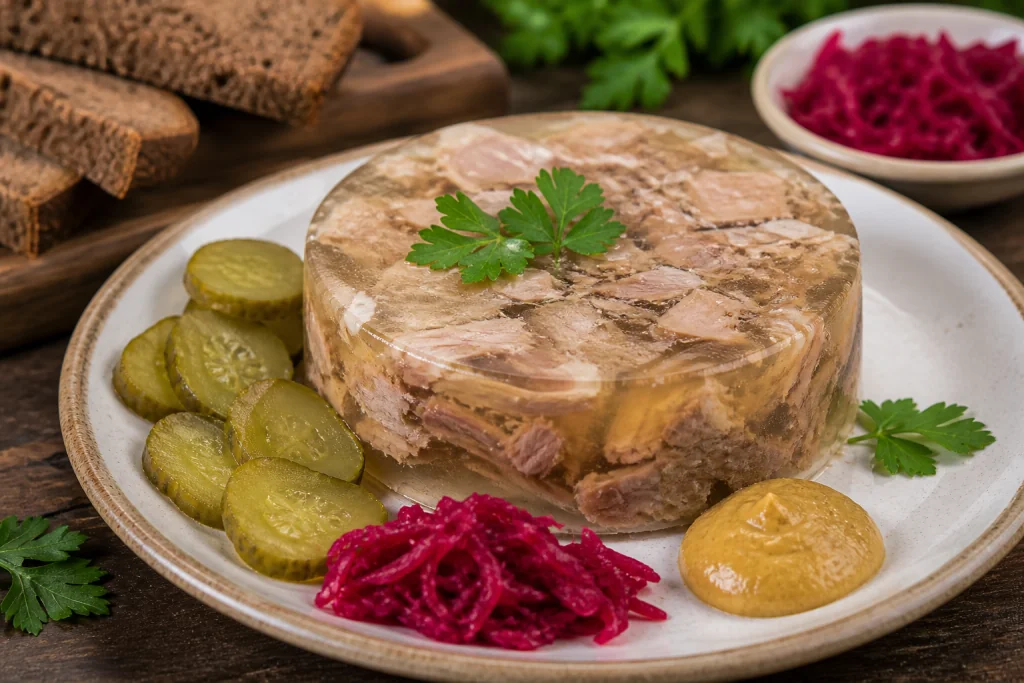
3. Salted (aladab)
Sült is a jelly-based meat dish (similar to aladåb or sylta) made from slow-cooked pork or veal. The dish is served cold, often with mustard or pickled accompaniments, and is common at holidays.

4. Praetud räim (fried trout)
Baltic herring is an important ingredient in Estonia, and is often served fried with potatoes and dill. The dish is simple but tasty, and reminiscent of its Swedish counterparts. Especially common on the coast, of course!

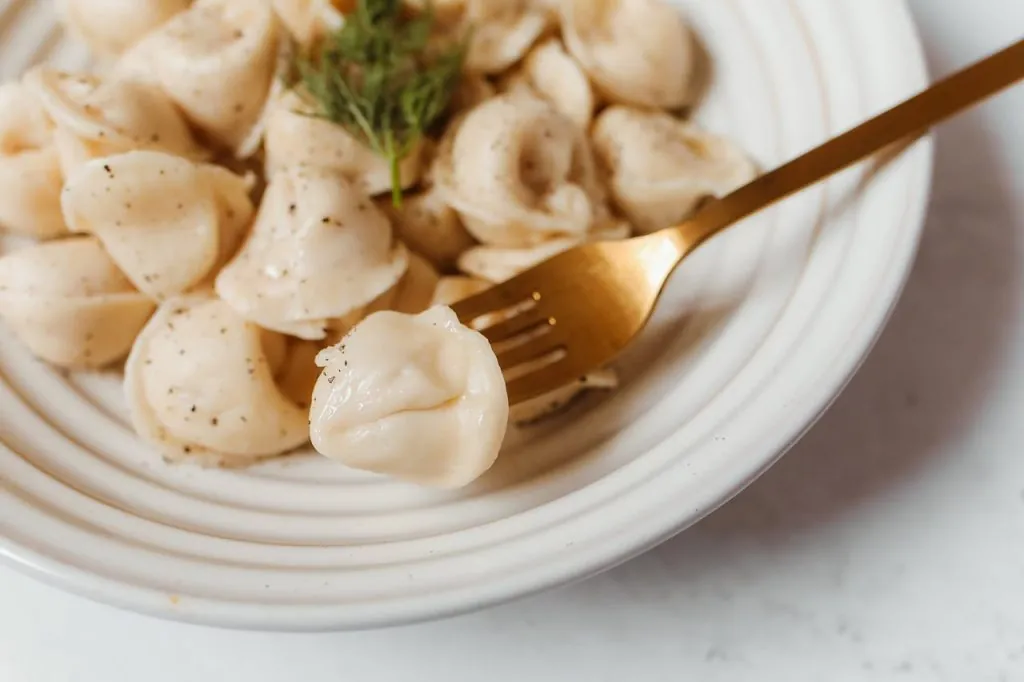
5. Pelmeni (dumplings)
These small dumplings with meat filling have Russian roots but are very common in Estonia. They are often served with butter or sour cream and are a quick and popular everyday dish. Personally, I remember them very well from my very first trip to the Baltics, in the 1990s, as we often got them in soup.
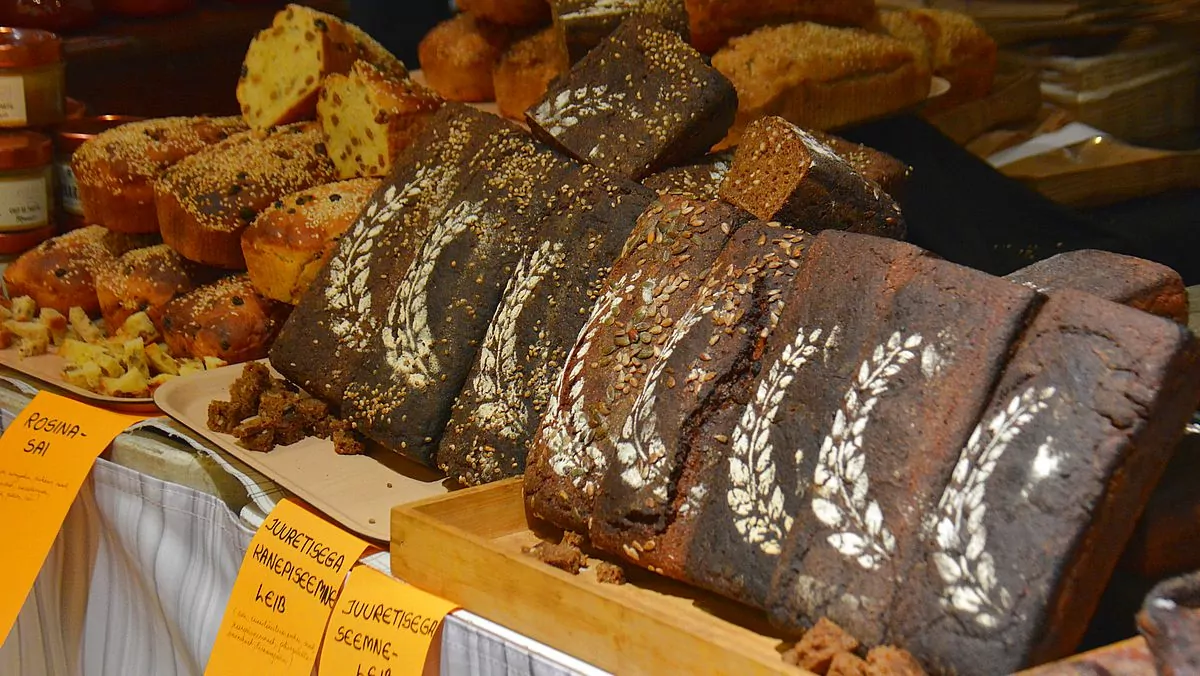
6. Rukkileib (rye bread)
Estonian rye bread is dark, compact, juicy and slightly sour. The bread is common in everyday life as well as in restaurants – both as a side dish and as a base in sandwiches. For us, this is a big favorite and during our recent trip to Estonia we bought more bread home with us, which we froze …

7. Kiluvõileib
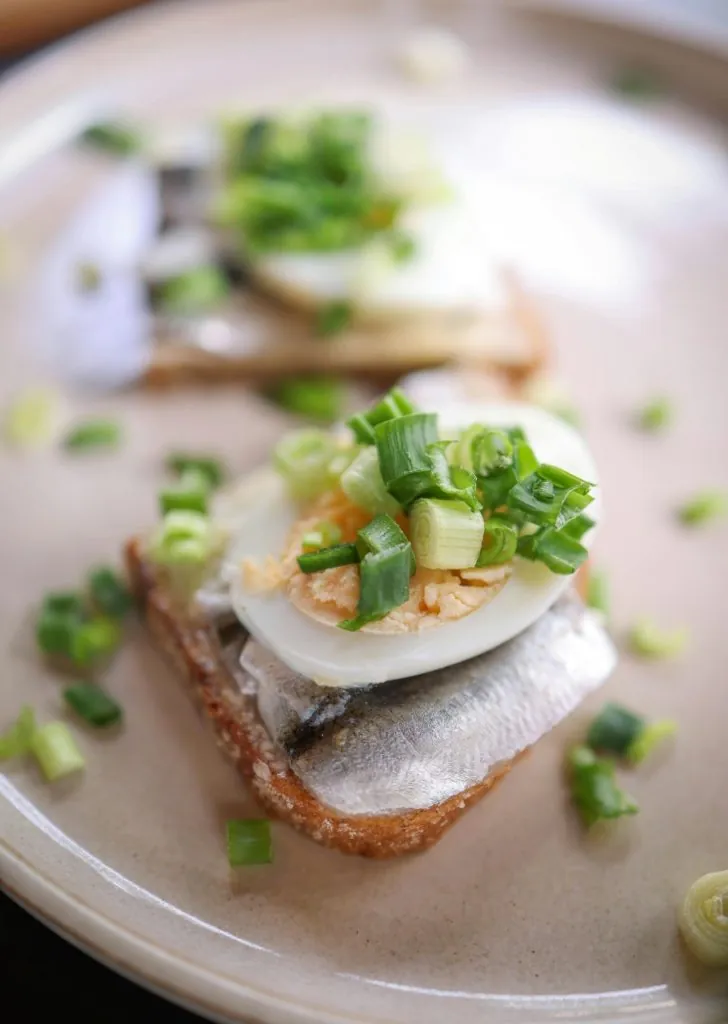
A classic Estonian sandwich topped with sprat, egg and sometimes onion. The combination of saltiness and creaminess makes it a favorite for both everyday and festive occasions. It is often served on rye bread.
8. Pirukad (Pirogi)
Pirukad are small baked pies filled with meat, cabbage or mushrooms. These little ”snacks” are popular as a snack or a lighter lunch and are available at many bakeries. Perfect to take on the go.

9. Smoked cheese
Suisujuust is an Estonian specialty where the cheese is often shaped into braids and smoked over wood, which gives it a distinct and slightly salty taste. The consistency is firm yet juicy, and the smoked cheese is often eaten as a snack or with a drink. We tried it once at a fair in Tallinn – not so bad!

10. Rose oil
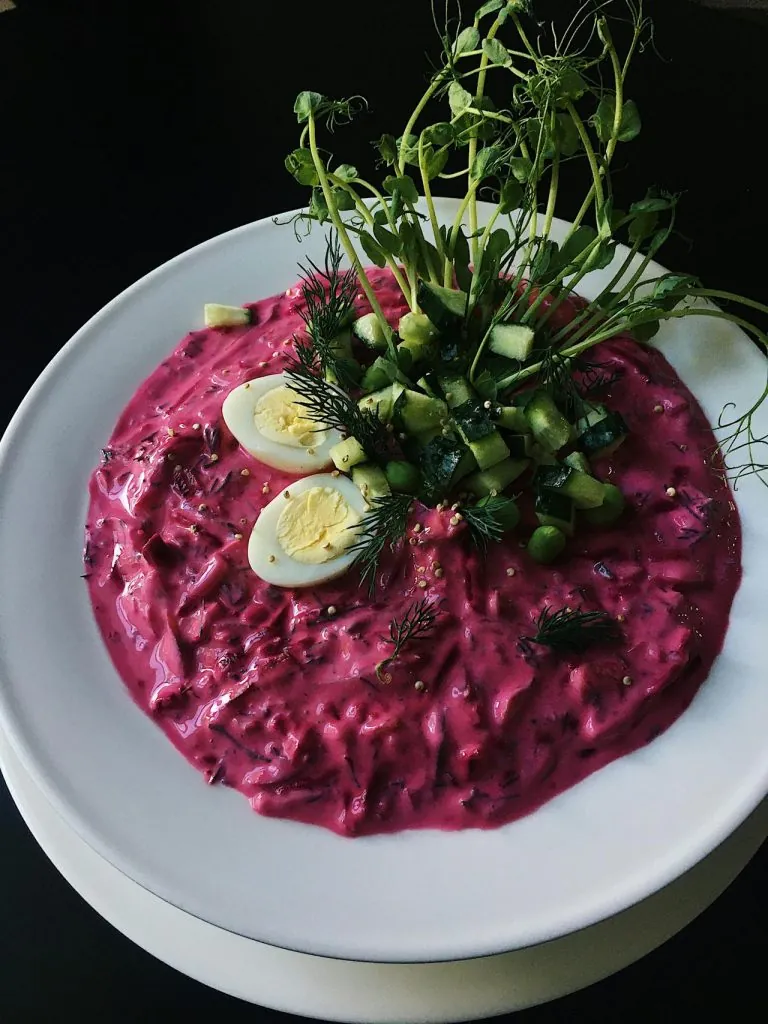
Rosolje is a colorful salad with beetroot, potatoes, herring and sometimes eggs and mayonnaise. The taste is both sweet, sour and salty, which makes it very characteristic. The salad is common at holidays.
11. Kama
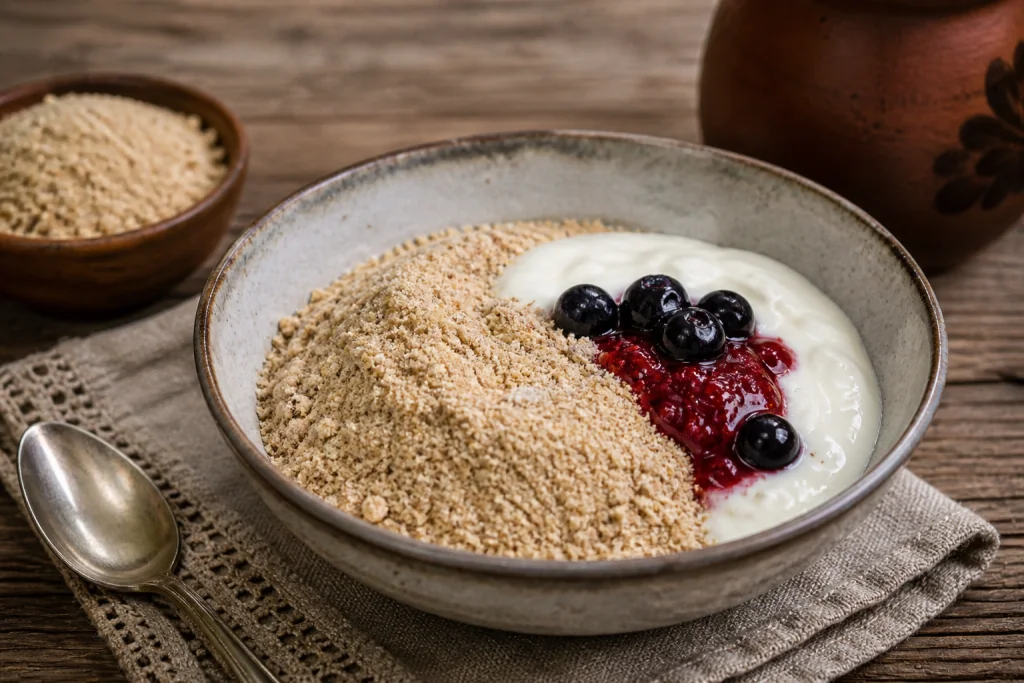
Kama is a traditional blend of toasted flour from various grains. It is often mixed with yogurt or kefir and served with berries. The result is a simple but nutritious dessert or breakfast.
12. Cowherd
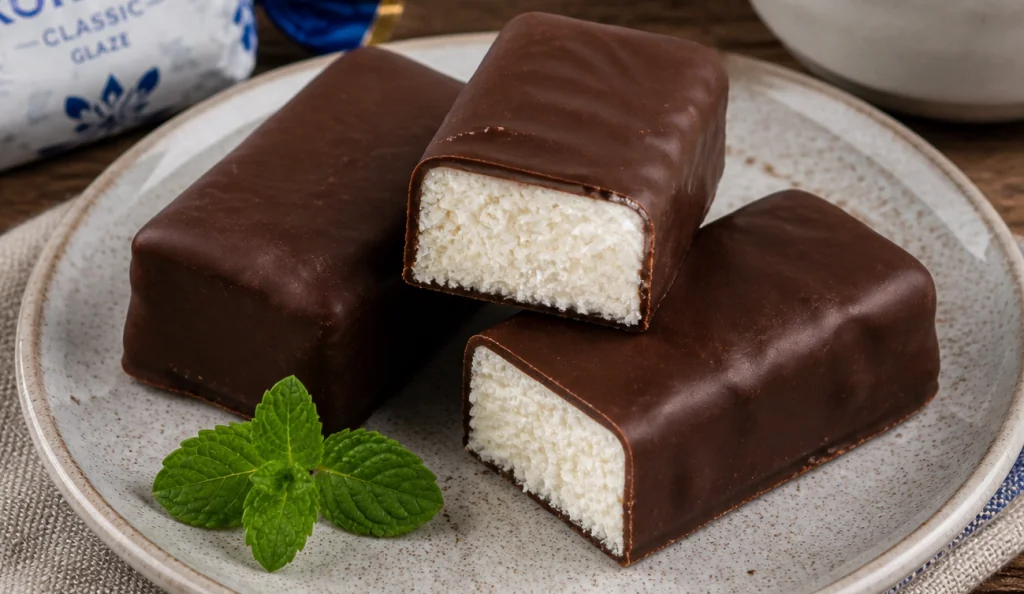
Kohuke is a sweet little snack consisting of cream cheese covered in chocolate. It comes in many flavors and is very popular with both children and adults.
13. Vastlakukkel (semla)
Vastlakukkel is simply the Estonian version of semla, which is eaten on Shrove Tuesday just like in Sweden. The pastry is usually filled with whipped cream and sometimes almond paste, or maybe jam. We tried the Estonian version at a travel fair in Tallinn a few years ago. Very tasty!

14. Pretzel
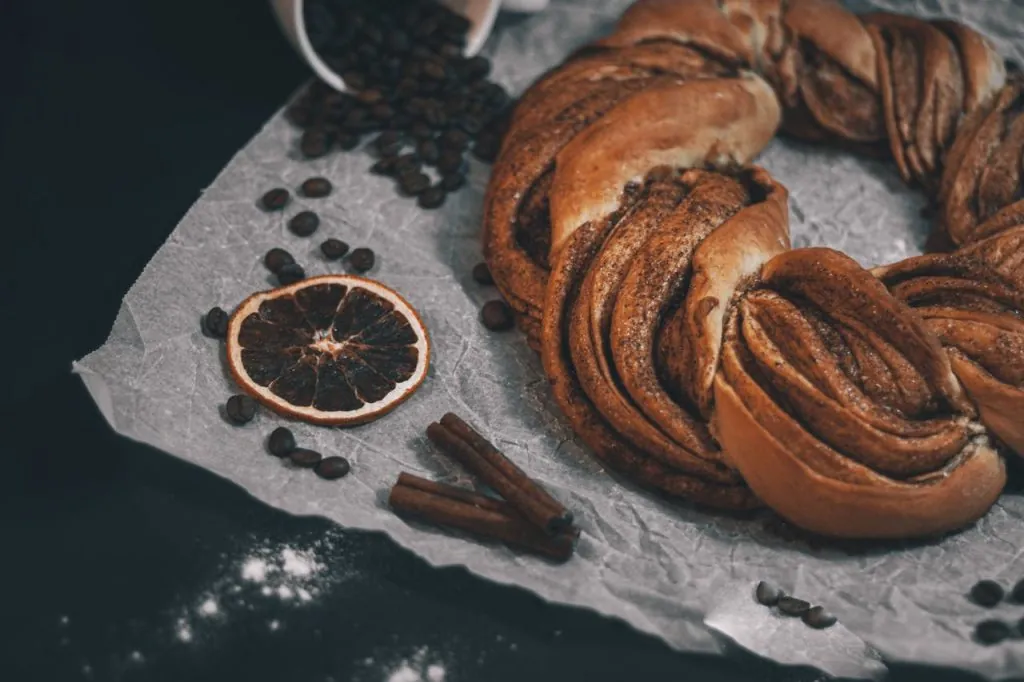
If you want a sweet pastry to go with your coffee, kringel is a classic. This is a braided wheat bread that is often flavored with cinnamon or cardamom. The pastry is served at festive occasions and shared between several people.
15. Bread soup
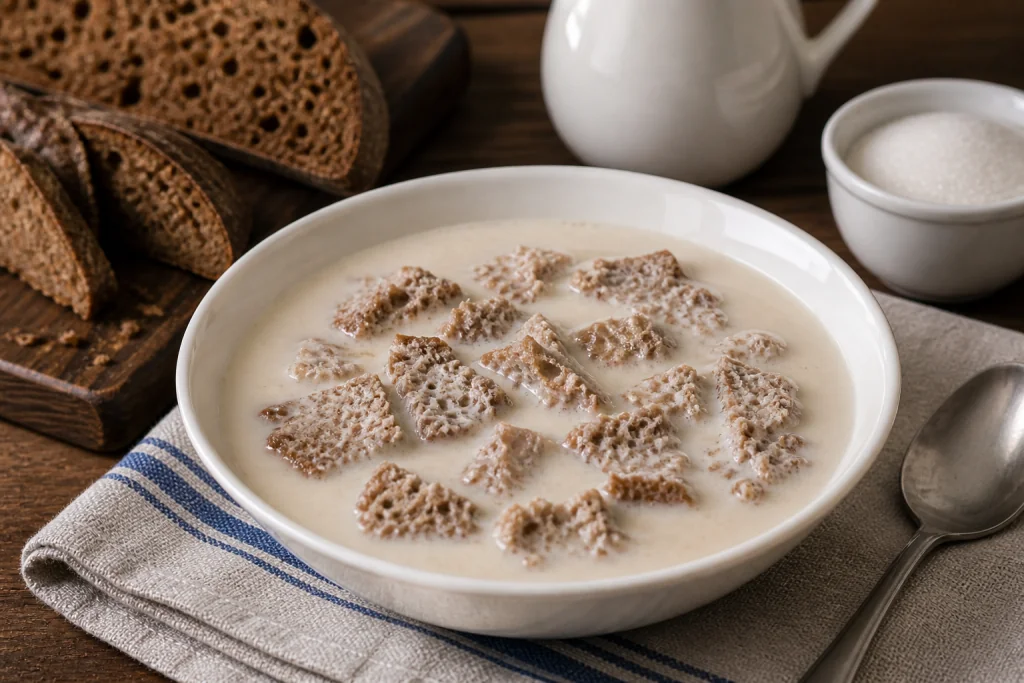
Leivasupp is a traditional dessert made from rye bread, apple, sugar and spices. The dish is often served with whipped cream and has a sweet and slightly sour taste.
16. Kalev chocolate
Estonia's most famous chocolate comes from the Kalev brand and is a natural part of the country's sweet culture. The range is wide, from classic milk chocolate bars to filled pralines. The chocolate is often available in nice boxes, which are perfect to take home as a gift after your trip.

17. Old Tallinn
A classic Estonian liqueur with a taste of rum, spices and citrus. It is often drunk as an avec or used in desserts and coffee. The drink has become something of a symbol of Estonian food culture.

Modern food culture in Estonia – restaurants, markets and craft beer
While Estonian cuisine rests heavily on tradition, the country has gained an increasingly exciting and modern food scene in recent years.
Restaurants in Estonia
Tallinn today has a wide range of restaurants where local ingredients are interpreted in new and exciting ways. You'll find everything from vegan eateries to Michelin-starred restaurants.

Market halls and markets
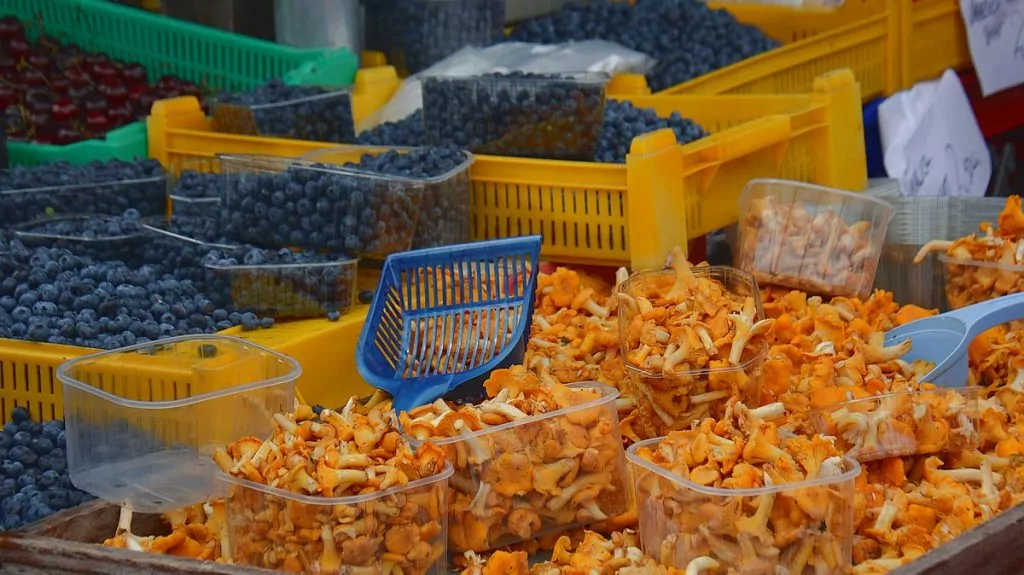
Market halls and markets have also become popular meeting places for locals and visitors alike, offering everything from classic dishes to modern street food, while also getting a feel for everyday Estonian life.
Breweries and craft beer
Another clear trend is the growing craft beer scene. Estonia has several exciting breweries, with Pühaste Brewery being one of the most well-known. They produce everything from classic ales to more experimental beers, often using local flavors and ingredients.
Smaller producers and brewpubs are also popping up around the country, making Estonia an interesting destination for those who want to combine food experiences with drinking culture.

Our thoughts on Estonian food
- Our favourites: We absolutely love Estonian rye bread and buy it home with us as soon as we visit Estonia!
- Consider: The traditional dishes can be very filling.
- Tips: Feel free to try some traditional specialties – and vary it with modern restaurant experiences.
More about food in other countries
Here you can find more stories about food in different countries:
- Czech food - 20 Czech dishes
- Polish food - 25 Polish dishes
- German food - 25 German dishes
- Hungarian food – 25 Hungarian specialties
- Slovak food – 25 Slovak dishes
Frequently asked questions about Estonian food
What is typical of Estonian food?
Estonian food is based on simple and rustic ingredients such as potatoes, cabbage, fish, pork and rye bread. Many dishes are filling and have clear influences from both Nordic and Eastern European cuisine. The flavors are often mild, with hints of tartness from, for example, sauerkraut and pickled side dishes.
Is Estonian food similar to Swedish food?
Yes, there are many similarities, especially when it comes to ingredients and traditional dishes. At the same time, Estonian cuisine is often a bit heavier and more marked by Eastern European influences, which gives it a different character. For Swedish visitors, the food therefore feels both familiar and new at the same time.
Is it cheap to eat in Estonia?
Yes, it is generally cheaper to eat in Estonia than in Sweden, although prices have increased in recent years. A lunch at a simple restaurant can cost around 8–15 euros, while a dinner at a better restaurant is often 15–30 euros or more. In Tallinn, prices are slightly higher than in the rest of the country, but still often lower than in Swedish cities.
You might also like:
 Greek food - 25 classic dishes you must try
 What to eat in Austria? - 15 classic dishes you must try
 What to eat in Tunisia - 17 classic dishes you must try
 Easter food around the world - a taste journey beyond herring and eggs
 Thai food - 20 classic dishes you must try
 Finnish food - 20 classic dishes you must try



 English (UK)
 Svenska
Jossu says:
As a dumpling lover, I am most attracted to pelmeni. I also find it interesting to compare Estonian words with Finnish and see how many words are the same.
07 May 2026 - 7:03
Helena says:
I understand that it's interesting to compare! I can also spot similarities sometimes, even though I don't speak either language (unfortunately).
11 May 2026 - 19:31
BP says:
I had a colleague at work whose mother was from Estonia. She loved to cook Estonian specialties, especially for holidays. Back then, we were a bit spoiled when she offered us some of the dishes you listed.
Then there was a shop with Estonian food products at Norrtull many years ago. I bought a lot of Estonian food products there.
07 May 2026 - 20:21
Helena says:
It's great that you have these experiences! And thanks for the tip about the store at Norrtull! (If it still exists?) I like these stores that bring in food and products from different countries!! 🙂
11 May 2026 - 19:33
Matilda says:
I should have read this before we went to Tallinn! On the other hand, my traveling companion expressed that she would like to eat something typical Estonian but the meat was gone and the dumplings were gone… and then it all got a bit more complicated. Well, we ate well anyway!
09 May 2026 - 13:57
Helena says:
I understand the concerns! I think that when traveling in countries, you sometimes want to combine a ”traditional food experience” (maybe something at a market if nothing else) with a bit more modern restaurants. Both parts are nice!! 🙂
11 May 2026 - 19:37