

Text and photo: Helena Bergström
Which are the best food countries in the world? Yes, there can of course be divided opinions on that. We have traveled a lot in the world and we love food – but choosing is really hard! Here we list 10 food countries that we like a lot, in no particular order.
 Tweet
Tweet Share
Share Share
Share Pin
Pin Share
Share Share
ShareTable of contents
10 wonderful food countries – in no particular order
Since the countries on our list have amazing food in different ways, we simply list them without ranking them among themselves. We also decided on three criteria, which we based our selection on when choosing countries.
Our criteria for a good food country
- Unique food culture: Clear identity, with e.g. specific dishes, cooking methods, seasonings or traditions.
- Local ingredients: Fresh and typical local ingredients in the country – such as meat, fish, vegetables or fruit.
- Innovation: To dare to experiment and develop food culture, through fusion or by modernizing traditional dishes.
China
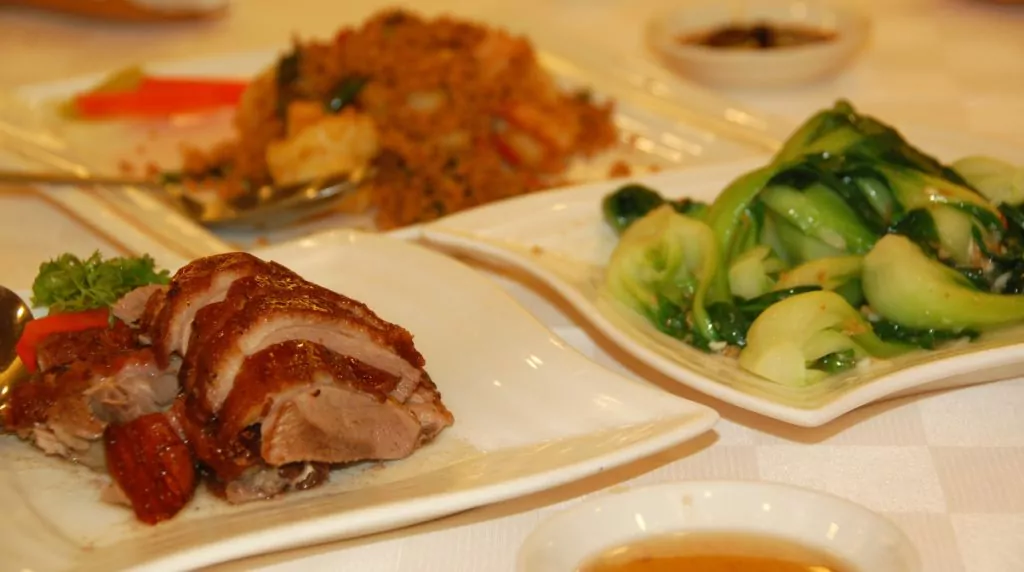
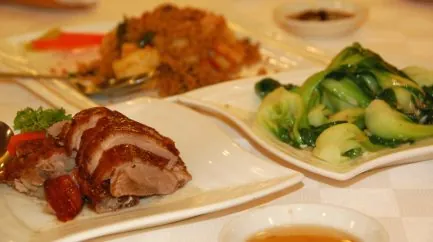
Chinese cuisine is so diverse that it can't really be described as a single entity. Here you'll find everything from fiery Sichuan dishes to elegant dim sum traditions. Ever since I first visited China, 30 years ago, I've loved Chinese cuisine.
- Unique food culture: Extreme regional variation and strong food culture
- Local ingredients: Noodles, rice, soy, vegetables, meat and seafood
- Innovation: Growing modern scene both in China and internationally
Spain
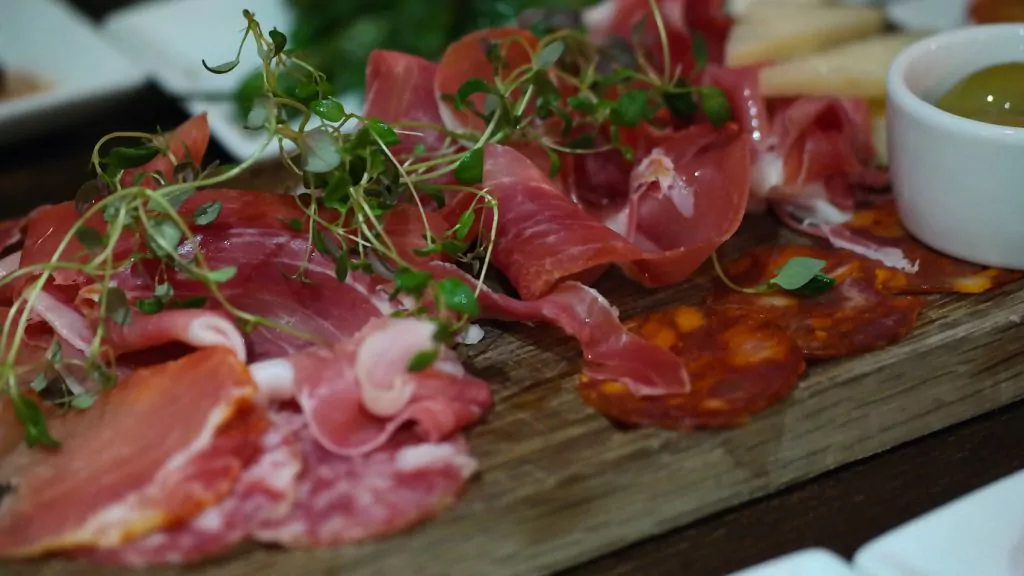
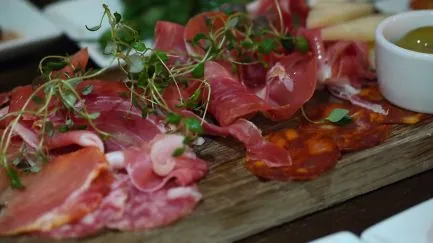
Spanish cuisine is a favorite of ours. The country combines the social with the gastronomic in a way that few other countries do. Here it's all about eating together, preferably in the form of tapas or pintxos. Small dishes to try and lots of fresh ingredients. Could it get any better?
- Unique food culture: Social and regionally influenced
- Local ingredients: Seafood, vegetables, olive oil and charcuterie
- Innovation: Strong tradition of innovation in the kitchen
Sweden
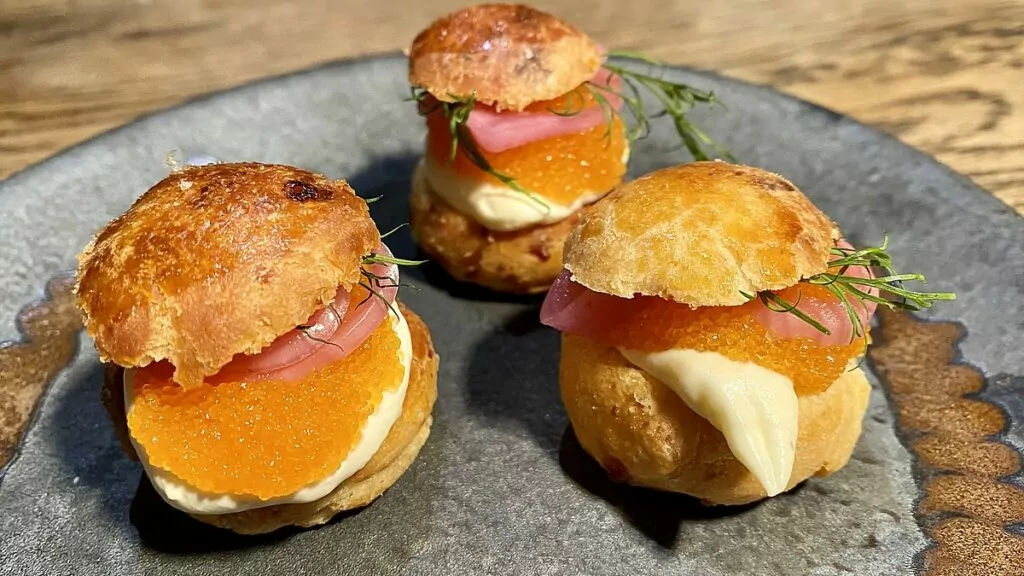
We choose to highlight our own homeland in this list! Swedish cuisine has gone from being quite anonymous to becoming something of a global reference point. The focus is on pure flavors, clear seasons and raw materials from the forest, sea and land. The tradition is there, while daring to think new things.
- Unique food culture: Simple, nature-based and seasonal
- Local ingredients: Game, fish, berries, mushrooms and herbs
- Innovation: Strong connection to modern Nordic gastronomy
Turkey
Turkish cuisine is rich, generous and deeply rooted in history. Here, influences from the Middle East, the Mediterranean and Central Asia meet in a cuisine that is both varied and accessible. We have many fantastic food memories from Turkey, and not least we love the small dishes that often begin the meal.
- Unique food culture: Historically rooted and social
- Local ingredients: Vegetables, yogurt, meat, olive oil and spices
- Innovation: Growing contemporary interpretations of classics
Japan
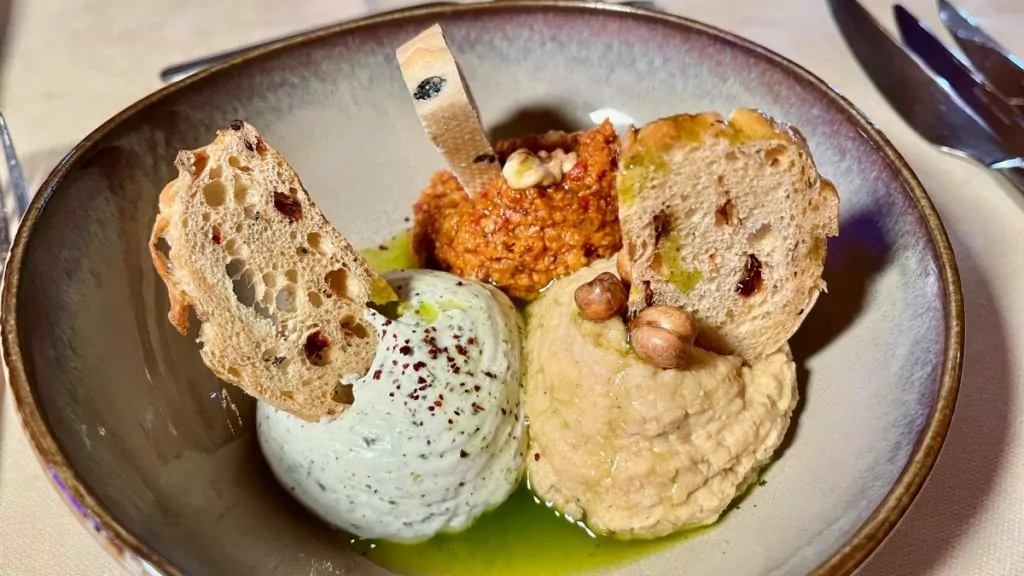
Unfortunately, we haven't visited Japan yet, but one of the reasons we want to go there is the food. Japanese cuisine ranges from the extremely simple to the perfectly precise. The ingredients are very important, as are the season and the presentation. A very exciting cuisine that stands out!

- Unique food culture: Minimalist, seasonal and deeply traditional
- Local ingredients: Fish, rice, algae and seasonal vegetables
- Innovation: Subtle but consistent development, also in fine dining
France
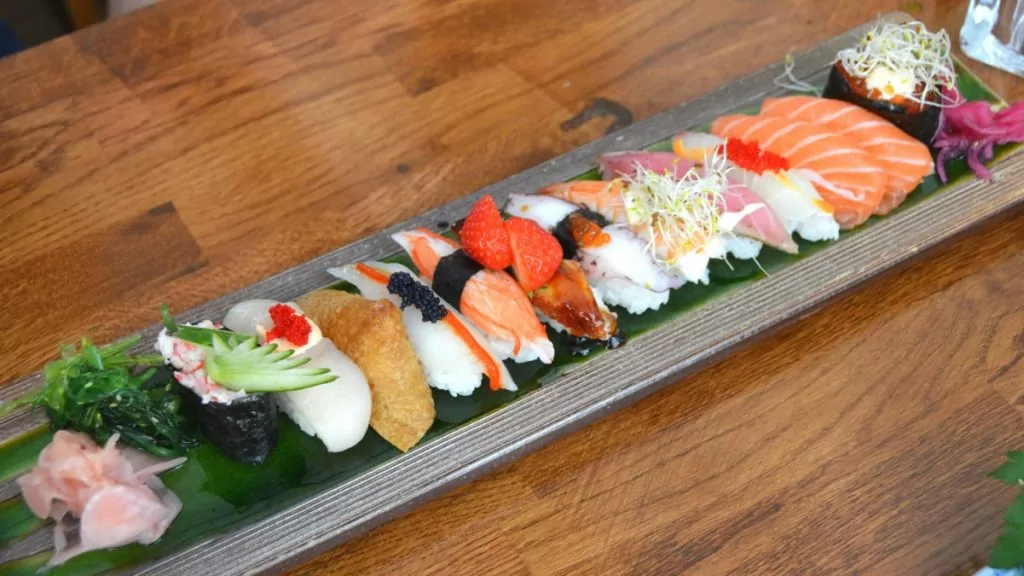
France is a classic in this context, but nonetheless one of our absolute favorites. French cuisine is still a reference point for classic gastronomy. Technique, precision and respect for the raw material permeate everything from simple bistros to top restaurants.
- Unique food culture: Technology-driven and tradition-based
- Local ingredients: Cheese, wine, meat, butter and seasonal vegetables
- Innovation: Evolution rather than revolution
Mexico
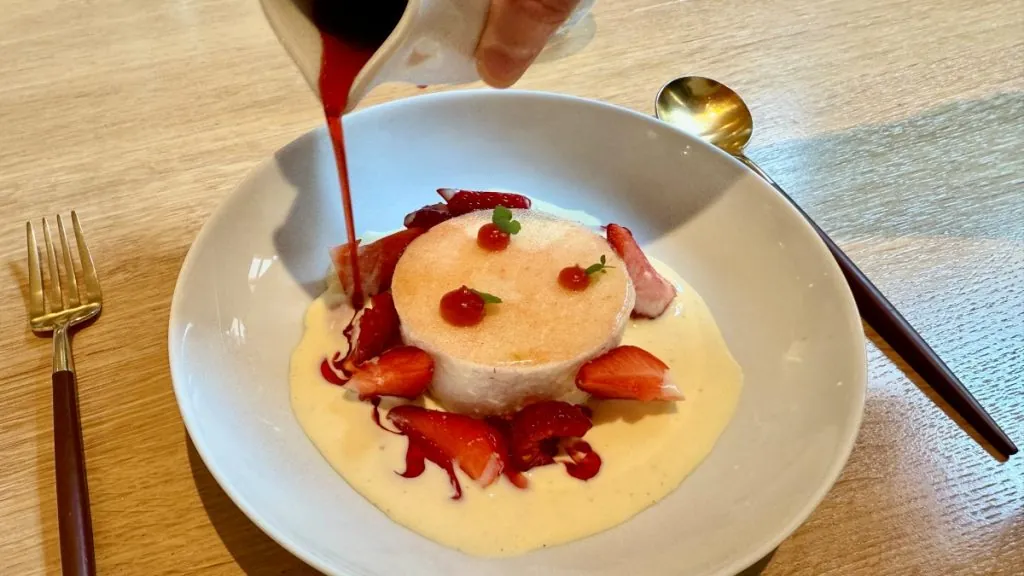
We have never visited Mexico, but we have become familiar with the food culture both through "Swedishified" versions and through cooking evenings with friends with Mexican roots. The Mexican food is both folk and complex, where simple ingredients like corn, chili and beans take on an exciting depth. The traditions are strong and vibrant, but far from static.

- Unique food culture: Deeply rooted and built around corn and chili
- Local ingredients: Corn, beans, chili, cocoa and fresh herbs
- Innovation: New generation of chefs reinterpreting classics
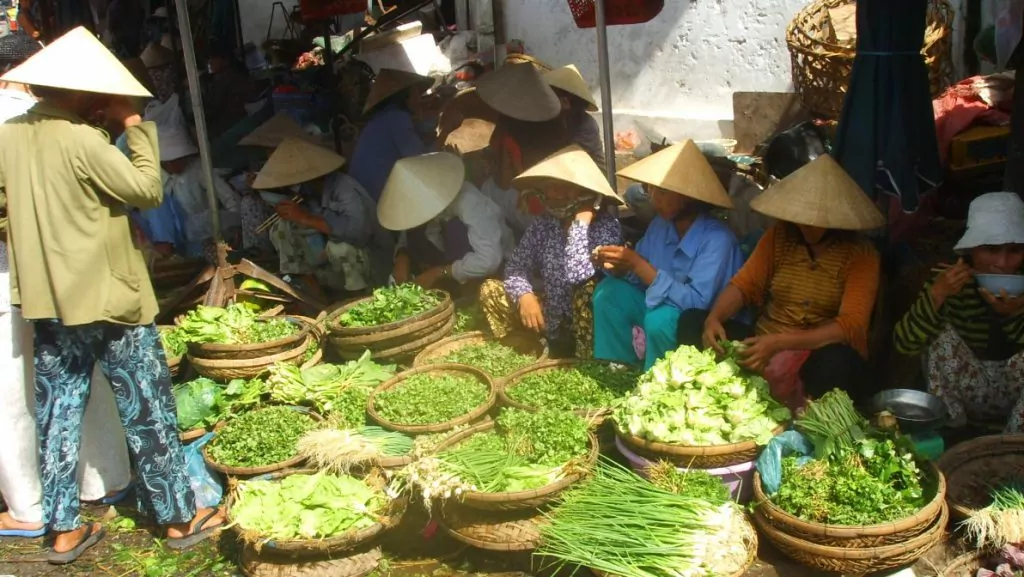
Vietnam
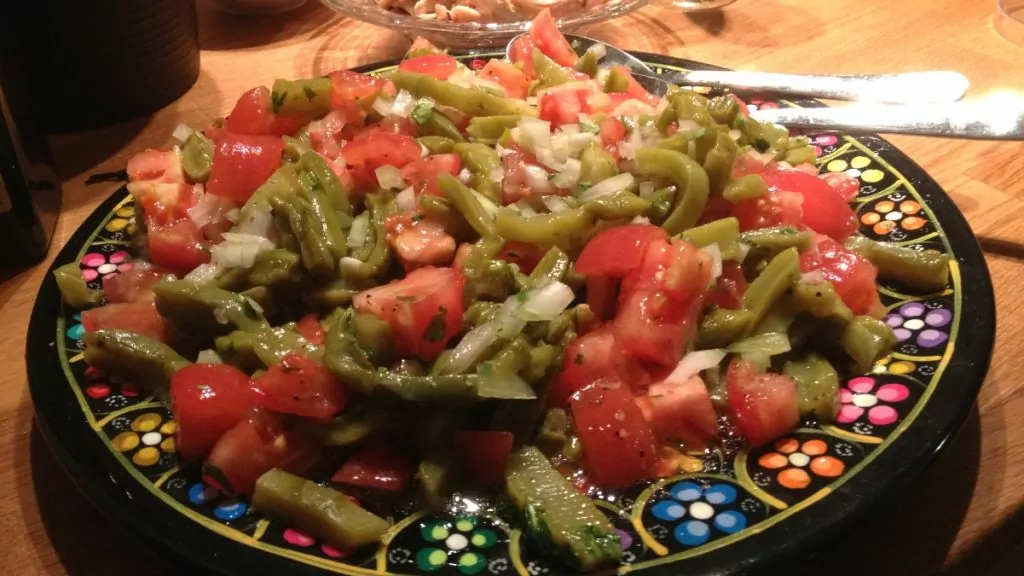
Vietnamese cuisine is characterized by its lightness and balance. Fresh herbs, acidity and umami interact in a way that makes the dishes both healthy and exciting. We visited Vietnam during our honeymoon many years ago, and the food we will never forget!
- Unique food culture: Balanced, varied and full of herbs
- Local ingredients: Rice noodles, herbs, fish, lime and fish sauce
- Innovation: Modernizing classic dishes in street settings
Georgia
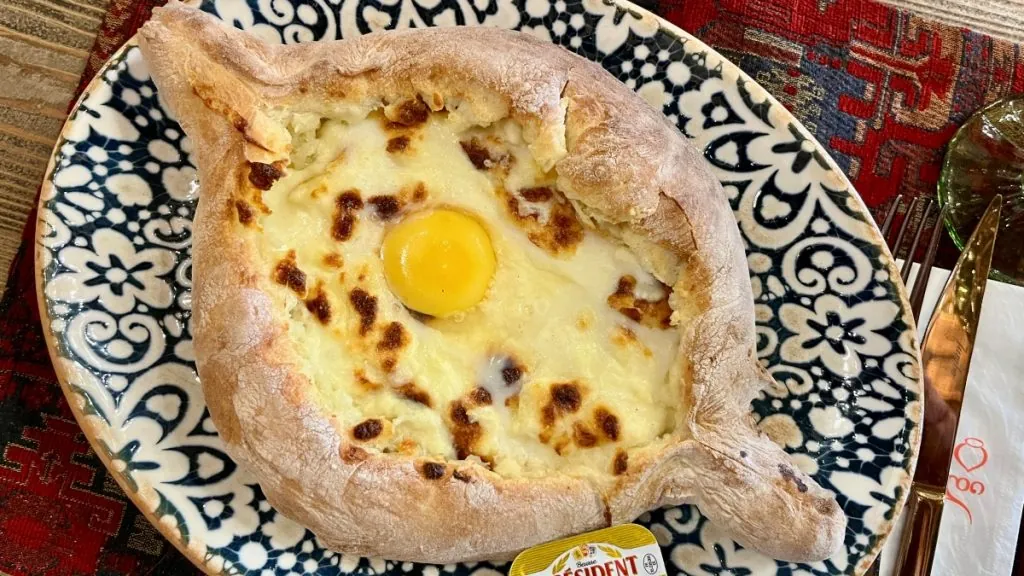
Georgia is perhaps a bit of a bubbler in this context, but at the same time an exciting food country where you can discover everything from historical wine culture and traditionally rustic dishes to a cautious interest in new interpretations. Georgian cuisine offers bread, meat, soups and herbs.
- Unique food culture: The Supra tradition and strong identity
- Local ingredients: Walnuts, herbs, cheese, pomegranate and wine
- Innovation: Growing interest and cautious reinterpretations
Hungary
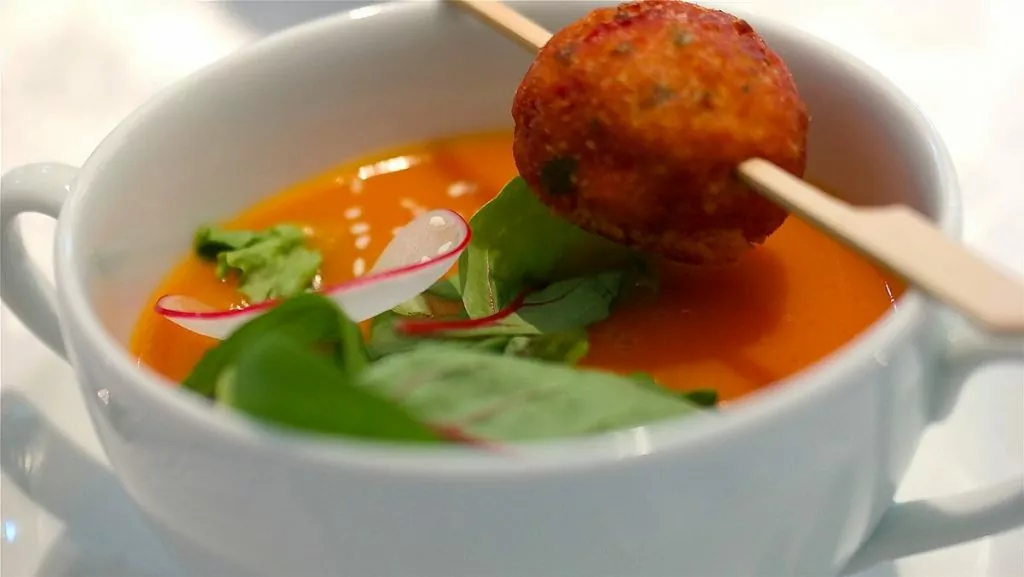
Hungarian cuisine is robust, flavorful and clearly marked by its history. Paprika, slow cooking and rich flavors dominate, often in dishes that feel both rustic and filling. At the same time, a younger generation of chefs is starting to experiment with lighter and more modern expressions. This gives the cuisine an interesting tension between then and now.
- Innovation: Budding modern scene, especially in Budapest
- Unique food culture: Rustic and rich as well as wines, such as Tokaj wine
- Local ingredients: Peppers, meat, root vegetables and dairy products
The world's best food countries - why did we choose these?
So, why did we choose these countries as the ”world’s best food countries”? The fact is, it’s hard to choose! We’ve based our selection on personal preferences and experiences, while also trying to include a variety of different types of cuisine.
Some may wonder why Italy – which is a popular food country – did not make our list, and the explanation is that we have personally experienced the cuisines of other countries as more innovative, although Italy of course also has a lot to offer, not least fantastic ingredients.
There are also many more cuisines that we like in Europe and Asia, among other places, but it's impossible to choose them all... If you had to choose: Which are the best food countries in the world?
You might also like:
 What to eat in Georgia - 15 Georgian dishes and specialities
 Greek food - 25 classic dishes you must try
 Food in Åland - 16 must-try delicacies
 Spanish food - 25 classic dishes you must try
 Chinese food - 20 classic dishes you must try
 Easter food around the world - a taste journey beyond herring and eggs



 English (UK)
  Svenska
Jossu says:
It's really hard to choose, but my favorites are probably Georgia and Turkey. You would have liked the food of Romania. As it belonged to both Hungary and the Ottoman Empire, you can find goulash and mici, their version of kebab, on the restaurant menus. And wherever I ate, the food was a delight, cooked with love.
April 19, 2026 - 6:56
Helena says:
We look forward to trying Romanian food at some point! Sounds exciting and delicious! 🙂
April 19, 2026 - 14:31
Eval8 says:
It's funny how different dishes are usually served in different countries. Just compare it to our neighboring countries and you'll see a big difference.
April 19, 2026 - 9:29
Helena says:
Yes, of course there are differences only in our neighboring countries! I think food culture is fun! 🙂
April 19, 2026 - 14:32
Ditte says:
Cool list. I haven't tried Georgia in terms of food, but I had a taste at your event.
I can probably agree with the list but remove Mexico and add Argentina. (Beans are not a favorite)
But overall, Asian food is probably my favorite.
April 19, 2026 - 10:40
Helena says:
Georgian food is exciting and there is a lot of nice things to try also in Uzbekistan (which was at the event). Argentina sounds interesting as a food destination!
April 19, 2026 - 14:33
Marika says:
I agree that Italy is not innovative when it comes to cooking. You want what your mother/grandmother/great-grandmother made. Although I think the new generations are a bit more inclined to give this a try.
April 19, 2026 - 11:07
Bara brittiskt says:
Love Georgian food! I personally like mole but maybe not all Mexican food. I'll put India in instead. Also a place with a thousand regions rather than one cuisine of course.
Hungary is terribly underestimated and now you can travel there again.
April 19, 2026 - 11:53
bmlarsreseblogg says:
It's almost impossible to choose some countries with food that we prefer over others. On your list, I really like Vietnamese food, especially their street food. Then Turkish and Hungarian food are full of flavors. Spanish tapas are never wrong and I also thought the food in Jordan with all the good stuff was fantastic. Then I think it's funny that you brought the Swedish food, as we enjoyed fresh Swedish seafood when we were away for almost six months...
April 19, 2026 - 18:47
BP says:
I have no experience with Georgian food, but I read on Jamie Oliver's Instagram that he has started a collaboration with a Georgian chef whom he invited to his relatively newly opened restaurant in London. He has also visited his friend in Georgia and praised their food. I think it's cool.
I'm not that fond of Mexican food. The reason is that there's often a spice in it that I don't like.
I love Asian cuisine and eat almost 70 percent of the food that originates there, not least from Thailand.
Regarding Italy, as I have said so many times, I have the same opinion as you.
April 19, 2026 - 20:35
Lena i Wales och lite överallt says:
I have to say that I probably prefer Spanish food. Maybe because I lived there and enjoyed it a lot.
Other food also looks tempting.
Have fun!
April 23, 2026 - 9:25