


Writer: Helena Bergström
Swedish food consists mainly of home cooking based on potatoes, meat, fish and berries, often flavoured with dill, cream and lingonberries. In addition, there are many delicious delicacies in the form of game, fish and mushrooms. In this article, we list 25 Swedish main courses as well as starters, desserts and desserts.
 Tweet
 Share
 Share
 Pin
 Share
 Share
Table of contents
What is Swedish food?
Is Swedish food really ”boring” and ”tasteless”? Swedish home cooking may be a bit stodgy, but it can have good flavours of cream, dill, blackcurrant jelly, apple, anchovies or mustard.
Delicacies There are plenty of them, such as pike-perch, crayfish, prawns, whitefish roe, vendace roe, moose, roe deer, chanterelles, Västerbotten cheese, cloudberries, raspberries and blueberries.
Potatoes has an important role, but was it Jonas Alströmer who brought it to Sweden? No, he just marketed the tuber. Olaus Rudbeck started growing potatoes in Uppsala as early as 1655, and Eva Ekeblad De la Gardie (1724-86) helped bring the root vegetable into Swedish food culture.
Lingonberry are plentiful in our classic dishes, for a reason. Around the turn of the last century, around 10 000 tonnes of lingonberries were picked and exported every year, and the berries brought in a lot of money. This led to threats of restrictions on rights, demonstrations and eventually the right of public access.
READ MORE: Swedish delicacies - 15 luxurious flavours from Sweden

Classic Swedish home cooking - 25 dishes
Here you will find 25 classic dishes in the Swedish home cooking, divided into meat dishes & classics, fish & sea and game & northern.

Meat dishes and classics
1. Meatballs with potatoes and lingonberries
Meatballs is sometimes considered the most Swedish of Swedish dishes, and when travelling abroad we have sometimes been asked "What is the secret of Swedish meatballs?". We answer "lingonberries". Meatballs are common in many countries' kitchens, but serving them with potatoes, cream sauce and lingonberries is considered Swedish.

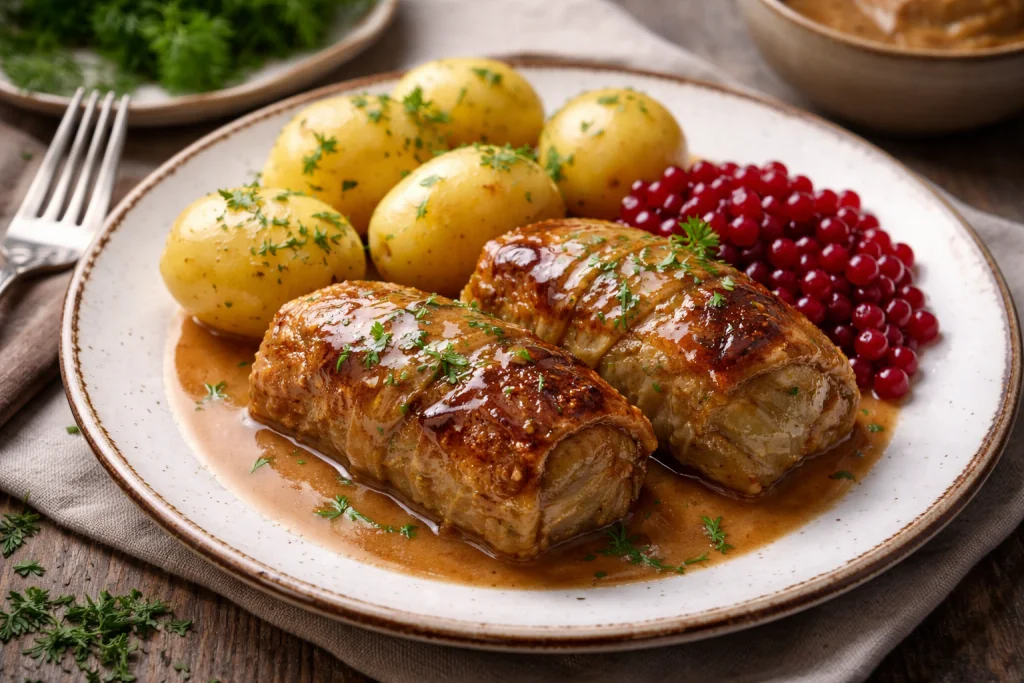
2. Cabbage rolls
Kåldolmar is a Swedishisation of the more international dish vinbladsdomar, which can be found both in the south and in the east. When making Swedish cabbage dolmas, white cabbage is used and they are often fried in syrup. For classic Swedish flavour, they are of course served with ... boiled potatoes and lingonberries.

3. Raggmunk with pork and lingonberries
Raggmunk is made by mixing grated potatoes with flour, milk and eggs. It is then formed into patties that are fried and served with pork and, of course, lingonberries. Raggmunk is the regional dish of Östergötland.

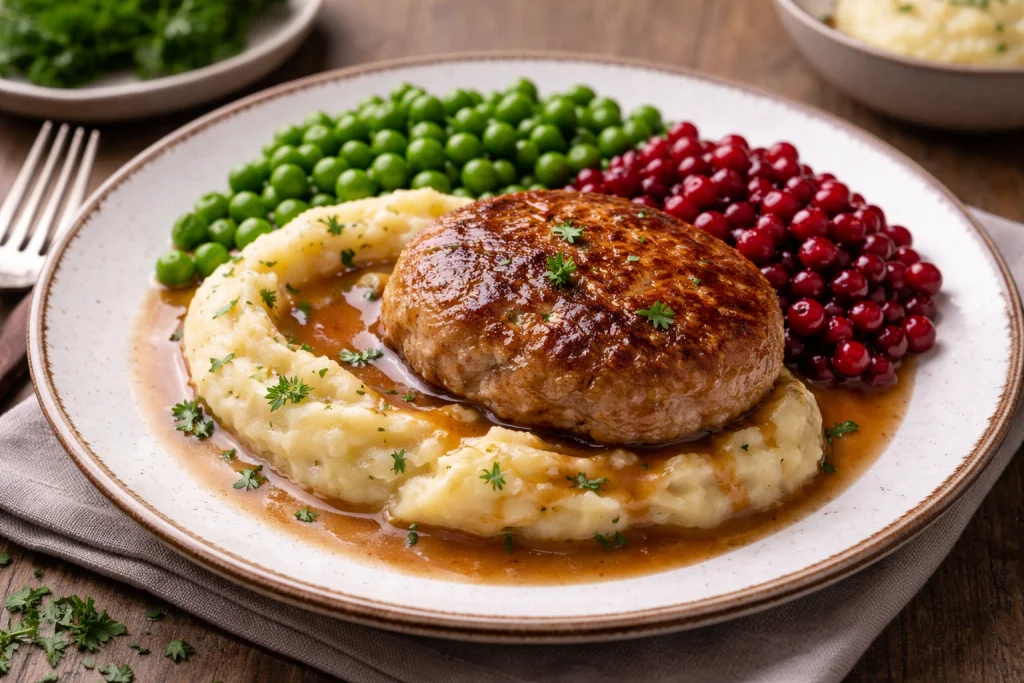
4. Wallenbergers
Wallenbergare is a slightly more exclusive version of pan-fried beef. It is made from finely ground veal and served with mashed potatoes, peas and lingonberries. The dish is believed to have been named after banker Marcus Wallenberg's wife Amalia, whose father was a doctor and cookbook author.
5. Falukorv with stewed macaroni
Falukorven is a named Swedish sausage containing meat, fat, potato flour, onion, salt and spices. The sausage is used in many different dishes and can be eaten with various accompaniments, and one of the classics is to eat it with stewed macaroni.

6. Pea soup with pancakes
Pea soup and pancakes are traditionally eaten every Thursday, and some lunchtime restaurants have been good at keeping the tradition alive. The reason for the tradition is that Friday was the Catholic day of fasting in the Middle Ages, and people wanted to eat their fill for it. Some believe that hot punch should also be served with the pea soup, perhaps flag punch. This is Swedish food!

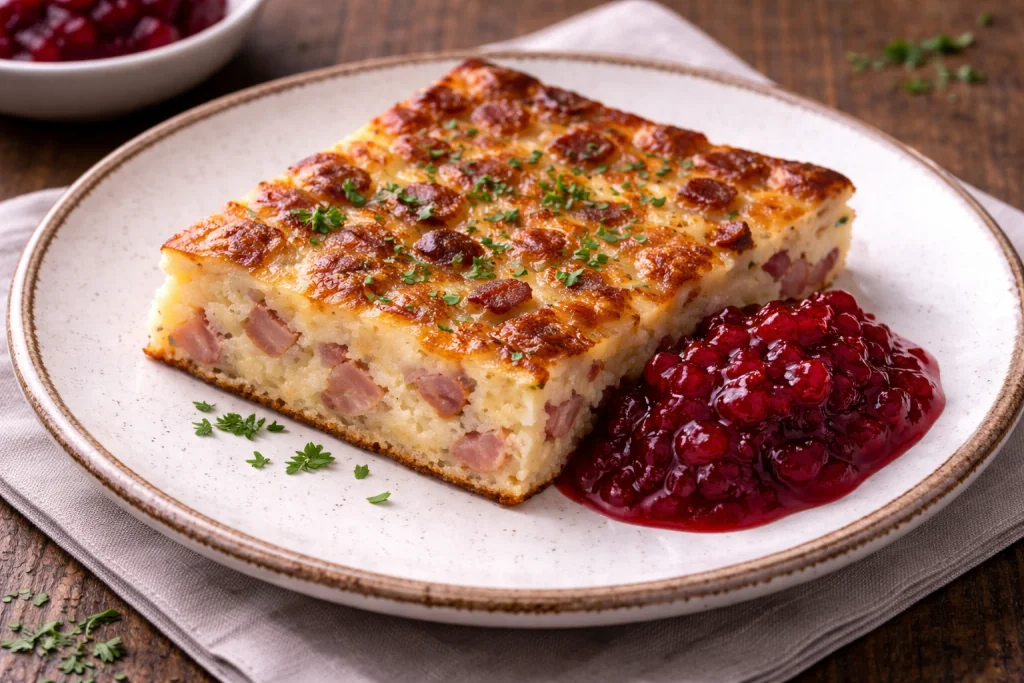
7. pork pancake
Pork pancake is a thick pancake made in the oven. The dish contains pork as well as eggs, milk and wheat flour. It is often served with lingonberry jam on the side.
8. black pudding with lingonberries
Black pudding is a dish that is both loved and hated. In fact, black pudding (or blood sausage as it is known in some parts of the country) is often favoured by children. When they get a little older and realise that the dish is made from pig's blood, some people have doubts. For example, blood pudding can often be served with lingonberries.

9. Brown beans with pork
Brown beans with pork is a classic Swedish everyday dish. The dish is given a special characteristic flavour by flavouring with syrup and vinegar. You can either make it yourself or buy it ready-made in the shop.

10. Kalops with boiled potatoes and pickled beetroot
Kalops is a traditional meat stew that is perfect for autumn or winter. The stew is seasoned with Swedish flavours and is often served with boiled potatoes and pickled beets.

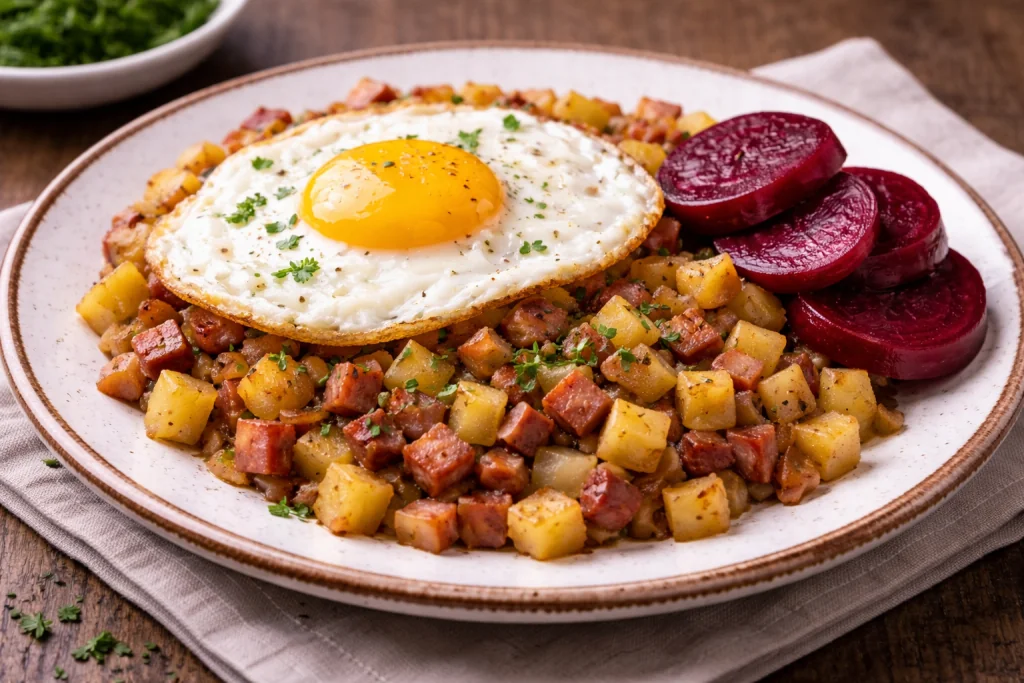
11. Pyttipanna
Pyttipanna is a classic that involves taking what you have in the fridge, chopping and frying together. The base is potatoes and onions and then you can add meat, such as beef, pork or sausages. Traditionally, the dish is served with fried eggs and pickled beetroot.
12. Pancetta with onion sauce
Pancake with onion sauce has long been a classic dish both at home and in restaurants. The dish is still made, of course, but nowadays the onion sauce has become a competitor and pancakes are served with many different accompaniments and sauces.

13. root mash and pork knuckles
Red mash is a dish consisting of strained turnips, potatoes, carrots and sometimes parsnips. The mash can be served with various accompaniments, such as pork shoulder.

14. Iceberg lettuce with stewed potatoes
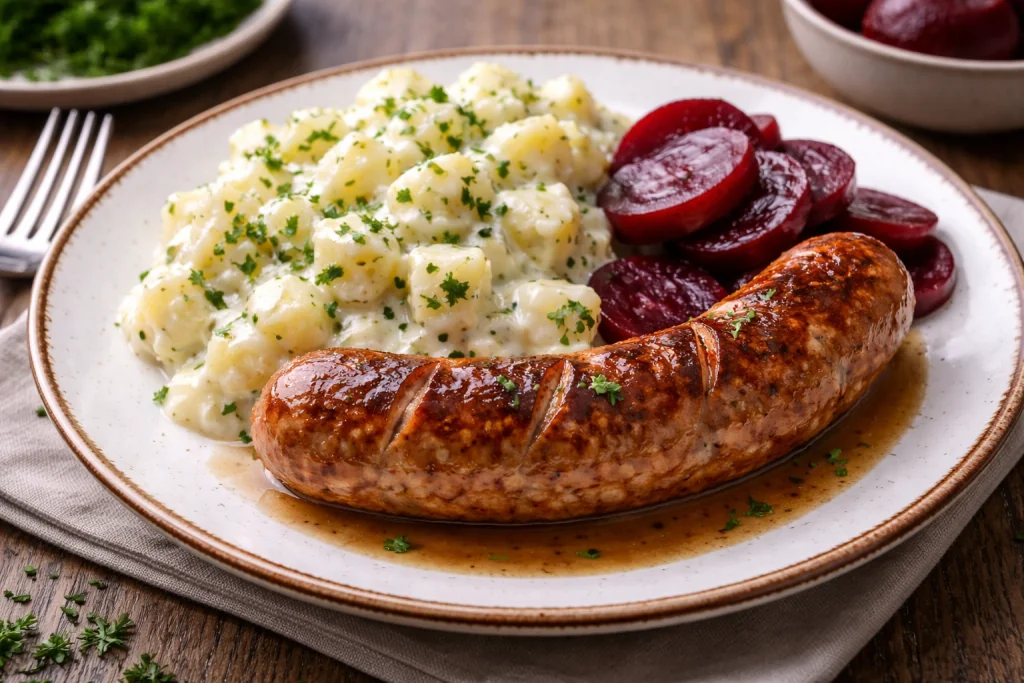
Isterband is a lightly smoked, coarse-grained sausage, often with a sour flavour. Perhaps the best known is the Småland isterband. The dish can be served with parsley stewed potatoes and pickled beetroot.
15. Roast pork with onion sauce
Roast pork with onion sauce is a traditional Swedish food that people used to eat every day. The pork is served with boiled potatoes and an onion sauce that is both salty and sweet.

16. Biff Rydberg
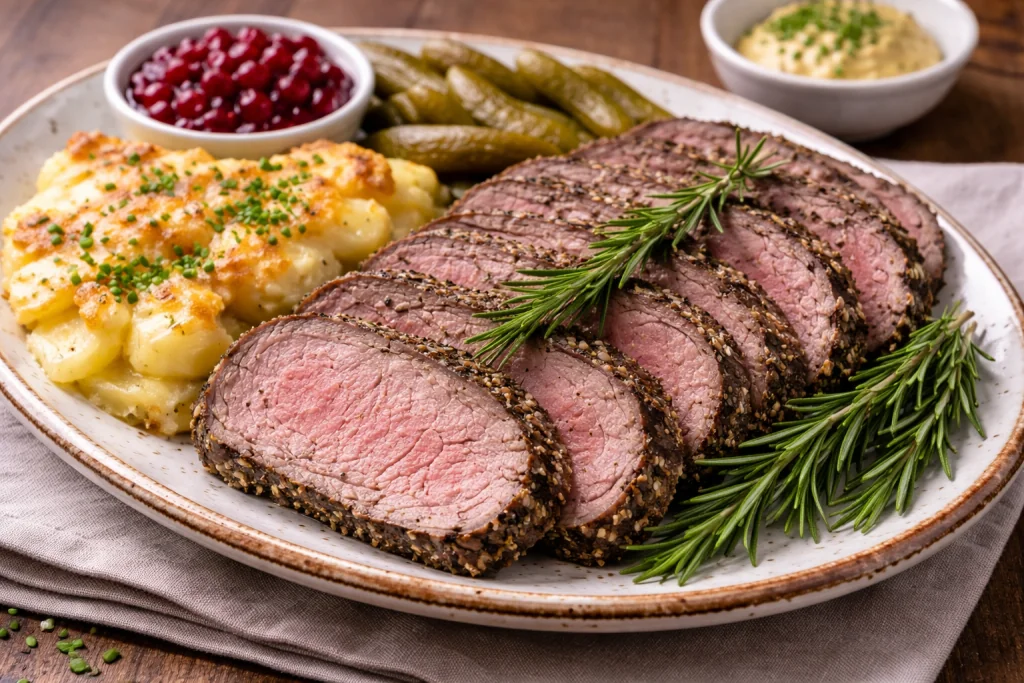
Biff Rydberg, or Biff à la Rydberg as the dish may also be called, is a luxurious version of the pot pie. The meat is beef fillet and the ingredients are usually cut into slightly larger pieces. The dish is usually served with raw egg yolk and chopped parsley.

17. ”Swedish” tacos
Tacos are of course not originally Swedish, but a kind of Swedish version has developed, which has also become traditional on Fridays.

Fish and the sea
18. sour herring
Surtrömming is a watershed, a dish that you either love or hate. Surströmming is a speciality of northern Sweden in particular, and smells very strong when you open the can. It can be eaten with soft or hard flatbread and various accompaniments such as almond potatoes and sour cream.

19. Jansson's temptation
Janssons frestelse is a Swedish gratin made with potatoes, onions and anchovies (sprat). The dish is described from 1928 and was named after a film called 'Jansson's Temptation'.

20. Smoked salmon with dill stewed potatoes
Rimming is an old method of preservation that involves salting, and possibly also sugaring, meat or fish so that it will keep for storage. Poached salmon is often served with dill-stewed potatoes.

21. Fried herring with mashed potatoes
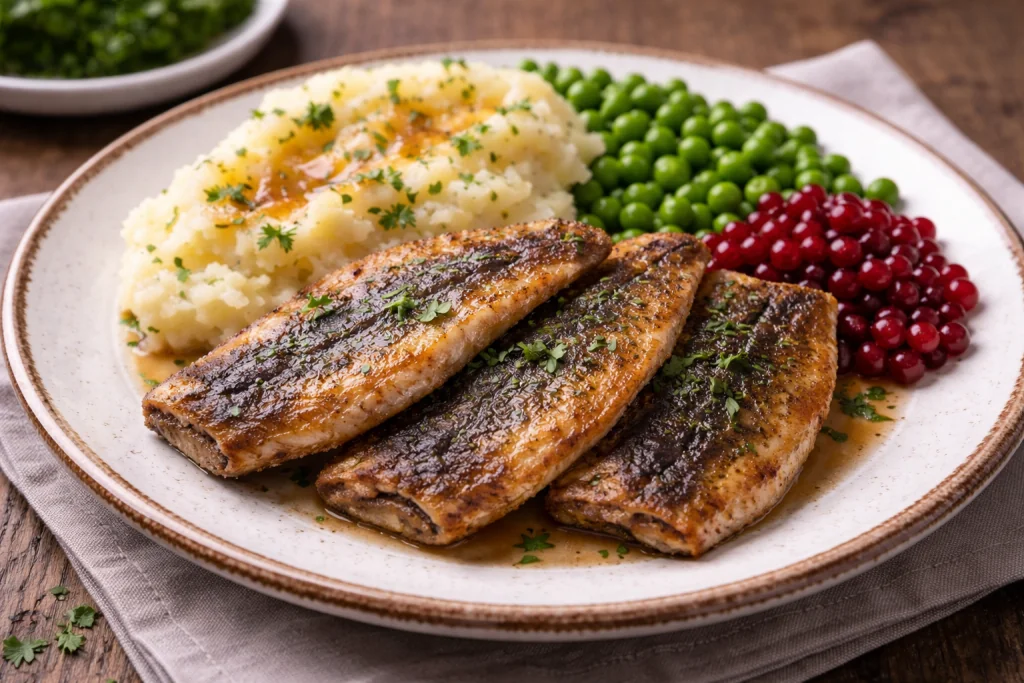
Another fish classic in Swedish homes has long been fried herring with mashed potatoes. Today, it is perhaps more common to see this dish in lunch restaurants, often served with peas and perhaps lingonberries.
22. seafood table
On the coasts, it is traditional to enjoy seafood - prawns, crayfish, crab and mussels. There are many delicacies to savour!

Wild and northern
23. Venison stew
Renskavsgryta or viltskavsgryta is a traditional Swedish dish from northern Sweden that can be flavoured with, for example, brass butter and chanterelles. The dish can be served with mashed potatoes and, yes, lingonberries.

24. palt or body cakes
Palt and kroppkakor can be said to be two variations of the same dish. Palt is made in Norrland, while kroppkakor is made on Öland and other parts of southern Sweden. The recipes differ, but both variants are often filled with pork. Don't forget to serve with lingonberries!

25. Knuckle of pork or roast elk
Tjälknöl is a dish originally from Norrland that consists of deep-frozen meat, usually moose meat, which is cooked in an oven over low heat. Moose, which is a typical Swedish food, can of course also be cooked in many ways. For example, you can cook a moose roast.
Swedish starters and small dishes - 10 classics
Swedish food is not just about home cooking and main courses - there are also lots of delicious and delightful starters and side dishes.
Fish and seafood
1. pickled herring
Pickled herring is a Swedish classic, dating back to a time when food needed to be preserved in different ways. In the past, herring was eaten quite often, but today many people only open jars of herring on the three holidays when the herring is released. almost are a must: Christmas, Easter and Midsummer.

2. grilled salmon
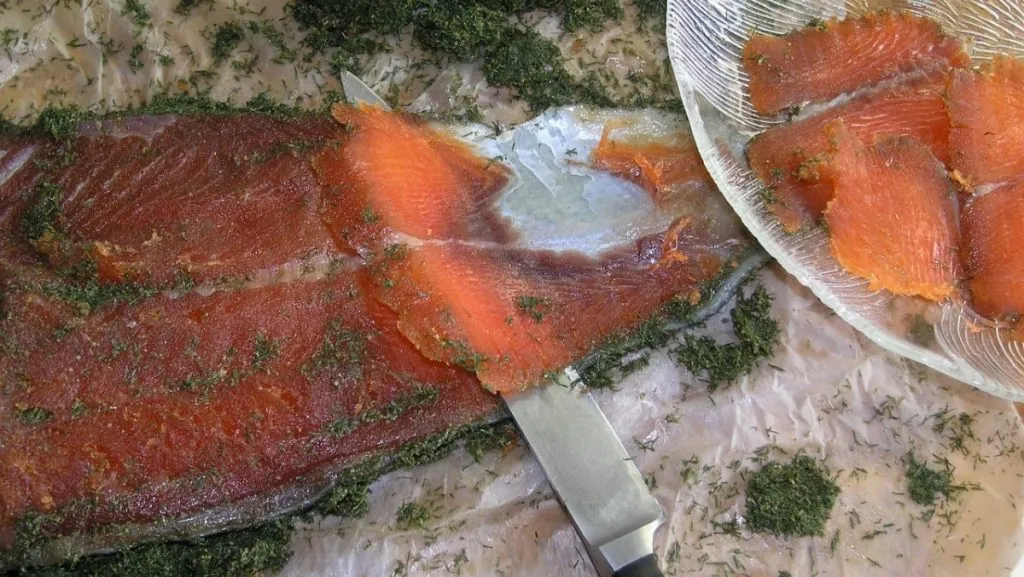
Gravlax is one of Sweden's most classic starters and is made by pickling salmon with salt, sugar and dill. It's usually served thinly sliced with a 'hovmästar' sauce, which has a sweetish flavour of mustard and dill. The dish is particularly common at festive times such as Christmas, Easter and Midsummer.
4. Skagen scrambled eggs / Skagen toast
Skagen batter consists of prawns, mayonnaise, dill and sometimes a little lemon or rum. It is often served on toast as Toast Skagen, preferably topped with vendace roe. The dish is associated with Swedish summer and the archipelago and is a favourite at both restaurants and festive occasions.

5. onion roe toast
Löjromstoast is considered one of the most exclusive Swedish starters. It usually consists of buttered bread topped with vendace roe, finely chopped red onion, crème fraiche and dill. The combination of saltiness, acidity and crunchiness makes it a real delicacy.
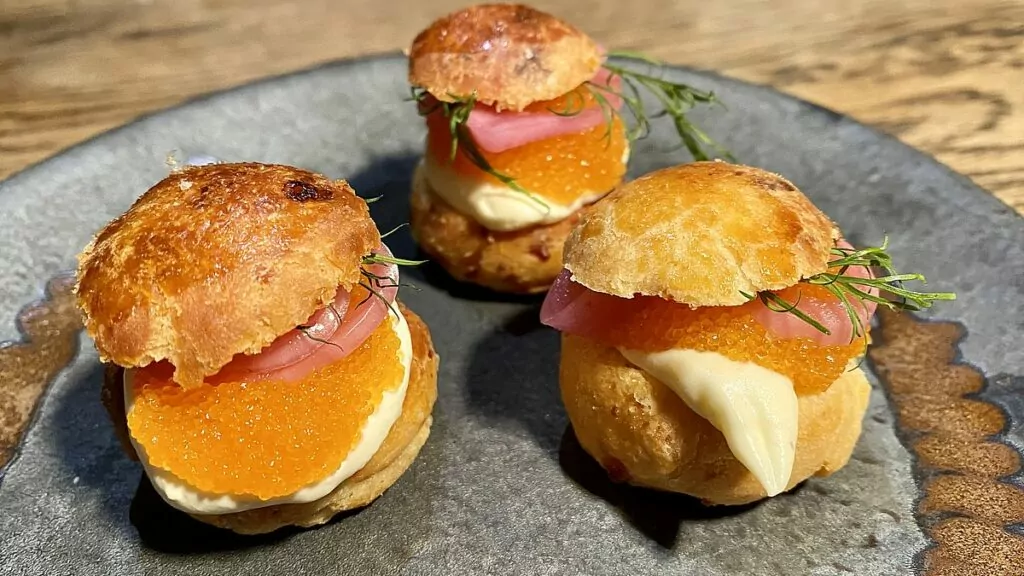
6. prawn sandwich
The shrimp sandwich is a classic Swedish sandwich often associated with coastal areas and café culture. It usually consists of bread topped with lettuce, egg, mayonnaise and plenty of hand peeled prawns, sometimes also lemon and dill.

Forest and wildlife
7. Pure with horseradish
Thin slices of smoked or gravad reindeer are often served as a starter in northern Sweden. The meat has a mild gamey flavour and goes well with grated horseradish and sometimes a dollop of sour cream. The dish reflects the food traditions of northern Sweden and the proximity to nature.

8. Chanterelle toast
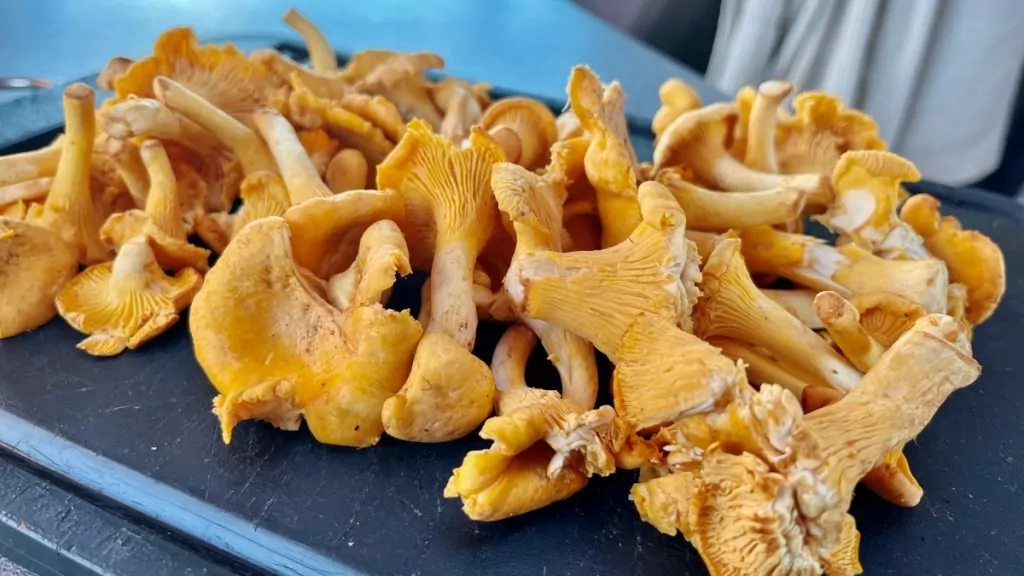
Chanterelle toast is a classic Swedish snack that highlights the yellow gold of the forest – chanterelles. The mushrooms are often fried in butter with onions and served on toast. The dish is especially popular during late summer and autumn and reflects the strong connection between Swedish food and nature.
Festive classics
9. Västerbotten pie
Västerbottenpaj is a tasty cheese pie made from the aged Västerbotten cheese, which gives it a unique, nutty flavour. It is often served lukewarm and goes perfectly with a dollop of crème fraiche and some rum or red onion. The pie is a classic at crayfish parties and other Swedish celebrations.

10. Sandwich cake
Smörgåstårta is a cold “cake” made of bread and various fillings such as prawns, salmon, liver pate or ham. It is often generously decorated and is as much an eye-catcher as a dish. The sandwich cake is a staple dish at parties, graduation celebrations and other festive occasions.

Swedish desserts - 10 sweet dishes
There are lots of delicious Swedish desserts and sweets. Here we list a bunch of dishes that you don't want to miss.
Classic Swedish desserts
1. pancakes
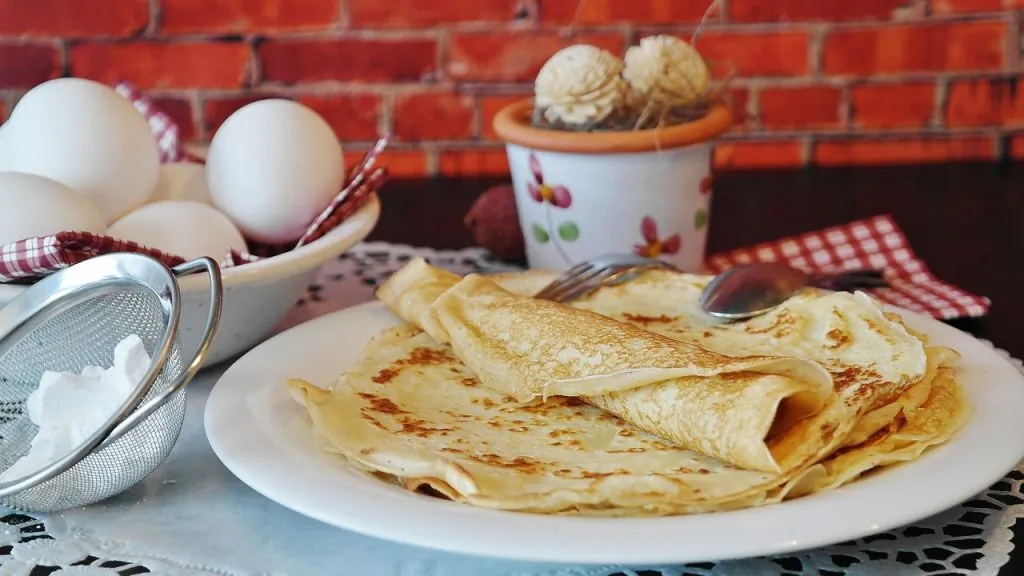
Swedish pancakes are thin and fried in a frying pan, unlike thicker American varieties. They are usually served with jam and whipped cream, with strawberry jam being a favourite. The dish is eaten both as a dessert and as part of the classic Thursday lunch of pea soup.
2. Waffles
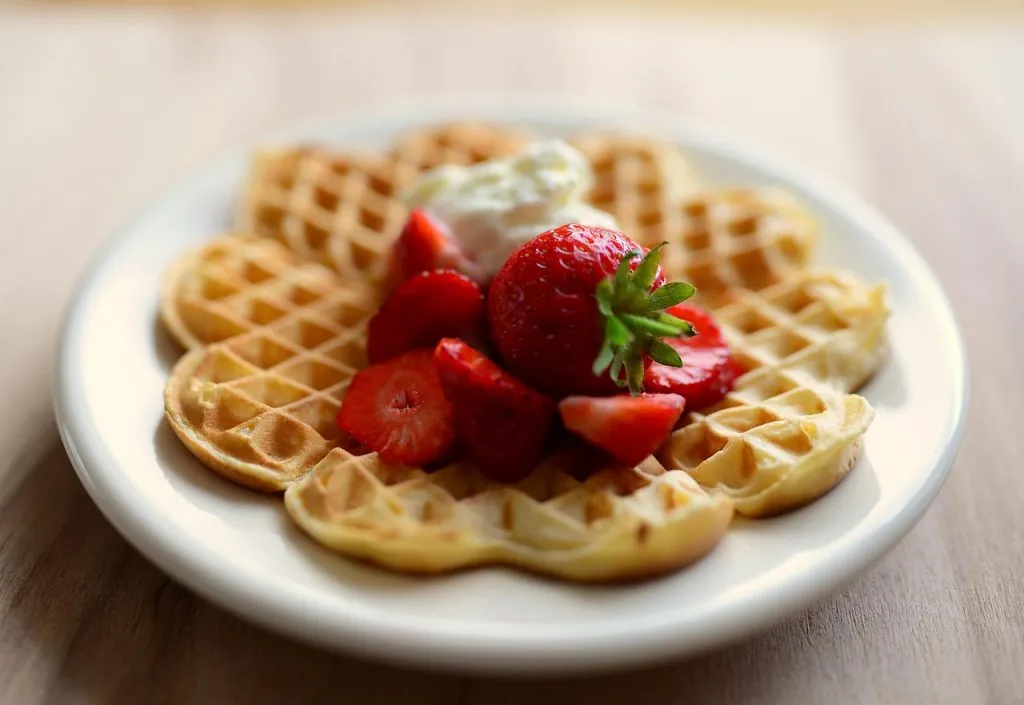
Waffles are a beloved Swedish classic, particularly associated with Waffle Day in March. They are crispy on the outside and soft on the inside and are usually served with jam and whipped cream. The combination of sweetness and crunchiness makes them a year-round favourite.
3. Rosehip soup
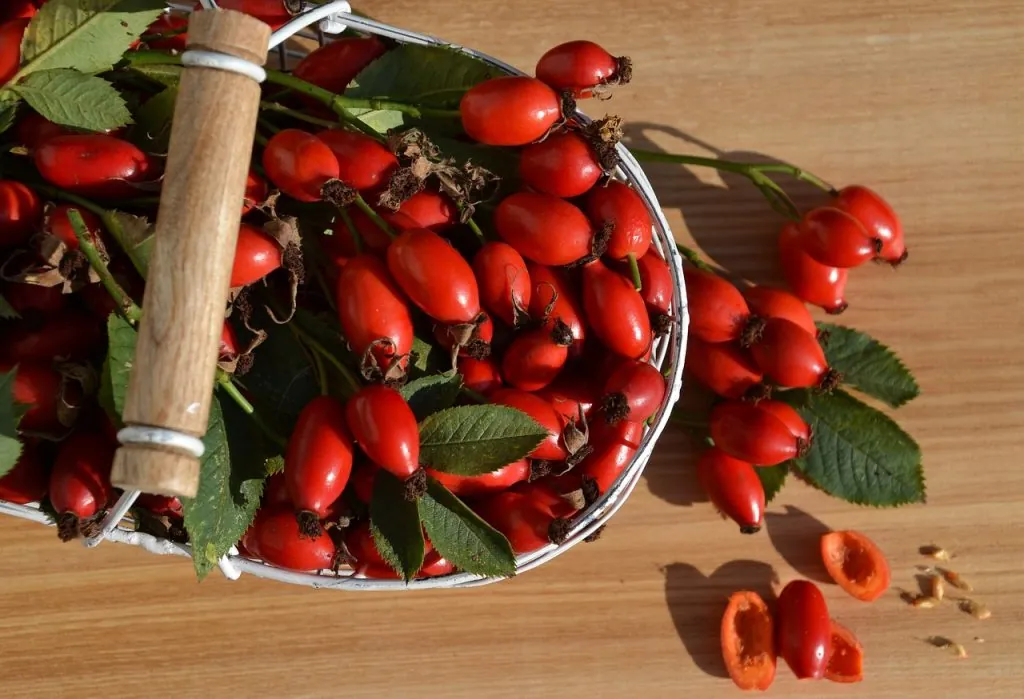
Nyponsoppa is a traditional Swedish dessert made with rosehips, which give it a sweet and slightly tart flavour. It can be served hot or cold, often with whipped cream or almond biscuits. The dish is also common as a snack and has long been part of Swedish home cooking.
4. Apple cream
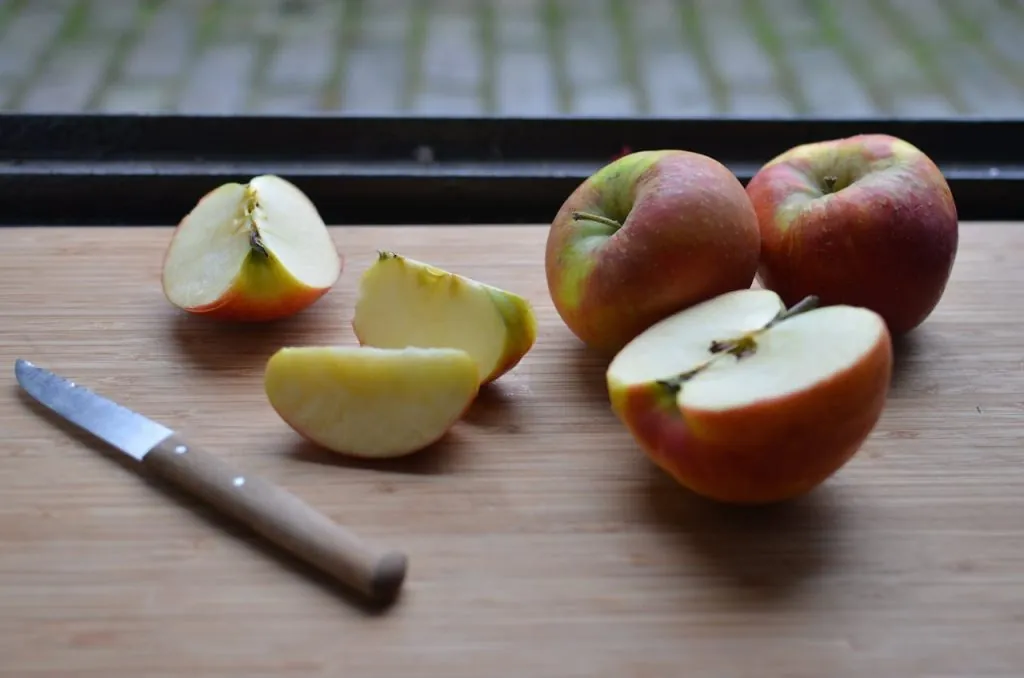
Apple cream is a classic dessert made from cooked apples that are ripened to a thicker consistency. It is usually served cold with milk or cream. The dish was particularly common in the past and reflects how the autumn apple harvest was used.
Cakes and festive desserts
5. Strawberry cake
Strawberry cake is perhaps the most iconic Swedish summer cake. It consists of a sponge cake base, whipped cream and fresh strawberries. The cake is strongly associated with Midsummer and other summer celebrations.

6. Princess cake
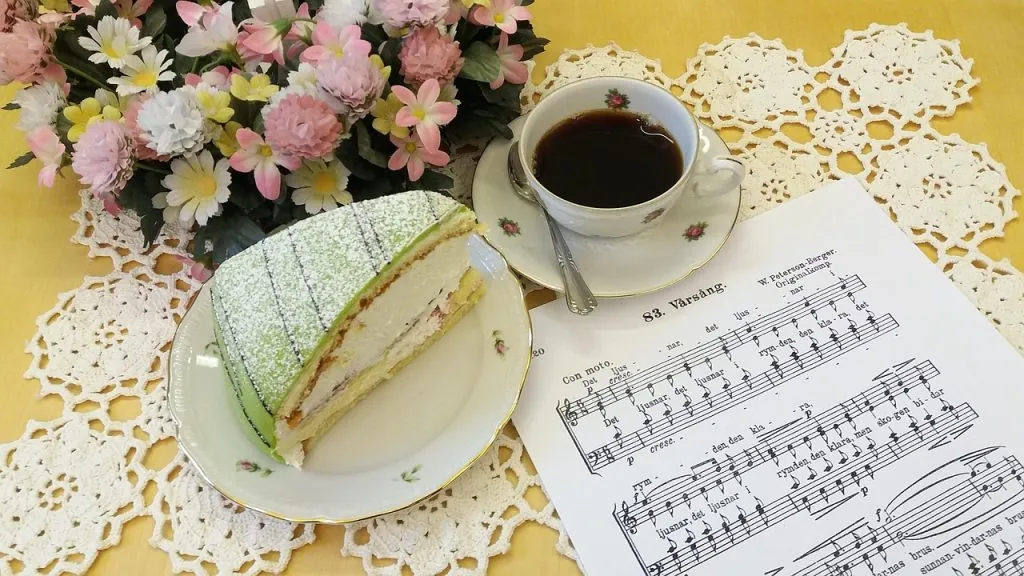
Prinsesstårta is a classic Swedish cake with layers of sponge cake, vanilla cream and whipped cream. It is covered with a green marzipan lid and often topped with a small rose. The cake is a natural part of birthdays and celebrations in Sweden.
7. meringue whisk
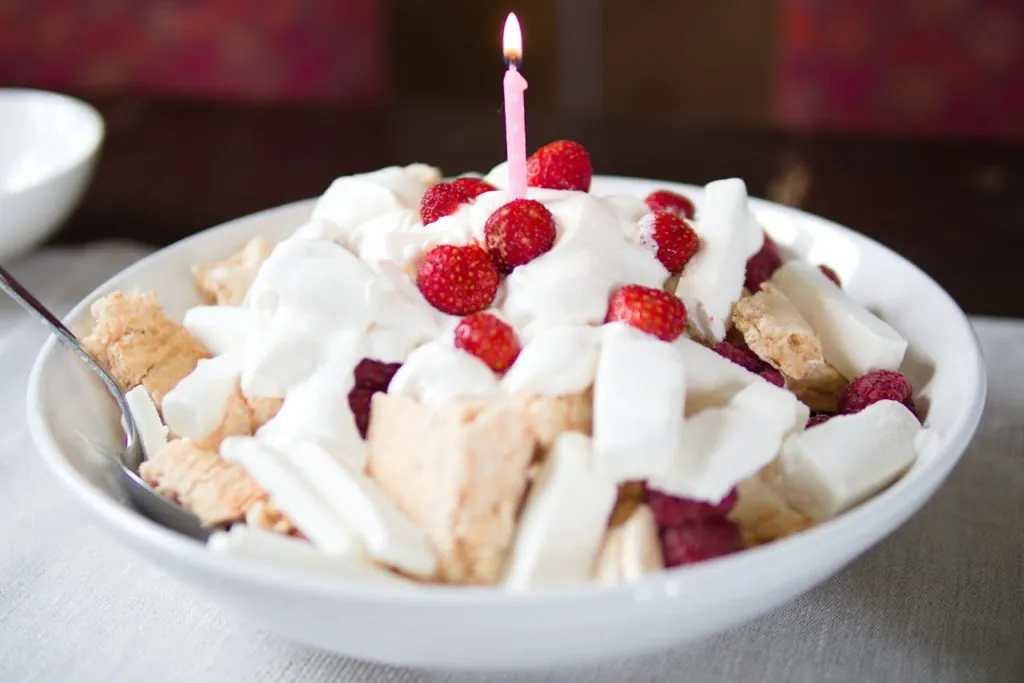
Meringue whisk is a festive dessert with ice cream, meringues, chocolate sauce and banana. It is often built in layers or served in large portions to share. The combination of creamy, crunchy and sweet makes it particularly popular with families with children.
Creamy and cold desserts
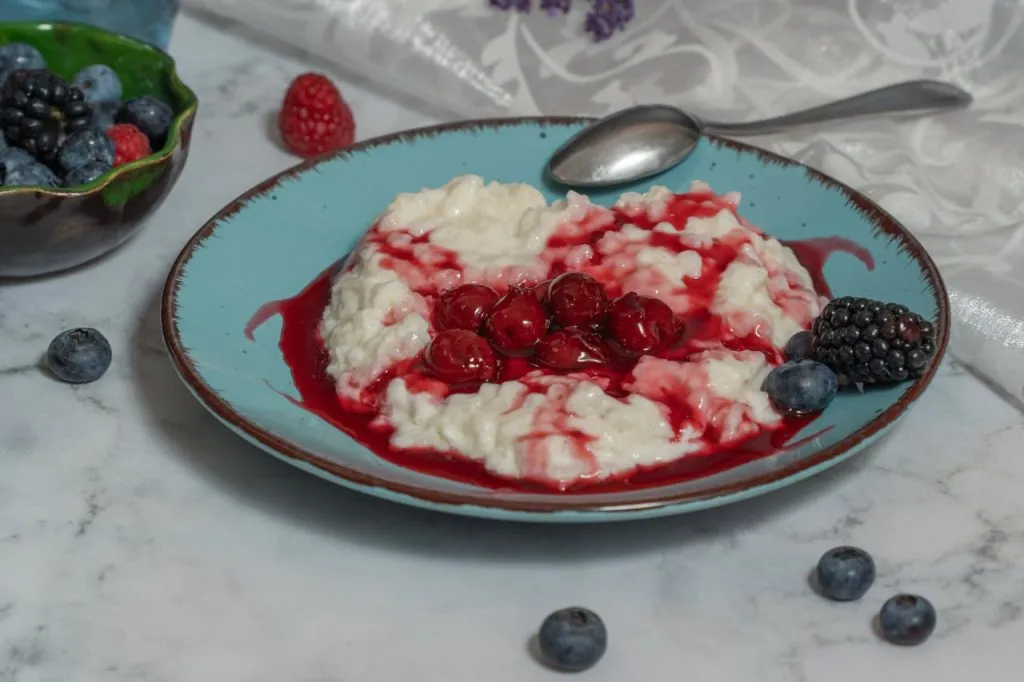
8. rice à la Malta
Ris à la Malta is a creamy dessert made from cold rice pudding mixed with whipped cream. It is often served with lemonade or orange and is a staple of Christmas celebrations in many Swedish homes. The dish is both mild and fresh in flavour.
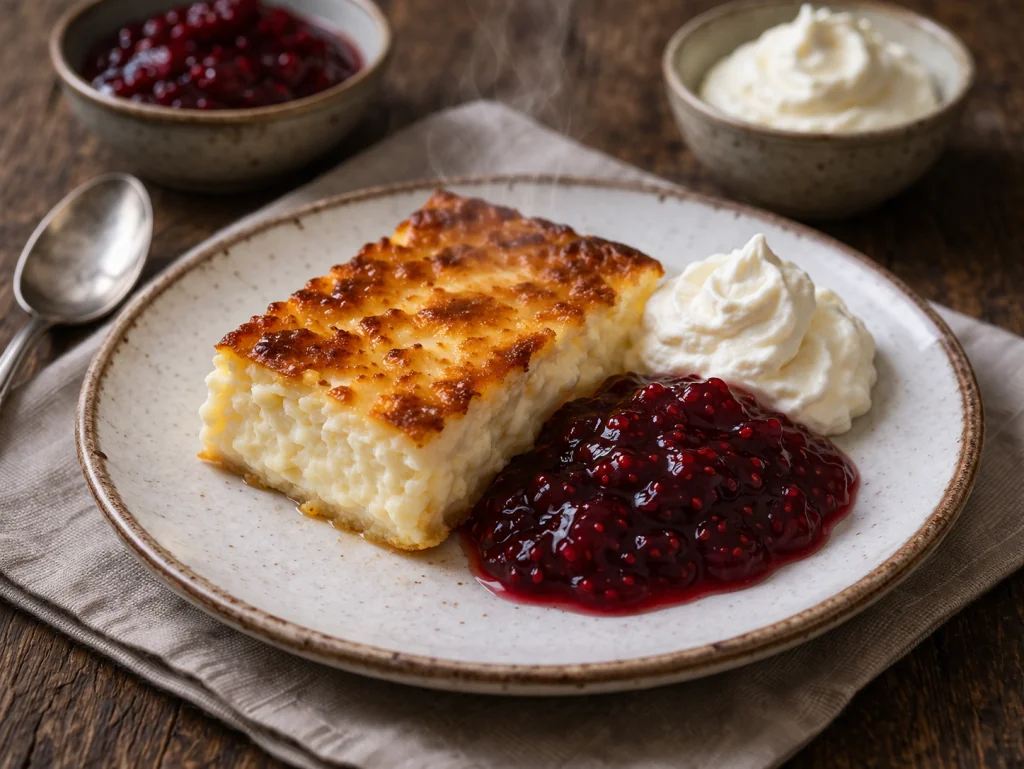
9. Cheesecake
Swedish cheesecake is different from cheesecake and is made from curd baked in an oven. It is traditionally served warm with jam, often cloudberry, and whipped cream. The cheesecake has strong roots in Småland and is a classic festive dessert.
10. Ice cream with cloudberry jam
Ice cream with cloudberry jam is a simple but luxurious dessert with a distinctly Nordic flavour. The golden cloudberries add a unique flavour that is both sweet and tart. The dish shows how Swedish berries are often used to enhance simple desserts.

Swedish coffee and pastries - 10 cakes
Sweden is known for fika and yes, we like pastries in Sweden.
Bulls
1. cinnamon bun
Sweden's most iconic fika! The aroma of cinnamon, butter and sugar together with the soft, spun dough makes the cinnamon bun irresistible.

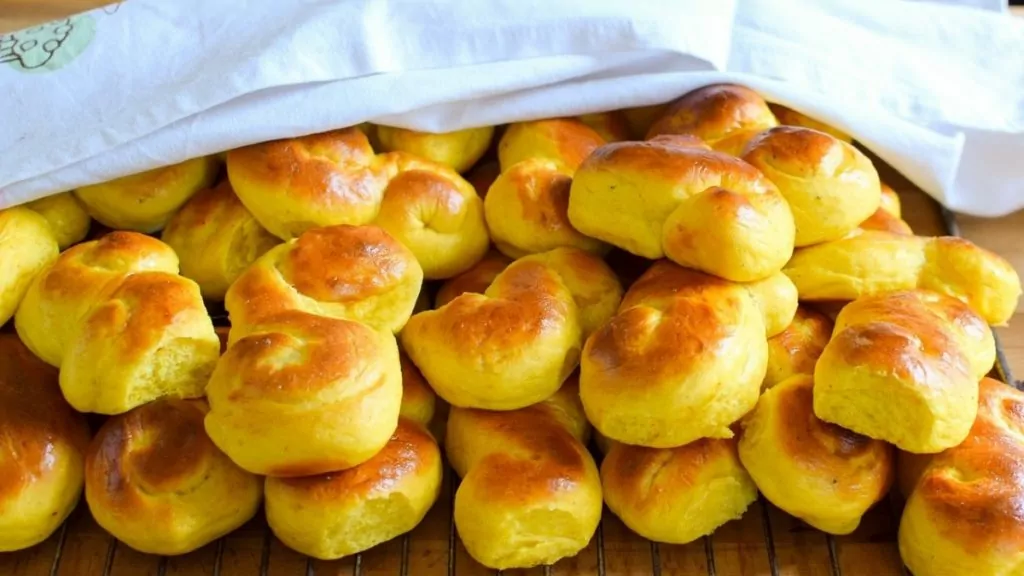
2. Lussekatt
The Lussekatten is a pastry that we eat on Lucia, around 13 December. Usually flavoured with saffron!
3. semla
Traditionally, the semlan a wheat bun filled with almond paste and cream. Semlan is most often eaten on Fat Tuesday, but has become popular all year round.

Soft cakes
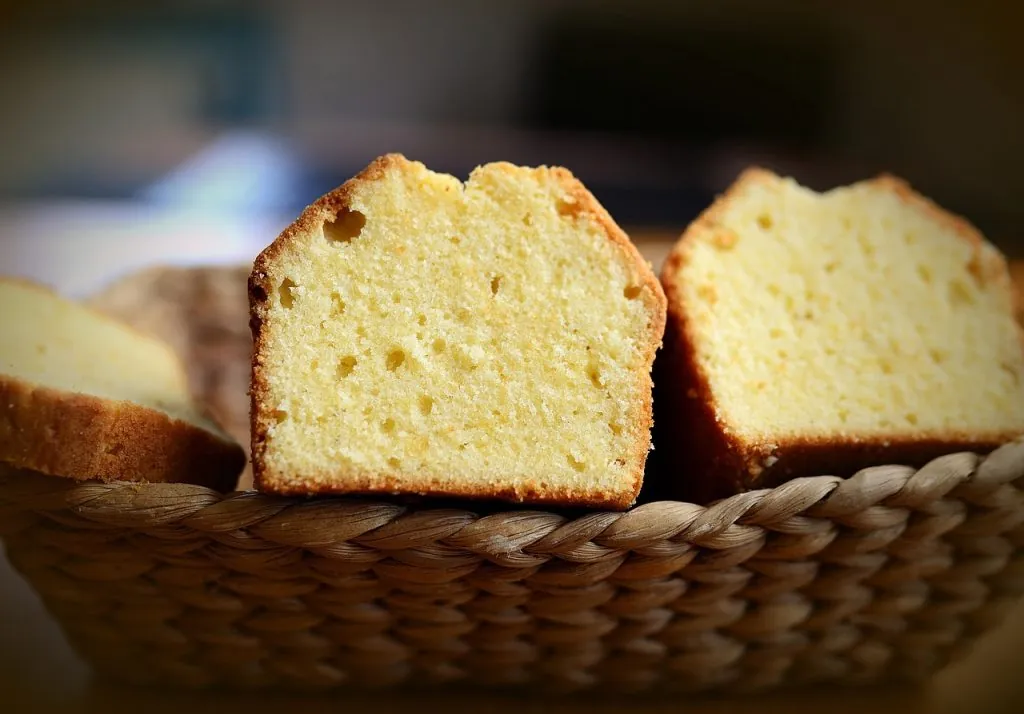
4. sugar cookie
Sockerkaka is a classic Swedish pastry that is simple, airy and mildly sweet in flavour. Often served plain or with a light flavouring of vanilla or lemon, it is a staple of the Swedish coffee table.
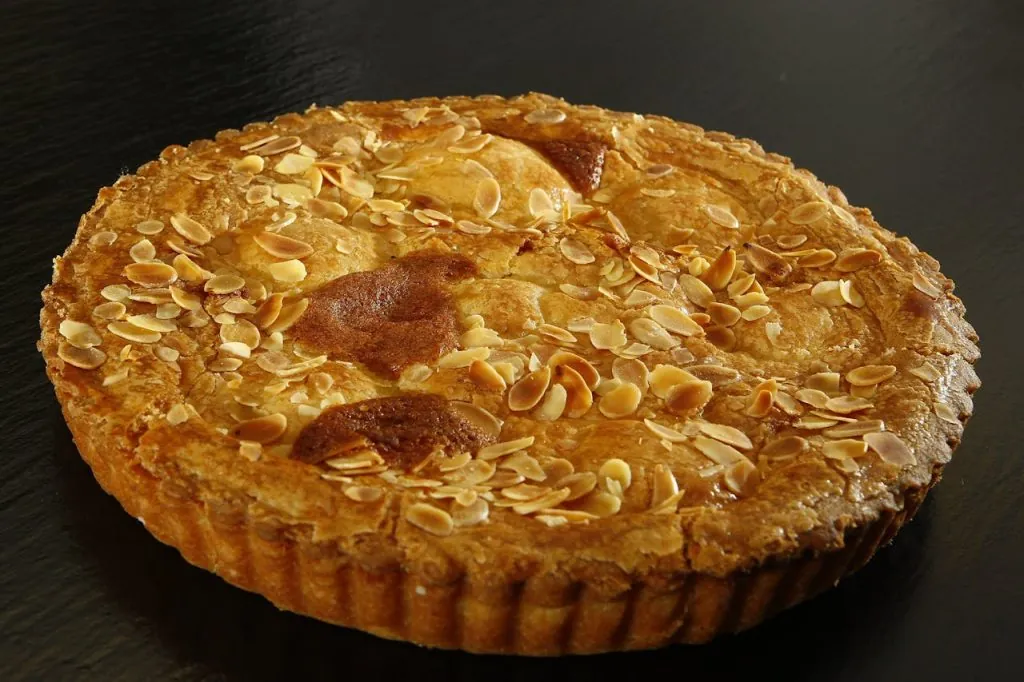
5. toca cake
A moist sponge cake covered with a golden, crunchy layer of butter, sugar and almonds. The combination of soft and crunchy is irresistible.
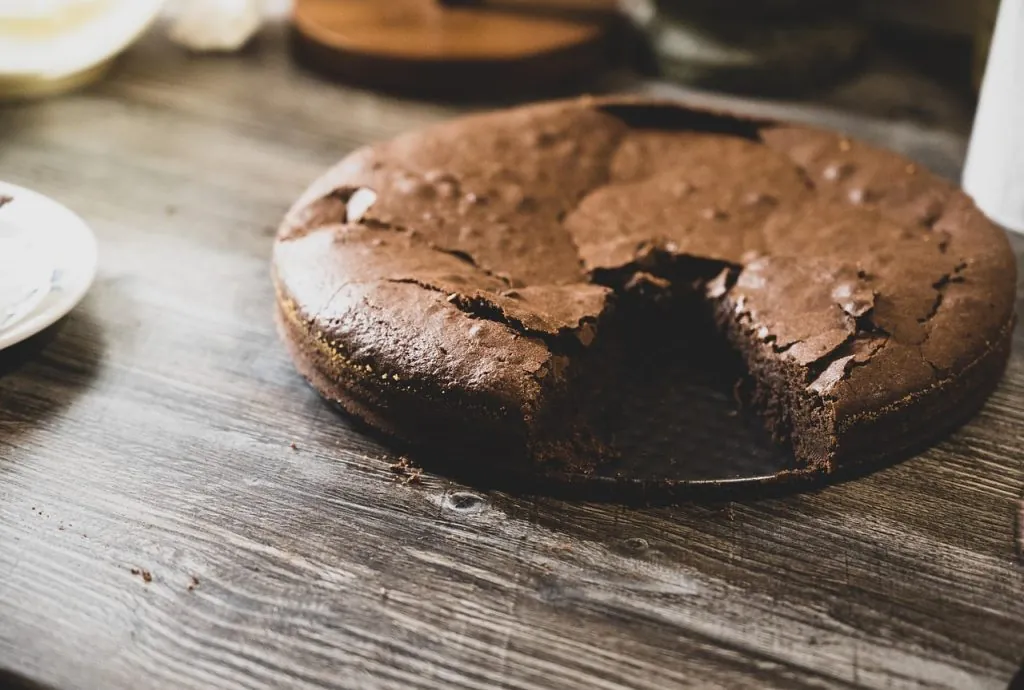
6. sponge cake
This rich chocolate cake is soft and gooey in the centre and loved by young and old alike. Often served with whipped cream or berries, it is easy to bake at home.
Biscuits and pastries
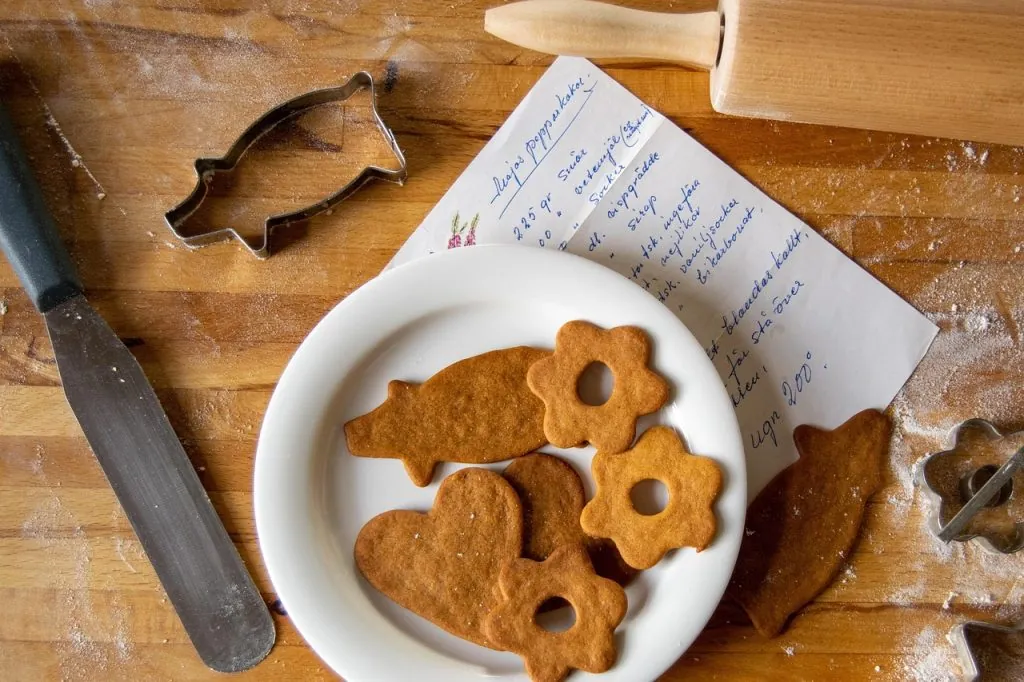
7. gingerbread
Pepparkaka is a classic in Sweden, not least at Christmas. It's a thin, crisp and spicy cookie traditionally flavoured with cinnamon, ginger, cloves and sometimes cardamom.
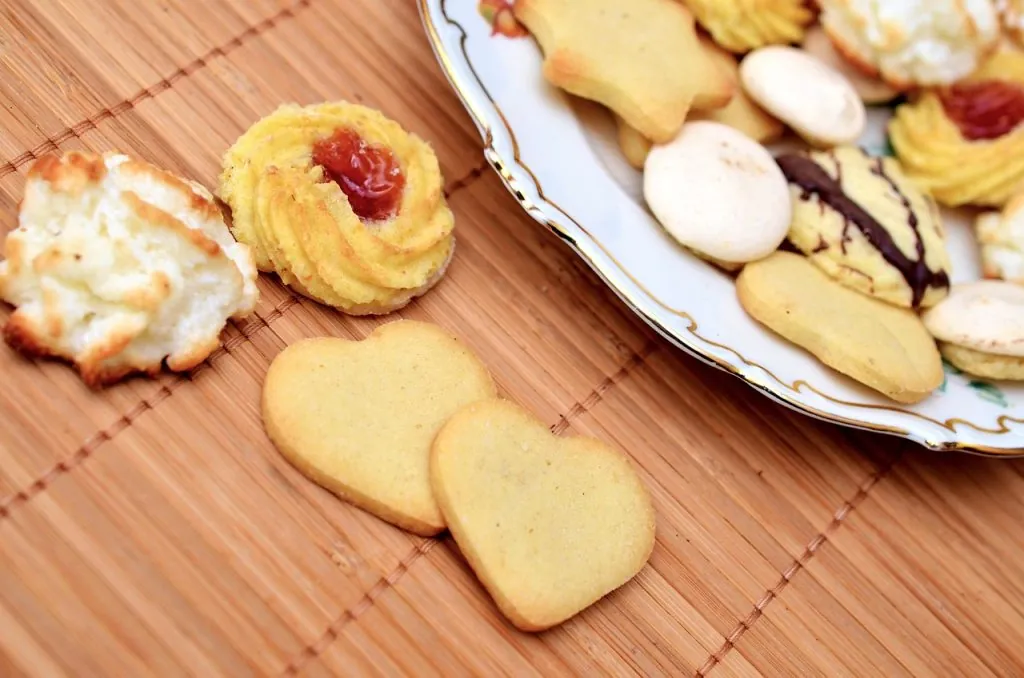
8. Raspberry grotto
Small soft cookies with tart raspberry jam in the centre. Easy to bake and perfect as a snack or for a children's party.
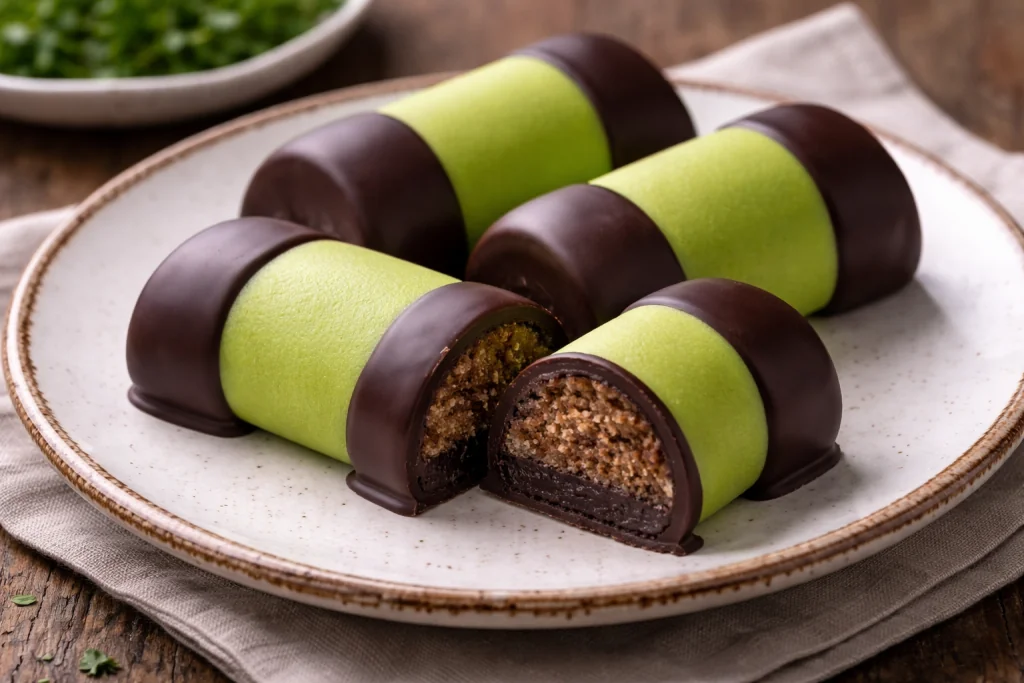
9. Vacuum cleaner (punch roller)
Small chocolate dipped rolls with marzipan and punch flavoured filling. Perfect as small sweet bites with your coffee.
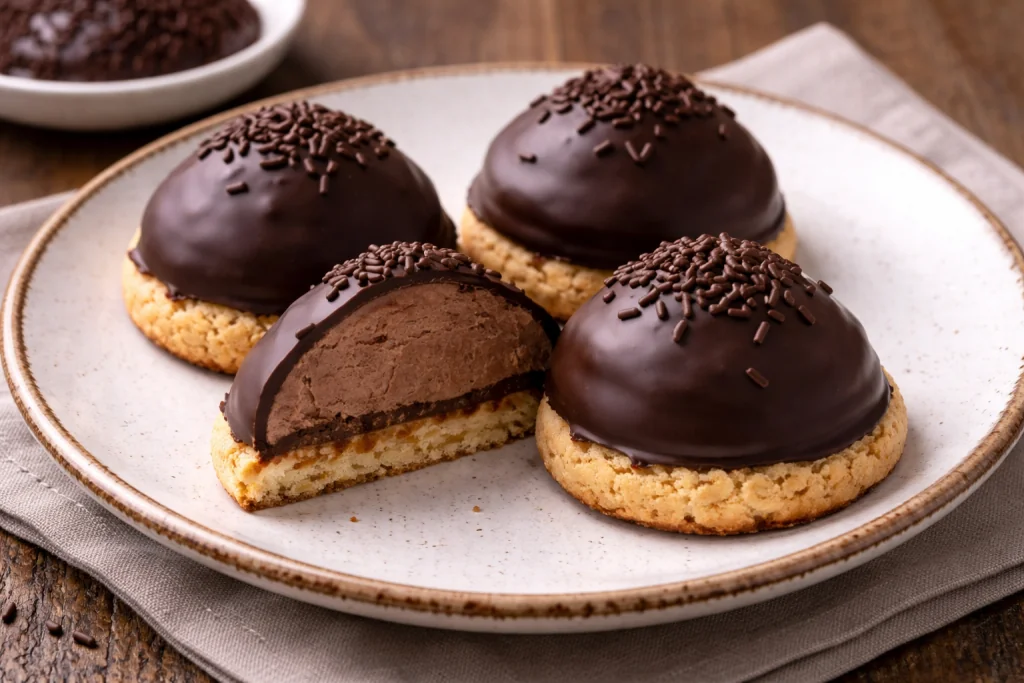
10. Chocolate biscuit
An almond base topped with smooth chocolate cream and dipped in chocolate. Elegant and flavourful, loved by children and adults alike.
Swedish food on holidays
During Christmas, Easter and Midsummer, we eat smörgåsbord, which is truly a national tradition. The content differs slightly between the celebrations, but much is the same:
- Pickled herring, herring salad, anchovies and herring
- Grilled, smoked and pickled salmon
- Jansson's temptation
- Egg halves
- Christmas ham, meatballs, prince sausage and ribs
- Pâté and liver paste
- Beetroot salad, potato, red cabbage and Brussels sprouts
- Wheat bread and cheese
- Lutefisk
- Rice pudding and rice á la Malta
- Christmas must or Easter must
Another important Swedish holiday is the crayfish festival in August, when we feast on crayfish in particular.

Regional Swedish food
Sweden is an elongated country with major regional differences, and this is clearly reflected in its food. In the north, game such as reindeer and elk dominate, often accompanied by berries such as lingonberries and cloudberries, while the coastal regions offer fish and shellfish such as herring, salmon and prawns.
In southern Sweden, dishes are often more agricultural, with pork, potatoes and rich stews taking centre stage. At the same time, many local specialities survive, from Småland lard strips to Skåne egg cake, making Swedish cuisine both varied and deeply rooted in the country's history and nature.

What are your experiences with Swedish food?
What are your experiences with Swedish food? Do you like home cooking? Do you have any favourites? Or maybe you can tell us about some classics that we missed?
More about food in other countries
Here you can find more stories about food in different countries:
- Danish food – 22 Danish dishes
- Finnish food – 20 dishes
- German food - 25 German dishes
- Polish food - 25 Polish dishes
- Icelandic food - 17 Icelandic dishes
Frequently asked questions about Swedish food
What is typical Swedish food?
Swedish food is often characterised by simple, rustic dishes focusing on local ingredients such as potatoes, fish, meat and root vegetables. Classic examples include meatballs with mashed potatoes, herring in various pickles, pea soup and pancakes, and different types of bread such as crispbread.
What is surströmming?
Surströmming is fermented herring (a type of herring) known for its strong odour. It is traditionally eaten with flatbread, potatoes, onions and sour cream. Despite its odour, it is an appreciated delicacy for many Swedes.
What is a Swedish fika?
Fika is an important part of Swedish culture and involves taking a break to drink coffee (or tea) and eat something sweet, like cinnamon buns or cookies. It is as much a social activity as a coffee break.
What do you eat at the Christmas table?
A Swedish Christmas table consists of a variety of dishes, often served buffet style. Common items include Christmas ham, meatballs, prince sausages, herring, gravlax, Jansson's temptation and rice pudding.
What is home cooking?
Husmanskost is traditional Swedish everyday food that is often filling and easy to prepare. Examples include dishes such as raggmunk with pork, kalops, pytt i panna and fried herring.
Why are potatoes so common in Swedish food?
Potatoes have long been a staple in Sweden because they are easy to grow in the Nordic climate. It is used in many classic dishes and is often served boiled, mashed or fried.
What is the difference between herring and Baltic herring?
Biologically, herring and Baltic herring are the same species, but the name depends on where they are caught. In the Baltic Sea, it is usually called herring, while in the North Sea it is called herring. The preparation and flavouring can also vary.
What do you drink with Swedish food?
Swedish food is often accompanied by milk, water or beer. On more festive occasions, schnapps may be served, especially with herring dishes, often accompanied by traditional schnapps songs.
Are there vegetarian Swedish dishes?
Yes, although much traditional Swedish food contains meat or fish, there are vegetarian alternatives. Examples include root vegetable soups, mushroom-based dishes and modern interpretations of classics like vegetarian meatballs.
You might also like:
 Midsummer food - 15 classics & readers' favourites
 Easter food around the world - a taste journey beyond herring and eggs
 3 simple and delicious casseroles with stir-fries
 What to eat in Tunisia - 17 classic dishes you must try
 Turkey fillet with orange sauce and plum compote





 English (UK)
 Svenska
Lena - gott för själen says:
Yes, we have so many traditional Swedish dishes. I eat most of them, but I'm happy to skip surströmming and herring.
Hug Lena
21 February 2021 - 7:24
Helena says:
Isn't that right? And probably even more! I don't like surströmming either, but otherwise I eat most things. Maybe not so much brown beans. But I love pea soup and cabbage dumplings 🙂.
21 February 2021 - 8:26
Kenneth+Risberg says:
Many good and traditional dishes here. I prefer Swedish home cooking for both lunch and dinner. Fried herring with mash, raggmunk with fried pork, etc. Refrain from sour herring but have still tried it twice, maybe that's why I refrain now.
Another dish I like to order is Skomakarlåda, I don't know if it's a traditional Swedish dish but it's good if it's cooked in the right way.
21 February 2021 - 8:01
Helena says:
I usually like to choose home cooking at lunch restaurants (at the time we went to such) and then I also liked to eat things like fried herring, but also e.g. pea soup. I don't eat sour herring either (have tried it once). We also talked about cobbler's box yesterday. It can be good!
21 February 2021 - 8:28
Monica says:
So nice to see our crayfish dish from your visit to us in Provence! I am so terribly un-Swedish in my eating habits that there are only a few things I like on your list. Eggs and caviar, pickled herring, shellfish, Jansson and rimmed salmon. Pike perch with chanterelles of course. Everything else goes away, can't even think about brown beans with fatty pork, body cakes or cabbage rolls. When I was growing up, you also got boiled tongue or ham thimble. Blood pudding is probably the worst, I think.
I have probably lived a previous life in other countries - the Mediterranean or Japan whose food is a particular favourite!
21 February 2021 - 8:50
Helena says:
You simply have to choose and pick out what suits you, I think! 🙂 When it comes to brown beans, I feel the same as you. Kroppkakor and kåldolmar I actually like, even though I tried both only in adulthood. But that's just plain old home cooking, of course. When it comes to delicacies, I like chanterelles, roe, Smögen prawns and Västerbotten pie 😉 Interesting with boiled tongue and ham thimble! These are not dishes I am familiar with directly. And of course there is wonderful food in the Mediterranean and in Japan! 🙂
21 February 2021 - 17:15
En annan Monica says:
I have to agree, I probably have a more embracing interest in food than Swedish home cooking and I can't imagine anything more disgusting than black pudding. Tragically, it's almost a national dish in school, even among the Swedish people, and if you didn't eat it, the caretakers or the teacher thought you were in a cult because everyone should eat black pudding. I get chills just thinking about it. And so right, with great medical expertise and long training, I know what intestines contain ... and my parents knew, we had superbly good and healthy food. And Swedish crayfish from their own fishing waters and fantastic fish dishes, not as easy today to find fine raw materials. But it's an advantage today with immigrant children in schools, now they have influence and the school food is both fresher and healthier now from the beginning of the 21st century.
22 February 2021 - 13:40
Ama de casa says:
I love Swedish home cooking! But among your dishes in the post, fried herring (too many small bones like guys in the throat) and isterband (a bad sausage imitation) are missing. But I'm happy to eat both the mashed potatoes and the stewed potatoes. The herring and the ice cubes are easy to sort out 😉.
I am very happy that we have both Scandinavian restaurants and shops available here. Of course I eat the Spanish food too, where there are many highlights, but since it's almost 6 years since we were in Sweden, I think it's "allowed" for me to indulge in Swedish home cooking from time to time 😀.
(Gosh, the water was running when I saw all the food pictures. Probably have to clean the keyboard now... 😉 )
Have a nice Sunday!
21 February 2021 - 9:59
Helena says:
Great that you have access to Scandinavian restaurants! A little variety makes everything better 😉.
21 February 2021 - 17:16
Lisa says:
Fresh herring is probably the most delicious thing you can eat. Imagine how many different dishes you can make from herring. Herring flounder, influx, cooked pickled and mustard engraved and much more. Since I grew up in Gävle, there was often herring available. I forgot to mention the beef which is very good.
21 February 2021 - 12:43
Helena says:
Herring can be really good, I agree!!!
21 February 2021 - 17:17
Kina Molitor says:
Likes everything except brown beans. But missing Småländsk OSTKAKA on the list!
Otherwise, I have cooked my way through "Svenska Landskapsrätter" many times over 😊.
21 February 2021 - 13:55
Helena says:
It is absolutely true, we have missed the cheesecake, good addition!!! That thing with landscape dishes is fun by the way!!!
21 February 2021 - 17:18
bmlarsreseblogg says:
Swedish home cooking is really good! We like to eat herring, cabbage pudding, kalops etc. We have tried sour herring once and it was absolutely delicious. Then we are particularly fond of Västergötland's regional dish, grynkorv, preferably with mashed potatoes and really coarse mustard.
21 February 2021 - 15:31
Helena says:
Yes, that's right, I've heard of pork sausage, but I don't think I've eaten it. I have tasted cabbage pudding once at a lunch restaurant, I think (there are some lunch restaurants that are good at home cooking!) and it was good as far as I can remember.
21 February 2021 - 17:19
BP says:
Old-fashioned Swedish home cooking is dying out, unfortunately. Because there are many dishes that are really good. Some take time to prepare, which most full-time working parents of young children don't have - time, that is.
However, I think many older people who enjoy cooking and grew up with brown beans and pork also cook home-cooked meals today.
PS. Thank you for bringing the delicacy surströmming;-) DS.
21 February 2021 - 16:56
Helena says:
Yes, it may be that at least some of the home cooking is dying out. But some dishes that are popular will probably remain, I think. I also think that many lunch restaurants are good at keeping traditions alive. Many serve pea soup, and sometimes you can get things like cabbage rolls for example (Kvarnen on Söder has taught me to eat cabbage rolls, cabbage pudding and some other things ;)).
21 February 2021 - 17:21
Nils-Åke+Hansson says:
We often had Spettekaka when we were still in Söderköping, but since we came to Skåne there hasn't been much of it.
A memory from my childhood is potato herring with corinth sauce. Have you eaten it?
Eats most things in pretty much everything.
I have to tell you with the food I brought to work it was always asked what we had in our boxes. One go had yes kidney and then there were two who switched tables.
21 February 2021 - 19:18
Christina says:
What a list and so much good food we cook in Sweden. We eat everything but skip the surströmmingen like many others 😁 Then boiled cod with skirted butter or egg sauce and seafood steak are two other favourites that are often on our dinner table.
22 February 2021 - 6:50
Sara Johansson says:
My God, everything looks so good!
Got a huge craving now for body cakes, must tip you all about Mrs Eriksson's Husmanskost at Zinkensdamm - my God, they are so good! My grandfather introduced me to Maggan who has had the shop for 20 years. Go there!!!
11 November 2021 - 14:53
Tabula says:
Great article! Thank you for sharing your knowledge and experience. It's inspiring and helps to better understand the topic being discussed.
20 December 2024 - 19:29