


Text and photo: Anna Nilsson Lace
Instead of Helena writing about food here, Aunt Anna will write about the food in her home country. What we eat here in Belgium can be summed up in a few words; lots of meat, fatty and sweet in various combinations.
 Tweet
 Share
 Share
 Pin
 Share
 Share
Table of contents
What to eat in Belgium? – a quick overview
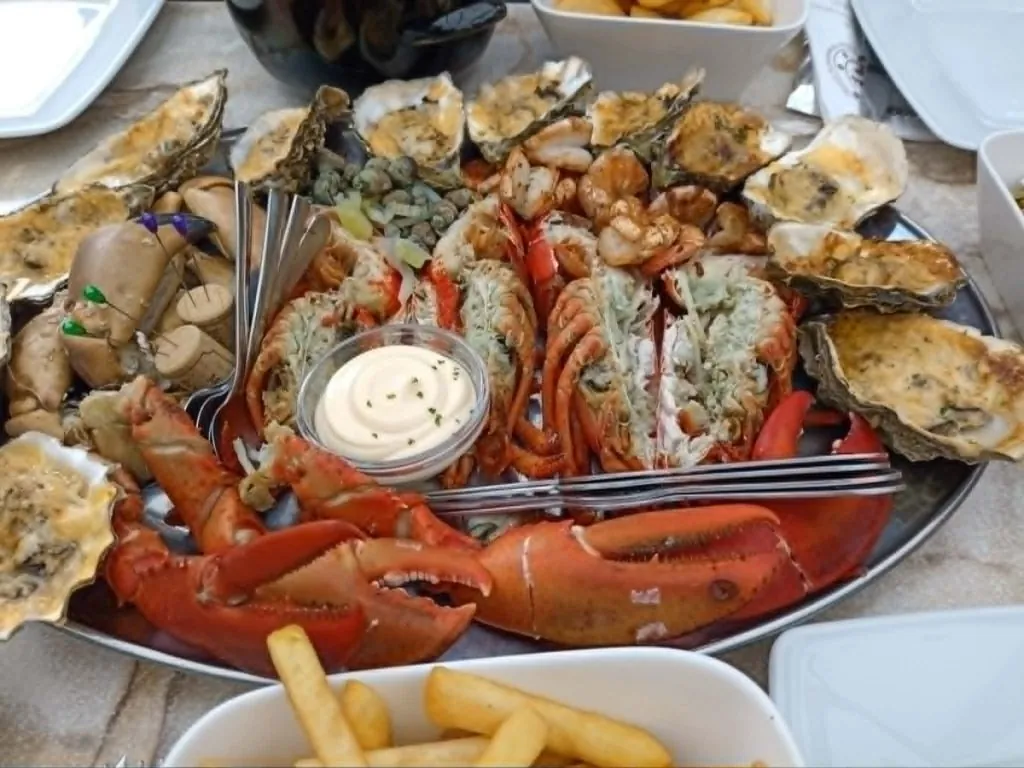
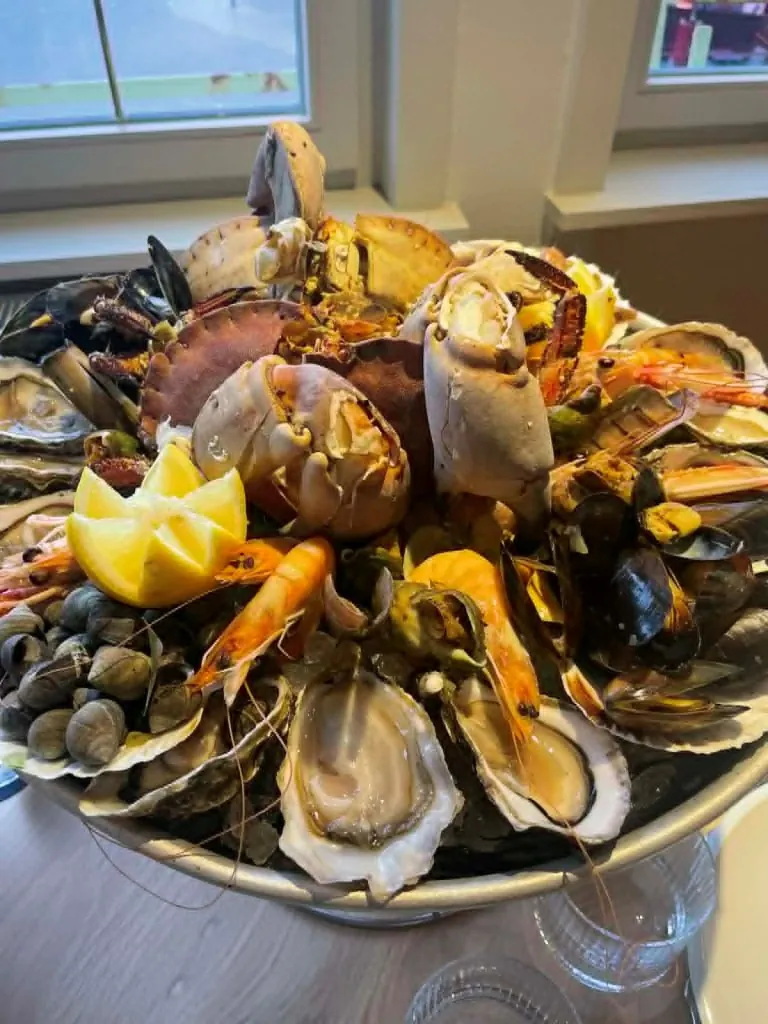
Just like in Sweden, the diet depends a bit on where in the country you live. Along the coast, it is of course fish and shellfish, in the south more game, and here in Flanders there is a lot of beef and pork.
The most important thing is probably not the food, it's the company, because here people love to hang out. Preferably for a long time. Too long.
Typical Belgian food – 20 classic dishes and specialties
Here is a list of 20 Belgian dishes including sweets and drinks.
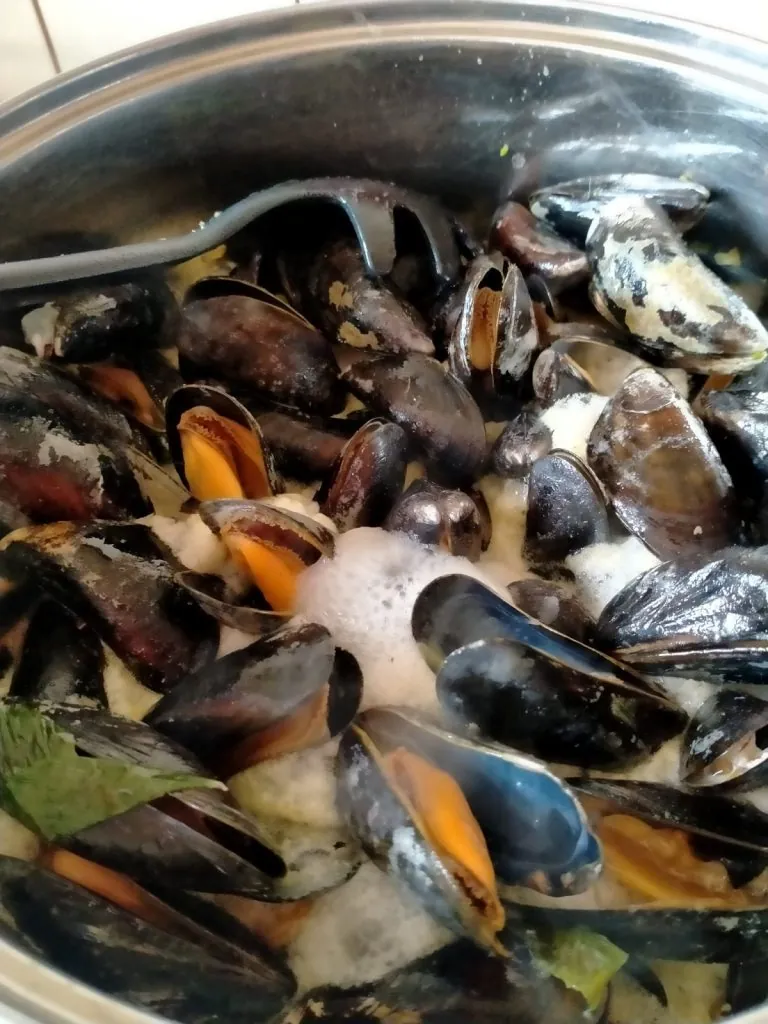
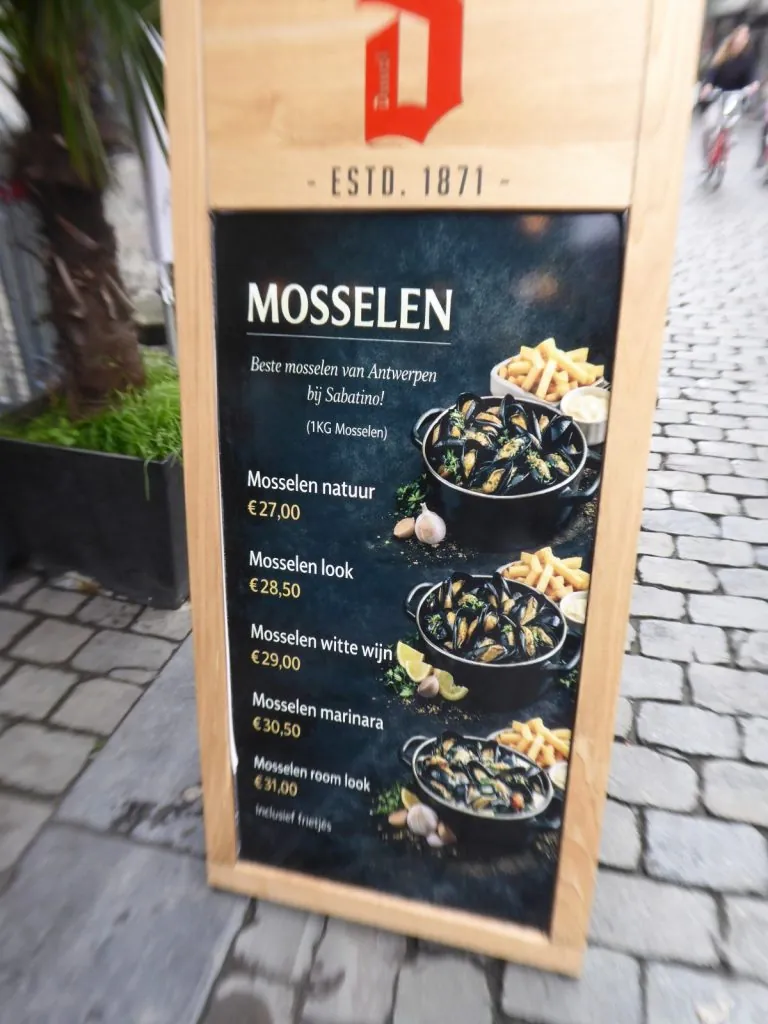
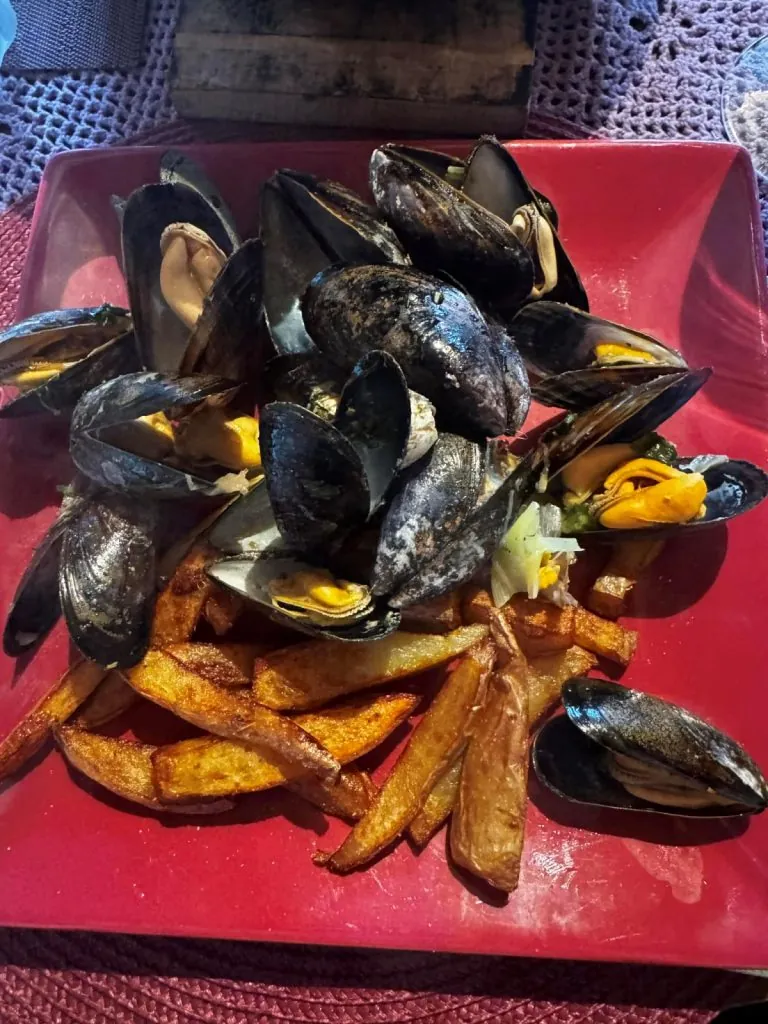
1. Moules frites (Steamed mussels)
Probably considered our national dish, there are as many mussel recipes as meatball recipes, but celery in the stew is a must. The mussels are served with fries and mayonnaise or mussel sauce. Tradition says that mussels are available during all months with an R in the name.
2. French fries (French fries)
Nothing is as sacred as frietjes. Frietjes are sold at the frituuren which can be found in every village or street corner. You can choose any side dish such as chicken, sausage, pork croquettes.
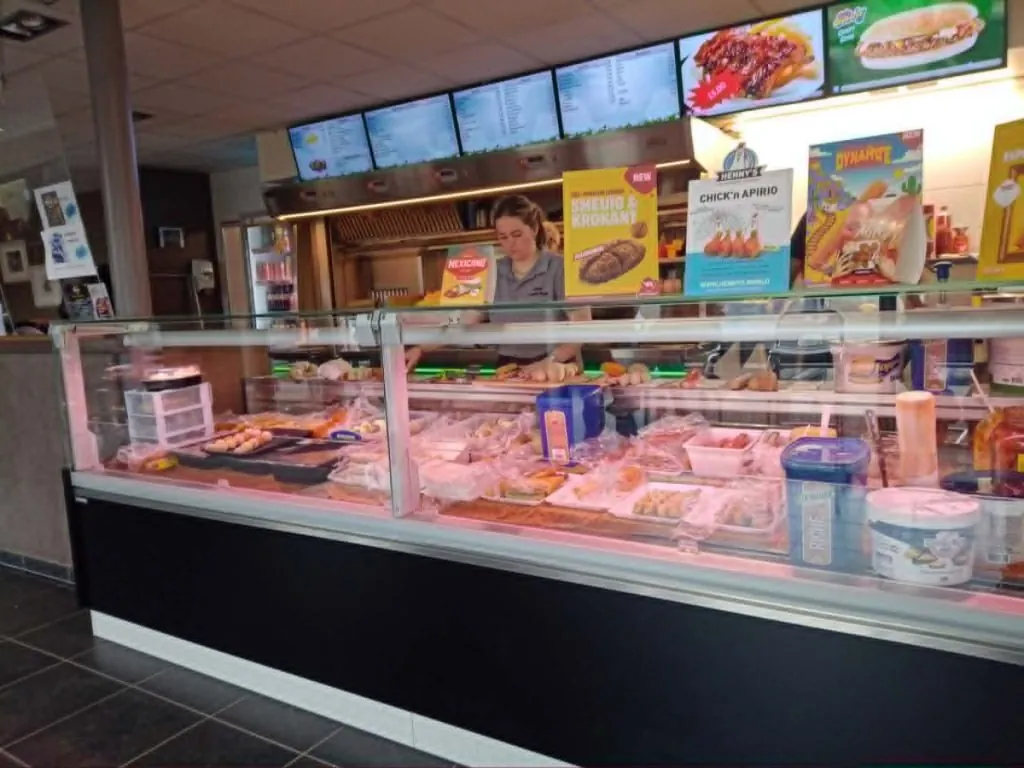
The variations are endless, as are the queues on some evenings. The fries are packed in a paper cone, and when you're done eating, you wipe your greasy fingers on the paper.

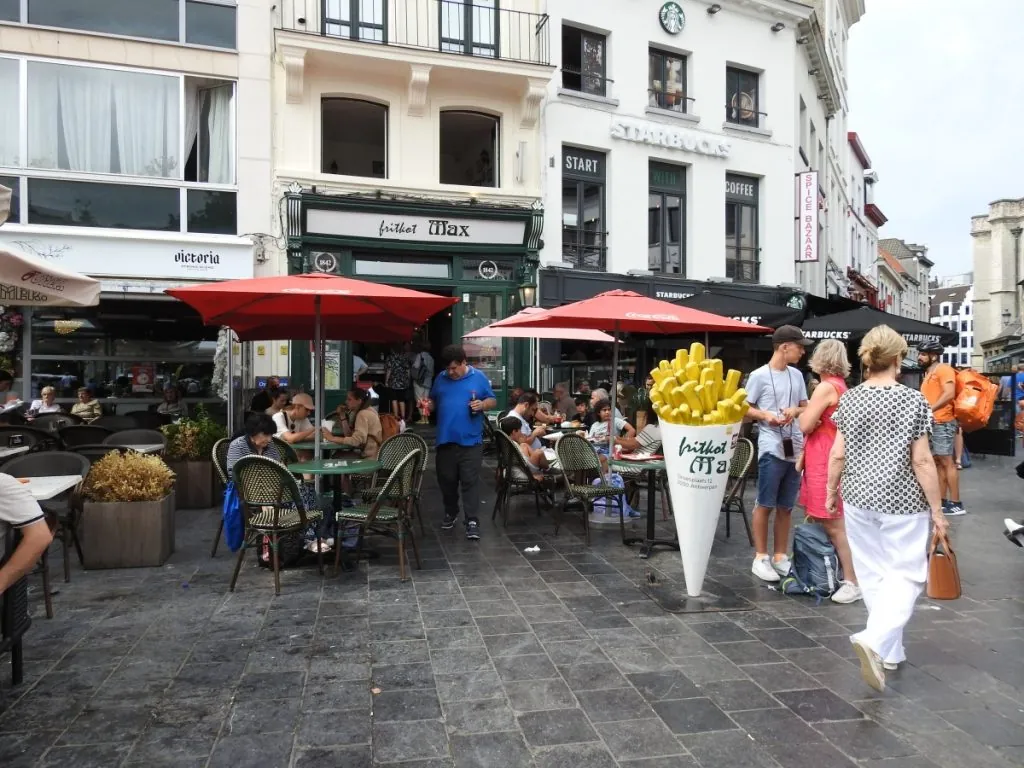
Every Belgian home has a greasy, smelly deep fryer that is used frequently. Mayonnaise is a must with frietjes. Dutch mayonnaise is a bit sweeter than Belgian mayonnaise. Mayonnaise is something you spread on most things (I think).

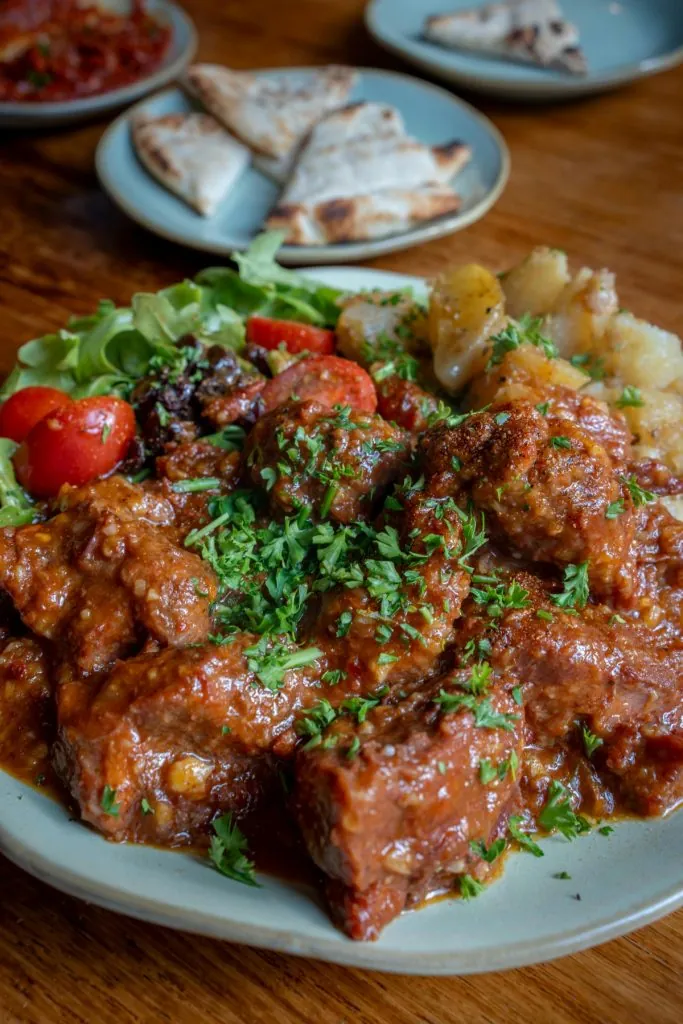
3. Stoofvlees (Carbonnade flamande)
A stew of beef that is cooked for a long time, a sweet and sour rich taste with ingredients such as mustard, cloves, dark beer, vinegar. Stoofvlees is of course eaten with fries and mayonnaise.

4. Witloof (Chicory)
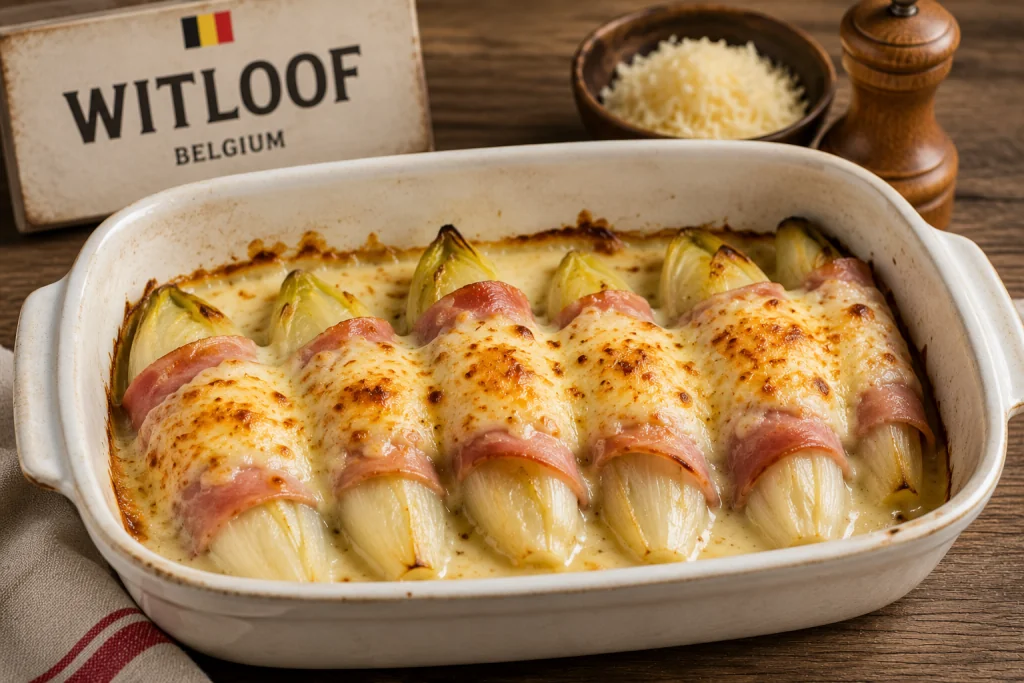
Witloof is a leafy vegetable that is very similar to endive. Here it is eaten baked in the oven with cheese sauce and ham, boiled as a side dish or fresh in salads. The taste is slightly bitter. Witloof is a very old cultivated plant.
5. Asparagus
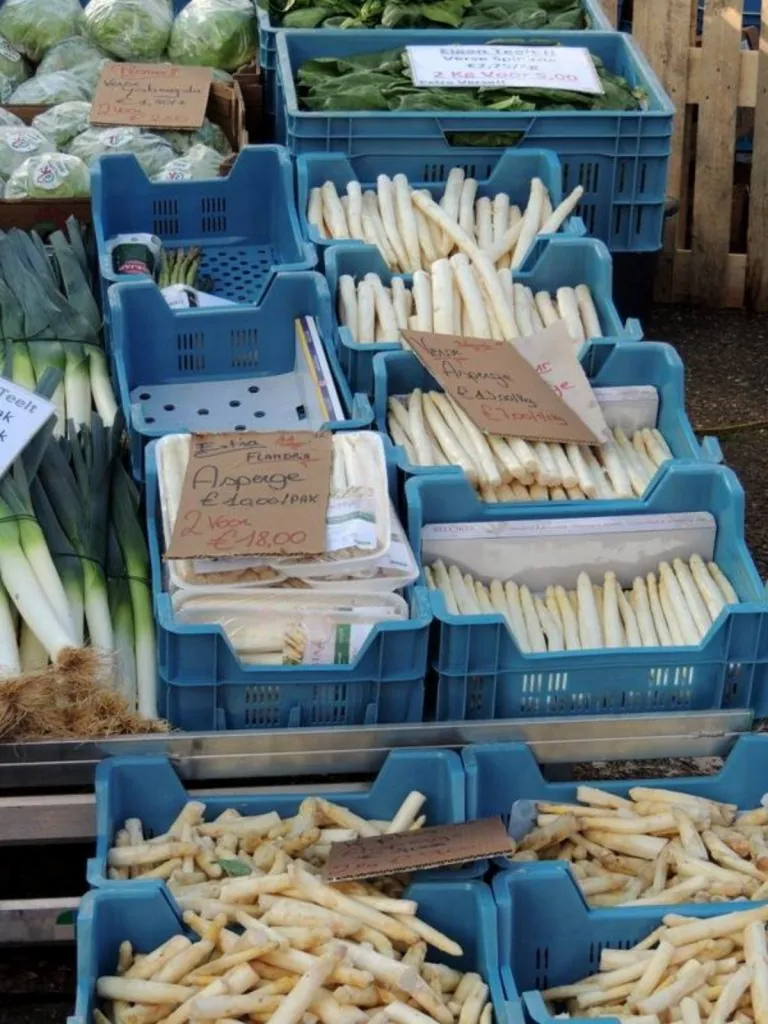
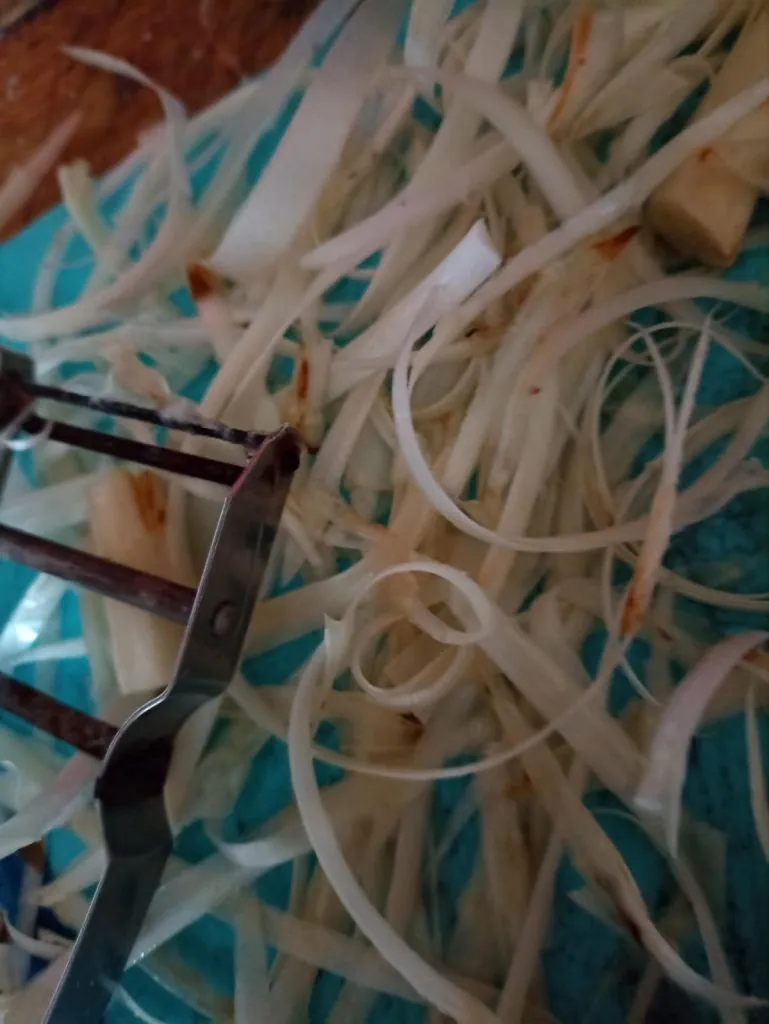
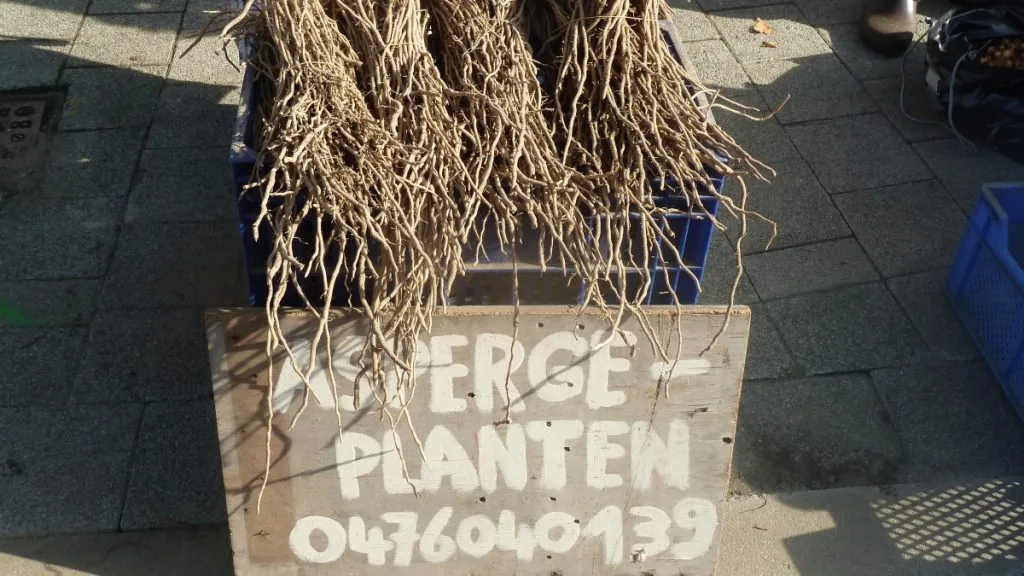
The asparagus season starts around the first weeks of April and is over within a couple of weeks. Fresh white asparagus is very popular and is often eaten with egg sauce. The price of asparagus varies greatly, with the earliest thin stalks being the most expensive.
6. Grizje Garnalen (Grey shrimp/horse shrimp)
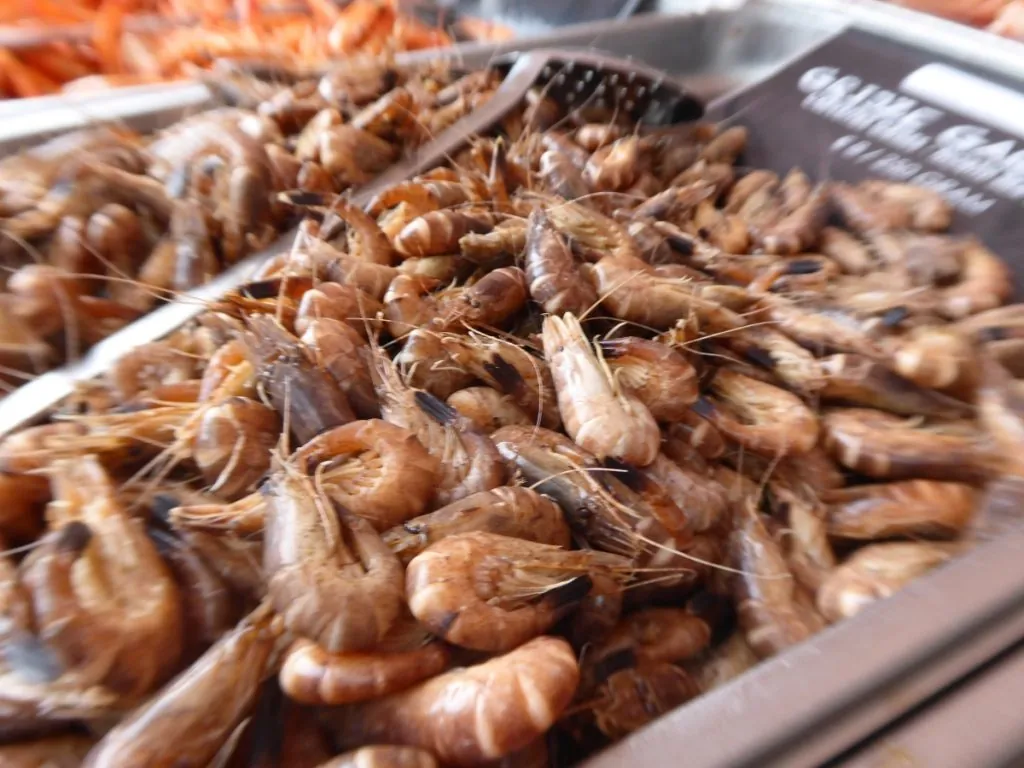
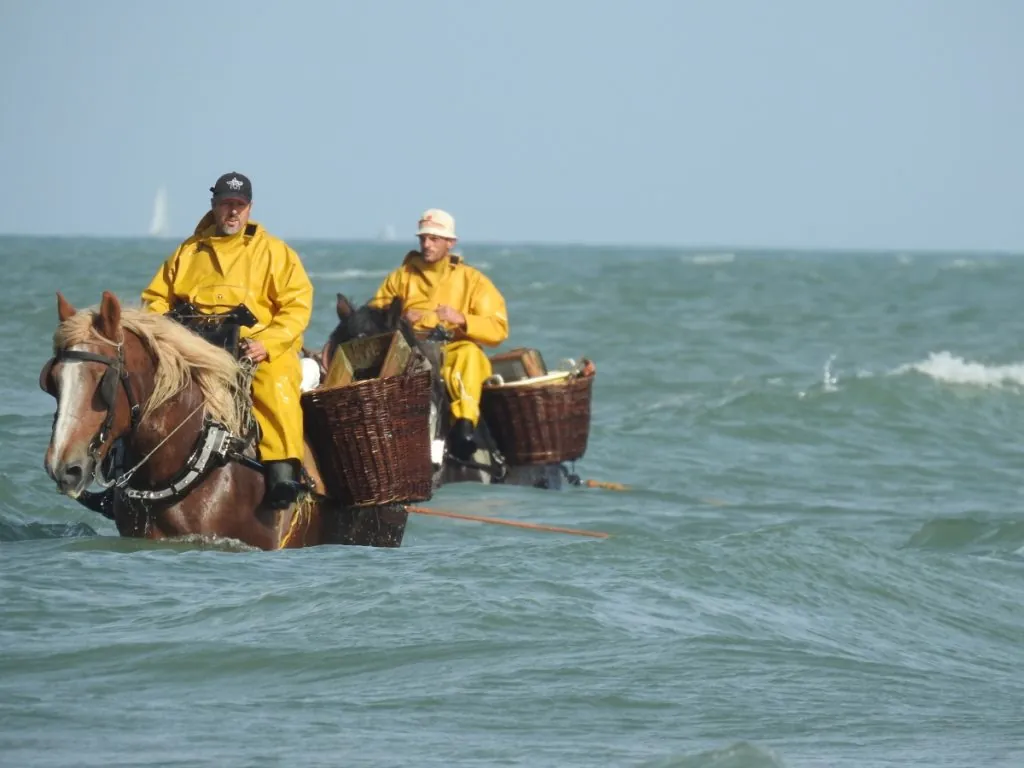
A mini shrimp caught around the Belgian coast, traditionally fished with the mighty Brabant horses. The taste is divine, it really tastes like shrimp but a pain to peel by hand. The shrimp are eaten plain, or why not a hollowed out tomato, filled with shrimp … and mayonnaise.
7. Caracol and Kreukel
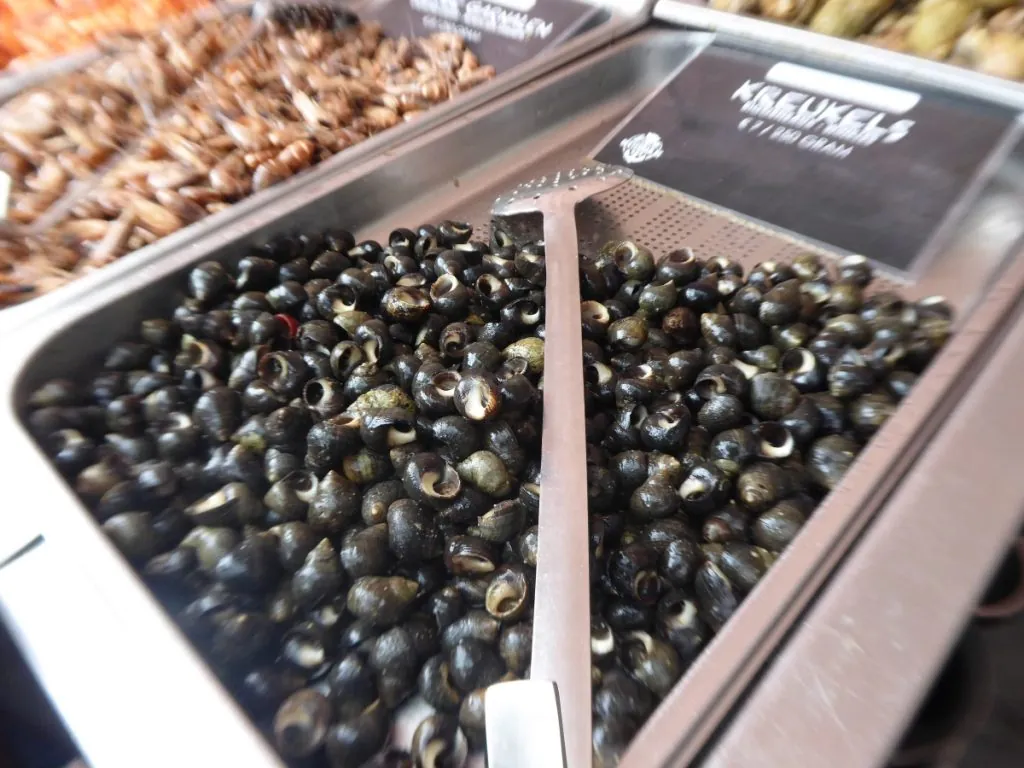
The caracol is a type of sea snail that is boiled in a spicy clear broth, it is a typical market delicacy. Another fun snail is the kreukel which requires a needle to scoop out the spiral-shaped contents.
8. Stoemp (Mashed potatoes but still not)
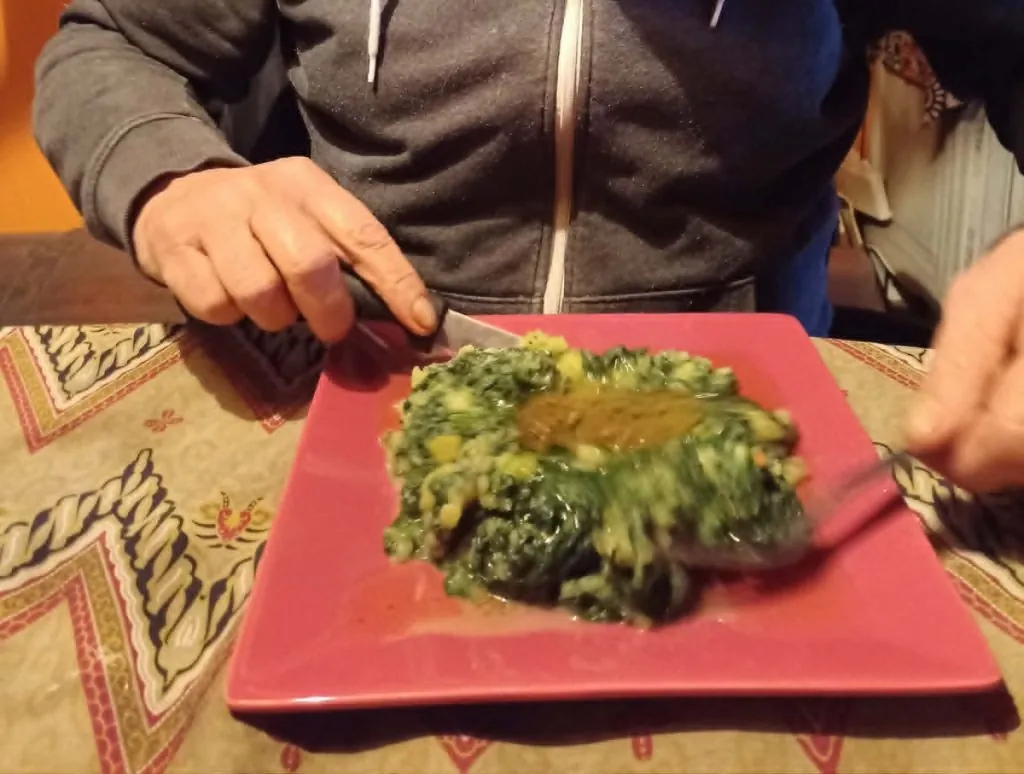
Typical home cooking is stoemp, a real winter dish for potato-loving Belgians. Stoemp is boiled mashed potatoes mixed with, for example, spinach, carrots or pieces of pork. Seasoned with a little grated nutmeg and a dollop of butter, eaten with a cutlet or sausage.
9. Croquettes
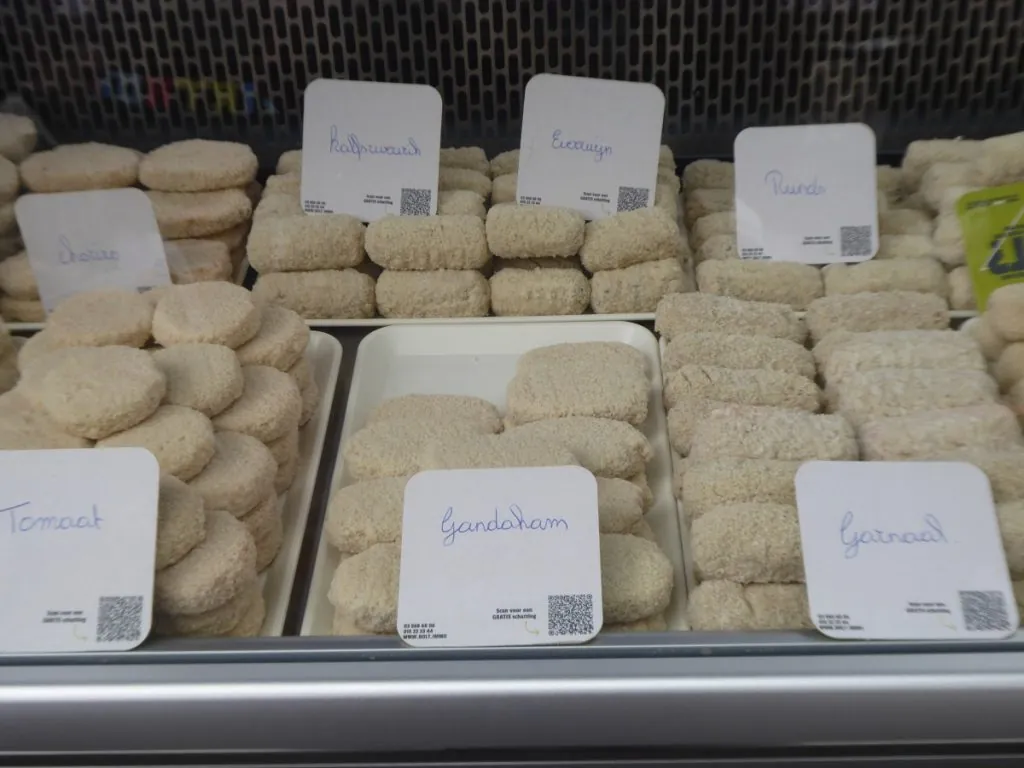
Croquettes for food are common, just throw them in the fryer. A typical local dish on the coast is shrimp croquettes, think of a croquette with the little gray shrimps.
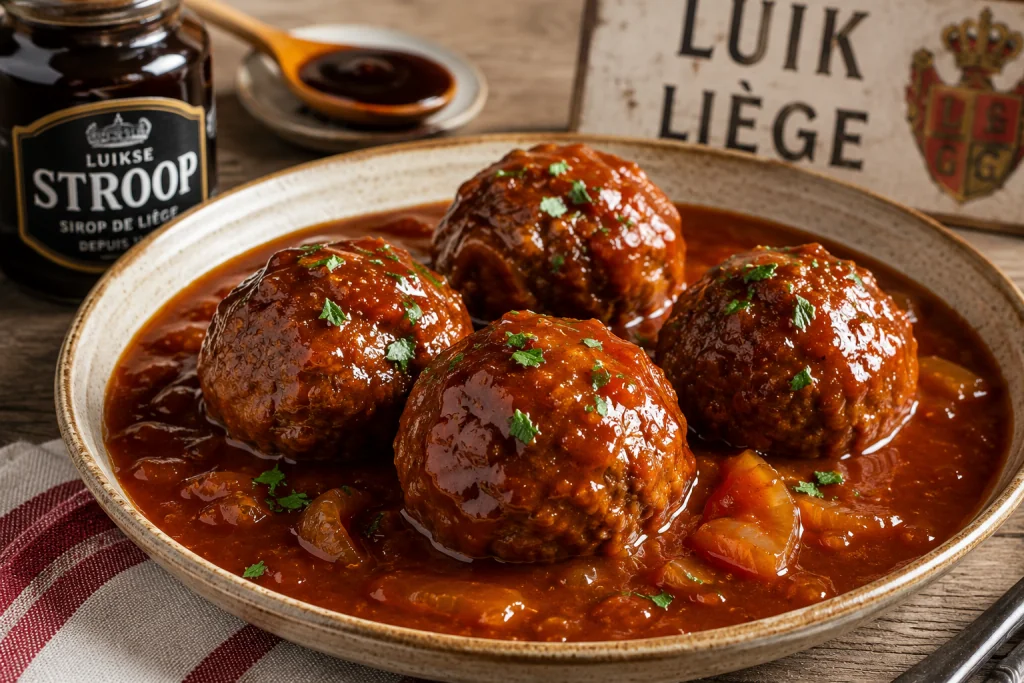
10. Luikse Ballatjes (Meatballs from Liège)
Like our honest meatballs but bigger and they swim in a sweet and sour tomato sauce. The most important ingredient in the sauce is what we call stroop, a bit like molasses/syrup and used in cooking, baking and as a spread. Made with pears or apples.
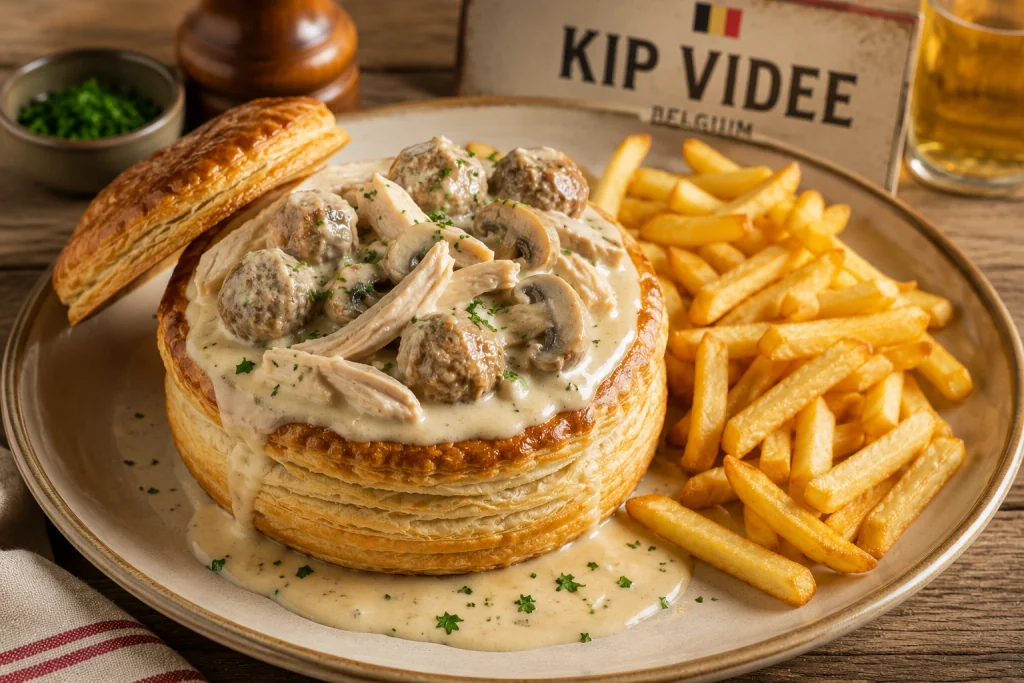
11. Kip Videe
A stew of boiled chicken mixed with small meatballs and mushrooms. The stew is poured into vol-a-vents and served with fries.
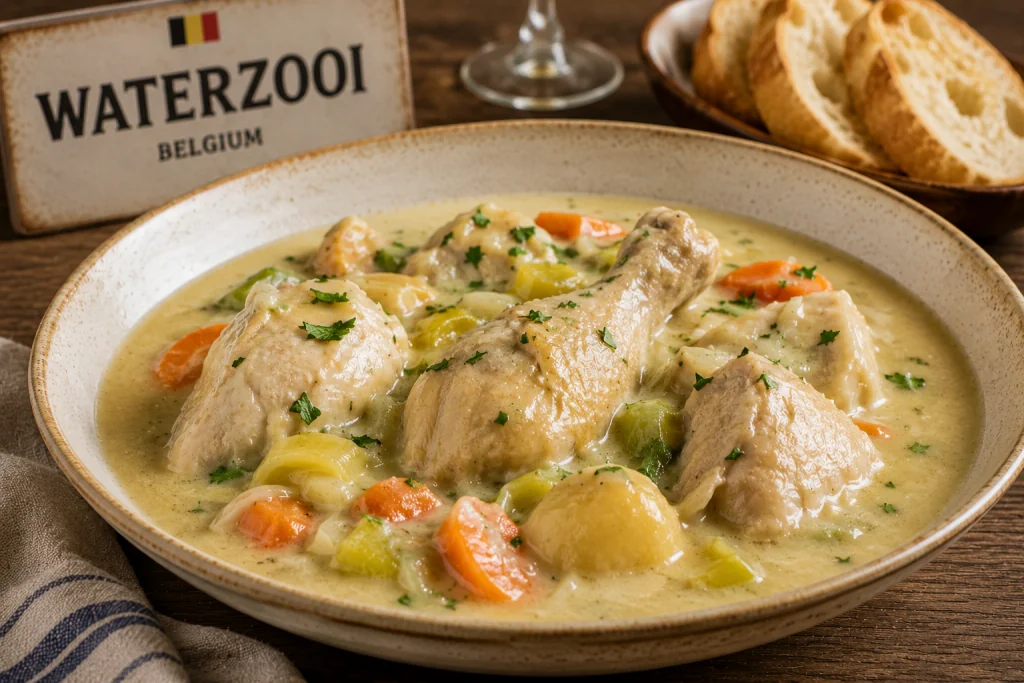
12. Waterzooi
Boiled chicken or fish with vegetables in broth, which is topped with egg yolk.
13. Vegetables and fruits
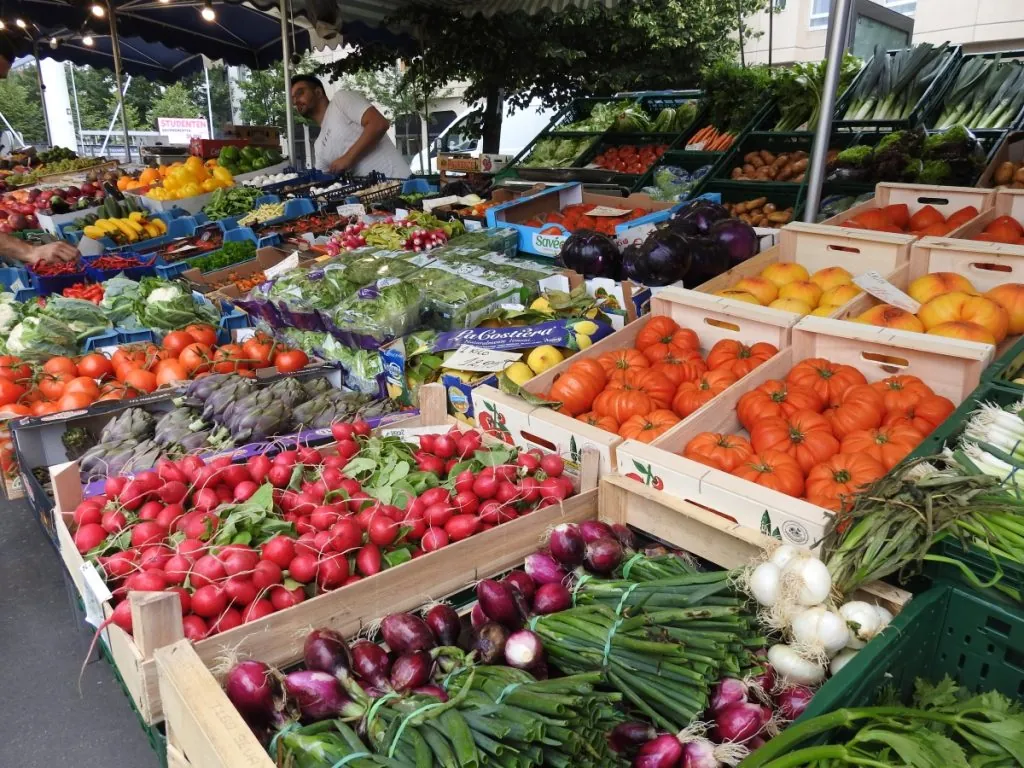
Belgians certainly eat vegetables, but preferably in steamed/boiled form and then add a couple of tablespoons of sugar when cooking. Red cabbage with a cutlet is typical home cooking. Brussels sprouts originate from Asia but have been grown in Belgium since the 14th century. Fennel, pumpkin and other types of cabbage.
Fruit and berries, and of course lots of strawberries that are greenhouse grown. American blueberries, raspberries and blackberries. Apples are an important ingredient in the Belgian household, especially for applesauce that is poured over various dishes.
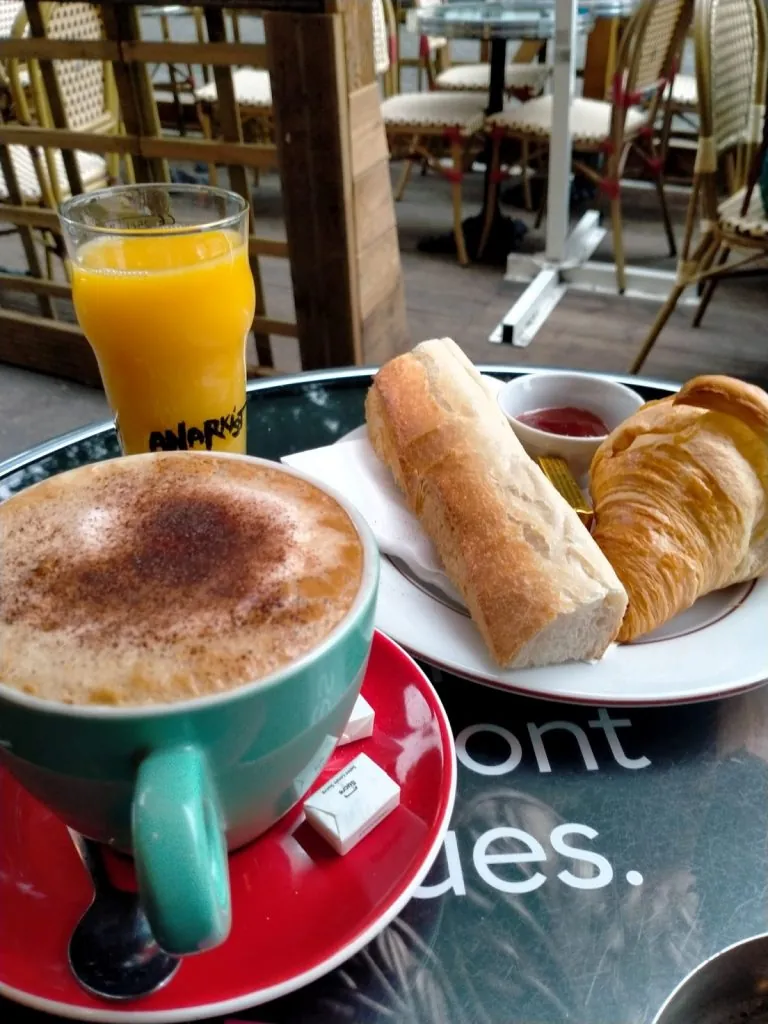
14. Bread
Bread has clear influences from the neighboring country, croissants, white bread and pain riche. Brown bread is of course available, although it is not eaten to the same extent as the light bread. Rolls yes! Every Sunday.
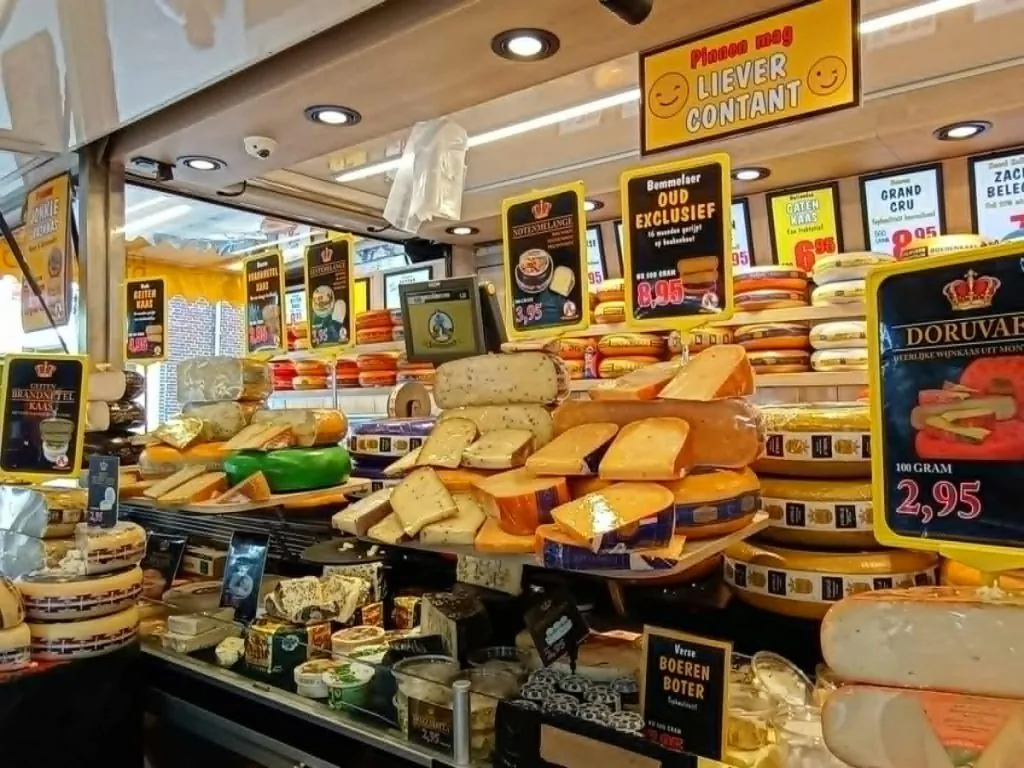
15. Toppings
Sure, we eat cheese, but you don't buy it in pieces. It's already sliced. A cheese grater is not included among the kitchen utensils. The rest of the toppings are probably less healthy. Mayonnaise salads, like ham mixed with mayo, shrimp, eggs, also with mayo.
Martino, a spreadable mixture made from raw minced meat. Jam and stroop fruit syrup. Hagendazz, chocolate sprinkles that melt on toast. Nutella and peanut butter. Nah, thank you, I know, cheese sandwich with caviar, but there's no caviar.
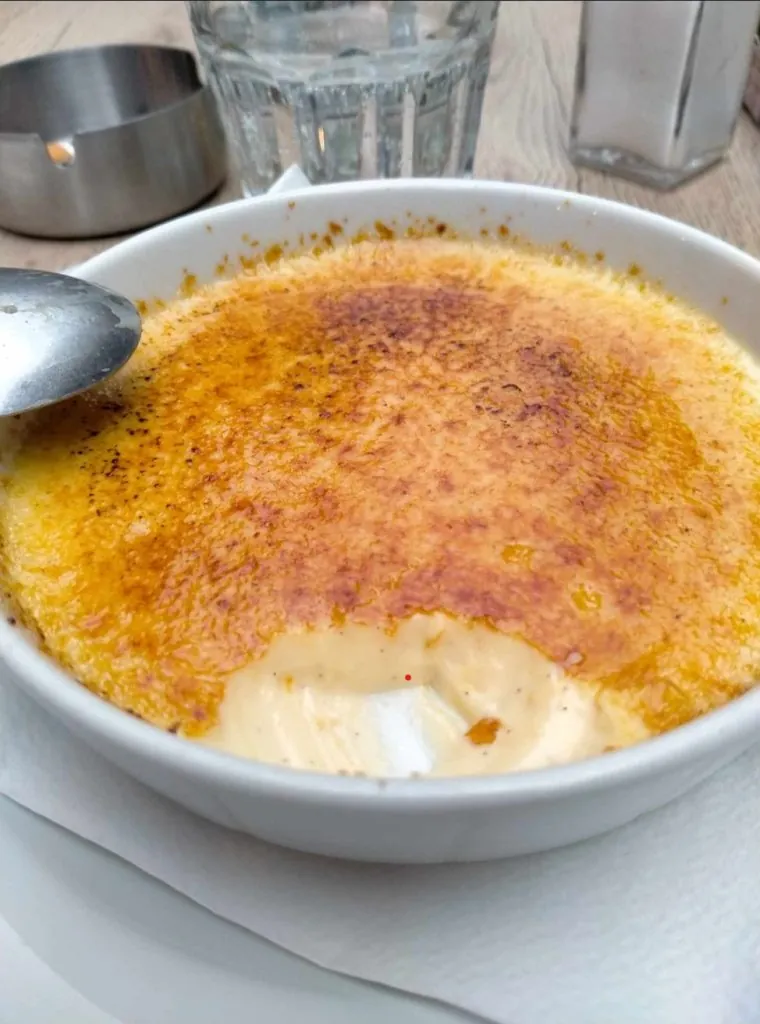
14. Desserts
Puddings in all their forms, chocolate and vanilla. Rice pudding is common, a bit like our Ris a la Malta. Bread pudding is an old-fashioned dessert made with stale bread, raisins, rum, white chocolate and spices.
The proximity to France means that French desserts have found their way across the border. Creme brulée and chocolate mousse are something we like to round off our dinner with. Or an Italian Tiramisu. Pancakes are often eaten, dusted with brown sugar or icing sugar.
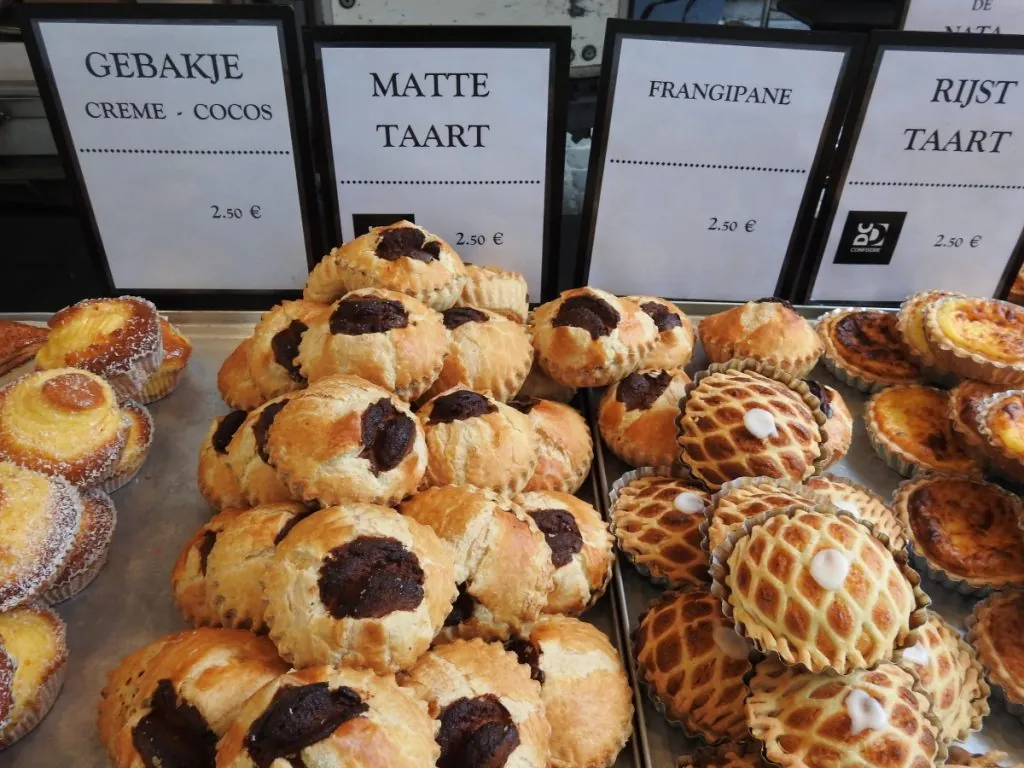
15. Waffles and pastries
We like that! Koffiekoekjes, i.e. wiender bread, various tartlets with fruit and berries are popular. Mattentaart, a traditional cake with a filling of buttermilk and almonds is my favorite. Rijstaart has a filling of boiled rice and vanilla cream powder.
Cookie cake is made with biscuits layered with buttercream and the dish is covered with sprinkles.
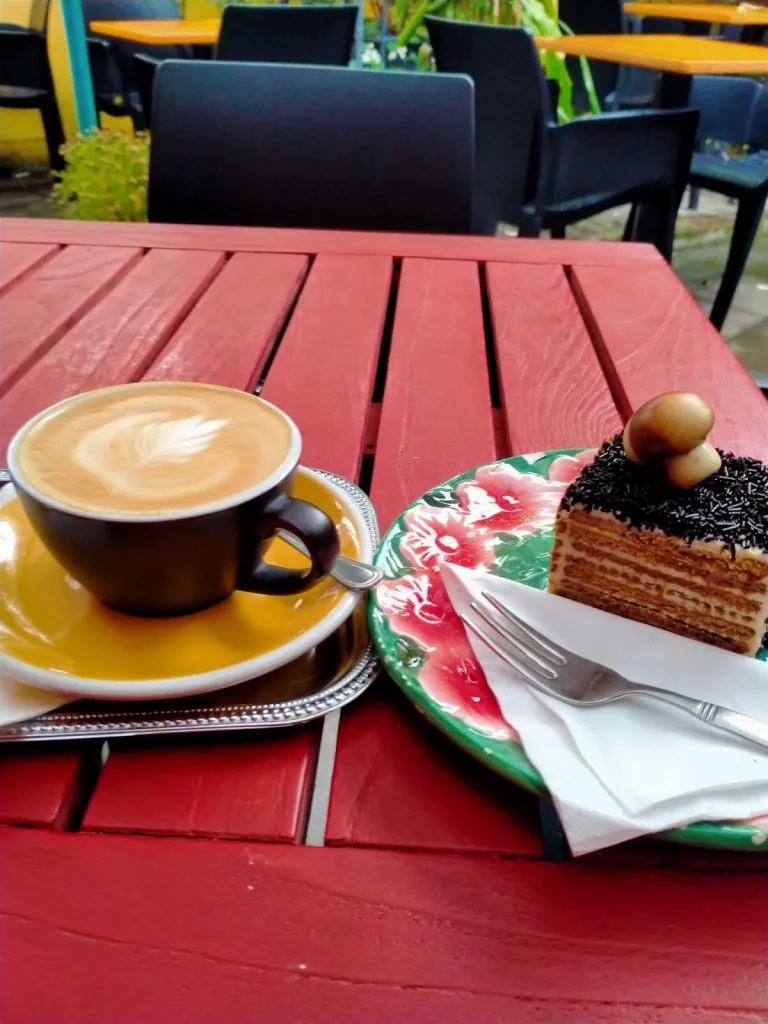
Vlaai It resembles a fruit pie, but instead of puff pastry, it is a wheat flour dough. The fillings vary, mostly fruit or berries.
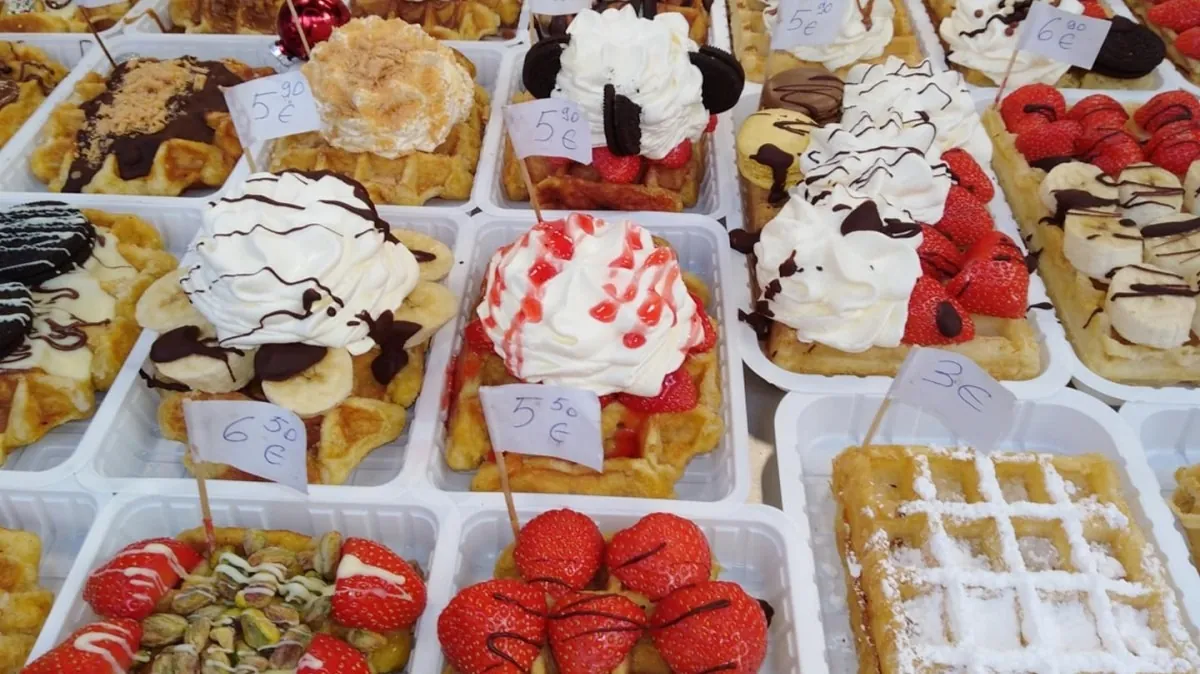
Waffles is the thing, we have three different varieties. Luikse waffel/egg waffle is the rectangular waffle that is soft, eaten with icing sugar or the luxurious variety with cream, fruit and chocolate sauce. A tourist magnet.
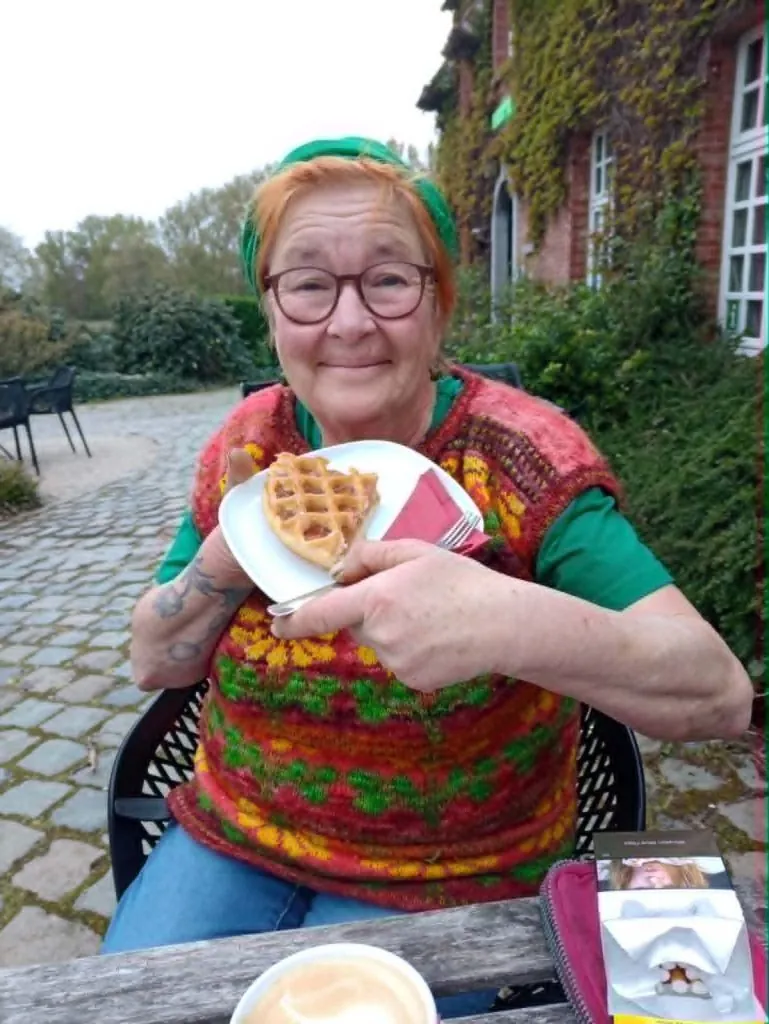
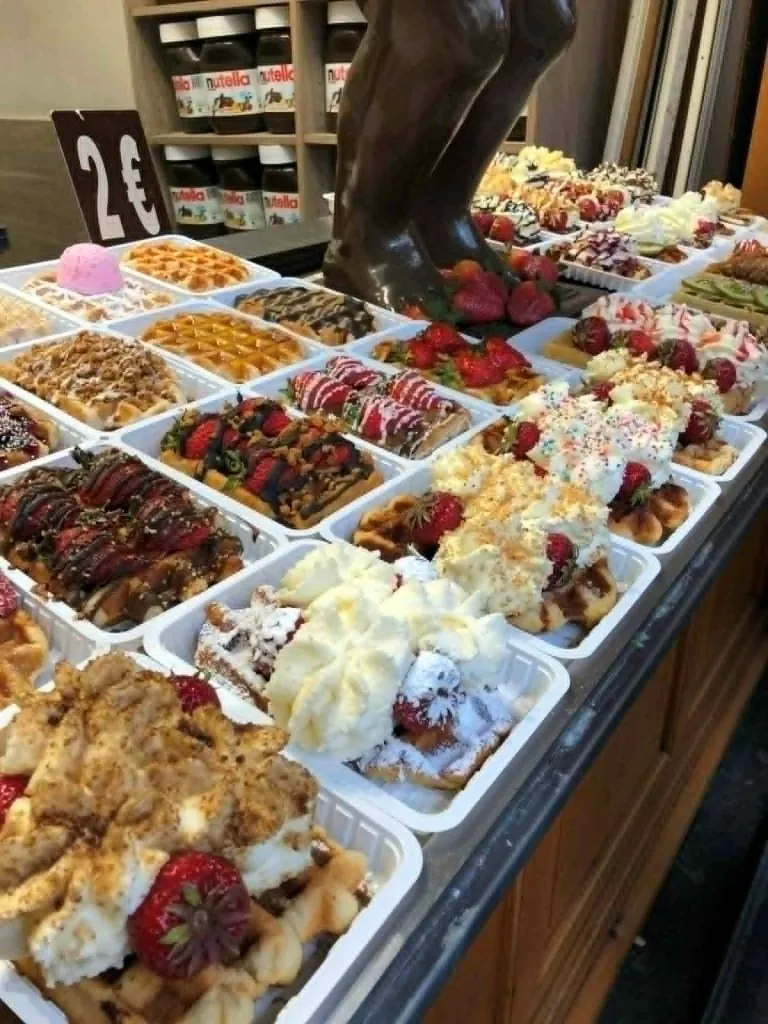
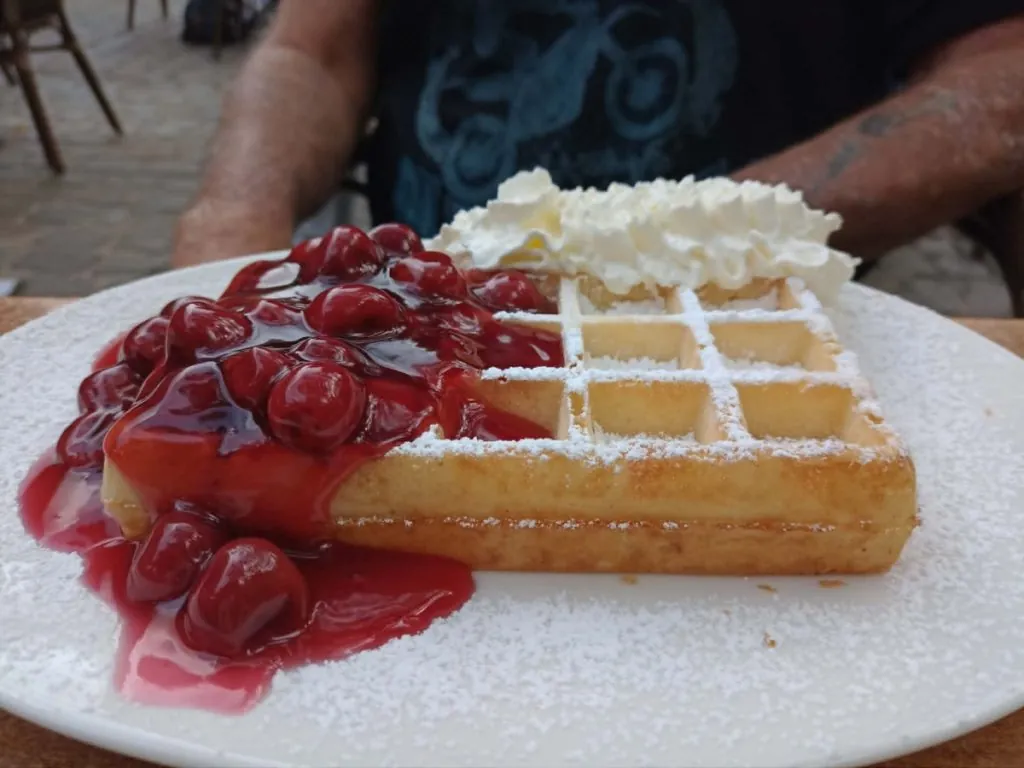
Sugar waffle/sugar waffle is a little thicker than the egg waffle, the dough contains large pieces of pearl sugar.
Stroopwaffles It's a little chewy with caramel cream in between, Dutch.
Last but not least; speculoos, Belgium's answer to gingerbread. Slightly milder in taste.
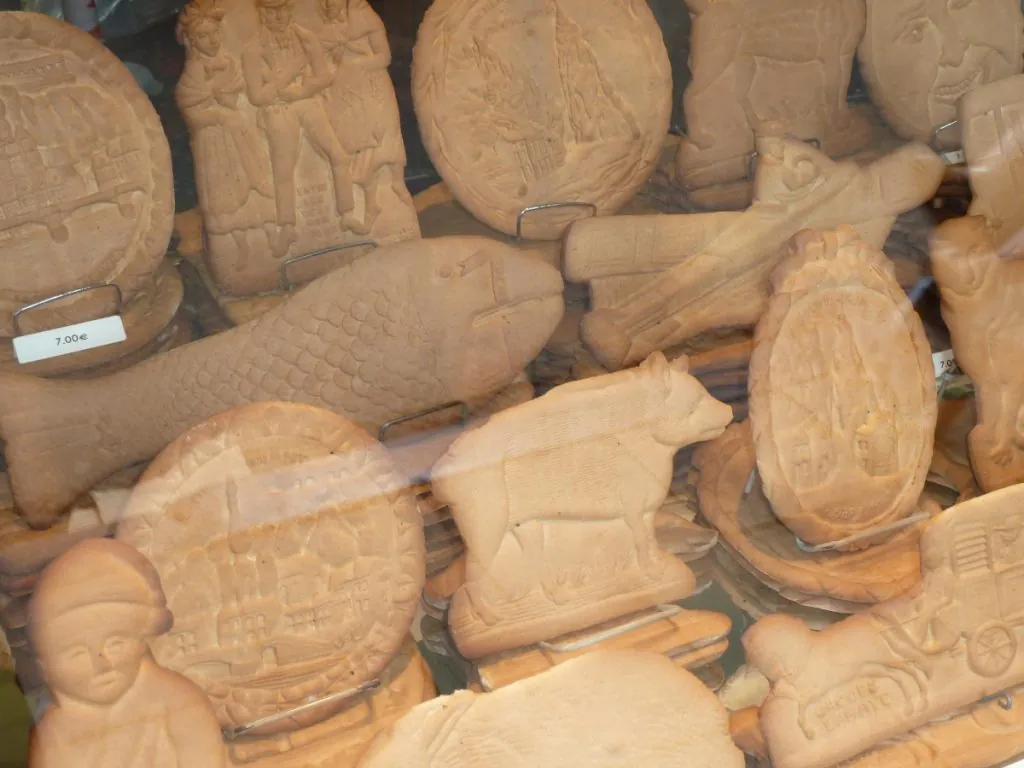
18. Gotter
Chocolate of course, pralines in batches and by the minute. Marzipan at certain times of the year. Old-fashioned sweets like noses and rotten potatoes. Noses or Cuberdon is a cone-shaped chewy jelly top. Rotten potatoes are butter mixed with powdered sugar and covered in thin chocolate. Calorie bomb.

19. Drink
Drinks with food are mostly water or wine, some drink a lighter table beer. Stronger beers are practically never drunk with food. Belgians drink soft drinks with great pleasure, they do not deposit money so the bottles are collected by the garbage collectors.
Of course beer is the thing, Belgium is one of the world's largest beer countries with more than 1600 varieties. The average Belgian drinks 74 liters per year. I don't. Beer is a social drink that is enjoyed at the local coffee shop.
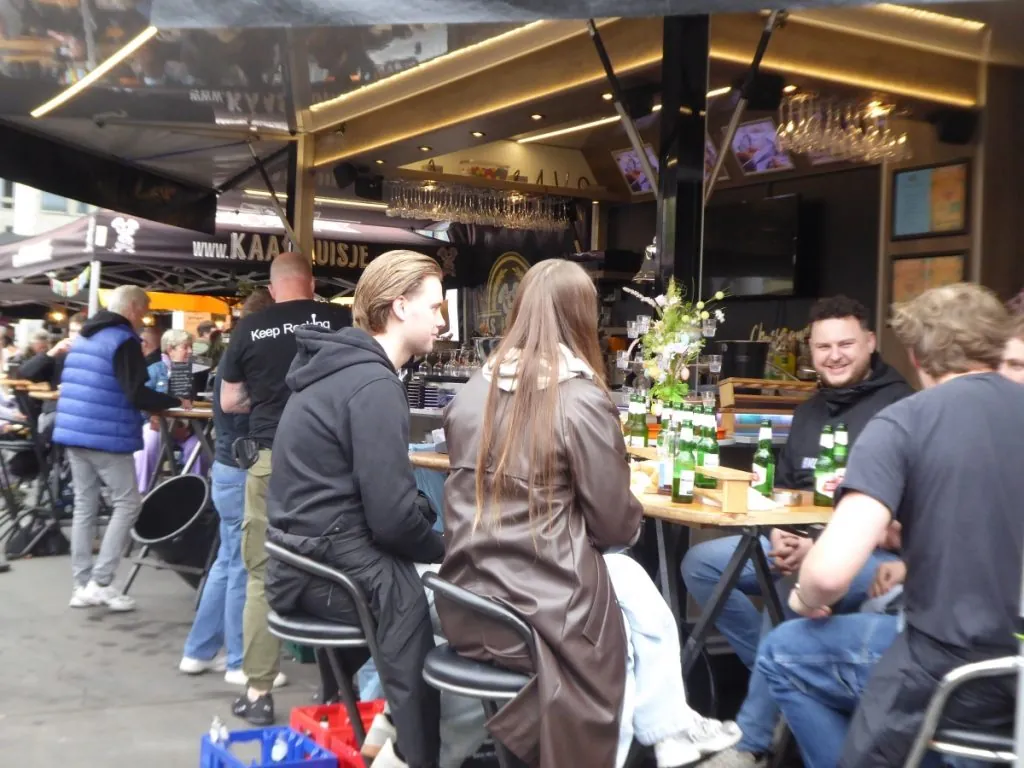
Kriek, i.e. fruit beer, is a fitting and refreshing cherry beer.
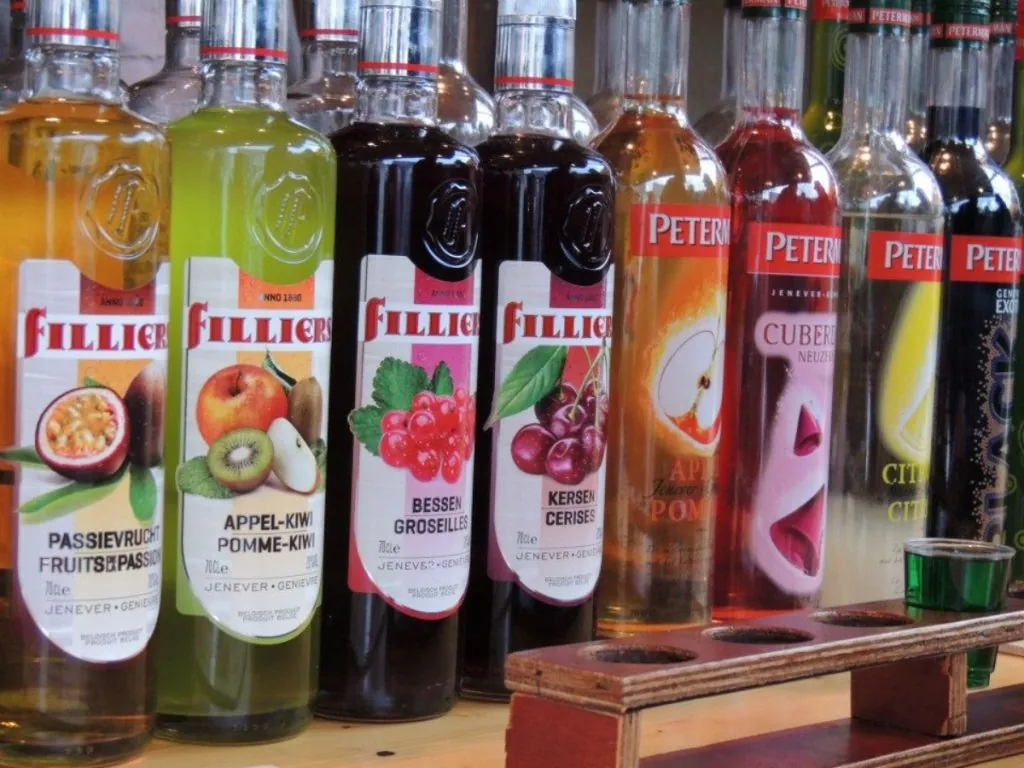
Stronger drinks like Jenever are popular, Jenever is available pure or with about a thousand different flavors.
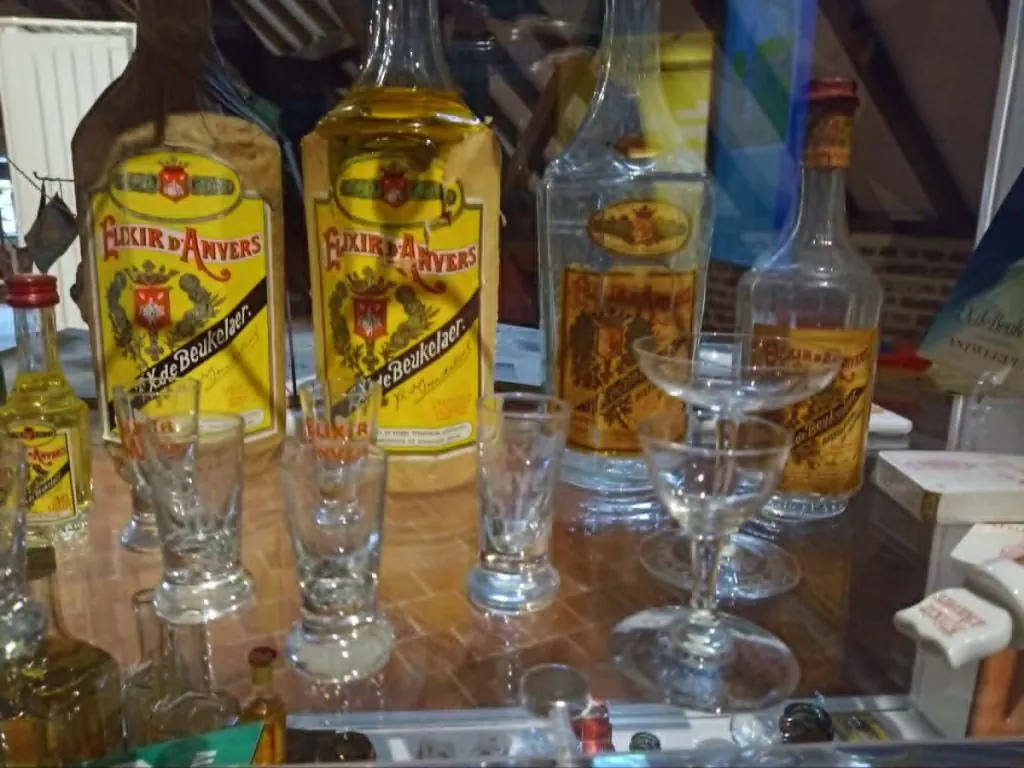
I like Elixir, a local herbal liqueur from Antwerp with secret ingredients. Coffee, hmmm, it's not like Swedish strong coffee. Far from it.
20. Snacks
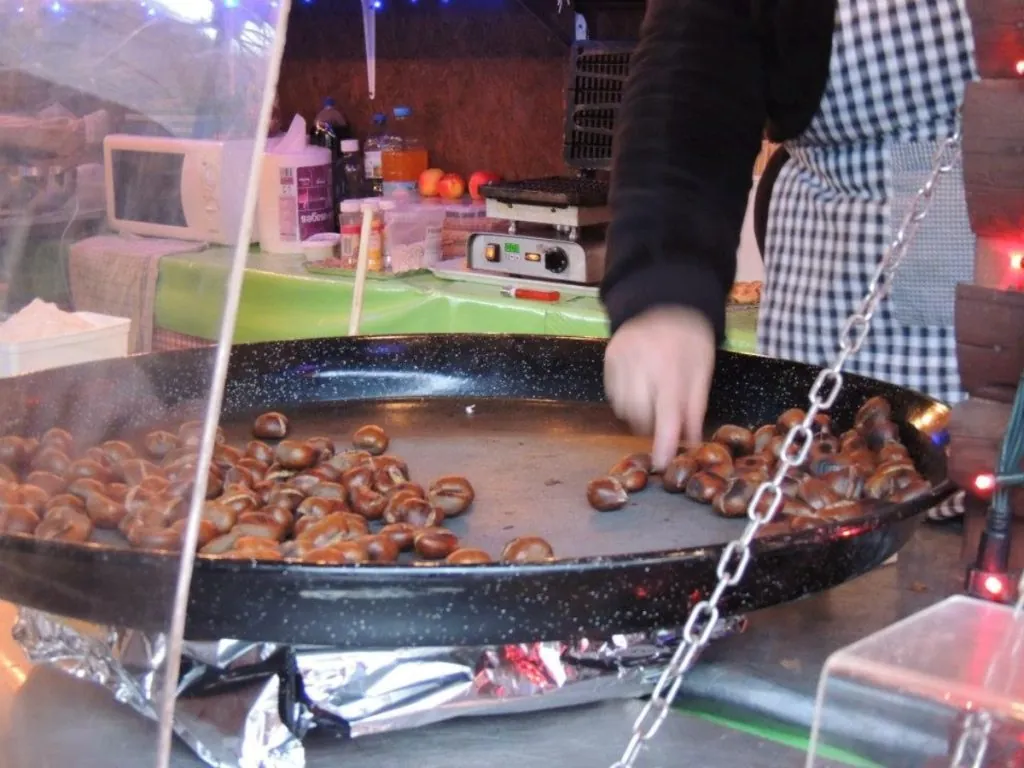
In batches and minute. Chips and nuts. There is a terrible version of cheese buns, but I can thank the Swedish cheese buns. In late autumn we like to nibble on roasted chestnuts. Chestnuts are also used in desserts and soups.
My thoughts on Belgian food
What I think about Belgian food… I'm pretty good in the kitchen but Belgian home cooking has never been my thing. After more than 17 years in Belgium, I still haven't really embraced Belgian food.
My Belgian partner gets to choose a housemate once a week, it's usually a cutlet with mashed potatoes and spinach. The cheese should be poured into a hole in the mash. Or red cabbage, potatoes and fried cutlet. Those are the days when I eat leftovers...
I love mussels and can eat them as often as a Swede eats meatballs. I find the food on the coast more to my taste, fresh seafood is delicious.
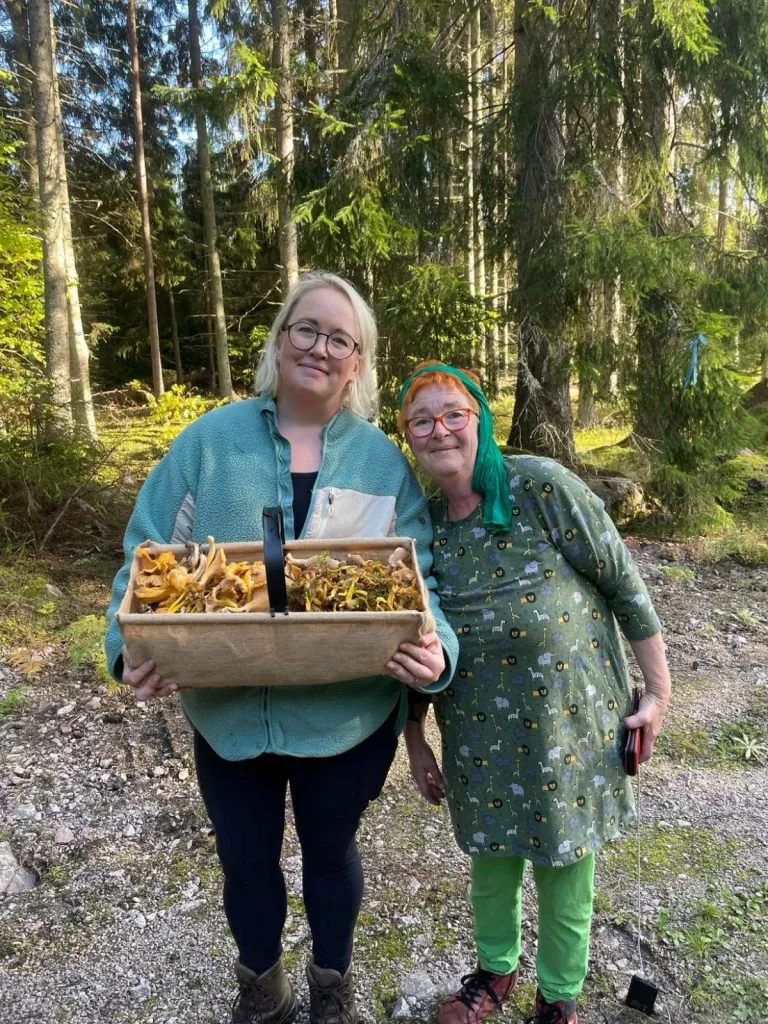
I miss some Swedish dishes that are more traditional and would prefer to eat them in Sweden. Picking berries and mushrooms is not exactly allowed, I miss that too.
More about food in other countries
Here you can find more stories about food in different countries:
- French cuisine - 25 French dishes
- Italian food - 25 Italian dishes
- Czech food - 20 Czech dishes
- Swiss food – 15 Swiss dishes
- German food - 25 German dishes
- Austrian food - 15 Austrian specialities
Frequently asked questions about Belgian food
What is typical Belgian food?
Belgian food is known for moules frites, Belgian waffles, chocolate and rustic stews. Belgian cuisine blends influences from France, the Netherlands and Germany.
What is Belgium's most famous dish?
One of the most famous Belgian dishes is moules frites – fresh mussels served with Belgian fries. Belgium is also world-famous for its frietjes – the country's classic French fries.
What do people eat on a daily basis in Belgium?
Common everyday foods in Belgium are hearty dishes such as stoofvlees (beef stew) and Luikse meatballs in a sweet and sour sauce with Belgian stroop. Many Belgian dishes are served with French fries. It is also common to eat soup, both as a starter and a main course.

Follow Anna here:
Anna Nilsson Spets
You might also like:
 Cypriot food - 20 dishes you must try in Cyprus
 What to eat in the Philippines? - 15 classic dishes you must try
 16 Swedish dishes that we have offered our foreign guests
 Moroccan food - 17 classic dishes you must try
 Vietnamese food - 20 classic dishes you must try
 Estonian Food – 17 Classic Dishes You Must Try



 English (UK)
 Svenska
Lena i Wales och lite överallt says:
My attitude towards Belgian food is mixed.
Moules frites are so delicious, but they are as typically French as they are Belgian.
Frietjes should always come with mayonnaise, I like that. Like in Holland too.
Asparagus is delicious, even from Germany and Holland
Stoemp is good every now and then, but not too often.
I'm tired of croquettes.
The waffles and pastries go down my throat easily.
Have fun!
27 May 2026 - 9:05
BP says:
I have to say I'm still drooling when I read your post.
Moules frites are a classic, just like in France. Fries with mayo are like Vlamse frites in Holland. I actually like that, better than ketchup anyway.
Then I like Stoemp – not exactly a feast for the eyes, but you can close your eyes.
A cousin of Kip Videe I ate in Germany and liked.
White asparagus tastes better than green asparagus, I think, although the white one can be stringy. Oh, these little snails – I've eaten a similar variety in northern England, where they're called whelks – yummie, yummie.
I skip all sweet dishes including waffles. Unfortunately also the shrimp, as I am allergic…
27 May 2026 - 17:42
Anna Nilsson Spets says:
I like mussels, they are the best here!
Take care!
28 May 2026 - 6:40
Anna Nilsson says:
Of course you eat mussels in France too. I've never liked croquettes. Well, home cooking here is not really my thing. Have a good time
27 May 2026 - 18:53
Bara brittiskt says:
Croquettes should come from the time when what became Belgium was the Spanish Netherlands, don't you think?
28 May 2026 - 18:27
Anna Nilsson Spets says:
I have no idea actually, I'll do some research. Interesting.
29 May 2026 - 6:52
Bara brittiskt says:
Yes, they have the little shells in common with the British. They are found at every seaside resort.
I miss the easily accessible mussels from my years in Belgium. Rabbit stew was also good but we didn't eat that often. When there was a period when there was dioxin in the animal feed, we had horse in the staff canteen, which shocked my British colleagues. As a horse person, I actually prefer that they be eaten at home instead of standing and suffering thirsty and limping on transports down to Italy where horse is also eaten.
28 May 2026 - 18:26
Anna Nilsson Spets says:
Nah, I don't eat horse either. Mussels are great!
29 May 2026 - 6:52