

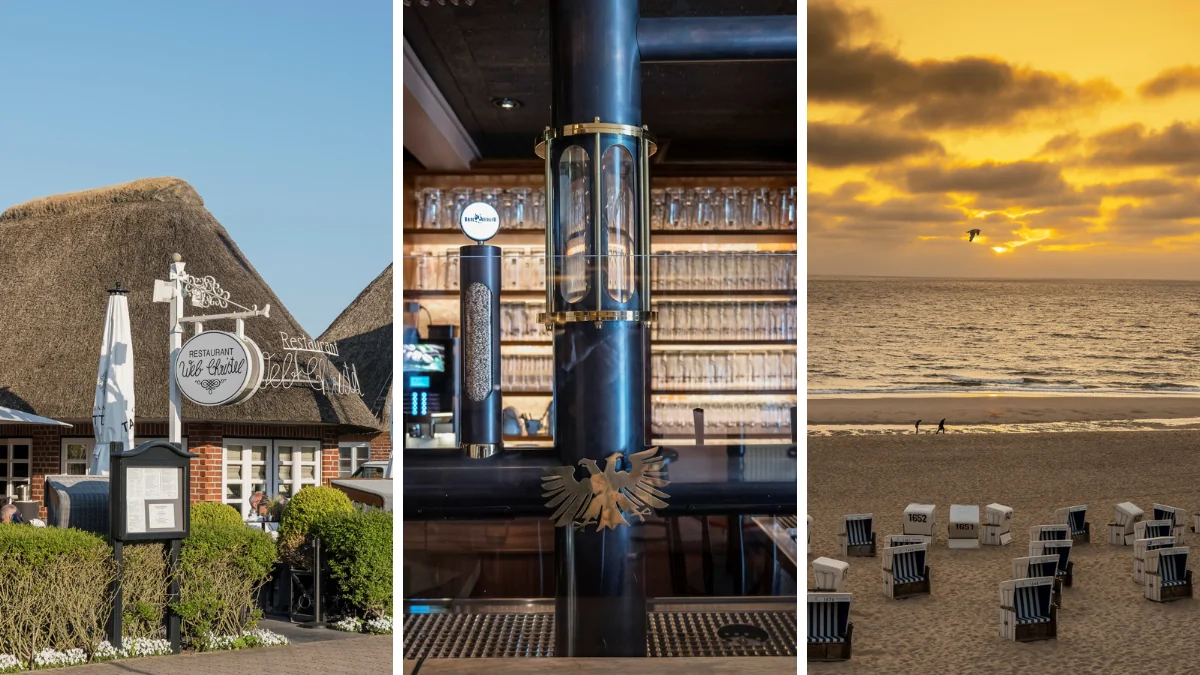
Text and photo: Mauro Rongione
Some places are experienced not just as landscapes but more as moods that you slowly slip into. Northern Germany is one such place. A landscape where the fog rolls in over the embankments as if it had a soul of its own. Where trains glide through marshland and windswept coastal communities with the same monotonous rhythm as a drawn-out electronic piece of music from composer Michael Hoeing's epic album "Departure from the Northern Wasteland".
 Tweet
Tweet Share
Share Share
Share Pin
Pin Share
Share Share
ShareOut here in the west, among the Halligers and the North Frisian islands in the North Sea, the world feels strangely stripped back. Lighthouses blink like lonely signals in the darkness. The sea smells of salt, seaweed and diesel. And somewhere between Hamburg's old port district and the sand dunes of Sylt, beer is brewed and whisky is distilled with the same stubborn precision as the tide itself.
Northern Germany doesn't make a fuss. Here, traditions live on in the quiet and everyday. A glass of porter in a brick cellar from the Hanseatic period. A distillery hidden behind seabird rookeries and wind-bent trees. A night in a hotel where the window is ajar on the harbor and you fall asleep to the sound of cables hitting the masts.
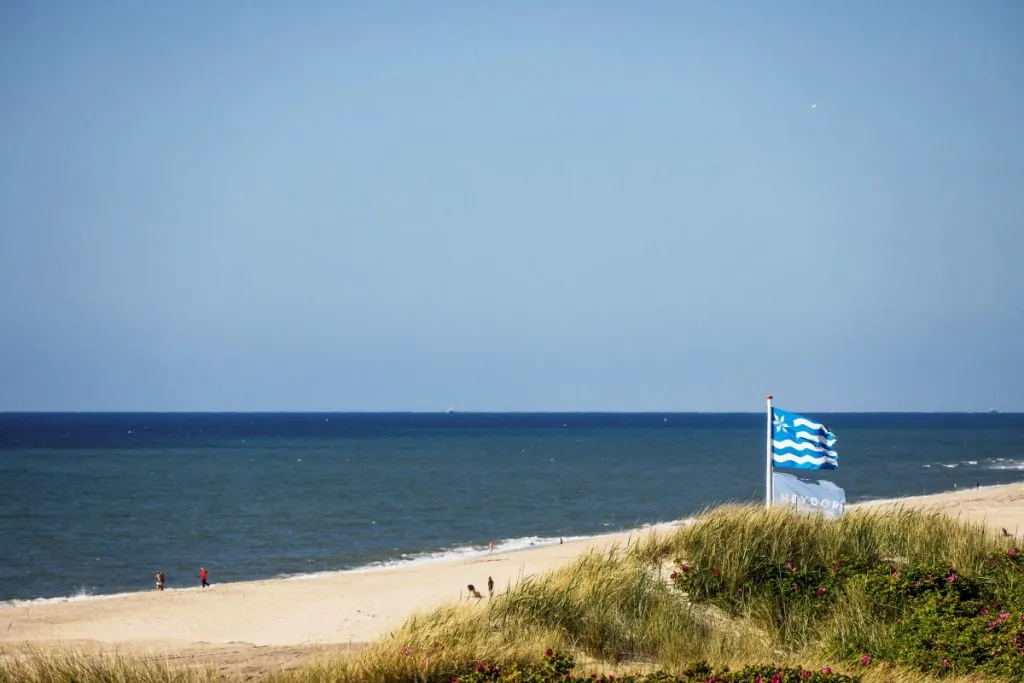
Table of contents
First morning in Hamburg
The night train from Stockholm Central to the south is still one of the best ways to travel down to Europe. You wake up slowly as the landscape changes from Swedish coniferous forest to northern German plains. Hamburg greets you with rain-shiny asphalt, coffee steam and that special feeling of a port city: a little rust, a little cosmopolitan shimmer.
Around the Hauptbahnhof, the city is already starting to move before the sun has even risen. Bakers are loading bread. Bicycles whizz past along the canals. And somewhere far away, a dull ship horn can be heard from the Elbe. This is where the real journey begins.
A brewery among the river arms in Wilhelmsburg
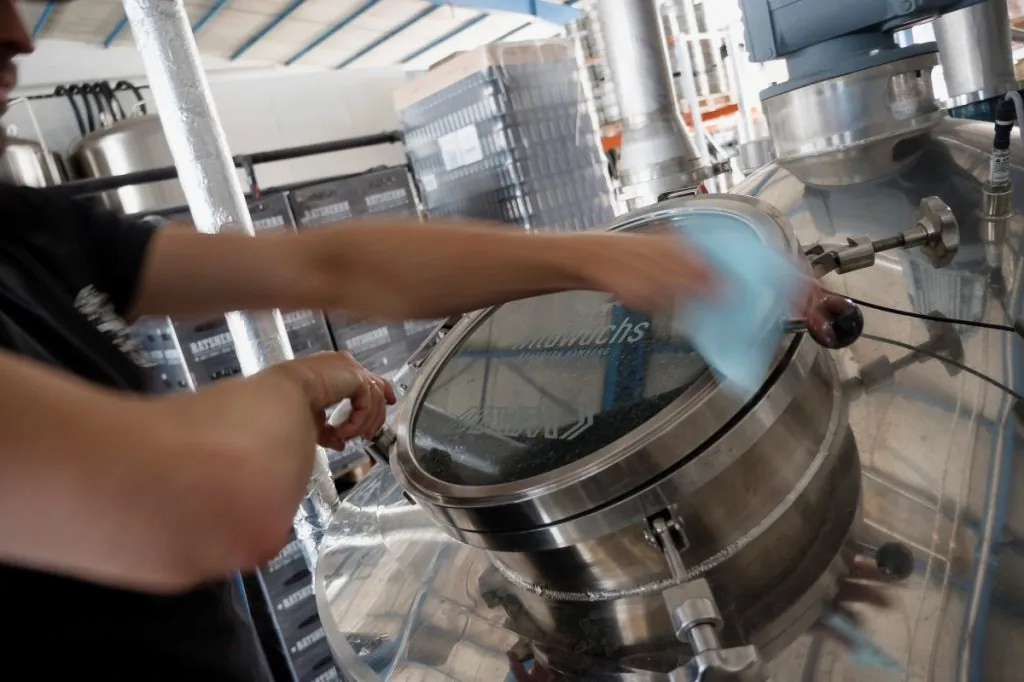
In the Wilhelmsburg district, among bridges, old industrial buildings and graffiti-painted warehouses, lies Wildwuchs Brewery. An organic brewery that feels more like a collective art project than a traditional beer hall.
There are large breweries that actually sell the same beer in a few different variations, but we are not that boring, says Wildwuchs' brewmaster. Peter Matthies. He is one of three brothers who founded it in 2014.
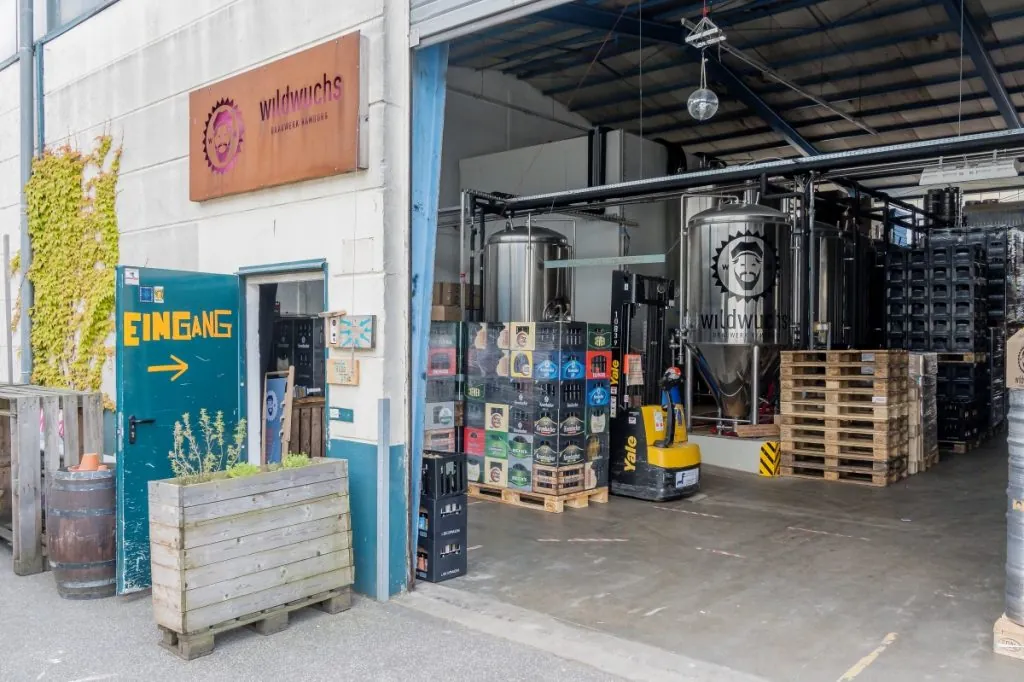
Beer is brewed here with a kind of restless curiosity. Hop-laced IPAs, dark ales with coffee and experiments where leftover sourdough bread is given new life in the fermentation tanks. The place smells of malt, citrus and freshly baked rye bread. Outside, slow freight trains pass towards the port.
Wilhelmsburg is also a strange place in itself. Europe's largest river island, they say. A patchwork of canals, small bridges and industrial romance where it feels as if something is always being rebuilt or disappearing. And maybe that's why breweries like Wildwuchs fit so well here. They belong in the spaces between.

Classic beer under the arches
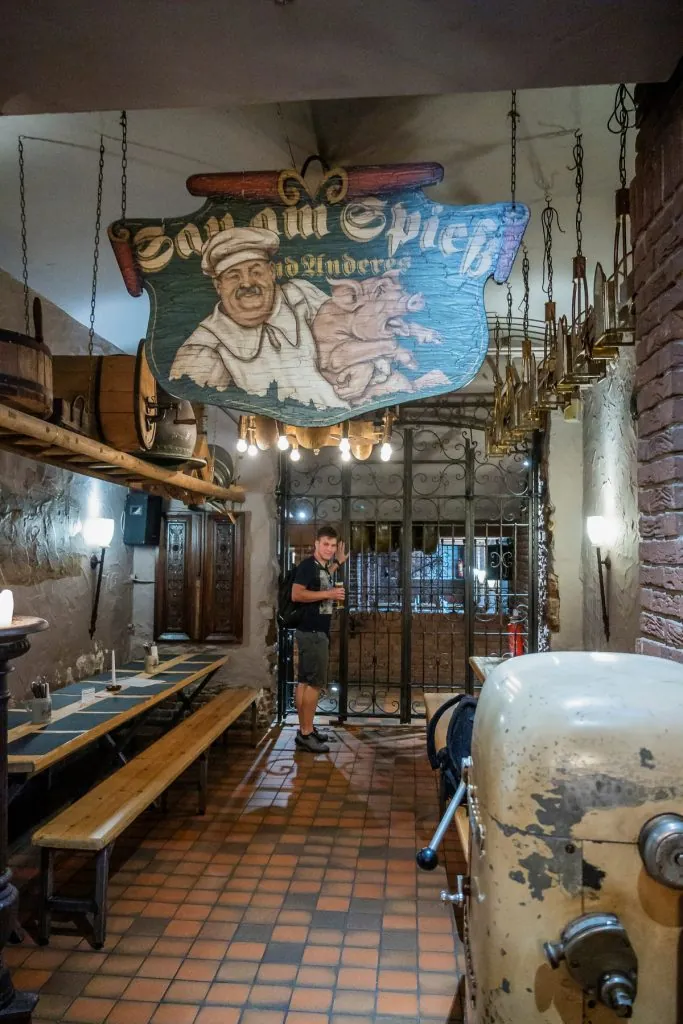
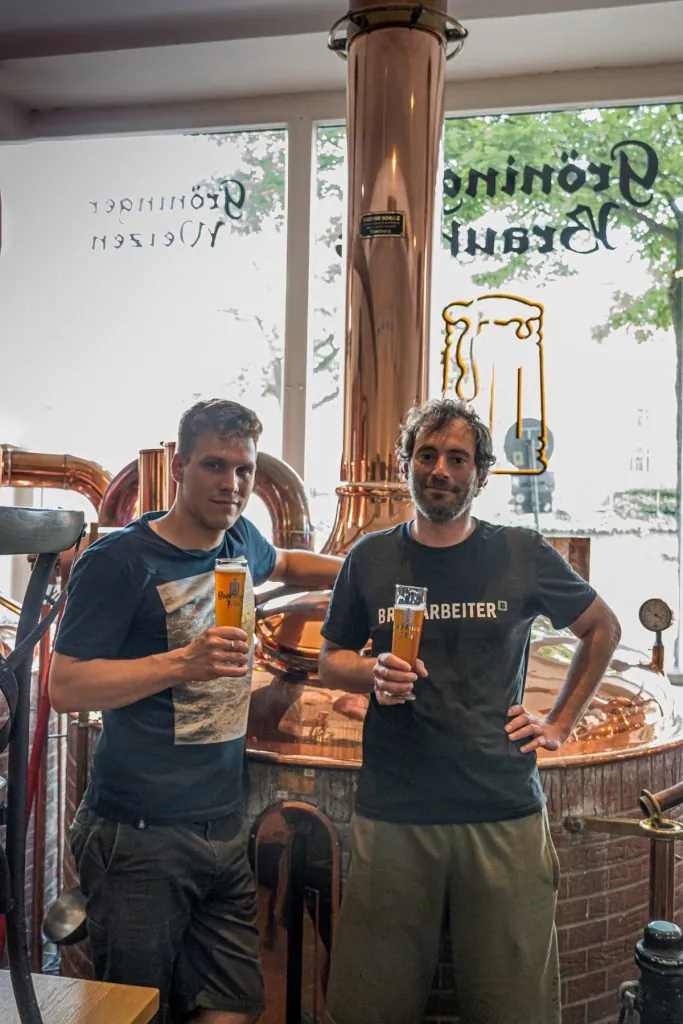
From experimental beer to old North German tradition, the step is shorter than you think. In the Altstadt is Gröninger Private Brewery founded in 1793, a brewery where copper kettles and dark wooden tables still reign.
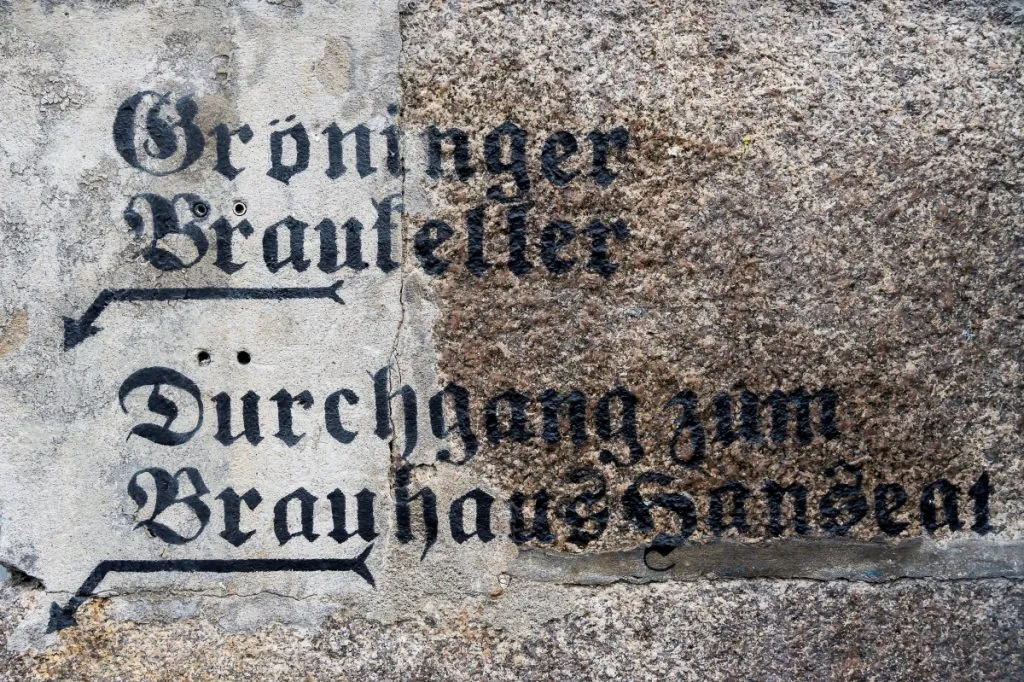
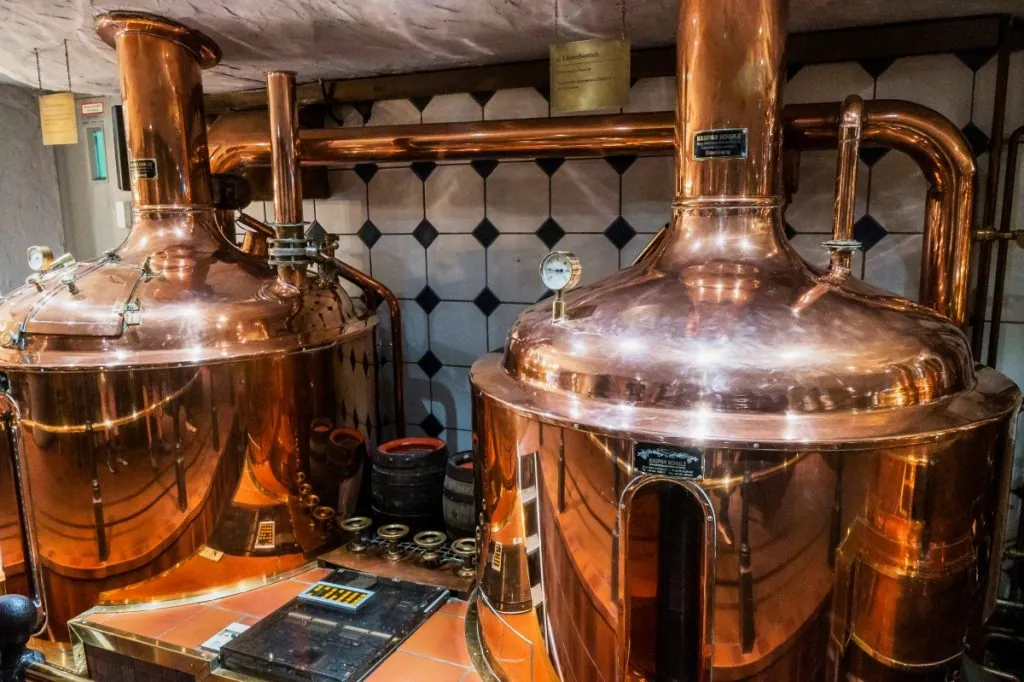
The cellar feels almost medieval. The vaults are low. The lighting is warm and subdued. Classic northern German beer styles are served here without anyone trying to make them modern for the sake of it.
In Helles with herbal bitterness. A pilsner with a dry finish and honey notes. And of course Alster water, that strange mix of beer and lemonade that Germans drink with national pride. There's something liberating about it. No quick trend chasing here.
Speicherstadt and the old trading spirit
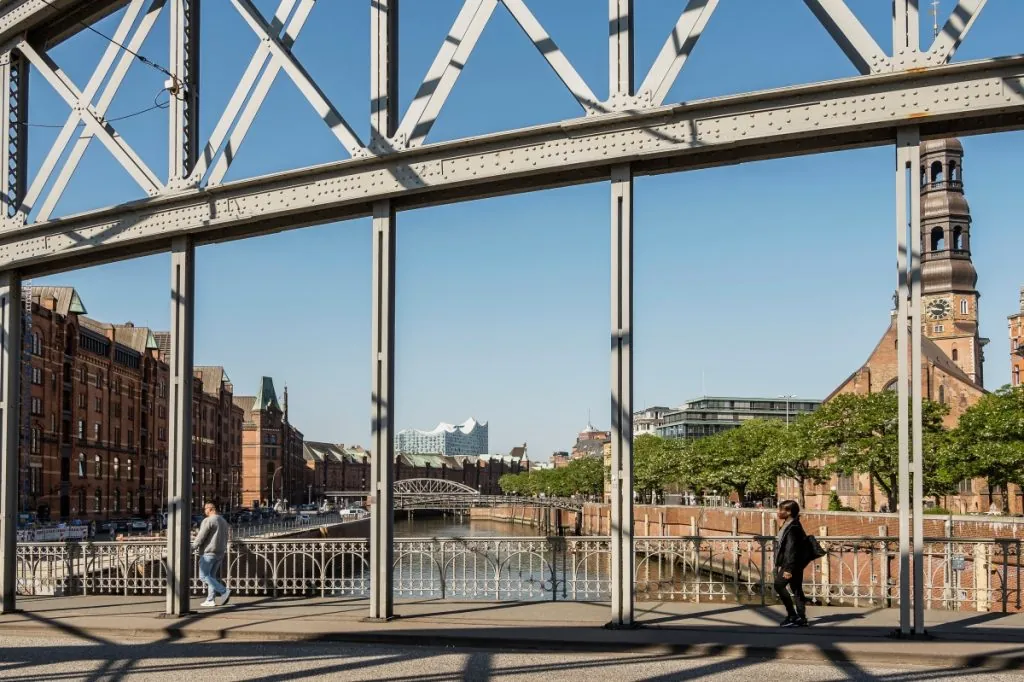
You should walk in Hamburg. The city reveals itself best that way. From Mönckebergstrasse down towards Speicherstadt The rhythm gradually changes. The brick warehouses tower like old ocean-going ships. The canals lie black between the buildings. It still smells of coffee, spices and wet wood down here.
In the evenings, the lights are reflected in the water as if the entire district were floating around in its own dream. You can see why electronic musicians and experimental film composers always seem to be drawn to Northern Germany. The landscape works creatively with your head.
Lübeck and the beer that survived the centuries
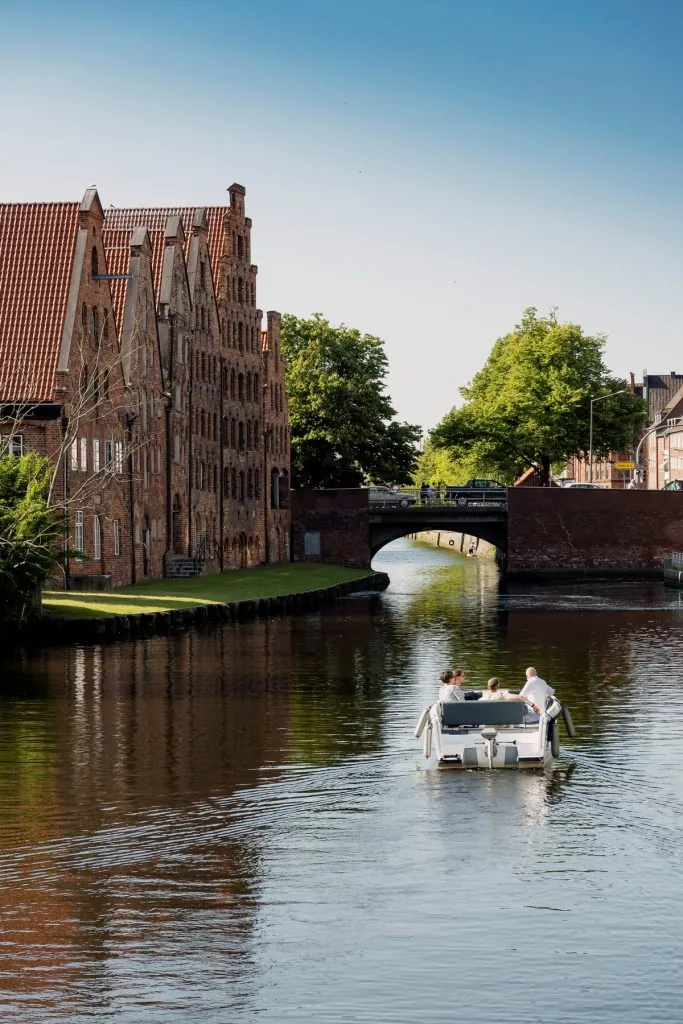
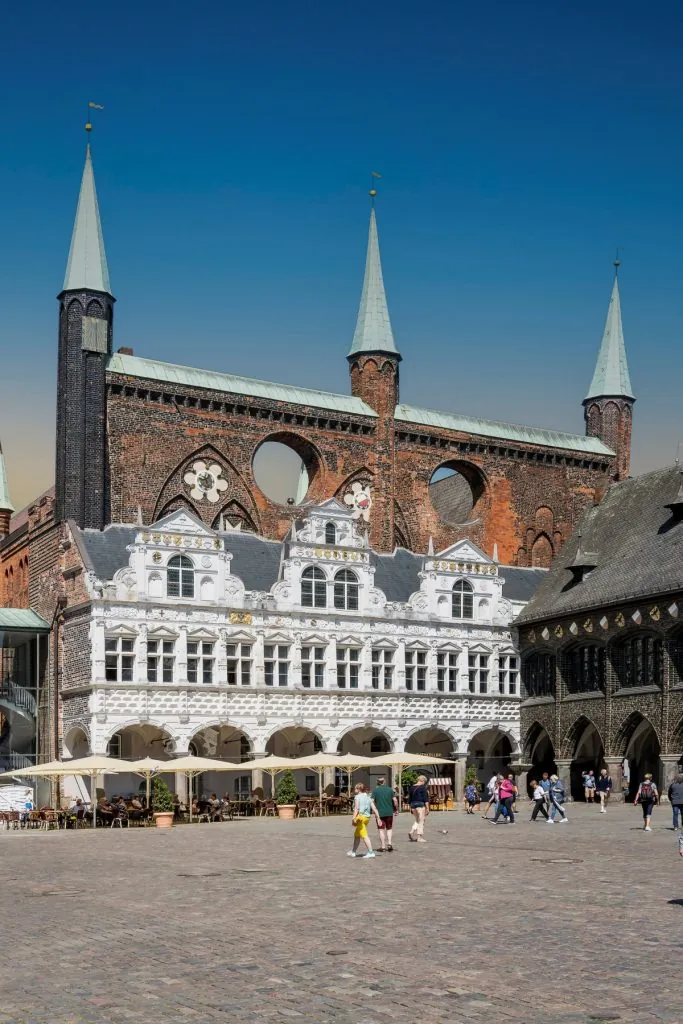
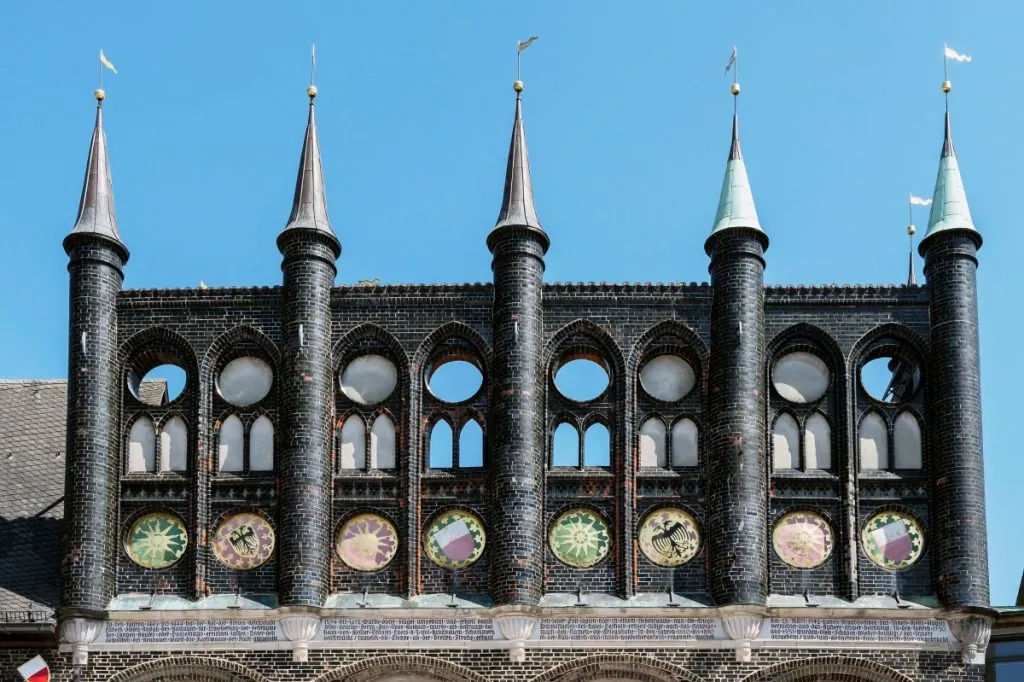
Just under an hour to the east lies Lübeck, the Hanseatic city where Gothic church towers still dominate the skyline and where the cobblestone alleys feel almost unreasonably well-preserved.
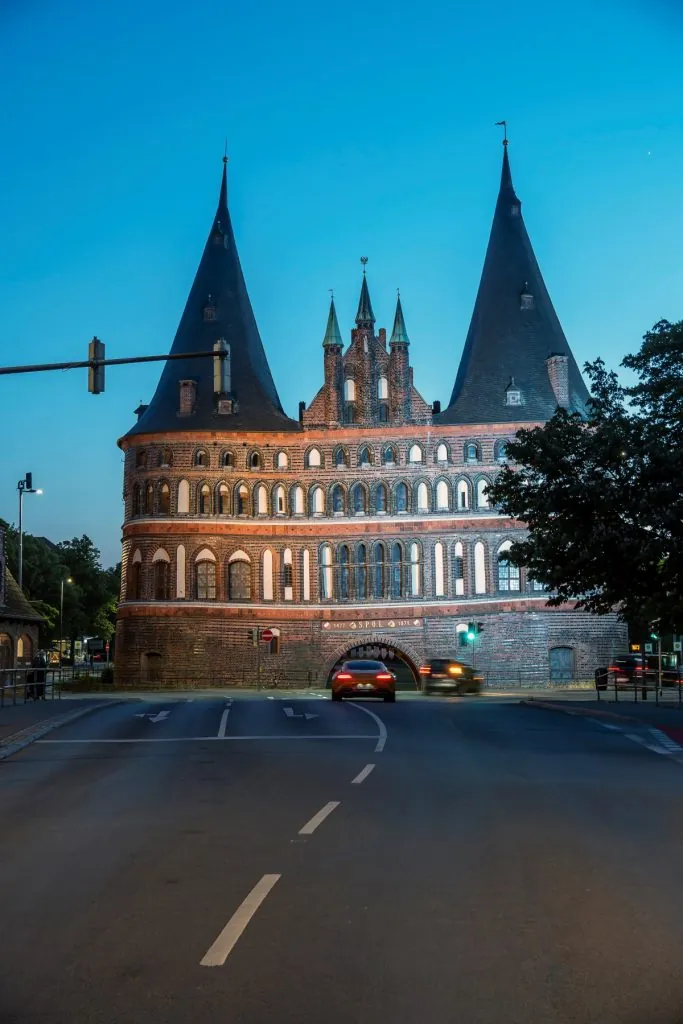
Here you will find Brauberger of Lübeck, a brewery whose beer cellars date back to the Middle Ages. Drinking unfiltered Zwickel here is like stepping into another era. The beer is smooth, malty and slightly spicy. No aggressive hop bombs. Just balance.
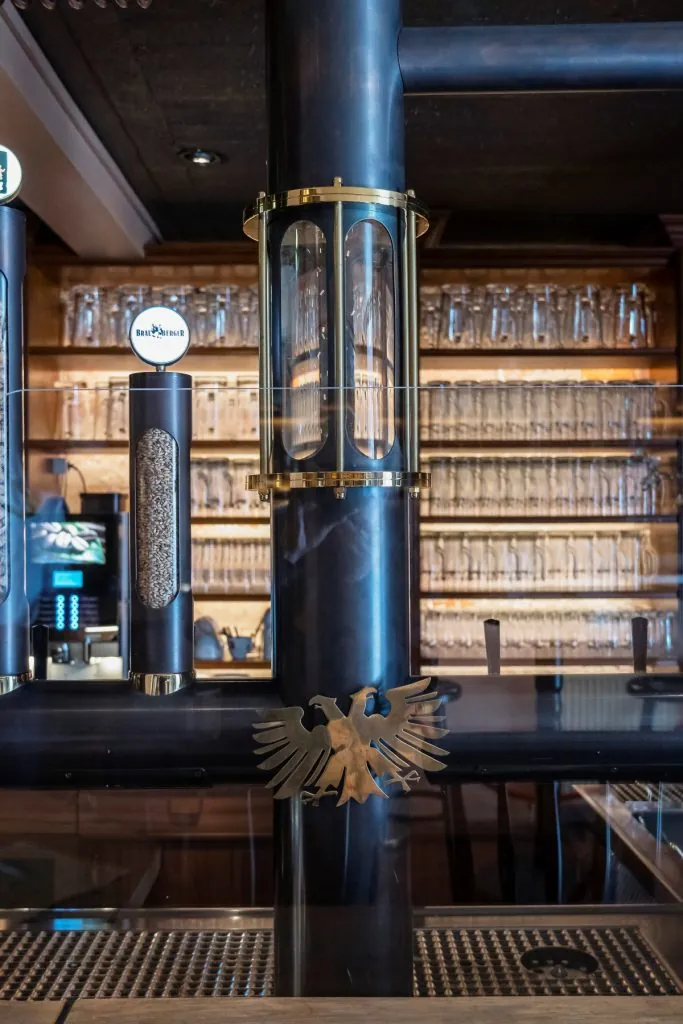
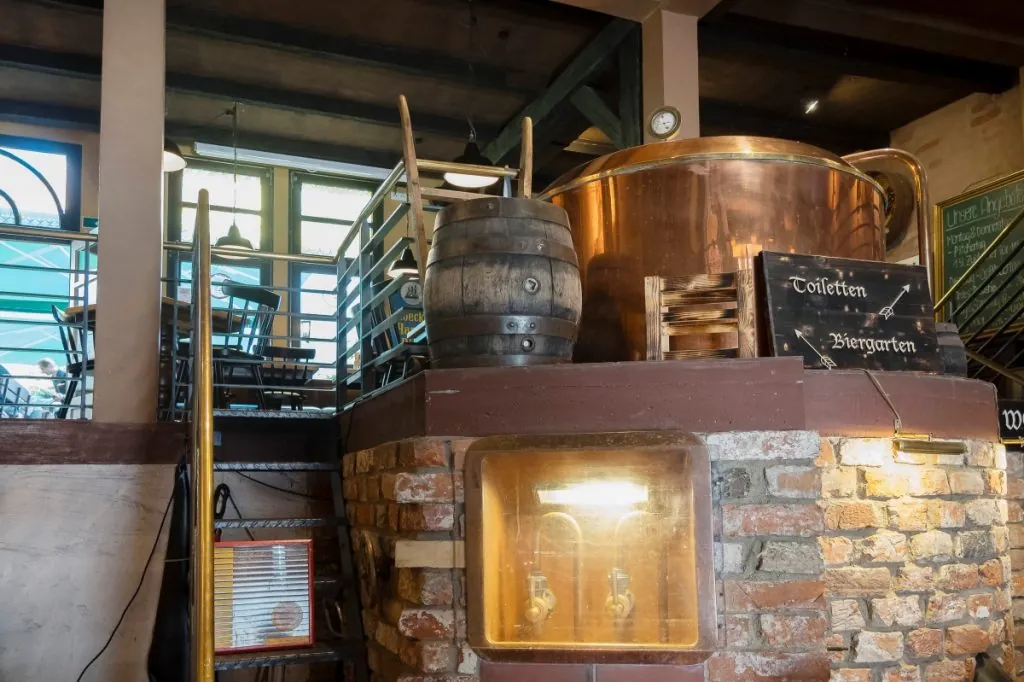
It's strange to think that people have sat in the same city drinking beer for almost eight hundred years while empires have risen and collapsed around them. Lübeck does wonders for one's perception of time.
The marine biologists who started distilling
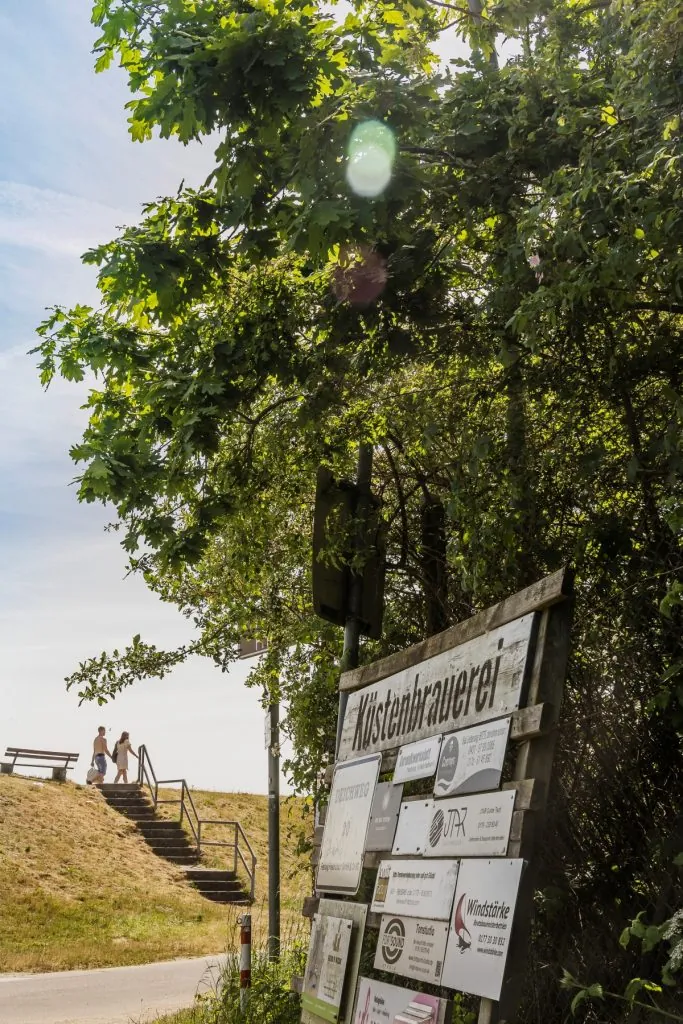
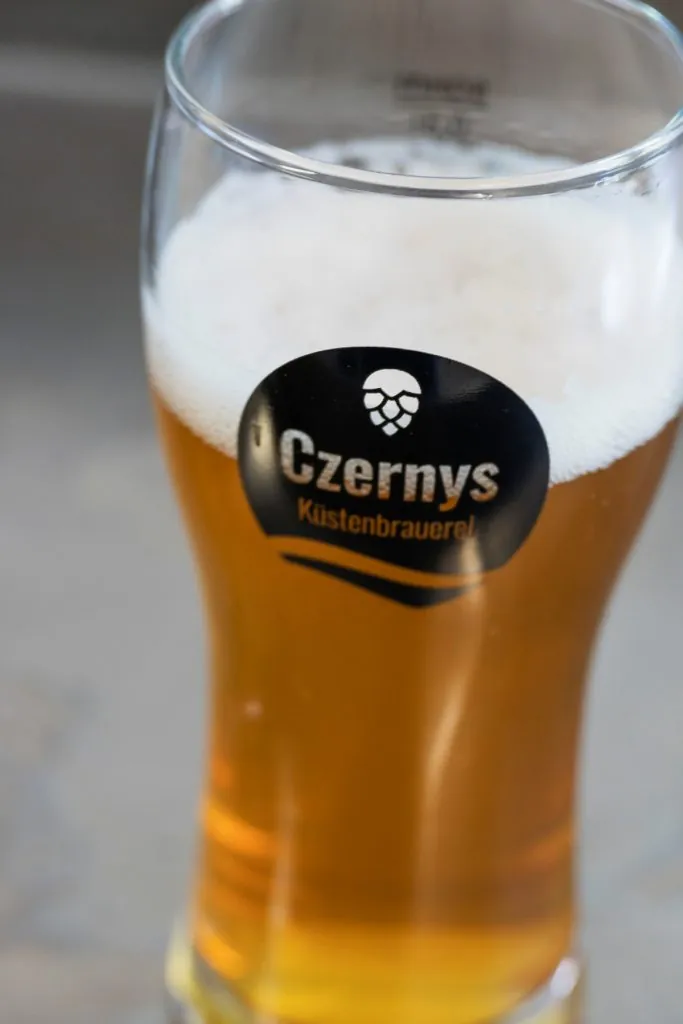
On the coast outside Kiel, near old defense installations and windswept beaches, lies Czerny's Coastal Brewery and their distillery. The founders Jasmin and Jan Czerny previously worked as marine biologists. Now they use their knowledge to understand water, yeast and minerality in beer and whisky. Their brewery feels almost scientific in its precision. But at the same time there is something very northern German here: an uncompromising calm.
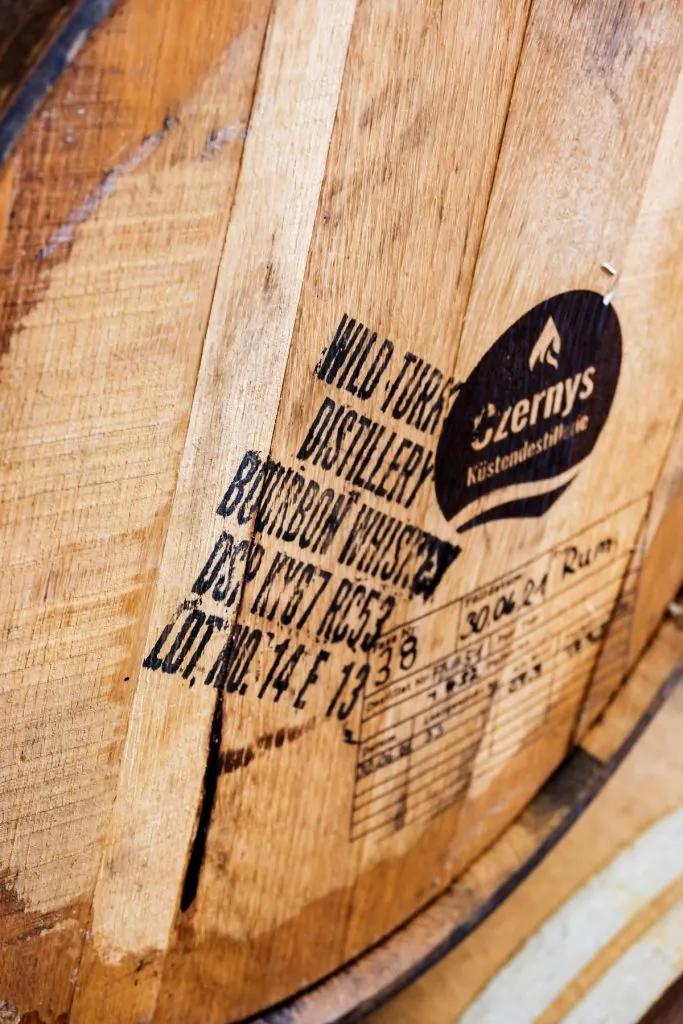
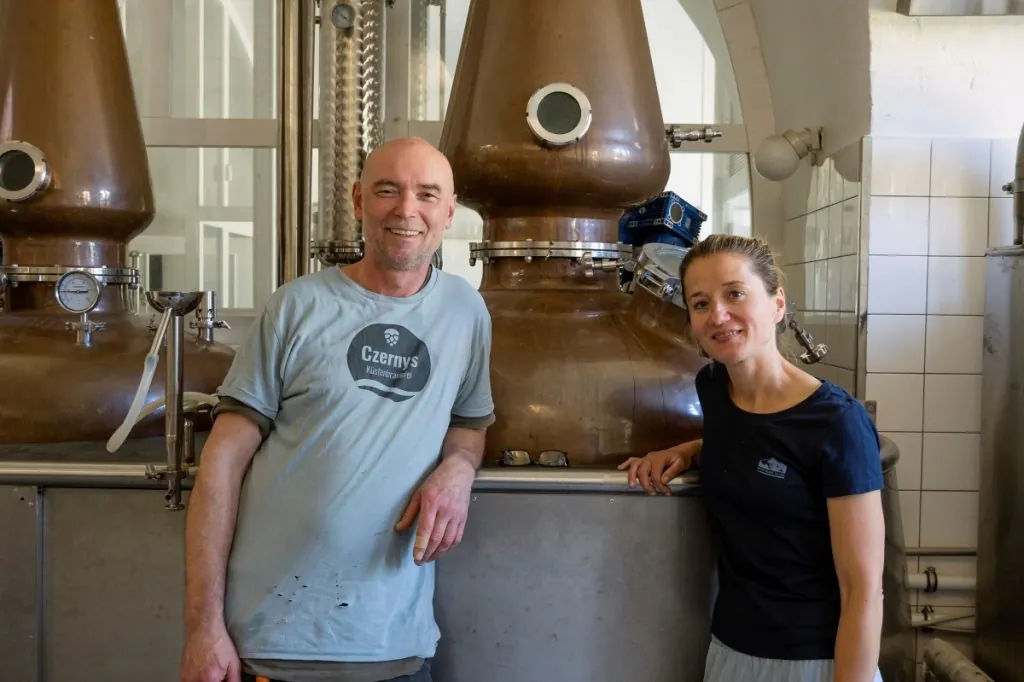
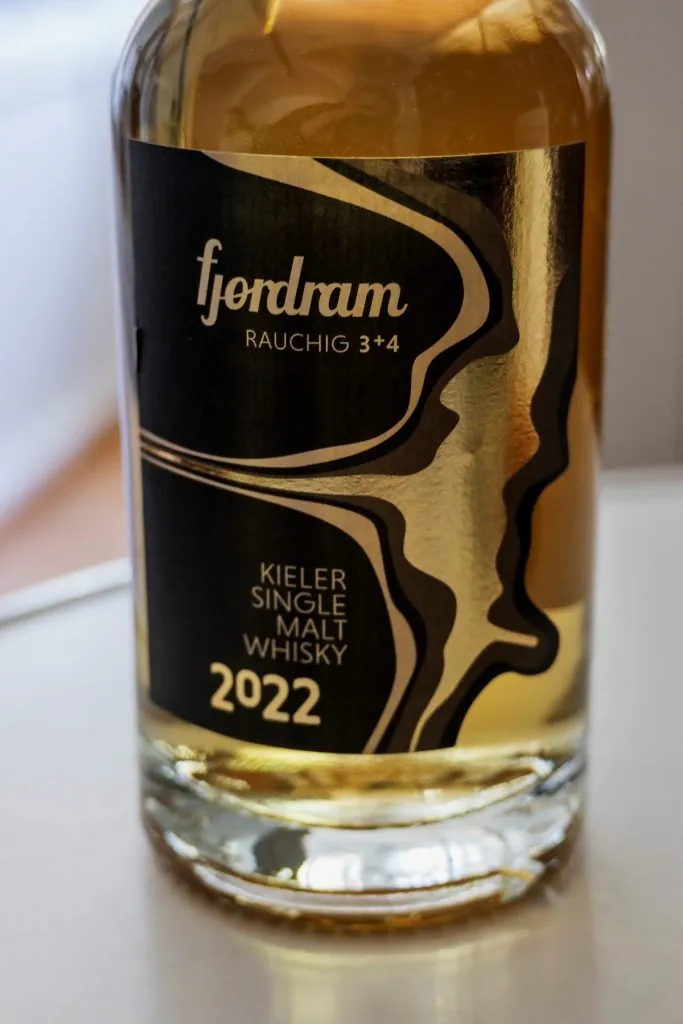
Bottles are reused. Local ingredients dominate. And the beers have names that sound like weather reports from the North Sea. The porter is dark and dense like wet driftwood. The Märzen beer carries notes of caramel and salty sea air. Their whisky takes on an almost maritime saltiness after aging near the coast. These are drinks that feel like they were made to survive heavy storms.
Sylt, the wind and the strange light
Then you come to Sylt. Germany's Mallorca, the party island for the German upper class and a holiday destination for ordinary tourists. The island doesn't feel quite German. Not quite Danish either. More like its own country out in the North Sea.
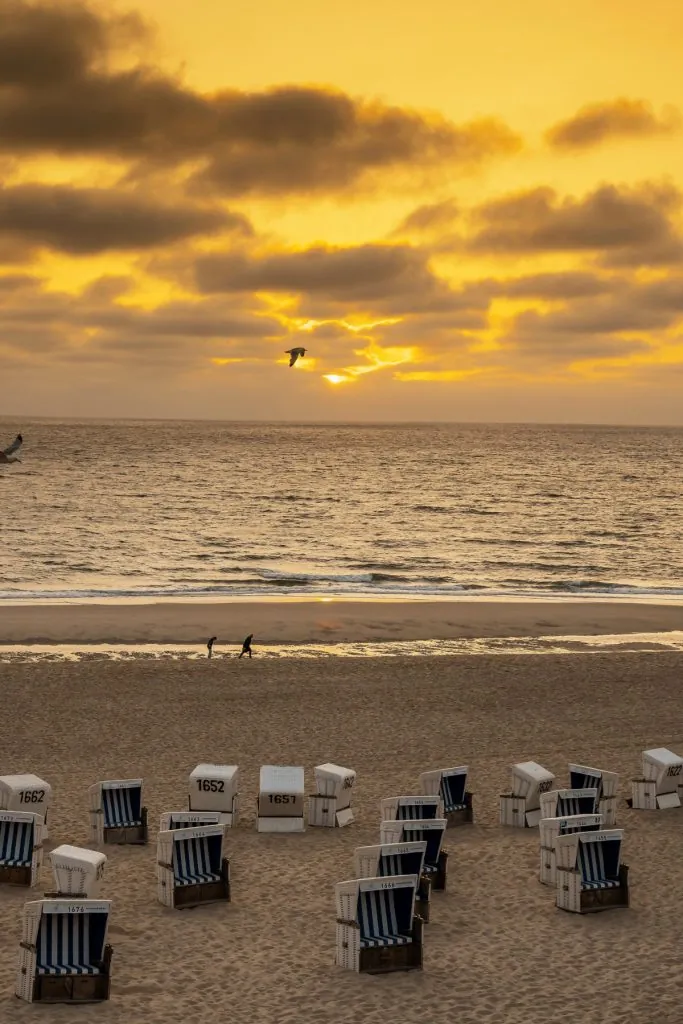
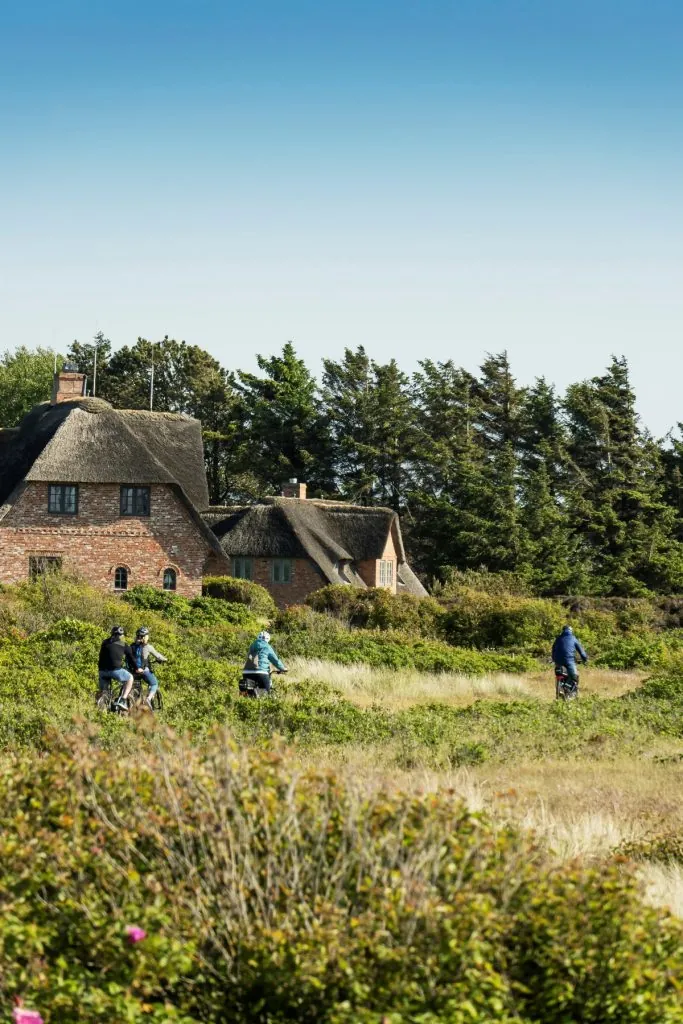
Here are enormous beaches, rolling sand dunes and small villages where the roofs almost bend against the wind. The light is constantly changing. One moment silvery grey, the next almost surreally golden. You cycle along the sea and pass salt marshes where birds scream in the fog. In the background the sea rumbles dully like distant engines.
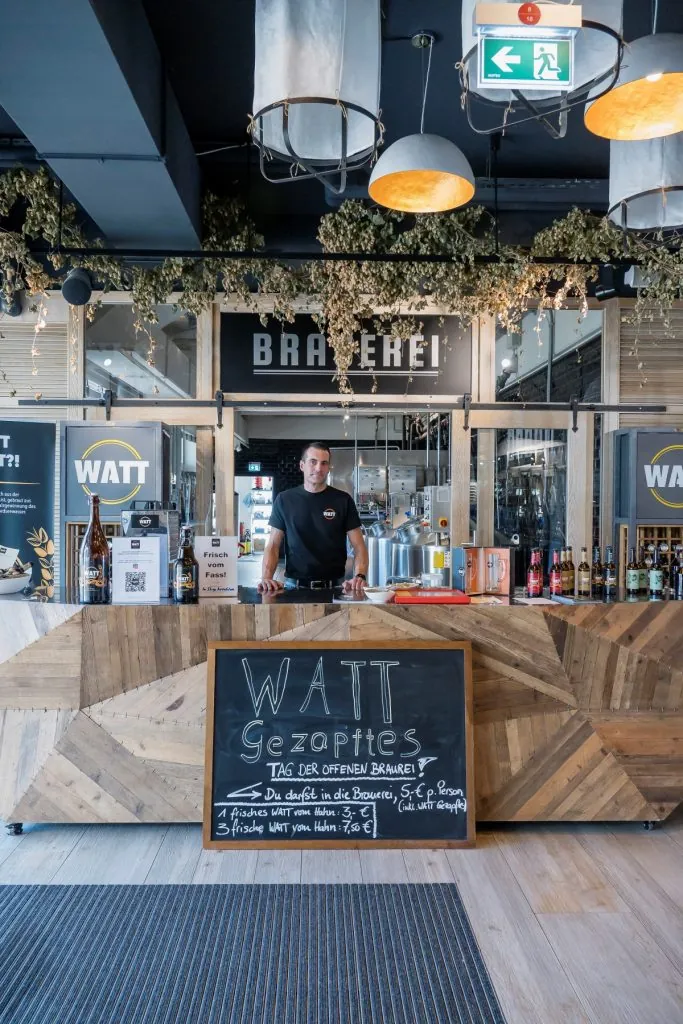
Up in the northern part near the town of List lies Watt – Sylt Beer Brewery. A brewery where the sea literally influences the taste. Here, residual water from local salt production is used in the brewing process, which gives the beer its own mineral character.
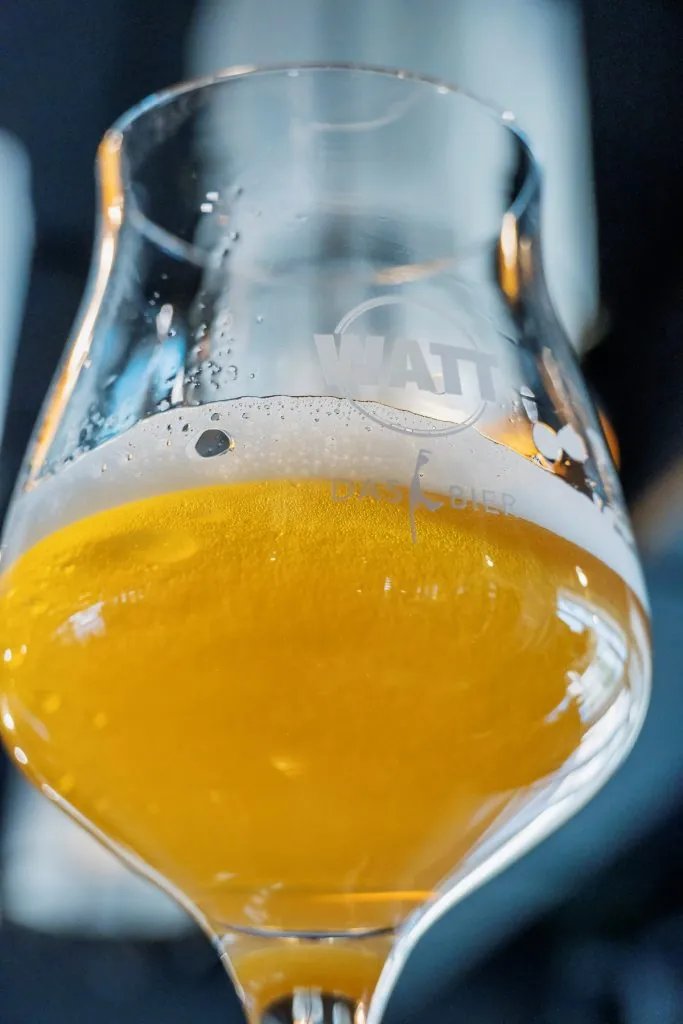
The light lager is fresh and citrus-driven. The dark beer carries notes of coffee, caramel and sea breeze, says Watts' brewmaster, Anton Rieg.
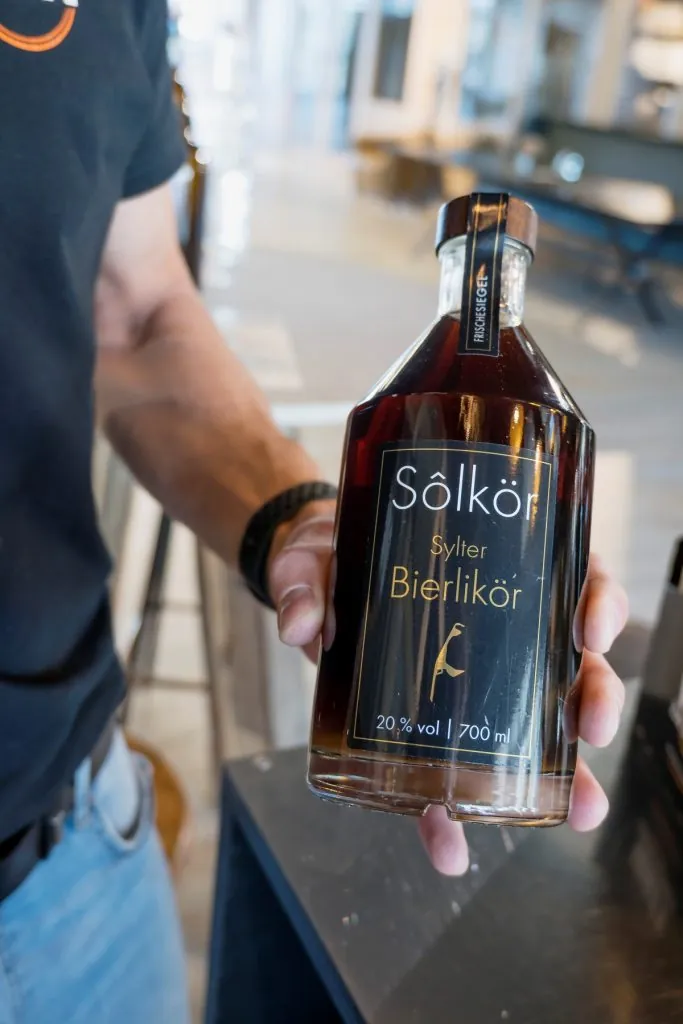
And then there's their strange Watts Beer Rum. Lemon, honey, ginger and vanilla are left to rest in dark rum for several weeks before the beer is mixed in. The result is a combination that shouldn't really work but does. Just like a lot of other things out here by the North Sea.
Whiskey among the salt marshes
Further south on the island lies Sylt Distillers. The distillery is hidden near the coastal meadows where the sea sometimes floods the land and leaves salt in the soil. It is also noticeable in the spirit.
The whisky is aged in the constant wind from the sea and acquires a soft saltiness along with notes of vanilla, sherry casks and dark honey. The gin is seasoned with herbs from the islands' wetlands.
Everything here feels slow. Almost hypnotic. When evening comes and the fog rolls in over the beach, Sylt becomes something other than a holiday island. Then it feels more like the final scene in an old European art film from the 70s.
You stand with your jacket collar turned up, a glass of gin in your hand, watching the lighthouses twinkle in the darkness while the wind blows through the grass like the noise of German krautrock.
Guide: Accommodation, food and stops along the way
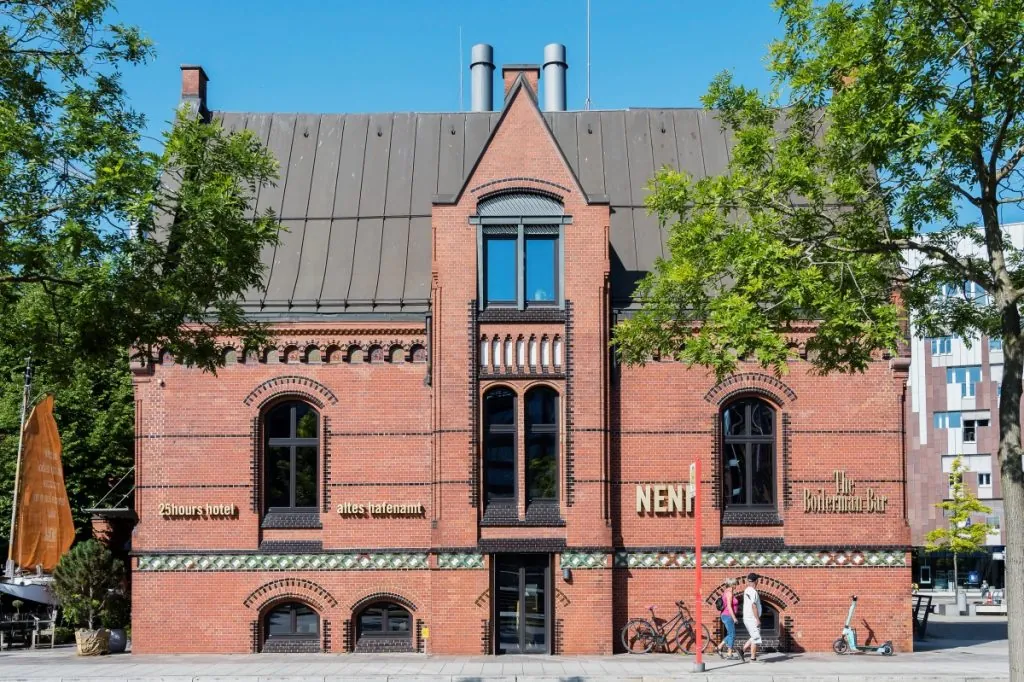
25 Hours Hotel Altes Hafenamt, Hamburg
A modern hotel with unique interior design located in the Hafen City area. Just a five minute walk from the Elbe River and the famous Speicherstadt. Best breakfast buffet of the trip. Don't miss the morning fresh bread of different varieties. Website: www.25hours-hotels.com/hotels/hamburg
Speicherstadt, Hamburg
Hamburg's old warehouse district is still one of Europe's most atmospheric urban environments. Bricks, bridges and canals in an almost surreal network.
Atlantic Hotel Lubeck
Elegant 4-star hotel in the heart of the old town of Lübeck. Walking distance to the city's churches, alleys and beer cellars. The rooms are modern but with just the right amount of Hanseatic feel left. Website: www.atlantic-hotels.de/hotel-luebeck/
The Newport Restaurant & Marina – Lübeck
The Newport is located opposite Lübeck's Old Town on the Trave River in a renovated harbor shed. A cosmopolitan gourmet restaurant with a focus on fish and seafood inspired by northern German cuisine. Try the homemade ice cream. Feel free to look into the open kitchen while your dish is being prepared. Website: www.the-newport.de
Kunsthalle St. Annen, Lübeck
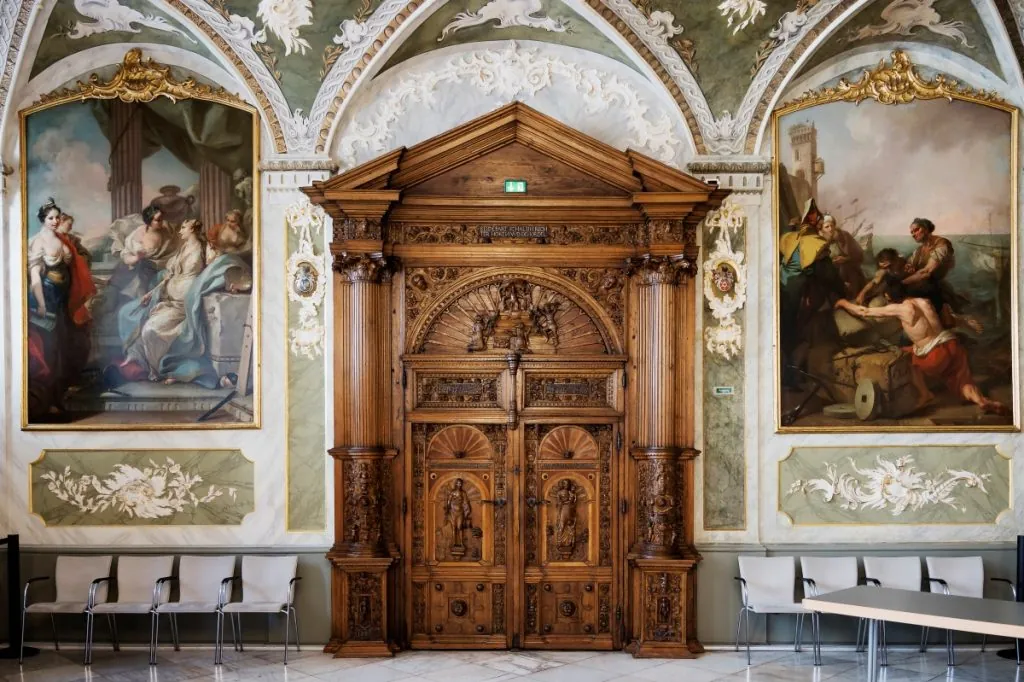
The Kunsthalle in Lübeck is one of Germany's most beautiful museums. It is located in the former St. Anne's Priory, which was founded in 1502 as a residence for the unmarried daughters of Lübeck's wealthy merchants. Late Gothic monastic architecture with unique collections of sacred art from the 13th century to the early 16th century. The museum also has a large department of contemporary German art. Website: https://kunsthalle-st-annen.de
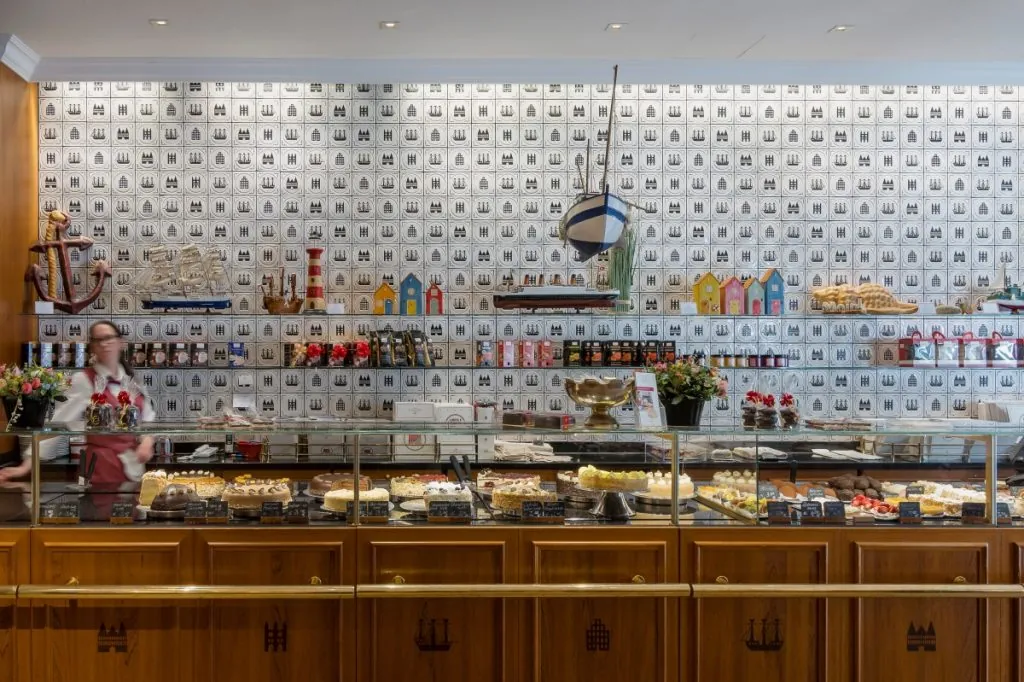
Café Niederegger, Lübeck
Classic historic café in the middle of the old town. The marzipan cake is a must, also a visit to the Marzipansalon (Marzipan museum) on the second floor, free entry Website: www.niederegger.de
The Lay Head B&B, Lubeck
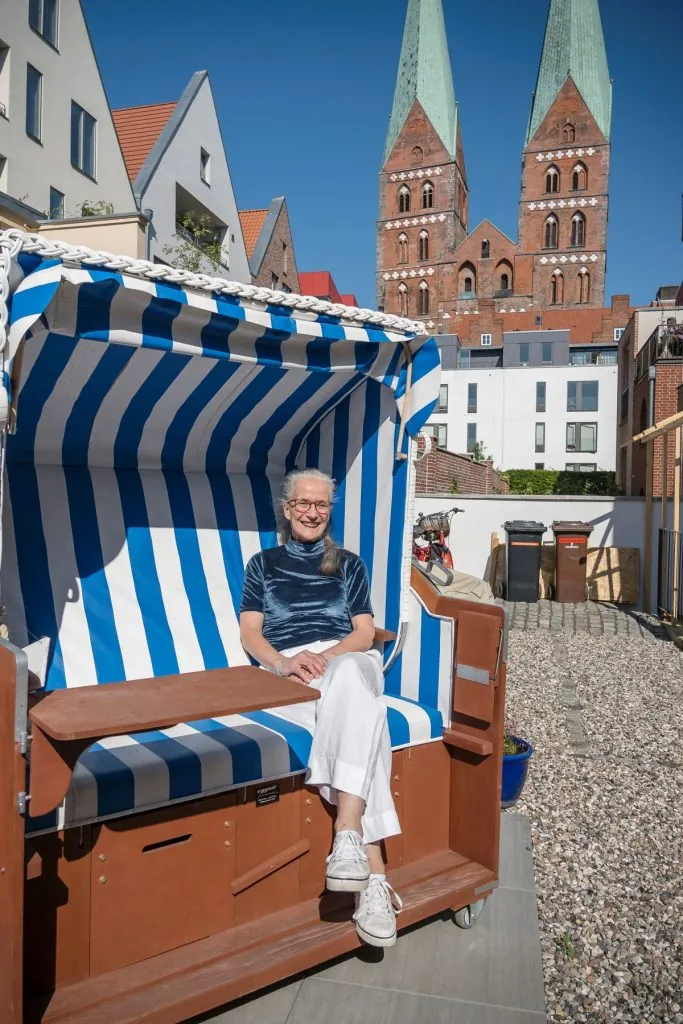
A small bed and breakfast/boutique hotel with eight characteristic rooms and a cozy garden in central Lübeck, close to the Buddenbrookhaus literature museum, Holstentor and Lübeck theater. The owner Katrin likes to sit in the garden and chat with her guests. Website: https://thelayhead.de
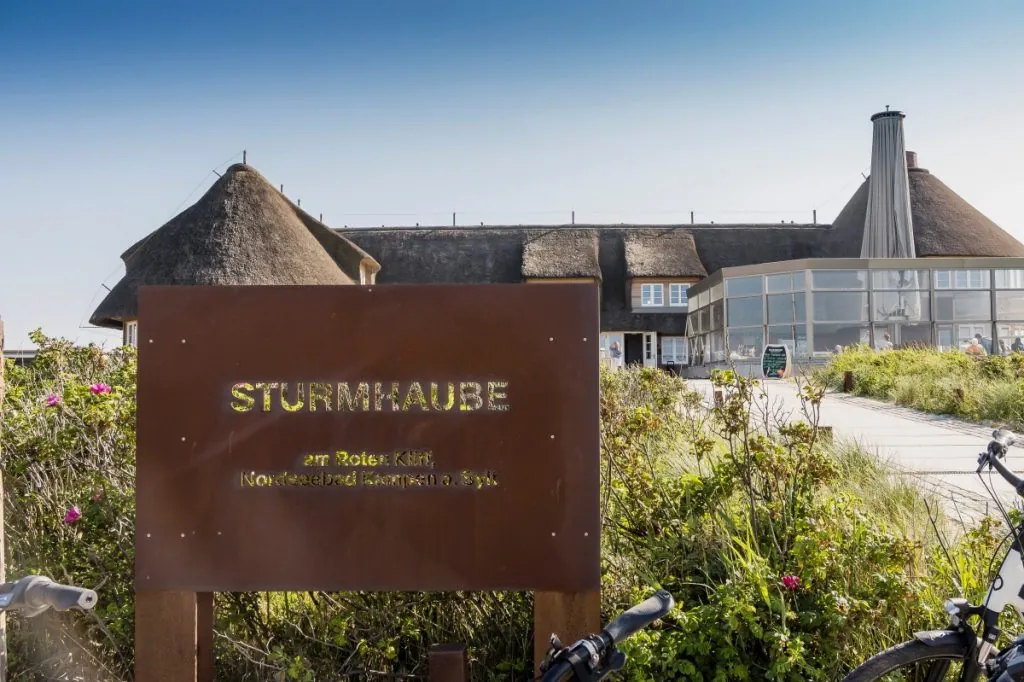
Strumhaube / Strumbräu, Kampen, Sylt
Water, wind and land meet in a spectacular interplay at the Red Rock in Kamppi. Enjoy the sunset at the Strumhaube restaurant, eat northern German food and wash it down with home-brewed beer from the newly opened Strumbräu brewery on site. Try their unfiltered Golden Ale on tap. Website: www.sturmhaube.de
Hotel Aubis, Westerland, Sylt
A good hotel located on a quiet side street in Westerland's shopping district, just 300 meters from the beach. Modern rooms and a varied breakfast buffet.
Restaurant Web Christel, Westerland, Sylt
A cozy restaurant with tasty fish & seafood dishes, housed in a small house with a thatched roof. Choose North Sea crab with avocado or fried lobster with truffle ravioli. Website: https://webchristel.de
Restaurant Jan Und Hein Und Klaas Und Pit, Kiel
Nice and modern restaurant that is a favorite of the locals. Large selection of craft beers in the bar. Good regional dishes. The currywurst goes well with one of the city's beers. Website: https://janheinklaaspit.de
Follow Mauro here:
Mr Mauro Rongione
You might also like:
 Nuremberg – a medieval city with a castle and local specialties
 Testing Christmas beer - and Christmas food in a new way
 Beer and wine in Tallinn - beer bars, German beer hall and Ukrainian food
 Draft & Craft Cruise - theme cruise with Tallink Silja Line
 Wine and food culture of Moldova
 Gotland in a glass – among beer lovers, whiskey connoisseurs and gin romantics

 English (UK)
  Svenska