

Writer: Helena Bergström
Norwegian food is about much more than salmon and brown cheese. There are traditional lamb and fish dishes, local cheeses, freshly baked goods from farms and bakeries, sweet waffles and of course the occasional Kvikk Lunsj in your backpack. In this guide, we go over what to eat in Norway – and list 25 Norwegian dishes and specialties to look out for.
 Tweet
Tweet Share
Share Share
Share Pin
Pin Share
Share Share
ShareTable of contents
What do you eat in Norway? – a quick overview
After a month in a camper van through Norway, we have of course had time to familiarize ourselves with a lot of Norwegian food – even though we have cooked our own food much more often than we have eaten in restaurants. Norwegian cuisine is characterized by, among other things:
- Fish and seafood
- Lamb, sheep and game
- Potatoes, bread and simple traditional dishes
- Dairy products and local cheeses
- Waffles, lefse and other sweets
- Local ingredients from farms, fjords and mountains
During our trip, we have mainly discovered food through regular grocery stores and small farm shops. We have bought Norwegian smoked salmon and fish cakes, bought eggs, meat and cheese directly from local producers and of course tried some Norwegian sweets.
At the same time, there are several true Norwegian classics that we haven't tasted yet. Fårikål and pinnekjøtt will simply have to remain on the list for the next trip to Norway!
Typical Norwegian food – 25 dishes and specialties
Here we list Norwegian dishes, ingredients, sweets and other specialties that are interesting to try.
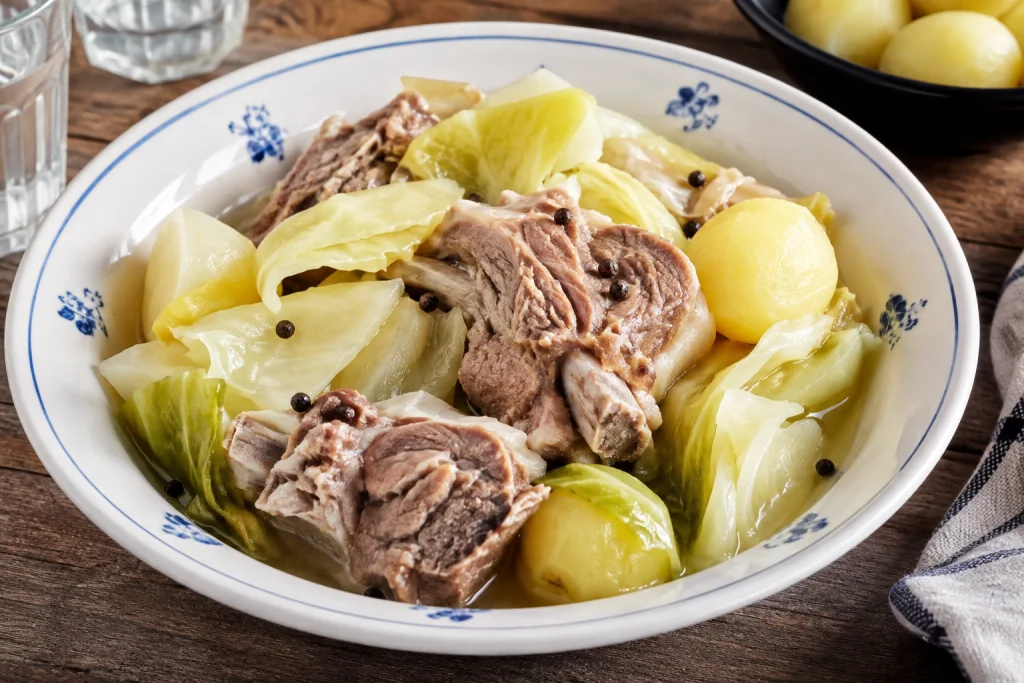
1. Sheep cabbage
Fårikål is considered Norway's national dish and is a true traditional home-cooked dish. In its simplest form, the dish consists of mutton or lamb cooked with white cabbage, whole black peppercorns and salt. It is usually served with boiled potatoes.
Sheep cabbage is most associated with autumn, when Norwegian lamb is in season. The dish even has its own day – Sheep cabbage day is celebrated on the last Thursday in September. We haven't tasted sheep cabbage yet, but after a month among Norwegian sheep and mountains, it almost feels like we should do it next time.
2. Stick meat
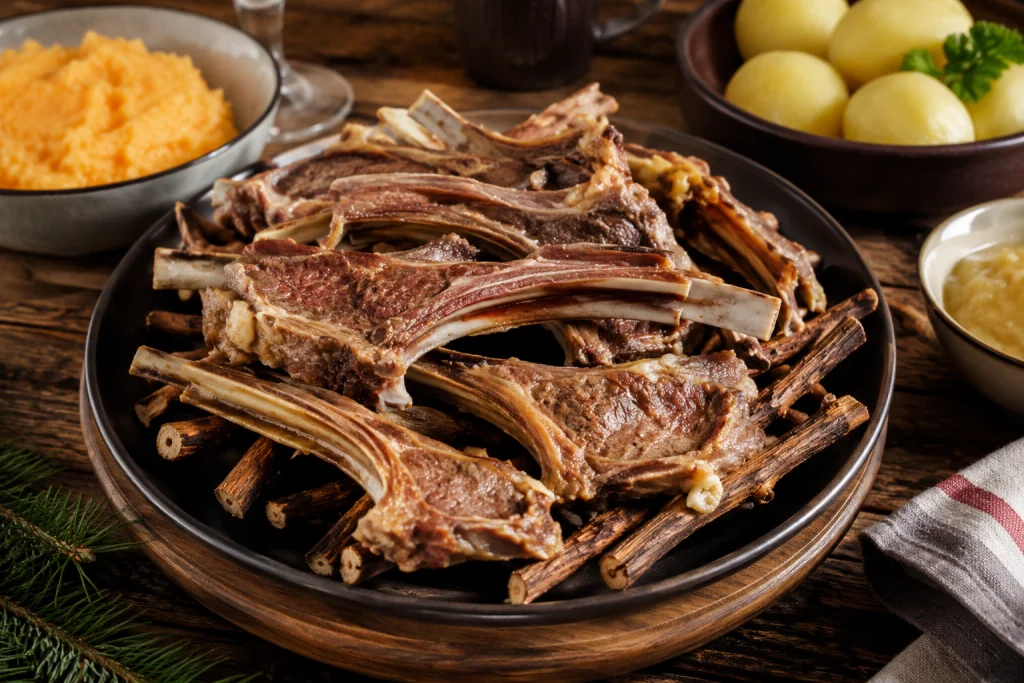
Pinnekjøtt is one of Norway's great Christmas classics and consists of salted and dried ribs of sheep or lamb. The meat is soaked before cooking and traditionally steamed over birch sticks – which also gives the dish its name.
Pinnekjøtt is often served with potatoes, mashed turnips and cheese. The dish is particularly strongly associated with western Norway.

3. Meatloaf
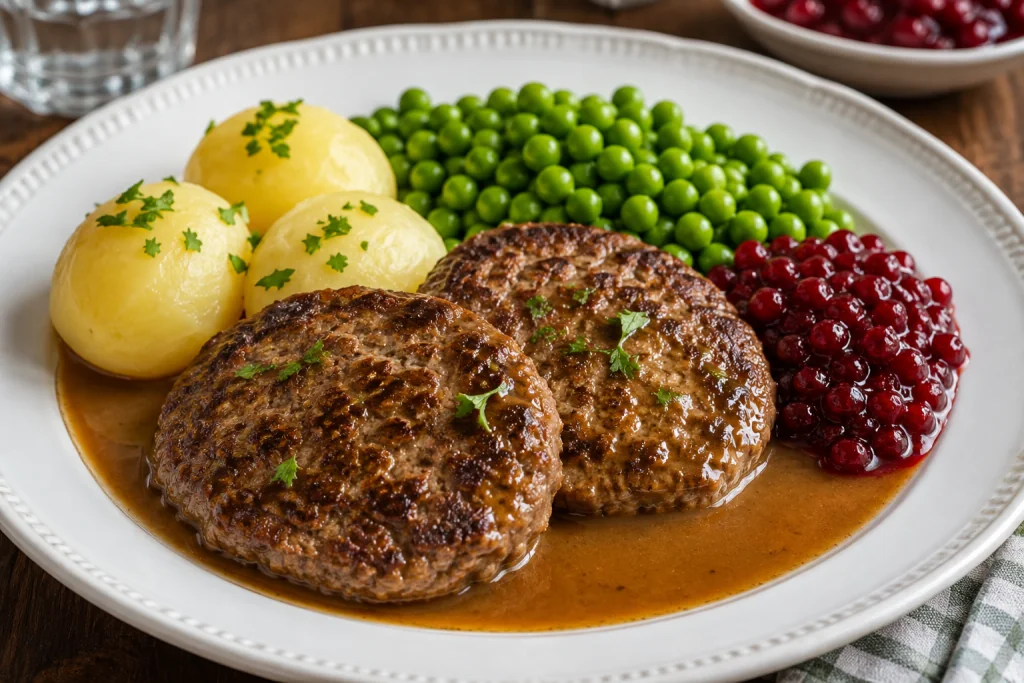
Kjøttkaker can be described as Norway's answer to Swedish meatballs, but they are usually larger and flatter. They are made from minced meat and are traditionally served with boiled potatoes, brown gravy, peas or pea stew and lingonberries.
This is classic Norwegian everyday food that has been on Norwegian dinner tables for generations.
4. Fish cakes
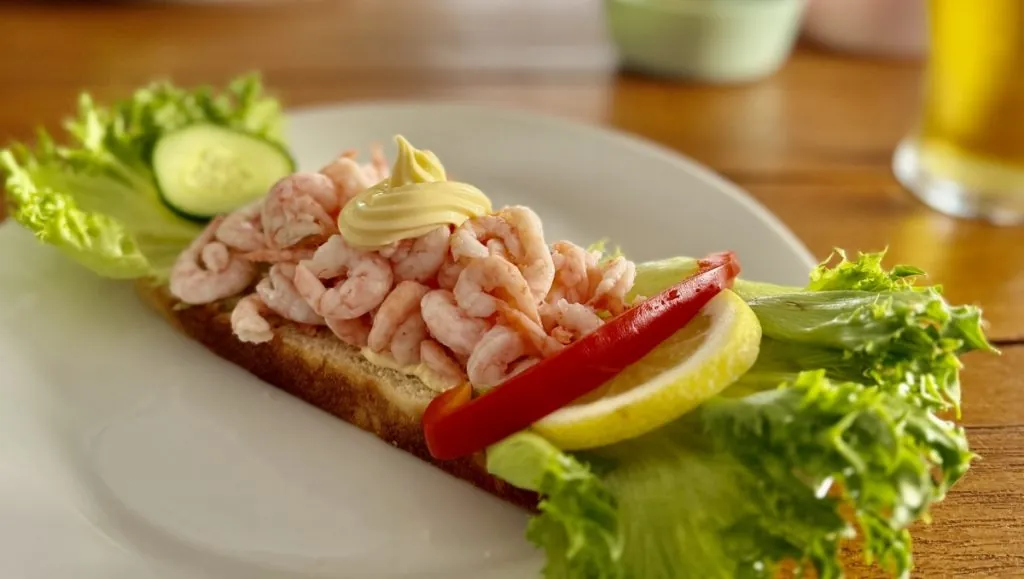
Fish cakes are fish patties made from finely ground fish, often haddock, cod or pollack. They can be served as a complete meal with, for example, potatoes and vegetables, but are also practical to eat cold or use in a sandwich.
This was one of the Norwegian products we bought ourselves during our campervan trip. Easy, tasty and also very easy to fix when you live in a campervan.
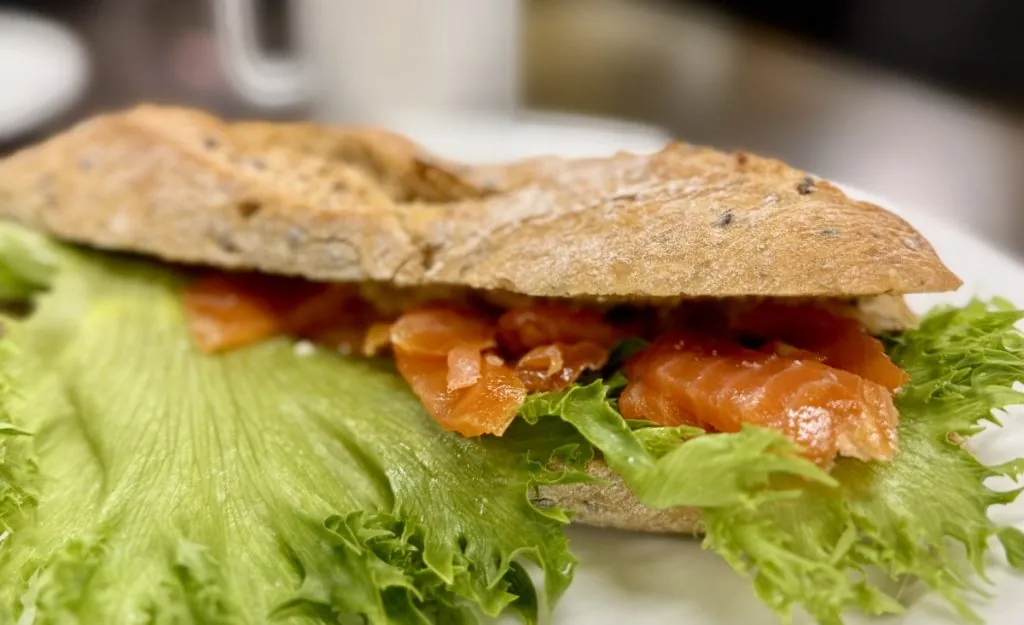
5. Salmon and smoked salmon
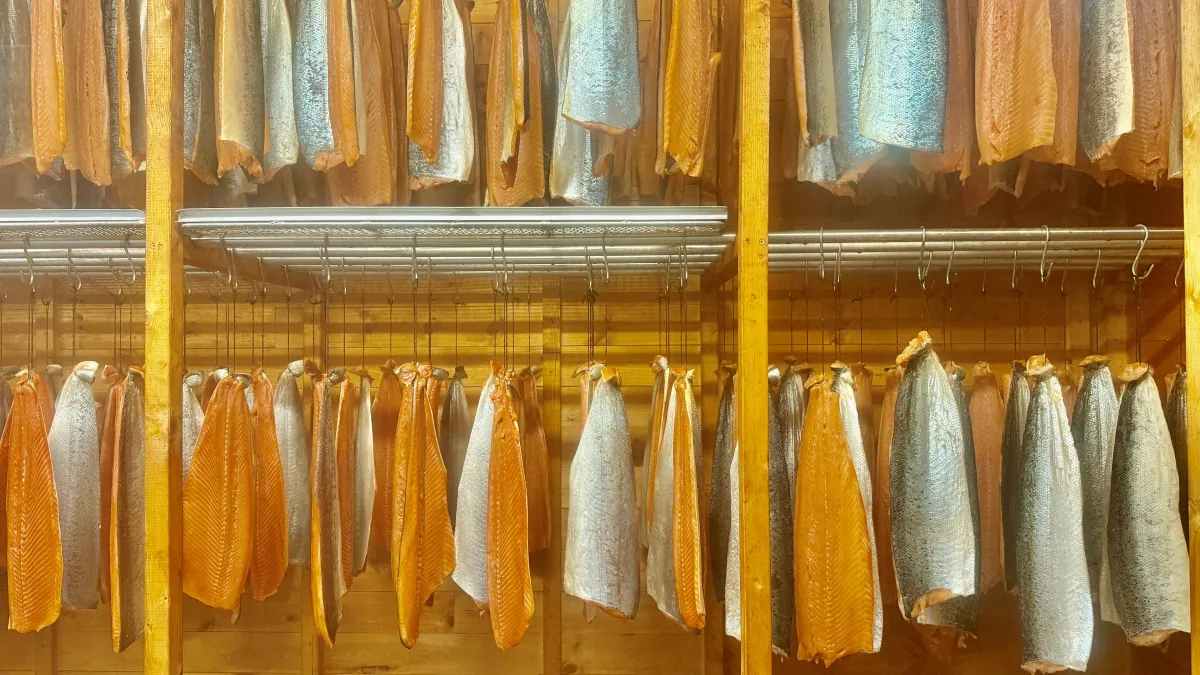
Norway is strongly associated with salmon and Norwegian salmon is exported to large parts of the world. The fish is eaten in many different ways – fresh, pickled, smoked, fried or grilled. We ate a lot of salmon during our trip, and the most memorable experience was probably when we ate and bought smoked salmon at Drågen Smokehouse in Bud – perhaps the best smoked salmon we've ever eaten!
6. Cod and skrei
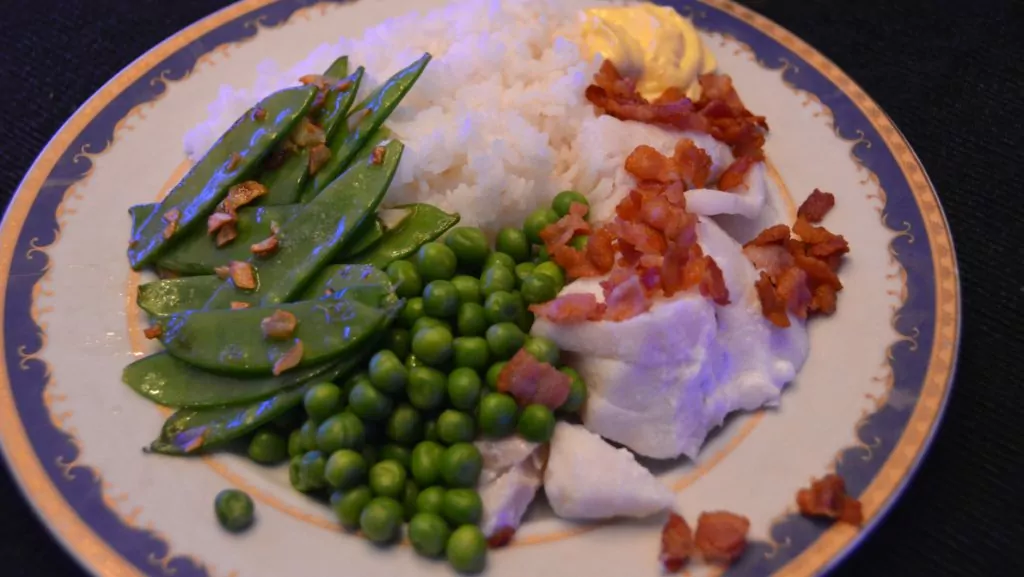
Cod has played an important role in Norway for a very long time. Particularly famous is the skrei, the migratory North-Arctic cod that comes from the Barents Sea to the Norwegian coast every winter to spawn.
Skrei is primarily associated with Northern Norway and the season falls during the winter. The fish is served in many different ways and is considered a Norwegian delicacy. We like to buy both cod and skrei and cook them in different ways, for example in a gratin or with sauce and peas.
7. Stockfish
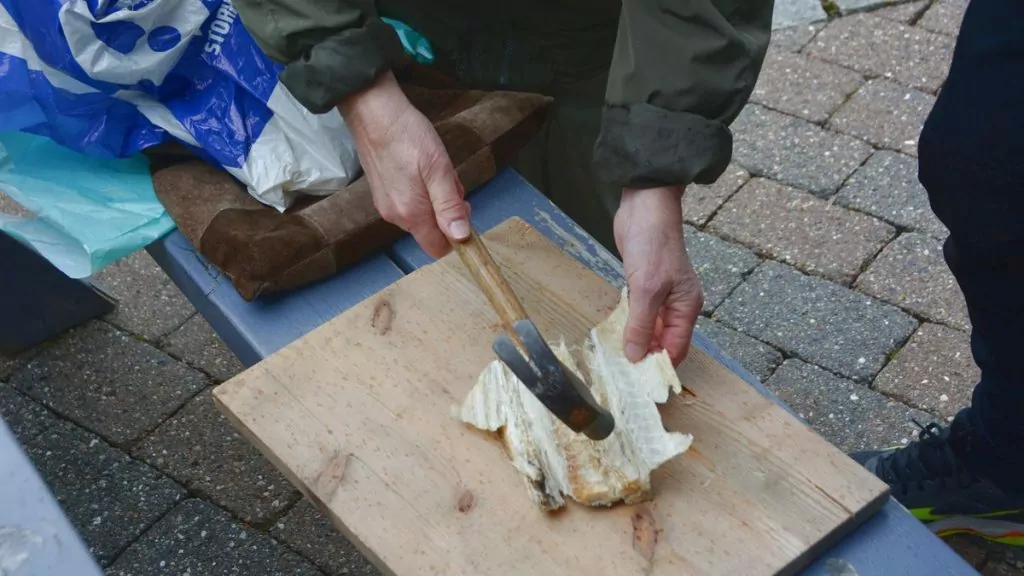
Tørrfisk is unsalted fish, especially cod, that is air-dried outdoors. The tradition is very old and especially strong in Lofoten, where the climate is perfect for drying fish.
Tørrfisk has historically been an important Norwegian export and is still a strong symbol of Norwegian coastal culture. Personally, I (Helena) recognize the product from Iceland, where I lived for a year as a 17-year-old.
8. Sablefish
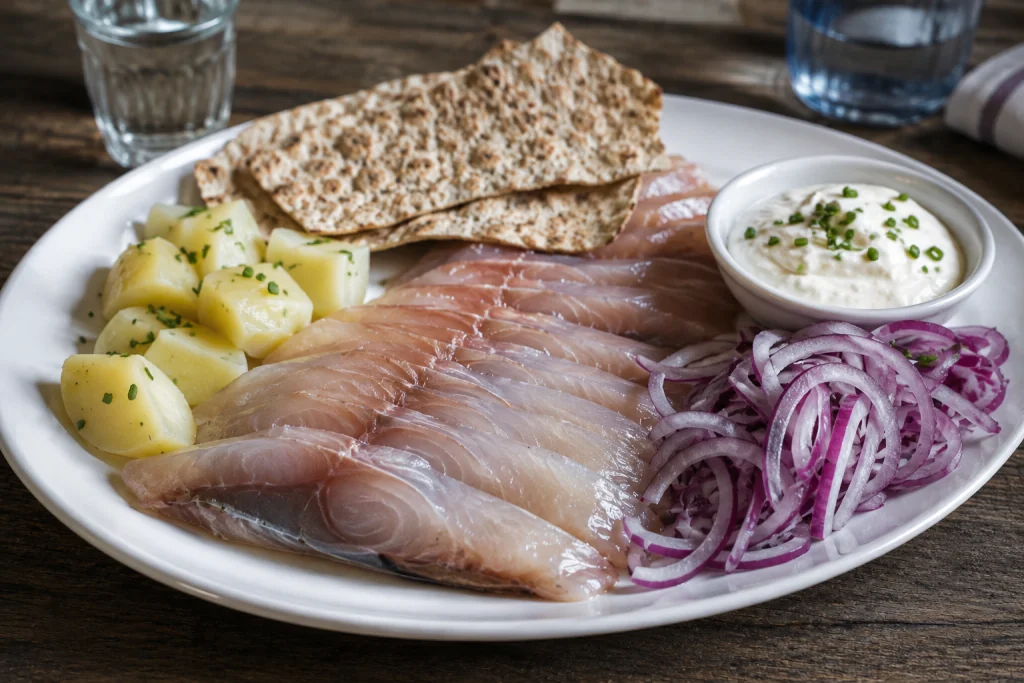
Rakfisk is a much more challenging Norwegian specialty. It involves fish, usually trout, that is salted and fermented for several months.
The fish is eaten without further cooking and is often served with potatoes, onions, sour cream and flatbread or lefse. The taste and aroma are special – in other words, this is perhaps not something for the cautious beginner.
9. Fenal thigh
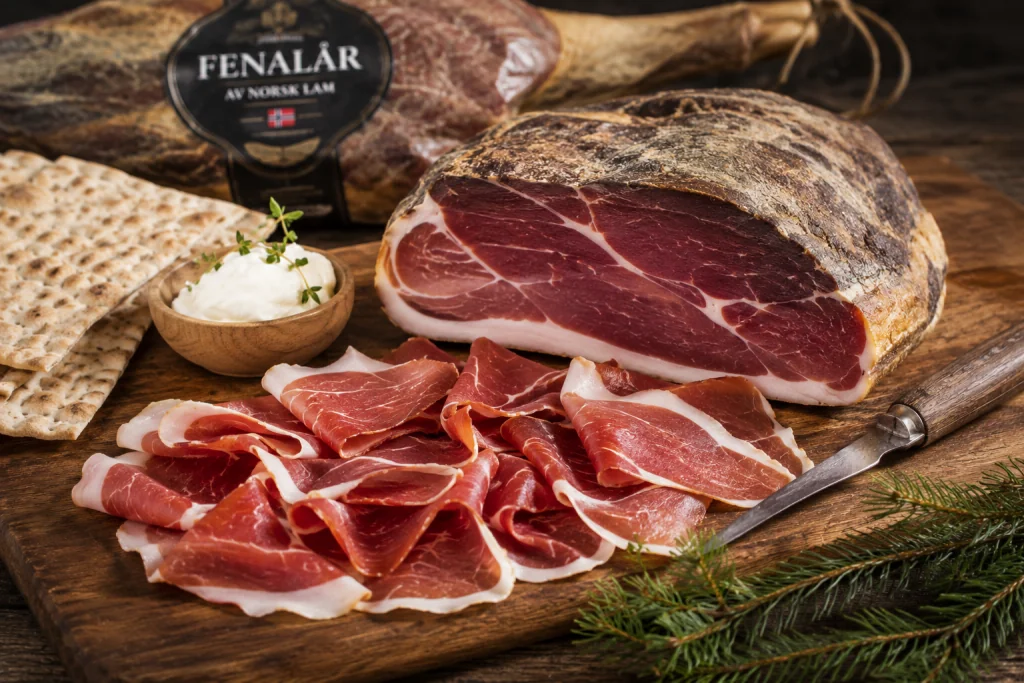
Fenaljår is salted and air-dried lamb or mutton and can be reminiscent of other European air-dried hams. The meat is thinly sliced and can be served with, for example, flatbread and sour cream.
Fenalår is an old Norwegian tradition that was originally also a practical way of preserving meat.
10. Spekemat
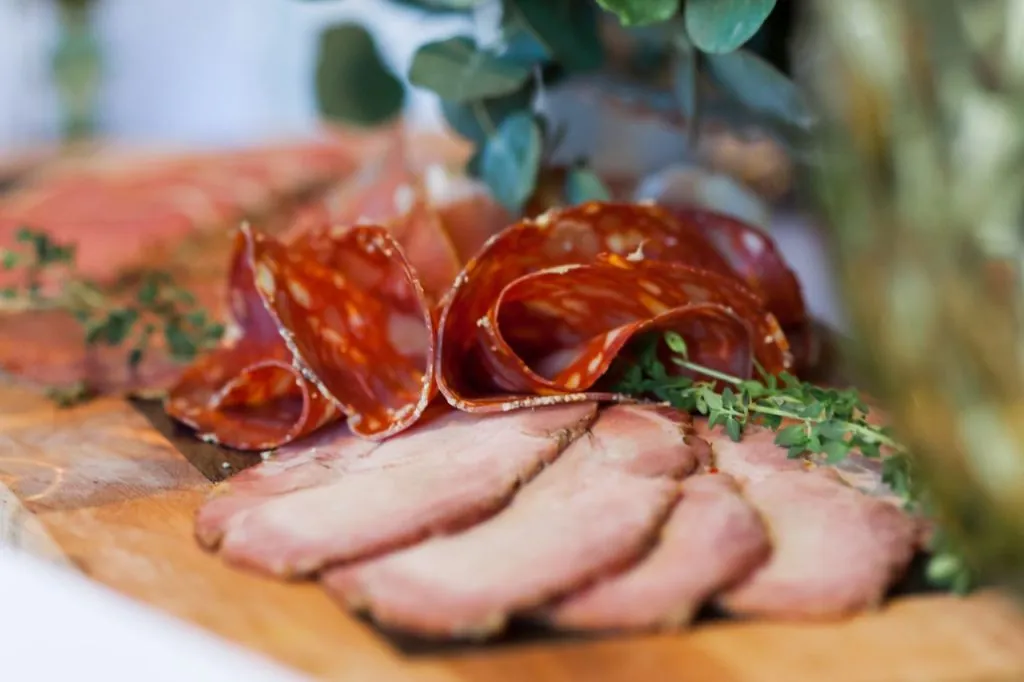
Spekemat is a collective name for various types of salted and dried meat. In addition to pork loin, it can include various types of sausages and other charcuterie.
A tray of cured meats is often served with flatbread, sour cream, potato salad and scrambled eggs and is popular, especially during the summer.
11. Brown cheese
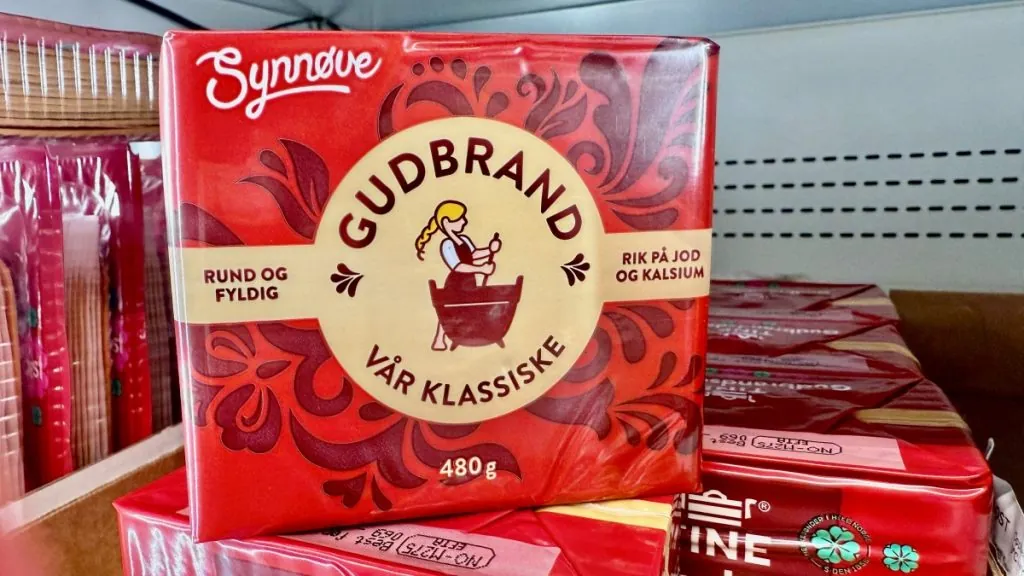
Brunost is a Norwegian specialty that resembles Swedish mesot. Despite the name, it is not really an ordinary cheese, but is made by boiling whey until the milk sugar caramelizes. The result is the characteristic brown color and a sweet, slightly caramel-like taste.
Brunost is often eaten on bread, crispbread or Norwegian waffles. There are different varieties made from cow's and goat's milk and the taste can vary quite a bit. You should try it once, and then the only question left is which side you end up on – Brunost lover or Brunost skeptic?
12. Rib
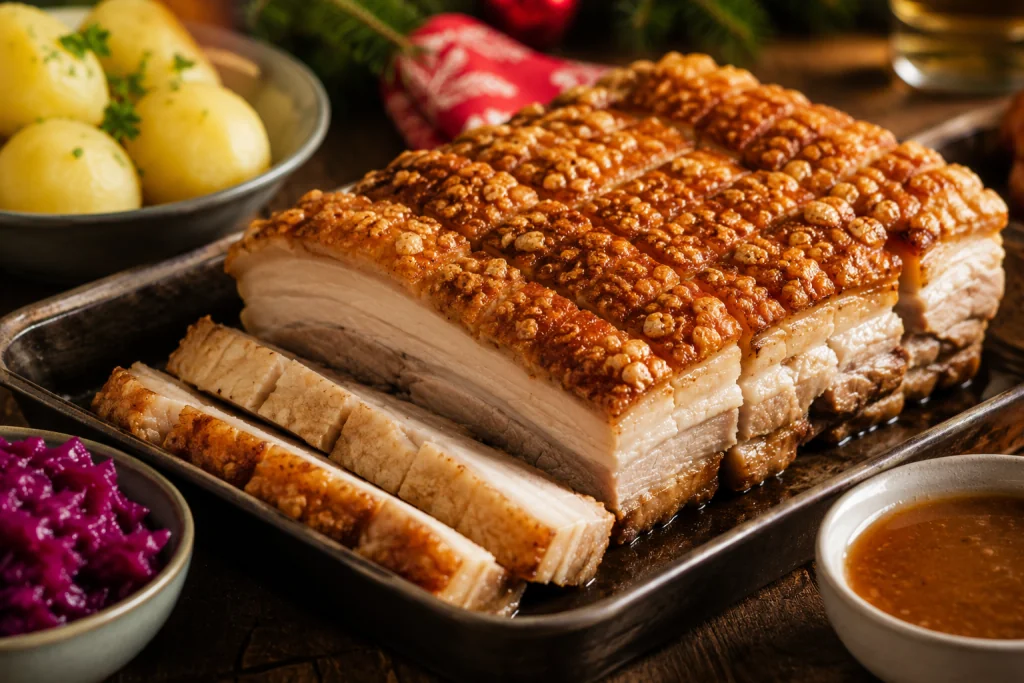
Ribbe is one of Norway's great Christmas classics and consists of oven-roasted pork flank with crispy rind. The meat is traditionally served with side dishes such as boiled potatoes, sauerkraut or red cabbage, gravy, medister cakes and Christmas sausage.
The dish is particularly common in Eastern Norway and, together with pinnekjøtt, is one of the most classic Norwegian Christmas dishes. For many Norwegians, the question is whether to have ribbe or pinnekjøtt on Christmas Eve. almost a tradition in itself.
13. Creamy porridge
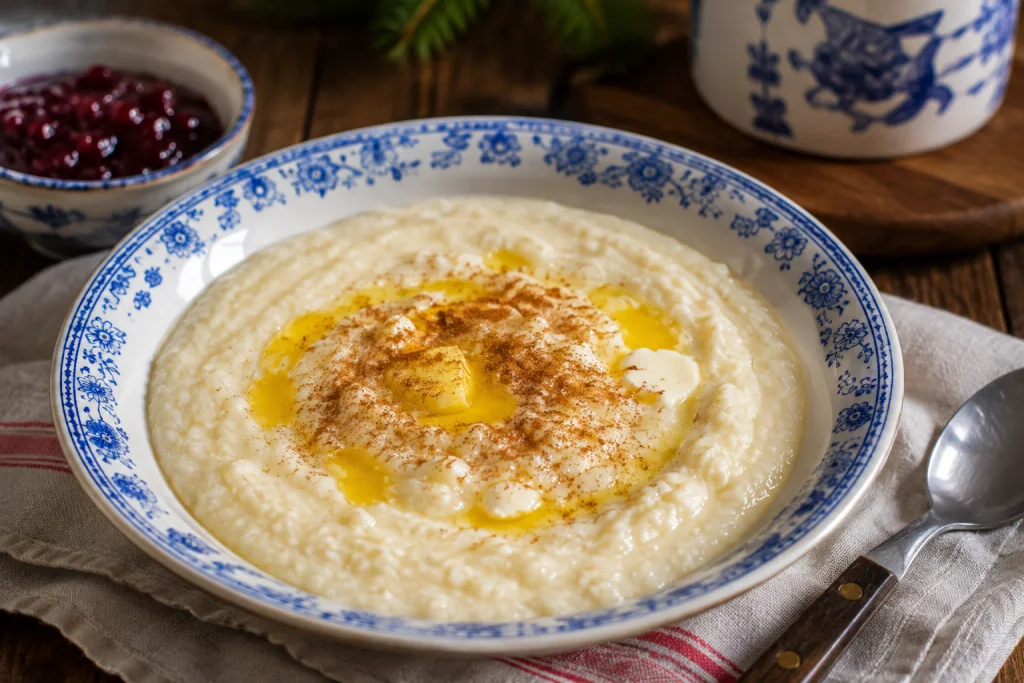
Rømmegrøt is a traditional Norwegian porridge made with sour cream or sour cream, flour and milk. It is often served with melted butter, sugar and cinnamon.
The dish has ancient traditions and is associated with festivals, farms and Norwegian mountain pastures. It may seem simple, but it is both powerful and energetic.
14. Lefse
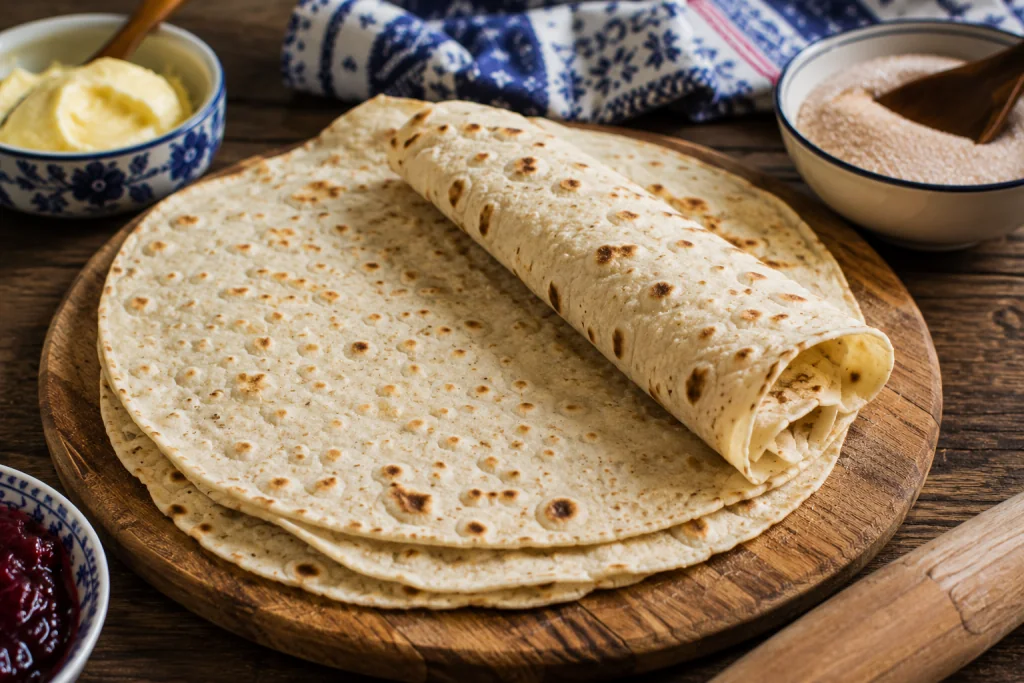
Lefse is a thin and soft Norwegian bread that comes in many regional variations. Some are made with potatoes and others with wheat flour, milk and butter.
Lefse can be eaten both sweet and savory. A classic version is with butter, sugar and cinnamon, but lefse can also be filled with, for example, smoked salmon or used much like a wrap.
There are almost as many lefse traditions as there are parts of Norway, so this is definitely a specialty that can look different depending on where in the country you are.
15. Flatbread
Flatbread is a thin, dry and crispy bread with a very old tradition in Norway. Because it lasts a long time, it was practical in the old farming society. The bread is still served with traditional dishes, such as soups, stews, cured meats and lamb cabbage.
16. Sausage with lompe
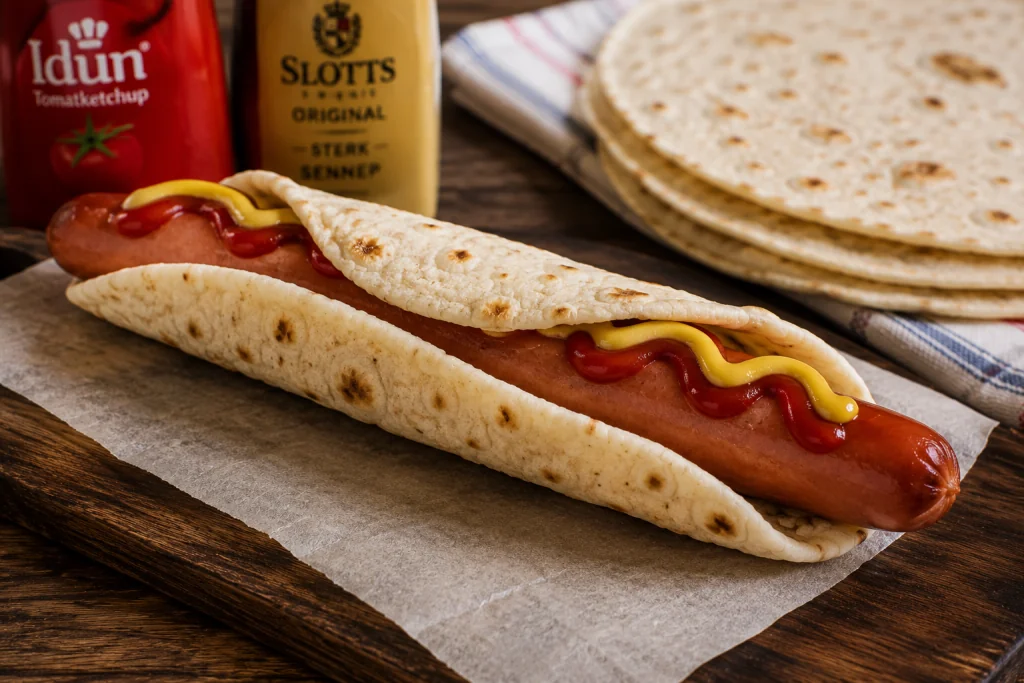
Sausage is also popular in Norway, but one detail distinguishes the Norwegian version from the Swedish one: instead of sausage bread, you can have your pølse wrapped in a lompe.
Lompe is a thin and soft potato bread that is wrapped around sausage along with ketchup and mustard, for example. Simple Norwegian fast food that is easy to try on the road.
17. Lunch box
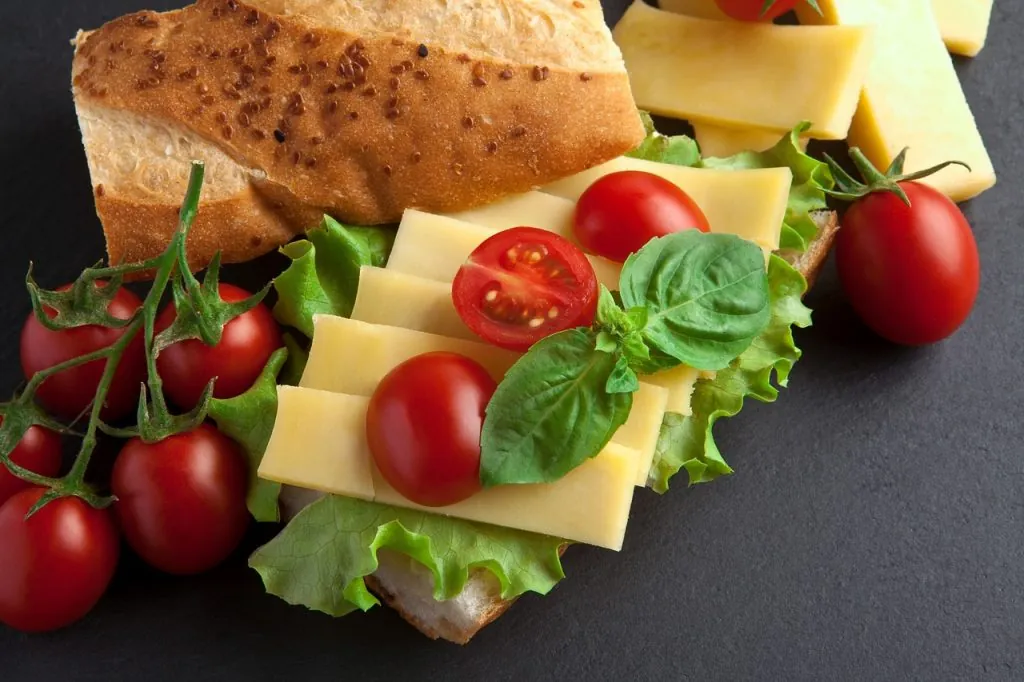
Matpakke is not actually a dish, but it says a lot about Norwegian food culture. It is simply the food sack or lunch box that you take with you to school, work or on an outing.
A classic Norwegian packed lunch often consists of slices of bread with simple toppings, wrapped or packed to take with you. Given the strong outdoor culture of Norwegians, it is perhaps not surprising that packed food has become such an obvious part of everyday life. And when hiking in the Norwegian countryside, almost everything tastes a little better.
18. Norwegian waffles
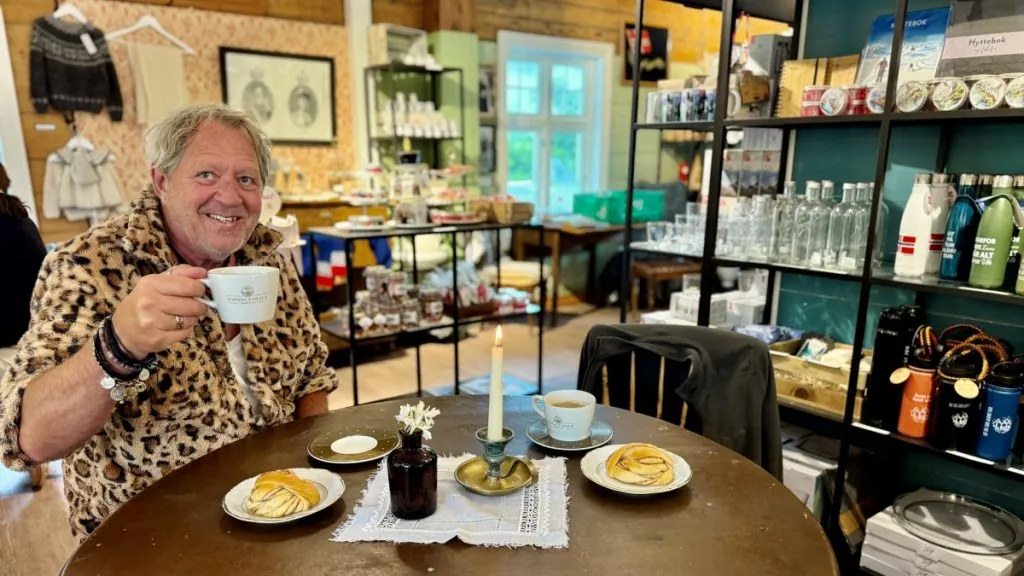
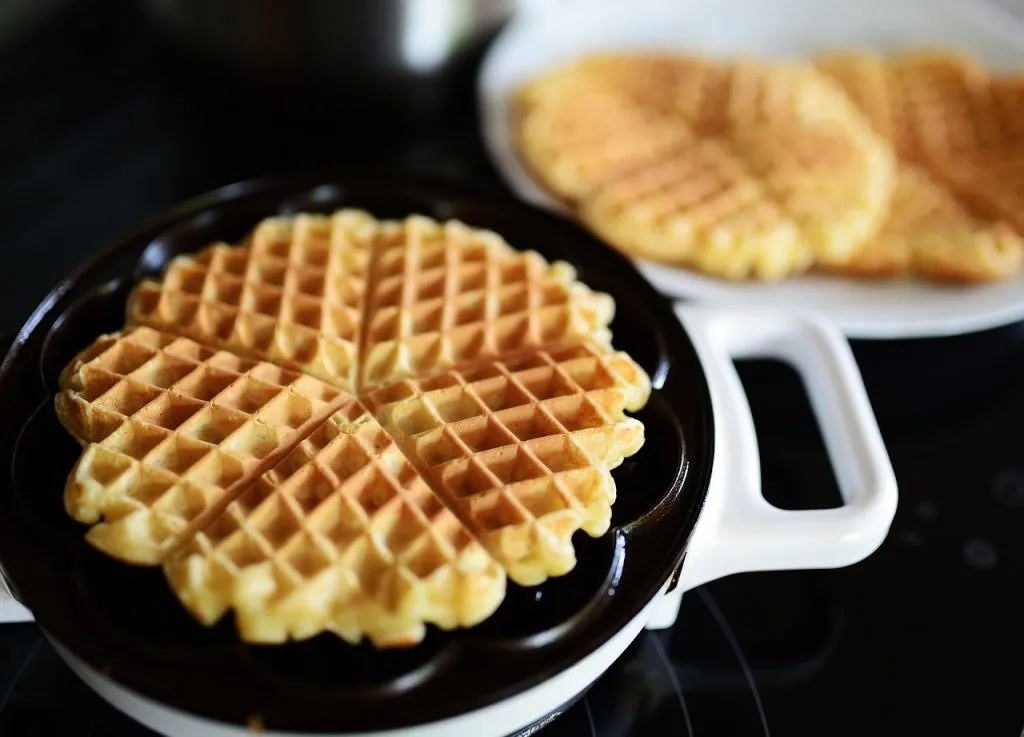
Norwegian waffles are thin, soft and usually heart-shaped. They are served in cafes, mountain cabins, ferries and at various events. The accessories can be jam and sour cream, butter and sugar – or of course brown cheese.
Waffles are not uniquely Norwegian, but they have a special place in Norwegian fika culture and are strongly associated with the Norwegian concept of "kos".
19. Svele
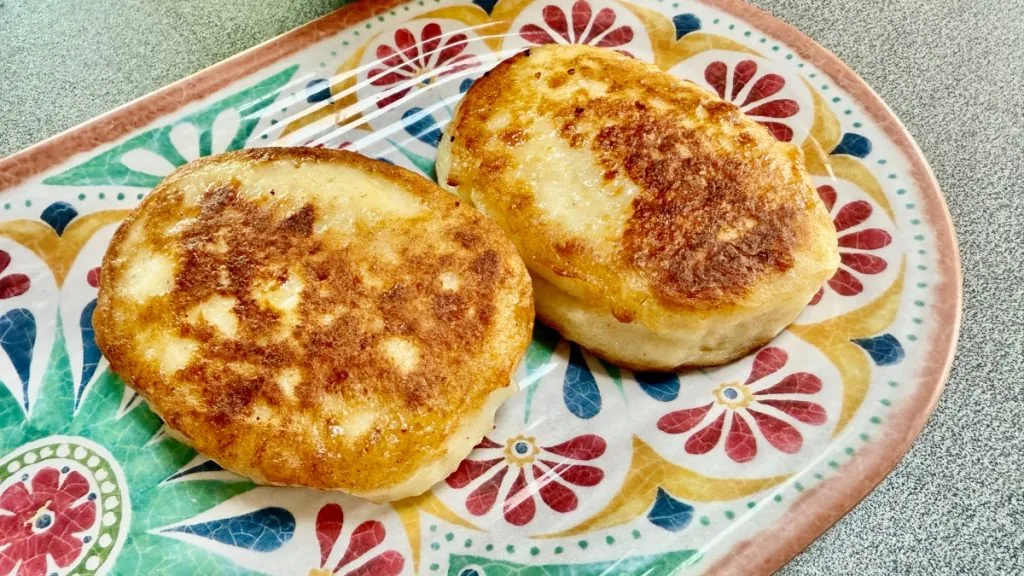
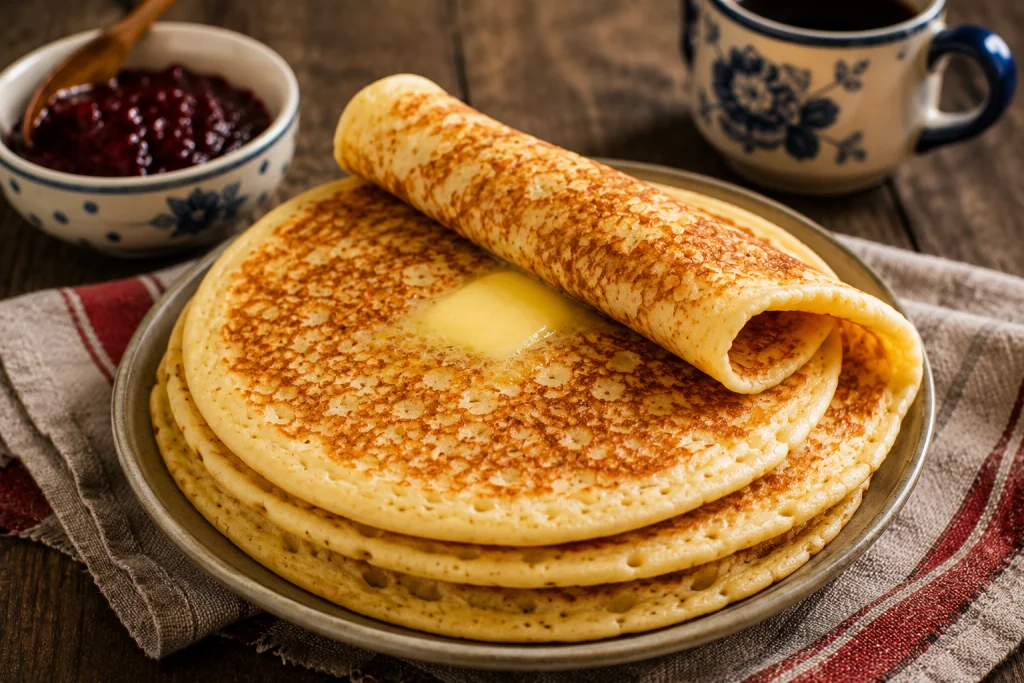
Svele resembles a thick little pancake and is particularly common on Norwegian ferries, especially in Vestlandet. It can be served with, for example, butter and sugar, jam or brown cheese.
For those who travel around by car or camper and take many ferries in Norway, svele is a suitable specialty to look out for.
20. Skillingsboller and skolebrød
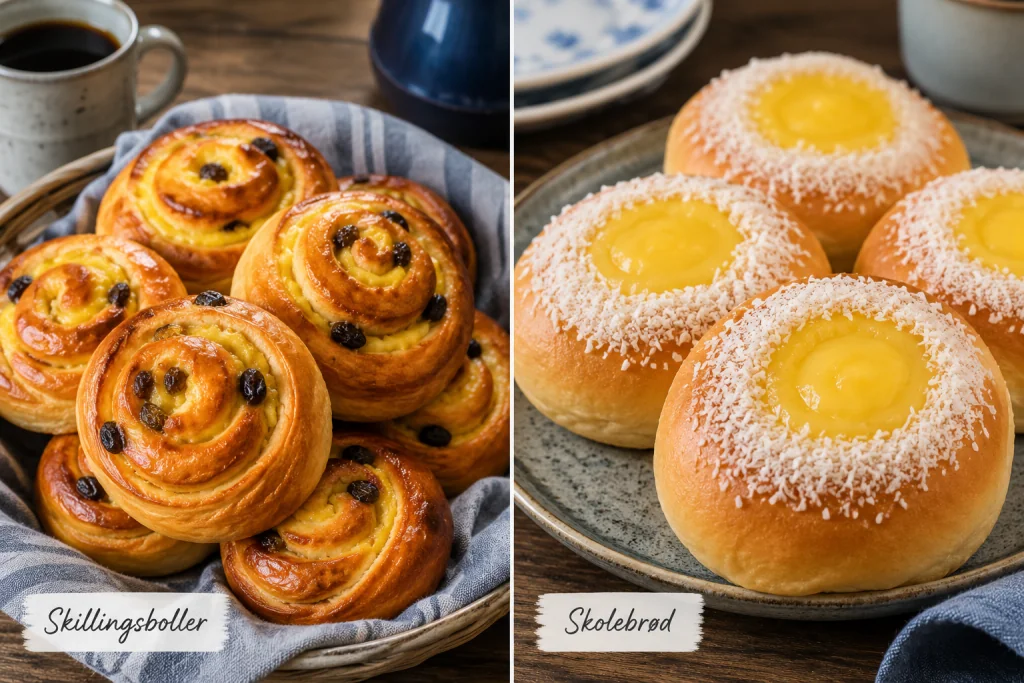
Norway has plenty of sweet pastries. Skillingsbolle is a Norwegian variation of cinnamon bun, particularly associated with Bergen.
Skolebrød – or skolebolle – is a wheat bun with vanilla cream in the middle, icing and coconut around the edge. The name comes from the fact that the buns have traditionally been popular to include in school lunch bags.
21. Quick Lunch
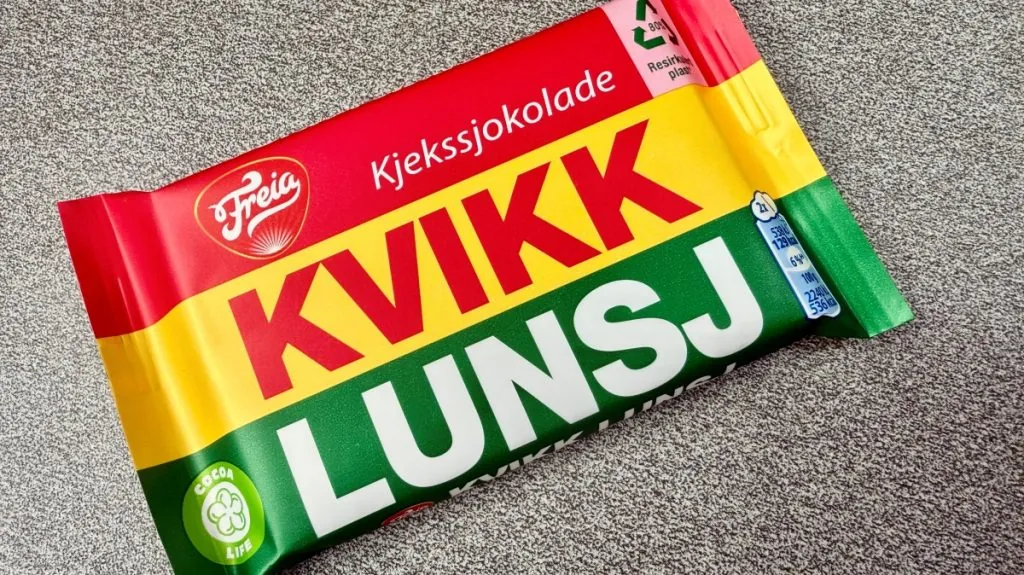
Kvikk Lunsj is almost an institution in Norway. The chocolate consists of crunchy biscuit sticks covered in milk chocolate and was launched back in the 1930s.
Above all, Kvikk Lunsj is associated with outdoor activities, skiing and mountain tours. It is simply the classic Norwegian chocolate to put in your backpack. We naturally ate Kvikk Lunsj during our trip to Norway. You have to try to take the custom wherever you go!
22. Morels
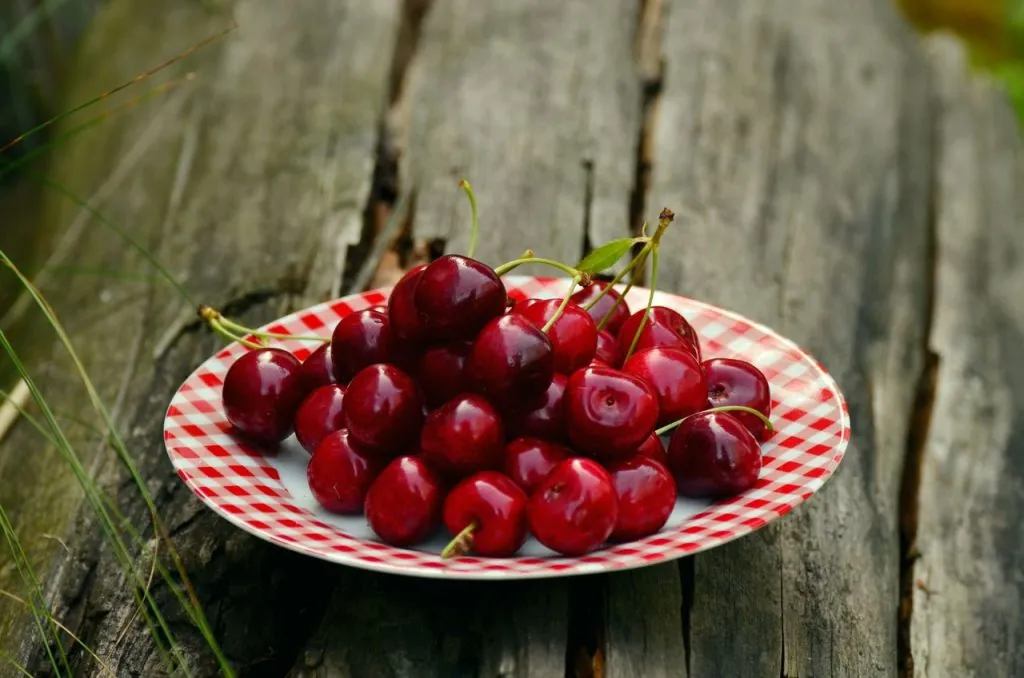
On our summer trip through Norway, we repeatedly saw signs with the word ”moreller” along the roads. For a Swede, the word may seem a bit foreign at first, but it refers to sweet cherries.
Fruit growing has a long tradition in the fjord landscape, not least in Hardanger, where the climate is well suited to apples, pears, plums and morels. When the fruit is in season, it is often sold directly along the road and on farms. An easy and very pleasant way to get a taste of Norway during a summer trip.
23. Apples, apple juice and cider
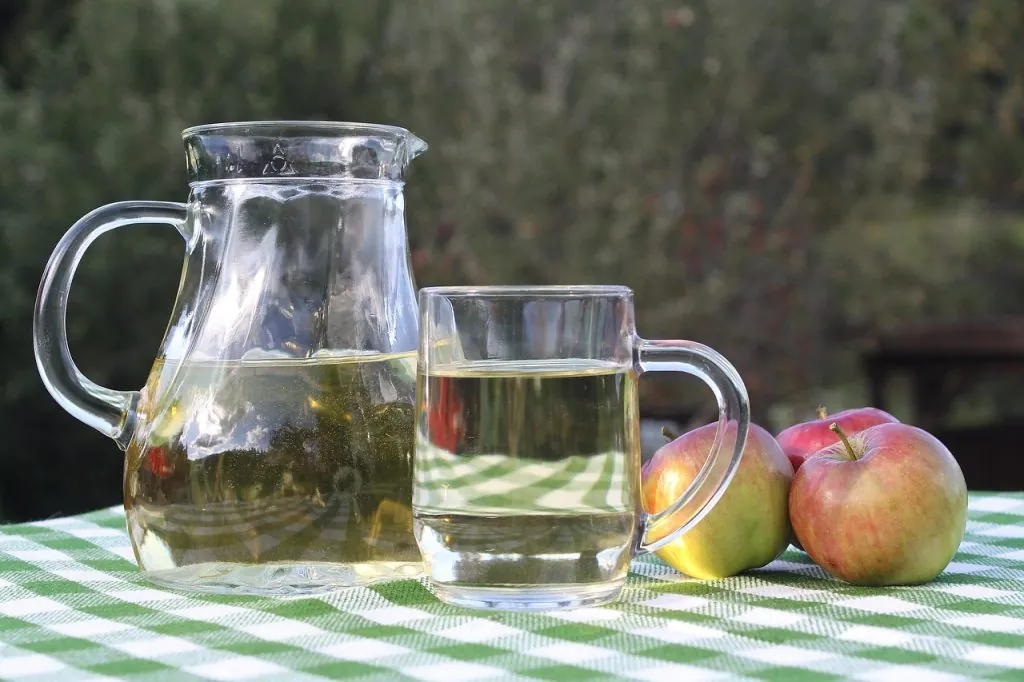
Apples are also strongly associated with Hardanger, especially. There are many fruit farms and producers here who produce both apple juice and cider.
Norwegian cider has developed a lot in recent years and there are both small-scale producers and special cider routes and cider experiences. Non-alcoholic apple cider is also worth looking out for.
24. Deer berry – cloudberries
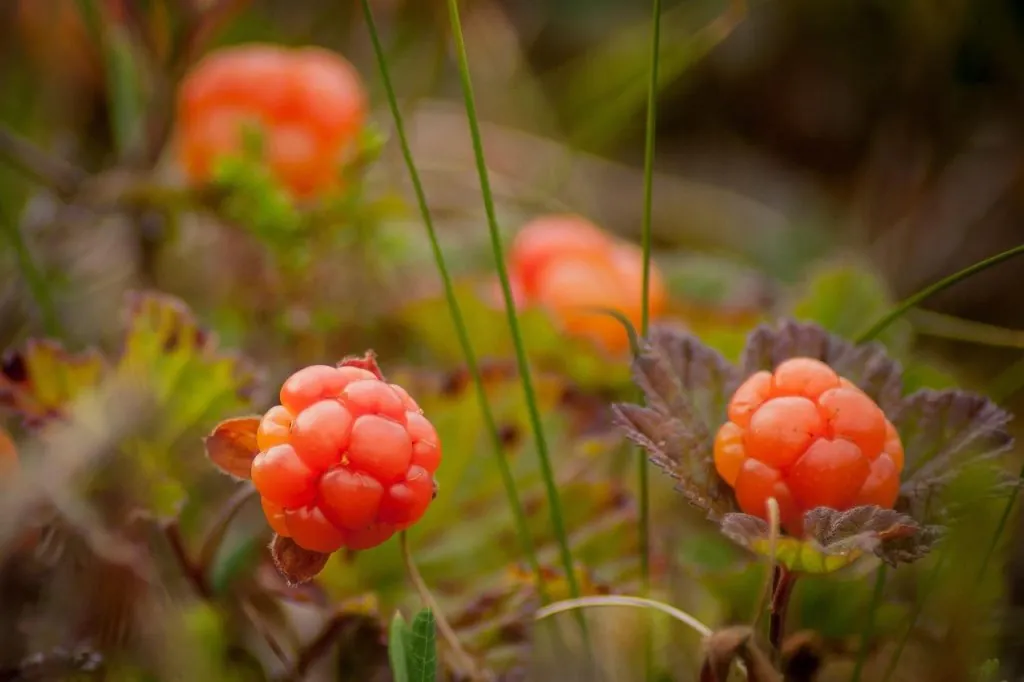
Cloudberries are called multer in Norwegian and grow wild in marshlands and mountain areas. The berries are used for jams and desserts, among other things. A classic Norwegian dessert is multekrem, where cloudberries are mixed with whipped cream and sugar. It is often served at Christmas and other holidays.
25. Local farm products
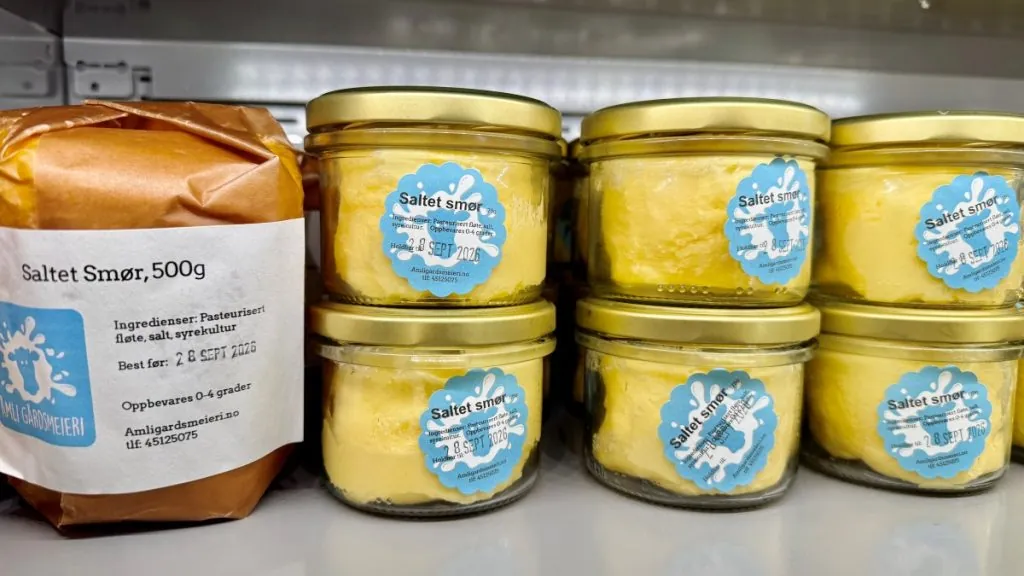
When traveling through Norway, you come across farm shops and small producers selling things like cheese, meat, eggs, ice cream, jam, and other local products. During our own trip, we bought fresh eggs, ground beef from the farm's animals, and local cheeses, among other things.
We really like this type of food experience. It gives you the opportunity to try something local, and it gives you a little insight into life and production in the area. If you are traveling by motorhome, you can try the Nortrip concept, which takes you to farms, producers and breweries.
Food in different parts of Norway
Norway is a long country and food traditions vary depending on geography, climate and the ingredients available.
- Northern Norway: Cod, skrei, dried fish, reindeer meat and king crab
- Western Norway: Seafood, pinnekjøtt, fruit, cider and swele
- Hardanger: Apples, apple juice, cider, plums, pears and morels
- Trøndelag: Local cheeses, dairy products, fish, seafood and farm food
- Eastern Norway: Meatballs, rømmegrøt, lefse and traditional home cooking
- The mountain areas: Lamb, game, charcuterie and farm products
At the same time, modern Norwegian cuisine looks different. In the cities, you can find everything from international street food to fine dining, while many modern restaurants work with traditional Norwegian ingredients in new ways.
Our thoughts and tips about Norwegian food
- Our favourites: Smoked salmon, fish cakes and local farm produce are among the things we're happy to buy again. And Kvikk Lunsj is hard to avoid when you're in Norway!
- Most fun to discover: All the small farm shops and local producers along the way. Here we found eggs, meat, cheese and other products that made cooking in the camper a little more fun.
- Still on the list: We haven't tried either fårikål or pinnekjøtt yet. That will be an assignment for an upcoming trip to Norway.
- Our best tip: Look for signs along the way! Farm shops, fruit stands and small local producers can offer food experiences that are just as enjoyable as restaurants – and don't have to be particularly expensive either.
More about food in other countries
Here you can find more stories about food in different countries:
- Swedish food – 25 dishes
- Danish food – 22 dishes
- Finnish food – 20 dishes
- German food - 25 German dishes
- Polish food - 25 Polish dishes
- Icelandic food – 17 Icelandic dishes
Frequently asked questions about Norwegian food
What is Norway's national dish?
Fårikål is often considered Norway's national dish. It is a traditional stew of mutton or lamb, cabbage, black pepper and salt, usually served with boiled potatoes.
What is typical Norwegian food?
Typical Norwegian food is based largely on the ingredients that have traditionally been available in the country, such as fish, lamb and mutton, game, potatoes, dairy products and grains. Salmon, fish cakes, fårikål, pinnekjøtt, brown cheese, lefse and rømmegrøt are some examples.
What is brown cheese?
Brunost is a Norwegian specialty made by boiling down and caramelizing whey. It acquires a brown color and a characteristically sweet and caramel-like flavor. Brunost is often eaten on bread or waffles.
What is sheep cabbage?
Fårikål is a traditional Norwegian stew in which mutton or lamb is cooked with cabbage, salt and whole black peppercorns. The dish is eaten mainly during the autumn.
What do people eat for Christmas in Norway?
Pinnekjøtt is one of the most classic Norwegian Christmas dishes, especially in western Norway. Ribbe, or oven-roasted pork loin with crispy rind, is also a very common Christmas food. Lutefisk is also present, as are various types of Christmas sausages and other regional specialties.
What should you buy from Norway?
Brunost, smoked salmon, fenalår, lefse and Norwegian cheeses are classic food products to buy with you. During the summer, local fruits, berries, apple juice and other products from farm shops are also worth looking out for.
Is it expensive to eat in Norway?
Restaurant visits can be relatively expensive, but it is of course possible to discover Norwegian food even without eating out every day. Grocery stores, bakeries, farm shops and local producers are great places to try Norwegian specialties – especially if, like us, you are traveling by motorhome.
You might also like:
 Dirdalstraen farm shop in Norway – local delicacies and overnight stay with a campervan
 Polish food - 25 classic dishes you must try
 Spanish food - 25 classic dishes you must try
 The Atlantic Road in Norway – and smoked salmon in Bud
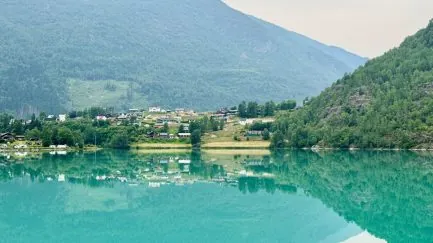 The Sognefjord – our journey along Norway's most powerful fjord
 By motorhome on a Norwegian farm – our visit to Åmli Gårdsmeieri



 English (UK)
  Svenska
Annika says:
Fun reading and I really don't know much about Norwegian food, apart from fårikål (which I ate and liked) and lefse, brown cheese and of course, kvikklunsj (yummy!!). I can imagine that those potato buns were good, they look so good. A lot is similar to Swedish food, but with a slightly different twist. Svele also sounds good. Yes, most of it actually sounds like something I would like to try. Although the porridge and brown cheese are fat-free, hehe. But otherwise? YES, thanks!
Wonderful to travel around Norway by motorhome!
August 27, 2026 - 14:12
Hanneles boktips says:
Lots of goodies, I used to make real sheep cabbage in the past, boiled the meat first.
The daughter-in-law from Västerbotten likes that brown cheese.
The Gothenburg son-in-law has a Norwegian passport…
August 28, 2026 - 10:10